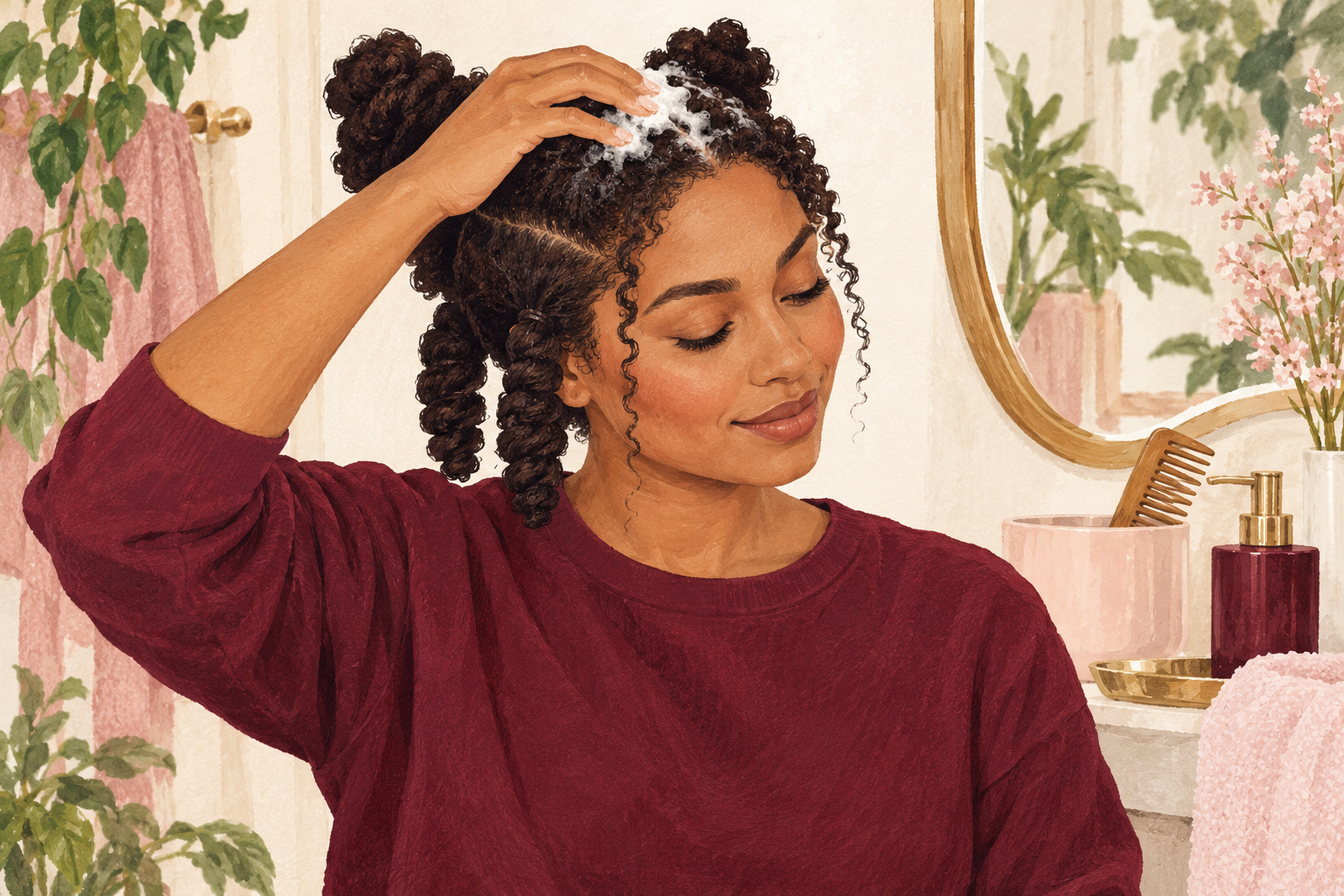
You wash it, twist it, oil it, and by Thursday your hair is dry again and looks half the length you know it is. That is not failure, it is how tight coils behave. Good 4c natural hair care works with dryness and shrinkage instead of fighting them. These 12 fixes show you how, so start at number one tonight.
1. See dryness as part of the design
Accept that tight coils make it hard for scalp oil to travel down the strand. The curl bends so sharply that oil slides along the first few inches and then stops. Your ends get the least, so they feel the driest. That is not a flaw, it is simply how the shape works, and it tells you where to put your effort. Water and rich sealing do the job your scalp oil cannot. Once you stop blaming yourself or your products, wash day gets calmer and the routine gets simpler to follow. Rich creams and regular water are your friends, and a thin layer of oil on top keeps the moisture from escaping.
2. Measure your real length

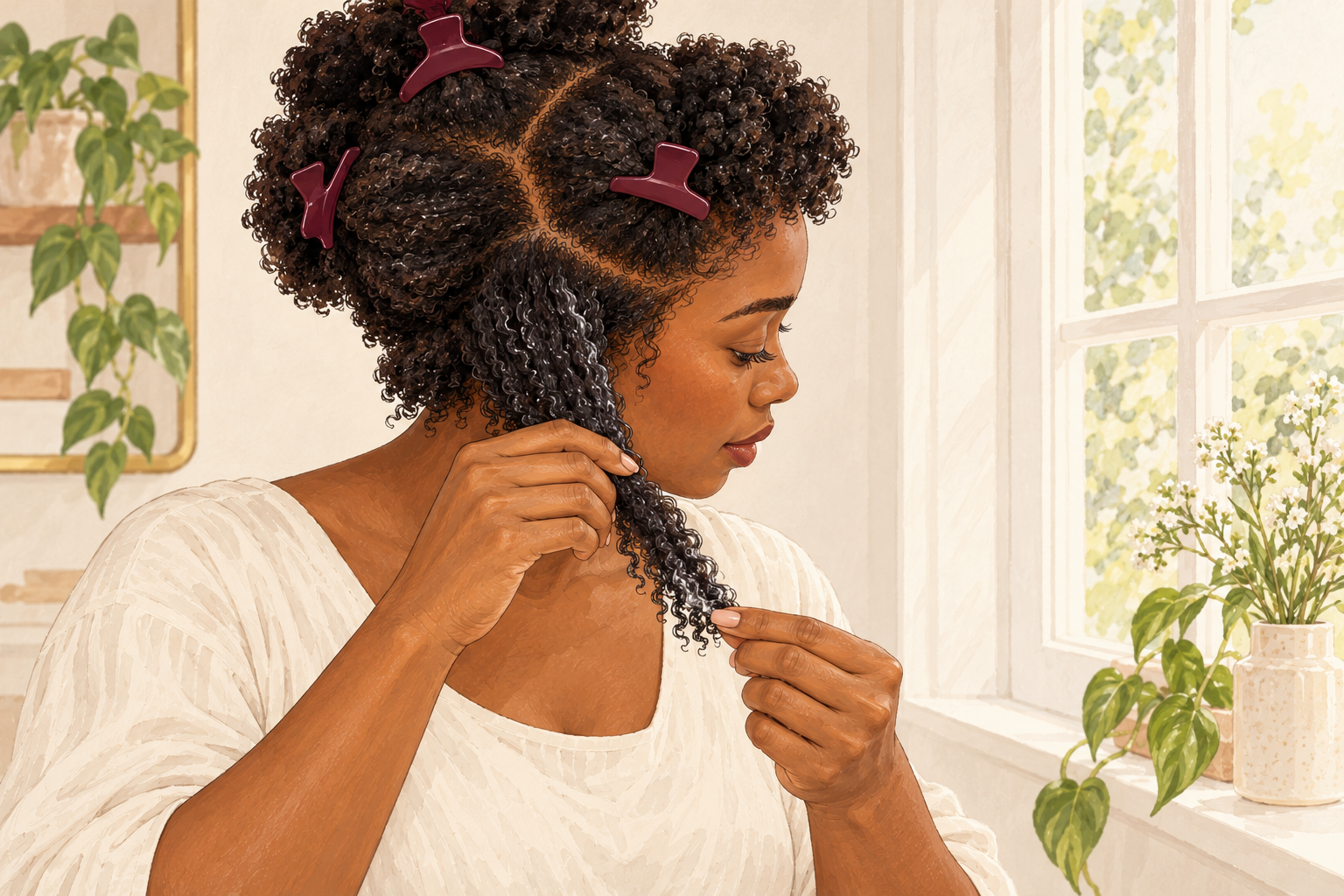
Stretch one damp section straight with your fingers and measure it once a month. Shrinkage on 4c hair can hide up to seventy five percent of your length, so a head that looks short is often much longer when pulled out. Pick the same section each time, such as the one just above your ear. Write the number down in your phone with the date. Seeing the real inches stops you chasing a length that was already there. Do not pull hard, because stretching a dry coil can snap it. Stretching a small section also shows you how fast your hair is really growing, which is usually faster than it feels.
3. Start with water, then seal
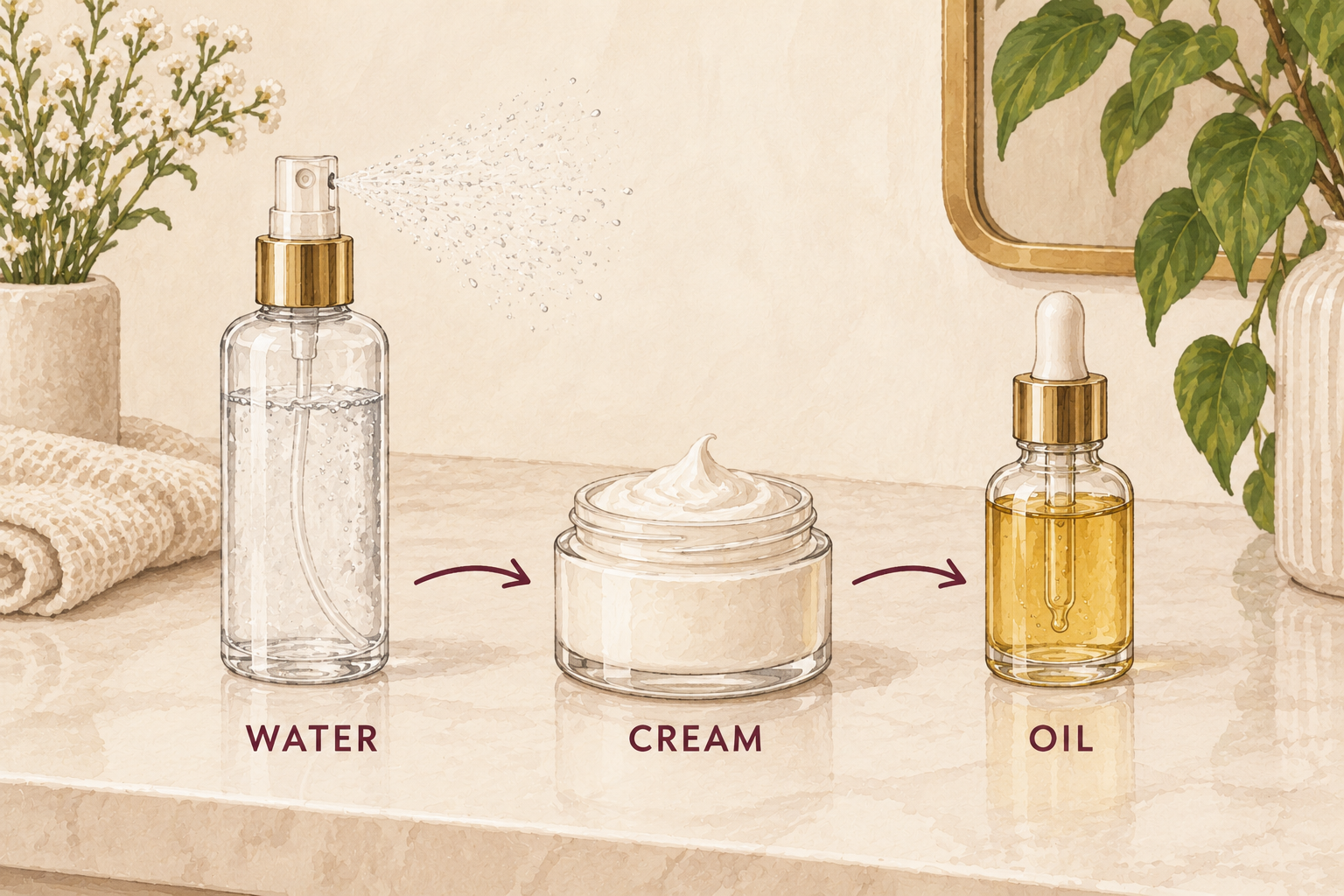
Wet your hair first, then add a cream, then a few drops of oil to hold the water in. Water is the only real moisture, and cream and oil are only lids. Spritz or rinse until the hair feels cool and soft, work in a handful of cream section by section, then press oil lightly over the top. Skipping the water step and putting oil on dry hair leaves a greasy coat over a thirsty strand. This order works any day of the week, so use it on wash days and mid week refreshes alike. Wet hair takes in a surprising amount, and a short spray between washes is often enough to bring it back to life.
4. Choose rich but not heavy products
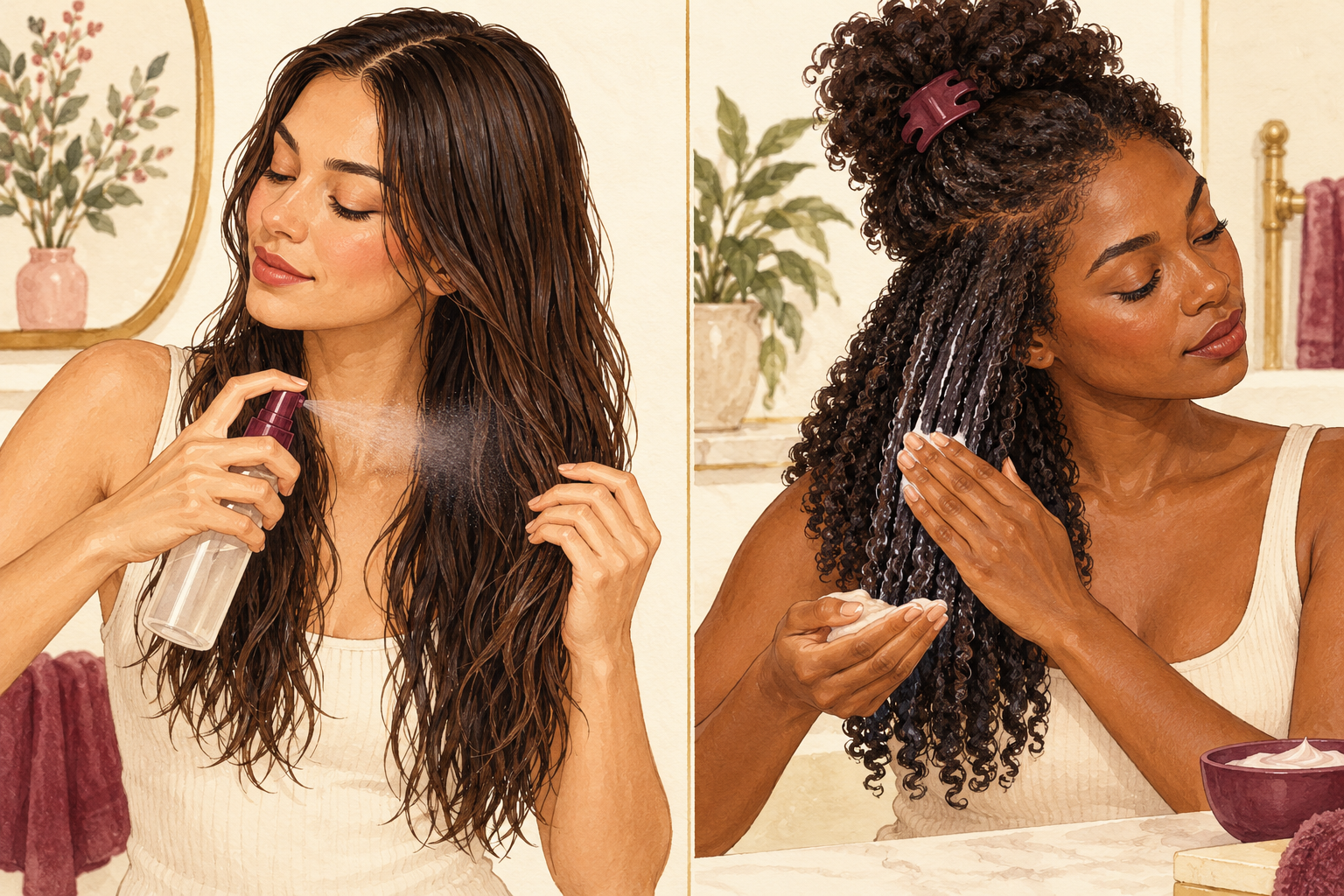
Look for creams that feel thick and soft in the jar but melt quickly between your fingers. Very hard butters can sit on the outside of the strand and make coils stiff and dull. A good cream spreads easily, leaves your palms slick and does not feel waxy. Check that water is the first ingredient, since that means there is real moisture in the jar. Test a new product on one section for two wash days before you buy a bigger size. If your hair feels coated and stiff, try a lighter cream or use half of what you used before.
5. Pre treat before you wash
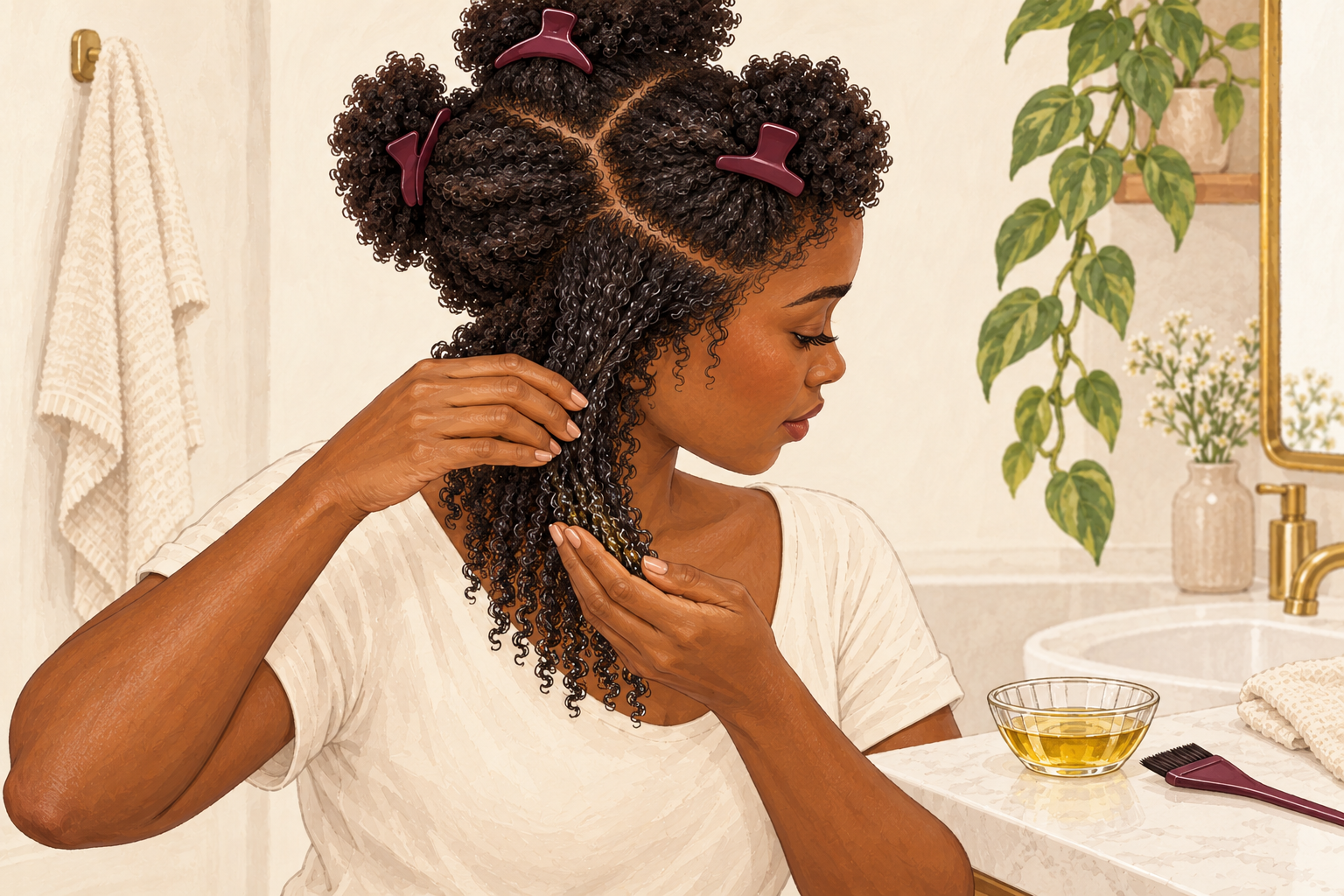
Smooth a little warm oil over your dry hair twenty minutes before shampoo. Wash day strips some of the oil your hair has, and a light pre wash coating softens the blow. Part your hair into four sections, clip them, and work in a spoonful of oil section by section. Then shampoo the scalp only and let the suds run down the lengths. This is a quiet step with a big payoff, because you will notice your hair feels springy and soft instead of rough and squeaky when you rinse.
6. Deep condition every week or two

Sit with a thick conditioner on for twenty to thirty minutes under a plastic cap and a warm towel. Warmth helps the product soak in, and tight coils love the extra time. Rinse with cool water at the end to close things down. Once a week is great, every second week is fine. If your hair feels mushy or too soft, give it a break, and if it feels stiff or dry, add another session. Put on a show, because twenty minutes feels much shorter with something to watch. Tie a scarf over the cap to hold in the warmth, and you will notice the difference as soon as you rinse.
7. Detangle with lots of slip
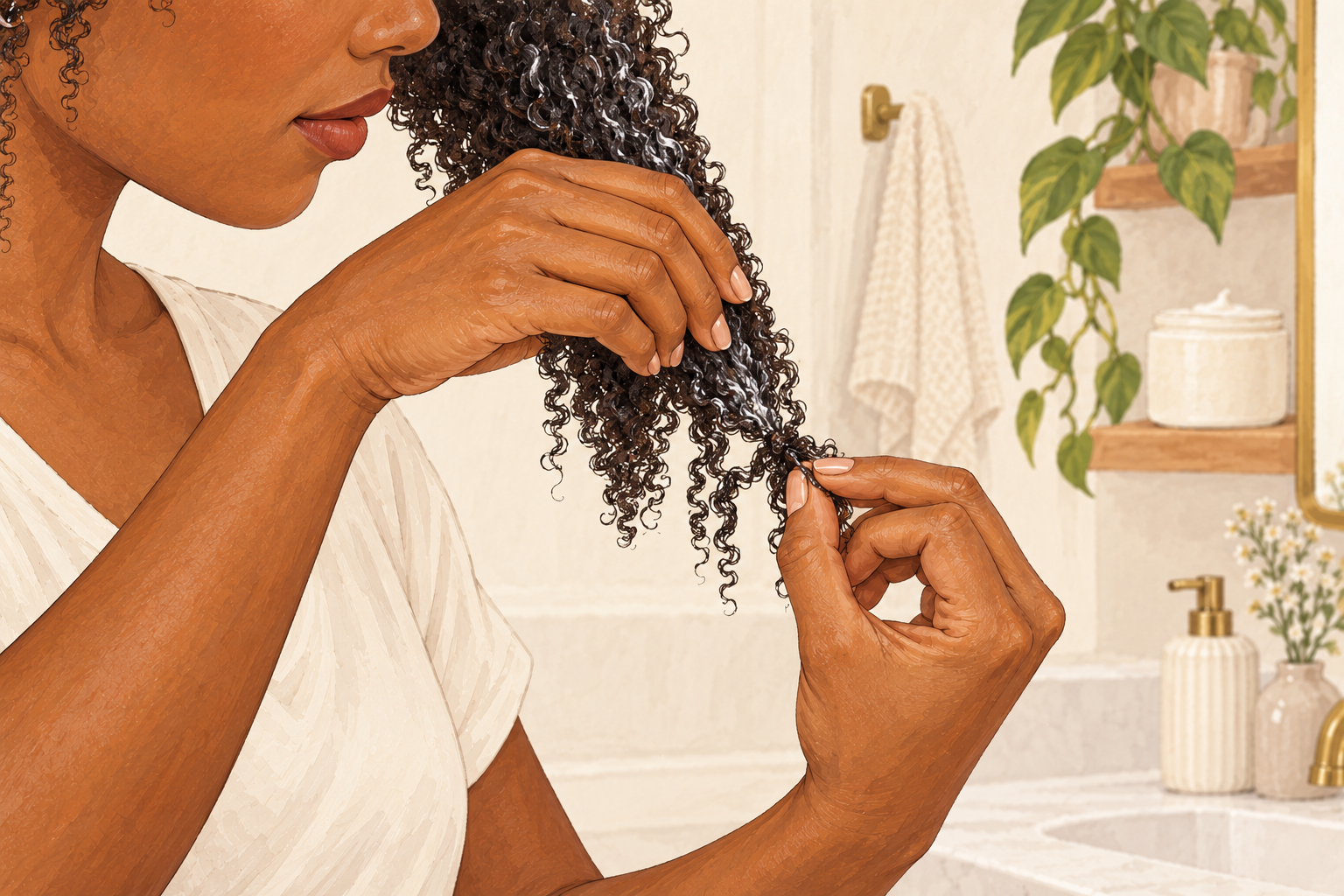
Take small sections and detangle only while your hair is soaked in conditioner. Start with your fingers, then a wide tooth comb, and always begin at the ends and climb toward the roots. Dry detangling is how coils snap, so never rake through a dry head. Expect to lose a few strands on wash day, because that is just hair that had already shed. A tangle that will not budge needs more conditioner, not more force. Take your time, and your hair will thank you for it with less breakage. Work from the bottom of each section upward, and twist the finished section loosely so it does not tangle again.
8. Stretch with braid outs and twist outs
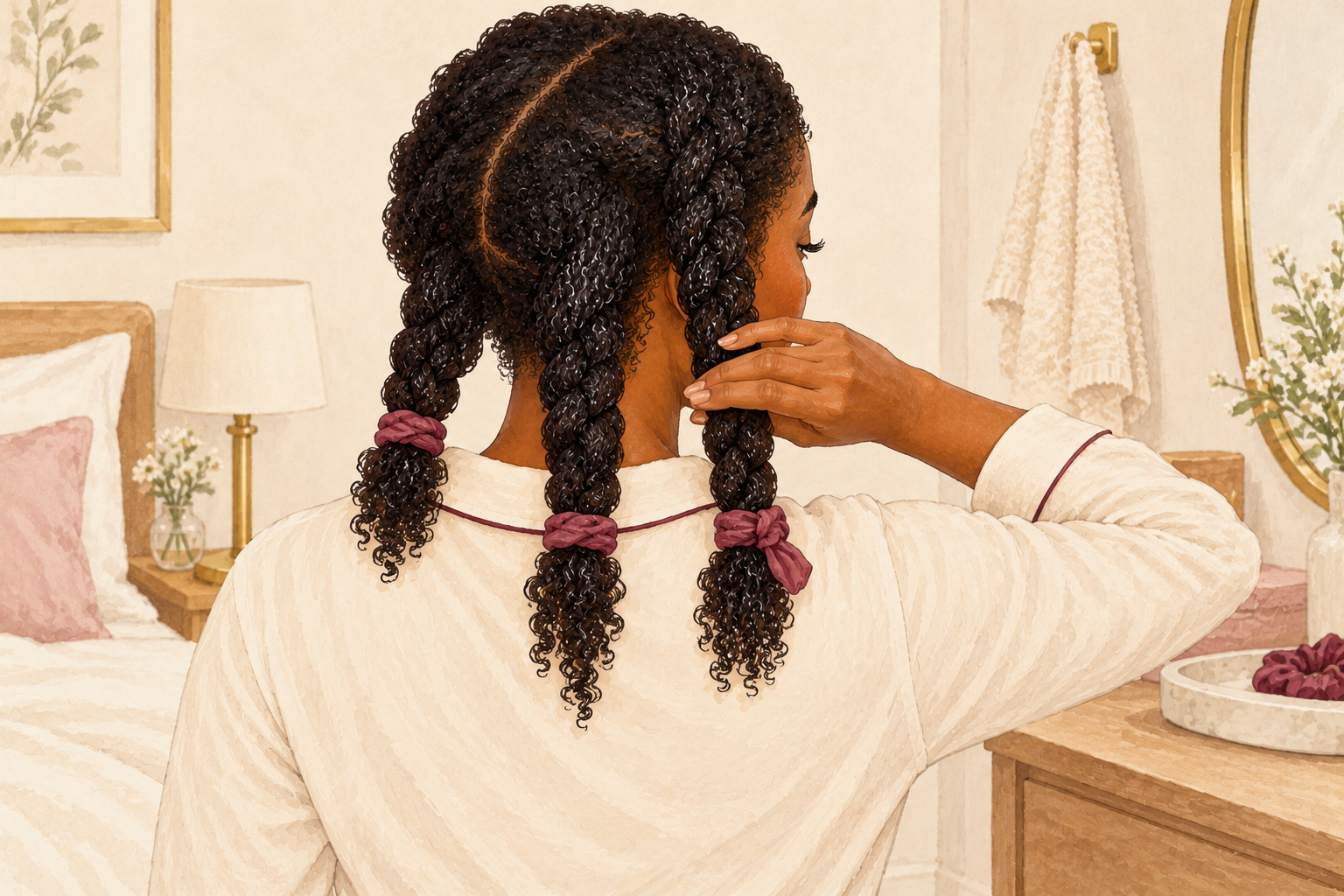
Braid or twist damp hair in small sections, let it dry fully, then take it down with a little oil on your fingers. You get length and definition without heat. Plan on six to eight hours of drying, or do it overnight in a satin cap. Taking it down while it is still damp leaves frizz and no pattern. The smaller the sections, the more defined the result. Fluff gently at the roots only, and let the pattern relax for a few minutes before you decide how it looks.
9. Try bantu knots and soft banding
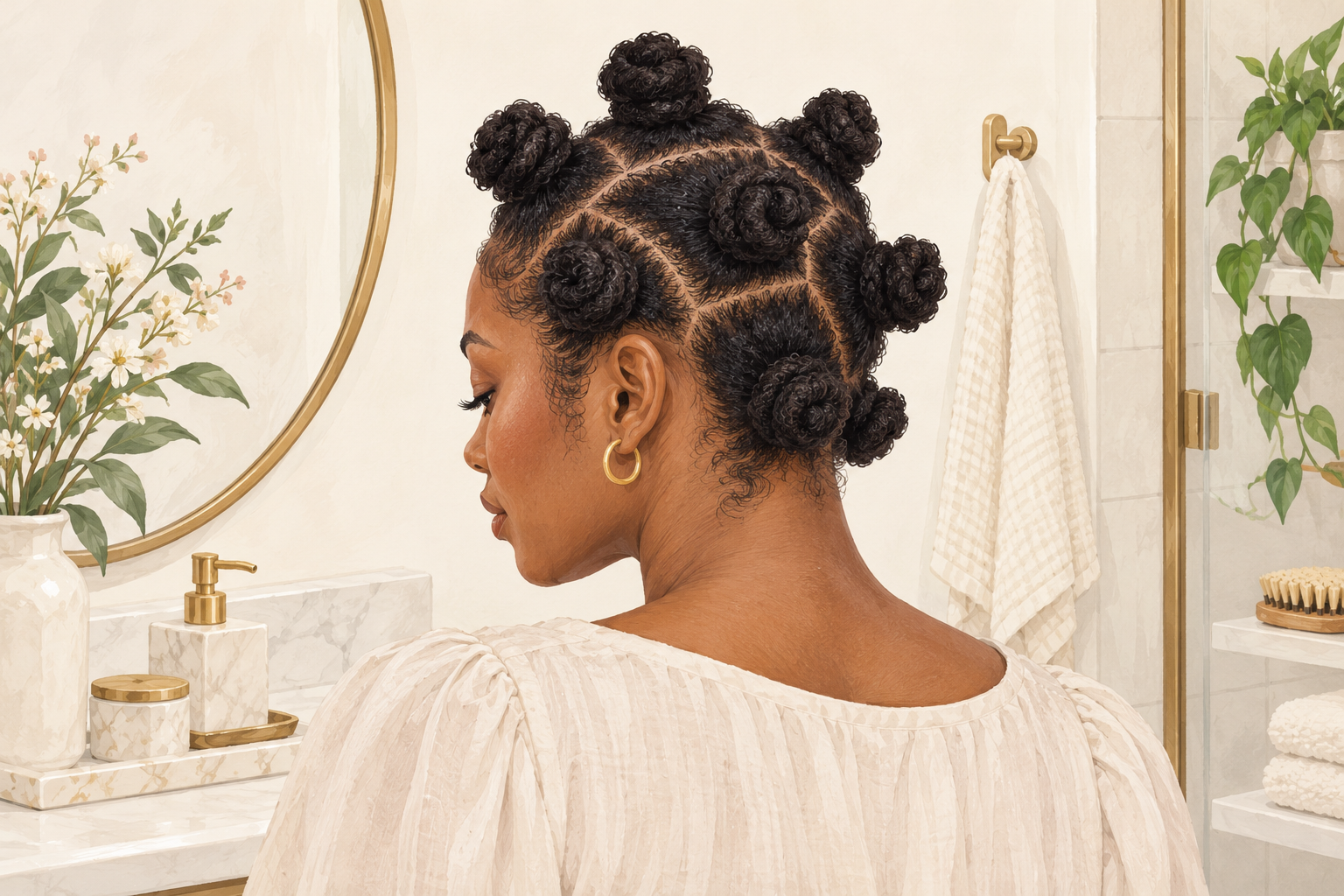
Coil damp sections into knots for a curly set, or gather hair into a few big sections with soft bands for a gentle stretch. Bantu knots dry into springy curls, while banding pulls your coils longer without any heat. Use soft fabric bands and keep them loose enough to slide a finger under. Leave bands in until dry, then slide them out one at a time. Tight rubber bands pull on your roots and snag the strands. Fluff the knots out with oil on your fingers for soft, stretched curls. Banded hair that dries stretched is easier to style the next day, and you can keep it in a bun or puff.
10. Wrap up in satin at night

Cover your hair with a satin bonnet or sleep on a satin pillowcase every single night. Cotton soaks up the moisture you worked hard to add, then roughens the surface of your coils. Loosely pineapple long hair on top of your head, or put it in two or three big twists first. Check that the bonnet band sits loose along your forehead and edges. If it leaves a mark in the morning, it is too tight. Wake up to hair that is still soft and ready for the day. A satin scarf tied loosely over the bonnet stops it sliding off while you toss and turn.
11. Choose low tension protective styles
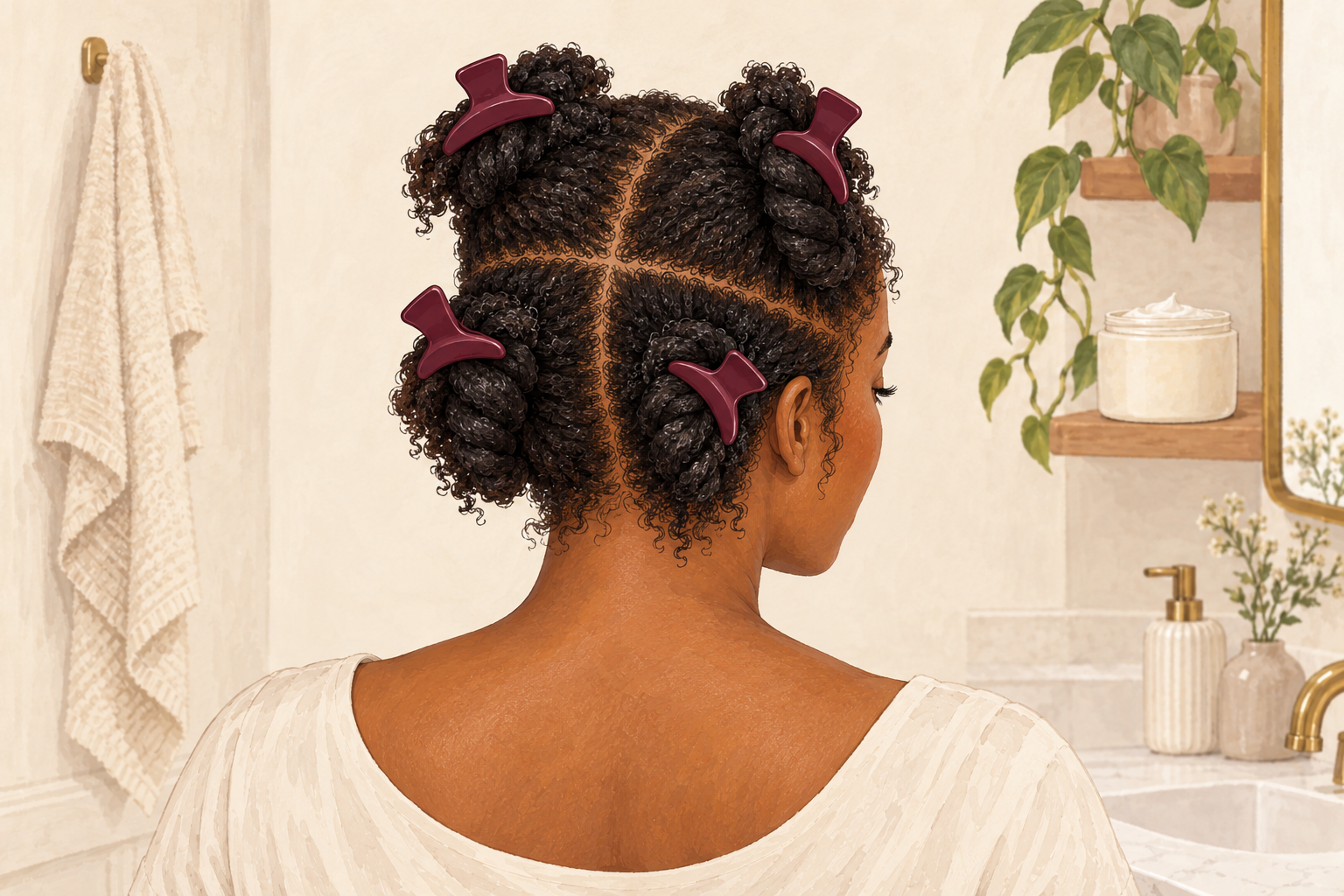
Pick styles that feel comfortable from the first hour, such as chunky twists, loose braids or a bun with a soft band. Your edges are fragile, so leave them unbraided or lightly braided. If your scalp stings or you get little bumps around the hairline, the style is too tight and needs loosening that day. Keep protective styles in for four to six weeks at most and keep moisturizing the hair inside. Take them down gently and detangle slowly, because shed hair gathers inside the braid. A protective style should never hurt. Moisturize your scalp and the braids themselves every few days, since dry hair inside a style breaks quickly.
12. Judge progress by health, not length
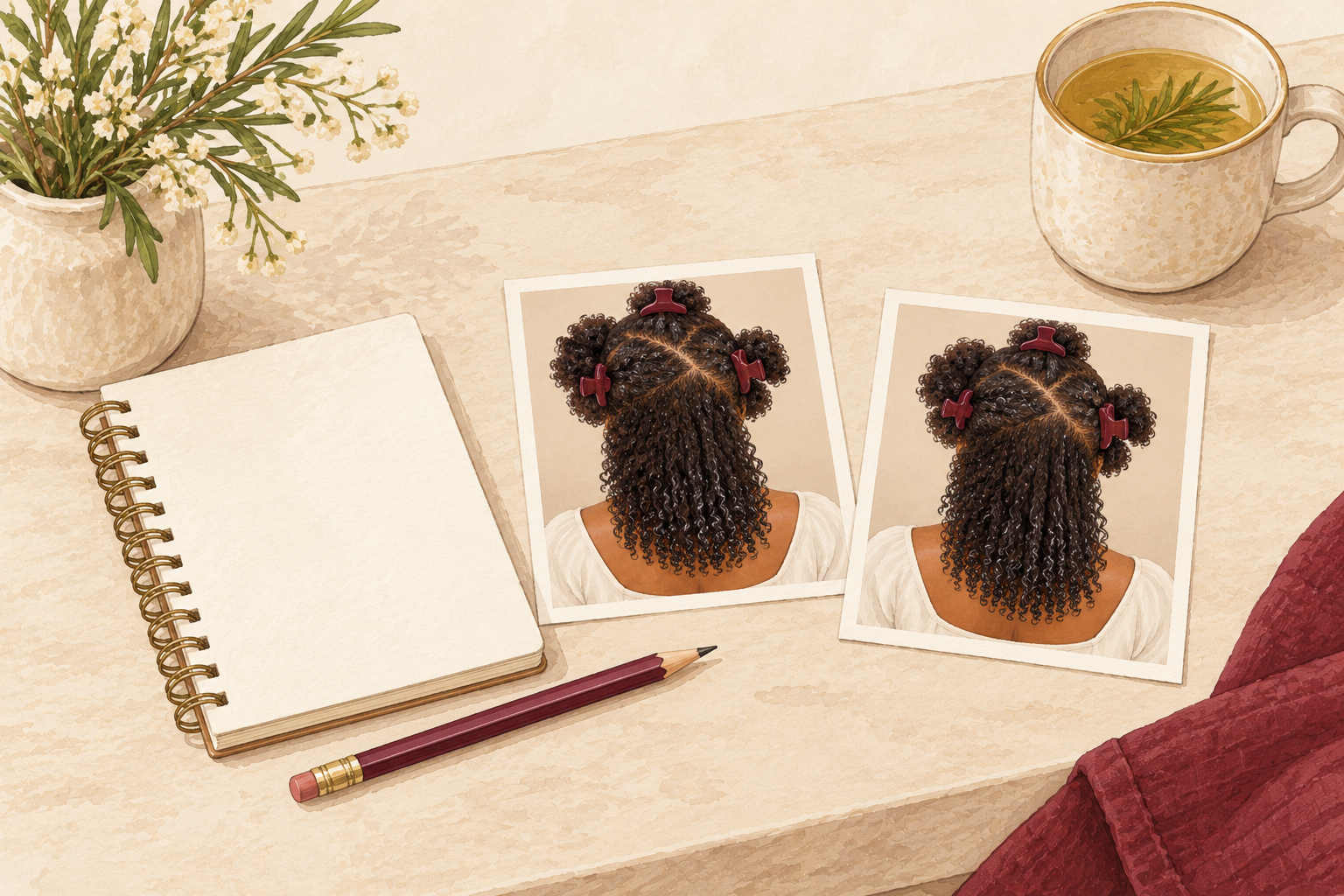
Track soft hair, fewer snapped ends and more defined coils instead of only counting inches. Some weeks will still feel dry, and that is normal, because weather, stress and wash day mistakes all show up. Keep your routine steady and use that monthly measurement from number 2. After a month or two you will likely notice softer ends, easier detangling and less breakage in the sink. Patience is part of 4c natural hair care, and your hair rewards it by growing, even when it looks short. Take a close photo each month in the same light, because a slow change is hard to spot day to day.
Complete the Routine: 4c Natural Hair Care You Can Keep Up
Tonight, start with water, cream and oil in that order and add the satin bonnet. Next, read about 4c hair growth and natural hair care.