You step out of the shower with hair that reaches past your shoulders when wet, and by the time it dries it has pulled itself up to your chin and gone fuzzy at the edges. Tight corkscrews are dry by design, and they need a plan built around water and slip. This 3c curly hair routine has 12 steps, so start at number one tonight.
1. Gather one small wash day kit
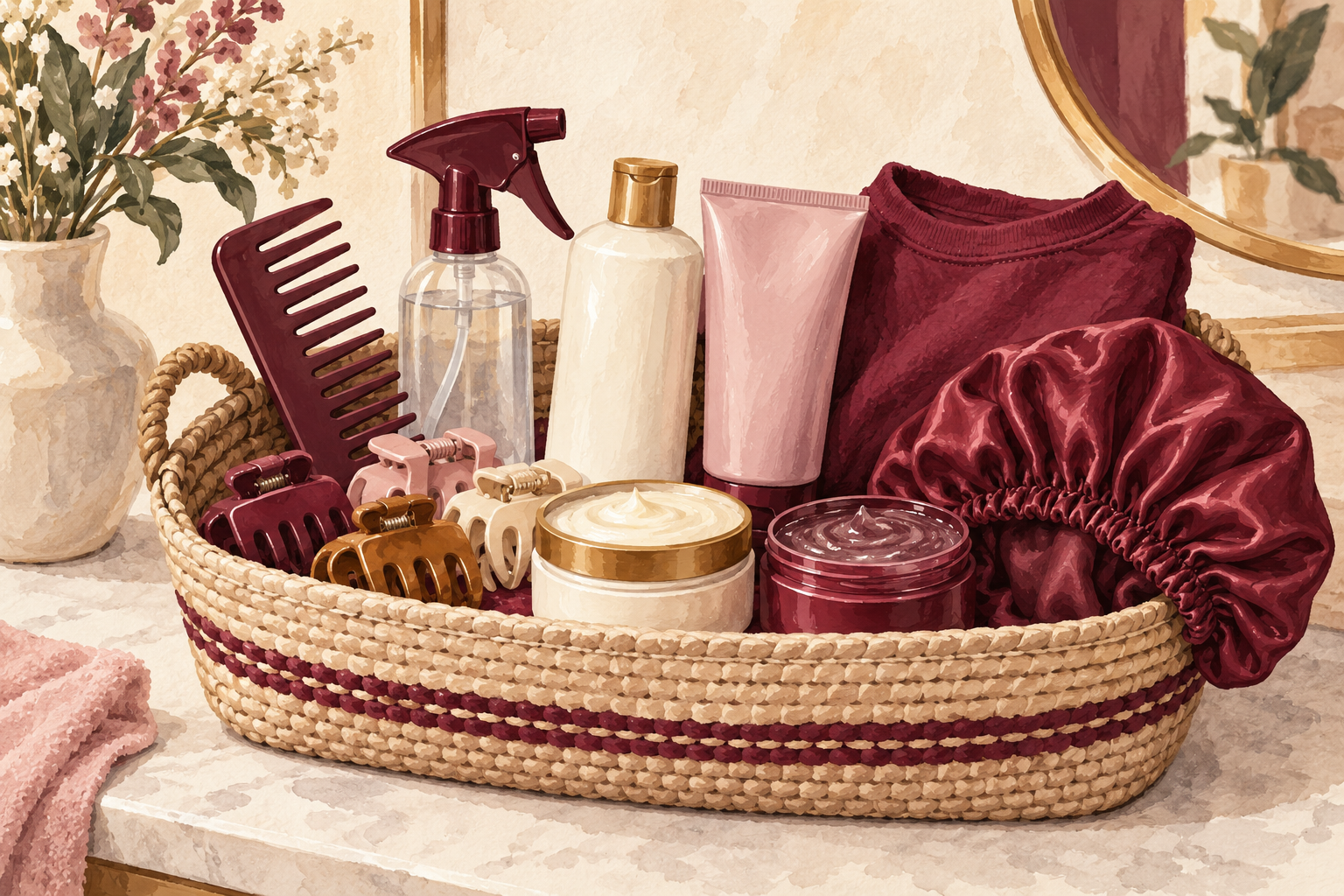
Set out a wide tooth comb, four to six clips, a spray bottle, a thick conditioner, a leave in, a cream, a gel and a soft cotton t shirt. Add a satin bonnet for bedtime and that is the whole list. Everything lives in one basket so you never stop halfway through with wet, tangled hair. Choose products that feel creamy and slippery in your hand, because slip is what lets your fingers glide through tight curls without snapping them. Keep the basket where you wash your hair, and top up the spray bottle with plain water before every wash.
2. Know where you are starting
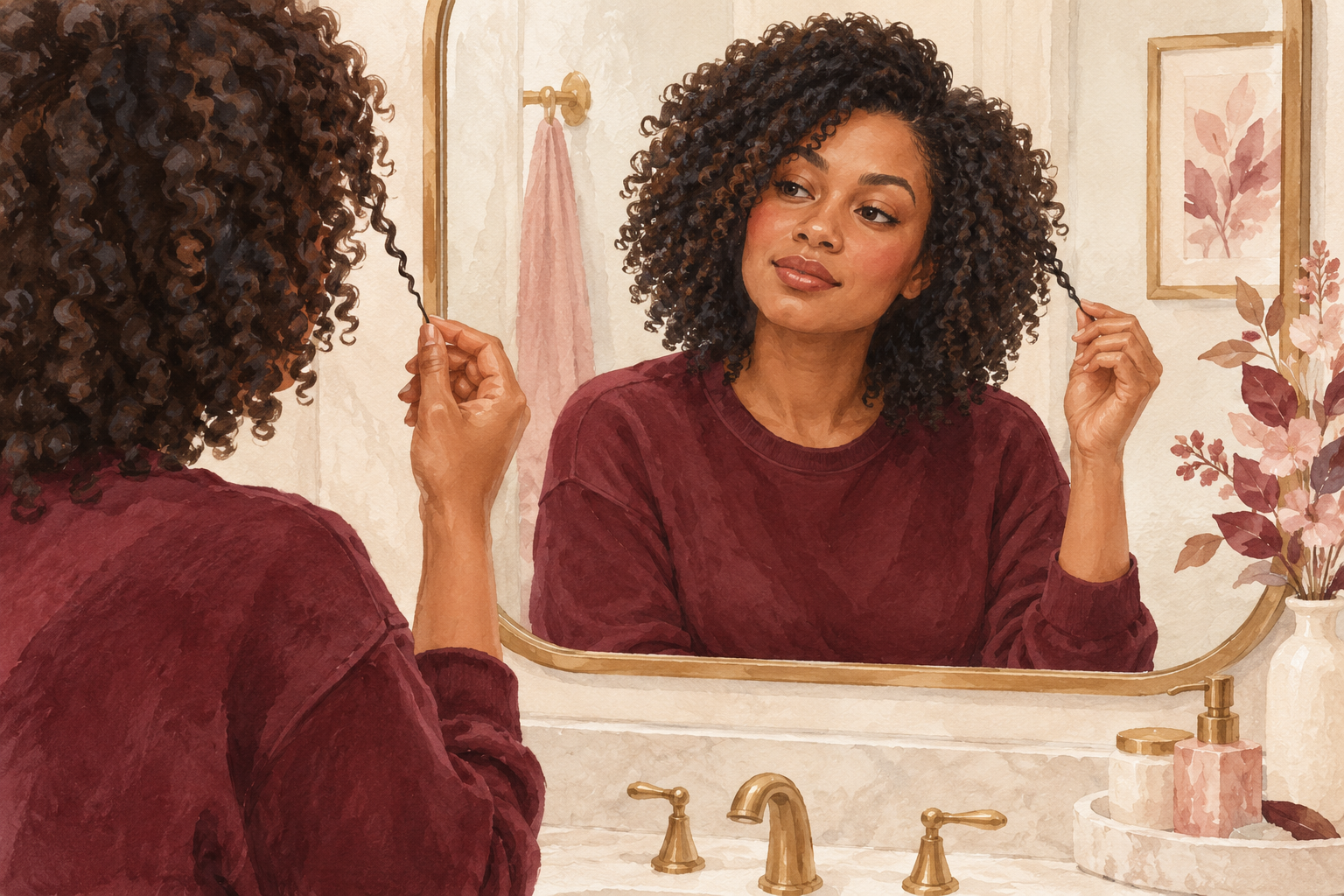
Pull one wet, hydrated curl straight and compare it with how it sits. Tight 3c curls often look much shorter than they really are, and that shrinkage is the curl doing its job, not a fault. What you can control is dryness, because very dry curls clump less and look shorter and rougher. Take a photo of your hair today in good light so you can compare in a month. Notice the dry spots, usually the ends and the crown, since they need the most help. Write down what you see, so the month ahead has a starting line.
3. Wash less and let your scalp decide
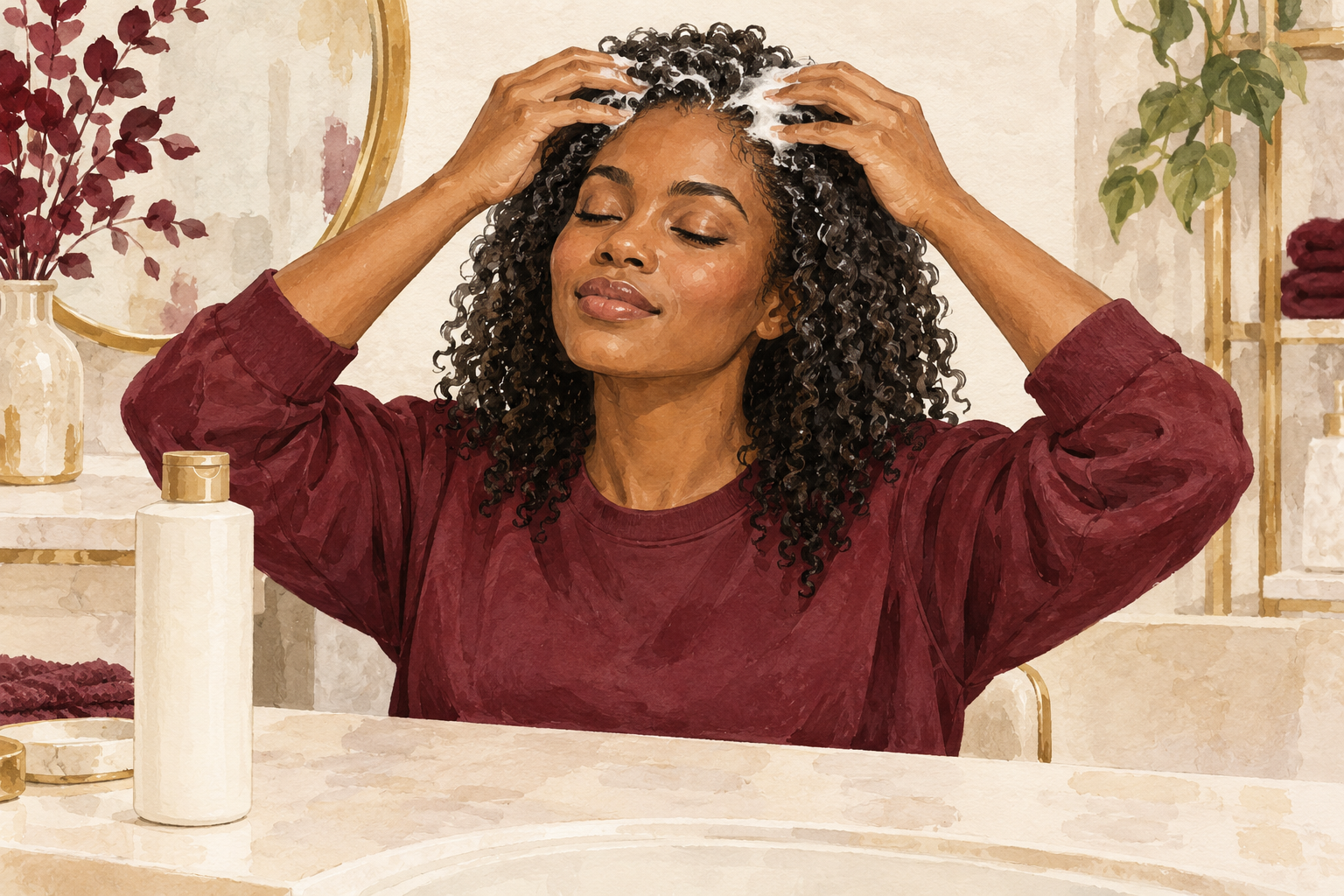
Wash roughly once a week, or sooner if your scalp feels itchy or heavy with product. Curly hair does not need daily washing, and the natural oils take a long winding path down every bend of a corkscrew. Use your fingertips on the scalp only and let the suds run down the lengths. Scrubbing the lengths roughs up the curls. Rinse with plain water between washes. If your scalp feels tight afterwards, use a little less shampoo next time, not a lot less often. A soft, bouncy feel the day after washing tells you the schedule is working.
4. Condition from roots to ends
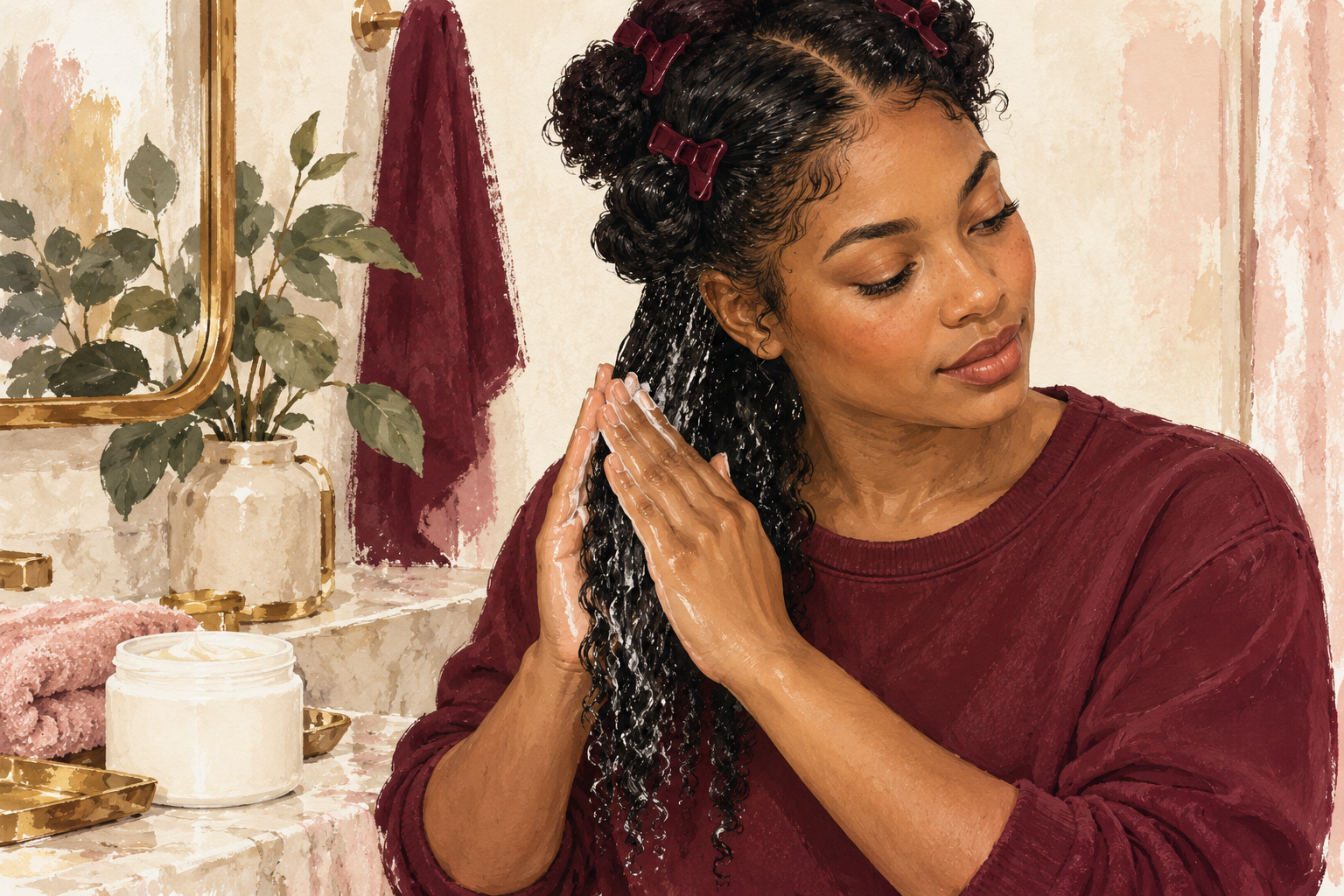
Smooth a thick conditioner through every section, not just the ends, and leave it on for five to ten minutes. Tight curls are driest at the bottom, but the whole strand needs slip. If your hair tangles badly, you can also coat it with conditioner before shampooing. Wrap it in a warm towel if you have the time, because gentle warmth helps the conditioner sink in. Rinse most of it out and leave a little in, so the hair still feels slippery. Conditioner softens, but it cannot repair an end that has already split. Detangling goes much easier after this step, so do not skip it.
5. Detangle wet, in sections
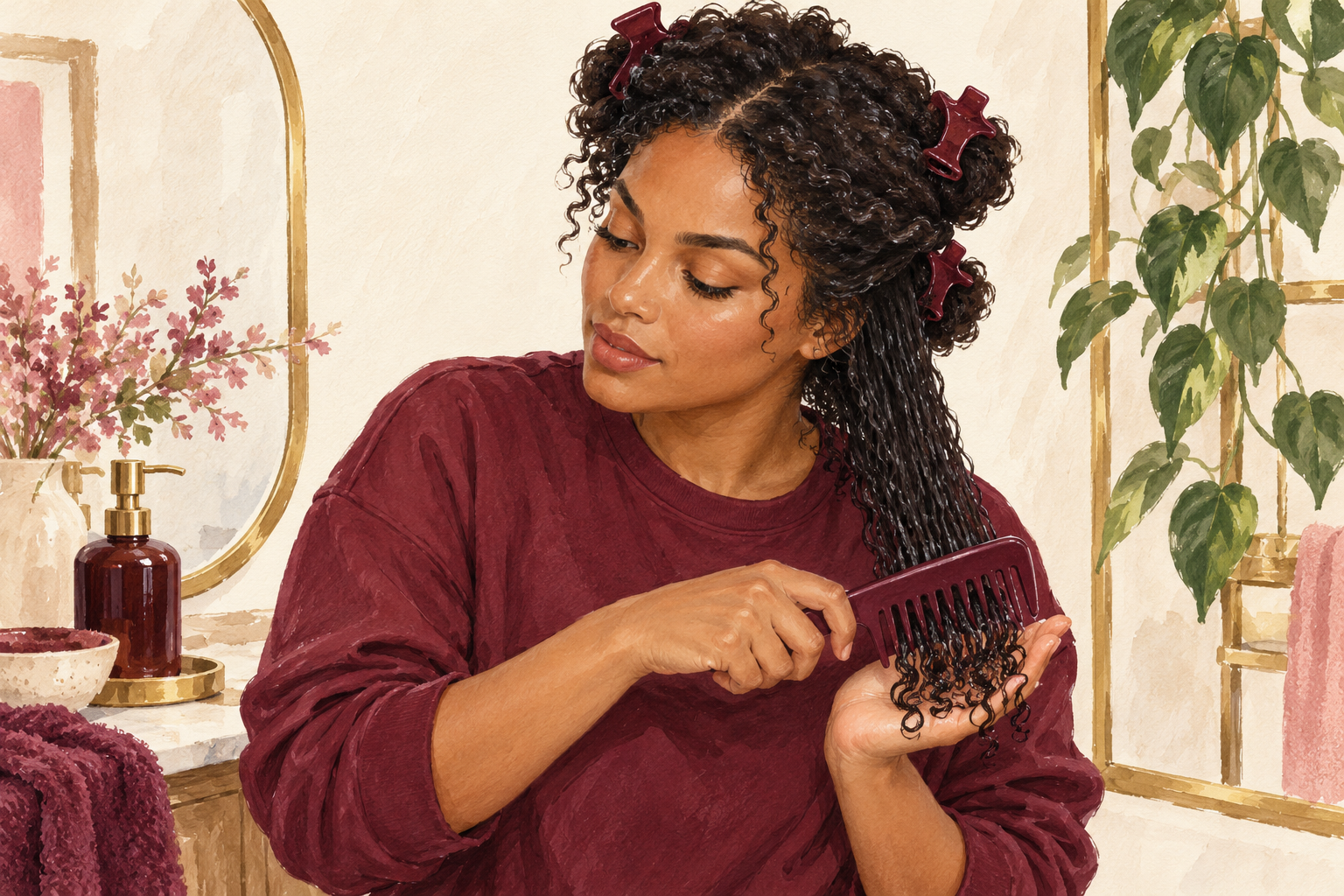
Clip your hair into four to six sections and detangle one at a time, starting from the ends. Use your fingers first, then a wide tooth comb, and never force a knot. Dry 3c curls snap, so keep the brush away while your hair is dry. Plan on ten to fifteen minutes here, because rushing is the reason for most wash day breakage. Re-clip each section when you finish it so you never comb the same curls twice. Add a little more conditioner whenever the comb starts to drag. Wet hair stretches, so a gentle hand keeps the strands from snapping.
6. Layer leave in, then cream, then gel
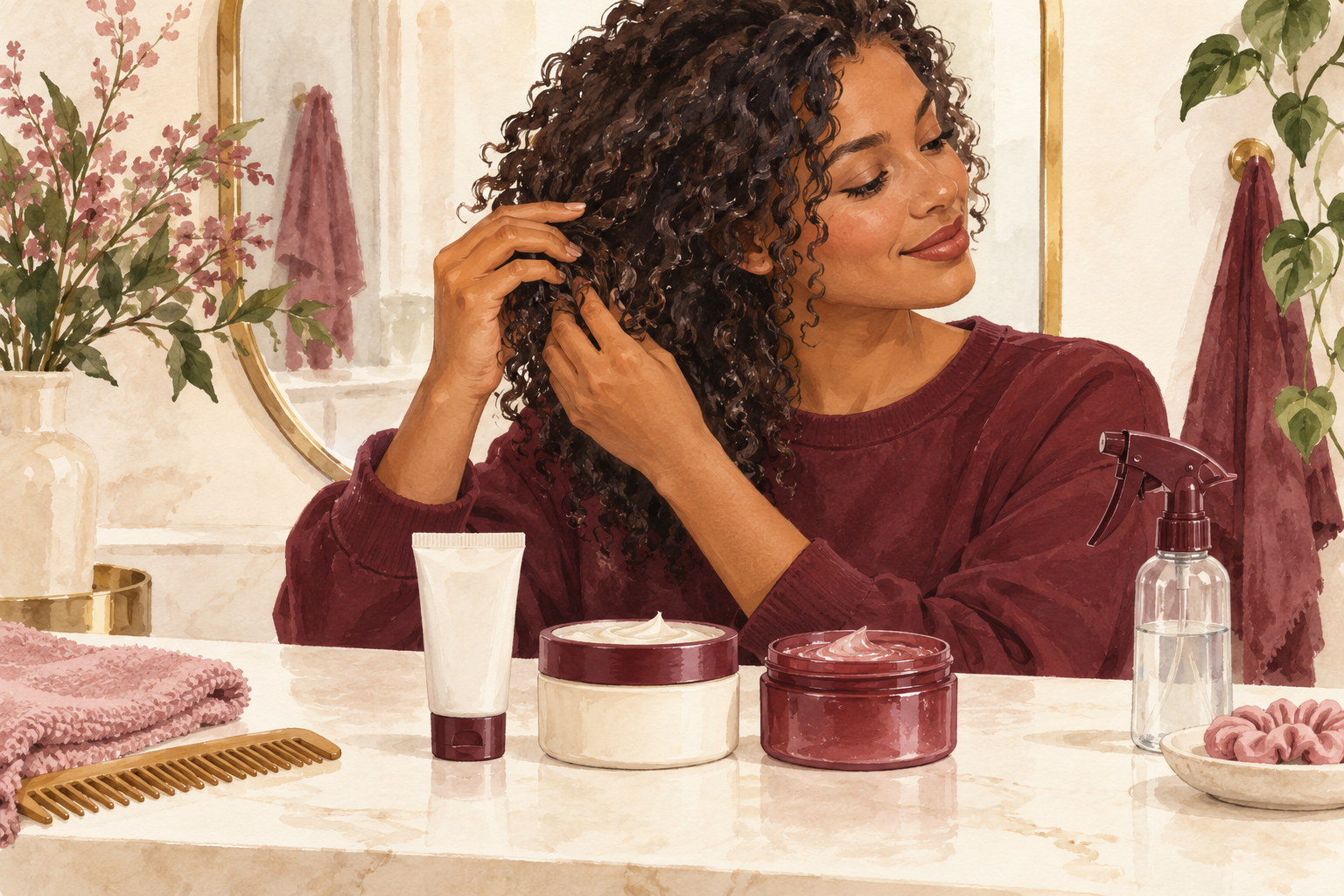
Apply each product while your hair is still dripping wet, in this order: water based leave in, then cream, then gel. The leave in gives moisture, the cream softens and weighs the curl slightly, and the gel holds the shape while it dries. The water is what you are really sealing in. Start with pea sized amounts, because too much leaves curls stiff and flaky. A little oil on top seals rather than moisturizes, so add it last if your hair needs it. Smooth the products down from the roots, and rake with your fingers so none sits in one clump.
7. Style in small sections

Smooth the product through each section with your palms, then scrunch upward gently so the curls clump into groups. Small sections give every curl its share, while one big handful leaves some strands dry. Allow ten to fifteen minutes for the whole head. Do not touch the curls once they start to dry, because that breaks the definition and makes frizz. If a section looks dry, add a mist of water before you add more product. Finish the front last, since it dries fastest. Work with a mirror so you can see the back sections that you usually miss.
8. Press dry, then let the air finish

Squeeze extra water out with a soft cotton t shirt, pressing and never rubbing, so the curls keep their clumps. Then let your hair air dry, or use a diffuser on low heat and low speed if you are in a hurry. Thick 3c hair can take a few hours to dry fully, so plan wash day for a quiet afternoon. Keep your hands out of it until it is completely dry. Rushing with high heat is how you lose the moisture you just added. If the diffuser pushes the curls about, turn the speed down and hold it still instead of swirling it.
9. Stretch the shrinkage without heat
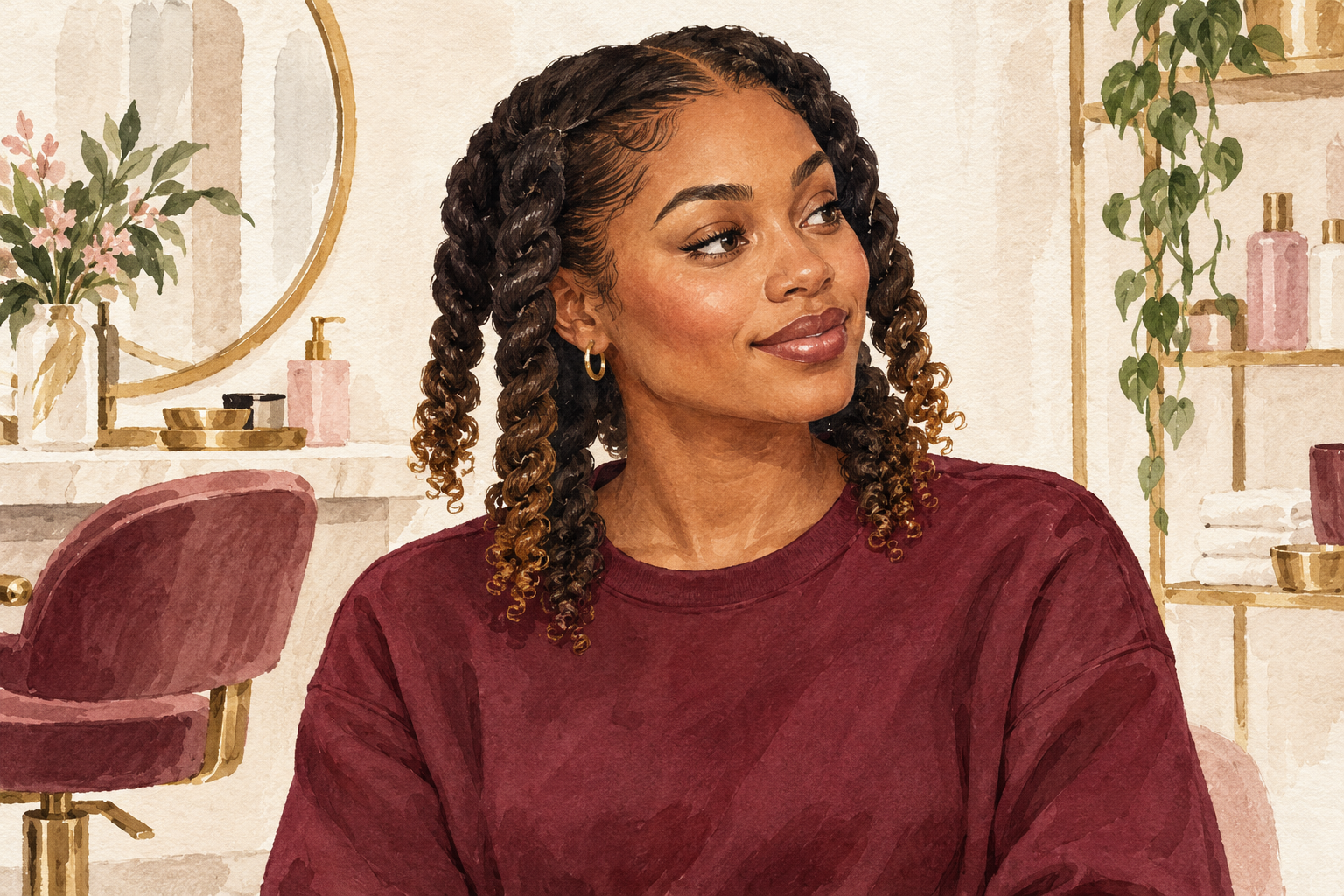
Put damp hair in four to six loose twists or braids, and let it dry fully before you undo them. This stretches the curl for a day or two without a hot tool. Do not pull the twists tight, because tension at the root can cause breakage. Untwist with a little oil on your fingers, and fluff gently rather than combing. Keep a flat iron for special occasions only, since heat dries curls and can loosen the pattern for good. Embrace the shrinkage on other days, because it is your curl pattern at work. Two nights of twists is plenty, then give the hair a rest.
10. Refresh with water, not more product
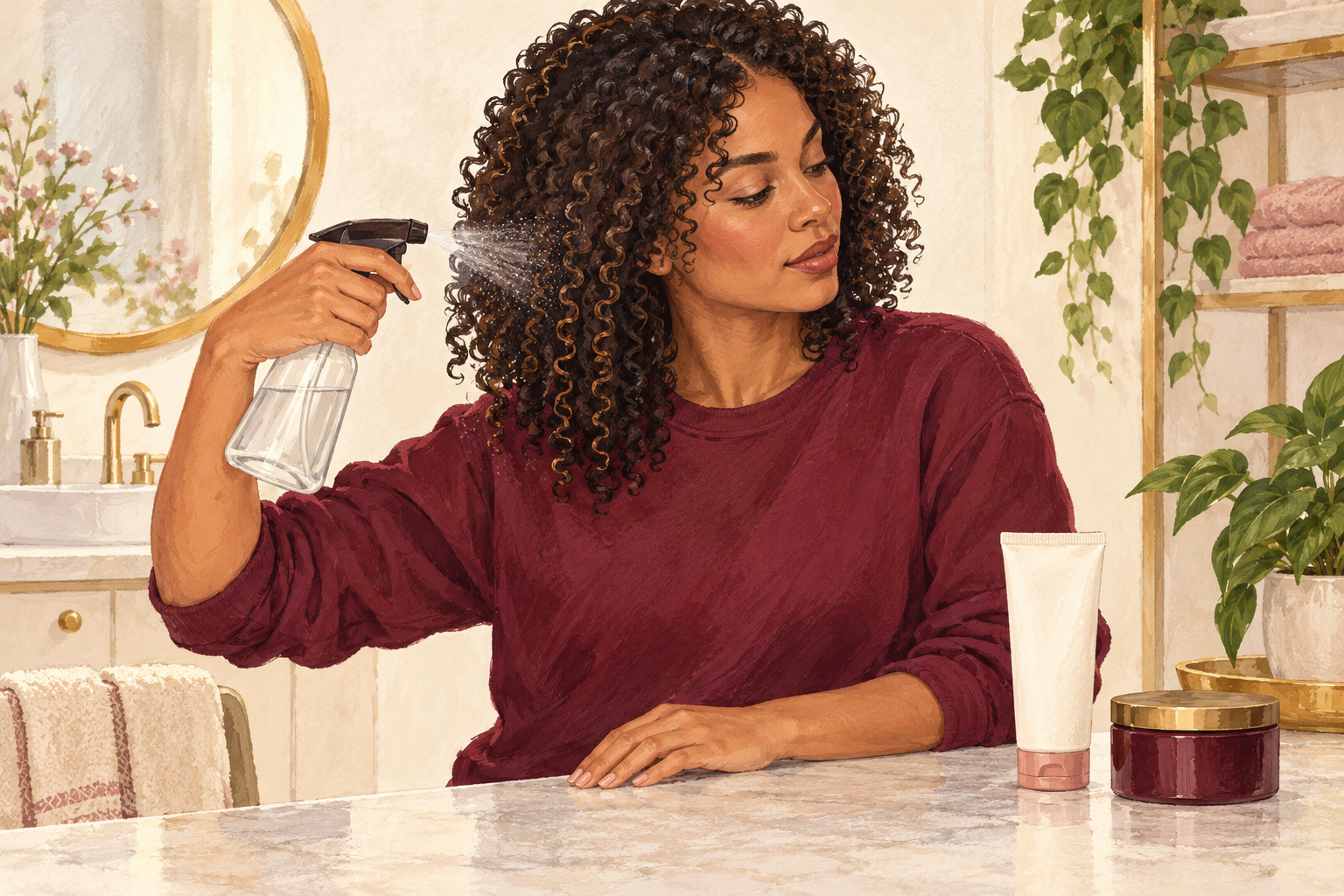
On day two or three, mist a section until it is damp, smooth in a pea sized amount of leave in, and scrunch. Adding more gel on top of old gel builds up fast and weighs the curls down. Start with the back and sides, because the crown dries fastest. If your curls still look flat after a mist, they need a full wash, not another coat of gel. Pat the refresh dry with your t shirt and leave it alone, and the definition lasts another day.
11. Protect at night and deep condition weekly
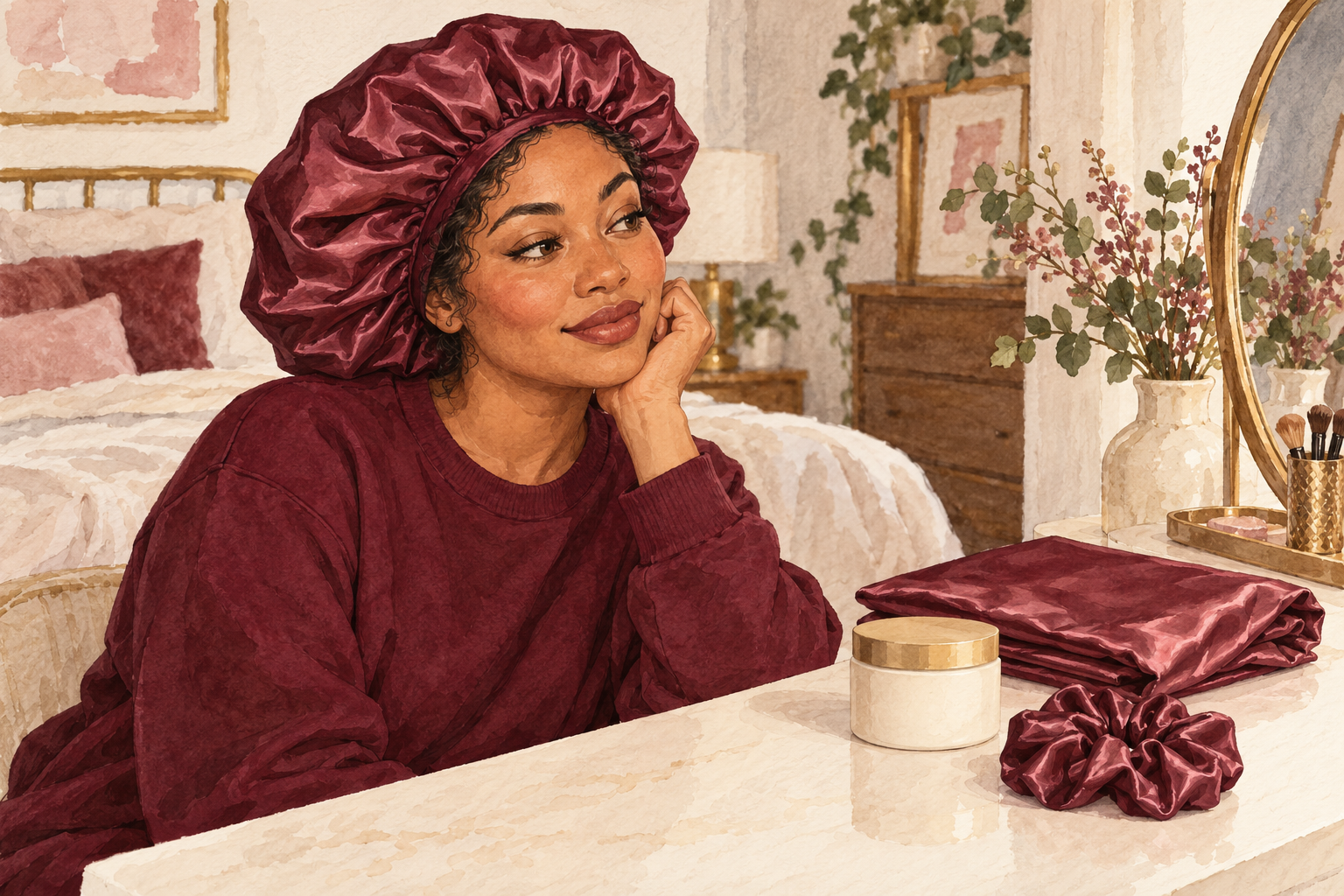
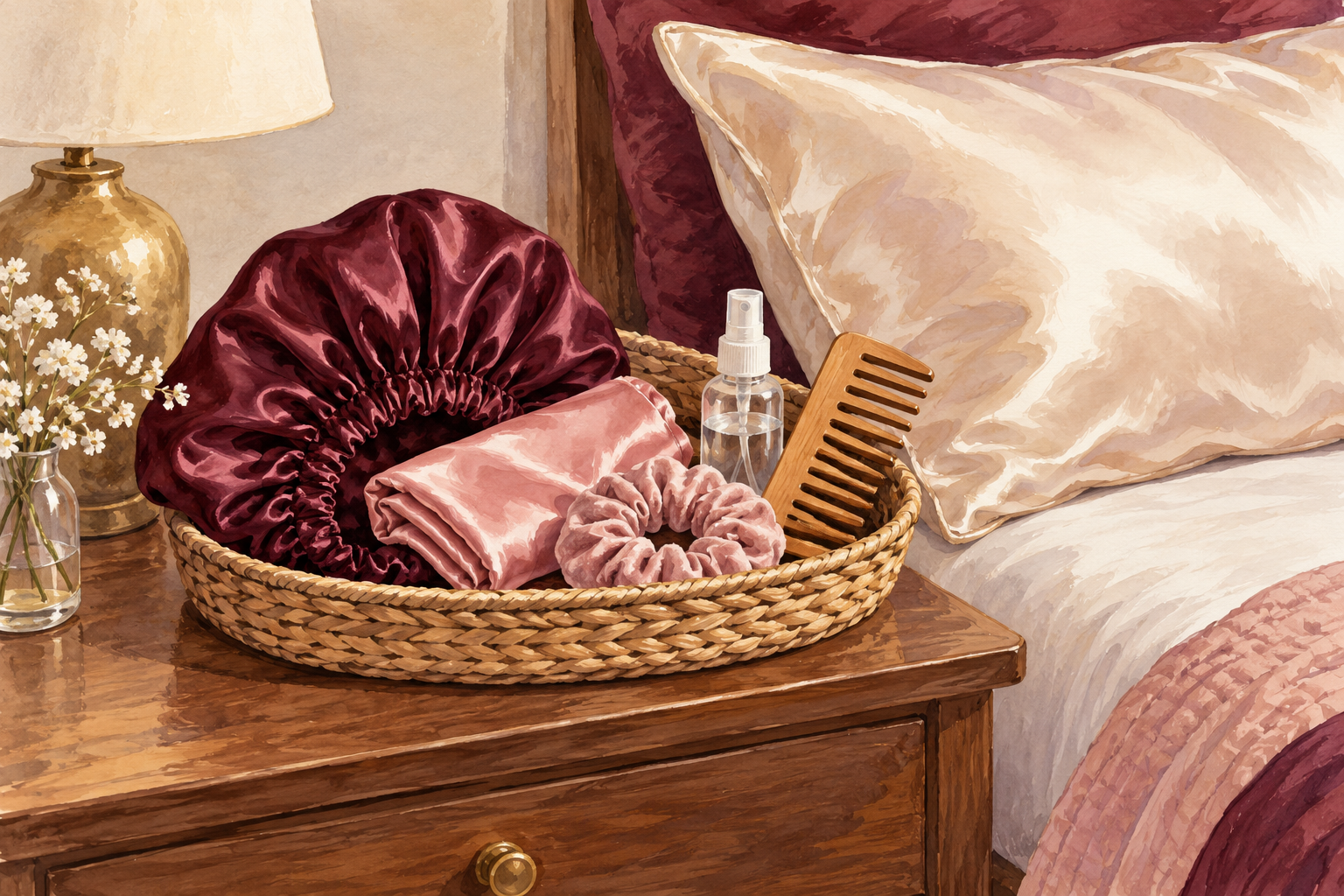
Gather your hair loosely on top of your head with a satin scrunchie, then cover it with a satin bonnet. Cotton pulls moisture out and snags tight curls while you move. Once a week, swap your usual conditioner for a thicker deep conditioner and leave it on for fifteen to twenty minutes. Skip the brush on dry curls and the heavy gel layers, because both leave curls dull and puffy by morning. Trim every twelve weeks or so to remove splits before they climb. Dry ends feel soft and bouncy again after the first deep conditioning session.
12. Know what weeks one, four and eight look like
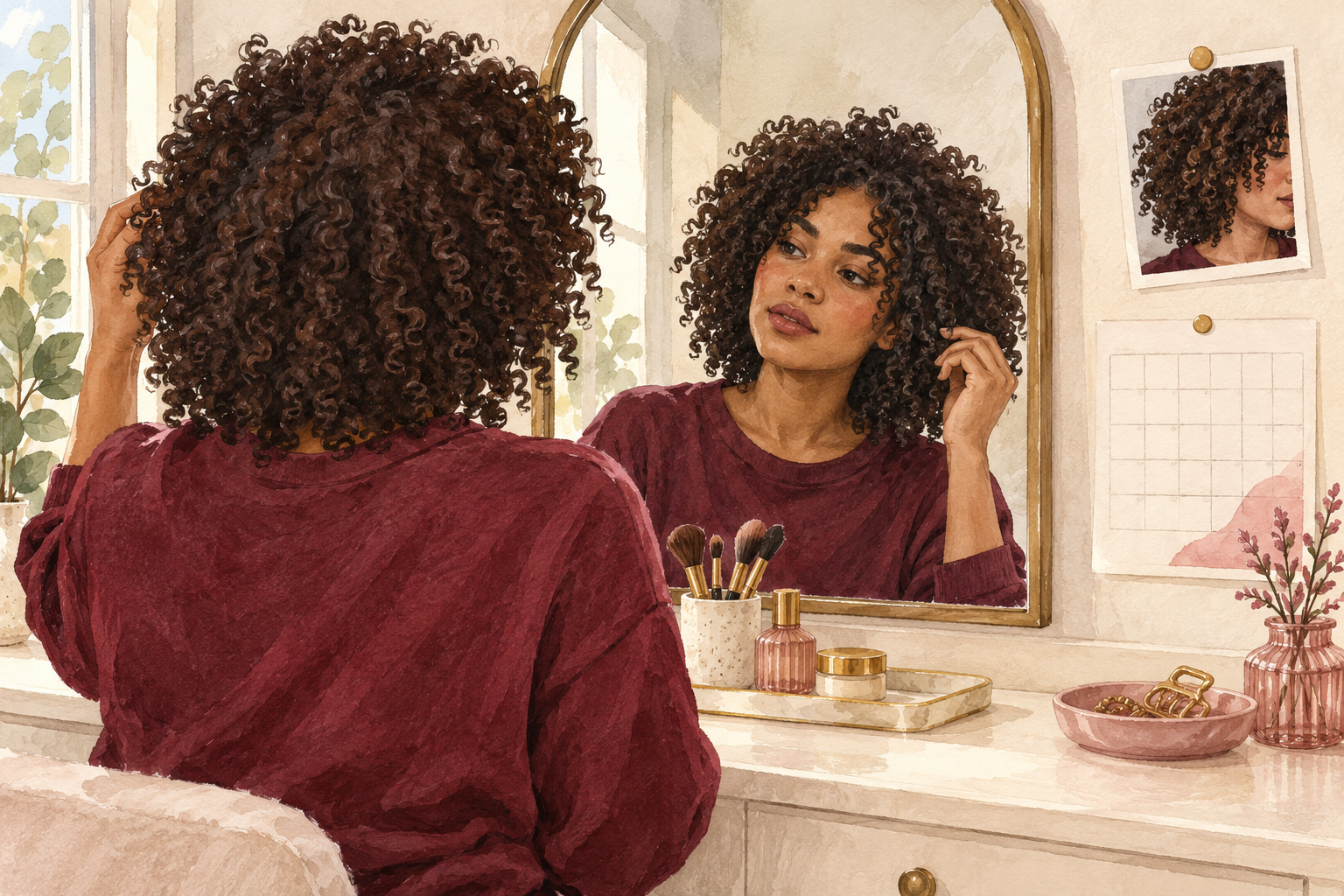
Give any new routine four to eight weeks before you decide it is not working. In week one your curls may feel heavy or look uneven while they get used to more water and less washing. By week four the clumps hold together better and the ends feel softer on wash day. By week eight you should see less snapping in the comb and know exactly how much product your hair likes. Your wash day will also feel shorter and calmer. A 3c curly hair routine gets easier with practice, not with extra products. Take a new photo each month and put it next to the first one.
Complete the Routine: Your 3c Curly Hair Routine for This Week
Tonight, set out your leave in, cream and gel in order and clip your hair into sections so wash day is ready. Next, a curly hair night routine keeps the work going while you sleep, and a no frizz curly hair routine tackles the fuzz.