You do everything people tell you, and your hair still seems stuck at the same length. For most of us, black hair growth stalls because length breaks off as fast as it arrives, through small habits nobody warned us about. These 12 mistakes each come with a simple swap, so start at number one tonight.
1. Sealing with oil when there is no water in your hair
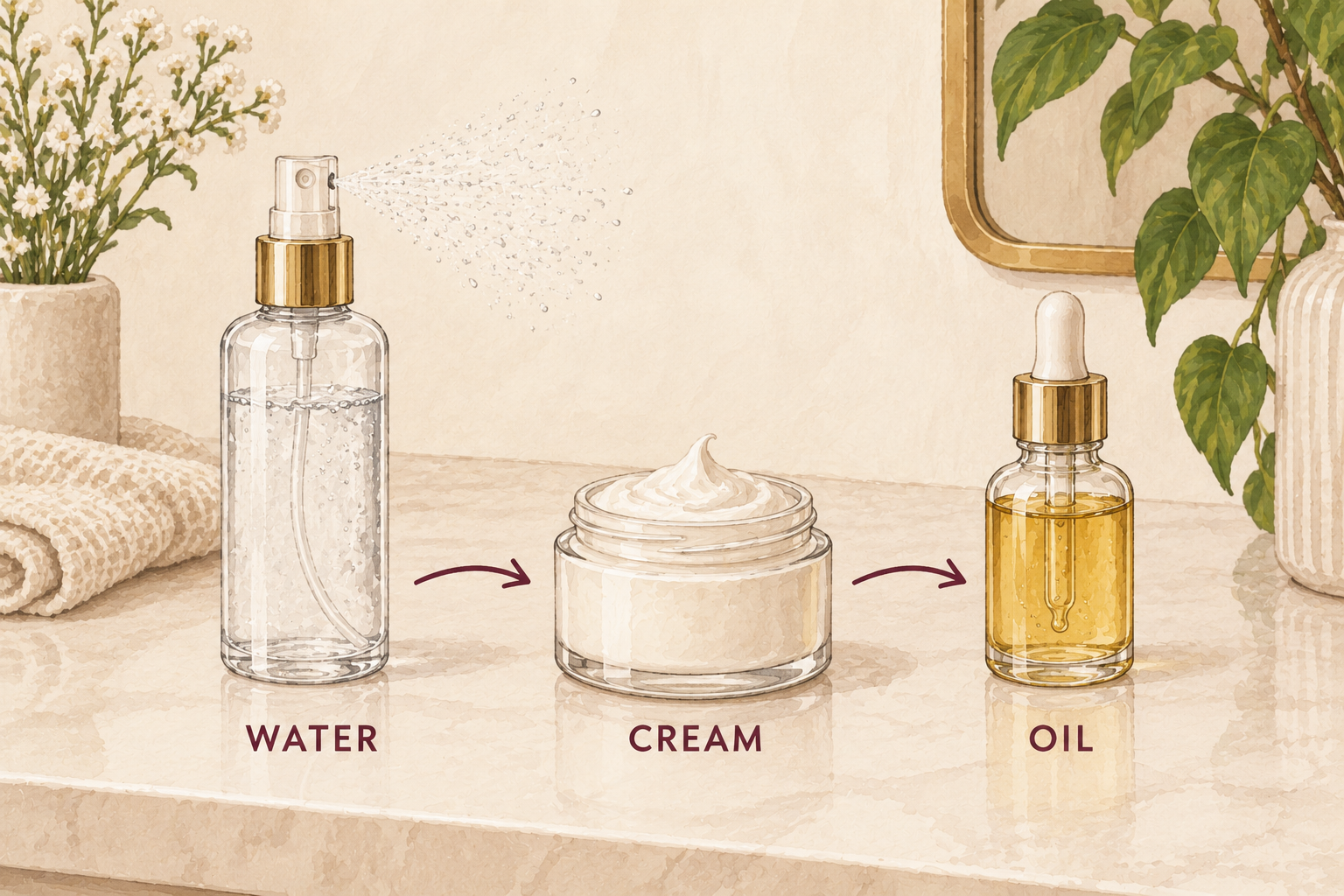
Wet your hair with a spray bottle or the shower first, then add cream, then add oil. Oil does not moisturize, it only locks in whatever is already there. Rubbing oil onto dry, thirsty strands traps dryness inside, and those strands snap. Fix it by spritzing water until the hair feels cool and soft, then pressing in a leave in cream, and finishing with three or four drops of oil. You will feel the difference by morning, because the hair bends instead of cracking. This single swap fixes more dry hair than any product. Keep a small spray bottle by your bed so this takes ten seconds.
2. Letting buildup sit for weeks
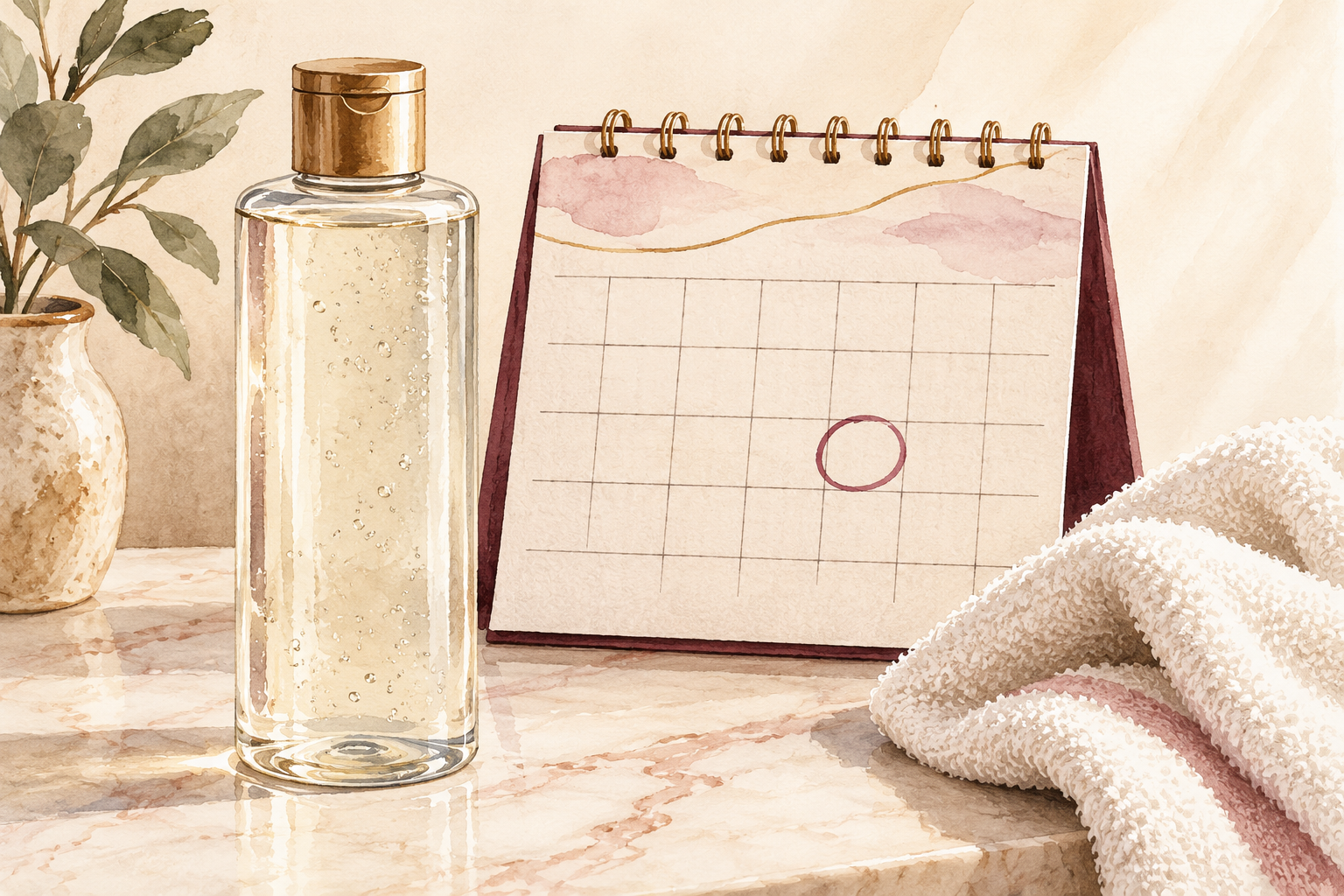
Wash with a clarifying shampoo once a month, then follow with a deep conditioner. Creams, gels and oils pile up on the hair and form a coat that water cannot get through. Your hair feels dull, stiff and dry no matter how much you moisturize. Rinse the scalp thoroughly and wait until the water runs clear. If you use heavy butters or lots of products, clarify every three weeks instead. Hair that has been cleared of buildup soaks in moisture much better, so your usual products suddenly work again. A sign that it is time is when your water beads on the hair instead of soaking in, so test it with a few drops.
3. Skipping deep conditioning because it takes time

Block out thirty minutes every week or two for a thick conditioner under a shower cap. Deep conditioning is not a luxury, it is the repair work that keeps strands elastic. Do it while you clean the bathroom, answer messages or watch a show, so it does not feel like lost time. Warm the conditioner by sitting it in a cup of hot water first. Rinse with cool water to close the hair. A soft, stretchy strand that bounces back is a strand that can grow long. Even once a month beats never, so start where you can and build up.
4. Detangling dry hair with the wrong comb
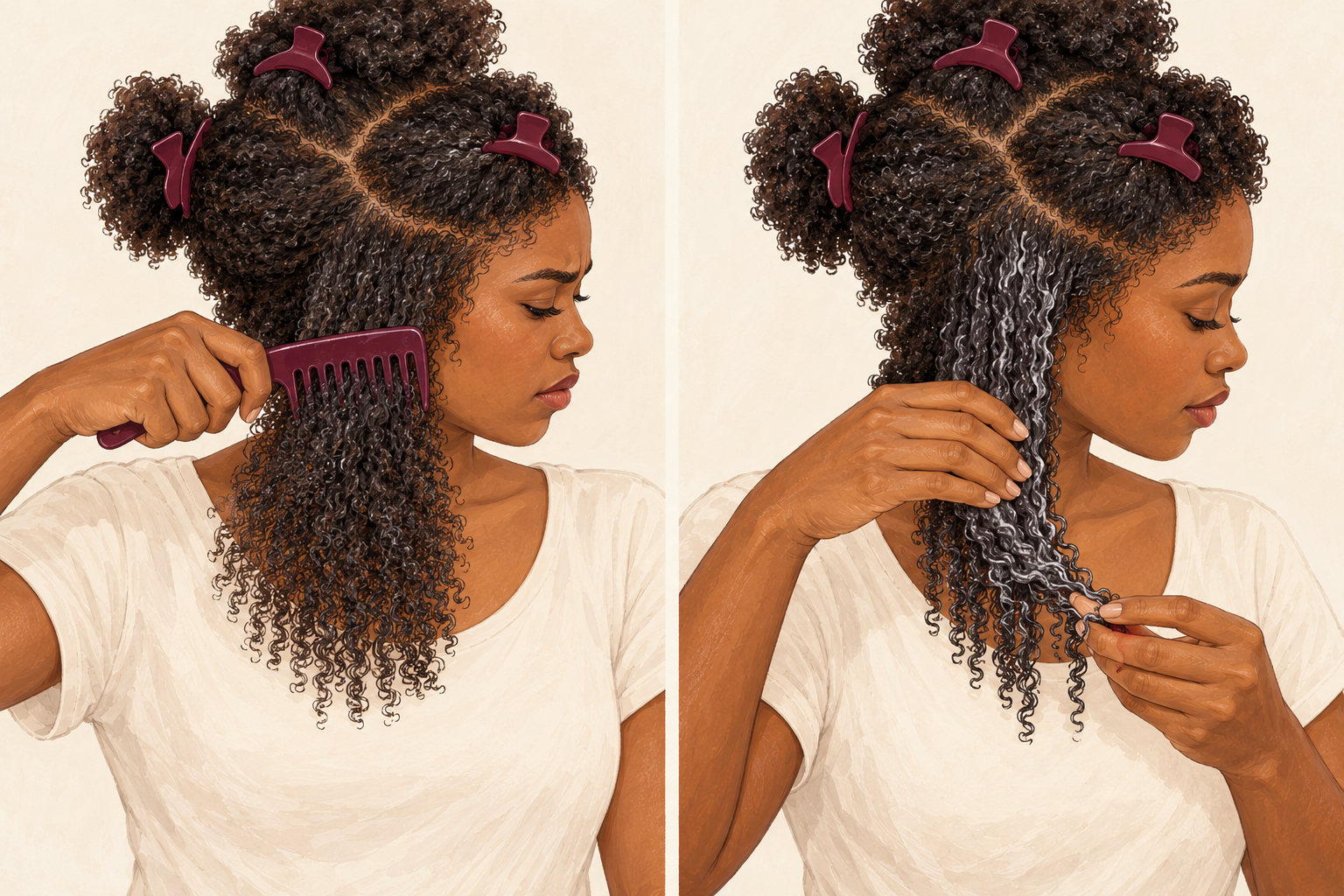
Detangle on damp, conditioned hair with a wide tooth comb or your fingers, starting at the ends. A fine comb on dry, coily hair rips through the curl pattern, and you hear the little snaps. Section your hair into four or six parts and go slowly. Hold the section above the knot so the pull stays off your scalp. If a knot will not budge, add more conditioner and work it with your fingertips. Most breakage on wash day comes from impatience, so give yourself an extra fifteen minutes. Finger detangling first removes most knots without a single broken strand, then the comb only has to smooth.
5. Using rough accessories that snag
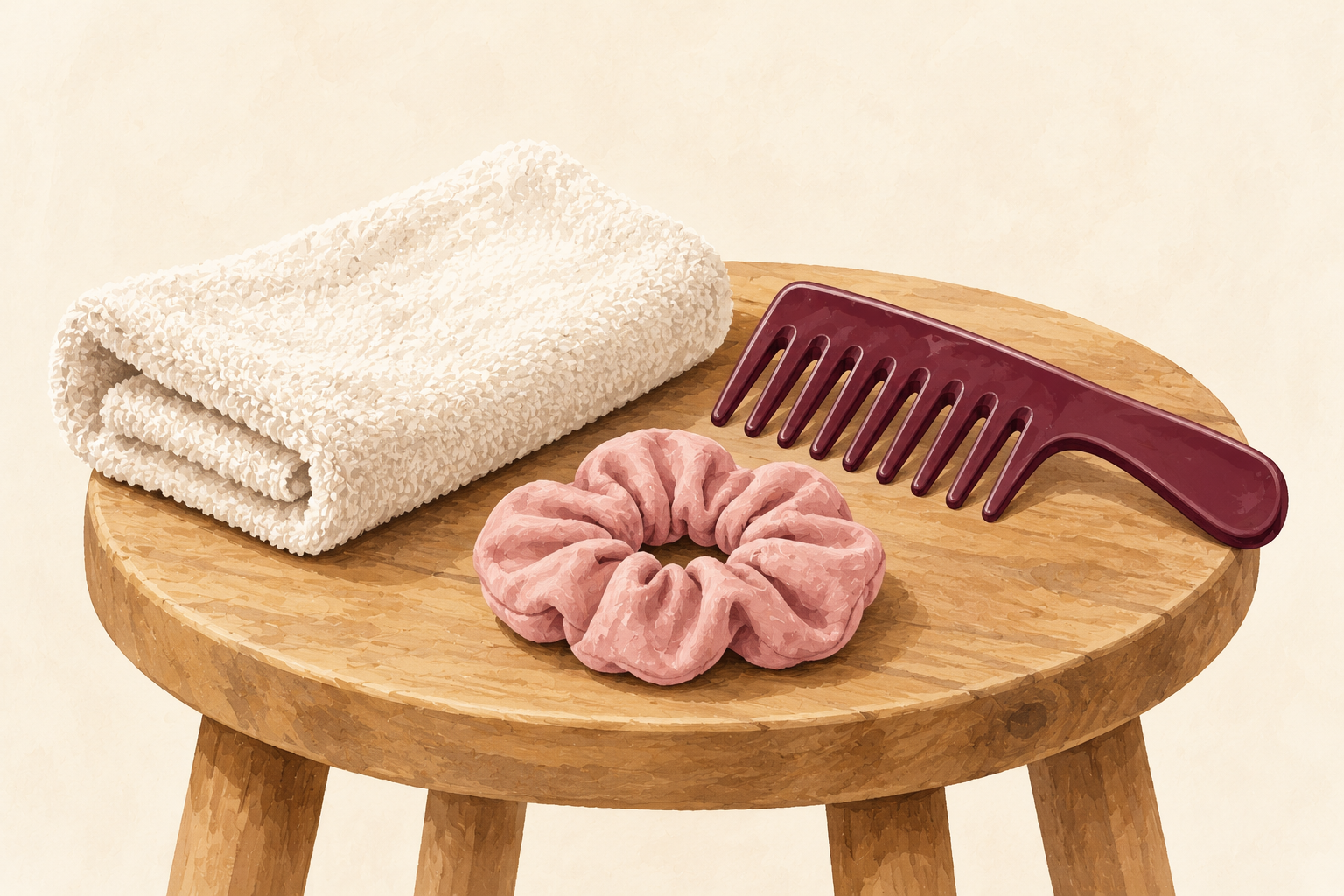
Swap metal clips, tight elastics and rubber bands for satin scrunchies and snag free ties. Anything with a seam, a metal join or a rubber core grabs a few strands each time you pull it out. Over a month that is a lot of missing hair. Look at your ties after taking one out, and if hair is wrapped around it, retire it. Pick a style that holds hair gently, and place the tie on a different spot each time. Your edges and ends will thank you. A soft cloth headband or a spiral tie is gentler still, because it spreads the pull instead of pinching one spot.
6. Touching and restyling every day
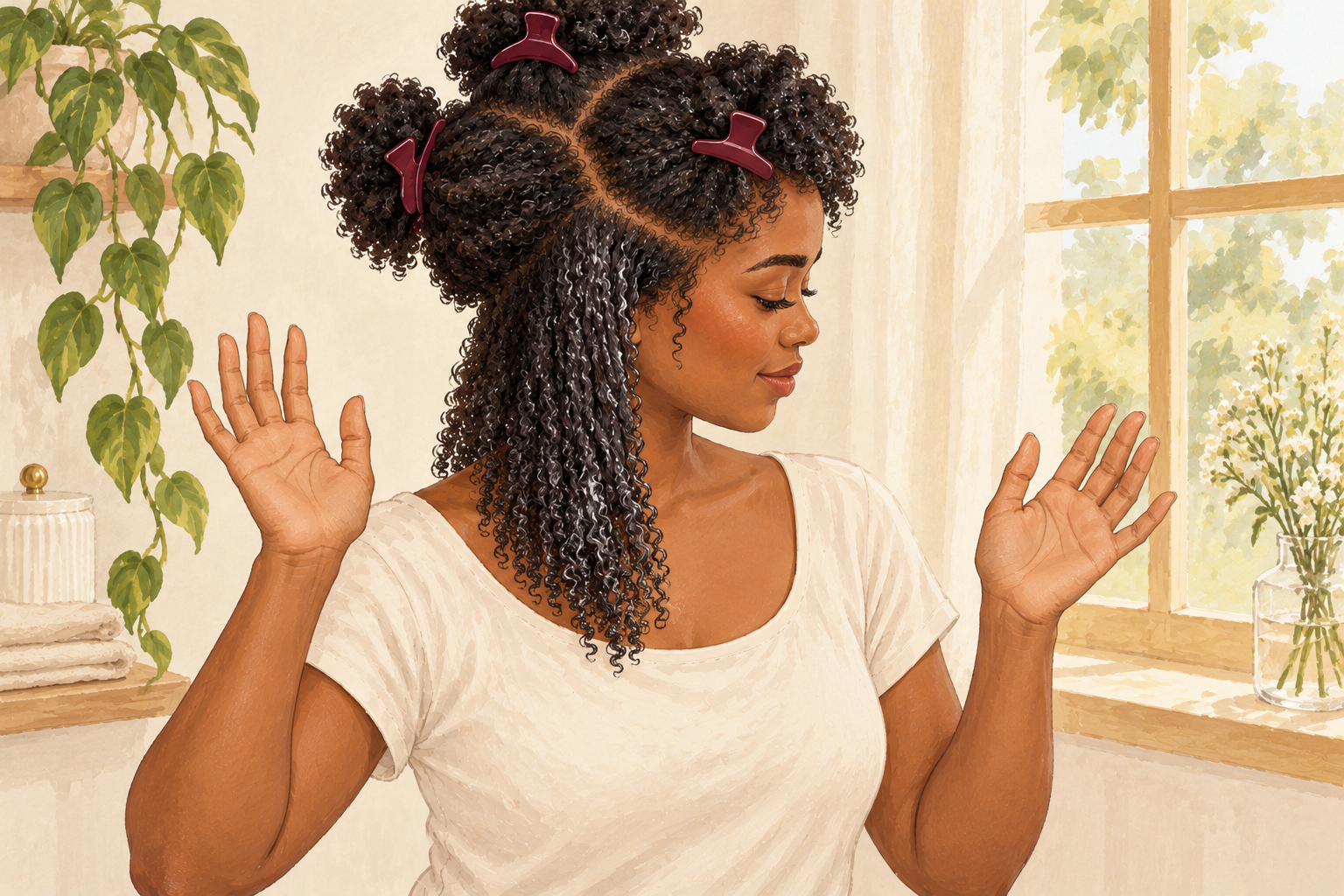
Pick one style that lasts three to five days and leave it alone. Combing, twisting and pulling every morning wears your hair down, even when you are gentle. Every restyle is another round of tugging on fragile strands. Refresh with a light mist and a few drops of oil instead of starting over. Keep your hands busy, and when you feel the urge to fiddle, pat your head once and walk away. Hair left in peace keeps more of its length than hair that is constantly handled. Give your scalp a day with nothing pulling on it, and your edges will start to look fuller within weeks.
7. Wearing protective styles too tight or too long
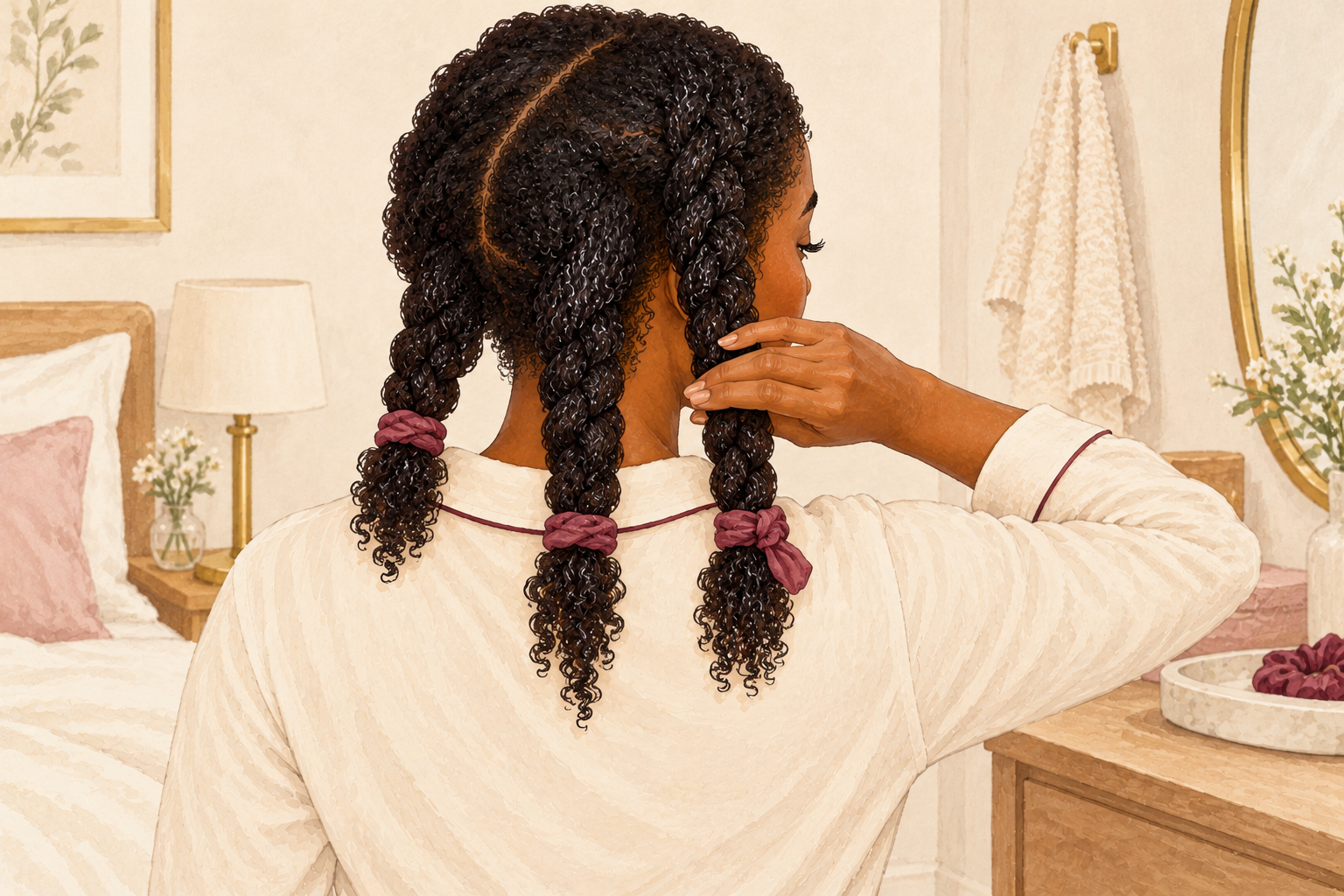
Keep braids and twists loose enough to move, and take them out within six to eight weeks. If your scalp feels tight, sore or bumpy, the style is too tight and it is pulling out the hair you want to keep. Ask for smaller, lighter braids, or do not add heavy extensions. Moisturize the scalp and the braids every few days with a light spray. When you take the style down, wash and use a deep conditioner before doing anything else. A protective style that hurts is not protecting anything. Never sleep with the style pinned tight, and use a satin bonnet to cut the friction on top.
8. Using high heat on dry or unprotected hair
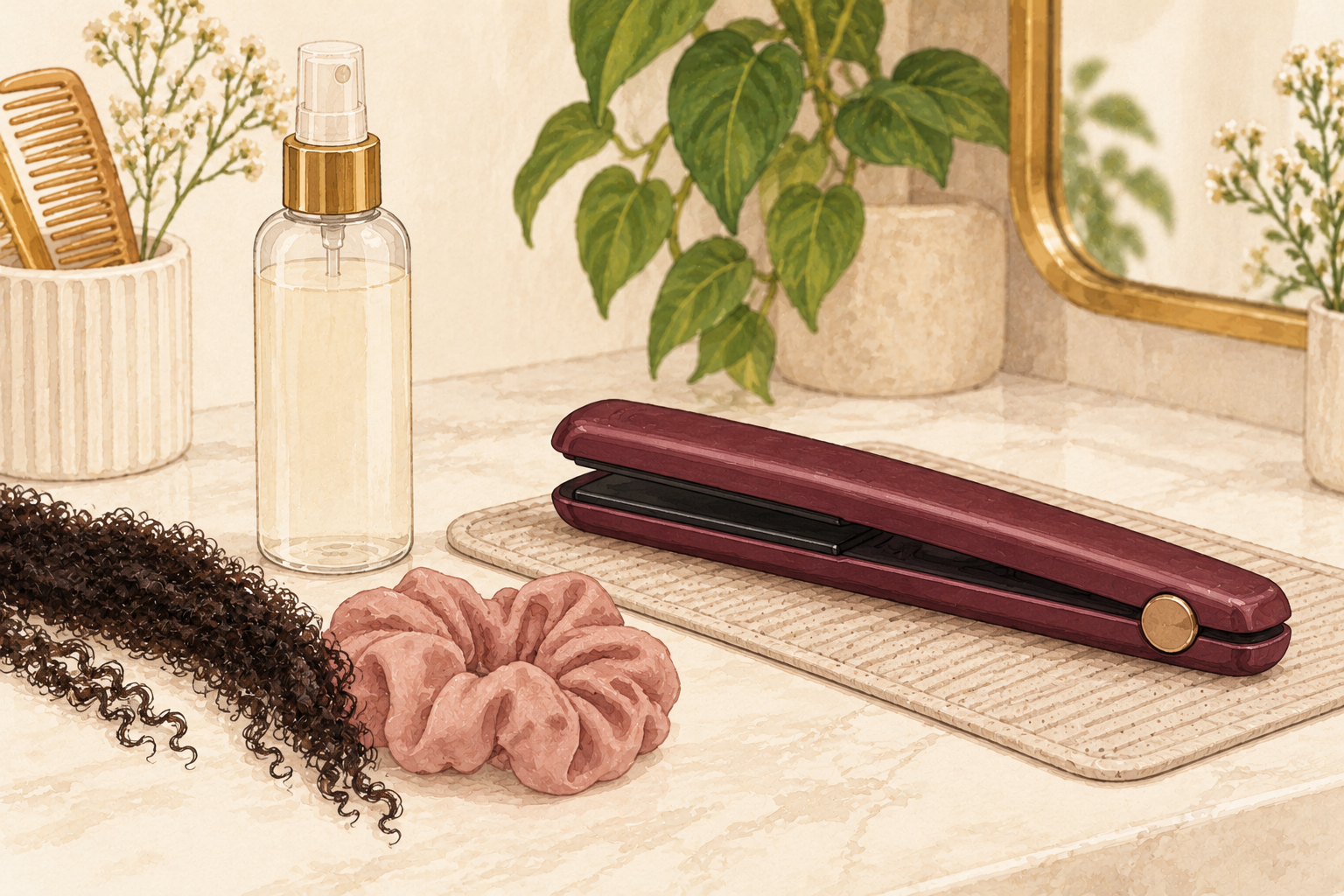
Keep the iron below 350 degrees, use a heat protectant, and only straighten fully dry, clean hair. Heat on damp hair makes steam inside the strand and cooks it. Straightening too often can loosen your curl pattern for good. Limit heat to once a month, and pass over each section once. If you smell a burning smell or hear a sizzle, stop. A silk press that leaves you with three inches of broken ends is not worth it, so stretch your hair with braids or twists when you can. Let air drying be your default, and save the blow dryer on low for the days you are in a hurry.
9. Overdoing protein or moisture without checking balance

Stretch a wet strand gently, and see if it snaps right away or stretches and stays stretched. A strand that snaps quickly needs more moisture, and one that goes limp and mushy needs protein. Using the same kind of treatment every week pushes your hair out of balance. Alternate a protein mask and a moisture mask every other wash day. Skip the protein for a few weeks if your hair feels like straw. Balanced hair feels soft but has a bounce, and this check takes thirty seconds. Make a note on your phone of which mask you used last, so you do not repeat it by accident.
10. Hoarding products and never giving any a fair test
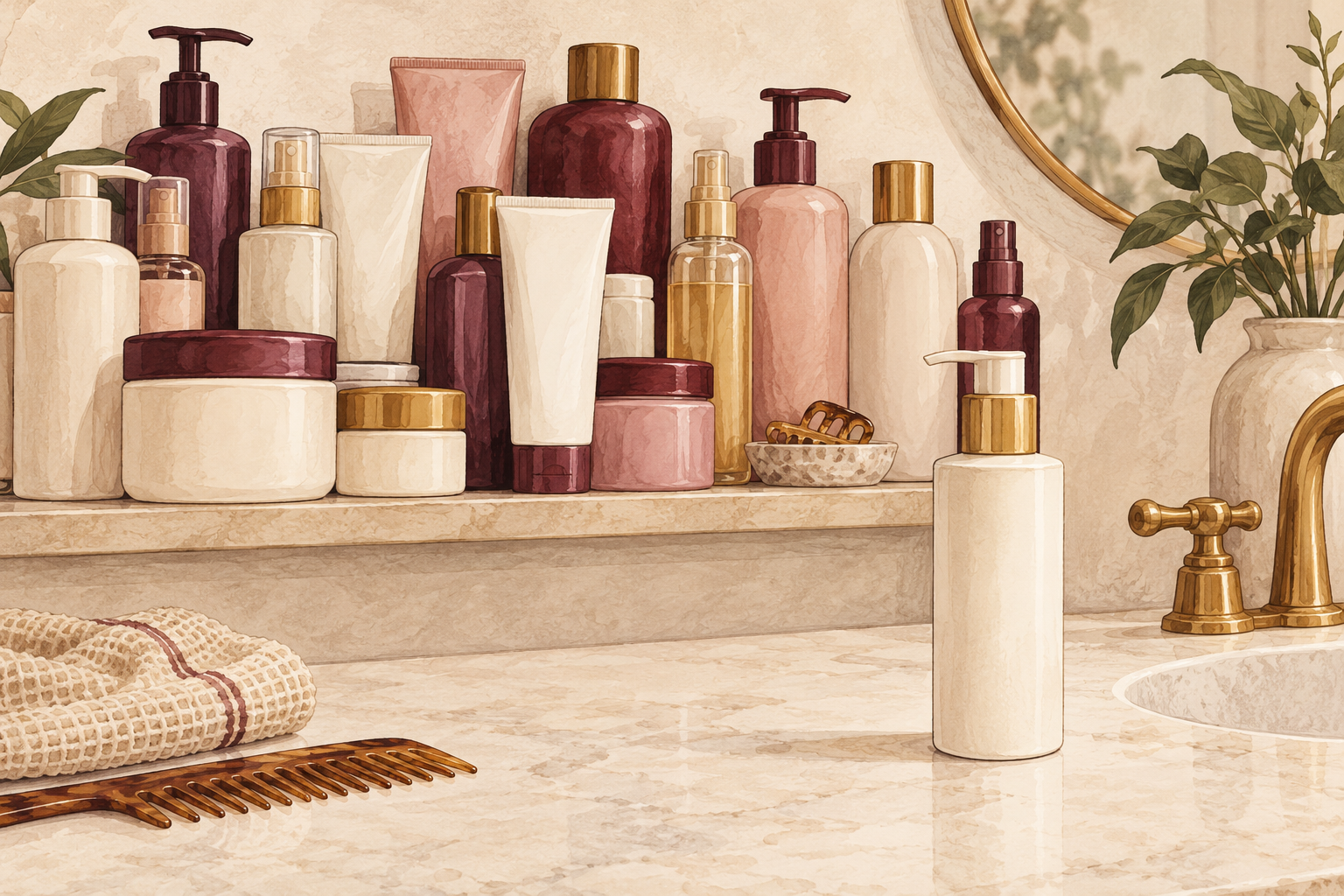
Choose one new product at a time and use it for four weeks before you judge it. Hair needs time to respond, and switching every wash day tells you nothing. A shelf full of half used jars also hides the products that actually work. Pull out the ones you have not touched in three months and give them away. Note down what you tried, how your hair felt and what you would change. Fewer products used well will do more for your hair than twenty used badly. Finish a bottle before you buy the next, and your shelf and your scalp both get a break.
11. Comparing your hair to someone else’s length
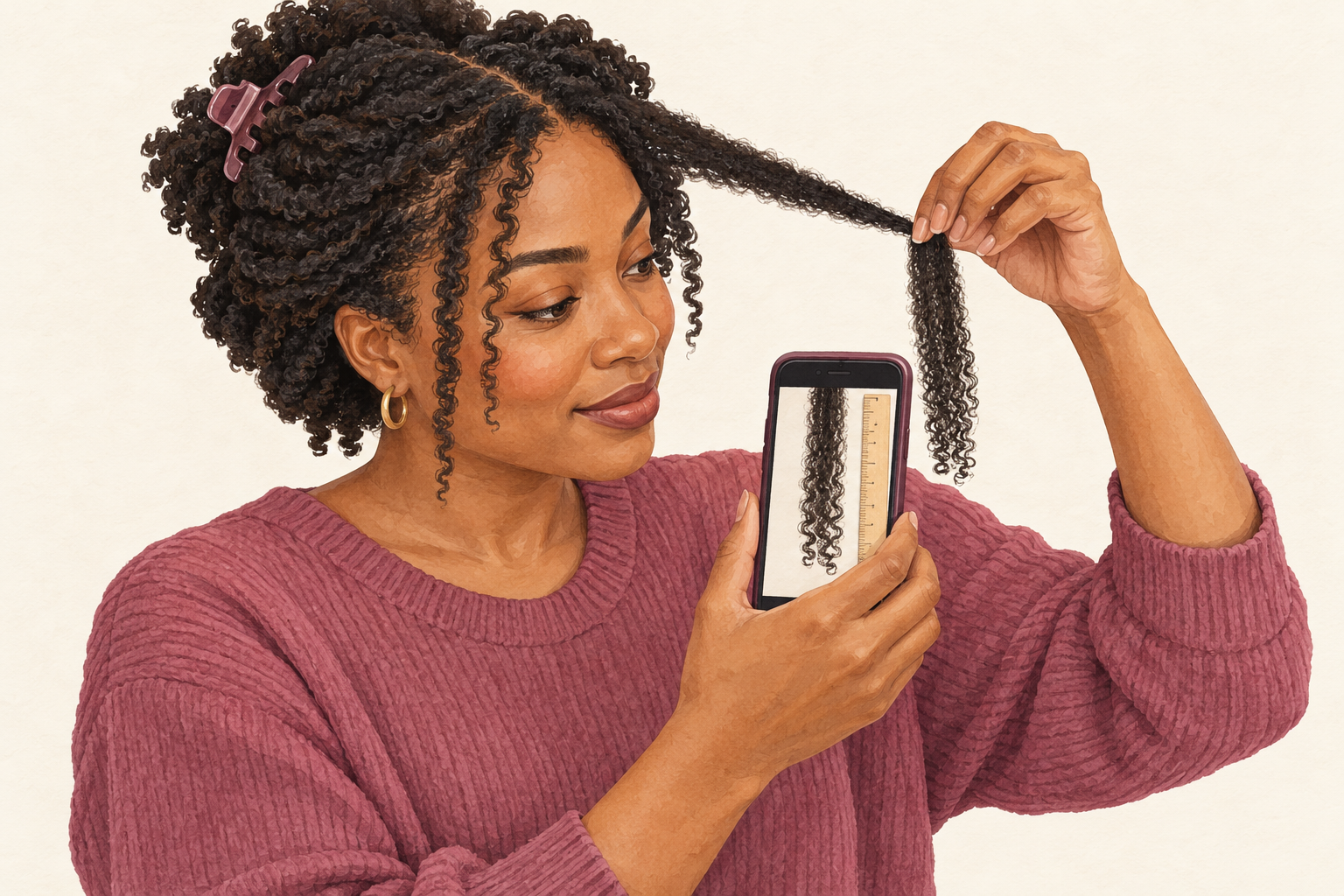
Compare your hair only to your own photos from last month. Everyone’s hair grows about half an inch a month, but shrinkage hides it differently. A coily strand can lose a lot of its length to shrinkage when dry, so a stretched strand is the true measure. Social media shows the best hair on the best day, often with help from extensions. Measure your own progress from your nape or your edges, and write it down. You might be growing steadily and simply not seeing it. Pick a goal like fewer snapped strands in the sink, which you can control, instead of an inch you cannot rush.
12. Avoiding trims or cutting too much in a panic
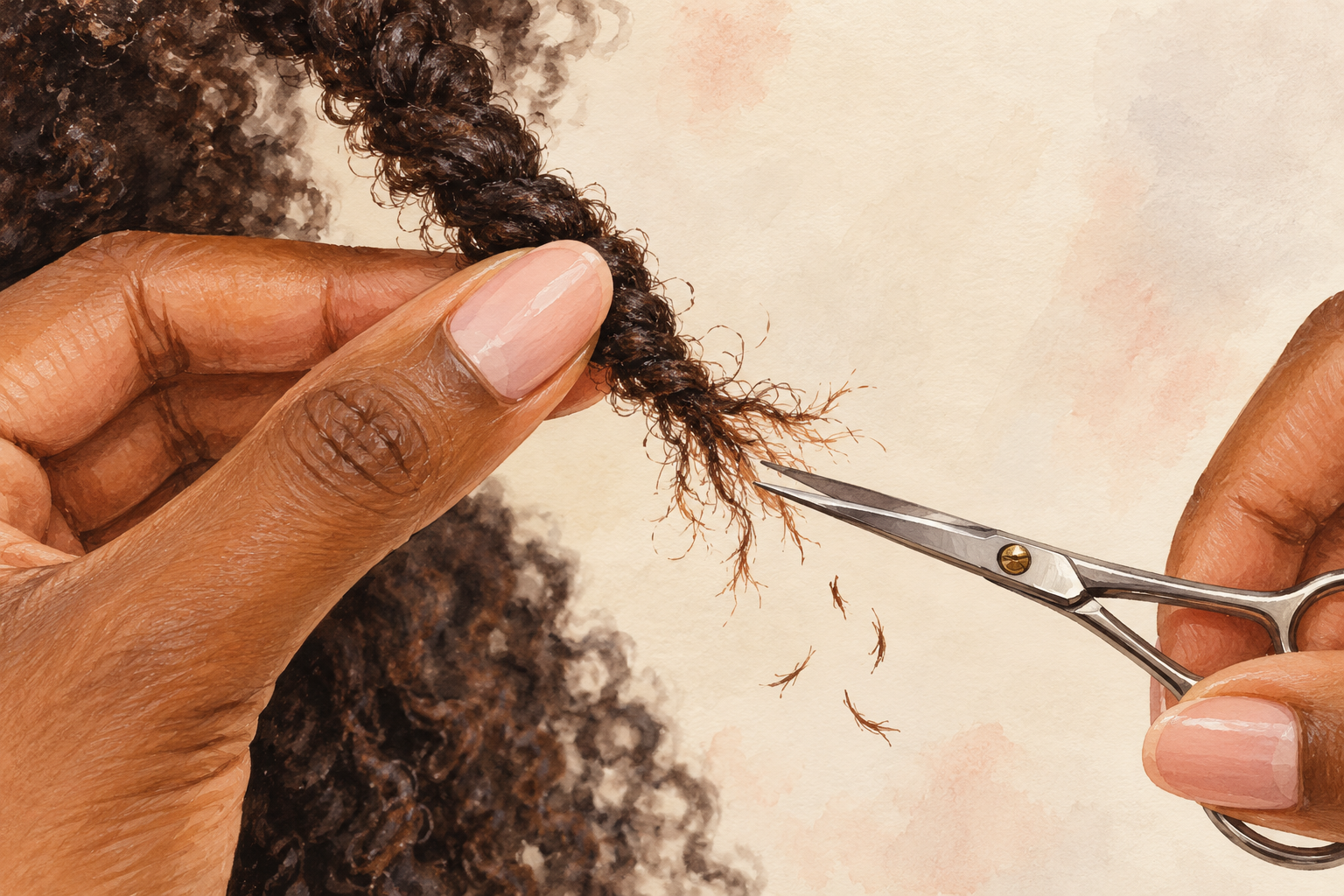
Trim a quarter inch of dead ends every eight to twelve weeks, and never chop a lot at once. Split ends travel up the strand, so leaving them makes your hair thinner at the bottom. Cutting too much in a panic wastes the length you worked for. Look for ends that are see through, tangled in knots or split in two. Trim only those, with sharp hair scissors and not kitchen ones. When your ends are healthy, black hair growth shows up as length that stays, instead of length that breaks. After a trim, notice how much easier your fingers glide through the lengths.
Complete the Routine: Keep Your Black Hair Growth Going
Tonight, fix number one and trim off any rough ends. To keep going, read about hair growth tips for black women and 4c hair growth.