You slathered on cream and oil, and by lunchtime your curls are still rough, dull and frizzing at the edges. Dry curly hair is often a rhythm problem, not a product shortage, because the order and timing of washing, rinsing and sealing matter more than how much you pile on. These 12 fixes get the rhythm right, so start at number one tonight.
1. Tell thirsty hair from coated hair
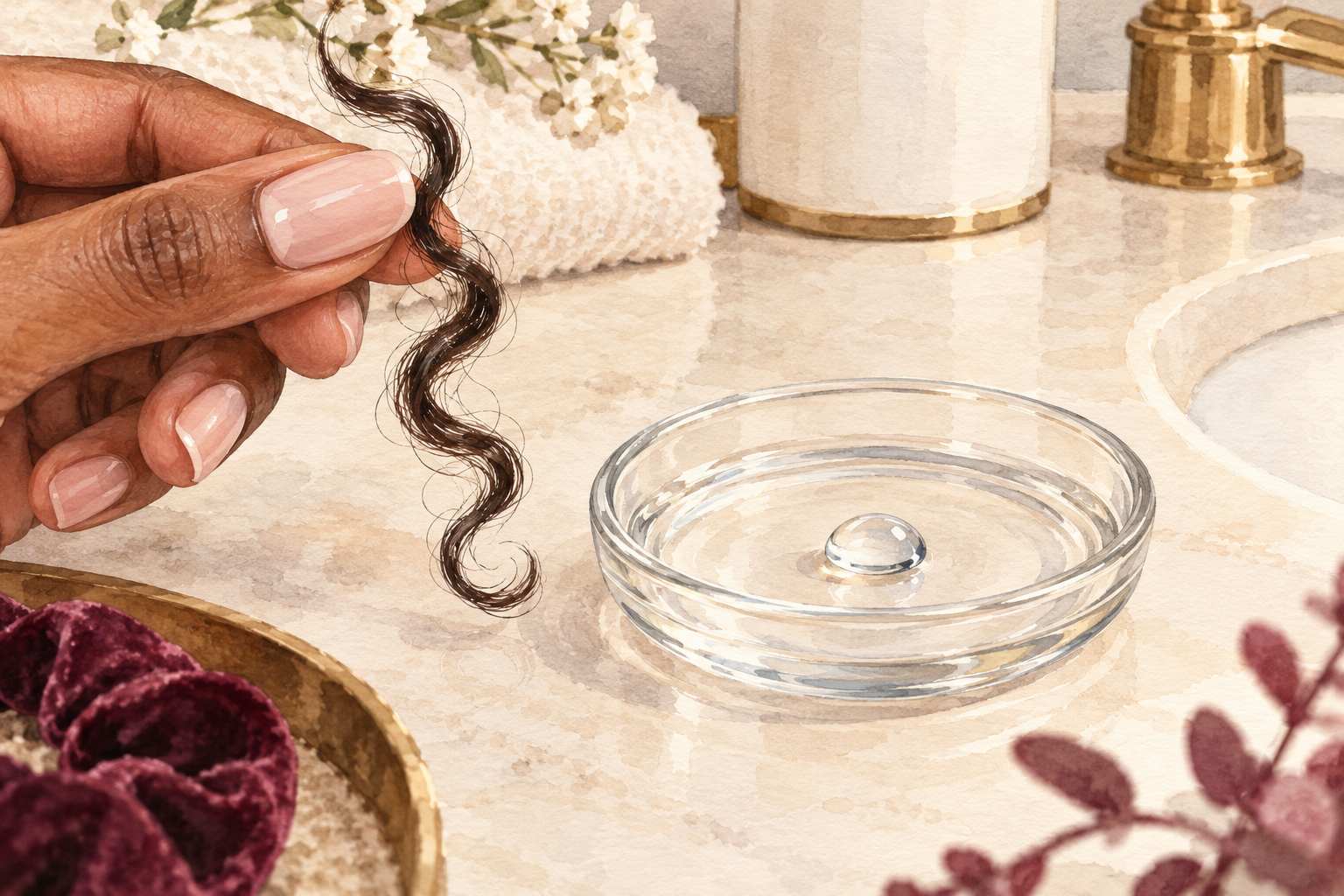
Take one clean strand and feel it, then notice how a drop of water behaves on your curls. Thirsty hair feels rough and brittle, and water soaks in quickly. Coated hair feels waxy, heavy or limp, and water beads on top as if it were on a raincoat. The fix for each is the opposite of the other, so work this out first. If your curls drink water but dry out in an hour, they need sealing. If water bounces off, you need a deep cleanse before anything else. Check again the morning after a wash, since this is when the difference between the two kinds shows most.
2. Remember that oils seal and never hydrate
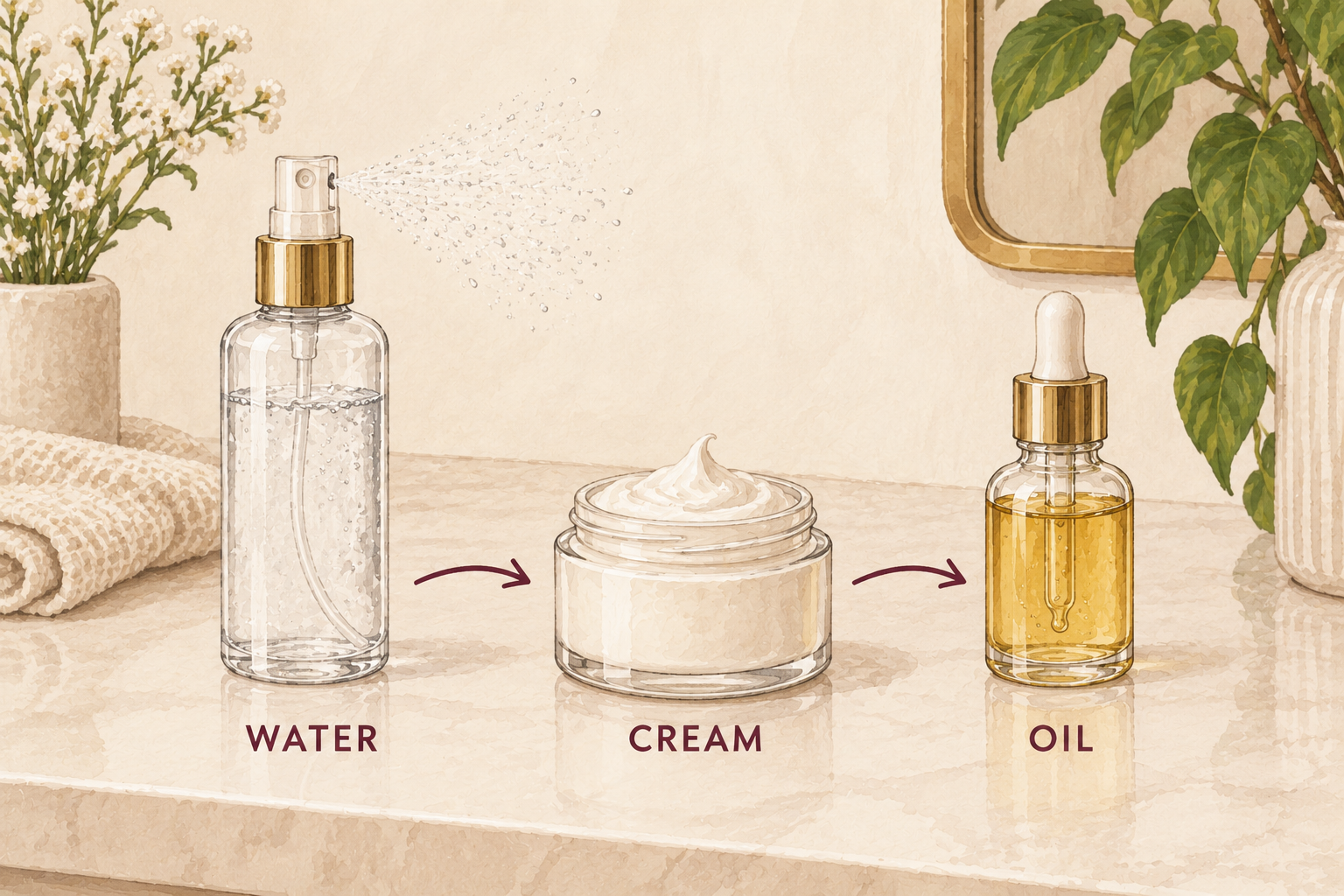
Use water or a water based product first, and add oil last to hold it in. Oil on dry hair just coats the surface, like clingfilm over an empty bowl. Water is what actually hydrates a curl, and oil only keeps it there. This is why adding more oil to dry curls makes them feel greasy and still rough. Put the water on first, then a cream, then a few drops of oil if you need it. Flip the order and the moisture never gets in. Think of water as the drink and oil as the lid on the cup.
3. Check your water and your wash gap
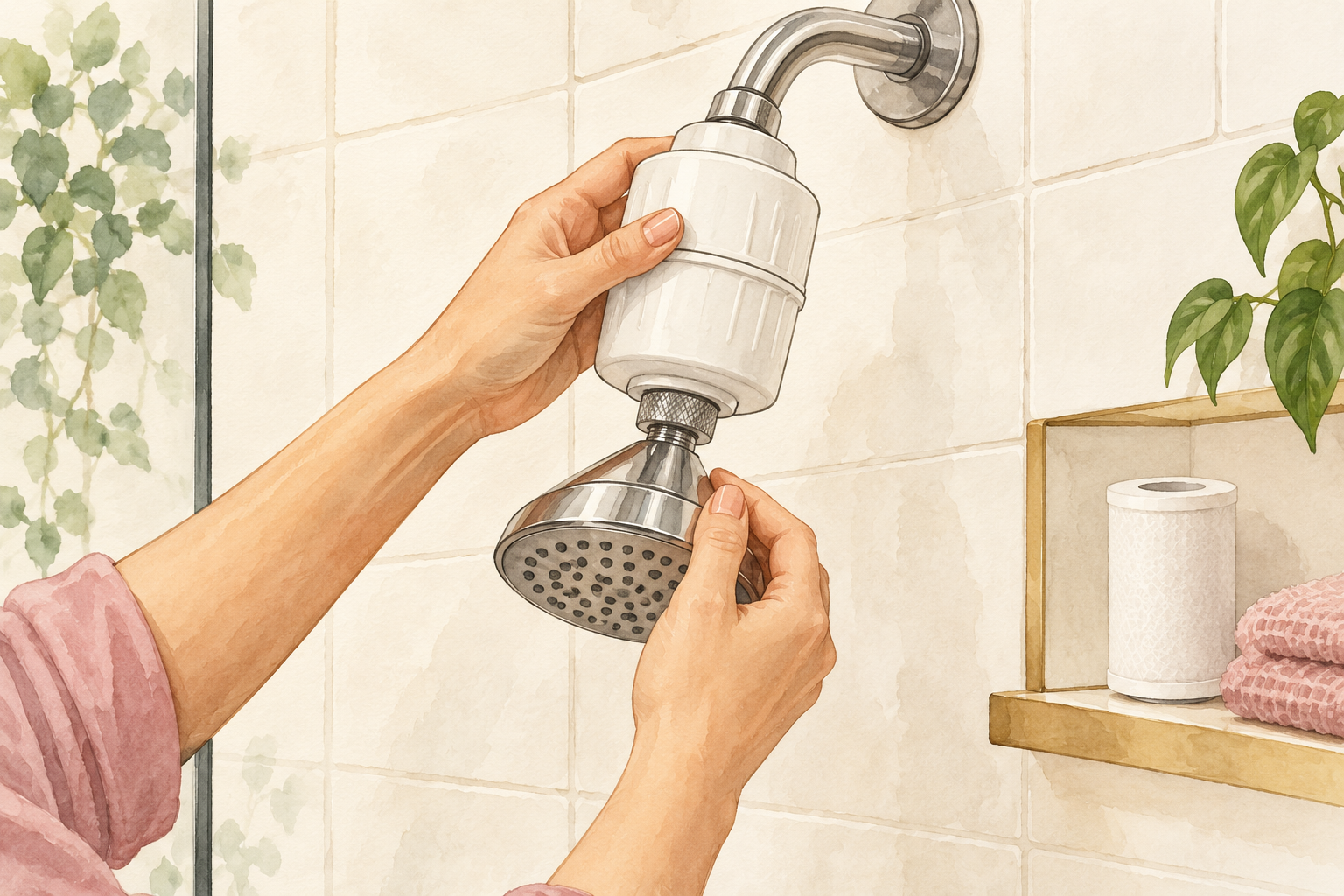
Look for white crust on your taps, because it suggests hard water that leaves a film on curls. Hard water makes hair feel dry and stiff no matter how much cream you add. A shower filter or a monthly clarifying wash helps. Next, count your days between washes. Washing daily strips curls, while waiting more than ten days lets build up lock moisture out. Most dry curls like a gap of about five to seven days, with a light rinse in between. Rinsing your hair with a cup of bottled water once will show you if your tap is the problem.
4. Shampoo the scalp only, once a week to start
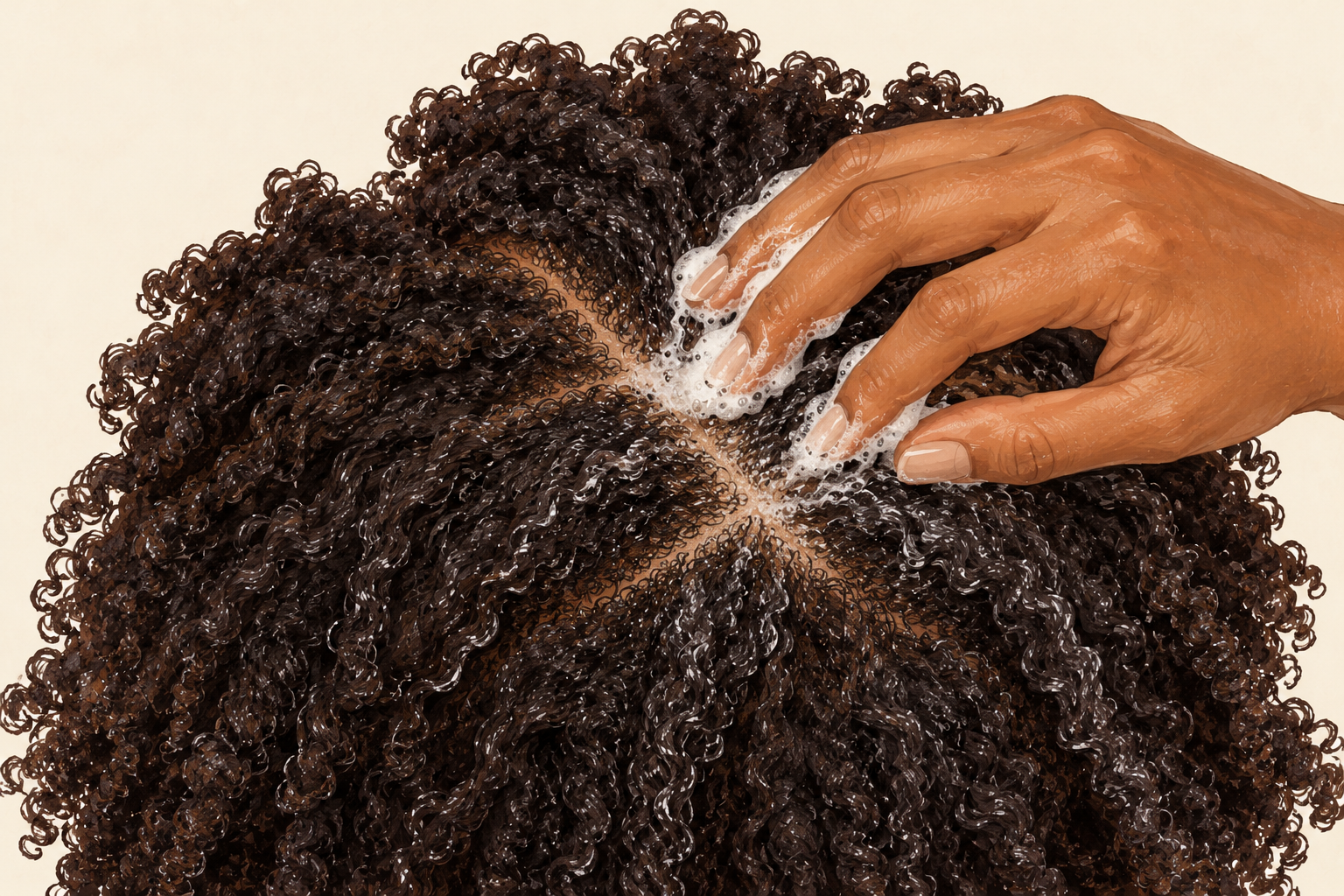
Pin up your curls, shampoo the scalp for a full minute and let the suds run down. The lengths are the driest part, so they should never be scrubbed. Choose a gentle shampoo that does not leave your scalp squeaky tight. If you finish a wash and your hair feels stripped, you used too much or washed too long. Rinse for a minute longer than you think, because leftover shampoo is itchy and drying. Once a week is a good start, and you can adjust from there. Fine curls may prefer a wash every five days, while thick coils can wait a full week.
5. Co wash between shampoos and scrub the scalp
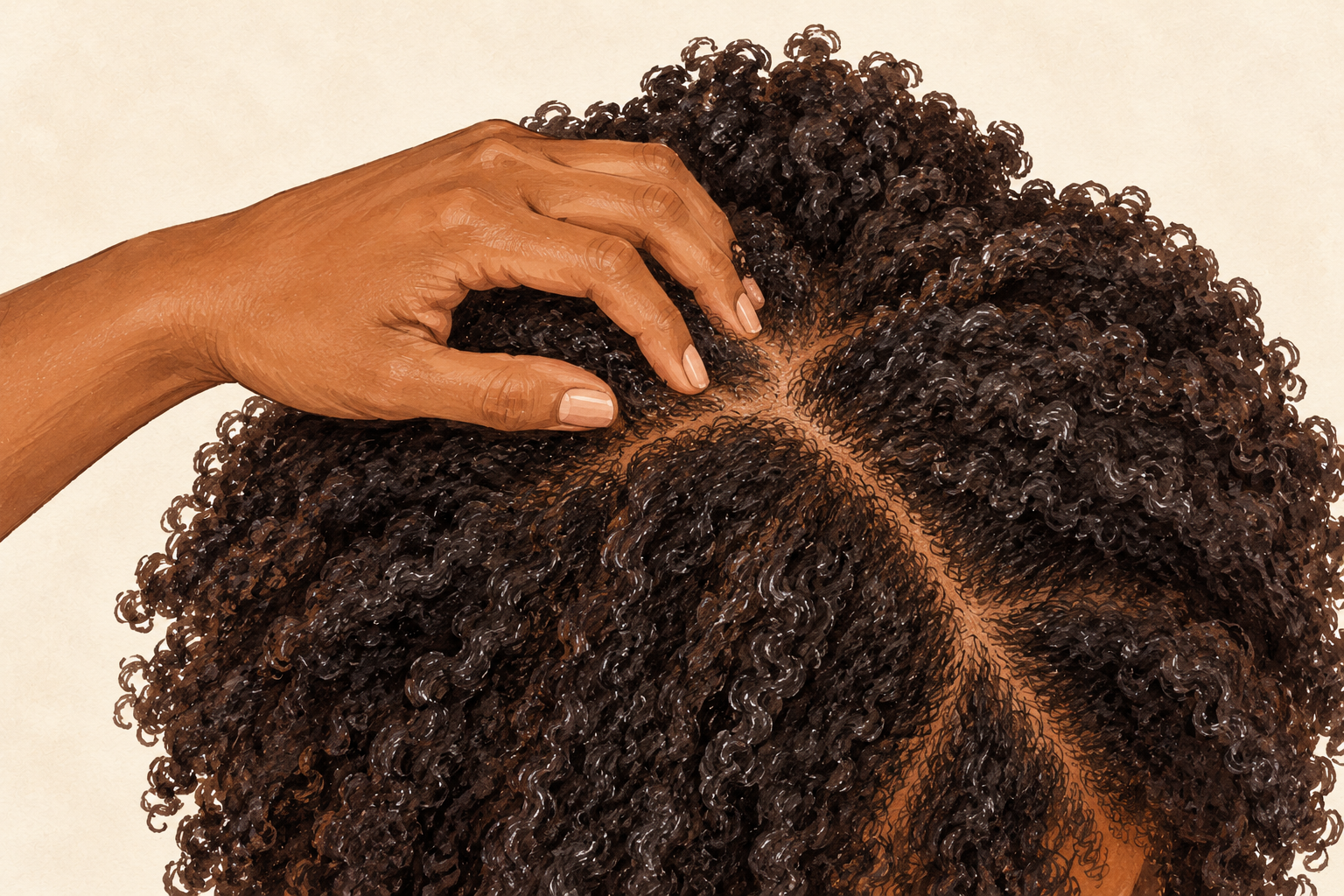
On the days between shampoos, wash with conditioner alone and scrub the scalp with your fingertips. Co washing refreshes curls without stripping them, but only if the scalp gets a proper massage. Take two or three minutes, rinse thoroughly, then continue with your leave in. Some cream conditioners leave residue, so pick a light one for this. If your curls start to feel waxy after three or four co washes, that is your sign to clarify. Switch back to shampoo whenever your scalp feels heavy. A ten minute leave in on top of the co wash feels like a mini spa day.
6. Clarify every two weeks at most, then deep treat
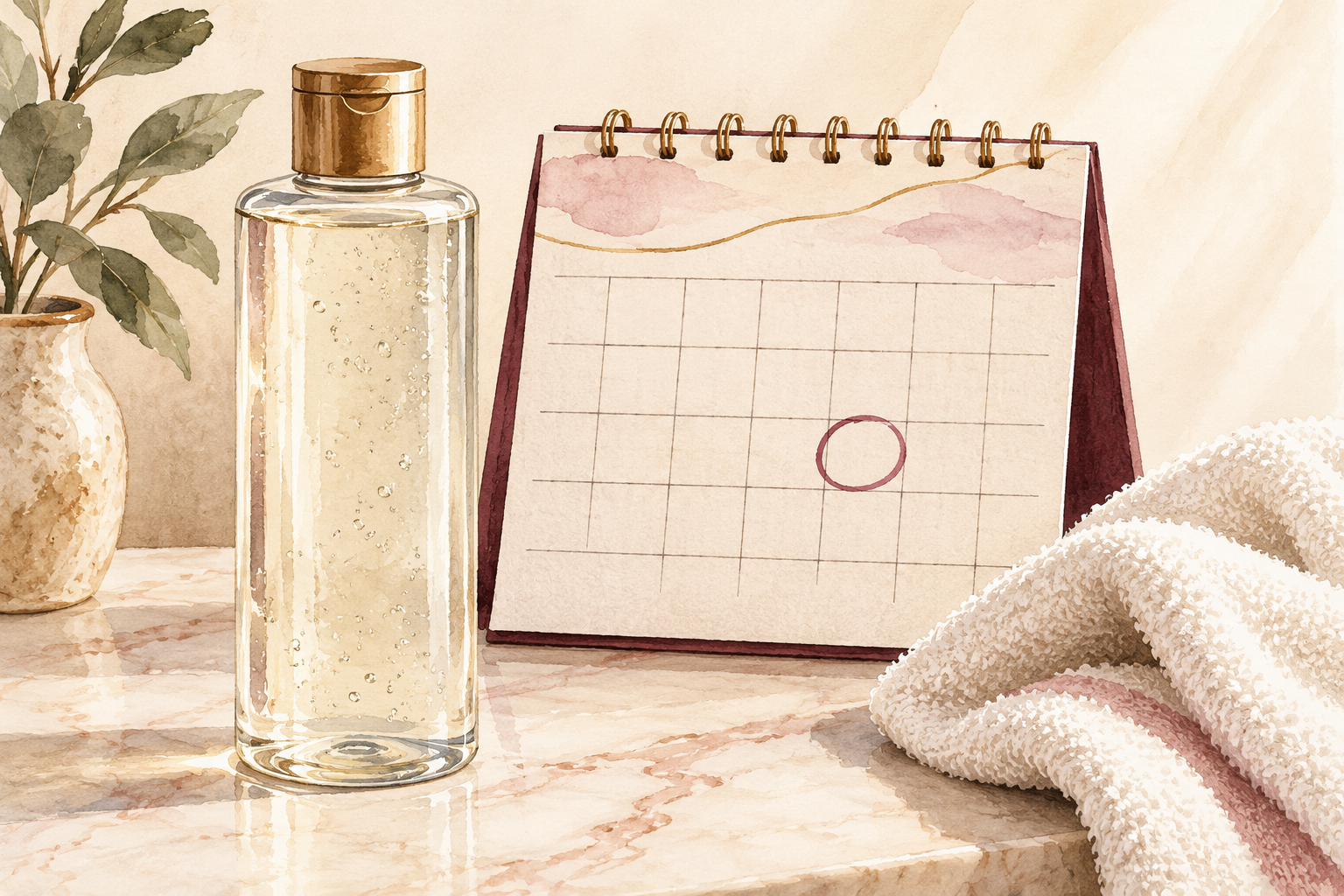
Use a clarifying shampoo no more than once every two to four weeks, and follow it with a rich deep conditioner. Product build up blocks water, so a deep clean lets moisture in again. Clarifying too often strips curls and leaves them drier than before. If you use a lot of gels and creams, aim for every two weeks. Light users can stretch to once a month. Plan to follow it with a mask, and never skip the follow up. Mark the clarify day on a calendar, so you do not drift back to doing it weekly.
7. Give it a deep treatment for twenty to thirty minutes
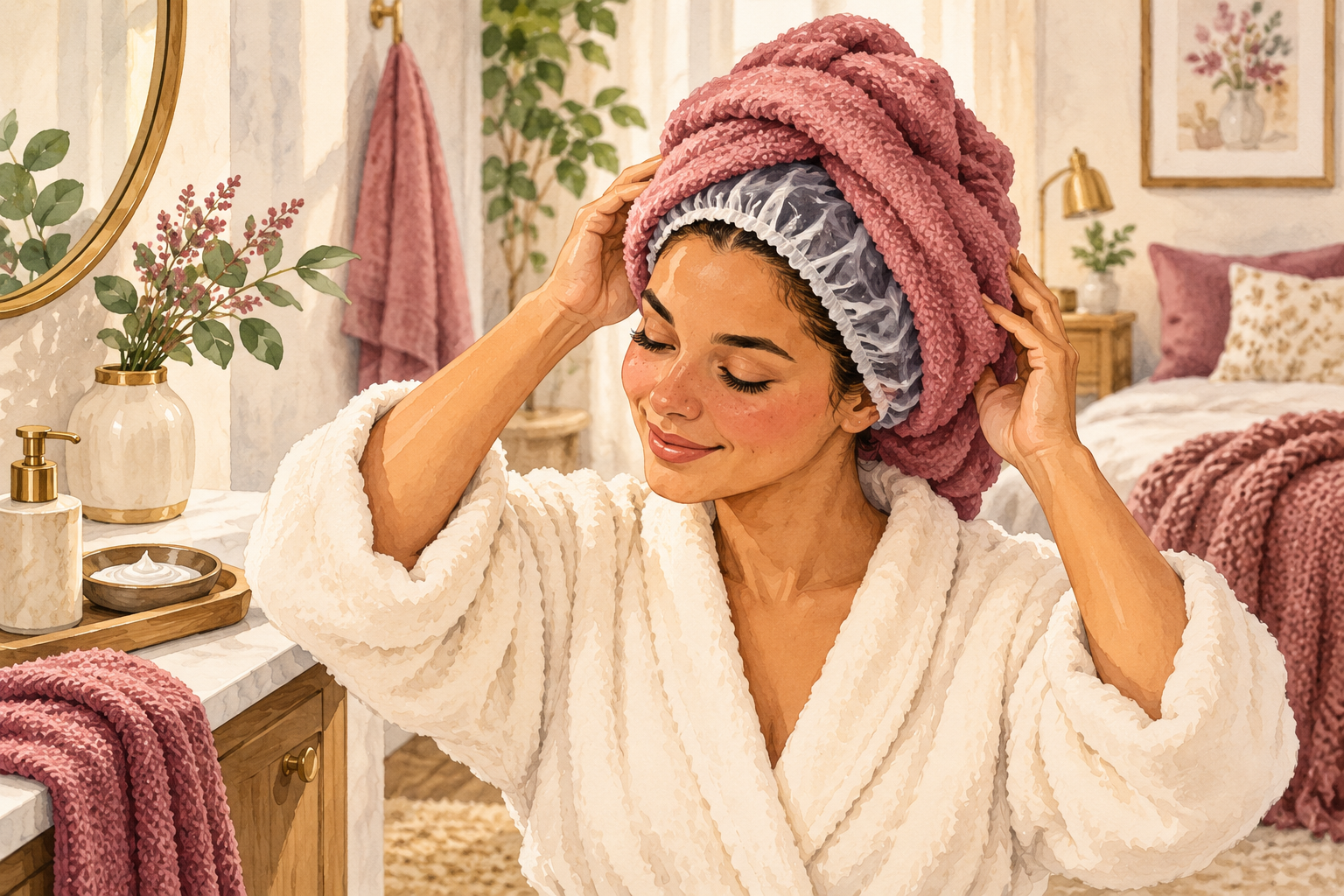
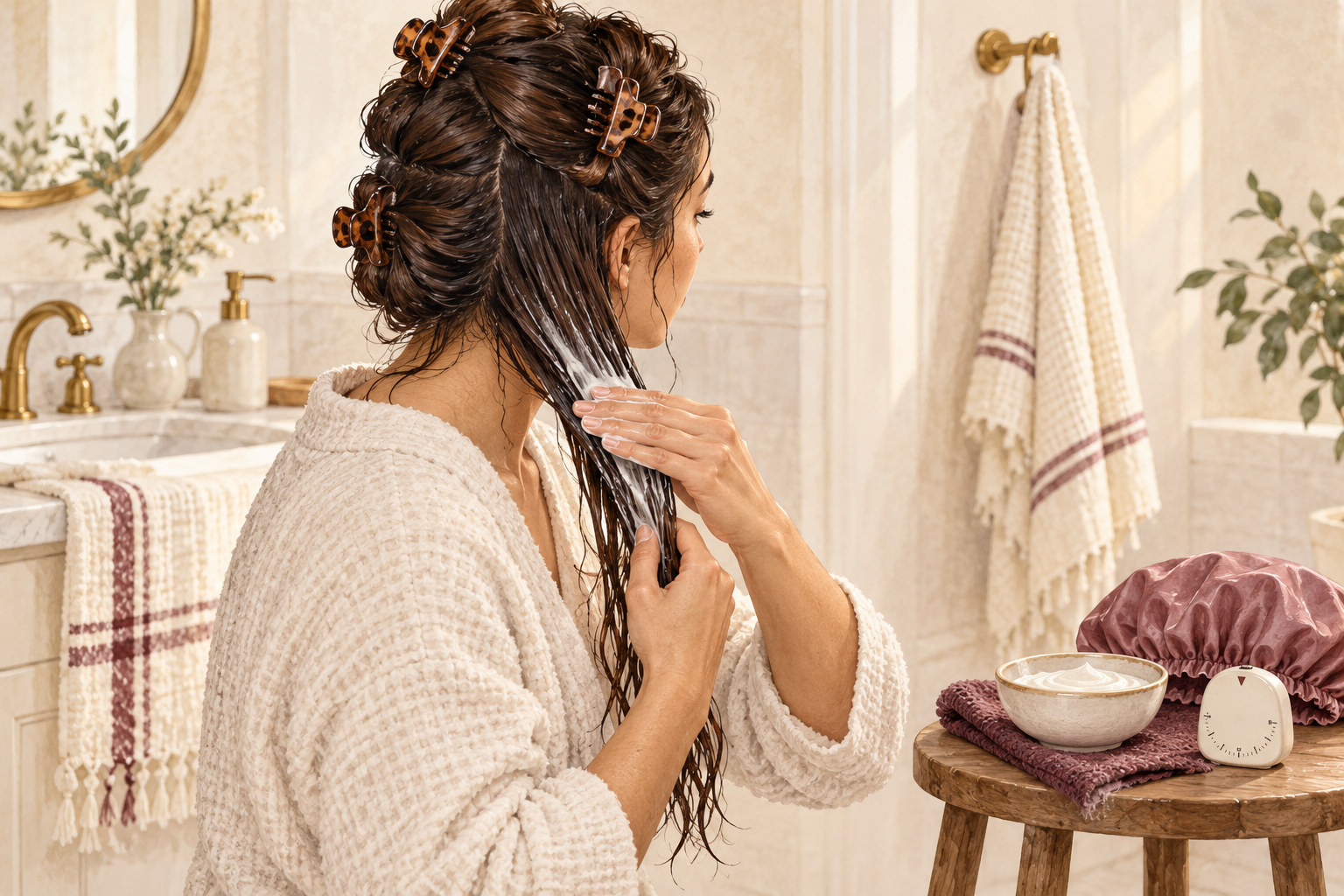
Once a week, smooth a thick deep conditioner through damp curls, cover with a shower cap and leave it on for twenty to thirty minutes. Warmth from a towel helps it sink in. Rinse with cool water to finish. If your curls feel limp and stretched, they may need a lighter formula, so alternate a moisture mask with something lighter. Do not leave it on overnight, because too long can leave curls mushy. Take the time to read or listen to something while it works. Wrap your hair in an old tee afterwards if the cap makes you hot.
8. Put your products on soaking wet hair
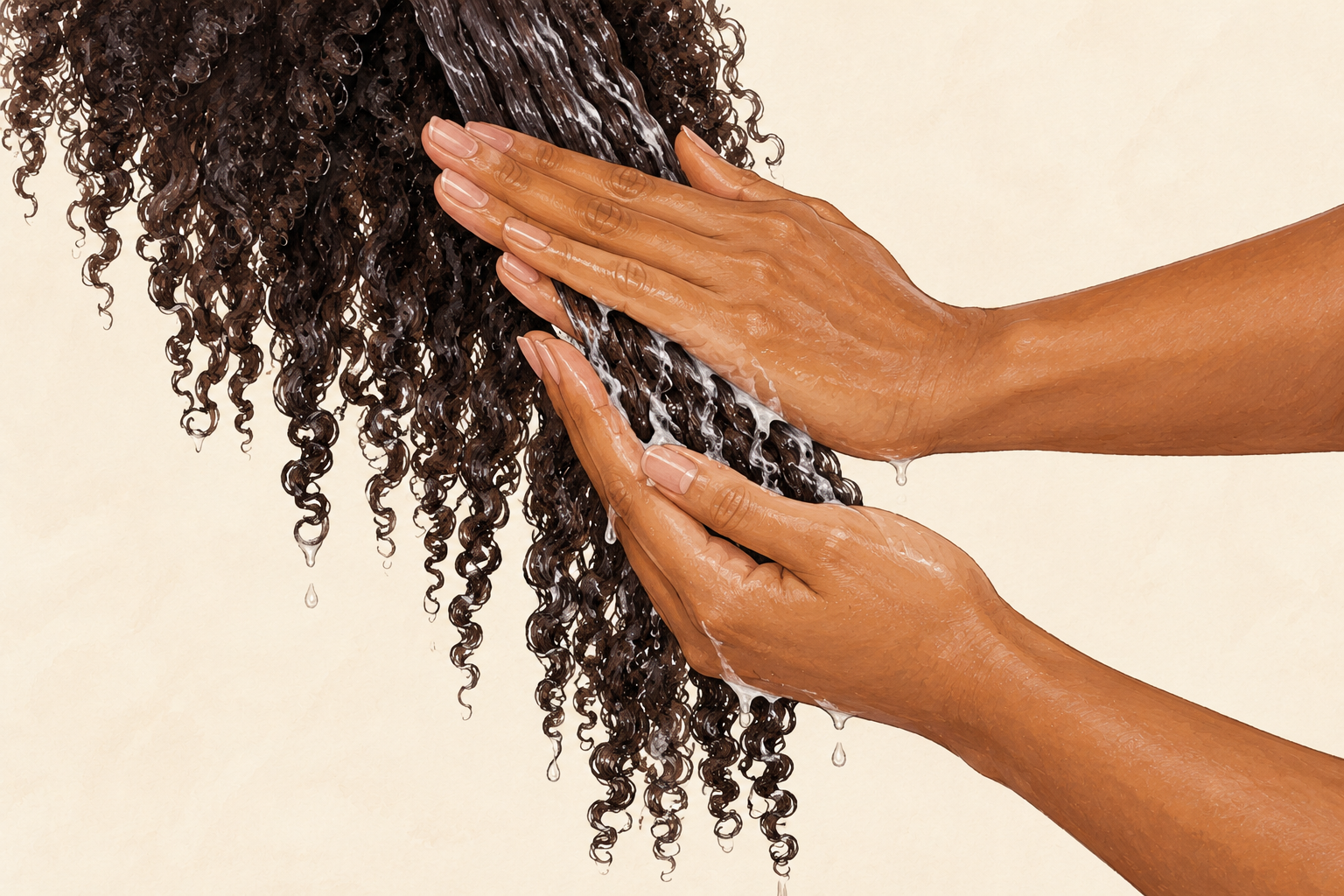
Apply leave in and cream while your hair is still dripping, ideally in the shower. Curls take on water only when they are wet, and every product you add then locks it in. Dry curls reject products and leave them sitting on top. Smooth the cream over each section with praying hands, then glide down. If your curls feel stiff after drying, you probably applied them too late. A spray bottle fixes it if you miss the window, so mist first, then apply. Rake the cream through gently with your fingers so each curl gets a share.
9. Seal with a few drops of light oil
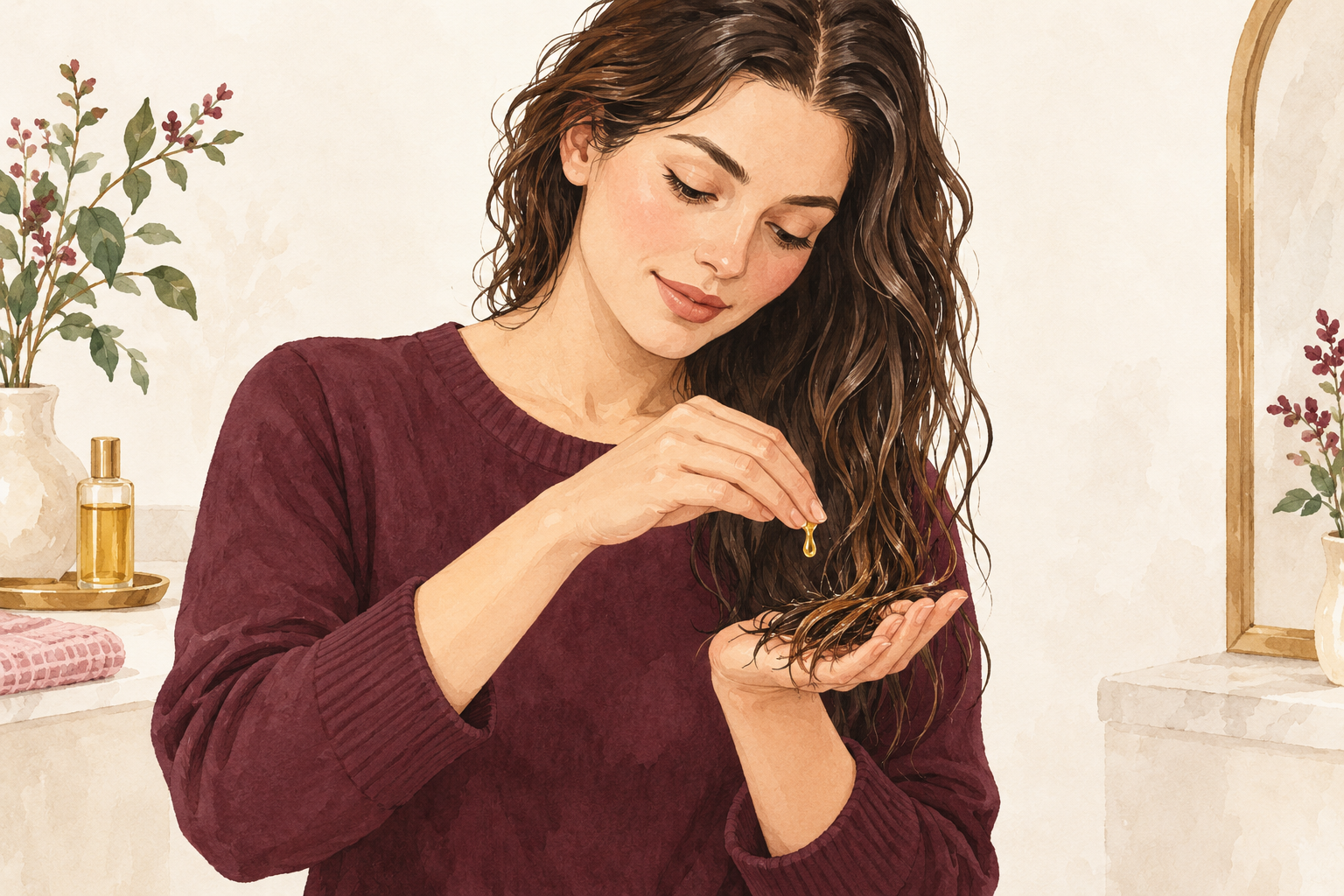
Rub three or four drops of a light oil between your palms and pat it over the top of your curls. Grapeseed, almond or jojoba work well for most heads. Seal after your water based products, never before. For short or fine hair, two drops is plenty. For thick coily hair, you can go up to a teaspoon. If the hair looks greasy, you used too much, and you can fix it with a damp palm. Heavy butters on top of everything is how curls end up coated. Always smooth the oil over the surface, rather than working it into the roots.
10. Dry gently and keep your hands off
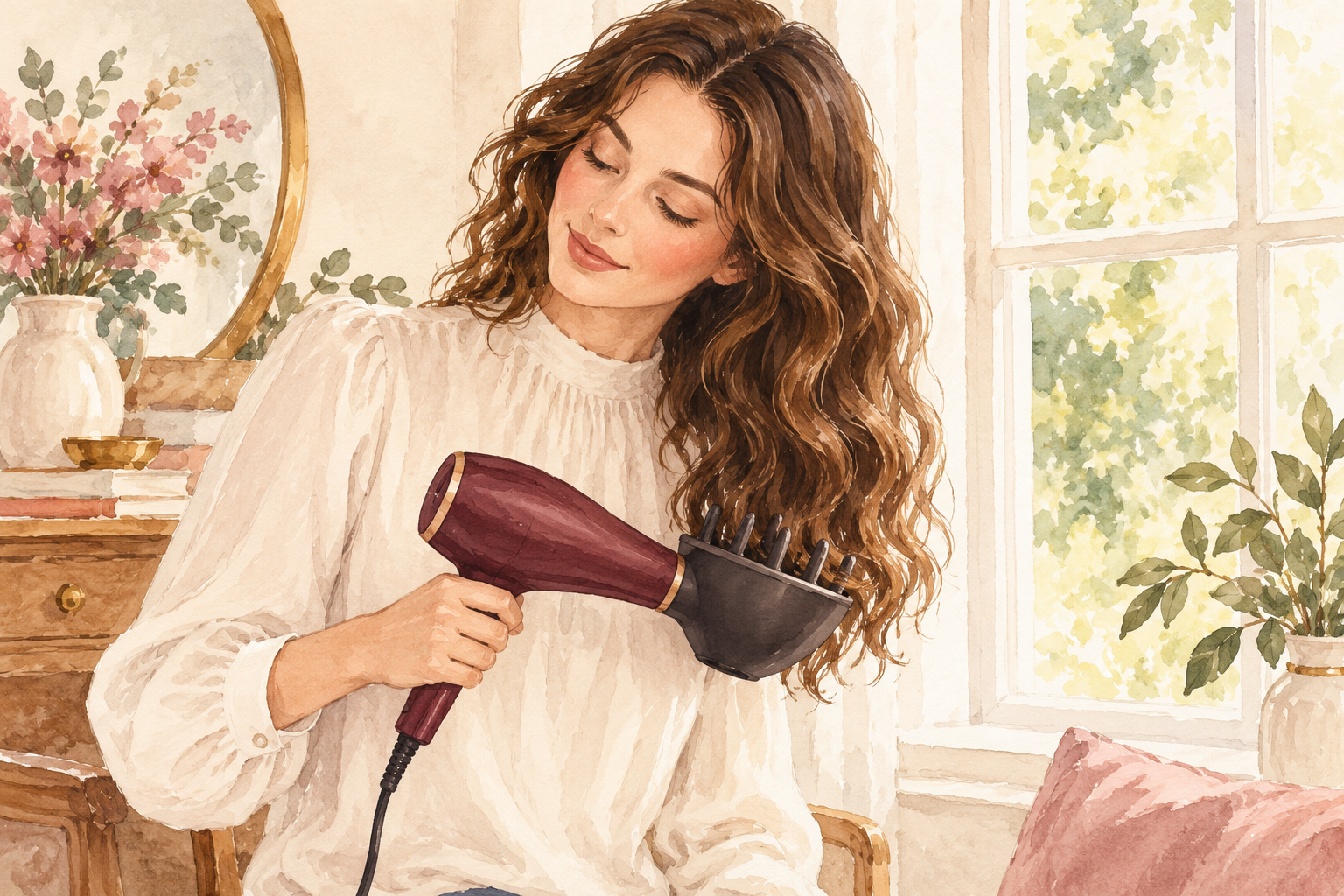
Squeeze out extra water with an old cotton tee or microfiber towel, then air dry or diffuse on low. Rubbing with a regular towel roughs up the surface and makes frizz. Once your curls start to dry, do not touch them. Touching breaks the curl clumps and brings the frizz back. Hold your diffuser a hand width away, and stop while the roots are still slightly damp. Break any crunch from the gel after your hair is fully dry by scrunching with a little oil on your palms. A small drop of oil on your palms softens the cast without flattening the curls.
11. Swap the habits that keep drying you out
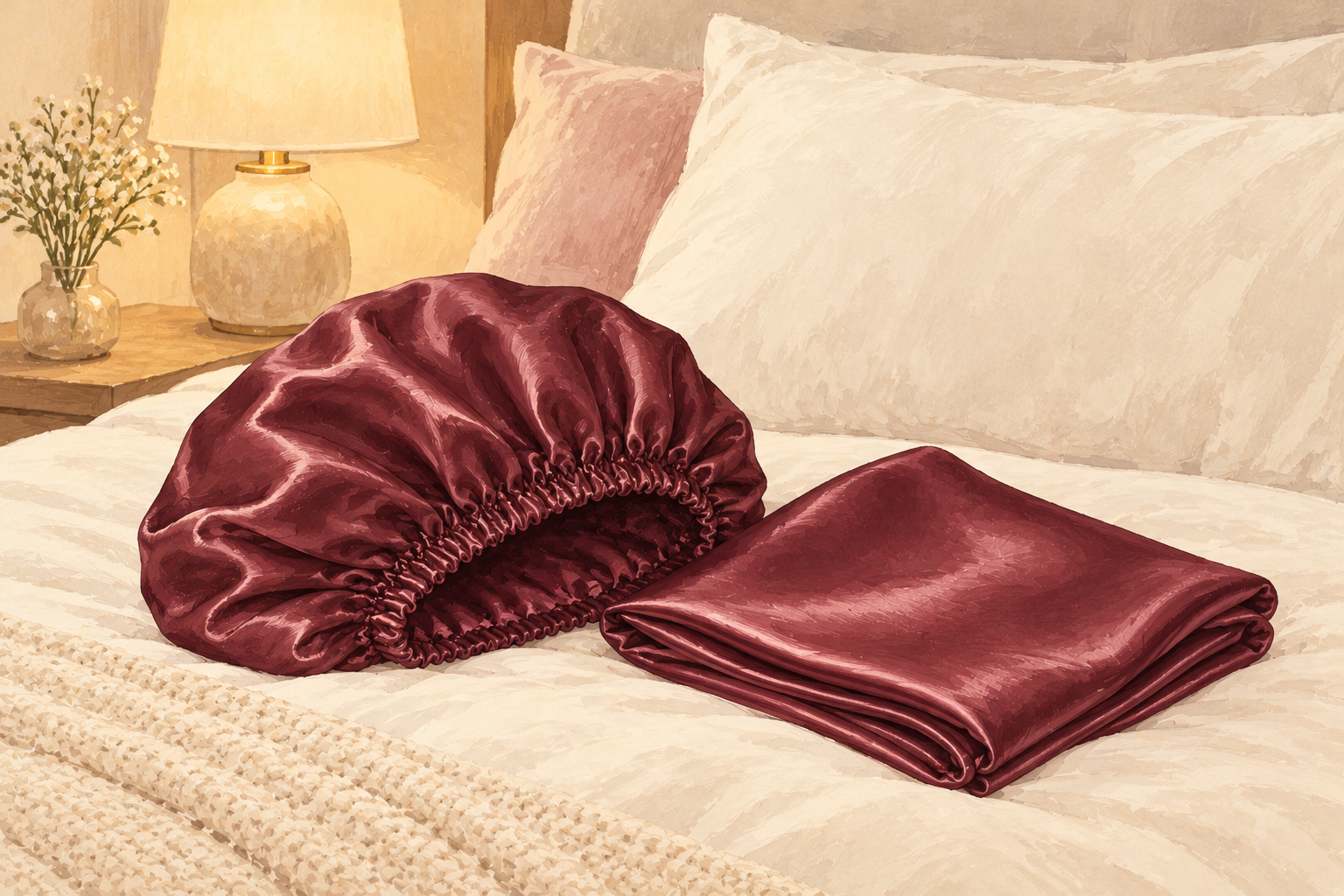
Drop alcohol heavy gels, brushing dry curls and hot showers. Each one strips moisture or breaks curls apart. Skip sulfate heavy shampoos on your lengths, and avoid sleeping on cotton, which pulls moisture out overnight. Use a satin bonnet or pillowcase. Switch one habit at a time so you can tell which one made the difference. Dry curly hair rarely gets better from adding a new product, and often gets better from taking a bad habit away. A satin pillowcase is a one time swap that quietly saves your morning mood.
12. Read the week one, four and eight timeline

By the end of week one your curls should feel softer after washing and less rough to the touch. By week four there is more bounce, less frizz and curls that last more than a day. By week eight your wash rhythm feels natural and your hair keeps moisture for several days. Some weeks will still be dry thanks to weather, travel and hormones. Keep a note of what you did on your best hair days, and repeat that pattern, not the products. Take a photo each Sunday in the same light, since the change is slow.
Complete the Routine: Dry Curly Hair Care You Can Start Tonight
Tonight, work out whether your curls are thirsty or coated, then plan your wash gap. For more help, read dry hair remedies and a hair mask for dry hair.