You file a snapped corner down for the third time this month and wonder why your nails never get past the same length. If you want to know how to grow nails that stay, the answer is mostly about what stops them, not what speeds them up. Here are 12 habits, so start at number one tonight.
1. Fix breakage before you chase growth
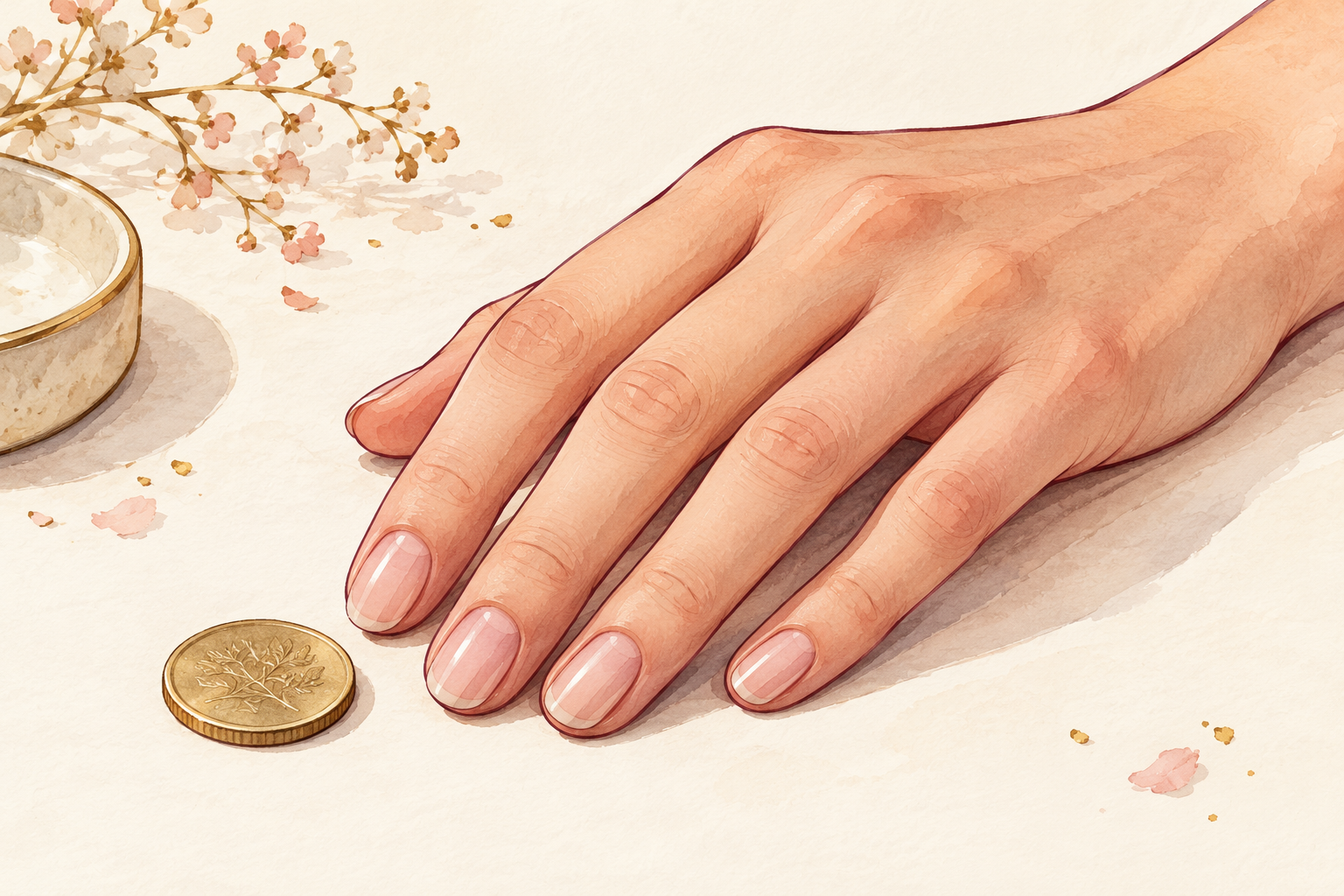
Your nails are already growing, about a tenth of an inch a month, so the real job is keeping what grows. Think of a bath filling while the plug is out. If tips snap every few weeks, your length stays the same no matter what you take. So start by finding where the breaks happen. Is it one thumb, the corners, or the ring finger that does all the work? Fix that spot first. Every habit on this list is about closing the leak. Once nothing snaps, the length shows up on its own, as if you suddenly gained a month.
2. Keep them short while they get strong
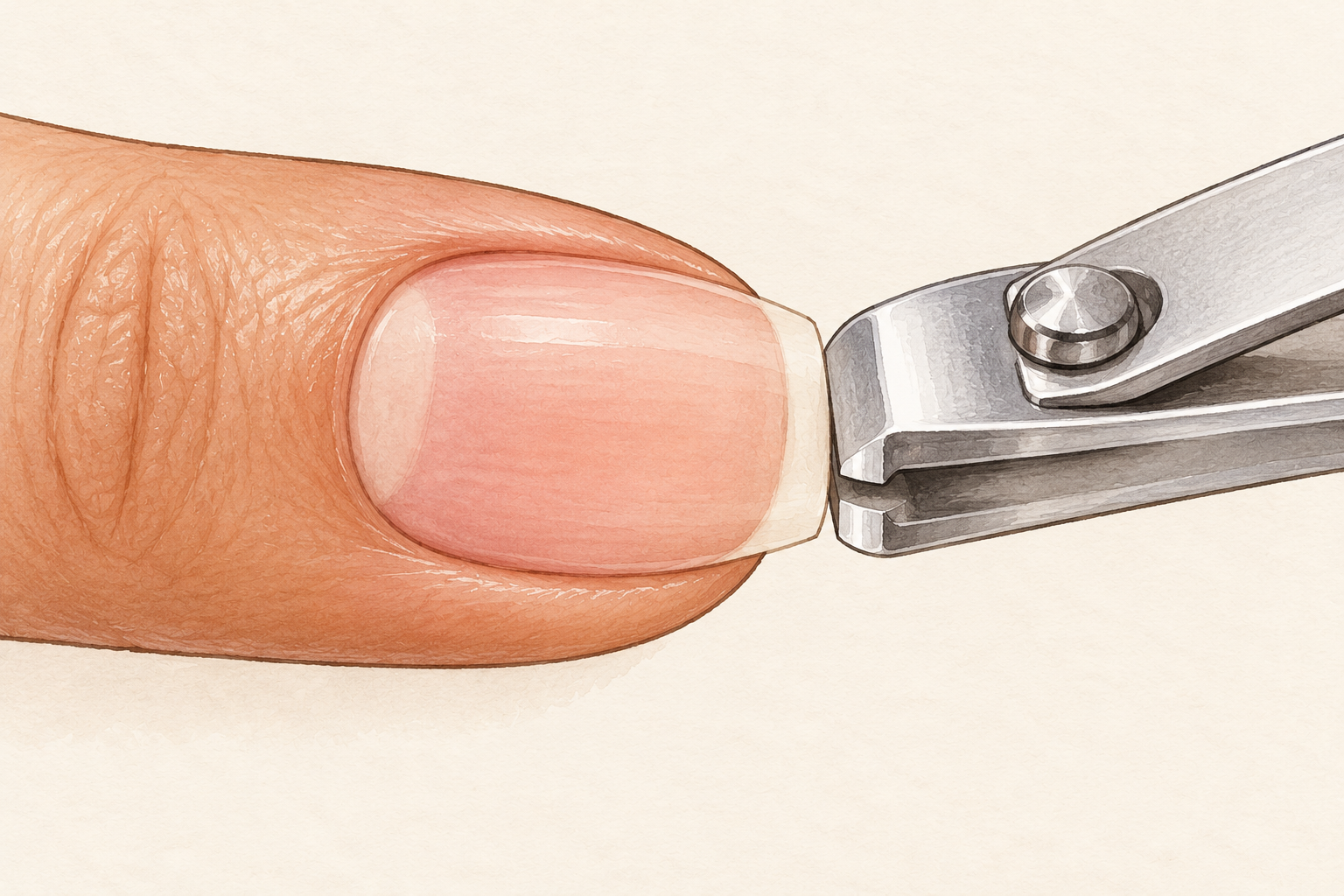
Trim your nails down to a manageable length for the first month and let them build up slowly. Long weak nails snap, short strong ones do not. Cut straight across, round the corners a touch and keep the length just past your fingertip. Several small snips are gentler than one big bite. Trim after a warm wash, when the nail is soft. This is the simplest part of how to grow nails, and it costs nothing. It feels backwards to cut when you want length, but a clean, even tip stops the small tears that grow into big breaks. After four weeks, you can start letting them go.
3. File in one direction with a fine file
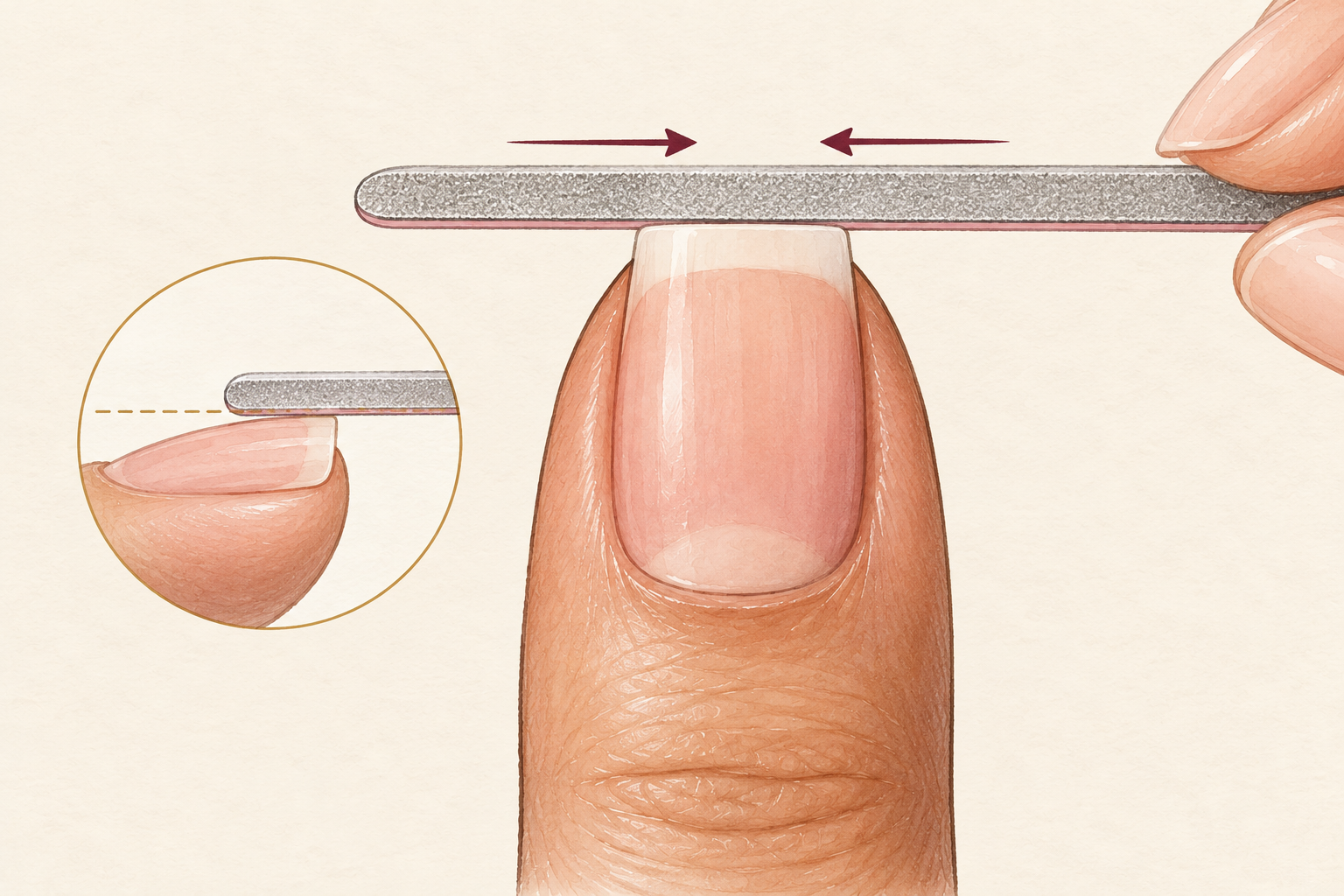
Glide a fine file from the outer edge toward the middle, never sawing back and forth. Sawing tears the layers apart and leaves a rough edge that catches on everything. Two or three gentle passes per side are enough. If you hear a scraping sound, you are pressing too hard. A glass file or a soft fine emery board is kinder than a coarse one. Run a fingertip over the edge when you finish. If it catches, give it one more pass. A smooth edge is how you keep the tips from peeling.
4. Stop biting and picking

Give your hands a job when your mind wanders, such as a stress ball, a pen to click or a bit of sugar free gum. Biting and picking shred the tip, the cuticle and the skin that feeds the nail. Notice when it happens, usually while scrolling or watching TV. Keep your files in the same room so a snag gets filed instead of bitten. A bitter nail polish made for biting can help. Be kind to yourself on a slip day. Most people need several weeks to retrain the habit, and each clean week counts. Paint a coat of clear polish if the urge is strong, because a smooth shiny nail is harder to bite.
5. Oil your cuticles every night
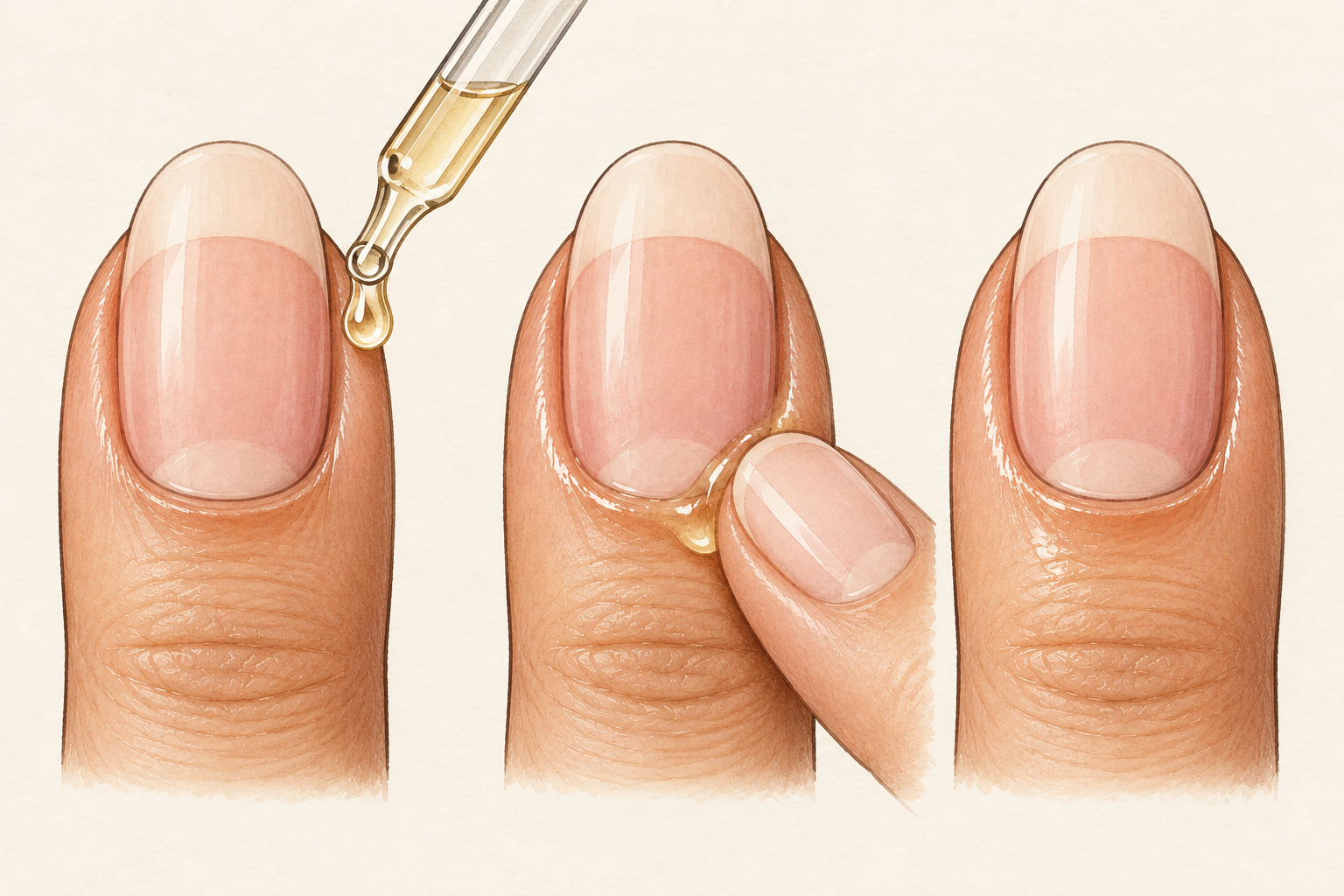
Put a drop of cuticle oil on each nail before bed and massage it in for ten seconds. Dry cuticles crack, and cracks let in the splits that stop your length. Oil keeps the skin soft and helps the nail flex instead of snap. Almond, jojoba or olive oil all work. Press the oil into the skin around the nail as well as onto the nail itself. Keep the bottle on your bedside table, so you see it when you are already still. Your nails will look glossier within a week, even bare. Rub any leftover oil into your hands so it does not go to waste, and dab a little on the nail wall too.
6. Hand cream after every wash
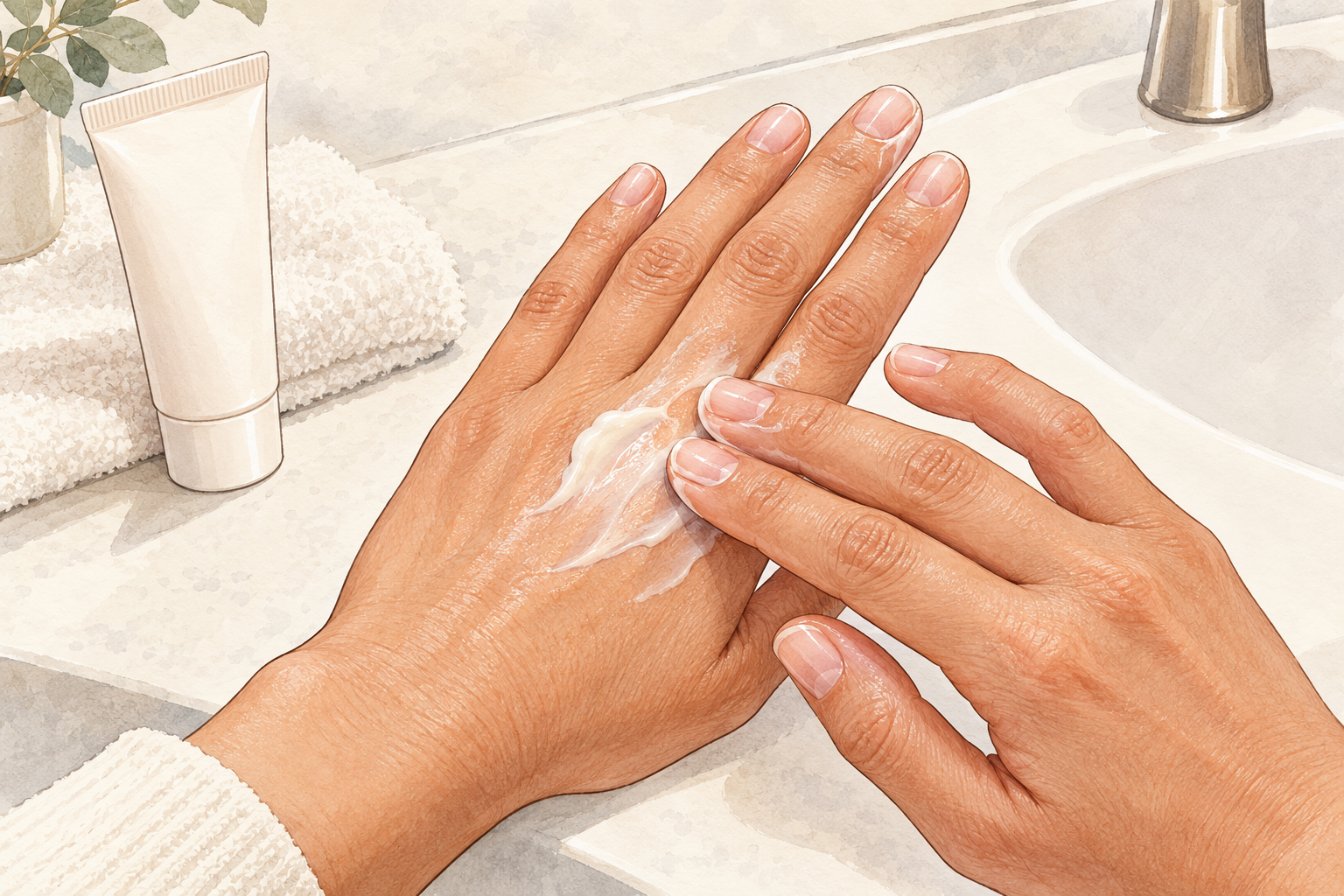
Keep a small tube by every sink and use it whenever you dry your hands. Water swells nails and then lets them shrink, and that cycle splits the layers. Cream seals in moisture before it happens. Rub it into each nail and the cuticle, not just the back of your hand. If your hands feel tight, add another layer before bed. Choose a cream that feels rich but not greasy, so you will use it. Pat your hands dry first, since wet skin shuts cream out. Dry cracked hands usually mean dry cracked nails.
7. Wear gloves for wet jobs
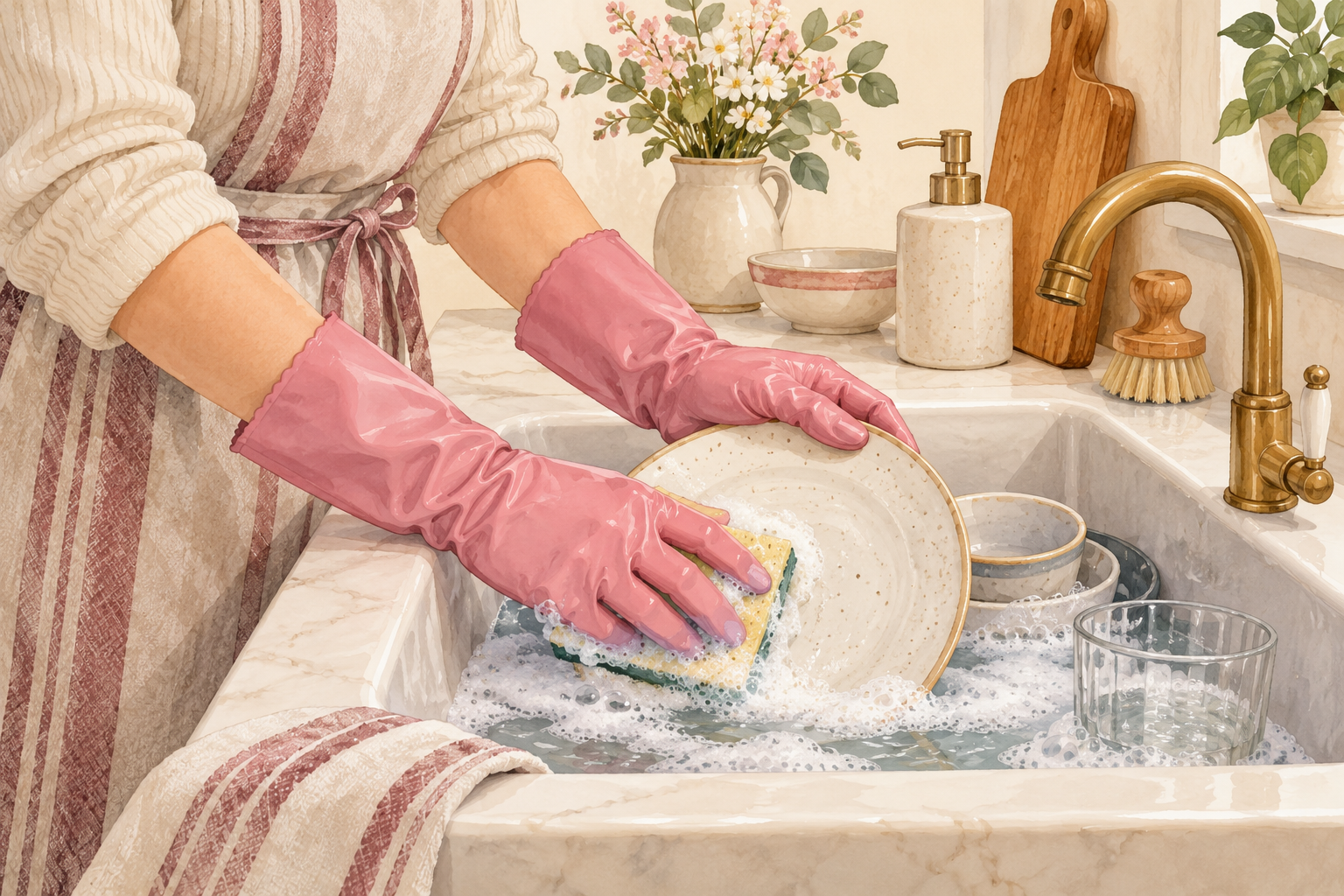
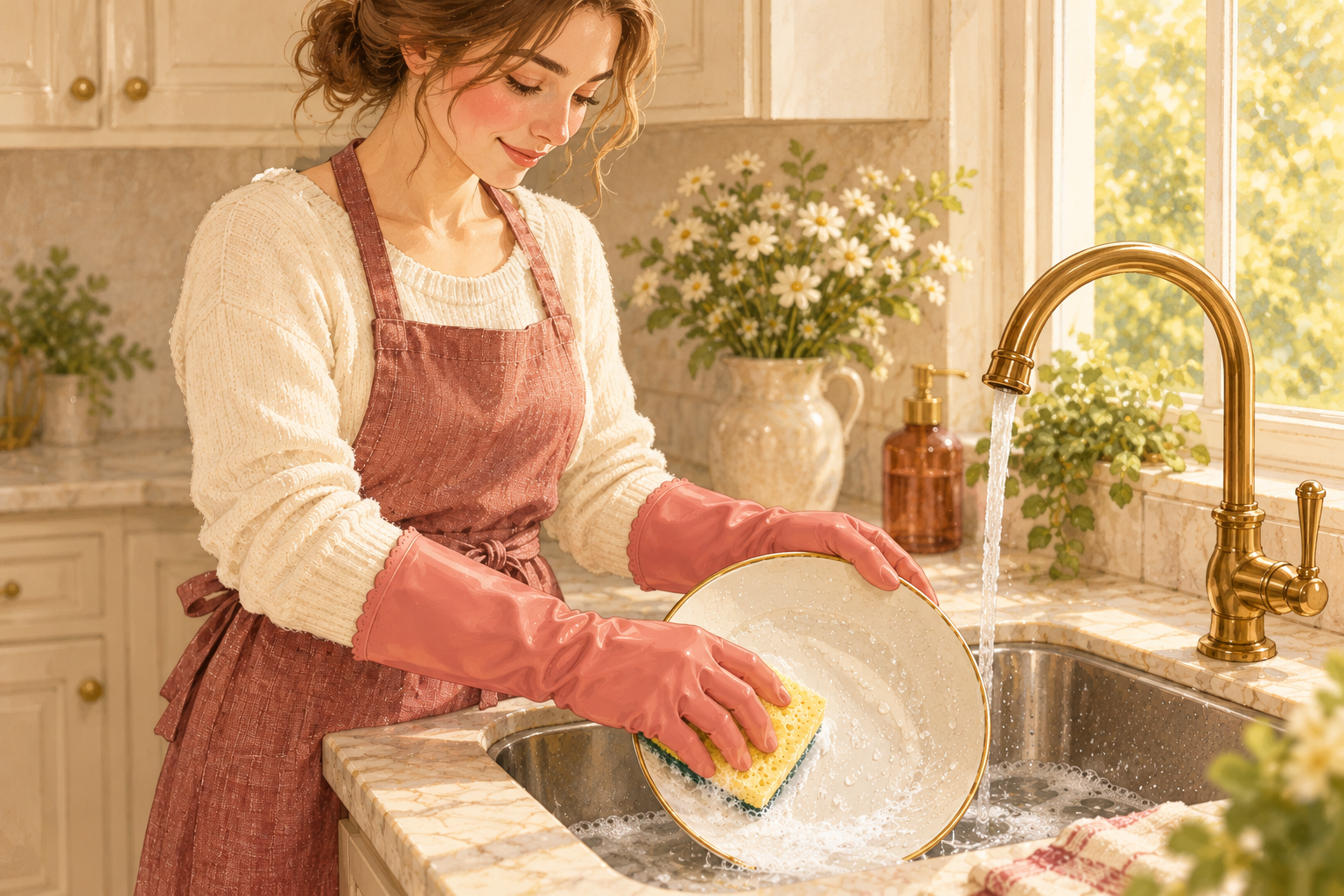
Put on rubber gloves for washing up, cleaning and doing laundry by hand. Hot water and strong cleaners soften the nail and then dry it out, which sets it up for peeling. Wash the gloves inside out once a week. Hang the gloves on the tap so they are the first thing you grab. It feels like a chore for a week, then you stop noticing it. Pick gloves with a soft cotton lining if your hands sweat. Gloves in winter protect from the cold too, since cold air dries nails and makes them brittle. Think of them as a seat belt for your tips.
8. Use tools, not your nails
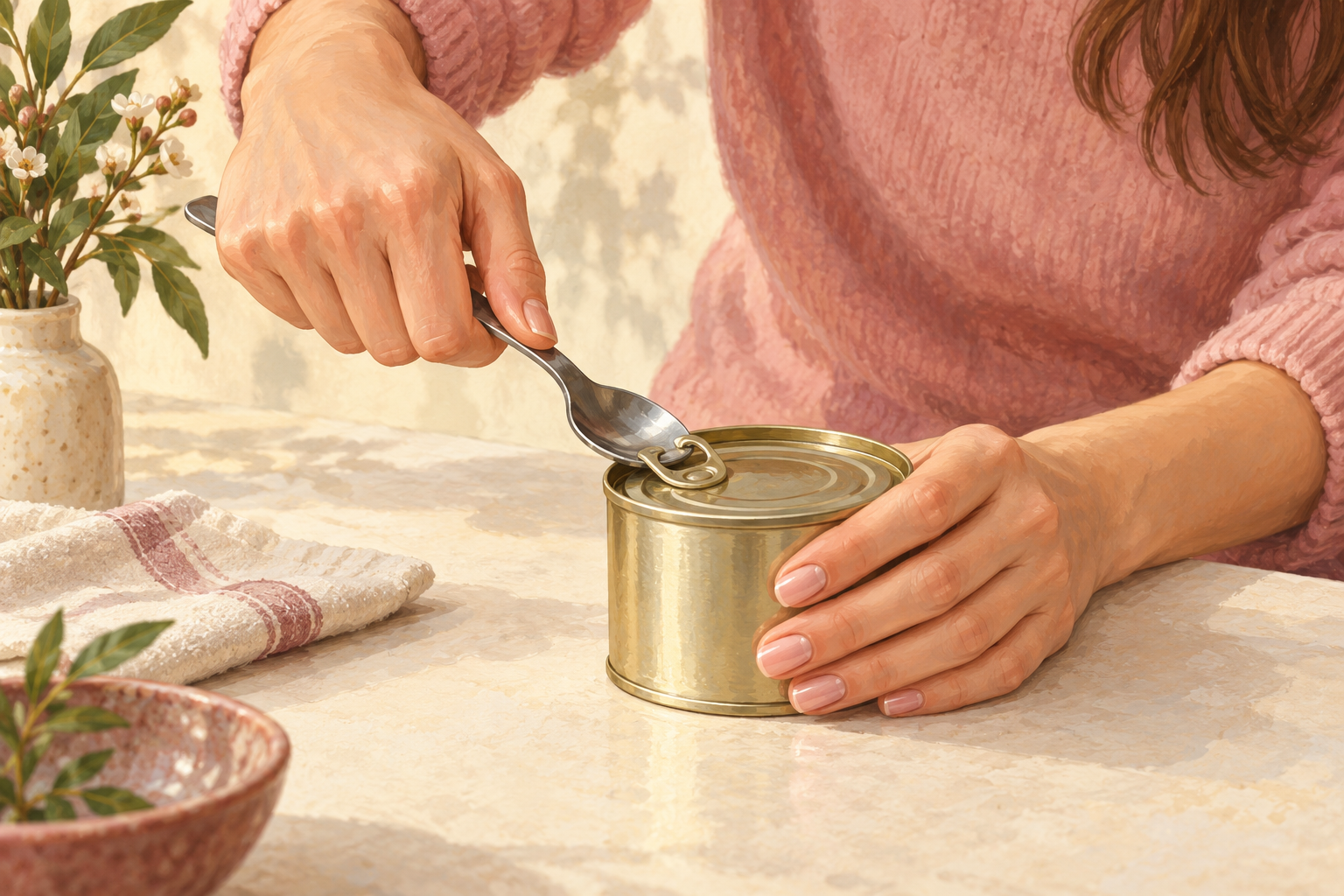
Open cans with a spoon edge, press buttons with the pad of your finger and peel stickers with a tool. Nails are not screws or can openers, and the tip pays every time. Most breaks come from tiny jobs you do without thinking. For a week, notice every time you reach for a nail to pry, scrape or scratch. Then keep a substitute close, such as a spoon in the kitchen or a pen in your bag, and your thumbs will thank you by the end of the month. Small swaps like these add up faster than any serum on the shelf.
9. Take polish off the gentle way
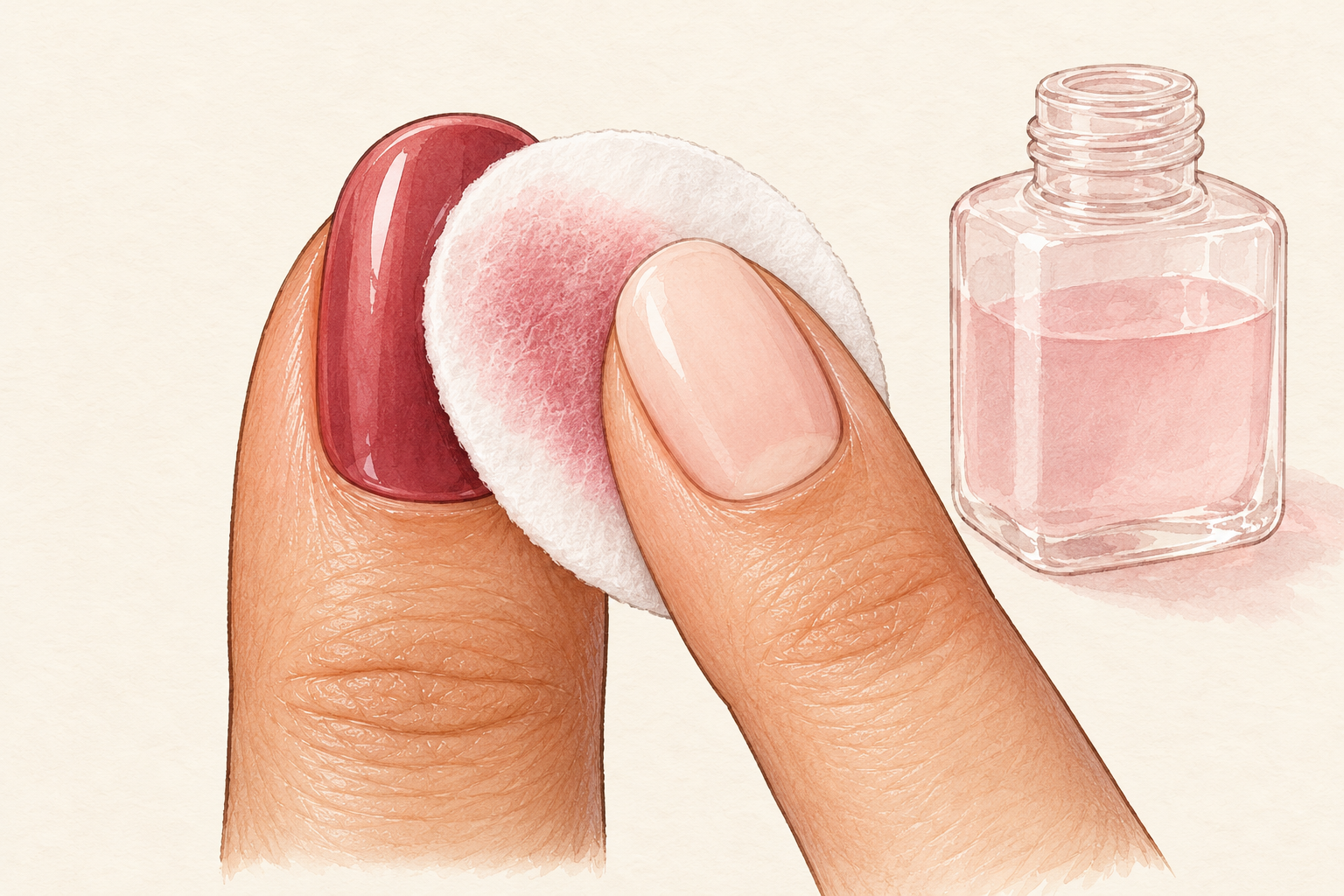
Press a soaked cotton pad on each nail for ten seconds and wipe once, never scrape or peel. Peeling off polish or gel takes a layer of your nail with it, and that thin spot is where the next break begins. Use a remover without acetone if your nails are dry. Wash your hands afterwards and add oil right away. Take a polish break of five to seven days every few weeks, and press the oil in nightly during the break. Your nails will look shinier on their own, and the break gives them time to recover before you grow them longer.
10. Feed them from the inside

Eat a little protein at every meal and drink water through the day. Nails are made of the same stuff as hair, and they use what you eat. Eggs, beans, fish, nuts and greens all help. Do not expect a snack to change them overnight, because the nail you see today was formed months ago. Sleep and stress matter too. A bad month often shows up as a dent in the nail weeks later. Keep your meals simple and regular rather than chasing a special powder, and be patient with the results. A bowl of beans and rice with greens is a perfectly good nail meal. Meals help, but the daily habits around them are where nail growth tips comes in.
11. Skip the quick fix myths
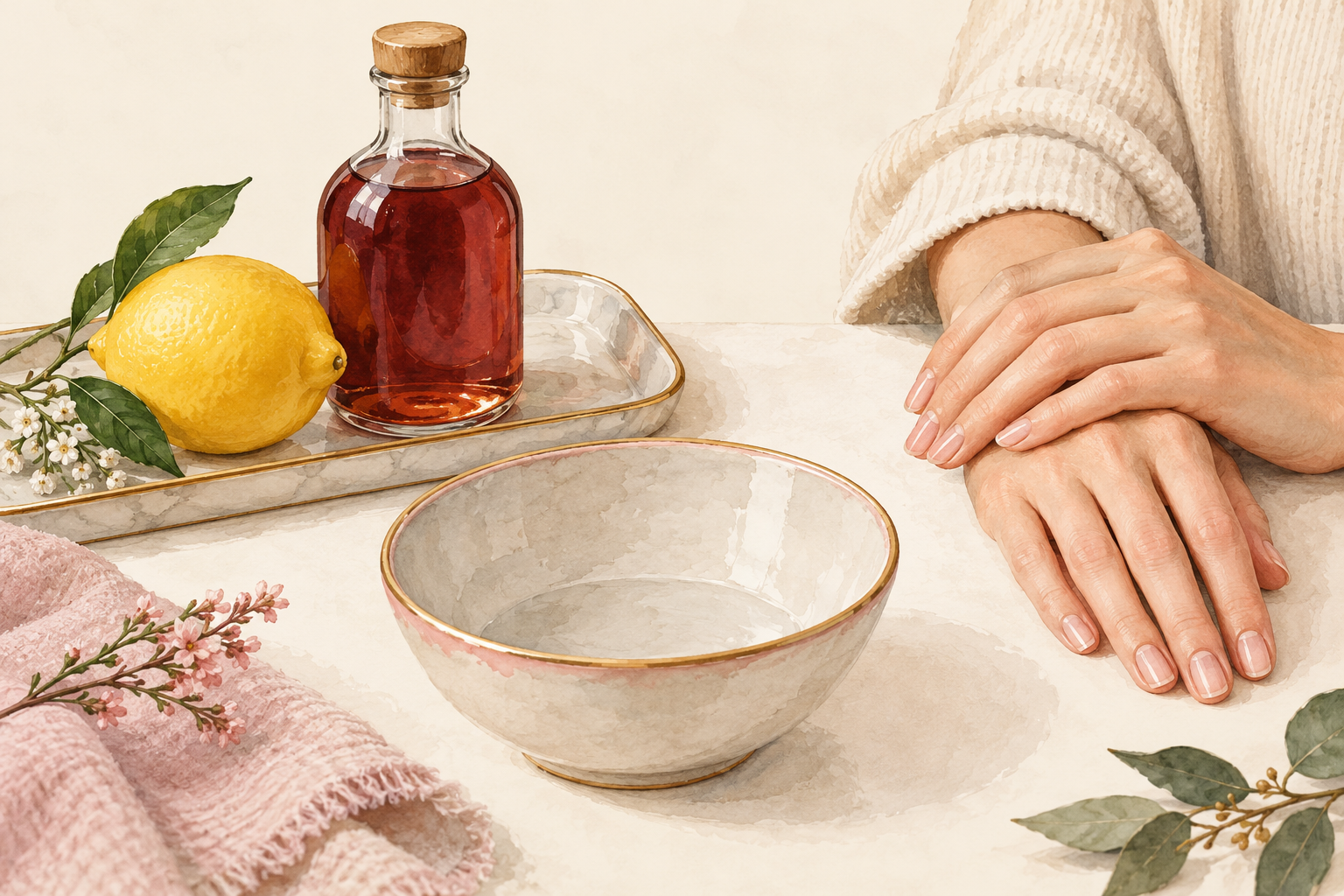
No oil, serum or soak can make nails grow faster than they are made to. What it can do is keep them soft so they snap less, which is why they look longer. Do not soak your nails for an hour in lemon juice or vinegar, and do not file the top to thin them. Rubbing your nails together does not speed anything up either. If a promise says two inches in a week, close the page. Real results look boring, such as a slow, steady week by week gain. Stick to your gentle habits and you will see it. Chasing speed is the trap, so keep how to make your nails grow faster in perspective.
12. Expect real change in three months
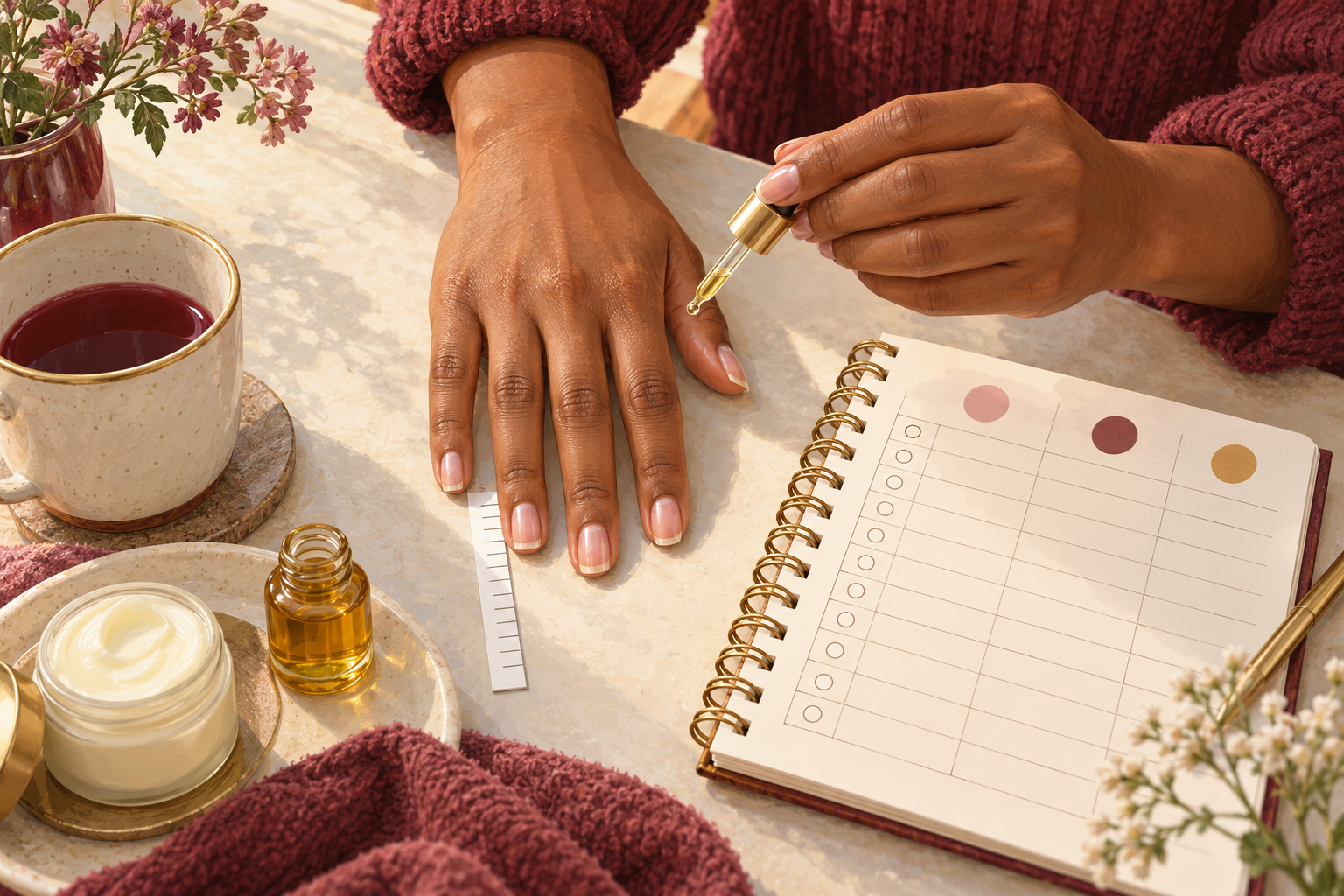
Look for fewer breaks in the first month, an extra white edge by week eight and a nice length by week twelve. Nails grow slowly, around three millimeters a month, so a full nail takes about six months to renew. Measure the white edge each week, and keep a photo diary in the same light. If one nail keeps breaking, look back at what that finger does all day. Do not give up at week three, because that is when most people stop. Knowing how to grow nails is mostly patience, so keep the same small routine going. If a nail looks different or hurts, stop and see your doctor.
Complete the Routine: How to Grow Nails and Keep Them
Tonight, trim and file your tips, press in oil and put gloves by the sink. Breakage is the real enemy of length, and the guides below are a handy place to find the next small way to protect your nails.