You want length yesterday, and every video promises a spray that gives you an inch by Friday. Quick hair growth is mostly about keeping the hair you already grow instead of losing it to breakage. These 12 fixes close that leak, so start at number one tonight.
1. Understand keeping versus growing
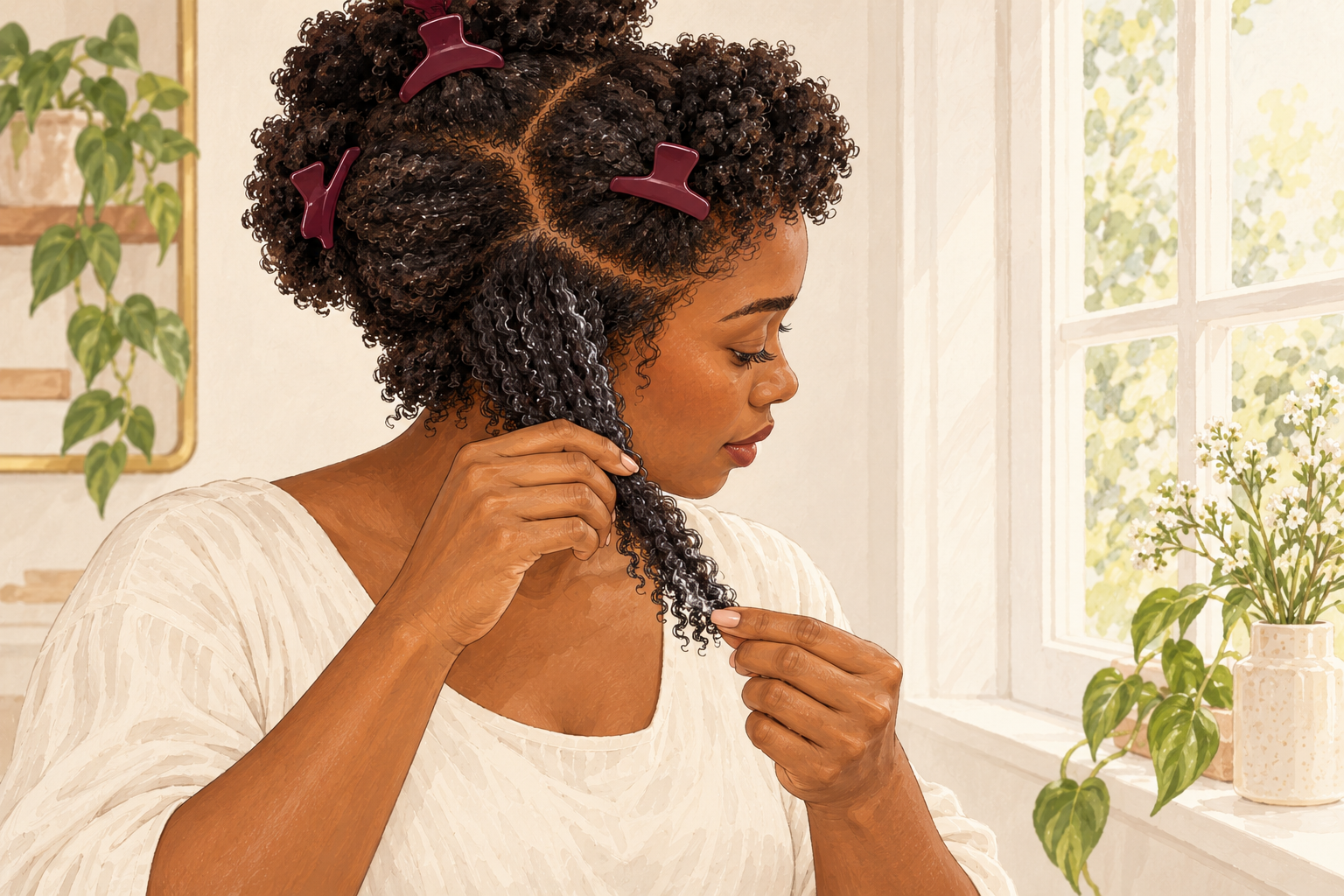
Remember that your hair grows about half an inch a month, and breakage can quietly eat all of it. If the ends snap off as fast as the roots push out, your length never moves. Fixing breakage is the quickest way to see more length, because you stop losing what you already have. Blunt, thin, see through ends are the sign that your length is leaking, and everything else on this list is about plugging that leak. Hold a few strands to the light, and if the last inch looks thinner than the rest, breakage has already been at work.
2. Detangle from the ends upward
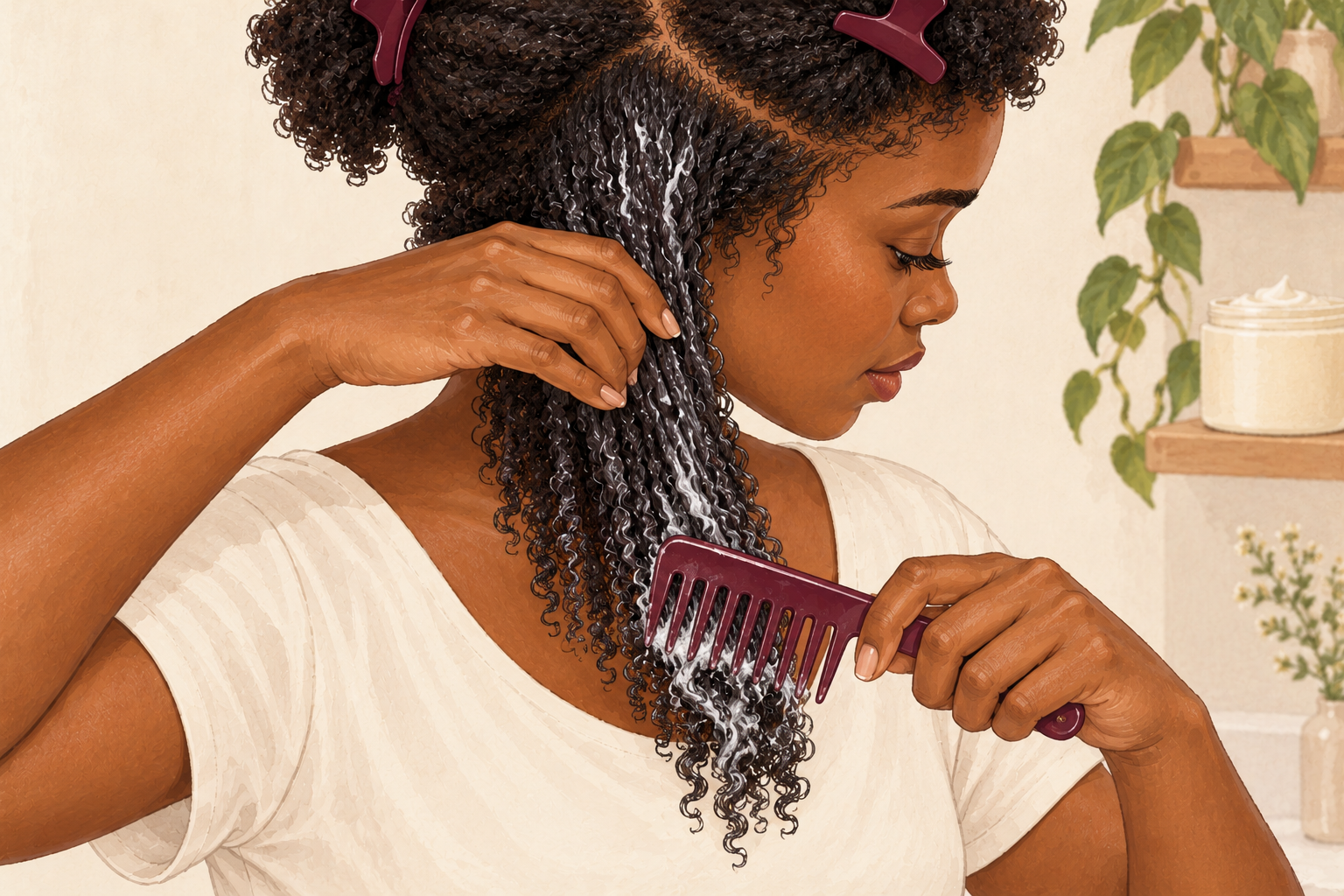
Always start combing at the very ends and work your way up in small steps. Starting at the roots pushes every knot into one big tangle that you then rip through. Use a wide tooth comb or your fingers on damp hair that is coated in conditioner, so the comb glides. Split your hair into four sections before you begin. If you meet a knot, hold the hair above it with one hand and tease it loose with the other. Rushing a knot is how a whole handful of hair ends up in the brush. Give yourself ten calm minutes, and put on a show. Rinse the comb afterwards, because it collects shed hair and conditioner.
3. Switch to satin or silk at night

Sleep on a satin pillowcase or in a satin bonnet, every single night. Cotton grips your hair and drinks its moisture, so by morning your ends are rough and a few strands have snapped. Satin lets hair slide instead of snag. Loosely twist or braid your hair first if it is long, and avoid tight elastics. If the bonnet slides off, try a scarf tied firmly but not tight at the edges. You will wake up with smoother hair and fewer loose strands on the pillow. It is the easiest thing on this list, and it works while you sleep. Wash the pillowcase every week to keep it fresh.
4. Dust off split ends every eight to twelve weeks
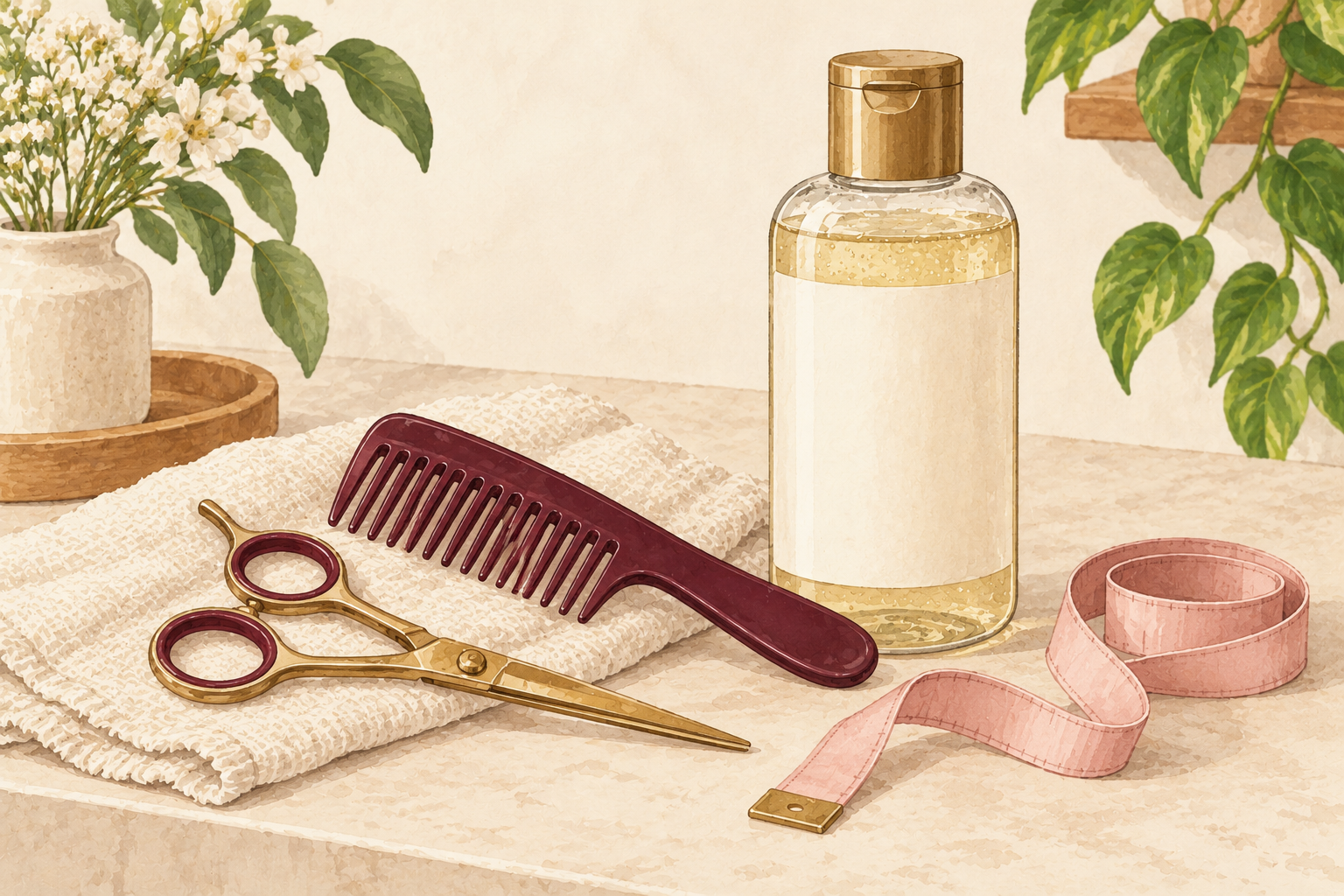
Snip only a small bit, about a quarter of an inch, whenever the ends look frayed. A split end keeps splitting upward, like a run in a stocking, and it takes healthy length with it. Trimming does not make hair grow faster, which is a myth, but it stops the damage travelling. Twist a small section and snip the fuzzy bits that stick out. Use sharp scissors only, since kitchen scissors tear. If you wait for a big cut once a year, you lose far more than a tiny regular dusting would take. Mark the date in your phone so it does not slip past.
5. Cut back on heat and always protect it
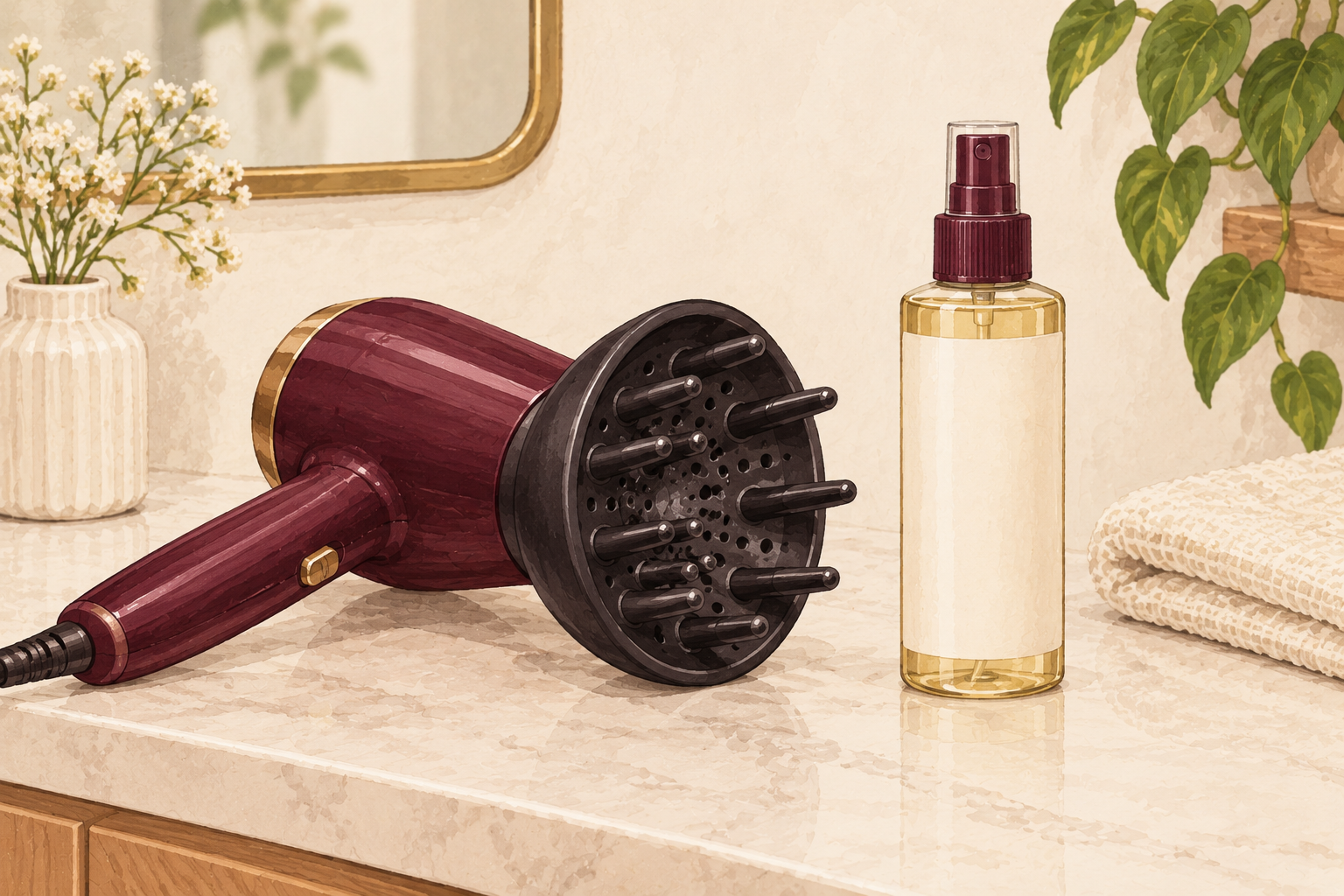
Keep hot tools to once a week at most, and spray a heat protectant on damp hair first. Heat strips water out of the strand, and dry strands snap. Set your tool to the lowest setting that works, and never go over the same piece more than once or twice. Let your hair dry completely before a flat iron touches it, since steam plus metal is rough on the hair. Air drying as often as you can gives your hair a real break. If your hair stays straight from a low setting, you never needed the high one. Let a hot tool cool before it touches your hair, since hot hair bends and snaps far more easily.
6. Choose loose, low styles over tight ones
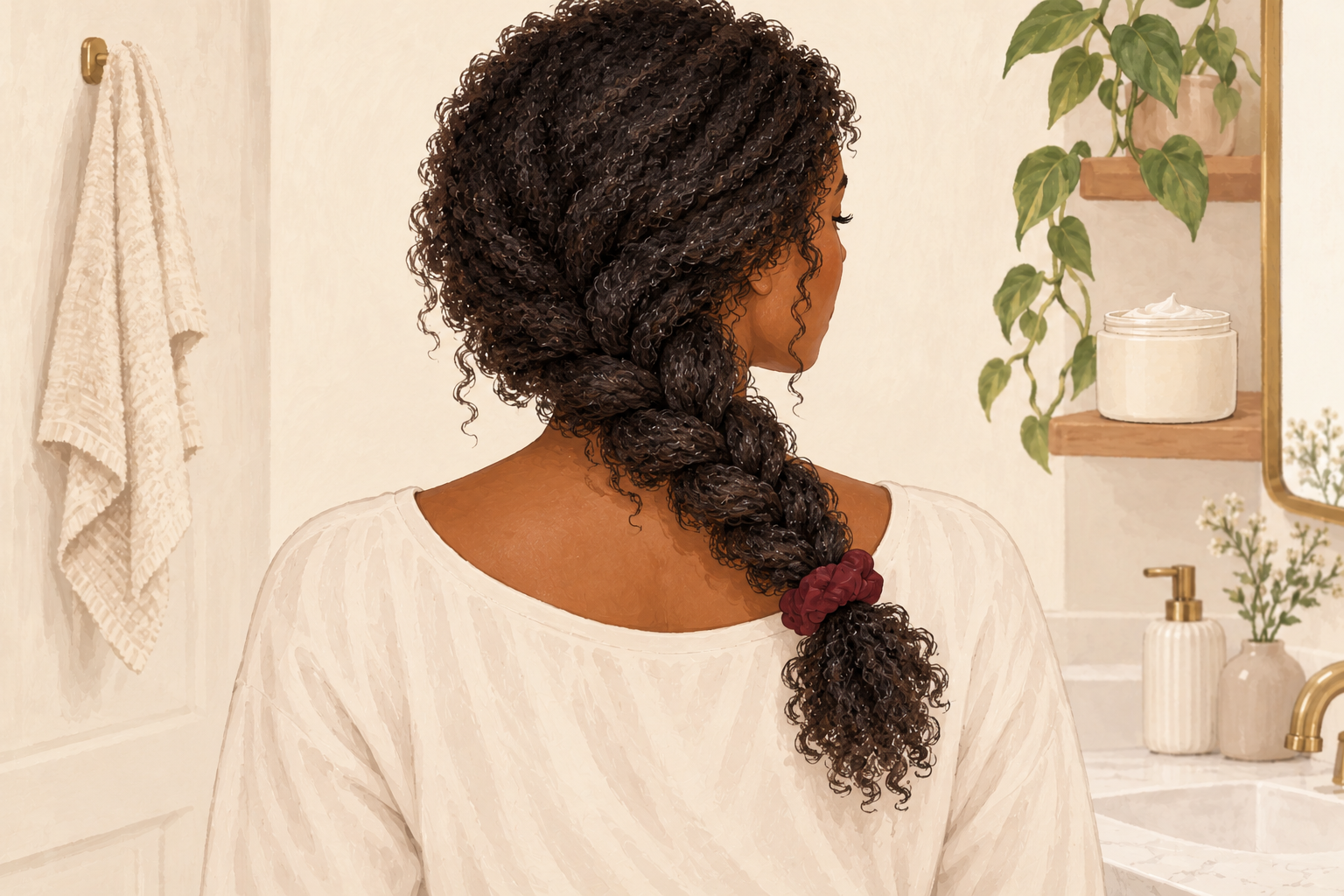
Wear your hair in a loose bun, soft braid or low ponytail, and avoid pulling it tight. Tight styles drag on the hairline and snap the thin hairs there first. Use a soft scrunchie or a snag free band, and move the style up or down a little each day. If the style gives you a headache or tiny bumps at the roots, it is too tight. Your edges often grow back thicker once they are left alone for a few weeks. Soft styles feel boring, and your length will thank you. Change the spot where you put your band each time you redo it.
7. Wash on a schedule that suits your scalp
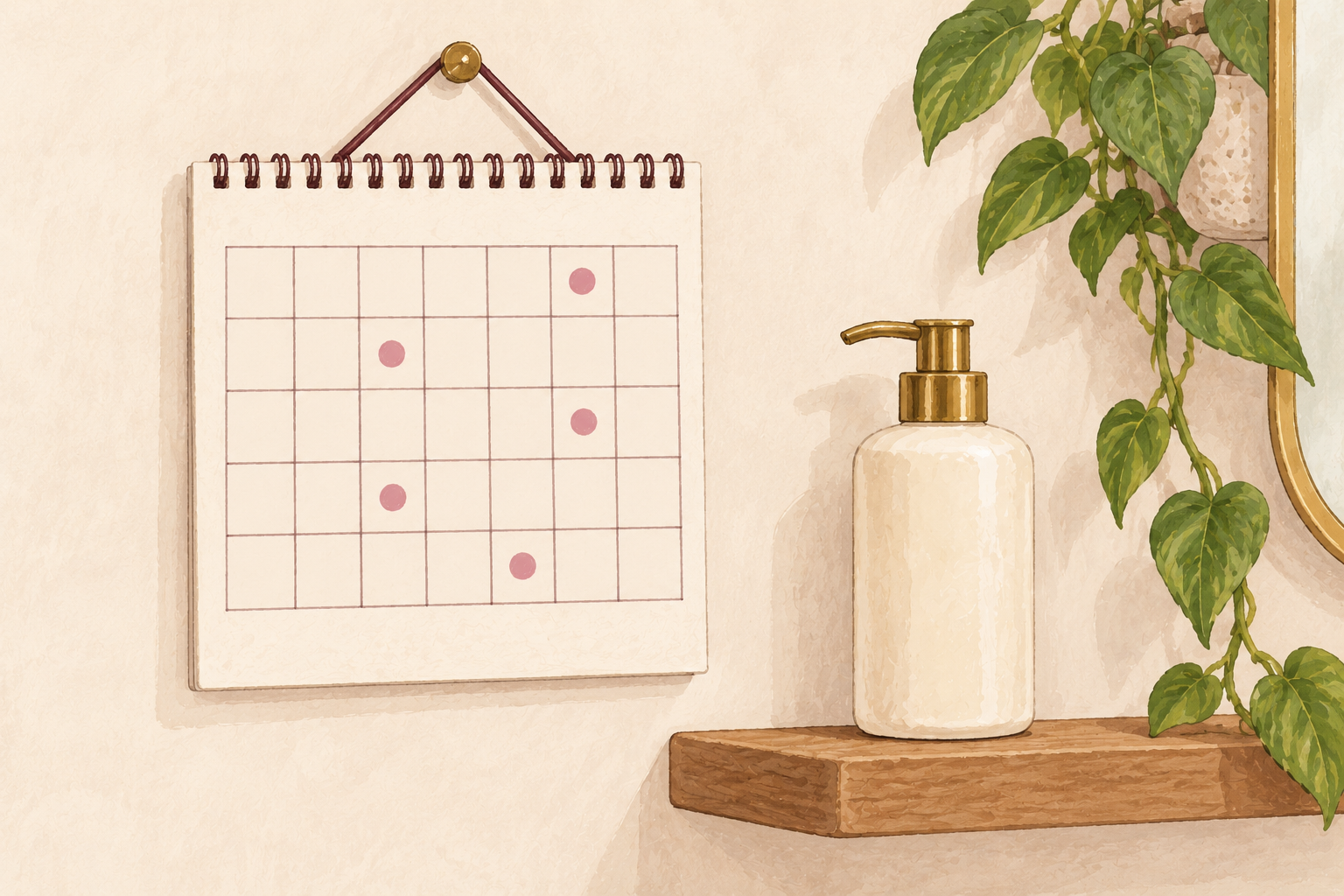
Wash when your scalp needs it, usually once or twice a week for coily hair and two or three times for oily roots. Washing too often dries out the strands, and washing too rarely leaves a sticky scalp that itches and makes you scratch. Put the shampoo on your scalp and let the suds run down the lengths. Always follow with conditioner on the ends. A clean, comfortable scalp is the base for everything else. If your scalp feels tight after washing, space your washes a day further apart. Rinse for longer than you think, until the water feels light on your hands.
8. Massage your scalp for four minutes a day
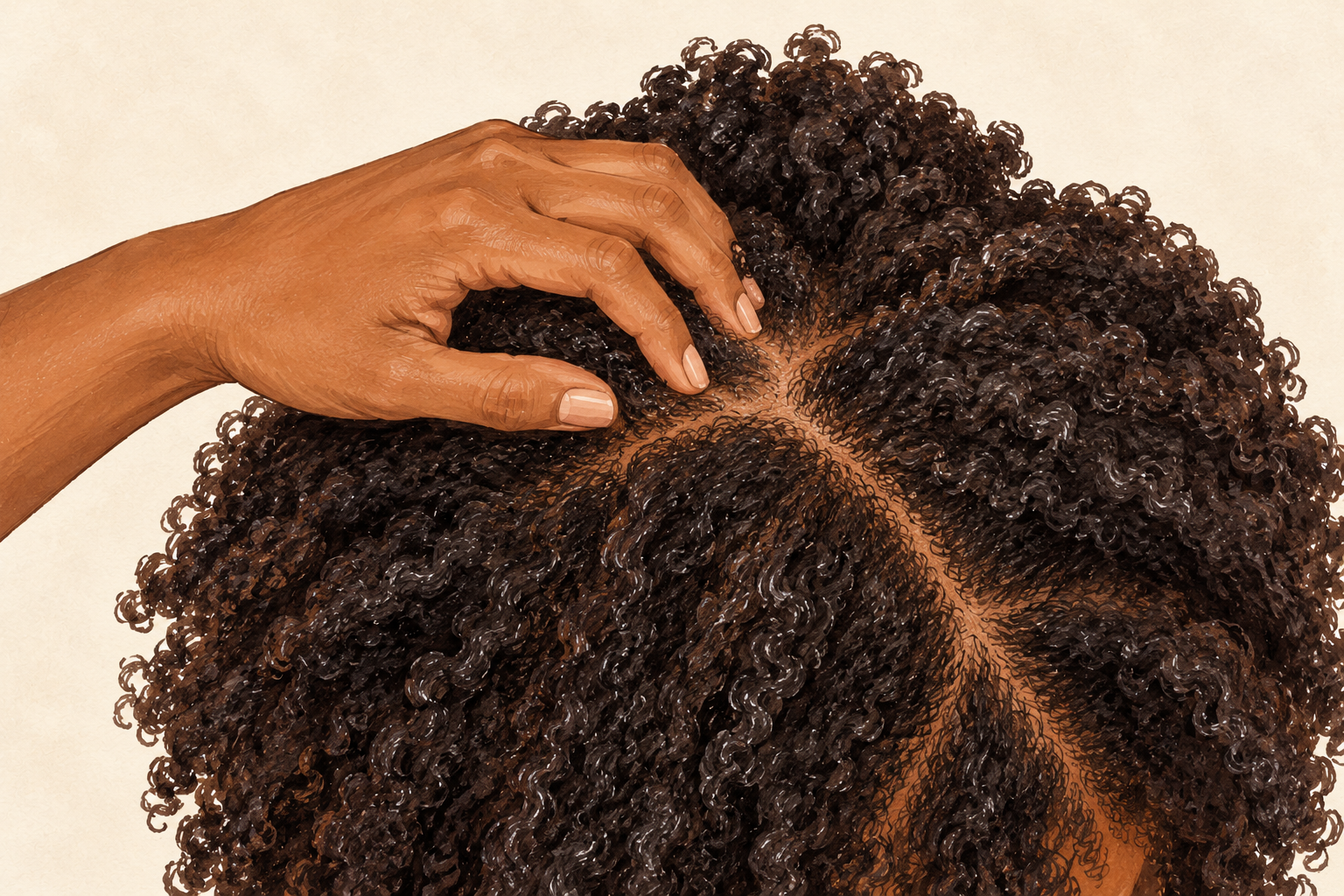
Press the pads of your fingers into your scalp and move in slow circles for four minutes. Do not scratch with nails. It feels lovely, it loosens a tight scalp and it gets you in the habit of checking your roots. Try it while the kettle boils or during a show. Many girls notice their scalp feels less tense within a week. You can add a drop of a light oil on the scalp if it feels dry. Skip it if your skin is sore, and take a day off whenever it feels tender. Press the skin and move it, never drag it.
9. Eat enough protein every day

Include a source of protein in each meal, such as eggs, beans, fish, chicken or nuts. Hair is made mostly of protein, and your body spends its supply on vital things before it spends any on your hair. Too little and the strands come out thin and weak. Add a green leafy vegetable for iron and a handful of seeds for good fats. Crash diets show up in your hair about three months later. Good meals will not give you an overnight miracle, but they stop your hair from running short. Drink water through the day too, because dry bodies make dry strands.
10. Drop the myths that cost you length
Skip brushing one hundred strokes, shaving your head, and harsh pepper pastes. Over brushing snaps hair, shaving changes nothing at the root, and pastes burn your scalp. Biotin tablets and miracle gummies do little for most people who eat well. Cut your hair when you need to, not by the moon. If a tip promises an inch in a week, close the page. Every myth on this list asks you to do more, while real quick hair growth asks you to be gentler. Pick the one myth you believed most and drop it this week.
11. Measure your starting point
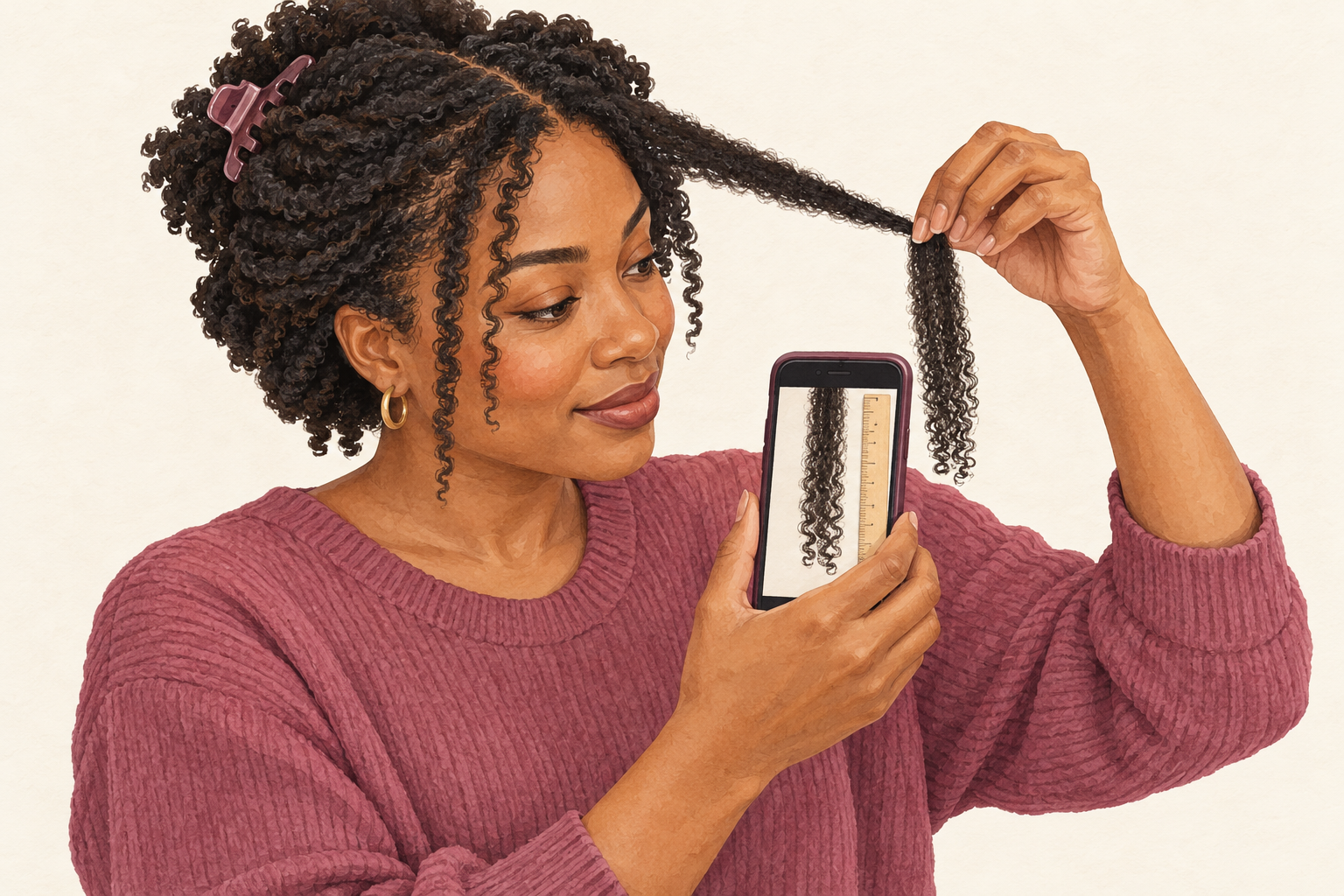
Today, take a photo of your hair from the back and measure your longest layer with a soft tape. Write the number in your notes. Without a starting line, you cannot tell whether anything has changed, and you will quit too early. Use the same spot, the same light and the same wet or dry state every time. Stand against a wall so the photo lines up next month. Pick a fixed mark on your back, like a shoulder blade, to measure against.
12. Give it four to eight weeks
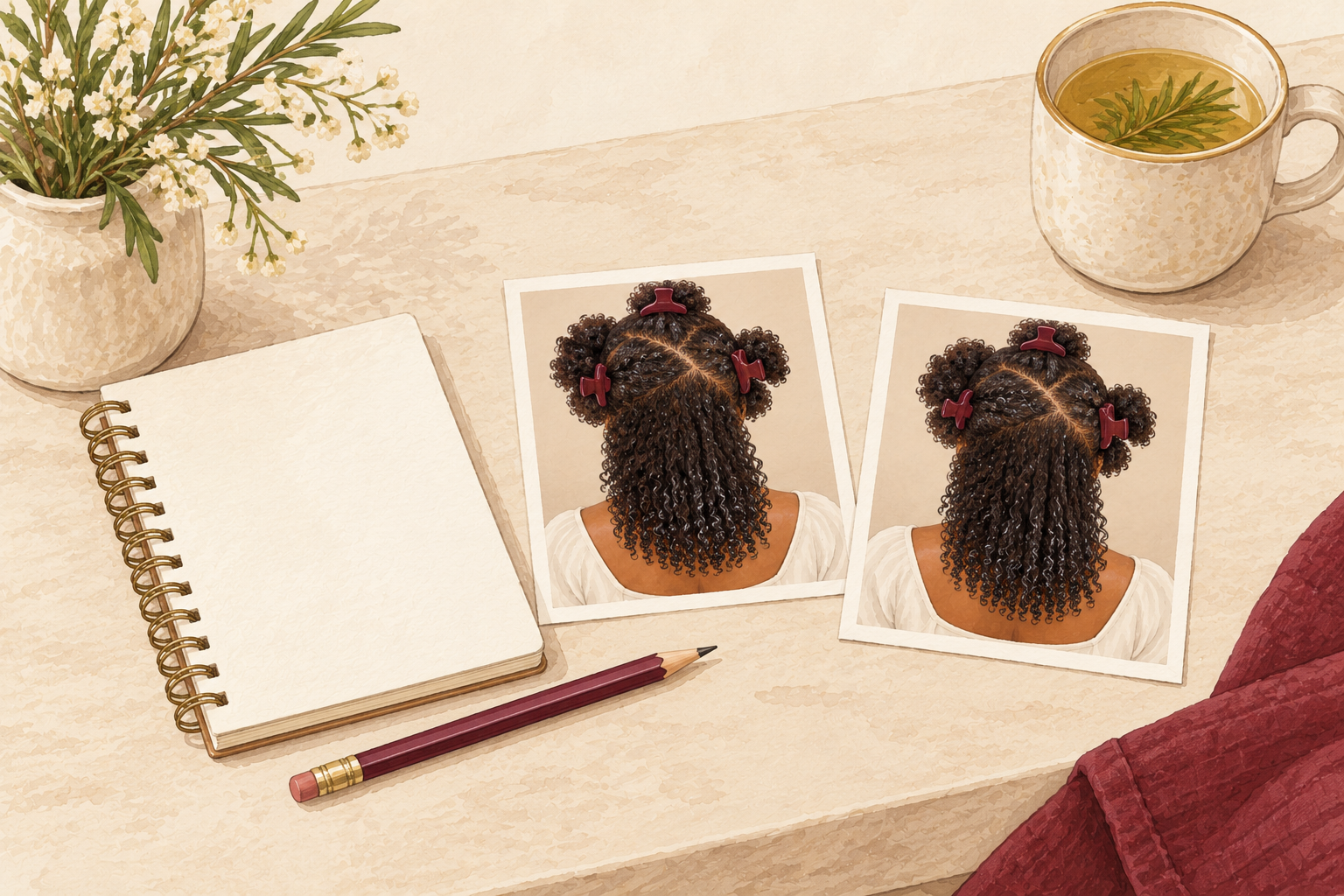
Give your new habits four to eight weeks, then compare your photo and your measurement. In the first few weeks you will probably see fewer hairs in the brush, softer ends and less tangling. After two months the ends should look thicker, and your length may be a little past your mark. Repeat the photo every four weeks in the same light. If nothing has changed, pick the habit you skipped most and go back to it. Slow and steady wins here, because you are building a head of hair that stays. Celebrate every small win, even a smoother brush.
Complete the Routine: Quick Hair Growth That Lasts
Tonight, measure your length and pick one habit from numbers 2 to 4. For more ideas, read about fast hair growth oil and food for hair growth.