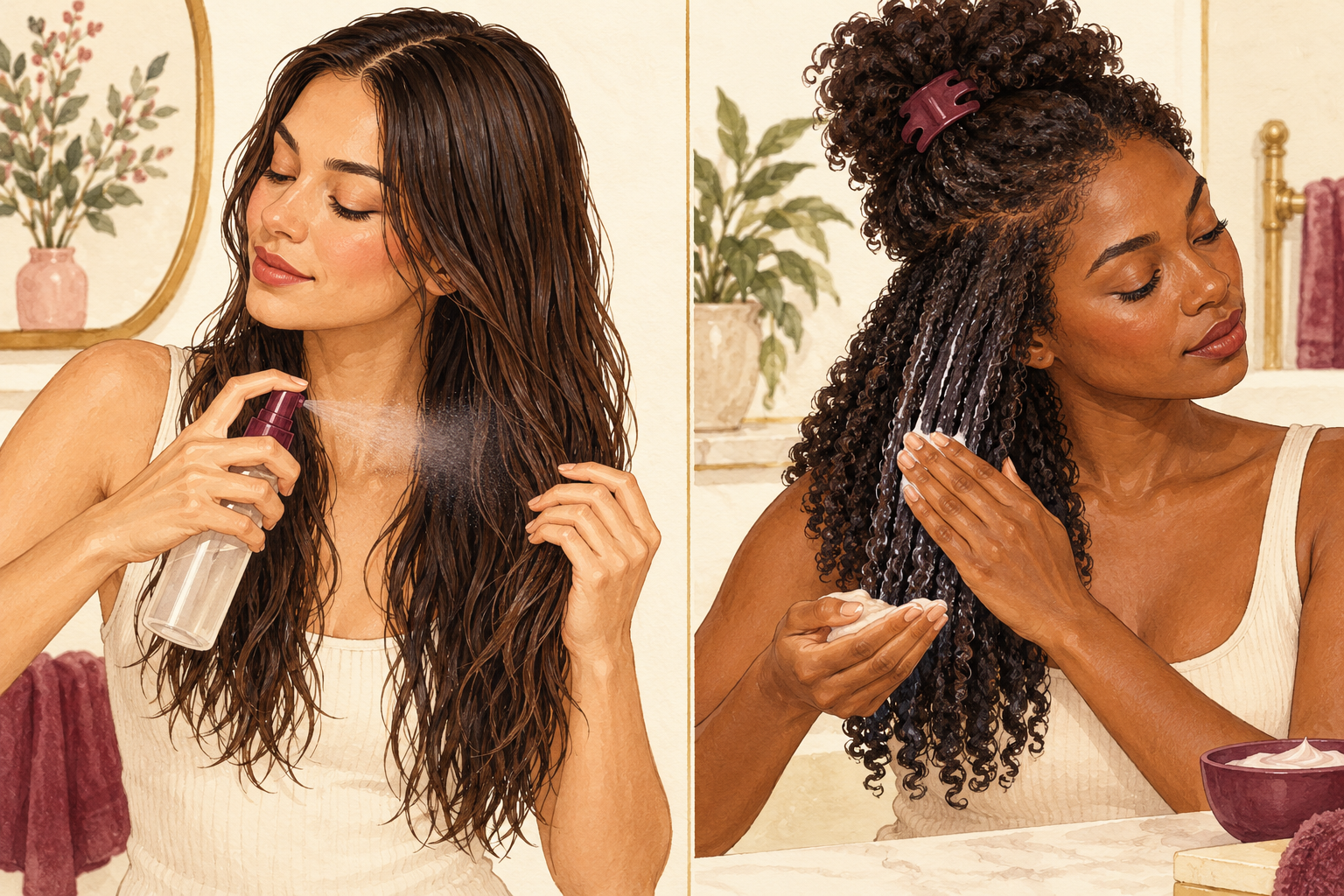
You do everything right, and your natural hair never seems to get longer. It is growing, but the ends snap off nearly as fast as the roots add length. The ends are the oldest hair on your head, so natural hair care starts there. These 12 habits protect them, so start at number one tonight.
1. Inspect the ends every few weeks
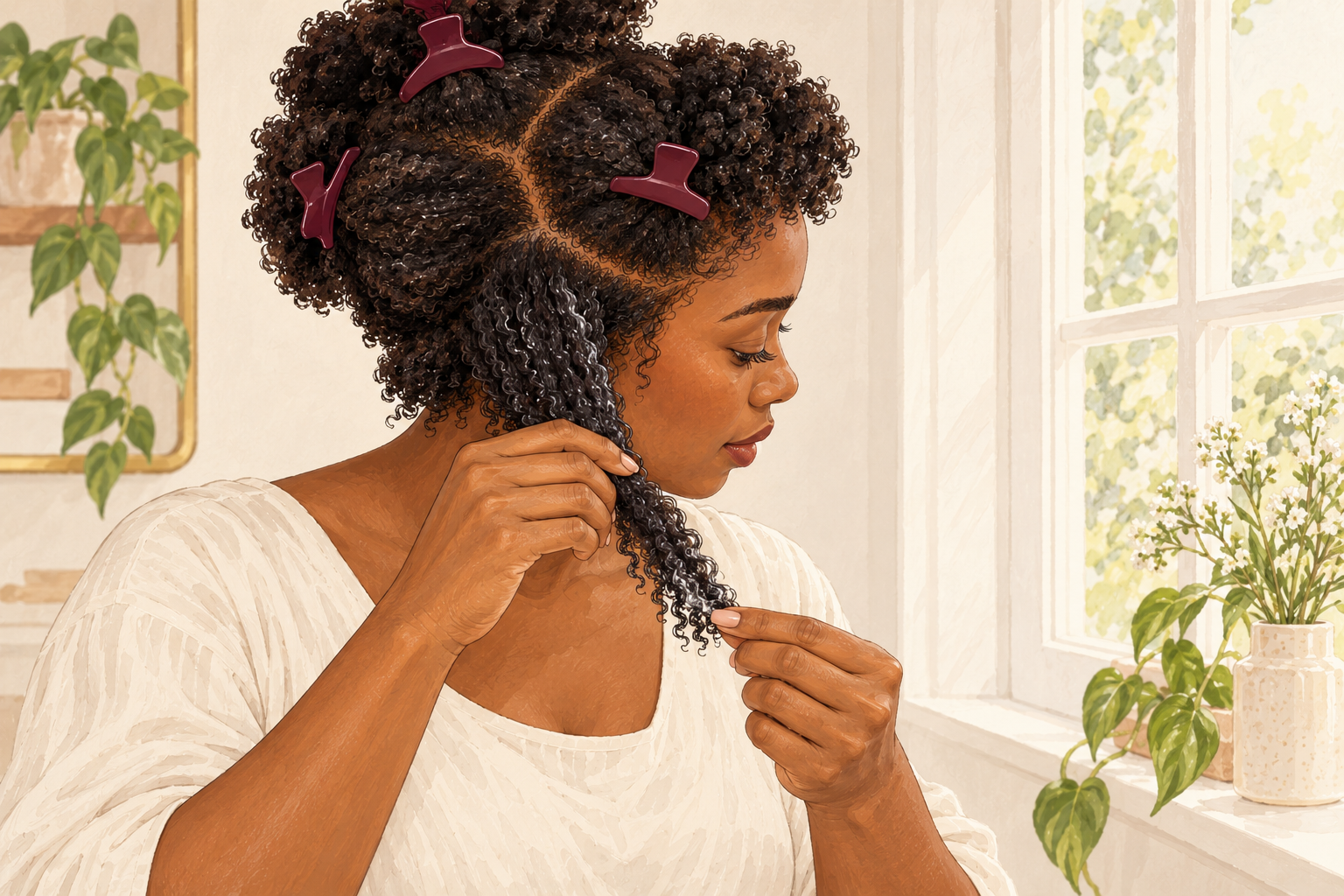
Hold a small section up to the light and check the last two inches of each strand. Healthy ends look blunt and smooth. Damaged ends look split, white at the tip, or full of single strand knots that catch on each other. Spend five minutes on this every three to four weeks, and check a different part of your head each time. Notice whether the damage is worse in the back, where your clothes rub, or at the front, where you pull. Knowing exactly where the damage is gives you a place to start. You cannot protect what you have not checked, and the ends tell the truth about your habits.
2. Give the ends the most moisture
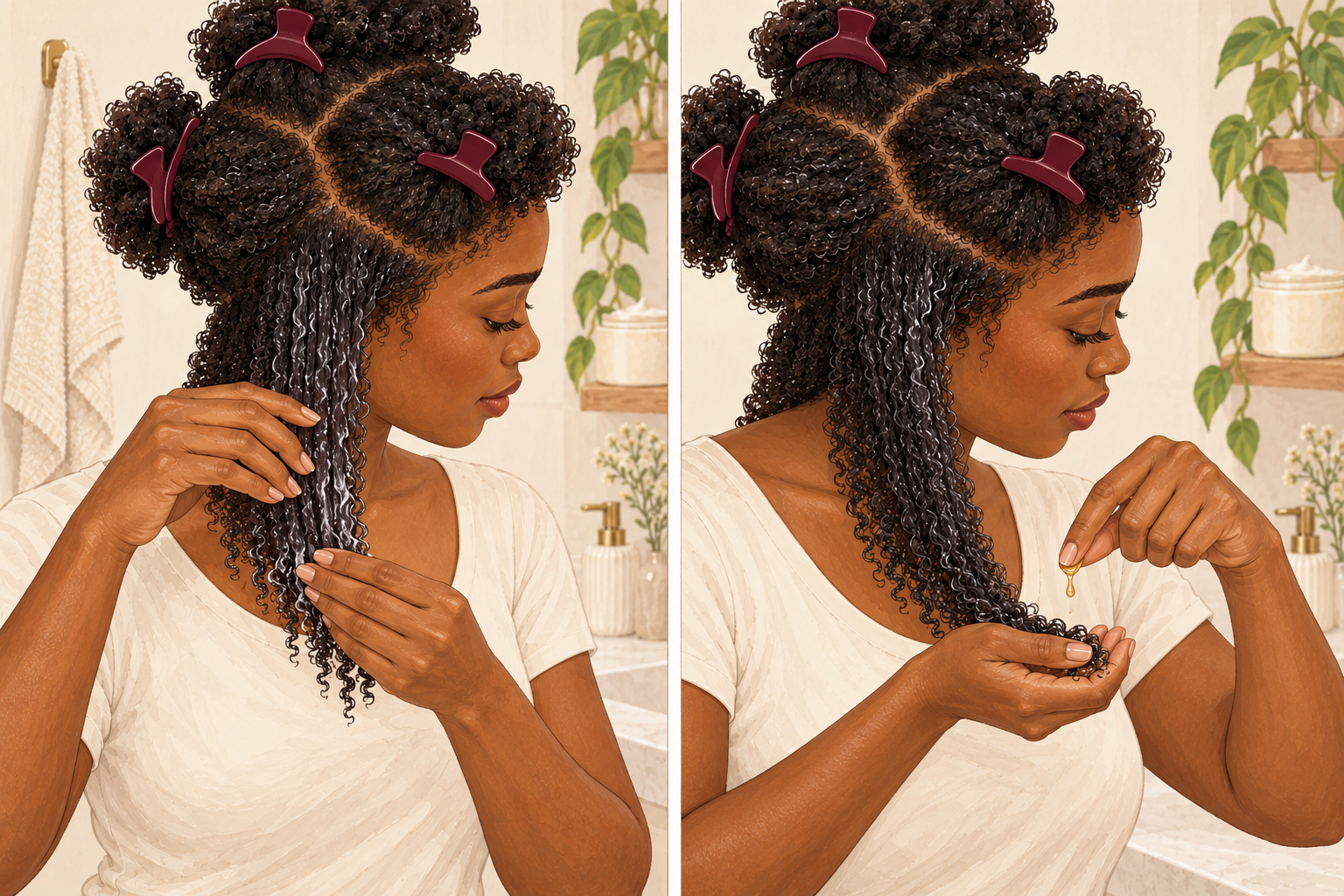
Put a water based leave in on your hair first, then seal the last four inches with a little oil or butter. The ends are far from your scalp, so the natural oil never reaches them. They also get the most friction from clothes and fingers. Apply moisture to damp hair, working from the ends up, not the roots down. A pea sized amount of butter for each section is plenty, and a heavier hand only leaves your hair greasy. Moisten the ends again midweek with a spritz of water. If you only fix one thing, fix this one, because dry ends are brittle ends.
3. Trim only what is damaged
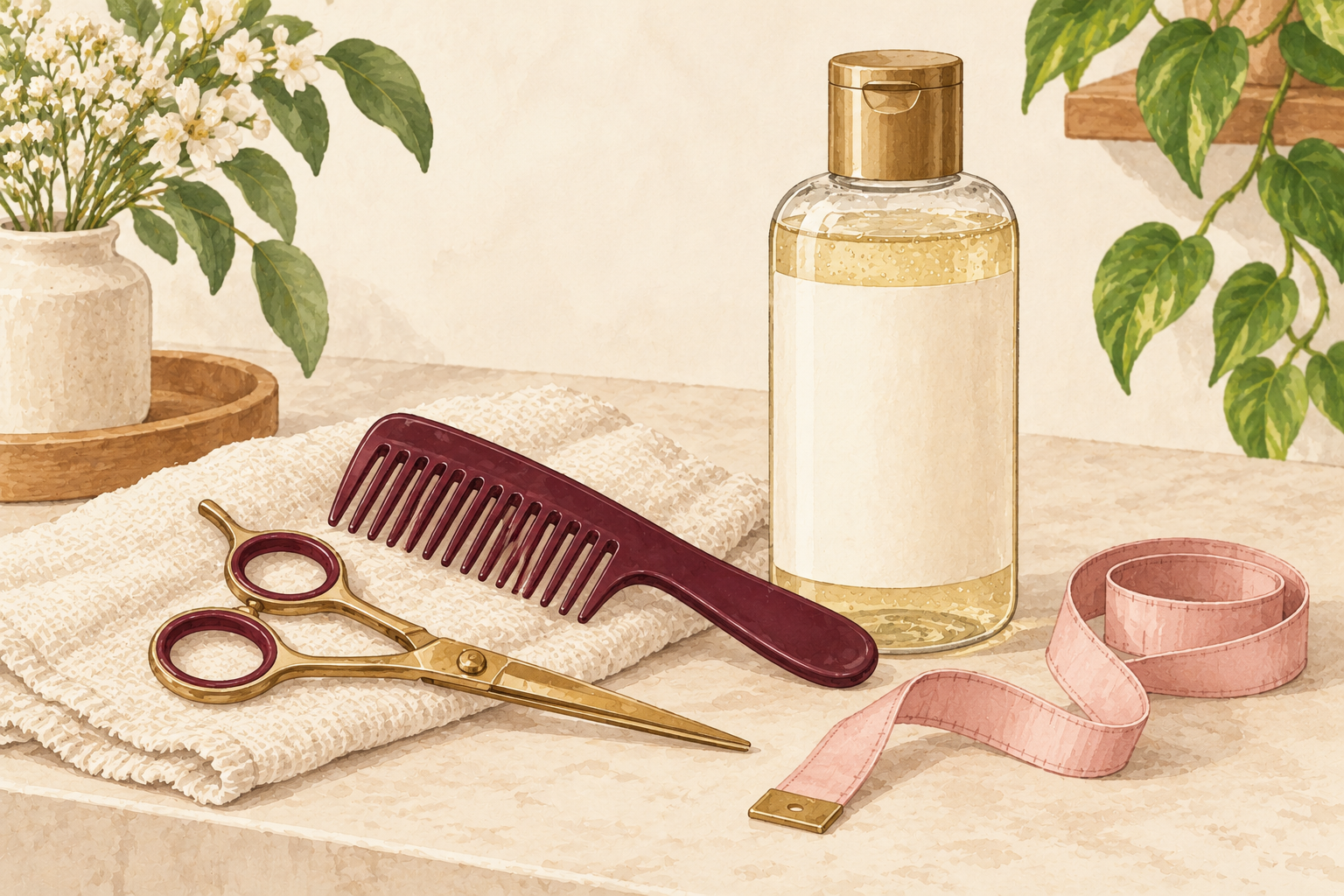
Snip off the split or thin bits, about half an inch at a time, and leave the healthy hair alone. A full haircut every six weeks is not needed for most natural hair. A dusting every three or four months keeps splits from running up the strand. Trim a stretched, dry section so you can see which parts are really damaged. Cut straight across with sharp hair scissors, never kitchen ones. If you are afraid of losing length, remember that a split end that is left alone will take far more later. A small trim now protects the length you worked for.
4. Protect the ends before you shampoo
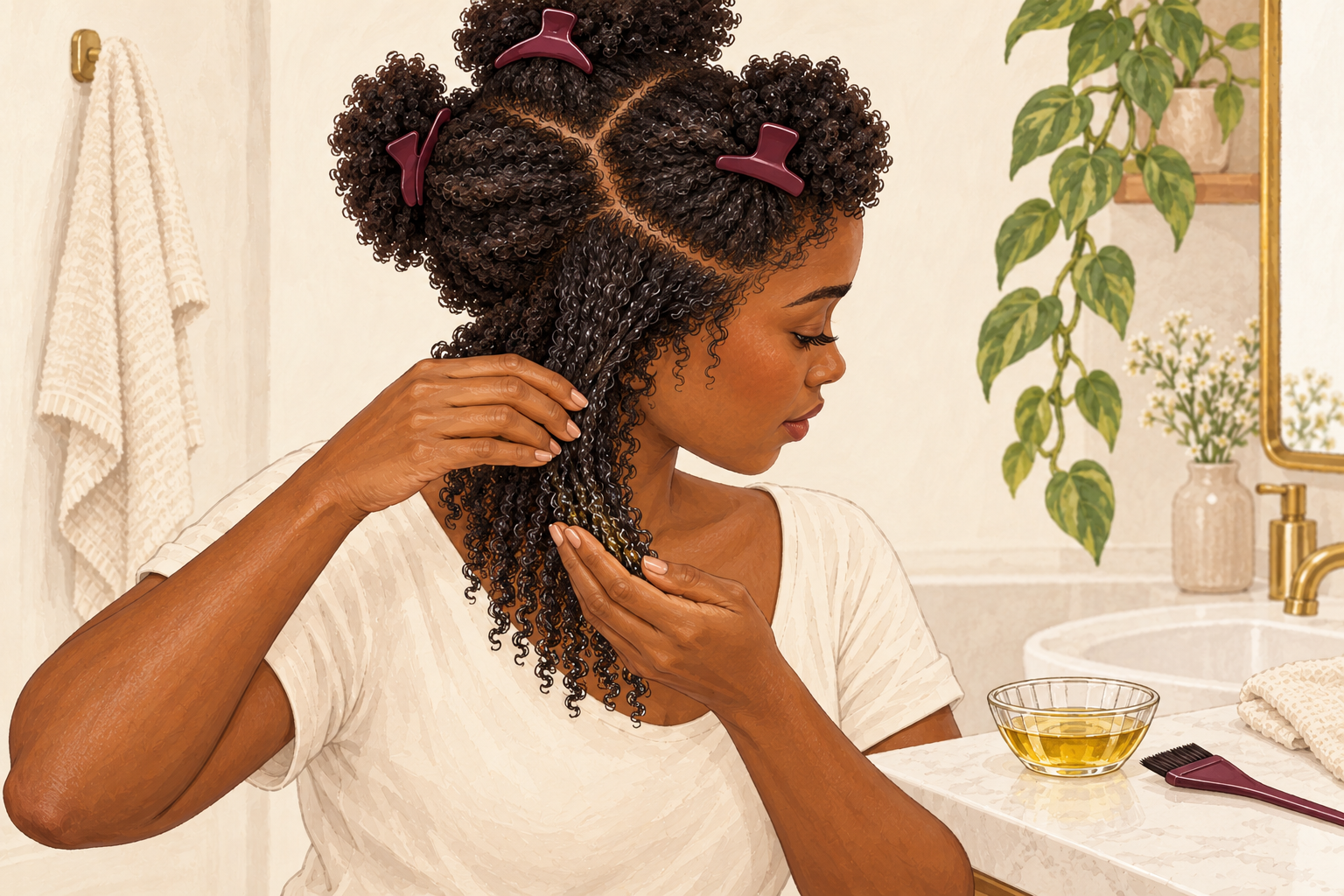
Coat your lengths in a light oil or a slip filled conditioner for fifteen minutes before you wash. Shampoo is made to lift oil, and your ends take the hit as it runs down. A coat of oil acts like a raincoat. Finger detangle first, then smooth the oil from mid length to the tips. Cover your hair with a shower cap while the oil works. Rinse by shampooing the scalp only. This small step stops your ends from feeling like straw after wash day. If your hair is very fine, use only a few drops, because too much will not rinse out easily.
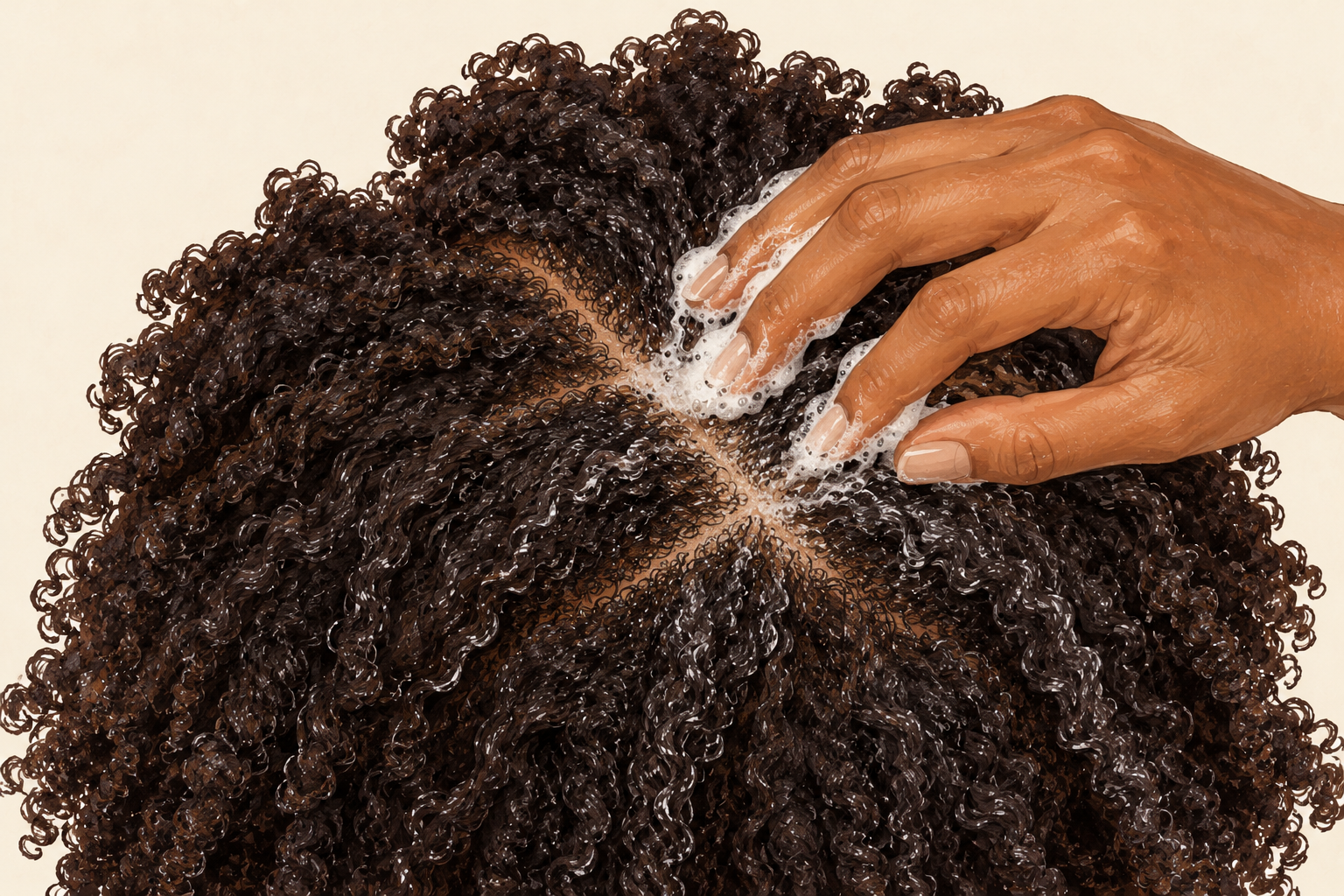
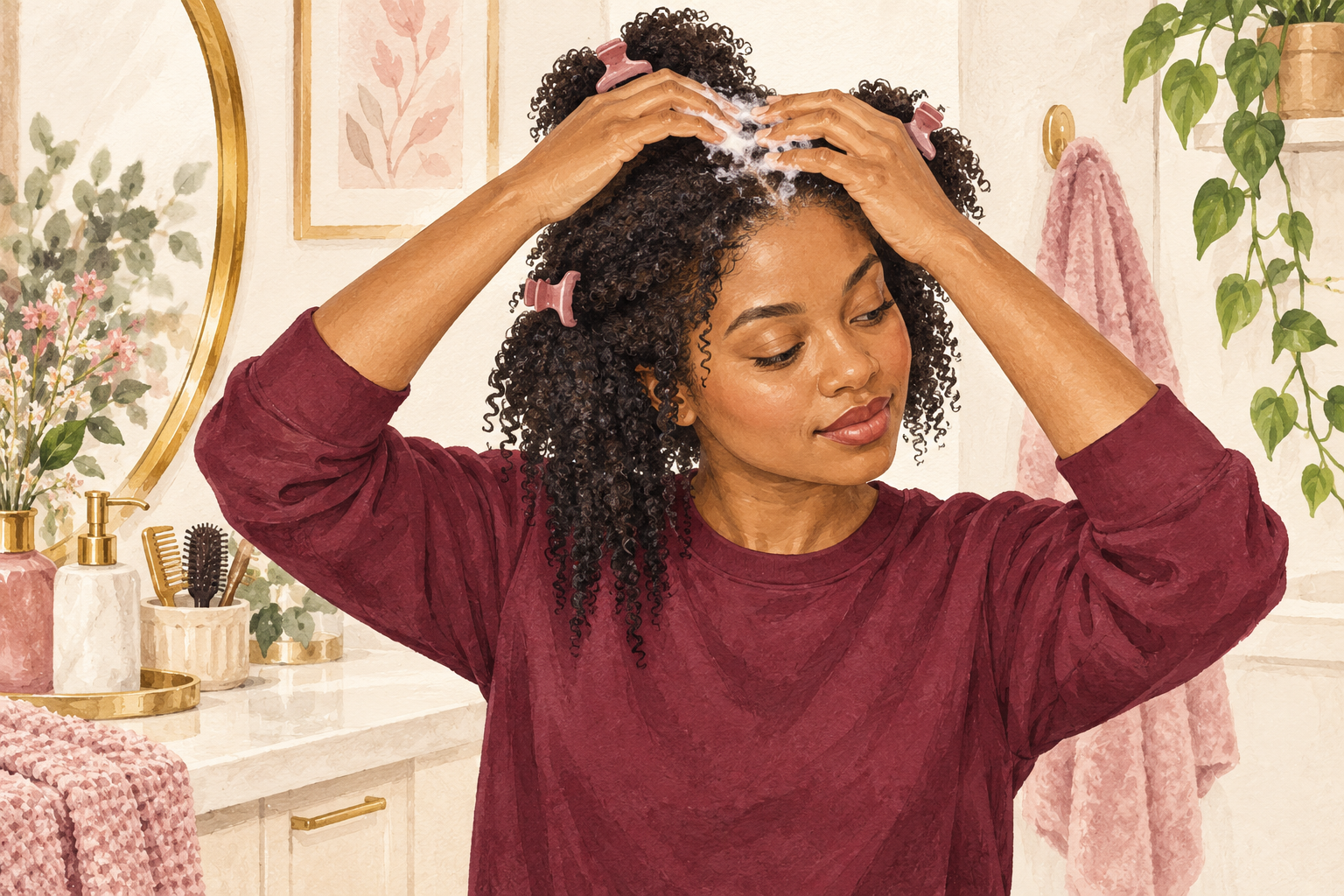
5. Shampoo the scalp and leave the ends alone
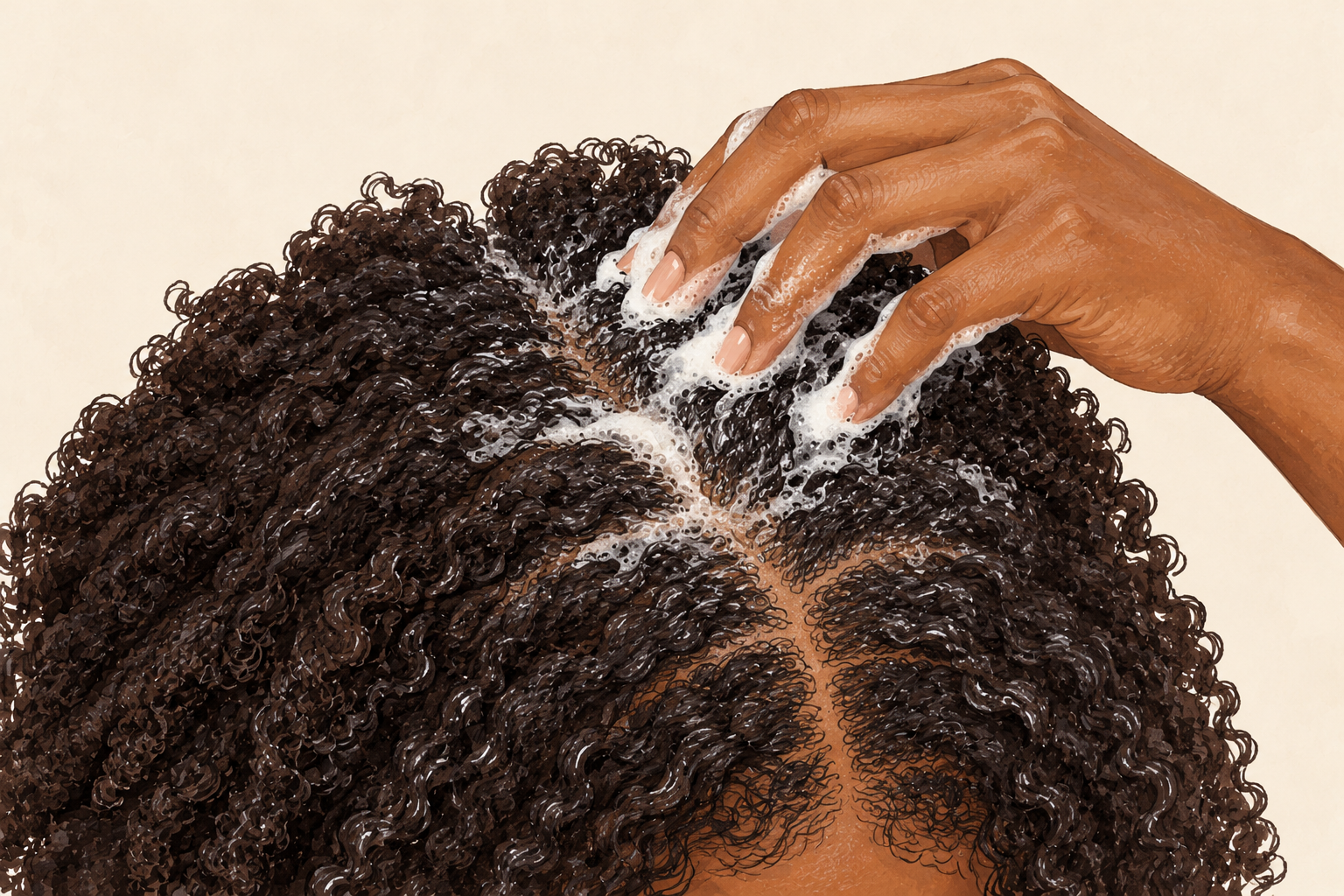
Work the shampoo into your scalp only, and let the foam run down the lengths as you rinse. Rubbing shampoo into your ends tangles them and washes away their moisture. Use the pads of your fingers, not your nails, for one to two minutes. Divide the hair into four sections so the shampoo reaches the scalp in every part. Rinse with lukewarm water until the roots feel clean. Natural hair does not need a wash more than once a week, and sometimes every two weeks is fine. Over washing quietly dries the ends until they snap.
6. Detangle with plenty of conditioner
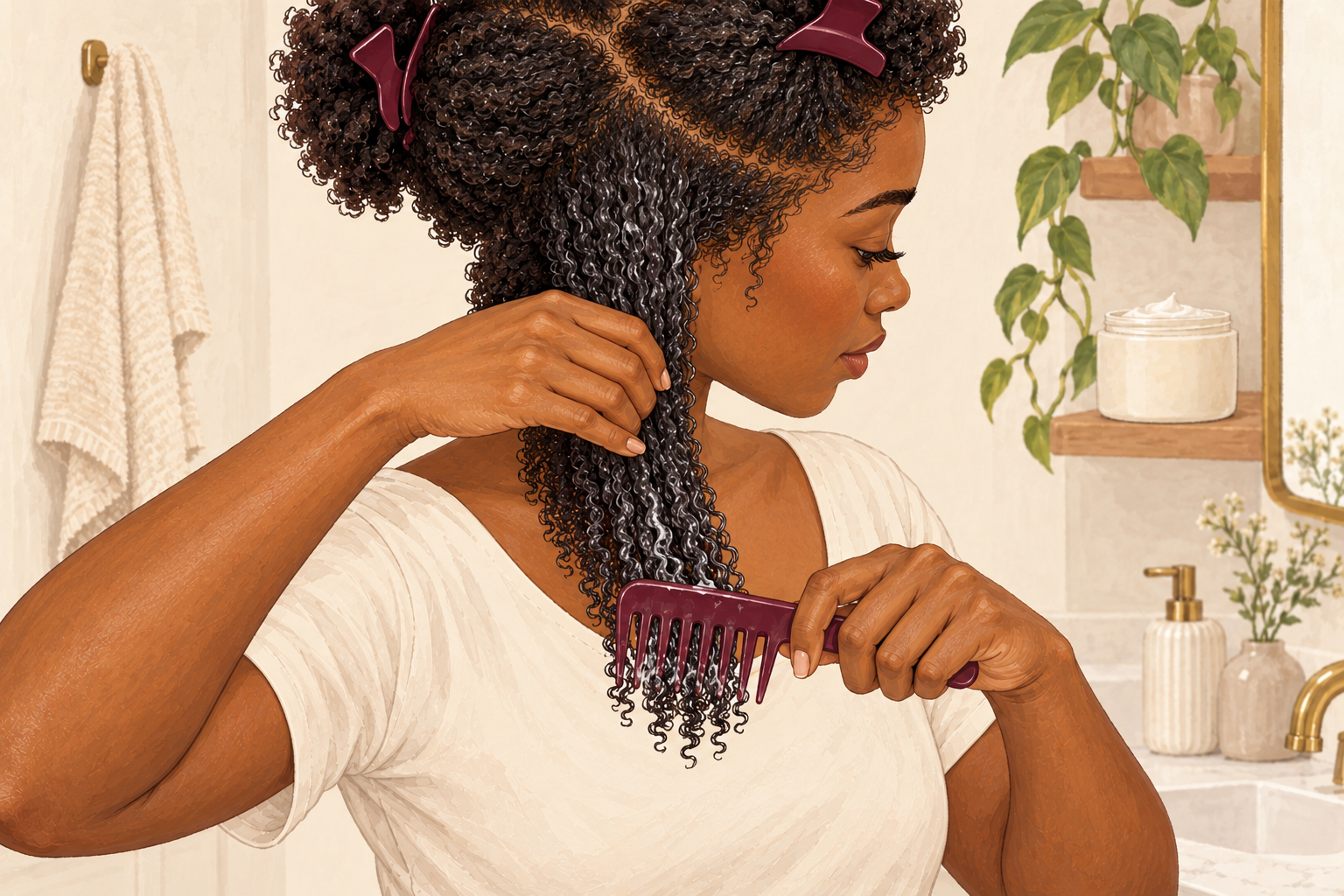
Smother each section in conditioner, then comb from the very tips upward, holding the hair above each knot. Natural hair knots at the ends first, so that is where you begin. Use your fingers for the stubborn tangles, and a wide tooth comb for the rest. Keep the hair wet and slippery the whole time. Do it in four to six sections, and twist or braid each section loosely when it is done. Never comb from the root downward, because that drags every knot into one big mat. Give yourself thirty minutes and put on something to watch. Rushing is how single strands tear away, and a slow detangle keeps them where they belong.
7. Tuck the ends away in low tension styles
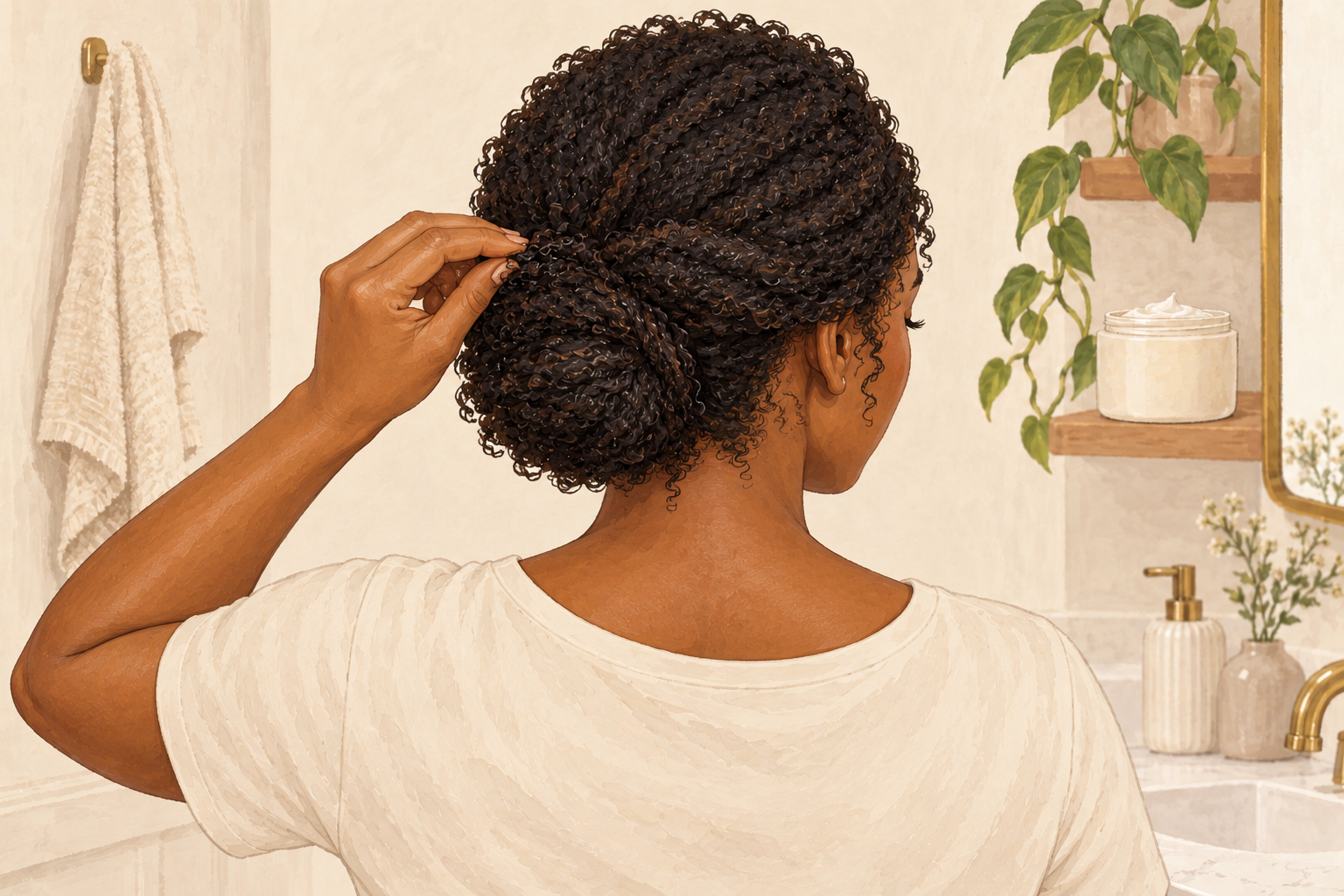
Pick styles that hide your ends, such as twists, buns or braids, and keep them loose. The ends rub against your collar all day when they are free, and that rubbing wears them down. Pin them under or tuck them inside the style. Check that the style does not pull at your hairline. If your scalp aches, loosen it that night. Wear a protective style for two to four weeks at most, and moisturize while you wear it. Taking it down on time matters, because hair left in too long tangles into knots.
8. Stretch without heat when you can
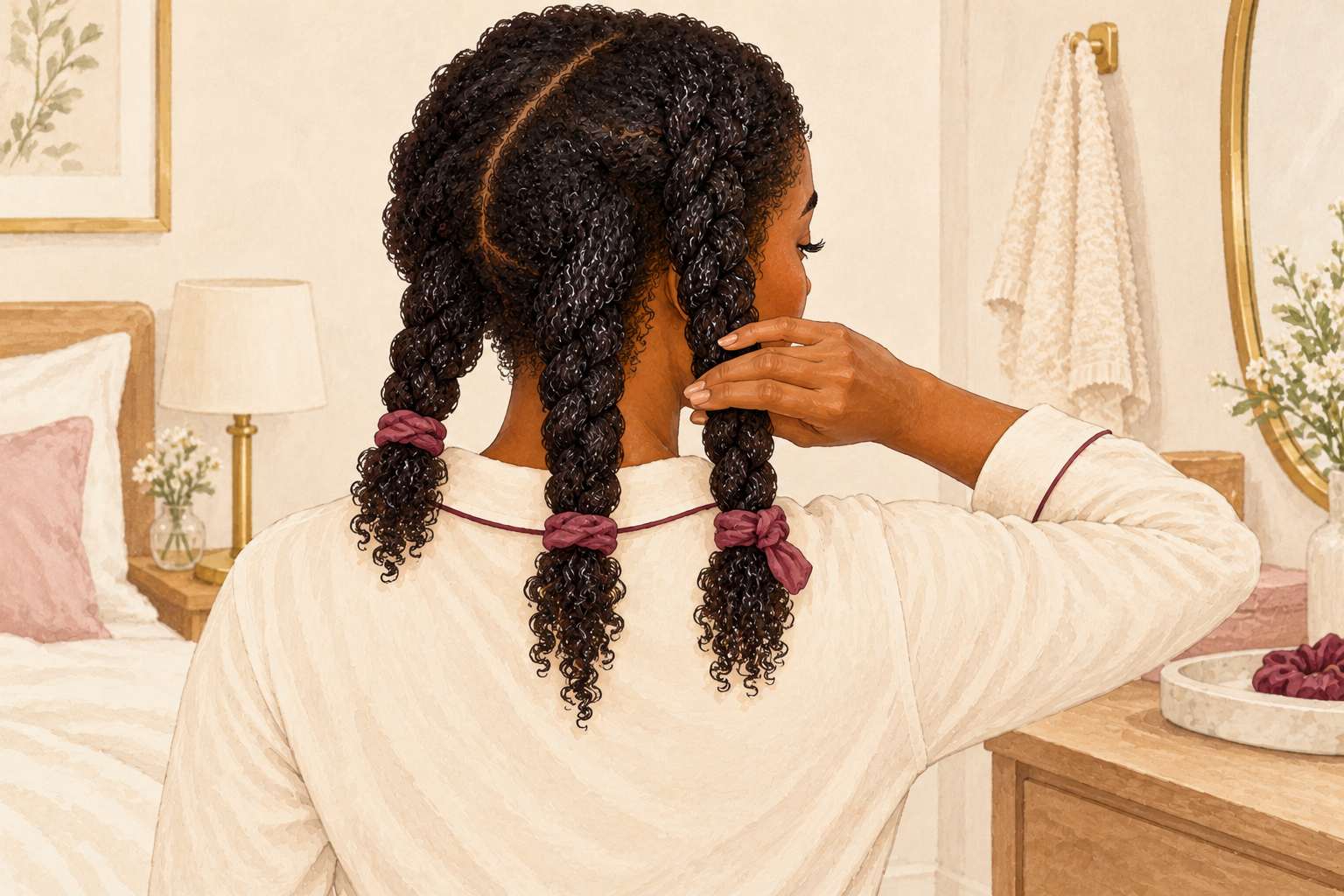
Stretch your hair by putting it in big braids, twists or bantu knots on damp hair and letting it dry. Heat takes moisture out of the strand, and natural hair is already dry. A stretched style gives you length without a hot tool. Use a bit of leave in on damp sections first, and leave the style in overnight. Take it down gently in the morning. If you do want heat, use a protectant, set it low and keep it to a few times a year. You will notice softer coils and fewer rough ends in a few weeks.
9. Cover your hair with satin
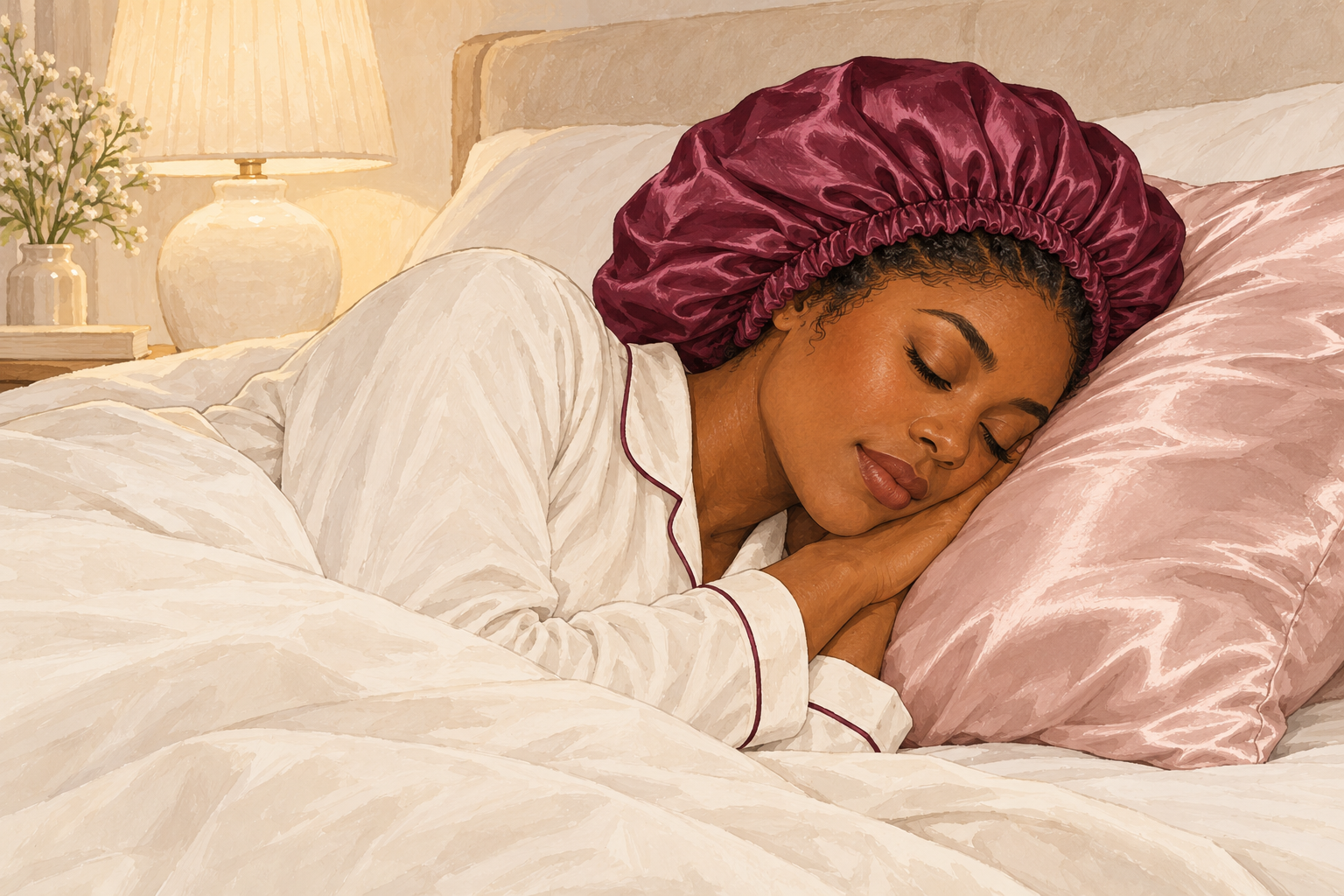
Wear a satin bonnet or scarf to bed and sleep on a satin pillowcase. Cotton drinks the moisture and snags your ends. The bonnet should sit snug but not tight, with no band pulling your hairline. If it keeps falling off, try one with a wide soft band or tie a scarf on first. Wash it every week or two so it does not hold old product. Satin lets your hair glide, so it wakes soft instead of dry. This is one of the easiest ways to keep the length you have, and it works while you sleep.
10. Gather the ends loosely before bed
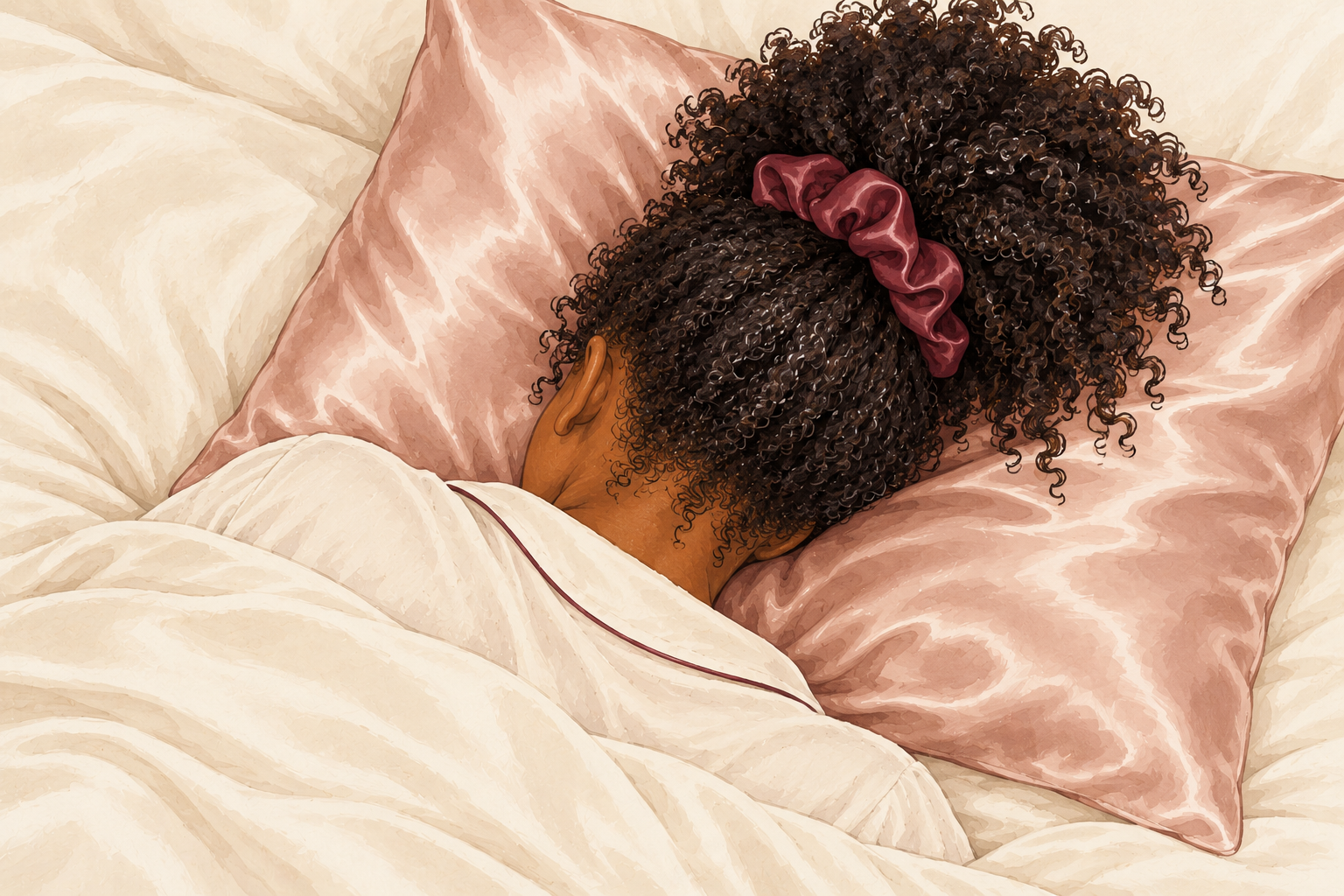
Pull your hair into a loose pineapple or two chunky twists before you cover it. This keeps the ends from being squashed and rubbed when you roll over. Use a scrunchie or a soft band, and never a tight rubber one. If your hair is short, you can skip this step and just wear the bonnet. If you have long coils, divide them into a few big twists. In the morning, you open them to soft, defined curls and you hardly need to restyle. It is a two minute habit, and the ends thank you every day. Loosen anything that leaves a dent in your hair or a mark on your forehead.
11. Photograph your ends monthly
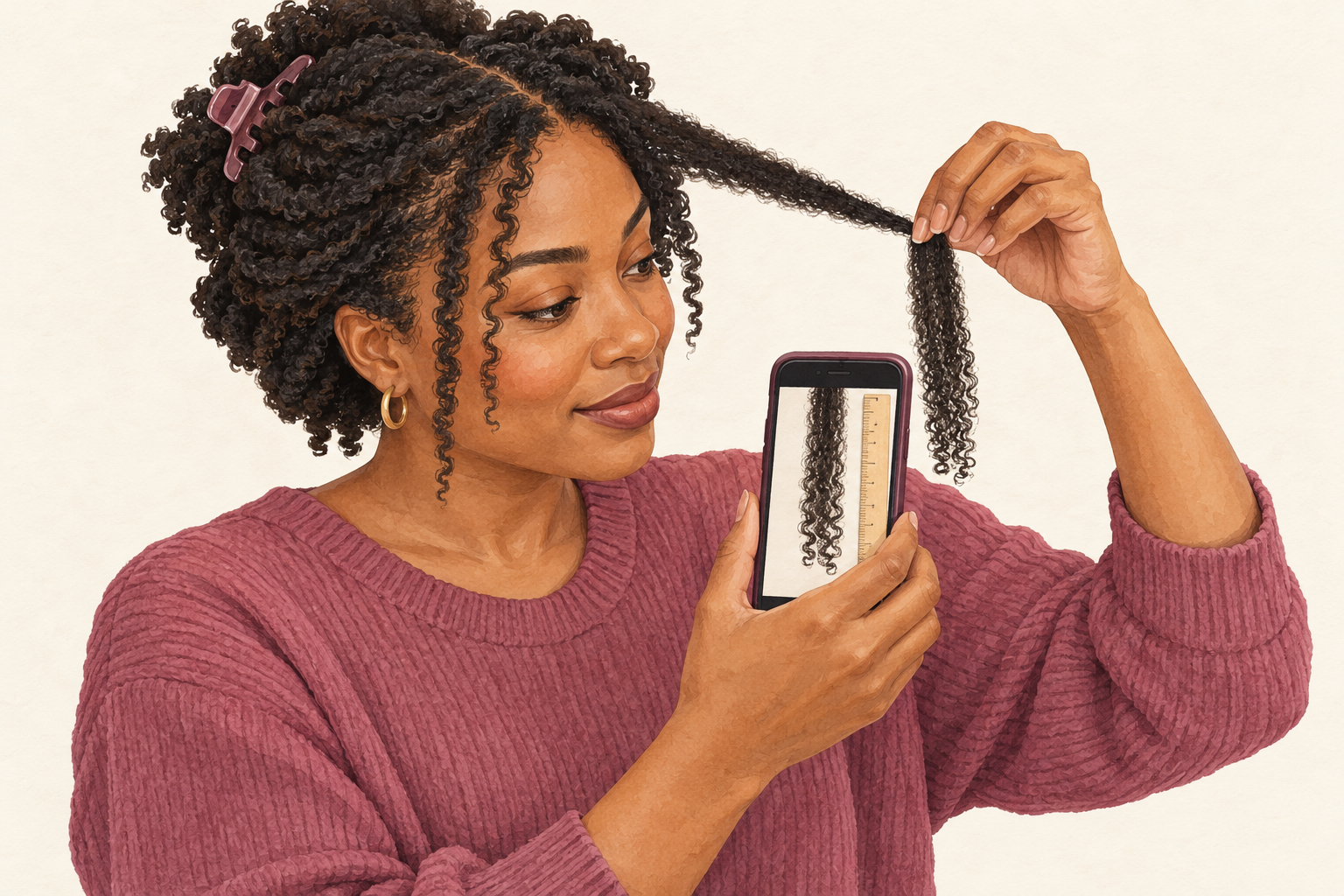
Stretch a section of your hair beside a ruler and take a photo on the same day every month. Natural hair shrinks, so it can feel like nothing is growing. A photo with a ruler shows the truth. Look at the thickness of the ends too, because thin, see through tips mean they are wearing away. Keep the photos in a folder. When you see growth, you are less tempted to cut or quit. If your ends look worse, you know it is time to adjust. This takes two minutes and gives you proof that your habits are working.
12. Keep a short routine journal

Write down your wash day, what you used and how your ends felt a few days later. Two lines is enough. Over a month you will see which products and which styles leave the ends soft and which leave them rough. You may notice that tight braids always give you more breakage, or that one conditioner always helps. Your journal becomes your own guide. Natural hair is different on every head, so no one else can tell you what works for yours. Review the notes every month and drop anything that did not help. Add a star next to the combinations you want to repeat, so wash day stops being guesswork.
Complete the Routine: Natural Hair Care That Keeps Your Length
Start with number 2 and number 9 this week. For more help, read 4C natural hair care and natural hair growth tips.