You have tried the oils, the vitamins and the late night videos, and your hair still seems stuck at the same length. Think of your head like a garden, where a healthy scalp is the soil and the strands are the plants. These 12 hair care tips for growth show you how to tend it, so start at number one tonight.
1. Cleanse gently and often enough
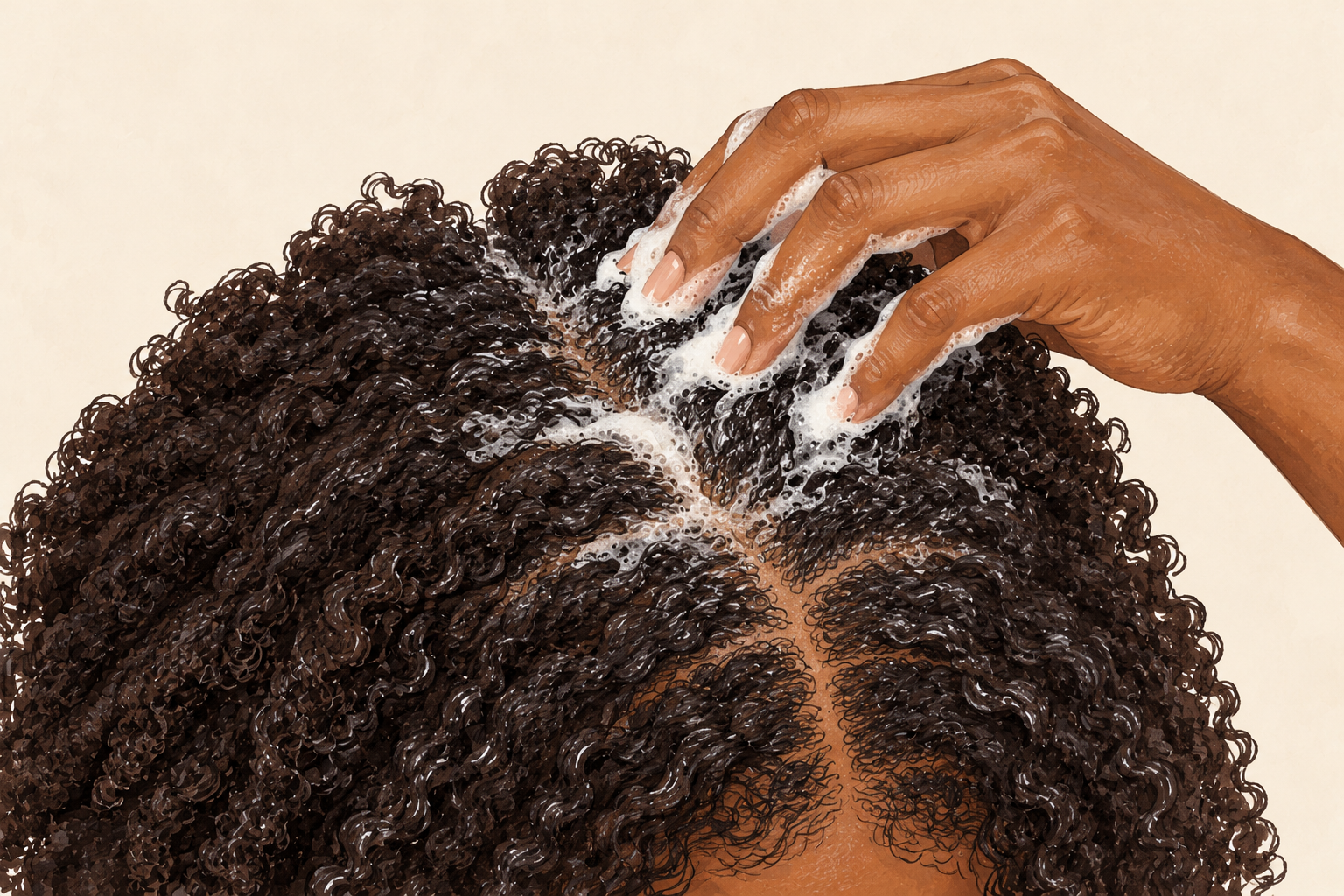
Wash your hair when the scalp feels oily or itchy, which is usually once or twice a week. A clean scalp is the soil your hair grows from, and buildup of oil, sweat and product makes it tired. Lather the shampoo in your hands first, then work it into your scalp with the pads of your fingers for a full minute. Let the suds rinse down the lengths. Do not scrub the ends, because they are the oldest part and the driest. Rinse until the water runs clear and your scalp feels light. If you wear a lot of product, add a clarifying wash once a month.
2. Massage your scalp most days
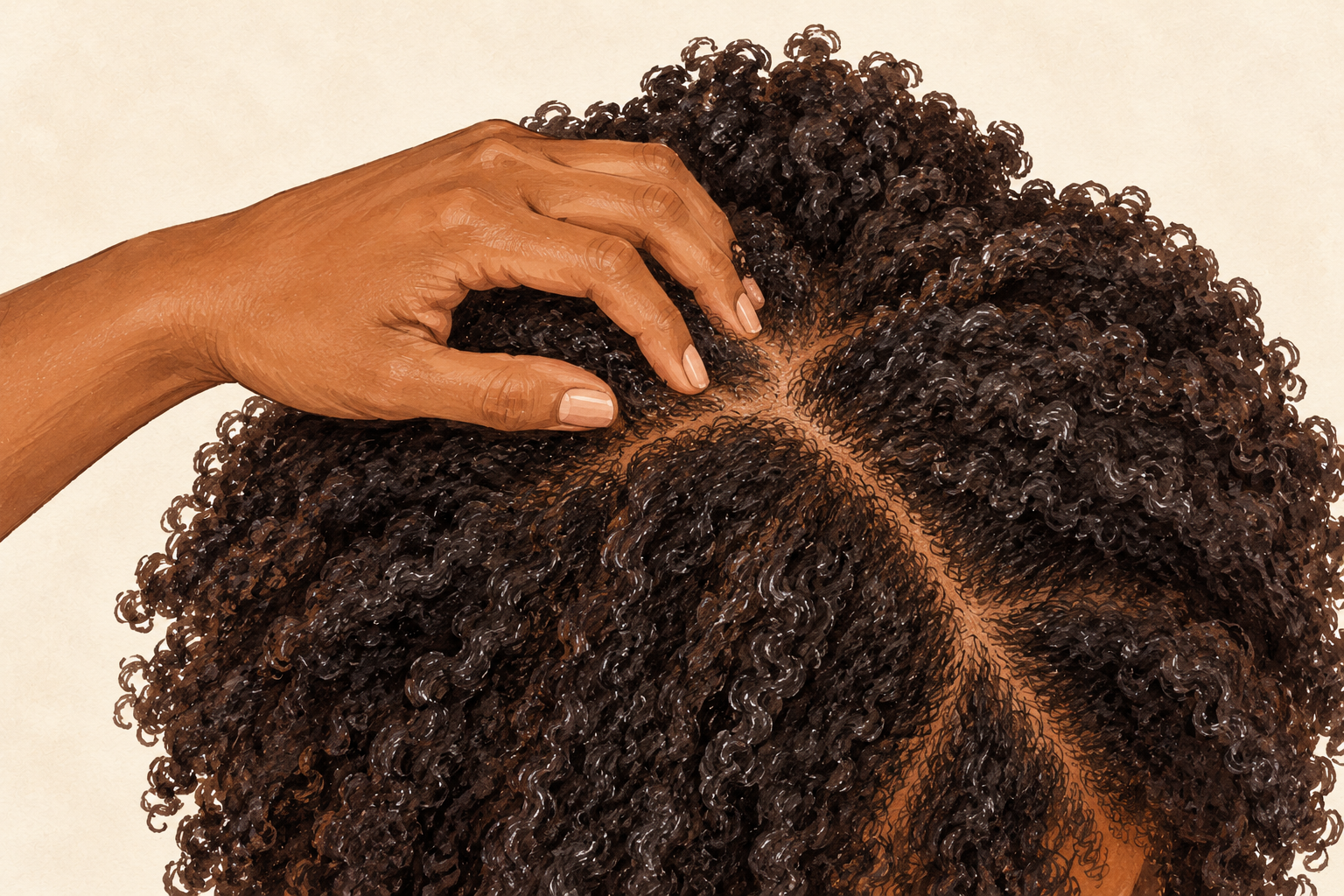
Press your fingertips into your scalp and move them in small slow circles for three to five minutes. Think of it as loosening the soil before planting. It feels relaxing, and many women say their scalp feels warmer and less tight after a week or two. Do it on dry hair before bed, or in the shower with shampoo. Use the pads of your fingers, never your nails, and press firmly enough to move the skin without sliding over it. A drop of light oil makes it even more pleasant. Stop if it hurts or stings. Evening is best, because your scalp is relaxed after the day.
3. Feed your hair from the inside

Eat regular meals that include protein, such as eggs, beans, fish or chicken, plus leafy greens. Hair is made of protein, and skipped meals leave it short of building blocks. Iron rich foods like beans and spinach matter too. Drink water through the day, and aim for pale yellow urine as your sign. Crash diets often show up as shedding a few months later. No shampoo can make up for an empty plate, so treat meals as part of your hair routine. Snack on nuts, fruit and yogurt. Breakfast with eggs or beans sets the pace for the whole day.
4. Moisturize with water first
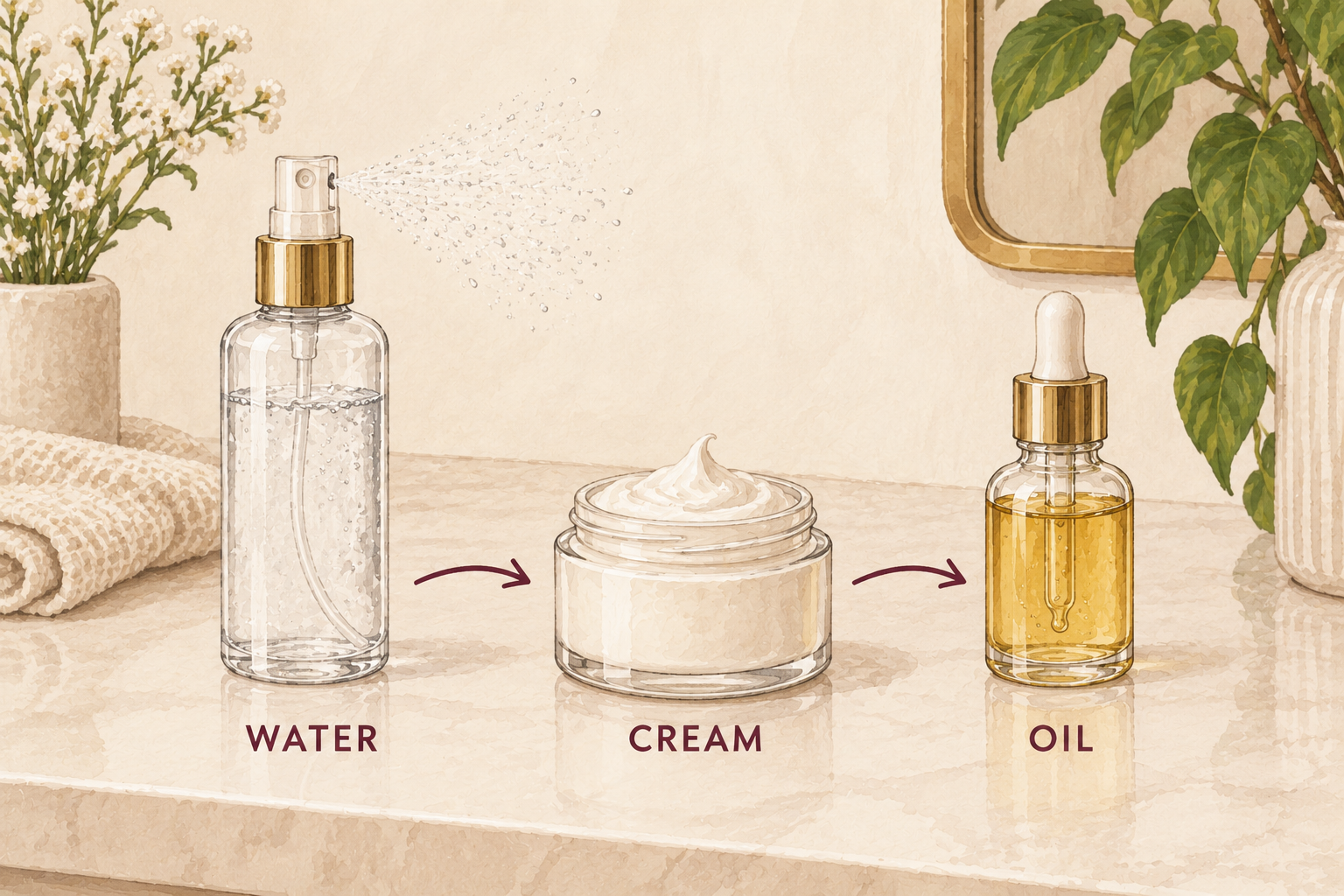
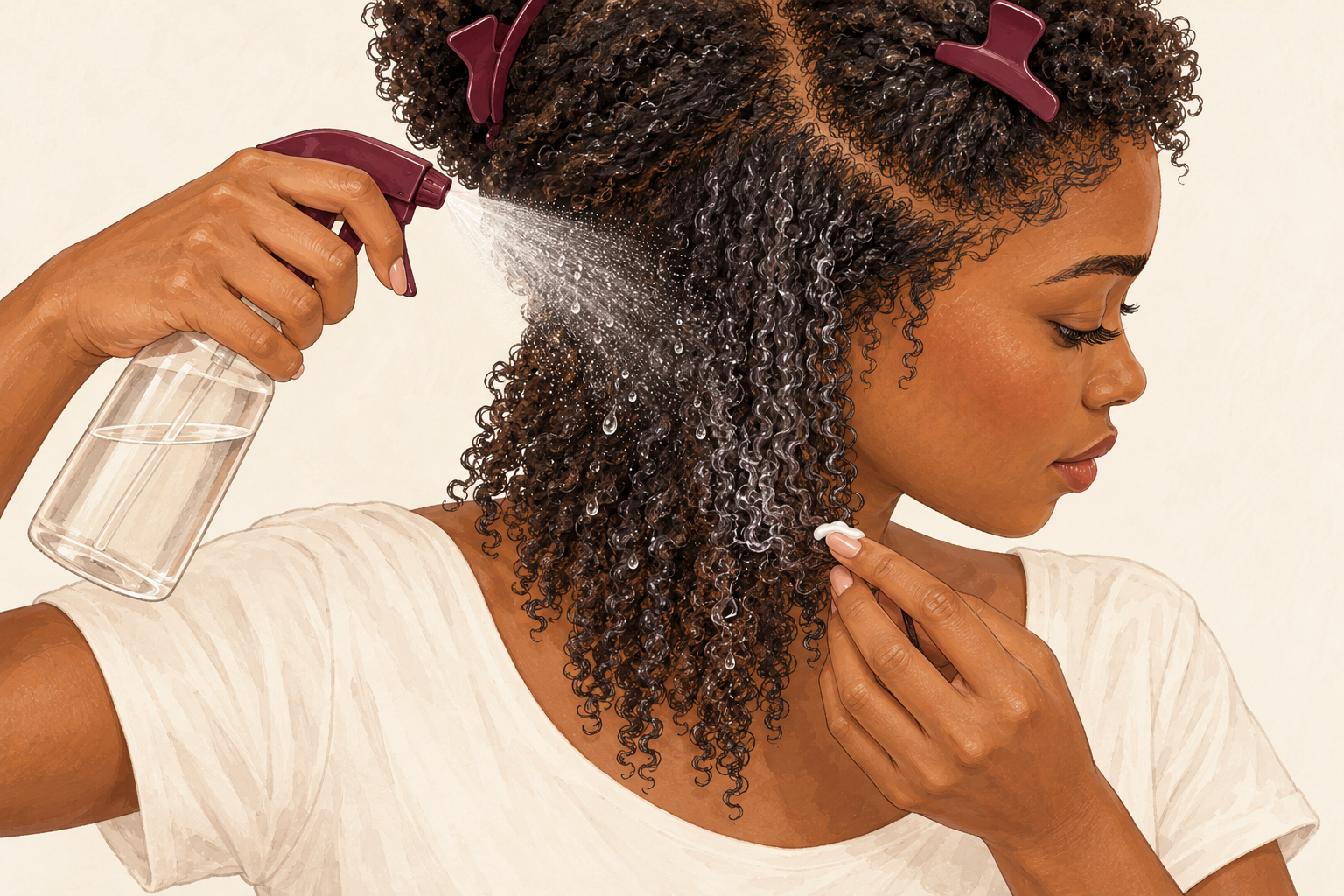
Dampen your hair with a mist or a rinse, then add a cream, then a few drops of oil on top. Dry hair snaps, and snapped hair never gets long enough to show growth. Water is the real moisture, and the cream and the oil lock it in. Do this after every wash and on dry mid week days when your ends feel rough. Pay the most attention to the ends, because they have been around the longest. Your hair should feel soft and flexible, not stiff or coated. Wet hair takes the cream better, and a tiny amount covers more than you expect.
5. Deep condition once a week
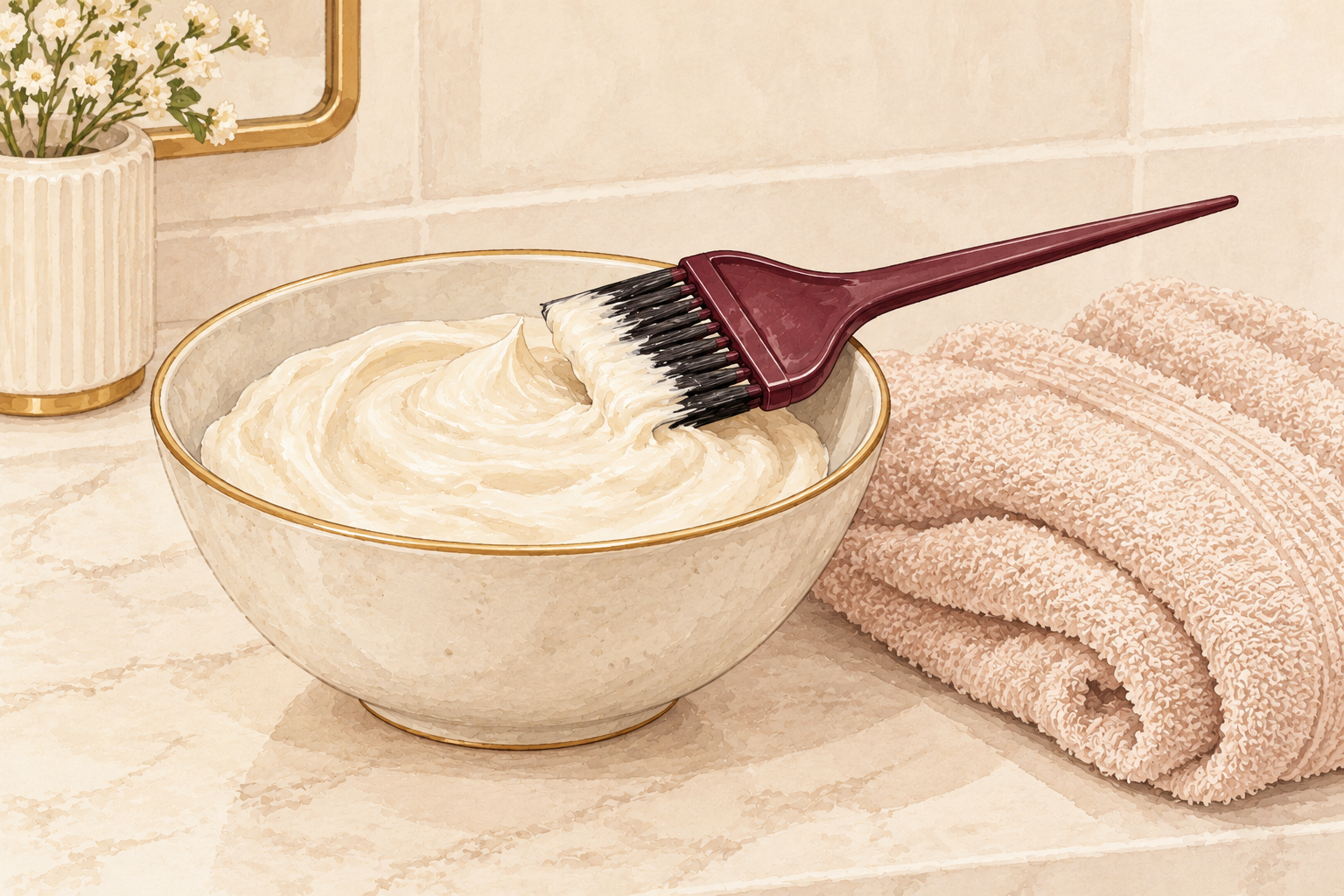
Leave a thick conditioner on for twenty minutes under a shower cap and a warm towel. Think of it as the weekly watering that keeps the plants from drying out. Apply it from the mid lengths to the ends, and rinse with cool water. If your hair is fine, every second week is enough. If it is dry or curly, do it weekly. Hair that has been deep conditioned stretches without snapping, which is exactly how it holds length. Put on a show while it works, and the time passes quickly. Rinse until the water feels clear, and your hair will feel slippery and soft.
6. Dry gently and skip the rubbing
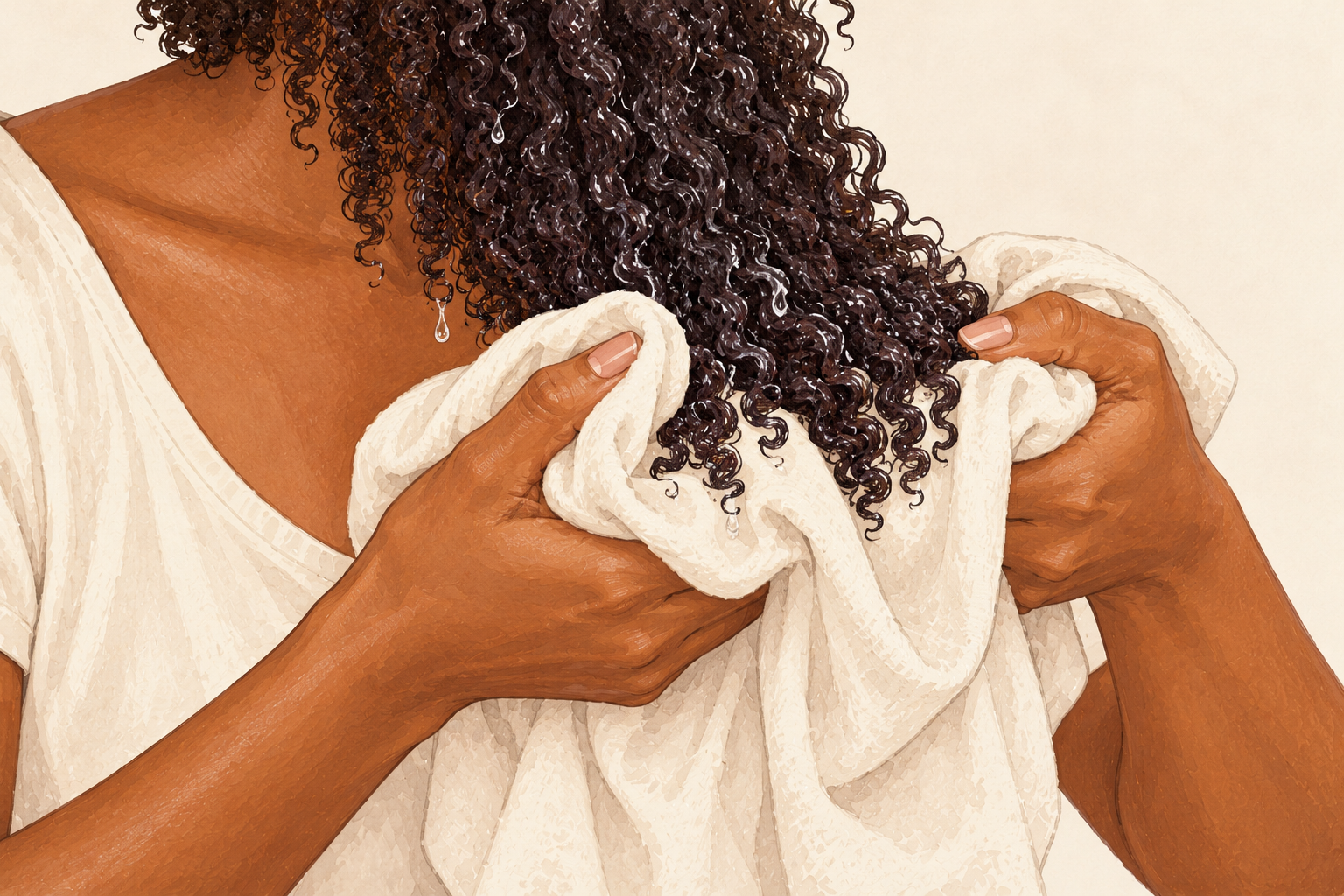
Press water out with a soft t shirt or microfiber towel, then leave your hair alone. Wet hair is stretchy and weak, and a rough rub snaps it and fuzzes the surface. Wrap it for ten minutes, squeeze from the ends, and let air do the rest. If you need to blow dry, use a low heat and keep the nozzle moving. Never brush wet hair with a stiff brush. A wide tooth comb with conditioner on is the only thing that should touch it. This one habit stops a lot of quiet breakage. Squeeze, never twist, and your ends will thank you by Friday.
7. Trim small and often enough
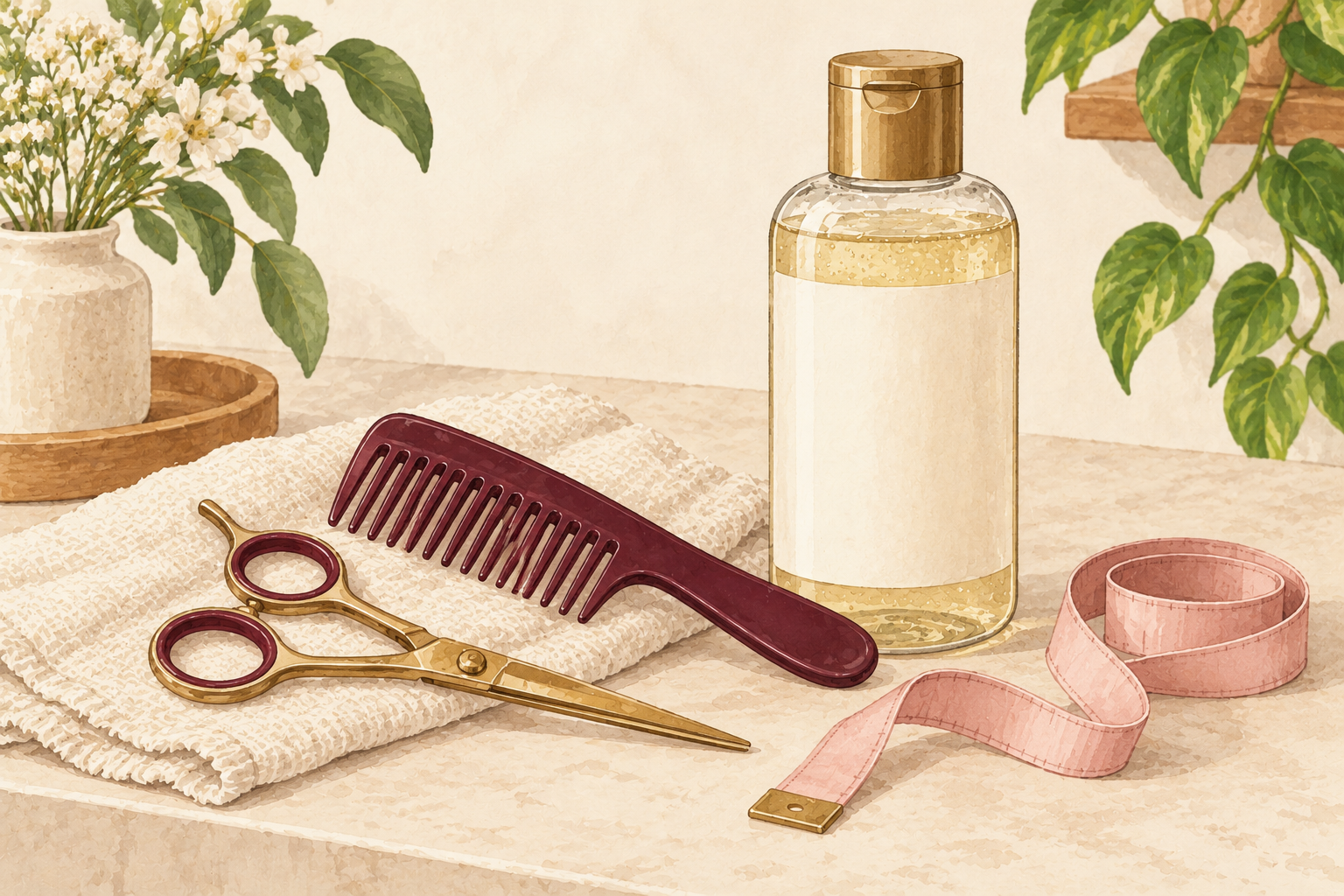
Cut off a quarter inch of dead ends every ten to twelve weeks, or sooner if they split. Splits climb upward and break the strand above them, so waiting means losing more later. A small trim keeps the length you have, which is what growth looks like in real life. Your hair is not growing slower, it is breaking at the ends. Check by twisting a small section and looking for white dots or tiny forks. Pull the hair taut and snip straight across with sharp scissors. Book the date in your phone so it does not slip by.
8. Detangle from the ends up
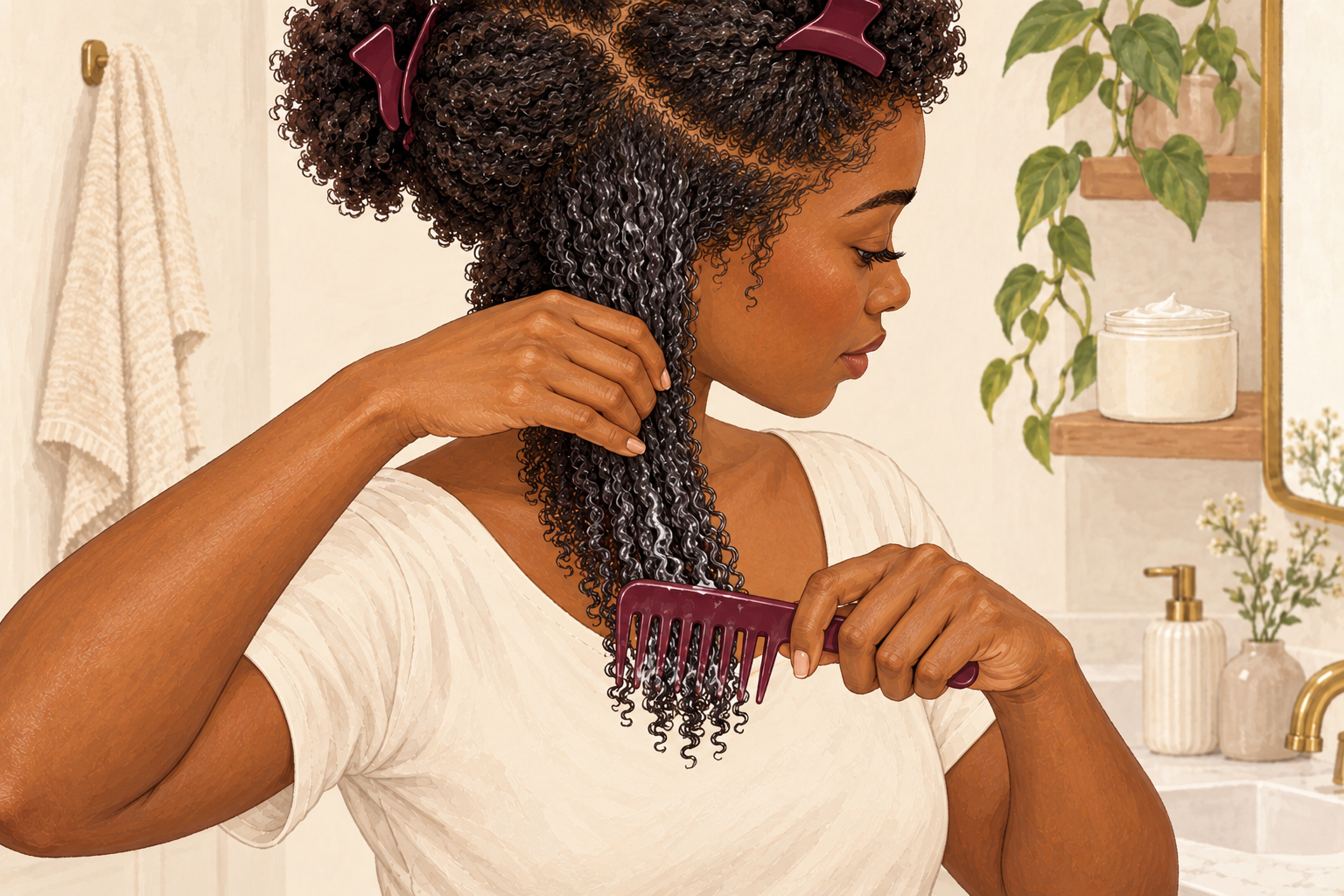
Start at the bottom, hold the section above the knot, and work upward in small steps. Starting at the root drags every knot down into one big clump and pulls hard on your scalp. Use a wide tooth comb with plenty of conditioner. Go slowly, because a patient two minutes saves a handful of broken strands. Do it in the shower or with a spray of water. If a knot will not give, add more conditioner instead of force. You will find fewer hairs in the comb after a week. Keep the pressure light, and rest your hand against your head to steady it.
9. Go easy on heat and chemicals
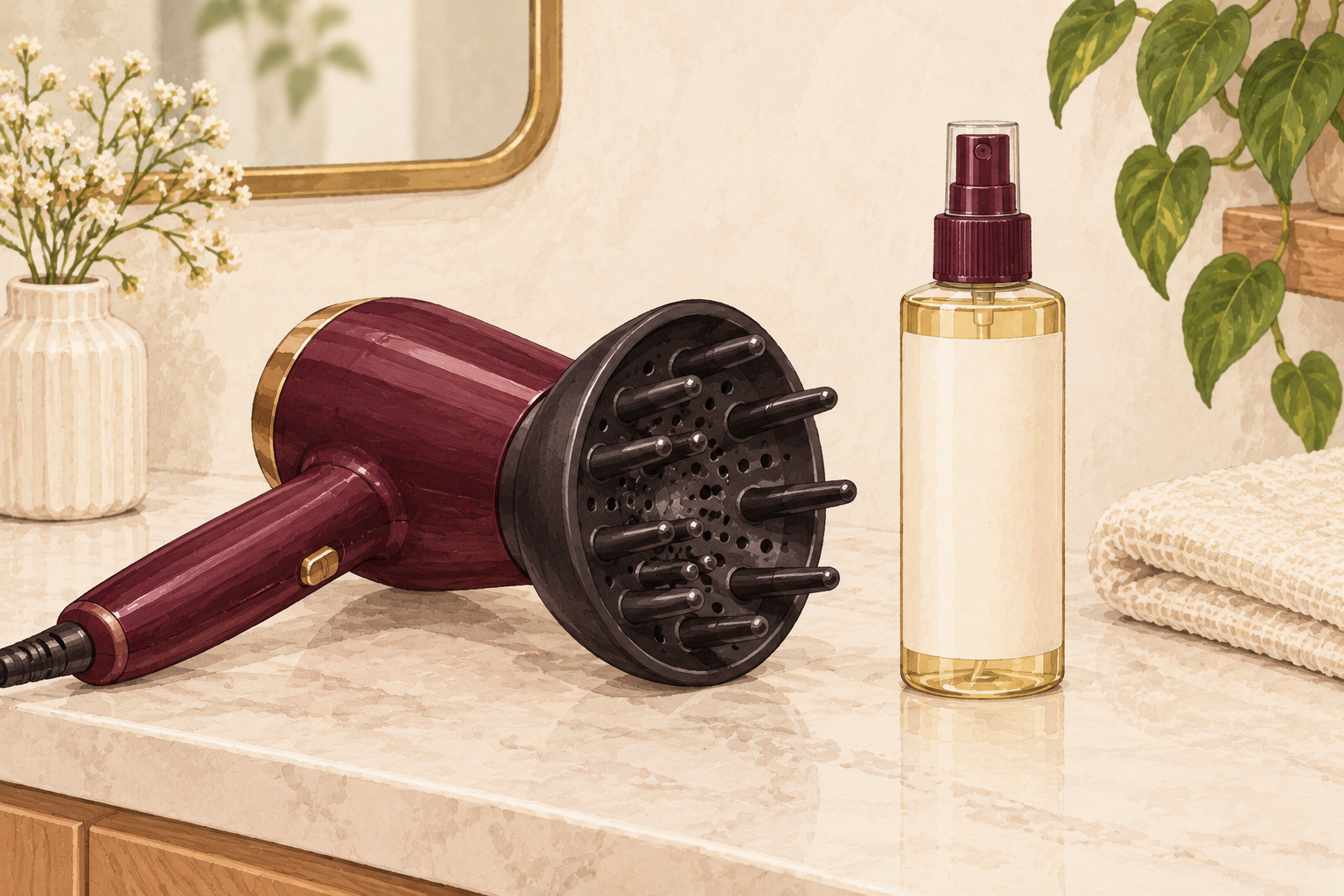
Keep heat styling to once a week at the lowest setting that works, and space out color and relaxers. Heat and strong chemicals weaken the strand, and weak strands snap before they can grow. Use a heat protectant, pass the iron once, and let tools cool on a mat. Wait at least eight weeks between color or relaxer touch ups. If your hair feels like straw or stretches and does not bounce back, give it a long break. Air dry and heatless curls are good swaps. Cooler tools plus a pause between color sessions give hair time to recover.
10. Loosen tight styles and rough accessories
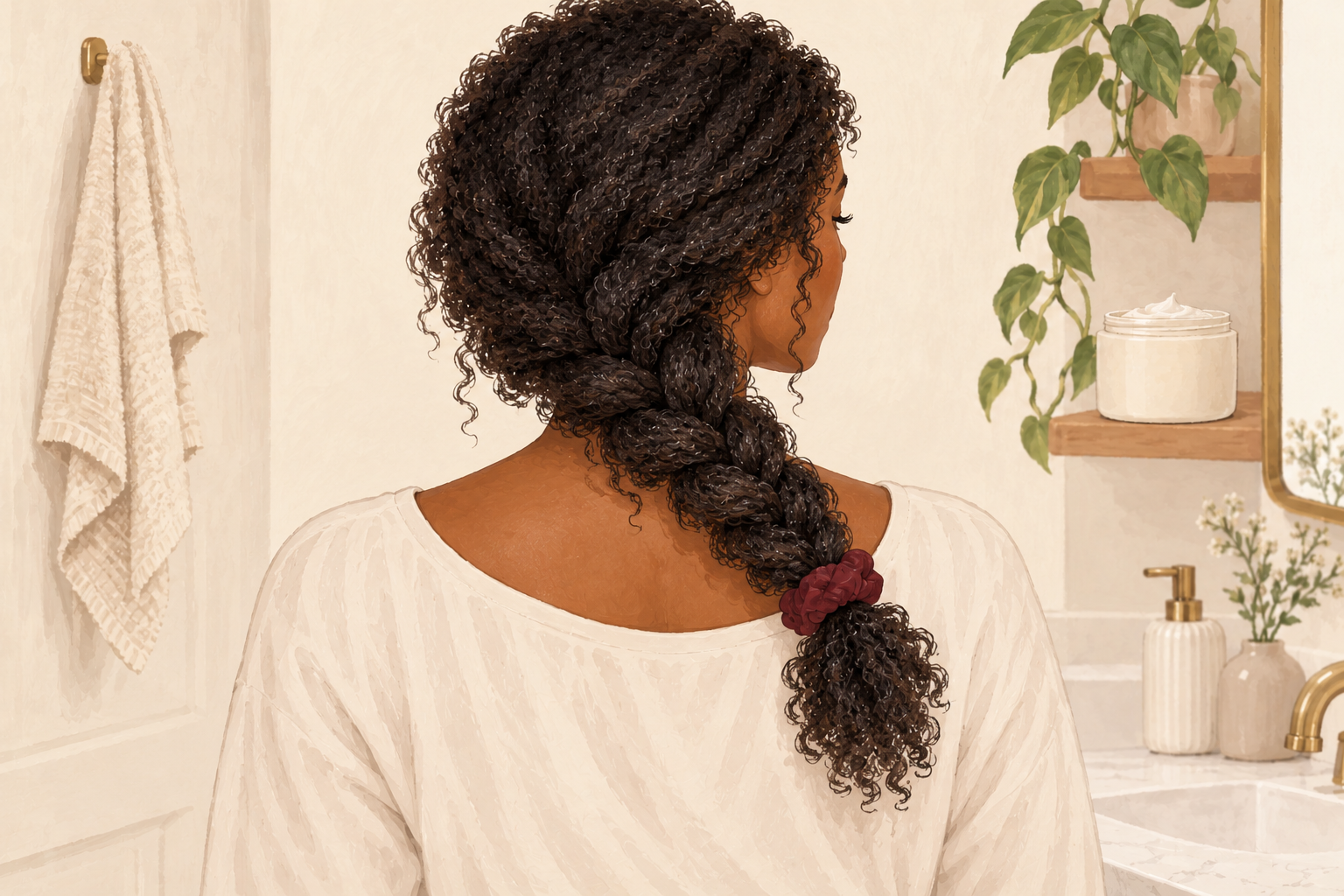
Choose loose braids, buns and satin scrunchies, and leave your edges alone. A style that pulls at the hairline for weeks can thin it out for good. If you feel stinging, tight bumps or a headache from your style, loosen it that day. Swap thin elastics and metal clips for soft fabric ones. Change your ponytail position every day so no spot takes all the strain. Hair care tips for growth always come back to this idea, which is to protect what you have. Sleep in a satin bonnet or on a satin pillowcase. Looser styles also let your scalp breathe and stay comfortable all day.
11. Track your progress once a month
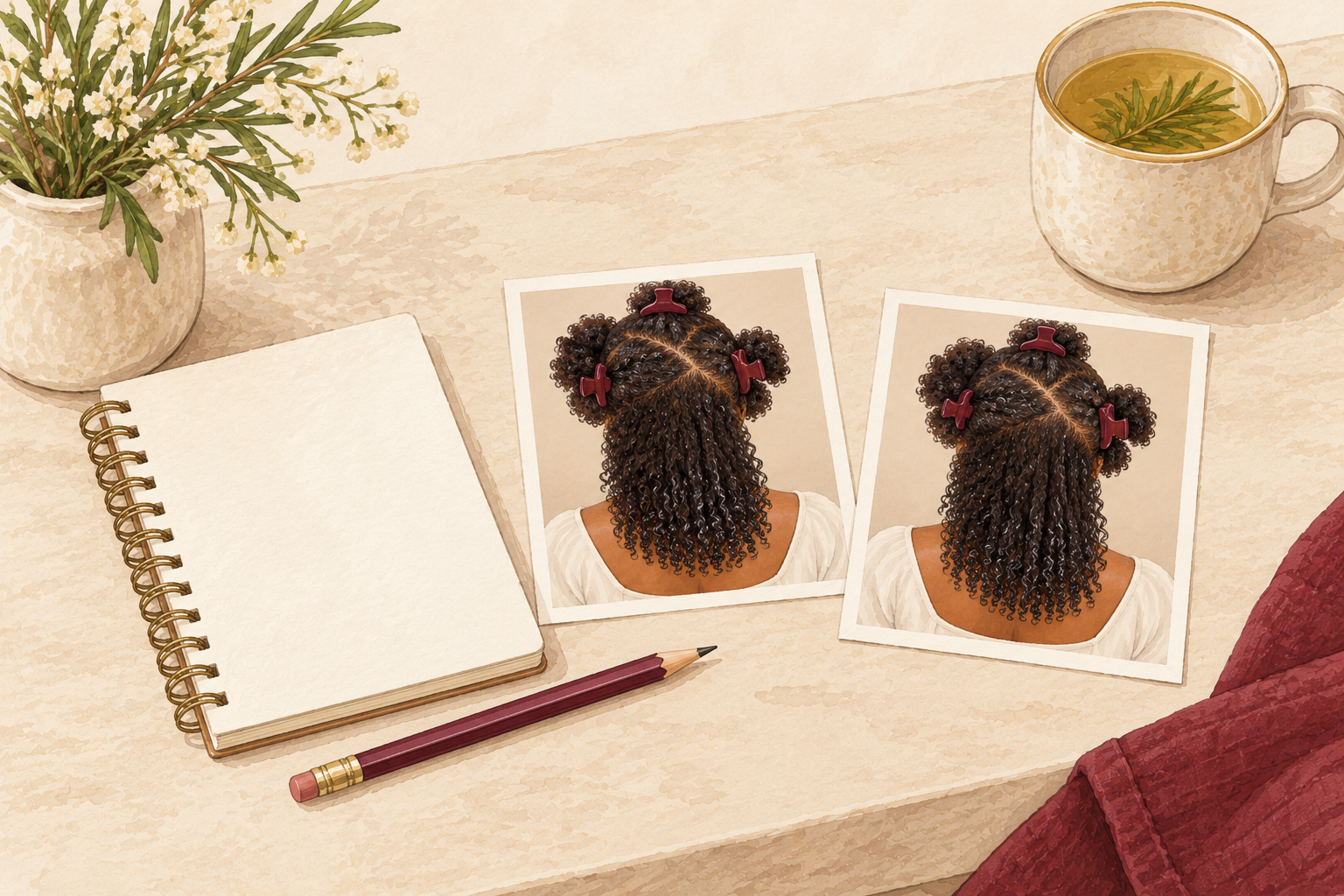
Take a photo of the same parting in the same light on the first of every month. Hair grows about half an inch a month, so a daily mirror check will always disappoint you. Measure a small section from root to tip and write the number down. Compare photos after three months, not three days. If handfuls of hair come out or bare patches appear, see your doctor. Otherwise, a few strands in the brush each day is normal, and the photos will show real progress you cannot see in the mirror. Pick a day you will remember, such as payday or the first Sunday of the month.
12. Change one thing at a time and wait
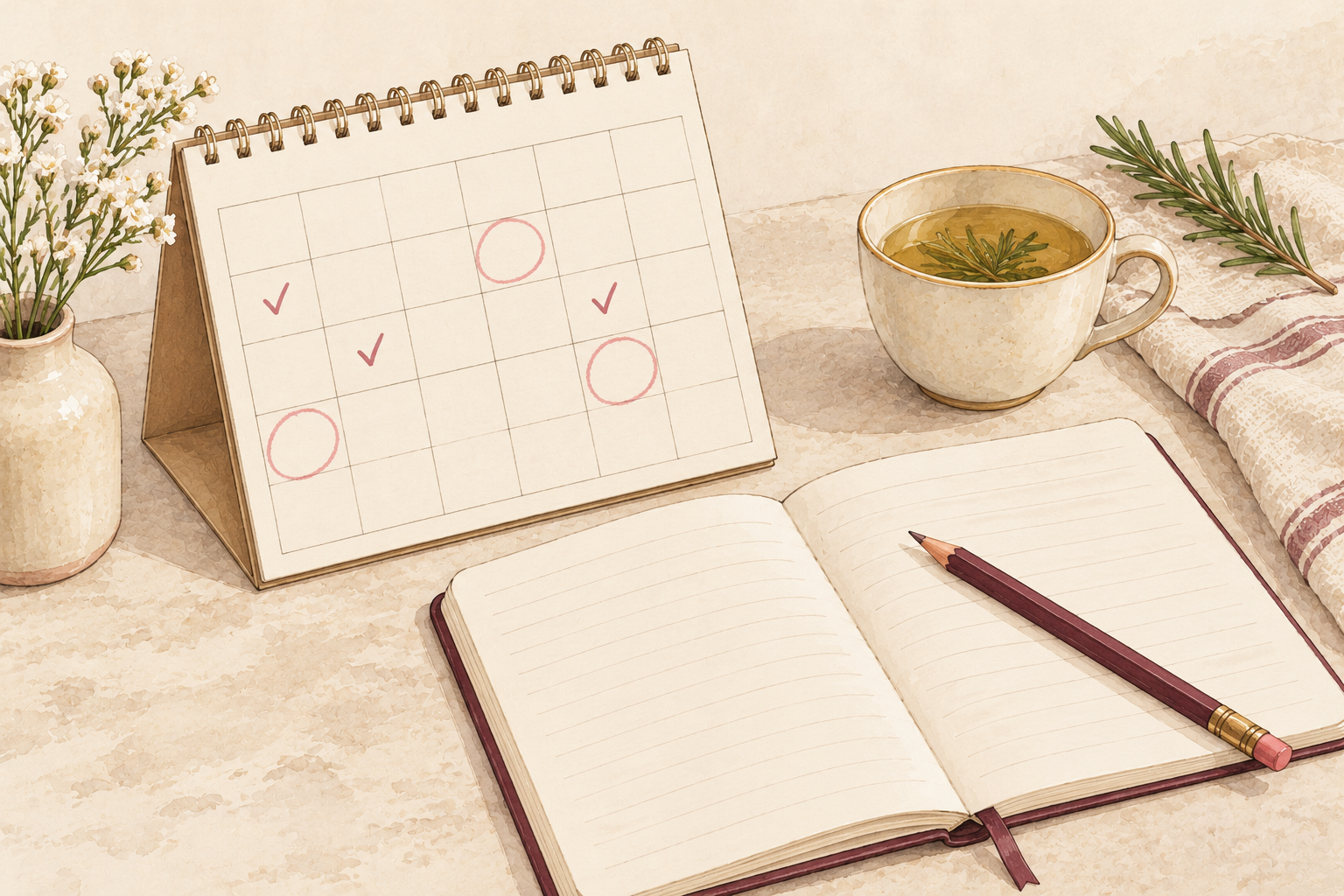
Add one new habit, keep it for six to eight weeks, then judge it. A garden does not bloom the day after you water it, and your hair is no different. If you change five things at once you will never know which one worked. Pick the habit that fits your biggest problem, such as dry ends or a tight scalp, and stick with it. After two months you will likely notice softer hair, less shedding in the shower and fewer split ends. Then add the next one. Write the start date on a calendar and check back when it arrives.
Complete the Routine: Hair Care Tips for Growth You Can Start Tonight
Pick number 2 and number 4 for tonight and keep the rest for the weekend. For more growth ideas, read about natural hair growth tips and 4c hair growth.