You saw a video of long, glossy hair and a bowl of milky water, so you tried it, and your hair came out stiff and crunchy instead of soft. Rice water for hair growth is simple, but the soak, the sit and the rinse all matter. Here are 12 steps for soft strands, so start at number one tonight.
1. Start with plain white or jasmine rice
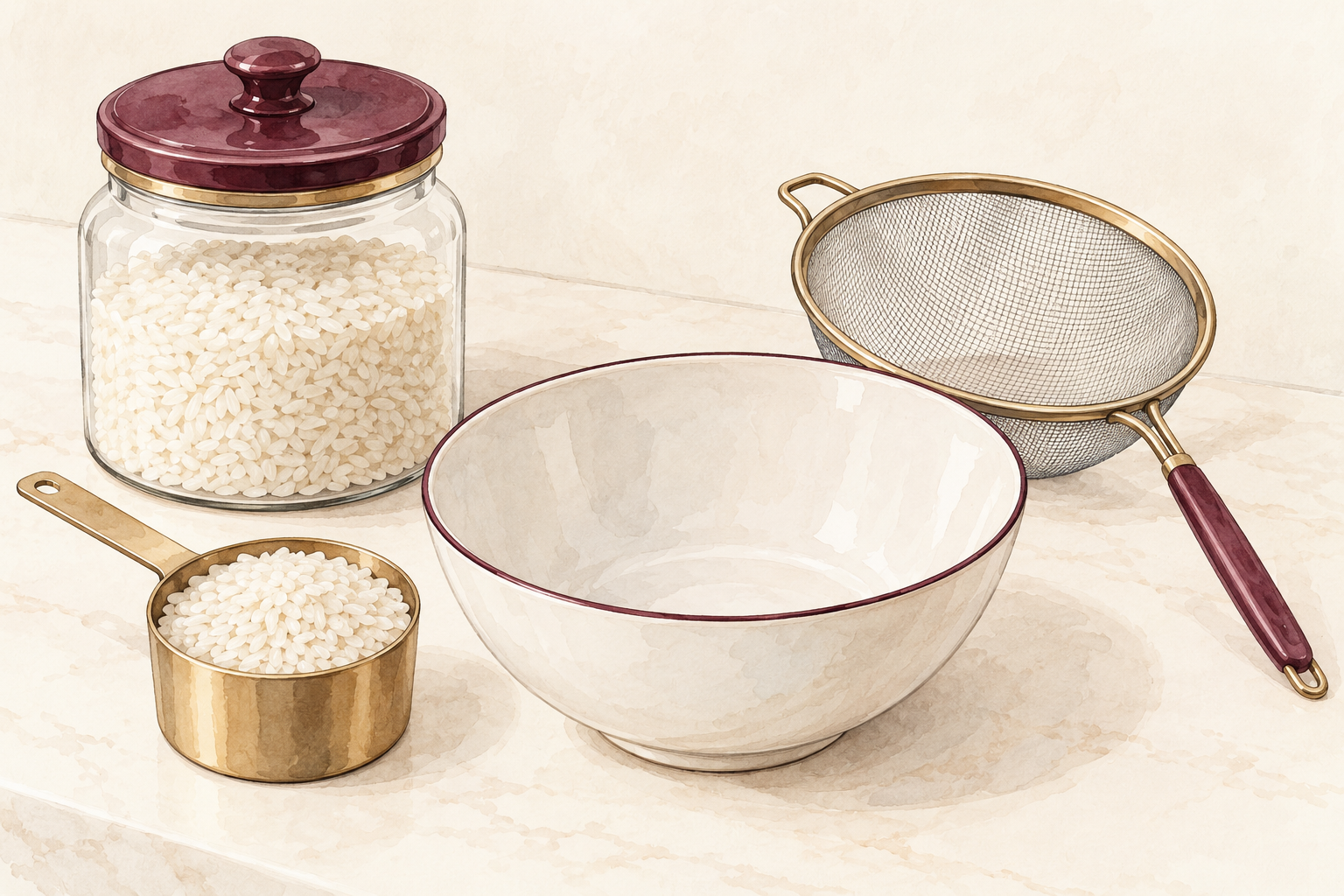
Take half a cup of plain, uncooked white or jasmine rice and nothing else. Skip flavored, seasoned or quick cook packets, because the extras do not belong near your scalp. Any plain long grain rice works, so use what is already in your kitchen. You also need a clean bowl, a fine strainer and a jar with a lid. That small kit is the whole recipe. Buying fancy rice for your hair is a waste, because the water is doing the work and the grain is only a delivery van. Measure the rice with a cup the first time, so you can repeat a batch that works.
2. Patch test it on your arm first
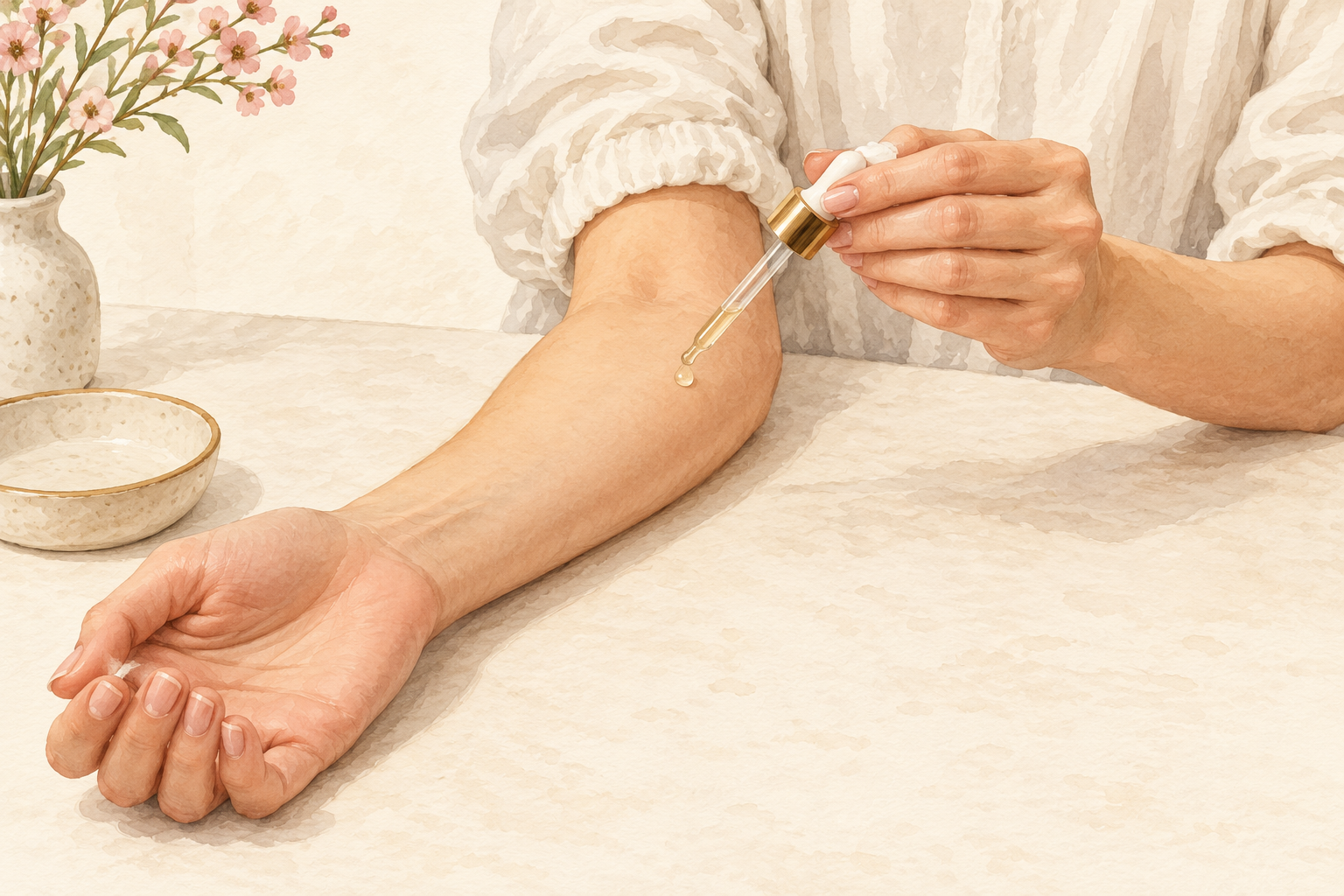
Dab a little rice water on the inside of your forearm and leave it for a day. Redness, itching or small bumps mean your skin does not like it, so wash it off and skip the whole routine. Rice is a food, which makes people careless, but allergies to food happen on skin too. If you are allergic to rice or grains, do not use this at all. Test again when you make a fresh batch after a long break. A clear arm after 24 hours means you can carry on. Keep the patch away from broken skin, and wash your hands before and after.
3. Know whether your hair likes protein

Pay attention to how your hair behaves after a protein treatment. Rice water carries a little protein, so hair that turns hard, straw like or snappy after a strong protein mask may find it too much. Hair that feels limp, mushy or overly stretchy often loves it. Fine, low porosity strands tend to need a lighter touch than thick, thirsty ones. If you are unsure, use a weak rinse once and see how your hair feels the next day. Your hair will tell you plainly. Notice the next morning, when the hair has dried completely, because wet hair hides stiffness.
4. Rinse the rice, then soak it for thirty minutes
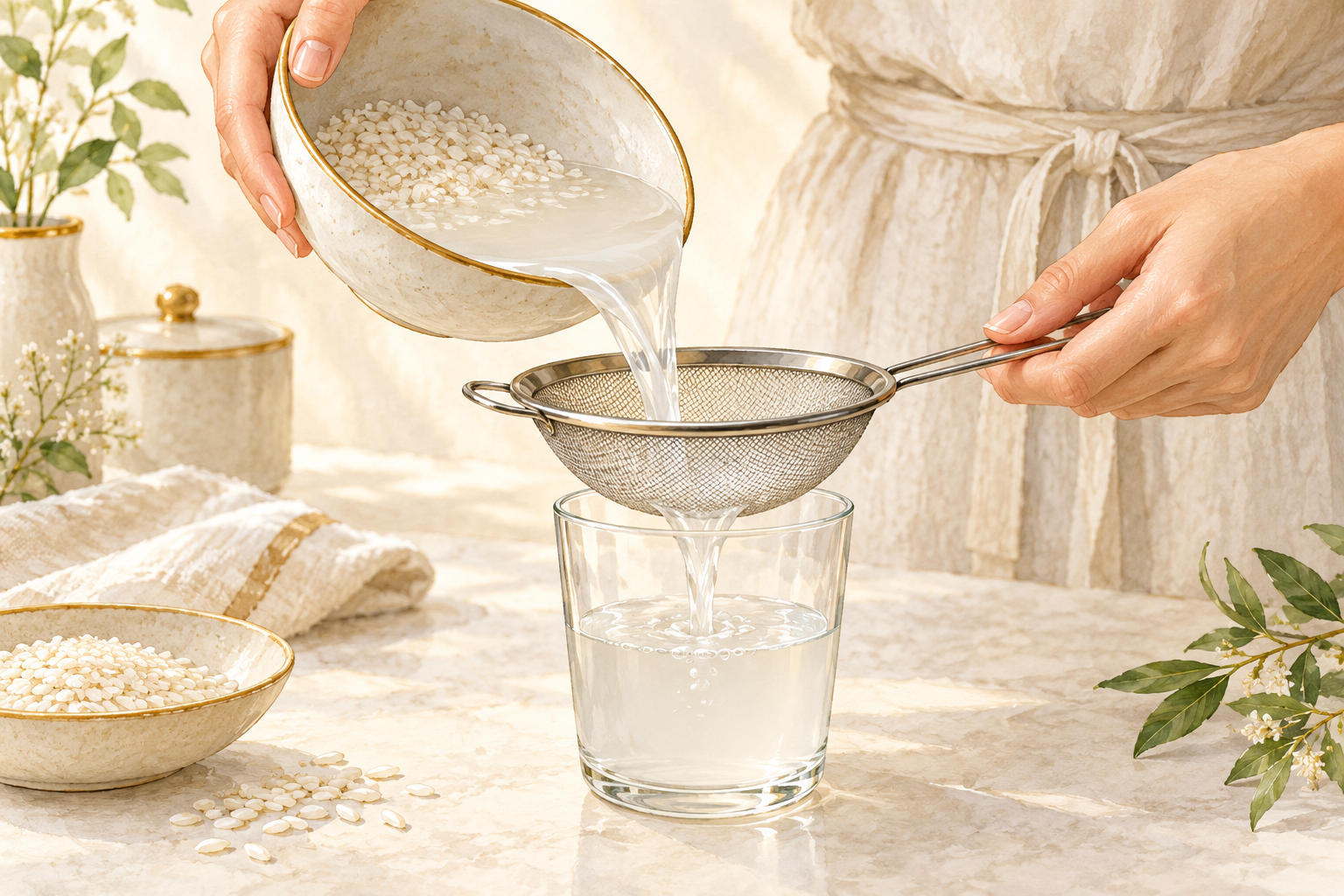
Rinse the rice once under the tap to wash off dust, then cover it with two cups of fresh water. Swirl it with your fingers for a minute and let it sit for thirty minutes. That is the gentlest version, with no heat and no waiting around. When the water turns milky, strain it into a clean jar and keep it. Boiling the rice into a starchy soup is not needed and makes the water thick and heavy. Use this quick soak first, before you try anything stronger. It takes only a short break from your phone while you wait.
5. Let it ferment for a day, if you like
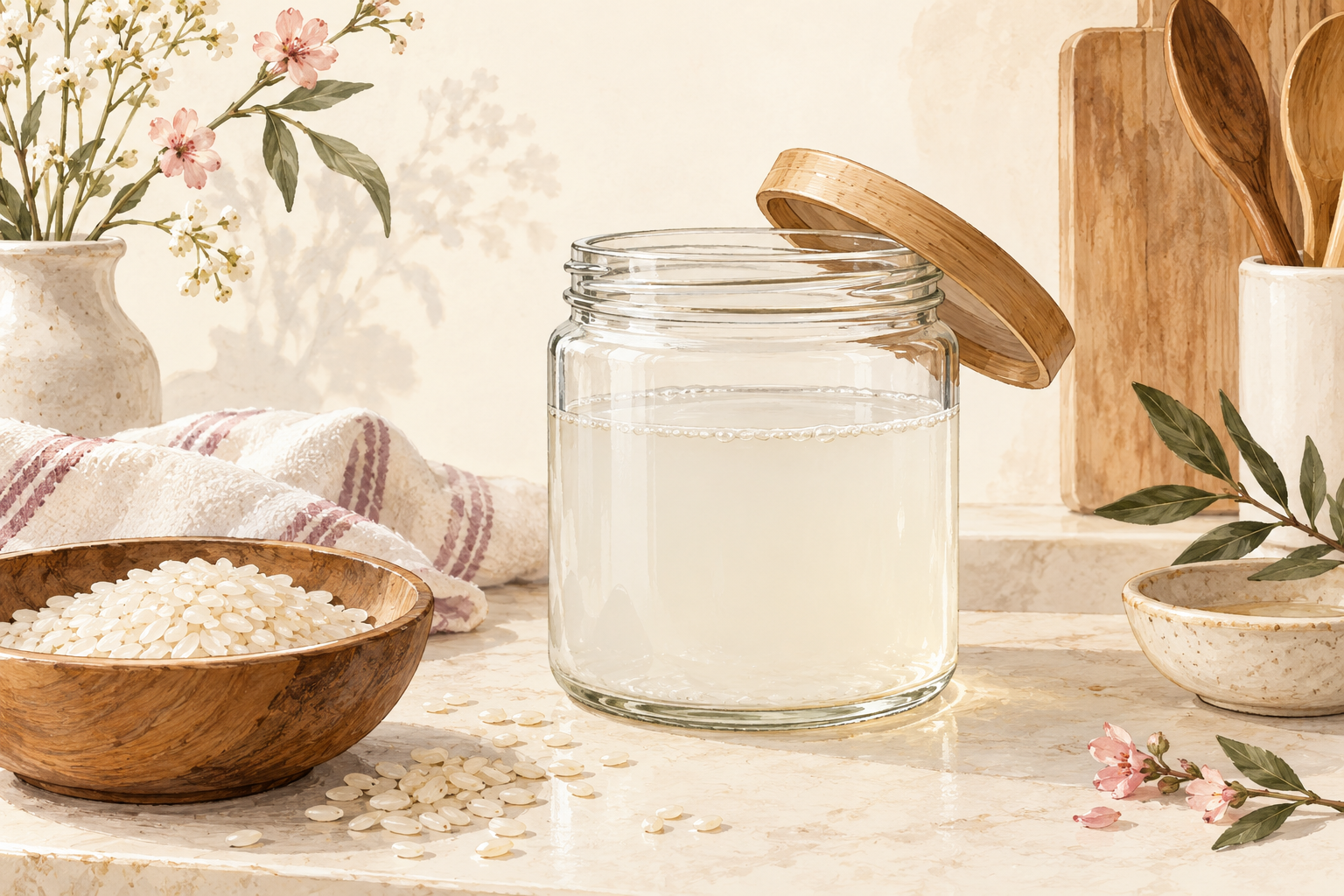
Leave the strained water in a loosely covered jar at room temperature for about a day. A slightly sour smell tells you it has changed, and it should smell like tangy rice, not rotten. Fermented water is a little more acidic, which many girls say leaves hair smoother. Not everyone needs it, so only do it once the plain soak has treated you well. Stop at one day, since longer starts to smell heavy and can upset your scalp. If it smells foul or looks fuzzy, throw it out and start again. Never ferment in a tightly sealed jar, as the gas needs a way out.
6. Chill it and use it within a week

Pour the water into a clean bottle and keep it in the fridge for up to seven days. Cold slows the souring and keeps it smelling fresh. Shake the bottle before each use, because the starch settles at the bottom. Write the date on tape so you never wonder. If you make too much, pour some into an ice cube tray and use a cube or two each time. Cold rice water on a hot day also feels lovely on the scalp, which makes it easier to stay consistent. Rice water for hair growth works best when it is cold, clean and fresh, so toss any bottle that smells strange.
7. Pour it on after shampoo, before conditioner

Shampoo as usual, squeeze out the water, then pour the rice water slowly over your scalp and hair. Use about a cup, a bit more for long or thick hair. Work it through with your fingers, then follow with your conditioner. This order matters, because conditioner coats the strands and smooths the protein into a soft finish. Rice water on its own can feel rough. Pour from a small jug so the water goes where you want it and not down the drain on the first second. Rinse your scalp gently afterwards, with no scrubbing.
8. Use a spray bottle for thick or braided hair
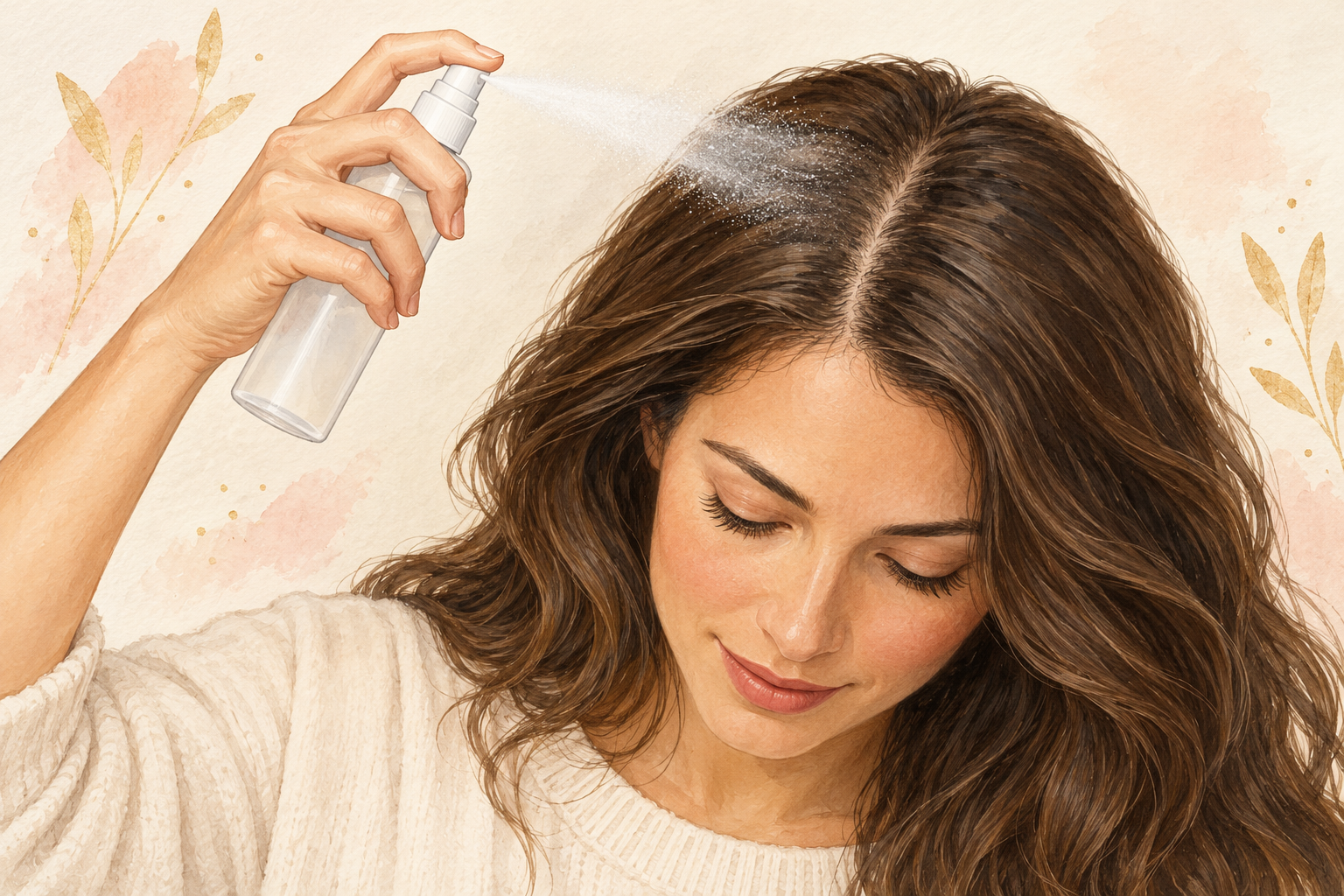
Fill a clean spray bottle and mist your scalp in sections. Thick, coily or braided hair soaks up a jug of liquid and still leaves your roots dry. A spray lets you place the water exactly where you need it, between braids and along each part. Squirt, then press with your fingertips. Give the nozzle a quick rinse after each use so it does not clog with starch. Your hair should feel damp and cool, never dripping. Mist the lengths lightly if they are dry, and keep the rest for the roots. Shake the bottle between each section, since the starch sinks quickly.
9. Start with a five minute sit
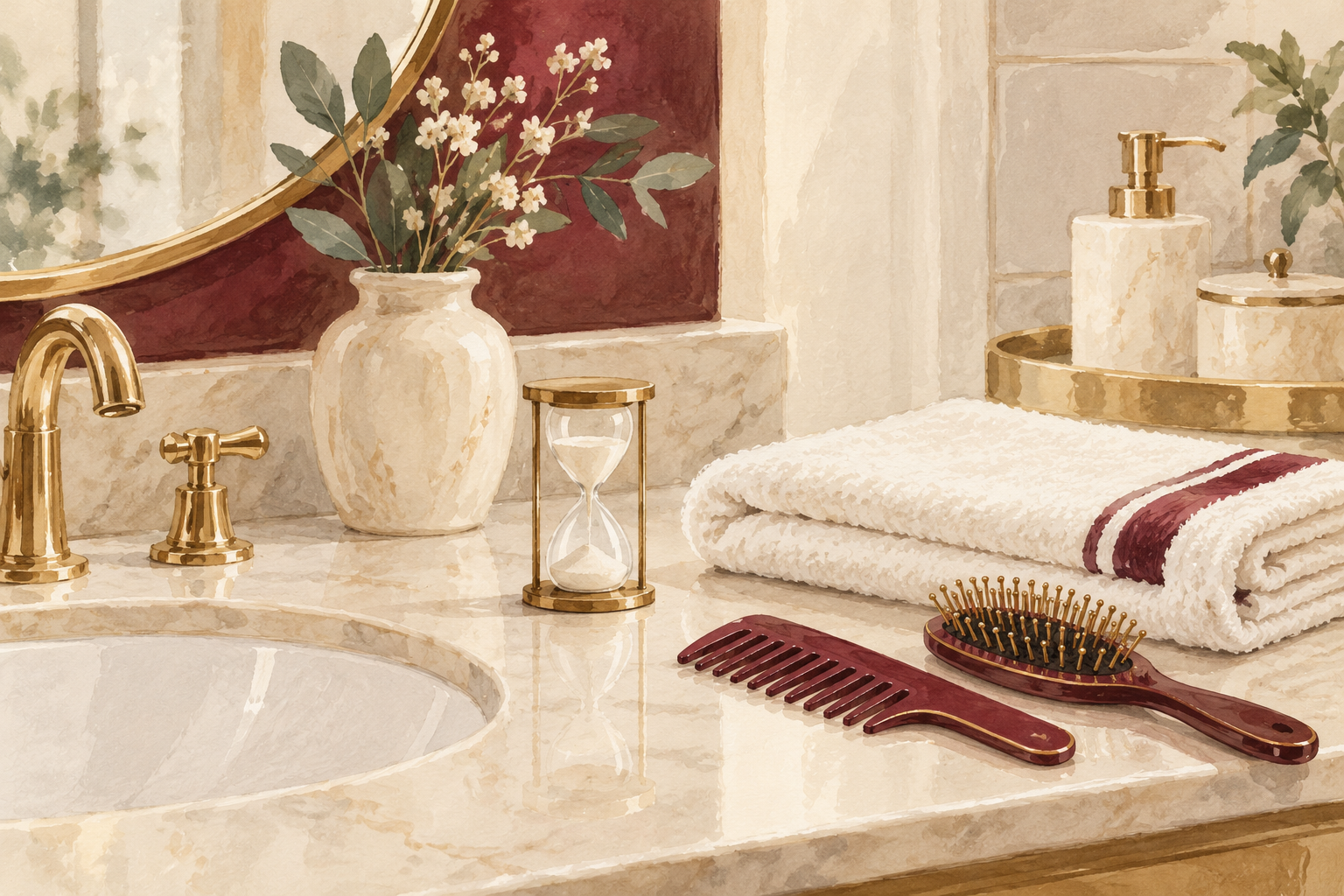
Let the rice water rest on your hair for five minutes, then rinse it out. Five minutes is enough for a first try, so do not leave it on for an hour because you read somewhere that longer is better. Hair that sits in protein for too long goes dry and tight. Rinse with cool water until your hair slips between your fingers. Next time you can go up to ten minutes if your hair stays soft. If it feels coated, go back to five. Stand with your head tilted forward so the water stays away from your face.
10. Rinse once a week or every other week

Make it a weekly treat for fine or oily hair, and every other week for dry or thick hair. More is not better here. Your hair needs a rest from protein, and a daily rinse leaves it brittle. On the weeks you skip, give it a good moisture mask instead. Choose a wash day you can remember and attach the rice water to it, so it becomes a habit rather than a project. If a week was busy, skipping once will not undo anything. Tick each rinse off on your calendar so you can see the rhythm.
11. Dilute it when your hair pushes back

If your hair turns stiff, tangly or rough, mix the rice water with an equal amount of plain water. That is the sign you used too much, left it too long or rinsed too often. Cut the sitting time to two minutes, and follow with a rich conditioner every time. Skip a couple of weeks if it still feels dry. Never add more rice water to fix crunchy hair. Dilution makes the same bottle gentler, and it often turns a bad experience into a good one without you changing anything else. Mix a fresh dilution each time rather than keeping it, since weak mixes spoil faster.
12. Pair it with moisture and give it eight weeks
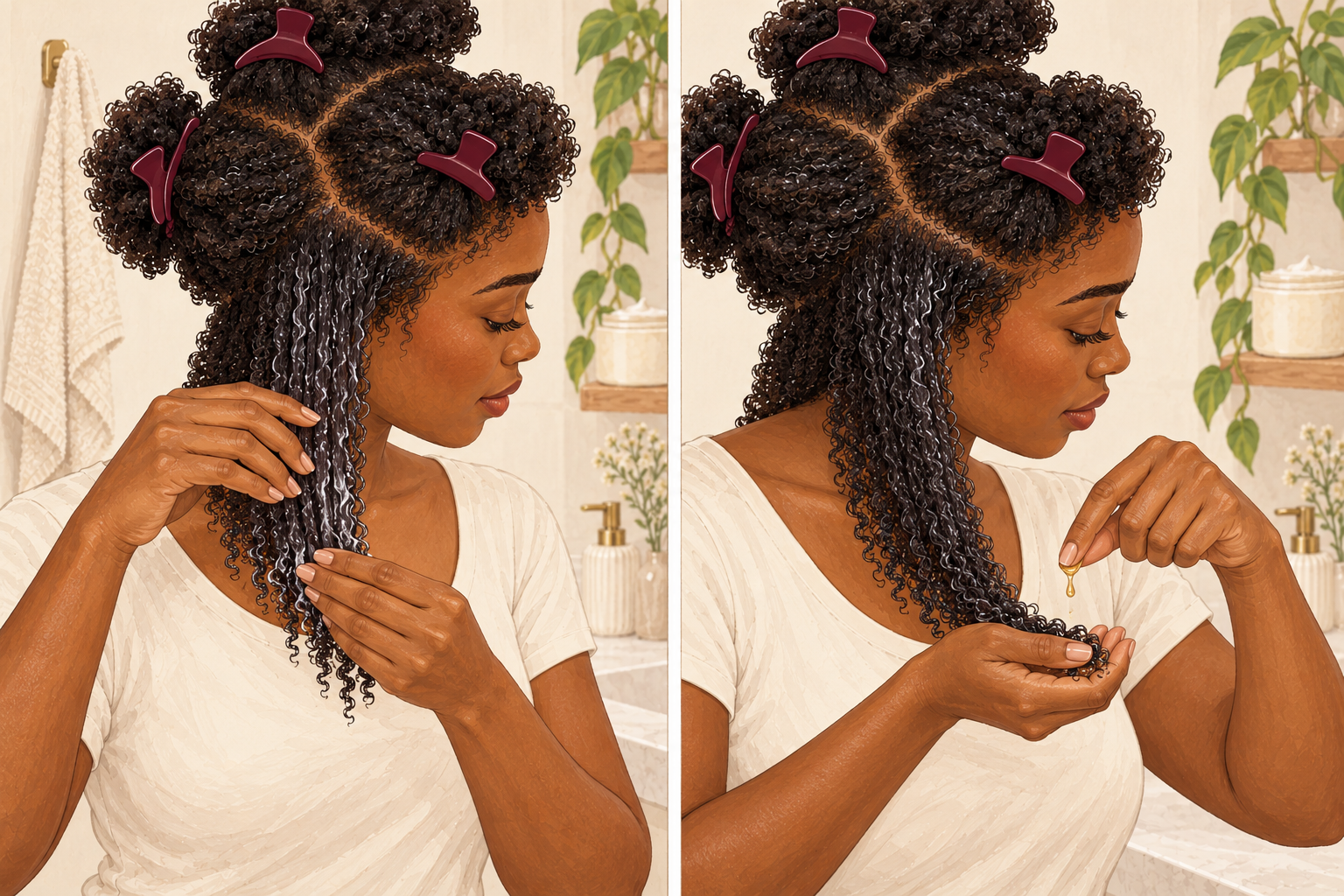
Follow every rinse with conditioner and a light leave in, and take a photo before you begin. Rice water will not grow new hair overnight. What you will likely notice is softer, shinier strands that tangle less, and fewer broken bits in the brush after a few weeks. Hair that breaks less keeps more of its length, which looks like growth. Judge it at eight weeks with a second photo in the same light. If your hair feels worse, stop and move on without guilt. Rice water is one small tool, and your hair will do well with plenty of other things too.
Complete the Routine: Rice Water for Hair Growth Every Week
Tonight, rinse your rice and start the thirty minute soak. When you want more to try, read about rosemary water for hair growth and black hair growth.