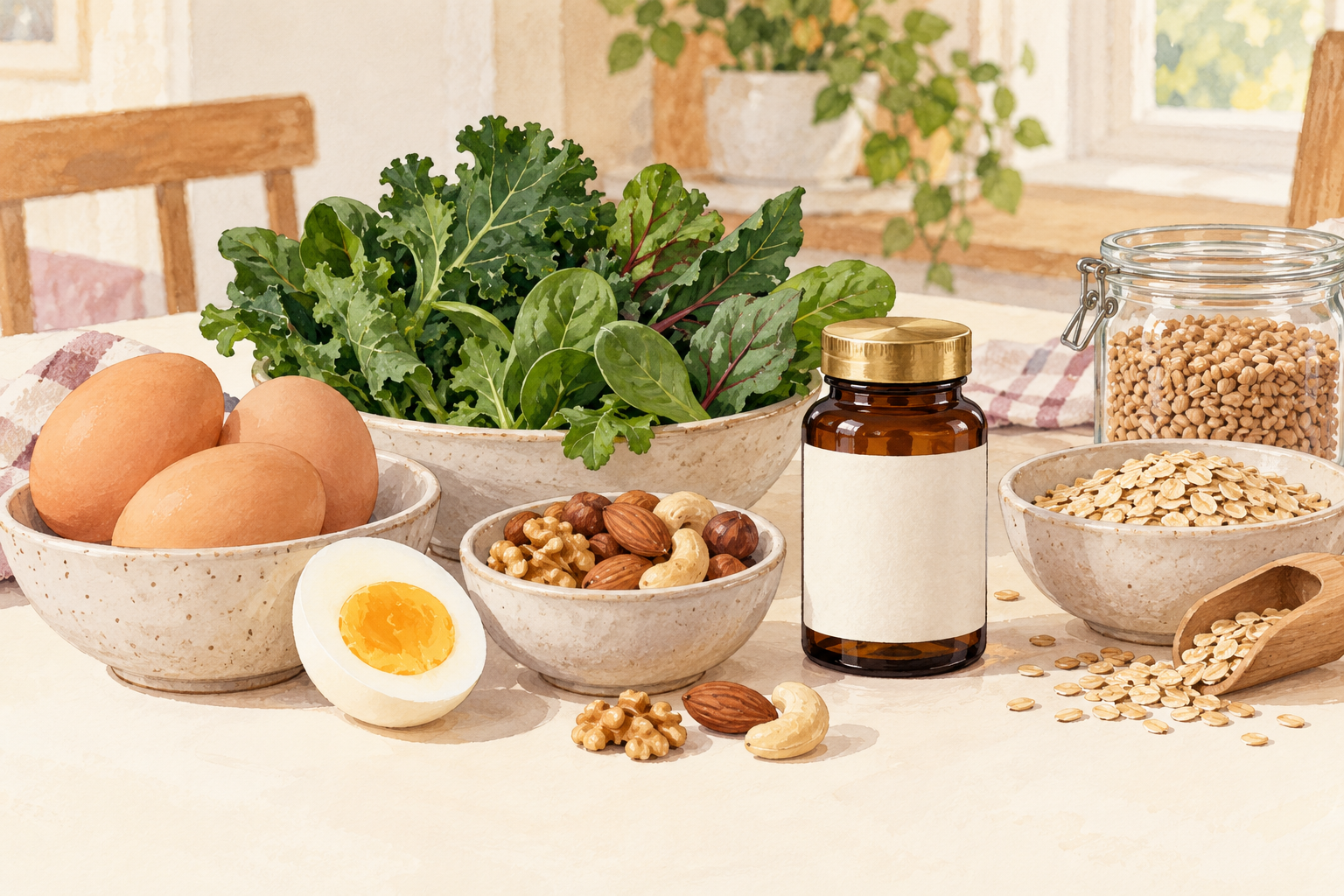
You buy the serum, wash with the right shampoo, and still your hair looks thin and tired. Sometimes the missing piece is on your plate, not in a bottle. Food for hair growth cannot change your genes, but it can close the gaps that weaken strands. These 12 simple swaps cover protein, iron, healthy fats and more, so start at number one at your next meal.
1. Eat eggs for an easy protein boost
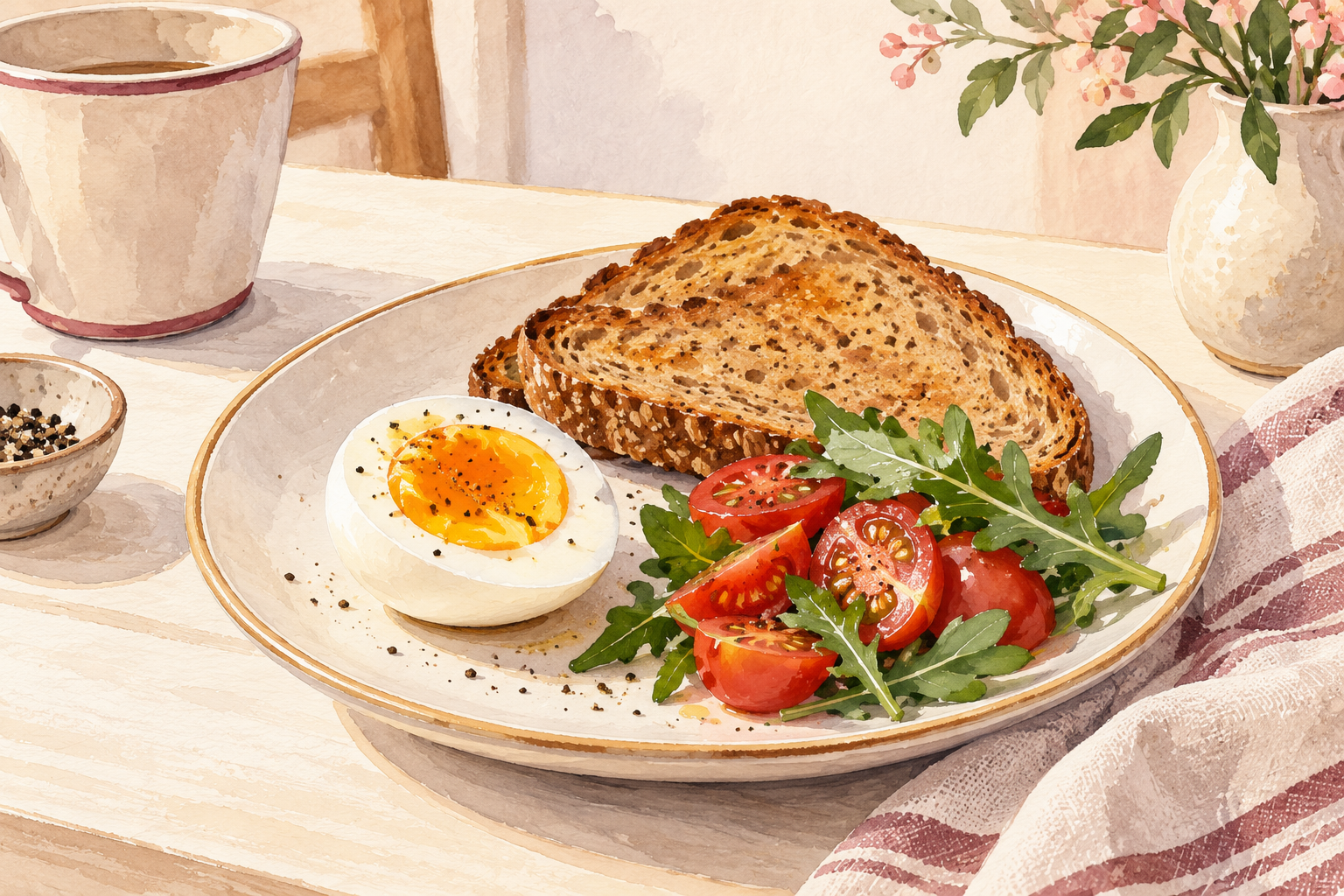
Have one or two eggs a day, boiled, scrambled or poached, as your simplest protein. Hair is made mostly of protein, and an egg gives you about six grams with some iron and other nutrients as well. A soft boiled egg takes six minutes, which is faster than most breakfast fixes. Pair it with toast or fruit so the meal keeps you full. If eggs bother your stomach, move on to the next swap. Cook them gently, as frying in a lot of oil does nothing extra for your hair. After a few weeks of steady protein, you will likely notice fewer short broken pieces in your brush.
2. Pick Greek yogurt or a plant based alternative
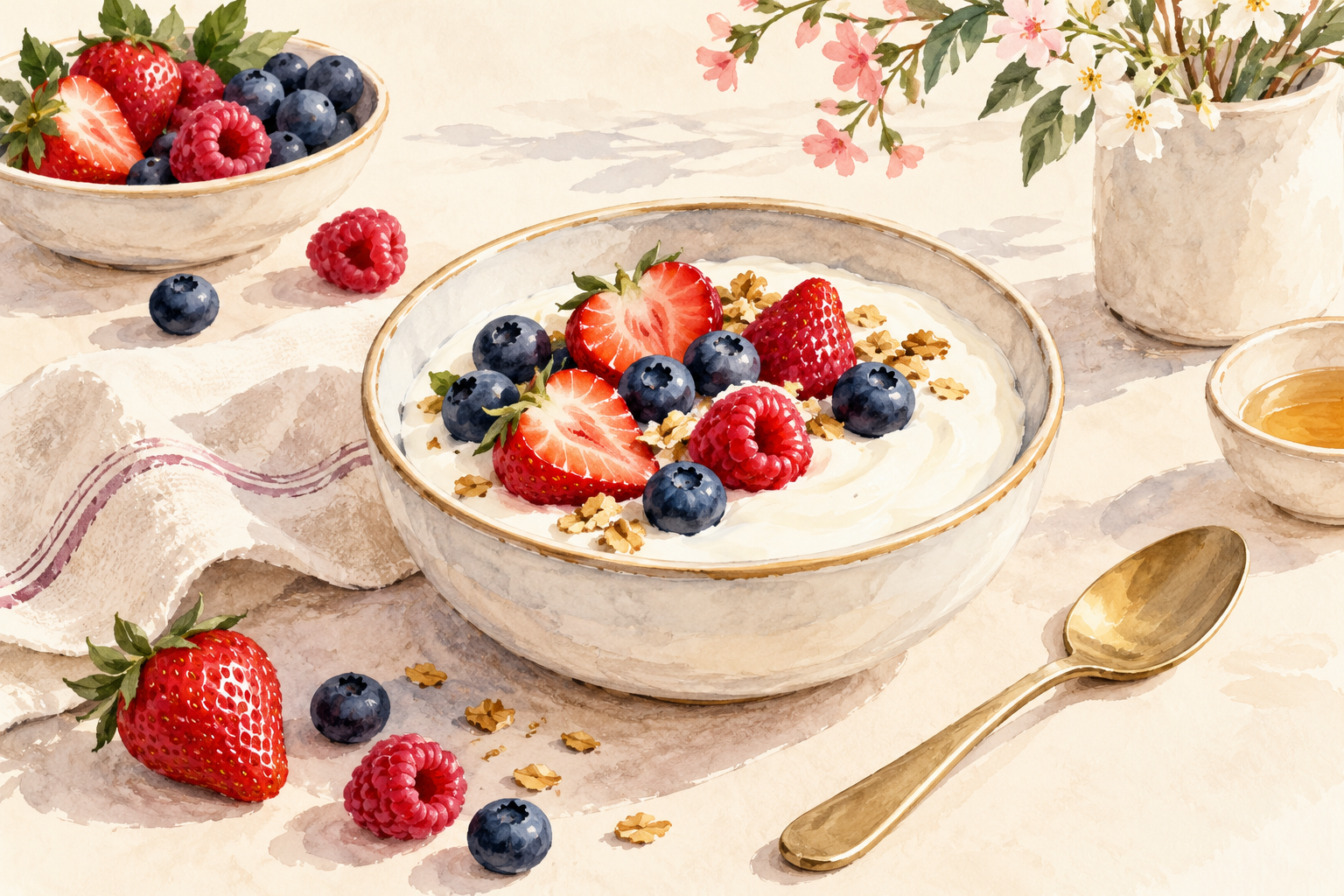
Spoon half a cup of plain Greek yogurt over fruit as a snack or breakfast. It packs more protein than regular yogurt, so it keeps hunger away for hours. Choose plain over sweet, because sugary versions add little. If you avoid dairy, a soy or pea based yogurt has a similar amount. Stir in a spoon of seeds for crunch. Keep a tub in the fridge so a quick snack is always there. It is a handy swap for the cookie you reach for at four o’clock. Add a spoon of honey on slow mornings, or stir in cucumber and herbs for a savory bowl at lunch.
3. Make lentils and beans a habit
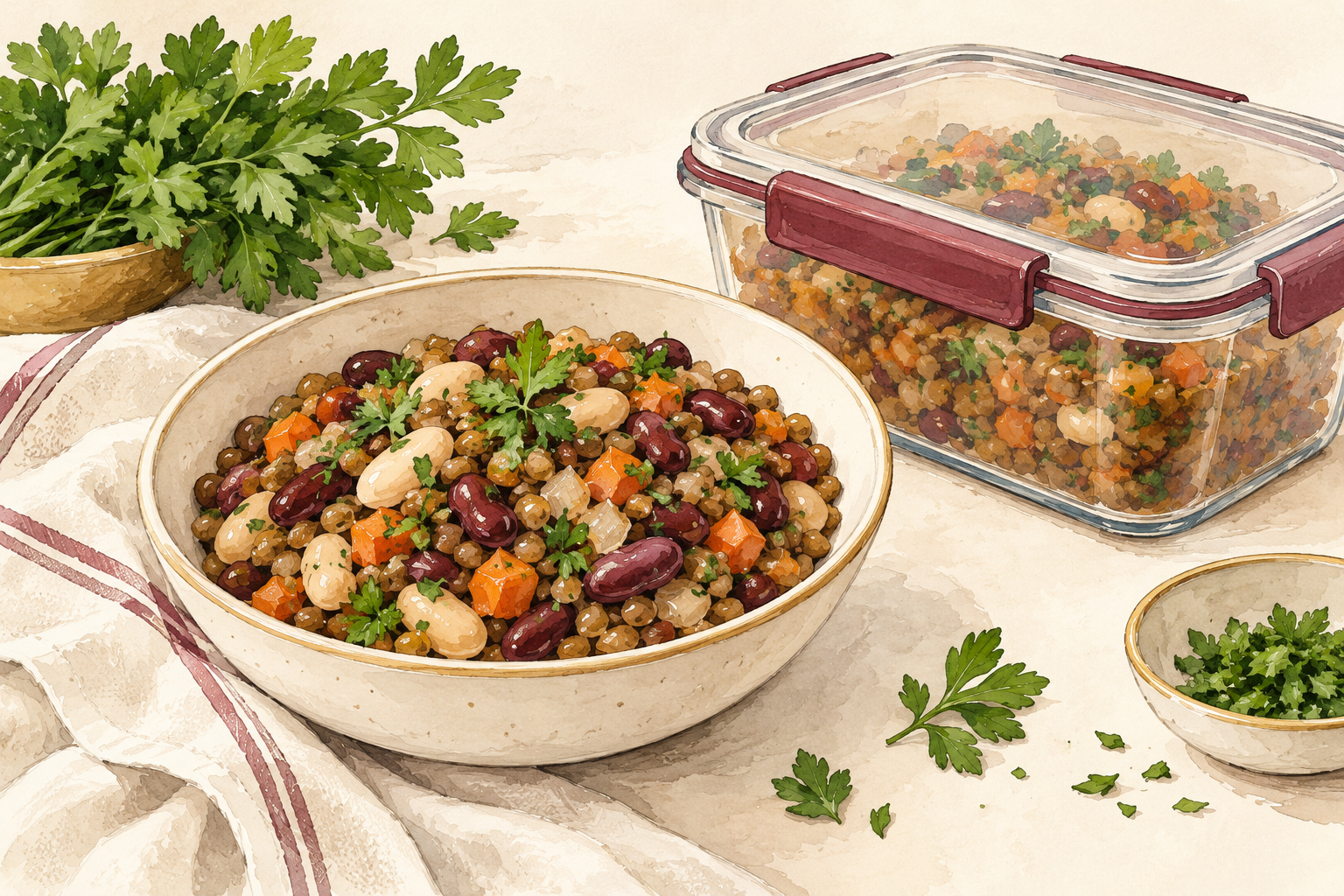
Cook a pot of lentils or beans on Sunday and eat them three or four times through the week. One cup of cooked lentils gives you around eighteen grams of protein plus iron, zinc and fiber. Add them to soup, rice, stew or salad. Rinse canned ones well to wash off the extra salt. If beans make you gassy, start with a small scoop and build up. They are easy to buy and easy to store, and they sit happily in the freezer in portions for busy nights. Flavor them with onion, garlic and a pinch of cumin, so the pot never feels like a chore.
4. Include iron rich foods each week
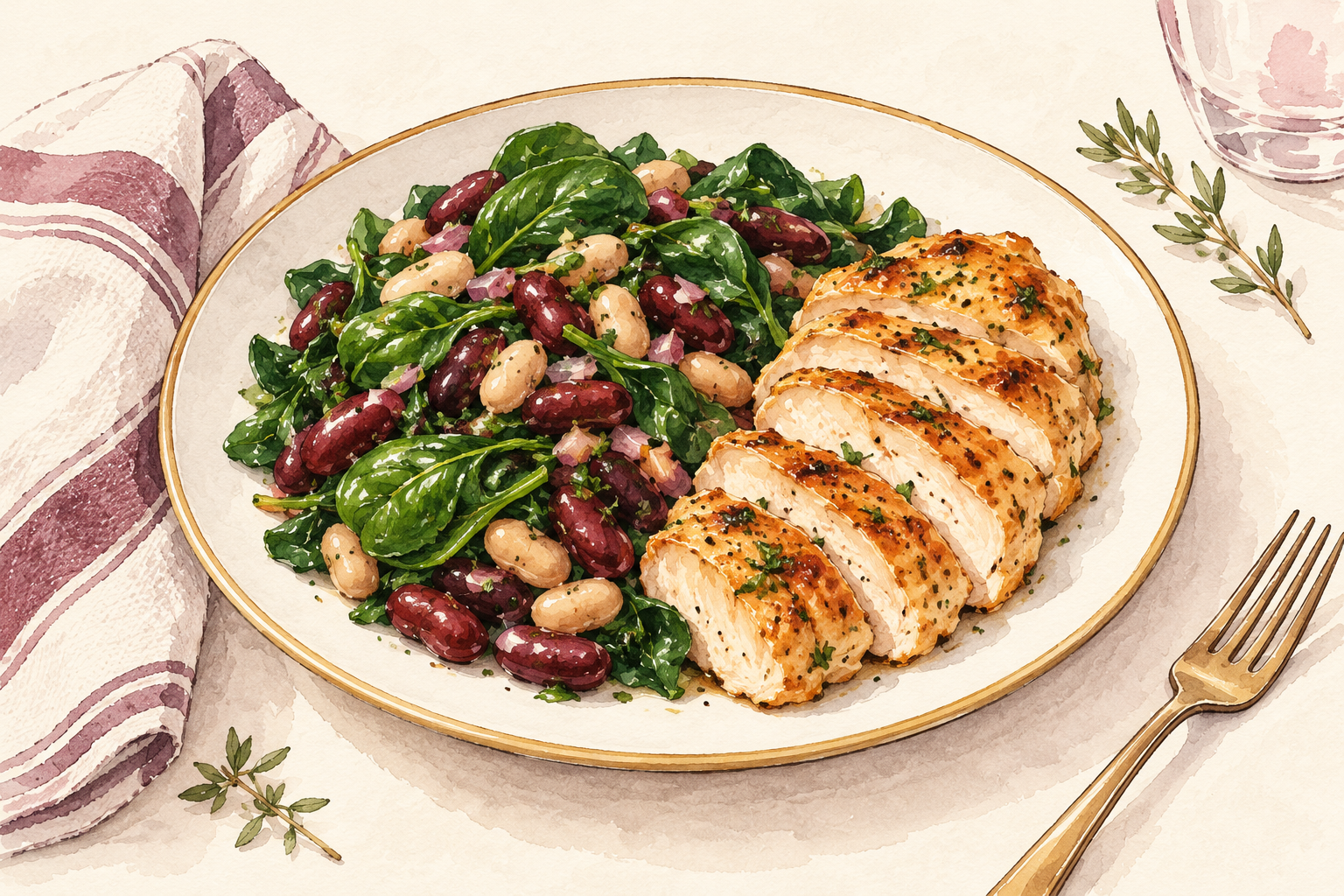
Put iron on your plate several times a week, from lean red meat, chicken, liver, spinach, or beans. Low iron is one of the most common reasons for thinning hair, especially for women who bleed heavily each month. Cook in a cast iron pan if you have one, as it adds a little to your food. Add a squeeze of lemon on the side, because it helps you absorb more. If you feel tired all the time, along with shedding, mention it at your next checkup rather than guessing. Give it a few weeks of steady eating before you expect your energy or your hair to respond.
5. Pair plant iron with vitamin C
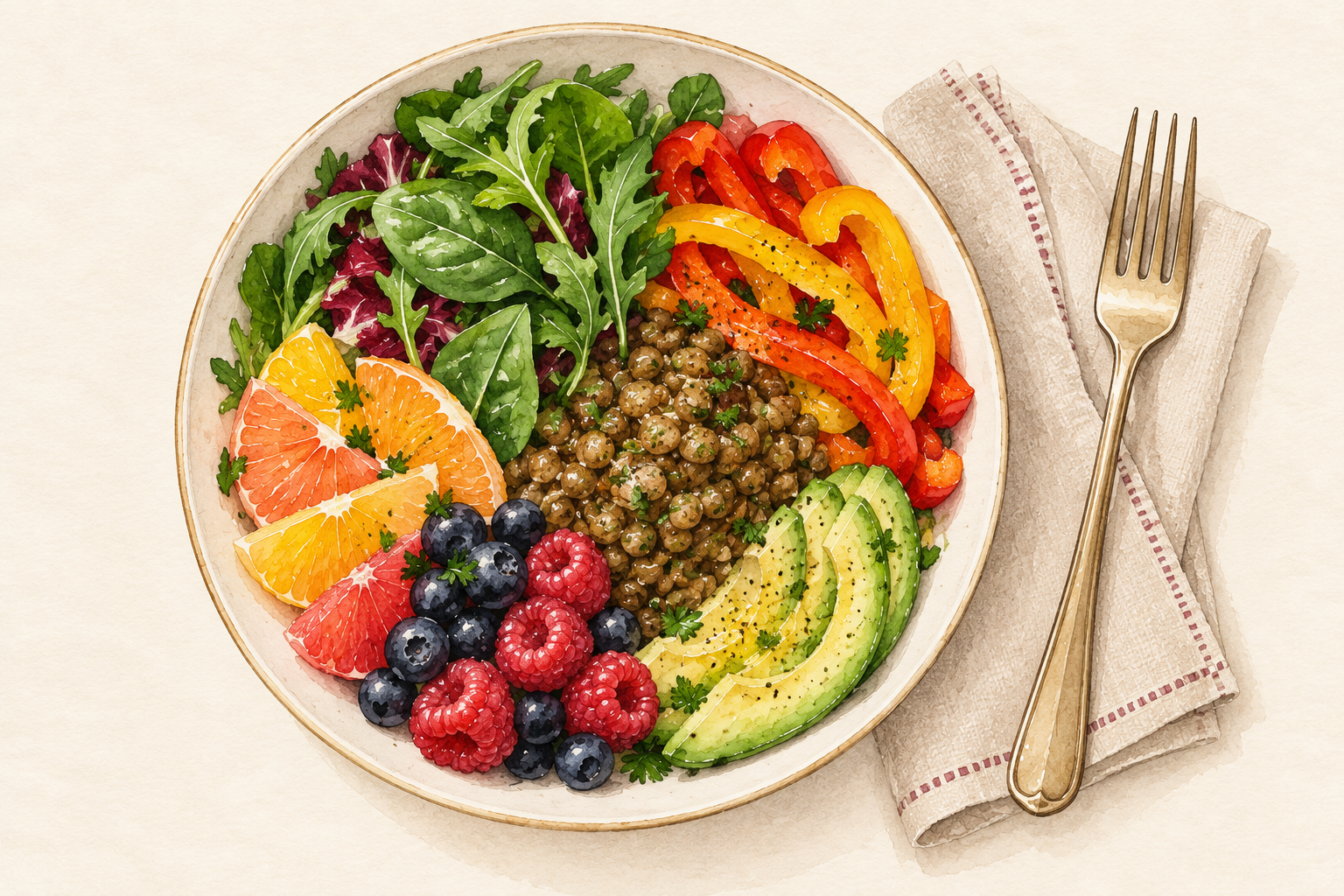
Squeeze lemon over your greens or eat an orange with your beans to help your body absorb the iron. Iron from plants is harder to absorb than iron from meat, and vitamin C opens the door. Peppers, tomatoes, citrus fruit and strawberries all work. Add them to the same meal, not hours apart. A simple lentil salad with pepper and lemon dressing does the job. If you do not eat meat, this habit matters even more, so make it automatic. Once you start, the habit takes ten seconds at the table.
6. Keep tea and coffee away from iron rich meals
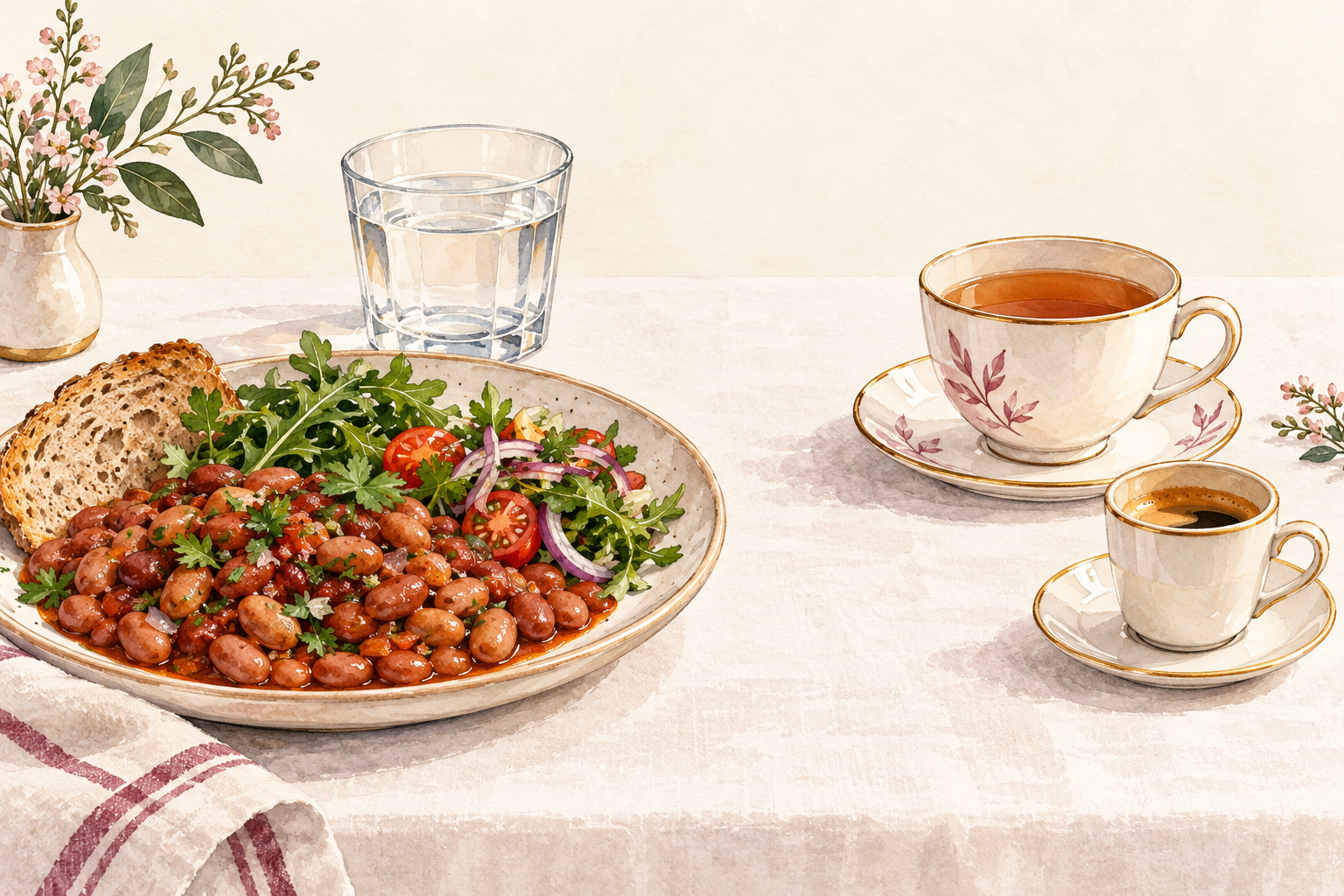
Wait an hour after a meal before you drink tea or coffee. Tannins in tea and coffee grab onto iron and block your body from taking it in. If you love a hot cup with lunch, move it to mid afternoon. Water, juice or a squeeze of lemon in warm water is a better partner at the table. This one swap keeps the iron you already eat. You do not have to quit your cup, only shift it a little. Even a one hour gap helps your body keep more of the iron.
7. Eat fatty fish once or twice a week
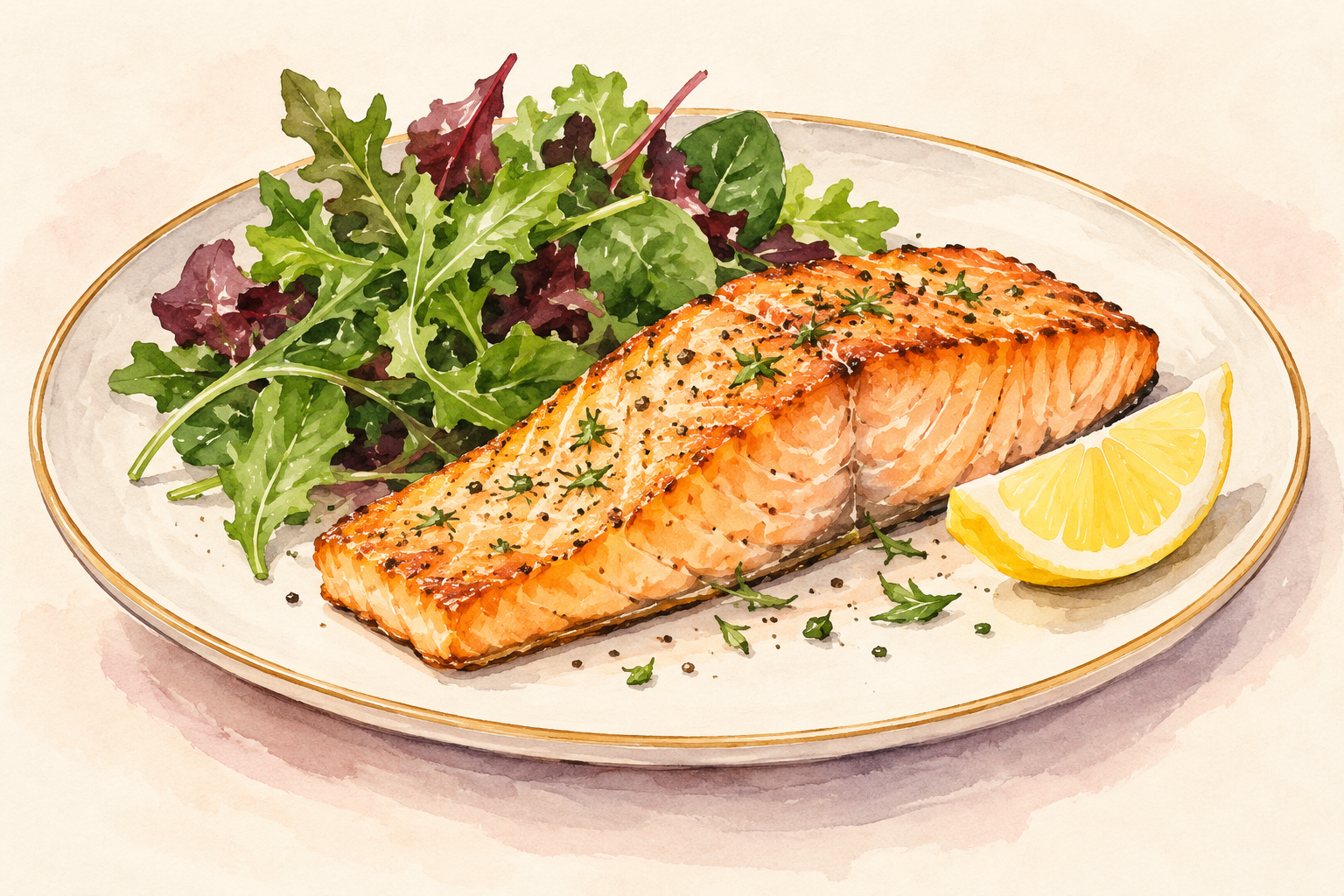
Bake or grill salmon, sardines or mackerel for dinner, one or two times a week. These fish carry omega 3 fats, which keep the scalp supple, along with protein and vitamin D. A palm sized portion is enough. Canned sardines on toast take two minutes and are about as easy as a meal gets. If you do not eat fish, try walnuts, chia or ground flax. The oils in your food help hair feel less dry from the inside out. Do not deep fry the fish, as it adds heavy oil without the benefit. Pick the freshest piece, and ask the fishmonger which fish is best that day.
8. Snack on pumpkin seeds and nuts for zinc
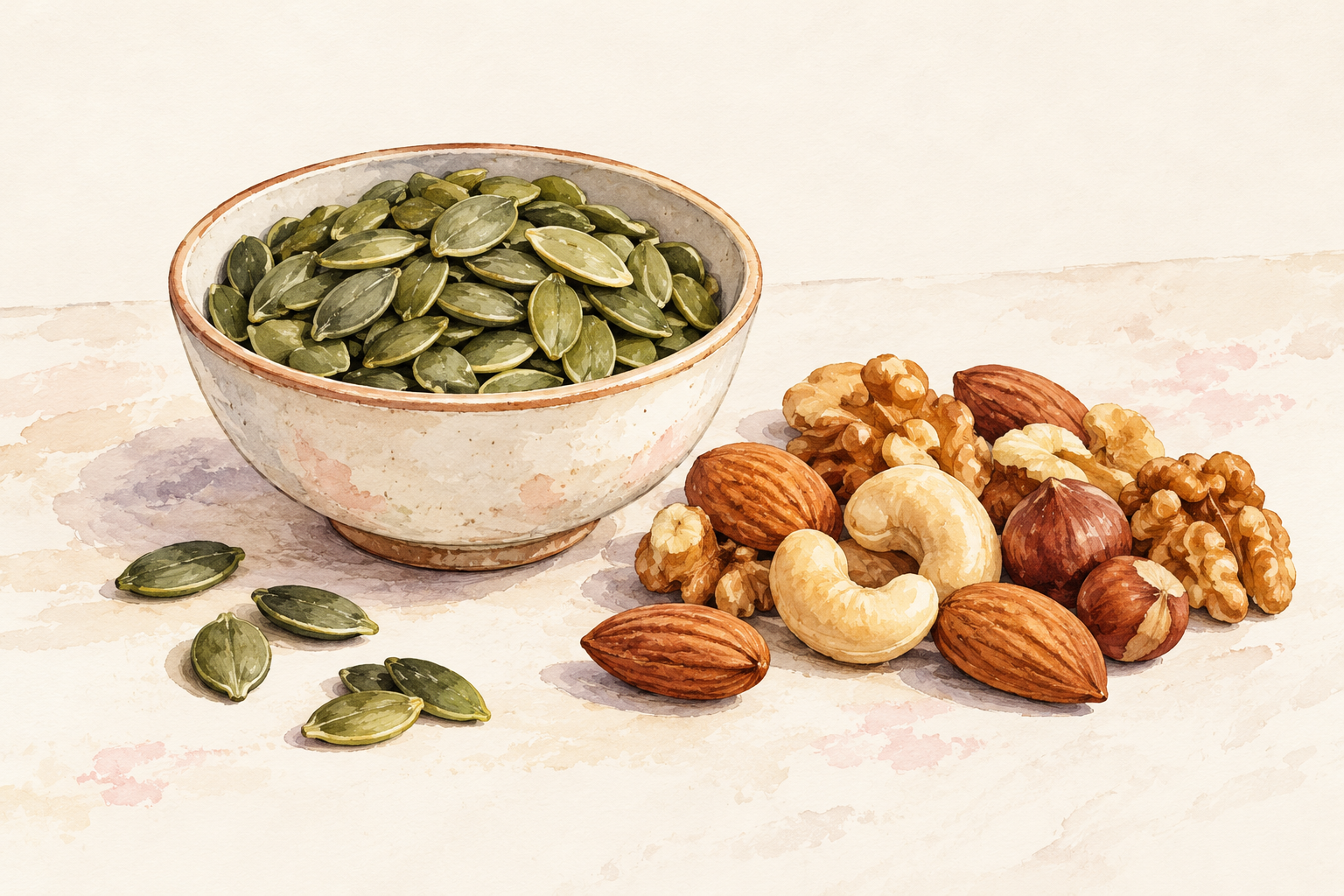
Keep a small jar of pumpkin seeds and mixed nuts and eat a small handful every day. Zinc helps the scalp make healthy hair, and low zinc can leave strands thin and brittle. Pumpkin seeds are one of the richest sources. A handful is about one ounce, which is enough. Toast them in a dry pan for a nutty taste. Do not overdo it, as nuts are also high in calories. Sprinkle them over yogurt or salad to make them easy to enjoy. A tin by the kettle reminds you to snack on something useful.
9. Roast sweet potatoes and carrots
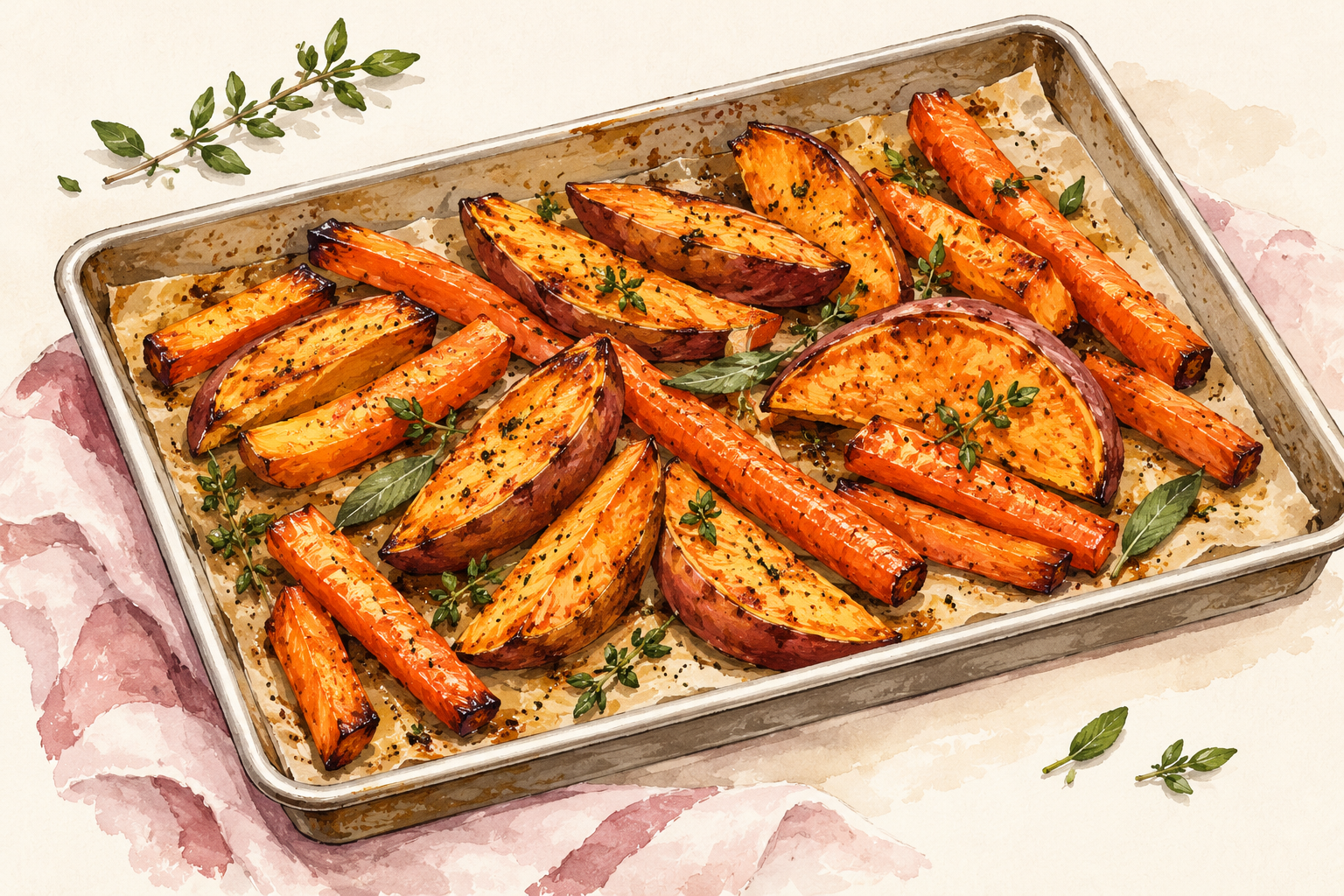
Roast a tray of sweet potato and carrot with a little oil, and eat some every other day. These orange foods carry beta carotene, which your body turns into vitamin A, and vitamin A helps the scalp make its natural oil. A little oil in the pan helps you absorb it. You only need a small portion. Too much vitamin A from supplements can make hair fall, so get it from food. Roast at a high heat for thirty minutes, turning once. They taste sweet and keep well in the fridge. Roast a double tray, because the leftovers reheat well for lunch.
10. Add berries and bell peppers
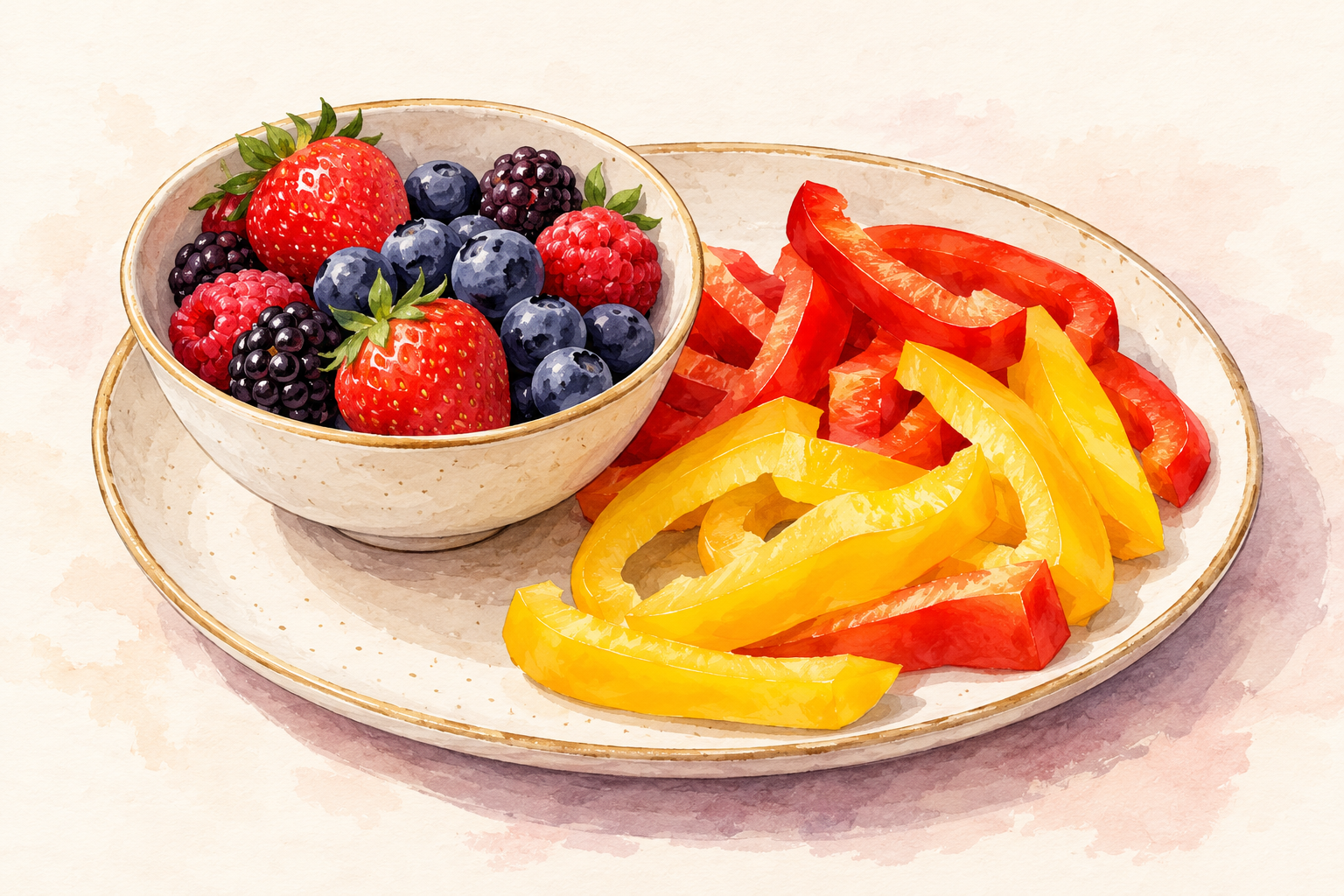
Eat a handful of berries or half a bell pepper daily for vitamin C. Your body uses vitamin C to build collagen, which supports the skin of your scalp. Berries are lovely on porridge, and peppers are crunchy with hummus. Frozen berries are just as good as fresh. Vitamin C is easily lost in cooking, so eat some raw. Colorful plates are a simple rule that works, with no counting needed. A squeeze of lemon over the berries adds zing and keeps the bowl fresh.
11. Skip crash diets and long fasts
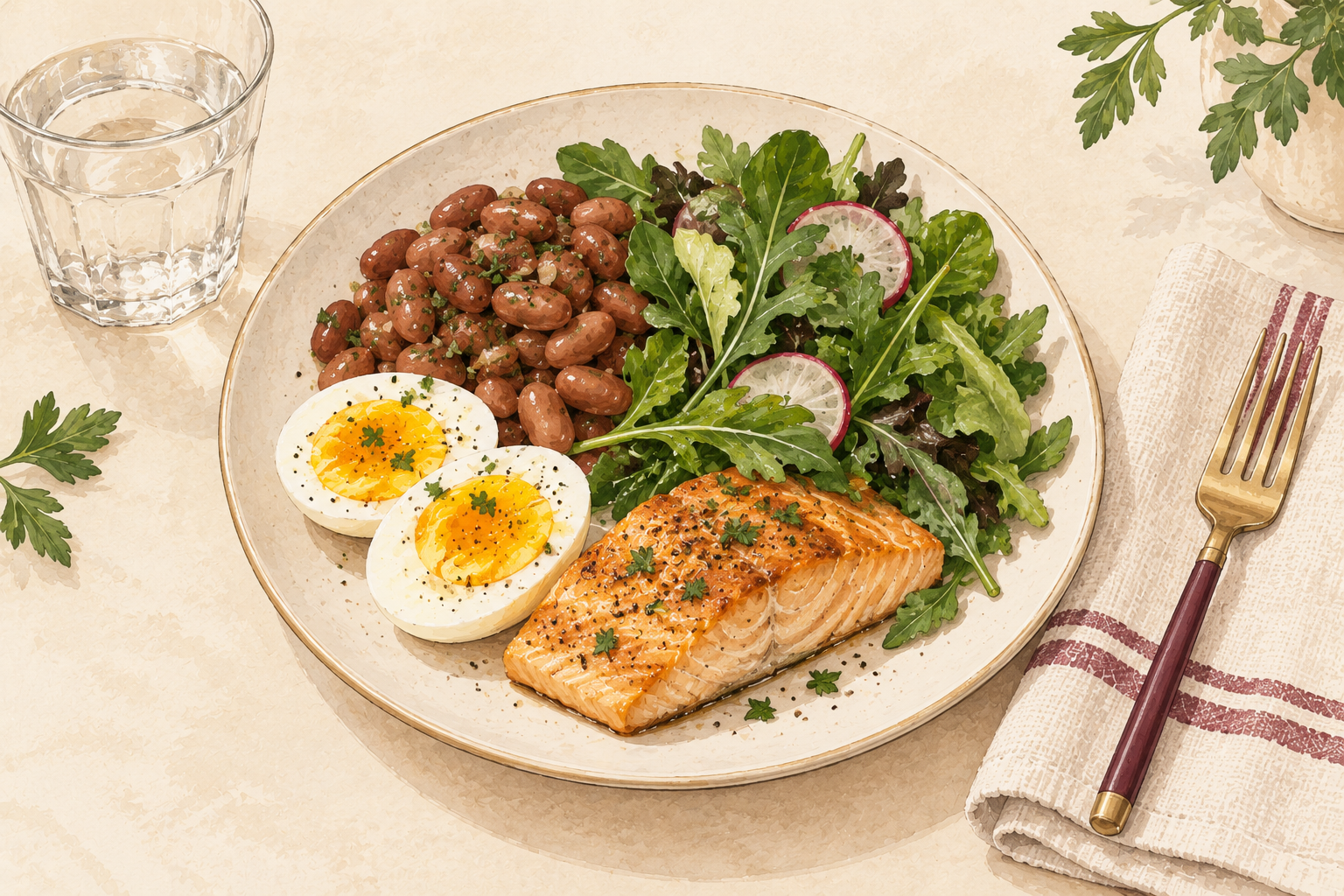
Eat three real meals and a snack, and skip any plan that cuts your calories too far. When the body runs short, it protects the heart and brain first, and hair goes to the back of the line. Shedding often starts two or three months after a crash diet, which makes the link hard to spot. Lose weight slowly if you need to. Plan meals with protein, a carb and a vegetable. If you feel dizzy, cold or tired, you are eating too little. Food for hair growth works when you feed your body steadily, so eat at regular times and leave the extreme plans alone.
12. Be careful with biotin and mega dose supplements
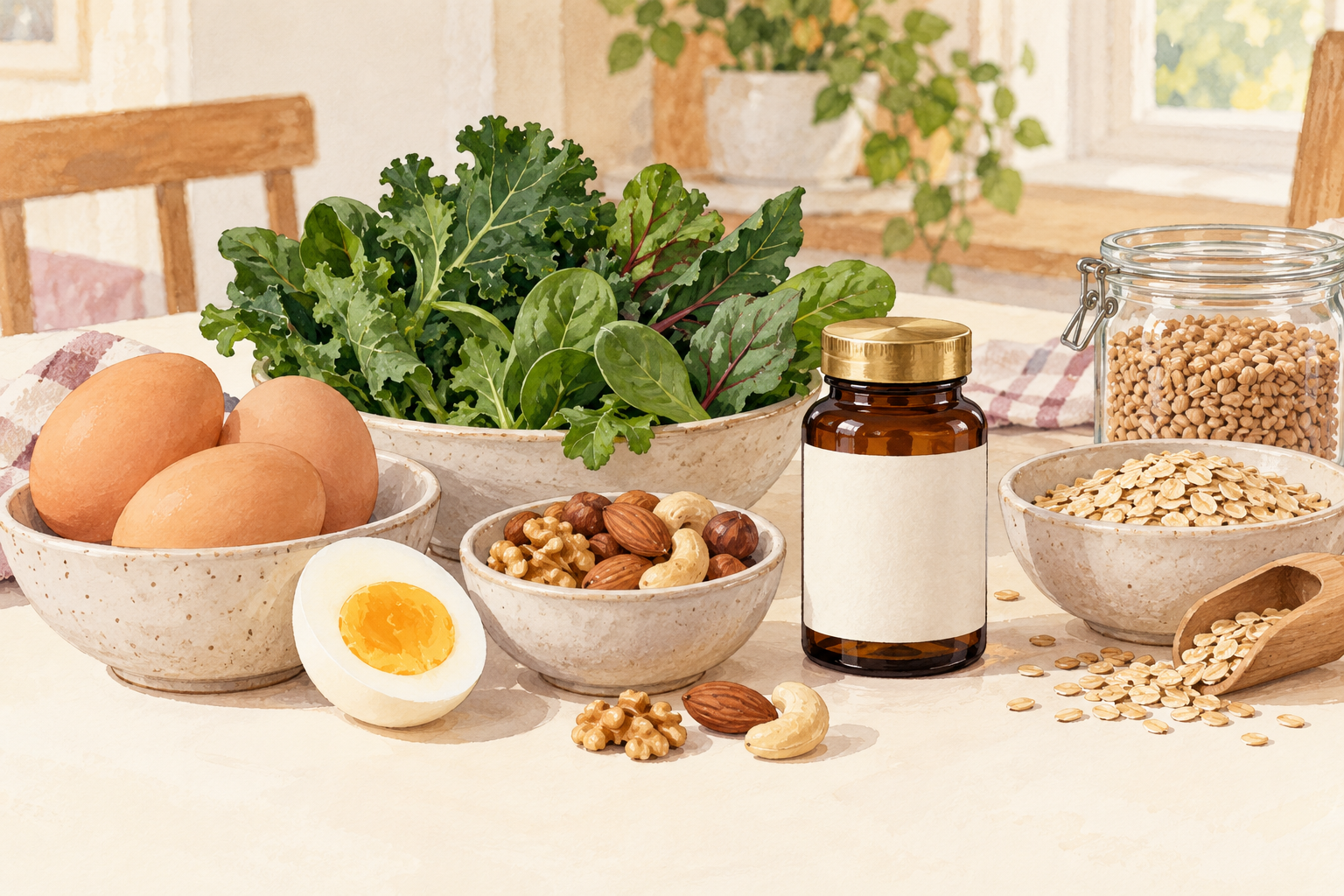
Try food first, and do not take large doses of biotin, vitamin A or zinc unless you have been told to. Most people get enough biotin from eggs, nuts and whole grains, and extra only helps if you are truly low. Too much of some vitamins can cause hair loss, and biotin can confuse blood tests. If you think a gap remains, see your doctor and ask for a simple test before buying a bottle. Food is slow, but it is safe, and you will see results in months, not days. Write down what you eat for a week first, and you may spot the gap yourself.
Complete the Routine: Food for Hair Growth at Every Meal
Add one new swap each week, such as eggs at breakfast and beans at lunch. For more ways to support your length, read about flax seeds for hair growth and hair care tips for growth.