Your aunt says cut it under the moon, a video says brush it a hundred times, and a friend swears by one pill. Months go by and your length has barely moved. Most hair growth advice is folklore passed from person to person. Here are 12 myths sorted by topic, each with the fact that is worth keeping, so start at number one tonight.
1. Myth: Trimming makes hair grow faster
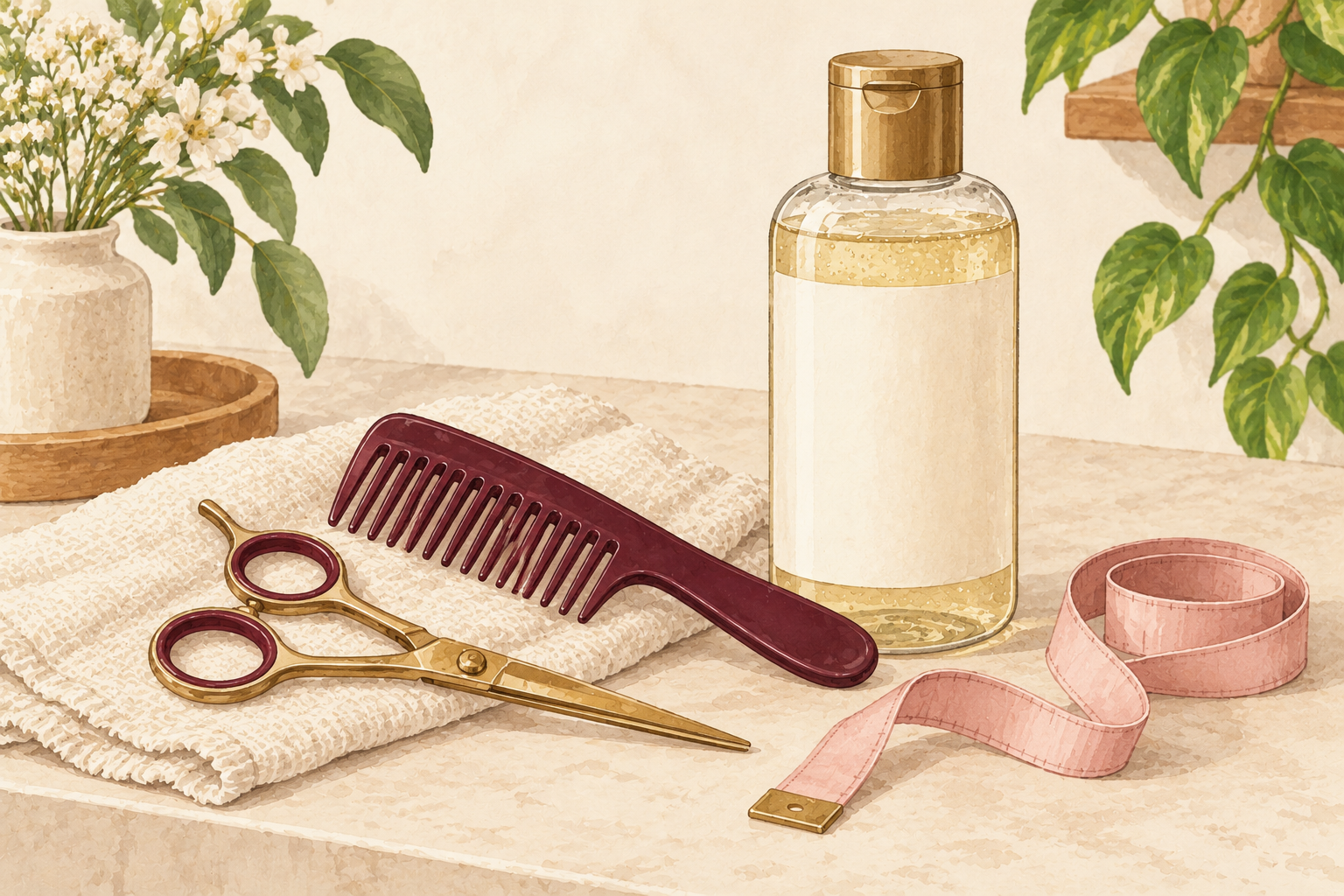
A trim does not speed up growth, because hair grows from the root and not the tips. What a trim does is remove split ends before they travel up the strand and break off. That is how it helps you keep length. Think of it as protecting what you have. A small trim of about a quarter inch every ten to twelve weeks is enough for most people. If you are growing your hair out, trim only the ragged bits and leave the rest. You will feel the difference as the ends stop snagging, and your style will hold its shape better between visits.
2. Myth: Shaving makes hair come back thicker
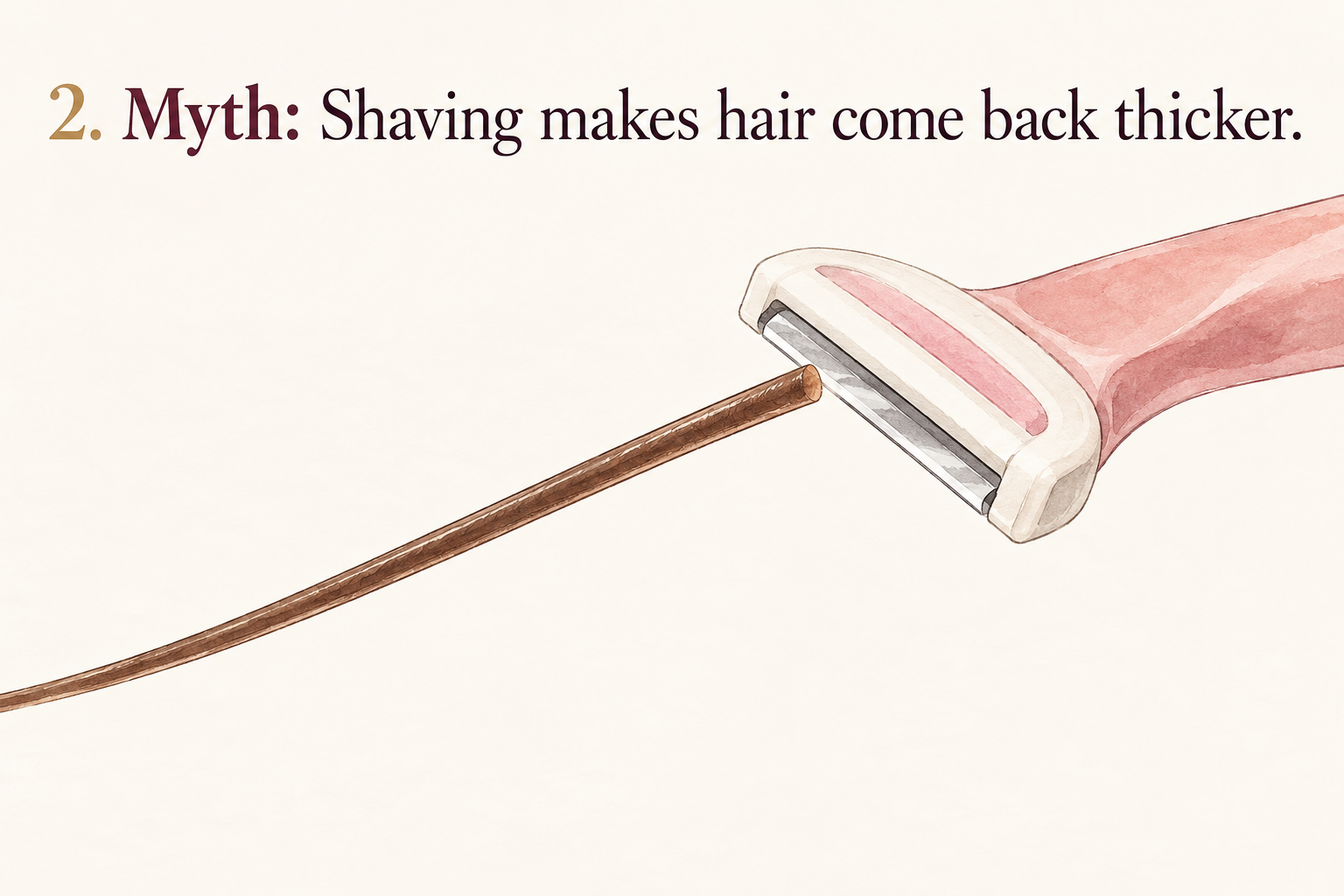
Shaving cuts hair at the surface and does not change what the root makes. Hair that grows back after shaving has a blunt tip, which feels coarser and looks darker for a few weeks, and that is where the story comes from. The thickness under the skin stays the same. This is true for the head, the brows and the body. So there is no point in shaving your head to speed things up, and no need to fear it either. Let it grow back at its own pace and keep your scalp moisturized in the meantime. A dab of light oil on the scalp when it feels tight is plenty.
3. Myth: Cutting by the moon changes growth
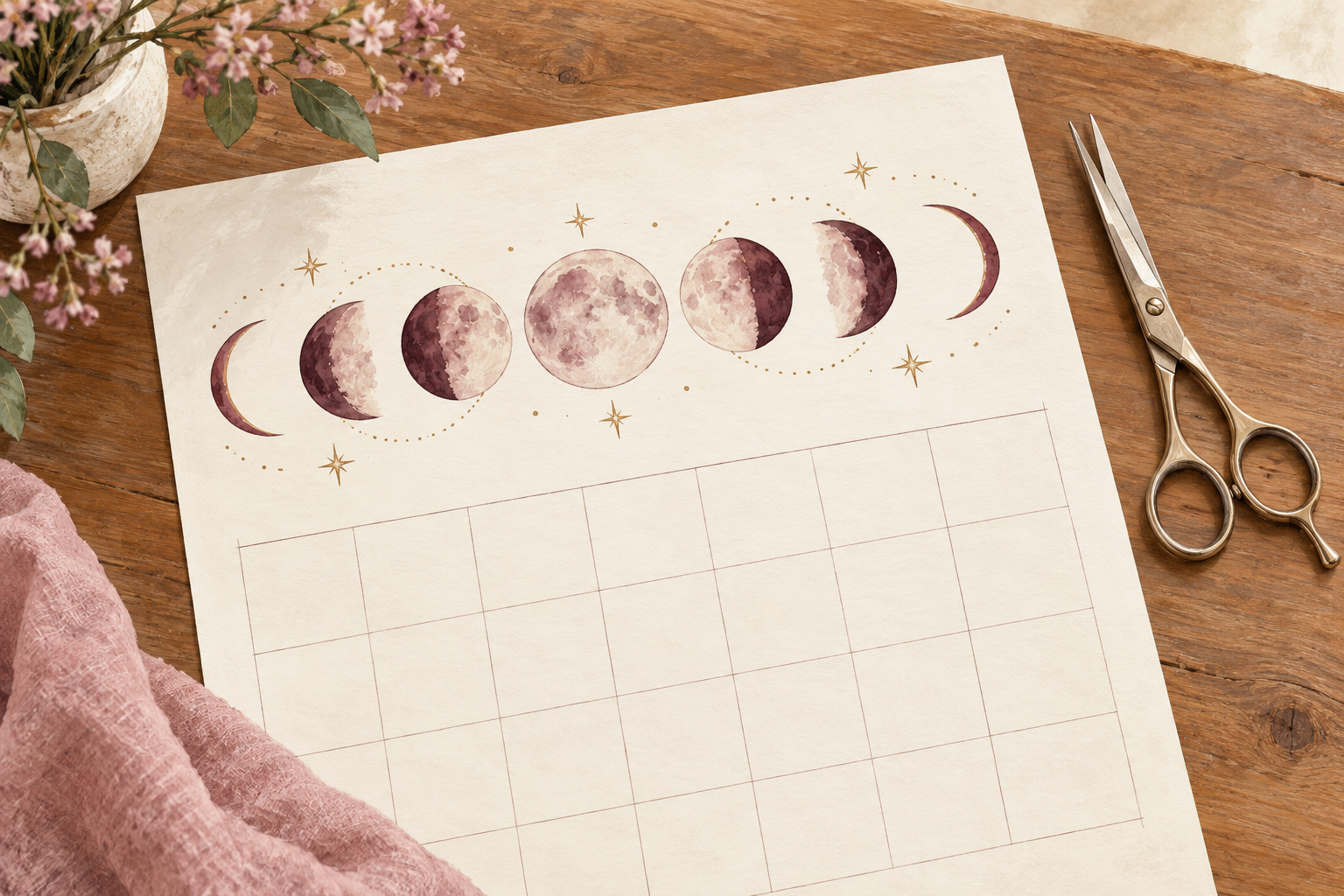
The moon does nothing to the speed of your hair. Your hair grows about half an inch a month whether you cut it on a full moon or a Tuesday. If a haircut under a new moon feels lucky, enjoy the ritual, but give the credit to the cut and not the sky. What does matter is how you treat the length. Cut when your ends look ragged, not when the calendar says so. A steady trim schedule beats a moon chart every time. Save your effort for things you can control. Pick a Saturday for your trim, book it in your phone, and stop checking the moon.
4. Myth: Washing too often makes you lose hair
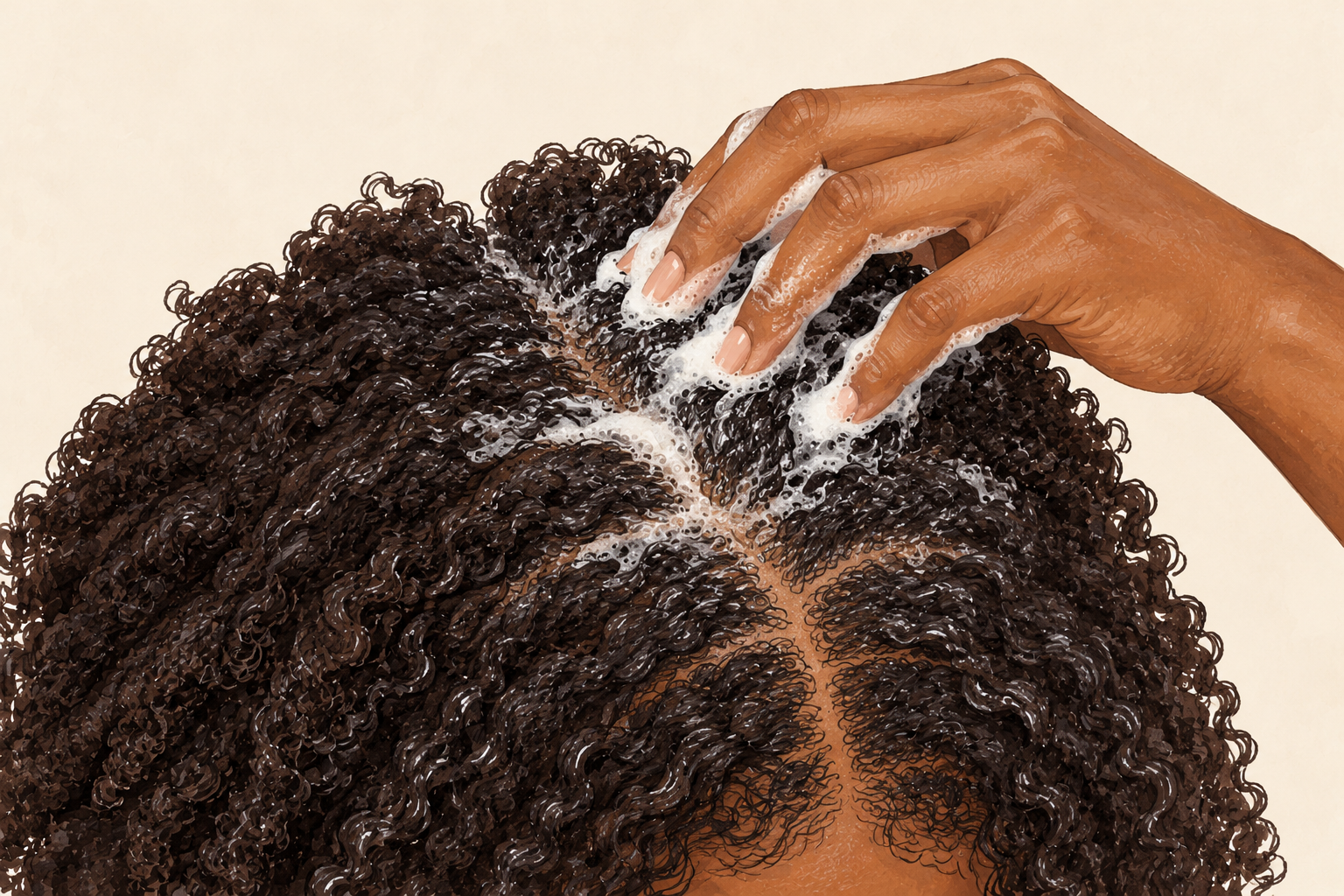
Hair you see in the drain was already shed, and washing does not pull more out. Every day you lose around fifty to a hundred strands naturally, and they collect on the scalp until you wash. A clean scalp is a better place for new growth than one clogged with oil and product. Wash as often as your scalp needs, which can be daily for oily scalps and weekly for dry or coily hair. Use fingertips, not nails, and be gentle with wet hair. If it suddenly seems like far more, see the last item. A strand with a tiny white bulb on the end has simply finished its cycle, and that is normal. Wash rhythm is one piece of the puzzle, so pair it with hair care routine for dry frizzy hair for the next step.
5. Myth: One hundred brush strokes a night makes hair healthy
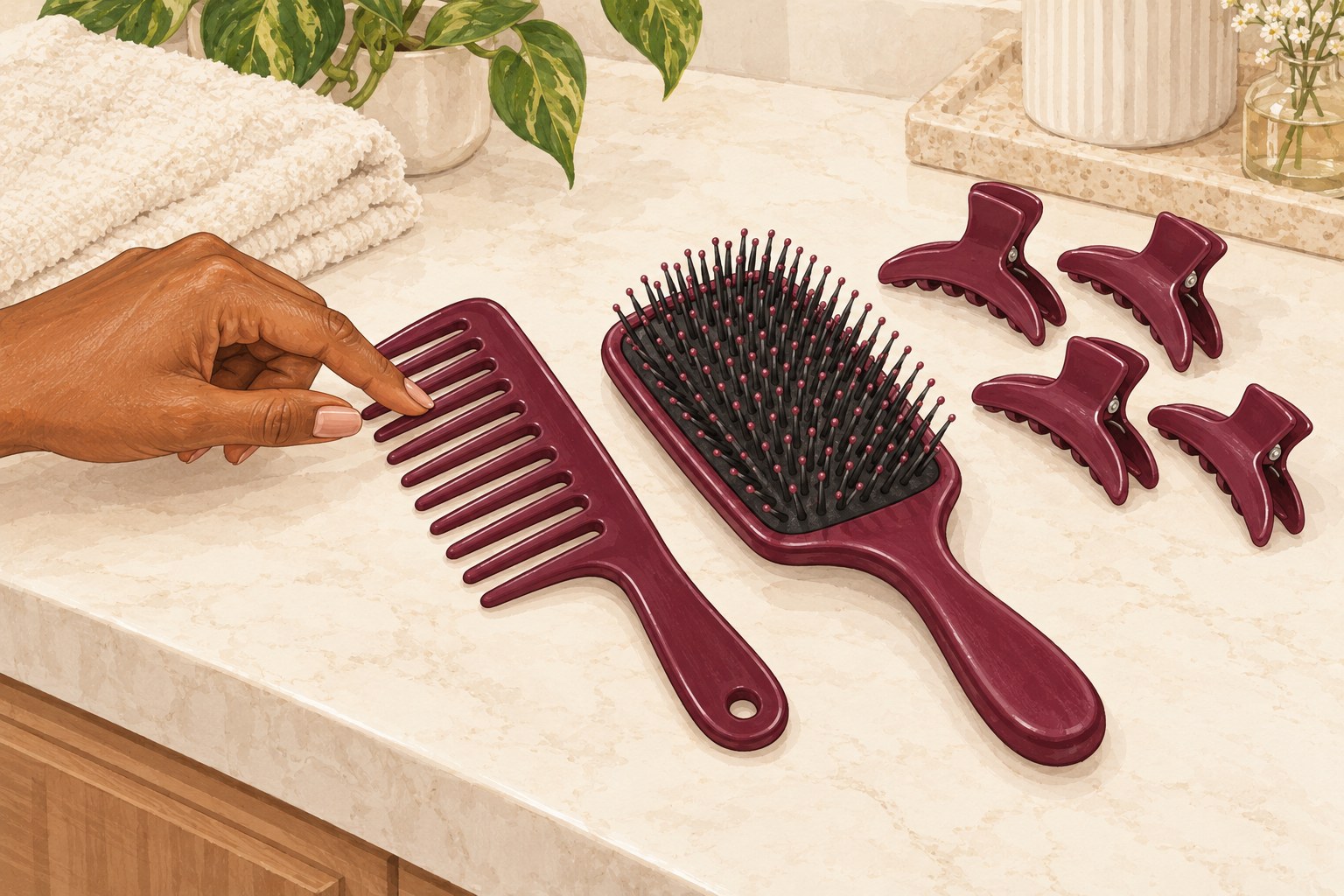
Brushing a hundred times a night scrapes the surface and snaps the strands. It was advice from a time when people washed their hair rarely and used the brush to spread oil. Today it only causes breakage, especially on wet hair. Detangle gently from the ends upward with a wide tooth comb or your fingers. A few smooth strokes to shape your style are plenty. Hair that is brushed less tends to keep more of its length, because there is less snapping at the tips. Satin pillowcases save the same strands overnight.
6. Myth: Cold water rinses make hair grow
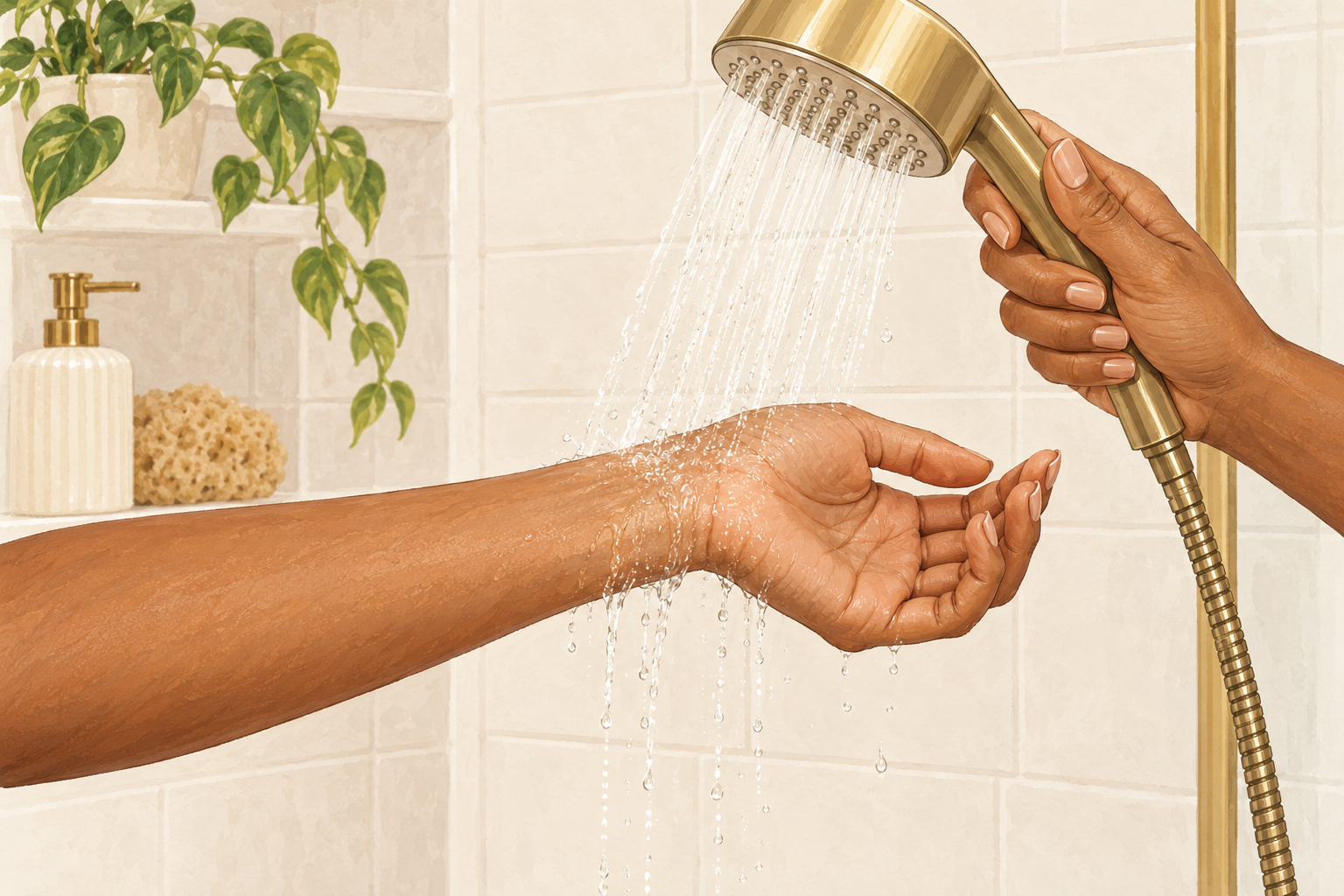
Cool water can make your hair look shinier, but it does not speed up growth. It helps the outer layer lie flat, so strands reflect more light and feel smoother. That is a real benefit, just not the one in the video. Finish your wash with thirty seconds of cool water if you enjoy it. If you hate it, skip it with no guilt. The rest of the routine matters far more, like being gentle on wet hair, using a good conditioner and keeping heat low. A cool rinse is a pleasant ending to a wash, nothing more, and your hair will thank you more for a rich conditioner and a soft towel.
7. Myth: Biotin fixes hair loss for everyone

A biotin pill only helps if your body is short of it, which is rare. Most people get enough from eggs, nuts, fish and whole grains. Taking a lot more will not add extra length. Instead, look at your whole plate. Enough protein, iron and a mix of colors supports the hair you grow. Eat well for a few months before you judge. If you take any supplement regularly, keep it modest. A balanced meal does more for your hair than a bottle you hope will work wonders overnight. The root is where length is made, and food is what feeds it. Eating well is the everyday version of that idea, so start with food for hair growth.
8. Myth: A growth serum will change your hair in a month
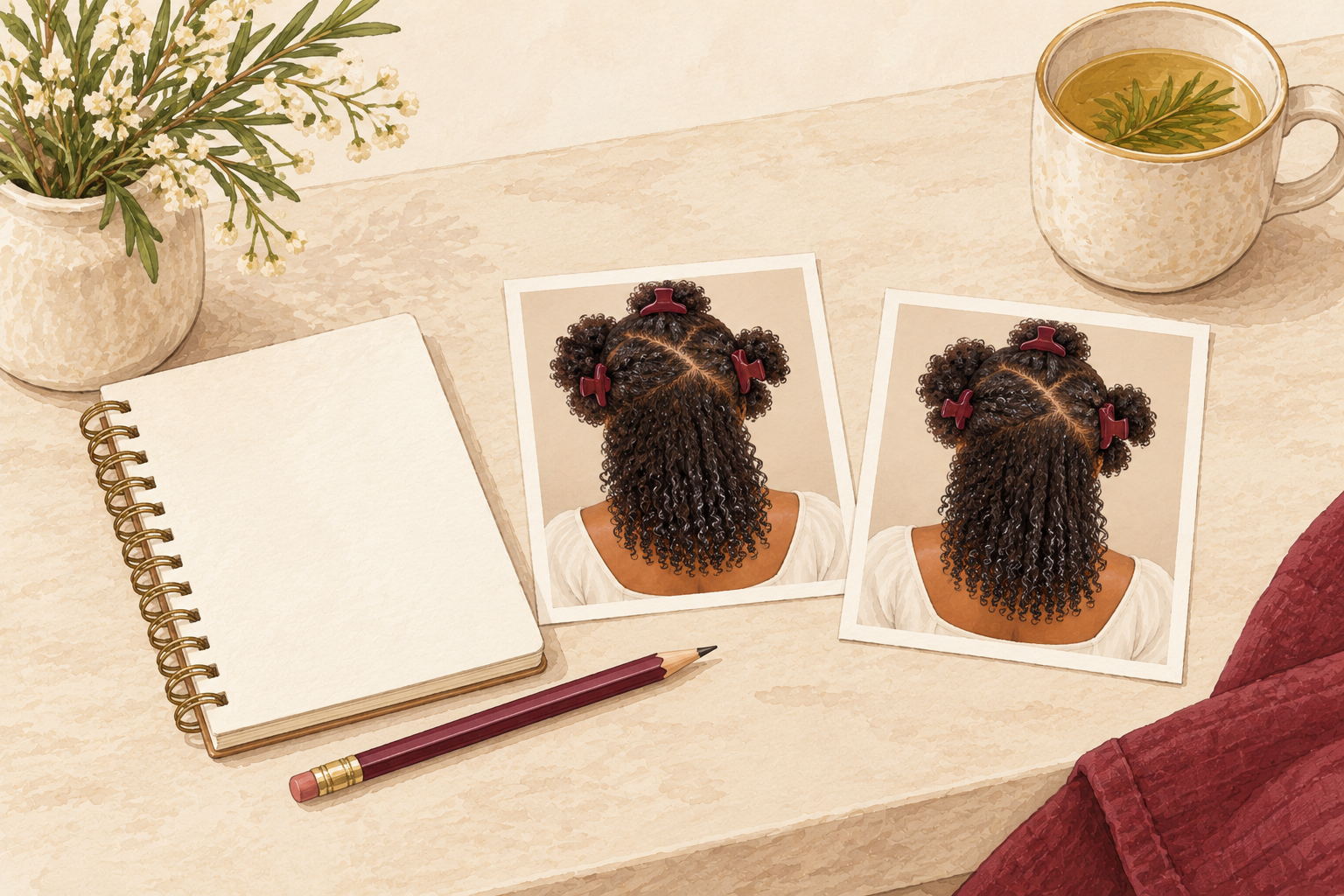
Hair grows only about half an inch a month, so no product can double that in four weeks. What a good scalp serum can do is leave your scalp comfortable, which helps you keep your hair. Give any new product at least three months before you judge it. Take a photo of your parting each month in the same light. If your scalp itches or burns, stop using it. Patch test on your inner arm first, and do not stack three new products at once. Change one thing at a time so you know what to thank, or blame, later.
9. Myth: Wearing hats makes you go bald

A hat does not choke your hair follicles, and wearing one is safe. What can hurt is a very tight band pulling on the same spot every day, or a dirty hat that irritates the scalp. Choose a loose fit and wash it regularly. If you wear a satin lined hat on windy days, you protect your ends from rubbing. Bald patches come from other causes, not from a hat on the head. So wear your cap in the sun without worry, and enjoy a bad hair day under it. Just take it off at night so the scalp can breathe.
10. Myth: A tight style is harmless
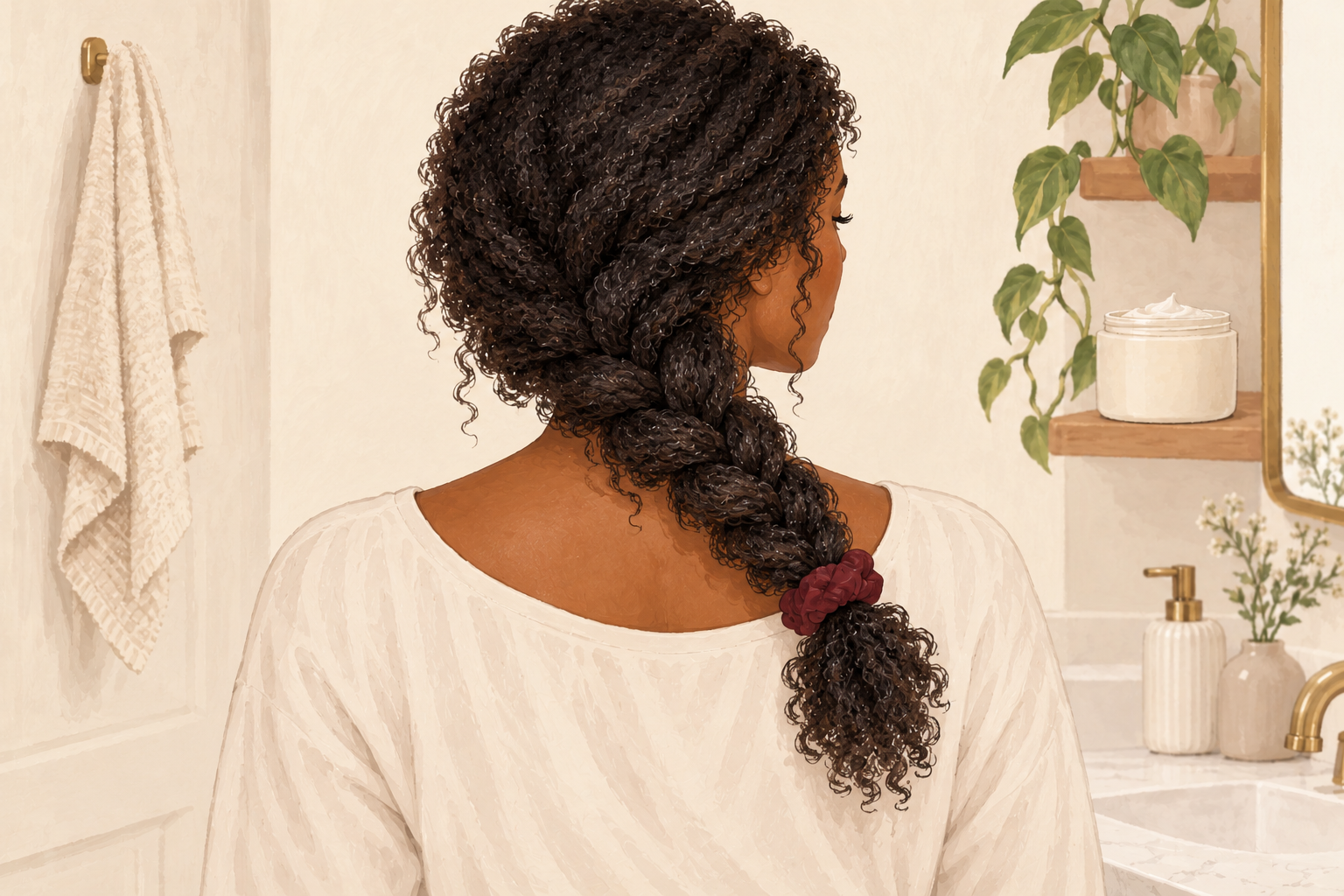
Tight braids, buns and ponytails pull on the roots, and that pulling can thin your edges. If a style hurts, it is too tight. Give your scalp a break by switching spots on the ponytail, and rest your hair between long styles. Keep braids at a comfortable weight and take them out after four to six weeks. Use a soft scrunchie, not a thin elastic. Pain, small bumps or tender patches are your signal to loosen the style that same day. Your edges are the finest hairs on the head, so protect them first.
11. Fact: Growth speed is mostly genetic

Most of how fast and how thick your hair grows comes from your family. You cannot change the speed, but you can protect what you grow. The goal is retention, which means keeping the length instead of losing it to breakage. Cut down on heat, sleep on satin and be gentle with wet hair. Compare yourself to your own photos, not to someone on a screen. Hair growth is slow, steady and personal. Once you stop racing, it becomes easier to enjoy the progress you are making. Measure once a month at the nape and note the number, and over a year the change will show.
12. Fact: Check the basics when shedding feels heavy
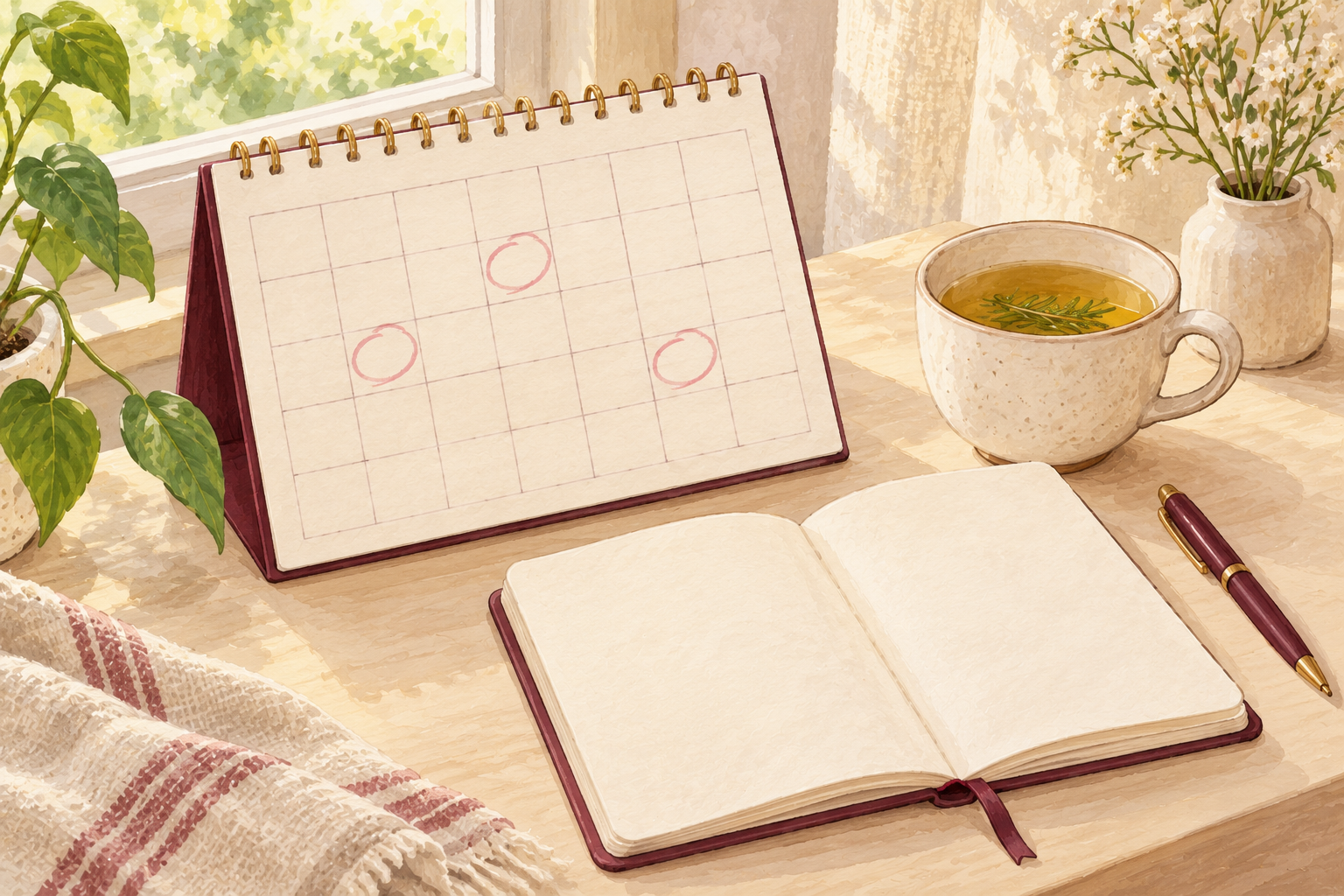
Look at sleep, meals, stress and any recent illness or new medicine before you blame your shampoo. All of them can make hair shed more for a while. Make sure you eat protein and iron rich food, drink water and rest. Shedding that follows a hard stretch usually settles in a few months. If clumps keep coming out for weeks, or you see bare patches, see your doctor about it. Write down what changed and when, so you can give a clear picture. Meanwhile treat your hair gently and be patient.
Complete the Routine: Hair Growth Facts You Can Start Tonight
Pick one myth to drop tonight and one habit to keep this month. Length myths are easy to believe, so more guides below can help you sort what is real from what is noise.