You love your short curls on wash day, then by Wednesday they are flat on one side, puffed on the other and nothing like what you pictured. A short curly hair routine works differently from a long one, because shrinkage, frizz and trims show up faster. These 12 steps cover all of it, so start at number one tonight.
1. Gather a small, simple kit
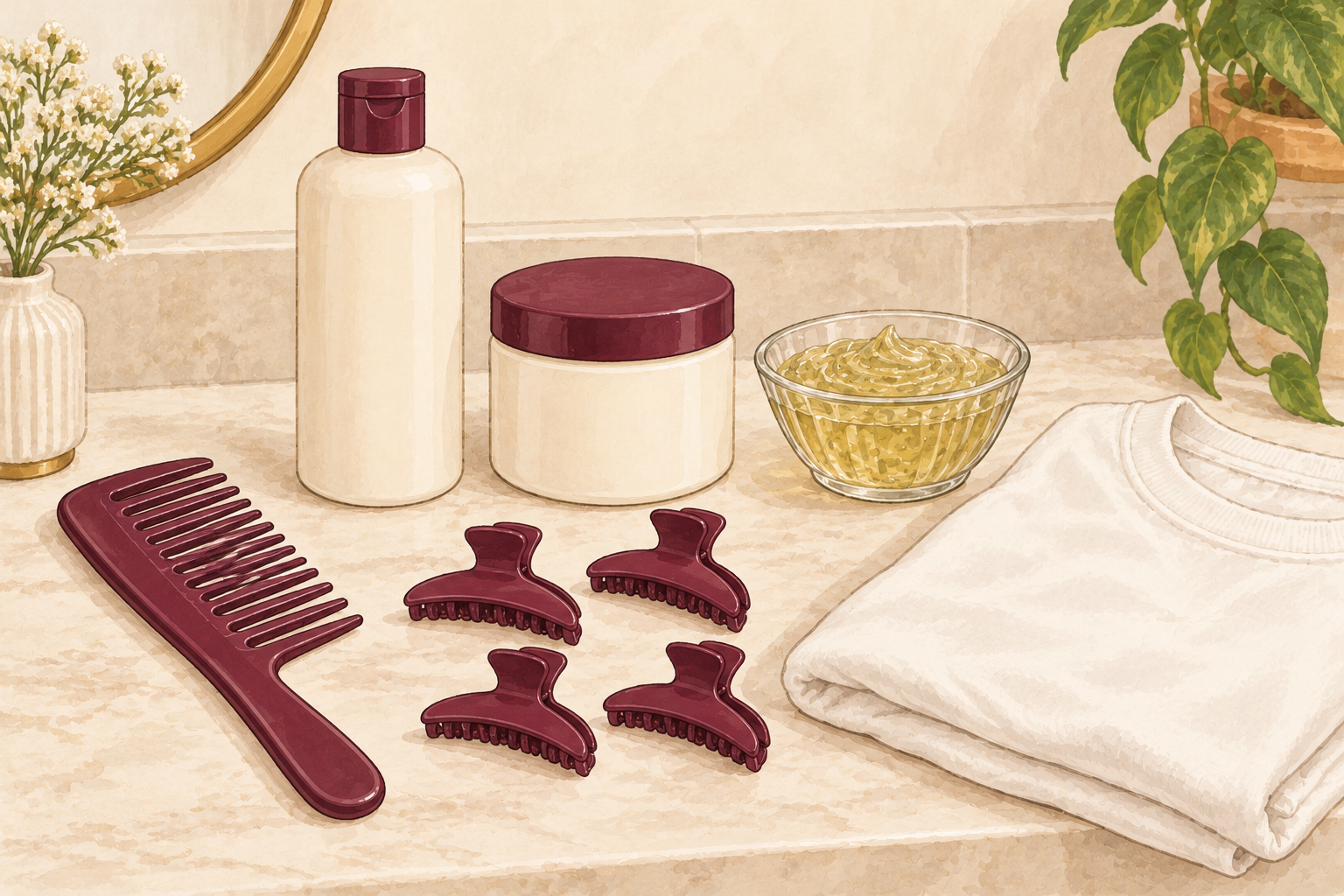
Set out a wide tooth comb, a spray bottle, a conditioner, a leave in, a gel and an old cotton tee. Add a satin bonnet or pillowcase for night. That is the entire list, and it is enough for short curls. Fill the spray bottle with plain water and a drop of your conditioner, shaken well. Keep everything in one basket by the bathroom door, so the routine takes minutes and not a hunt for products. Short hair needs less of everything, which keeps your basket small and easy to restock. A spray bottle with a fine mist works far better than one that squirts.
2. Check your shrinkage before you plan a cut
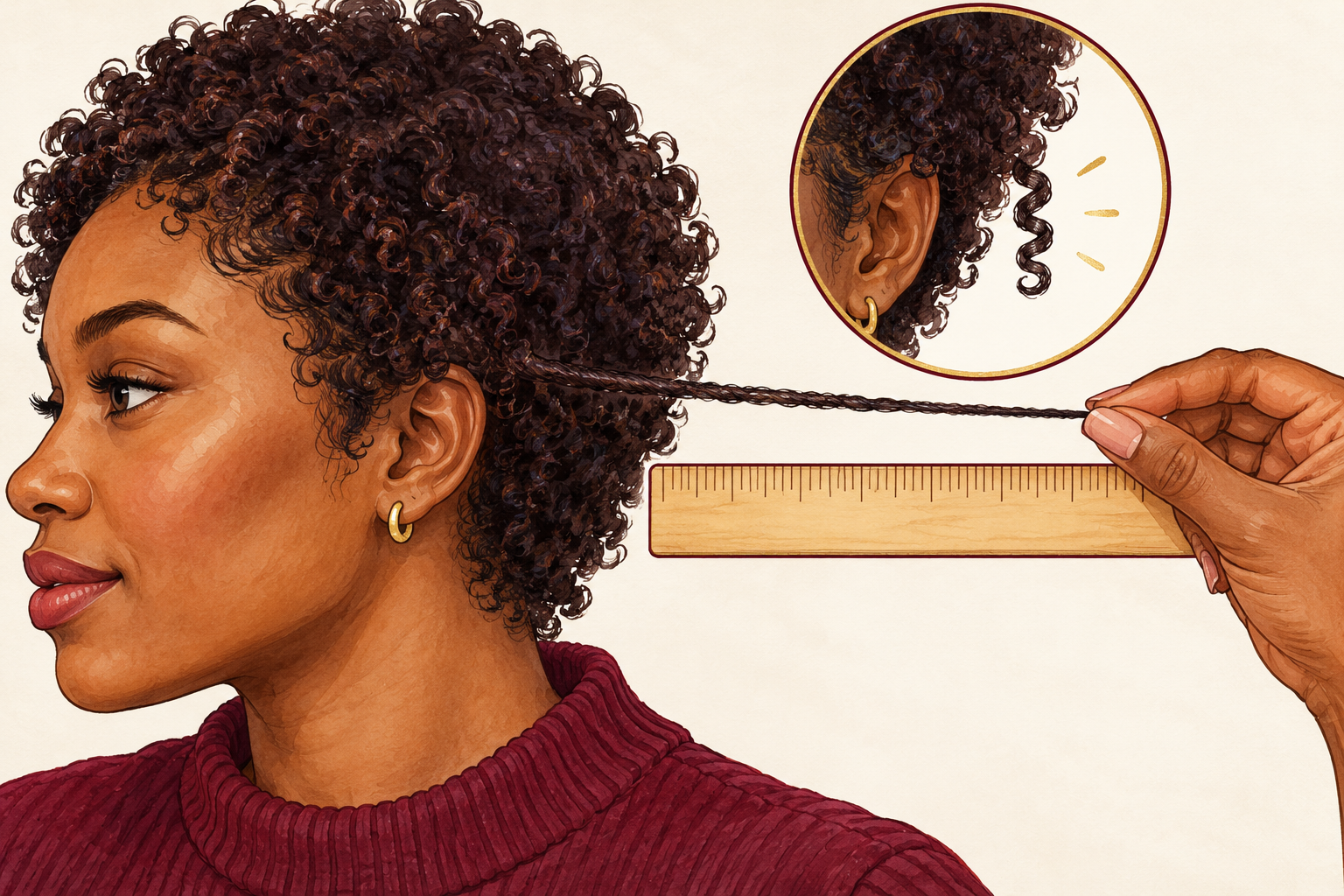
Wet one curl, pull it gently straight beside a ruler, then let it spring back and compare. Many short curls shrink to half their real length or more, so a four inch cut can look like two. That surprise is why a cut can end up shorter than you meant. Do the test at the front, the crown and the nape, because they often shrink differently. Write the numbers down. Next time you book a trim, tell your hairdresser to cut with the shrinkage in mind. Short curls on one side of the head can shrink more than the other, which explains lopsided shapes.
3. Pick a wash rhythm and stick to it
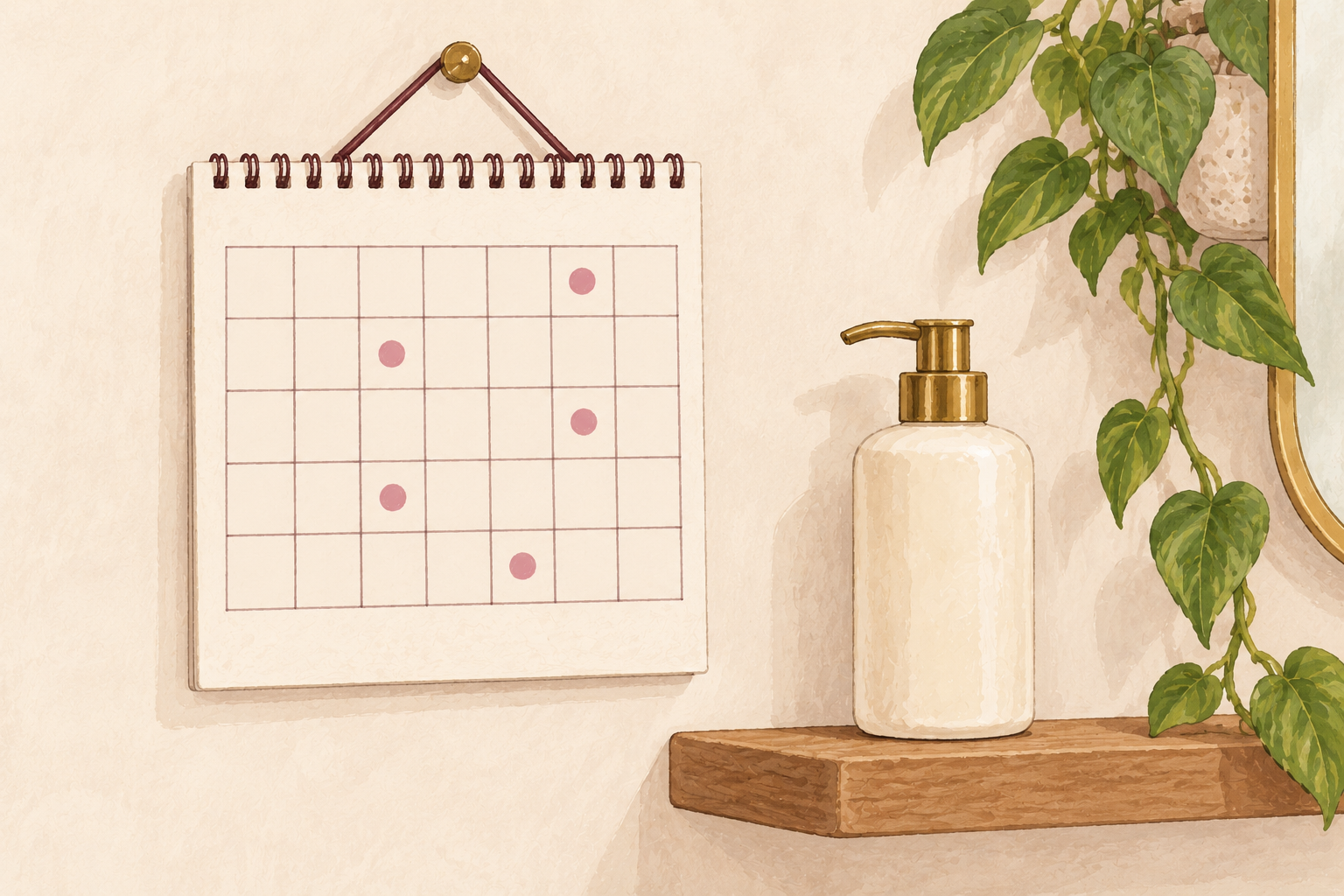
Shampoo your scalp once a week, and co wash or rinse with conditioner once in the middle. Short hair gets oily at the roots sooner than long hair, so a lighter midweek wash keeps the scalp fresh without drying the curls. Shampoo the scalp only and let the suds slide down the ends. Massage with your fingertips for a minute. If your scalp itches before day seven, move the wash up a day instead of fighting it. A steady rhythm helps your curl pattern settle, because the hair stops being shocked each time. Pick days that suit your week, such as Sunday for the shampoo and Wednesday for the rinse.
4. Detangle in the shower with conditioner in
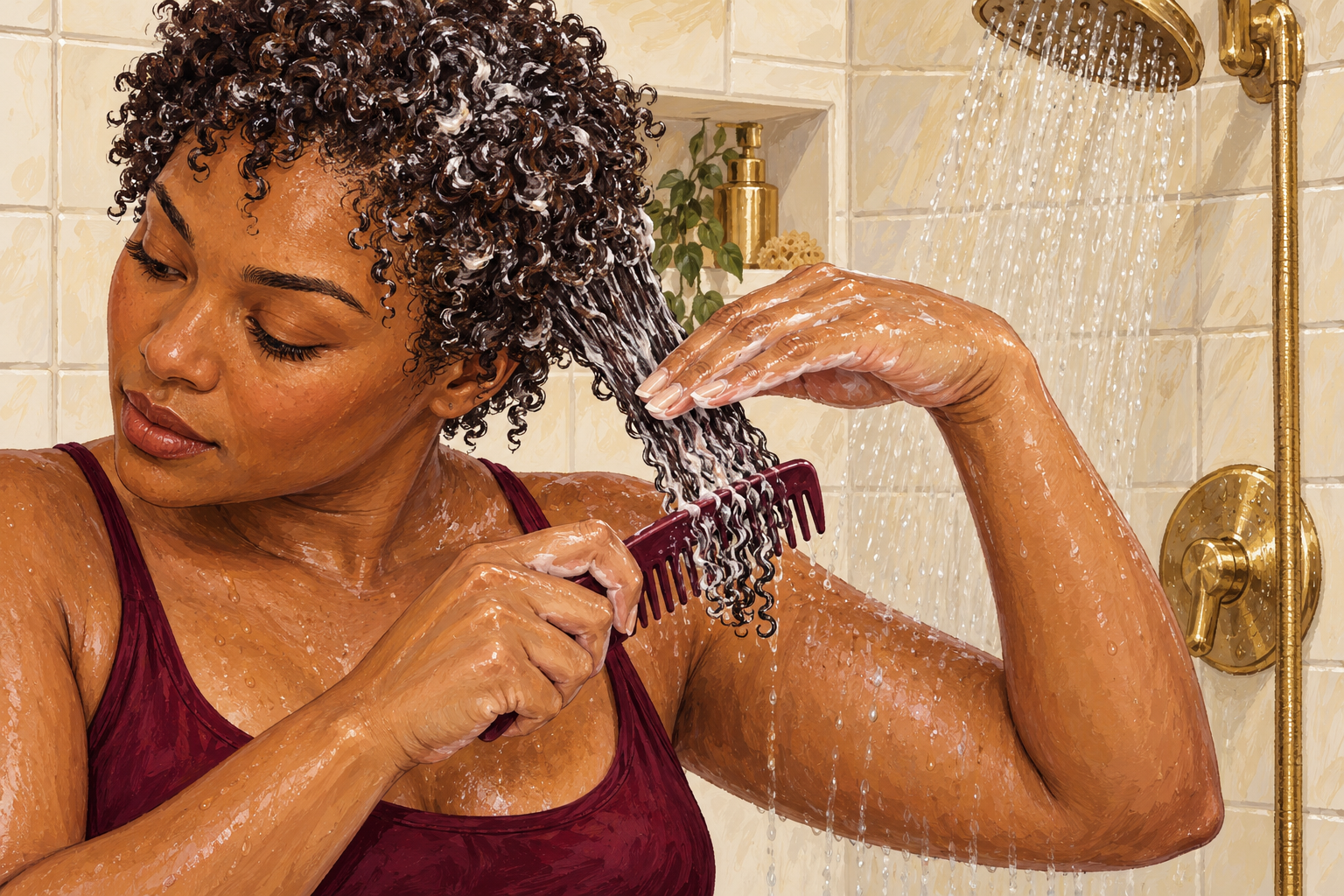
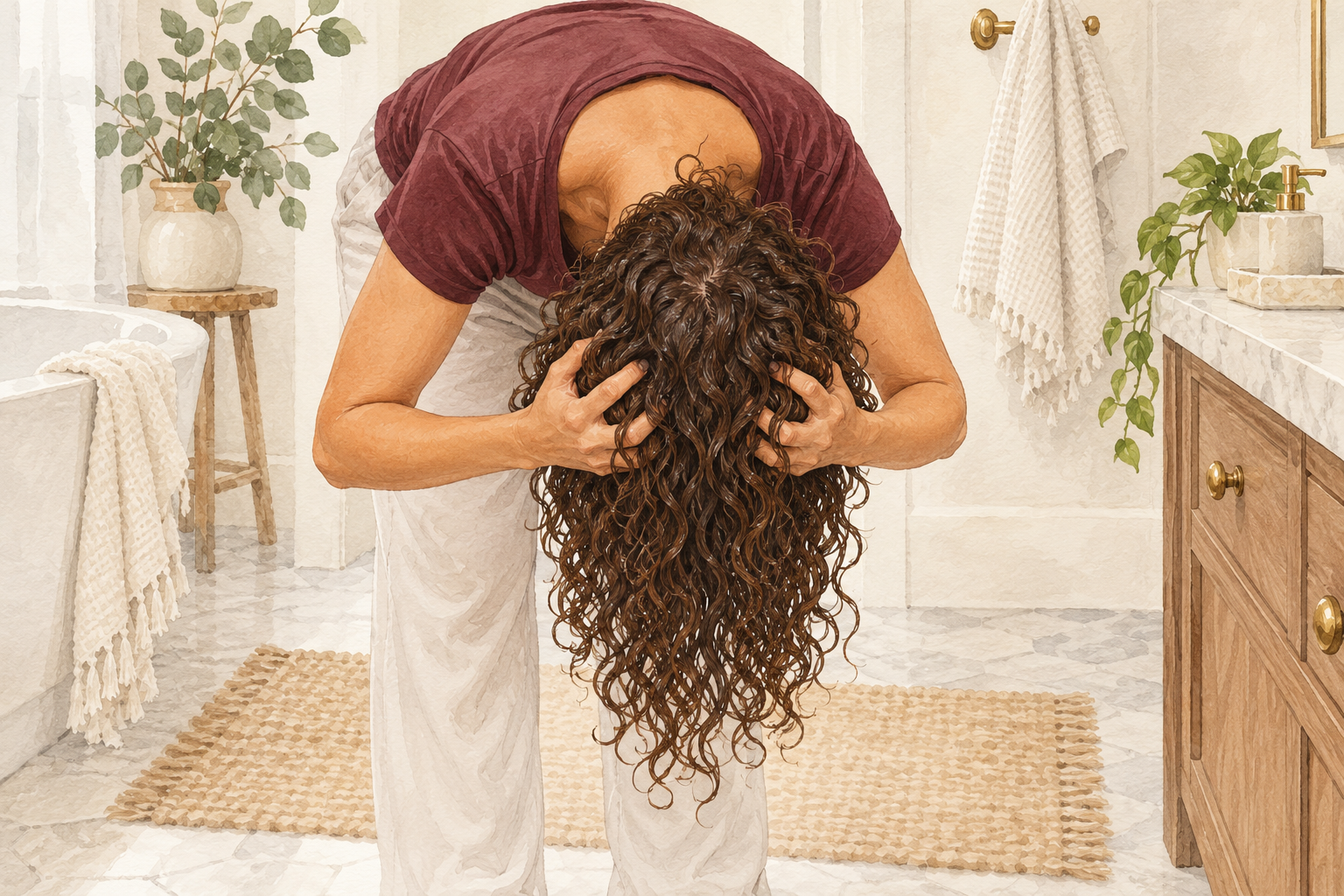
Work a handful of conditioner through the hair and glide your fingers, then the comb, through small sections. Start at the ends and move up toward the roots, one curl at a time. The slip from the conditioner stops the snapping. Short curls tangle most at the nape and behind the ears, so slow down there. Give each section three or four passes, then rinse most of it out and leave a little behind. Never comb dry curls, because that is how a soft set turns into a puffball. A small amount of water in your hands keeps the curls clumped while you work.
5. Use less leave in than you think
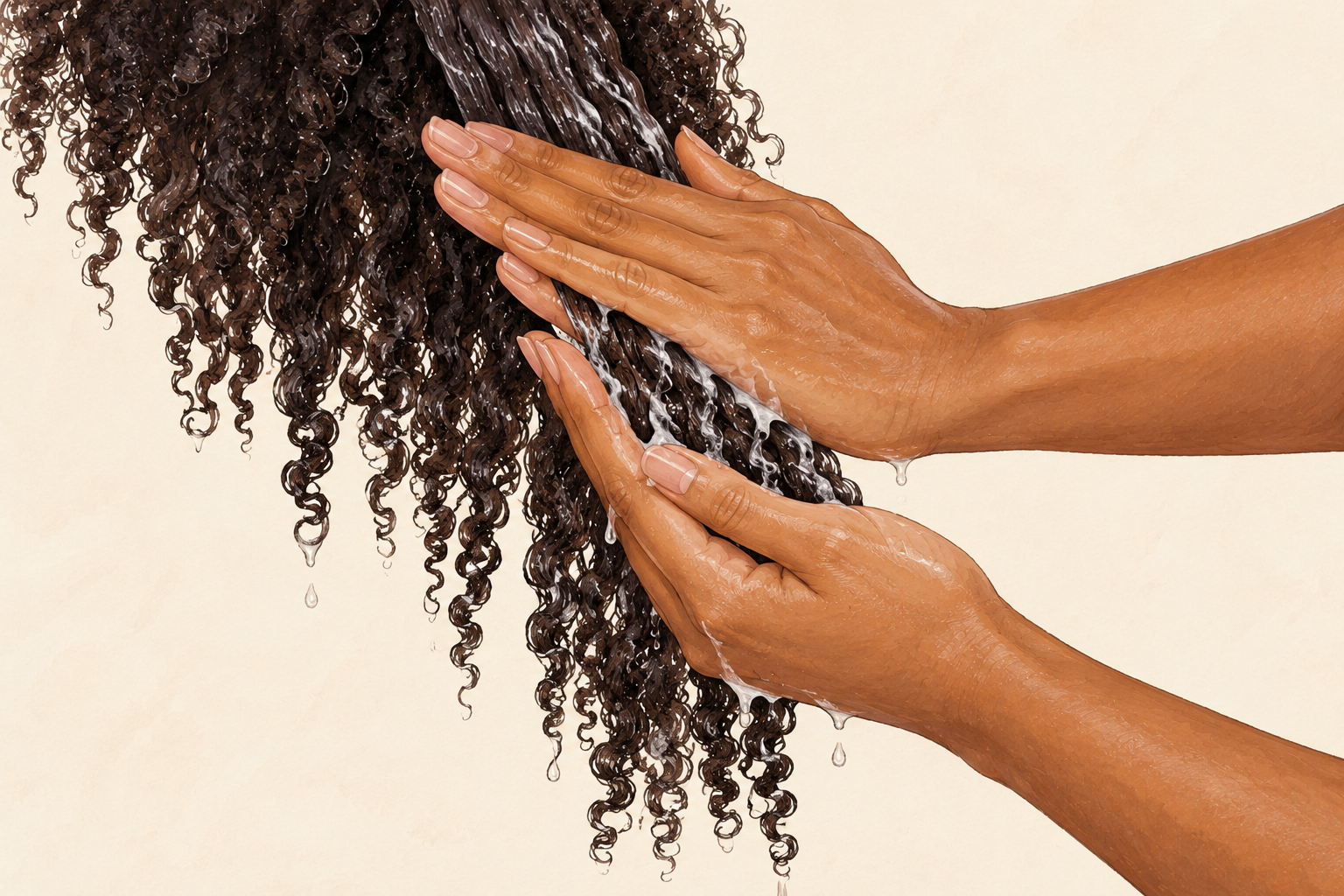
Start with a coin sized amount, rubbed between your palms, and smooth it over soaking wet hair. Short curls get heavy and greasy fast if you overdo it. Rake it through in four sections, front, crown and both sides. Add a second small amount only if the ends still feel dry. If your curls look flat or stringy by midday, you used too much, so cut it in half next time. Applying it while the hair is dripping helps it spread thinly, and that is the secret to soft curls. Swap to a lighter cream in summer, when humidity makes everything feel heavier.
6. Scrunch in gel, then leave it alone
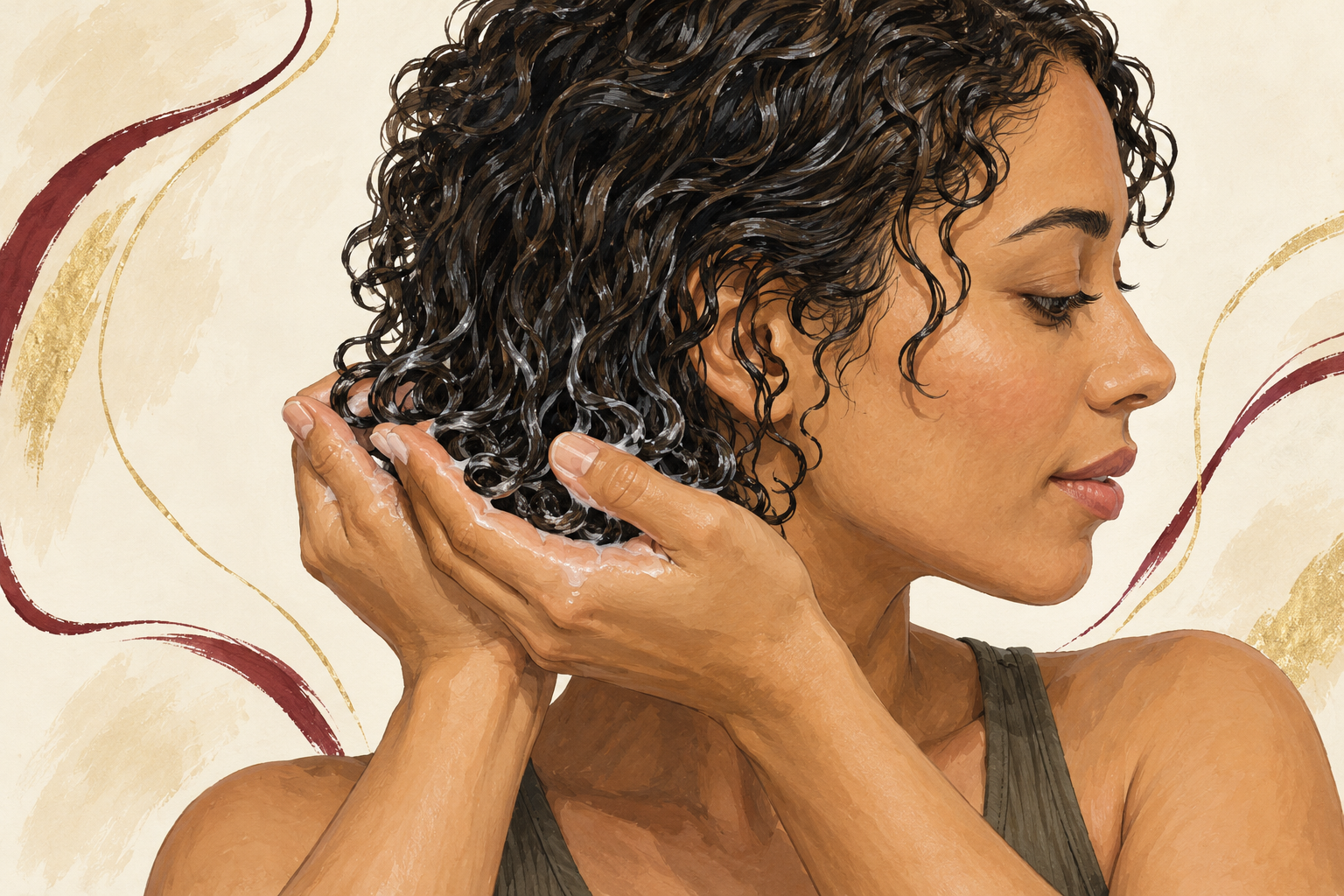
Cup a small amount of gel in your palms, press it over your hair and scrunch upward toward the scalp. Scrunch until you hear a soft squelch, and then stop. The gel makes a light cast around each curl that holds the shape while it dries. Resist the urge to touch your hair, because touching breaks the cast and invites frizz. Put your hands in your lap and wait. Trust the gel. Short curls need hold more than long ones, since there is less weight to pull them into shape. A good gel feels wet and slightly sticky going on and dries to a soft, flexible hold.
7. Air dry or diffuse on low
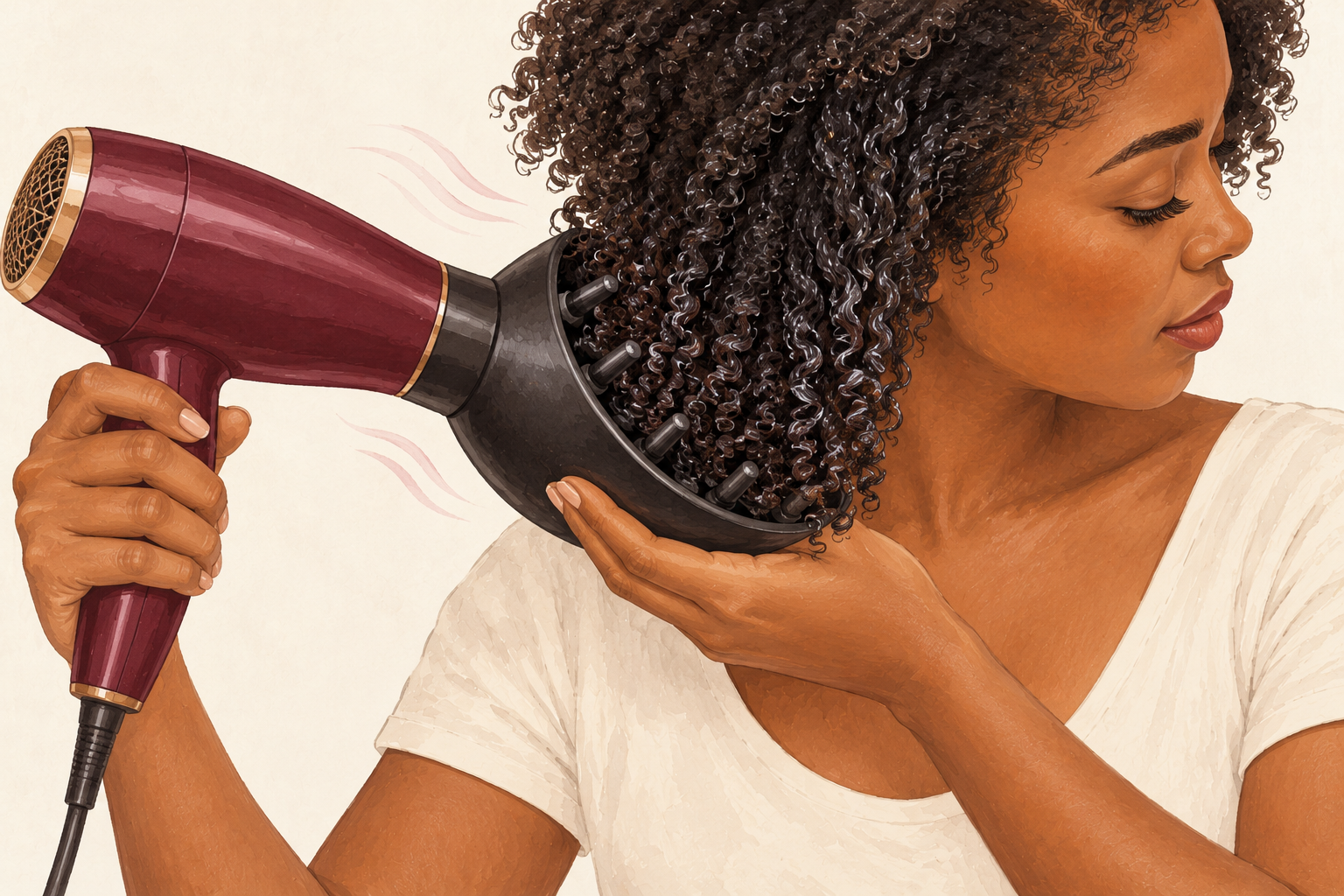
Let your curls air dry for twenty minutes, then diffuse on low heat with the dryer a hand width away. Hold the dryer still and bring your head to it, rather than waving it around. A diffuser stops the air blowing curls apart. Short hair dries in about twenty to thirty minutes this way. Heat on high makes frizz, so keep it low and warm, and stop when the outer layer feels dry. The inside can stay slightly damp, because it finishes drying on its own. Turn the dryer off when you feel heat on your scalp, which means it is too close.
8. Lift the roots once you are completely dry
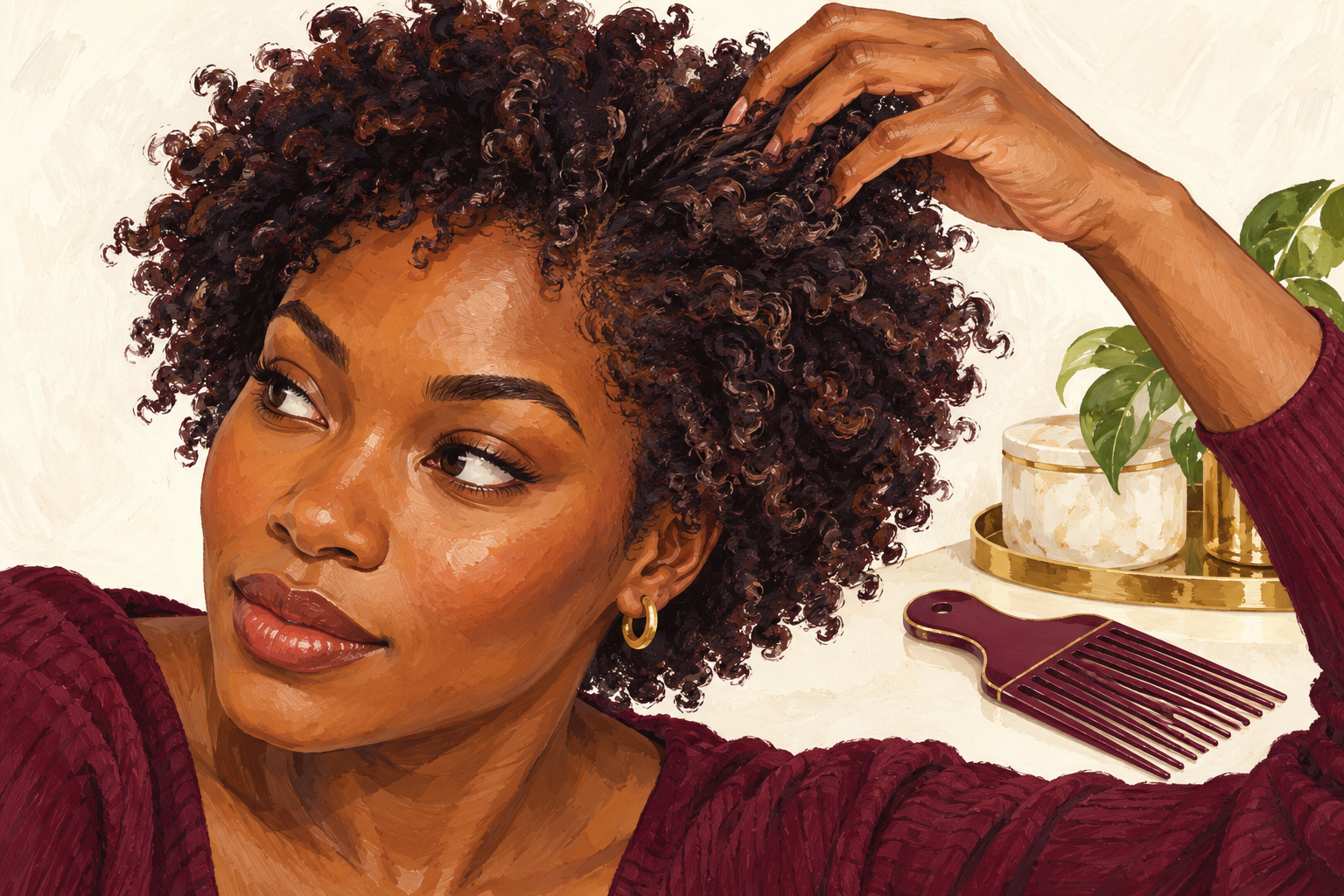
Press your palms on your curls and gently crumple to break the gel cast, then fluff the roots with your fingertips. Wait until your head is fully dry, or the curls will frizz. A wide pick helps lift the crown without disturbing the rest. The curls turn soft, bouncy and full instead of crunchy. Shape any flat spots by placing a curl where you want it. Do it in front of a mirror, a few curls at a time, and stop as soon as it looks right. The crunch you hear when you squeeze is the cast breaking, and it means the gel did its job.
9. Refresh with water and a tiny dab of leave in
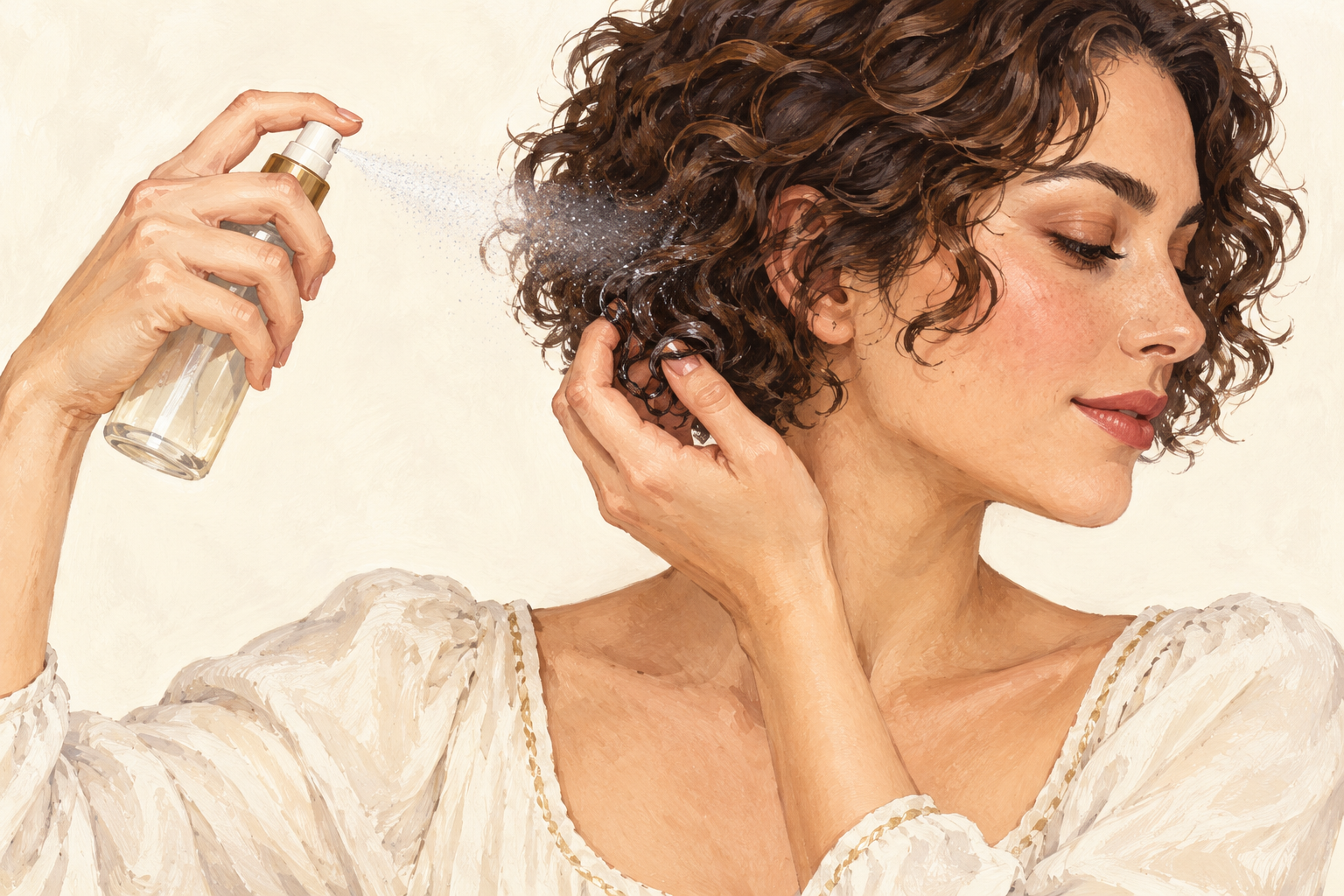
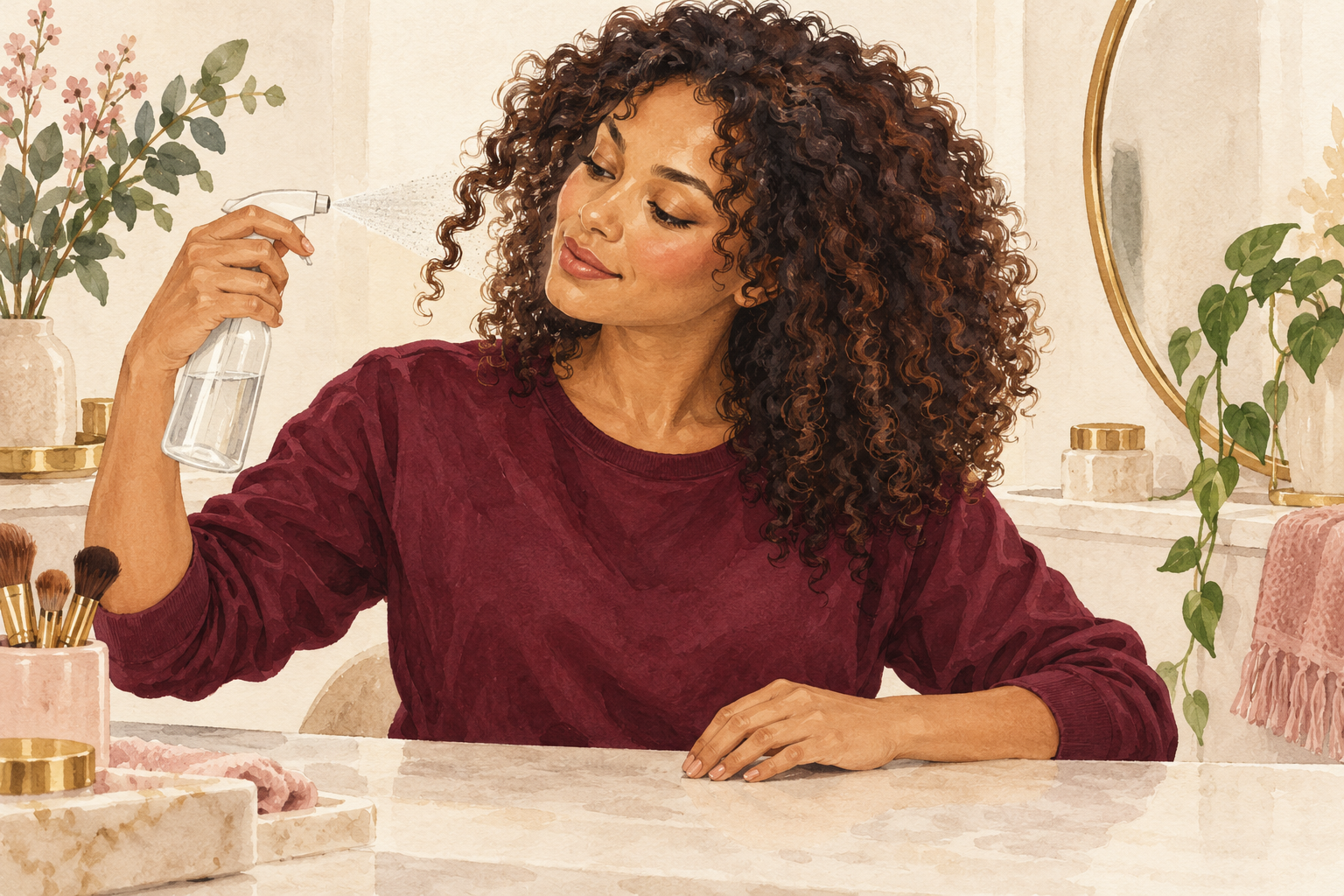
Mist the flat or frizzy section until it is damp, then scrunch a pea sized amount of leave in over it. Do not wet the whole head, only the part that needs it. Wait ten minutes for it to dry, or use the diffuser for two. This gives you two or three extra days between washes, which saves time and spares the ends. If the curls feel stiff, the gel is building up, so refresh with plain water alone. A small refresh beats a full restyle when you are running late. Refresh at night rather than in the morning if you want to wake up with the shape already set.
10. Protect your curls at night
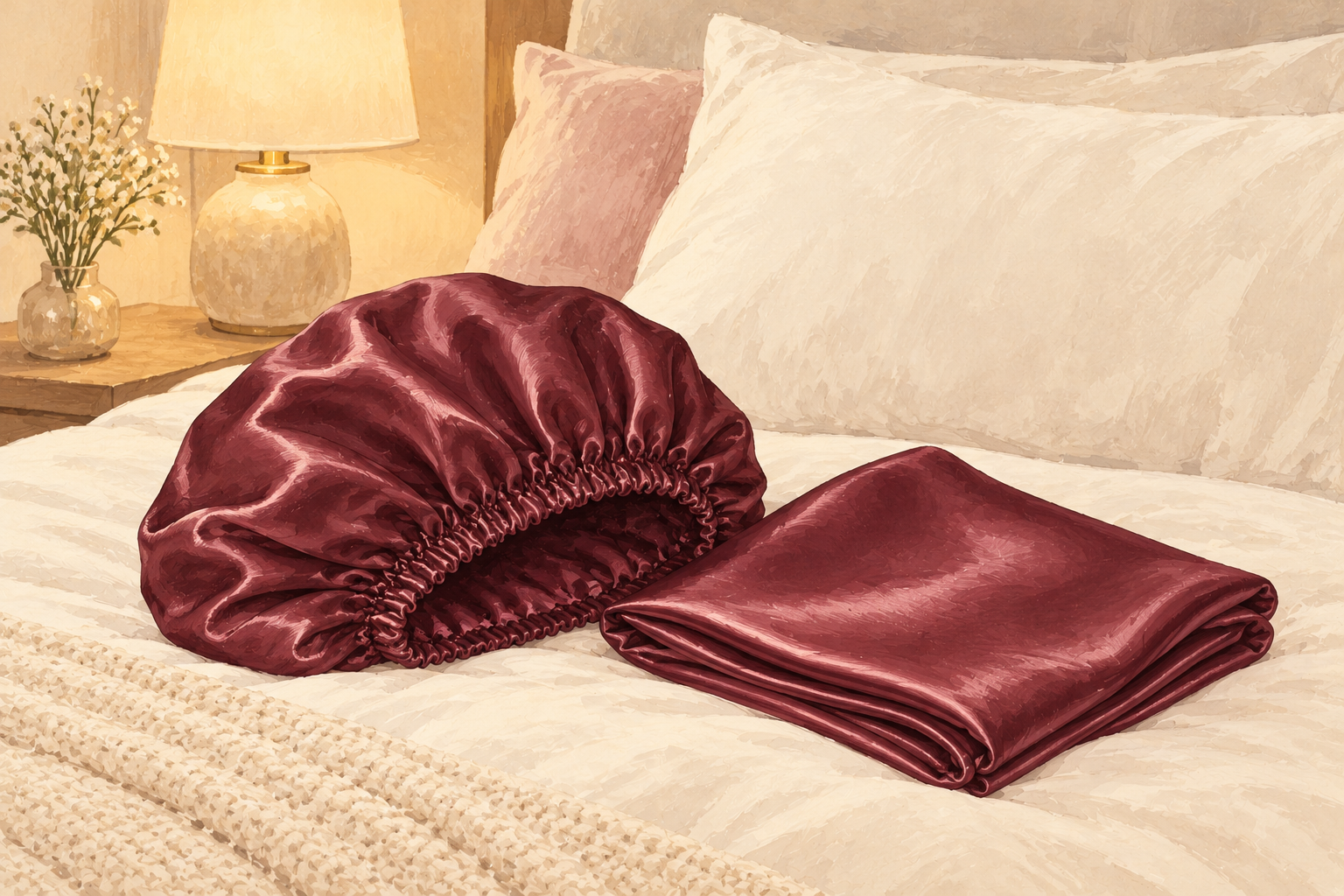
Slip on a loose satin bonnet or sleep on a satin pillowcase. Short curls cannot go into a high pineapple, so a bonnet that sits gently, not tight, is best. Cotton pulls moisture out of your curls and roughs up the surface, which is how you wake up with frizz. If the bonnet slides off, try one with a wide soft band. You will wake up with curls that still look decent, and your morning refresh takes two minutes instead of ten. If you do not own satin, a soft silk scarf tied loosely does the same job.
11. Add a weekly deep treatment and trim a little at a time
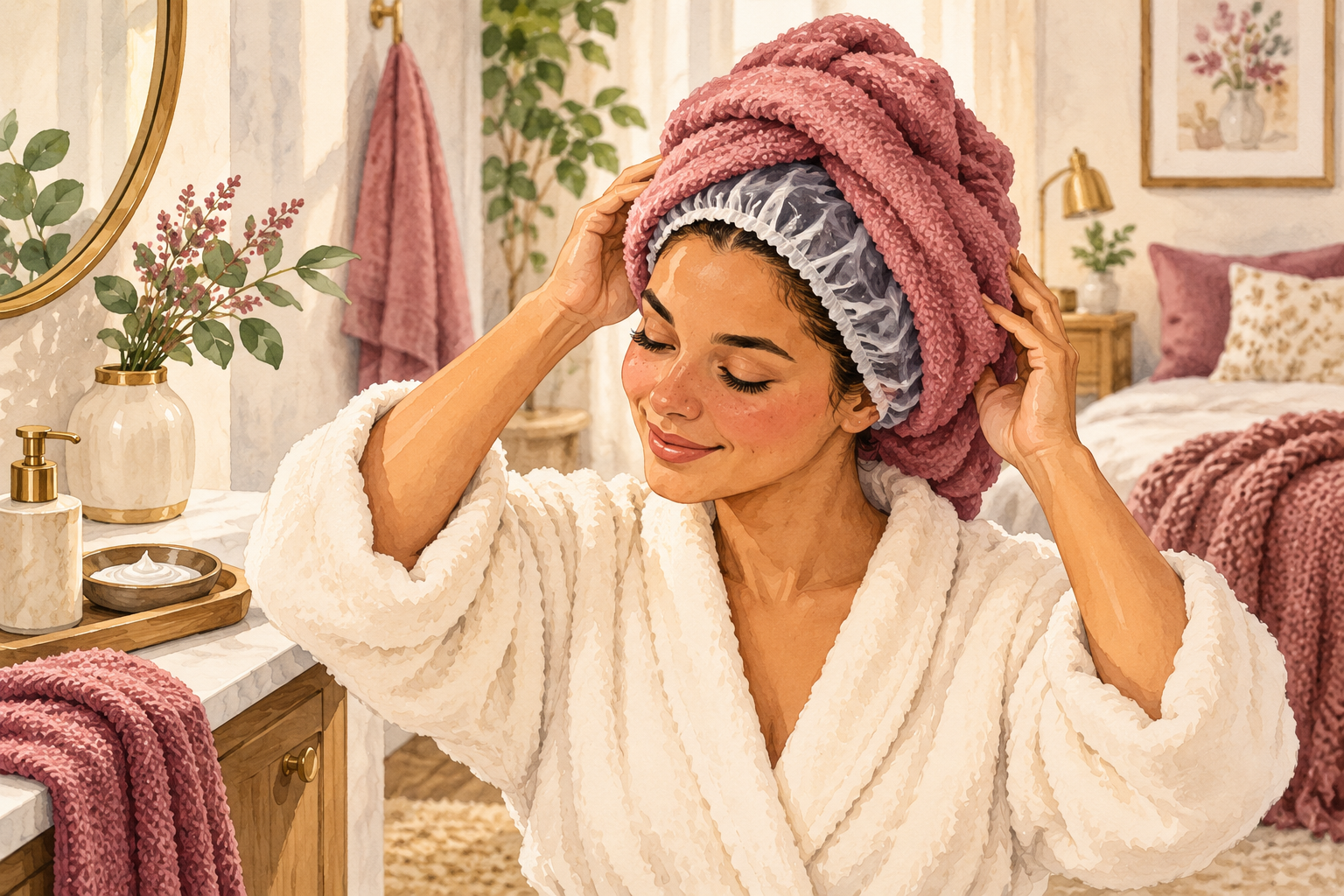
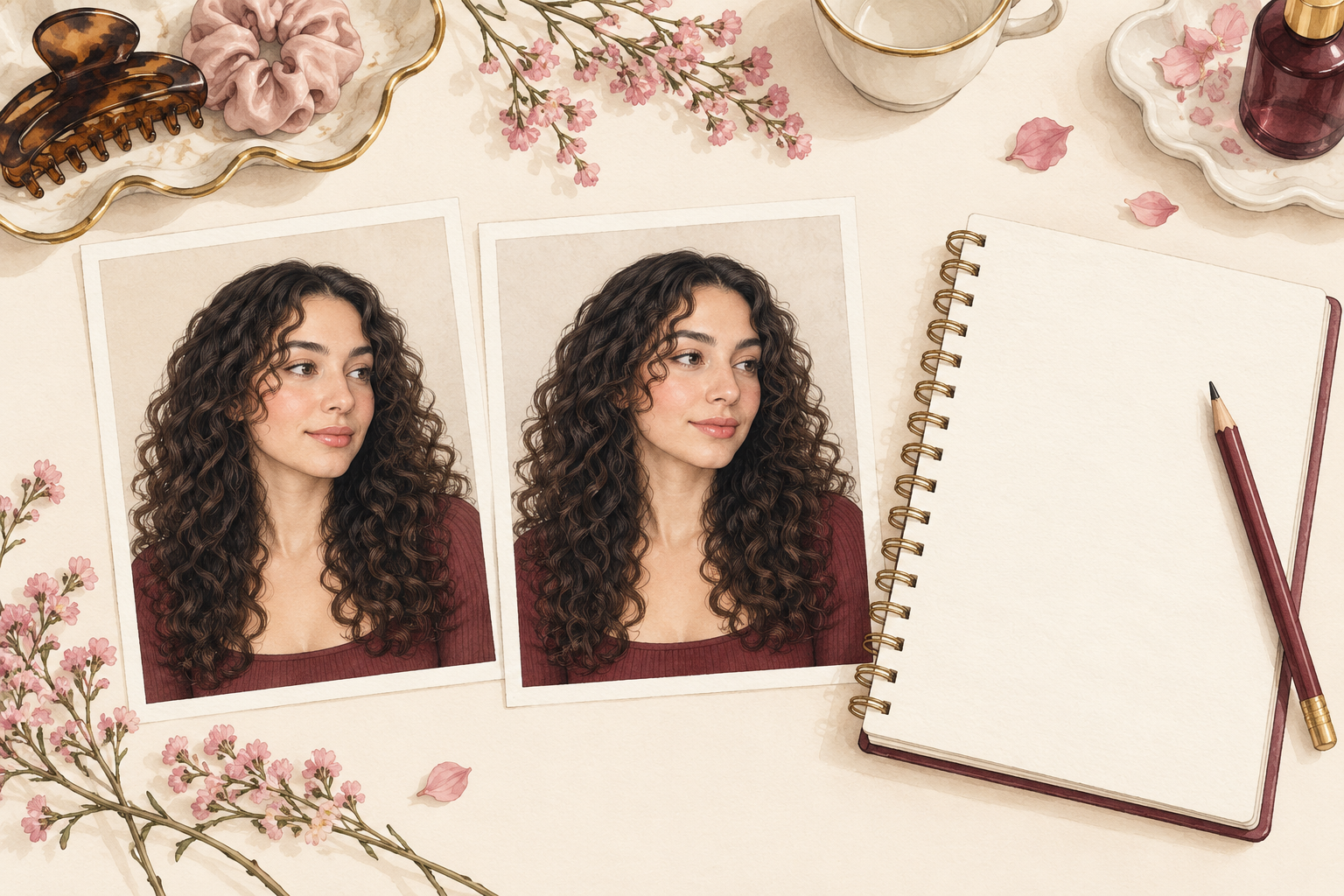
Leave a thick conditioner on for twenty minutes once a week under a shower cap, then rinse. It keeps short curls springy and soft. Every eight to ten weeks, trim a quarter of an inch curl by curl, not a big chop. Little trims keep the shape and stop splits from running up. Take a photo of your shape each time so you know which side needs more. A tiny trim feels like nothing, but it keeps your curls looking fresh. A deep treatment after a cut feels especially good, because fresh ends drink it up.
12. Swap the habits that undo your curls and expect week four
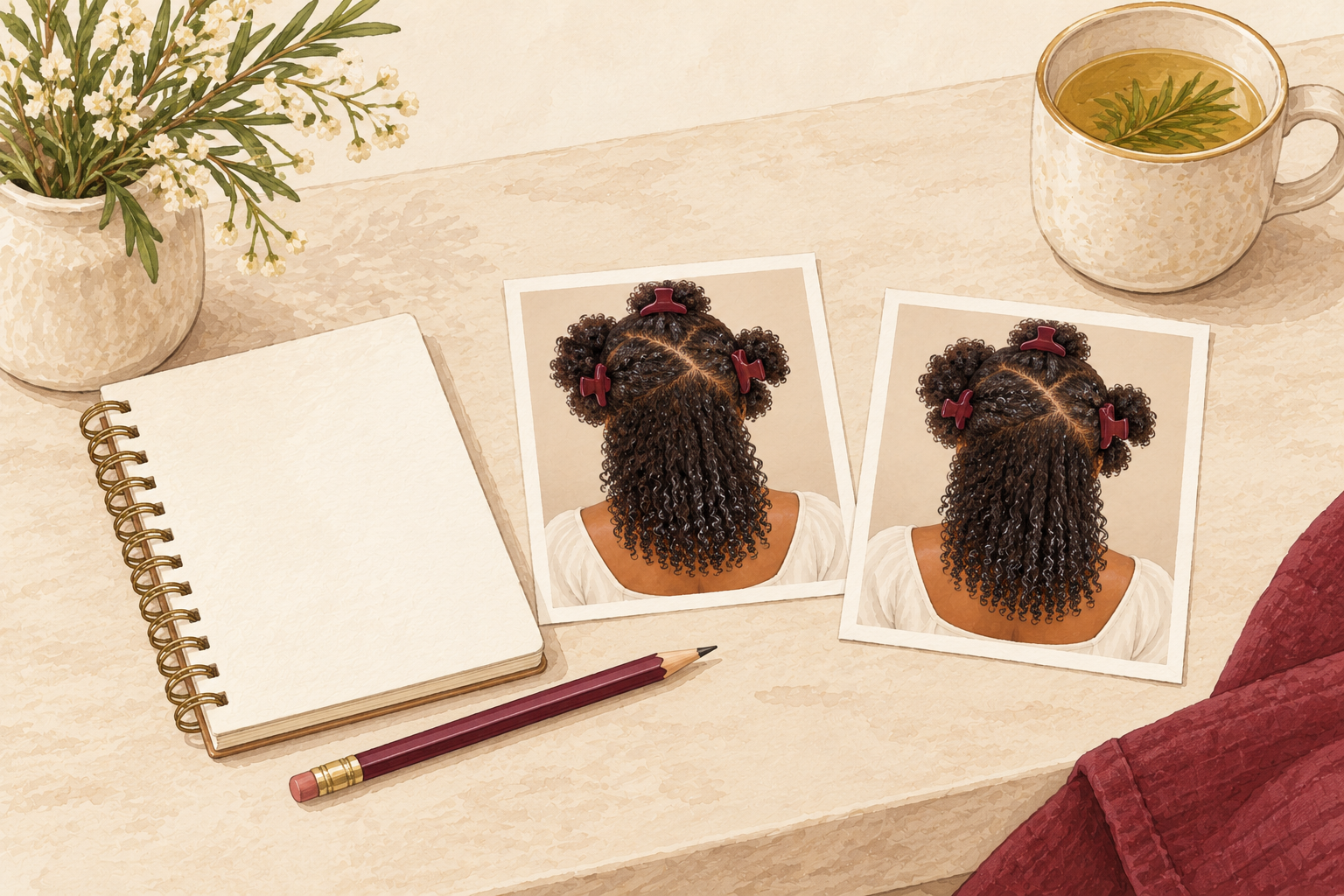
Stop combing dry, stop touching while it dries and stop washing with hot water. These three habits cause most frizz. In week one your curls may feel different, so give them time. By week four you should see less frizz, better definition and two or three days between washes. Then your short curly hair routine becomes second nature. Keep a note of what you did on your best hair day, so you can repeat it every time. Take a photo of your curls every week in the same light, since changes this slow are easy to miss.
Complete the Routine: Your Short Curly Hair Routine in Short
Tonight, do the shrinkage test, then try the shower detangle on wash day. For more ideas, read about curly hair routine products and a no frizz curly hair routine.