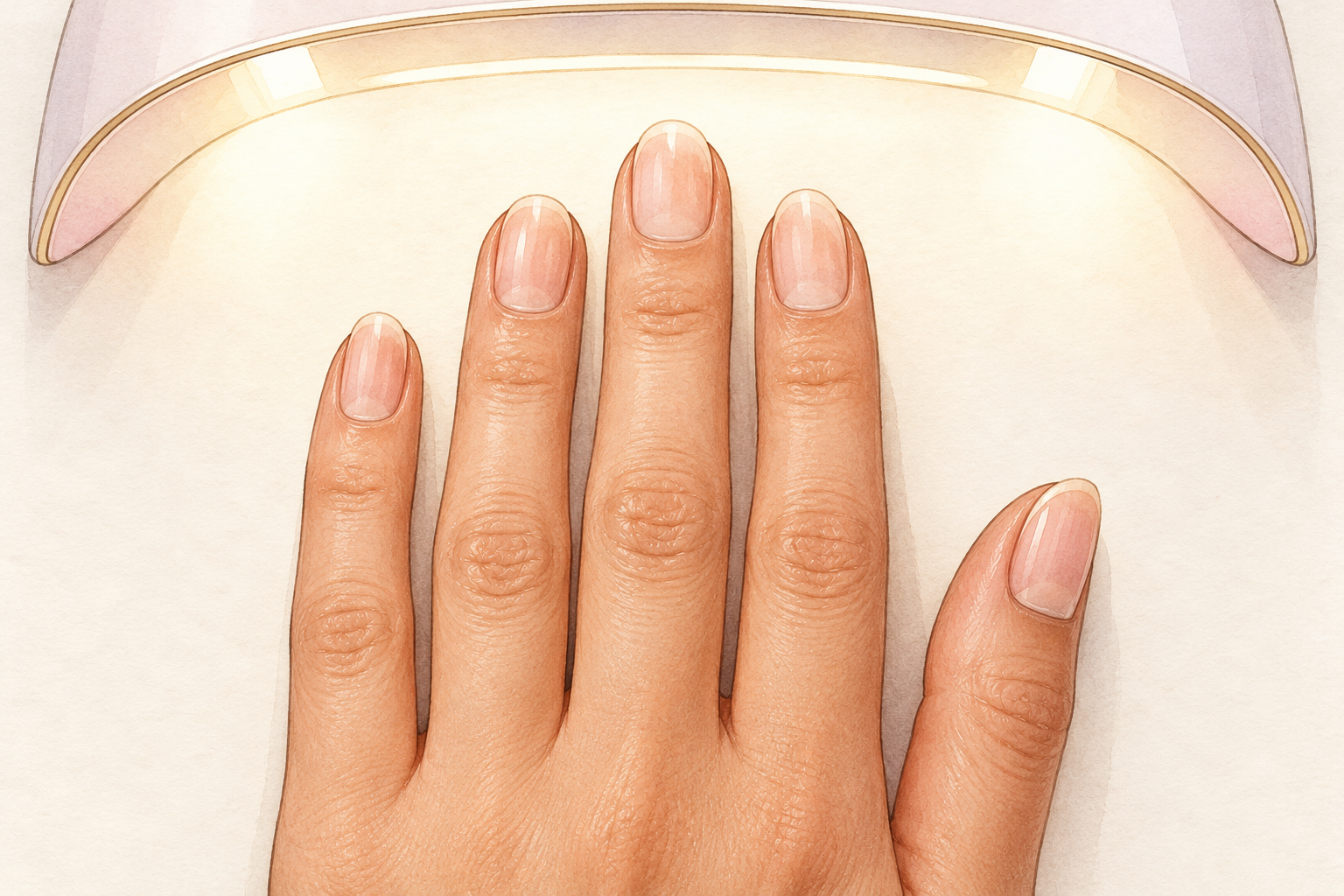
Your nails peel at the tips, snap on the second day and look dull however much polish you put on. The nail care tips that help most are rarely about products. They are about a handful of everyday habits that wear the nail down while you are not looking. Here are 12 swaps, so start at number one tonight.
1. Gloves on before the water goes in
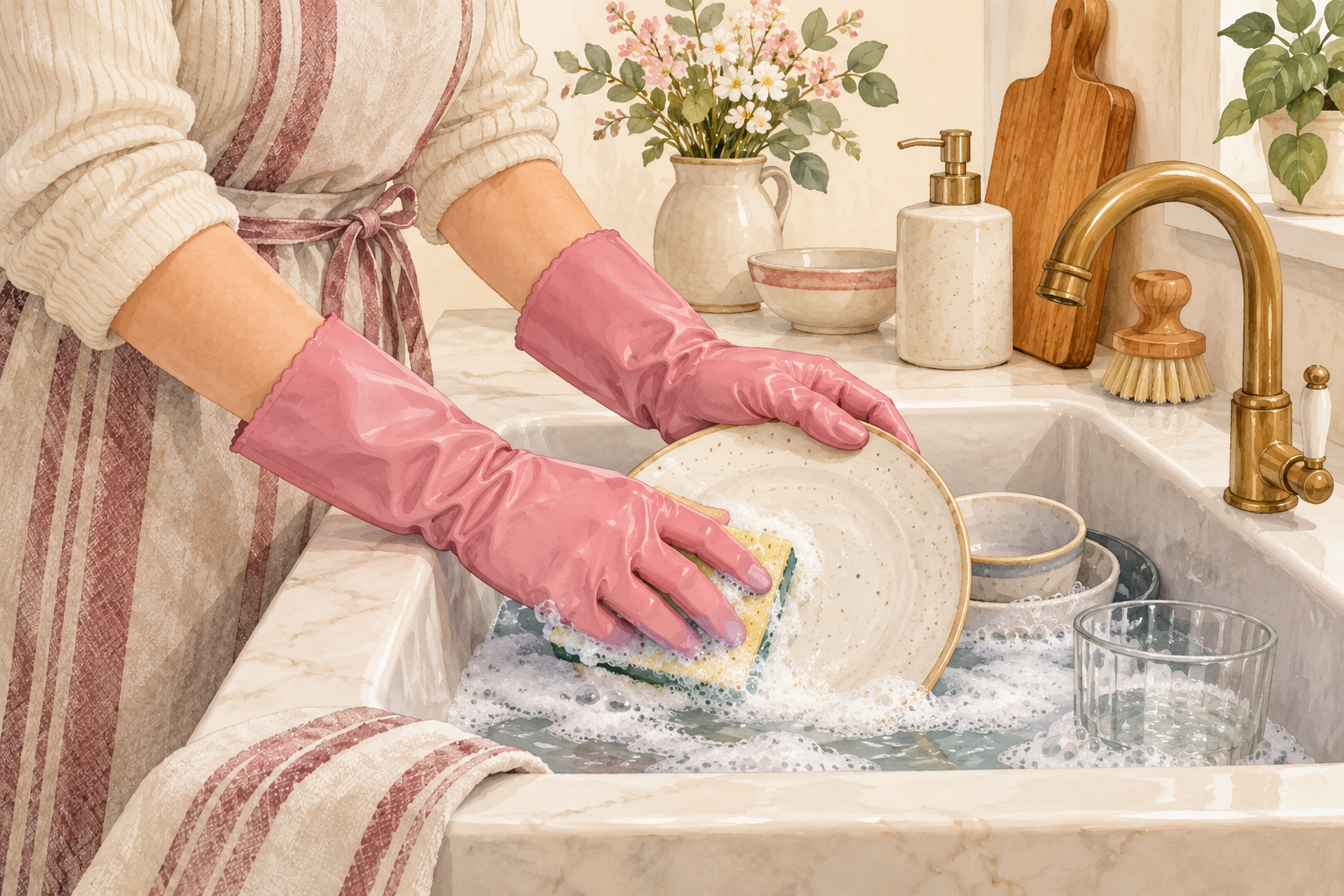
Wear lined rubber gloves for dishes and cleaning, and put them on before you turn the tap. Nails swell when wet and shrink as they dry, and after many cycles in a day they split and peel in layers. Dry the gloves inside out so they stay fresh. Keep a pair at every sink you use, because the glove you have to go and find is the glove you skip. This one swap is the biggest single win for many people. You will likely notice fewer peeling layers within a few weeks. Cotton lined gloves feel nicer, and a cheap pair is fine.
2. Dry your hands properly, every time
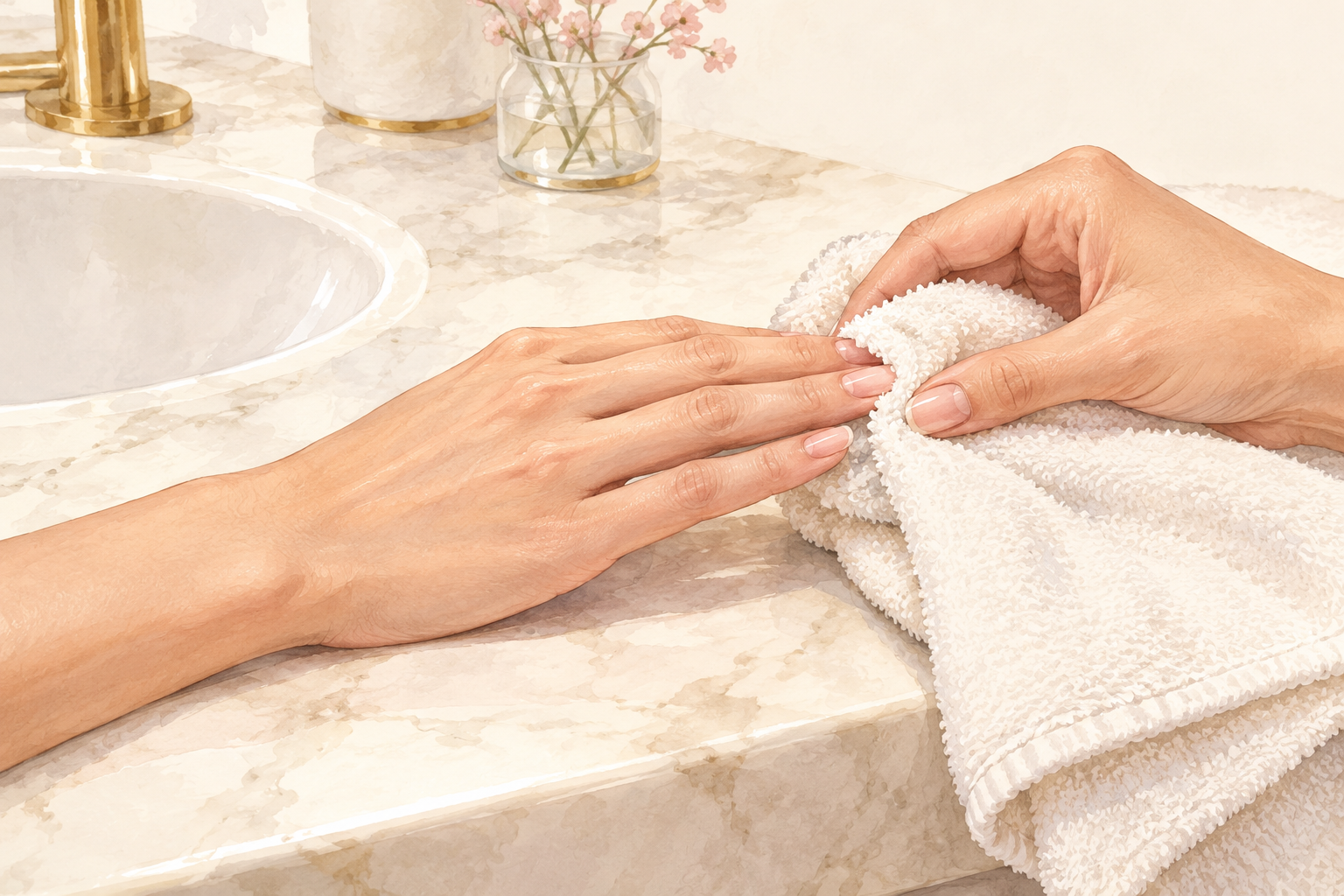
Pat your hands and the nail edges dry with a towel right after washing. Damp nails stay soft, and soft nails bend and tear. Don’t rub hard, since that scuffs the surface. Tap a drop of hand cream into the nail and the skin around it before the day carries on. Do the same after a bath, when your nails are at their softest and most fragile. Keep a small towel by the basin so drying becomes automatic. Cold, damp hands in winter dry out faster, so be extra careful then. Dry under the nail edge with a corner of the towel, where water likes to hide.
3. Reach for a file instead of biting or picking

Keep a small emery board in your bag and use it on every snag. Biting and picking pull layers off the nail and leave ragged edges, which snag again and invite more picking. Smooth the snag with two gentle strokes and the urge often passes. Keep the nails short while you retrain your hands. A bitter tasting clear coat helps too, though a busy hand helps more. Give it three weeks and the habit starts to fade. Smooth nails are simply less tempting to fidget with. Mark the days you do not bite on a calendar, since a streak is satisfying to protect.
4. Use a tool, not your fingernail
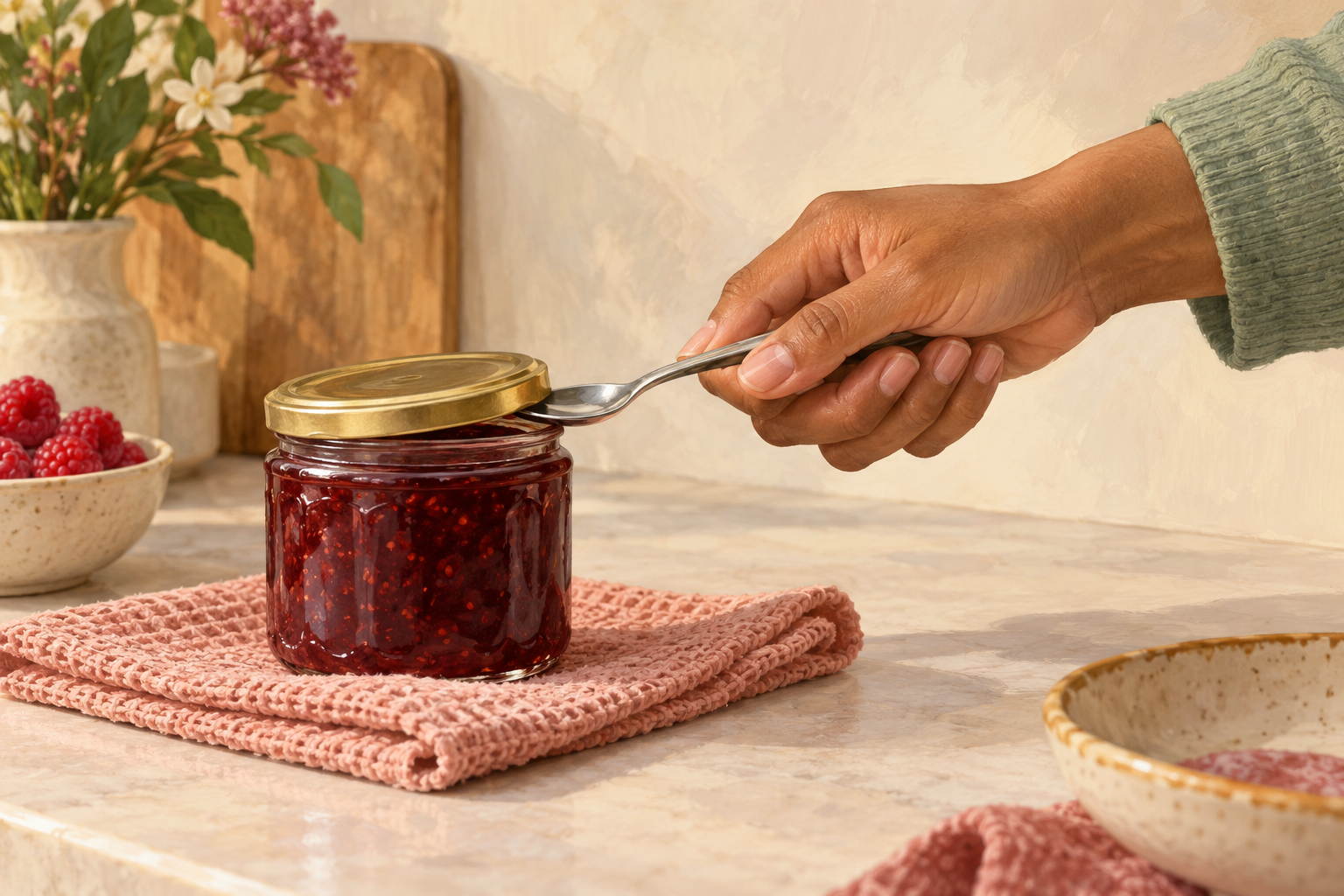
Open lids with the edge of a spoon and scrape stickers with a card. Nails are not screwdrivers, can openers or keys. Prying bends the nail back and cracks it at the tip, and the damage shows up days later as a split. Keep a small spoon in the kitchen drawer for tins and a key ring with a bottle opener for the bag. Press buttons with a knuckle or the pad of the finger. Tiny swaps like these do more than any bottle on a shelf. Let tools do the prying, so your nails never have to.
5. Soak polish off instead of picking it
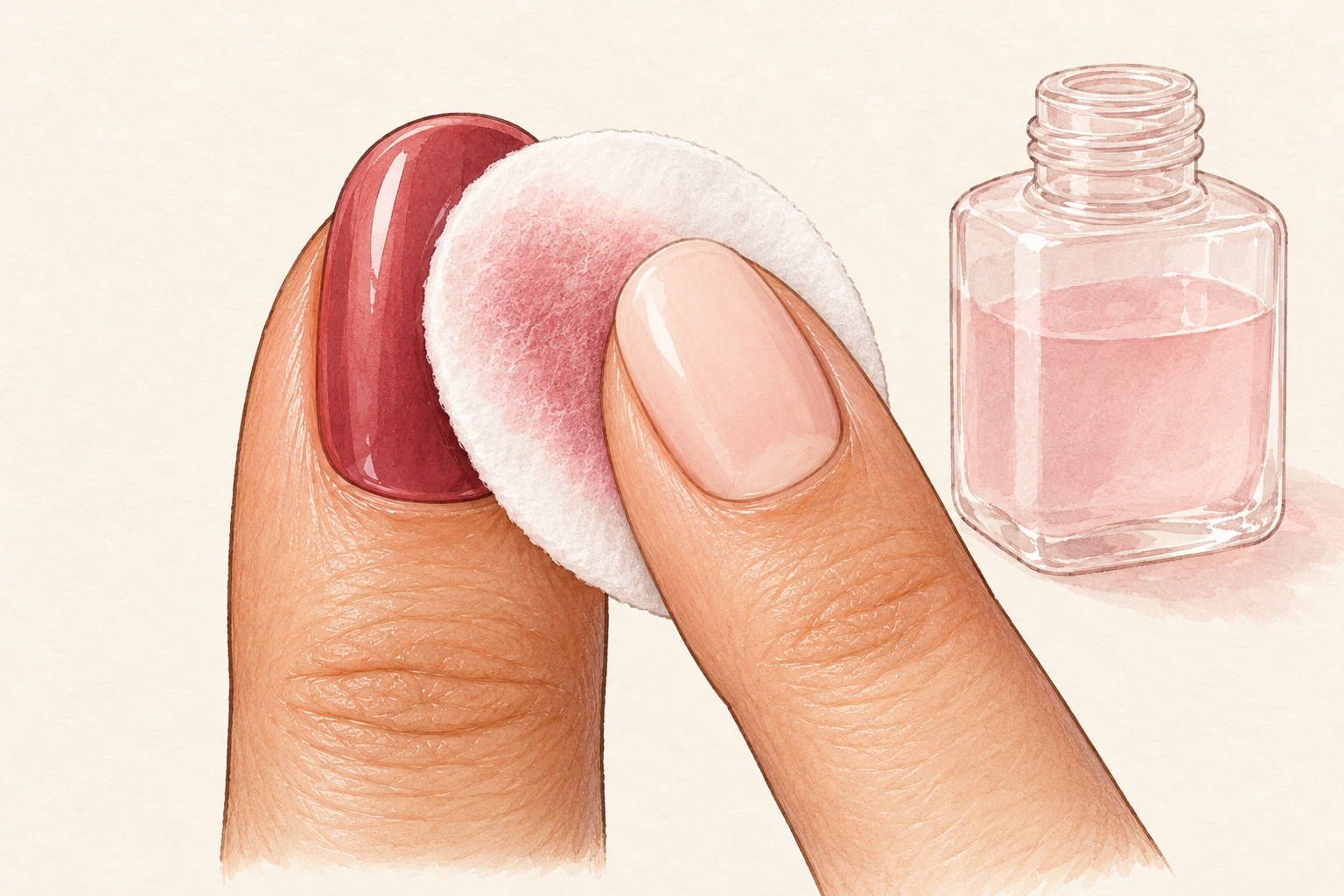
Press a soaked cotton pad on each nail for ten seconds, then wipe once. Scraping or peeling old polish takes the top layer of the nail with it. If a stubborn glitter polish refuses to move, wrap the nail in soaked cotton and a small square of foil for a minute rather than scrubbing. Wash your hands afterwards, because remover leaves them papery, and add a drop of oil. Open a window, as the fumes are strong in a small room. Never use your thumbnail as a scraper. A cotton pad folded in half keeps the clean side against the nail.
6. Choose a gentler remover
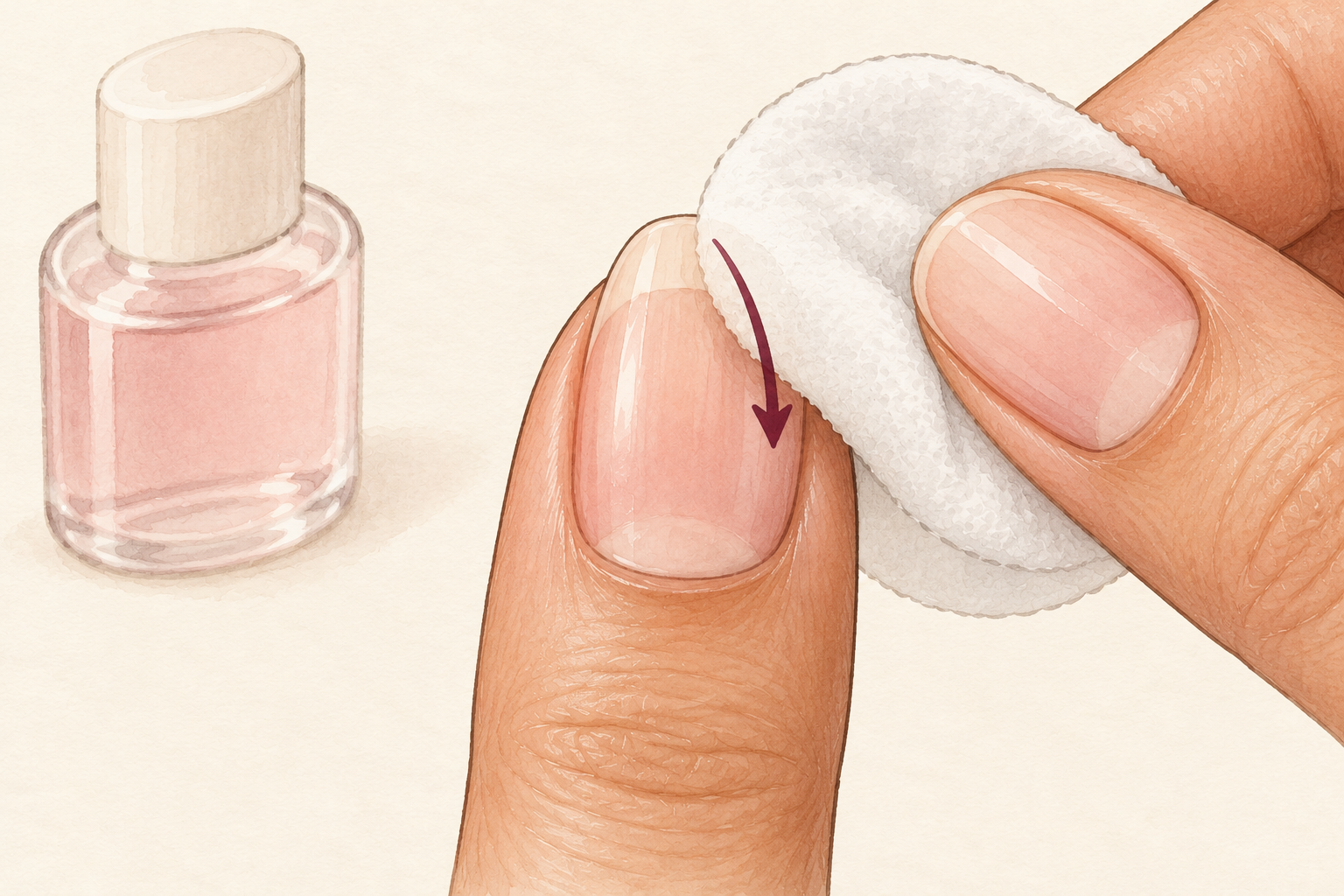
Pick a remover without acetone for daily use, and keep the strong one for glitter and gel. Strong remover dries the nail and the skin around it, which makes peeling worse. Use as little as you can and wipe once, not a dozen times. Rub in cream straight afterwards. If your nails already feel papery, go a week or two without polish at all. A weak remover might need a longer press, which is fine. You are trading a few extra seconds for nails that stay flexible instead of chalky. Keep the cap tight on every bottle, since remover weakens when left open. If chalky nails are worrying you, keep natural nail care close by for the gentler side.
7. Give gel and polish regular breaks
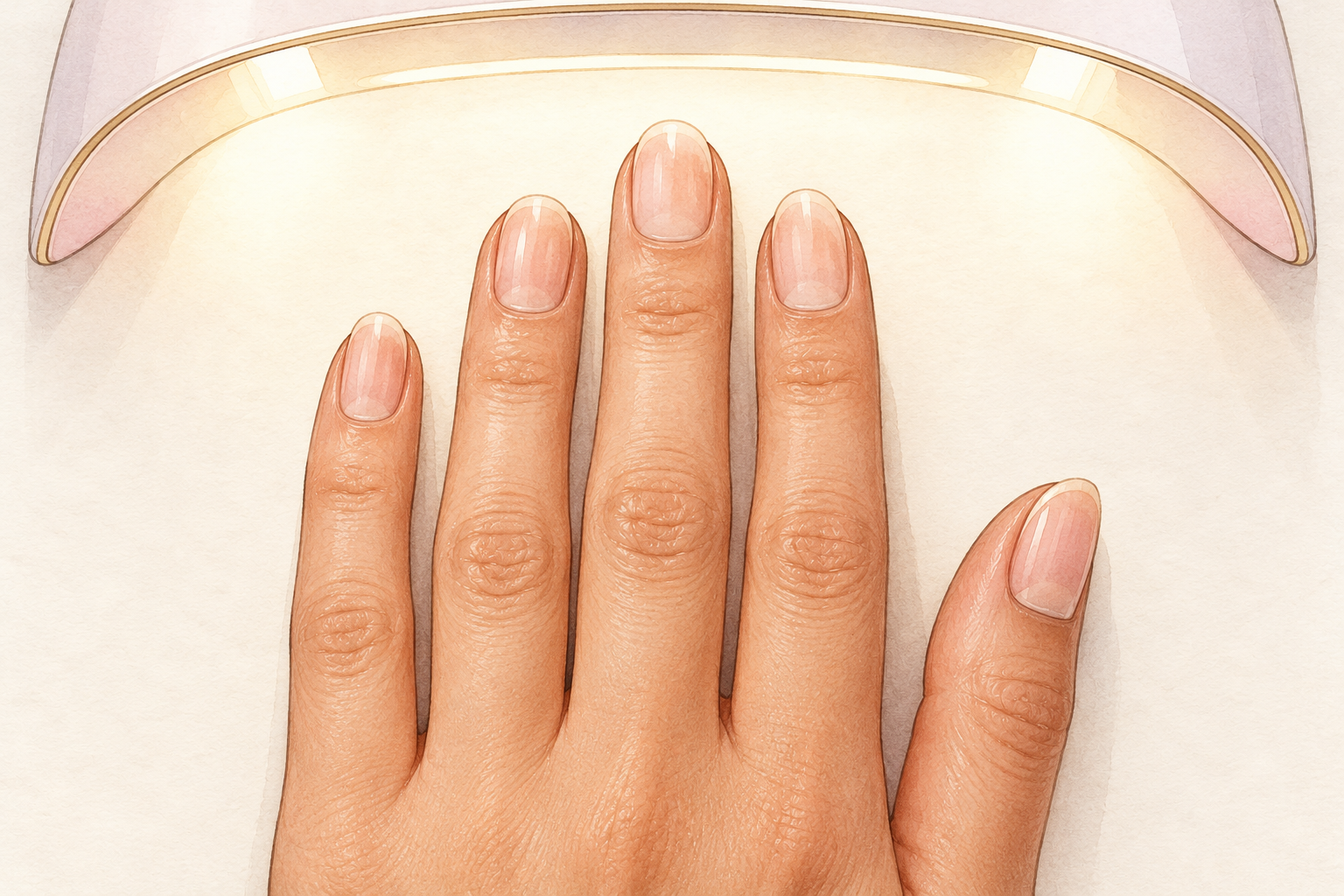
Go bare for one week after every three or four weeks of polish or gel. Polish and remover both dry the nail, and gel removal can thin it. A break lets the surface recover and shows you what your nails are really doing. Use that week to oil, trim and keep your nails short. You will see the shine come back by itself. If going bare feels dull, a clear strengthening coat is a gentle in between. Pick a week with no big plans so bare nails feel relaxed and easy. Look for a ridge that has smoothed or a tip that no longer peels, which tells you the break worked.
8. Press in cuticle oil every night
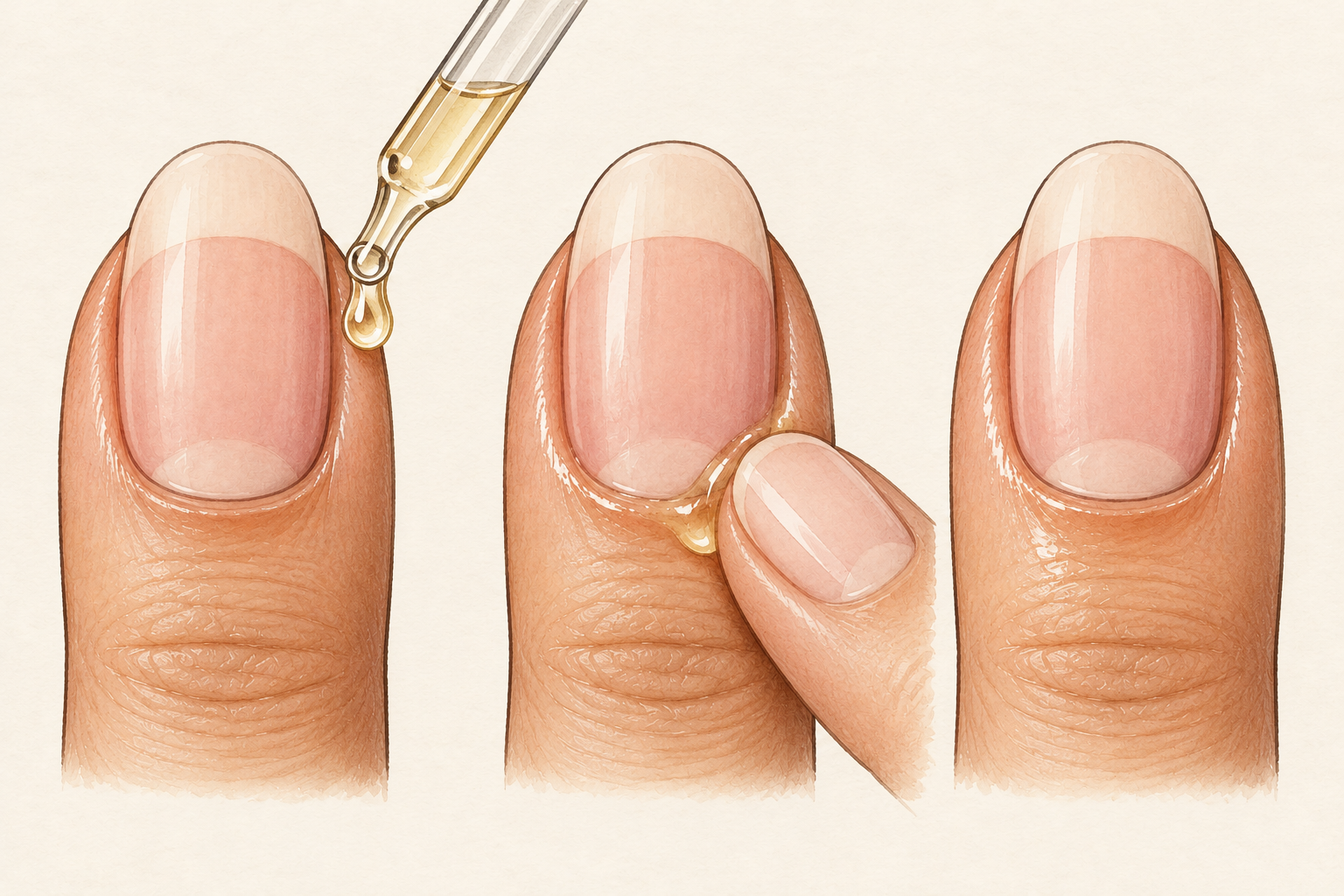
Put one drop on each nail before bed and massage it in for ten seconds. Oil keeps the skin around the nail soft and lets the nail bend instead of snapping. A little goes a long way, and your nails will look glossy even when they are bare. Keep the bottle by your bed so you never forget, and rub any leftover oil into your hands. It is the smallest step on this list, and the one you will notice most when you skip it. Rubbing the oil into the skin around the nail, and not only on the nail, brings the soft look to the whole fingertip. Skipping the oil is easy, so start with nail care as the bigger routine to keep in mind.
9. File in one direction, not back and forth
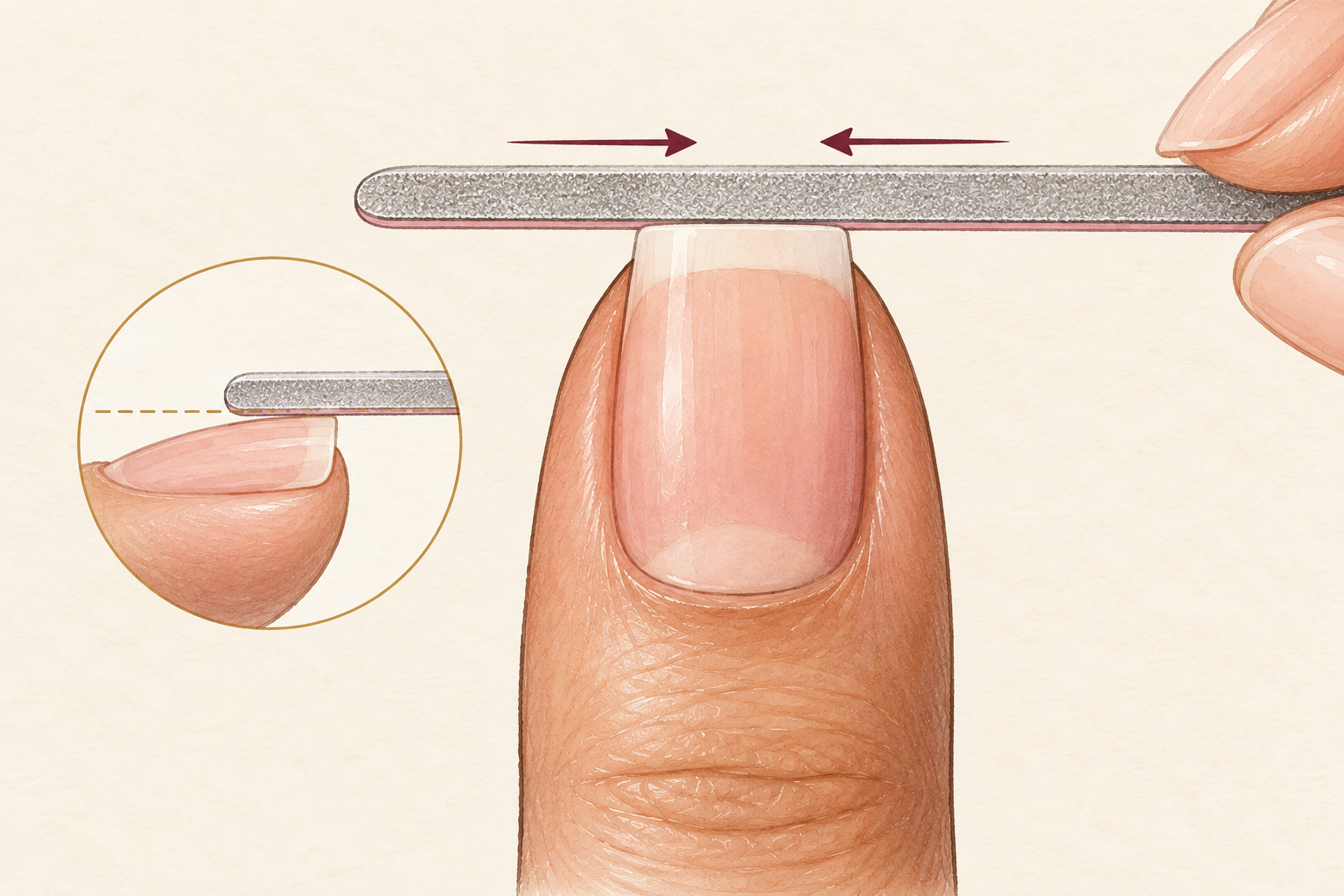
Glide the file from the outside edge toward the middle, never sawing. Sawing tears the layers apart and leaves a rough edge, and that edge is where peeling starts. Hold the file almost flat against the tip. Two or three light passes per side are plenty, and a glass or fine file is gentlest. A scraping sound means you are pressing too hard. Finish by running a fingertip over each edge, and if it catches, file once more. A freshly filed edge is smooth enough to catch on nothing.
10. Ease the cuticles back, never cut them
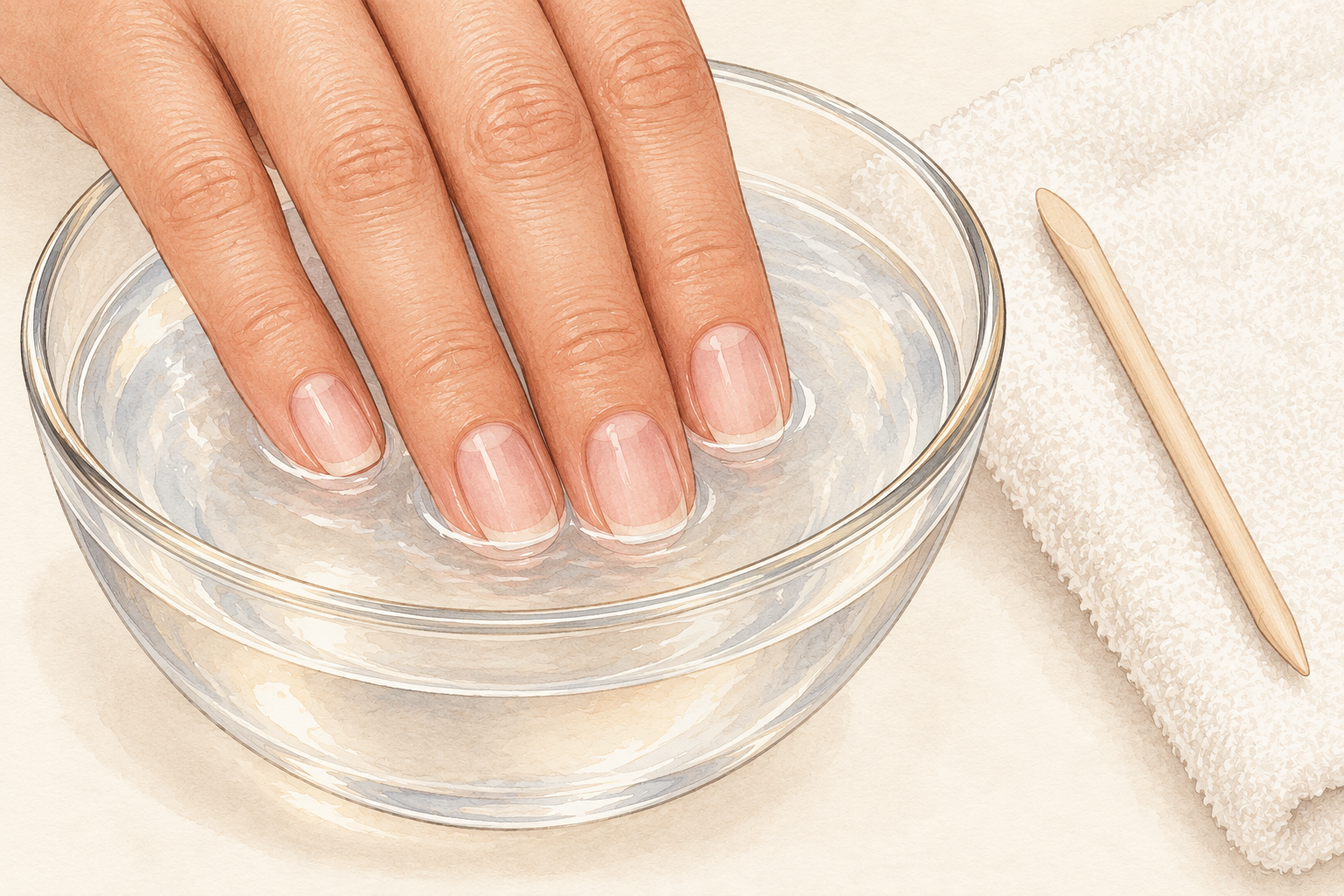
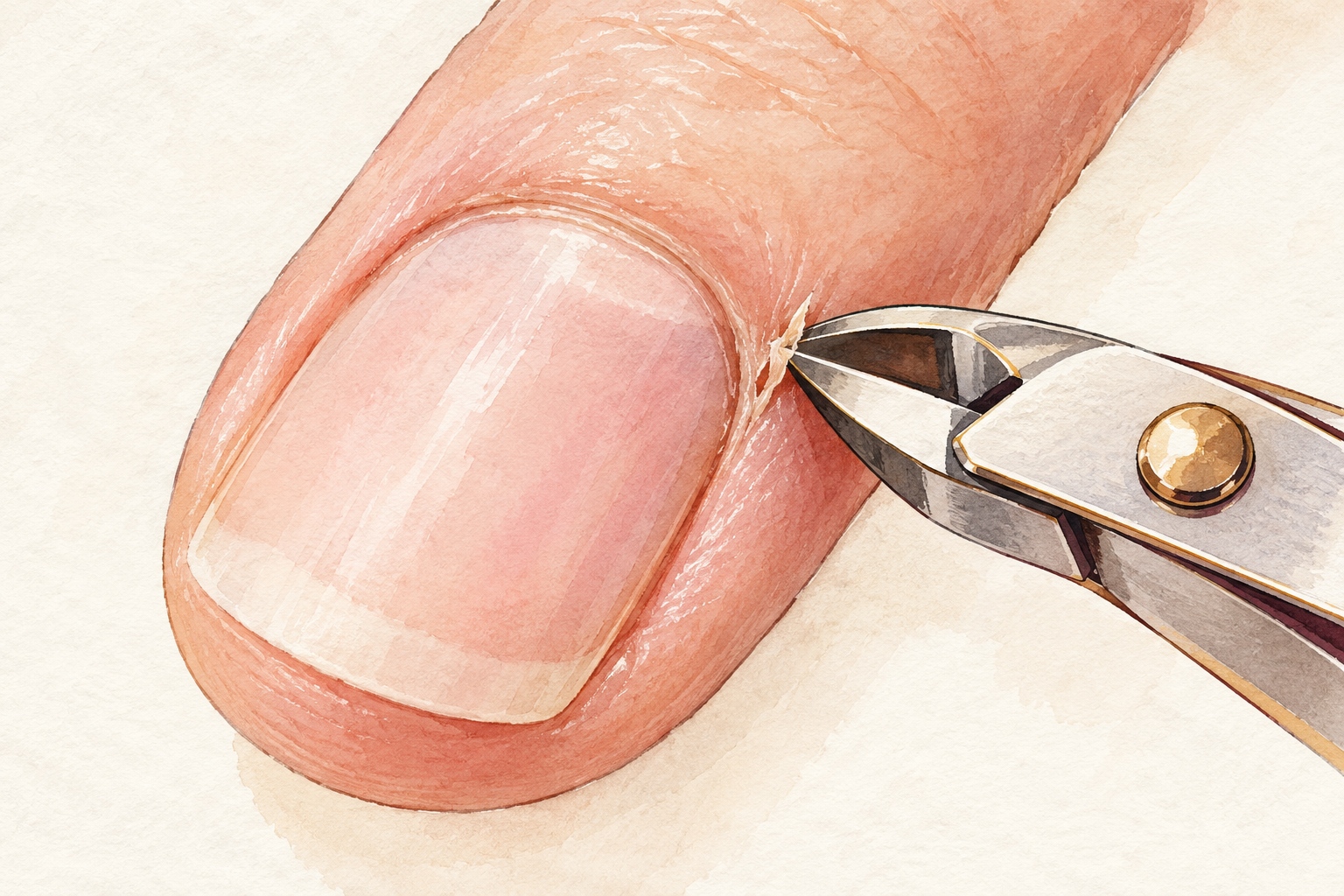
Soak your fingertips for three minutes, then nudge the skin back with a wooden stick. Cutting the cuticle removes the seal that protects the nail, and the skin grows back harder. Push only the dead, loose skin, and stop if it tugs. Do this once or twice a week, not daily. Dry your hands well afterwards and add oil. Trim only a loose hangnail with sharp clippers rather than tearing it. You will see more nail, and the skin around it will look tidier. Skip the hard rim of skin at the base, which is part of the seal.
11. Seal in moisture with cream and a night routine
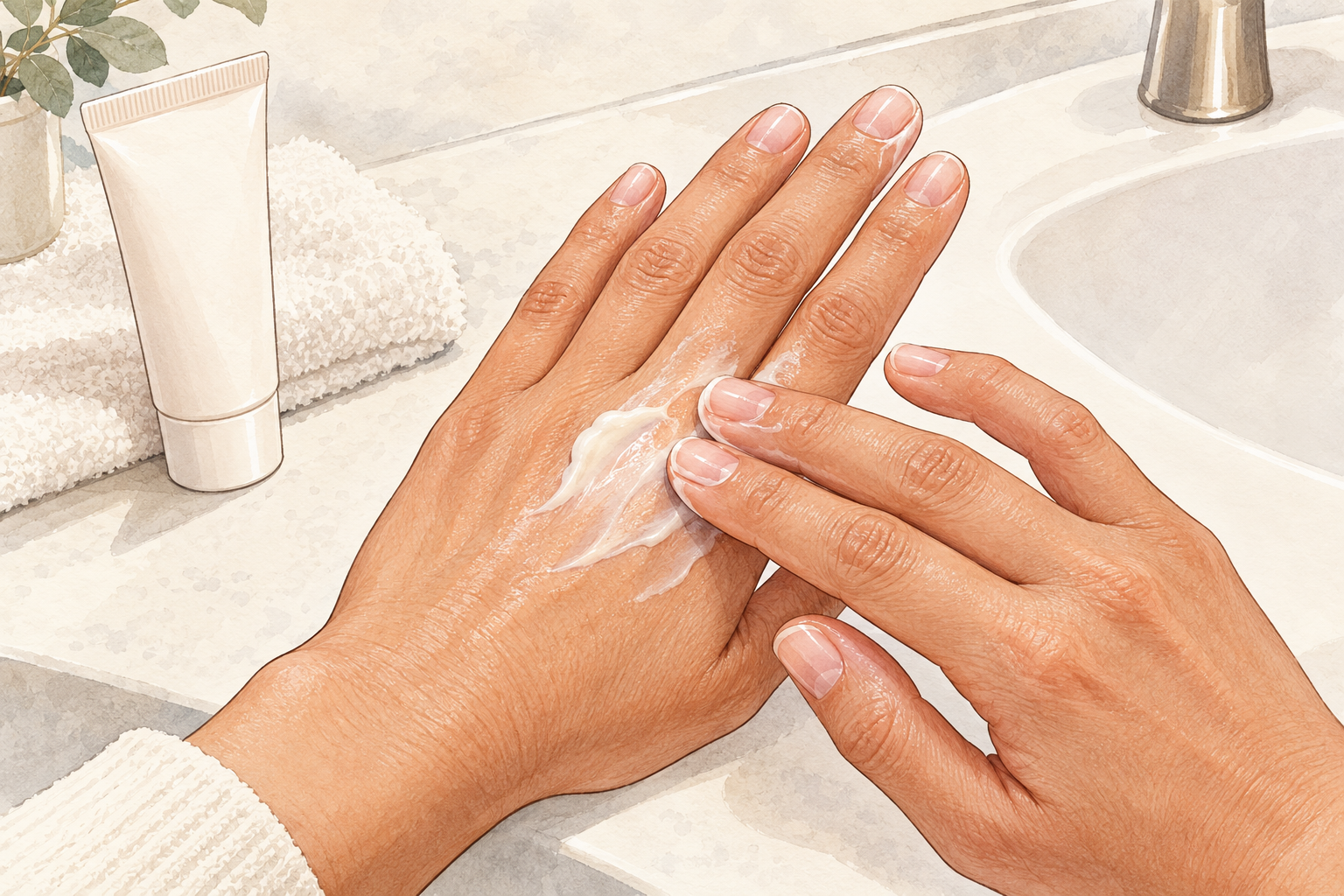
Rub hand cream into each nail and cuticle after every wash and again before bed. Water and cleaners pull moisture out, and cream puts it back. Choose one that feels rich but not greasy, so you will actually use it. For a weekly treat, put on a thick layer, slip on cotton gloves and sleep in them. You wake up with softer skin and nails that bend instead of snap. Keep a small tube in your bag and another by every sink. Pick one scent you like, so the routine feels like a treat and not a chore.
12. Judge your progress at the cuticle
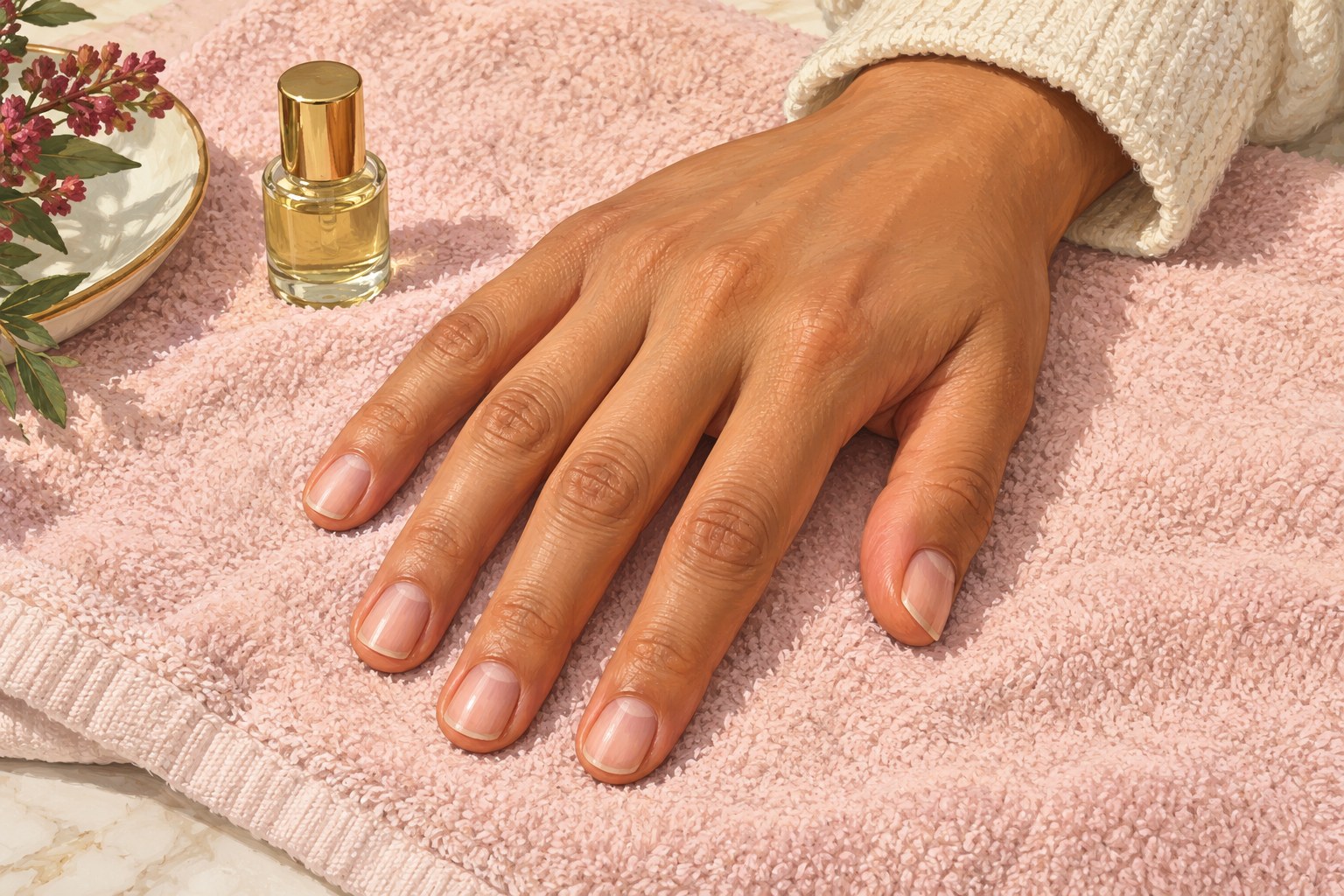
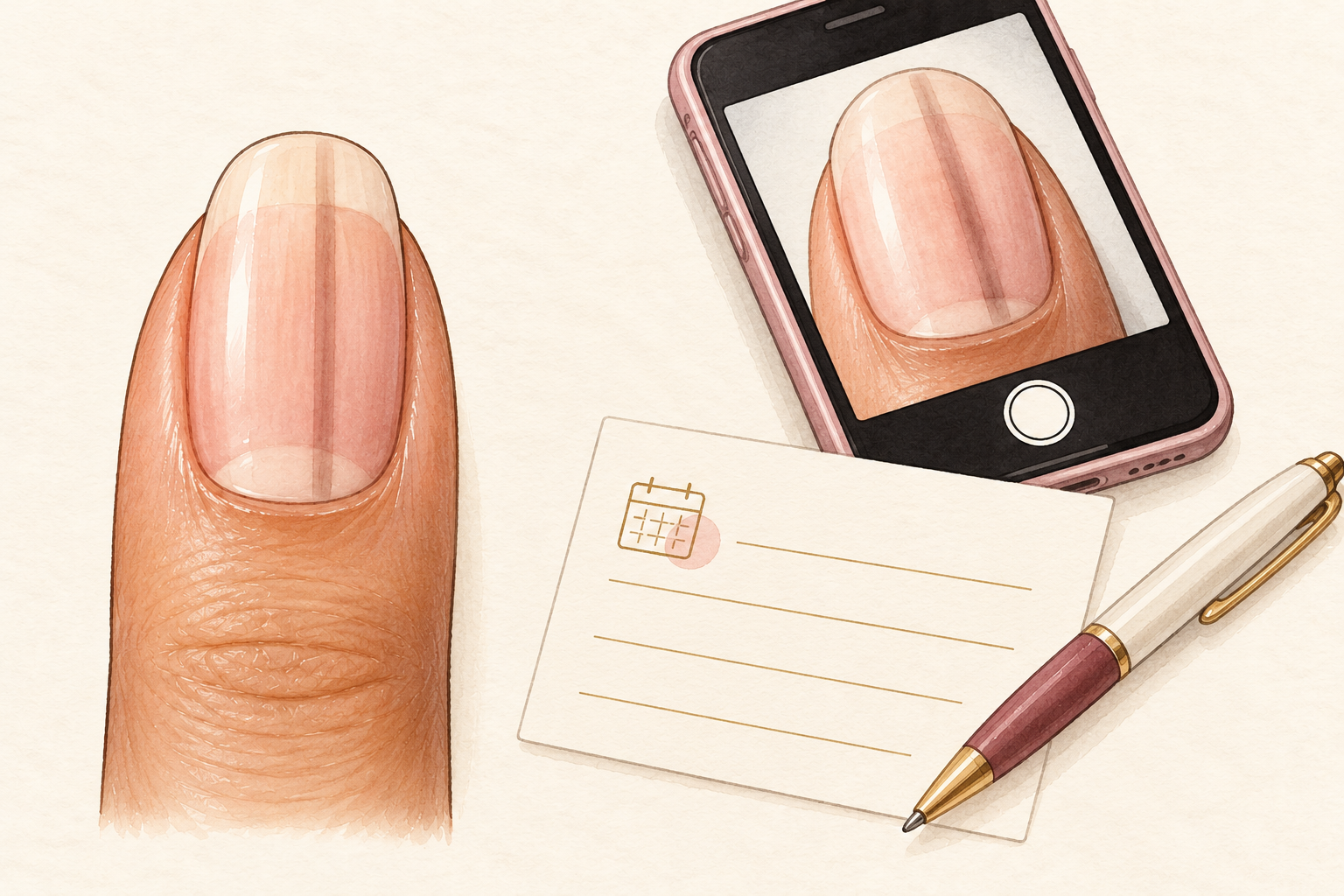
Look at the new growth near your cuticle, because that is your real test. A nail that is already damaged does not repair itself, it grows out. Fingernails take around four to six months to grow out fully, so be patient. In the first two weeks you will mostly notice softer skin. By week four there should be fewer breaks, and by week eight your new growth should look smoother and stronger. Take a photo today, so you can compare, and be kind if you miss a day. Photograph both hands in the same window light each time, since these nail care tips work slowly and day two will fool you.
Complete the Routine: Nail Care Tips to Keep Doing
Tonight, hang a pair of gloves on the tap and put cuticle oil by your bed. Nobody gets every habit right on the first try, and your nails will forgive a slip or two. When you are ready for more, the guides below pick up where this one leaves off.