You pull the brush out of your hair and find a fan of short, snapped pieces in the bristles, and your ponytail feels thinner than it did last spring. Hair breakage is easier to trace than it looks, because nearly all of it comes from the brush, the towel, the tie and the dryer. Here are 12 fixes, so start at number one tonight.
1. Tell breakage from shedding
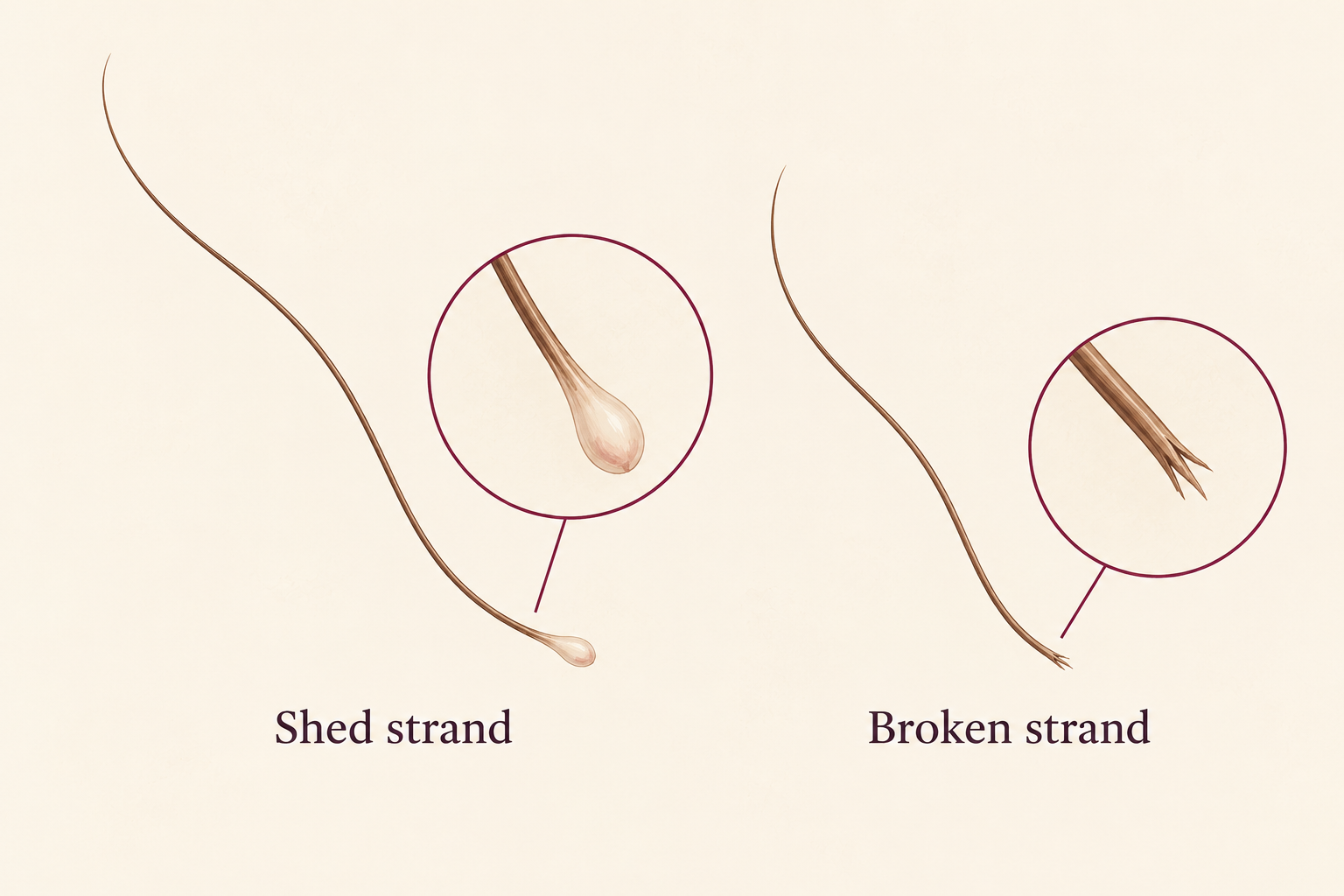
Pick up a fallen hair and look at both ends. A shed hair is long and has a tiny white bulb at one end. A broken hair is short, with no bulb, and often has a split or rough tip. Count what you find in the brush after a week: a few long hairs a day is normal, but a pile of short pieces means breakage. This quick check tells you whether you are fixing a handling problem or something else. If most of what you find is short and bulbless, you are dealing with hair breakage, and the rest of this list is for you.
2. Find where it breaks on your head
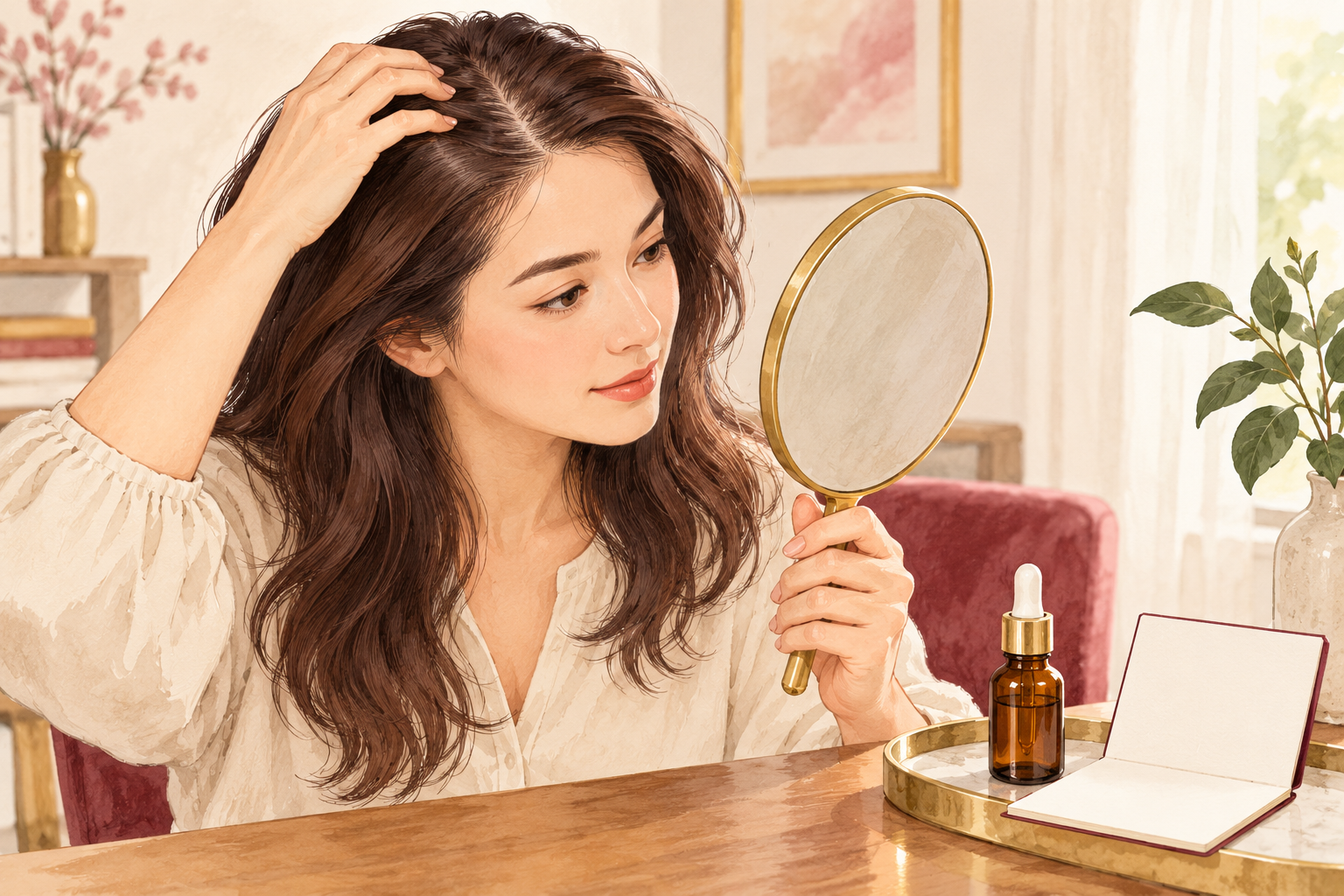
Run your fingers over your hair and feel for short, rough, uneven spots. Pieces around the hairline and crown often come from tight styles or constant touching. Breakage at the nape comes from collars, scarves and rough pillows. Snapped ends all over point to heat or color. Mid length breakage, about shoulder height, often comes from brushing and towel rubbing. Note the worst spot, because that is where to begin. Check again in four weeks to see whether it has moved or settled down. Take a quick photo of that spot so you can see change later.
3. Handle wet hair like wet silk
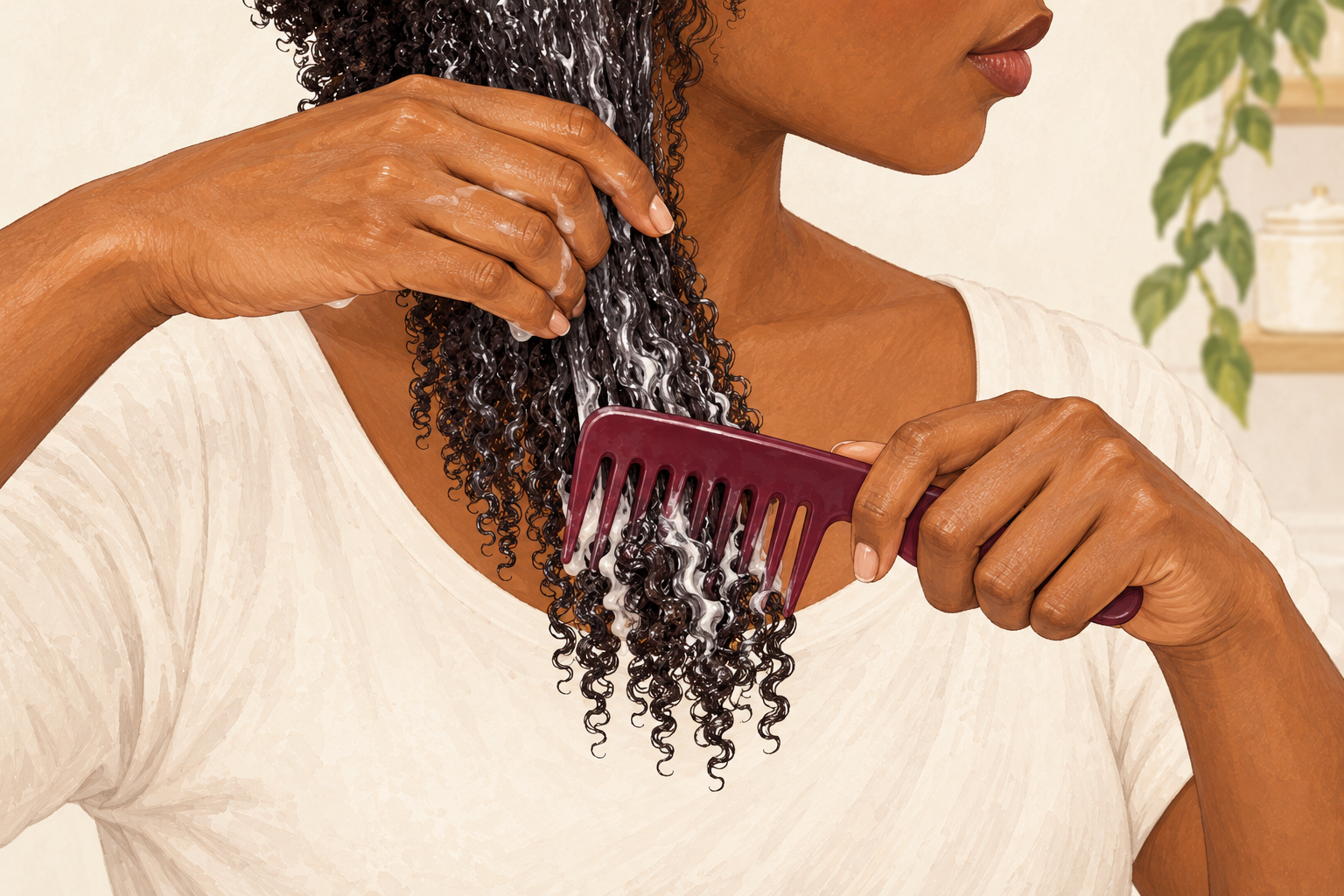
Wait until your hair is mostly dry before you brush it, or detangle it wet with conditioner on. Wet hair stretches and snaps far more easily than dry hair. Use a wide tooth comb or your fingers, starting at the ends and working up in small sections. Never drag a brush from the roots down through knots. If a knot resists, stop and add more conditioner. Do it in the shower, where there is the most slip. You will lose far fewer hairs on the comb within two weeks. Think of it as the kindest moment in your whole routine, because the conditioner does the work for you.
4. Brush dry hair from the ends up
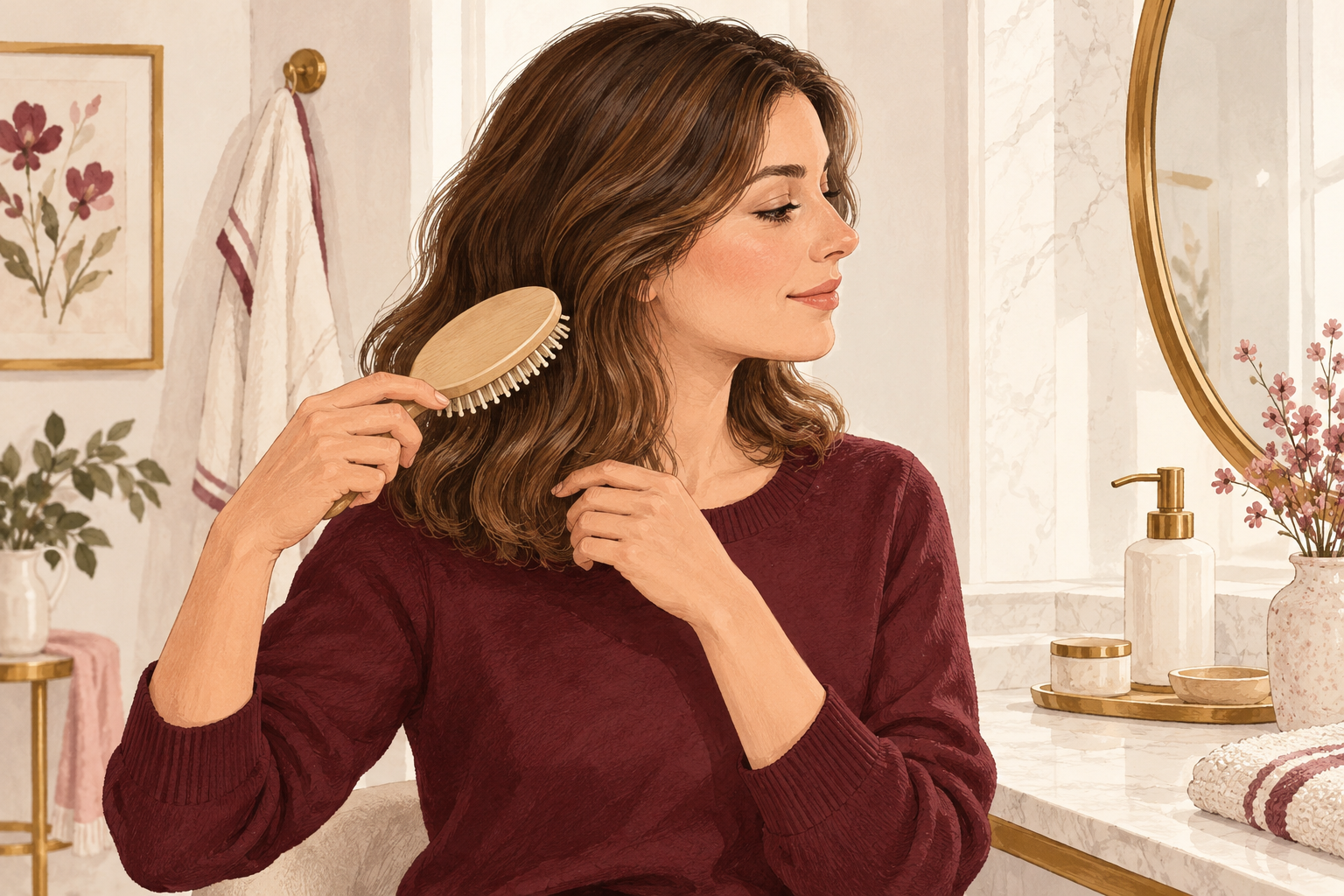
Hold a section in one hand and brush the last few inches first, then work upward. Starting at the roots pushes every knot into one big tangle, and then the brush has to rip through it. Use a soft brush with rounded tips and a gentle hand. A few minutes in the morning spreads your natural oils down the strand, which keeps it flexible. Clean the brush weekly and pull out the trapped hair. Stop brushing the moment you feel a tug, and ease the knot with your fingers. Use gentle strokes about the length of your hand, and pause to hold the root with your other fingers so the scalp is not tugged.
5. Stop rubbing with a rough towel
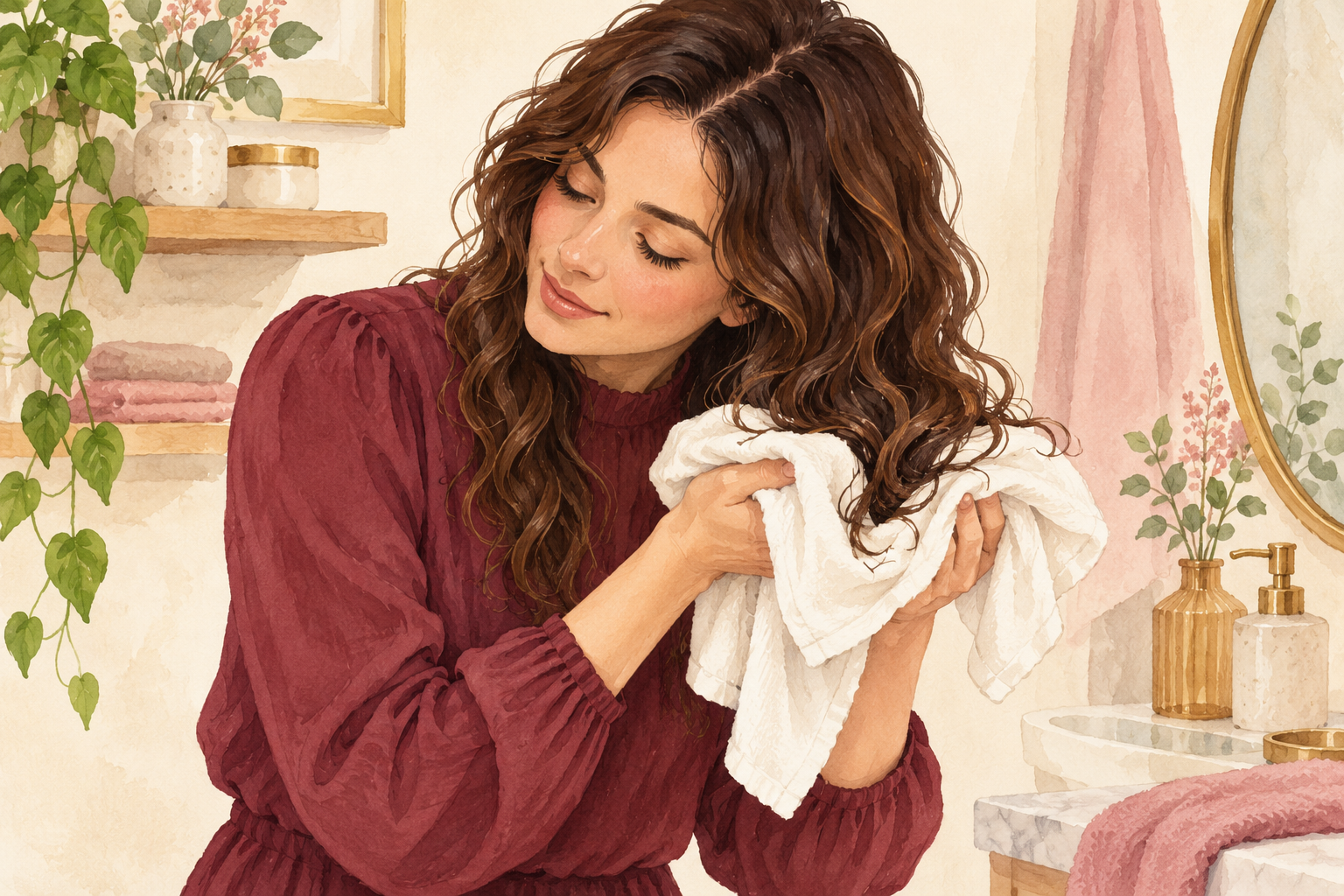
Squeeze your hair gently in an old soft t shirt or a microfiber towel, and never twist it into a turban. Rubbing roughs up the outer layer of every strand and snaps the weak ones. Press and scrunch for a minute, then leave the rest to air dry. If you wrap your hair, keep the wrap loose. A towel turban left on for an hour tugs at the roots, too. Your hair should feel damp but no longer dripping before you add products. This alone calms frizz in a week. Keep one shirt just for hair, and wash it often.
6. Loosen the tie and swap the elastic
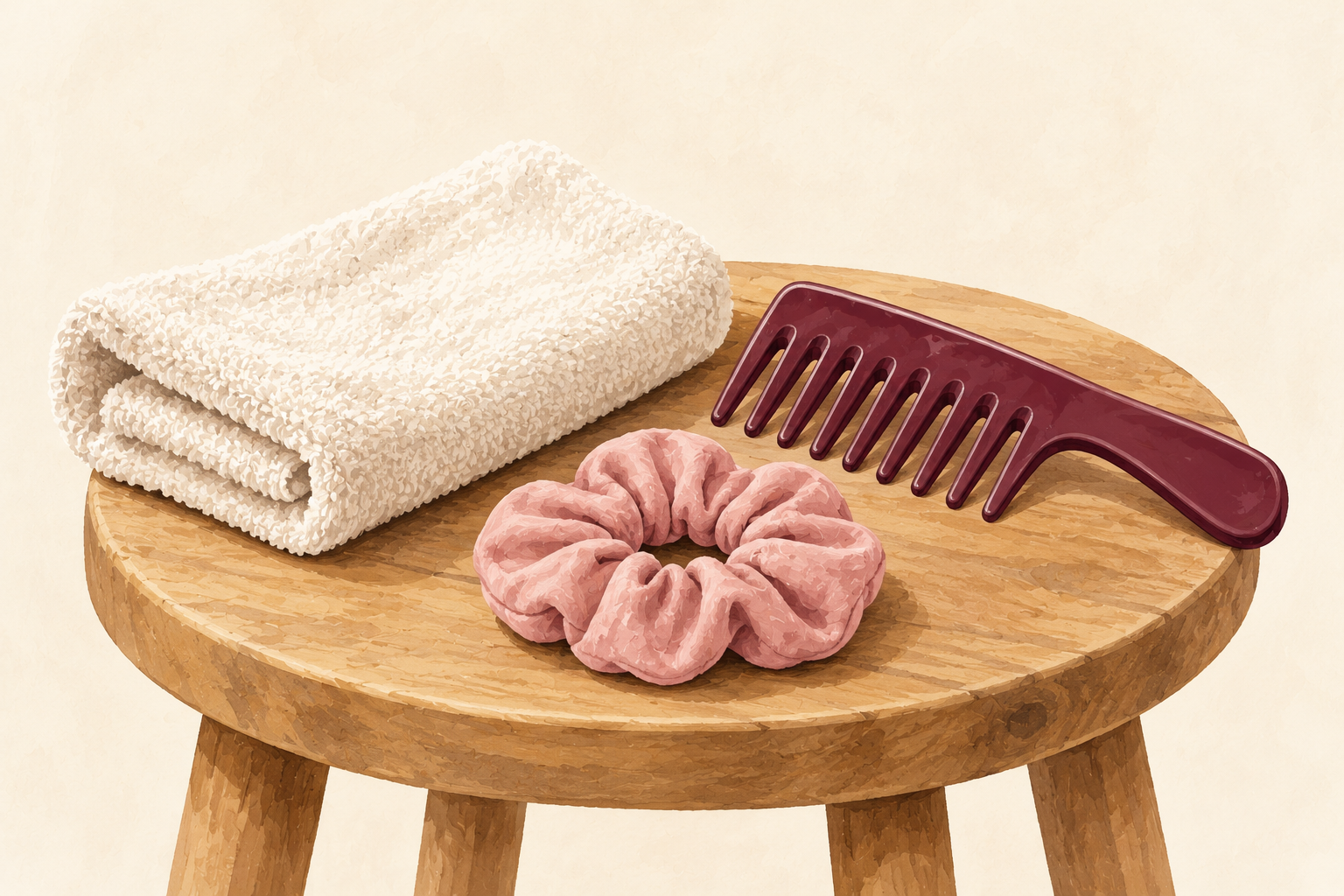
Choose a soft scrunchie or a spiral tie, and shift your ponytail up or down each day. Thin elastics with metal clasps snap the strand where they sit. A tight ponytail also pulls on the hairline, which is where many people see thinning first. If your scalp feels sore at the end of the day, your style is too tight. Try a loose braid or a low bun on your office days. Never sleep in a tight style. Give the same spot a rest for a few days at a time. Test a new tie by wrapping it once round your hand, and if it pinches your skin, it will pinch your hair.
7. Turn the heat down
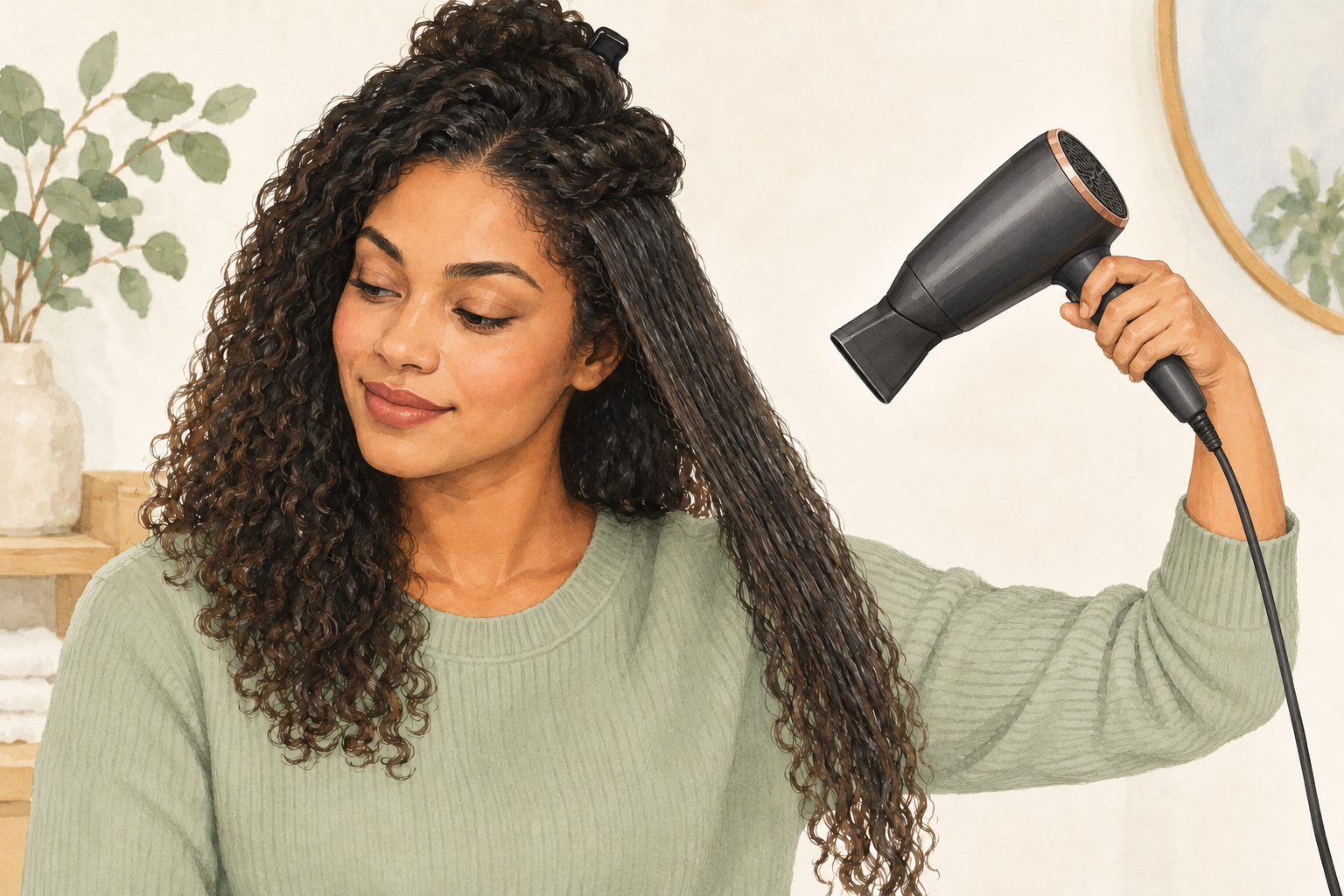
Dry on a low or medium setting, keep the dryer a hand’s length away and keep it moving. Hot air bakes the moisture out of the strand until it turns brittle. Let your hair air dry until about eighty percent dry before you use any heat. Flat irons and curling wands should stay below the highest setting, and never go over the same section twice. Use a heat protectant on damp hair first. If you must straighten, do it once a week and not daily. Hold the dryer still on any one patch and you can scorch it in seconds, so keep the air moving.
8. Trim the ends that keep splitting
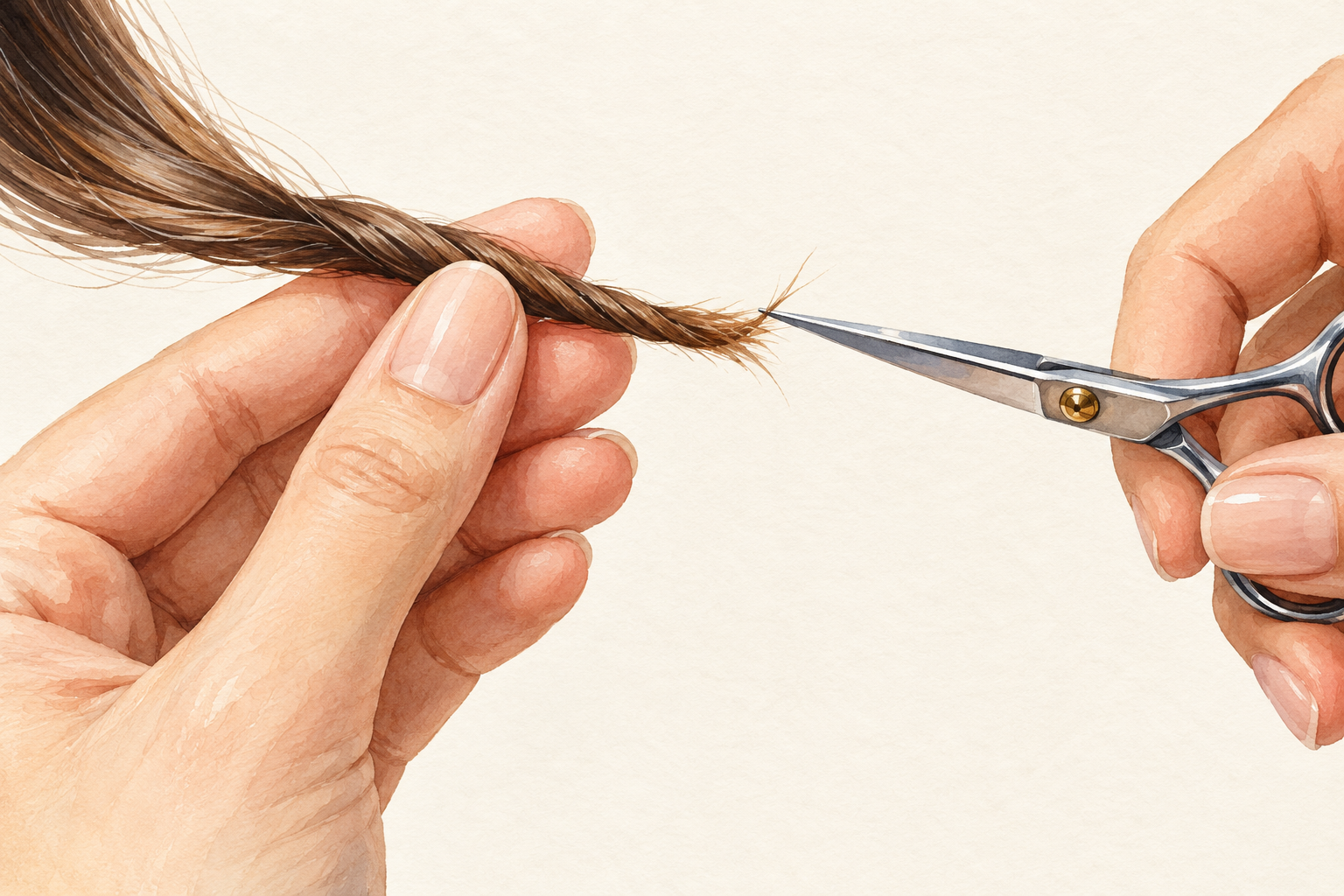
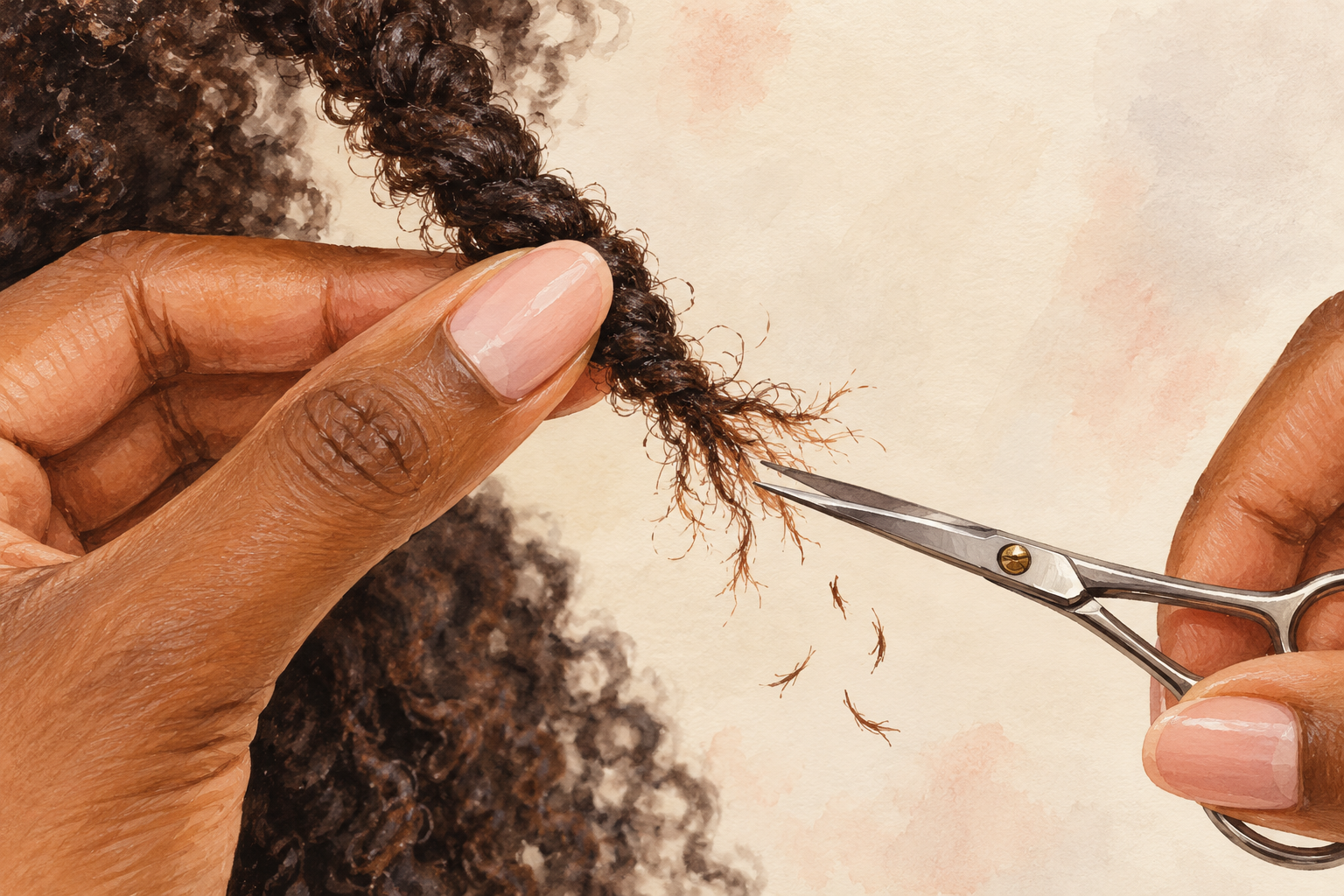
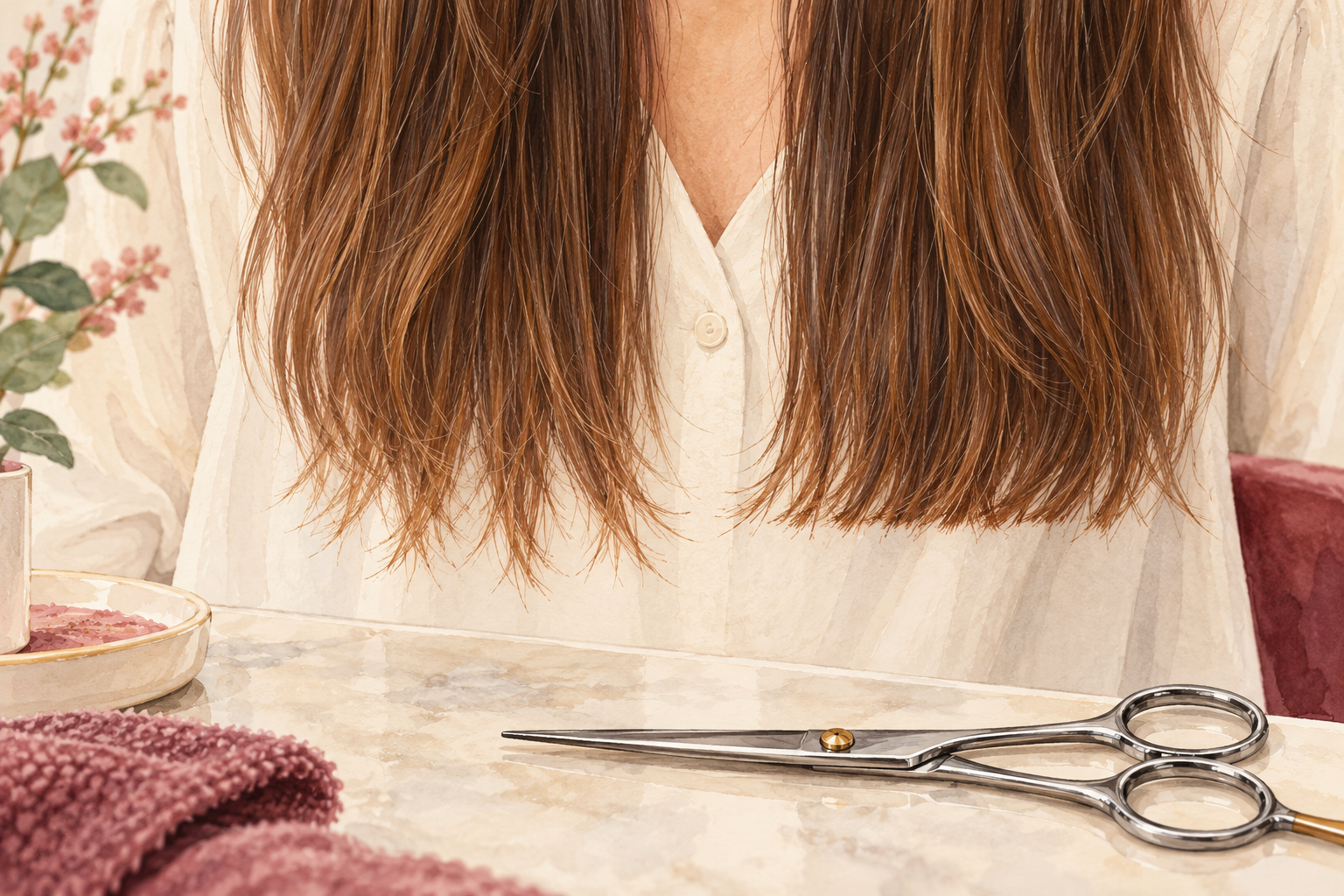
Book a small trim every eight to twelve weeks, taking off about half an inch. Split ends travel up the strand like a run in tights, and one split turns into a longer break. A trim stops the split before it climbs. It will not make hair grow faster, but it keeps the length you have from snapping off. Snip only the damaged part, not a big chop. Dusting the ends yourself with sharp small scissors is fine, if you cut in tiny steps. Ask for a dusting, not a cut, and take a photo of your ends before and after.
9. Deep condition once a week
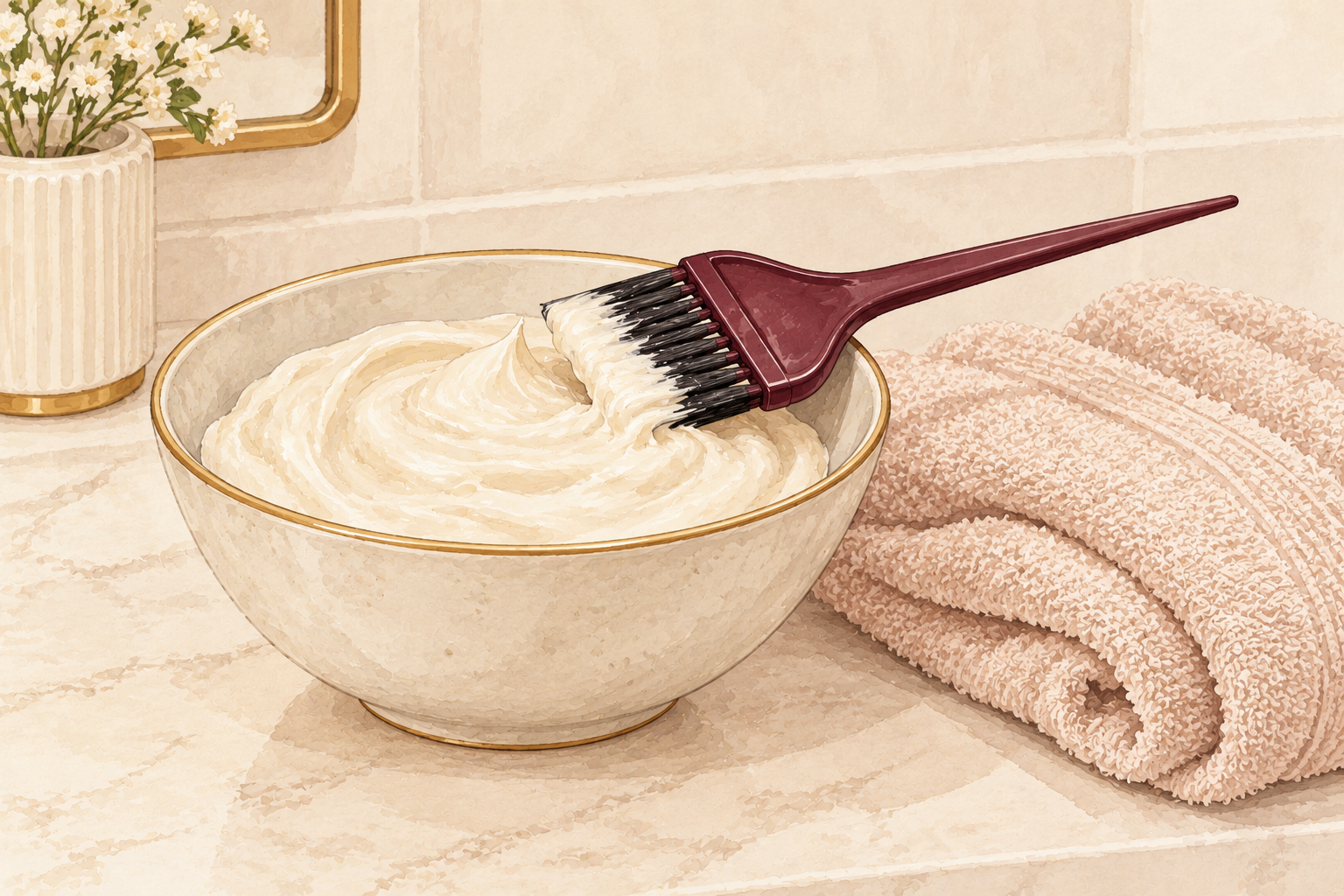
Smooth a rich conditioner or mask through damp hair, cover it with a shower cap and leave it for fifteen to twenty minutes. Moisture makes the strand bend instead of snap. A warm towel over the cap helps it soak in. Rinse well so nothing is left to weigh your hair down. Do this weekly for a month and you will likely notice softer ends and fewer snapped pieces. If your hair starts to feel limp or stretchy, you are ready for step ten. A teaspoon of honey stirred into the conditioner adds a little softness and rinses out easily.
10. Test the stretch and add protein only if needed
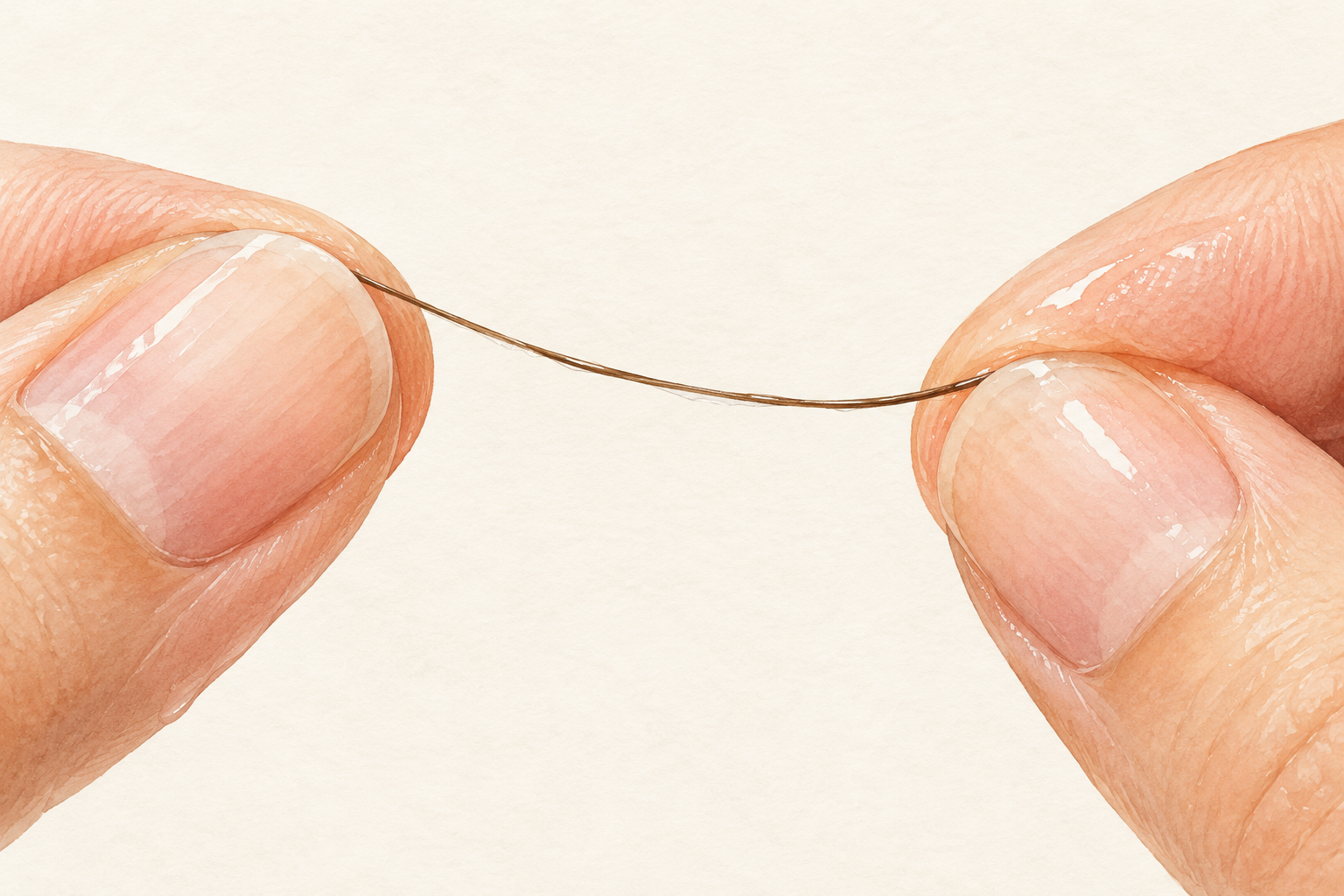
Stretch one wet shed strand very gently, then let go. If it snaps right away, it needs more moisture. If it stretches like gum and does not spring back, a light protein treatment can help. Use protein once, rinse, then follow with a moisturizing conditioner. Too much protein leaves hair stiff and straw like, so stop at once if it feels crunchy. Most hair needs moisture as the main plan and protein as an occasional extra, maybe once a month. Check one strand per wash day for a few weeks, and let the pattern guide how often you use protein.
11. Protect your hair at night
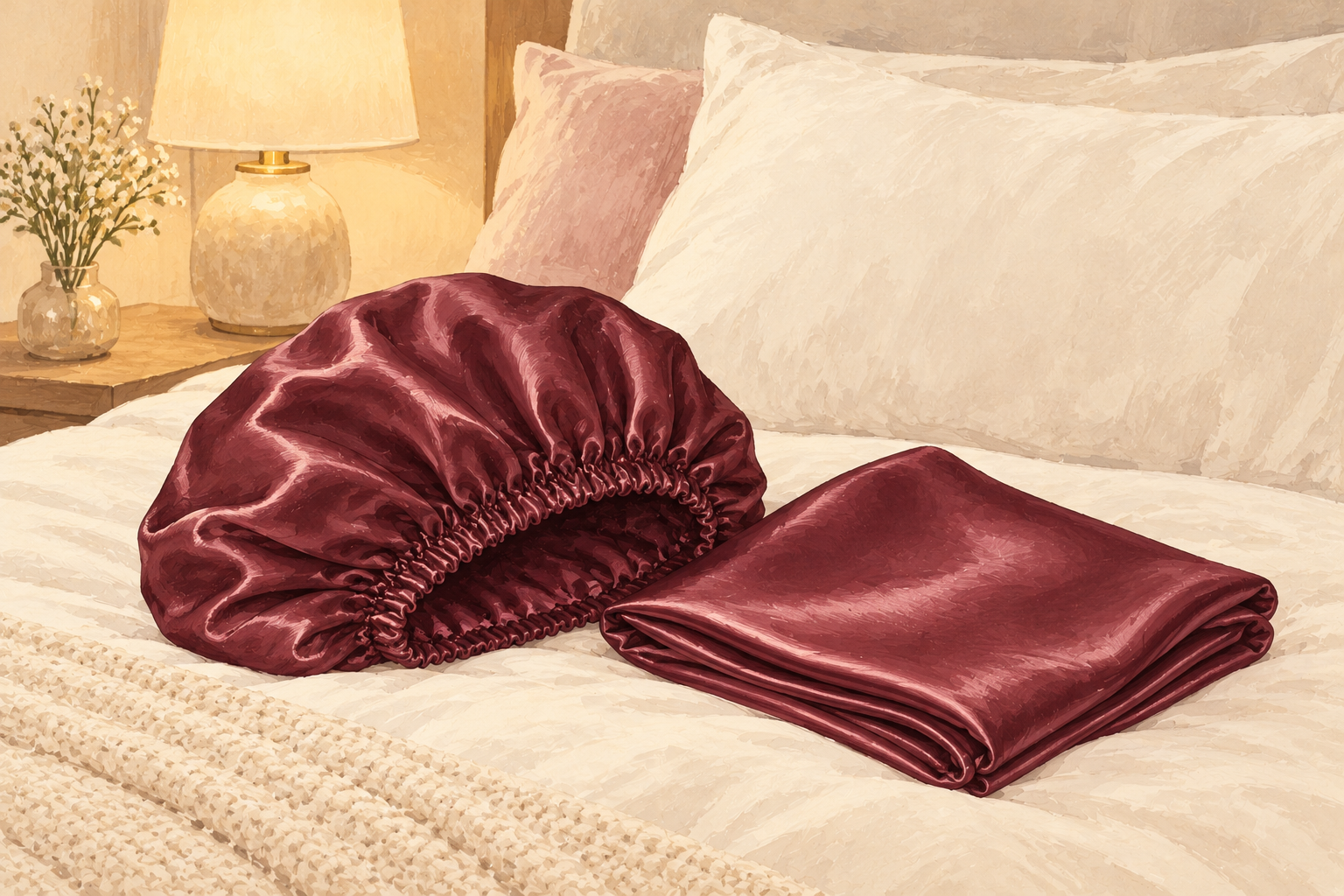
Sleep on a satin pillowcase or in a loose satin bonnet, with your hair in a loose braid or pineapple. Cotton pulls moisture out of your strands and catches on them as you turn. A loose style keeps friction down. Avoid sleeping with wet hair, which stretches and snaps. Tie your scarf loosely so it does not press into the hairline. Wash your pillowcase every week. Many girls notice less frizz and fewer short hairs on the pillow within a few weeks of this swap. A cotton pillowcase left on the bed is the quiet culprit for many people.
12. Know what four and eight weeks look like
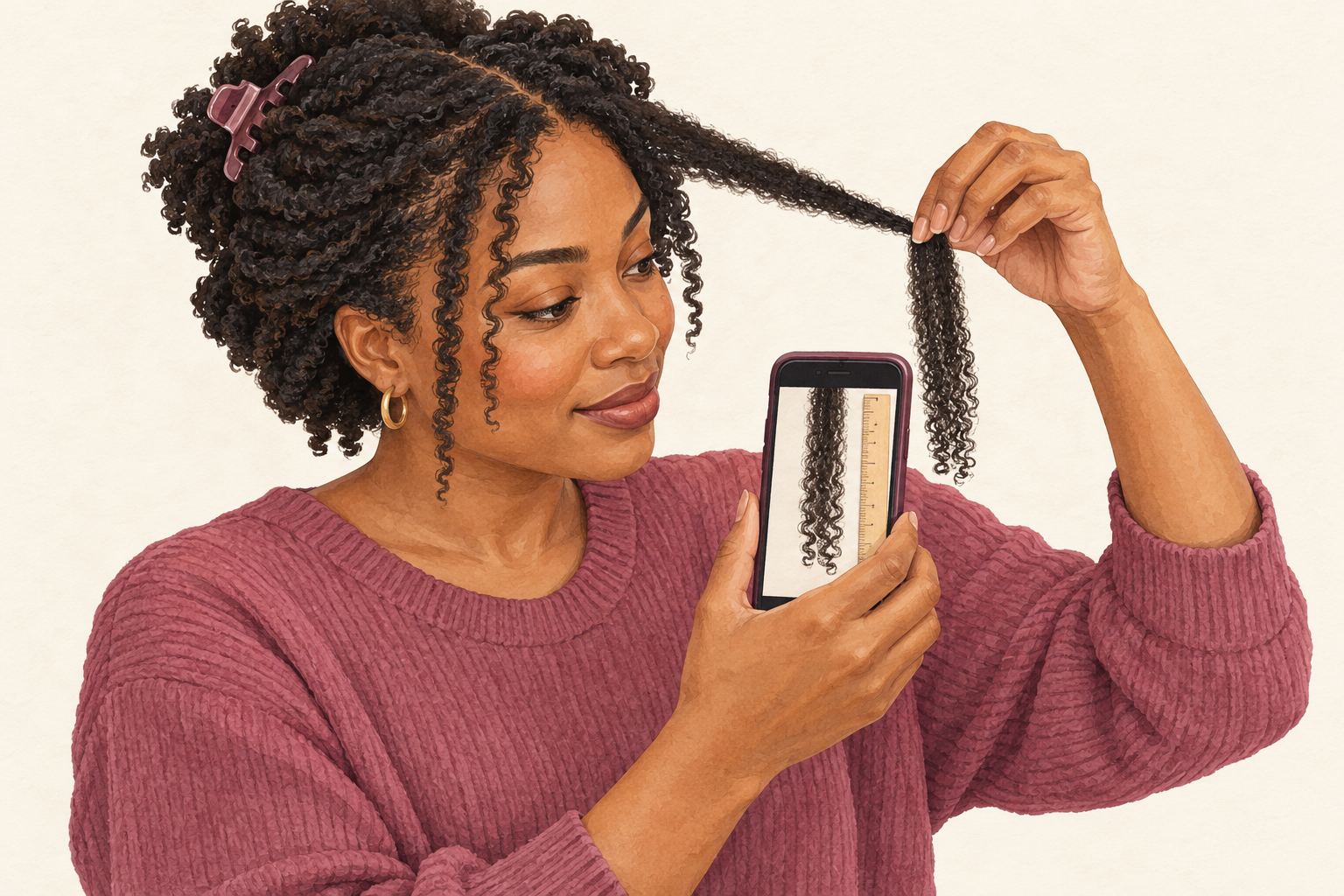
Take a photo of your ends today and again at week four and week eight. In the first two weeks you will mostly notice less in the brush and softer ends. By week four there should be fewer short hairs on your clothes. By week eight, new growth at the roots should look strong. Broken pieces do not mend, so the damage you already have will grow out or get trimmed. Stay steady even if one week looks worse. Hair recovers in slow stages, not overnight. Keep up the gentle handling every day, because hair breakage returns quickly when old habits creep back.
Complete the Routine: Hair Breakage Fixes That Last
Tonight, swap your tie for a scrunchie and detangle from the ends with conditioner in. For more help, read damaged hair repair and hair mask for damaged hair.