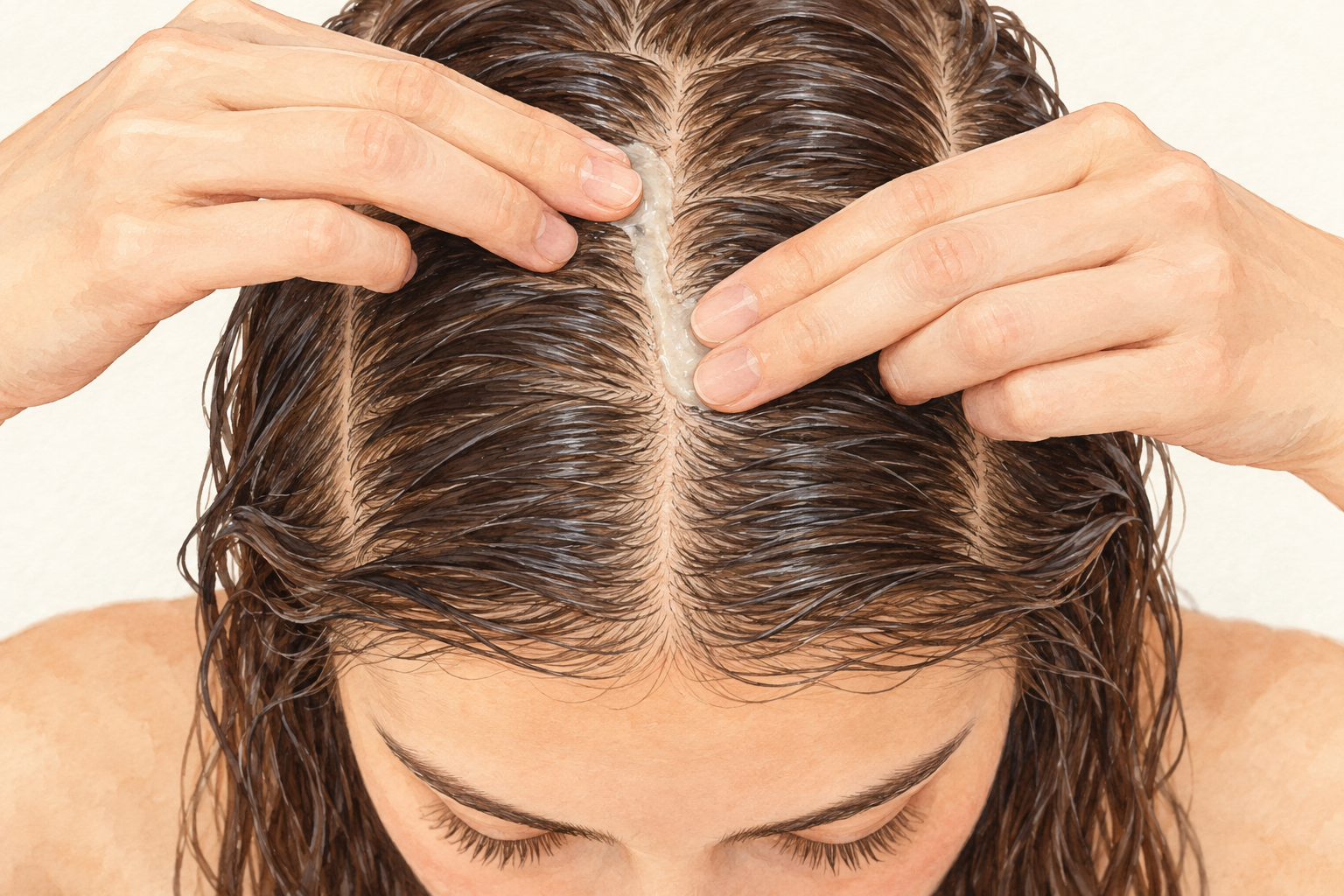
You step out of the shower and your hair feels like straw again, even though you conditioned it. The ends are rough, the length is dull, and the jar on your shelf has changed nothing. A hair mask for dry hair can help, but only when the formula, the amount and the time on your head all suit your strands. Here are 12 rules, so start at number one tonight.
1. Know what a mask does that conditioner does not
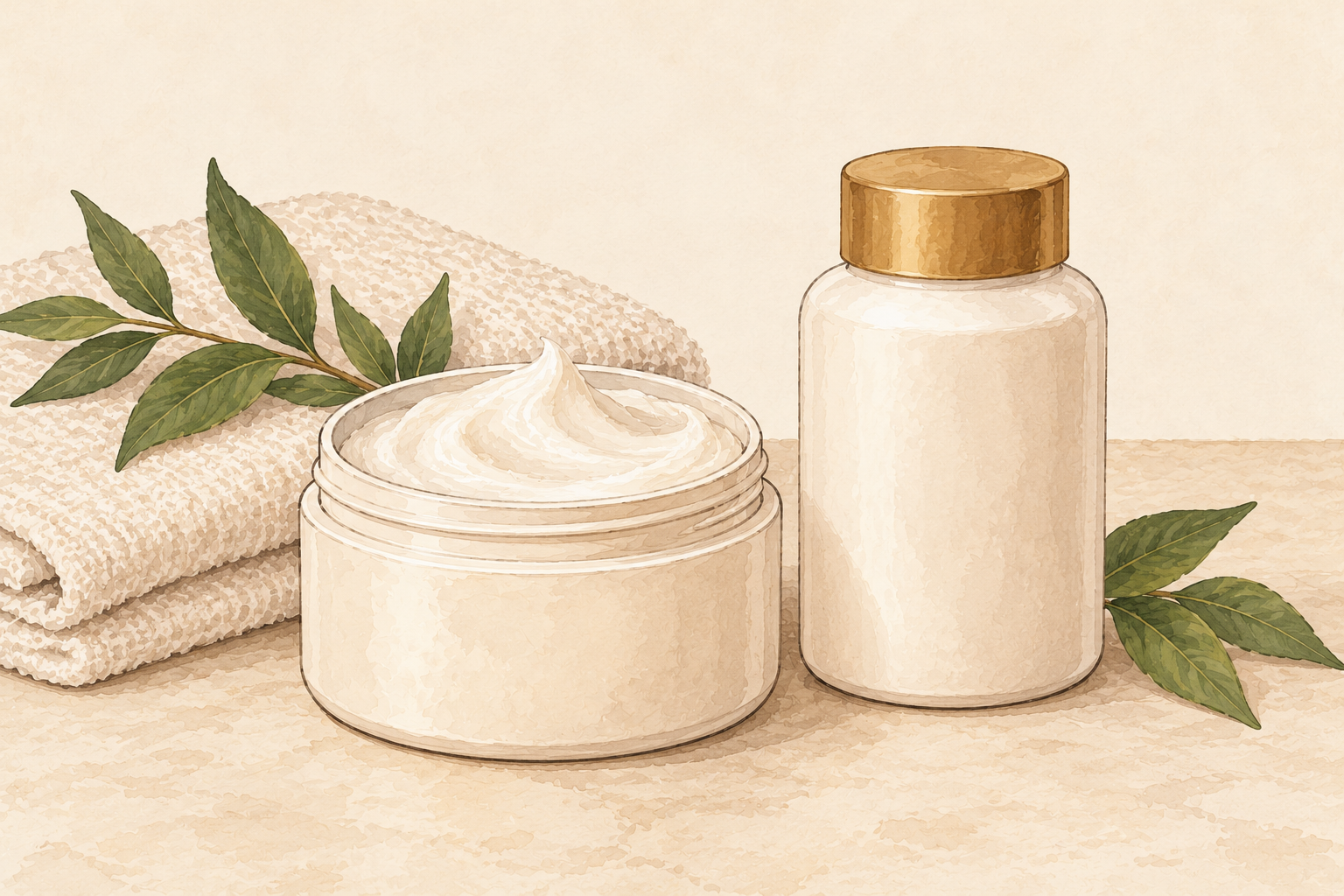
Think of conditioner as a quick smooth and a mask as a long drink. Conditioner coats the outside of the strand for a minute or two, while a mask is thicker and sits longer so more of it settles in. That is why a mask suits hair that stays dry even after a normal conditioner. You do not need one every wash. Once a week is plenty for most heads, and sometimes you can swap it for your normal conditioner. A good mask feels rich between your fingers, not watery or slippery. You will feel the difference most on the ends, which are the oldest and driest part.
2. Read the first five ingredients
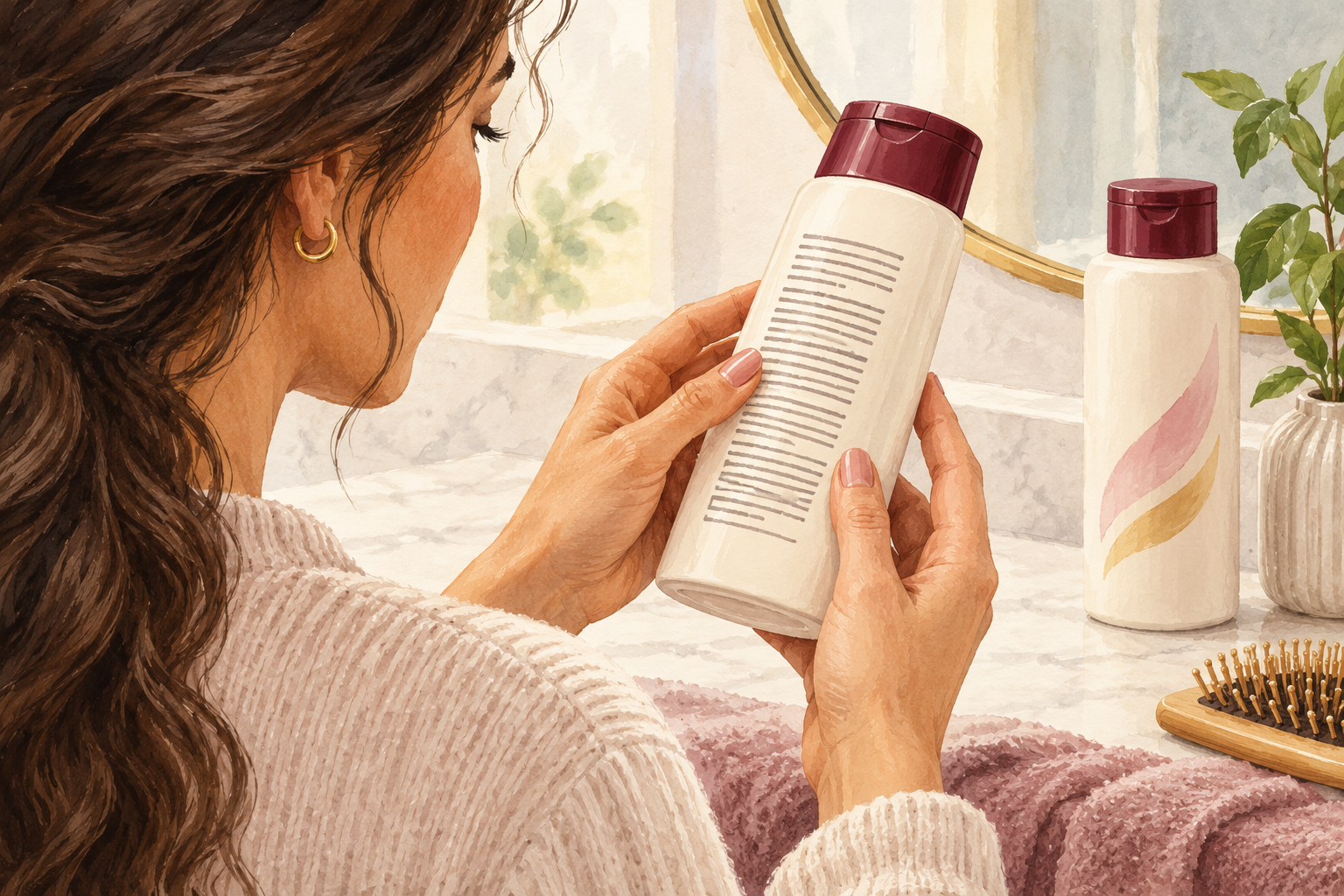
Look for water, then something rich like shea butter, a plant oil or a fatty alcohol near the top. Those are the ingredients that soften and hold moisture. Words like glycerin and aloe also draw water in. Scan for a gentle, fragrance light formula if your scalp is sensitive. If the label opens with a long list of waxes and silicones, that is mostly coating and not feeding. You do not need a fancy label, only a good first five. Skip any mask that smells strongly of alcohol, because that can dry you out more. Take a photo of the ingredient list on your phone so you can compare two jars side by side.
3. Match the weight to your hair

Fine, straight hair does best with a light, creamy mask, while thick, coily hair can take a rich, buttery one. A heavy mask on fine hair leaves it flat and greasy. A light one on thick, dry hair vanishes and does nothing. Try a mask on a small section first to see how it behaves. If the mask makes your hair limp, go lighter next time. If your hair still feels rough after rinsing, go richer. Medium hair sits in the middle, so a medium cream is a good place to start. Your hair can change with the seasons, so a lighter mask in humid months is not unusual.
4. Pick protein or moisture by how your hair behaves
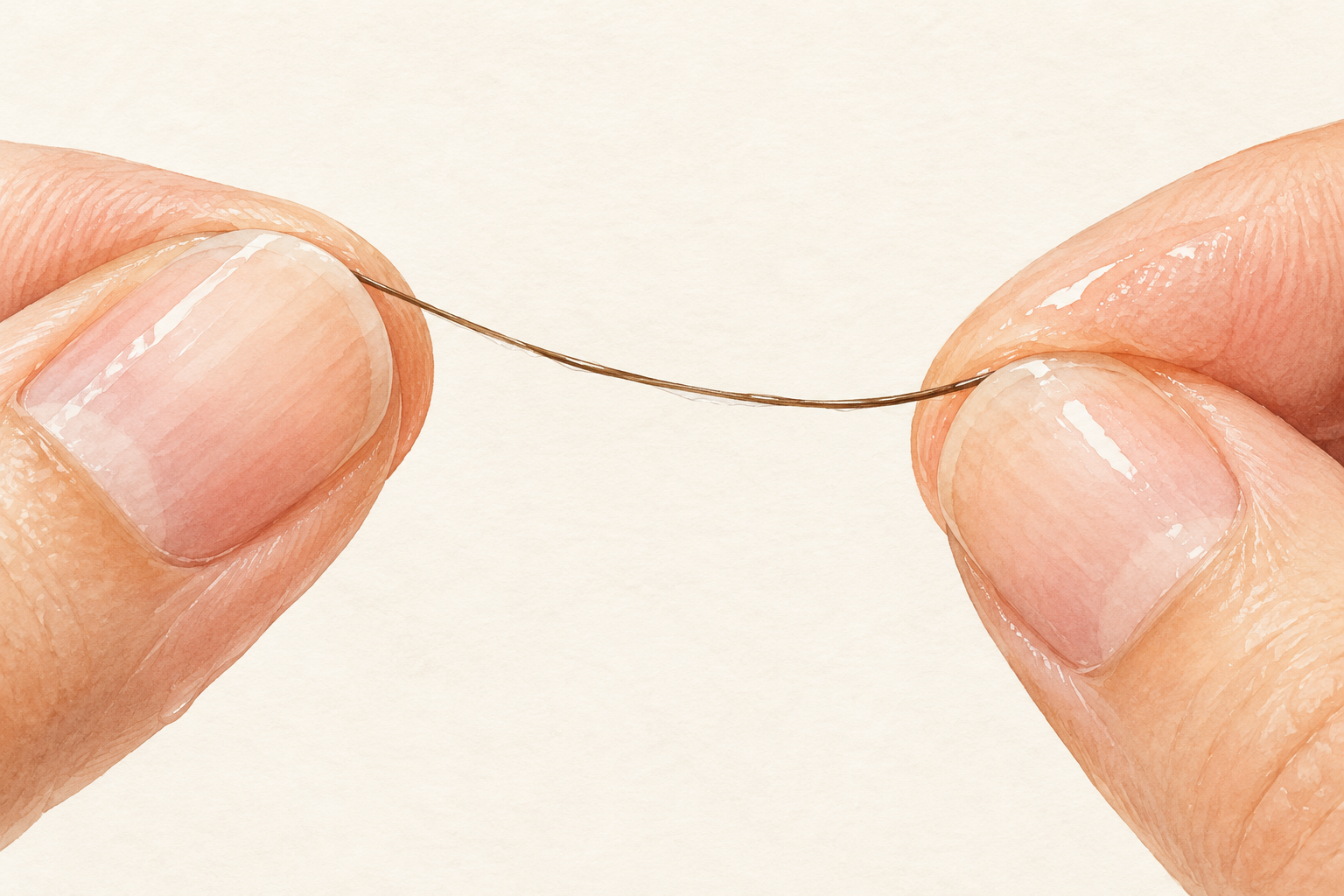
Stretch one wet strand gently, and let go. If it stretches a lot and stays stretched, look for a mask with a little protein. If it snaps quickly, choose a moisture mask with no protein at the top of the list. Most dry hair wants moisture first. Too much protein on dry hair leaves it stiff, like straw, so go slowly. Use the test only on a shed hair, never one you pull out. When you are not sure, buy a plain moisture mask and see how your hair responds. A strand that bounces back halfway is balanced, and a plain moisture mask suits it.
5. Apply it to clean, damp hair in sections

Shampoo first, squeeze out the extra water, and work the mask through in four sections. Damp hair takes the mask in better than dripping or bone dry hair. Use about a palmful for shoulder length hair and more for long or thick hair. Keep it off your scalp unless the label says otherwise, because a heavy mask on the roots can make them greasy. Run a wide tooth comb through each section to spread it evenly. Pay extra attention to the ends, where dry hair is driest. Smoothing with your fingers works as well, and it is the gentlest way.
6. Leave it on for ten to twenty minutes

Set a timer for fifteen minutes and cover your hair with a shower cap. Most masks reach their best in ten to twenty minutes, and leaving them for hours does not add much. Wrap a warm towel around the cap to help it soak in. Check the jar for its own time and follow that if it says less. Spend the minutes doing something calm, like stretching or a podcast. Never sleep in a mask unless the label says it is made for it, because leftovers can weigh hair down overnight. If the cap feels itchy or the mask starts to dry out, rinse early.
7. Rinse with cool or lukewarm water
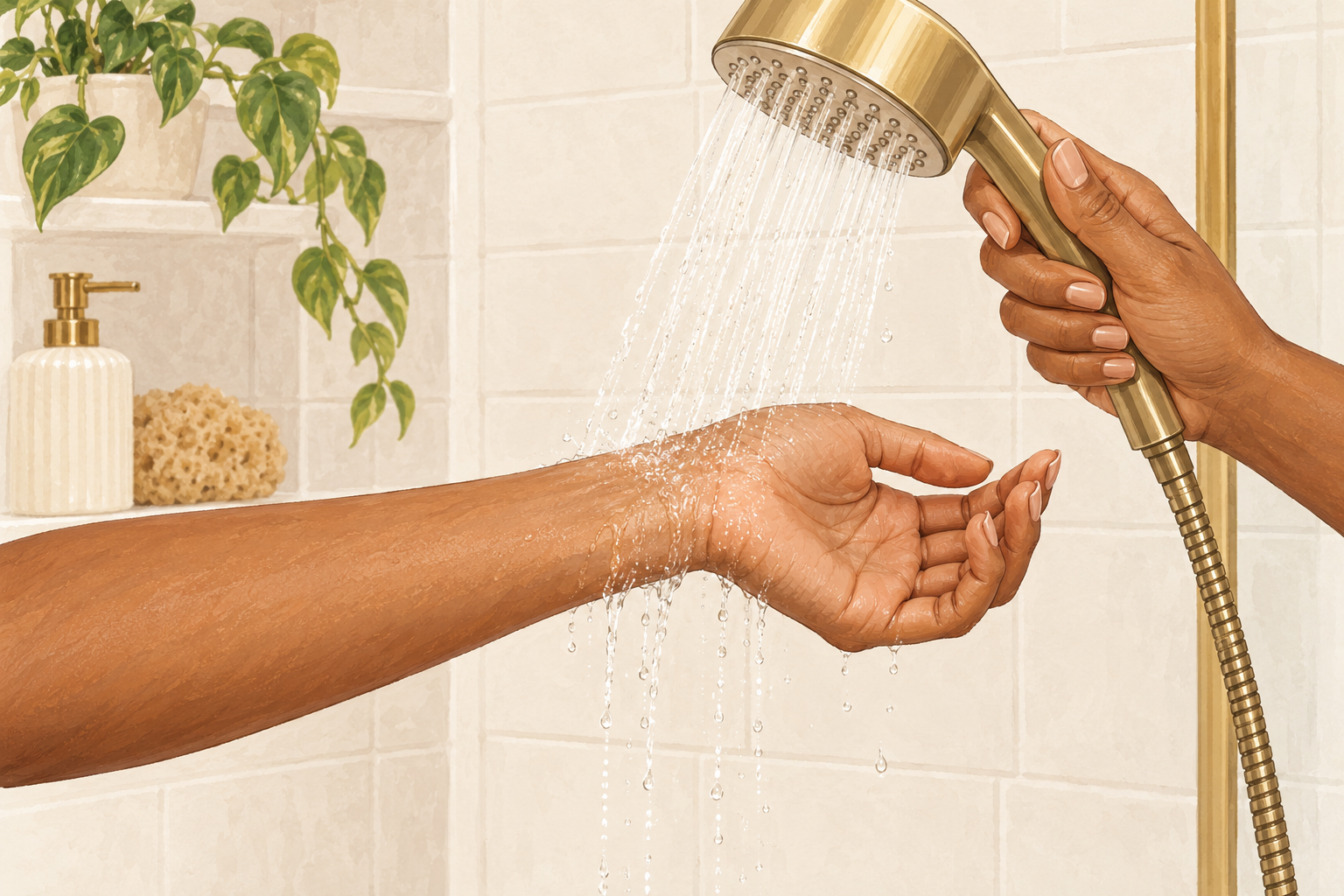
Rinse until the water runs clear and your hair feels slippery, not coated. Very hot water strips what you just added, so keep it lukewarm and finish with a cooler splash. Leftover mask feels like a film on the hair and weighs the strands down. Give the roots a second rinse. Press the water out with your hands and a soft towel, rather than rubbing. Hair that has been rinsed well feels soft and bouncy on the first day, not greasy by the afternoon. A quick cold splash on the ends helps the hair lie flat as it dries.
8. Use it once a week, not every wash
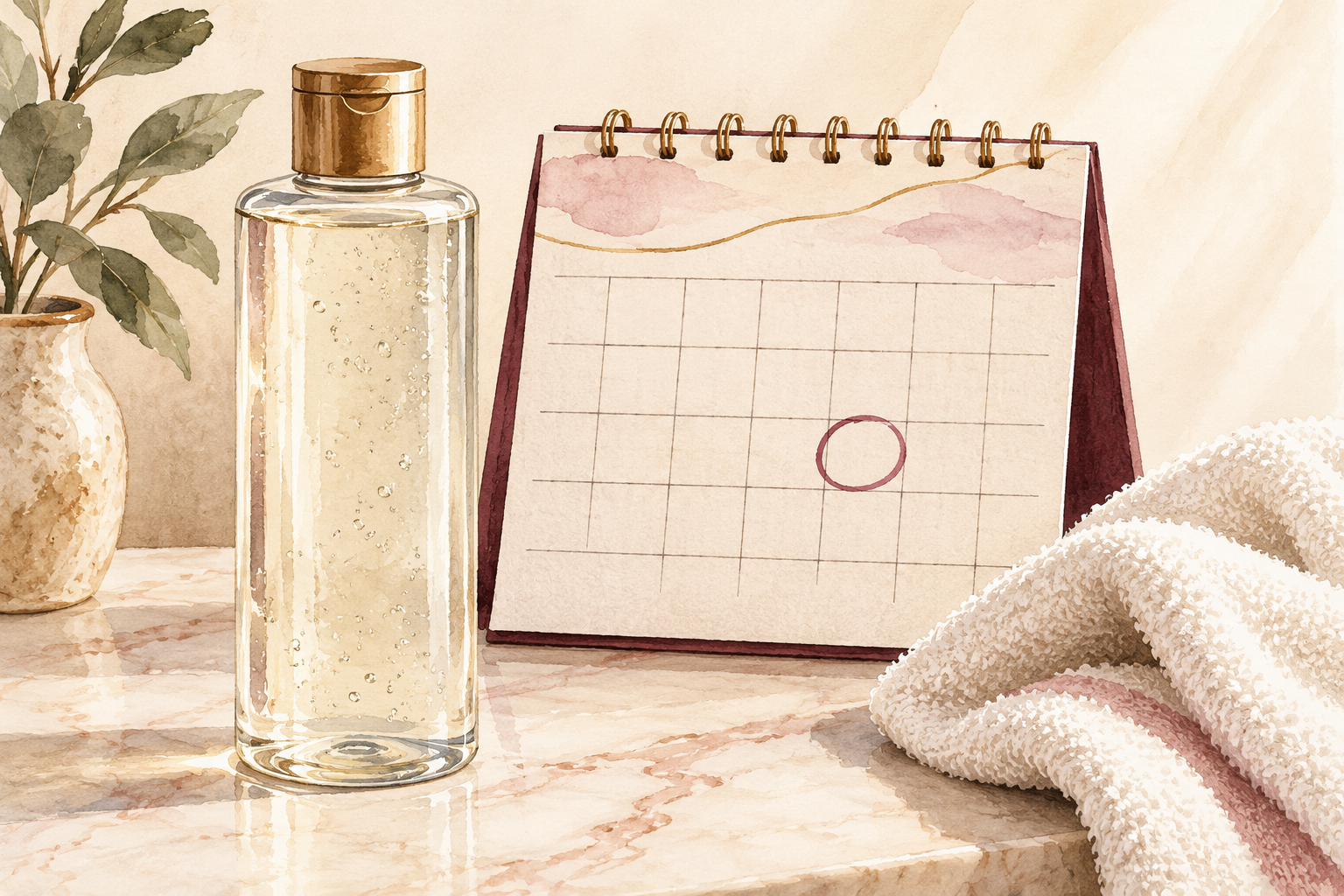
Start with once a week for a month, then adjust by how your hair feels. If it stays soft for three days and starts to feel dry again on day six, a weekly rhythm is right. Very damaged or coily hair may enjoy twice a week for a short stretch. If your hair feels heavy, stretch to every ten days. More is not better, because too much mask makes strands floppy and slow to dry. Mark the day on a calendar so you do not forget. Write down how your hair feels each week, so you can see which rhythm works.
9. Keep it on the ends if your roots get oily

Put most of the mask on the lower half of your hair, from the ears down. The ends are the oldest and driest part of the strand, and the roots make their own oil. Piling mask onto an oily scalp leaves hair limp by lunchtime. If your whole length is dry, extend the mask up past the ears but still stop an inch from the scalp. Dab a little extra on the very ends. This one adjustment makes a hair mask for dry hair feel lighter and last longer. Smooth any leftover mask over the very ends one more time before you rinse.
10. Avoid the mistakes that waste it
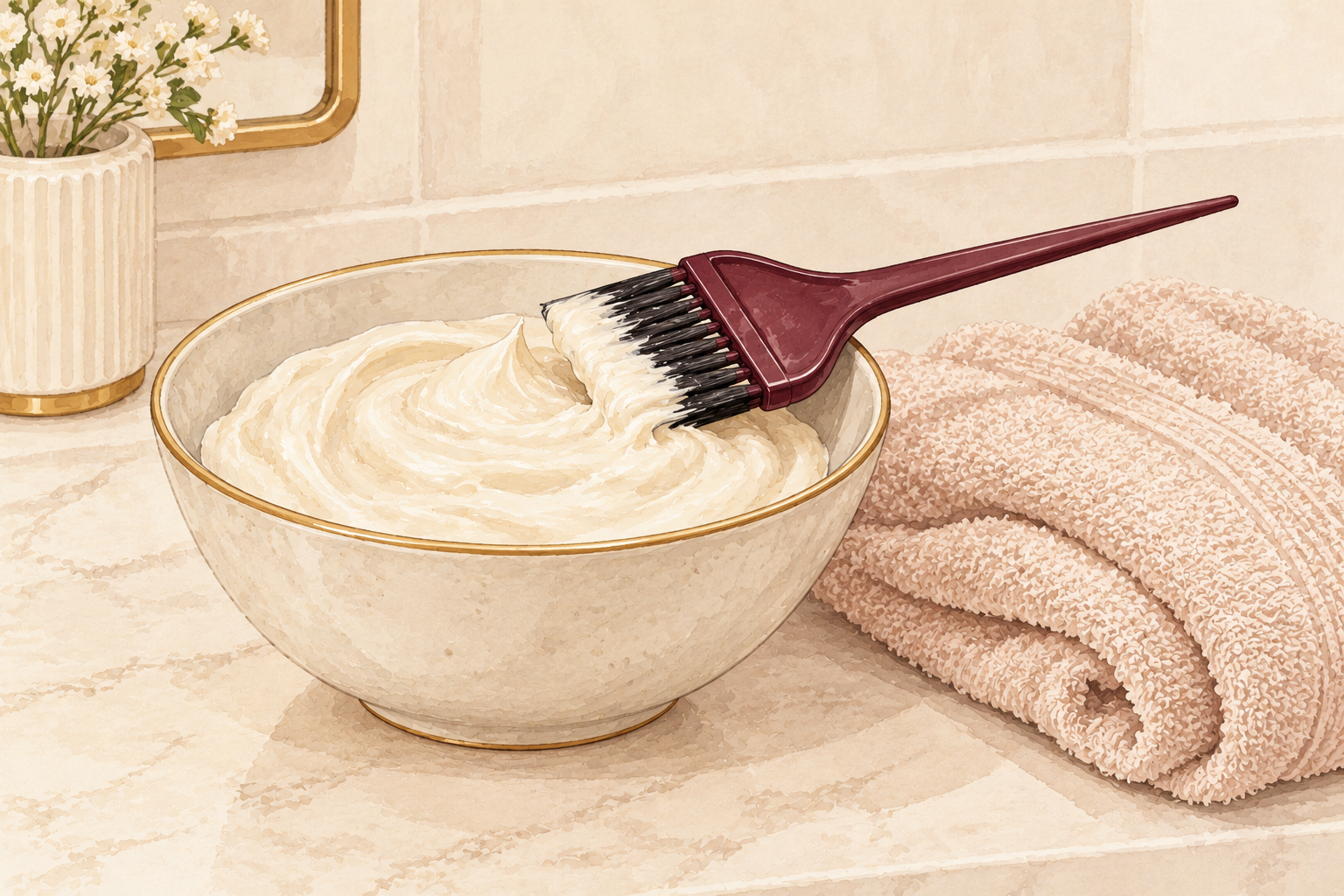
Don’t use too much, apply it to bone dry hair or leave it on for hours. A huge scoop mostly rinses straight down the drain. Dry hair is already packed, so the mask just sits on the outside. A long, forgotten soak can leave hair stiff and heavy. Skipping the rinse is another waster. If you are tempted to add extra oil to the jar, don’t, as it changes the formula and can leave the hair greasy. Measure one scoop with a spoon the first few times, so you learn what your hair really needs.
11. Check that it is working

Compare how your hair feels at day one, day three and day seven after a mask. Good signs are softer ends, fewer tangles, a little more shine and less frizz. Your comb should glide with less snagging. If the softness fades within a day, the mask is too light for you. If your hair feels waxy or flat, it is too heavy. After a month of weekly use, you should notice less breakage in the brush. Be patient, since dry hair recovers slowly. Take a photo in the same light each week to see the shine for yourself.
12. Know when to skip the mask
Skip it when your hair already feels coated, limp or greasy. That means build up, and a mask will only add to it, so clarify first. Also skip it if your scalp itches or stings after you apply it, and rinse it out right away. Some weeks your hair just does not need it, and that is fine. Put the jar away until it feels dry again. If you often skip, you may have a mask that is too heavy, so try a lighter one next time. Come back to it after a week or two without, and see how it feels.
Complete the Routine: A Hair Mask for Dry Hair You Can Trust
Tonight, shampoo, then smooth a mask through your lower half and set a fifteen minute timer. For more help, read caring for dry hair and dry hair remedies.