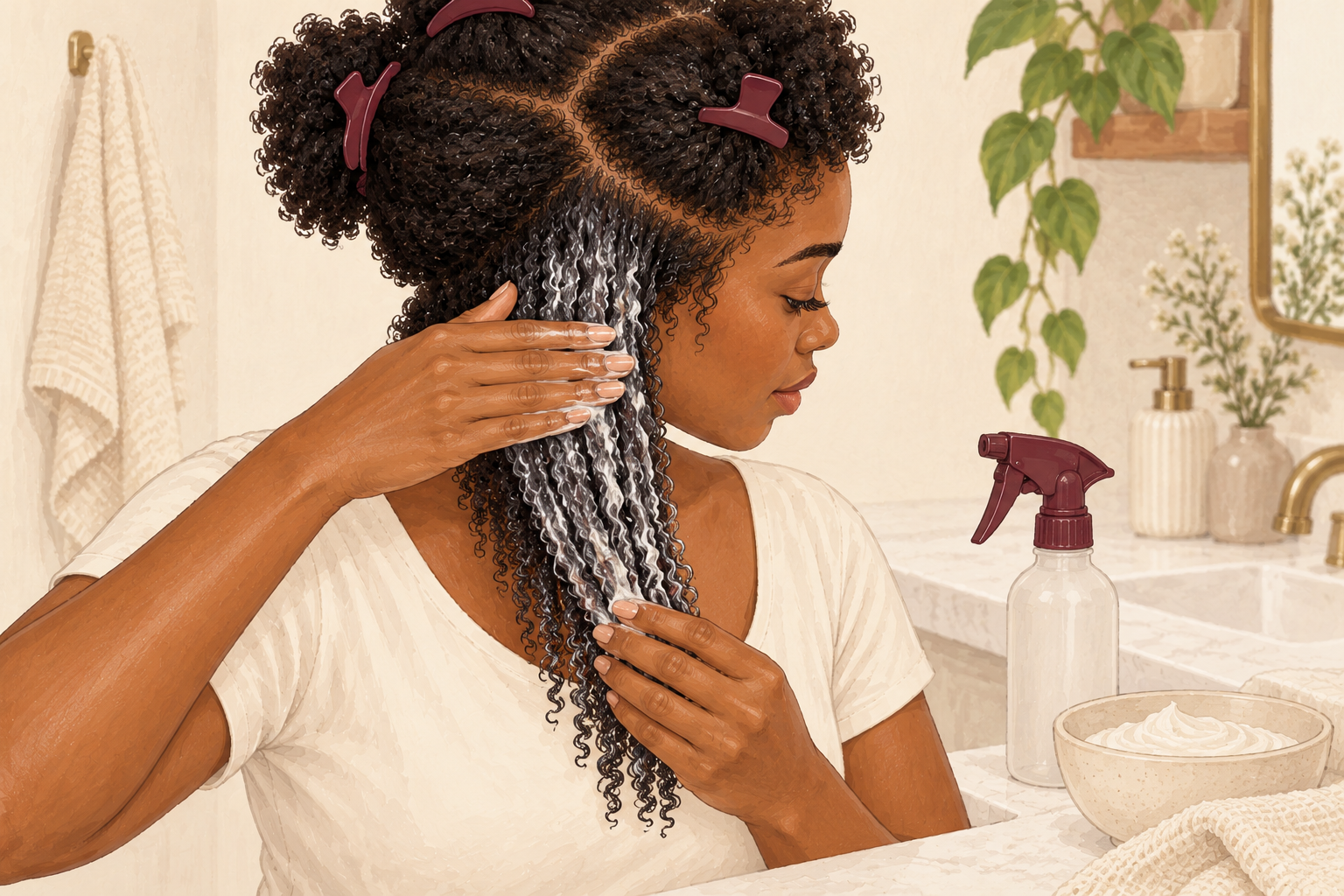
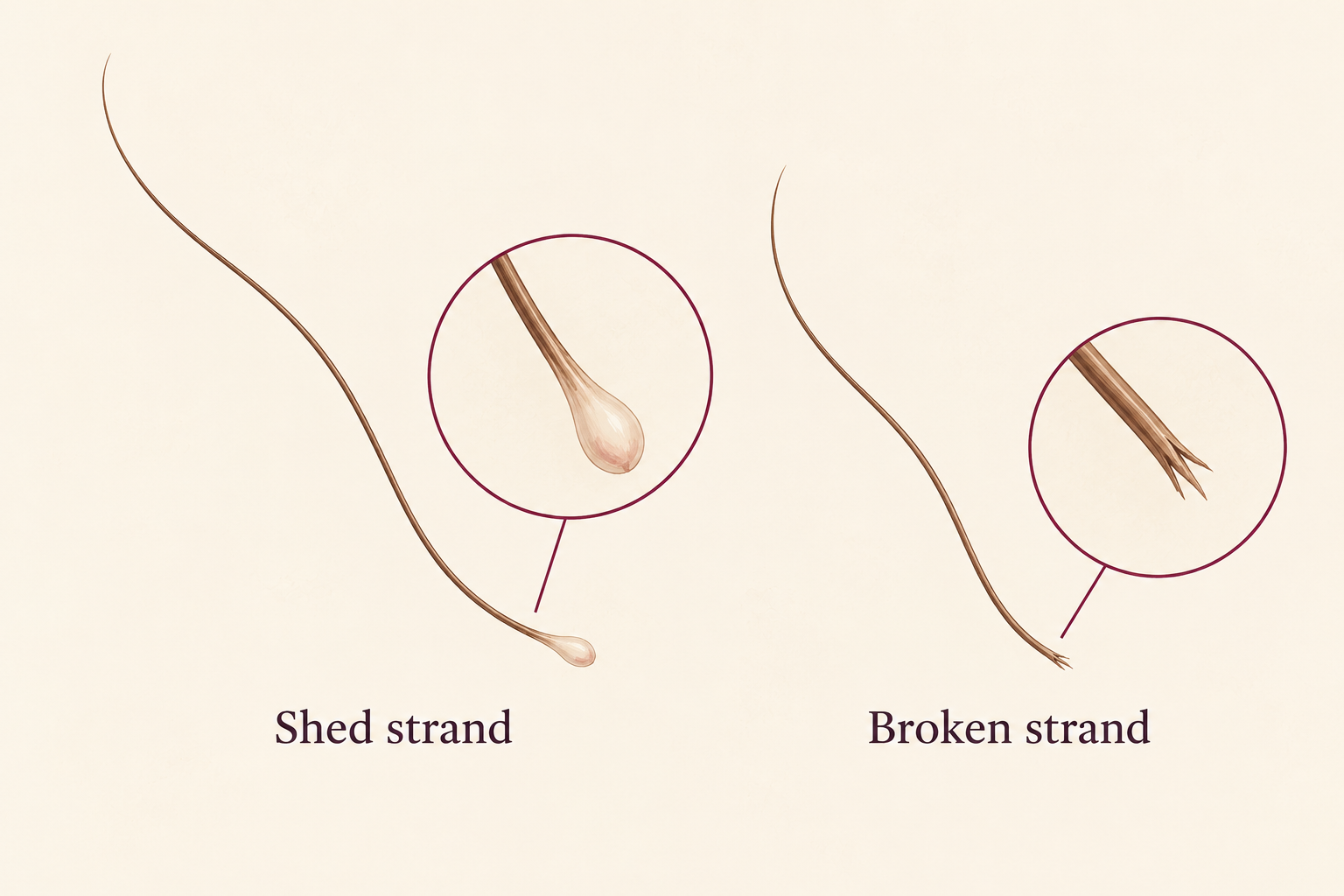
You wash out your silk press and the curls that should sit at your crown are loose, stretched or simply gone. Some strands spring up while others hang straight and limp. That patchy look is what heat damaged natural hair often looks like, and it is easier to work with than it feels. These 12 steps check what can come back and rebuild it, so start at number one tonight.
1. Spot the signs of heat damage
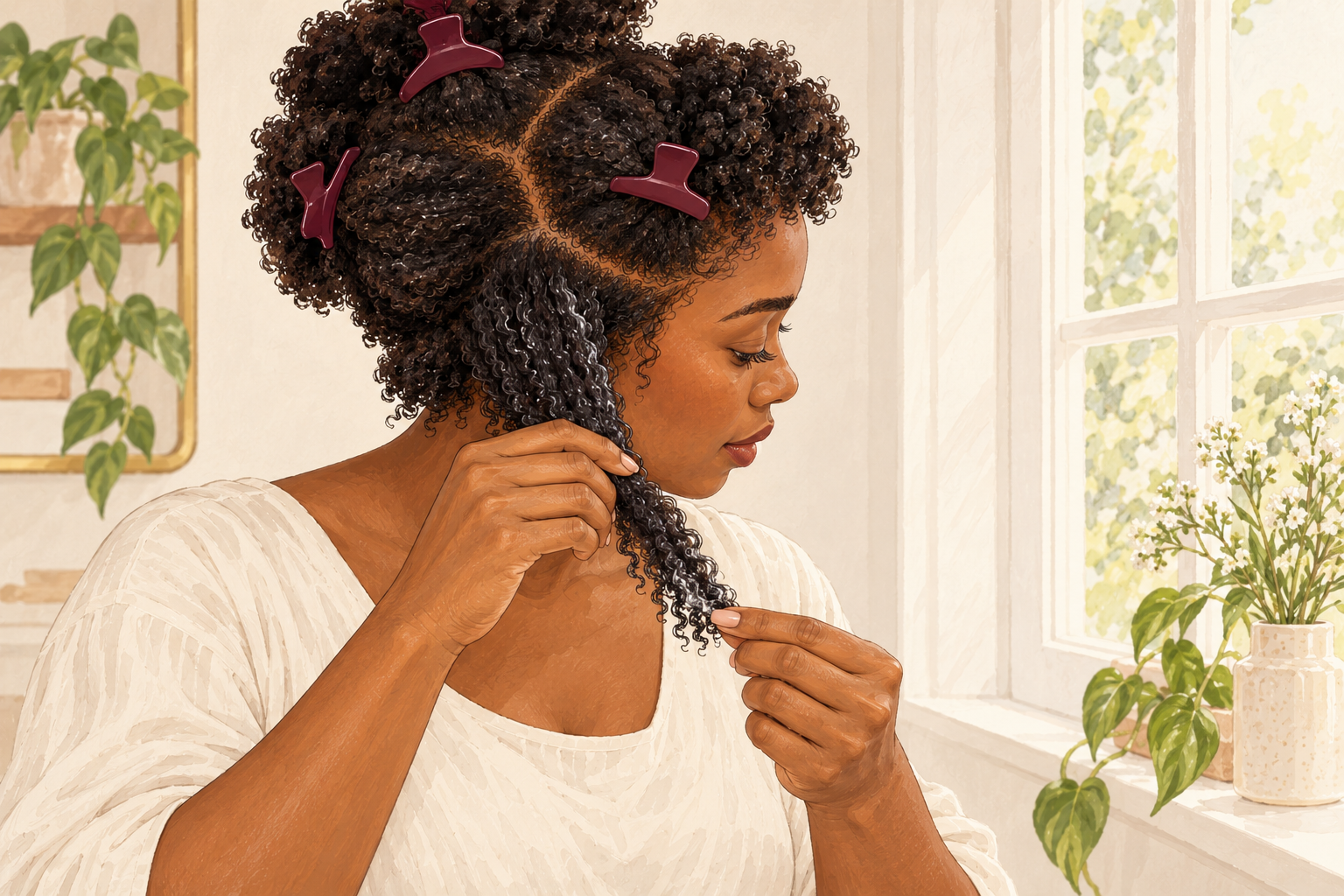
Look for curls that stay stretched after a wash, patches that hang straight and ends that feel rough or fuzzy. Heat damage usually sits where the iron went most often, which is the front, the top and the edges. The hair may also look dull and feel thin or mushy when wet, a bit like cooked noodles. Check in daylight with your hair fully wet and then again dry. One loose patch among healthy curls is the clearest clue. Take a photo of each area now, so you can compare in a month.
2. Know what is behind it
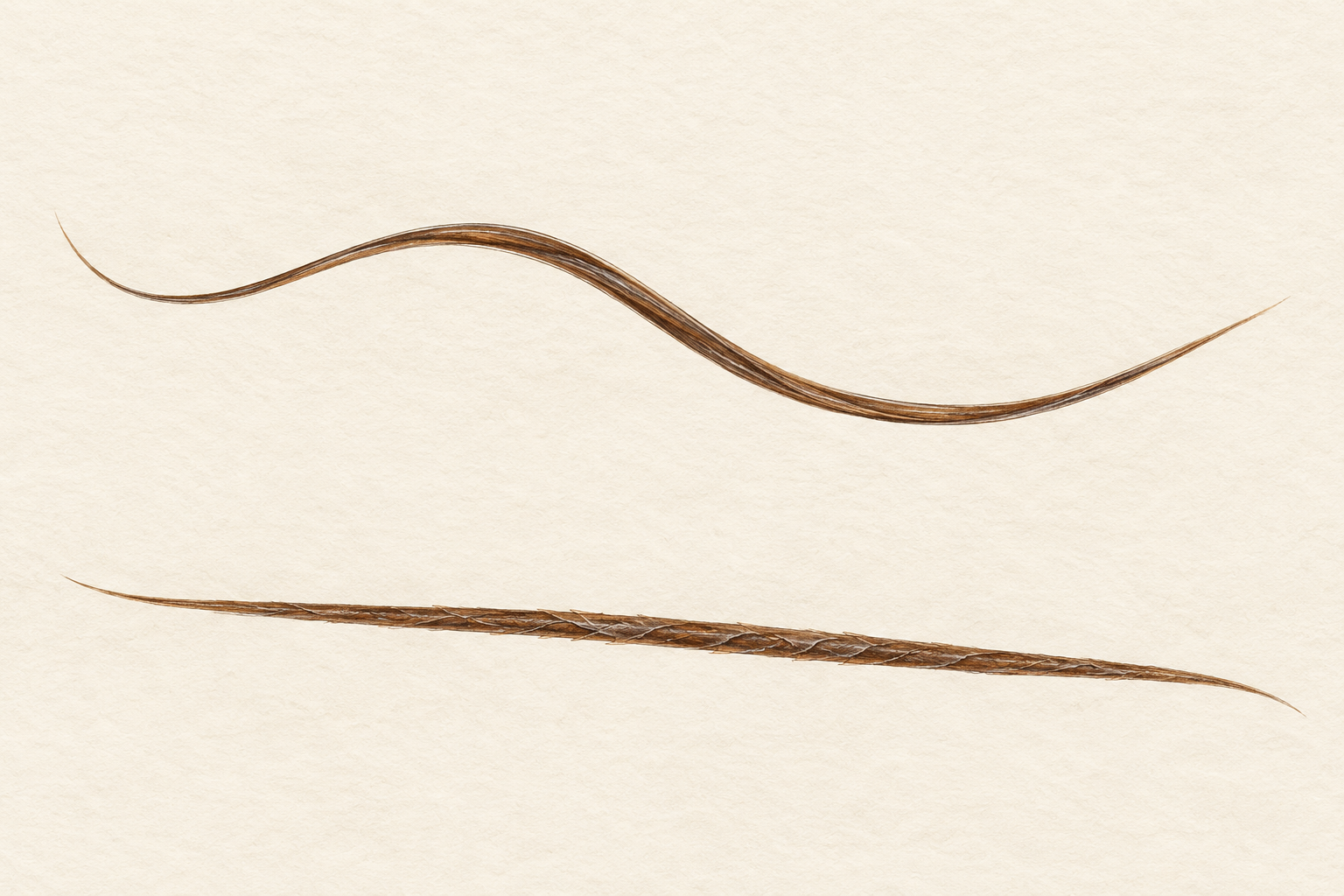
There are two kinds of loosening, and they behave very differently. Heat training means the curl has relaxed but the strand is still sound, so it can bounce back after a long break from heat. True thermal damage breaks the structure of the strand, and a strand like that will not curl again. It grows out or gets trimmed away. Knowing which one you have saves you from chasing a miracle product, and it tells you how long to wait. Aim to protect what is healthy and grow in the rest, because that goal is calmer and works.
3. Run a no heat wash test on one section
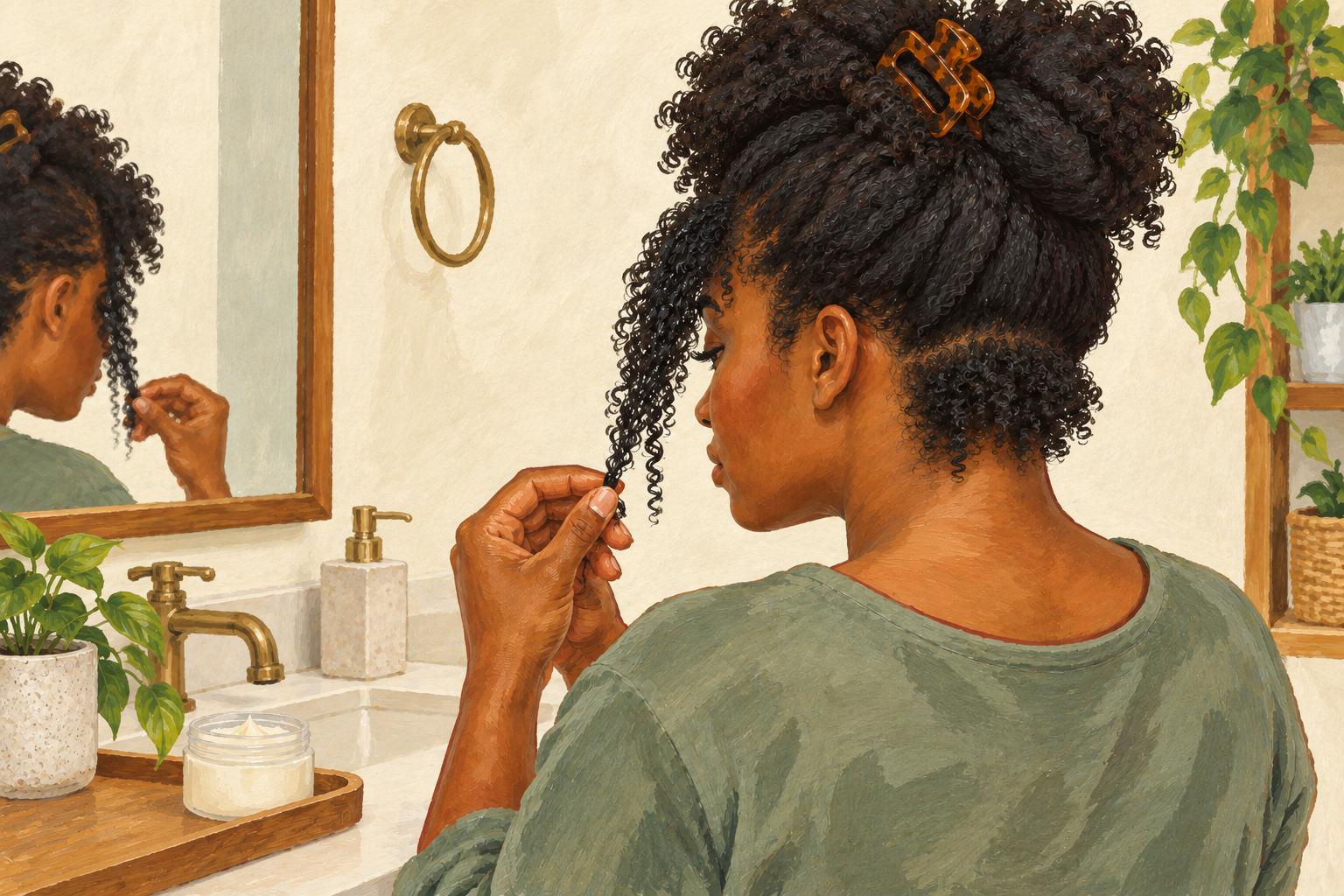
Wash one section, add conditioner and let it dry with no heat and nothing but a light leave in. Compare it to a part you rarely heat, such as the nape. If the section springs back into a curl, even a looser one, it is probably heat trained and can recover. If it stays flat and straight after two or three washes, treat that patch of heat damaged natural hair as damaged for good. Repeat the test every few weeks and write down what you see. It costs nothing and gives you a straight answer, usually within a month.
4. Put the heat tools away for eight weeks
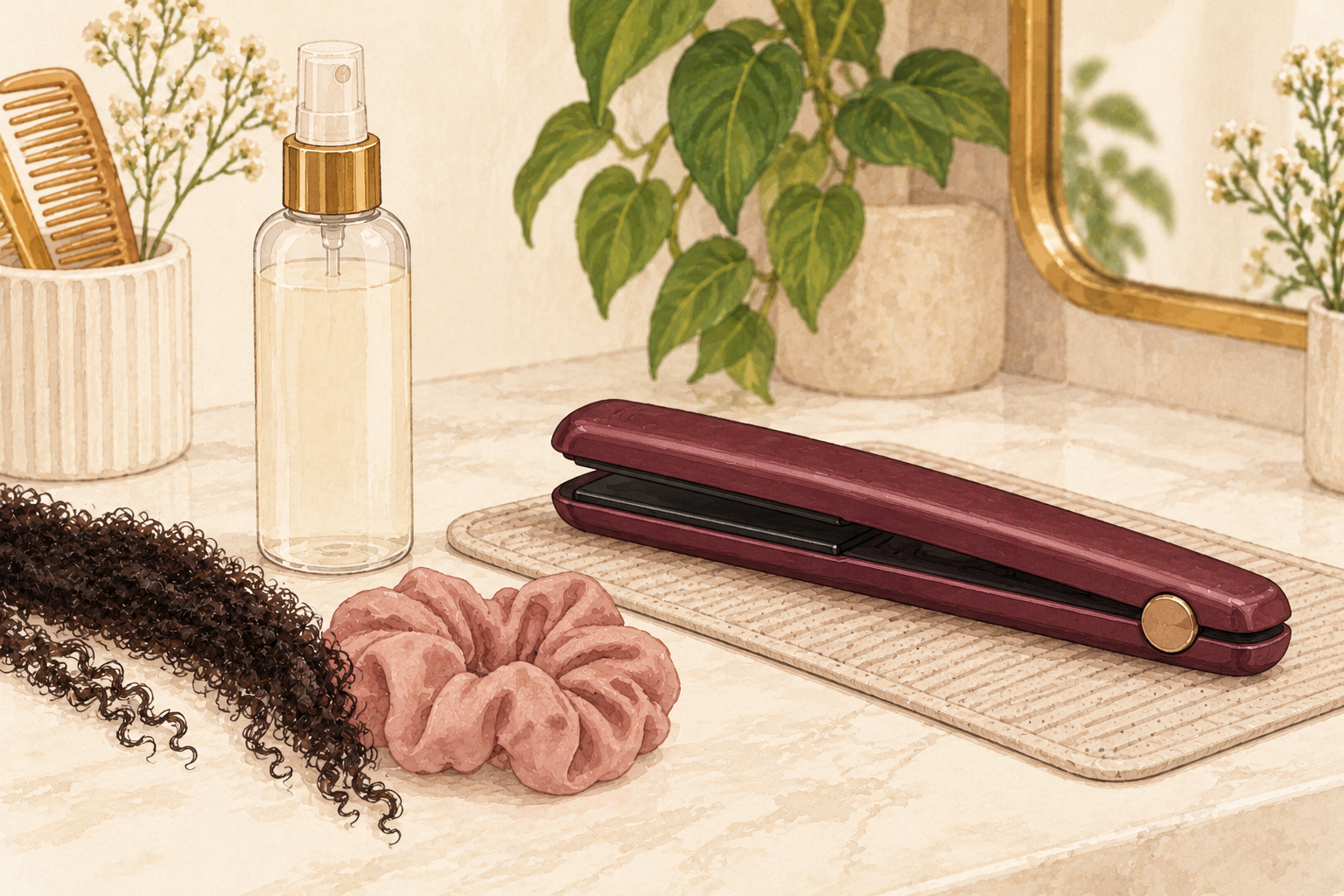
Store the flat iron, curling wand and hot comb for at least two months. Nothing else works if the strands are heated again, so this step matters more than any product. Blow drying counts too, so air dry or diffuse on low heat from about six inches away. If you have an event, plan a twist out instead of a press. Put the tools somewhere hard to reach, because the urge to straighten just once is strong, especially before a big night out. Skipping heat is the single most useful thing you can do for heat damaged natural hair.
5. Wash gently and detangle only when wet
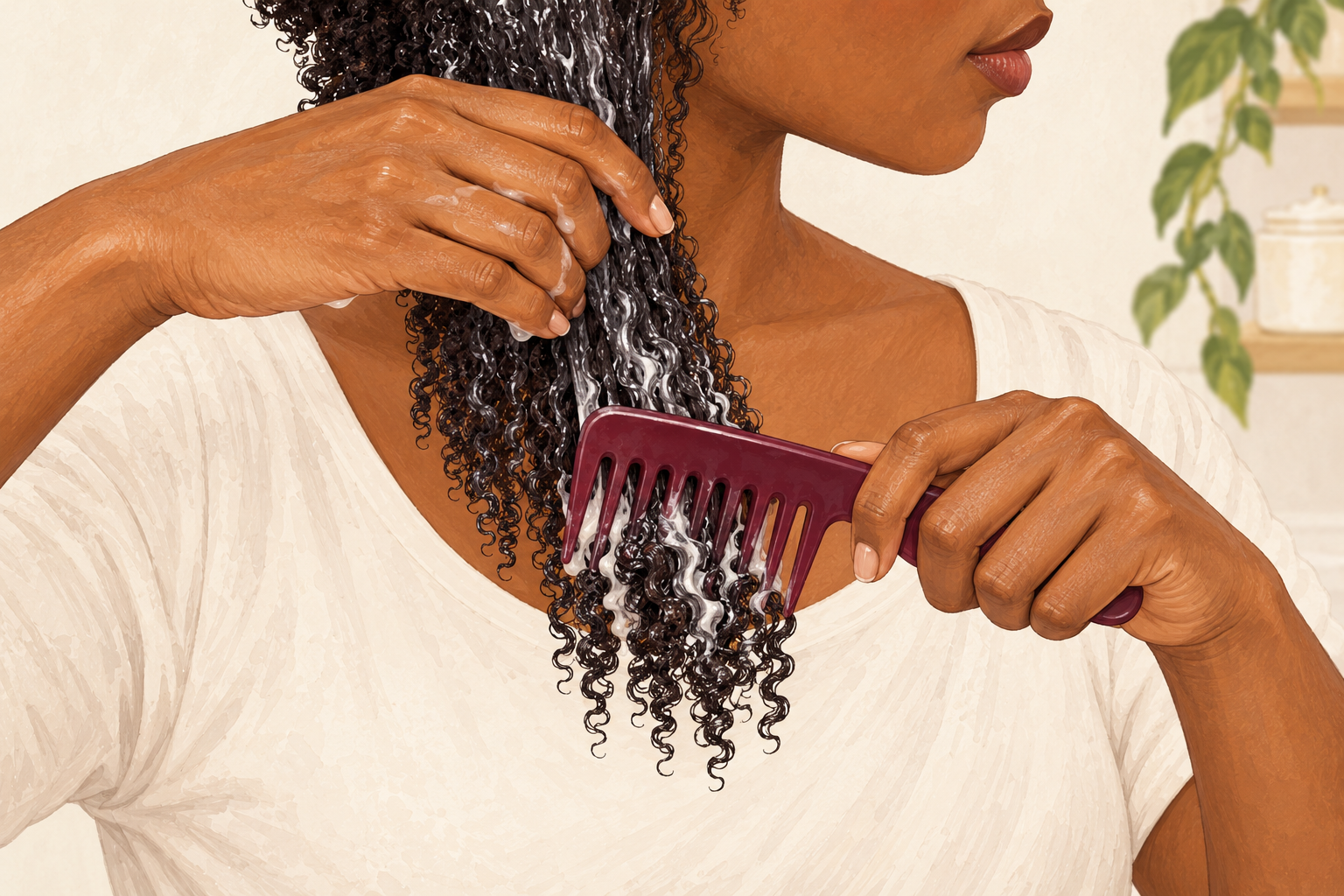
Shampoo the scalp only and let the suds run down the lengths. Wet hair is fragile, so detangle with conditioner on and a wide tooth comb, working from the ends upward in small sections. Never rip through a knot, because damaged hair snaps instead of stretching. Be extra kind to the loose patches, since they are the weakest part of your head. A brush on dry curls can break the very strands you are trying to save. Go slowly and give yourself half an hour on wash day. Rushing is how a loose patch turns into a flat, stringy one.
6. Deep condition once a week
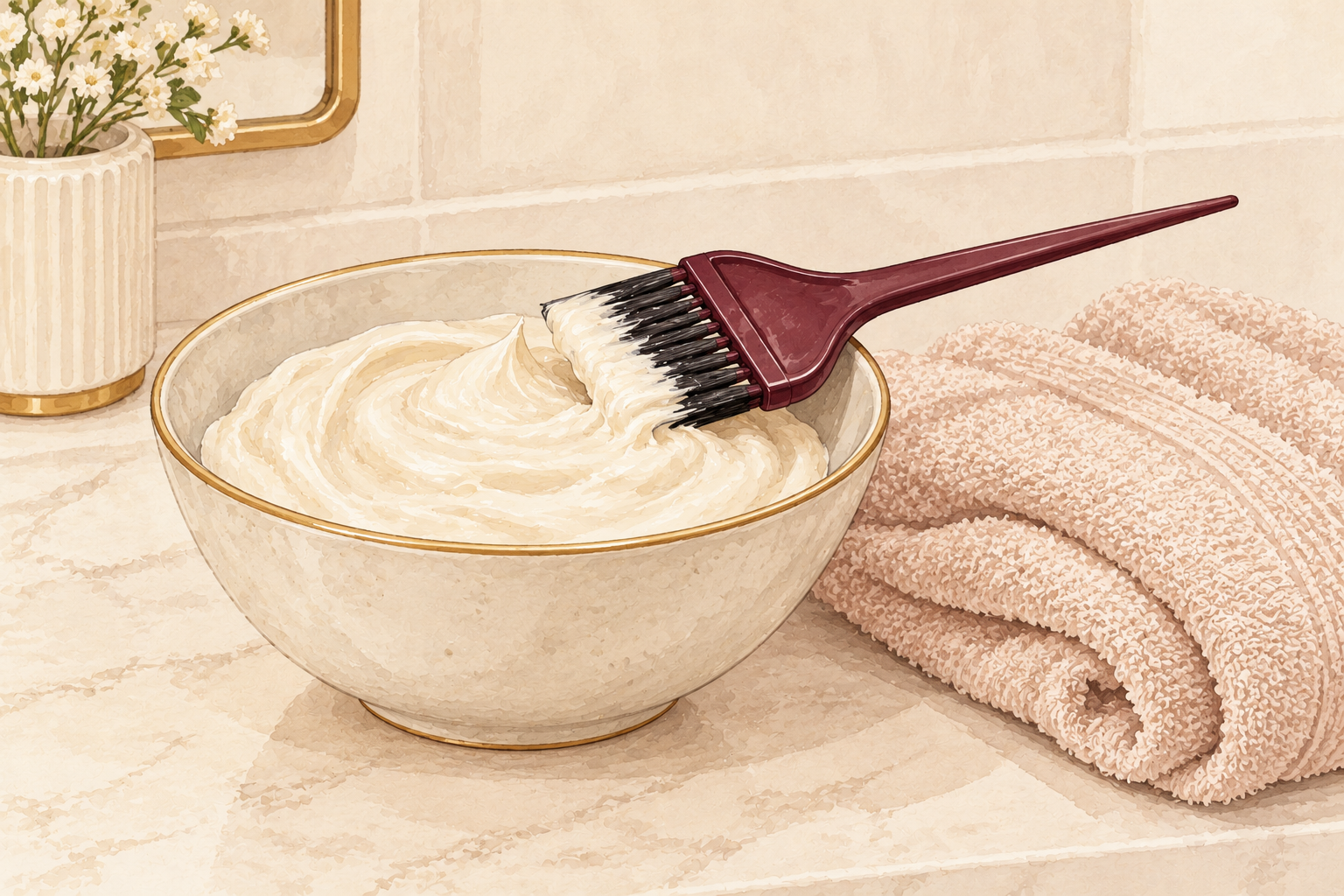
Smooth a moisture rich conditioner through your hair, put on a shower cap and leave it for twenty to thirty minutes. It softens the strands and makes detangling less of a fight, though it will not rebuild the pattern by itself. A warm towel over the cap helps it sink in. Rinse well so nothing sits on top of the hair. After a few weeks your curls should feel softer and bend more easily. Treat it as a weekly habit, not a rescue you do once. A warm towel over the cap helps it sink in even better.
7. Add protein only if hair feels mushy
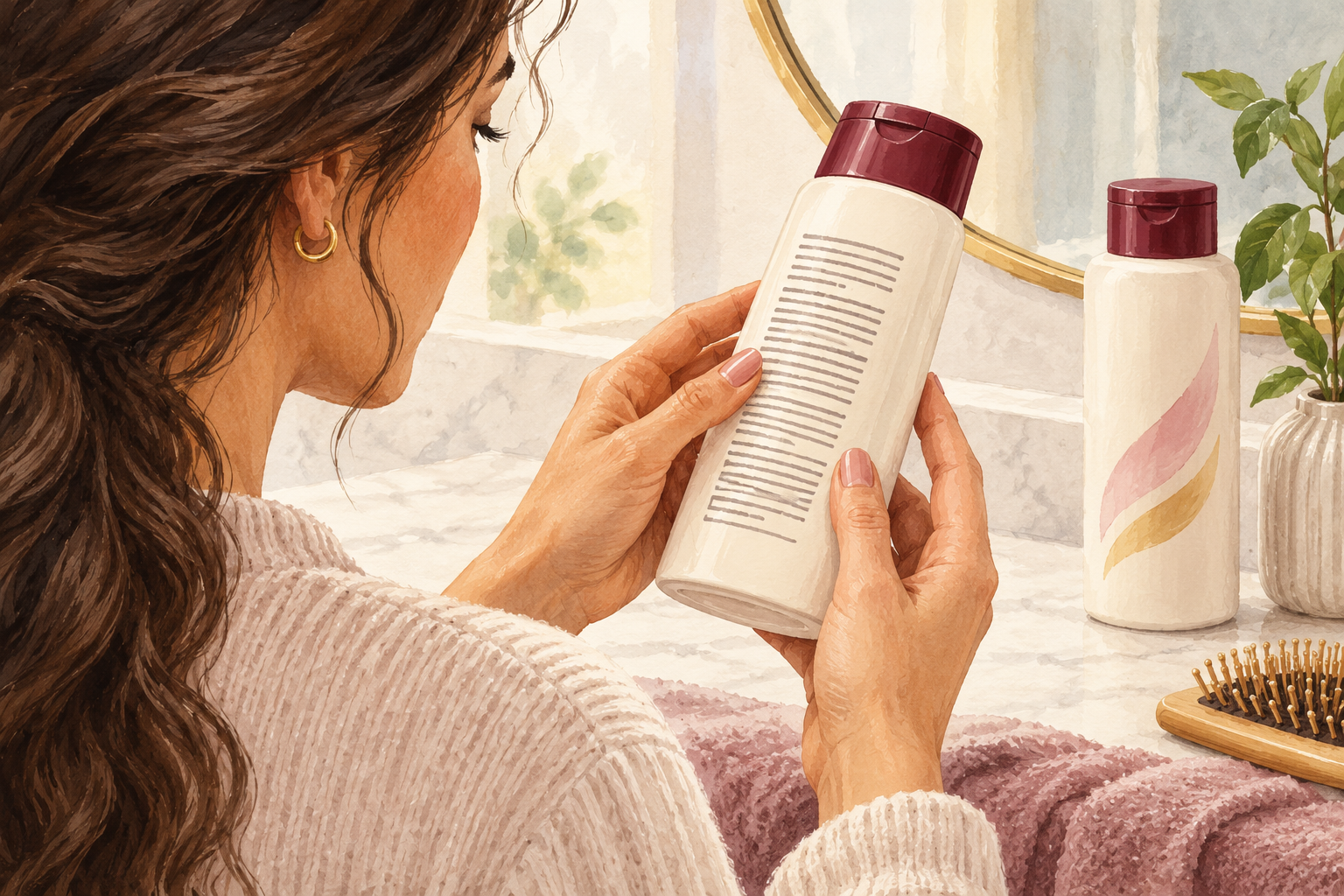
If your wet hair feels limp, gummy or overstretched after a few weeks, try one gentle protein treatment, then go back to moisture. Protein helps strands feel firmer, but too much leaves hair stiff and brittle, so do not stack it every wash. Leave it on for the time on the label and no longer. Follow with a moisture rich deep conditioning session the same week. If your hair feels crunchy afterwards, you have gone too far. Skip protein for a month and see how your curls respond, since stiff hair snaps just as easily as limp hair.
8. Style on soaking wet hair and leave it alone
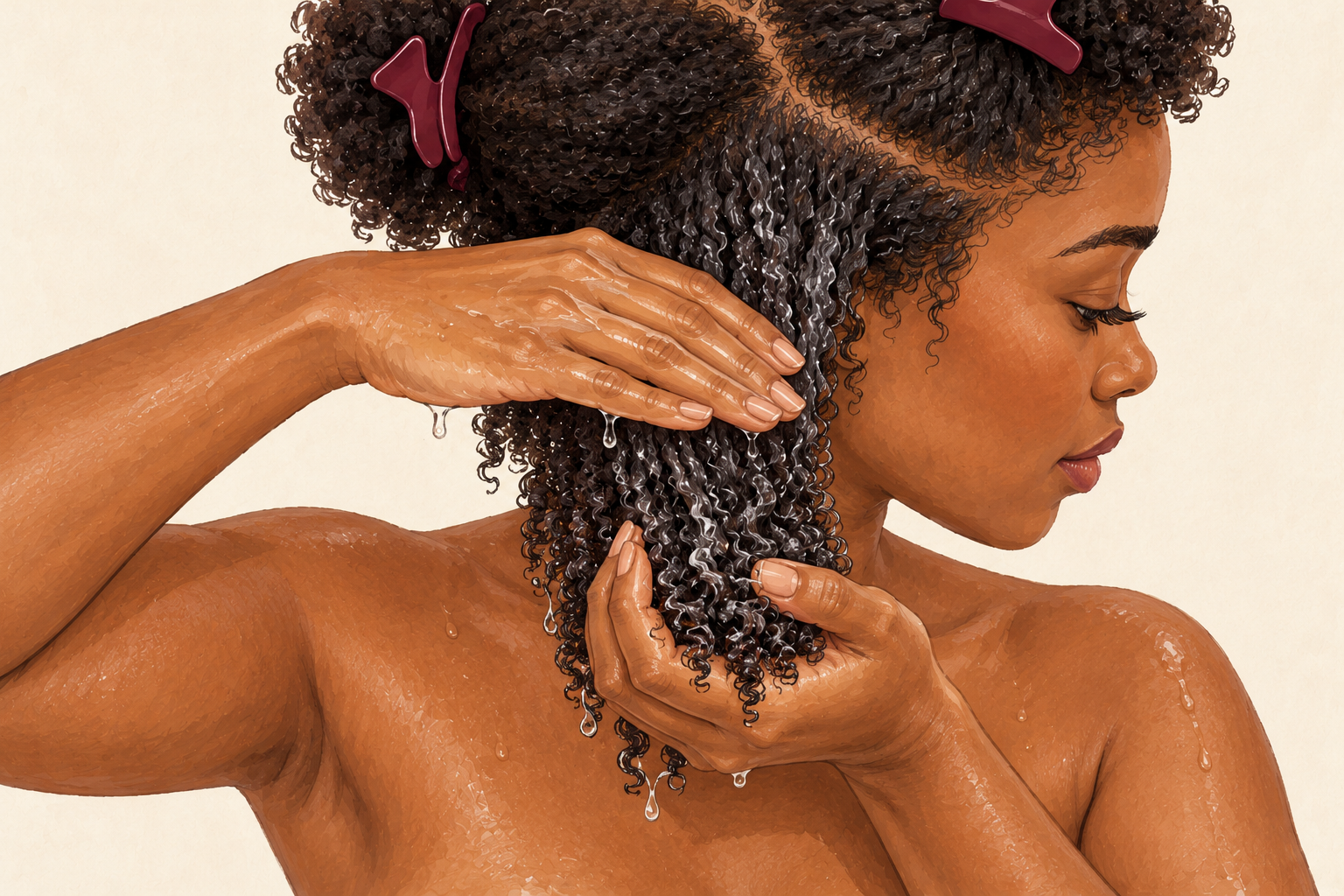
Smooth a leave in and a gel with some hold onto dripping wet hair, then scrunch upward. Loosened curls clump less, so the gel gives them structure while they dry. Air dry or diffuse on low from a distance, and do not touch until the curls are completely dry. Then scrunch out the stiffness with dry hands. The shape will not match what it was before the heat, but it will look more deliberate. Give each new routine three washes before you judge it. Do not brush the curls once they are dry, or you will undo the clumps.
9. Use twists or finger coils on the loose patches
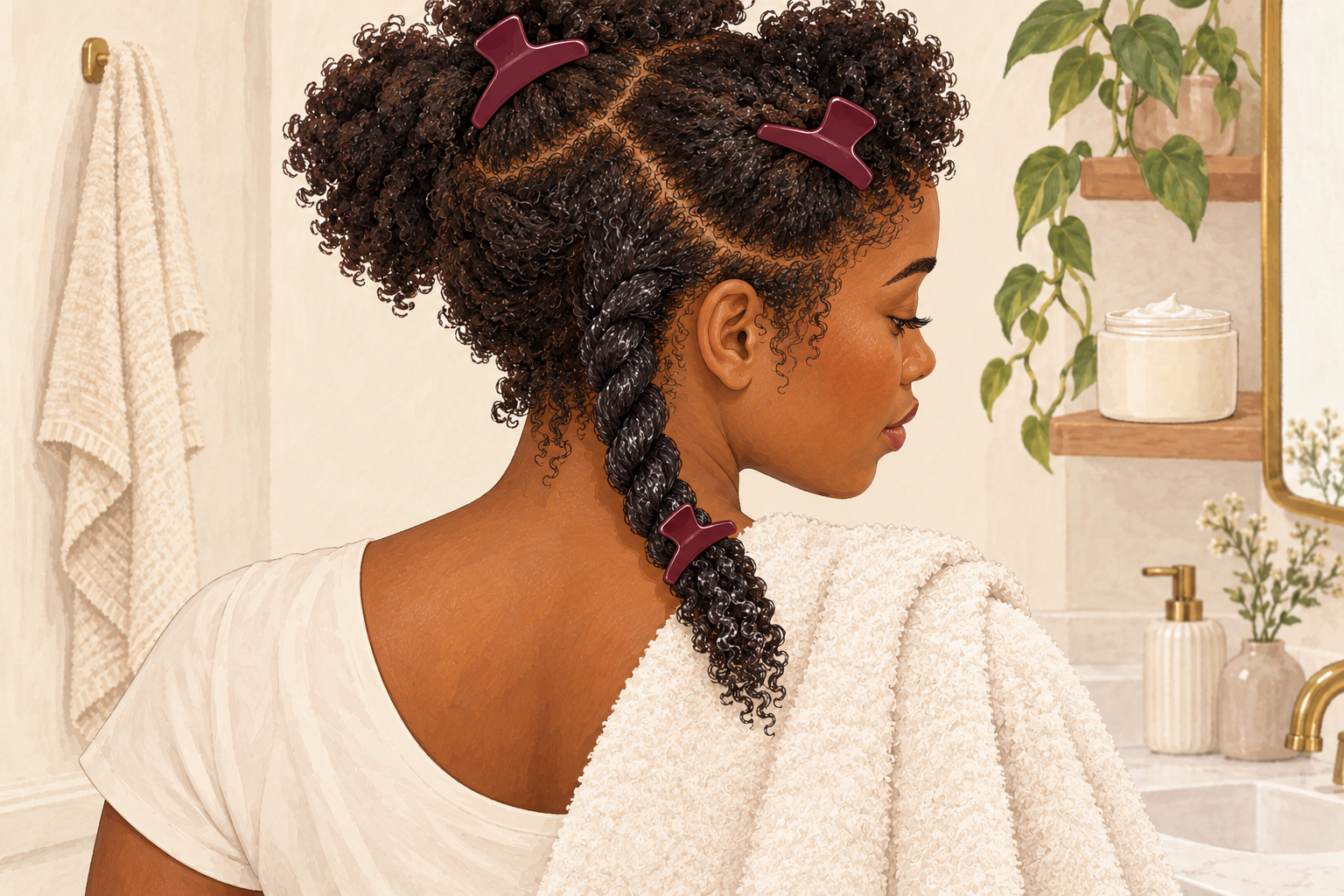
Part the loose areas and set them in two strand twists or finger coils while the hair is damp. Leave them until fully dry, then open them gently. This trains the curl shape back without any heat, and the result is softer and more even than a wash and go. Keep the twists loose so nothing pulls at the roots. Use a little gel on each section to hold the shape. You may only need to do this to the weakest patches, which saves time. Slide a little water on your palms if the strands start to frizz while you work.
10. Trim the straight ends in small stages
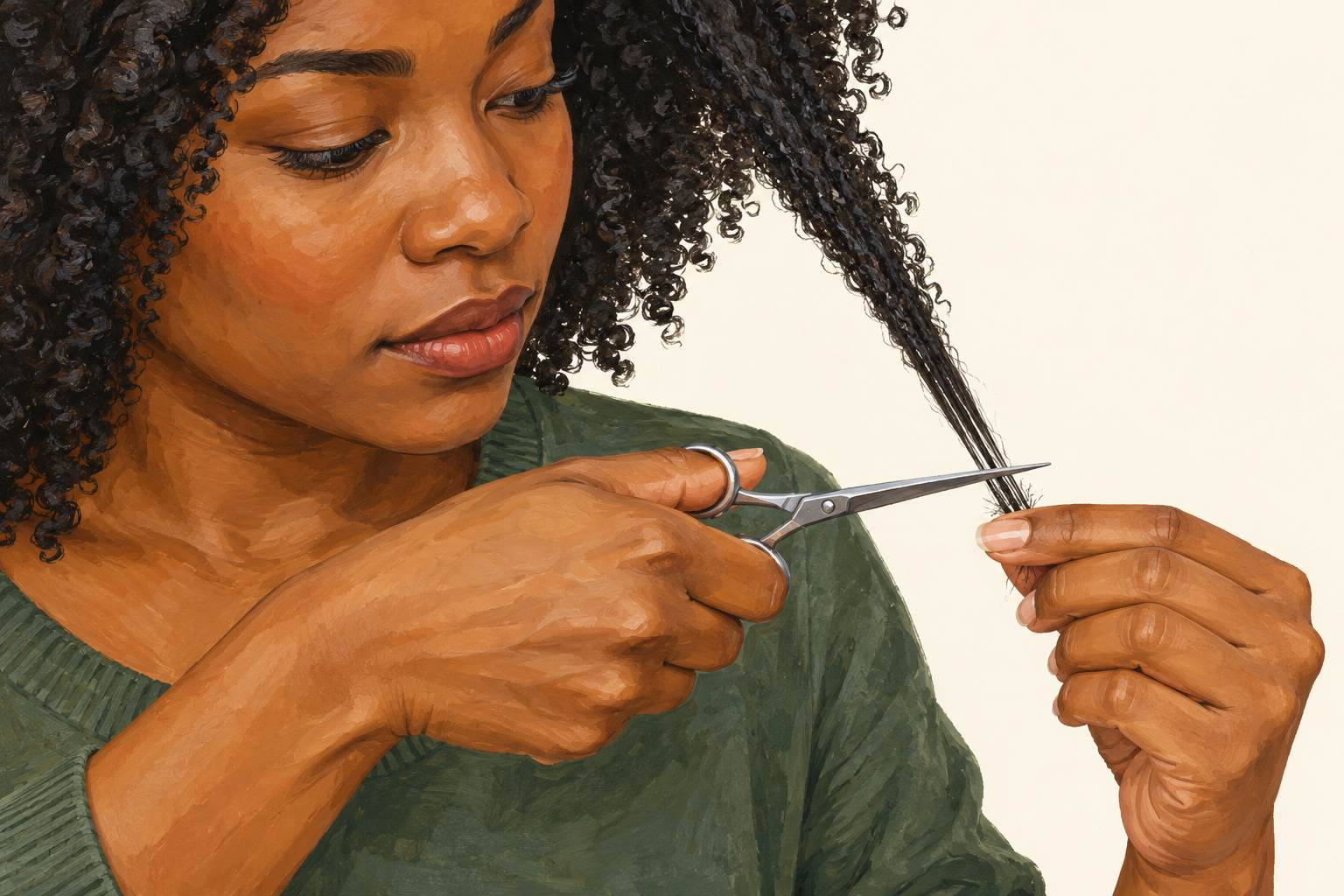
Take a small amount off every six to eight weeks instead of cutting everything at once. Hair that stays limp and straight after weeks of care is not coming back, and it holds the rest back. A little at a time keeps your length while the healthy hair grows in. If you trim at home, cut dry, a few strands at a time, and stop when the curls look consistent. You will see the curl return at the point you cut. It is a calm way to let go of damage without a dramatic chop. Ask a friend to check the back for you.
11. Wear low tension styles while it grows out
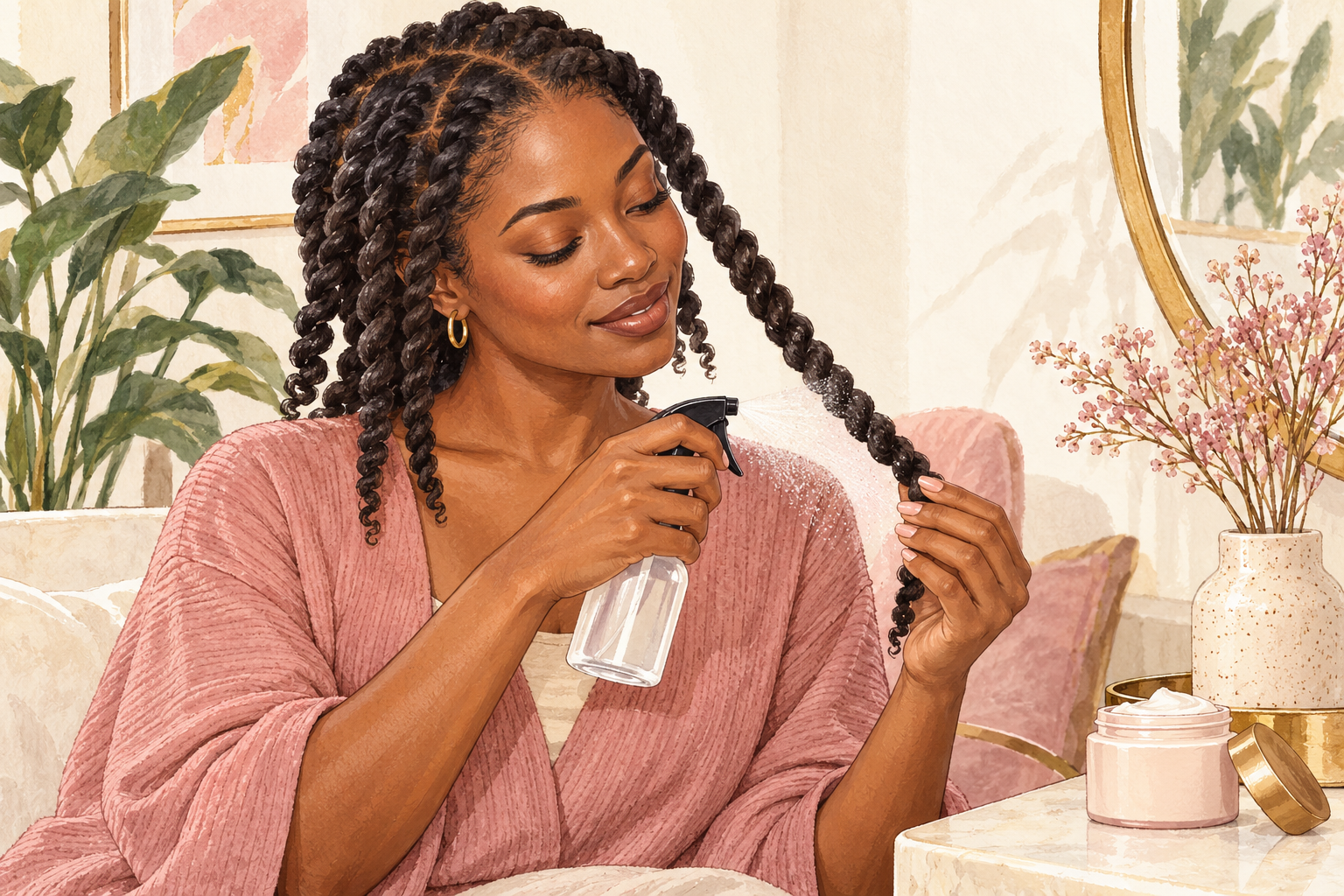
Choose loose braids or twists that tuck the ends away. Keep the tension low, because pulling on weakened hair makes it snap. Take the style down after two or three weeks and wash. Cover your hair with satin at night so the weak patches do not rub. A mixed pattern is normal during a rebuild, so do not worry if the crown looks uneven. If your edges feel sore, loosen the style at once. Protecting the ends now means fewer trims later. Wash the scarf or bonnet weekly so it does not hold oil against the weak patches.
12. Know what to expect and set heat limits
In week one your hair feels softer but looks the same, by week four heat trained sections may start to bounce, and by week eight you will know which parts are coming back. If one patch shows no change at all, assume it is damaged and plan to trim it. New growth shows your true pattern at the roots. When you use heat again, keep it to once a month at most, with a protectant, on clean fully dry hair, on the lowest setting, never twice over the same section. Wet hair under a hot iron sends you straight back to square one, so wait until every strand is dry.
Complete the Routine: Your Heat Damaged Natural Hair Plan This Month
Tonight, take a photo of each area and put the flat iron away for the next eight weeks. For the rest of the rebuild, read about damaged curly hair and hair breakage.