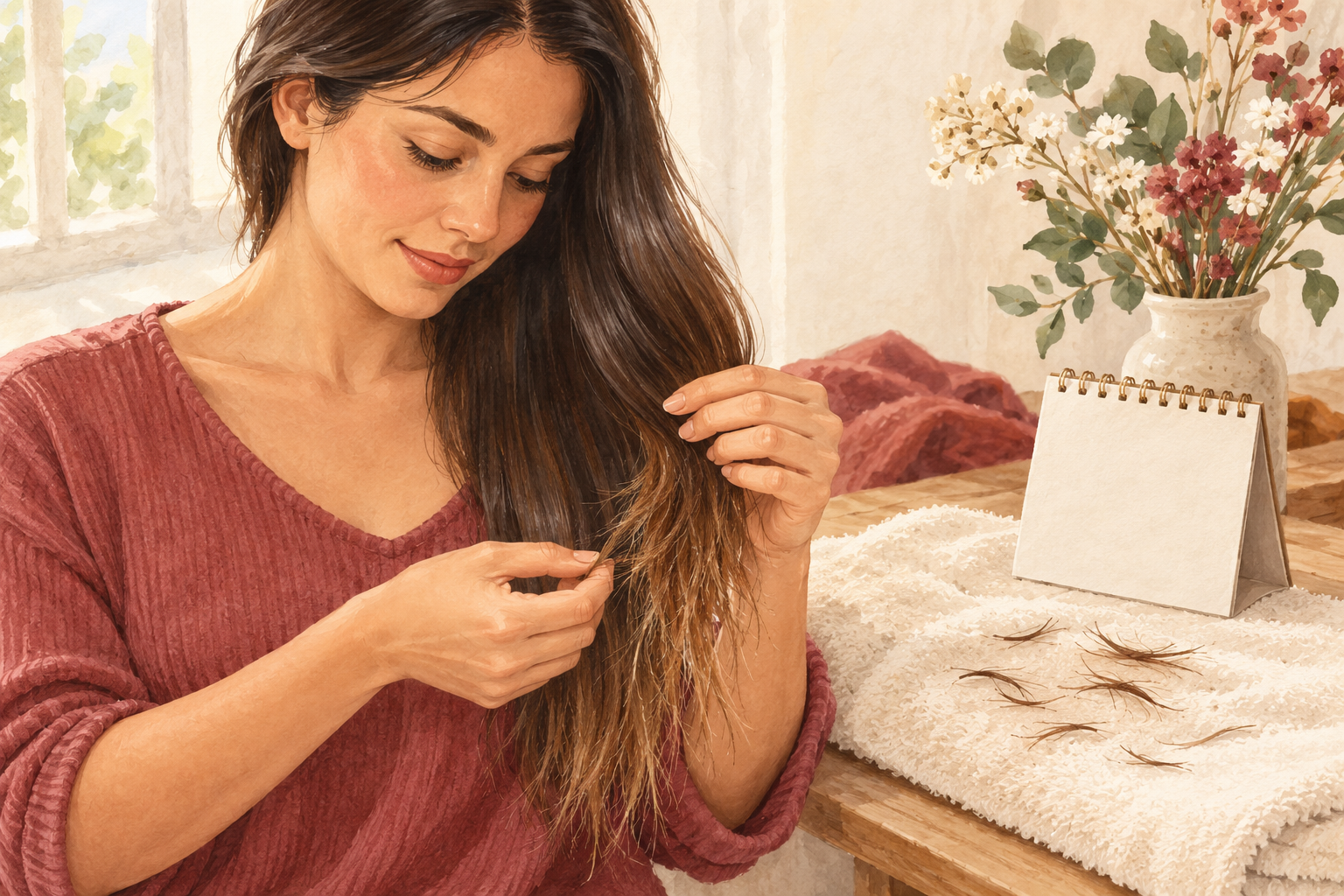
You lifted your hair a few shades lighter, and now it feels like wet noodles when it is damp and like straw when it dries. Combs catch, ends snap, and the shine is gone. Bleach damaged hair can be calmed, even if it cannot be fully undone. These 12 steps are your rescue plan, from stopping the damage to trimming the worst of it, so start at number one tonight.
1. Test one wet strand
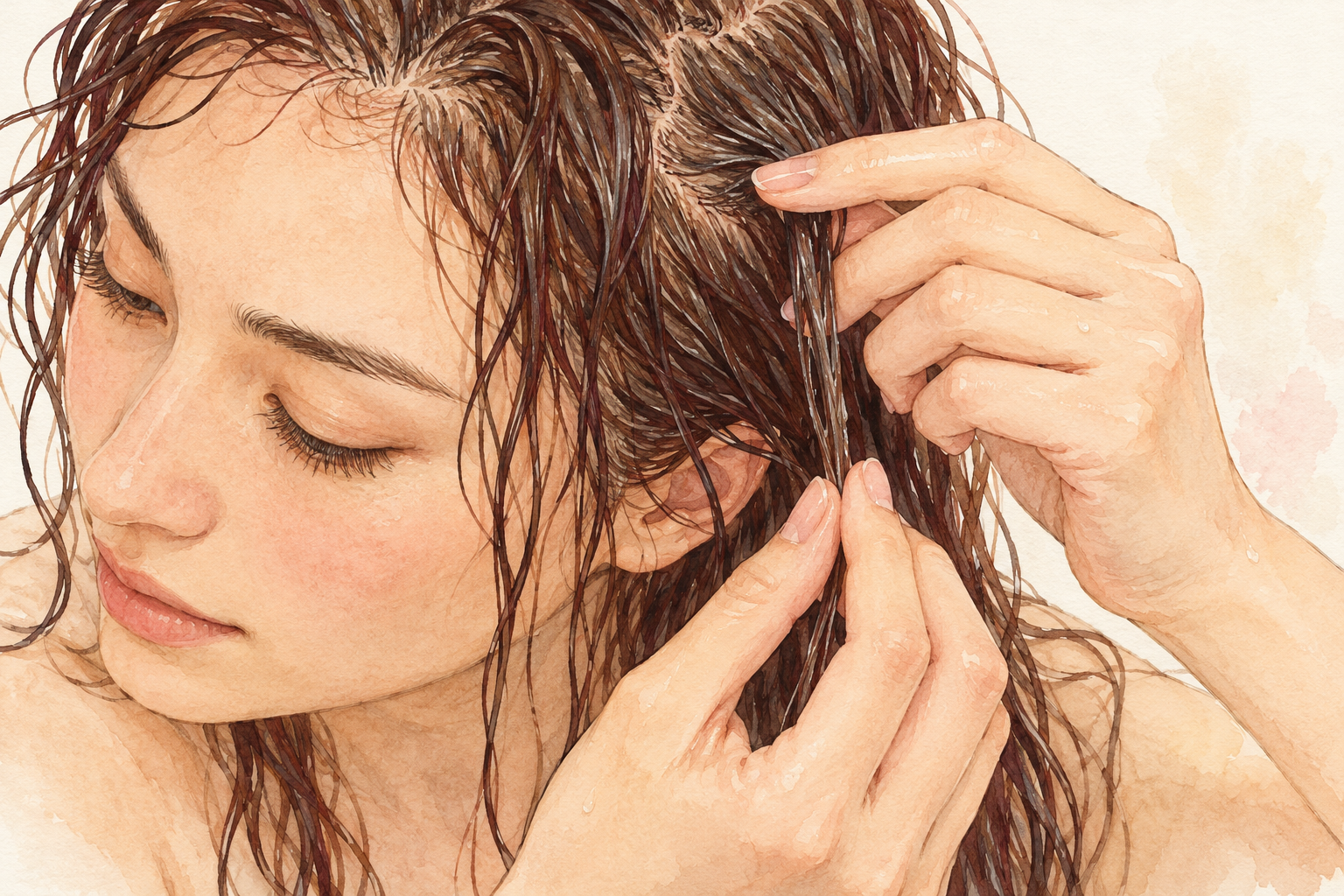
Wet a single strand from the back of your head and tug it very gently between two fingers. Strong hair stretches slightly and bounces back. Hair that feels gummy, stretches like chewing gum, or snaps right away has been pushed too far. Check a few spots, because the ends and the front are often worse than the back. This takes thirty seconds and tells you how gentle to be. If a strand snaps clean in two, treat the whole head like glass for the next few weeks. Bleach damaged hair is at its weakest when wet, so the strand test is also a handling guide.
2. Know what bleach did
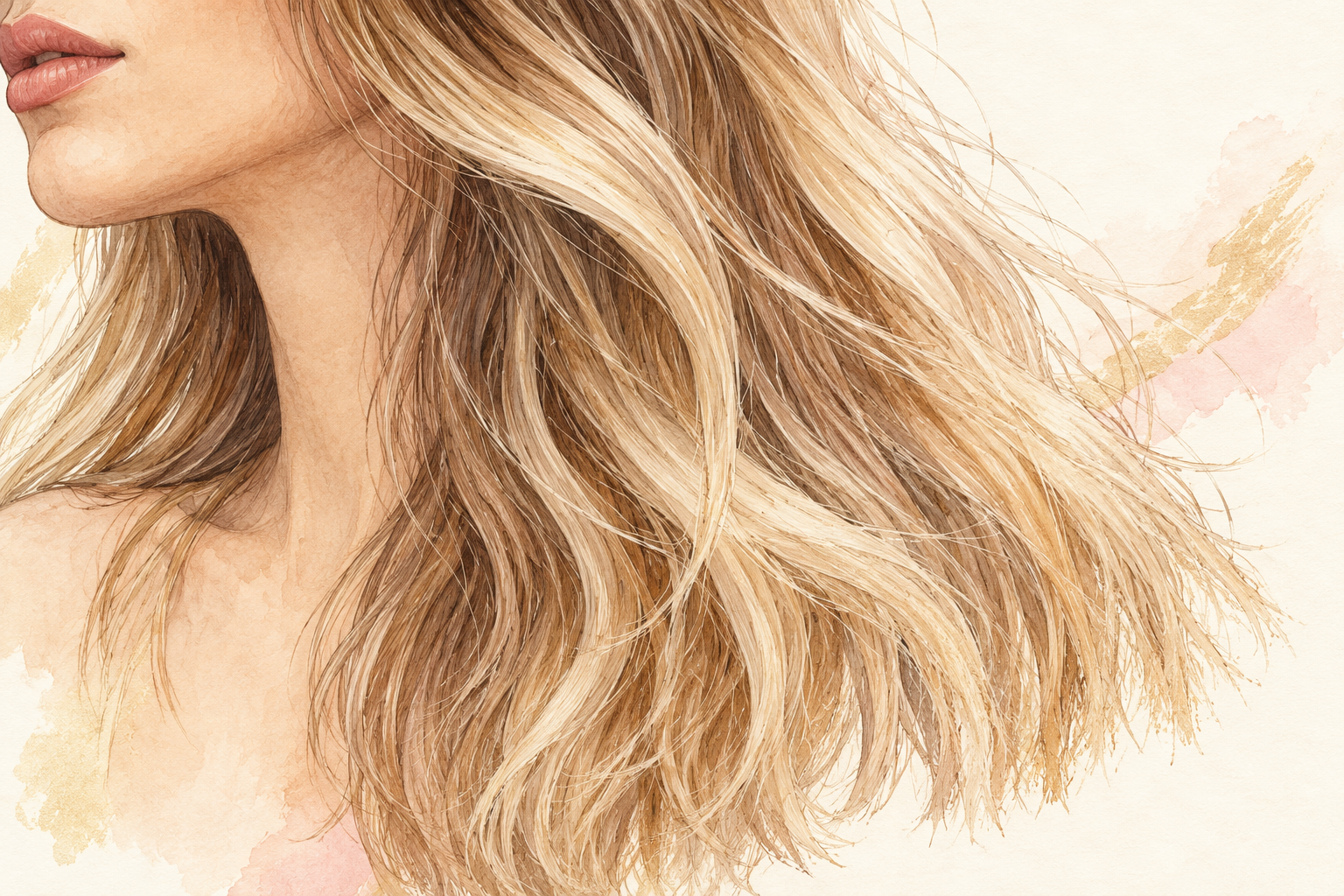
Bleach works by opening up each hair and washing out its color. The more it lifts, the more it leaves the inside of the hair thin and full of tiny gaps. That is why the hair feels rough, soaks up water like a sponge and dries in a flash. It is also why color falls out faster afterwards. None of this means your hair is ruined. It means the hair now needs gentler handling than before, and a lot of patience from you. Think of it like a delicate silk top rather than a cotton one, washed by hand and never wrung out.
3. Put all more lightening on hold
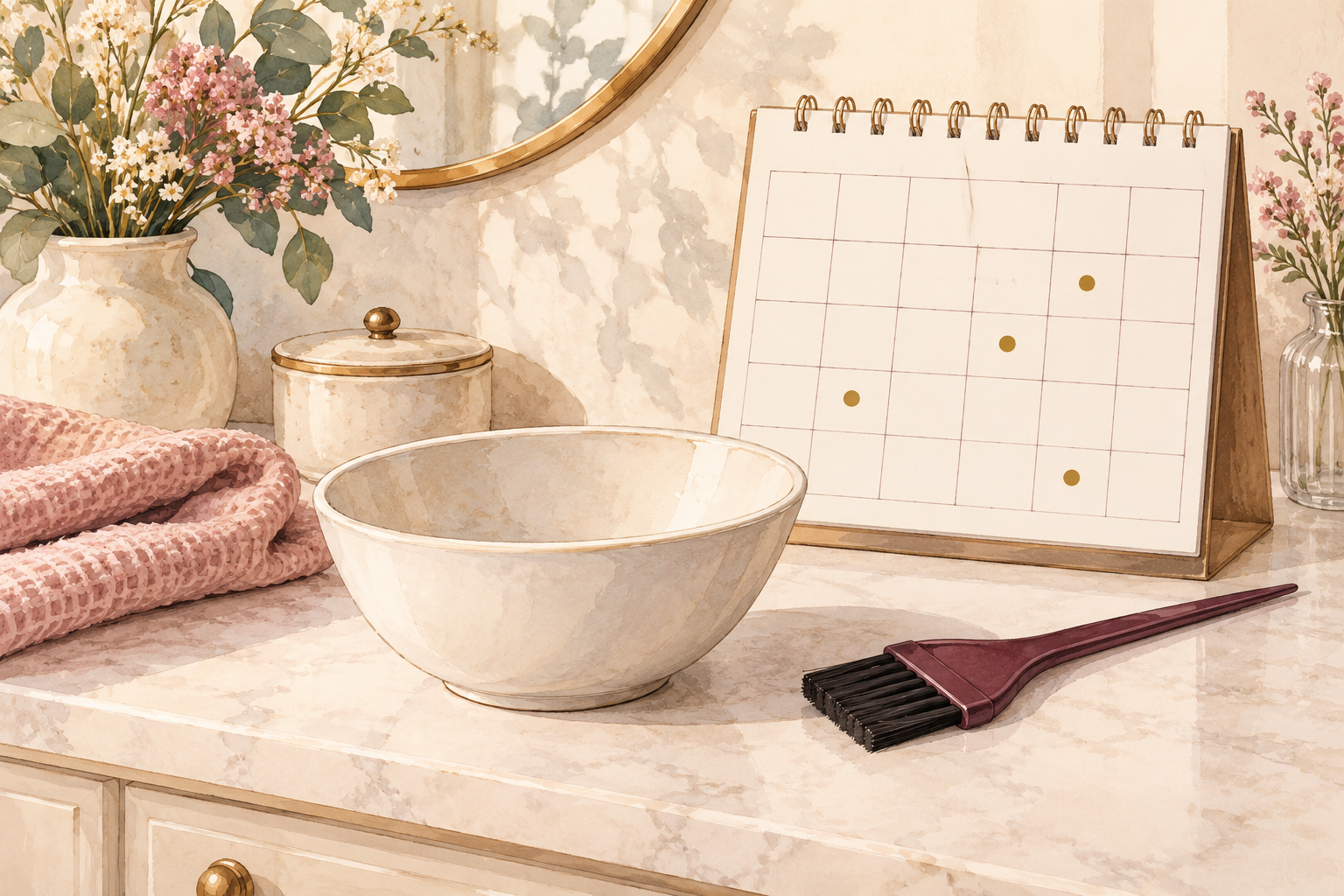
Do not touch up, bleach again or lift the same strands for at least eight weeks. Hair that has been lightened hard often cannot take another round, and doing it over damage is how girls end up with a chop. If your roots are growing in, tone the line or blend it with a gentle shade, and wait. It is hard to see regrowth, but a stretch of rest now is easier to live with than a big cut later. Pick a date on your calendar and promise yourself you will leave your hair alone until then. Mark the date in your phone, and let the roots grow in while the lengths recover.
4. Cut heat down to once a week
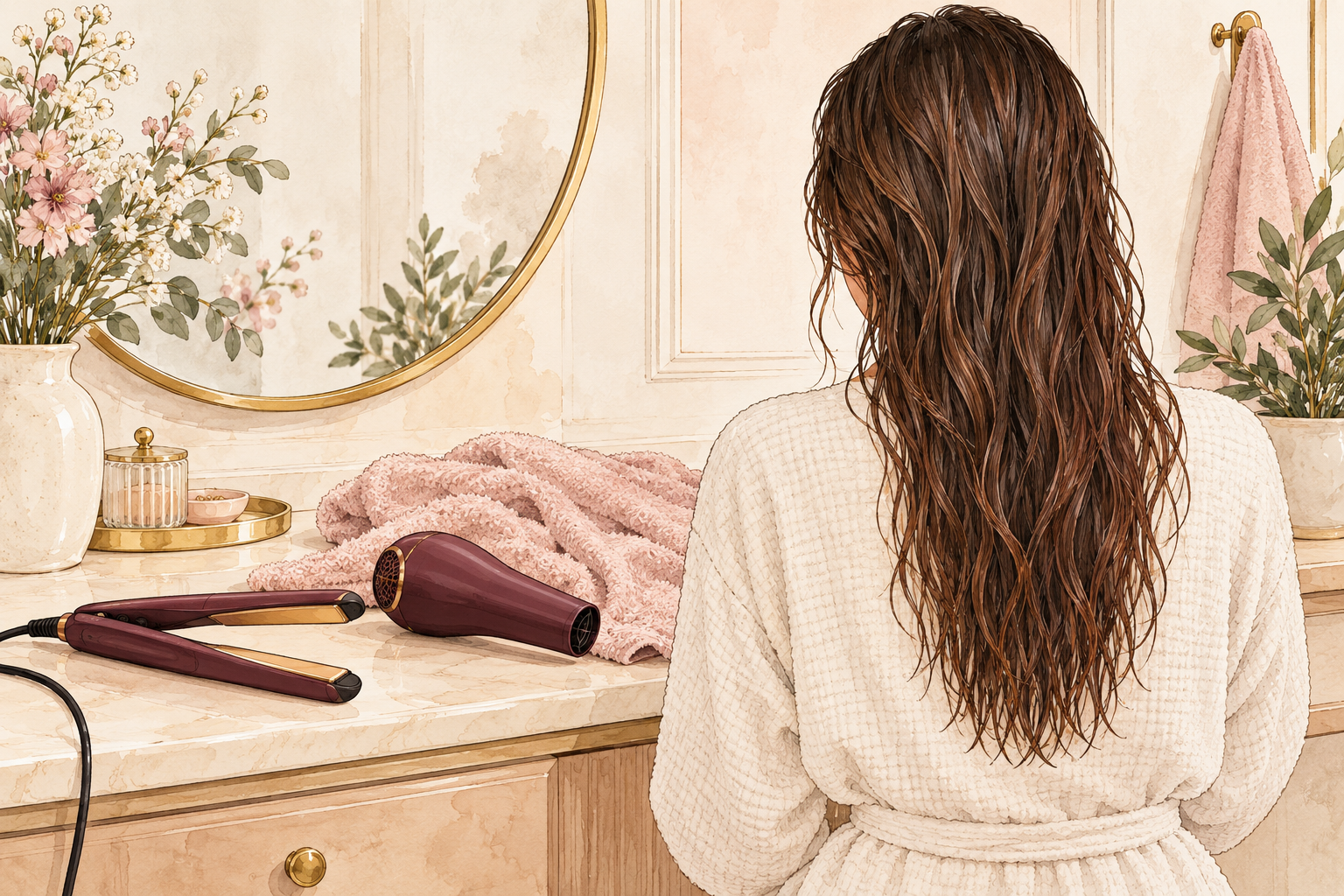
Use heat styling no more than once a week, on the lowest setting, with a heat protectant first. A very hot iron can scorch lightened hair in a single pass. Air dry on other days, or use the cool setting. When you do use a dryer, hold it at arm’s length and keep it moving. Never press a hot iron onto damp hair, because the water boils inside the hair and cracks it. You will see fewer split ends and less frizz within a couple of weeks. If you must style, do it on dry, fully conditioned hair, and finish with a cool blast to set the shape.
5. Wash less and keep the water lukewarm

Wash two or three times a week with lukewarm water and a gentle shampoo, and work it only into your scalp. Hot water roughs up the surface of lightened hair and washes out toner. Let the suds run down the lengths as you rinse, rather than scrubbing them. Skip a wash if your roots are not oily, and try a soft scalp scrub with your fingertips instead. Rinse with cool water at the end for a minute, because it smooths the outer layer and adds a little shine. Your scalp may need less washing than the lengths, so shampoo only where it feels oily and let the rest rinse clean.
6. Condition every wash and let it sit

Use conditioner every time you shampoo, and leave it on for three to five minutes. Smooth it from mid lengths to ends, where the damage lives, and keep most of it off the roots. Squeeze the water out of your hair first so the conditioner is not watered down. Rinse until the hair feels slippery, not tacky. Twist a warm towel loosely around your head while you wait, because warmth helps conditioner soak in. If your hair feels coated, use a little less next time and rinse for longer. Over conditioning shows as limp, flat hair that never really dries, and the fix is simply a smaller amount.
7. Detangle from the ends upward
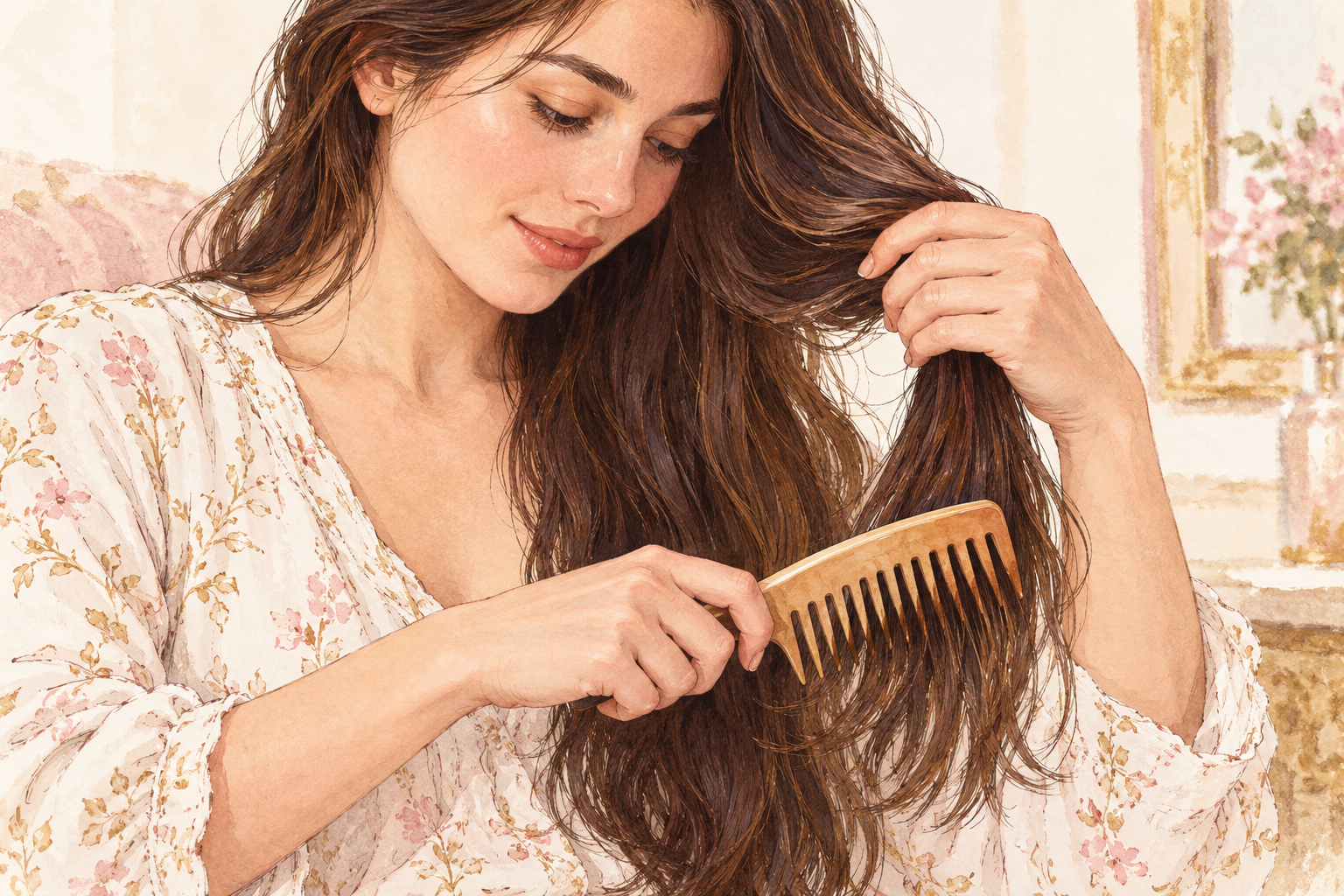
Work through your hair with a wide tooth comb while it is coated in conditioner, starting at the ends. Hold a section above the knot so you are not pulling on the root, and work upward a few inches at a time. Wet bleached hair stretches and snaps, so never rake a brush through from the top. If you meet a stubborn knot, add more conditioner and pick it apart with your fingers. Go slowly. You will lose far less hair in the shower and on the comb. Do the same on dry days, and carry a small detangling comb so you never tug a knot loose.
8. Try a bond repair treatment as a bonus
Use a bond repair treatment once a week on damp hair and follow the directions on the label. It helps hold broken links in the hair together, so lightened strands feel stronger and less stretchy. Treat it as a helpful bonus, not a cure, because it cannot undo a full over lightening. Comb it through in sections, leave it on for the time the label says and rinse well. If your hair feels stiff afterwards, follow with a normal conditioner. Keep using it for a month before you decide if it works for you. Your hair should feel springier, less gummy and a little stronger on the comb.
9. Add a moisture mask and a few drops of oil
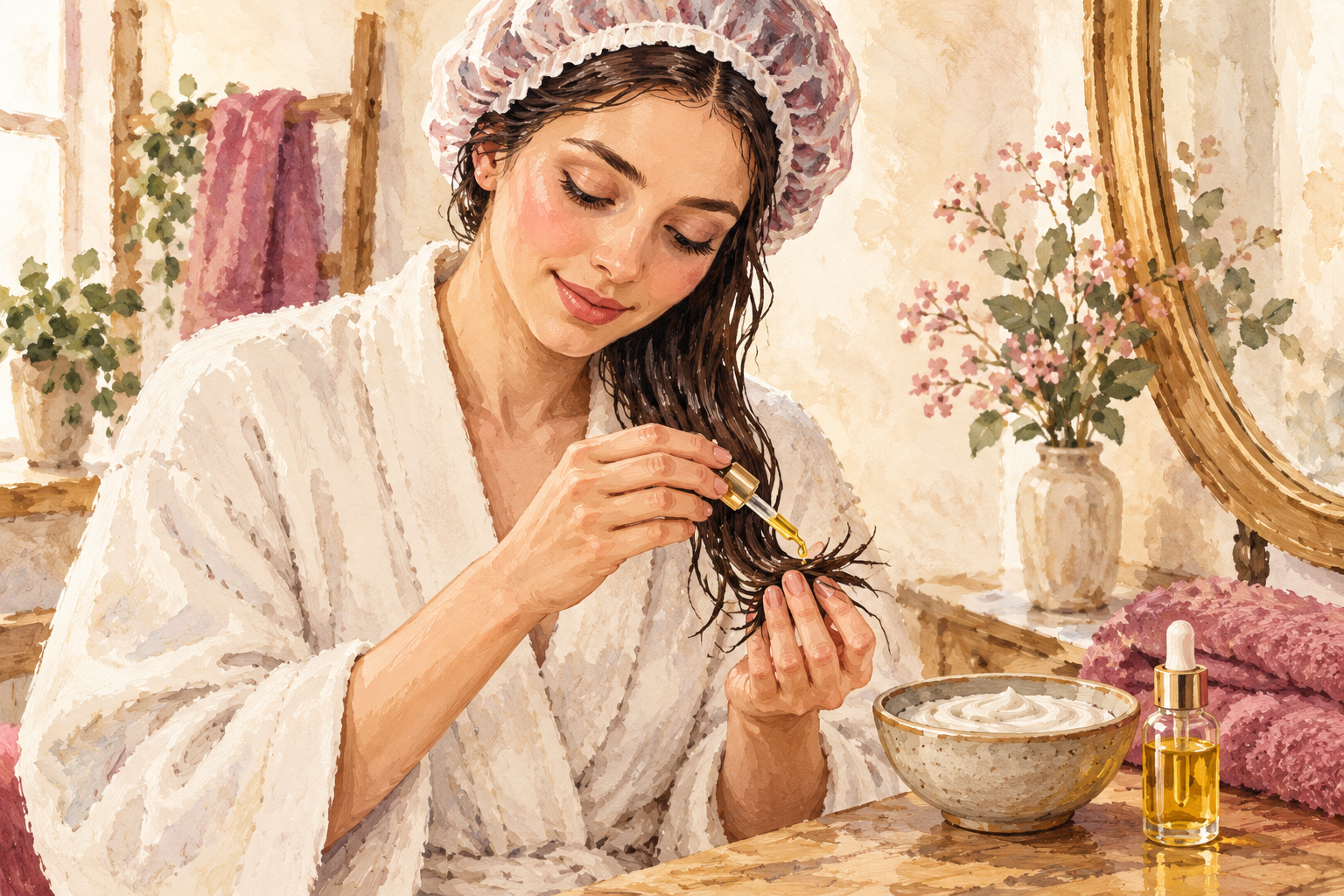
Put a rich moisture mask on once a week for ten to twenty minutes, then seal the ends with two or three drops of oil. Bleached hair loses water fast, so it needs refills. Apply the mask to damp hair and use a shower cap to hold in the warmth. Warm the oil between your palms and press it onto the ends only. Too much oil makes thin hair look greasy and still dry underneath. You will feel the difference in softness after the first wash. Skip the mask if your hair already feels soft and heavy, and use a lighter conditioner instead.
10. Fix brassy tones with a toning shampoo
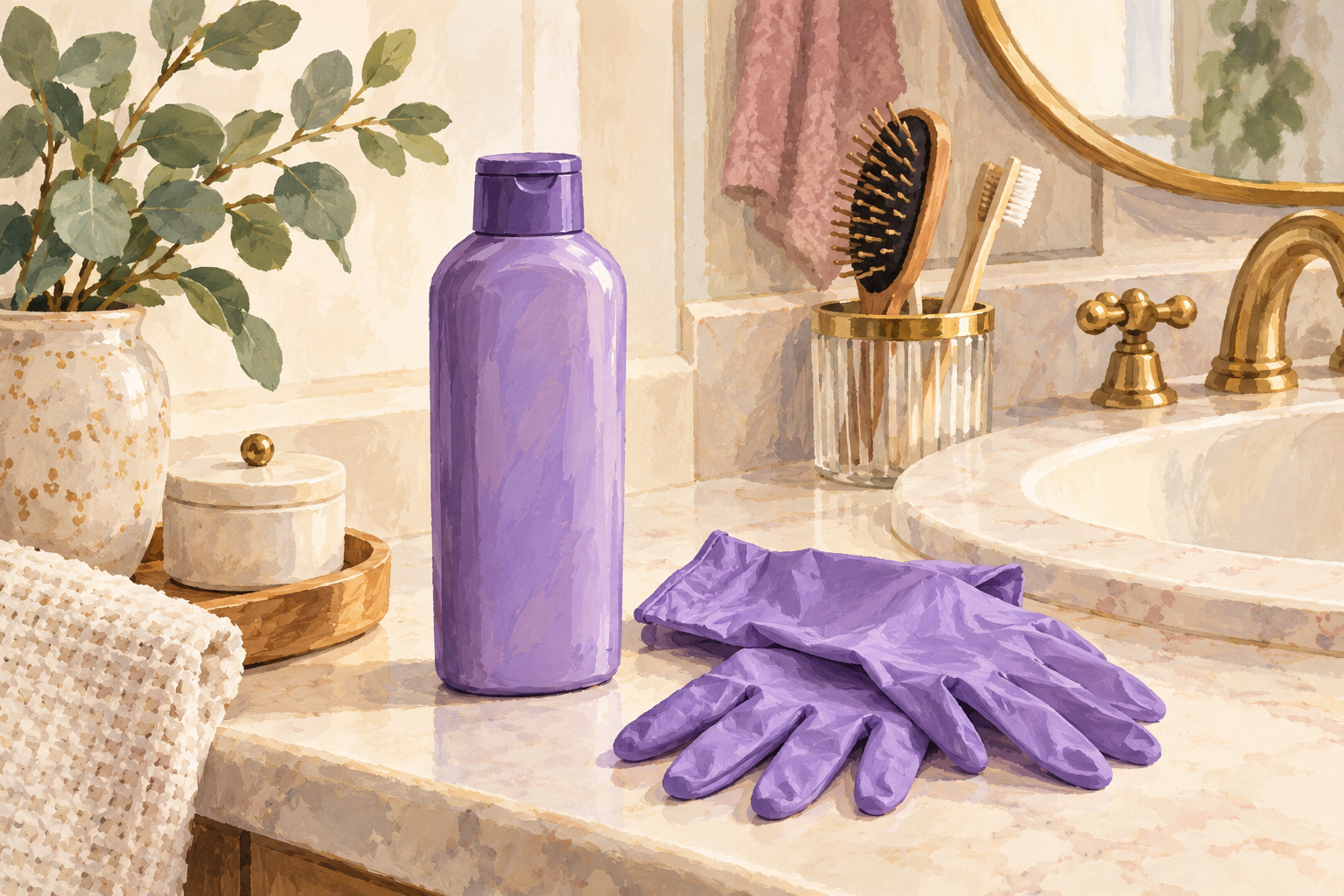
Use a purple or blue toning shampoo once a week and leave it on for two to three minutes. It cancels the yellow and orange tones without lightening anything again. Wear gloves, because it stains your hands, and rinse well. If you leave it on too long, pale hair can pick up a lilac tint that fades in a few washes. Follow it with conditioner. Do not use it more than once a week, because toners can dry already thirsty hair. A little warmth after a few weeks is normal, so tone only when the yellow really bothers you.
11. Change the little habits that snap hair
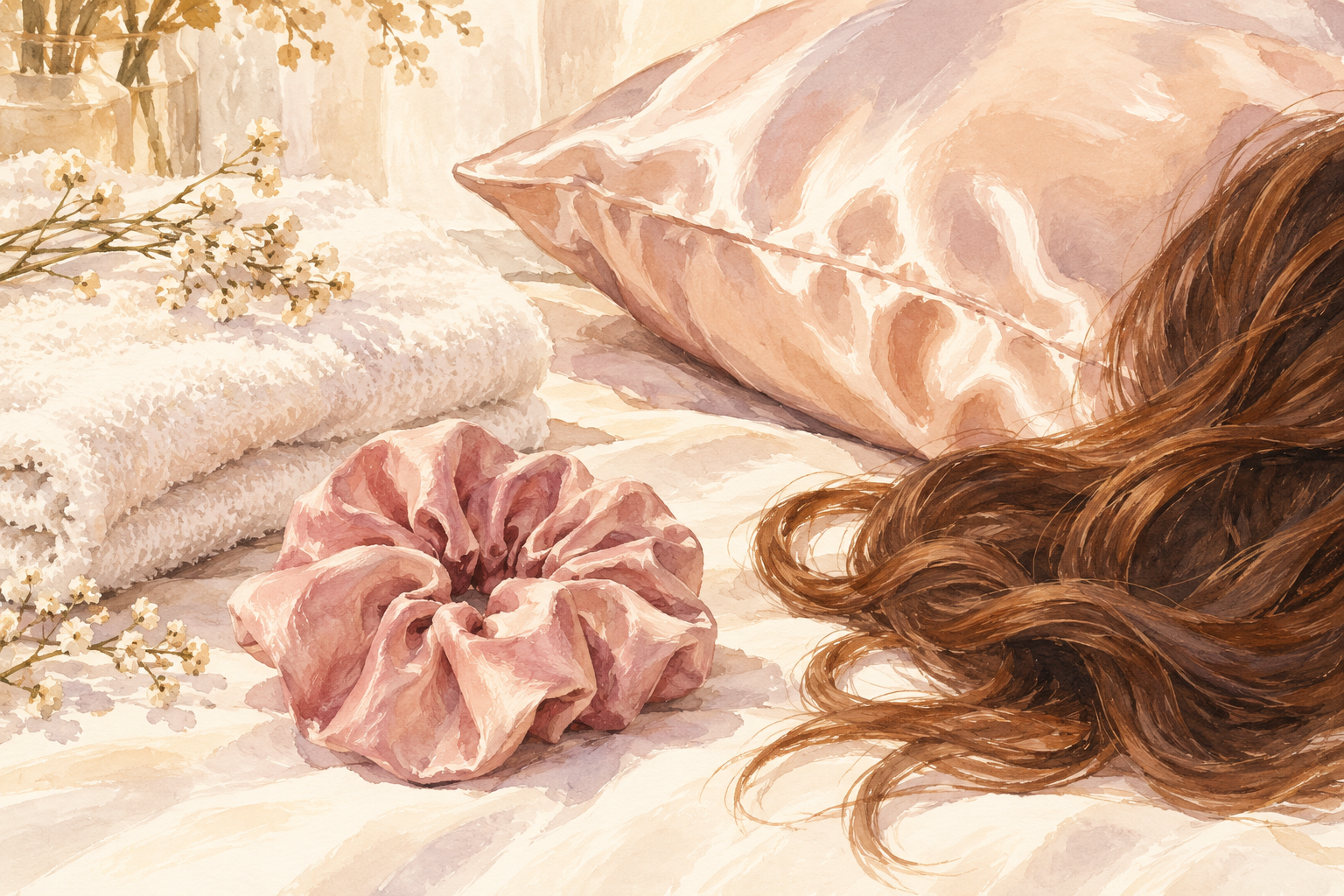
Swap tight elastics, towel rubbing and cotton pillowcases for gentler ones. Squeeze your hair in a soft towel instead of rubbing it, tie it up loosely with a scrunchie, and sleep on satin or in a bonnet. Cover your hair in strong sun and avoid swimming pools until it has recovered. If your scalp ever burned, blistered or hurts after lightening, see your doctor soon. These small changes protect all the work you put into the other steps.
12. Trim the worst and give it time
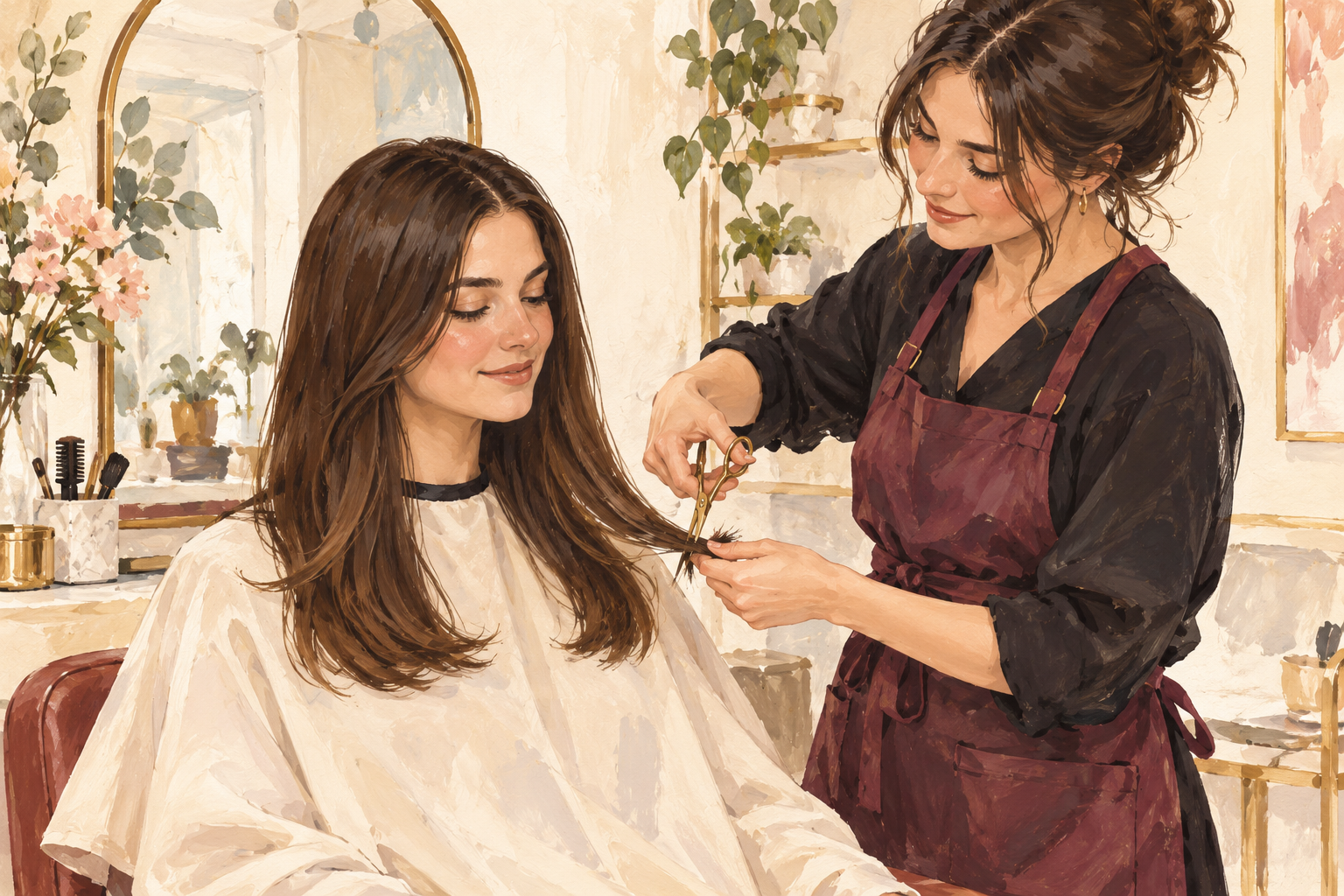
Trim off the most damaged ends an inch at a time, every six to eight weeks. A neat edge stops splits from traveling up the strand. At week one expect hair that feels softer and combs more easily. By week four there should be fewer snaps in the brush. By week eight you will know how much length can stay and how much has to go. Be kind to yourself while it grows back, and take a photo of your ends now so you can see how far they have come. Short layers can also hide the roughest ends while they grow.
Complete the Routine: Bleach Damaged Hair Tonight
Tonight, do the strand test, then use a rich conditioner and put your heat tools away. For more help, read about damaged hair repair and hair mask for damaged hair.