You wash your hair, and by the time it is dry the ends feel like straw and your scalp feels tight. The best shampoo for dry hair cleans your scalp without scrubbing the moisture out of your lengths, and the front of the bottle never tells you which one that is. Here are 12 label checks and habits that do, so start at number one.
1. Read the first five ingredients
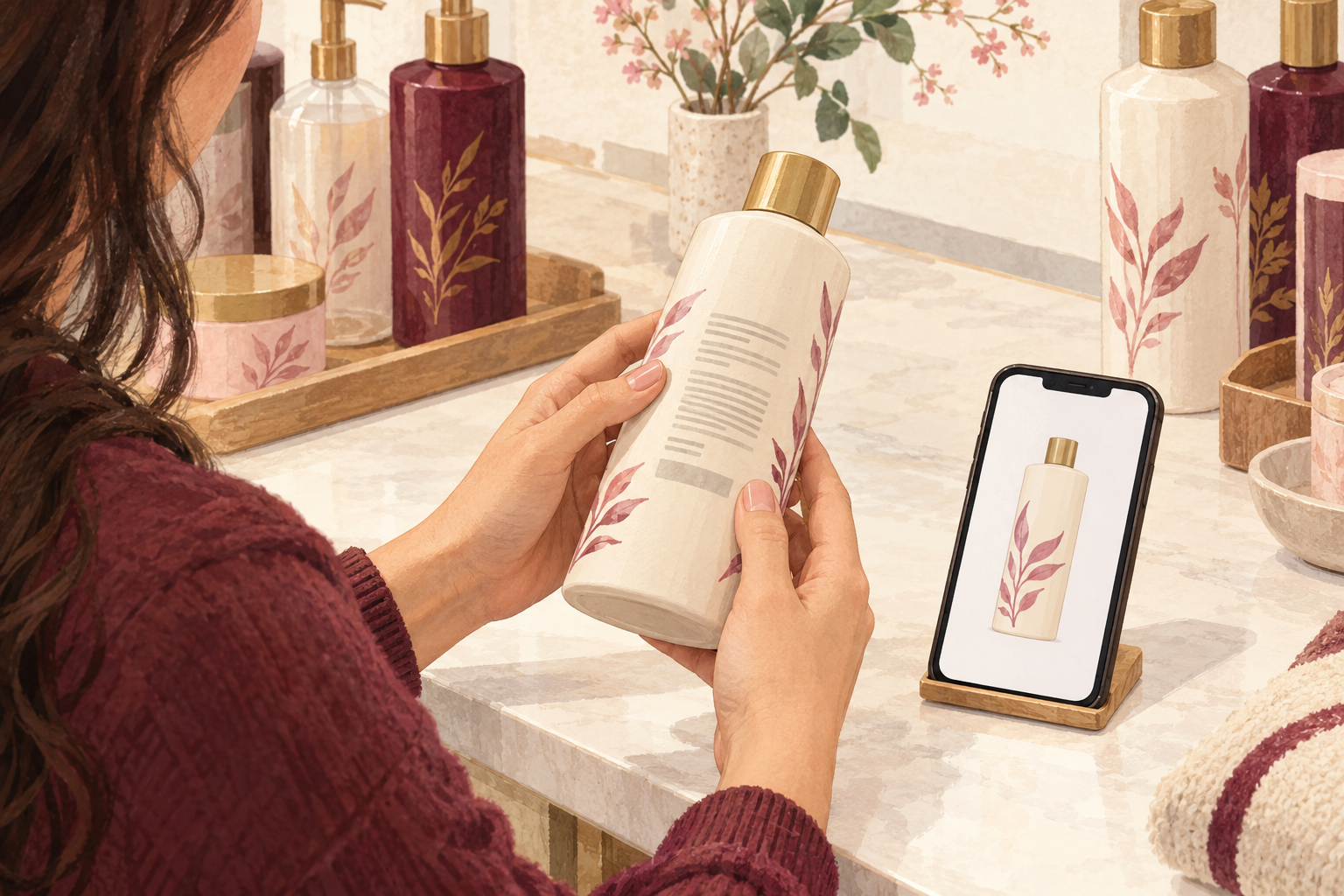
Look at the first five ingredients, because they make up most of the bottle. The list runs from the most to the least, so what sits at the top matters most. Water will usually come first, and the next few tell you what is really cleaning your hair. If you cannot find anything gentle or moisturizing in that top group, it is not the best shampoo for dry hair, so put the bottle back. Do not be swayed by a long ingredient list either, since longer does not mean better. Snap a photo of the back of any bottle you like, so you can compare labels at home without carrying them around.
2. Choose a gentle cleanser
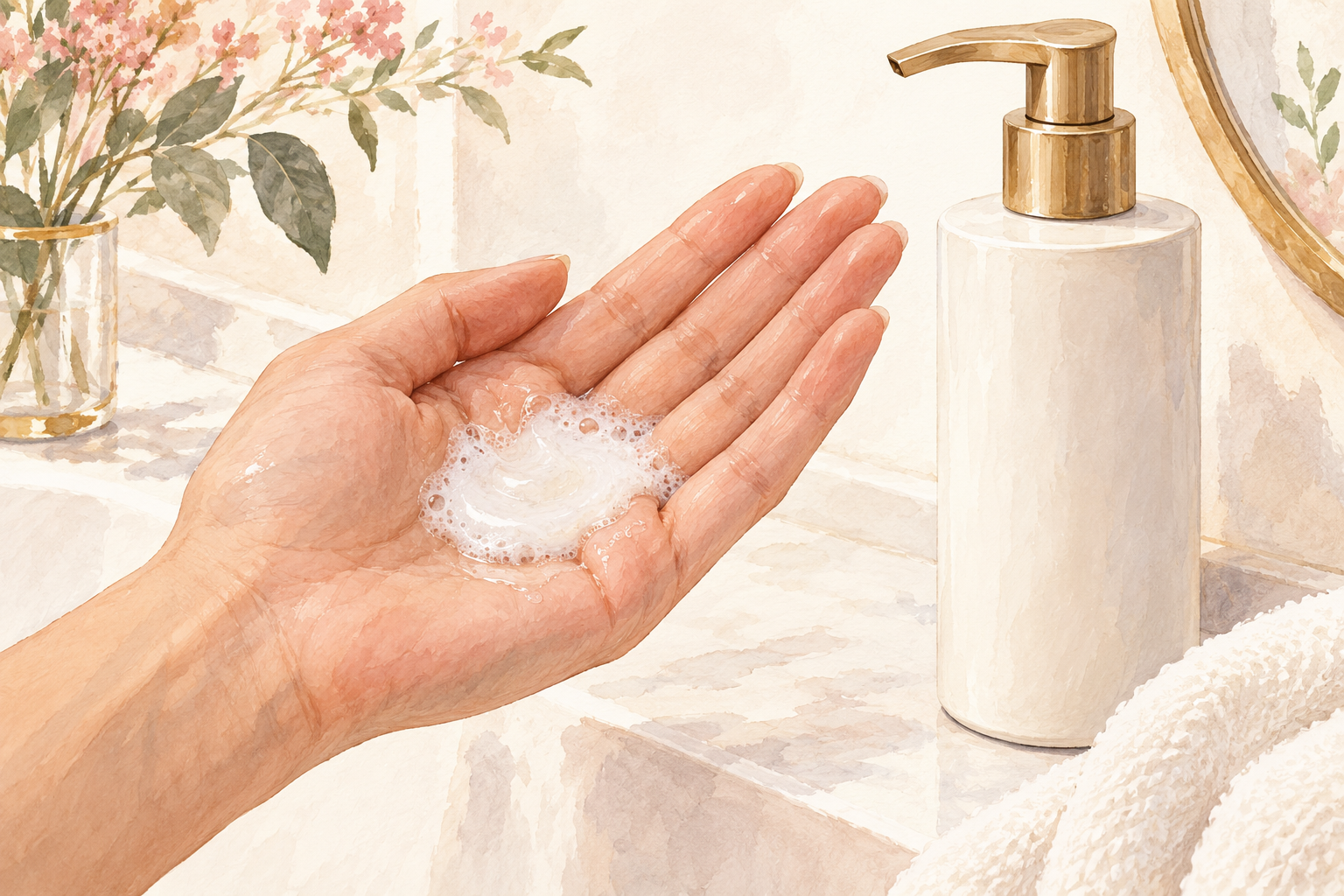
Pick a shampoo whose cleanser is gentle, often labeled as a mild or coco based one. Harsh cleansers foam up like crazy and leave hair feeling squeaky, which on dry hair means stripped. A softer lather is a good sign, not a bad one. If the shampoo gives you huge bubbles from a tiny drop, it may be too strong for you. Sulfates are the usual reason for that big foam, so check for them near the top of the list. A gentle formula can still clean well, so do not worry that a softer lather means it is not working.
3. Spot the moisturizers
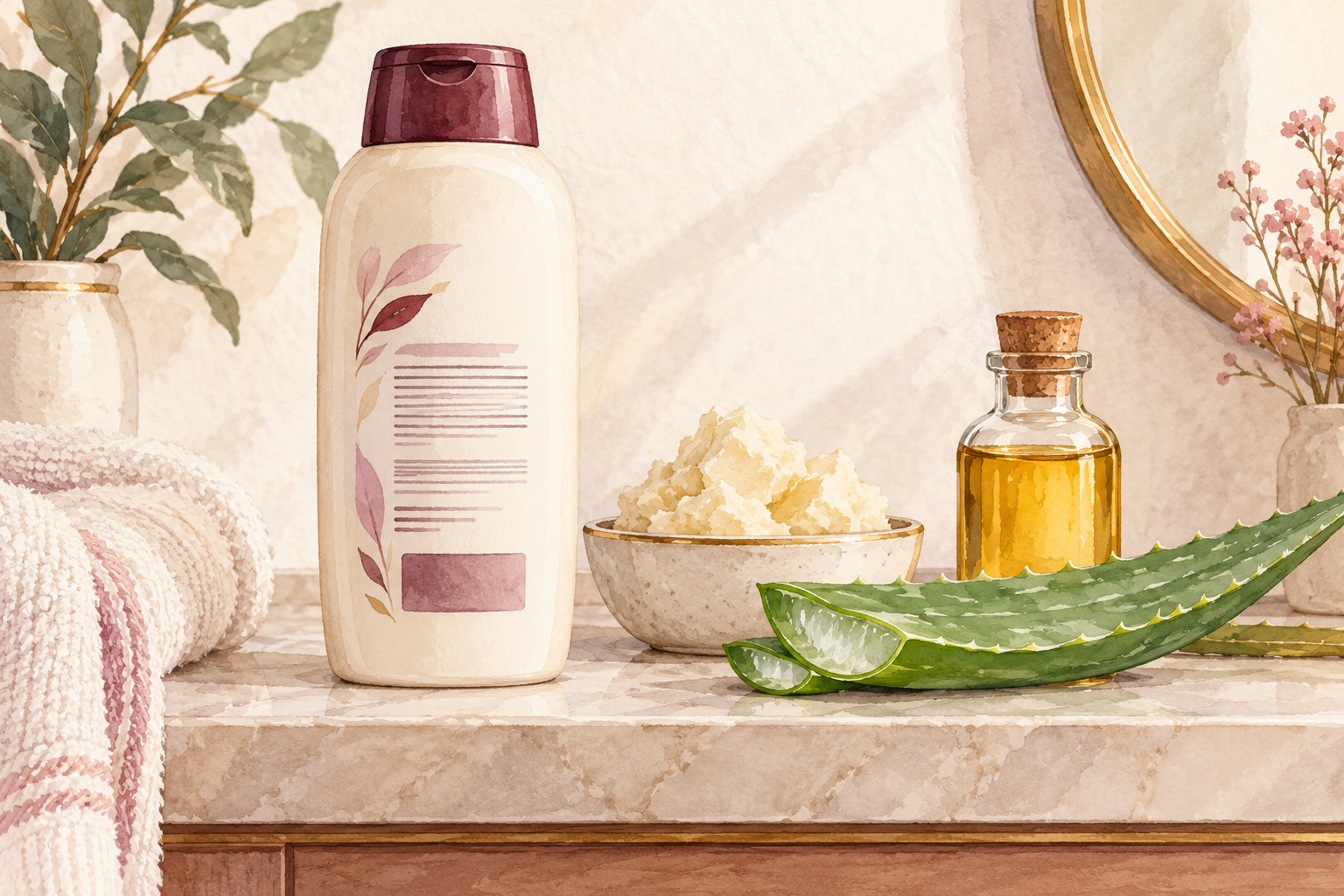
Scan the label for glycerin, aloe, shea butter or plant oils. These pull in water or seal it, which is what dry hair is begging for. You do not need all of them, one or two near the top is enough. A shampoo with many fancy extracts at the very bottom of the list is mostly marketing. Short, simple lists are usually a good sign. Fragrance high up the list can also bother a dry, sensitive scalp, so go for a light scent or none at all. If the oil or butter is the very first thing after water, the shampoo may be too heavy for fine hair.
4. Fine and dry hair needs light moisture
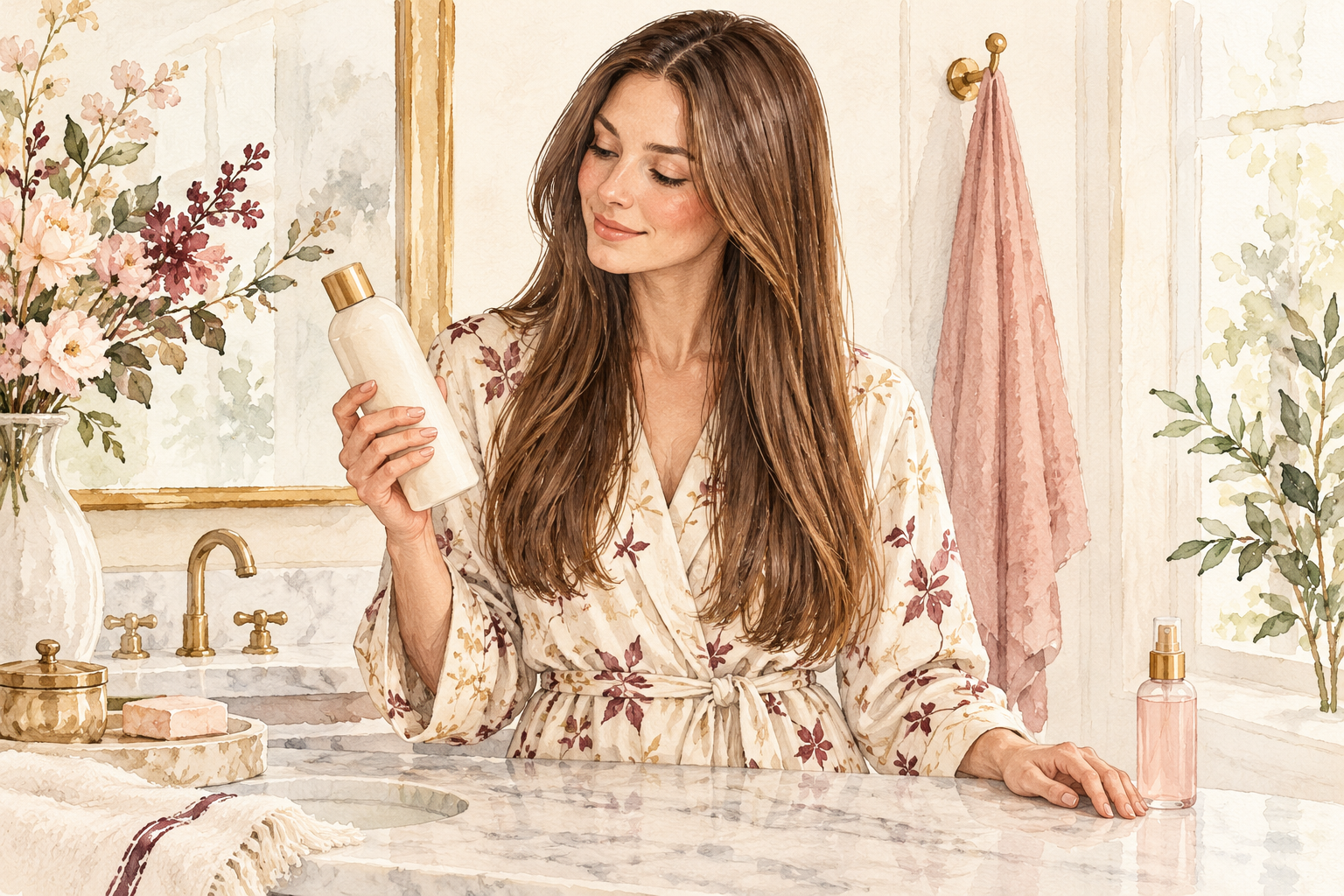
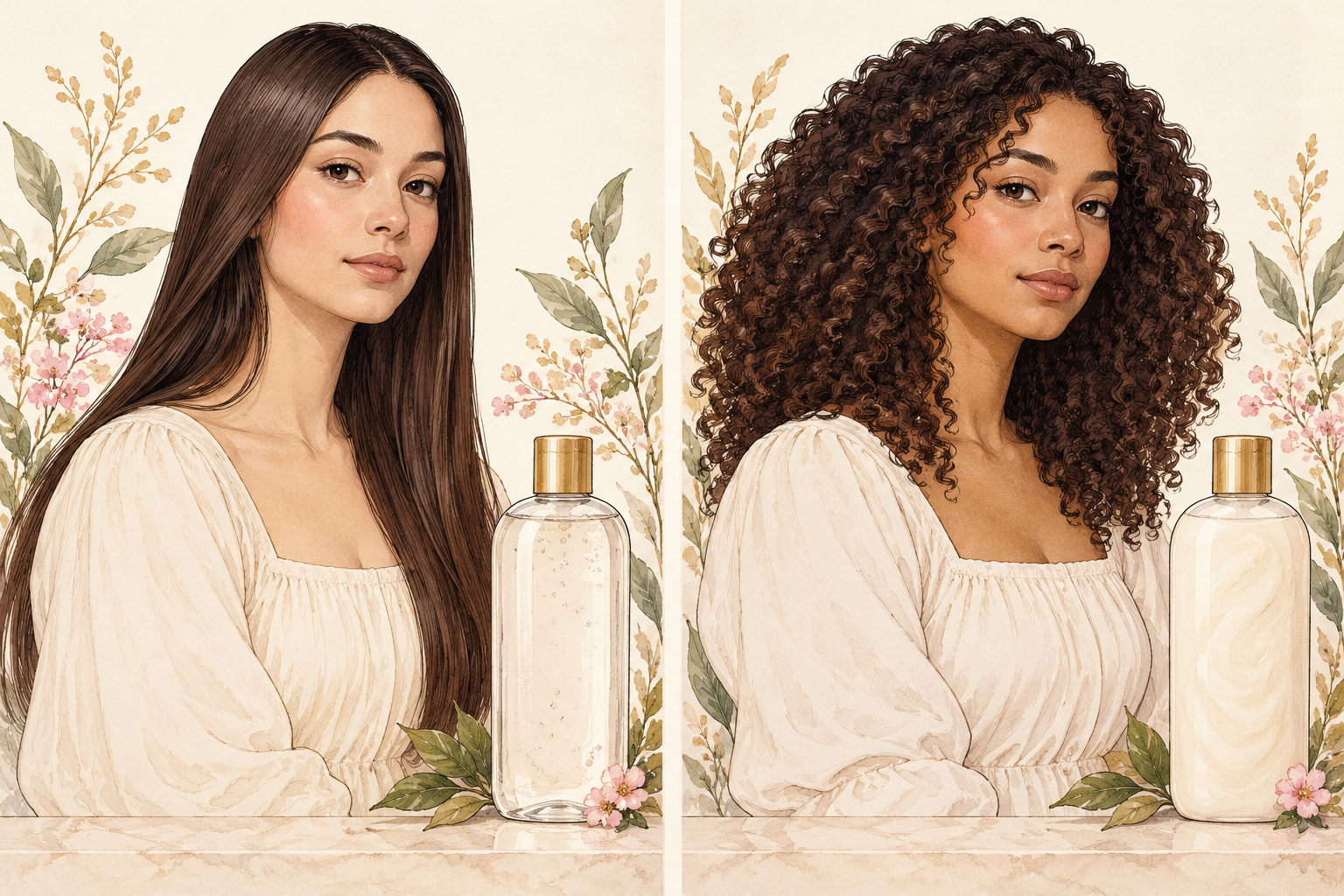
Choose a lightweight, creamy shampoo that hydrates without coating your strands. Fine hair gets weighed down by heavy butters and oils, so look for aloe and glycerin instead. If your roots go flat by lunchtime, the shampoo is too rich. You want soft ends and bounce at the roots, and when your hair is fine, the best shampoo for dry hair is a light one that gives you both. A leave in spray on the ends only can add the softness back without any weight. Rinse well, because leftover shampoo is the fastest way to flat, dull roots.
5. Thick, curly or coily hair needs a rich wash
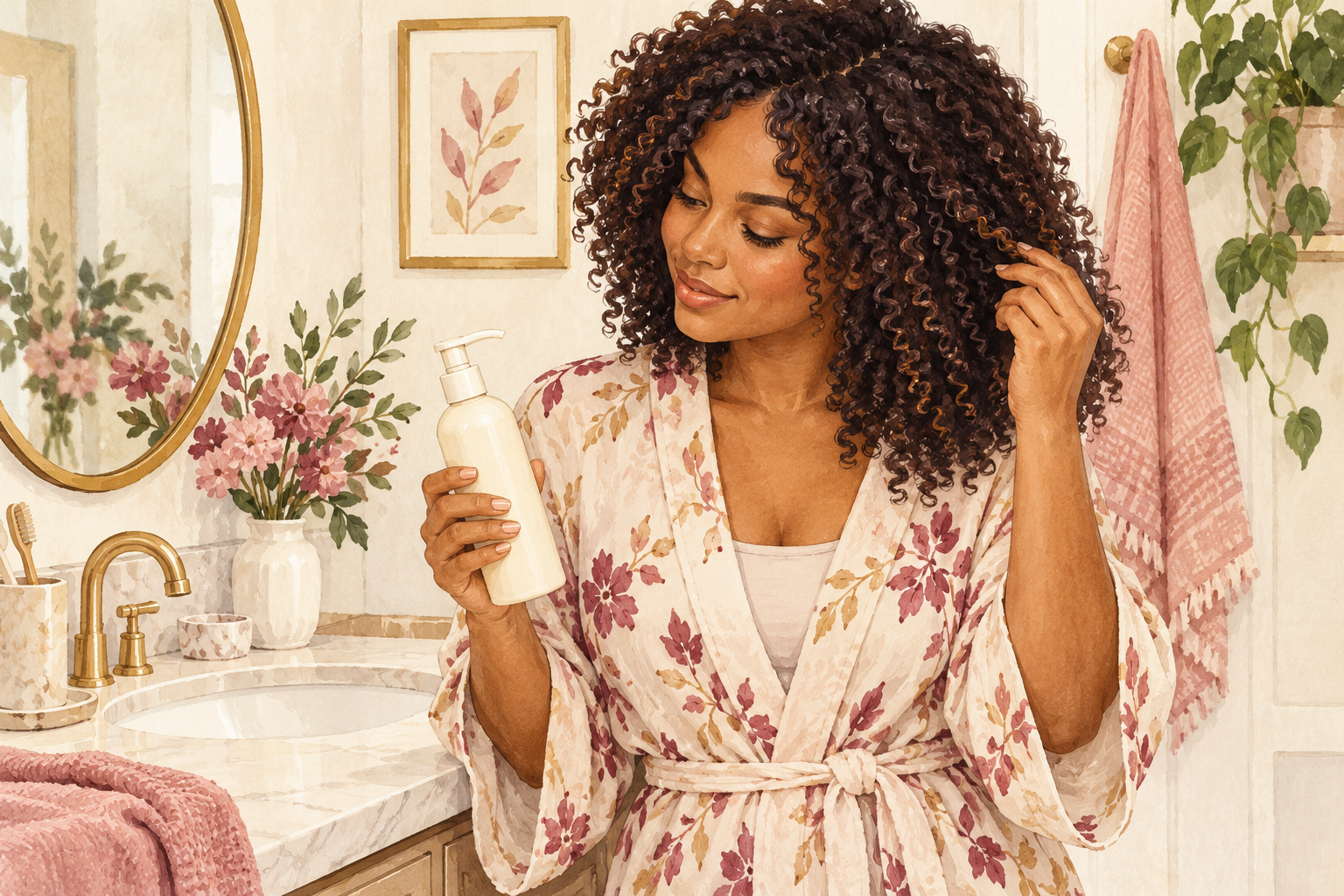
Look for a creamy, low foam cleanser with butters or oils for thick or textured hair. Curls and coils are naturally drier because scalp oil has a long journey down the strand. A cream wash, or a co wash between regular washes, keeps them soft. If you can run your fingers through after rinsing, it is working. For this hair type, the best shampoo for dry hair is often a cream that barely foams at all. Wash in sections if your hair is very thick, so every part gets cleaned without tangling. Use a small amount and add a splash of water, so the cream spreads evenly through dense hair.
6. Colored hair needs a color safe formula
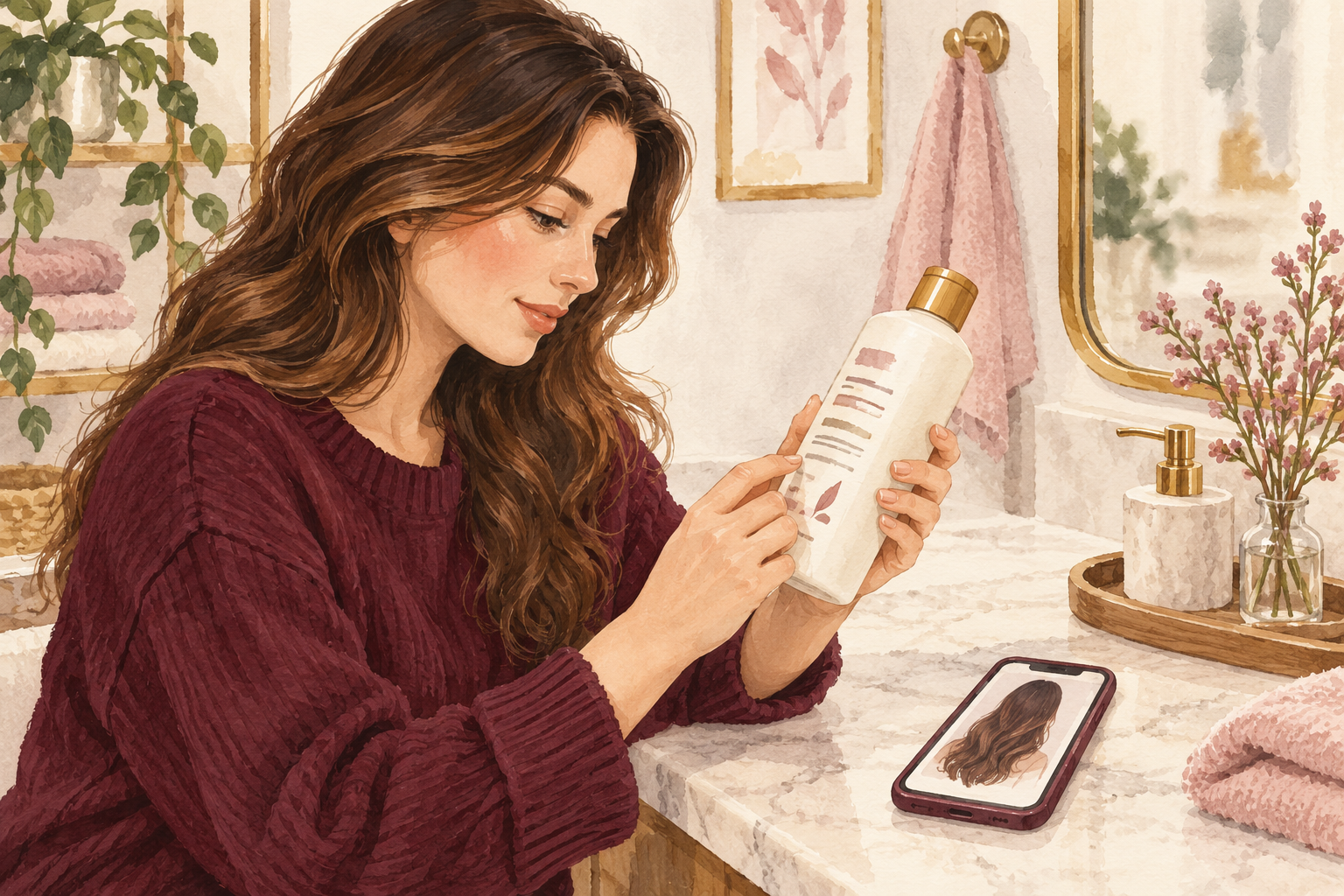
If your hair is dyed or highlighted, pick a shampoo that says color safe. Color treatment opens the hair, so it dries out faster and fades quickly with strong cleansers. A gentle formula helps your shade stay put longer. Washing with cooler water protects it too. Check that the shampoo is also gentle on the scalp, since a color safe label alone does not mean it is moisturizing. Look for the words color safe or sulfate free on the back, not just the front.
7. Shampoo your scalp, not your lengths
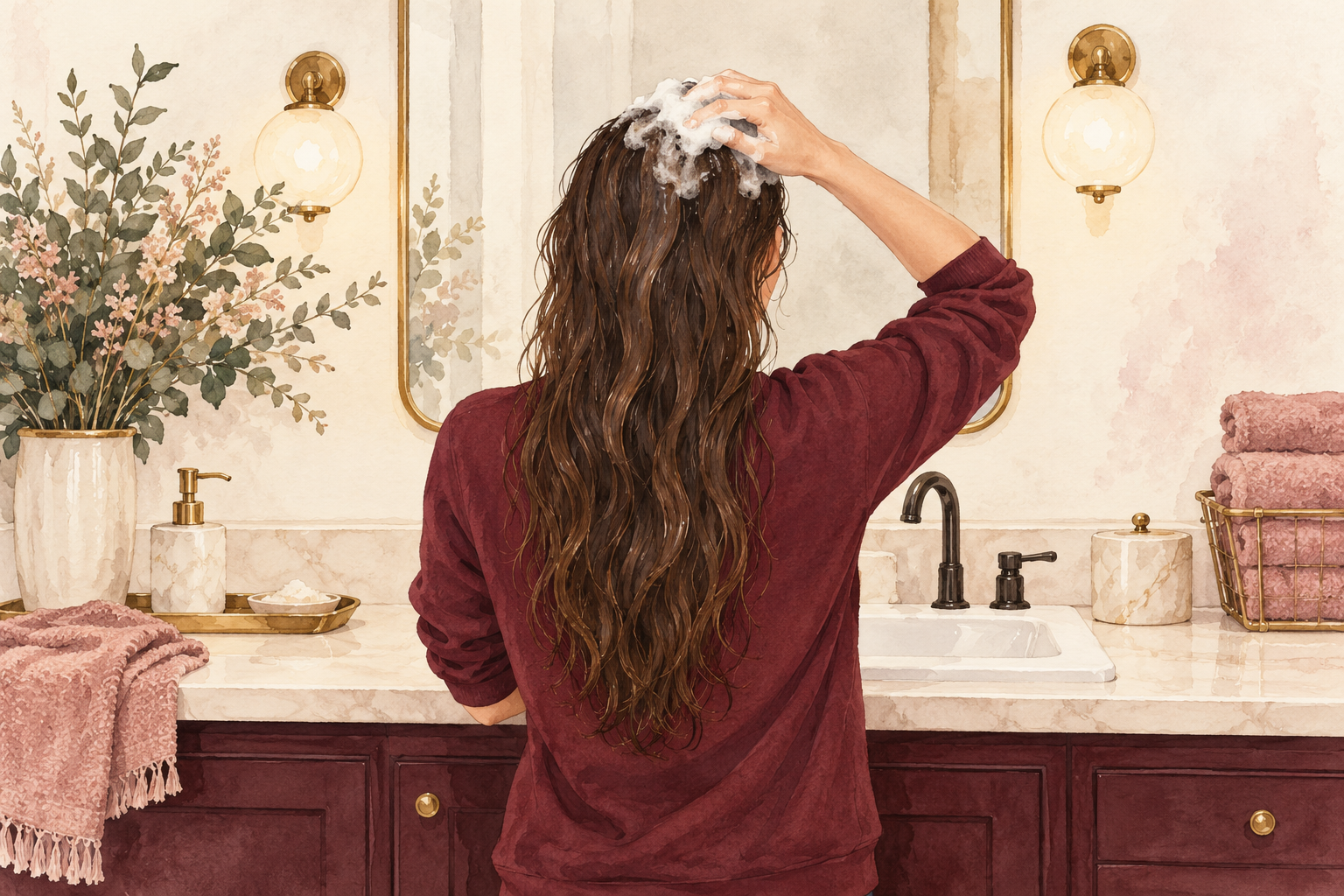
Work the shampoo into your scalp only and let the suds rinse down through the ends. Your scalp is the oily part and your ends are the dry part. Scrubbing the lengths is how straw happens. Use a coin sized amount and add a splash of water to spread it. Even the best shampoo for dry hair will dry out your ends if you scrub them. Let the suds run down through the lengths when you rinse, rather than rubbing them in. A coin sized amount is plenty for shoulder length hair, and a little more only if your hair is very long.
8. Wash less often than you think
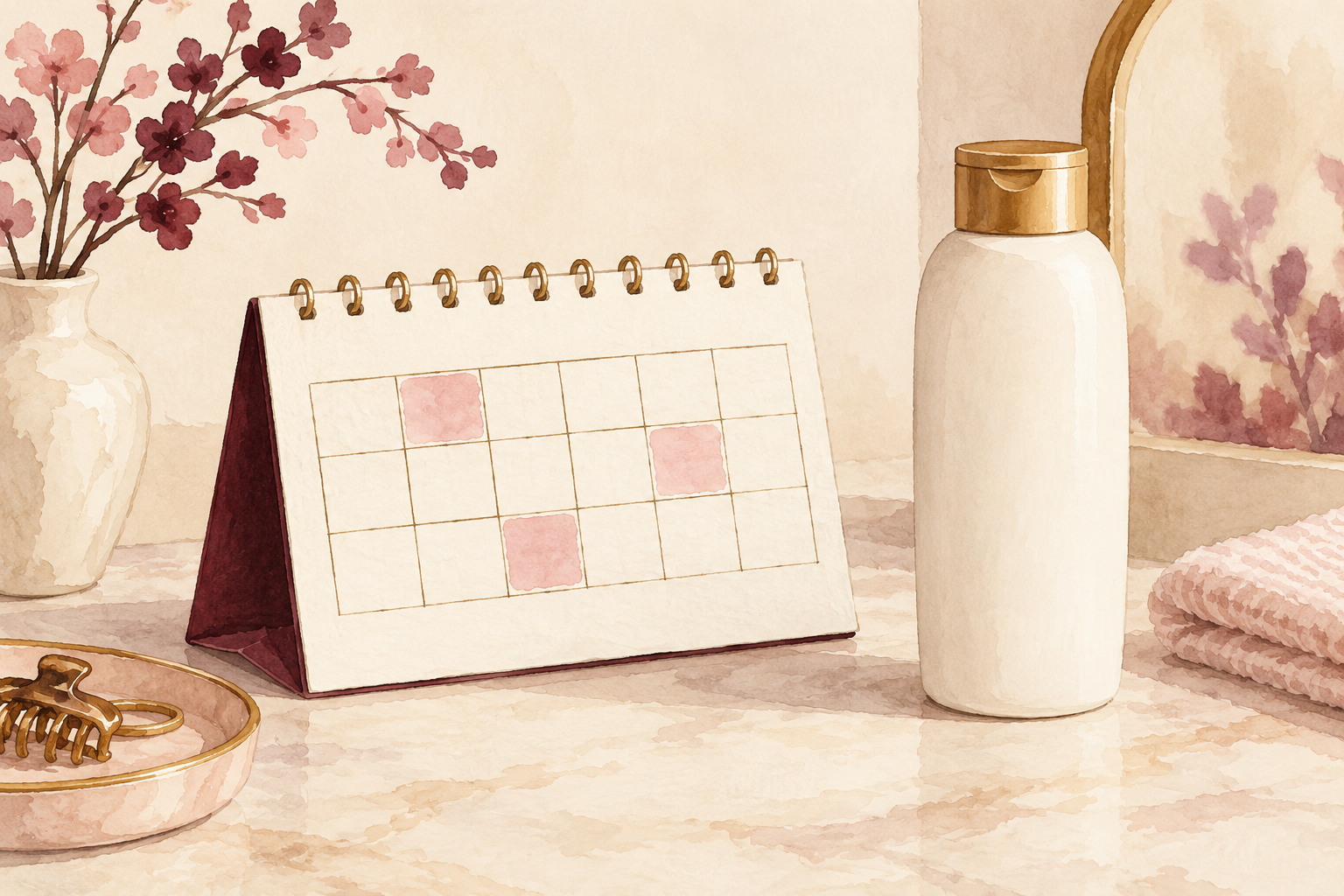
Start with two or three washes a week and adjust from there. Dry hair does not need a daily wash, and every wash takes some oil with it. If your scalp feels greasy by day two, rinse it with water in between or try a gentle wash only at the roots. Most people find a rhythm in a few weeks. The best shampoo for dry hair still needs a sensible schedule to work. On non wash days, tie your hair up loosely or wrap it in a silky scarf at night to stop friction. Most people find a rhythm in a few weeks, so give it time before you change the schedule.
9. Never skip conditioner
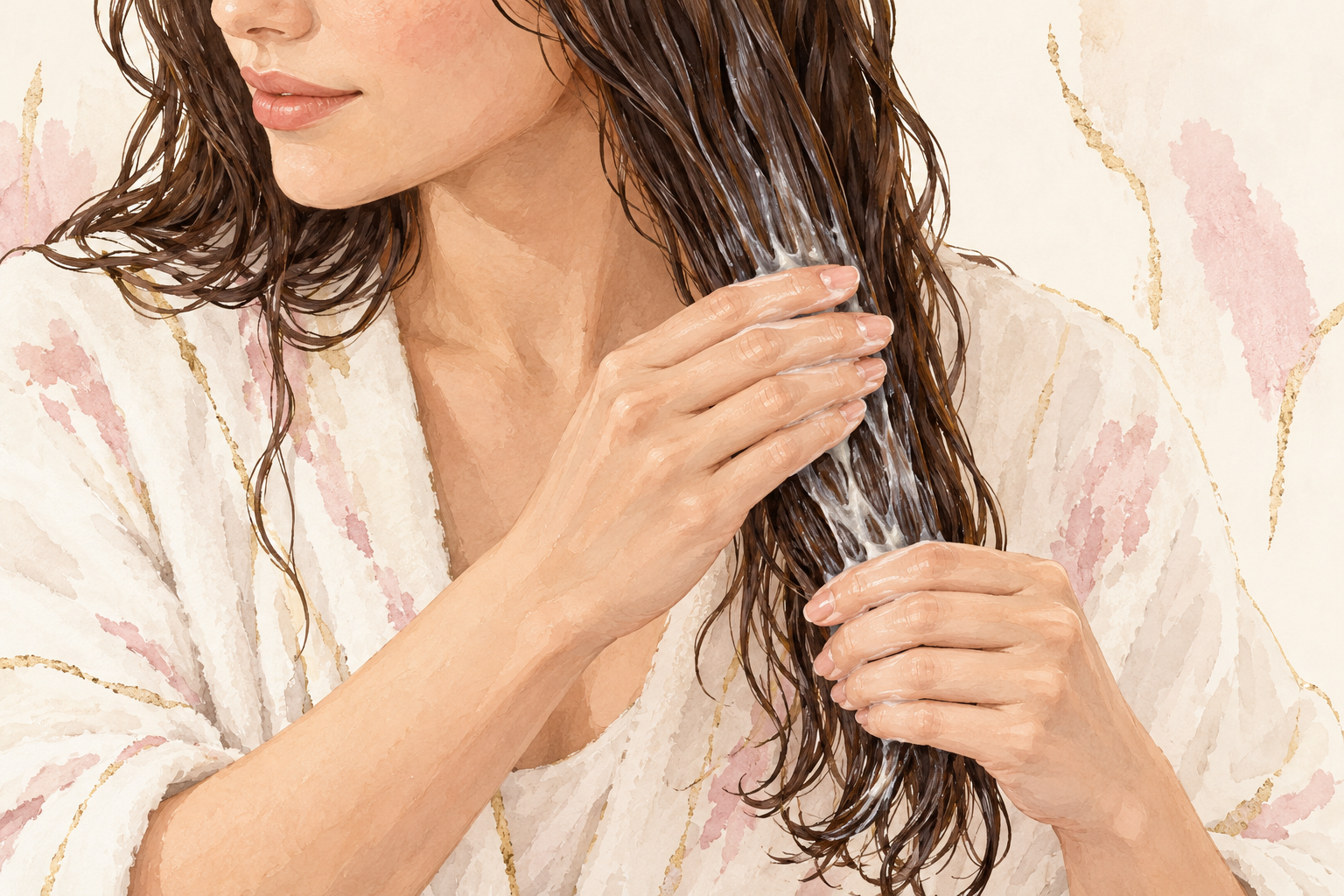
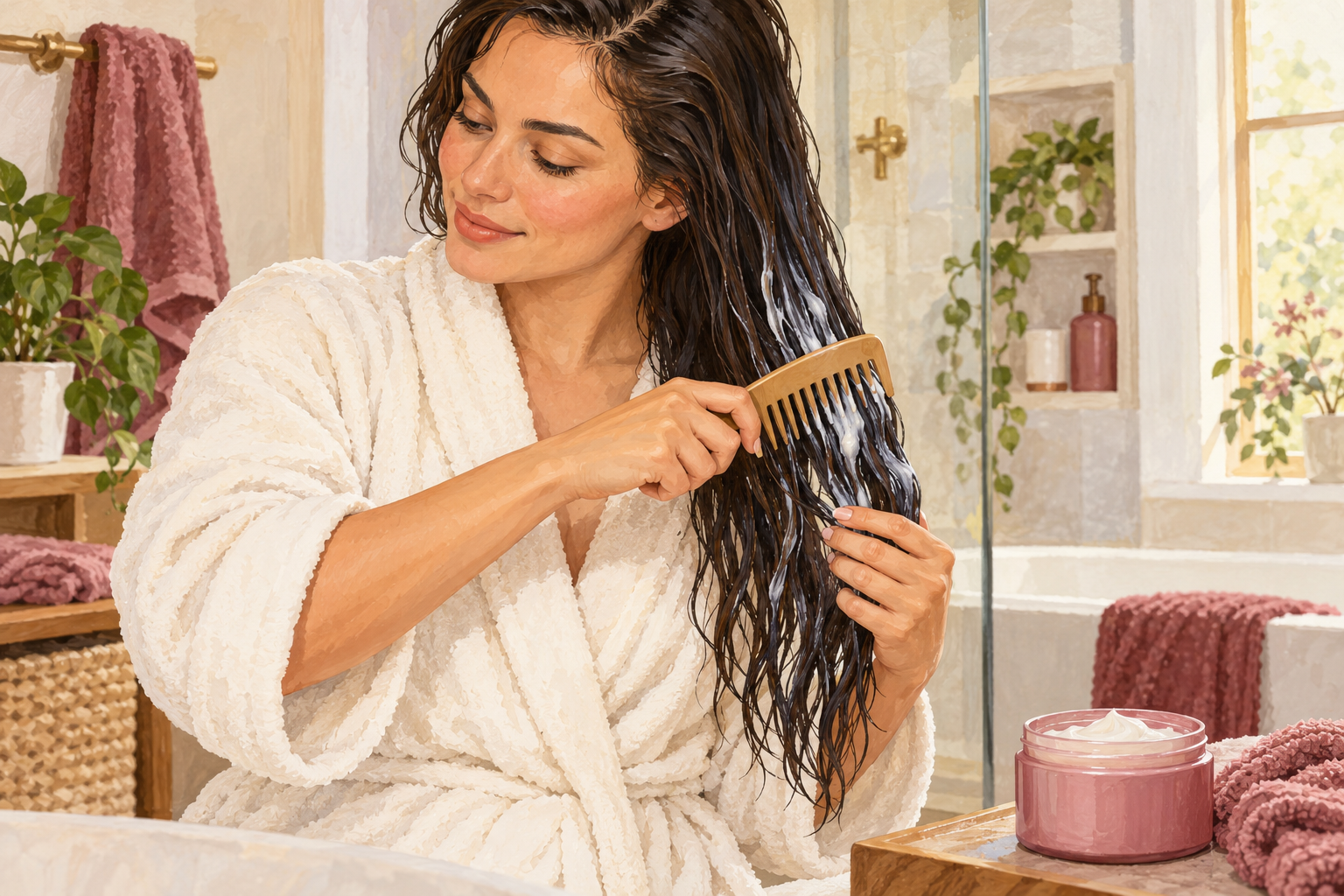
Use conditioner from mid length to the ends every single wash. Shampoo opens the hair a little, and conditioner smooths it back down. Leave it on for two or three minutes while you wash your face or body. Then rinse with cool water to help it lie flat. Detangle with your fingers or a wide tooth comb while the conditioner is still on, since wet hair snaps easily. Squeeze the extra water out first, so the conditioner is not diluted before it can work.
10. Do not wash in very hot water
Keep the water warm rather than hot, and finish with a cool rinse. Hot water strips natural oil faster and leaves your scalp tight. It feels lovely at the time and costs you in softness an hour later. Cool water at the end also makes hair shinier. A lukewarm wash is gentle on both your scalp and your lengths. If a long, hot shower is your guilty pleasure, wash your hair last, so it spends the least time under the heat. A lukewarm wash is gentle on both your scalp and your lengths, and it costs nothing to switch.
11. Judge it after three or four washes

Check whether your hair feels softer, easier to comb and less tight on your scalp. One wash is not enough to decide, since your hair may still be adjusting. By the fourth wash you should see fewer tangles and less static. Give it a fair few washes before you decide. If your scalp itches or your hair feels coated, it is not the one. Write down what you notice after each wash, because small changes are easy to forget. Keep a note on your phone of what you noticed, because it is easy to forget after a week. If your scalp feels calm and your ends feel softer, you have found a keeper.
12. Walk away from the bottle that fails

Skip any shampoo that leaves your hair crunchy, squeaky or itchy, however nice the bottle looks. A pretty label proves nothing. If it irritates your scalp and the itching does not settle, stop using it and see your doctor. Otherwise move on and try the next one on your list. The best shampoo for dry hair is simply the one your hair responds to, so keep your search practical and calm. Pass the bottle to a friend or use it on your body, so it does not go to waste.
Complete the Routine: Pick the Best Shampoo for Dry Hair
Take this list to the shop on your phone and tick things off as you turn each bottle around. For the rest of your routine, read about caring for dry hair and hair mask for dry hair.