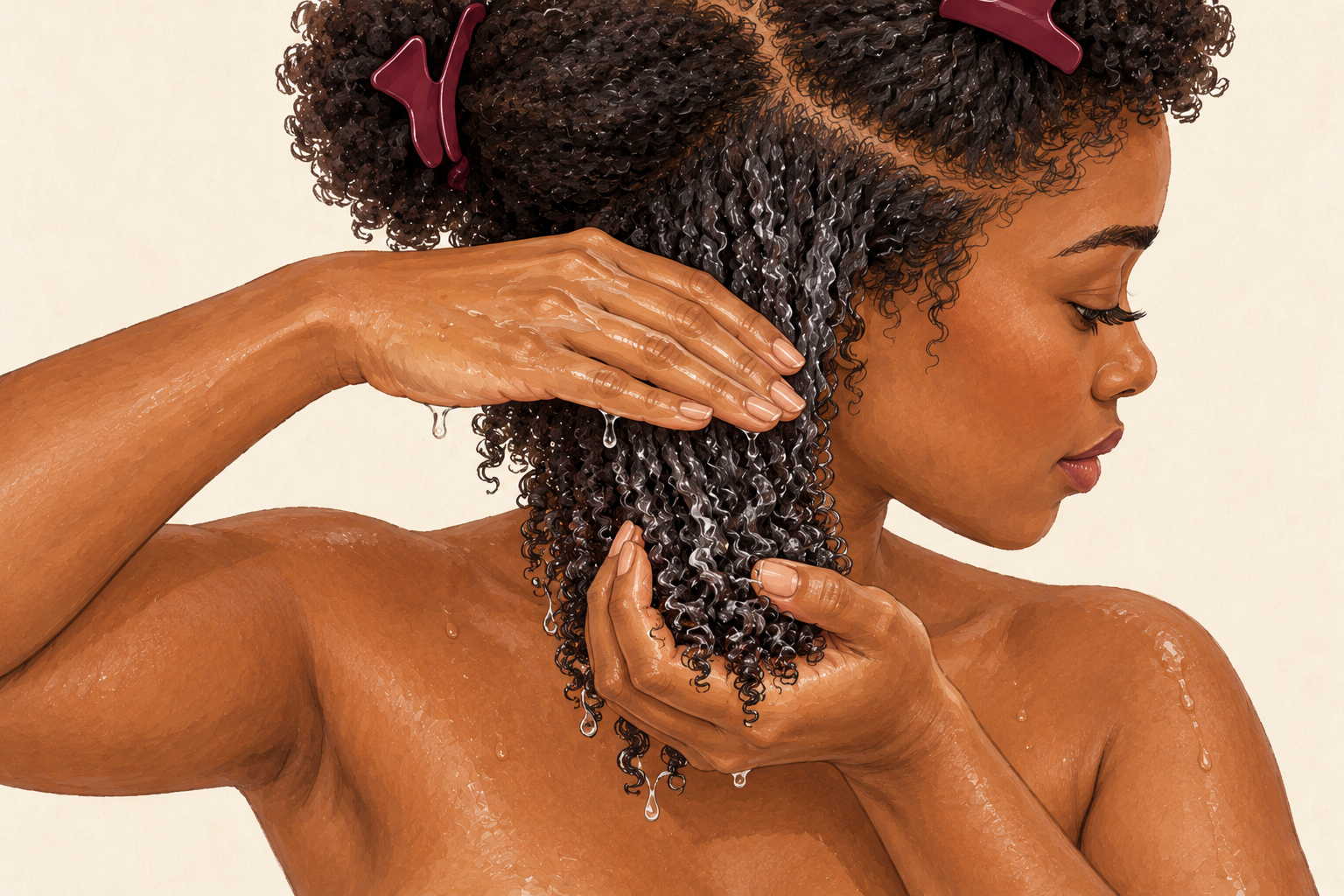
You wash it, twist it, oil it, and a year later your curls sit at the same spot on your neck. Curly hair growth is easy to lose, because curls hide their real length and snap at every bend. These 12 habits show you how to keep what grows, so start at number one tonight.
1. Remember that shrinkage hides your real length
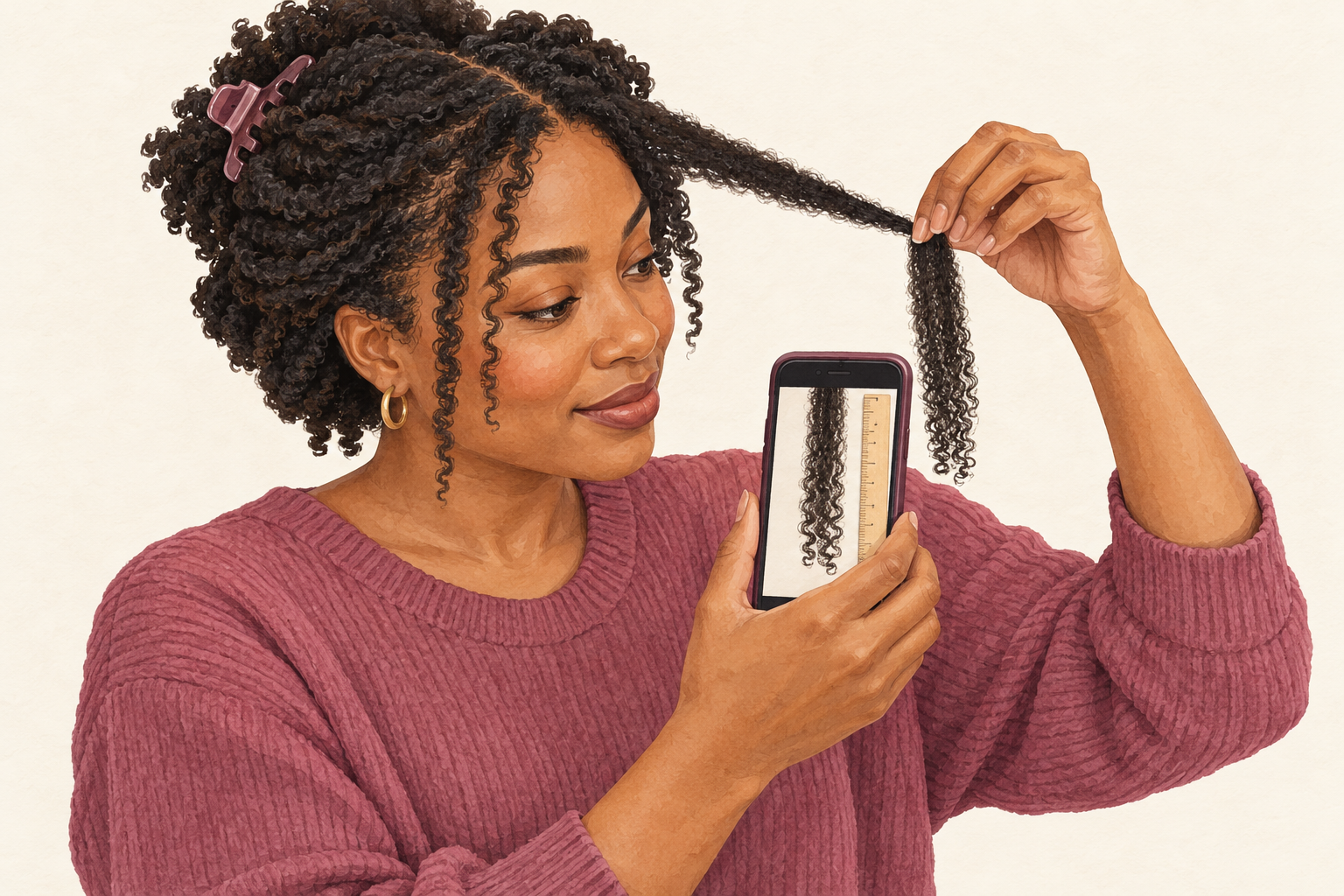
Stretch a wet strand straight beside a ruler to see how long your hair really is. Curls can look half the size they are, so a coil that seems stuck at your chin might reach your shoulder when pulled straight. Shrinkage is a sign of healthy, elastic hair, not a sign that it has stopped growing. Measure once a month from the same spot, and write it down. Tight curls can shrink by more than half, so do not judge your growth by how it looks in the mirror. Keep a photo of your stretched length next to the curled one, and the difference will keep you patient on slow months.
2. Treat your ends as the oldest and driest part
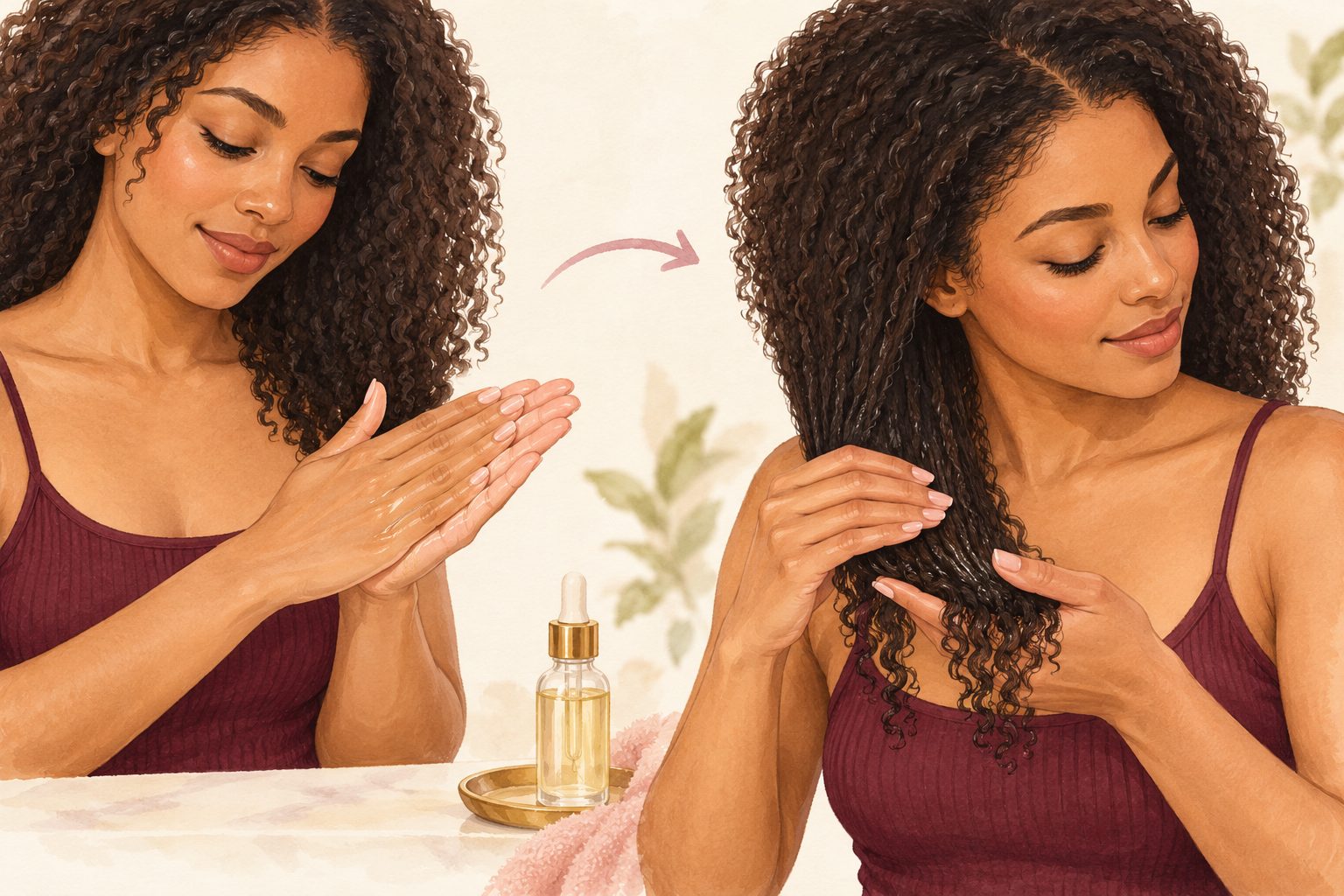
Give your ends extra cream and a little oil every wash day, because they are the hair you grew years ago. Natural scalp oil takes a long time to wind down curly strands, so the tips run dry first. Dry ends snap, and then the length you grew disappears. Press leave in cream into the last few inches with your palms, and add two drops of oil on top. Feel for the roughest section and give it a second layer. Soft ends are where your length hides. If a few inches feel crunchy, a weekly deep conditioner on just the lower half works wonders without weighing down your roots.
3. Watch out for single strand knots
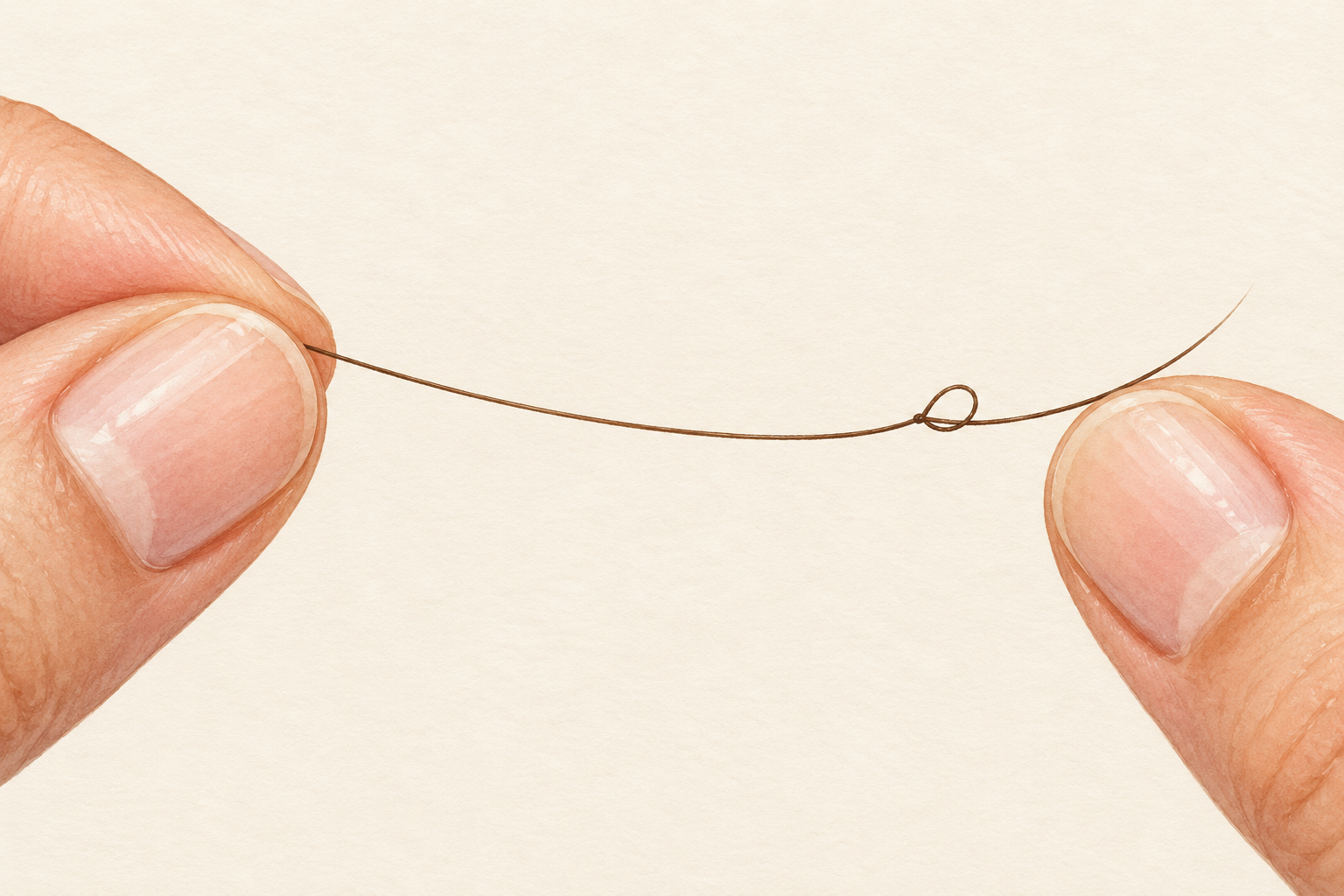
Check the ends of your curls for tiny knots, and snip them off with small scissors. These little knots grow at the tips of coils and catch on neighbors, snapping the strand and pulling out more. They feel like a small bead when you run a finger along the end. Do not tug at them. Work them loose with a drop of oil if you can, or cut just below the knot. Trim them gently after a wash, when your hair is stretched, so you can see them clearly. If your curls are very tight, check a few strands each wash day rather than every single one.
4. Detangle wet with plenty of conditioner
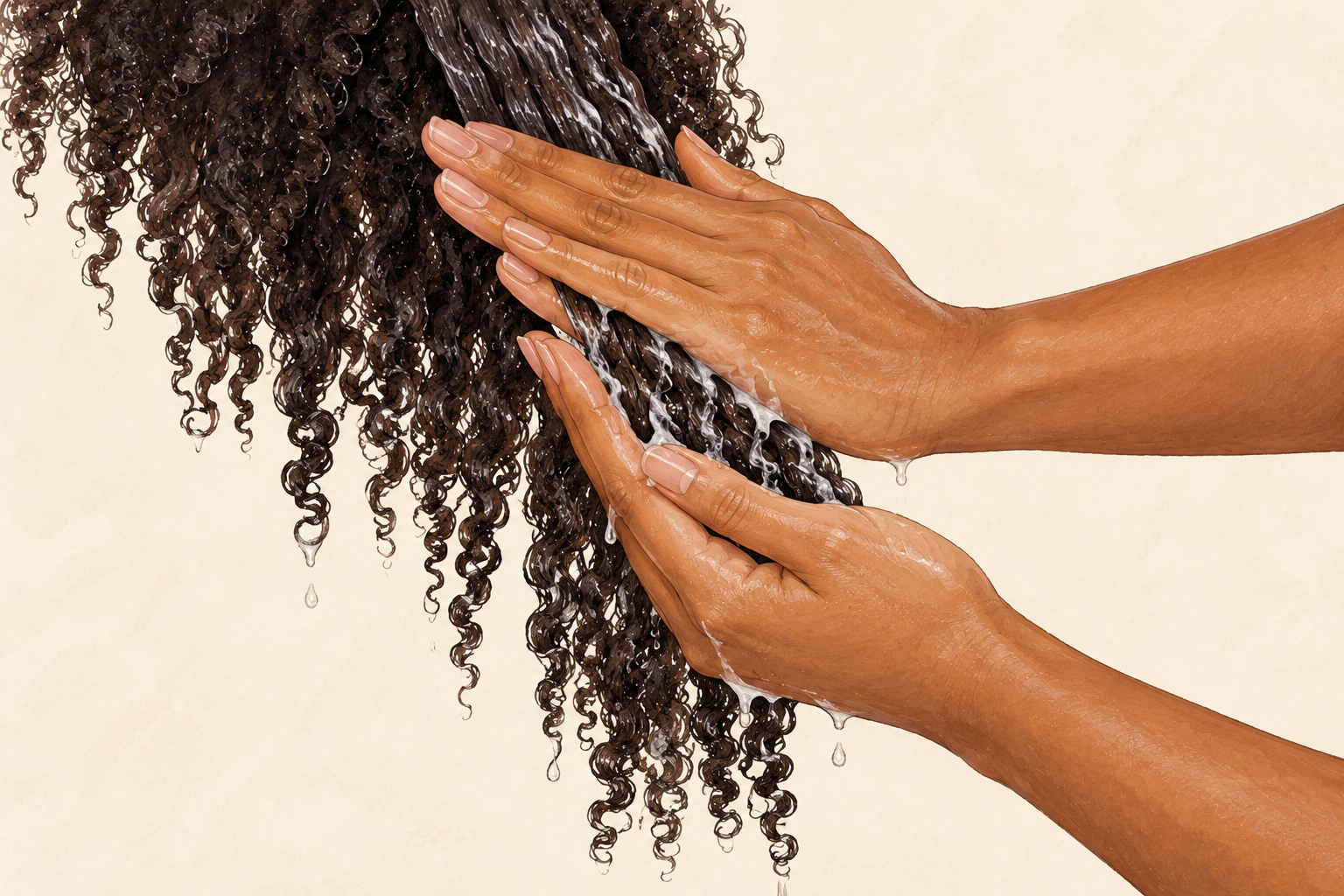
Coat your hair in a thick, slippery conditioner before you detangle, and keep it dripping wet. Dry curls catch on each other and snap, while wet and slippery curls slide apart. Add more conditioner every time the comb drags. Start at the ends, since they tangle most. Take your time and talk to your hair kindly, because rushed detangling is the number one reason curls break. When your fingers slide through without a catch, you have used enough product. Use lukewarm water to rinse, and finish with a splash of cool water to help the curls settle.
5. Start with your fingers, then a wide tooth comb
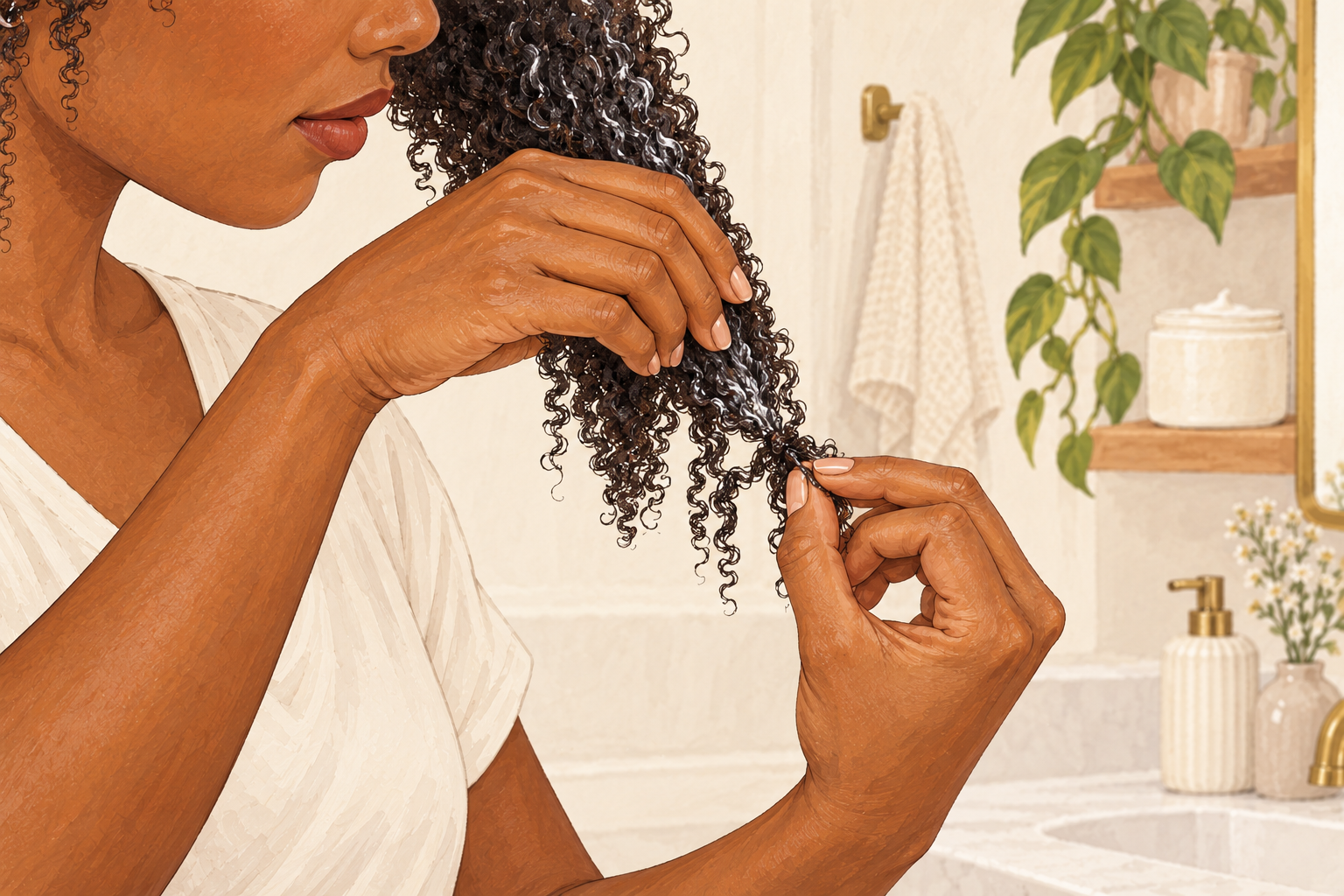
Loosen the big knots with your fingers first, and then run a wide tooth comb through each section. Your fingers feel resistance before it turns into breakage. A fine comb or brush tears curls apart at the root, so keep those for straight styles. Hold the hair above the knot as you work. Comb from the tips upward, in short strokes, and rinse the comb every few sections so shed hairs do not build up. Shed hair on the comb is normal, since you lose a small amount every day. If you do hit a stubborn knot, hold it between two fingers, add conditioner, and pull the hair apart a little at a time.
6. Section your hair into small parts
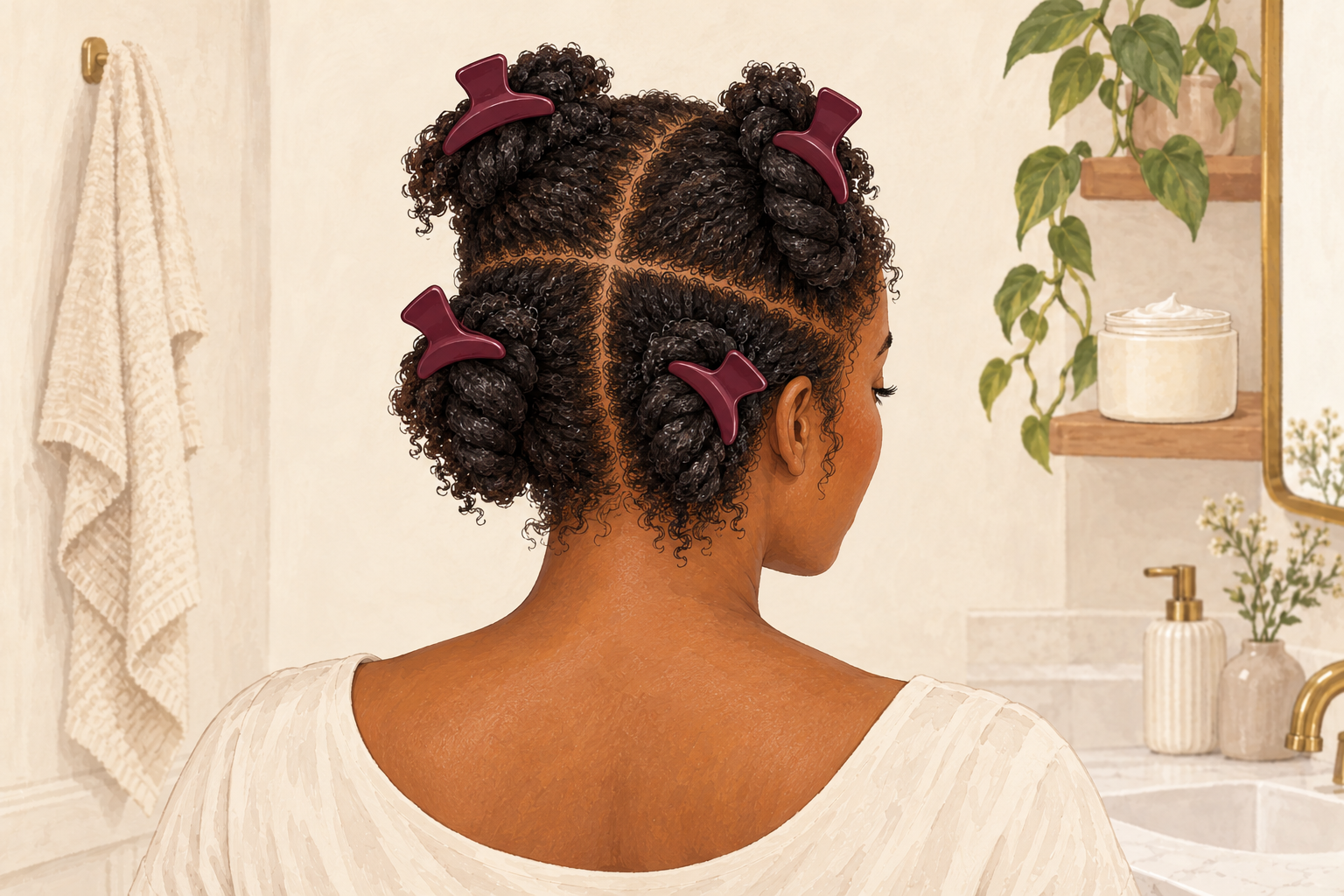
Clip your hair into four to six sections before you wash, detangle or style. Small sections keep curls from tangling into one big cloud. You can see what you are doing and treat each part fully, rather than dragging a comb through a huge mass. Use soft clips that do not pinch. Release one part at a time, finish it, then clip it away again. It adds ten minutes, and it saves you from hours of lost hair over a year. Take down the next section only when the first is done, so the rest stays tidy and untangled while you work.
7. Shampoo the scalp and let the suds do the rest
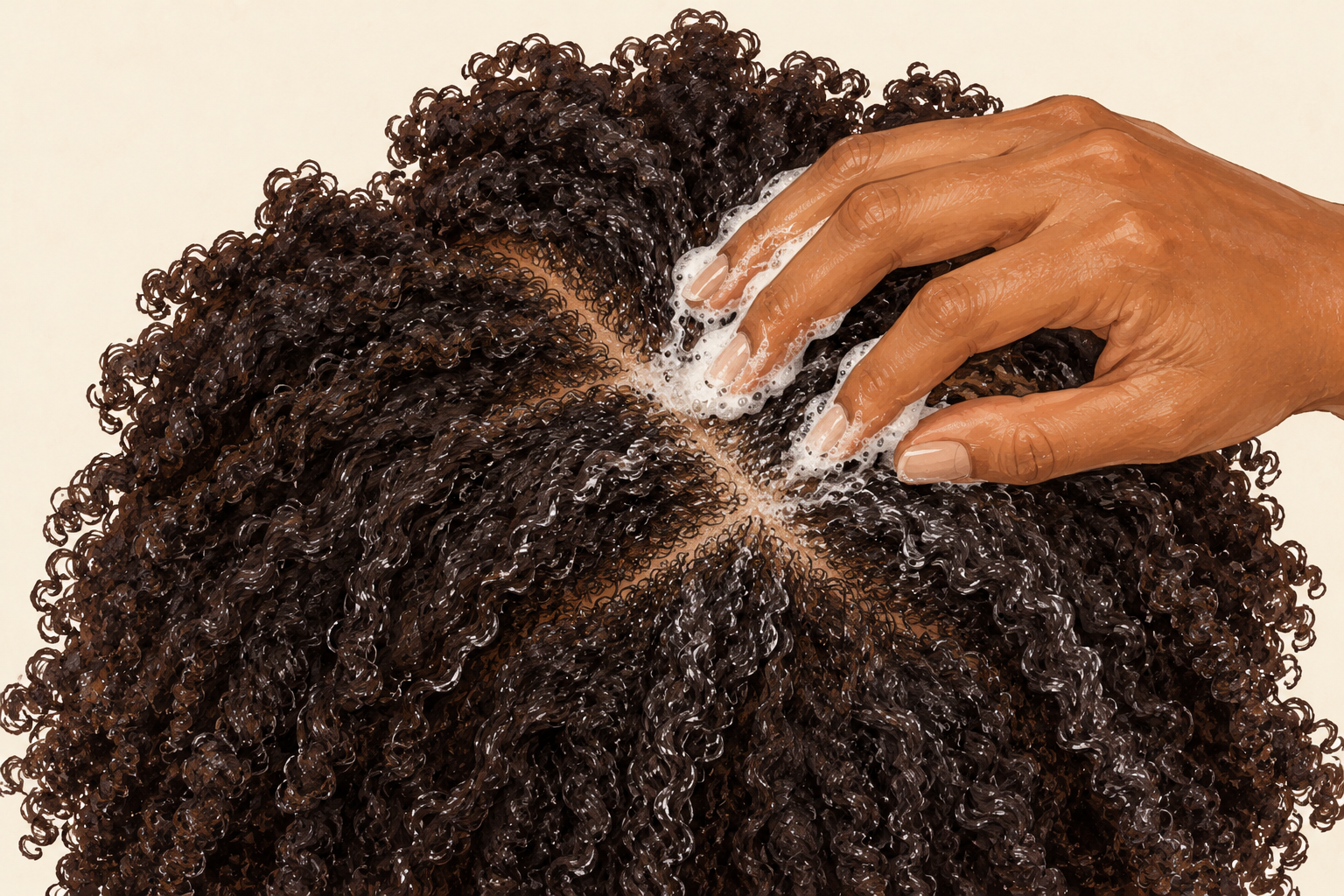
Rub shampoo into your scalp with your fingertips for a full minute, and let the foam run down your curls. Rubbing the lengths together roughens them and creates tangles. Your scalp is where the oil and buildup collect, so that is the part to scrub. Rinse with lukewarm water until it feels squeaky at the roots, then smooth conditioner over the lengths. If your curls are very dry, wash once every week or two, and rinse with conditioner in between. A soft silicone brush is a nice extra if your fingers tire, but your fingertips alone will do the job.
8. Scrunch dry with a microfiber towel or an old t shirt

Squeeze the water out of your curls by scrunching upward in a soft towel or an old cotton t shirt. Rough terry cloth snags the curl pattern and makes frizz. Press, hold for a few seconds, then release, and never rub. You should feel the water leave without the curl being disturbed. Leave your hair a little damp and ready for product. This one swap is free and changes how your curls look the same day. Cup the curls upward from the ends toward the roots, which also boosts volume at the crown.
9. Apply leave in and seal lightly
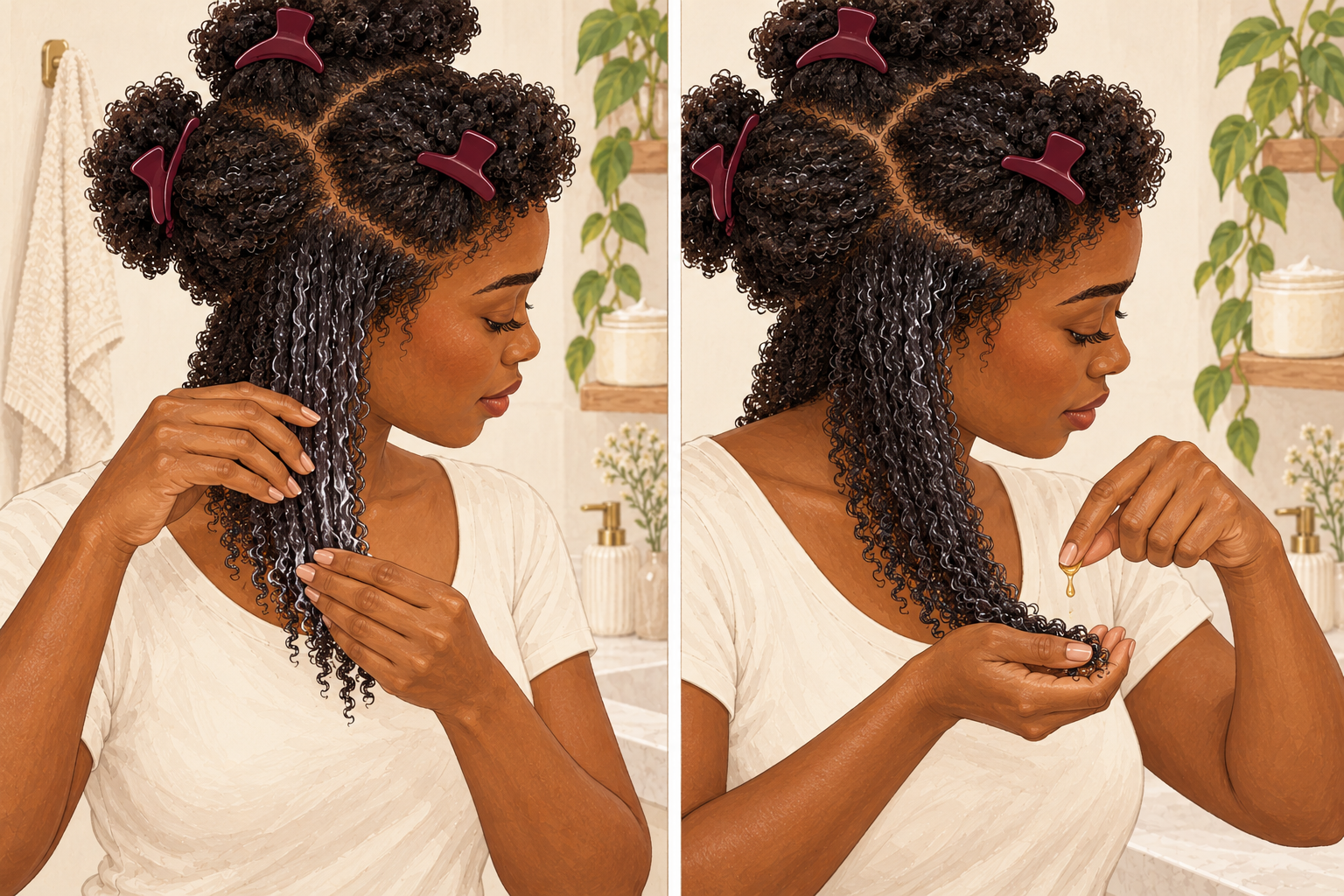
Smooth a coin sized scoop of leave in cream on soaking wet curls, then add a few drops of light oil on top. Do it in sections, praying the product down with your palms so each curl is coated. Wet curls hold moisture better than dry ones. Too much product weighs the coils down and makes them dull, so start small and add more only where it is needed. Curls that stay soft and springy between washes are curls that do not snap. Press the product in with a gentle squeezing motion to help the curl clump together without being pulled out of shape.
10. Trim little and often
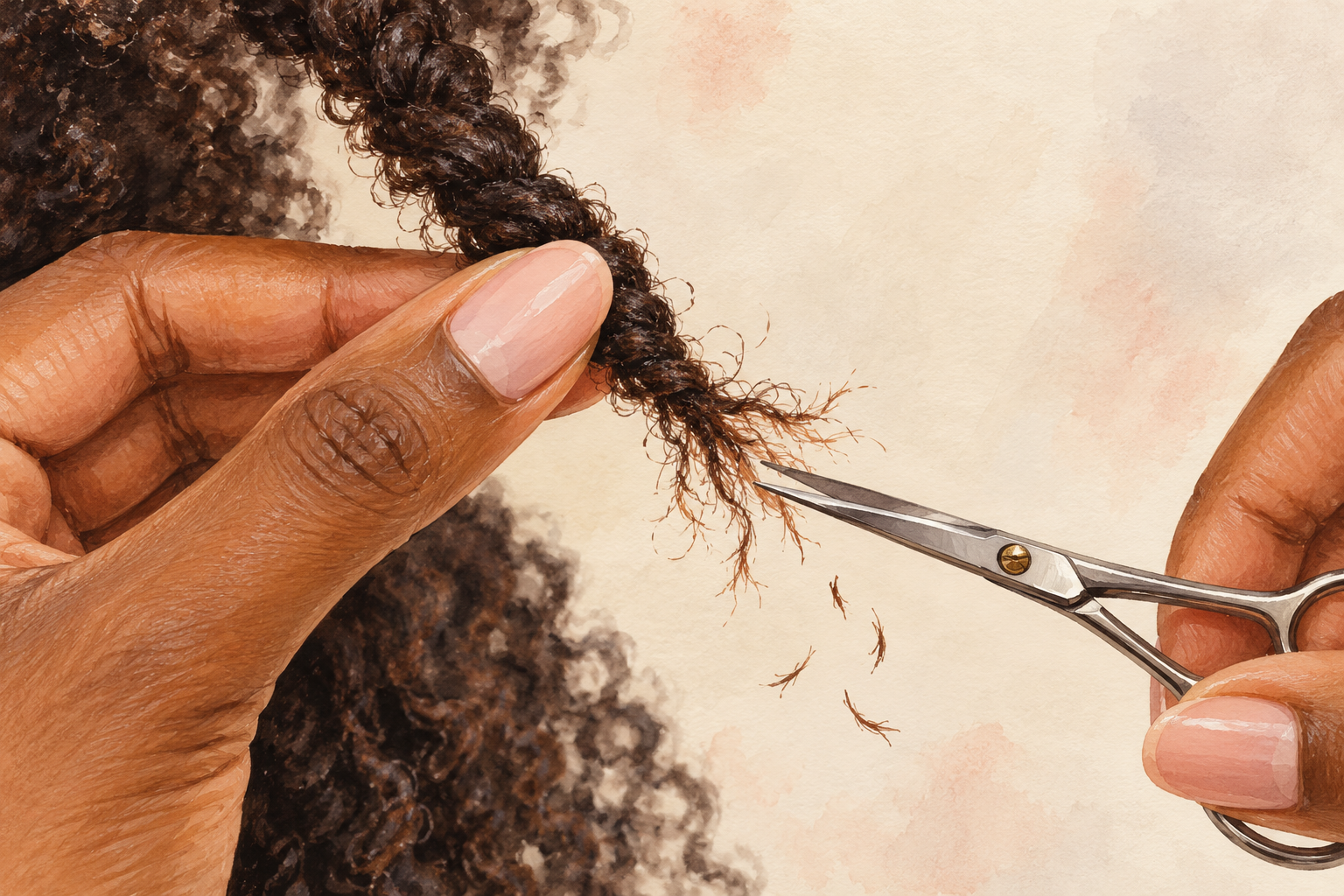
Snip off a quarter inch every ten to twelve weeks, and only where the ends look thin or split. One big haircut each year takes away more than a growing season gives. Dusting a little off often keeps the splits from running up the strand. Trim dry and stretched, a section at a time, so you can see what you cut. Use sharp scissors made for hair. If you are growing out a cut, trimming this lightly will not slow your progress. Ask a friend to check the back for you, because the back is where splits hide.
11. Sleep in a loose pineapple and a satin bonnet
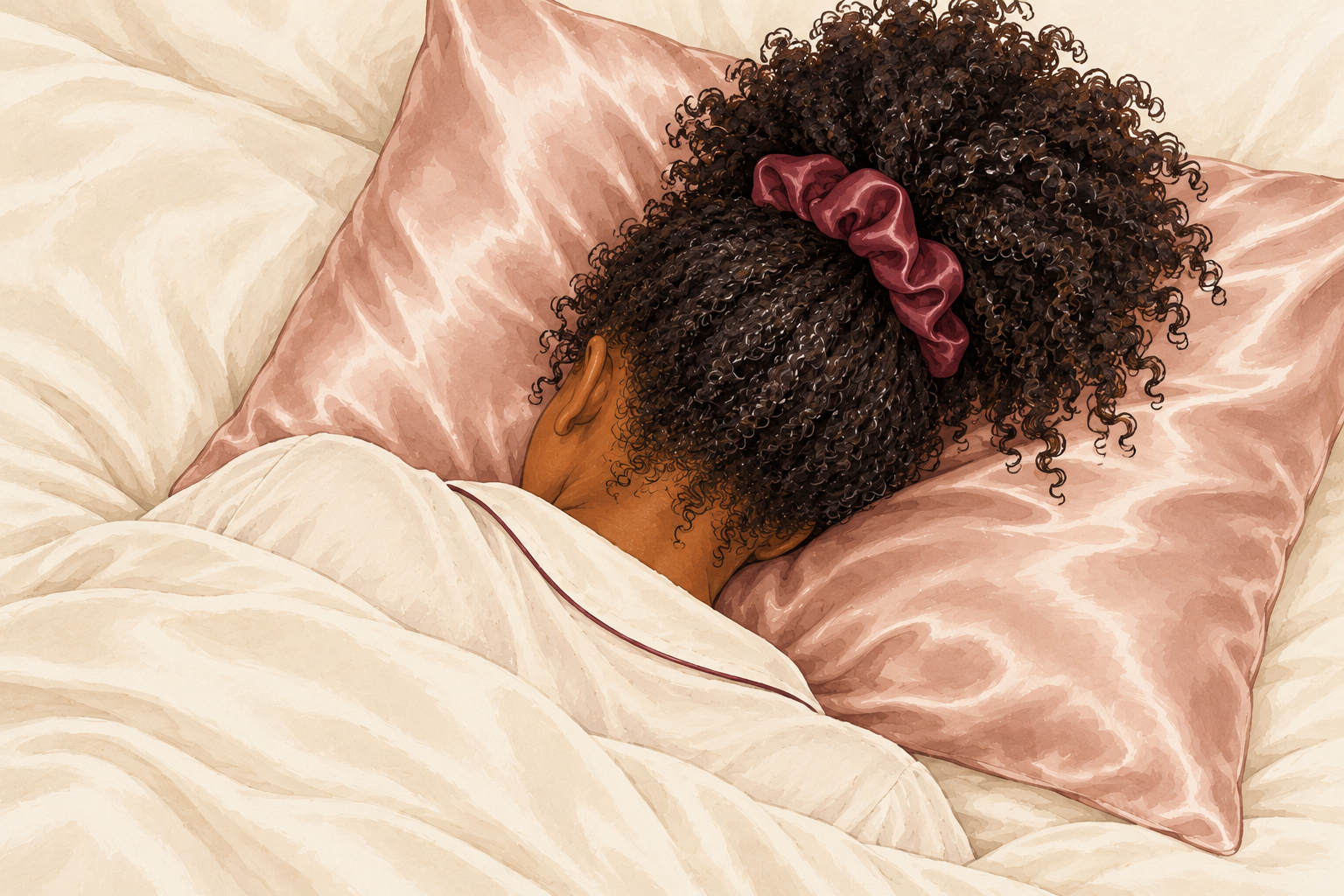
Gather your curls on top of your head with a soft scrunchie, then cover them with a satin bonnet. The loose pineapple stops your hair being crushed under your head overnight. Satin lets the strands slide, while cotton pulls out moisture and roughens the curl. In the morning, shake it out and refresh with a little water mist. Do not tie it tight, since that pulls on your roots. You will wake up with curls that look nearly the same as the night before. Wash your bonnet and pillowcase every couple of weeks, since they pick up oil and old product.
12. Photograph and measure every month
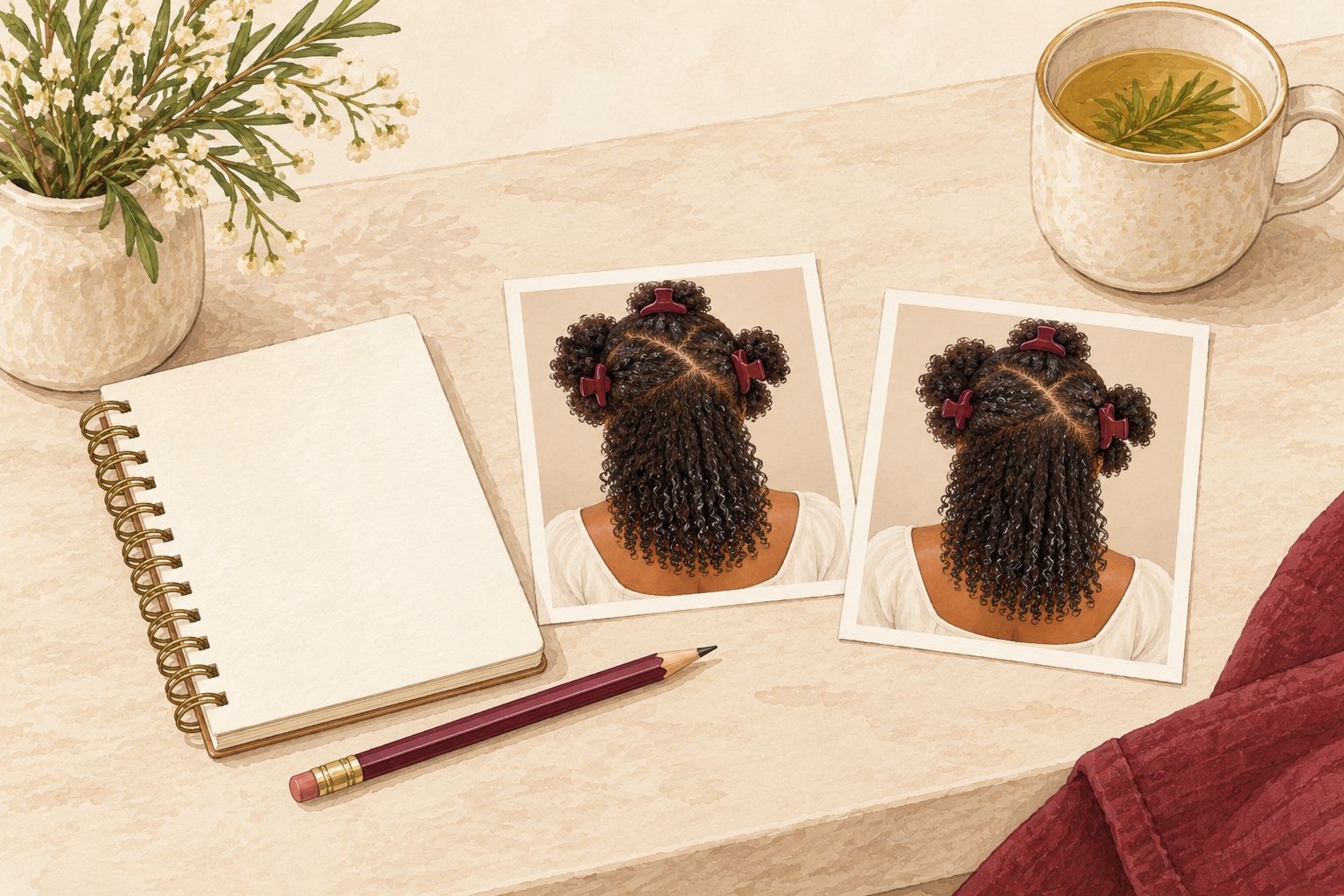
On the same day each month, take a photo of your curls stretched and unstretched. Compare them in the same light, in the same spot, so the change is easy to spot. Curly hair growth is slow and quiet, and shrinkage plays tricks on your eyes. What you will likely notice first is softer ends, fewer knots and less hair in your drain. Length follows after three to six months. Keep your photos in one folder and look back when you feel stuck. Celebrate small things like a tangle that came out easily, because those changes add up to length.
Complete the Routine: Curly Hair Growth You Can Keep Up
Tonight, detangle wet with plenty of conditioner and put on your bonnet. For more help, read about curly hair care and curly hair care routine.