You pull on your favorite black top, check the mirror, and there it is, snow across both shoulders. It does not mean you are dirty. These 12 dandruff home remedies run from the gentlest to the strongest, so you only go as far as your scalp needs. Start at number one tonight.
1. Wash on a steady schedule
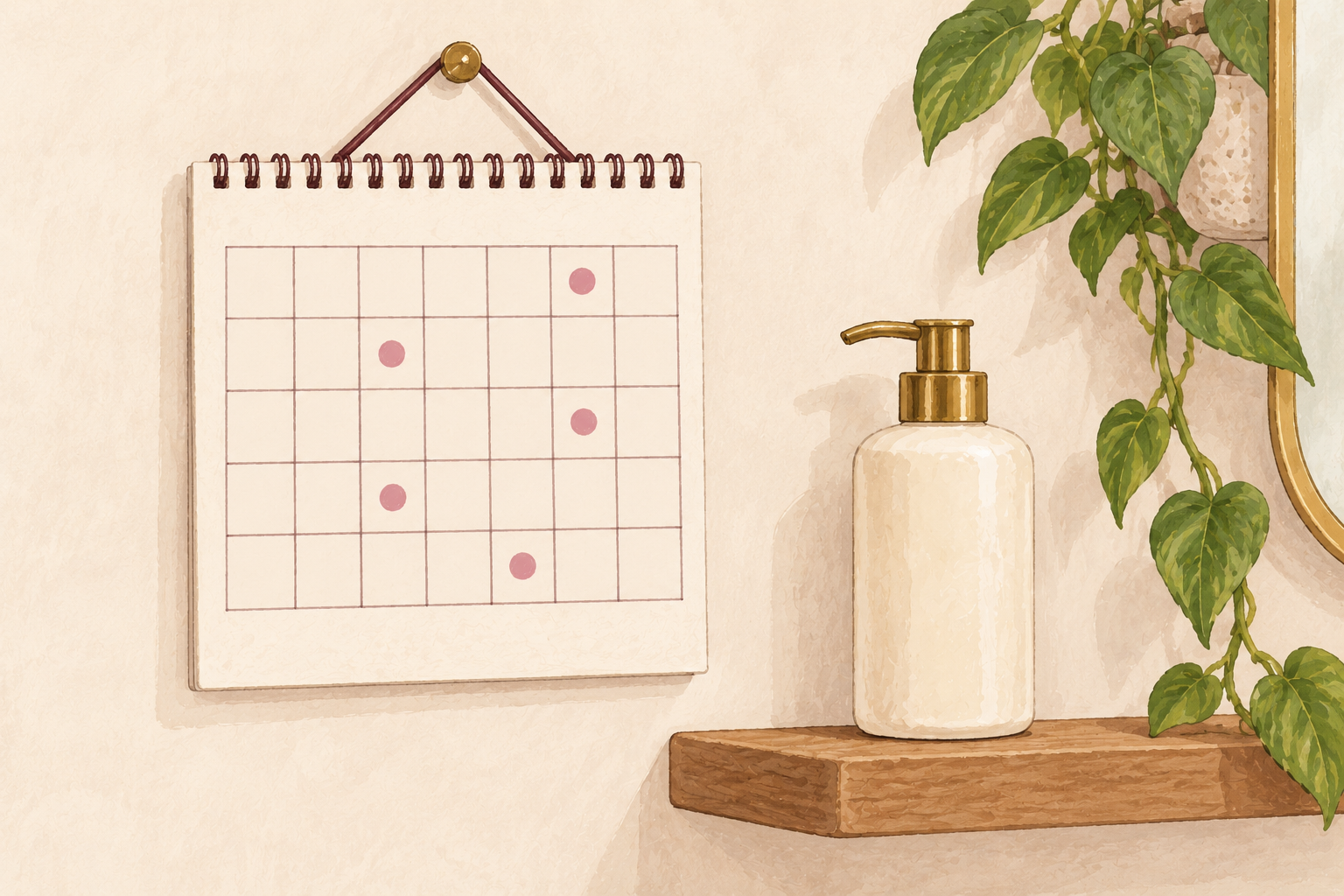
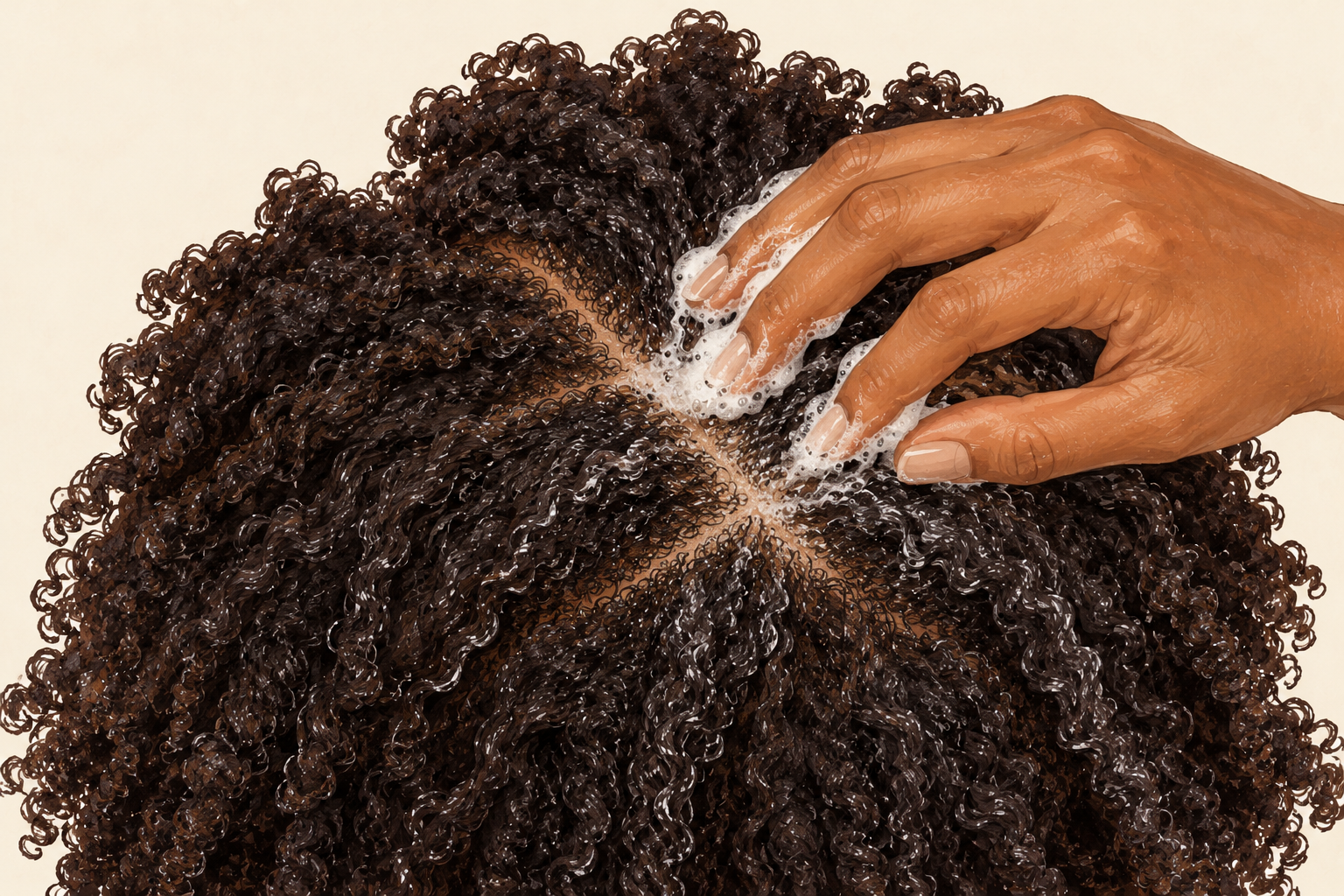
Wash two or three times a week and massage with your fingertips, never your nails. Count to sixty while you work the shampoo in, slow and firm, the way you would rub a tired shoulder. That little count loosens the flakes that were about to fall anyway. Wait too long between washes and the oil and flakes pile up, then they show up on your shoulders by lunchtime. If your scalp feels tight afterwards, use less shampoo rather than washing less often. Rinse for longer than you think, because leftover shampoo itches too. It is plain and boring, and it is still the step that does the most.
2. Brush before you wet your hair
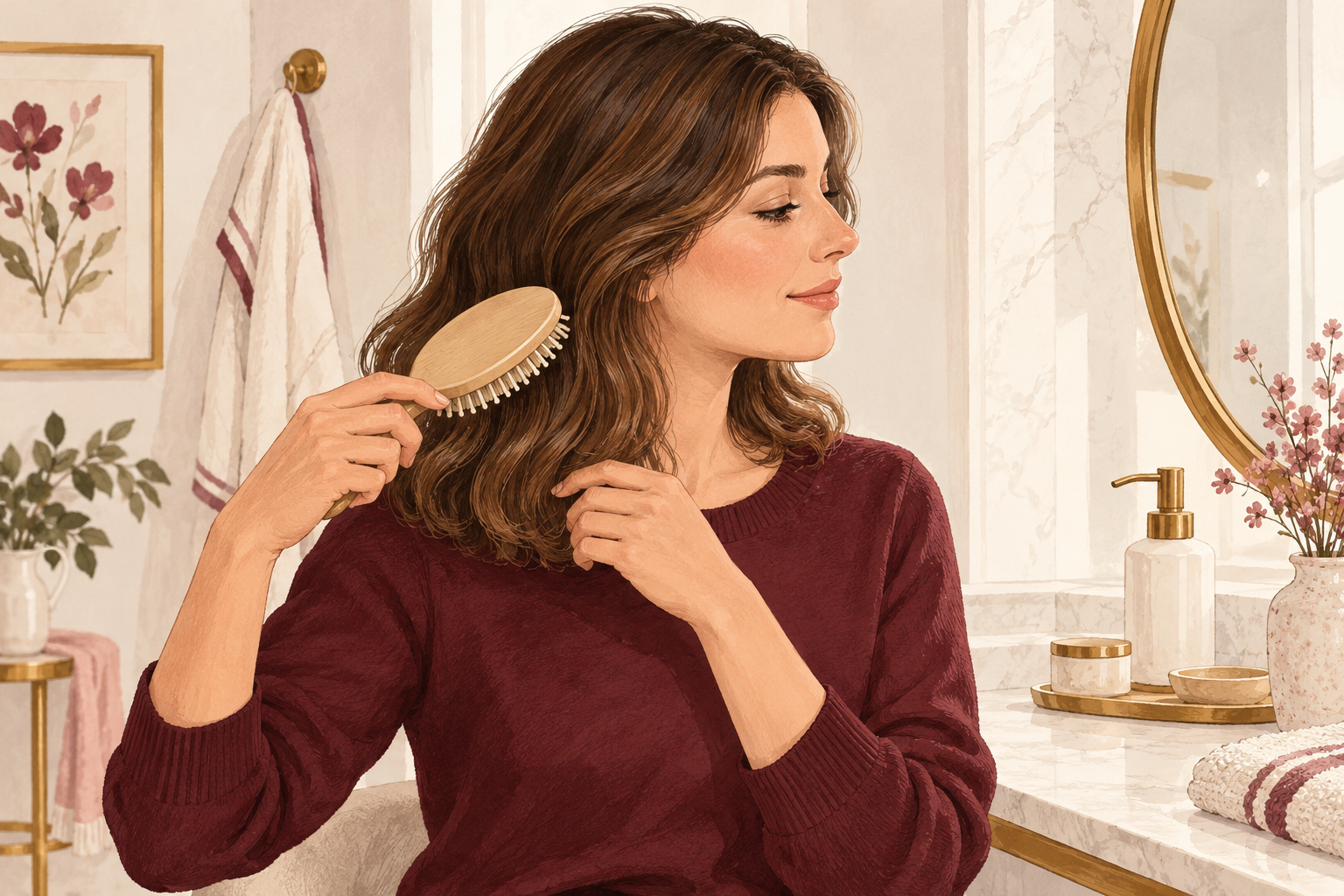
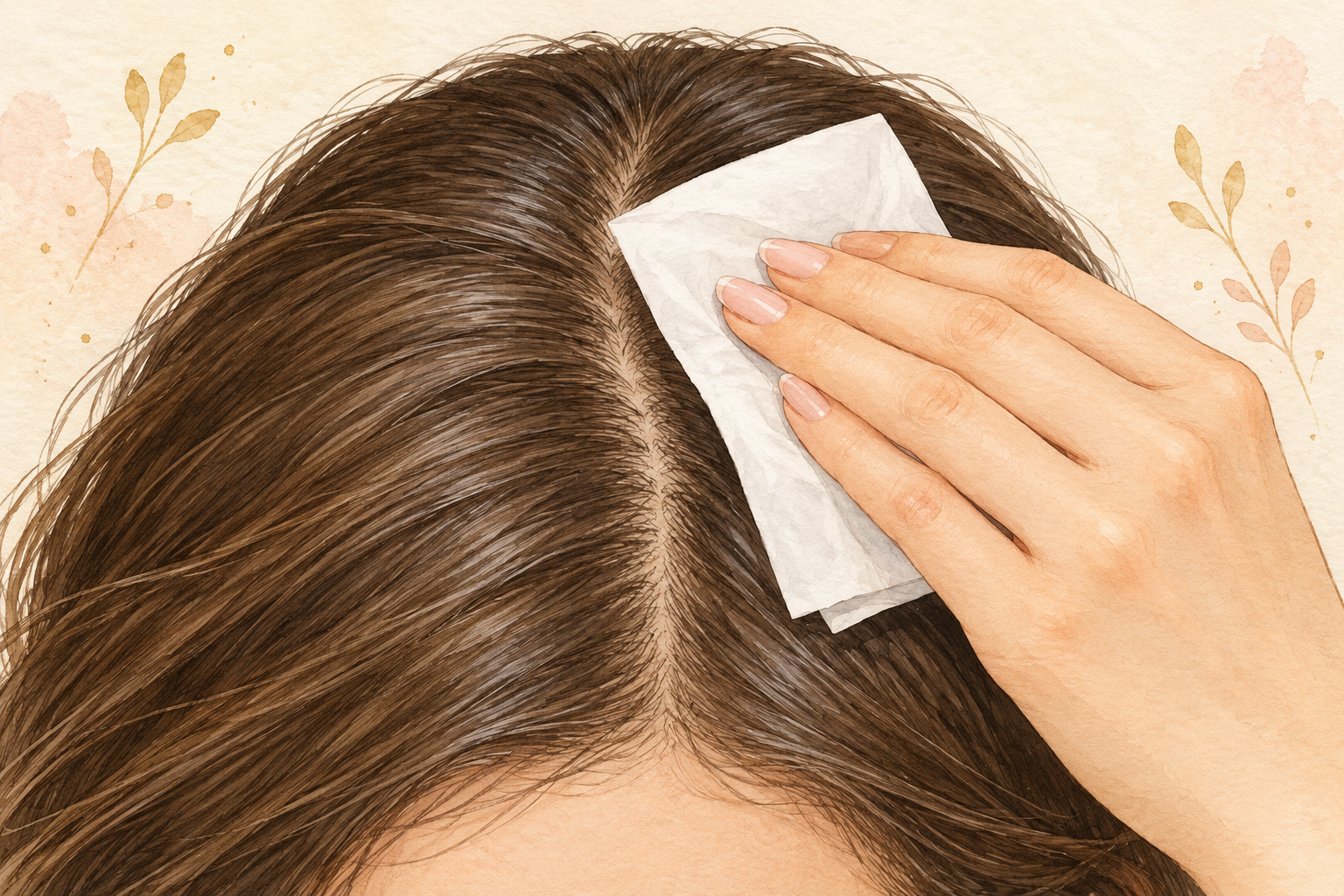
Take a soft brush to dry hair before you step in the shower. Go from the scalp outward, section by section, and you will see tiny white flecks lift away. That is exactly what you want gone before the shampoo goes on, so it can reach your skin instead of sitting on top of old flakes. It takes two minutes. Keep the pressure light, because scratching an itchy scalp only makes it angrier. Do it in front of a mirror so you can see which spots flake the most. Think of it as sweeping the floor before you mop.
3. Do one proper deep clean
Shampoo twice in the same wash and leave the second lather on for two minutes. Sometimes what looks like dandruff is just product build up, because hair spray, dry shampoo and heavy creams flake off looking exactly like the real thing. Rinse until the water runs clear and your hair squeaks a little between your fingers. Then go a week without oils or sprays near your roots. If the flakes mostly vanish, you have your answer and can skip the rest of the list. Do this once a week at most, or your scalp will feel tight.
4. Aloe vera gel for the itch
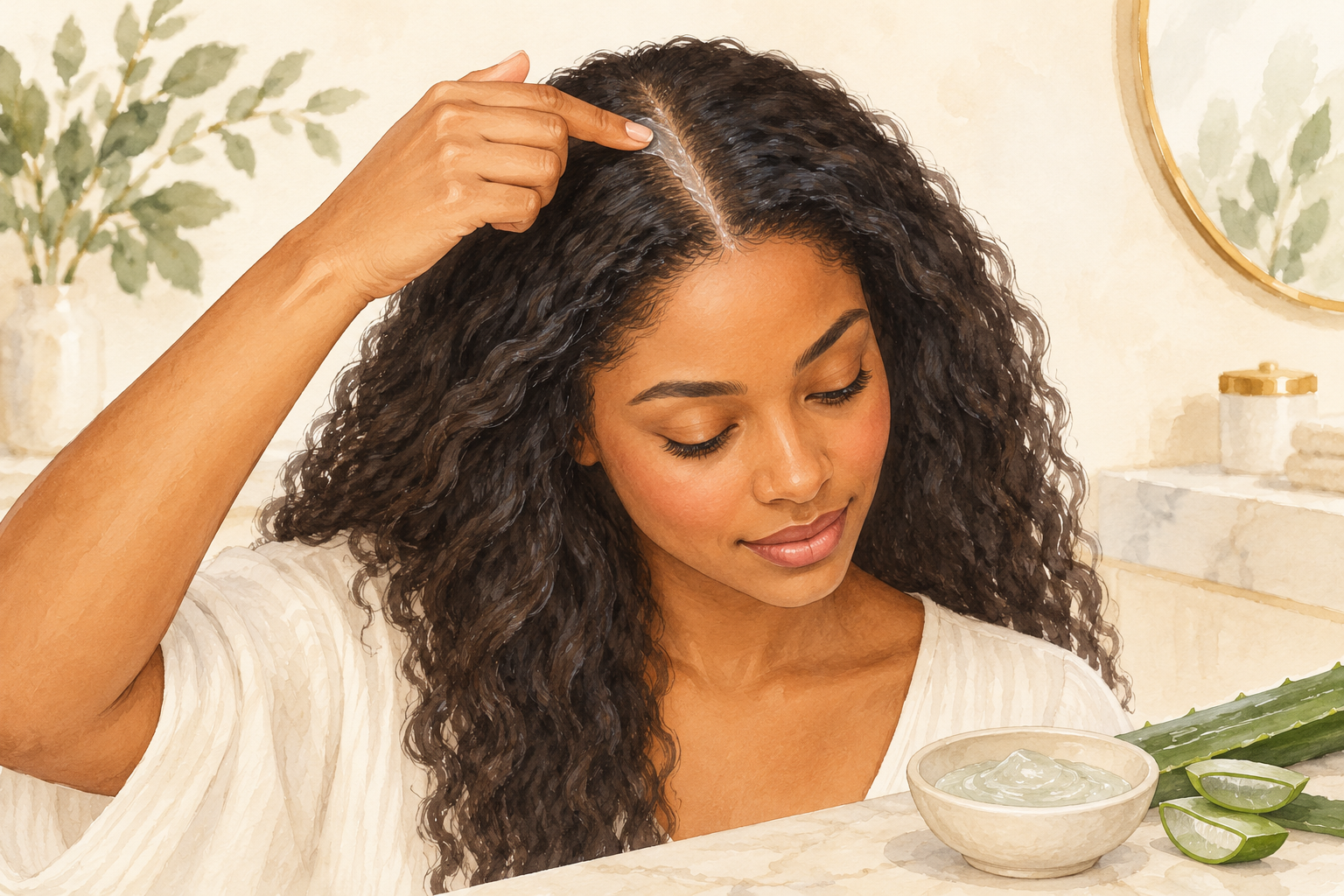
Smooth a thin layer of aloe gel over a damp scalp and leave it for fifteen to twenty minutes. From here on the remedies come from the kitchen, so dab a little on the inside of your arm first and wait a day to be sure your skin agrees. Pick a gel that is mostly aloe, with no perfume and no alcohol, because those are the things that sting. Then shampoo it out. It feels cool and calming, like a cold spoon on a tired eye. Once or twice a week is plenty. It soothes the itch but it will not cure anything, so keep your hopes sweet and small.
5. Two drops of tea tree oil in your shampoo
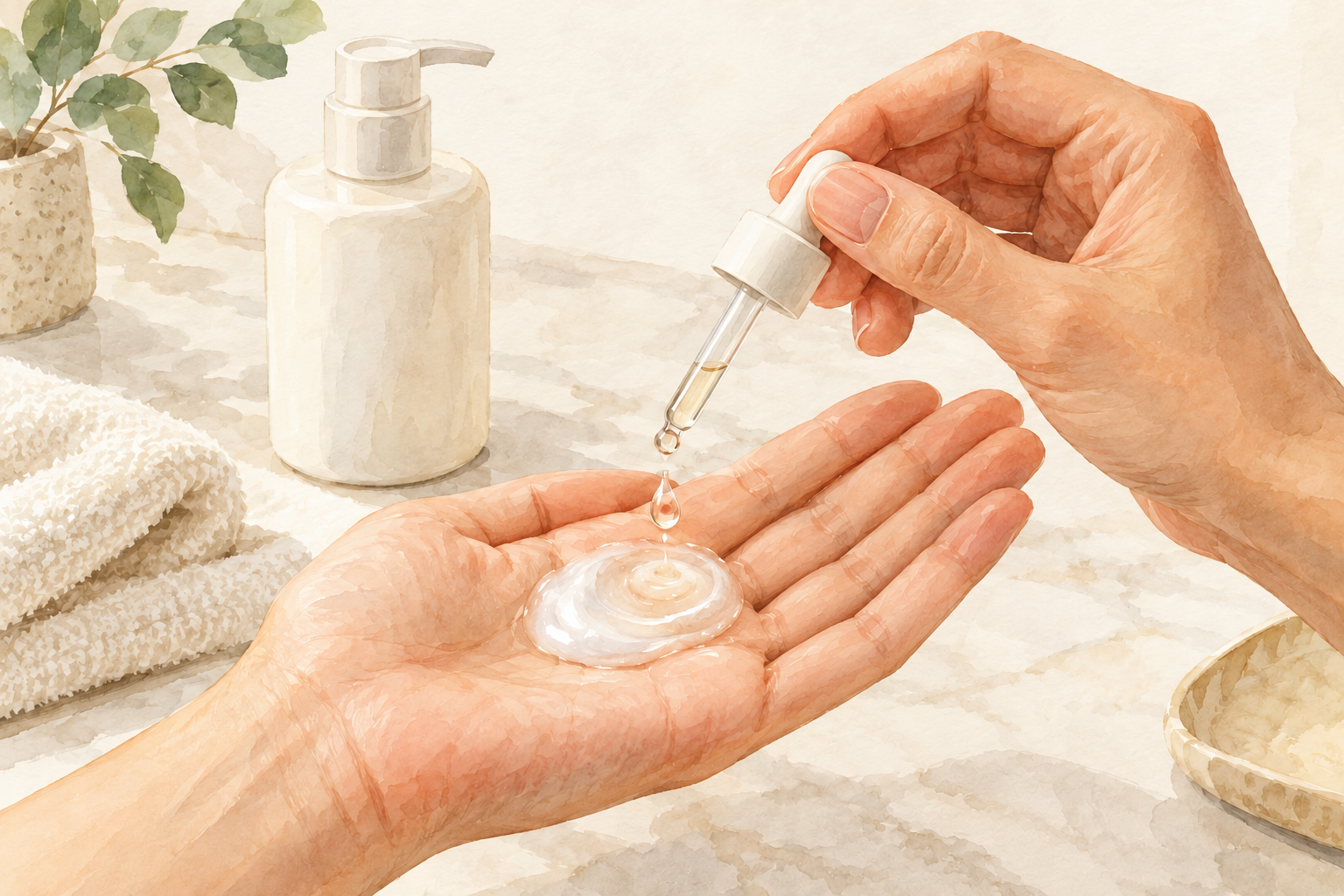
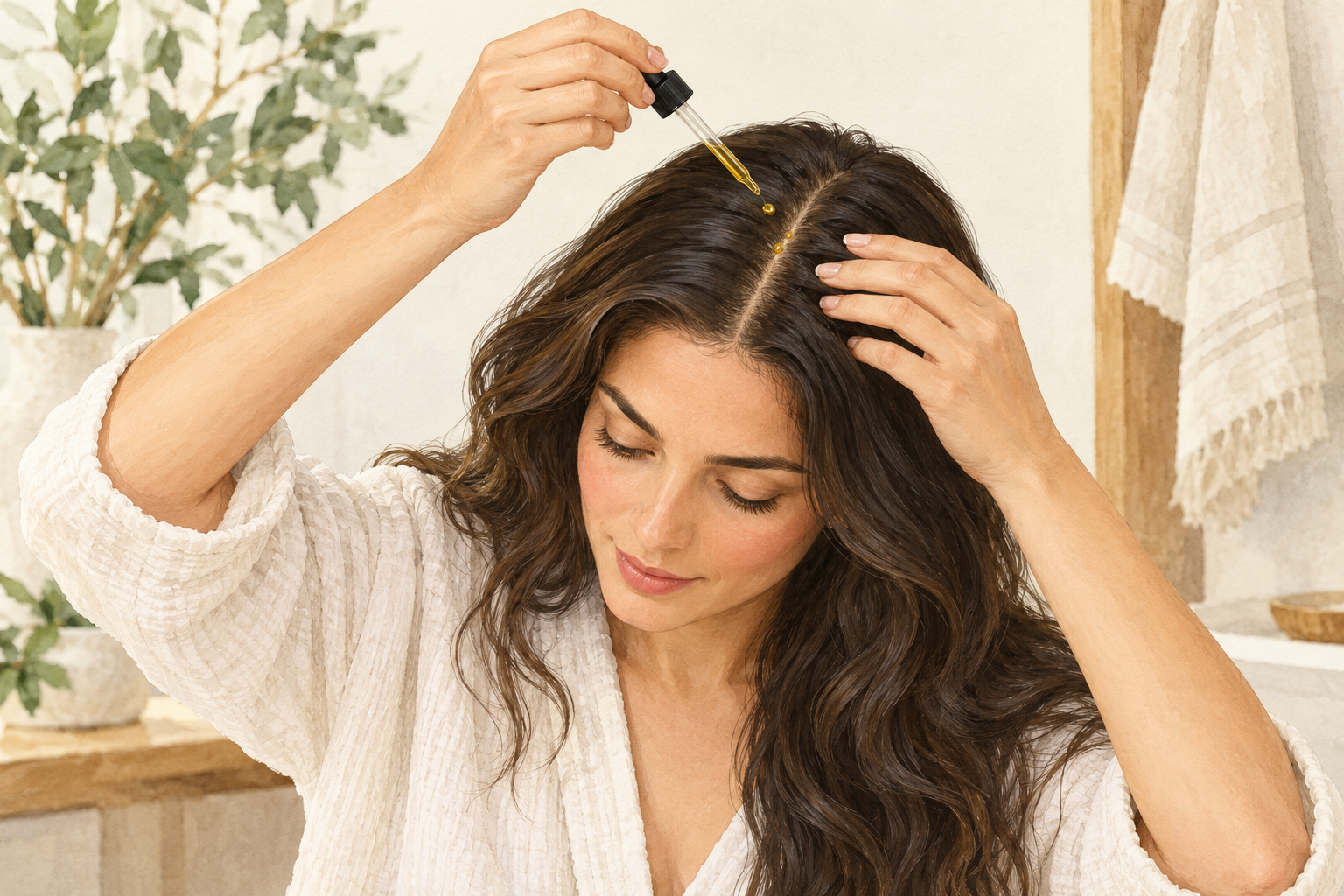
Stir two or three drops into the shampoo in your palm, never onto your scalp neat. Tea tree is the one every blogger swears by, and it is strong stuff that can burn on its own. Lather up, wait a minute and rinse, keeping it away from your eyes. Open a window if the smell is sharp, because it hangs around. Use it once or twice a week, not every wash. If your scalp stings or looks redder afterwards, stop right there and cross it off your list. Your skin knows best.
6. A weak apple cider vinegar rinse

Stir one tablespoon of vinegar into a big cup of cool water, and never stronger. Pour it over your scalp after shampooing, wait one minute, then rinse with plain water. A vinegar rinse leaves hair feeling squeaky clean, though the proof that it clears flakes is mostly girls telling each other it works. Keep it away from your eyes, and crack a window because the smell lingers. Try it once a week. If your scalp feels tight or itchy afterwards, that is your sign to drop it and move on to the next one.
7. Wash your pillowcase and brush every week
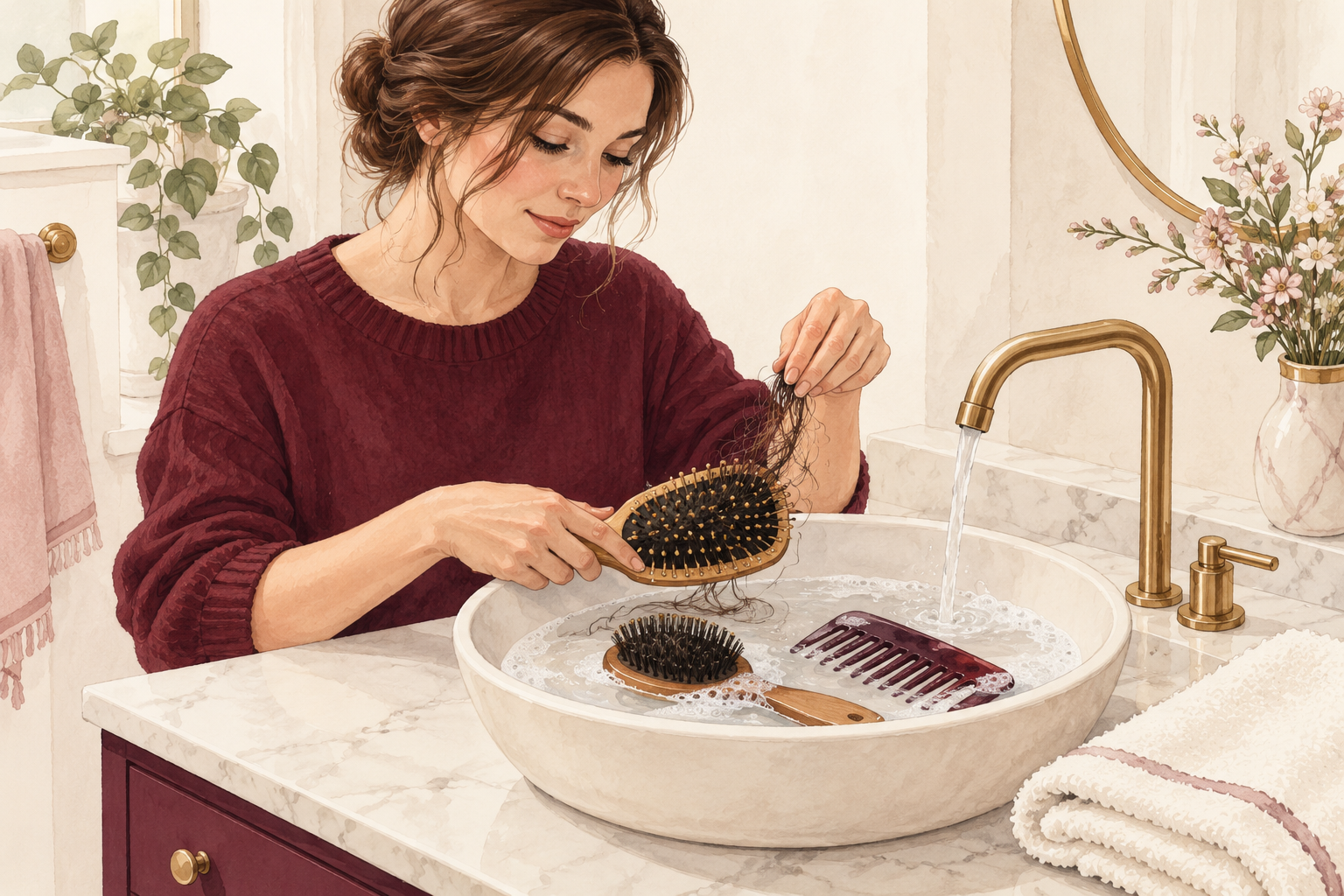
Wash the pillowcase once a week and soak your brush in warm soapy water. Both collect oil and old flakes, then hand them straight back to your clean hair. Pull the hair out of the brush first, scrub the bristles gently, and dry it bristles down. Do your towels while you are at it, because a damp towel tells the same story. I do mine on laundry day so I never have to remember it separately. It will not clear flakes on its own, but it stops the old stuff going back onto a freshly washed head.
8. Turn the shower down to lukewarm
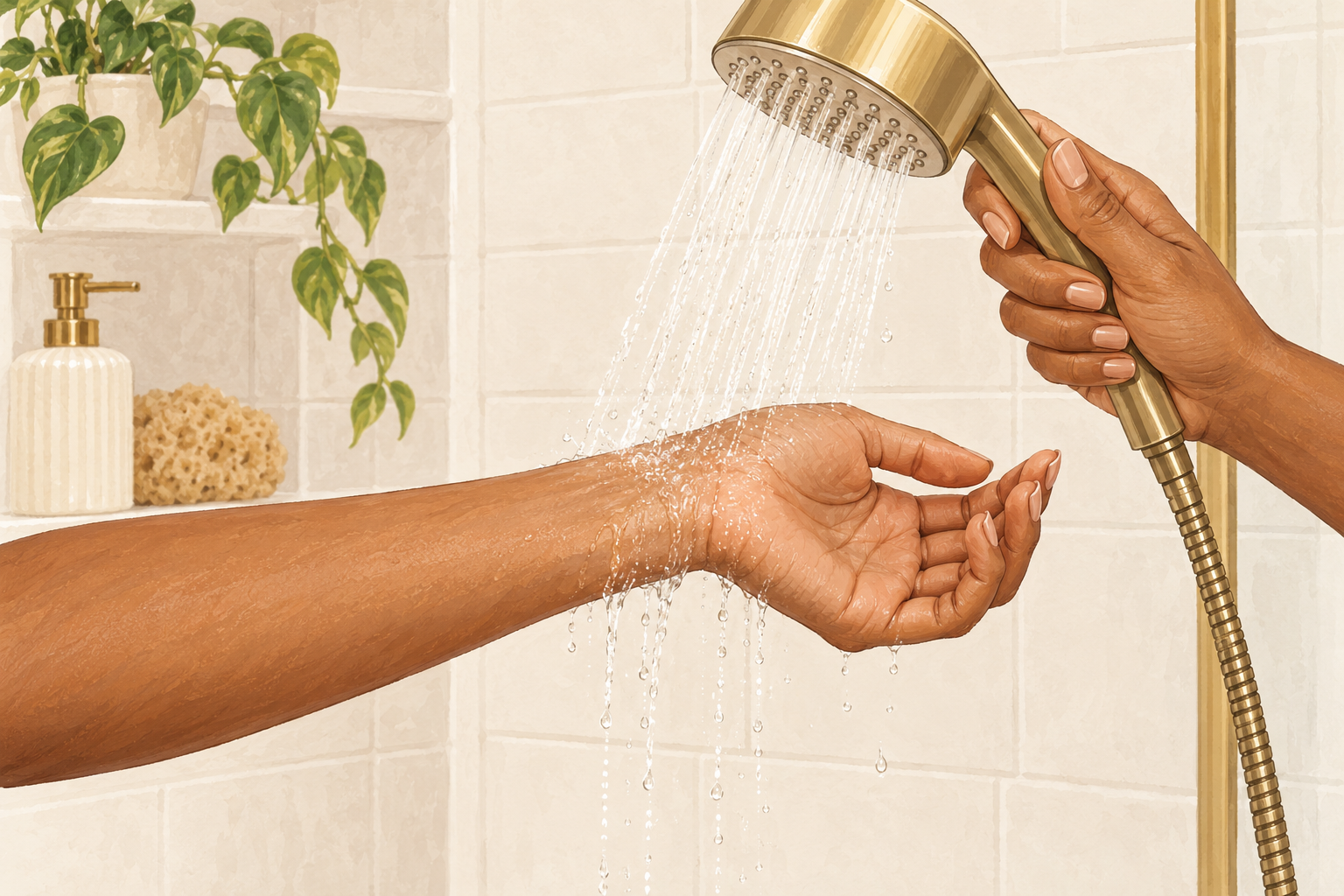
Aim for water that feels comfortably warm on your wrist, then finish with a cooler rinse. Hot water feels amazing on an itchy scalp, and an hour later it leaves it tighter and itchier than before. Thirty seconds of cooler water at the end is enough to calm things down. It costs nothing, and some girls notice less tightness within a week. Temperature will not fix flakes alone, but it stops you making them worse. If you love a hot shower, wash your body hot and your hair last, under water that is only warm.
9. Give it two to four weeks and take a photo
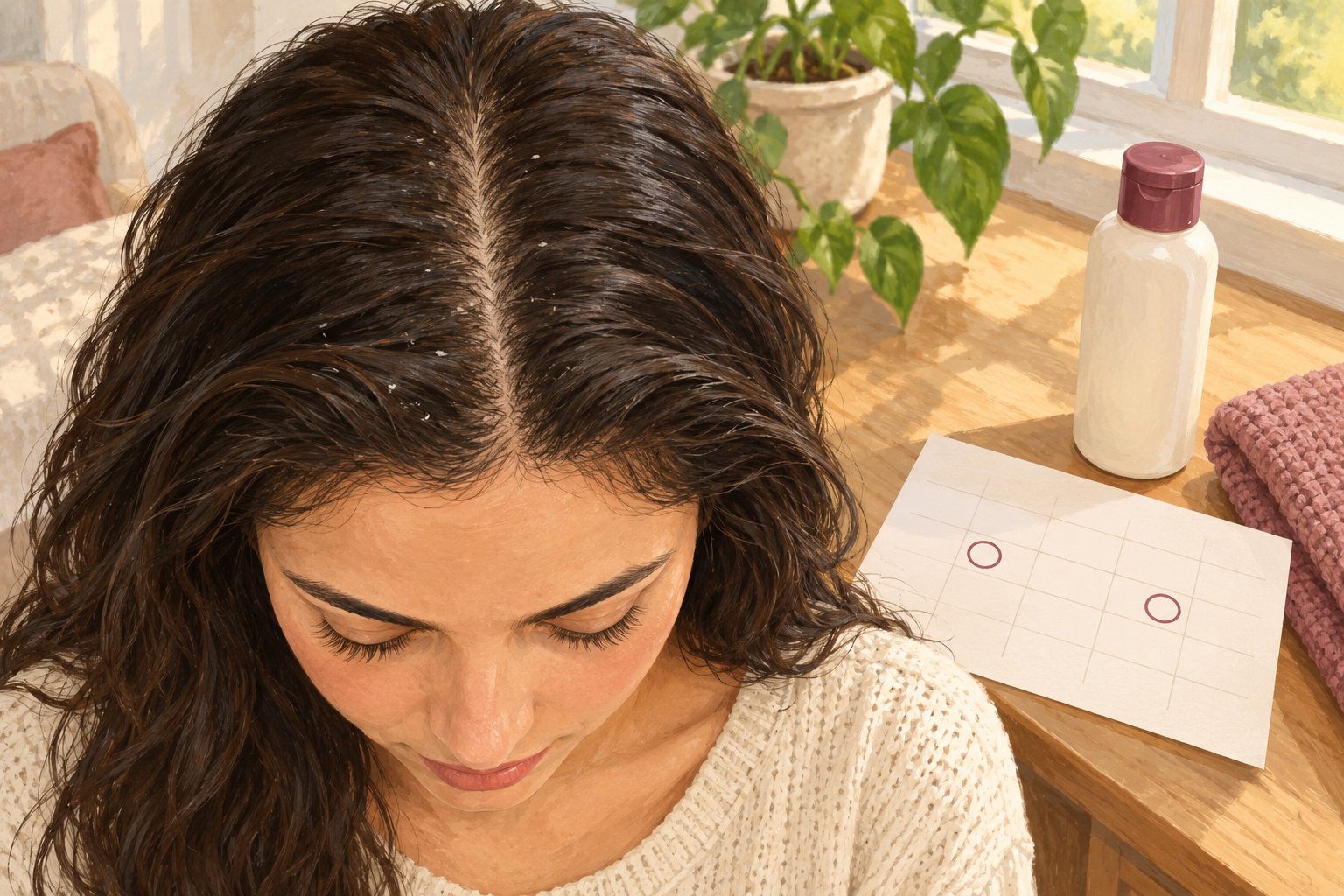
Snap a photo of your parting today and another in four weeks. Your scalp needs about that long to renew itself, so you will not see a miracle by Thursday. At the two week mark you should notice fewer flakes on your shoulders after a wash day, and a little less itch between washes. Use the same light and the same parting each time so the comparison is fair. If week four looks exactly like day one, change the plan instead of piling on more kitchen ingredients. A reminder on your phone saves you from forgetting. Scalps are slow, and so is hair.
10. Move to an anti dandruff shampoo if you need to
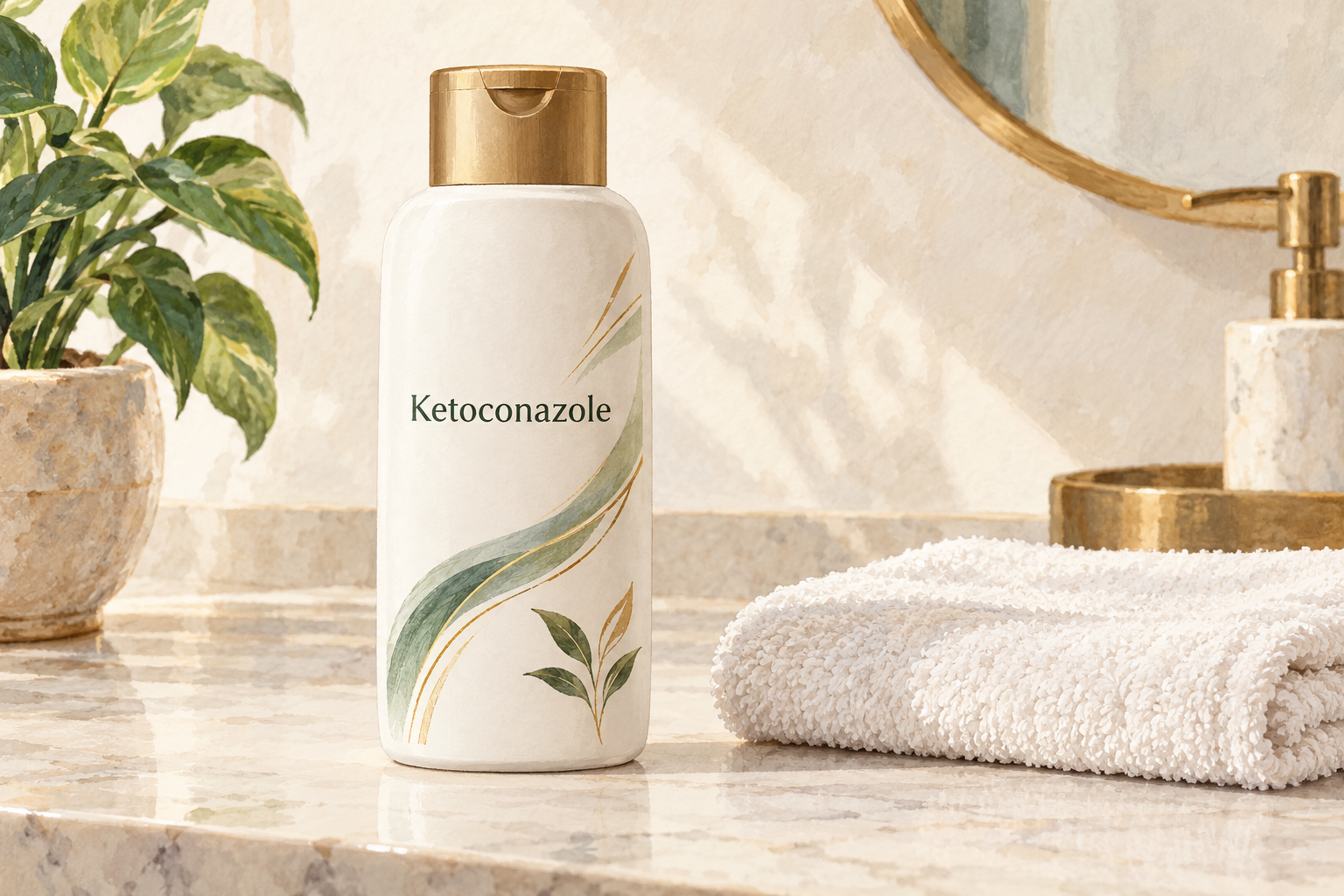
If the kitchen routine is not enough after a few weeks, pick up an anti dandruff shampoo. There is no shame in it. Turn the bottle around and look for zinc or salicylic acid on the label. Put it on your scalp only, not your lengths, so your ends do not dry out, and leave it on as long as the label says. Use it two or three times a week at first, alternating with your normal shampoo. Give it a few washes before you decide whether it is working, because the first wash rarely tells you much. Rinse well afterwards so no medicated foam is left behind.
11. Skip lemon juice, baking soda and neat essential oils
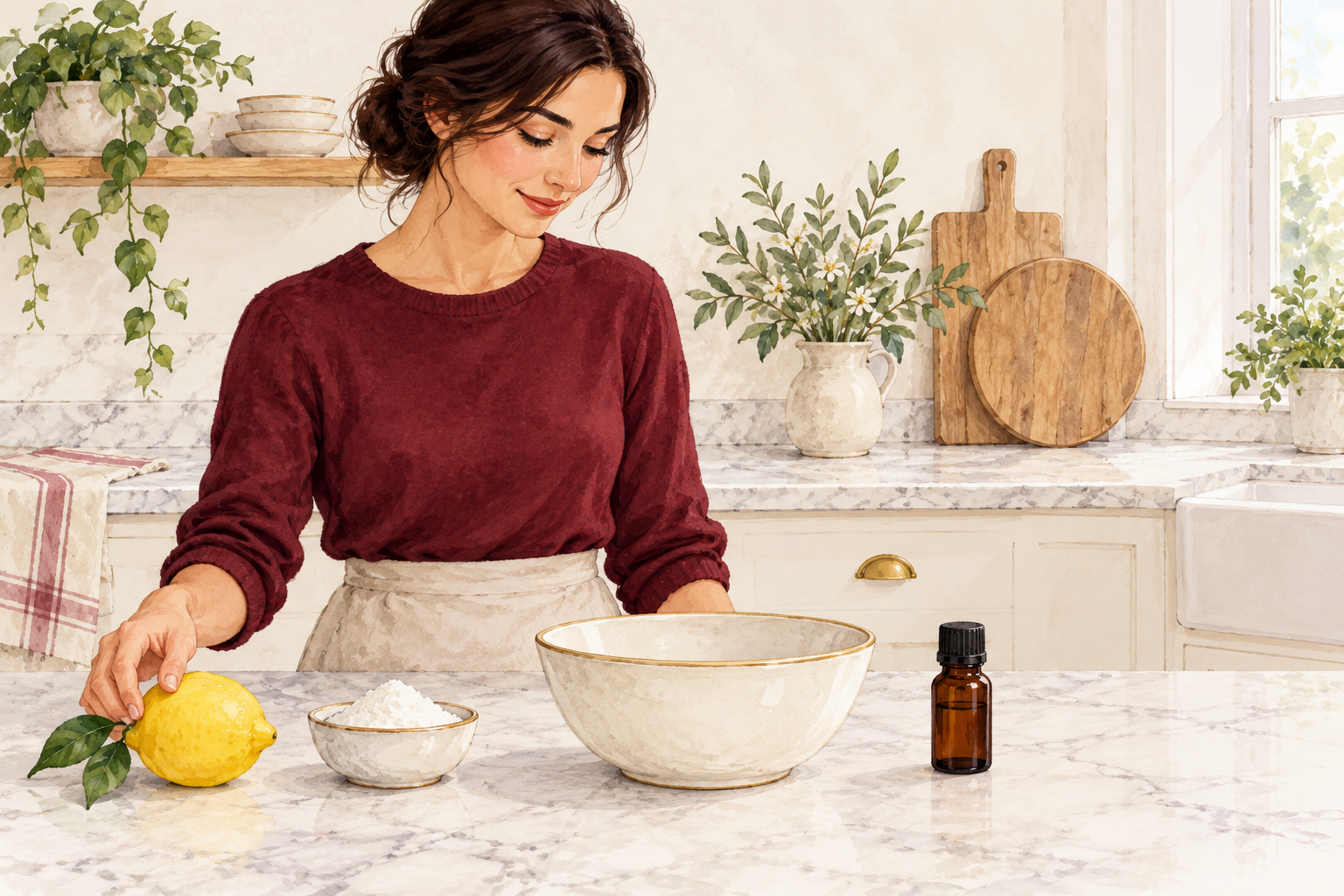
Keep lemon juice, baking soda and undiluted essential oils off your scalp. Lemon is too acidic, baking soda is too harsh, and neat oils can burn right through your comfort. All three strip your scalp, and a stripped scalp flakes more, not less. If a tip online says to leave any of them on your head, close the tab. Gentle and slow beats fast and red every time, which is why the boldest dandruff home remedies on this list are a weak vinegar rinse and two drops of tea tree. If you have already tried one and your scalp feels raw, give it a week of plain water and a mild shampoo to settle down.
12. Stop scratching and stop piling oil on flakes
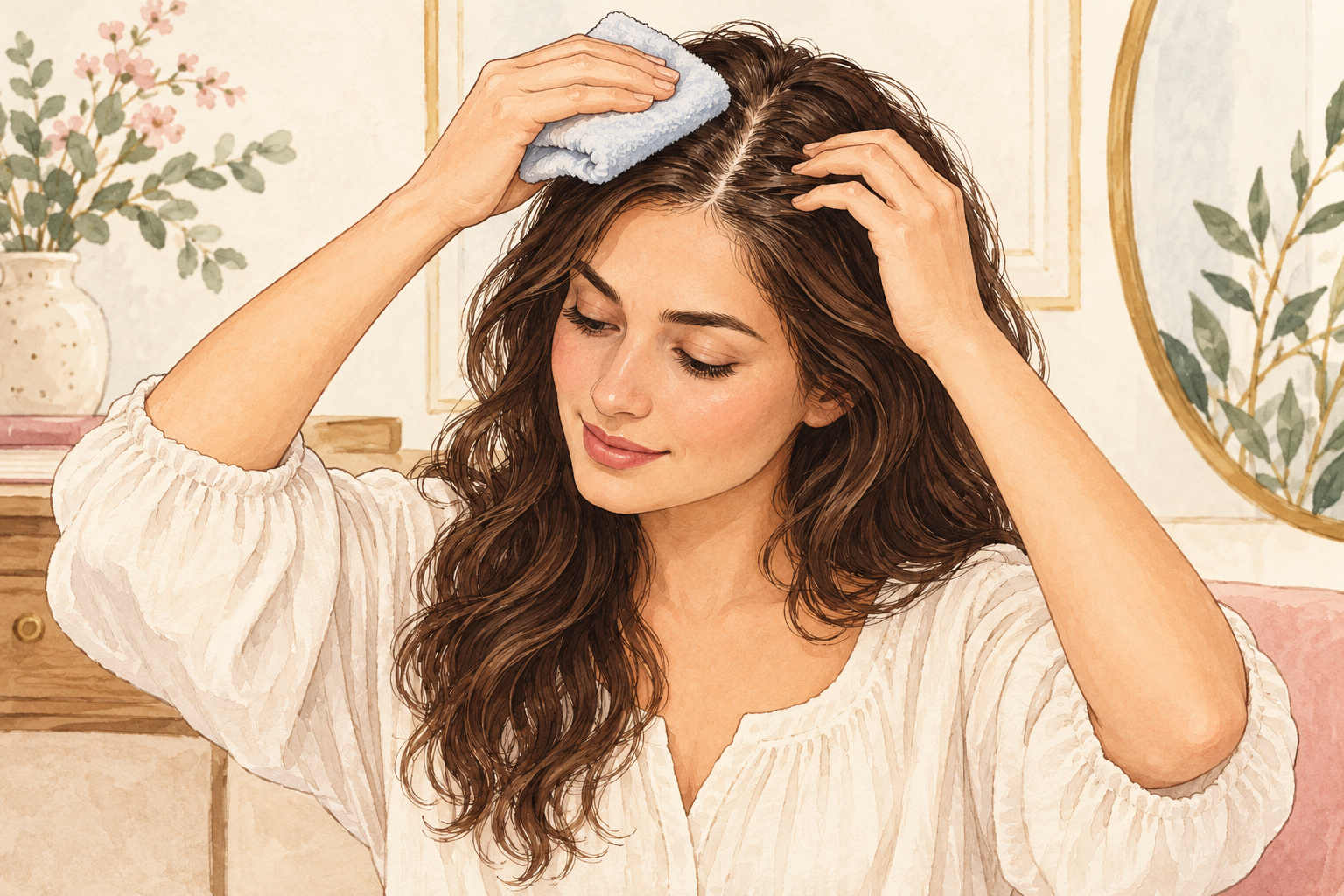
Press the itchy spot with a flat fingertip or rinse with cool water instead of scratching. Scratching feels like relief for ten seconds, then it leaves tiny scrapes that sting in the next wash. Thick oils and butters on a flaky scalp can trap the flakes, so keep them on your ends for now. If it keeps getting worse, stop and see your doctor. Keep your hands busy with something else, because the urge passes faster than you think, and a cool damp cloth on the itchy patch helps while you wait. Short nails help too, because they scrape less when you forget yourself.
Complete the Routine: Dandruff Home Remedies You Can Start Tonight
Tonight, do numbers 1 to 3, and add a kitchen remedy once you have patch tested it. Still flaking? Read about dry scalp, or find the right anti dandruff shampoo for your scalp.