You stand in the shower, lather up with the bottle that promised flake free hair, and three days later your shoulders are snowing again. Most of us grab an anti dandruff shampoo by its smell and never read the back. These 12 steps show you which ingredient to look for, how to use it and when to skip it, so start at number one tonight.
1. Turn the bottle around and find the active ingredient
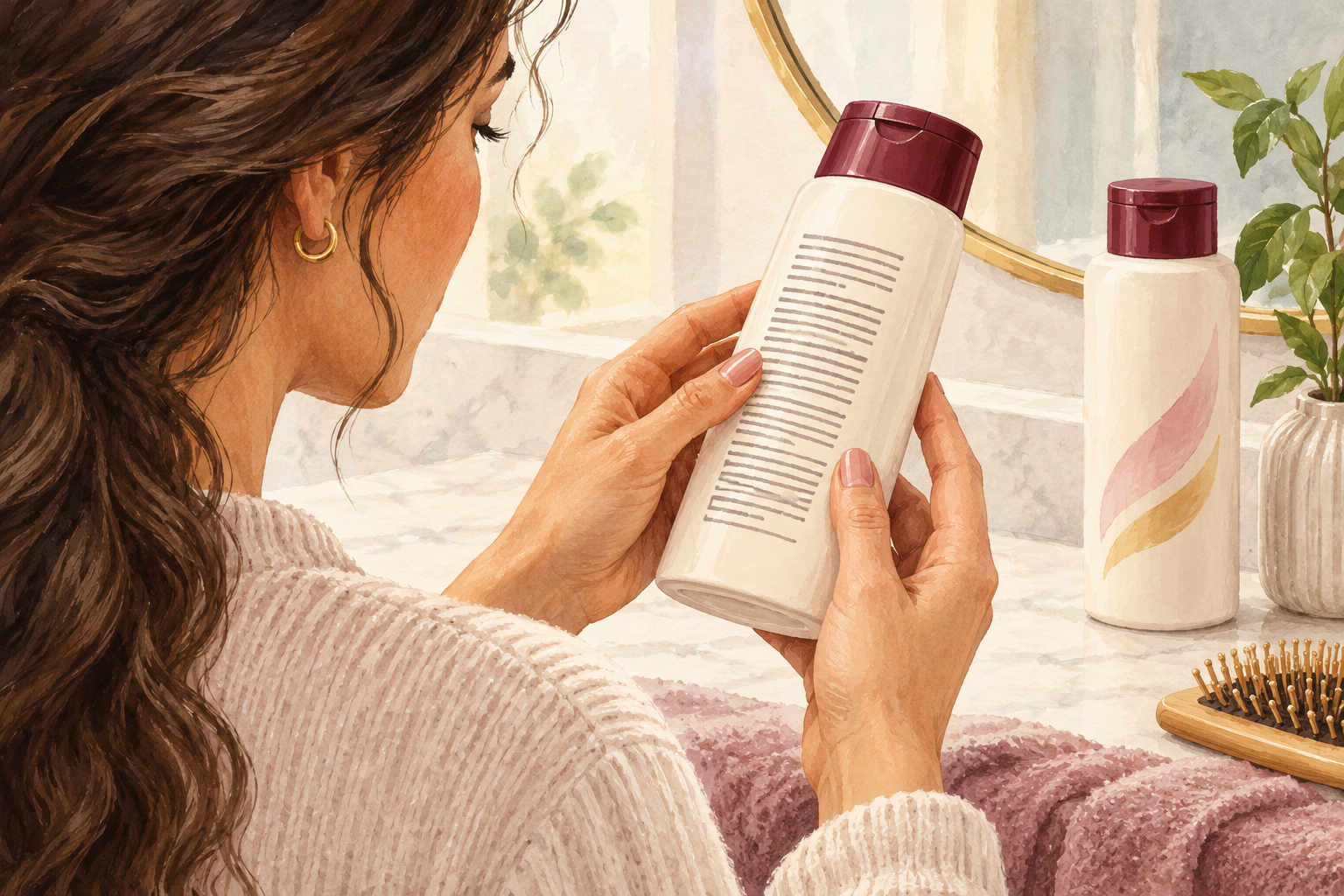
Look for a box on the back that says active ingredient, and read the one name inside it. That single ingredient treats the flakes, and everything else on the long list is cleansing and fragrance. A bottle with no active ingredient box is a regular shampoo with a dandruff claim on the front, so do not expect it to behave like a real treatment. Write the active ingredient and its percentage in your phone. Next time you shop, you can compare in ten seconds instead of guessing from the packaging. Skip bottles that only promise soft or shiny hair, because the active is what counts.
2. Zinc pyrithione for mild, everyday flakes
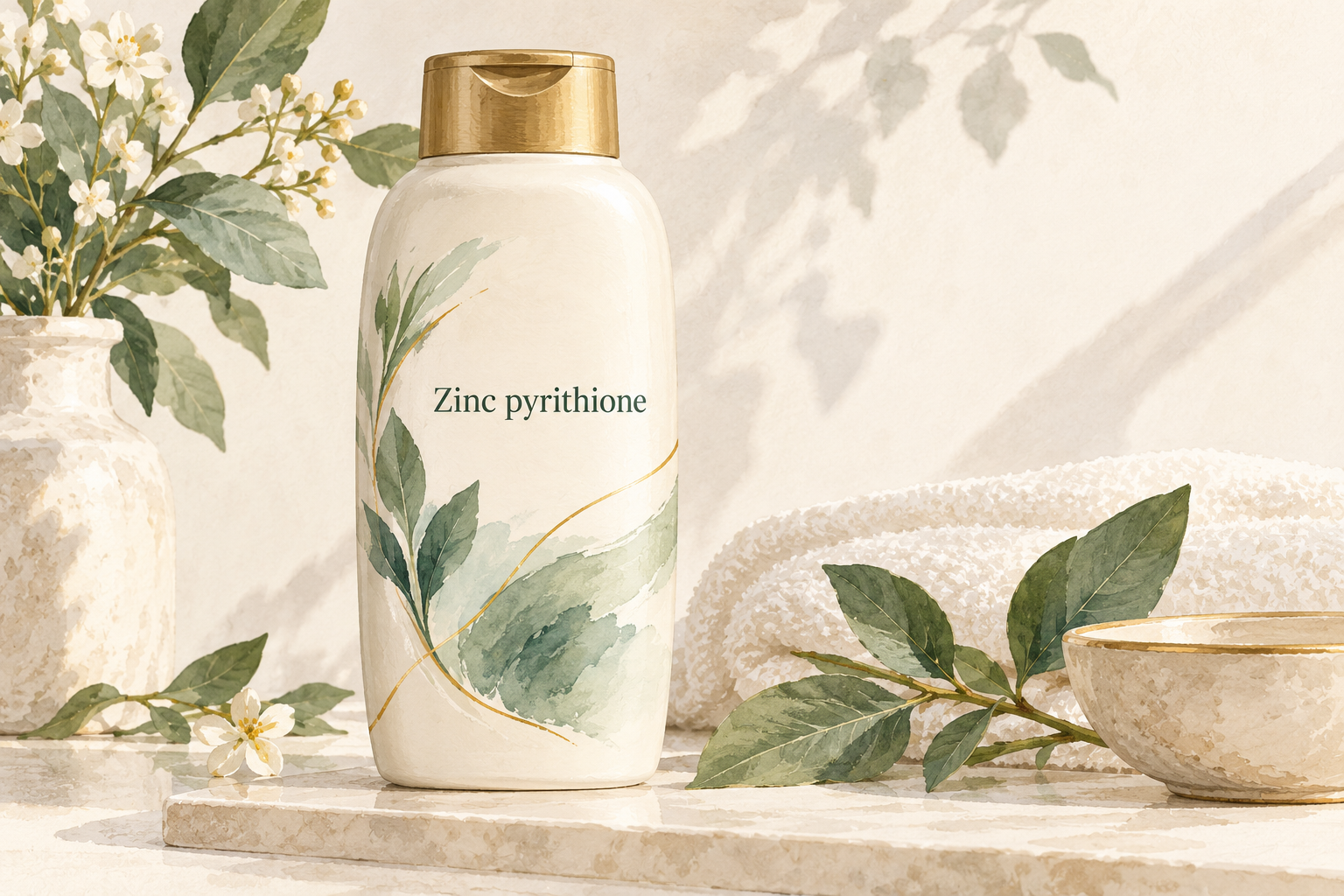
Start with zinc pyrithione if your flakes are light and your scalp is only a little itchy. It works against the yeast that lives on most scalps, and it is usually gentle enough to use a few times a week. Follow the directions on your bottle for how long to leave it on. If it works, you have found your baseline and can stop shopping around. It suits most people, including those who wash often. Give it three or four washes before you judge it, since the first wash rarely tells you much. Scalp skin renews itself slowly, so patience is part of the treatment.
3. Ketoconazole when zinc is not enough
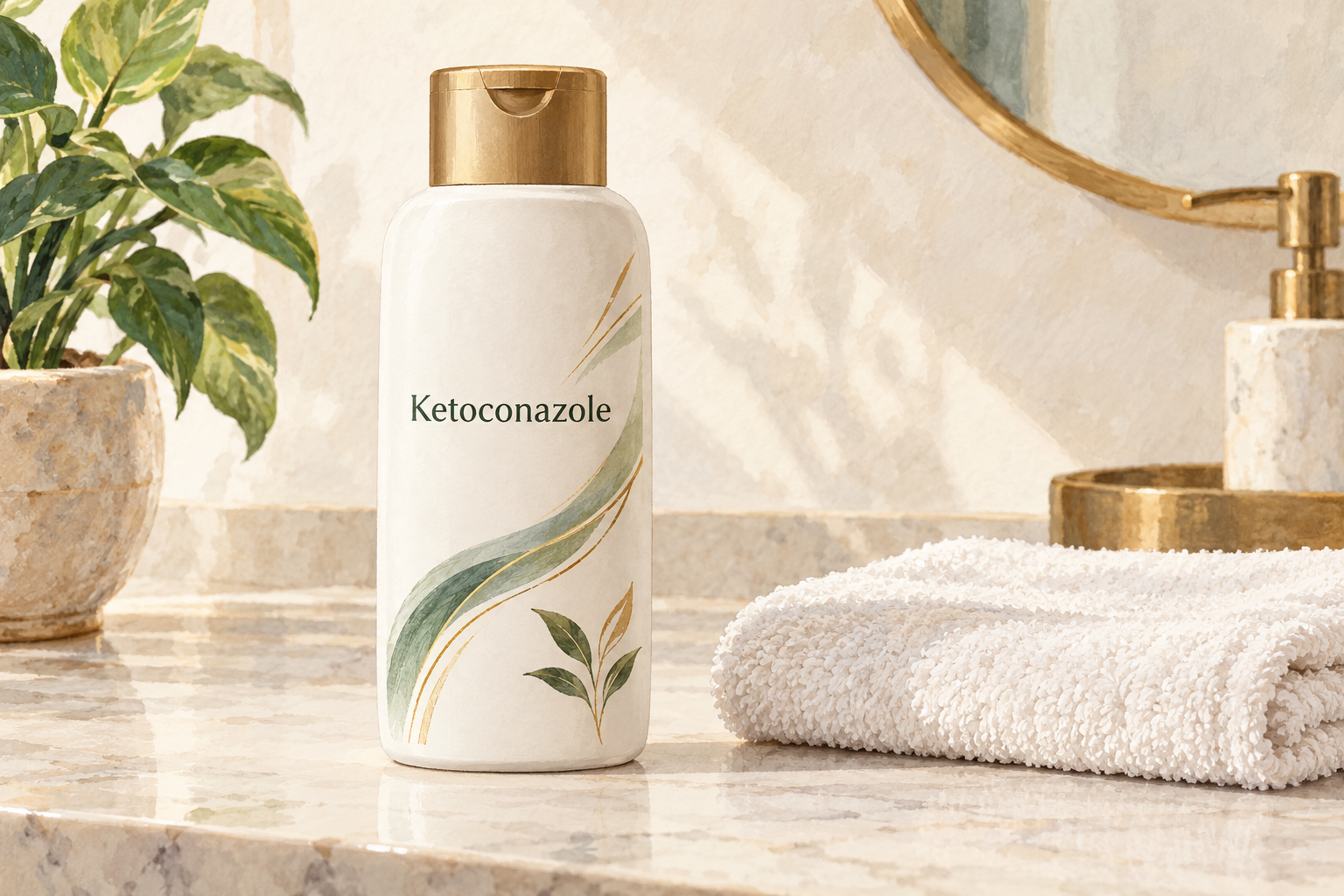
Reach for ketoconazole if you gave zinc a fair month and the flakes and itch are still there. It is an antifungal that goes after the same yeast from a different angle, and it can calm stubborn, greasy flaking. Strengths and availability differ from place to place, so read the label closely and follow it. Do not use it every day unless the bottle says to. Use it two or three times a week, alternating with a mild shampoo. If your scalp stings or burns, rinse it out straight away and stop. Avoid getting it into your eyes, and wash your hands after you use it.
4. Salicylic acid to loosen thick scale
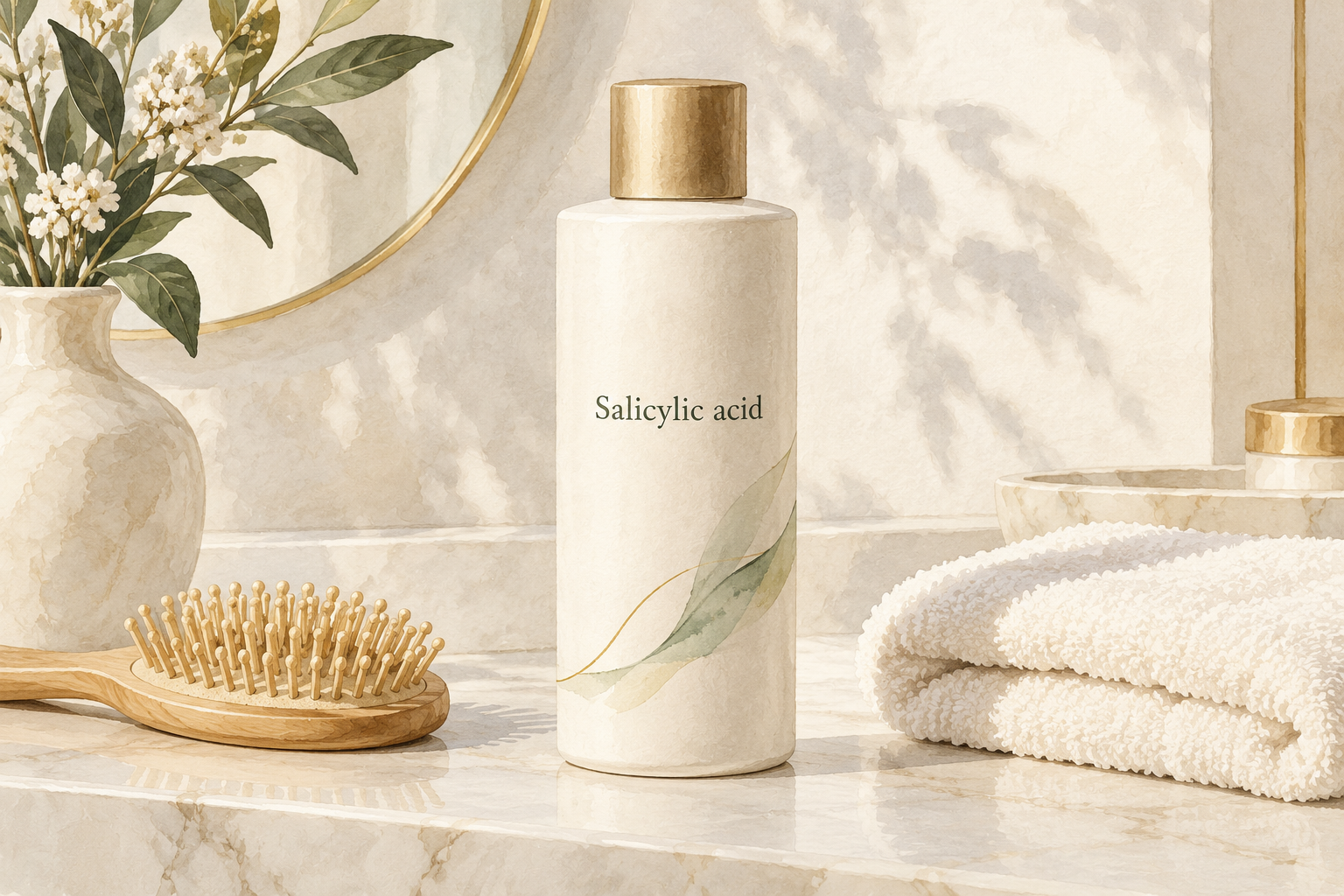
Pick salicylic acid when the flakes are thick, stuck on and sit in patches. It does not target the yeast. It loosens the scale so the flakes lift away and the itch eases, which makes it a good partner for stubborn flaking. It can leave your hair feeling dry, so smooth conditioner on the lengths after you rinse. Use it as directed and never leave it on longer than the label says. Brush gently while the hair is dry before washing, so the loosened flakes come away instead of sitting there. Pat your scalp dry afterwards rather than rubbing, which can stir up more flakes.
5. Coal tar and selenium sulfide as back up options
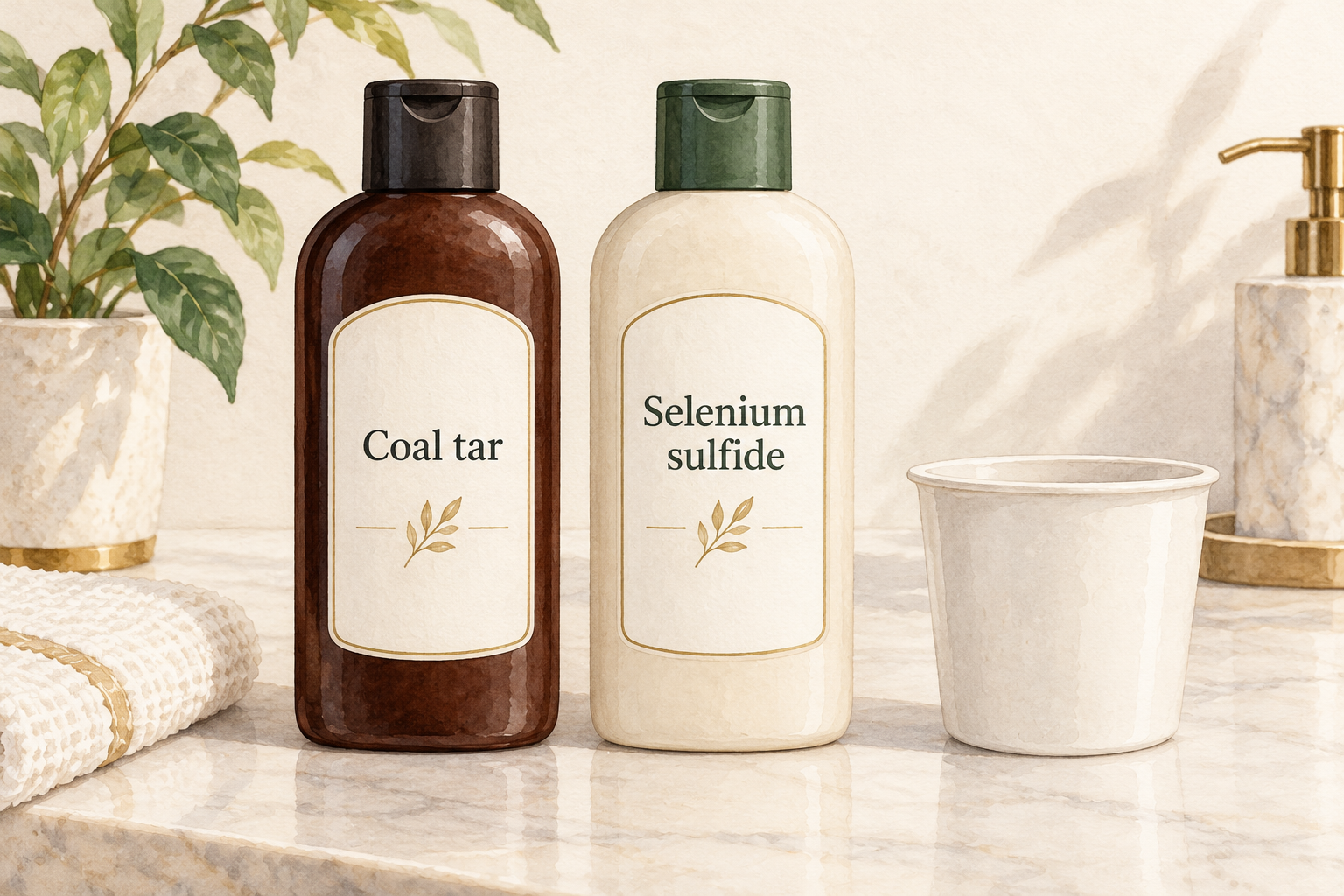
Keep coal tar and selenium sulfide for later, after the gentler actives have had their turn. Coal tar calms itching and scaling, but it smells strong and can stain light, bleached or silver hair. Selenium sulfide also works against the yeast, and the label may warn about colored or chemically treated hair. Rinse very well with both, and keep them out of your eyes. Test a little behind your ear first if your skin is sensitive. These are second line choices, not where you should begin. If the smell bothers you, it is fine to try another active first.
6. Match the shampoo to your flakes
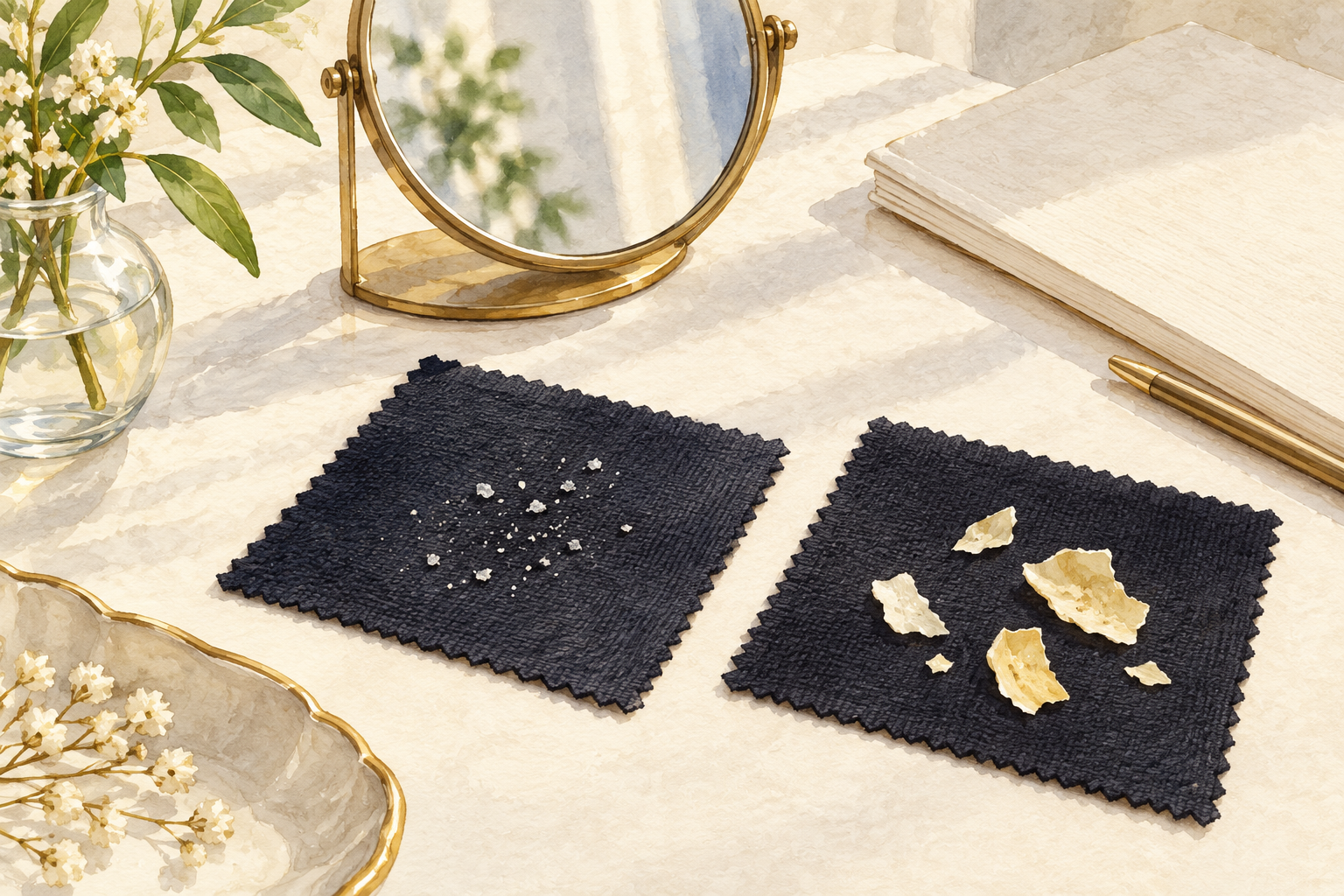
Look closely at your flakes in daylight to decide whether they are oily and yellowish or dry and white. Greasy, yellowish flakes with an oily scalp usually respond best to zinc or ketoconazole. Dry, small white flakes with a tight scalp may be plain dryness, and a medicated shampoo will make that worse. If your scalp just feels tight, try a gentle moisturizing shampoo for a week first. Guessing wrong is the most common way to waste a bottle. Take a photo of your parting before you start, so you can compare later. Oily scalps shine at the roots by the second day, which is a clue worth noticing.
7. Match the wash schedule to your hair type
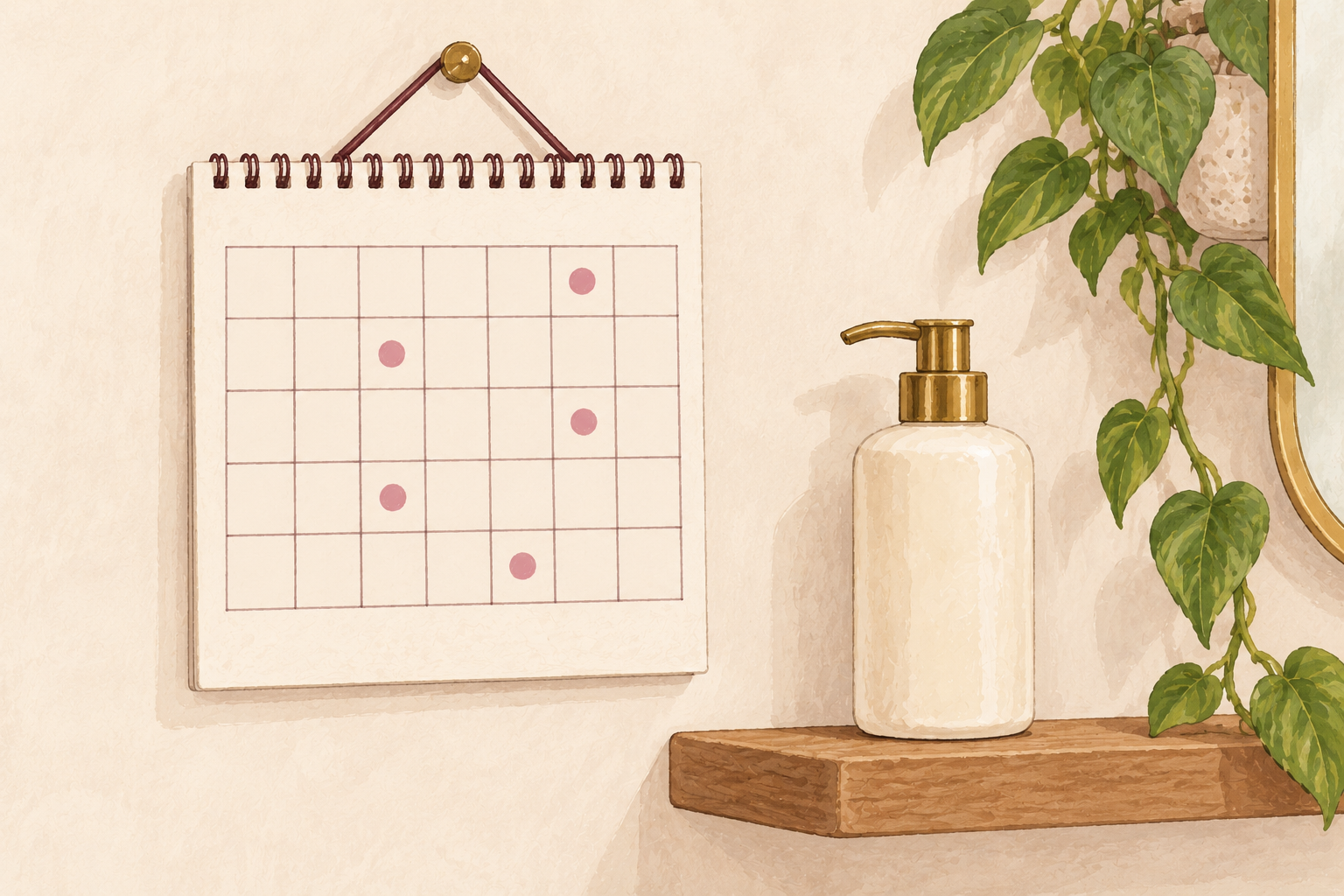
Straight and fine hair can use an anti dandruff shampoo two or three times a week, while curly and coily hair does better with less. Active shampoos dry the lengths, and textured hair is already prone to dryness. On the other days, wash with your usual gentle shampoo. Once your scalp settles, drop back to about once a week to keep the flakes from returning. Put the days on your calendar so you do not drift. Skip the shampoo on color treated hair until you have read the label for warnings. Dry, bleached hair needs the most conditioner of all.
8. Massage it in and leave it on for five minutes
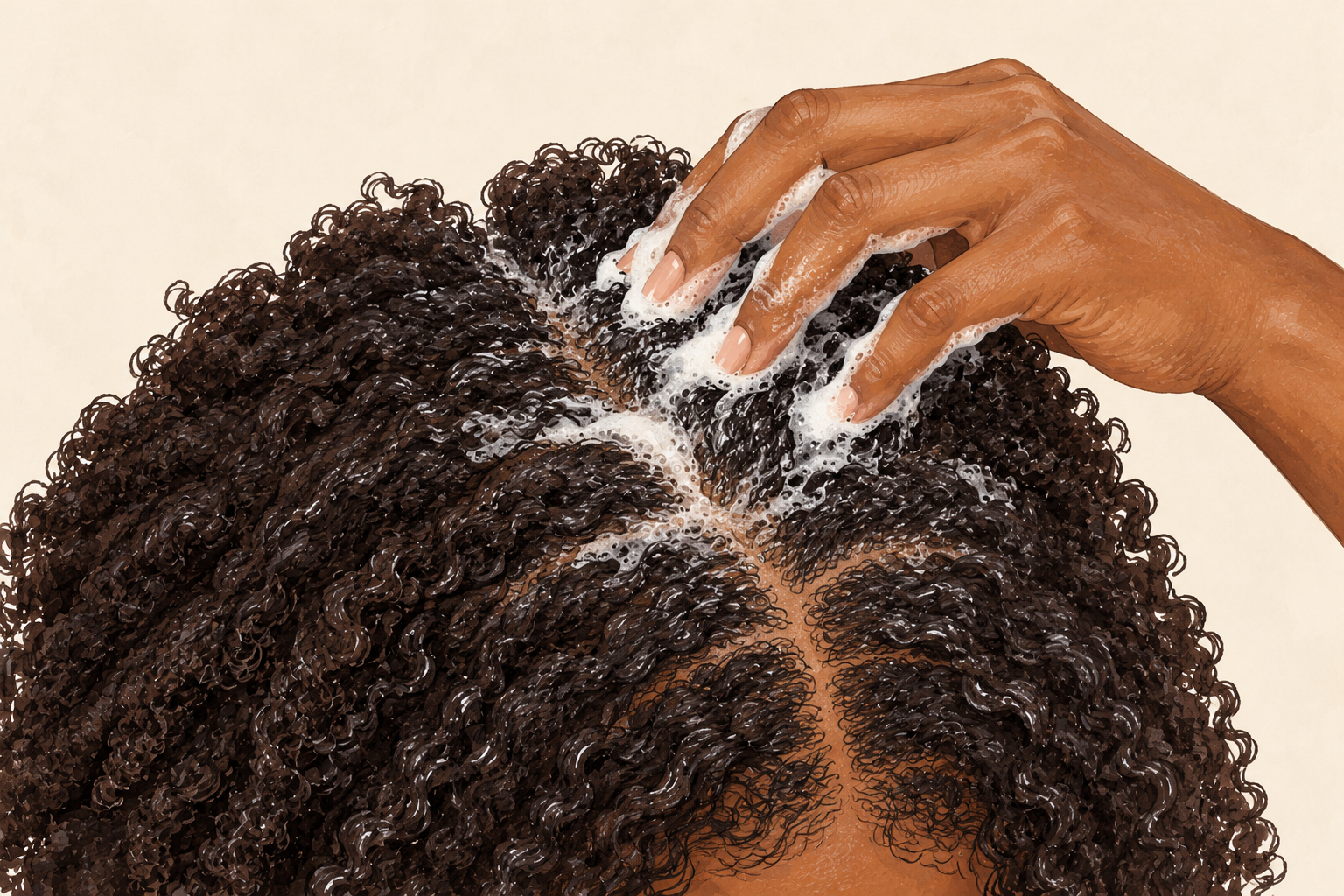
Part your hair in a few places and rub the shampoo straight onto the scalp with your fingertips, not your nails. Then leave it for five minutes, or the time on the bottle. A timer helps, because it feels far longer than it is. Rinse it all out well. Skipping the wait is the most common reason a good bottle seems to do nothing. Keep the lather off the lengths where you can, since the active is for the scalp. Hair feels clean and a little tight right after, and conditioner fixes that. Do not skip the rinse, because leftover foam itches and flakes.
9. Condition the lengths every time
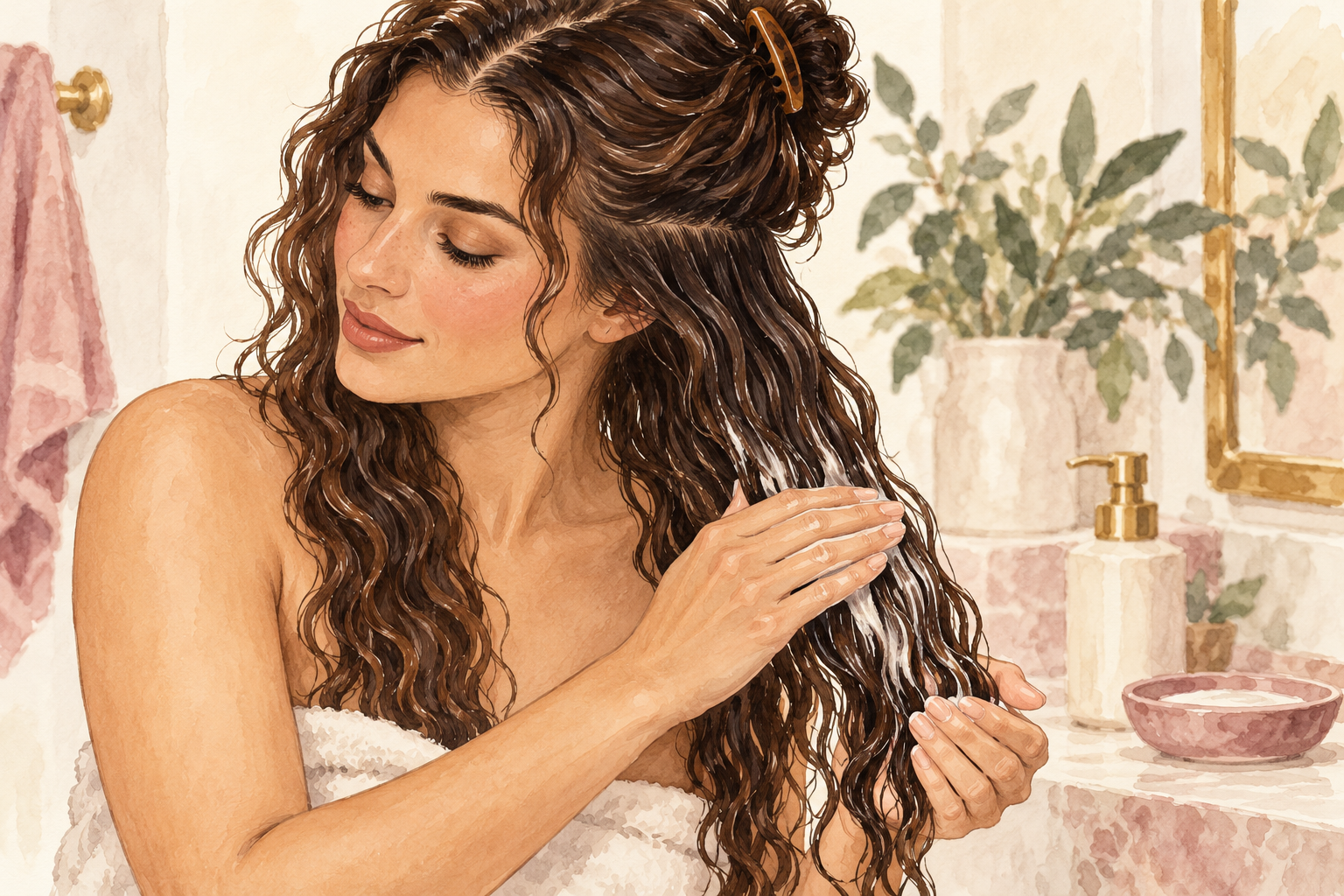
After rinsing, smooth conditioner from the mid lengths to the ends, and keep it off your scalp. Medicated shampoo can leave hair rough and tangled, and conditioner brings the softness back. Leave it for two minutes while you wash your body. Rinse with cool water to help it lie flat. If your hair stays dry, a light oil on the very ends once a week helps. This extra step takes thirty seconds, and it keeps your anti dandruff shampoo from being the reason your hair feels like straw, and it makes the whole routine easier to stick with.
10. Avoid the mistakes that waste a good bottle
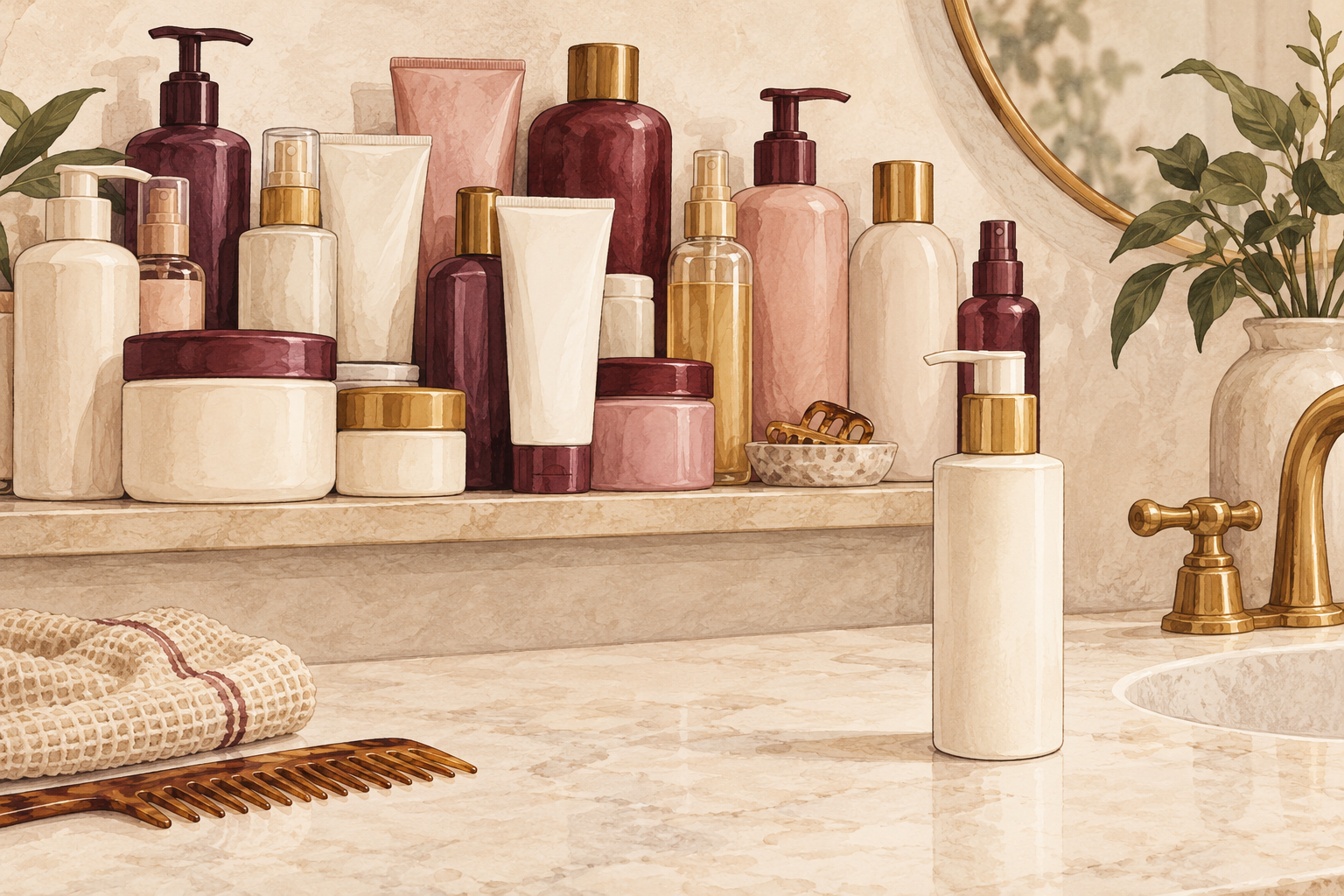
Do not switch bottles every wash, because nothing gets a fair go. Do not scratch with your nails, which irritates a scalp that is already unhappy. Do not rinse after thirty seconds and expect results, and do not use an anti dandruff shampoo on the lengths of your hair. Pick one active, use it properly for four weeks, and then decide. Finishing a bottle is not a failure of will, it is the only fair test. Keep a note of the day you started, so you know when the month is up. Sticking with one bottle is boring, and it is also what works.
11. Judge it at week one, two and four
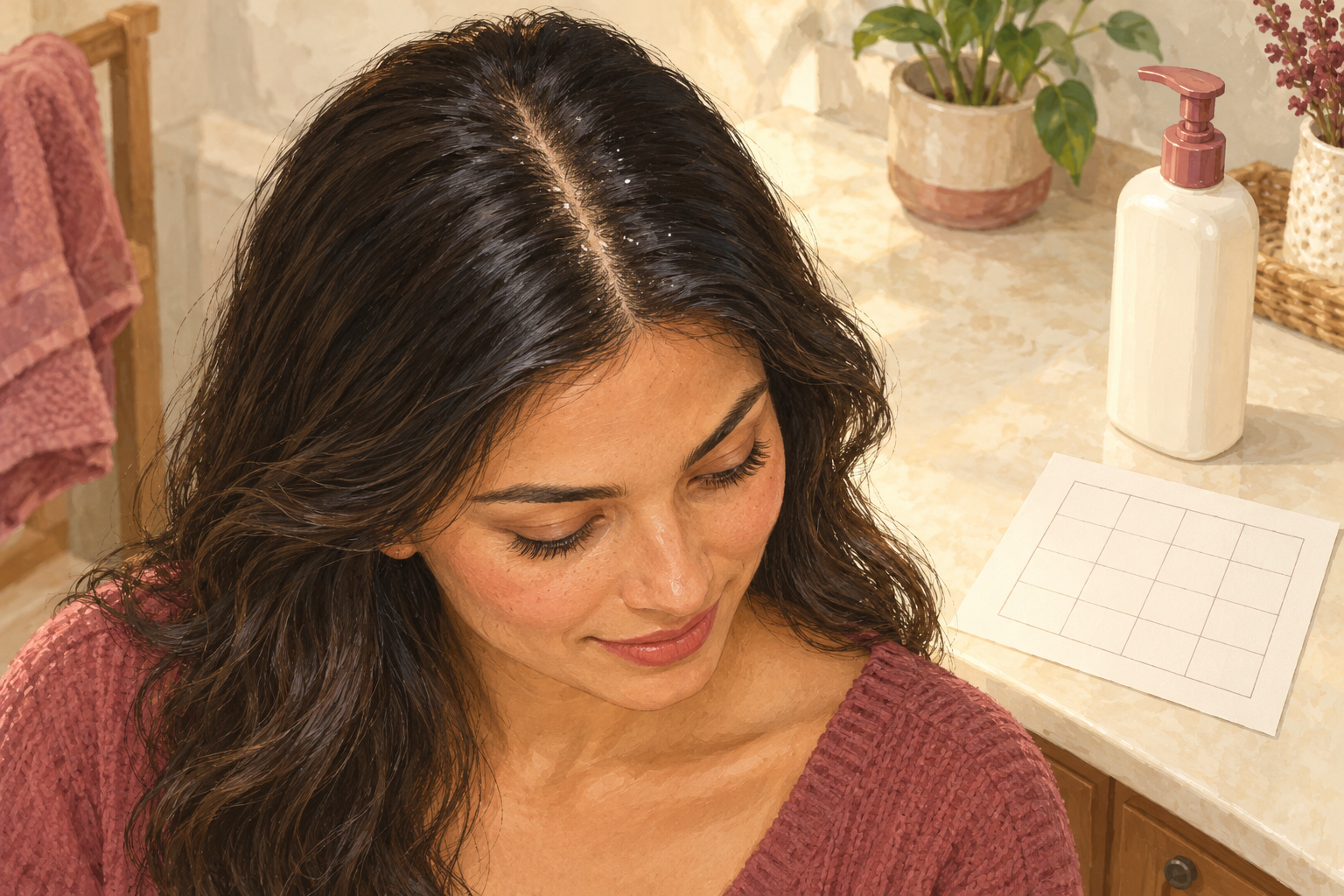
Take a photo of your parting each week, because day to day it is hard to tell. In the first week you may notice less itching, though flakes may still show. Around week two they look smaller and fewer. By week four the change should be clear, and that is when to decide whether to keep going. If it faded after helping at first, switch to a different active for a few washes. Alternate the two on separate washes, and go back to the first later. That is a known pattern and not a sign you did anything wrong. Keep the first bottle in the cupboard for later.
12. Know when to put the bottle down

Stop at once if your scalp burns, stings, swells or breaks out in a rash, and rinse with plain water. A reaction to a new bottle is the one case where you should not wait it out. Switch to a mild shampoo for a week and let the skin calm down. If the redness, sore patches or heavy flaking stay put after a few weeks of steady use, see your doctor for advice. Otherwise, once the flakes are gone, keep your anti dandruff shampoo in rotation about once a week. Stress, cold weather and a change of routine can bring flakes back for a while, so go back to your earlier schedule for a few washes.
Complete the Routine: Your Anti Dandruff Shampoo Plan for This Week
Tonight, find the active ingredient on your bottle and set a five minute timer for your next wash. To work out which kind of flakes you have, read about dandruff, and if your scalp just feels tight, try shampoo for dry scalp instead.