Your curls looked perfect in March, puffed up like a cloud in July, and turned dry and staticky by December. Frizzy curly hair reacts to the weather, so the same routine rarely works all year. These 12 fixes cover humid summers, dry winters, rain, sweat and hard water. Start at number one tonight.
1. Notice how your weather treats your curls

Keep a note for a week of what the air does, such as humid and sticky, cold and dry, or rainy and windy. In sticky air curls swell and puff, and in dry air they lose moisture and frizz from thirst. Write down your weather beside how your curls behaved by lunchtime. Soon you will see the pattern and know which fixes you need most. If you live somewhere with both, as many of us do, plan a summer routine and a winter routine. This small note saves a lot of guessing and a lot of wasted product.
2. Choose lighter products and firmer hold in humid weather
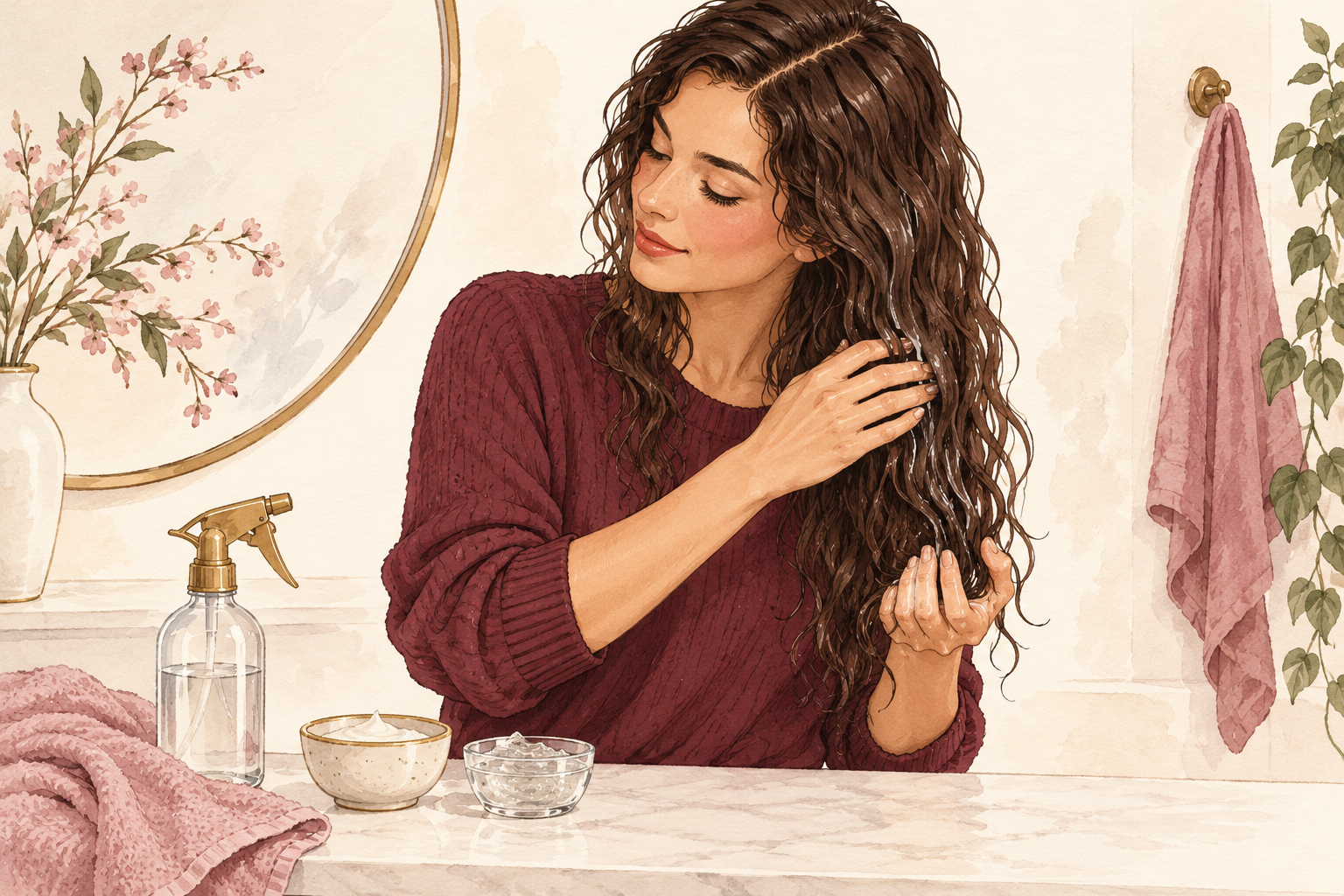
Swap thick butters for a lightweight leave in cream, then lock it in with a firm hold gel. Heavy creams soak up the moisture in the air and make curls puff. A firm gel forms a thin cast that keeps water out. Use a handful of gel on soaking wet curls, scrunch upward and do not touch until dry. Break the cast with a little oil on your hands. In a humid summer, pick the lightest cream that still keeps your ends soft. If your curls feel crunchy for days, use less gel next time. Test the combination on one wash day before a big event.
3. Use a humidity resistant finish
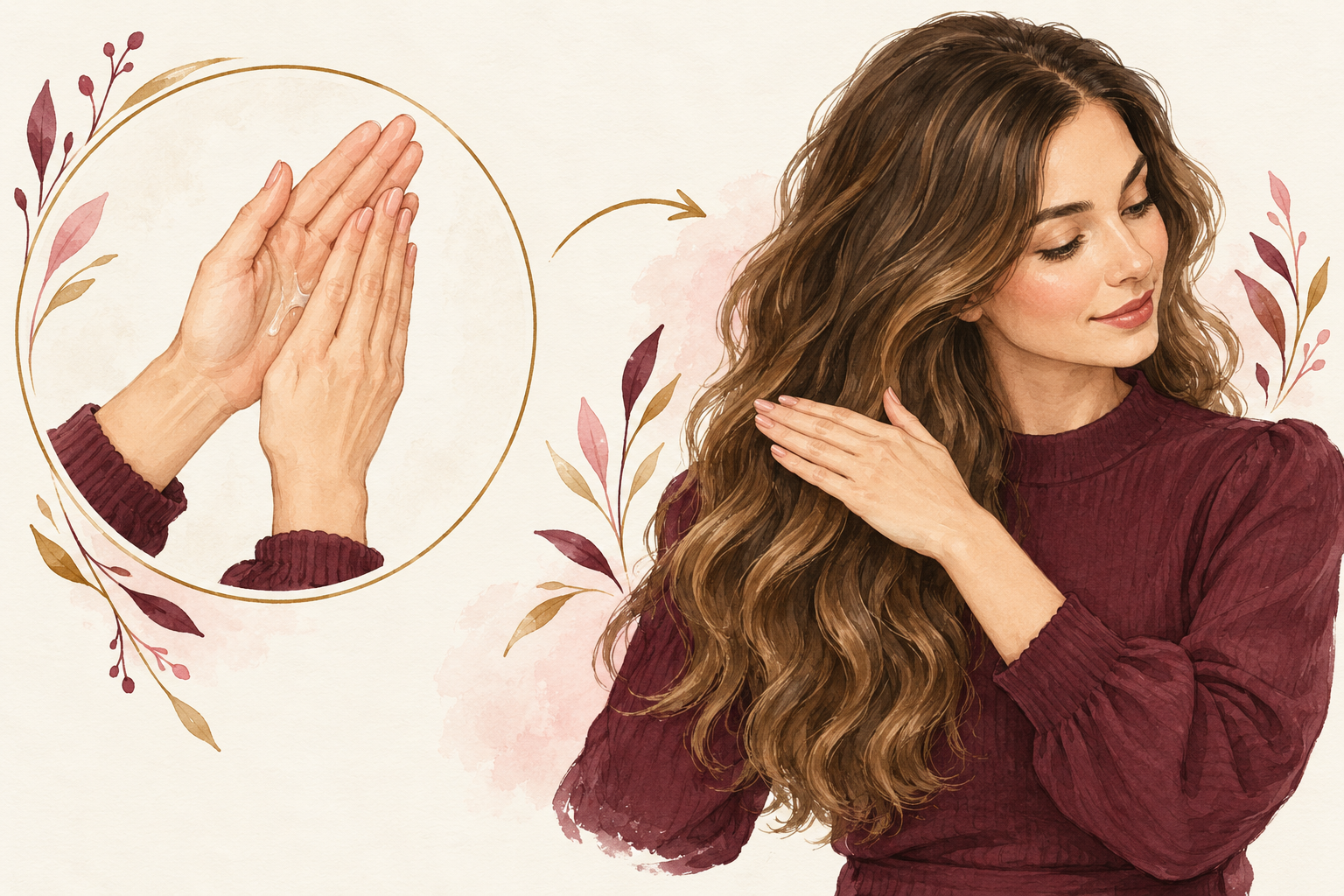
Seal your style with a light serum or oil on dry curls, using two or three drops on the top layer. Once the gel has set and dried, smoothing a bit of serum over the surface blocks damp air. Glide your hands over the curls lightly, so you do not pull the clumps apart. Use less at the roots. In heavy humidity, finish with a hold spray and keep your hands off. Reapply nothing during the day, because adding more on top of a finish just adds to the fuzz. Serum on wet curls just slides off, so wait until they are dry.
4. Wear protective styles on the worst days
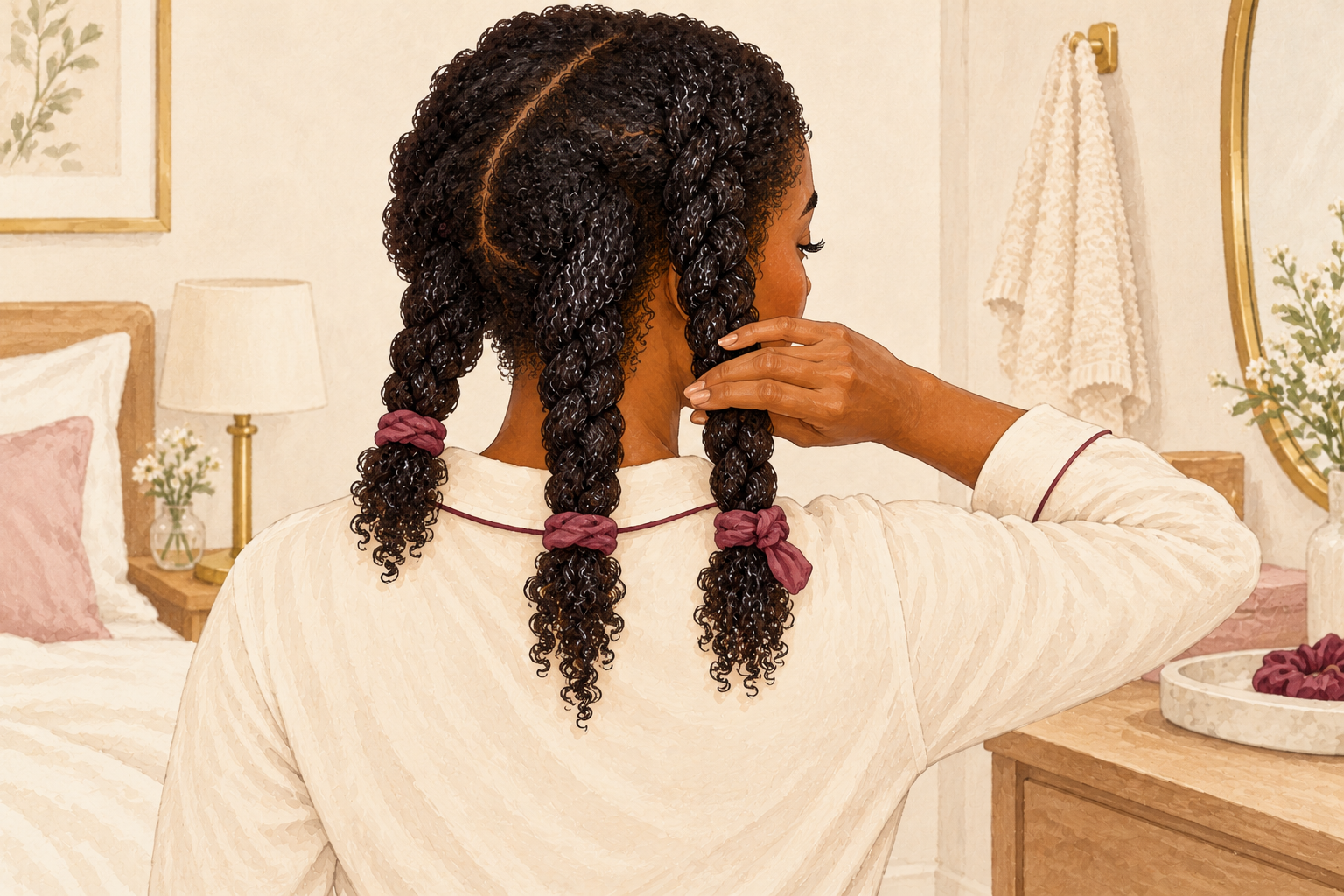
Put your curls in two or three big braids, a high puff or twists when the weather is at its worst. These styles keep the strands together and out of the damp or wind, so they do not rub and tangle. Make sure they are loose. If your scalp stings, take them down. Start with clean, moisturized hair and keep the style for two or three days. A protective style takes the pressure off a hard week, and it saves you from fighting the mirror every morning. Keep your edges relaxed and smooth them with a soft brush. Change the style every few days so one spot does not take all the strain.
5. Add a weekly deep moisture treatment
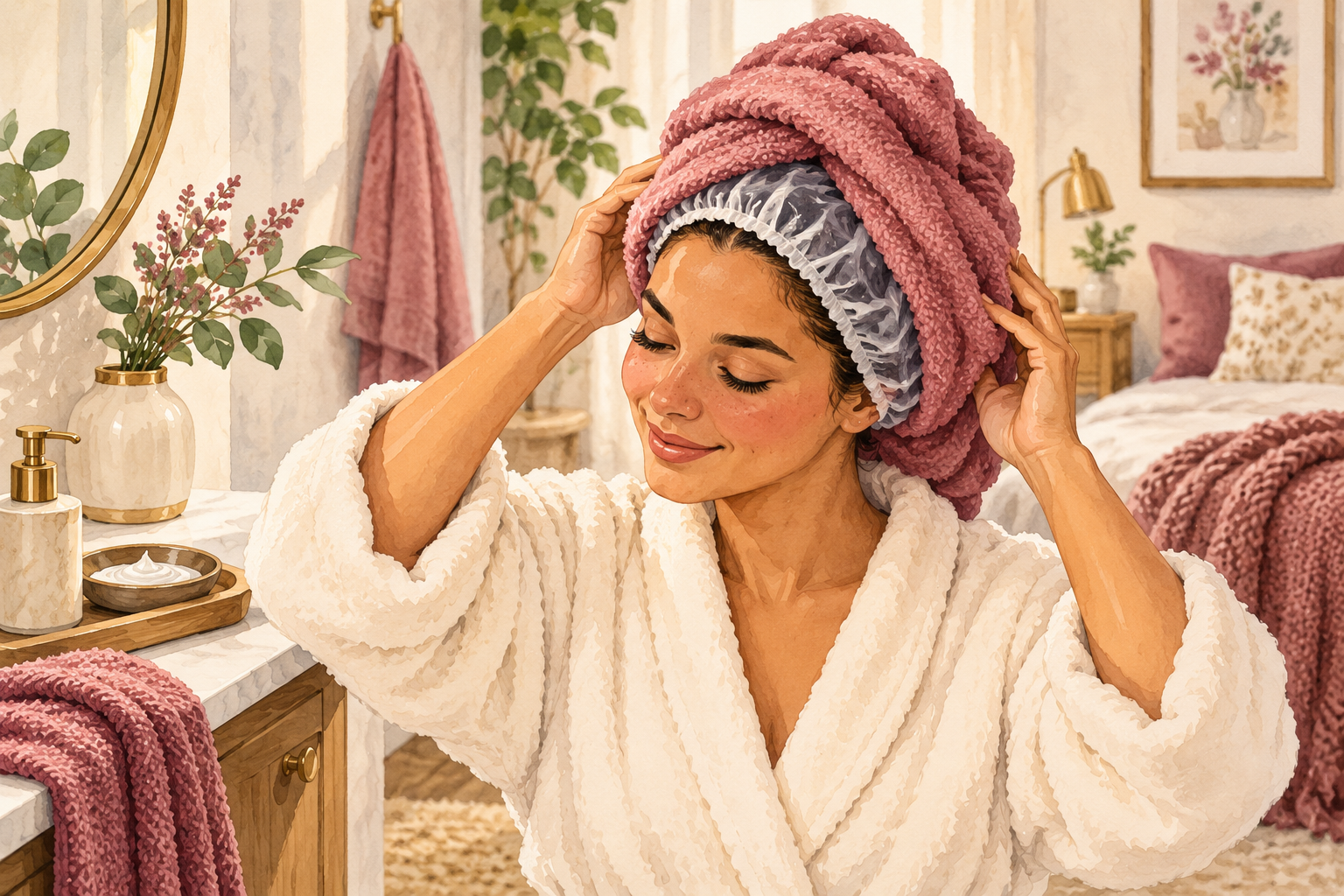
Sit with a rich conditioner on your curls for twenty to thirty minutes under a shower cap once a week. Curly hair loses water fast, and heat, sun, wind and dry indoor air all speed it up. A weekly soak keeps the strands stretchy so they do not snap and fuzz. Rinse with cool water to close the surface. In winter, you can add a second light session mid week. Hair that has been deep treated holds its curl pattern longer and frizzes less between washes. Put on a show while it works, and the time passes quickly.
6. Add moisture to the air around you

Run a small humidifier in your bedroom on cold, dry nights, and keep the room between forty and fifty percent humidity. Heating and air conditioning dry the air, and dry air pulls water from your curls, which is where winter frizz comes from. Place it a few steps from your bed, never right at your pillow. Clean it every few days so it does not grow mold. A bowl of water by the radiator helps a little too. Wake up with curls that feel less crunchy. Empty and refill the tank each night so the water stays fresh. This step pays off most in deep winter, when indoor heating dries everything out.
7. Fight static and hat friction
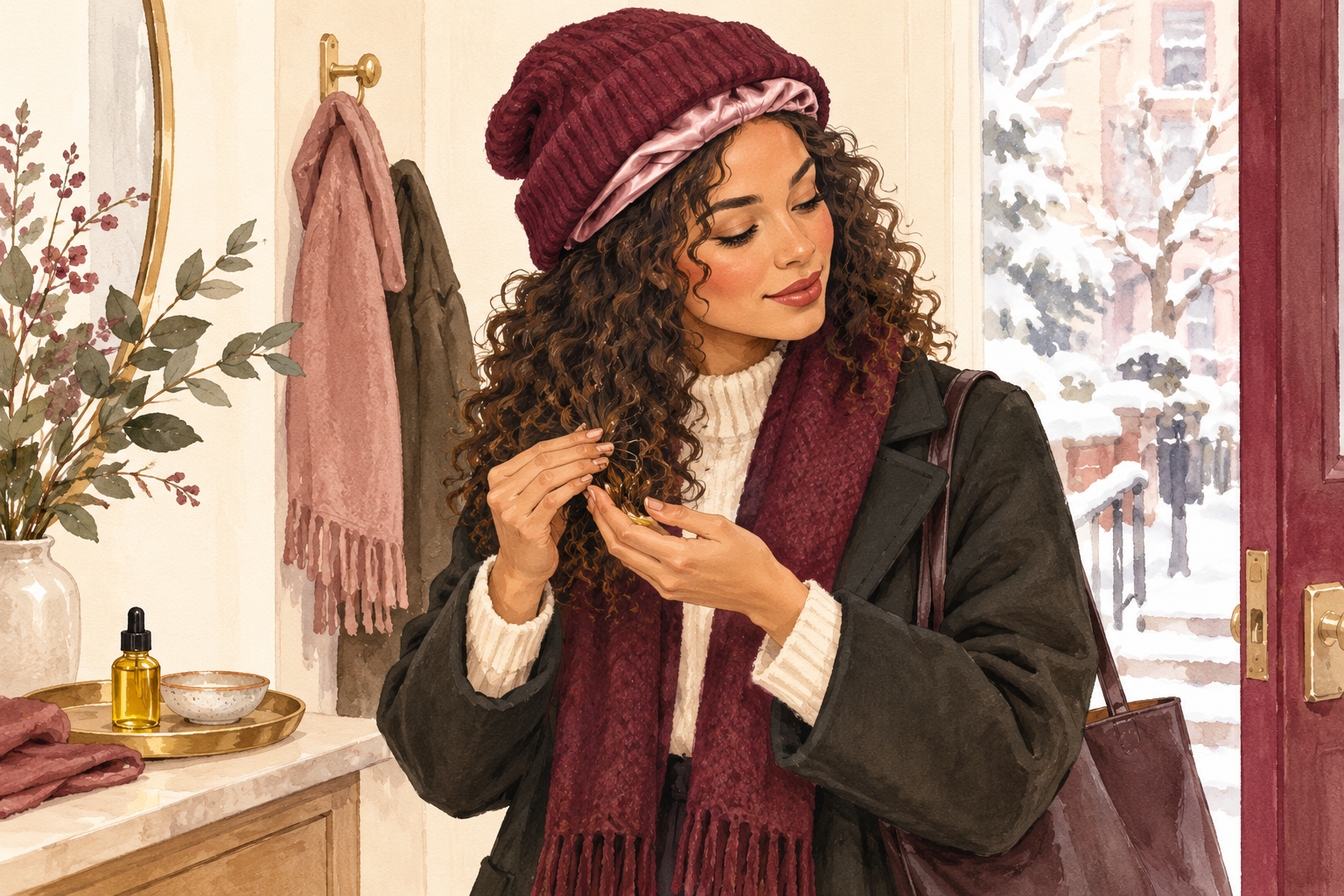
Line your hat with satin, or wear a satin lined beanie, and add a drop of oil to the ends before you leave. Wool and cotton rub the hair and charge it with static, so you take your hat off and everything flies up. Rub a tiny bit of leave in on your palms and press it over the top layer. Take off hats gently and shake your curls out with your fingers. A metal comb makes static worse, so use a wide tooth wooden or plastic one. Cold weather needs this daily. A satin pillowcase handles the nighttime side of this problem.
8. Keep a hood or scarf in your bag
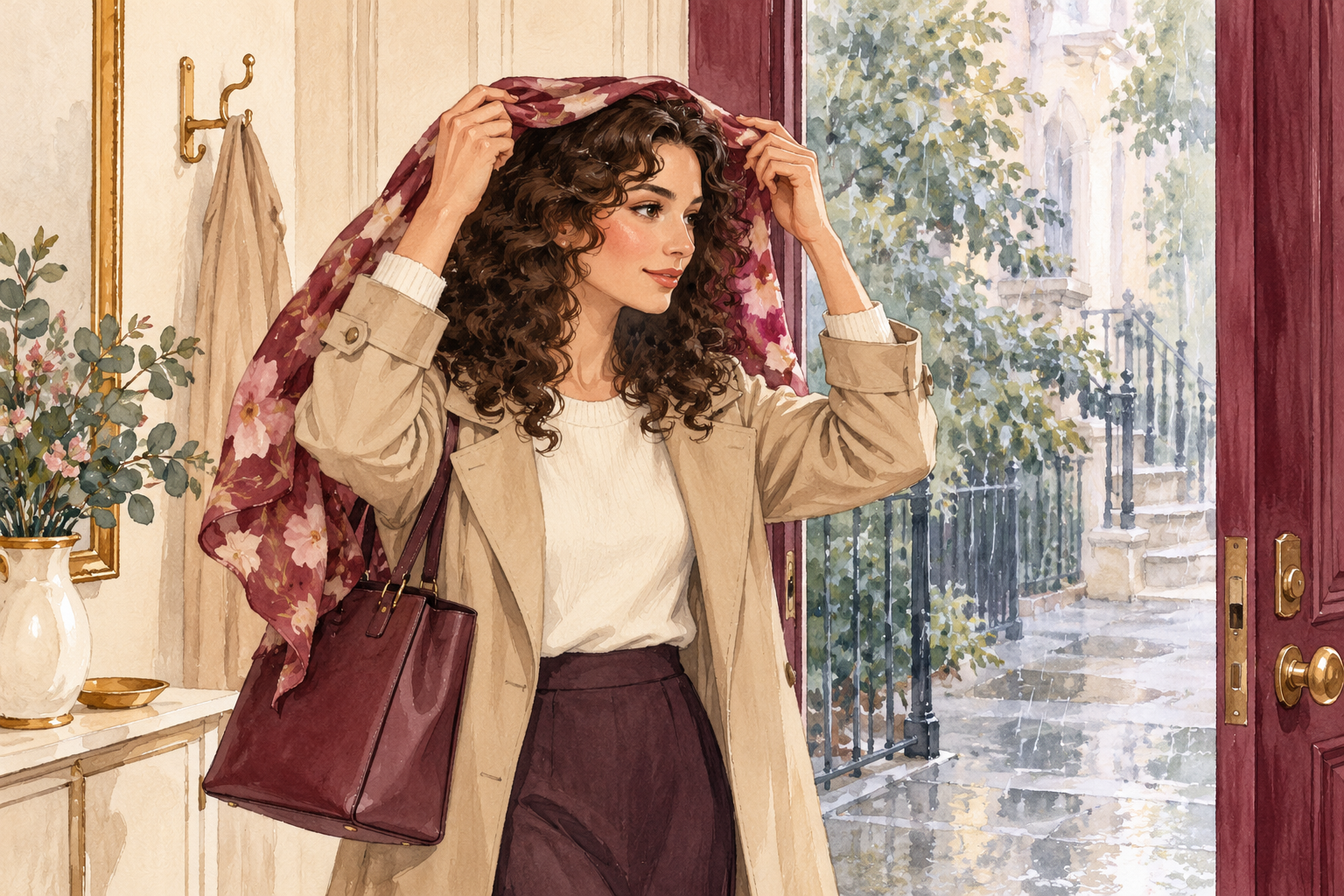
Carry a hooded rain jacket or a silk scarf so you can cover your curls before the first drop. Rain on a finished style raises the surface at once and the curls turn fuzzy. Tie a scarf loosely, or pull the hood up gently so it does not press the curls flat. At home, let your hair dry on its own before you touch it. If you get caught out, squeeze the water out with a soft towel instead of rubbing. A tiny umbrella is also a good bag companion. Once you are indoors, wait until the hair is nearly dry before adding a little cream to the ends.
9. Carry a mini refresh kit
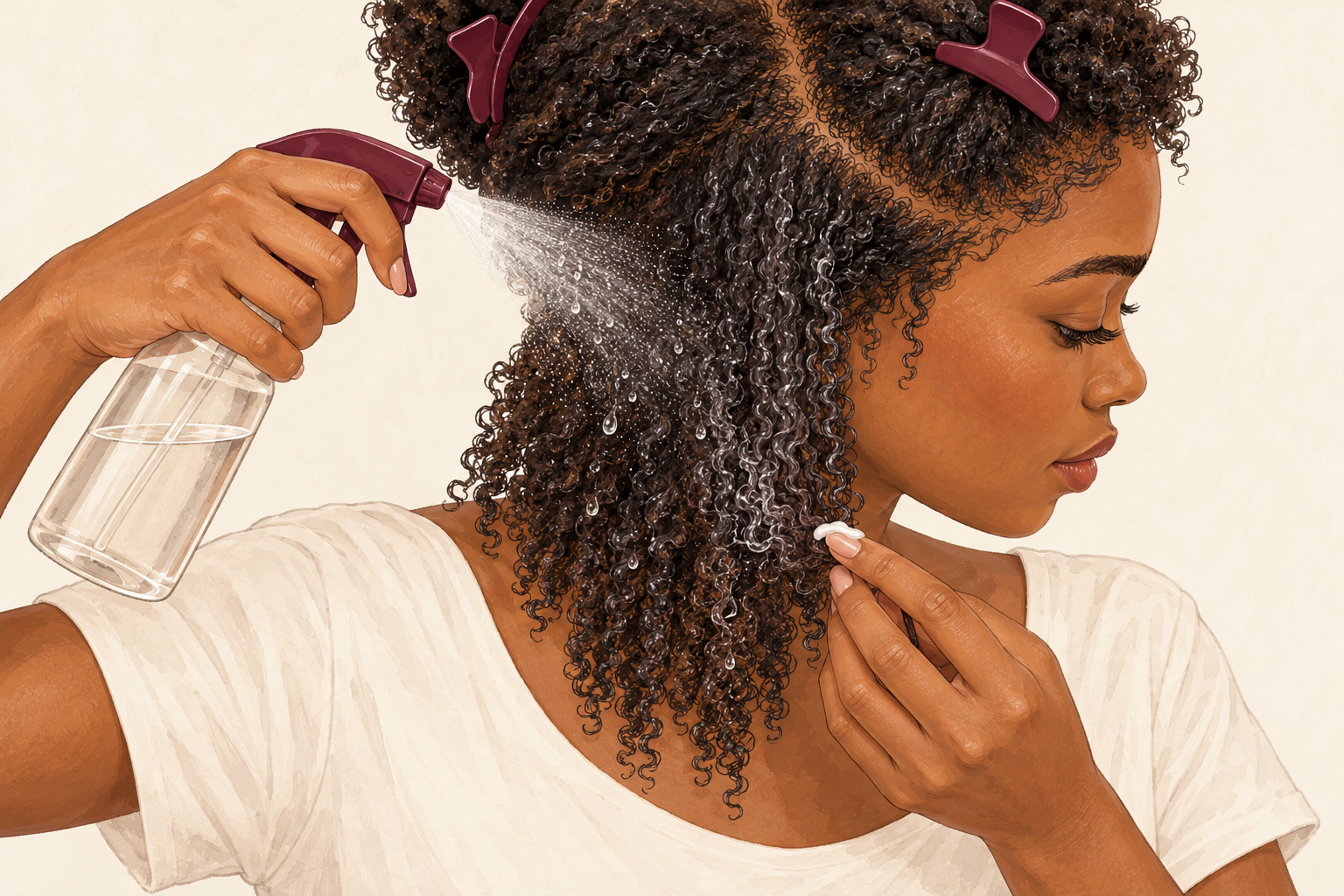
Pack a small spray bottle of water, a travel size cream, a wide tooth comb and a scrunchie in a pouch. If your curls flatten or frizz at lunchtime, spritz lightly, smooth a pea sized bit of cream over the dry parts, and shape each curl around your finger. Do not comb dry curls. Go lightly, because adding too much will weigh them down. This takes two minutes and rescues the day. Keep the kit in your work bag so it is always with you. Refresh only the dry or flat sections, not the whole head. Keep the bottle small enough to fit in any bag.
10. Wear a loose style that can handle sweat
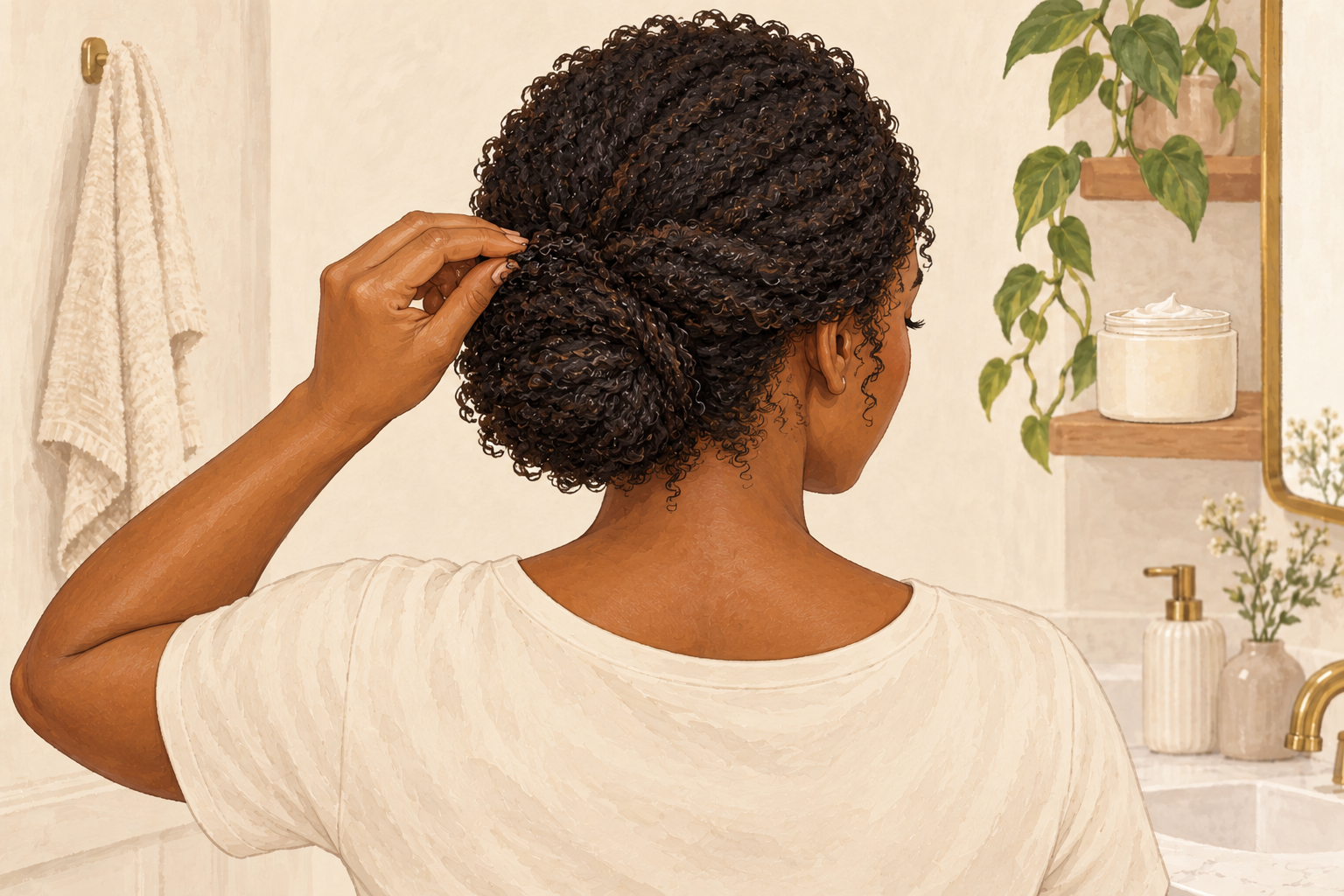
Choose a loose puff, braid or low bun when you know you will sweat, and keep it off your neck. Sweat adds moisture and salt, and curls frizz as it dries. Rinse your scalp with water, not always the lengths, to take off the salt without resetting your style. Mist the roots, dab with a clean cloth, then let air dry. Soft headbands soak up sweat well. If you work out every day, use a light cream and a gel that hold up. Wash your scarf and headband weekly. A spray of water at the end of a hot day revives limp curls. Tie it up before you start your day, not halfway through.
11. Pack your basics and a clarifier
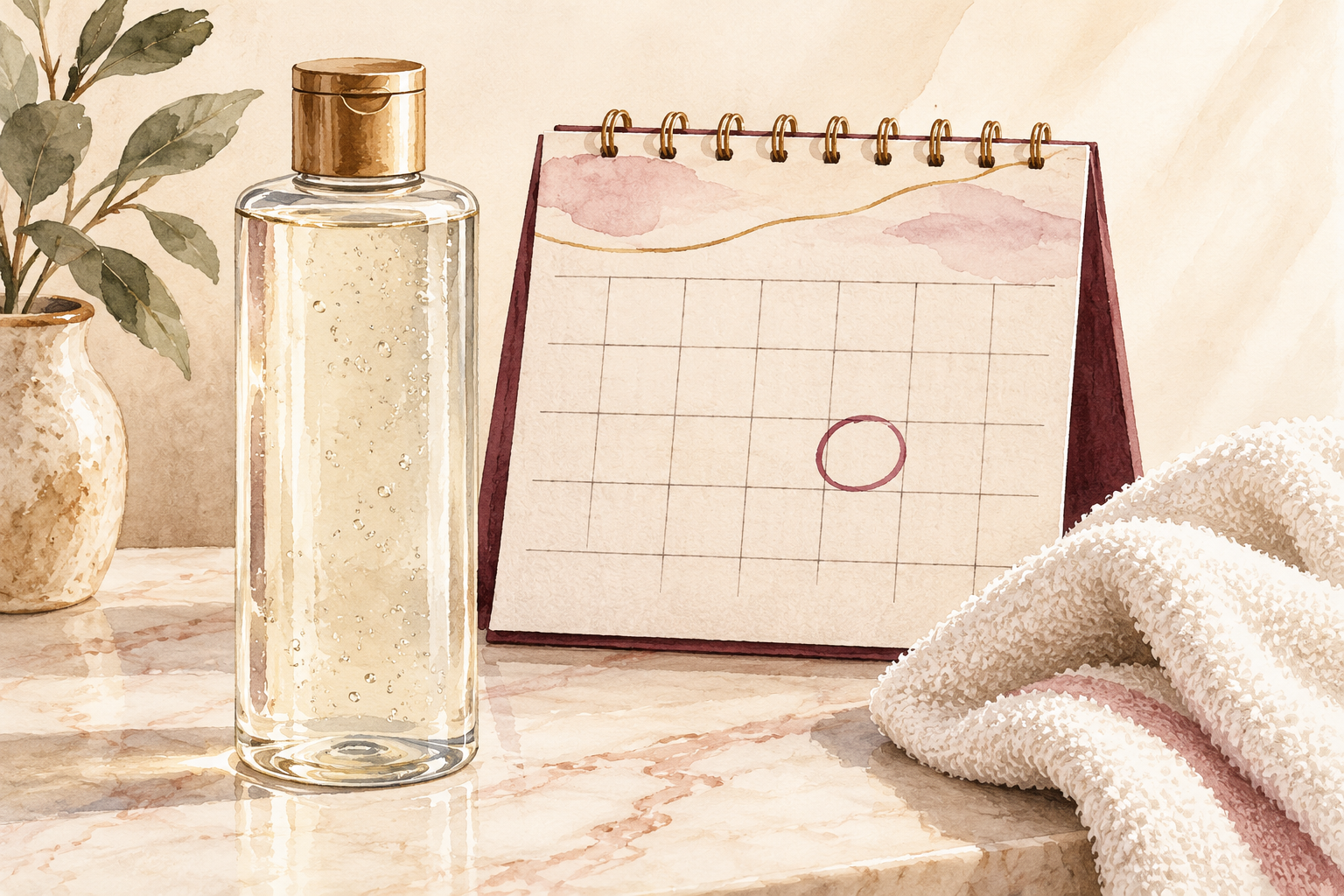
Pack your own shampoo, conditioner and a clarifying wash when you travel, because water changes from place to place. Hard water leaves minerals on curls, which makes them dull, rough and frizzy. A clarifying wash once every couple of weeks lifts them off. Follow with a deep treatment, since clarifying leaves hair a bit bare. Rinse for longer in hard water. If you notice your curls frizz on holiday but not at home, the water is likely to blame. A spare small bottle of each saves the trip. Try the clarifier at home first, so a trip is not its first test.
12. Consider a shower filter at home
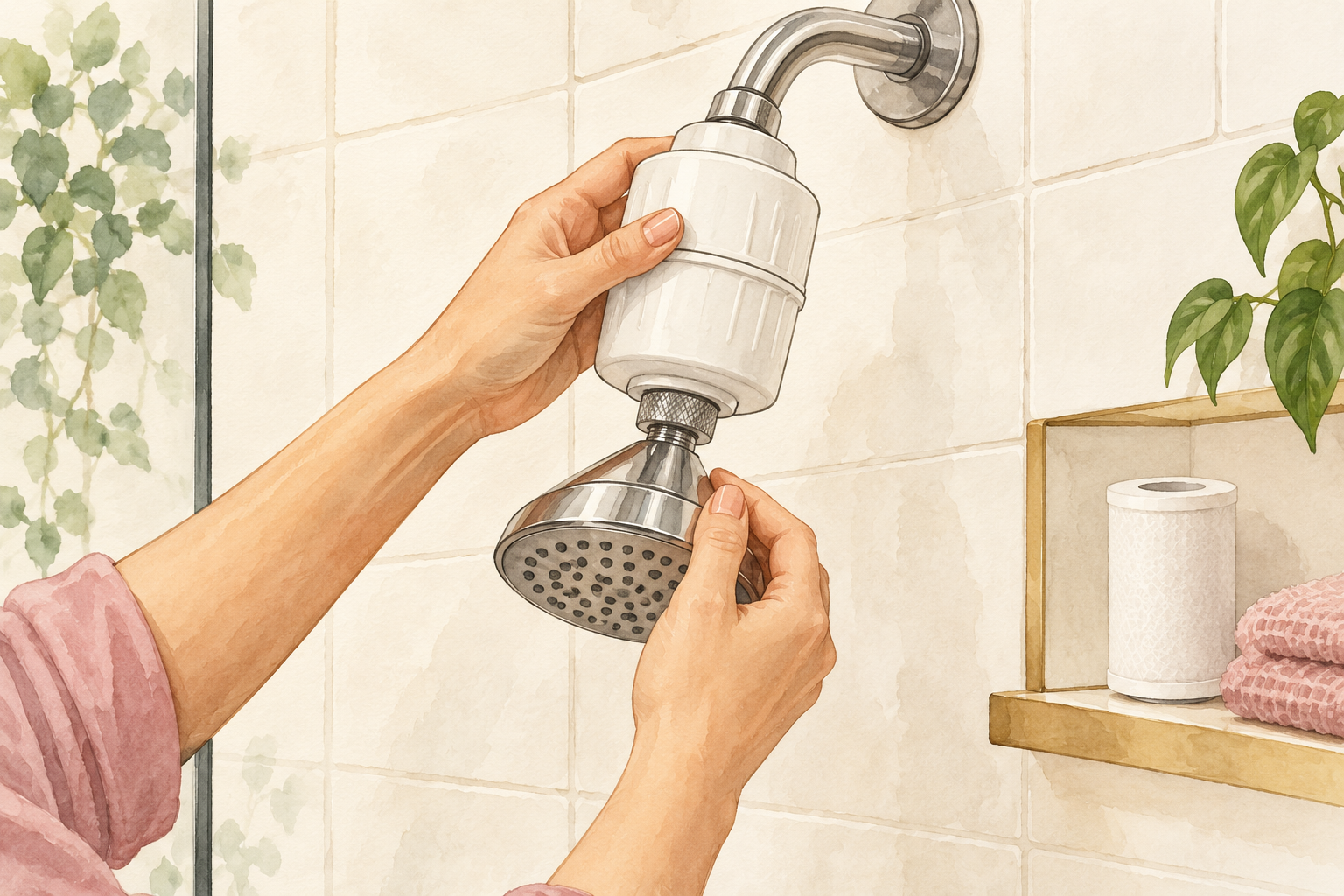
Fit a shower filter if your tap water leaves white marks on taps or a film on your hair. A filter takes out part of the minerals and chlorine, so your curls stay softer and less coated. After a month you will likely notice less frizz after washing, curls that clump better and less need for clarifying. It will not fix everything, so keep the other habits too. Frizzy curly hair is a seasonal pattern more than a flaw, and a steady routine keeps it calm all year. Replace the cartridge every few months, and write the date on it.
Complete the Routine: Frizzy Curly Hair All Year Round
Tonight, pick the fix that matches your weather and try it for a week. Keep going with curly hair care and hair mask for frizzy hair.