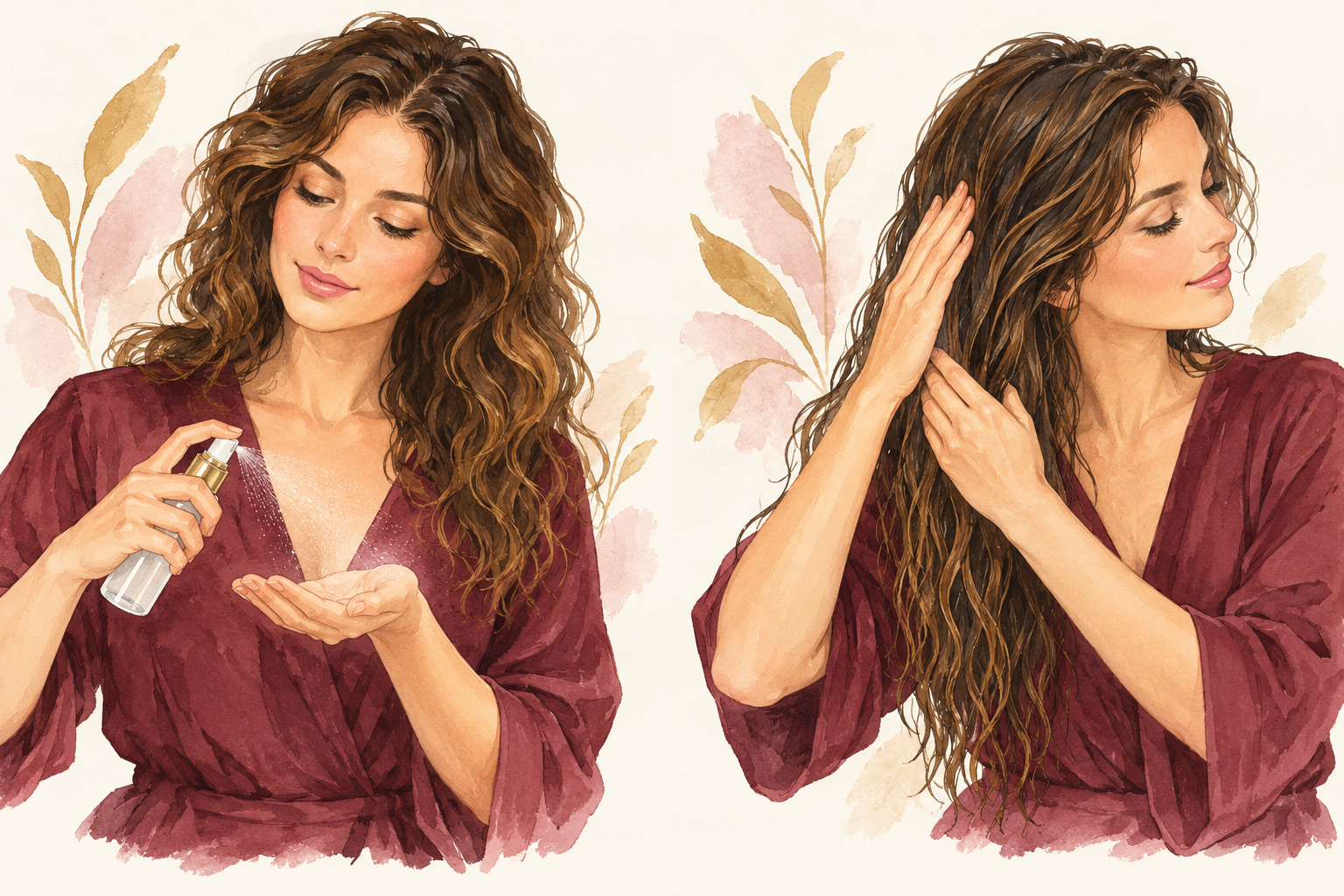
You bought the thick, creamy jar, left it on for ages, and your hair still puffed up by the afternoon. Not every mask suits every kind of frizz. This hair mask for frizzy hair guide gives you 12 rules, from what to look for on the label to when to put the jar back on the shelf. Start at number one tonight.
1. Read the label for the first few ingredients
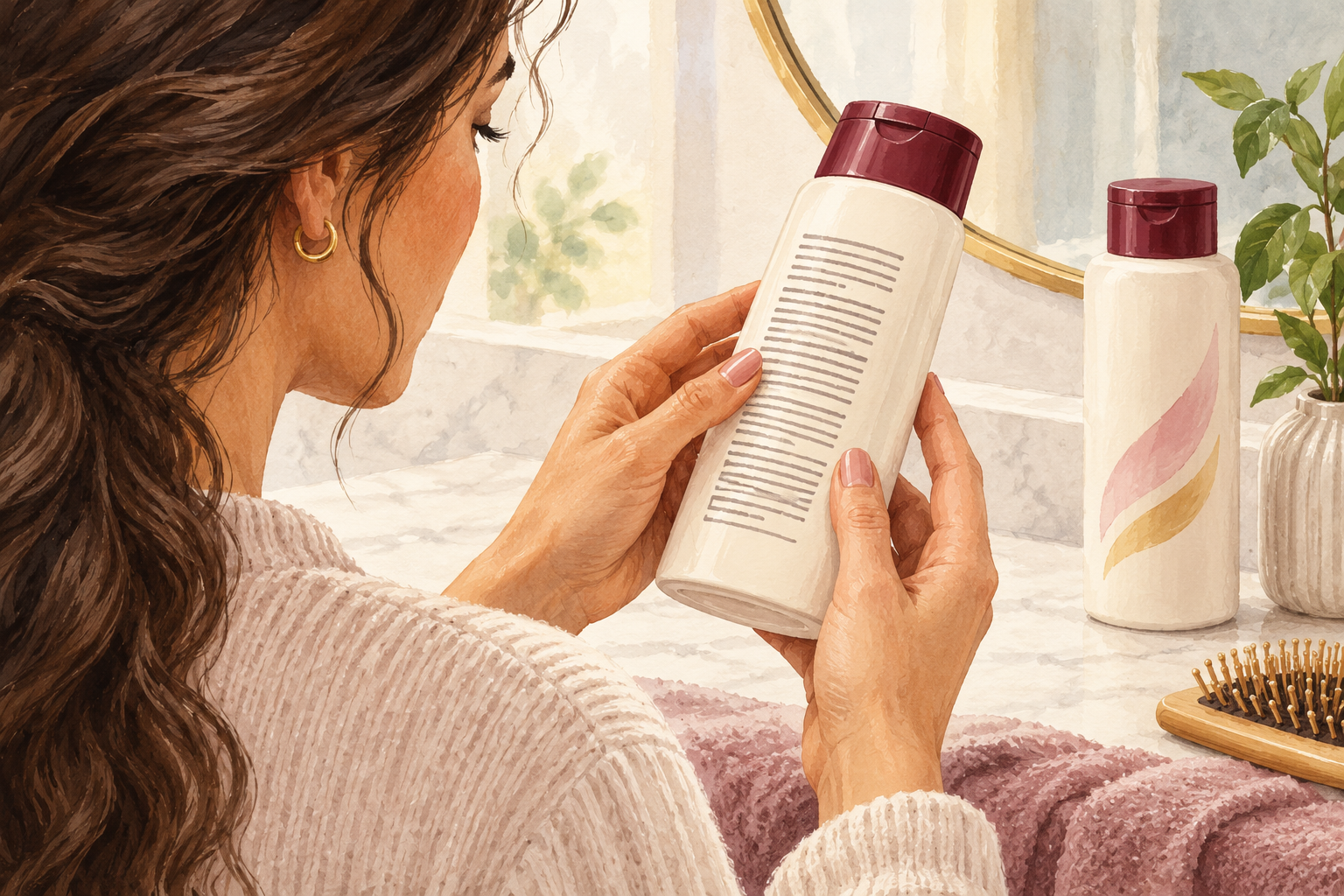
Turn the jar around and read the first five ingredients, because they make up most of what is inside. For frizz you want water, a conditioning agent and something soft like an oil or butter near the top. Words like shea, avocado, aloe and glycerin are a good sign. Stay away from a mask where alcohol sits in the top five, since it dries the strand. A mask with a gentle smell is kinder to a sensitive scalp than a heavy perfume. You do not need a long list of fancy extras. A short, boring label is often the best one, and the right hair mask for frizzy hair rarely needs more than a handful of ingredients you can pronounce.
2. Pick a rich moisture mask for dry frizz
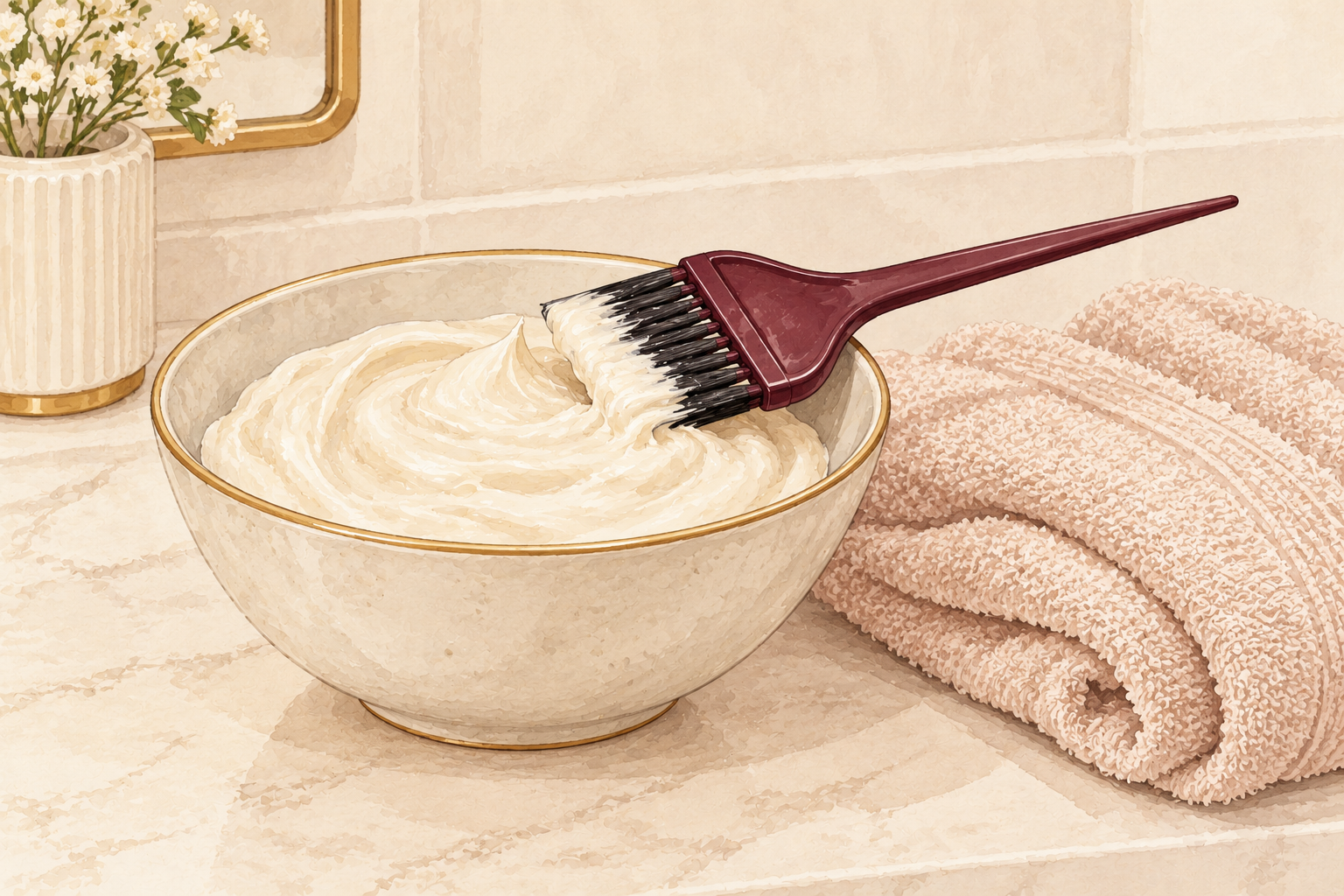
If your hair feels rough, thirsty and crunchy, choose a thick, buttery mask. Dry frizz is hair that needs water and softening oils, so look for words like moisture, hydrating or repair on the front. A good one feels heavy and slippery between your fingers, almost like soft whipped butter. It should coat the strands without smelling harsh. Use it on the lengths and ends and keep it off the roots. This kind is the one for hair that tangles easily and sucks up every bit of conditioner you give it. You will likely notice softer hair that detangles faster after the first wash, and the rough feel at the ends starts to fade within two weeks.
3. Pick a gentle strengthening mask for damage frizz
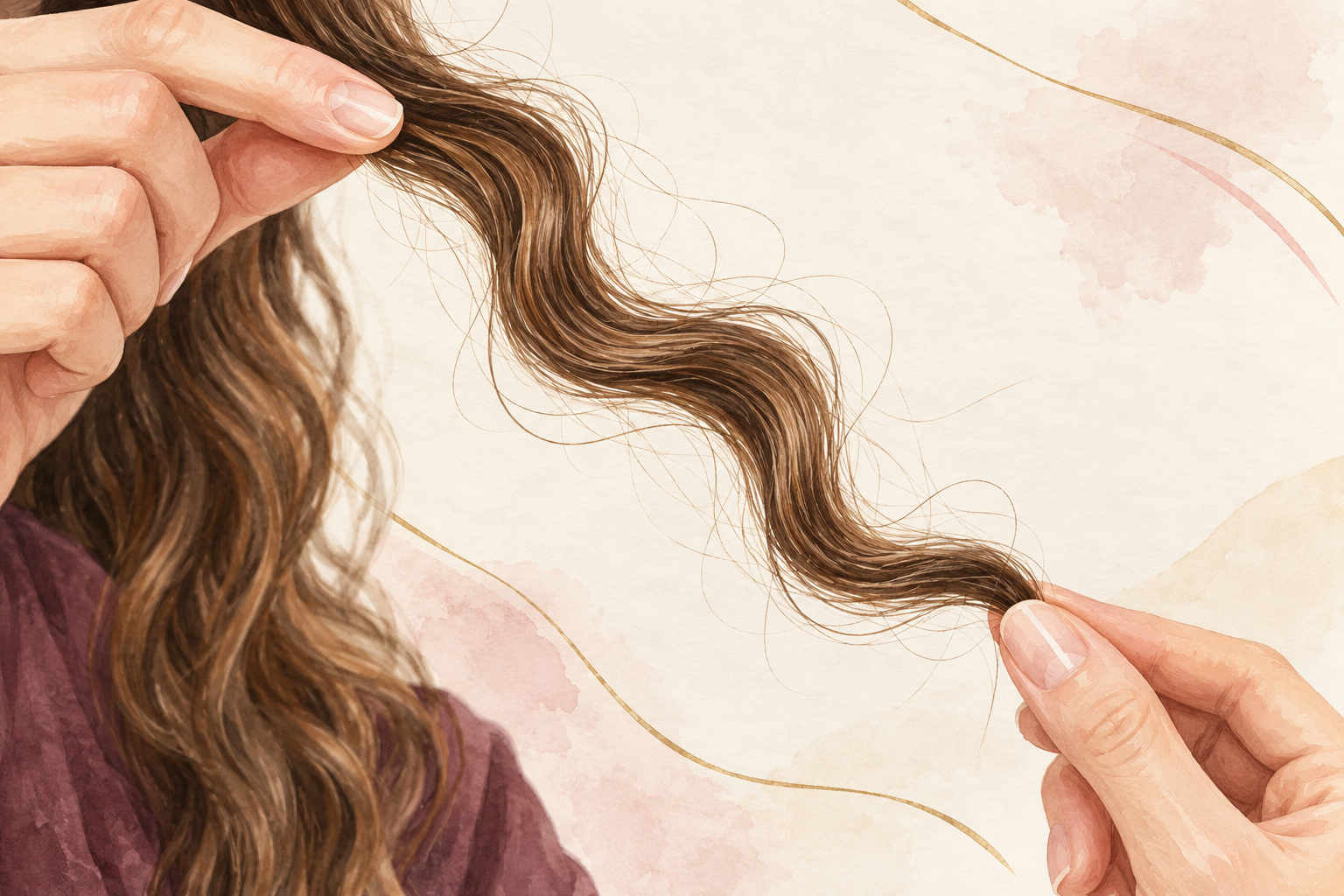
If your ends snap, split or feel gummy when wet, reach for a mask that says strengthening or protein. Heat and bleach punch holes in the strand, and frizz pours out of those weak spots. A protein mask patches them for a while, but too much makes hair stiff and brittle, so use it only once every two weeks and follow with a moisture treatment. Test by stretching a wet strand gently. If it bounces back, it is fine. If it stretches and stays limp, it needs strength. Keep the sessions short, around ten minutes, and rinse it out well so the ends do not feel stiff afterwards.
4. Pick a light smoothing mask for humidity frizz
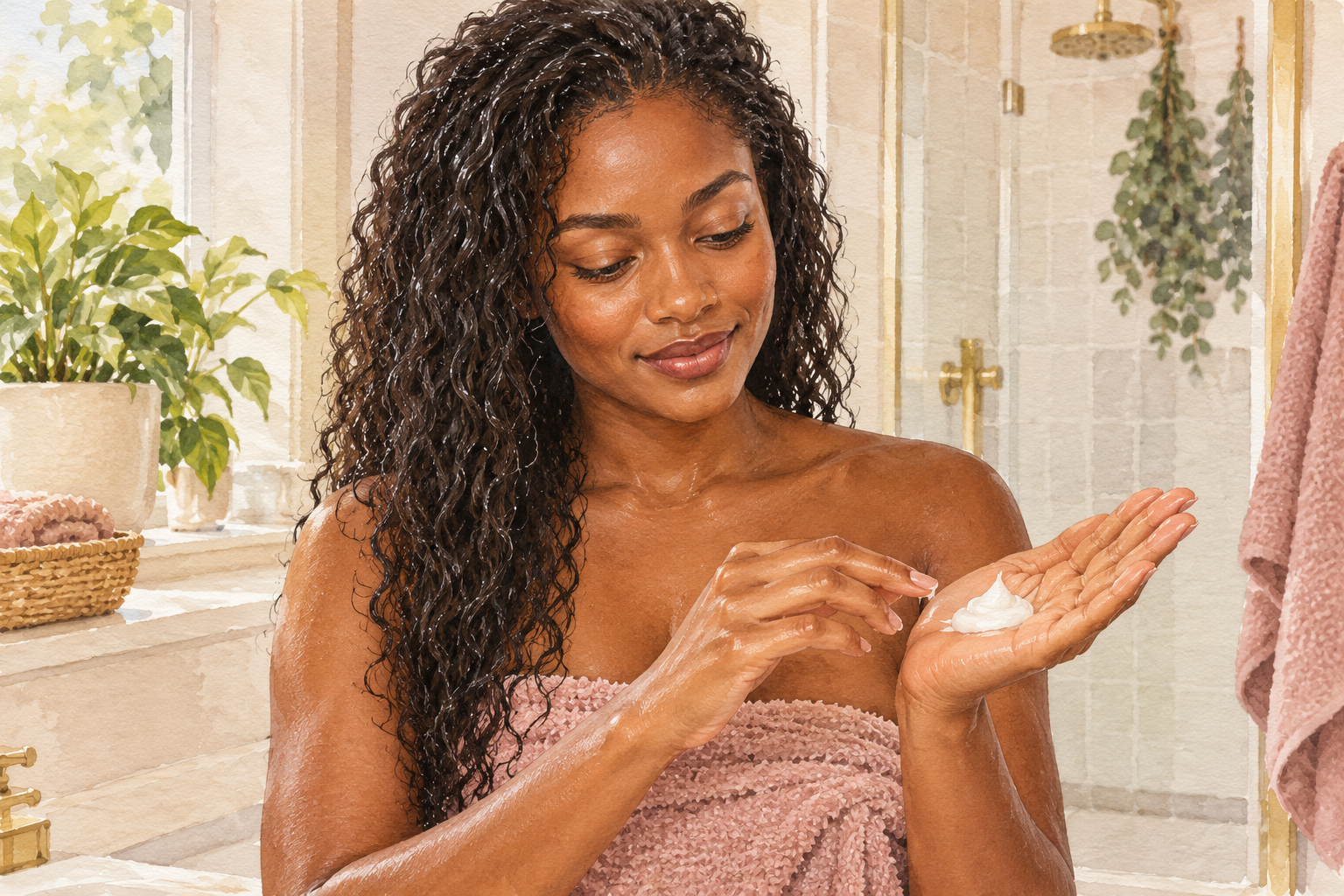
If your hair is healthy but puffs up on damp days, choose a lighter, silky mask that smooths without weight. Thick masks make fine or wavy hair limp and greasy. Look for a lotion like texture that spreads in seconds and rinses clean. Anything that mentions smoothing, silk or shine is a good sign. A pea sized amount per section is enough. Humidity frizz is about the strand grabbing water from the air, and a light mask coats it so less gets in. Pair it with a cool rinse and you will see calmer hair by the end of the week, especially around your hairline where the fuzz shows first.
5. Apply to clean, towel dried hair

Wash first, then squeeze out the water until your hair is damp and not dripping. Dirt and oil block the mask, and dripping wet hair waters it down so less sticks. Press a towel against your lengths for a few seconds and leave them damp. Think of it like painting a wall, you want a clean, slightly damp surface so the cream clings. Skip the conditioner when you use a mask, since the mask takes its place. Shampoo only the scalp so the lengths stay as soft as possible. If you wash with a clarifying shampoo, the mask goes in even better.
6. Work in sections and comb it through
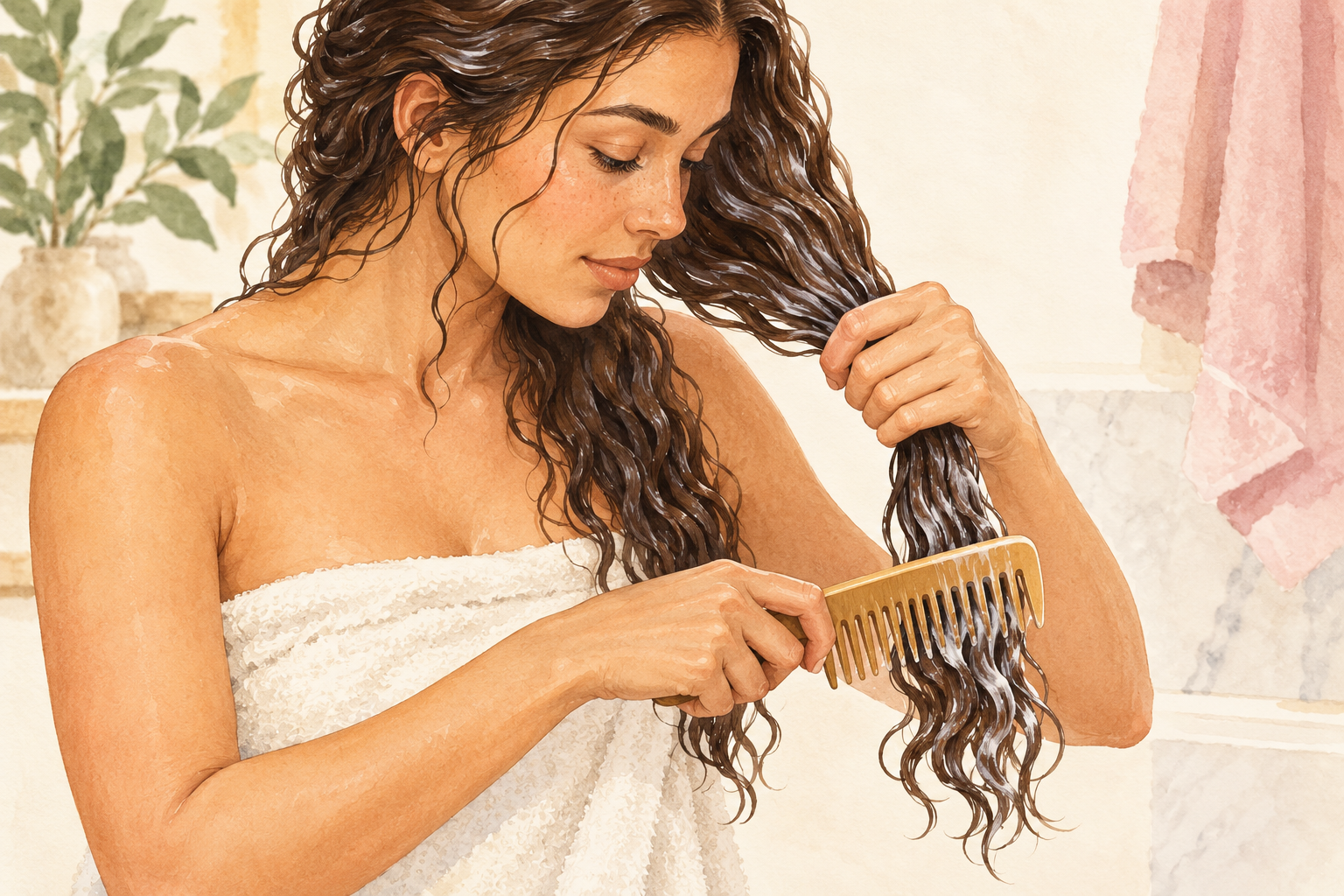
Clip your hair into four sections and smooth the mask on one at a time. Scoop a golf ball sized amount for shoulder length hair and more for longer or thicker hair. Spread it from the ends up to your ears, never right at the scalp. Then run a wide tooth comb through each section so every strand is covered. Rub your palms together first to warm it, because a warm mask spreads more thinly. Missed spots stay frizzy, so check the back of your head with a hand mirror. Small, patient sections beat a big dollop.
7. Cover your hair and add gentle warmth
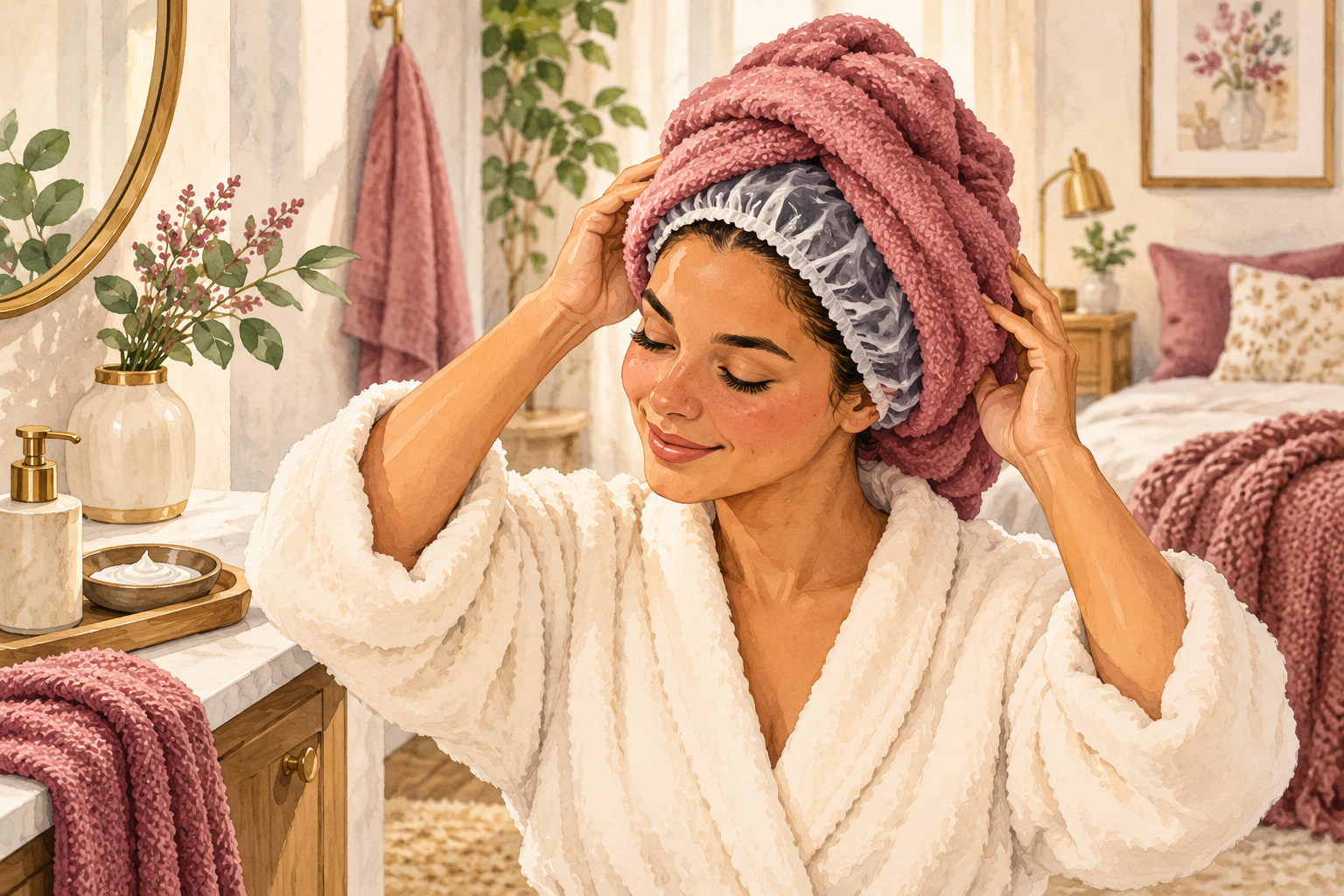
Pin your hair up and cover it with a shower cap or a warm towel for twenty minutes. Warmth helps the mask slip into the strands instead of sitting on top. Heat a towel in the dryer for a minute or dip it in warm water and wring it out. Never use something hot enough to sting. If you do not have a cap, a clean plastic bag works the same way. You might feel the warmth on your head, which is the sign it is working. Let the time run out, but do not sleep in it unless the label says you can. Use the wait to wash your face or tidy the bathroom.
8. Rinse with cool water to seal the cuticle
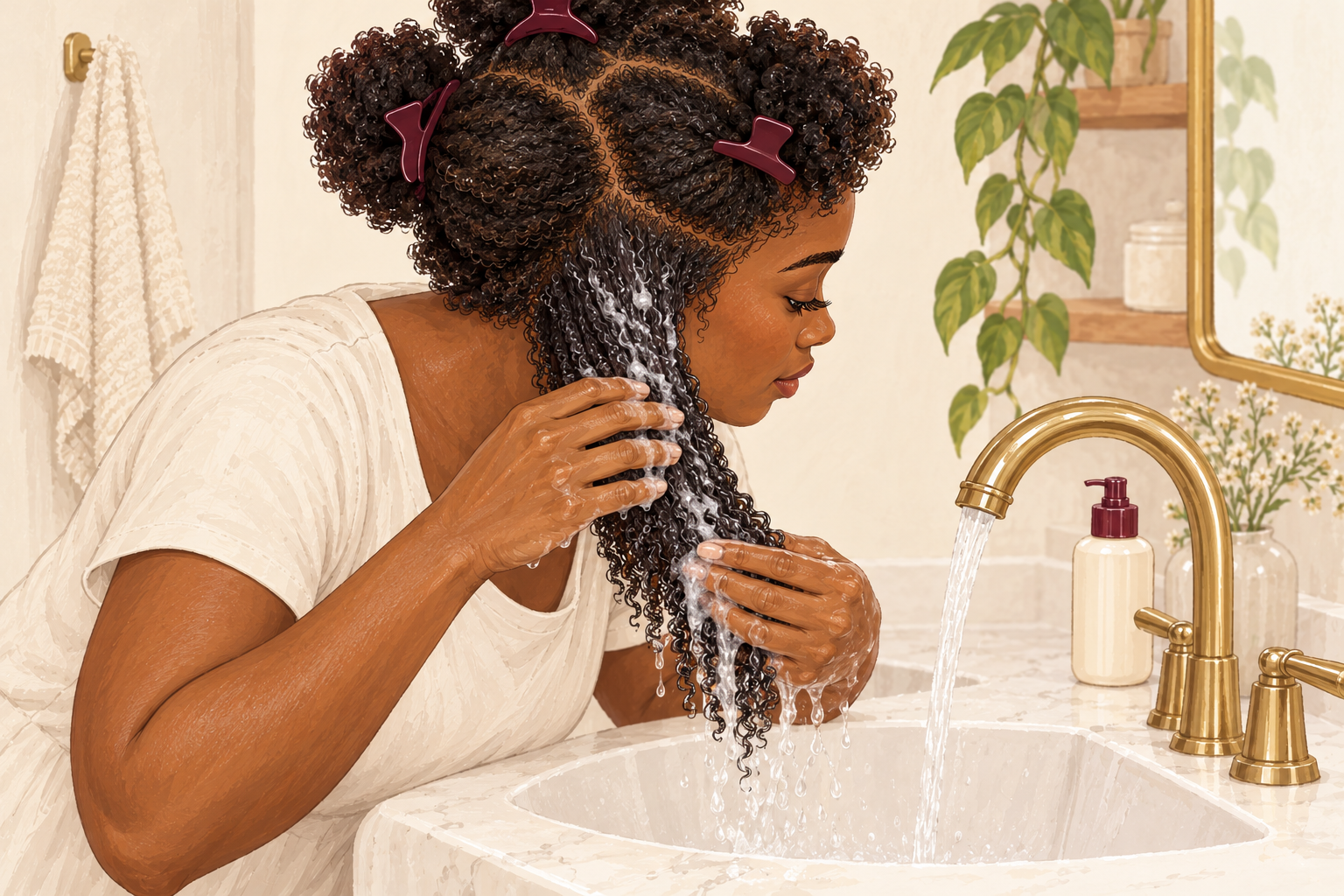
Rinse the mask out with lukewarm water, then finish with a cool splash over your lengths. Cool water makes the hair surface lie flat, which reflects light and looks shinier. Keep rinsing until the strands feel slippery but not coated, because leftover mask makes hair look dull and heavy by evening. Squeeze the water out with your hands first, then use a soft towel. If your hair squeaks, rinse again. It takes an extra minute and is the reason one head of hair glows while another looks flat. Check the ends last, because that is where the mask hides.
9. Follow with a light leave in
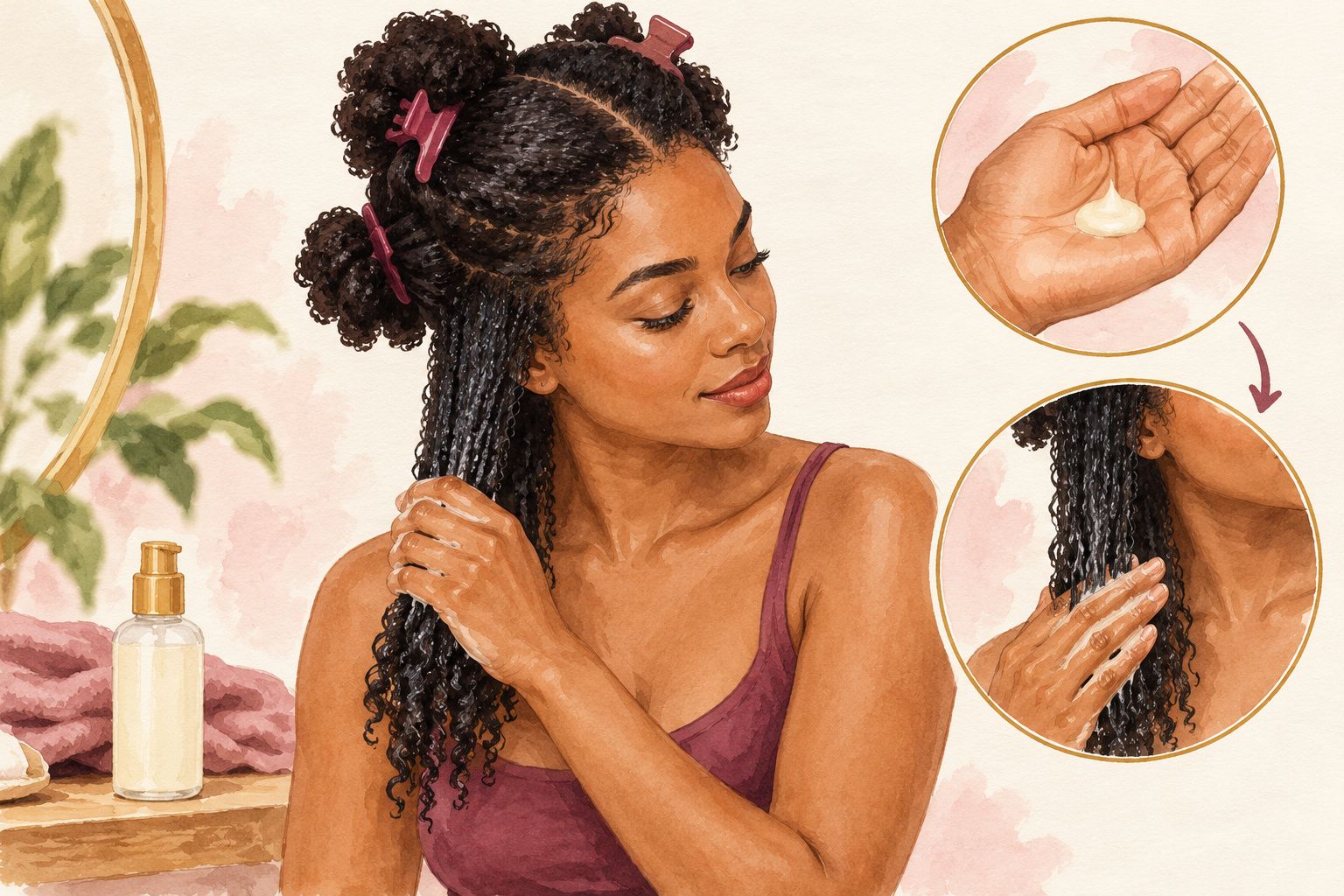
After the mask, smooth a tiny amount of leave in cream or spray onto the ends before you style. The mask feeds the hair and the leave in guards it from the weather. Choose something light, and use a pea sized amount for the whole head. Press it on instead of rubbing. If you have used a rich mask, you may only need a spritz. Skip it entirely on days when your hair already feels soft. Too many layers on top make hair look flat and greasy, so stop when it feels smooth to your fingers.
10. Start weekly and alternate moisture with strength

Use your mask once a week for the first month, then swap between a moisture mask and a strengthening one. For example, moisture one week and strength two weeks later. Hair needs both, and using only one will swing it too soft or too stiff. If your hair is very dry, twice a week is fine for a short time. If it goes limp, go down to once every two weeks. Write the days on your calendar so you do not forget. Tune the schedule to how your hair feels, not to what the jar says. A hair mask for frizzy hair should leave you with soft, bouncy strands, never a heavy head.
11. Fix it if your hair feels stiff or coated
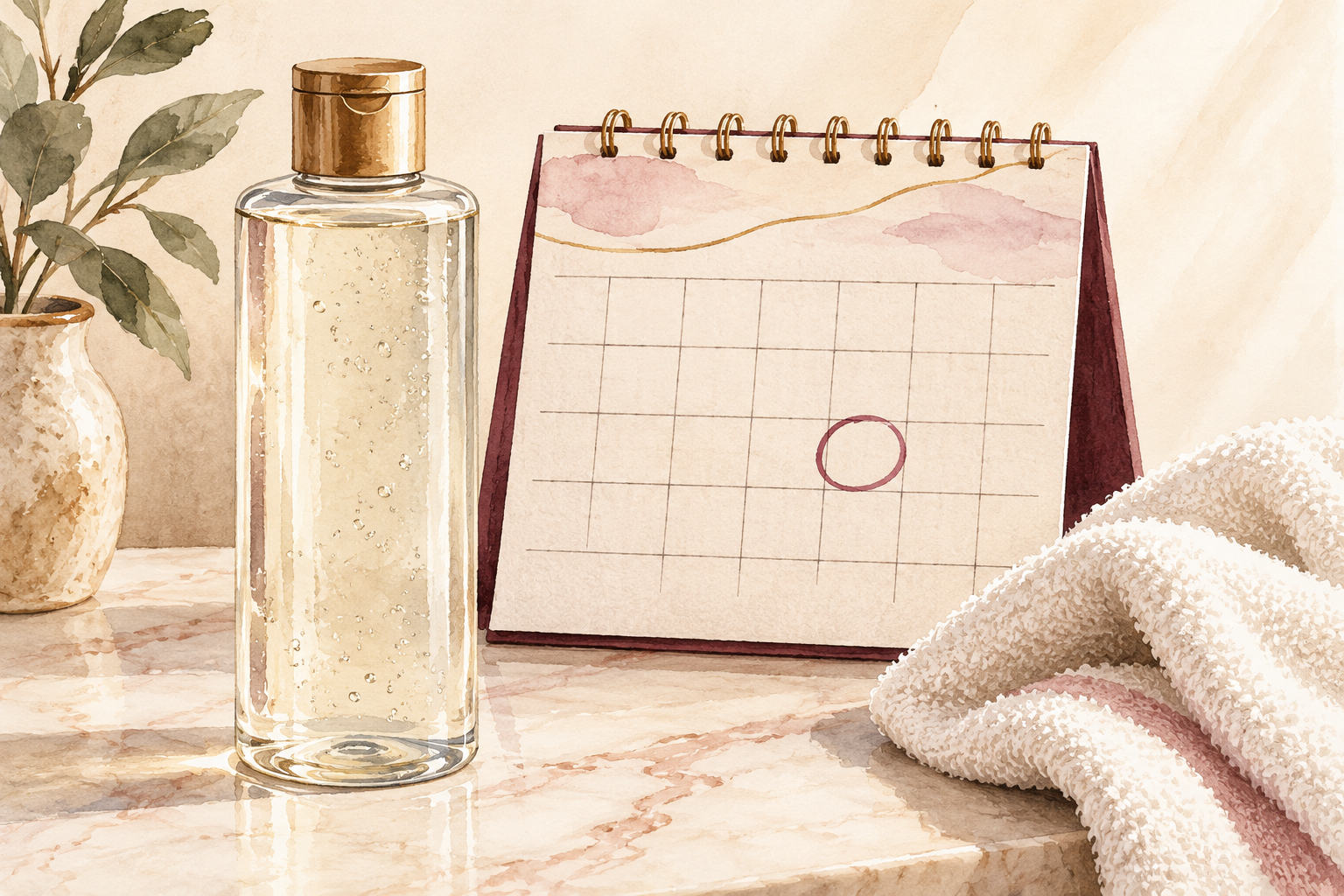
If your hair feels waxy, stiff or limp after masking, you used too much, left it too long or chose the wrong type. Wash it with a clarifying shampoo to strip the coating, then wait a week before masking again. Use half the amount next time and rinse longer. Stiff hair usually means too much protein, so switch to a moisture mask. Limp hair usually means the mask was too heavy. Do not give up on masks altogether. It almost always takes one tweak, and the second try goes much smoother.
12. Track the results and give it four uses
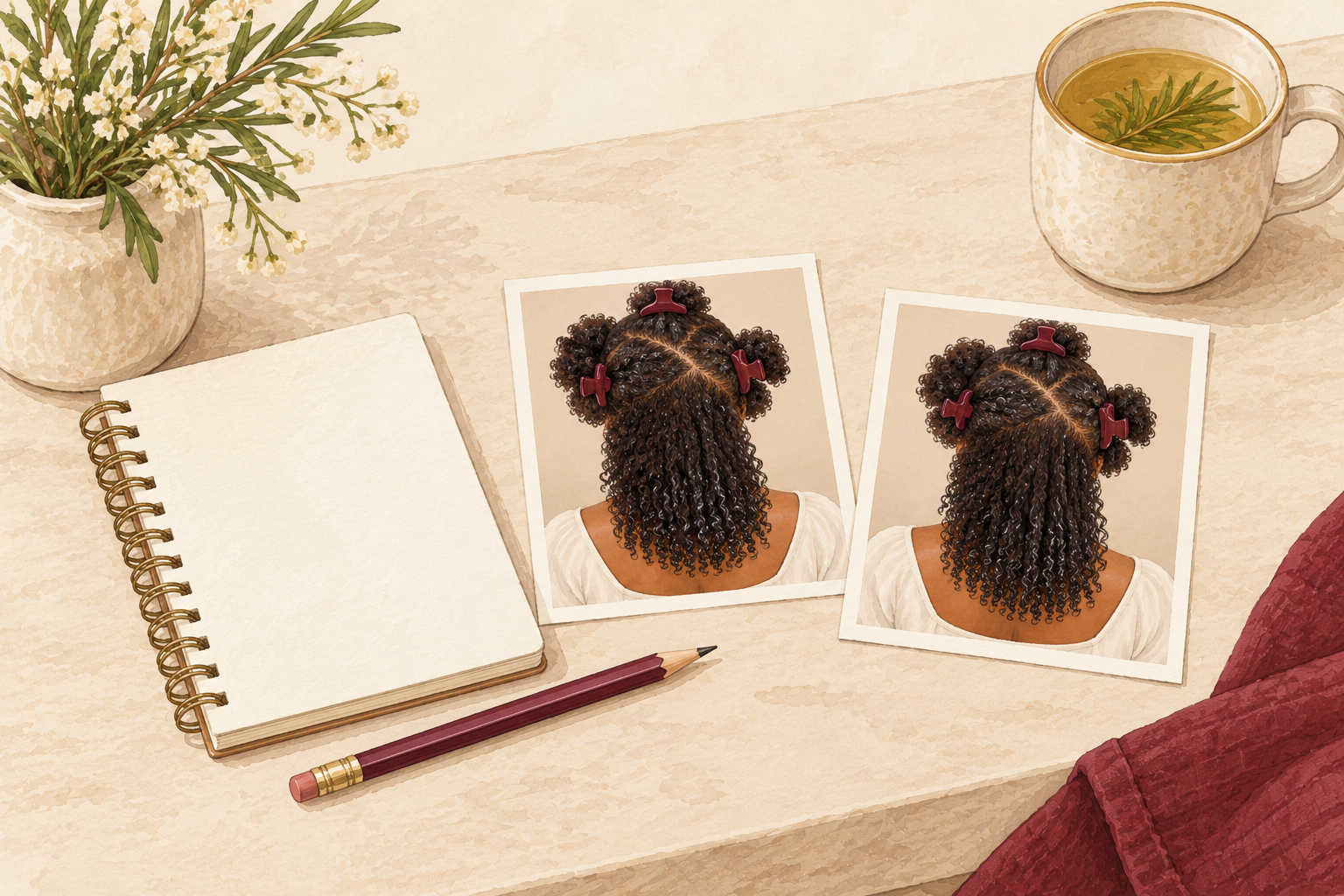
Take a photo of your hair before your first mask and another after the fourth, in the same light. One mask will feel nice but rarely changes much. After four weeks you should see softer ends, fewer flyaways and hair that holds a style longer. Write down what you used and how it felt. If nothing improved, the mask is the wrong match, so move to the next type. If your hair is already smooth and shiny, skip the mask for a few weeks and give it a rest. More is not always better.
Complete the Routine: Hair Mask for Frizzy Hair You Can Start Tonight
Start with one mask this week and keep the notes in your phone. Add a hair serum for frizzy hair on top, or read more on frizzy hair remedies.