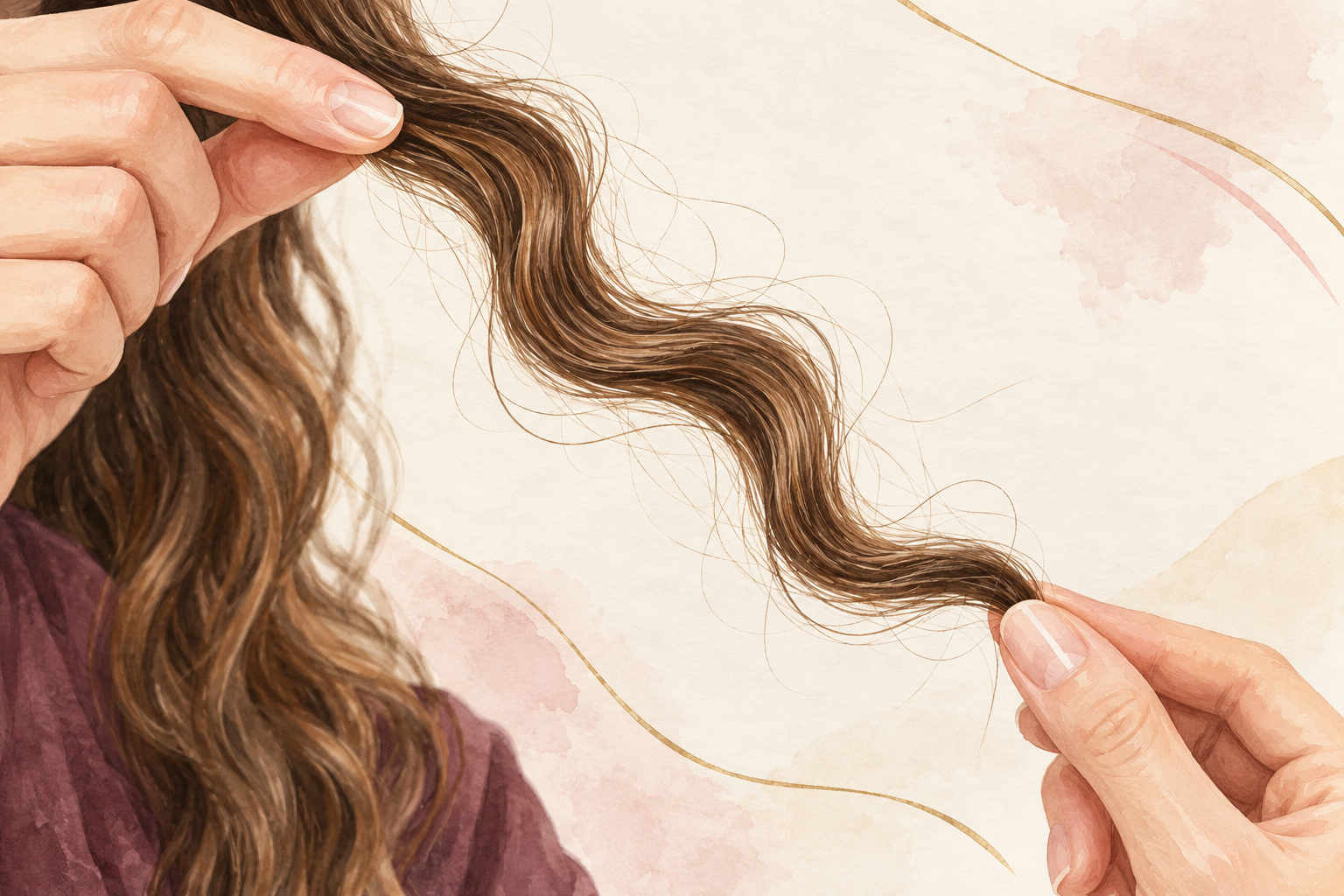
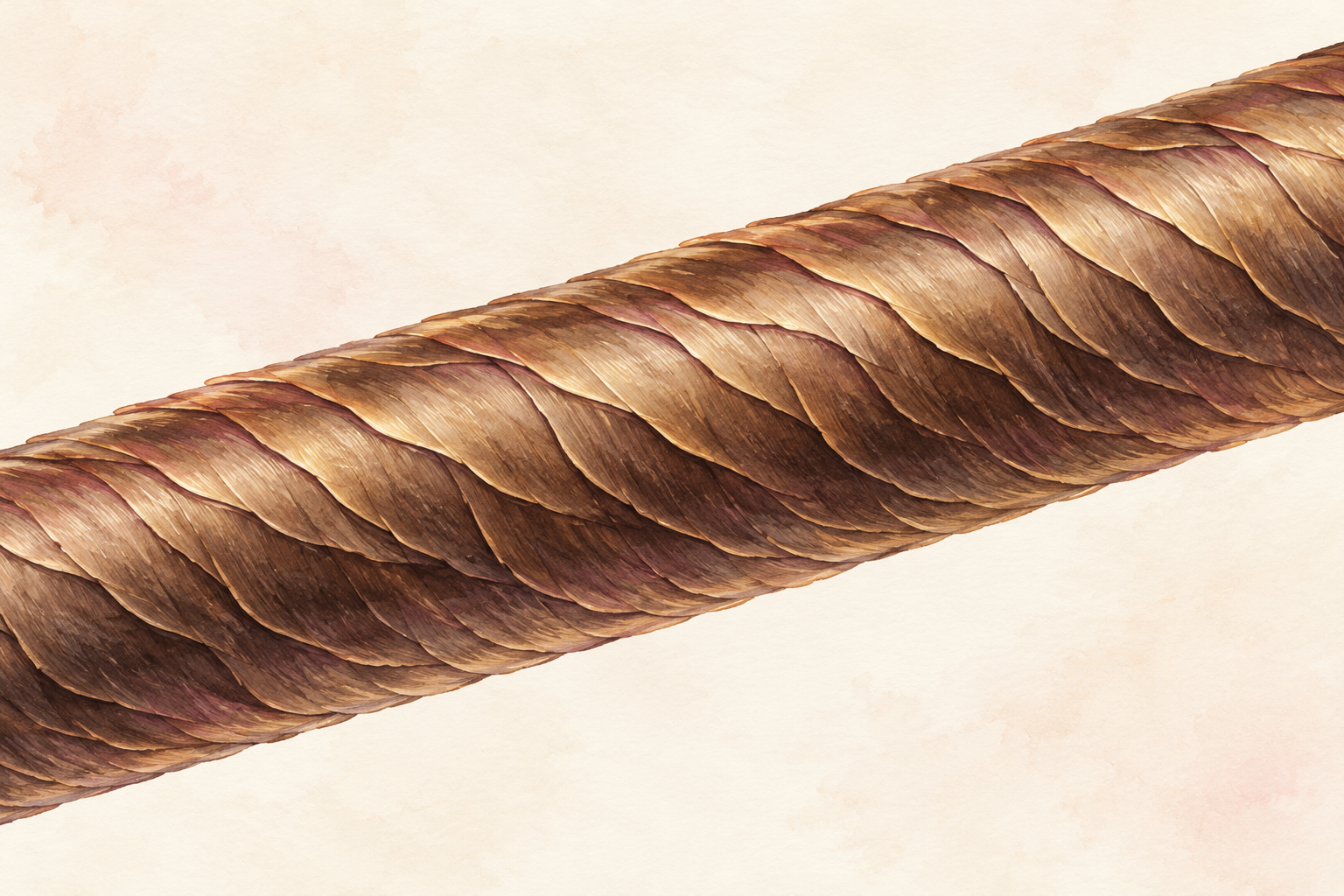
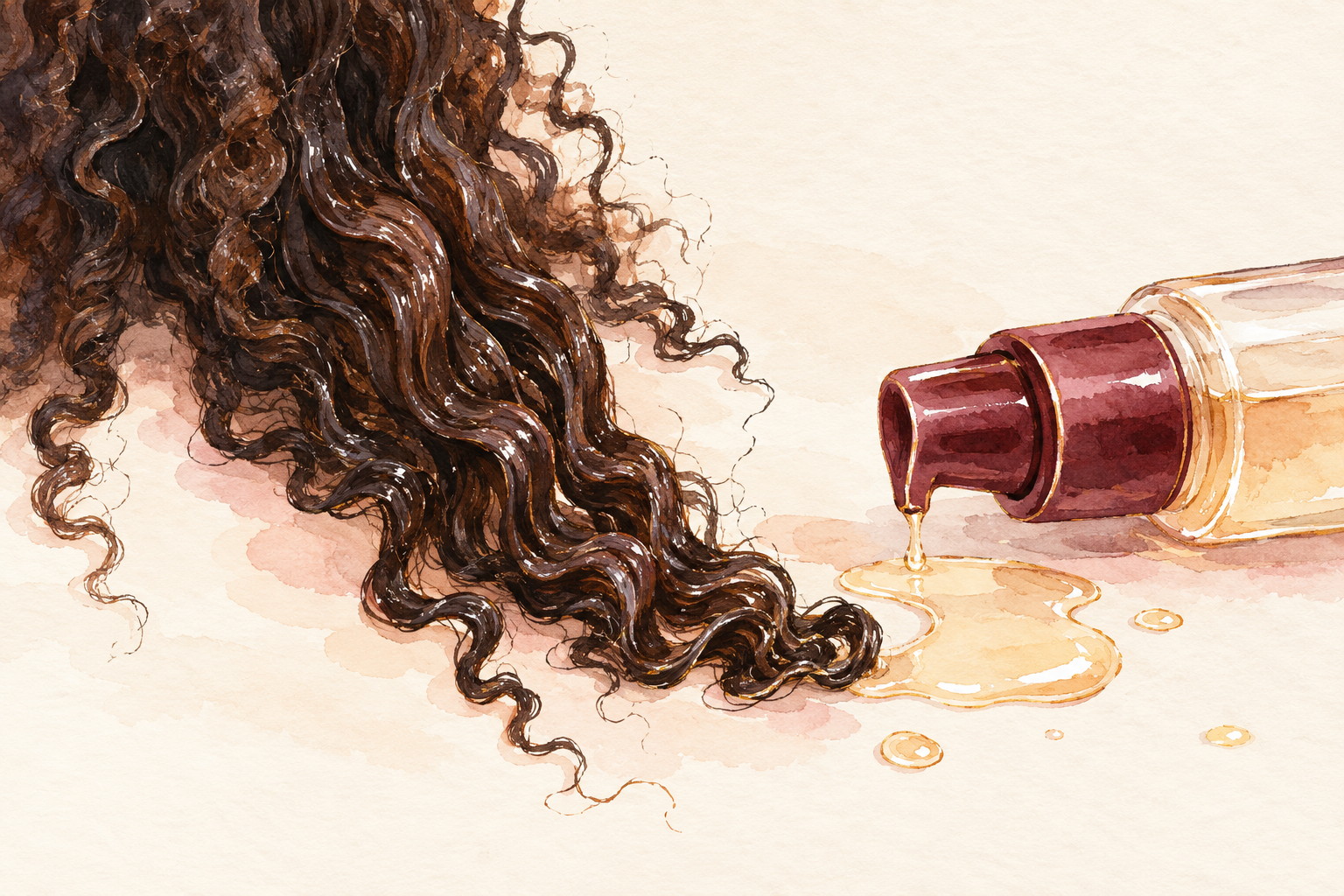
Your hair feels like straw by Wednesday, and the more products you pile on, the fuzzier it gets. It does not need more, it needs the right things in the right order. This hair care routine for dry frizzy hair is 12 steps over four weeks, stopping the damage first and adding moisture after. Start at number one tonight.
1. Gather a small kit
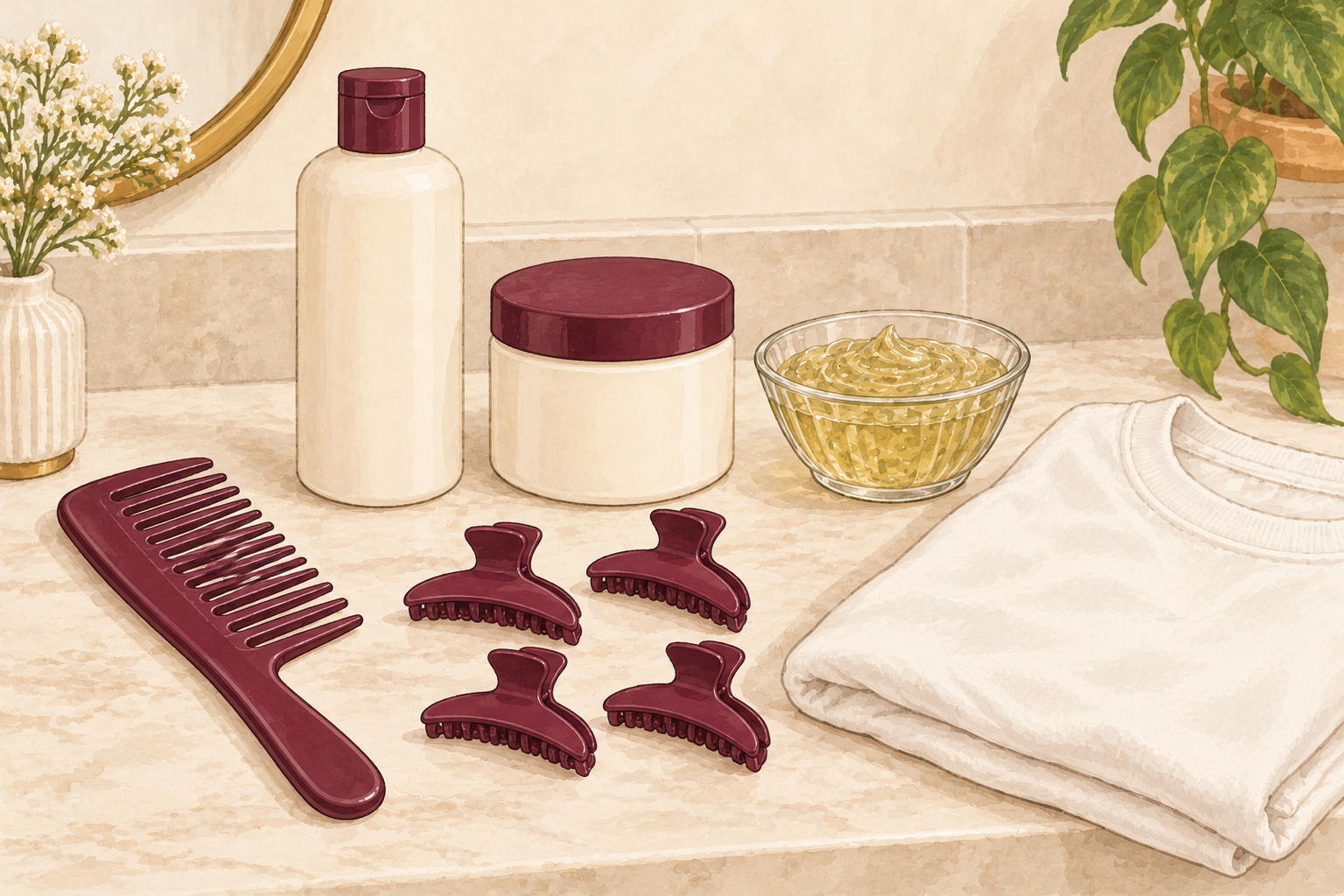
Put your tools in one basket so you do not skip steps on a tired night. You need a wide tooth comb, a soft towel or an old cotton t shirt, a satin bonnet or pillowcase, a deep conditioner, a light leave in and a few drops of oil. That is the whole list, and none of it needs to be fancy. Keep the basket in the bathroom where you can see it. If you already own most of these, you only need to fill the gaps. A routine that is easy to start is a routine you actually keep. Add a hair tie or two and a clip for sectioning, and you are set.
2. Take a photo and notice your hair
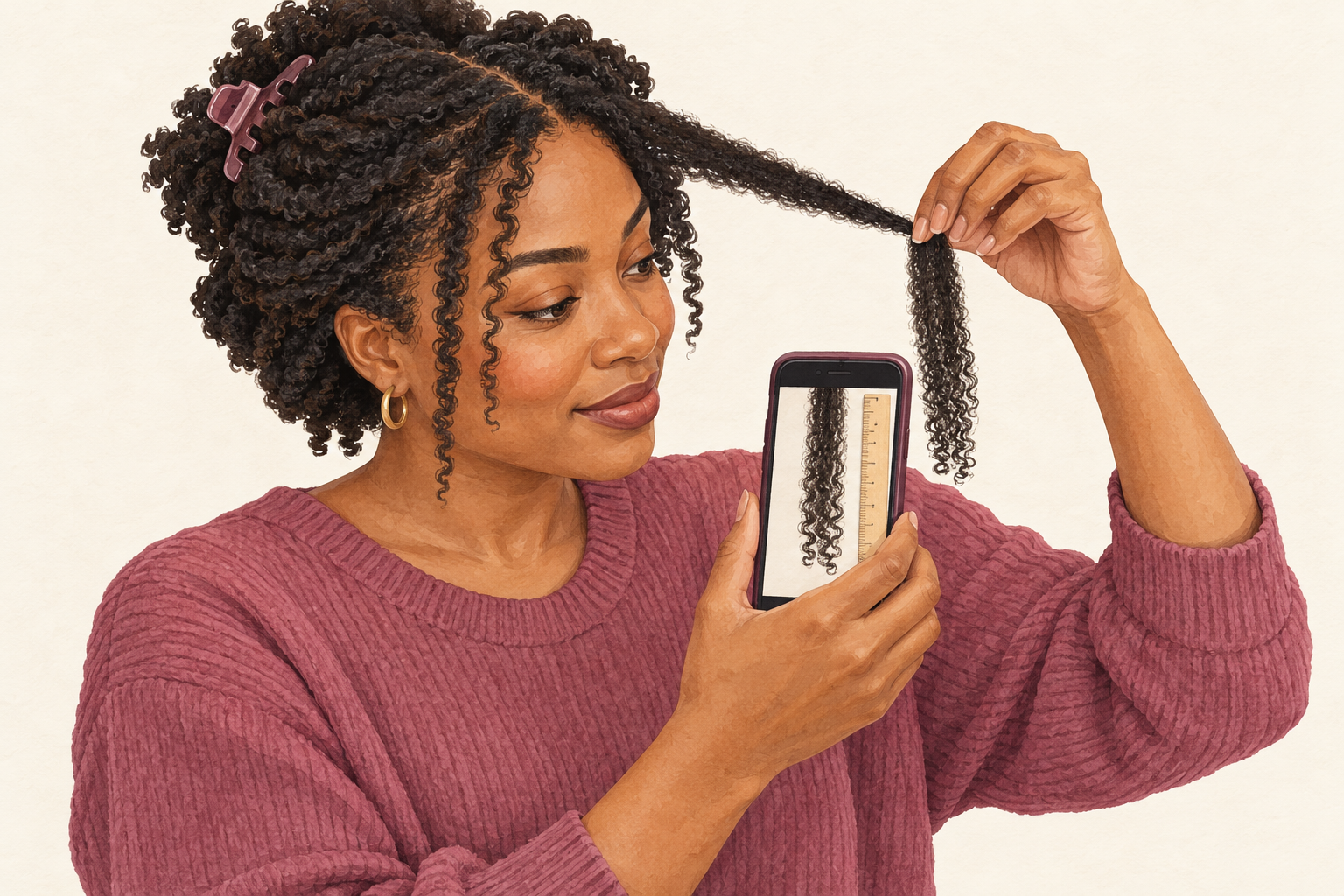
Snap one photo of your hair from the front and one from the back in daylight, dry and unstyled. Then feel it. Is it rough, brittle, tangled at the ends or fuzzy at the crown? Write one sentence about each. This is your starting point, and in four weeks you will be glad to have it, because change is easy to miss when you look at your own head every day. Use the same spot by the window each time. Do not judge what you see, just collect it, like taking a measurement before a recipe. Include a close up of your ends, because that is where the change shows first.
3. Take a break from heat
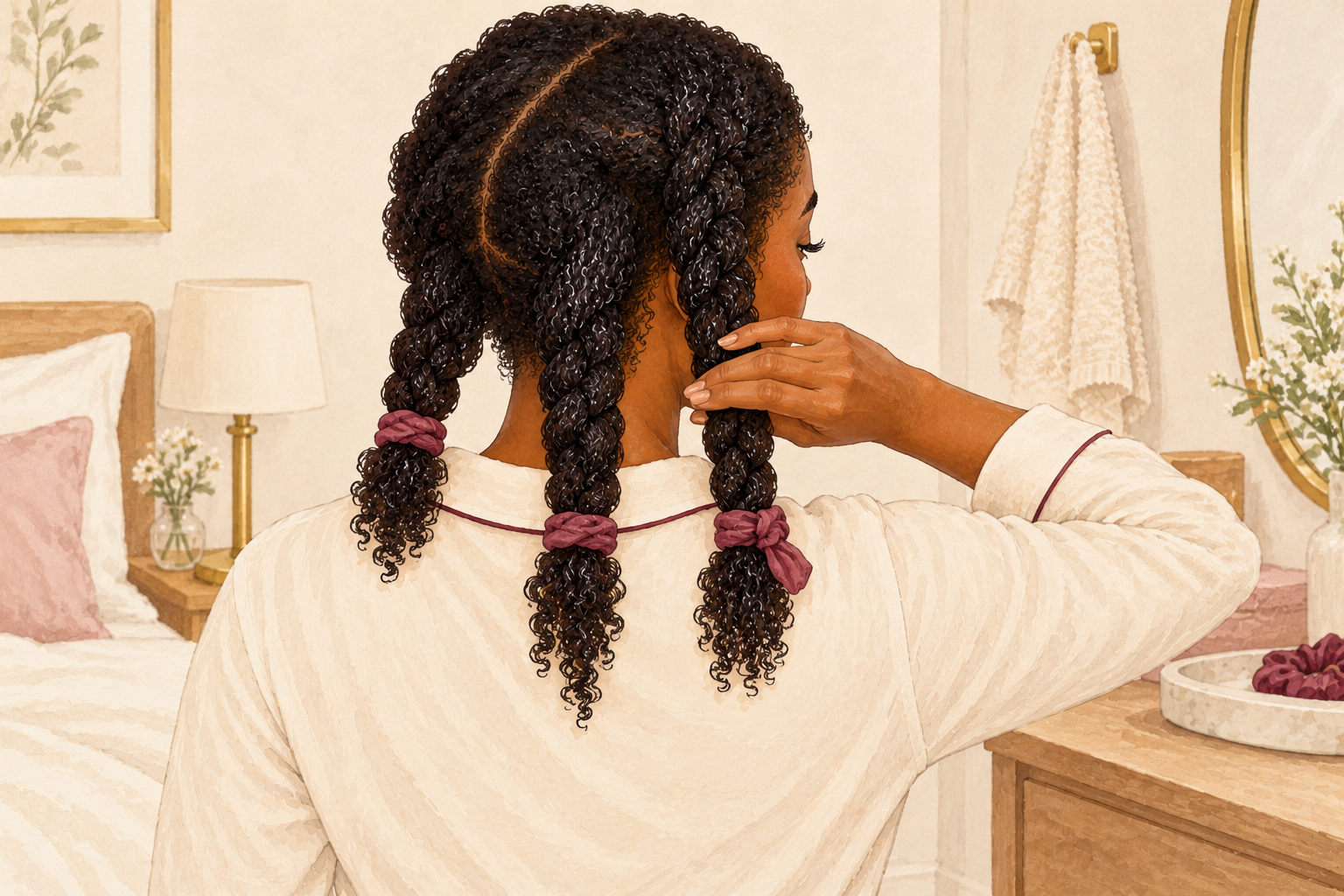
For the first week, put the straightener, curling wand and hot dryer in a drawer. Heat strips moisture faster than anything else you do, and you cannot rebuild hair that is being burned every day. Dry hair gets the biggest benefit from a rest. Wear a bun, braids or a twist out while your hair settles. If you must use the dryer, choose low heat and hold it a hand’s width away. By the end of the week you should feel the ends getting softer and less crunchy, even before you add a single new product. If a big event forces you to style, pick the lowest setting and plan a rest day straight after.
4. Change how you dry and detangle
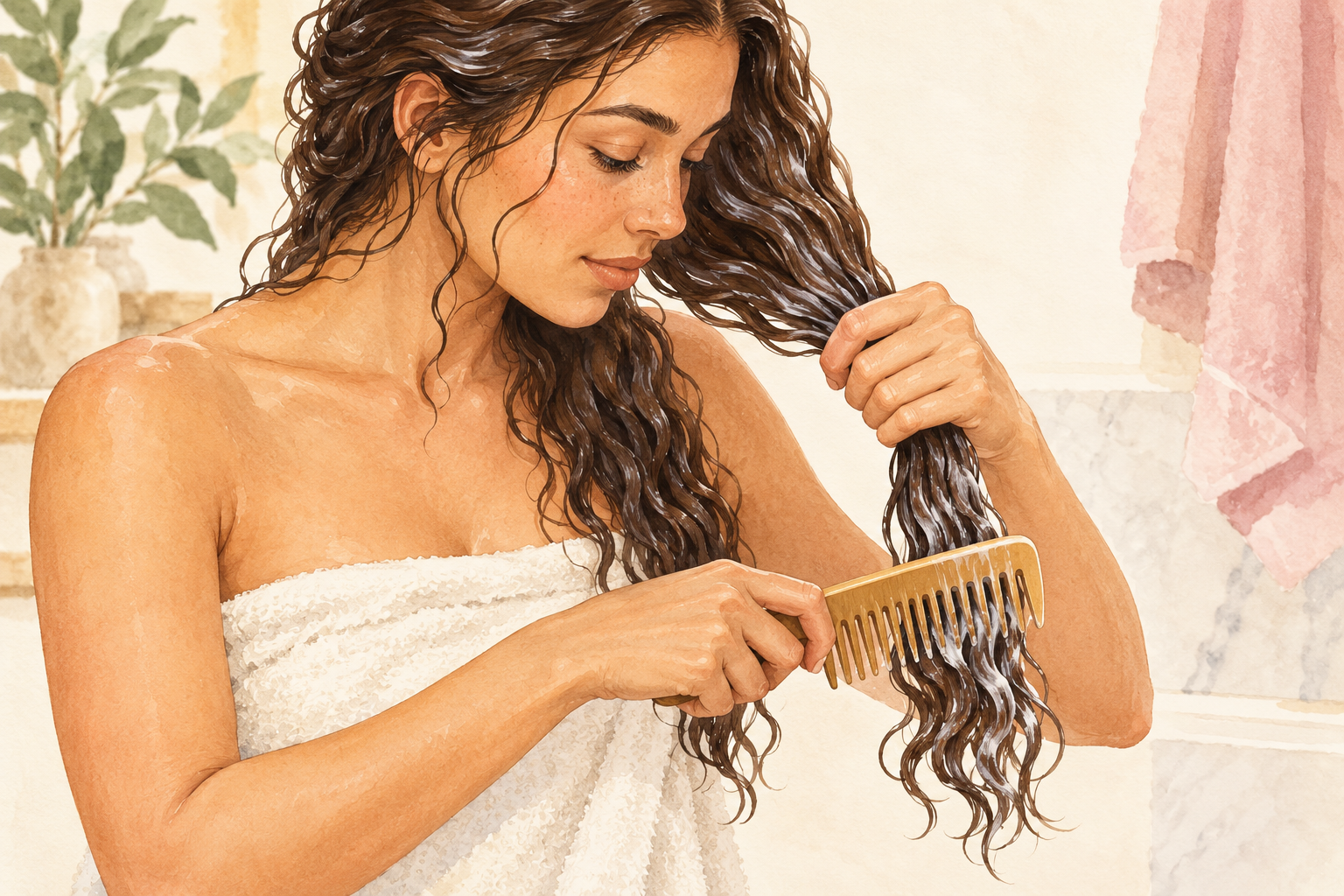
Squeeze the water out with a soft shirt or microfibre towel, then detangle with a wide tooth comb from the ends upward. Rough terry towels and fast brushing tear the hair when it is at its weakest. Do your detangling while the hair is wet and coated in conditioner, in small sections, with patient hands. Start at the very tips and work toward the roots. If a knot refuses, stop and pick it with your fingers. Five slow minutes save you from the breakage that shows up later as frizz. Rinse out the conditioner last, after you have finished combing.
5. Protect your hair while you sleep

Tie your hair in a loose pineapple or two braids, then cover it with a satin bonnet or sleep on a satin pillowcase. Cotton soaks up moisture and rubs the hair all night long, which is why dry hair looks worse in the morning. Keep the tie loose, because a tight band breaks the strands. If the bonnet keeps slipping off, try a wider band or a scarf tied underneath. You will notice less tangling on waking within a few nights, and the ends feel less rough when you run your hand through. Wash the bonnet every week or two so it stays fresh.
6. Deep condition once this week

Smooth a rich deep conditioner through damp hair, cover it with a shower cap and leave it for twenty to thirty minutes. Focus on the ends and the middle, where dry hair is hungriest. Add a warm towel on top for a little heat. Rinse with cool water to smooth the surface. Do this once a week, no more, because too much richness makes hair limp. After the first treatment, your hair should feel softer, bouncier and easier to comb. Pick a day you can protect, like Sunday evening, and play a podcast while the timer runs. Steam from a warm shower helps the conditioner sink in too.
7. Start a daily leave in on damp hair
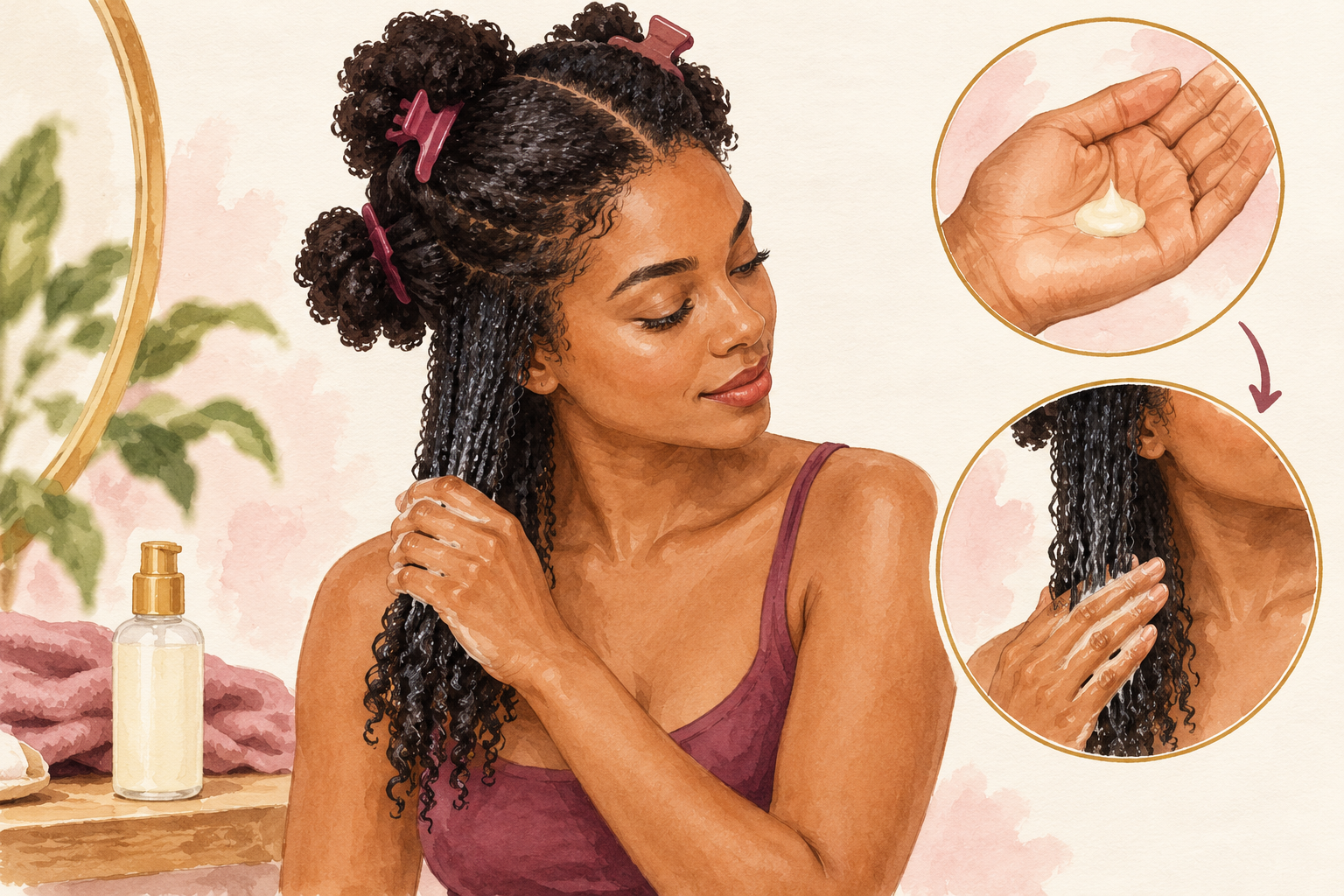
After each wash, smooth a pea sized amount of leave in through damp ends before you style. Damp hair drinks the product in, and dry hair just wears it. Scrunch it upward if you have waves, or comb it through if your hair is straight. Use more for thick hair and less for fine. If you do not wash every day, mist your hair with water first and then add a smaller dab. This daily layer is the base of a hair care routine for dry frizzy hair, because it keeps moisture on the strand between deep treatments. Comb it through with your fingers so the product reaches the back as well.
8. Support your hair from the inside

Drink water through the day and eat a little protein at every meal. Hair is built mostly from protein, so eggs, beans, fish, nuts and yogurt all help. Add some leafy greens and fruit for the vitamins. You will not see a change overnight, because new hair grows slowly, but a fed body grows stronger strands. Keep a bottle on your desk and refill it twice. Think of it like watering a plant, where the soil matters as much as the leaves. Over several weeks your new growth at the roots should look smoother. A snack of nuts and a piece of fruit in the afternoon is an easy place to begin.
9. Add a light smoothing serum or oil

In week three, rub two drops of light serum or oil between your palms and glide it over the ends of dry hair. Wait until your moisture routine is working, because oil on dry hair only makes it look greasy. Use it as a finishing touch to tame flyaways, and never at the roots. Press it into the ends in the evening or before you go out. Less is more here. If your hair feels heavy, you used too much, so wash and start again tomorrow with one drop. A fine, light oil sinks in quickly and leaves the surface glossy rather than slick.
10. Bring heat back carefully
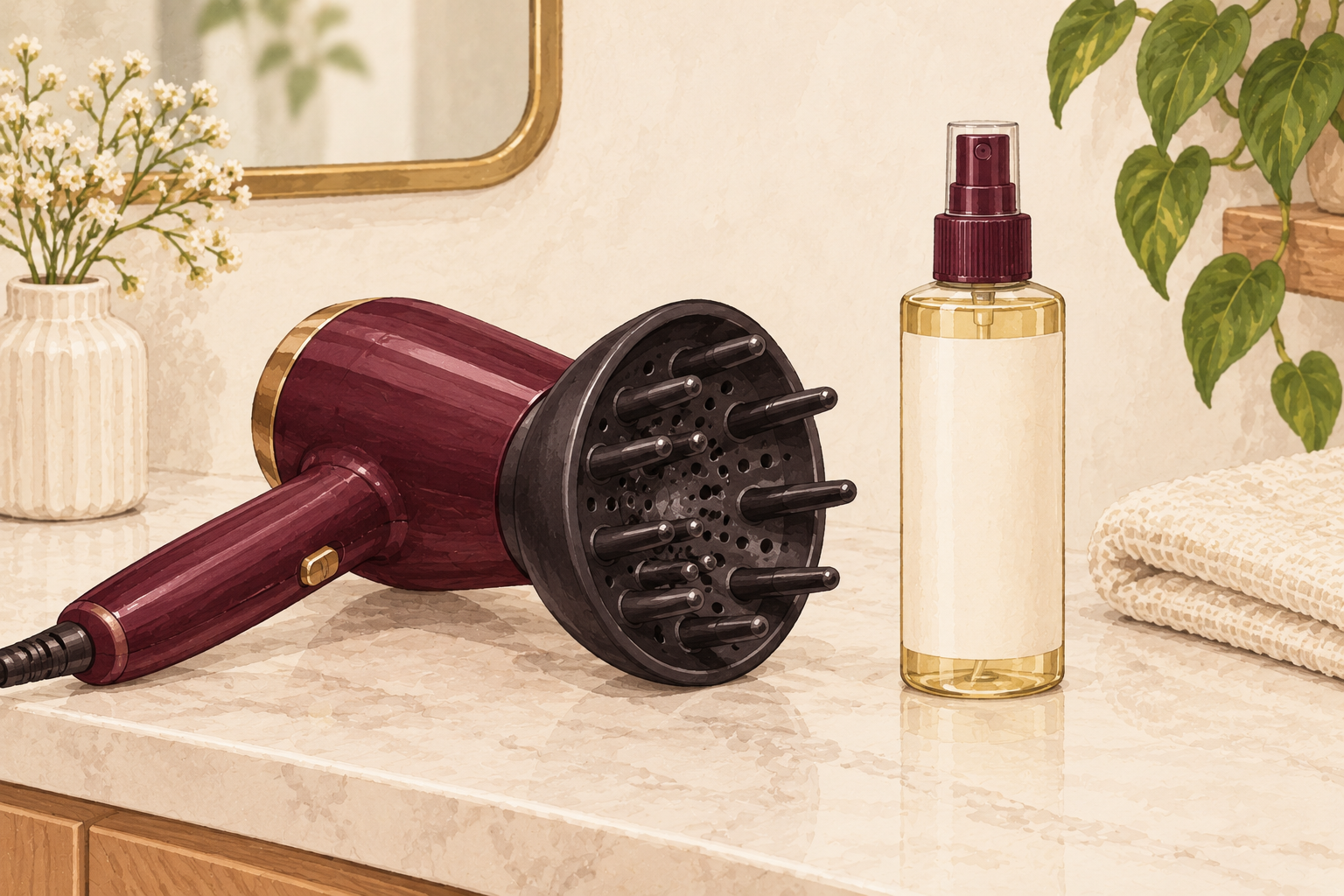
When you pick up the dryer or iron again in week four, spray a heat protectant on damp hair first and use medium settings. Dry the hair almost fully with the dryer on low before an iron touches it, and go over each section only once. Limit heat to once a week at first. Watch the ends for any return of crunch. If they feel rough again, put the tool away for another week. You are not banned from styling, you are just being kinder to the strand and checking how it feels. Always let the heat tool cool fully before you put it away.
11. Set a wash day and a mask day
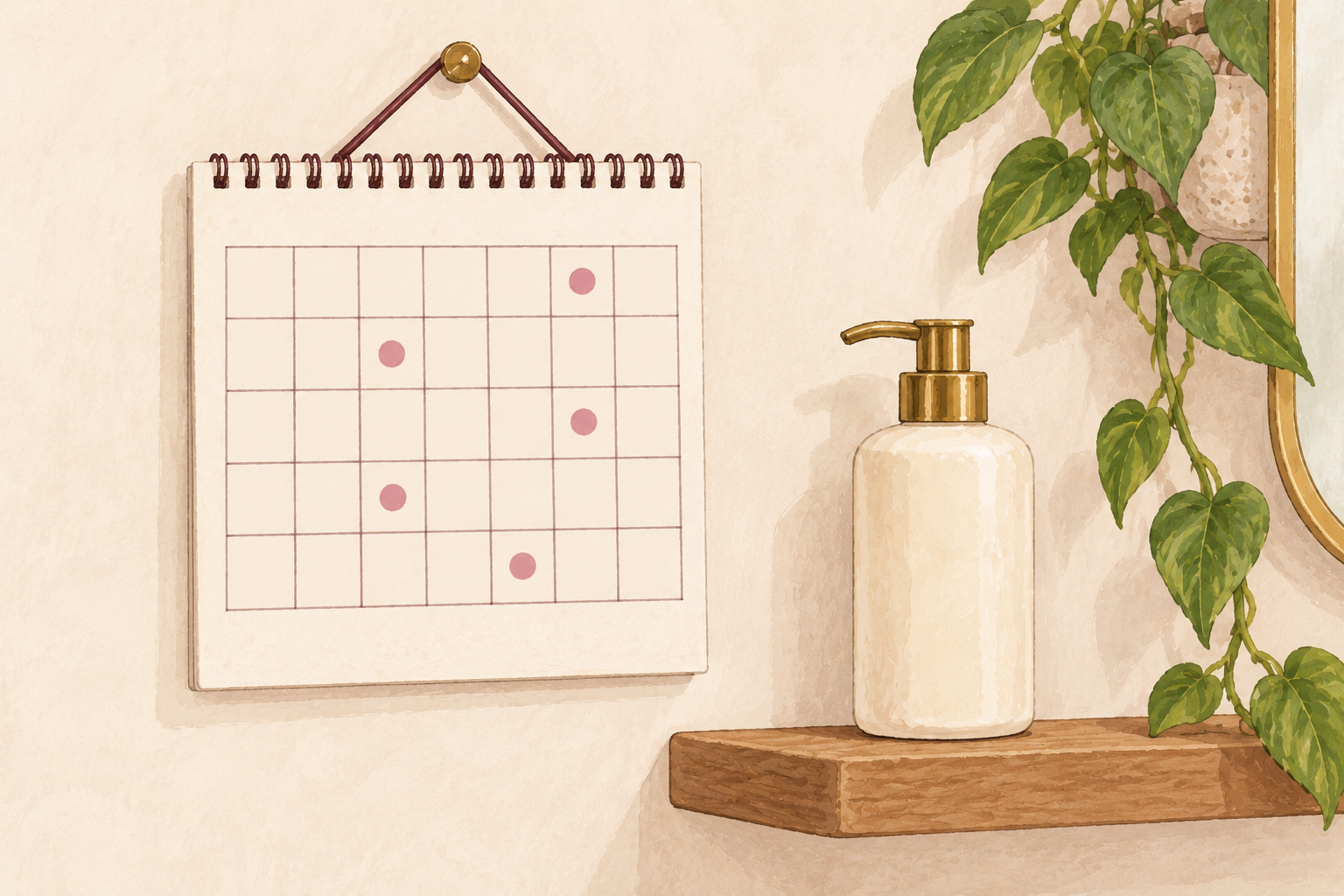
Choose a wash day and a mask day each week, and write them on your calendar. For dry, frizzy hair, one or two washes a week is plenty, with a gentle shampoo on the scalp only. Do your mask on a different day or the same day if you are short on time. Schedules stop you from overdoing it on bad days and under doing it on busy ones. Trim a quarter inch from the split ends once during these four weeks, because damage that has already split will not heal. Small, regular trims keep the ends from splitting further up the strand.
12. Compare photos and keep what helped
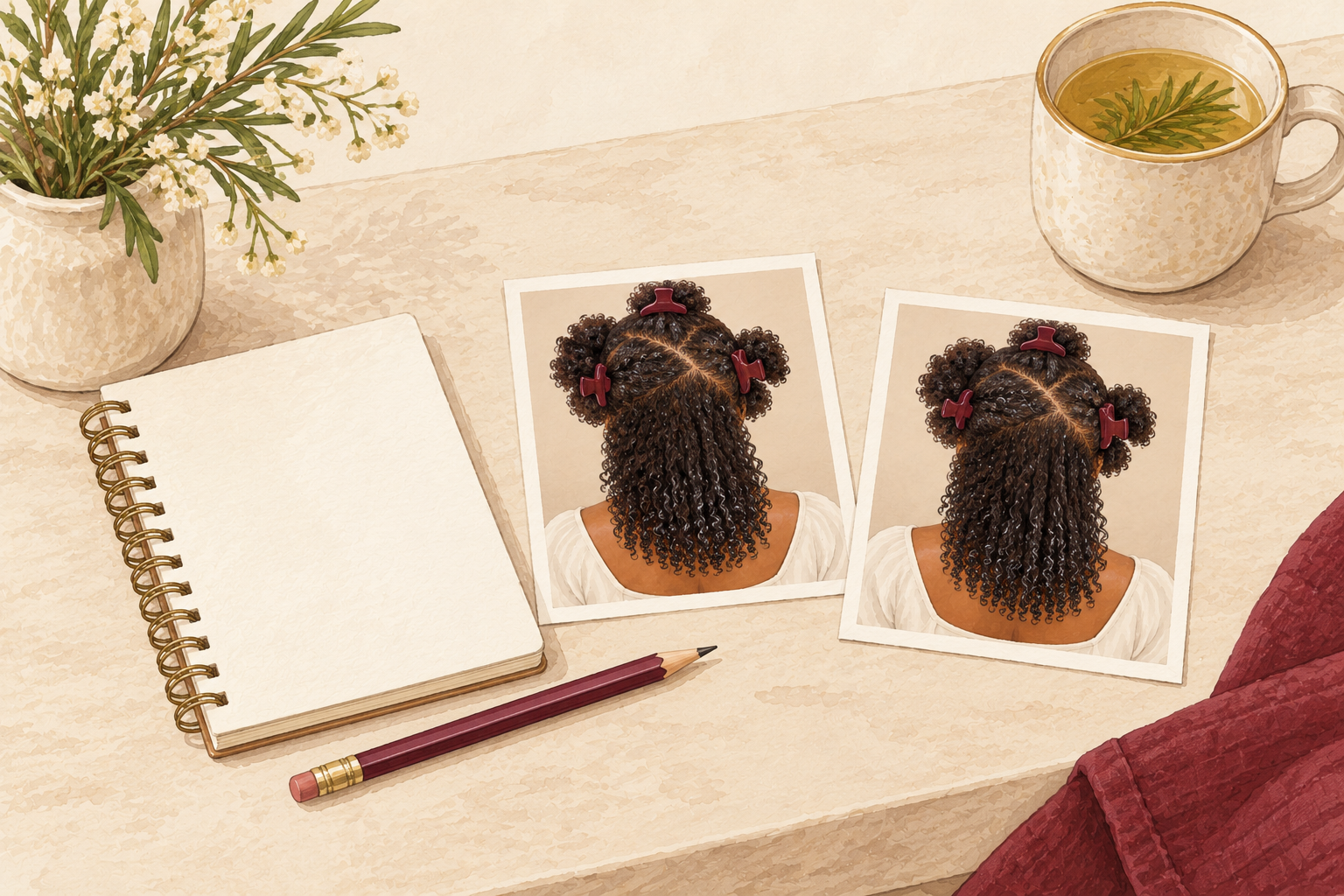
On day twenty eight, take the same two photos and put them next to the first ones. You will likely notice smoother ends, less fuzz at the crown and hair that holds a style longer. Look at your notes and keep the steps that helped most. Drop what you did not need. After this, check in once a month and adjust with the season, because winter air dries hair faster and summer humidity puffs it up. In cold months, add an extra mask every other week and keep a little oil near the ends. Frizz may visit again, but now you know exactly what to do.
Complete the Routine: Your Hair Care Routine for Dry Frizzy Hair Starts Now
Start with the kit tonight and pick your wash day this week. For more support, try a hair mask for frizzy hair or browse more frizzy hair remedies.