You have heard about oils, rinses, gummies, lasers and a hundred other tricks, and nobody tells you which ones deserve your time. These 12 hair growth methods run from the easiest and gentlest habits to the ones you should approach with care. Start at number one tonight, and work down only as far as you need to.
1. Handle your hair gently and detangle with care
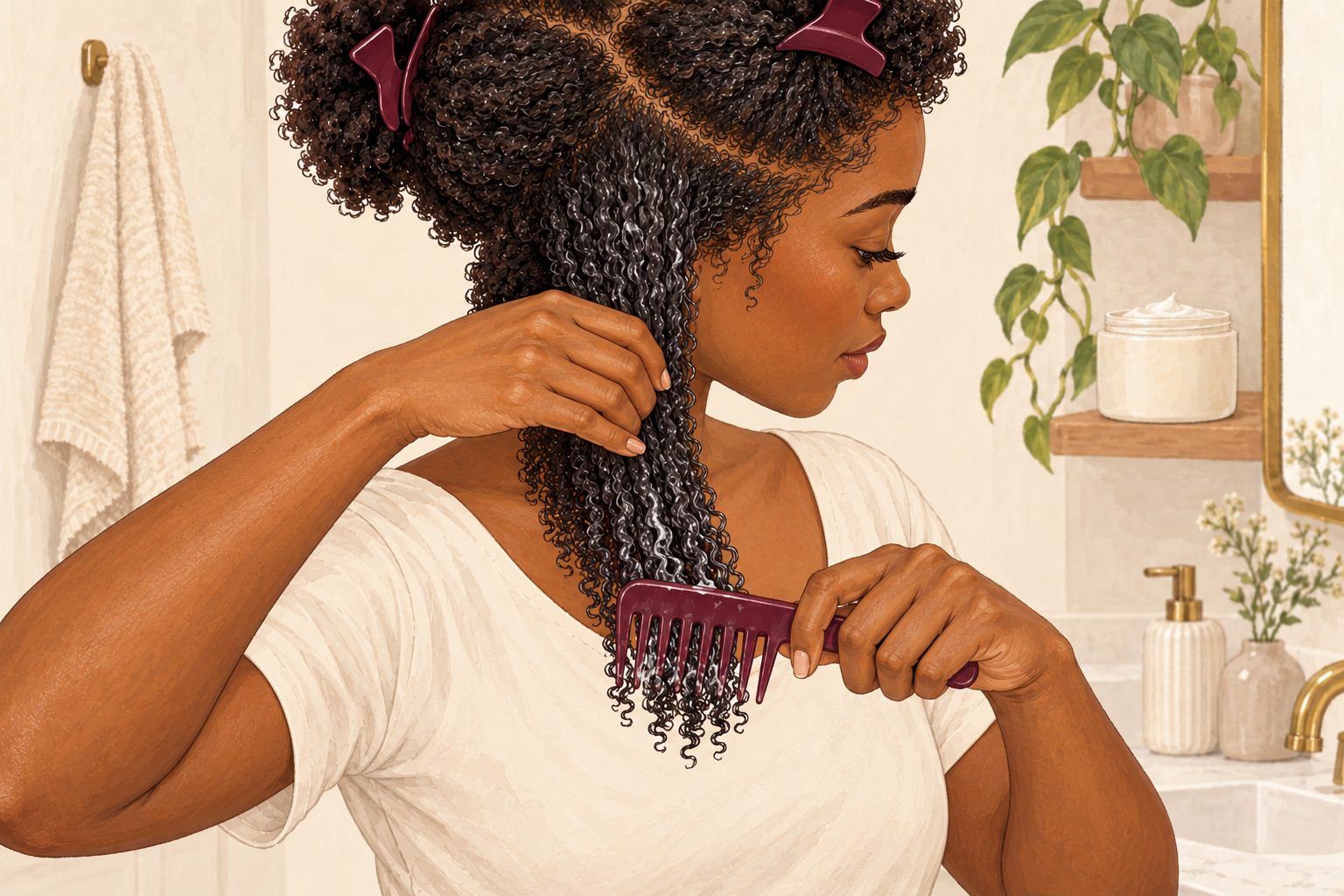
Start at the ends with a wide tooth comb, and always work on damp, conditioned hair. This is the cheapest and most effective of all hair growth methods, because broken hair never gets the chance to grow long. Hold the hair above each knot so your scalp does not take the pull. Use soft ties, and skip tight styles that tug at your hairline. Give yourself ten calm minutes on wash day. Within a few weeks you should see fewer strands in the brush and softer ends. Wet hair is at its weakest, so be slower with it than you think you need to be.
2. Protect your hair at night with smooth fabric
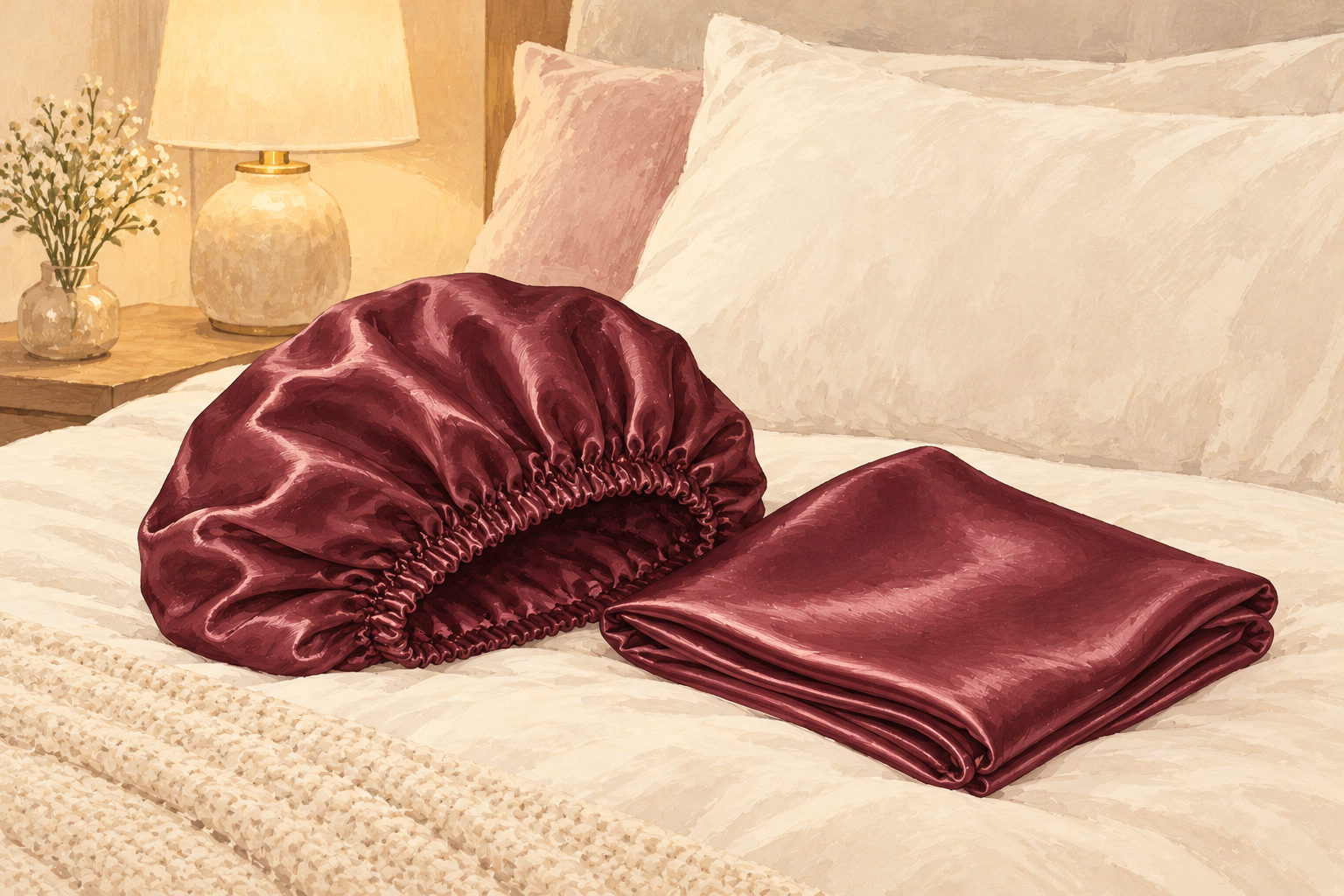
Sleep on a satin pillowcase or wear a satin bonnet or scarf. Cotton grips your strands and pulls moisture from them as you toss and turn. Smooth fabric stops that friction, so your hair wakes up less tangled. Loosely twist or braid long hair first. It costs you a minute of effort and nothing else, and it protects every other method on this list. If you only do one thing from this list, this and number one are the ones worth keeping forever. Wash the case or bonnet once a week so it stays fresh against your scalp. If your hair is long, a loose pineapple on top of your head keeps the ends from being squashed.
3. Eat enough protein and iron rich foods

Put a protein on every plate, like eggs, beans, fish or chicken, and add leafy greens. Your hair is mostly protein, and your body shares its food with your vital organs first. Iron from beans, greens and meat matters, and a squeeze of orange or lemon helps your body use it. Skipping meals or crash dieting often shows up as shedding a few months later. This takes planning more than money, and the effect is slow. Give it three months before you decide. A simple routine of three meals and a snack beats a perfect plan you drop after a week.
4. Massage your scalp every day
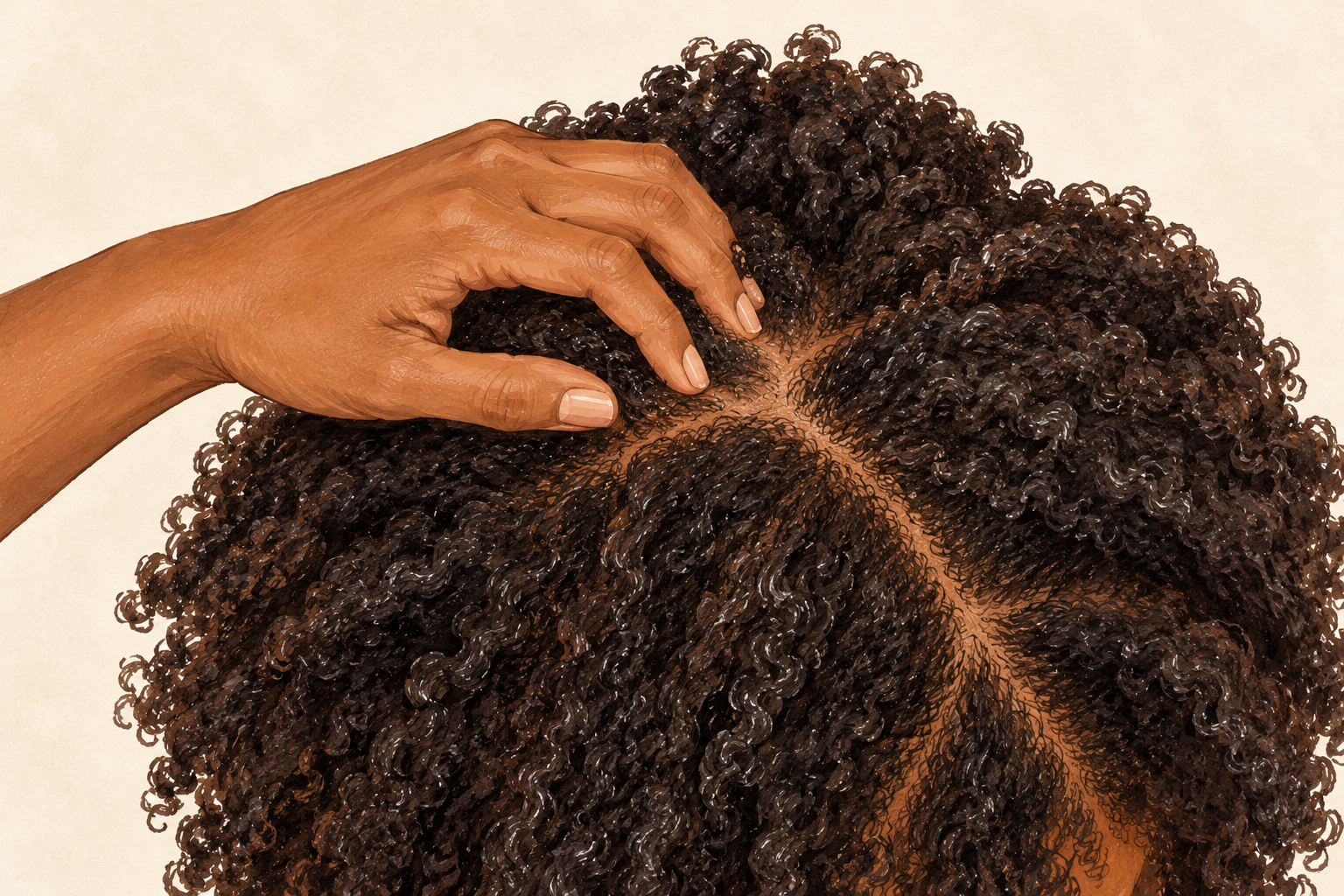
Press the pads of your fingers into your scalp and make slow circles for four minutes. Start at the hairline and finish at the nape of your neck. It feels relaxing, and some girls notice that their hair looks fuller after a few months. Nobody can promise it will grow new hair, so think of it as a free scalp treat. Do it in the shower or before bed, and stop if anything feels sore. Keep your nails short so you press with fingertips only. A drop of light oil on dry skin makes the glide smoother, and a warm shower makes the whole thing easier.
5. Try diluted rosemary oil
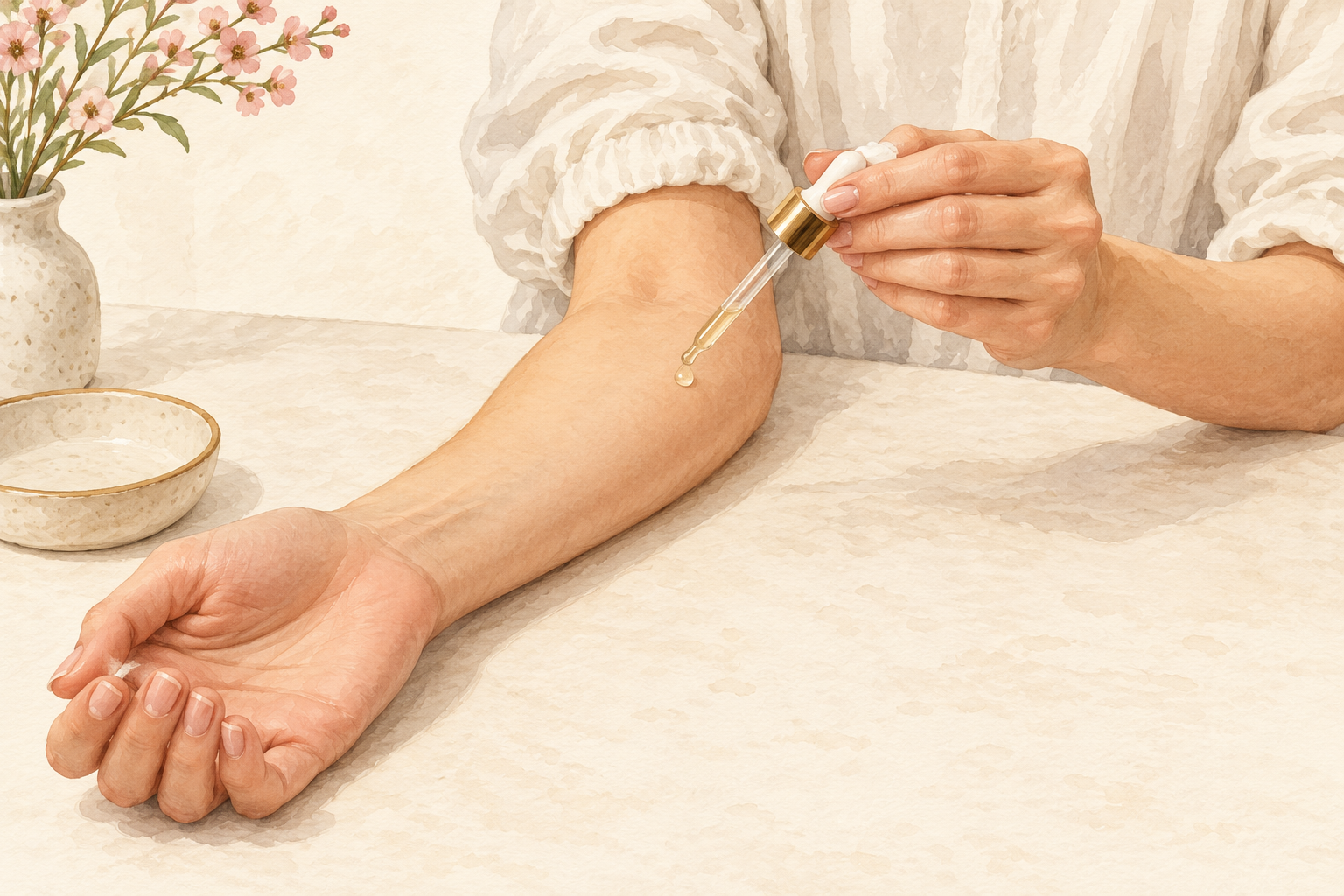
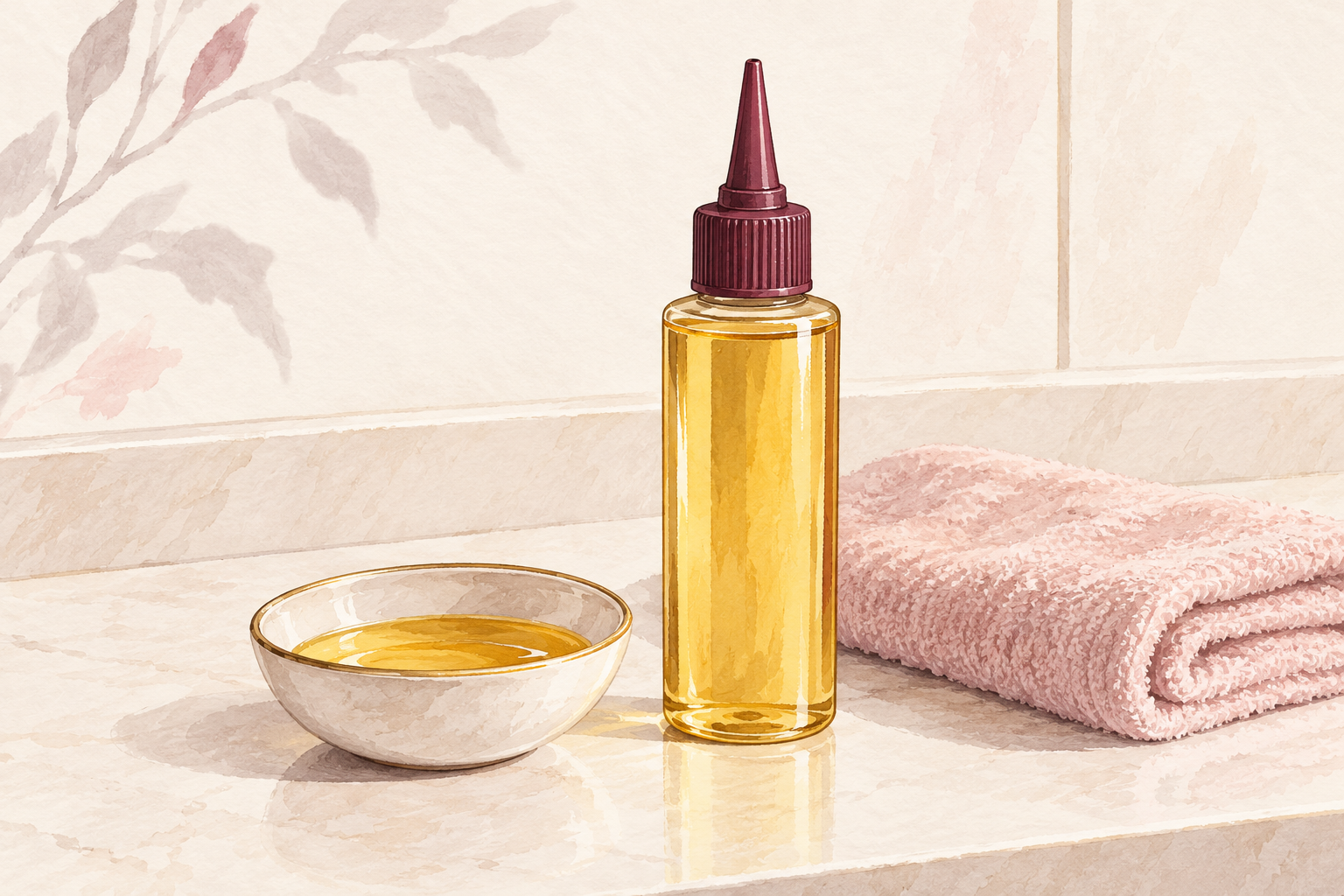
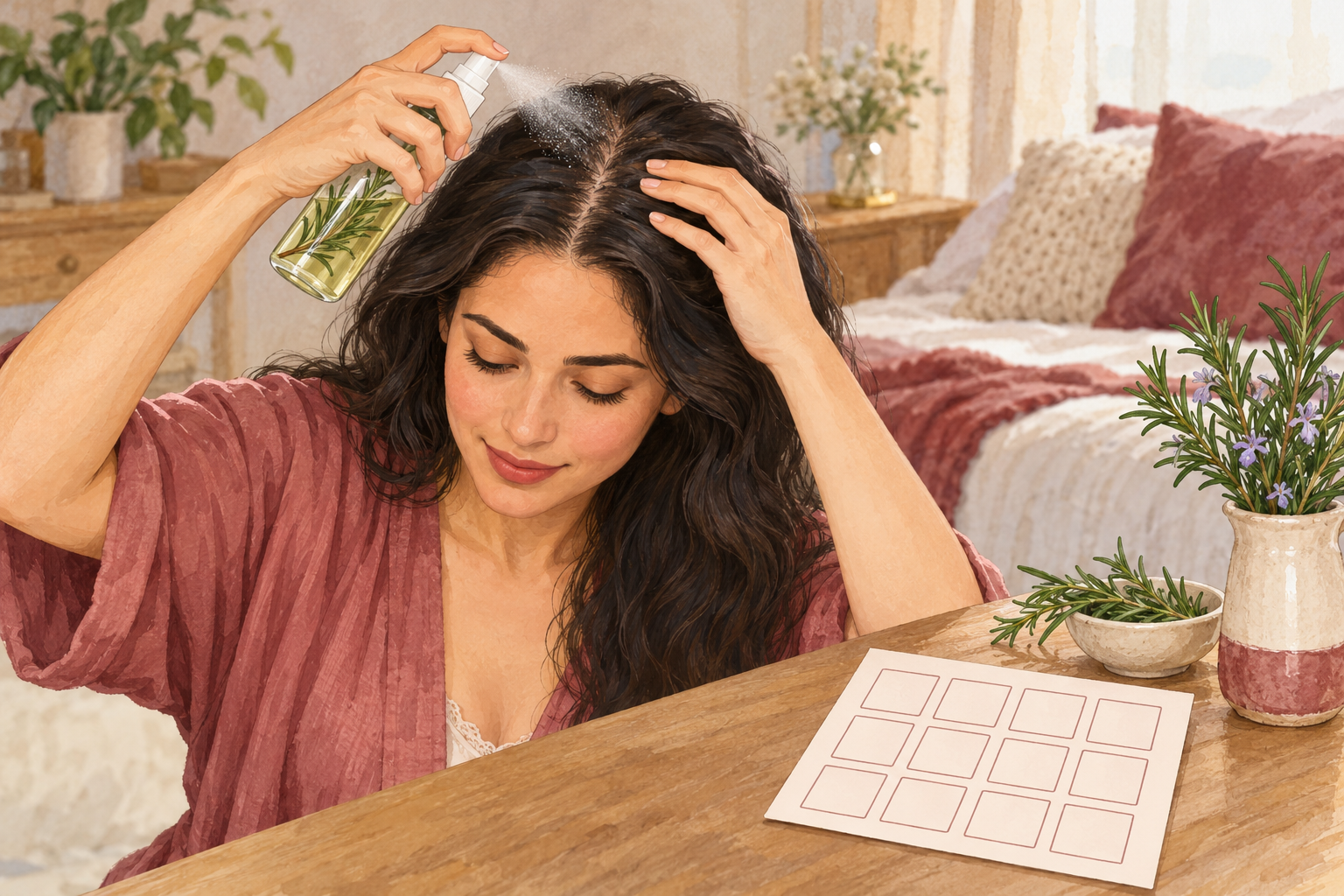
Mix three drops of rosemary essential oil into a tablespoon of a gentle carrier oil like jojoba. Never put rosemary oil on your scalp neat, and always dab a little behind your ear for a day first. Massage the mix into your scalp two or three times a week, leave it on for about an hour and shampoo it out. It takes a few minutes and a few months of patience. Stop if your skin stings, itches or turns red. Keep the bottle away from your eyes and wash your hands after you finish, because rosemary lingers on the fingers. Do not use more drops to speed things up.
6. Use rice water rinses
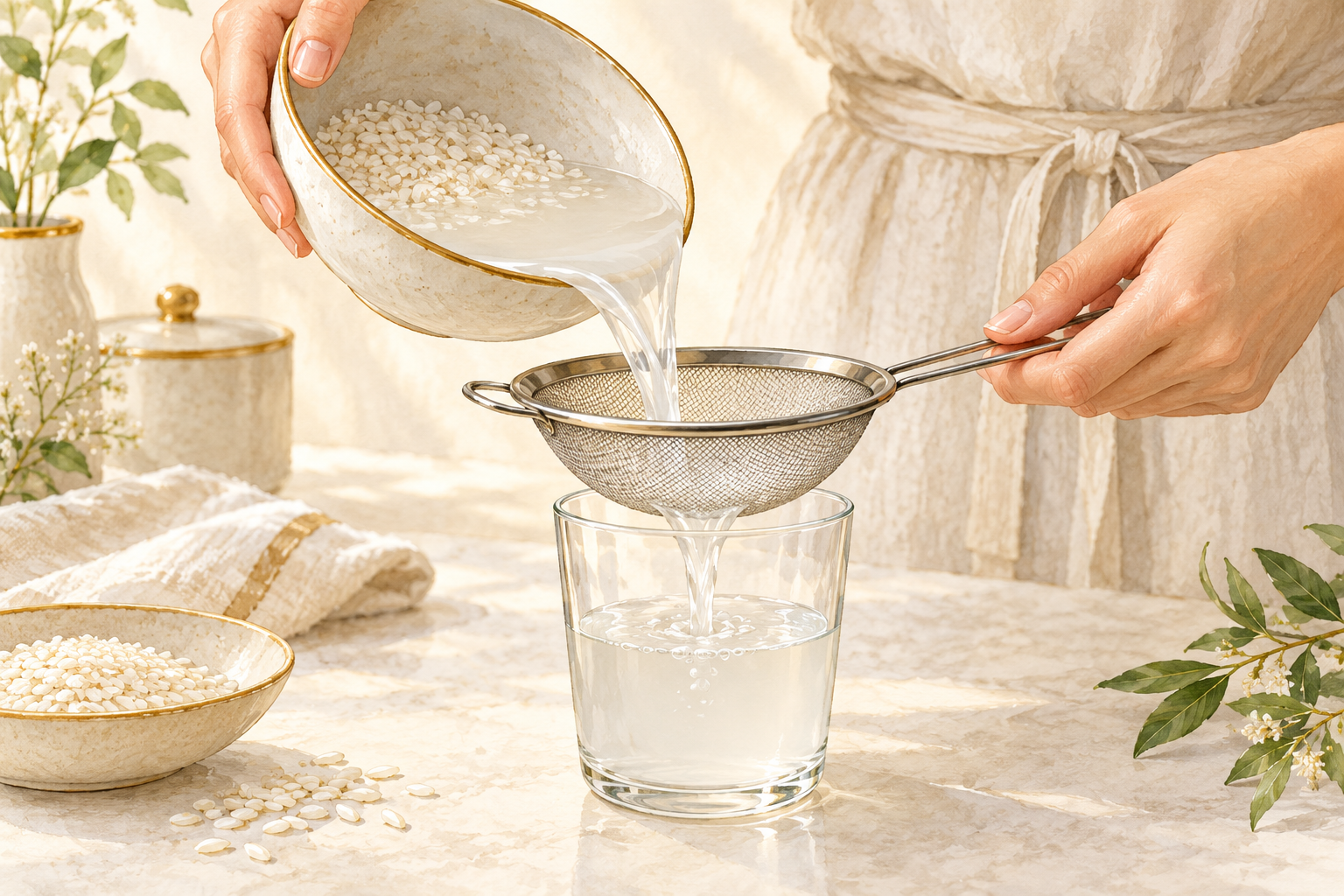
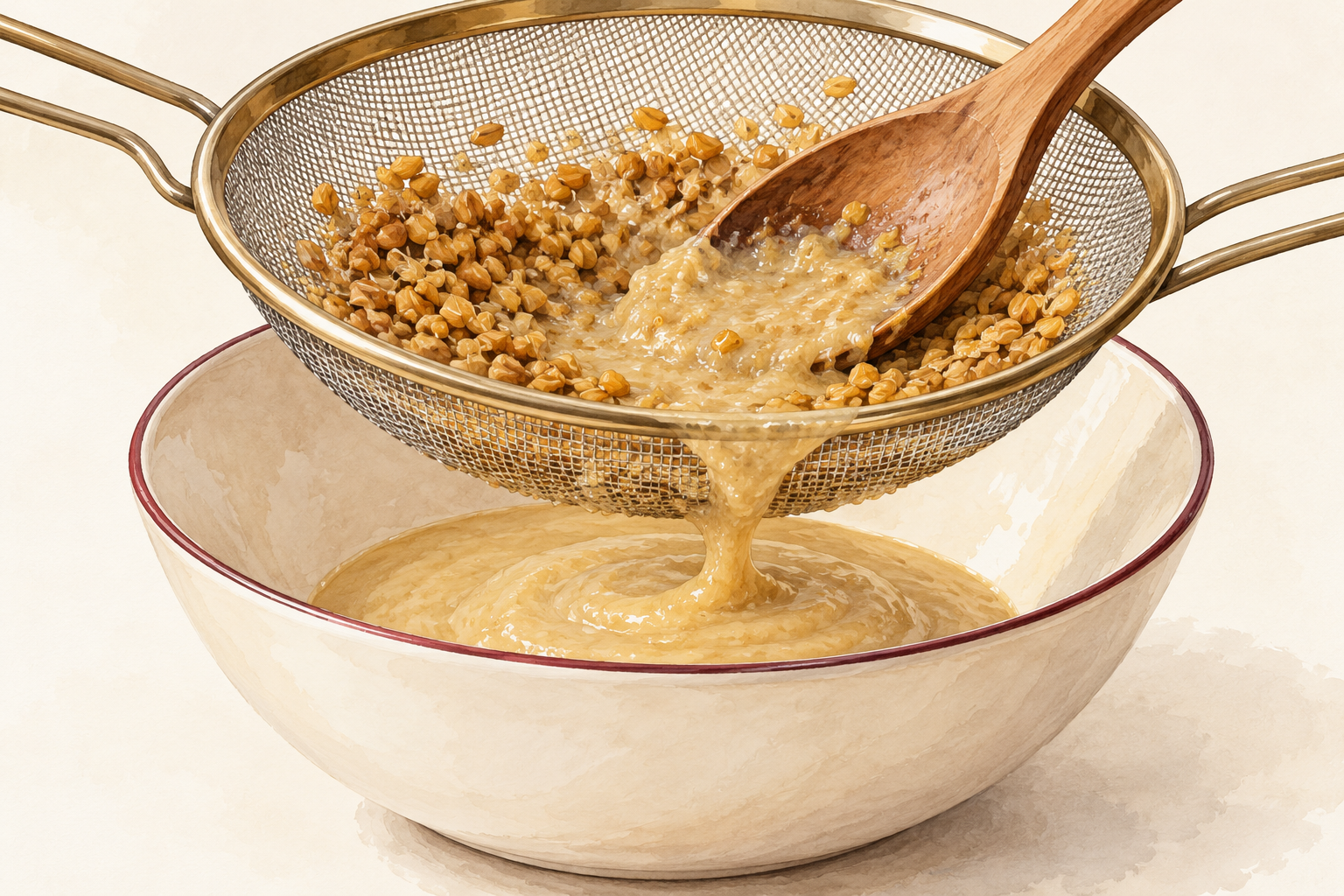
Soak half a cup of rinsed rice in two cups of water for thirty minutes, strain it and pour it over clean hair. Leave it for five minutes, then rinse and follow with conditioner. Once a week or every other week is enough. Rice water is an old, loved habit that leaves many people with softer, shinier strands. It is not proven to grow hair, so treat it as a care step. If your hair turns stiff, dilute it with plain water or rinse less often. Keep any leftover water in the fridge and use it within a week, and throw it out if it smells off.
7. Add castor oil on the scalp and lengths
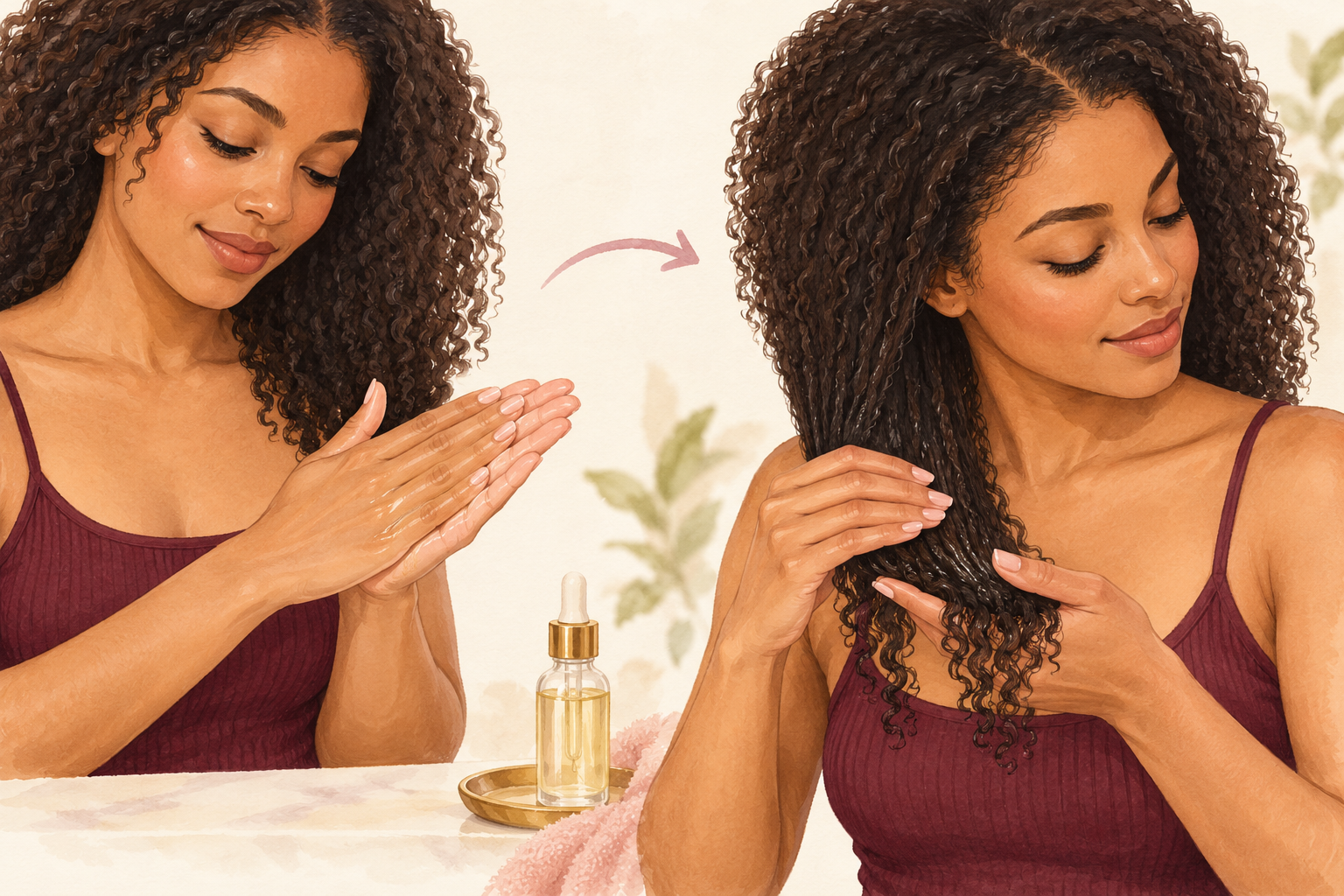
Blend one tablespoon of castor oil with two tablespoons of a lighter oil, and apply it once a week. Castor oil is thick and sticky, so a thin mix is easier to spread and wash out. Many girls love it for the way it coats dry ends and helps them keep length. Leave it on for an hour or two, then shampoo twice at the roots. Patch test first and skip it if your scalp breaks out. It is more effort than a comb, and the mess is the trade off. Cover your pillow or wear a cap while it sits, and keep an old towel for it.
8. Make fenugreek and other kitchen masks
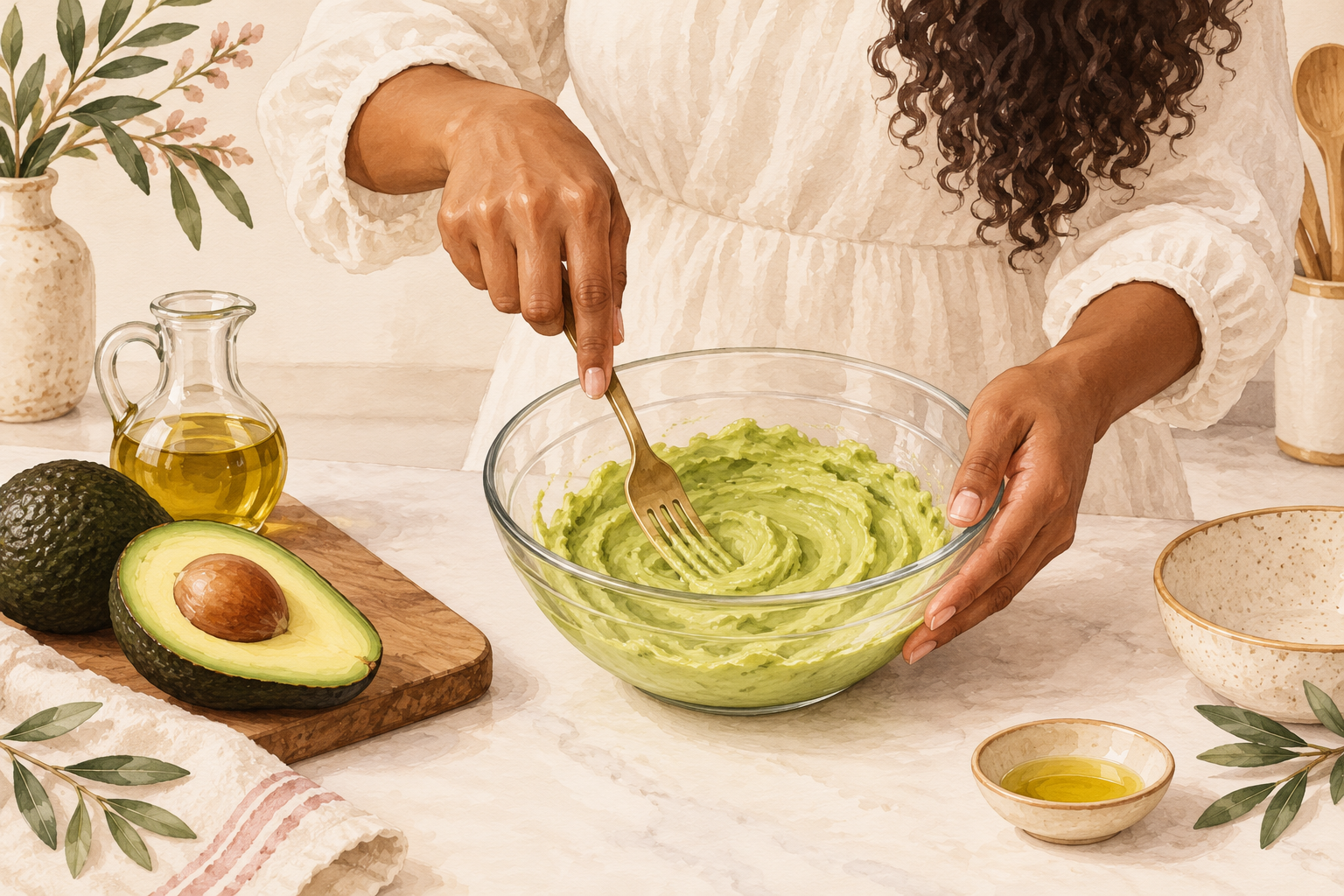
Soak a tablespoon of fenugreek seeds overnight, blend them into a paste and spread it on your scalp for twenty minutes. Rinse well with lukewarm water, as the seeds cling. Yogurt, aloe, avocado and honey masks are gentler options if your scalp is delicate. These are fresh and fun, though they take an hour out of your week. Patch test each new mix and use them once a week at most. They soften the hair more than they grow it, which is still a good result. Rinse the paste out completely, since leftover seed bits itch and look like dandruff.
9. Get lasting or patchy shedding checked

Count a loss as serious if it goes on for months, comes out in clumps or leaves visible patches. Kitchen methods will not fix it. See your doctor, because thyroid problems, low iron, hormones and some medicines can all play a part, and a simple check can find the reason. Take photos of your parting to show them. This step takes courage more than effort, and it can save you months of guessing. Begin your gentle habits meanwhile. Write down when the shedding started and anything big that happened around then, such as illness, stress or a change in diet. Those notes help the person you talk to work out what is going on.
10. Ask a pharmacist about minoxidil

Minoxidil is a well known treatment you apply to the scalp, and a pharmacist can explain whether it suits you. It needs daily use for months, and the moment you stop, the extra hair usually falls away. It can itch, dry the scalp or cause more shedding at the start. Follow the instructions on the box exactly and keep it off your face. It is a long commitment, so only start it when you are ready to keep going. Ask about the version made for your type of hair and scalp, and do not share a bottle with anyone else.
11. Think twice about light caps and laser combs
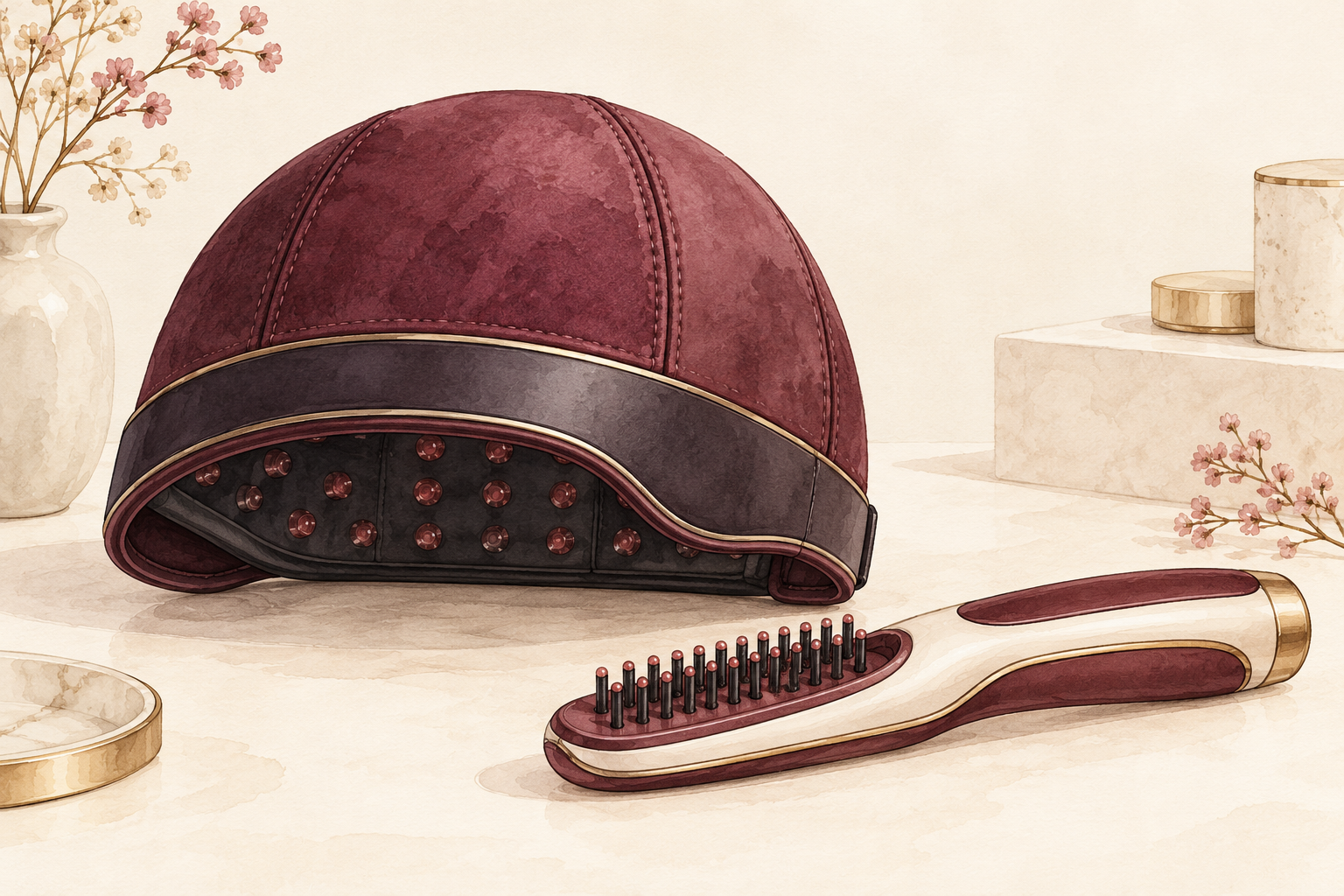
Ask yourself whether you will really wear a device for twenty minutes every other day for six months. Light caps and laser combs have mixed results, and they work only while you keep using them. They suit people who like routine and have patience for a slow outcome. Buy only from a seller with a clear return rule, and check that nothing else on this list has been missed first. If a device promises miracle results in a month, walk away. A good habit you can keep up beats an exciting gadget that ends up in a drawer.
12. Skip hair gummies and miracle supplements
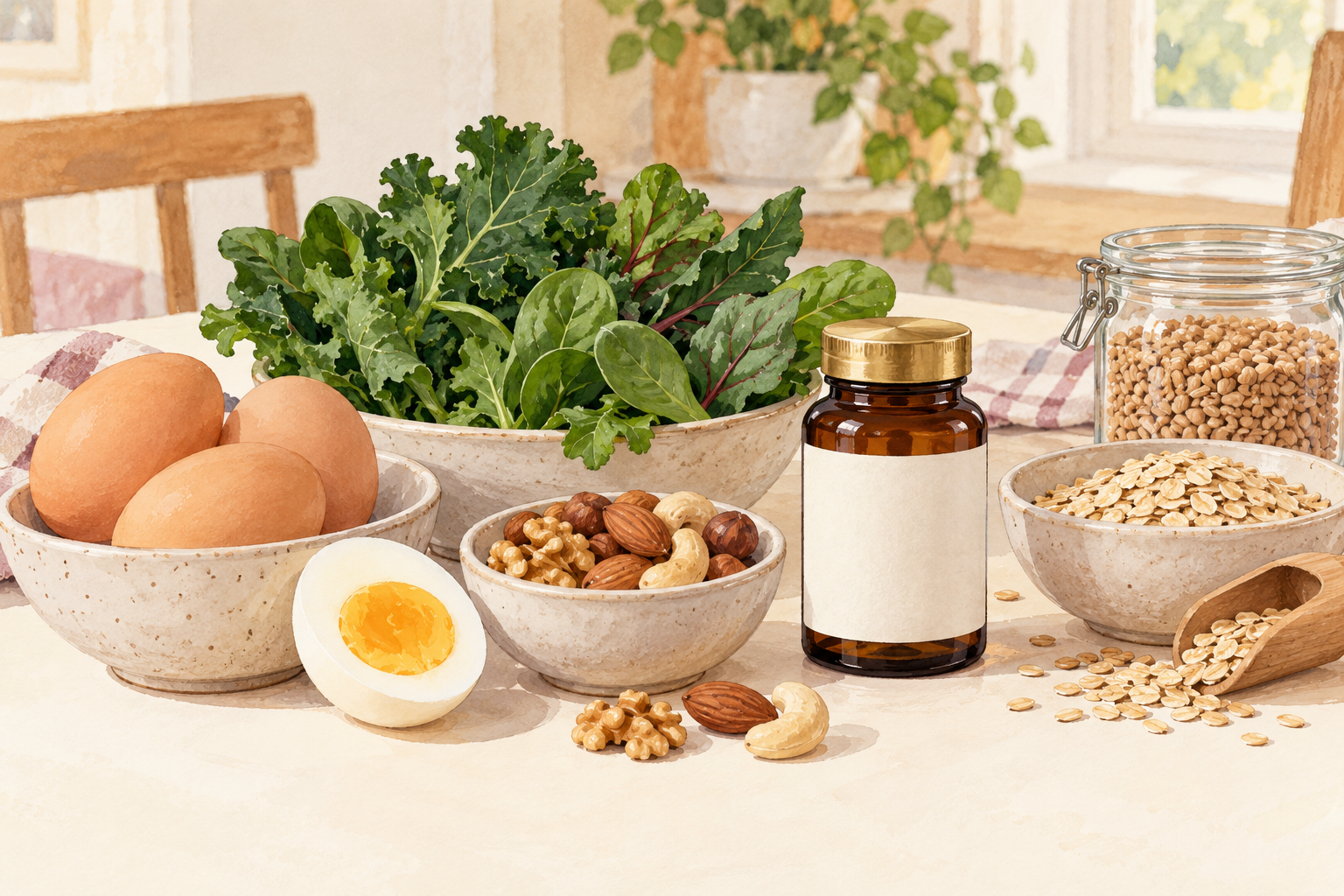
Leave the gummies on the shelf unless you have a real gap in your diet. Most people who eat decently already get what they need, and extra biotin makes little difference to them. Some supplements can interfere with blood tests or upset your stomach. Food, sleep and calm scalp care do more. If a label promises an inch of hair in a month, trust your own eyes instead. Check your diet first, because a plate with eggs and greens does more than a handful of sweets in a jar. Real hair growth methods are slow and quiet, and that is how you know they are real.
Complete the Routine: Hair Growth Methods That Are Worth Your Time
Tonight, pick one habit from numbers 1 to 4 and begin. For more to try, read about castor oil for hair growth and fenugreek for hair growth.