You scroll past ten kitchen tips a night, and half of them would sting your scalp. Hair growth remedies from the pantry can be gentle or harsh, and the difference is in how you mix and use them. These 12 go from the gentlest to the ones to skip, so start at number one tonight.
1. Patch test before you pour anything on your head
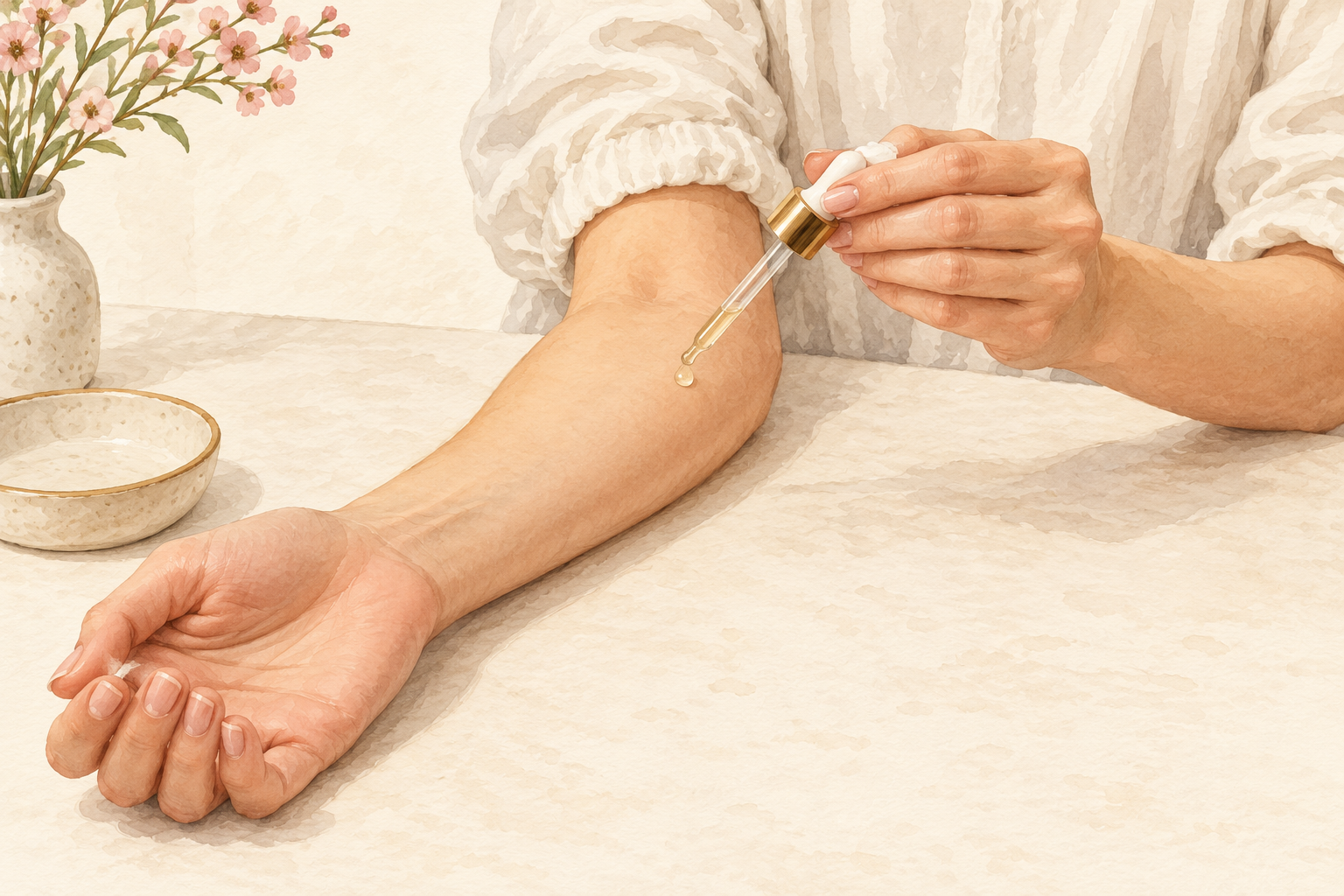
Dab a little of any new mixture on the inside of your elbow, then wait a full day. If the skin turns red, itchy or hot, wash it off and cross that remedy off your list. Gather your basics too: a clean bowl, a spoon, a measuring cup and a towel you do not mind staining. Make small batches you will use the same day, because mixes without preservatives spoil fast. Keep every remedy away from your eyes. Wash the bowl and spoon in hot soapy water first, because old residue can irritate a sensitive scalp. Skipping the patch test is how a harmless kitchen tip becomes a bad week.
2. Check whether your scalp runs dry or oily
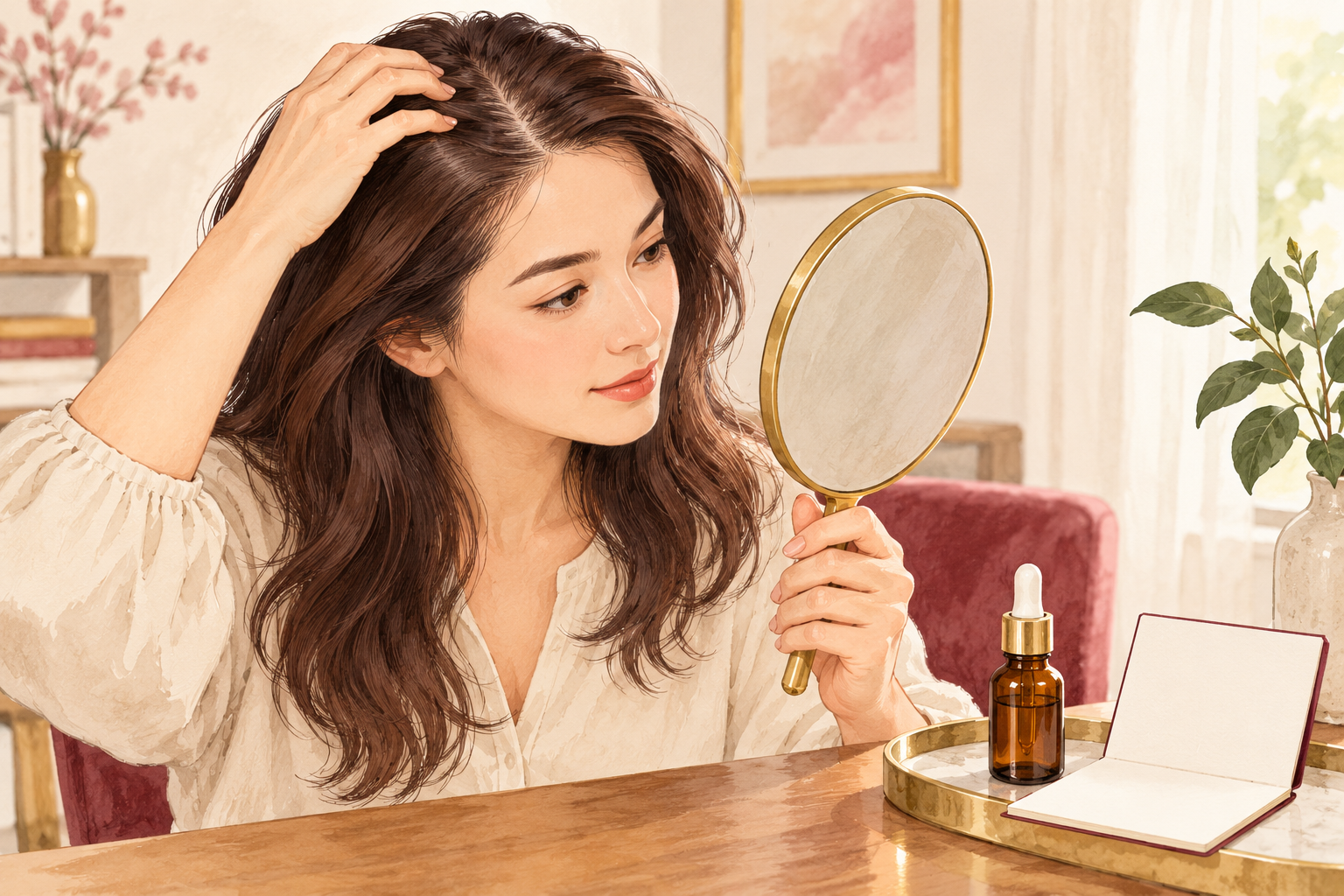
Part your hair the day after washing and look at the skin underneath. Flaky and tight means dry, while shiny and a little limp by the second day means oily. Dry scalps love oils and gels. Oily scalps do better with light rinses and should stay away from heavy coconut or olive oil on the roots. Most of us are a mix, with an oily crown and dry ends, so treat each part by what it needs. Knowing this saves you from buying and trying everything on the internet. Check again in a month, since seasons, stress and the products you use can all shift your scalp from one type to the other.
3. Start with a green tea rinse
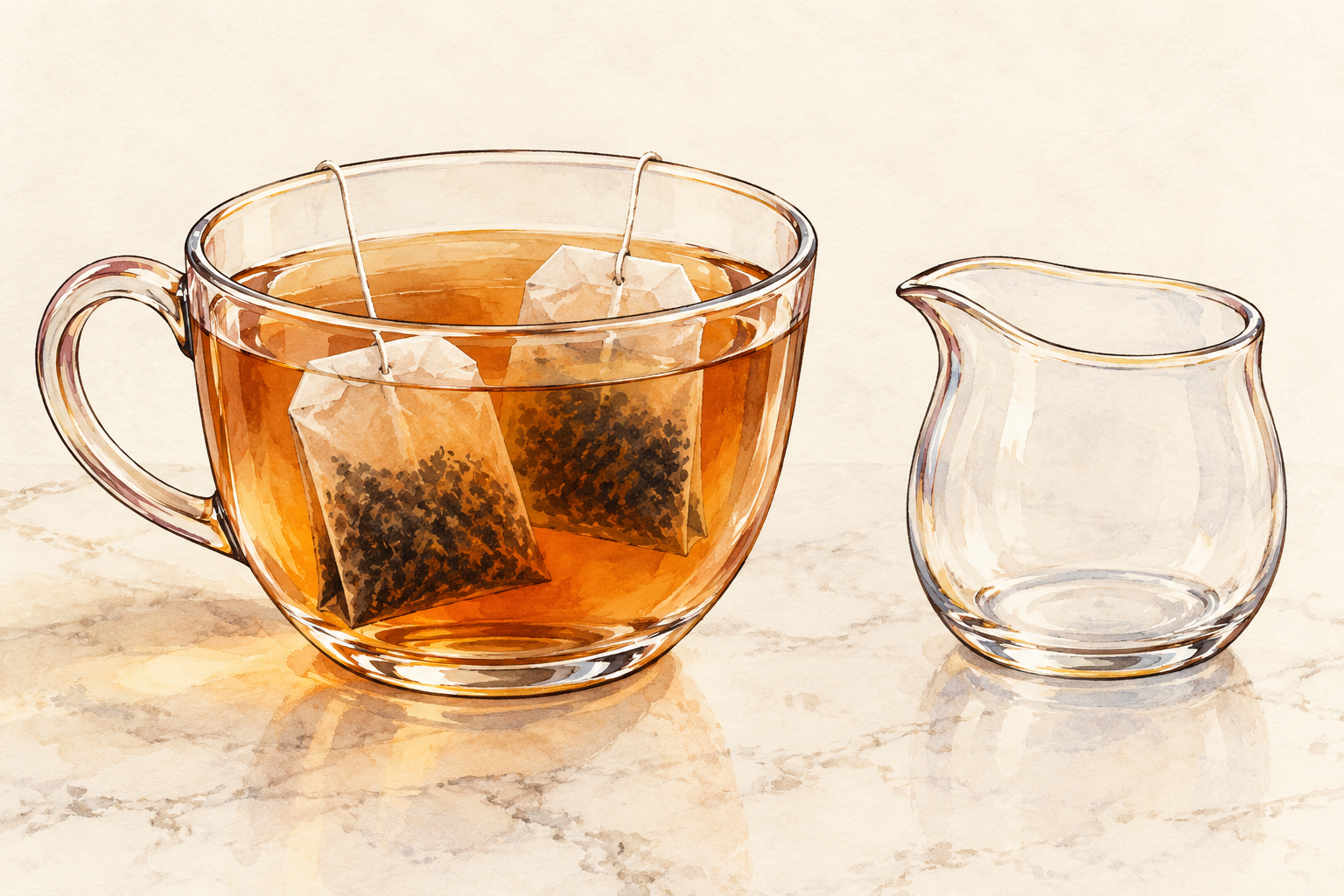
Brew two green tea bags in a cup of hot water, let it go fully cool, and pour it over your clean scalp. It is the gentlest remedy on this list. Leave it on for five minutes, then rinse with plain water. The tea feels calming and cool, a little like a cold compress for an itchy head. Make a fresh cup each time, since leftover tea grows mold in a day or two. Once or twice a week is enough, and you can use it on any hair type. Pour slowly with your head tipped over a basin, and catch the runoff in a cup to pour again.
4. Smooth on aloe vera gel
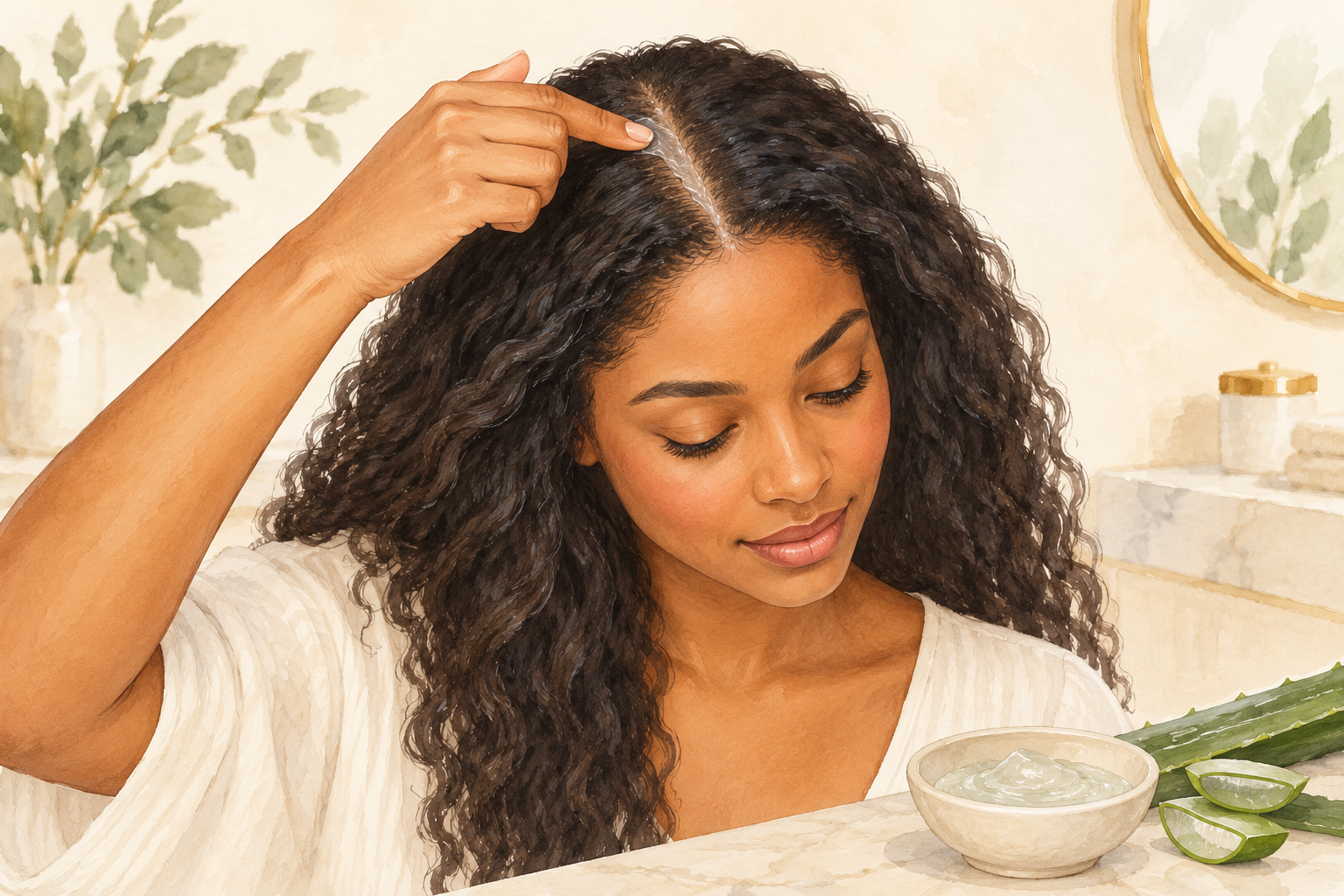
Spread two tablespoons of pure aloe gel across a damp scalp and leave it for twenty minutes. Choose a gel with no perfume or alcohol, since those are what sting. The feel is cool and slippery, and it gives dry hair some slip so combing hurts less. Rinse it with lukewarm water and follow with your normal shampoo. Aloe soothes and softens, but it will not make hair sprout overnight, so keep your hopes sweet and steady. Once a week is plenty for most people. Scoop the gel from a fresh leaf if you have a plant, by slicing the leaf open and spooning out the clear part only.
5. Use coconut oil before you wash
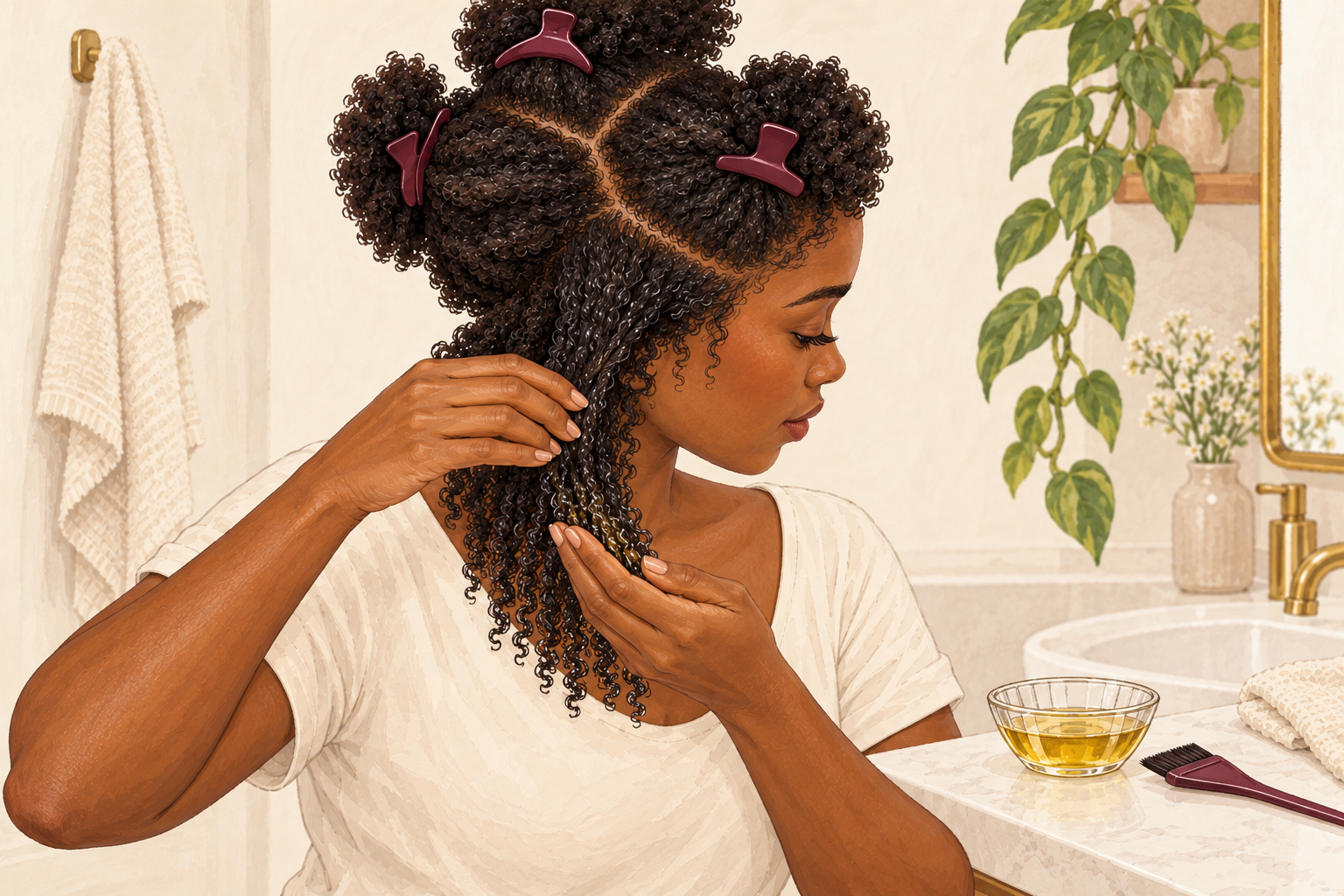
Warm one tablespoon of coconut oil in your palms and work it through dry hair thirty minutes before shampoo. Coating your strands first means they swell less in the water, which cuts down on snapping. Go lightly on the roots if your scalp is oily and focus on the mid lengths and ends. Wash it out with shampoo on dry hair before adding water. Do this once a week, no more. If your hair feels heavy for days afterwards, you used too much. Do not leave it on overnight in a tight style, because oil trapped against the scalp for hours can lead to spots.
6. Give dry ends olive oil

Rub three or four drops of olive oil between your palms and press it over the last few inches of damp hair. It is rich, so a little goes a long way. Use it as a sealer after your leave in, not as a treatment you drench your hair in. Fine hair needs even less, and two drops will do. Your ends should feel softer and look shinier the next morning, with fewer tiny splits catching on your sweater. If your scalp is oily, keep olive oil off it completely. Add one more drop midweek if the tips feel dry again.
7. Mix a hibiscus conditioning mask
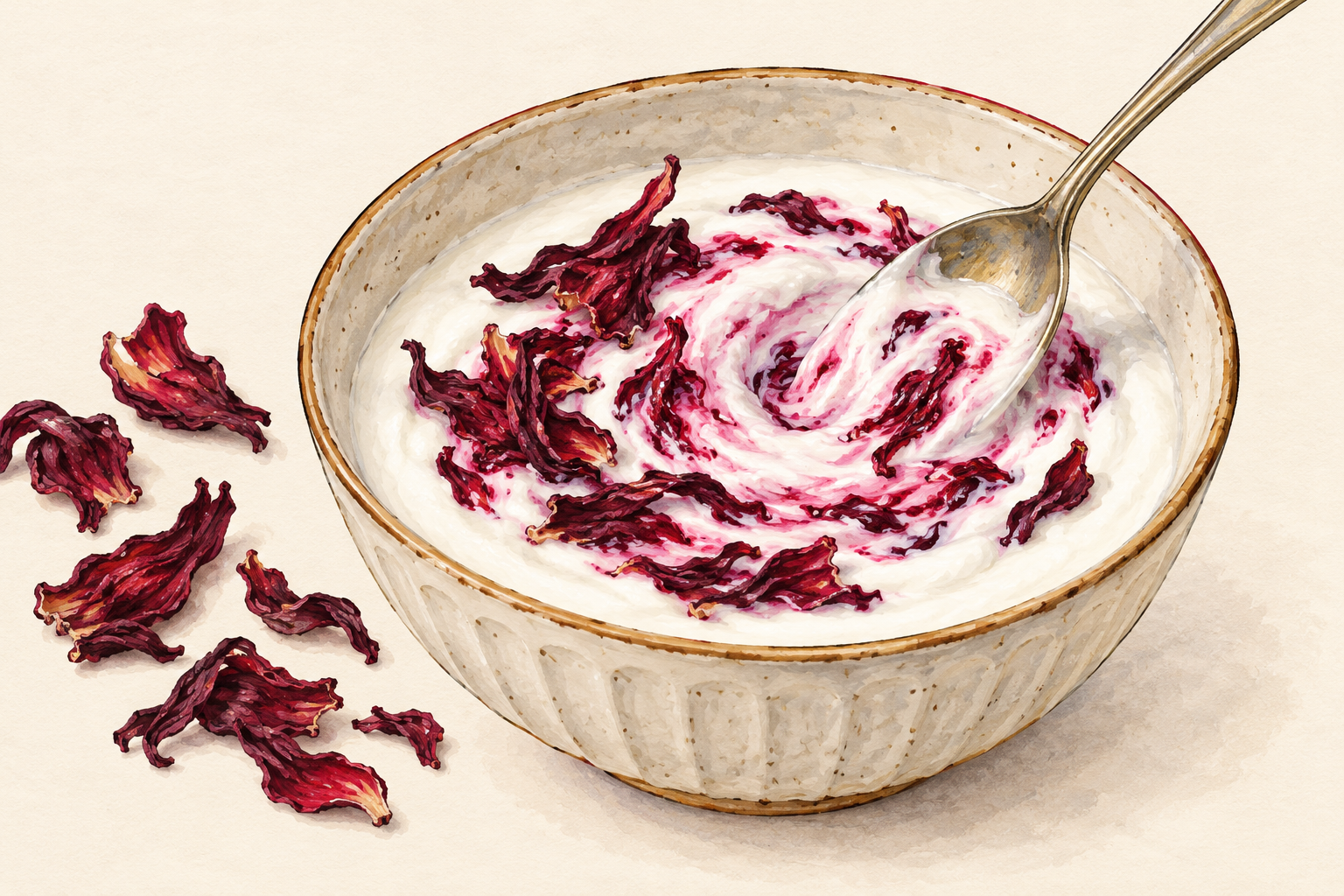
Crush a handful of dried hibiscus petals and stir them into three tablespoons of plain yogurt. Smooth the pink paste over damp hair from mid lengths to ends and leave it for twenty minutes. Rinse until the water runs clear, because the color can stain towels. Hibiscus leaves hair softer and easier to detangle, which means less breakage in the comb. Test a small patch on your skin first. Use it every second week, since a mask is a treat and not a daily step. Add a teaspoon of honey if your hair is very dry, which makes the mask feel creamier and easier to spread.
8. Infuse oil with curry leaves
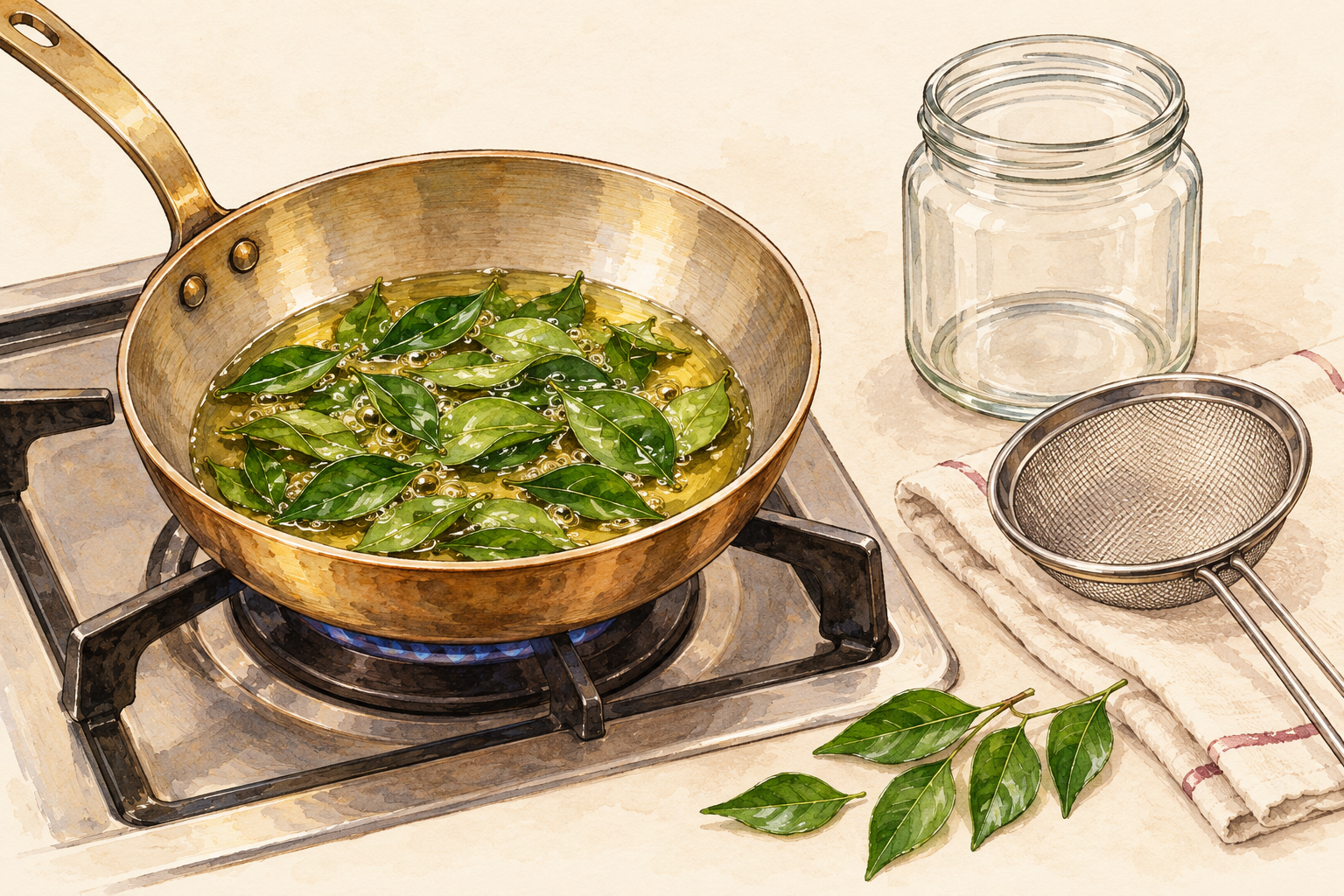
Simmer a handful of fresh curry leaves in half a cup of coconut oil on the lowest heat for ten minutes. Take it off the stove when the leaves turn crisp and dark, then let it cool completely and strain it into a clean jar. Store it in a dark place and use it within two weeks. Massage a teaspoon into your scalp for three minutes, then wash out after an hour. Swap in sesame oil if your hair loves it. The oil smells nutty and warm. Throw the batch away if it smells sour or turns cloudy, because homemade oil does not keep like a bottled one.
9. Try a weak apple cider vinegar rinse
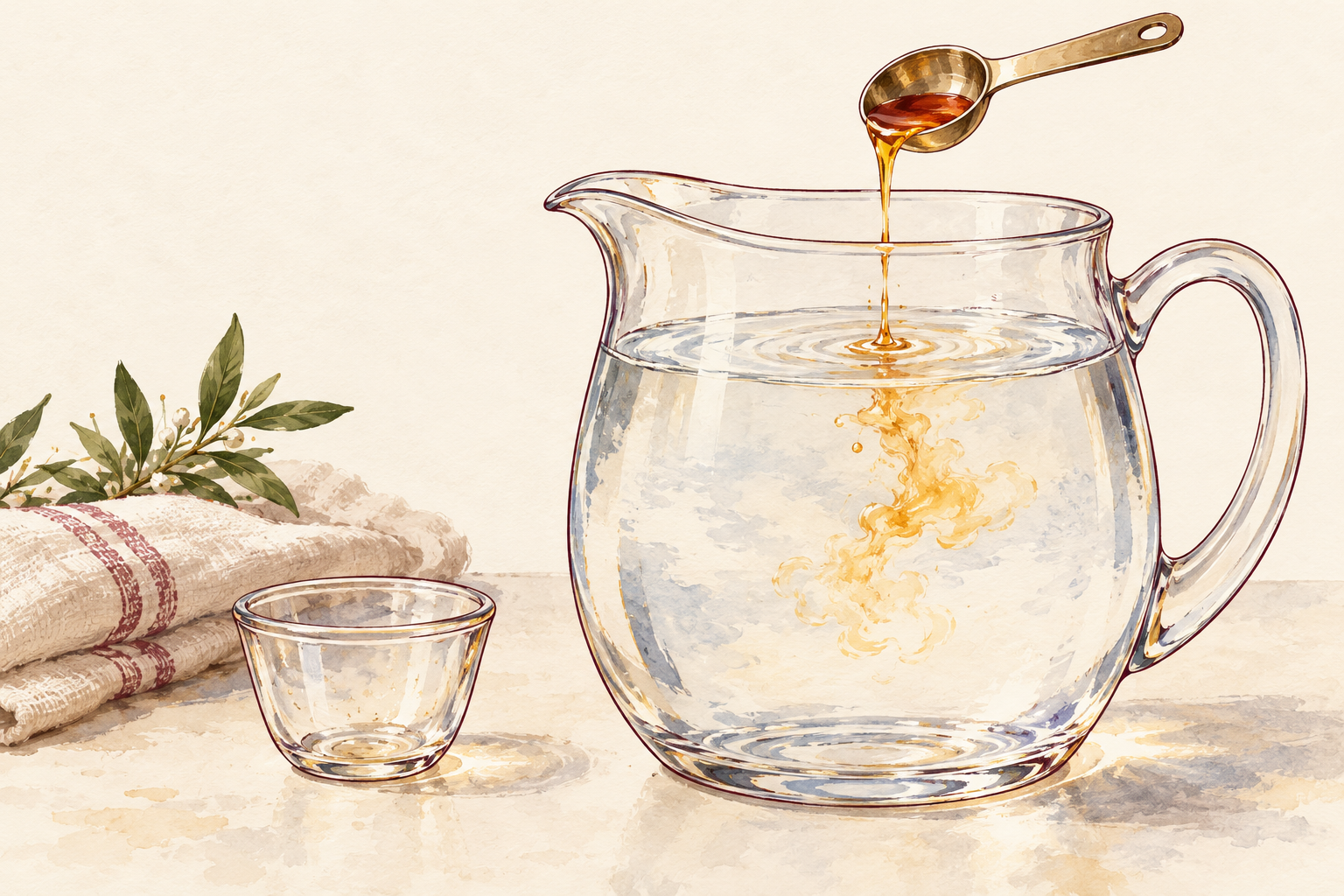
Stir one tablespoon of vinegar into a big cup of cool water, and never stronger than that. Pour it over your clean scalp, wait one minute, then rinse with plain water. It clears leftover shampoo and product, which helps the scalp feel fresh. Keep it away from your eyes and crack a window because the smell hangs on. Use it once every two weeks. If your scalp tightens or itches afterwards, drop it and stay with the green tea rinse. Pour it from a clean bottle with a small nozzle so it lands on the scalp rather than running down your face.
10. Try one remedy at a time and keep notes

Pick a single remedy, use it for four weeks, and write down how your hair feels each wash day. If you mix five things at once you will never know which one helped or which one hurt. Note the date, the amount and how your scalp felt afterwards. Once the first one is working, add the second. This slow way feels boring, and it is the only way to build a routine that fits your head. Two remedies per week is already a lot. A phone photo of your parting every Sunday tells you far more than your memory will.
11. Skip lemon juice, baking soda and neat essential oils
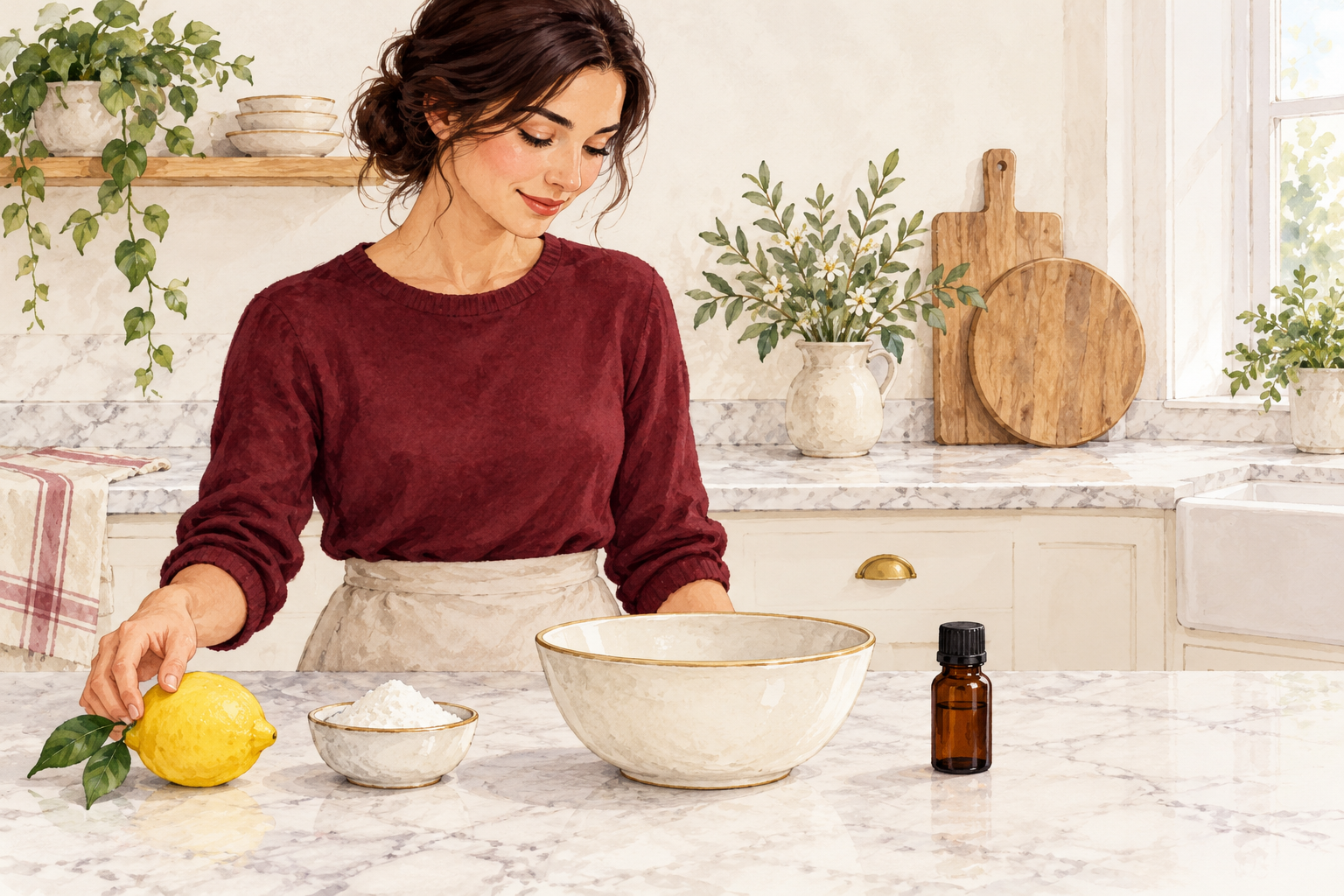
Keep straight lemon juice, baking soda and undiluted essential oils off your scalp. Lemon is too acidic, baking soda is too harsh, and neat essential oils can burn. All three strip the scalp, and a stripped scalp flakes and itches more, not less. If a video tells you to leave any of them on for an hour, close the tab. Safe hair growth remedies are slow and gentle. If you tried one and your scalp feels raw, give it a week of plain water and a mild shampoo. Lemon on skin that then meets the sun can also leave dark patches, which is another good reason to leave it in the fruit bowl.
12. Know what you will likely notice
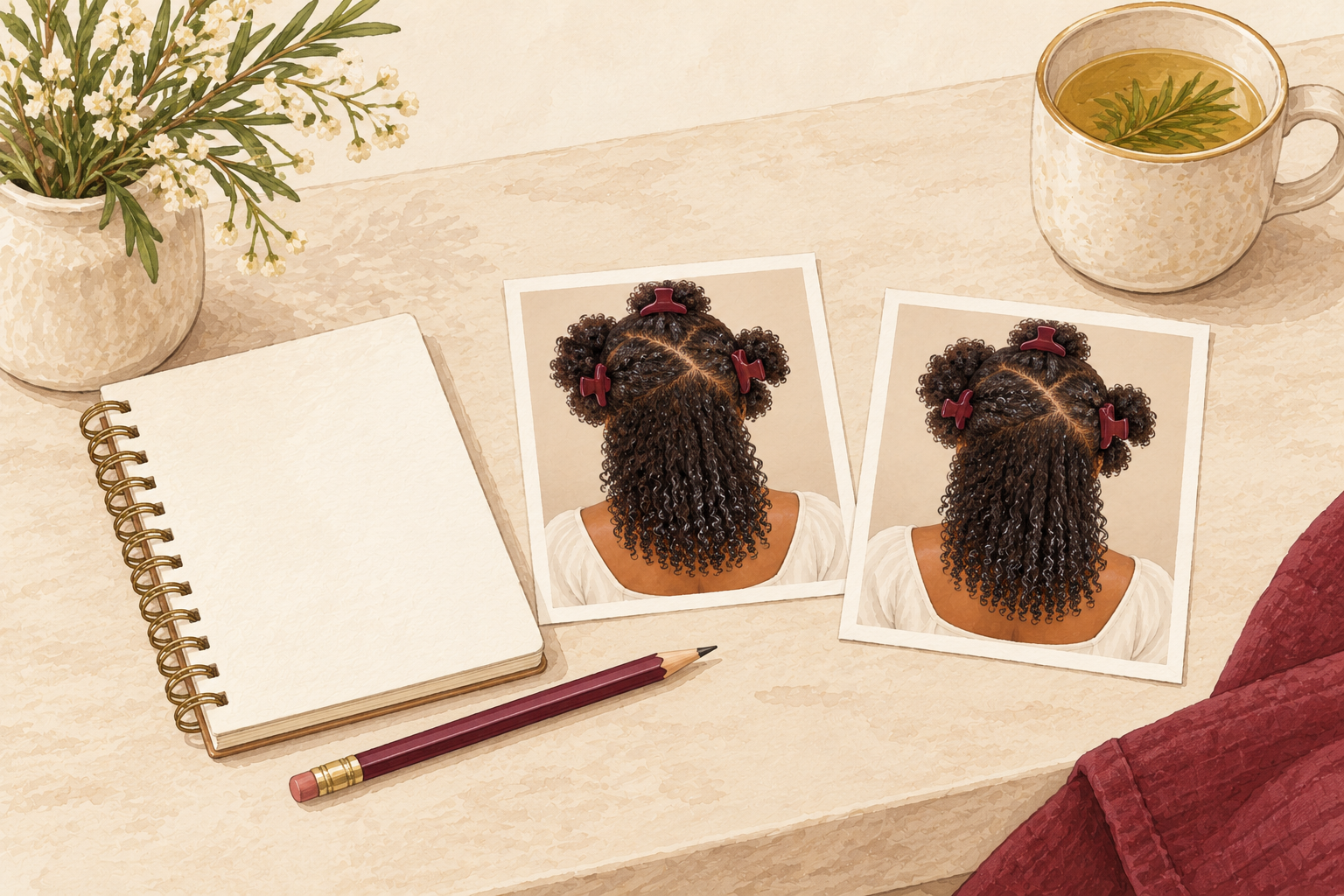
Expect softer hair and less hair in your comb by week four, and a small change in length by week twelve. Your hair grows about half an inch a month, and no kitchen mix can speed that up much. What these remedies do is keep your scalp calm and your strands strong enough to hold their length. Take a photo of your parting today and one every month. If you see patches of hair loss or your scalp stays sore, see your doctor instead of trying more mixes. Be patient, because hair that grows from a calm scalp tends to look thicker and shinier long before it looks longer.
Complete the Routine: Hair Growth Remedies You Can Start Tonight
Tonight, patch test one gentle remedy and brew a green tea rinse. For more ideas, read about fenugreek for hair growth and food for hair growth.