You are scrolling past ten bottles that all promise thicker hair in thirty days, and every label sounds equally sure of itself. A hair growth serum is only worth buying if the label holds up and you use it the right way. These 12 tips show you what to look for, what to ignore and how to apply it, so start at number one.
1. Read the ingredients before the front label
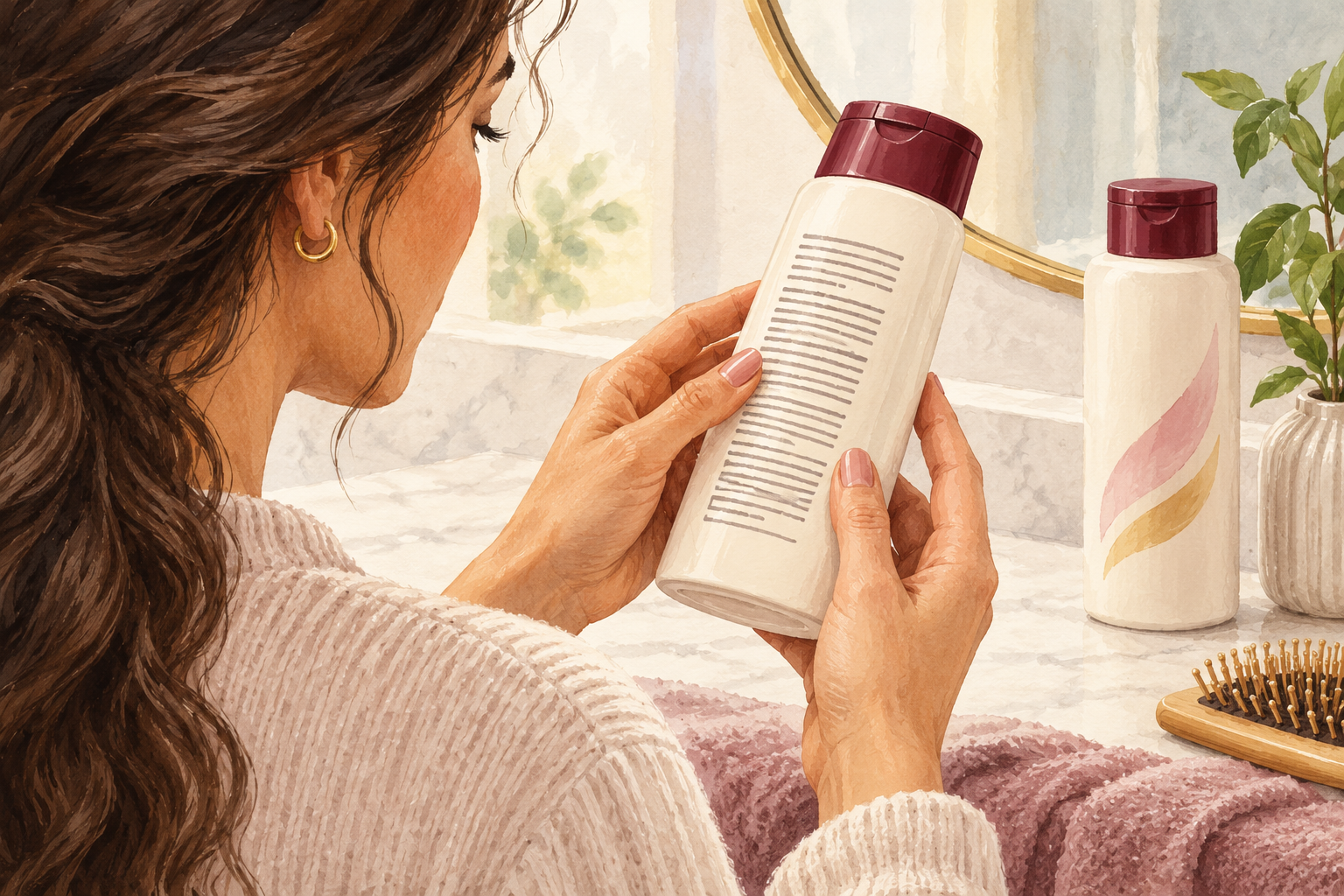
Turn the bottle around and read the first five ingredients. The front of the bottle is advertising, while the back is the truth. Look for a short list with names you can pronounce, like caffeine, panthenol, niacinamide, peptides, aloe or a plant oil such as rosemary. Ingredients are listed from most to least, so a hero ingredient at the very end of a long list is barely there. A tiny sprinkle is not going to do much. If the list is a paragraph of long chemical words and perfume, put it back and keep looking. Take a photo of a good label on your phone so you can compare bottles later. Shampoo labels deserve the same care, so read the back of best shampoo for hair growth before you buy.
2. Watch for alcohol and heavy fragrance
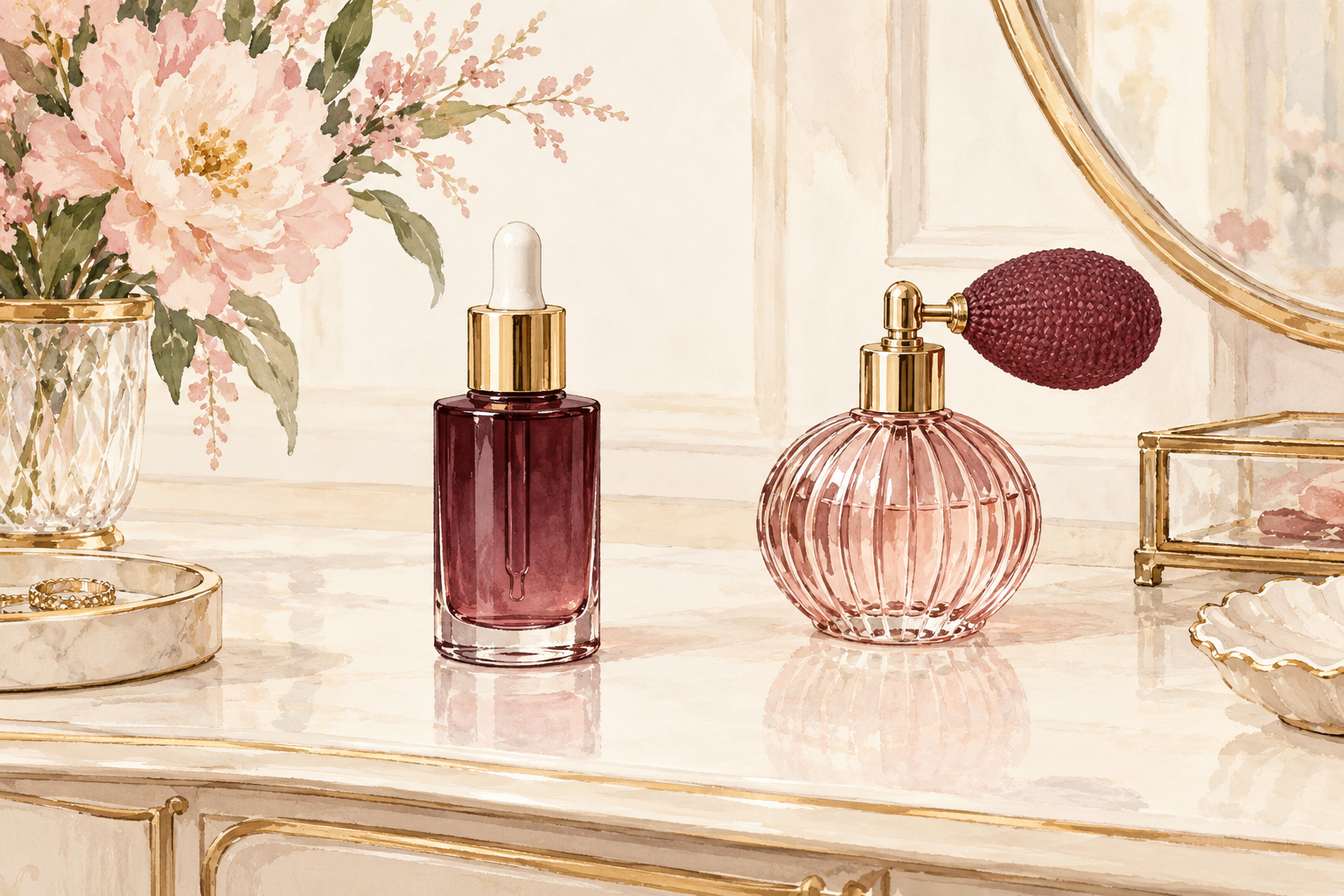
Be careful with a serum that lists alcohol near the top or a strong perfume. Both dry and irritate a scalp, and an irritated scalp is the opposite of what hair needs. If the bottle smells like a perfume counter, that is a warning, not a luxury. Fatty alcohols such as cetyl alcohol are different and gentle, so do not panic over the word alone. Sniff the sample if you can. Choose fragrance free if your scalp is sensitive, and you will save yourself a lot of itching.
3. Match the texture to your scalp

Choose a light, watery serum for an oily scalp and a softer, more soothing one for a dry scalp. Oily roots go flat under a heavy oil serum, while a dry, tight scalp drinks up something with glycerin or aloe. Fine hair does best with a clear, thin liquid, and thick or coily hair copes well with a slightly richer feel. A serum should disappear into the skin within a minute or two. If it sits on your scalp like a coat of grease, it is the wrong match. Think about your own scalp before the claims on the label. Texture matters more than a label’s promise, so use your scalp as the guide before trying castor oil for hair growth.
4. Doubt any thirty day promise
Treat promises like “grow an inch in thirty days” or “regrow hair fast” as a reason to walk away. Hair grows about half an inch a month, no matter what you rub on it. A serum can give your scalp a comfortable base and make hair look fuller, though it is not a treatment for real thinning. The loudest claim is often on the plainest bottle. Be wary of before and after photos with different lighting, and of big words that sound clever but mean little. Fair labels talk about care and comfort, and they leave out the miracles.
5. Ignore the fancy packaging
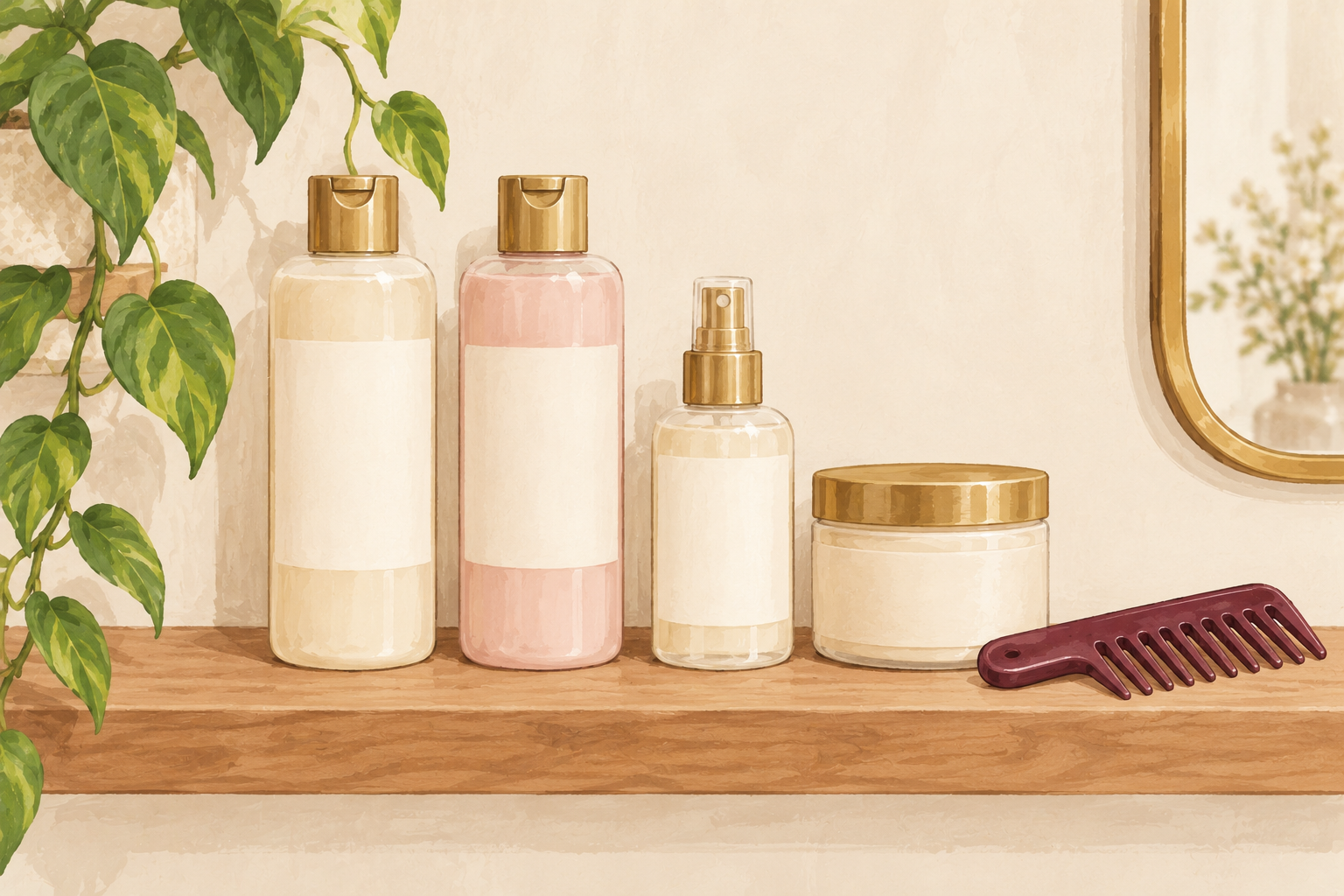
Judge what is inside the bottle, never the gold lid or the velvet box. A heavy glass bottle and a fancy label say nothing about the formula. What does matter is a dropper or pump that gives the same amount each time, and dark glass or an opaque bottle that protects the ingredients from light. Check how much you get too, because a tiny bottle used daily will run out in weeks. Plain and sensible usually works as well as pretty. Spend your attention on the ingredient list, not the shelf display. A bottle that closes tightly keeps the formula fresh for longer.
6. Patch test, then apply to a clean, damp scalp

Dab a drop behind your ear for a day first, then use it on a freshly washed, towel dried scalp. A clean scalp lets the serum reach the skin instead of sitting on old product. Part your hair in rows and place a few drops along each part, using the dropper tip. Four to six drops is usually enough for the whole head. Do not pour it on, since a bigger puddle does not work harder. If you see redness or feel burning, wash it off and stop. Keep the dropper from touching your scalp, so the bottle stays clean.
7. Massage for a minute, then leave it alone
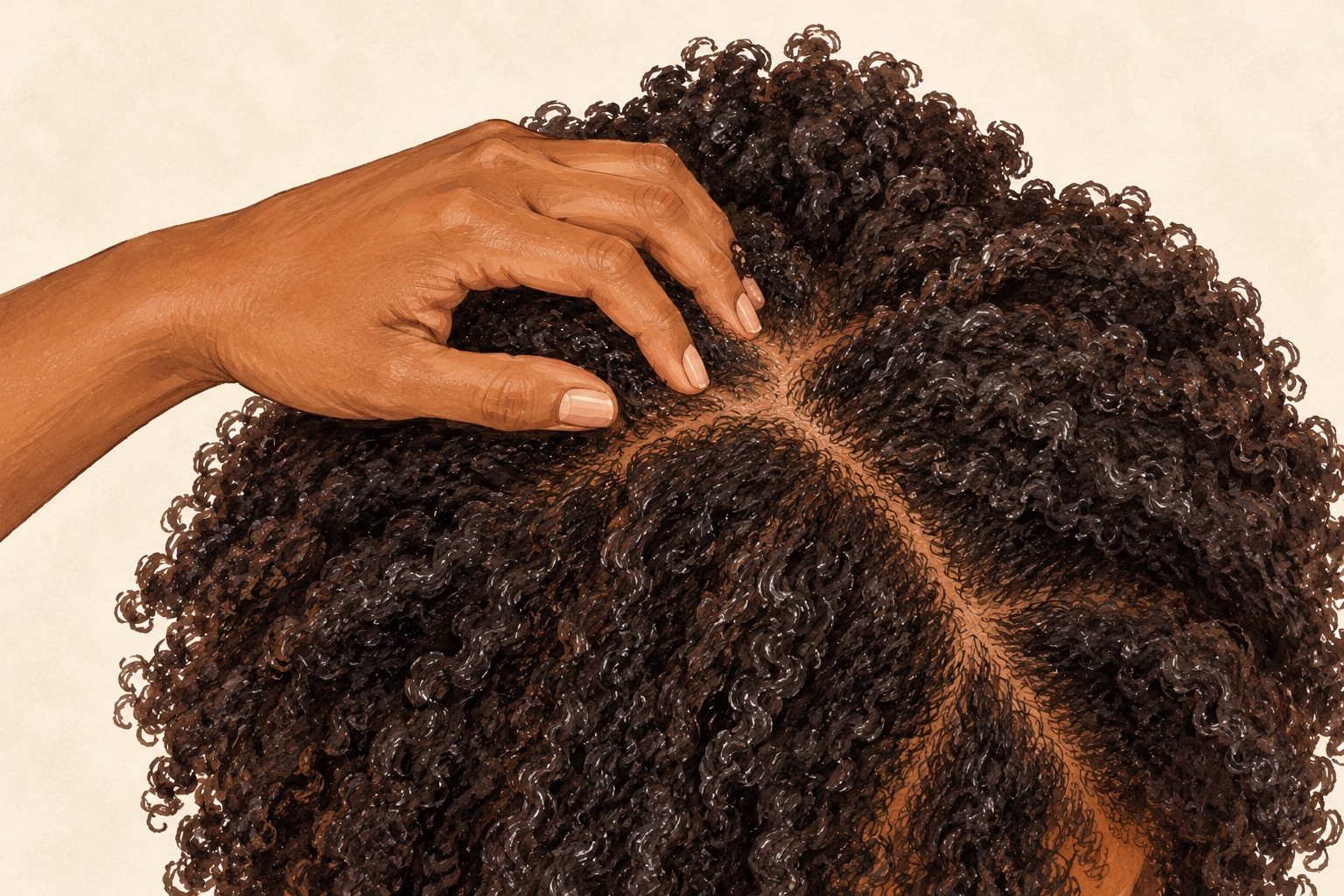
Press your fingertips into your scalp and move in small circles for sixty seconds. This spreads the serum and wakes up the skin. Then stop. Rinsing it out or piling oil, gel and spray on top just undoes the point of using a serum. Let your hair air dry, or dry it on a cool setting. A hot dryer pointed at fresh serum can sting the skin. Keep the serum on the scalp and off the lengths, which do not need it. Wash your hands afterwards, because some active ingredients should not get in your eyes. Fold a towel over your pillow if you apply at night, until it dries.
8. Pick a time you will remember

Use your serum at the same moment every day, such as right after you brush your teeth at night. A serum that lives at the back of a cupboard does nothing. Most are made for daily use, though your bottle will say if not. Keep it somewhere you see it, like next to your toothbrush or on your dressing table. A phone reminder for the first month helps. If you miss a day, carry on the next day without doubling up. Brush your hair first so the dropper has a clear path to the skin. Steady use for months beats a burst of enthusiasm for two weeks.
9. Add it without changing everything else

Start your serum on its own, with the rest of your routine left exactly as it is. If you switch shampoo, oil, style and serum all at once, you will never know which one helped or which one caused the itch. Give the new bottle two weeks before you add anything new. Keep a note on your phone of the date you began. This also stops you buying a second product too soon, which is how bathroom shelves fill up with half used bottles and no answers. One change at a time is slow, and it is the only way to learn anything.
10. Do not use more because you are impatient
Stick to the amount on the label, because extra serum does not give extra growth. Overusing it leads to a greasy scalp, flakes and sometimes itching, which then sheds hair you wanted to keep. Waiting is the hard part. If you feel tempted, stand in front of the mirror and brush your hair gently instead. Count to ten and put the dropper down. Let the bottle run for its full length of time before you decide anything. A serum that is gentle and consistent will always beat one that is harsh and rushed. Write the number of drops on the bottle if you tend to forget.
11. Judge it at twelve weeks with photos

Take a photo of your parting and your hairline today, then again after twelve weeks. A serum needs about three months, because hair grows slowly and each hair has its own cycle. What you will likely notice is a more comfortable scalp, less breakage and, for some, a few short new hairs. Use the same light and place each time. If your photos look the same, the serum may simply not be for you. That is useful to know before you buy a second bottle. Not every scalp responds the same way, and that is no failure on your part.
12. Know when to skip it or stop
Put the bottle down if your scalp burns, itches, flakes or breaks out. Skip serums entirely for now if your scalp is sore or has broken skin. If you are shedding a lot, or hair is coming out in patches, a bottle will not fix the reason, so see your doctor before spending on anything else. A good hair growth serum should feel pleasant. If it does not, let it go without guilt, and put your effort into gentle handling, good food and a calm scalp. Come back to this list whenever a new serum catches your eye.
Complete the Routine: Your Hair Growth Serum, Chosen and Used Well
Tonight, read the ingredient list on the bottle you already own, or the one you are about to buy. Good labels take patience to read, so the guides below can help you spot the details that matter.