You have tried the oils, the serums and the vitamins, and your hair still stops at the same length every year. Usually the answer is not another bottle, it is a small habit you repeat every day without thinking. Healthy hair growth starts with keeping the hair you already grow. These 12 everyday mistakes show what to drop first, so start at number one tonight.
1. Using heat too often or too hot
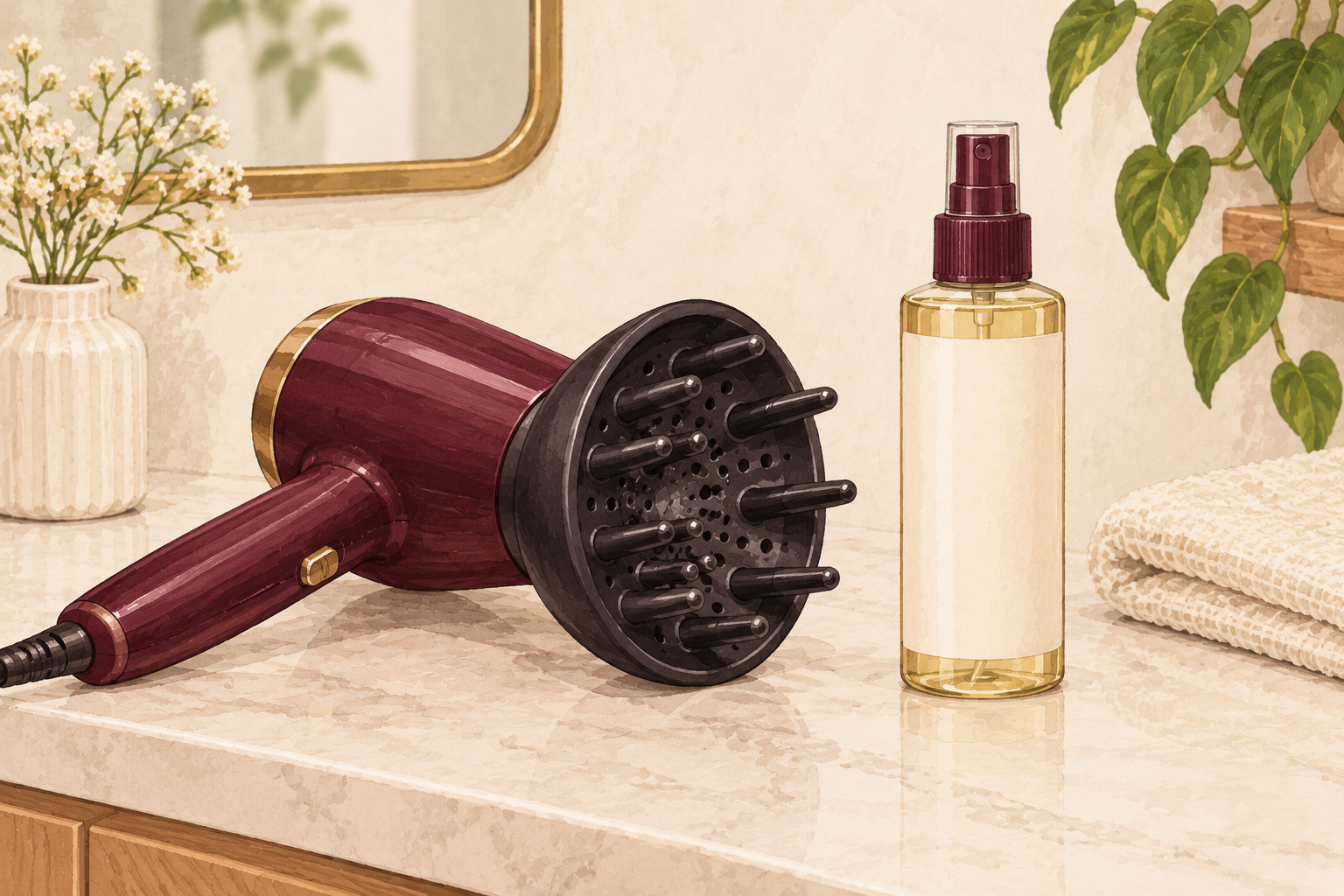
Keep your iron or blow dryer on the lowest setting that works, and give your hair two heat free days between uses. Heat above medium cooks the outer layer, and the ends snap off before you ever notice growth. Always spray a heat protectant first, and never pass the iron over the same strand twice. If a strand sizzles or smells burnt, the setting is too high. Air dry on days when you have nowhere to be, and try a loose braid overnight for waves. Your ends will feel smoother and less brittle within a month or so. Heat is the quickest habit to cut, so start there.
2. Brushing wet hair or using the wrong tool
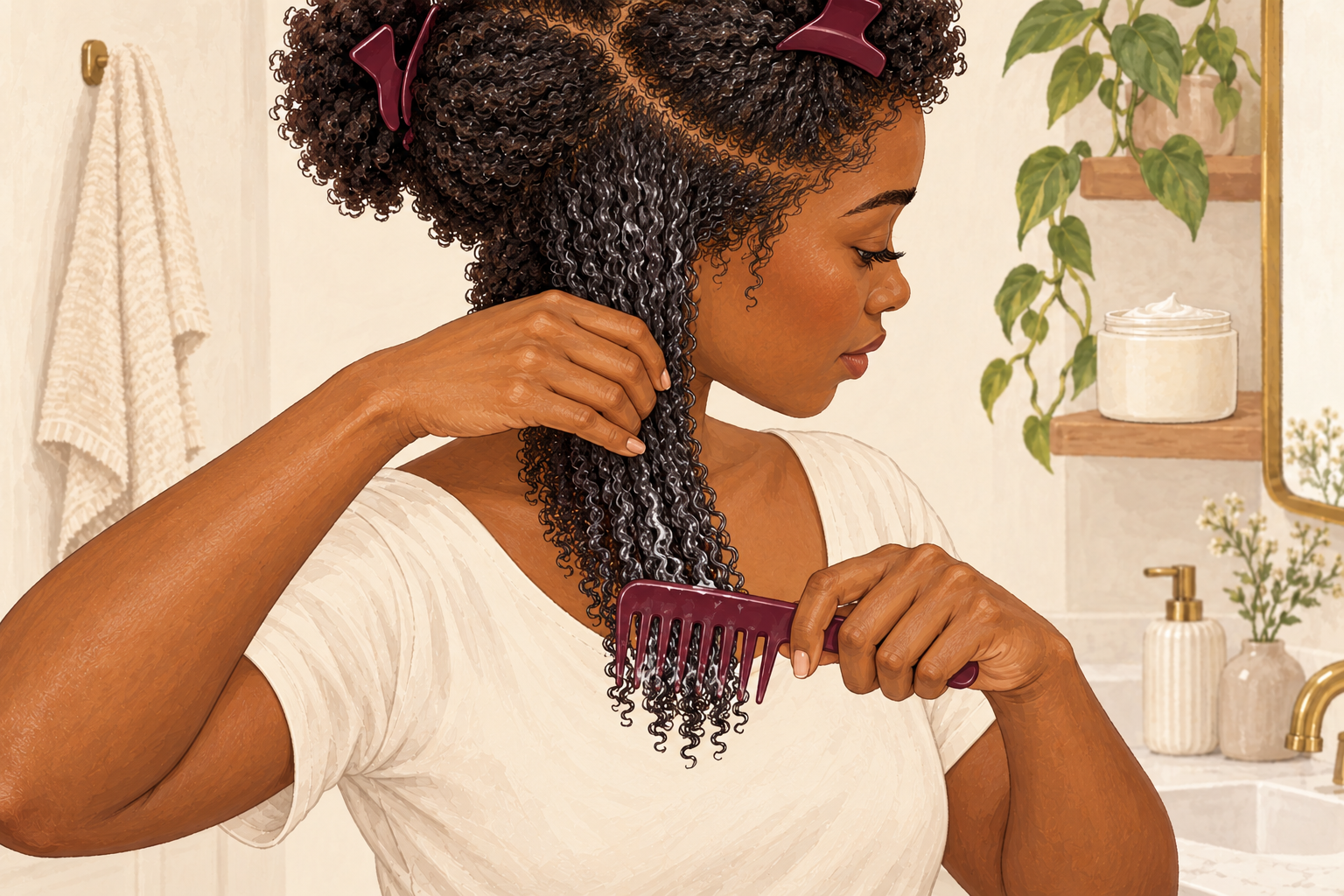
Detangle with a wide tooth comb, starting at the ends and working up in small sections. Wet hair stretches and snaps like a rubber band when you drag a tight brush through it. Add conditioner or a spritz of water first so the comb glides. Hold the hair above the knot with your other hand, so the root never takes the pull. If you hear tiny snaps, slow down and use your fingers instead. Check your comb teeth for rough seams, because a snagging comb shreds hair too. A gentle ten minutes on wash day saves months of lost length. Never rip through a knot, because snapped hair never grows back.
3. Wearing tight styles every day
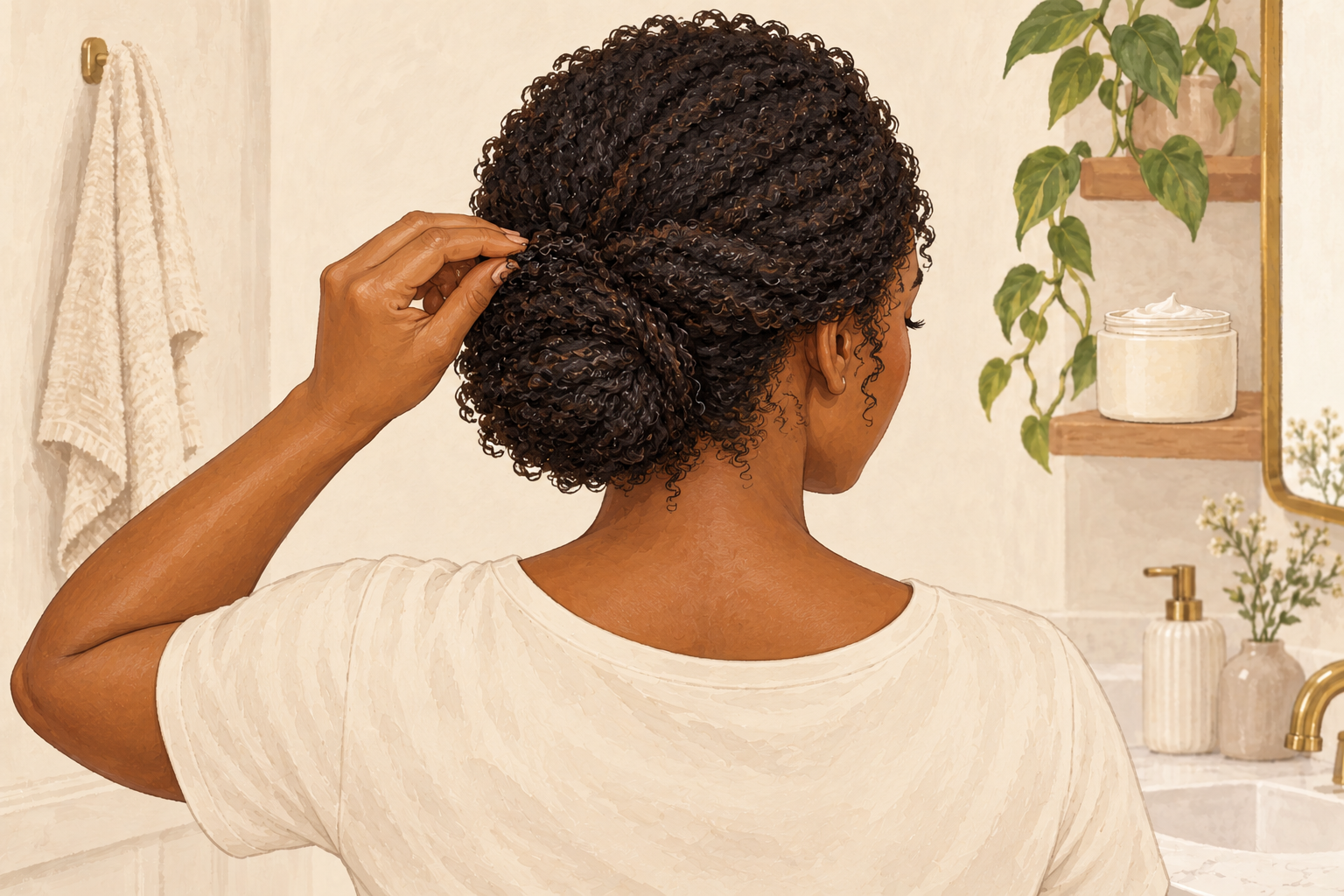
Loosen any style that makes your edges ache, and switch where you part or tie your hair each week. Constant pulling stresses the roots, and over time it can thin the hairline. If your scalp feels sore or you see tiny bumps around the edges, take the style down that day. Use a soft scrunchie, never a thin rubber band. Try a looser low bun, and do not sleep in a tight style. Your edges tell you the truth, and they should feel relaxed, not tight, when you touch them. Give your edges a rest on weekends, and your hairline will often bounce back.
4. Washing too harshly or not enough
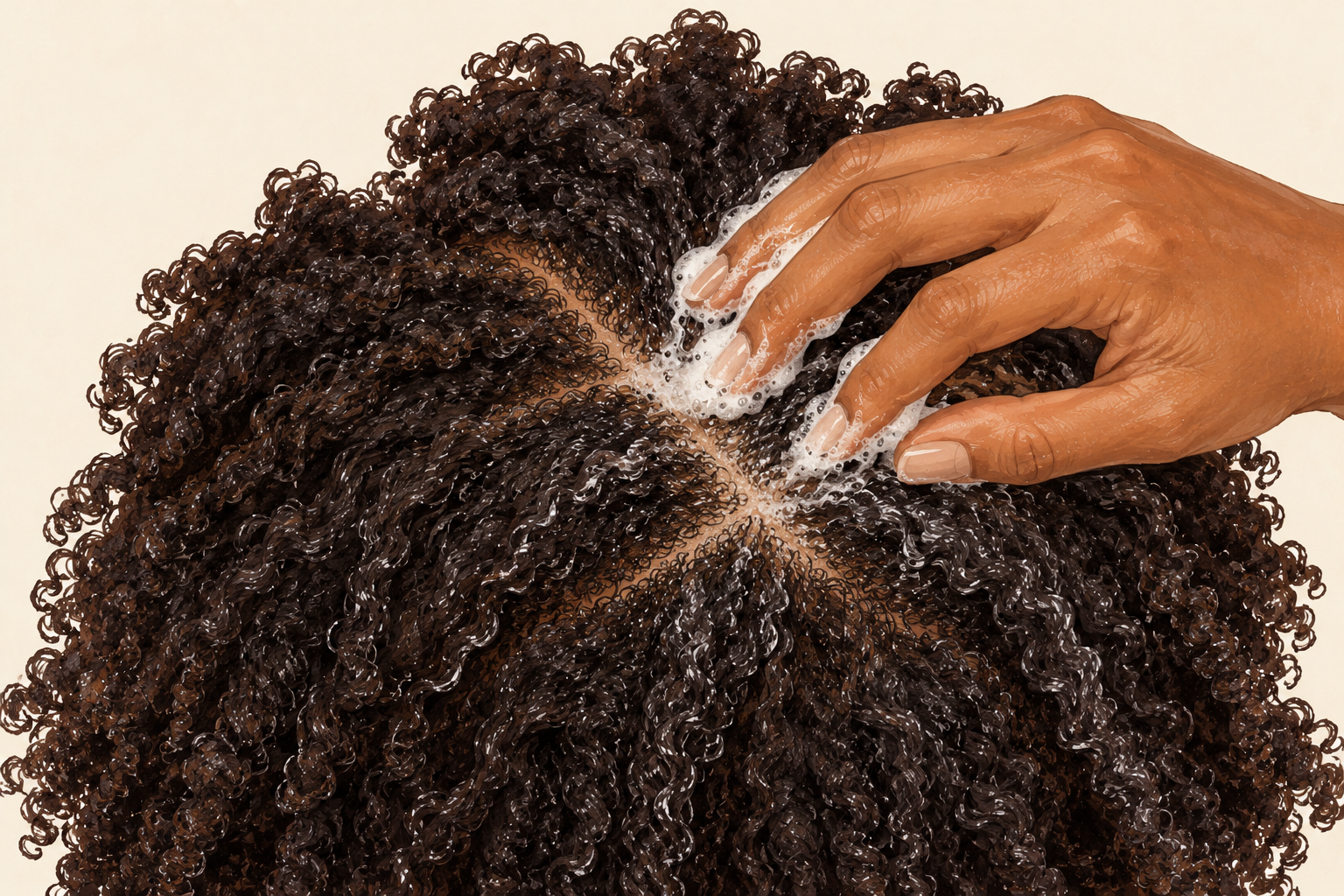
Wash once or twice a week, focus the shampoo on your scalp, and let the suds run down the lengths. Scrubbing the ends with shampoo roughs them up, and skipping washes lets oil and buildup crowd the roots. Use your fingertips in small circles for a full minute, never your nails. Follow with conditioner on the lengths only. Oily scalps may need a third wash, and very dry or coily hair may only need one. Notice how your scalp feels two days later, because that tells you whether to wash more or less. Rinse with lukewarm water so you do not strip the natural oil your scalp makes. If your scalp still feels stripped, look for a gentler bottle, and check best shampoo for hair growth for ideas.
5. Piling heavy products on the roots
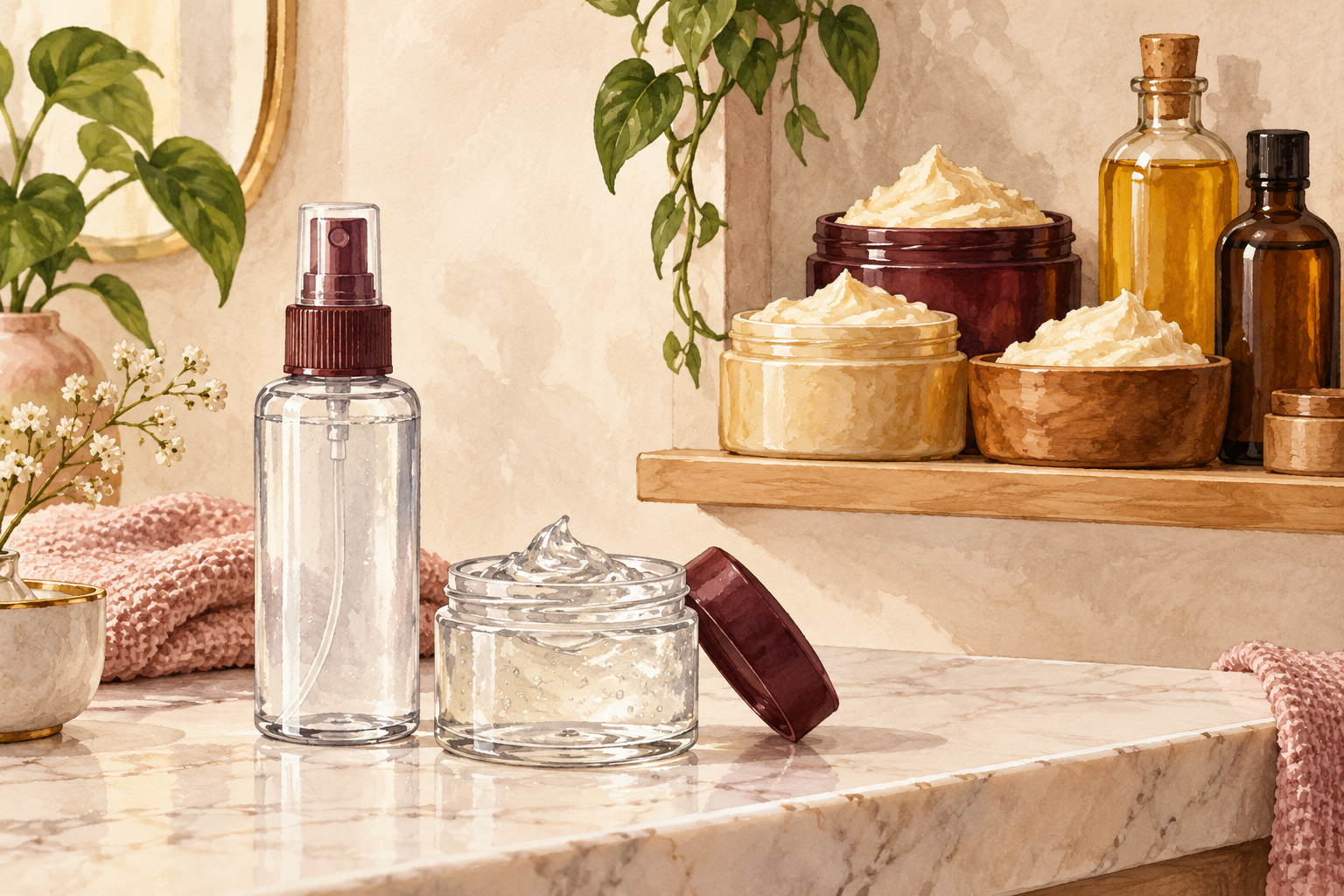
Keep creams, butters and thick oils on your ends and leave the first inch near the scalp bare. Heavy products sit on the skin, mix with sweat and dust, and clog the roots. Your scalp then feels itchy and your hair looks flat. Use a fingertip amount, about the size of a pea for each section, and spread it thin. If you love oil, massage a few drops into the scalp the night before a wash and wash it out fully. Rinse properly afterwards, because leftover product is the usual troublemaker. Keep a lightweight oil for your ends and a clear scalp for growth.
6. Scratching and picking at the scalp
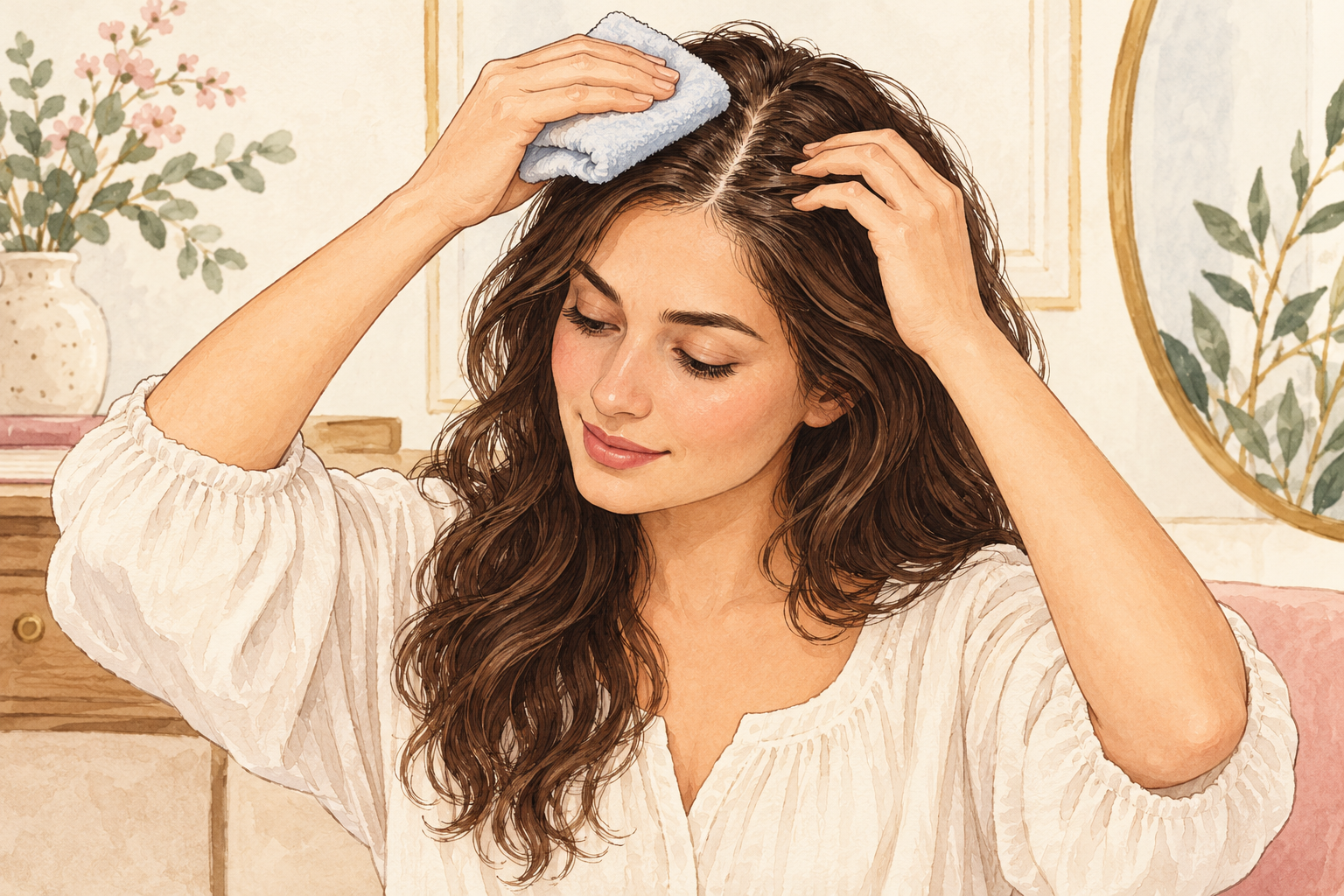
When your scalp itches, press the spot with a flat fingertip or lay a cool damp cloth on it. Scratching feels good for a few seconds, then leaves tiny scrapes that sting in the next wash and can slow the follicles around them. Keep your nails short and your hands busy, because the urge fades in a minute or two. Picking at scabs makes them last longer. If the itch comes back every day, switch to a milder shampoo and rinse for longer. Your scalp is skin, so treat it as gently as your face. Wash your hands before you touch your scalp, too, to keep it calm.
7. Stacking chemical treatments
Leave at least four weeks between coloring, relaxing, bleaching or smoothing treatments, and never do two on the same day. Each one lifts the outer layer of the strand, so layering them leaves hair weak and mushy when wet. Do a strand test first. If your hair stretches like gum, pause everything and use a rich conditioner mask weekly instead. Ask for the gentlest option, and keep the product off your scalp. Once you have cut back, give your hair two or three months of rest. It will thank you with bounce and less breakage. Patience between treatments is kinder than a big chop later.
8. Sleeping on rough fabric without protection

Sleep on a satin pillowcase or tie your hair up in a satin bonnet or scarf. Cotton grabs at the strands and soaks up moisture all night, so you wake up with frizz and tiny broken bits on the pillow. Loosen the bonnet band so it does not press on your edges. A loose braid or a top bun, often called a pineapple, keeps long hair from tangling as you turn. Wash the pillowcase weekly. You should see less shedding on your pillow within two or three weeks. Silk works just as well, if you already own it.
9. Eating too little protein or too few calories

Put a protein source on your plate at every meal, such as eggs, beans, fish or lentils. Hair is mostly protein, and when your body is short on fuel it sends nutrients to your heart and brain first. Crash diets are a quick way to see more hair in the shower drain two or three months later. Aim to eat enough to feel steady, not stuffed. A handful of nuts or a boiled egg bridges the gap between meals. Eat a little iron rich food each week, too, like spinach or beans. Add a glass of water to each meal, too, since dry bodies make dry hair. An easy habit to repeat is extra protein, so look at food for hair growth for everyday ideas.
10. Living on stress and short sleep

Protect seven hours of sleep and add one calming habit, such as a ten minute walk or a few slow breaths. Long stress can push more hairs into the resting phase, and shedding shows up weeks later, which is why it feels so random. You cannot remove stress completely, so aim to soften it. Switch off screens thirty minutes before bed, and write tomorrow’s worries on paper tonight. Rested hair sheds less. If you only do one thing from this list, this one pays you back everywhere. Keep a regular bedtime, even on weekends, so your body settles into rhythm.
11. Ignoring a health cause underneath

If your hair keeps thinning even after you fix the habits above, look at your body as well as your brush. Low iron, thyroid changes, a hard recovery after illness and new medicine can all slow growth. Notice other signs like tiredness, cold hands or changes to your period. If handfuls come out for more than a few weeks or you see bald patches, see your doctor and ask about a simple blood test. Fixing the real reason does more than any oil. Write down when it started so the conversation is easier. Do not panic, because most causes are common and fixable.
12. Changing everything at once
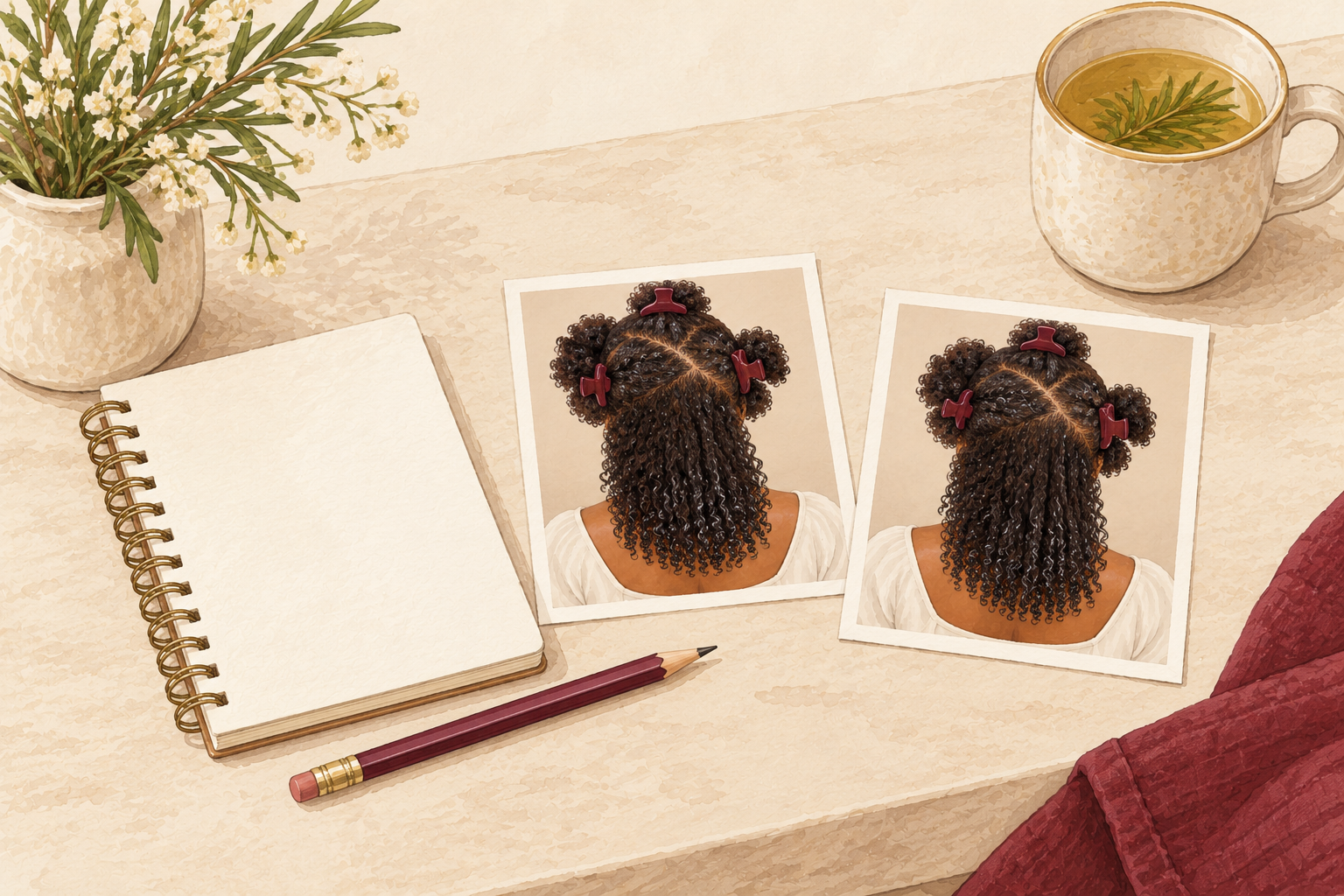
Change one habit at a time and give it six to eight weeks before you judge it. If you swap your shampoo, start a new oil and cut your heat all in one week, you will never know which one worked. Take a photo of your parting and your length on the first of the month, in the same light. Healthy hair growth is slow, about half an inch a month, so a quick glance every day will fool you. Pick the habit that bothers you most and start there. Slow progress still counts, so keep your photos and compare them every month.
Complete the Routine: Healthy Hair Growth Habits to Keep
Keep the habits that felt easy and add one more each month. Daily choices stack up over time, and the guides below are a practical place to keep spotting the next habit to change.