You keep buying new bottles, yet your hair still looks dull by midweek. Most of what makes hair look good happens away from the shelf, in how you sleep, eat, wash and handle it. Healthy hair care is mostly quiet habits that anyone can do. Here are 12 of them, so start at number one tonight.
1. Sleep enough and keep a steady schedule

Aim for seven or eight hours and go to bed at roughly the same time each night. Your body does its repair work while you sleep, and hair is one of the last things it looks after when you are tired. Late nights and poor sleep often show up as a dull shine and more shedding in the brush. Put your phone across the room an hour before bed, dim the lights and give yourself a calm wind down. A satin bonnet or pillowcase protects your hair while you rest. After a week of steady sleep, your hair often looks livelier. Weekends count too, so try not to swing your wake up time by more than an hour.
2. Eat regular meals with protein and iron

Include a protein at every meal, such as eggs, fish, beans or chicken, and add leafy greens most days. Hair is built from protein, and skipping meals or crash dieting starves it. Iron rich foods like beans, spinach and liver help too, and a squeeze of lemon on greens helps your body use the iron. Drink water through the day instead of all at once. Shedding from a hard diet often shows up months after the diet ends, so be gentle with yourself. A plate with color on it is a good guide. Cook a pot of beans on Sunday and you have protein ready for three days.
3. Move your body and manage stress

Walk, stretch or dance for twenty to thirty minutes most days. Moving gets blood flowing everywhere, including to your scalp, and it eases the stress that can make hair shed. You do not need a gym. A brisk walk after dinner works, and so does music in the kitchen. Stress that goes on for months often shows up in the shower drain, so give yourself small breaks, a few deep breaths and a proper rest day each week. Nobody notices change in a day, but your hair often calms down within a few weeks. Stretching your neck and shoulders also loosens the tight muscles that tension leaves behind.
4. Wash on a rhythm that suits your scalp
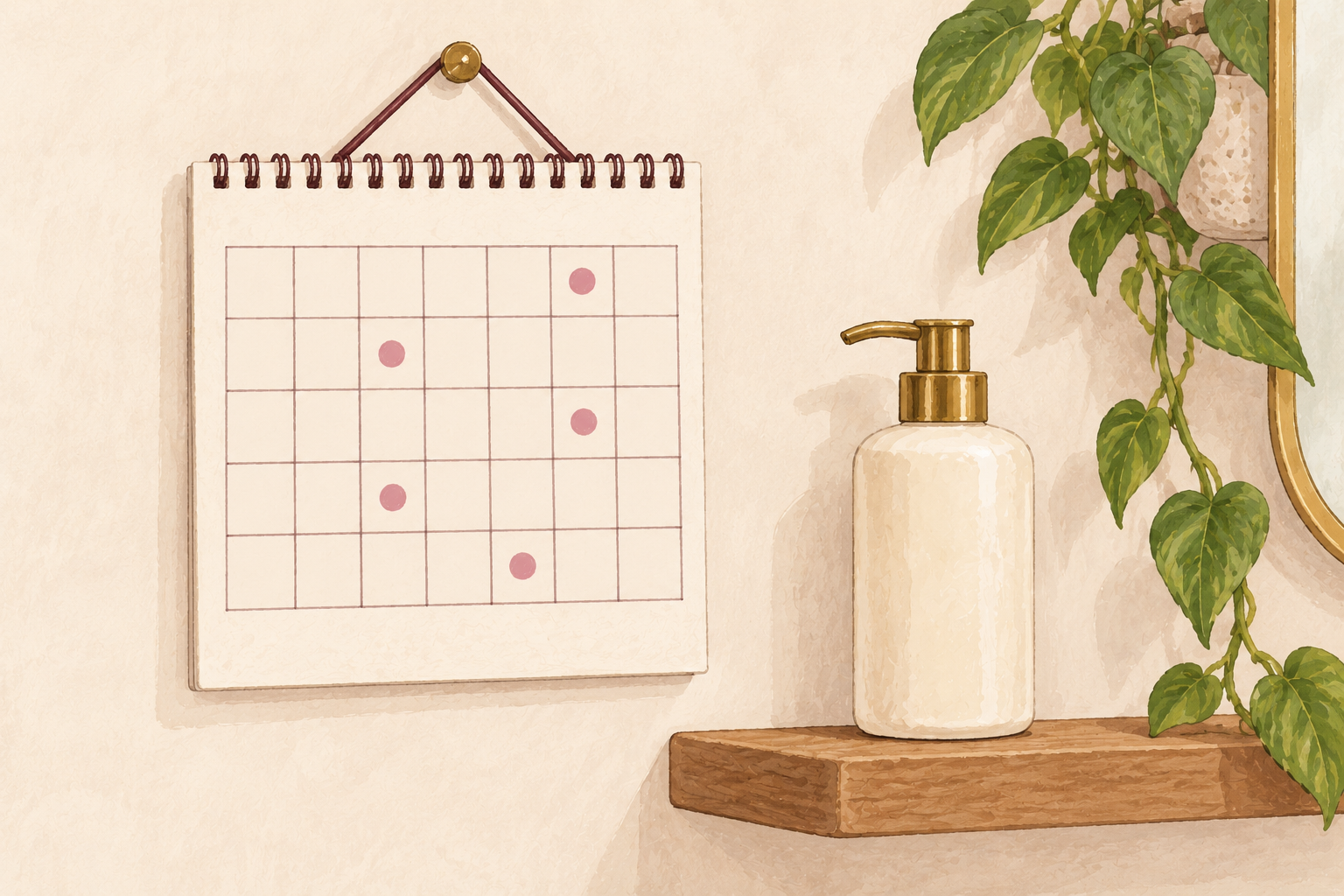
Wash when your scalp feels oily or itchy, not by the calendar. Oily roots usually need washing two or three times a week, while dry or curly hair can wait a week. Wash too rarely and oil and product pile up, and wash too often and the scalp overproduces oil. Start with twice a week and adjust by one day. Massage the shampoo into the scalp only, and let the suds slide down the lengths. Your scalp is the skin your hair grows from, so a fresh scalp is half the job. Dry shampoo can stretch a wash by a day, but do not use it for more than two days in a row.
5. Rinse with lukewarm water and rinse well
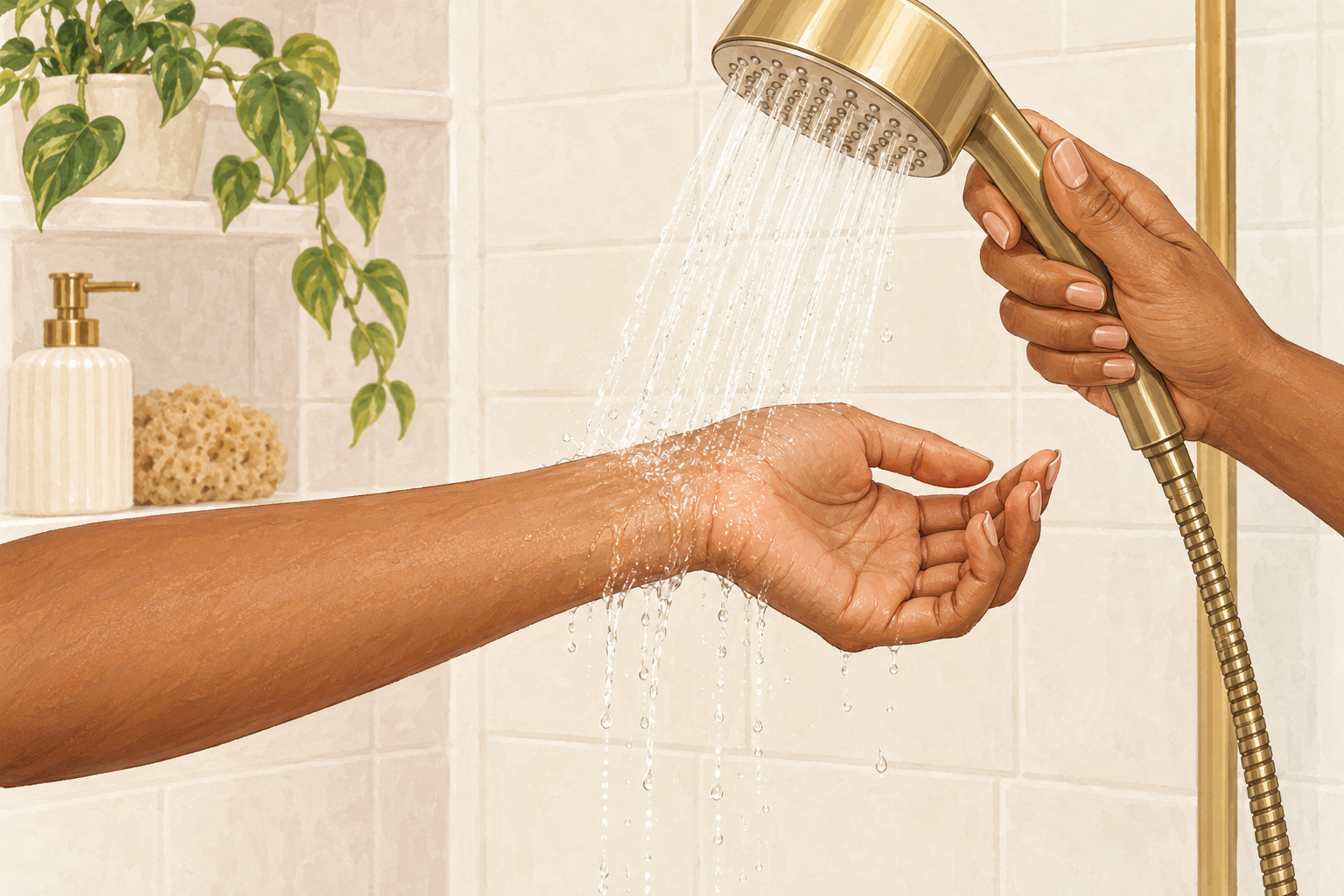
Use water that feels comfortable on your wrist, then rinse for a full minute longer than you think you need. Very hot water dries the scalp and fades color. Shampoo left behind makes hair dull and the scalp itchy, and leftover conditioner leaves it flat and heavy. Run your fingers through at the scalp and keep going until the hair squeaks and the water runs clear. Finish with a cooler rinse for a smoother look. This costs nothing, and it is one of the quickest ways to get shine back. Hair that squeaks lightly between your fingers is rinsed enough.
6. Always condition the lengths
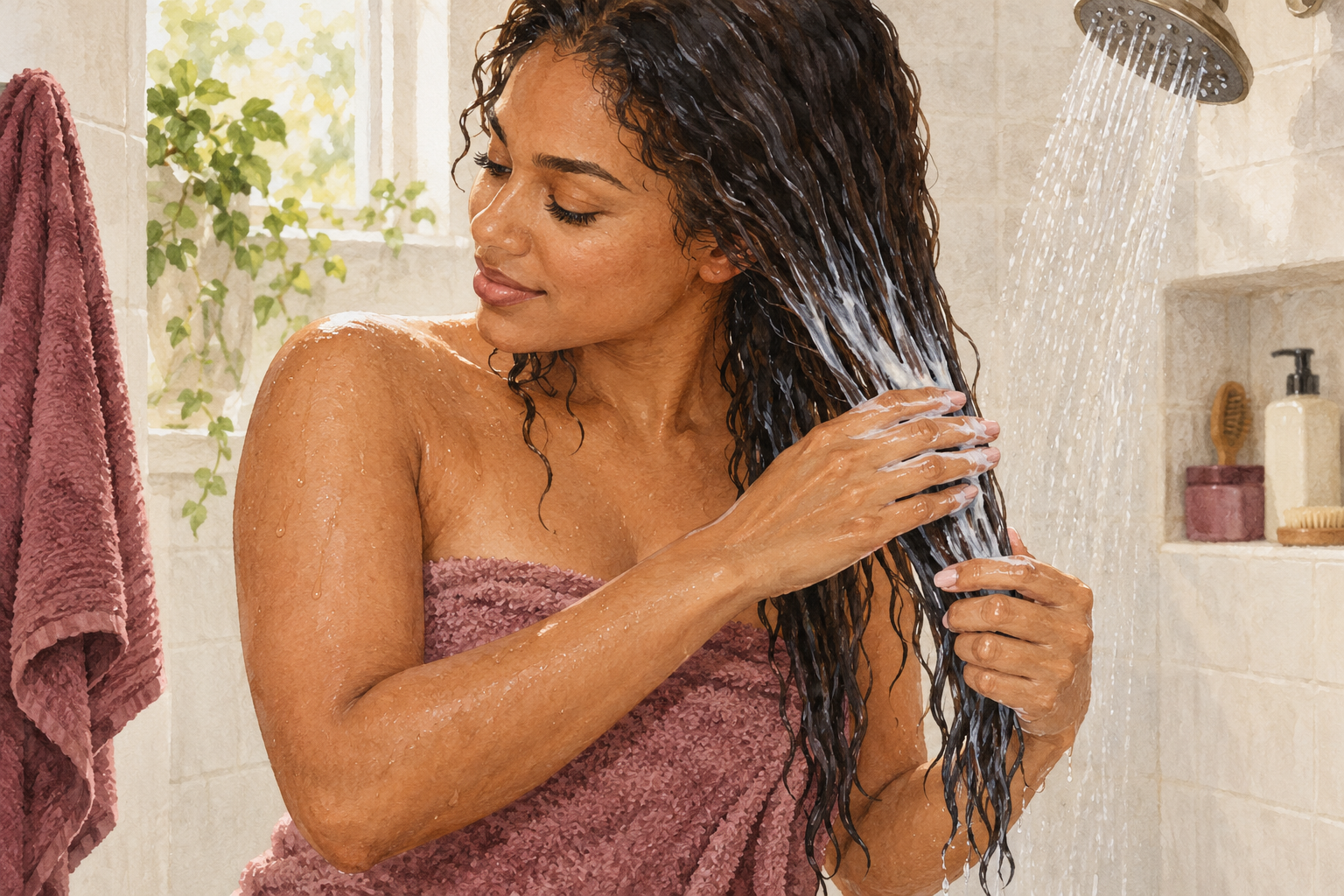
Smooth conditioner from your ears down to the ends and leave it on for two to three minutes. Shampoo cleans, but it also strips, and conditioner puts the softness back. Keep it off your scalp if your roots get oily. Comb it through with your fingers to spread it evenly. If your hair is fine, use a smaller amount, and if it is thick or curly, use a generous palmful. Skipping conditioner is the quickest way to tangles and frizz. A final cool rinse seals the surface and adds shine, which is a nice bonus. Rinse with cool water at the end for a smoother finish.
7. Detangle wet hair carefully, ends first
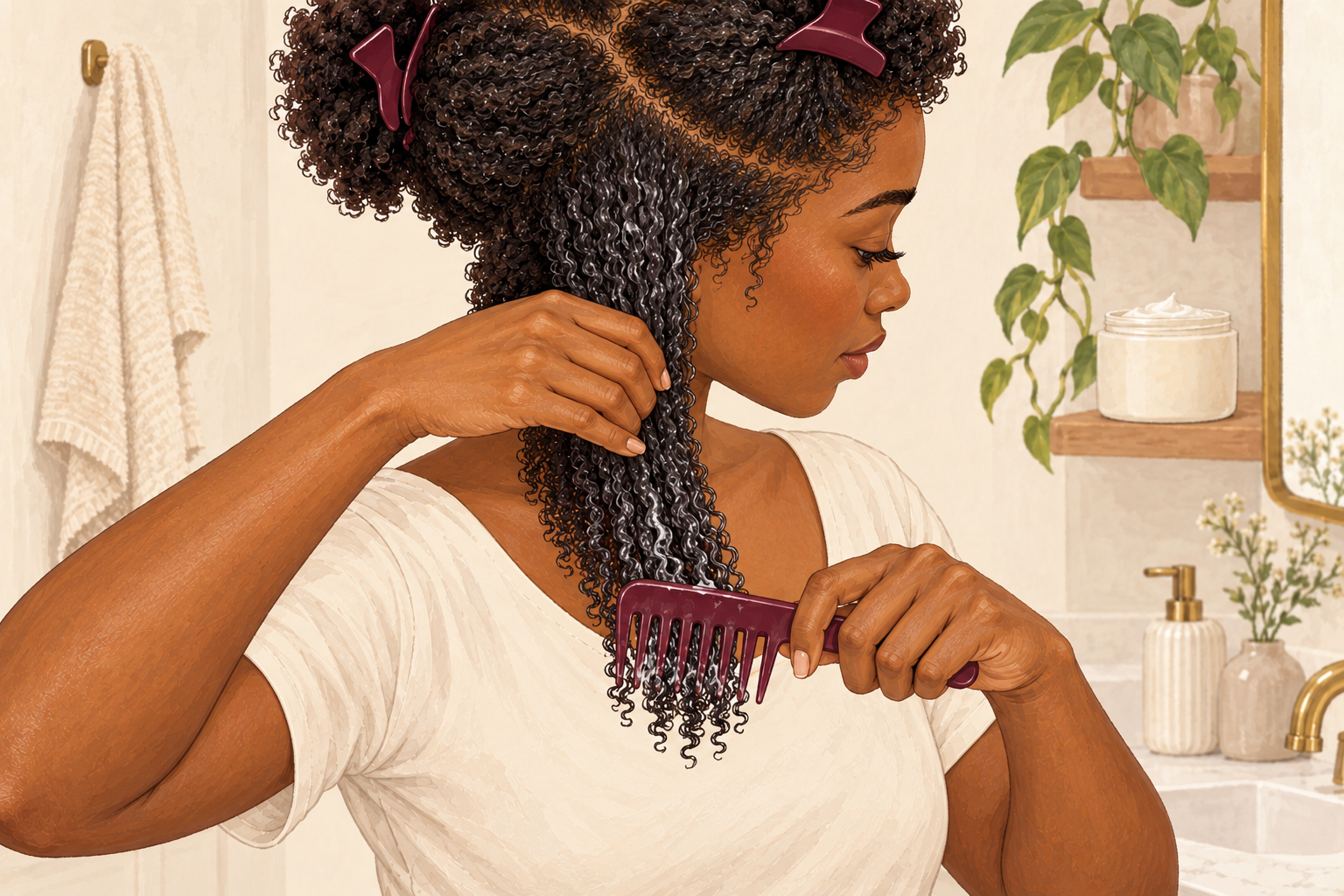
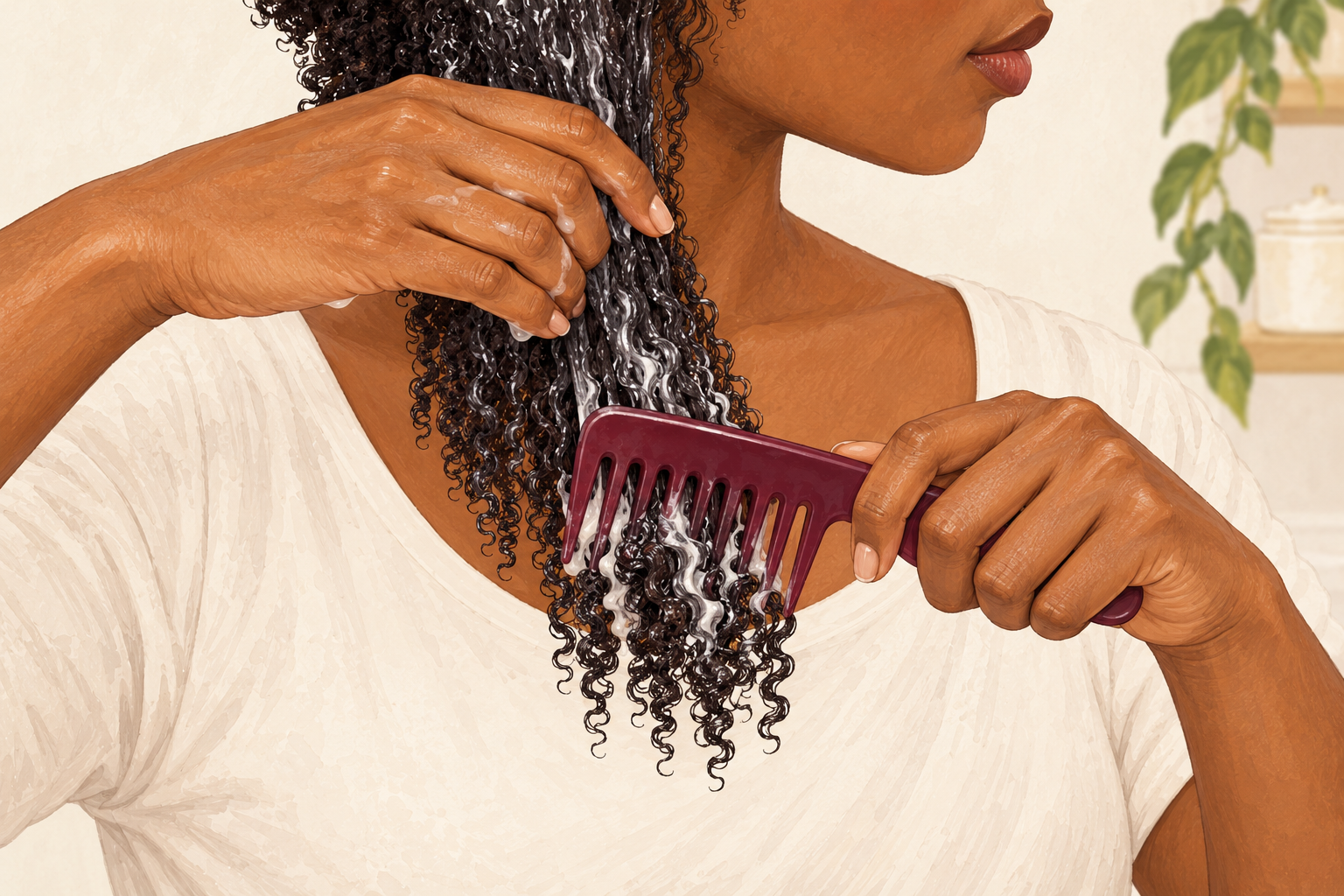
Work through your hair in small sections with a wide tooth comb, starting at the bottom and moving upward. Wet hair is weak and stretchy, so rough combing snaps it. Leave the conditioner in while you comb, because the slip protects the strand. Hold the section above the knot so your scalp does not take the pull. Give a hard knot a minute to loosen before you move on. Fewer hairs on the comb is the sign this is working. Take your time and breathe. Never comb dry, tangled hair from the top down, because that pulls the knot tighter.
8. Touch your hair less
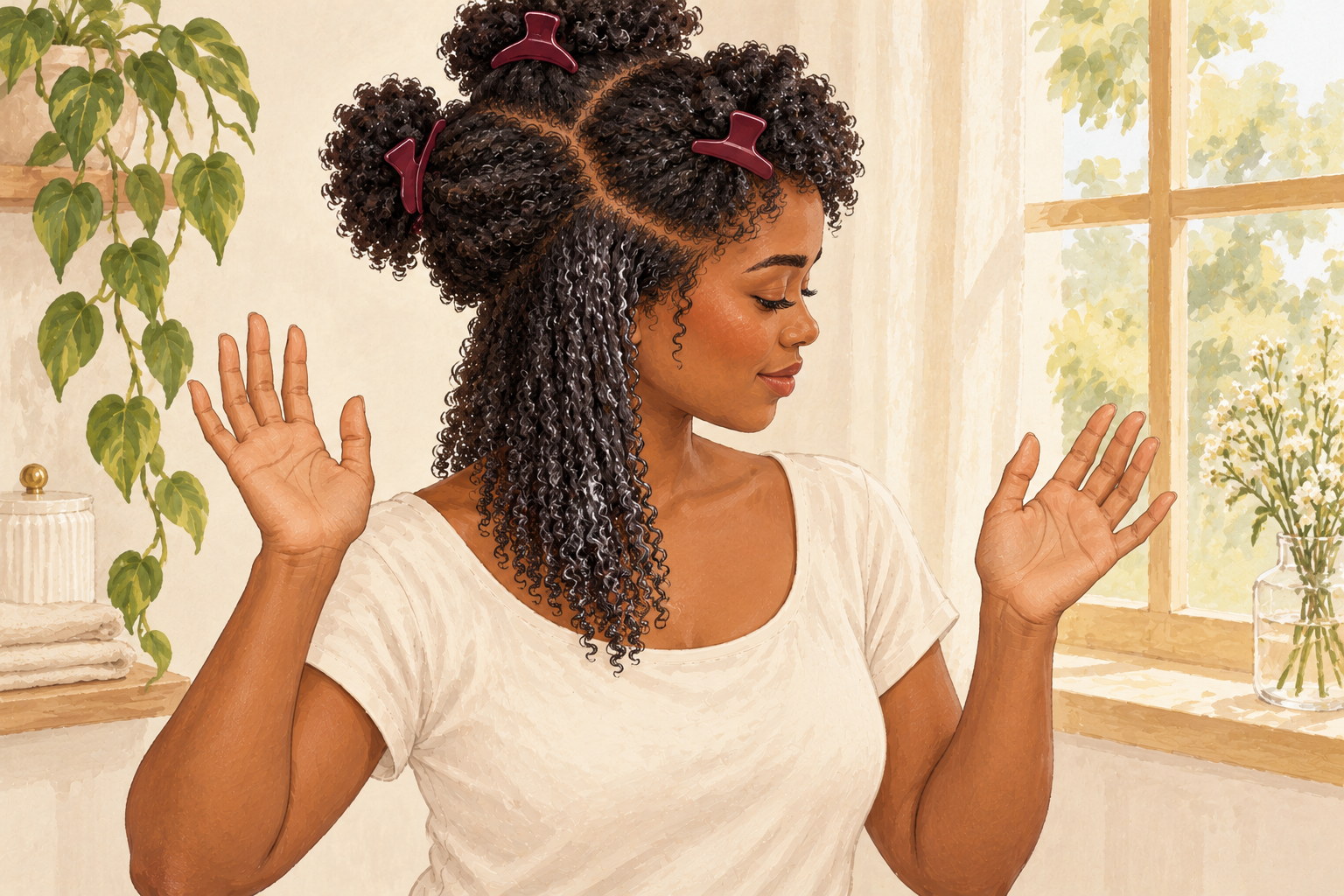
Notice when your hands go to your hair, and give them something else to hold. Twirling, tugging, finger combing all day and constant restyling roughen the surface and carry oil from your fingers to the roots. Try a loose braid or low bun that you leave alone for a day or two. Brush only when you need to. Hair that is handled less tangles less and looks smoother. Keep a phone, a pen or a bracelet to fiddle with. By the end of the first week you will likely notice your hair feels neater. Wash your hands before touching your hair, since oil and lotion transfer easily.
9. Cover your hair in strong sun

Wear a hat, a scarf or a loose braid under cover when the sun is fierce. Strong sun dries hair, fades color and makes ends rough, just like it does to skin. Hold your hair in a loose style and put a light scarf over it for long walks or beach days. A leave in conditioner or a drop of oil on the ends helps too. Do not tie the scarf tight against the edges. Hair that has been protected feels soft and shiny after a holiday, not like straw. A hat with a wide brim is the easiest option because you can just put it on.
10. Rinse before and after swimming
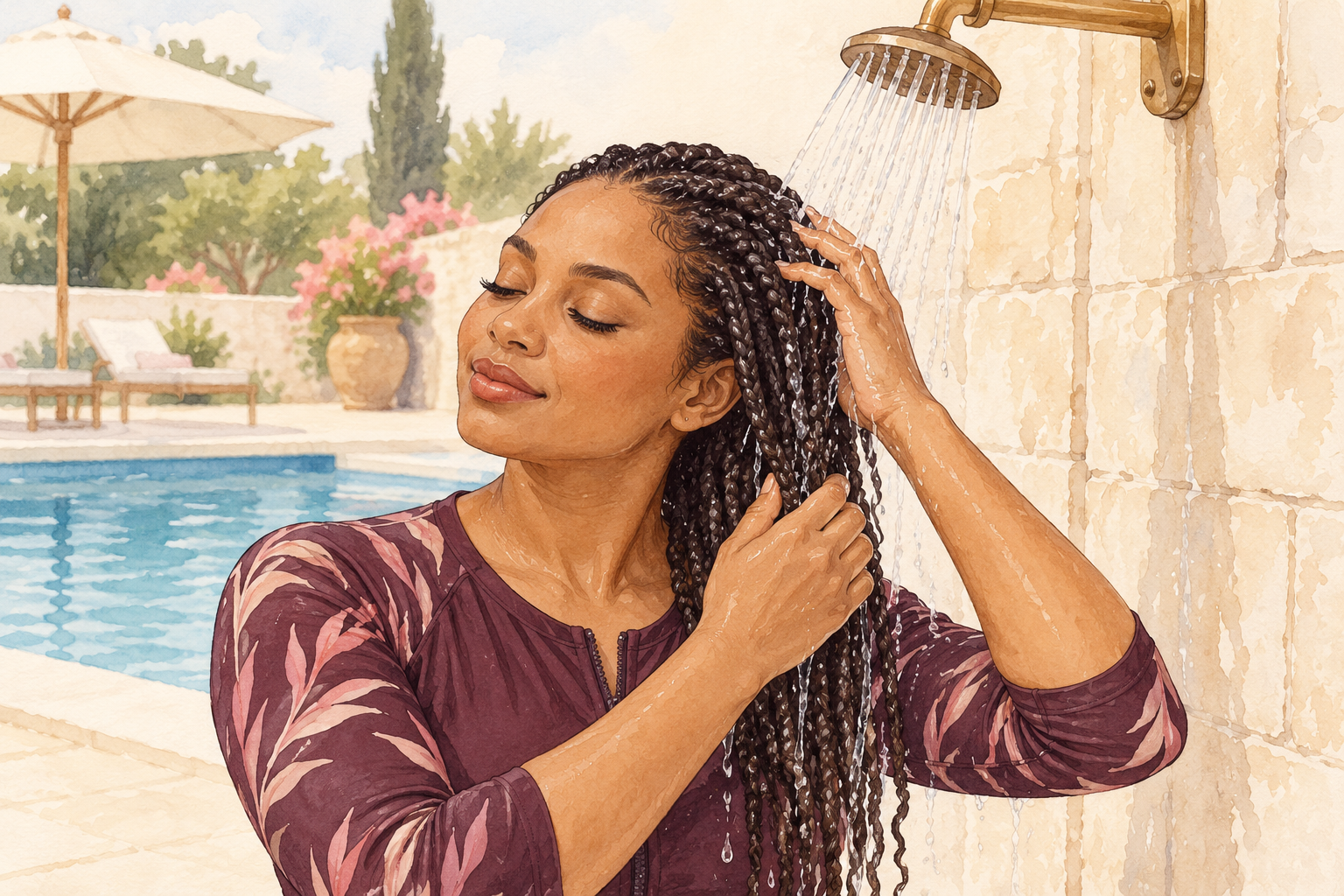
Wet your hair with fresh water before you get in, then rinse again right after. Dry hair soaks up pool and sea water like a sponge, and wet hair takes in less. A little conditioner on the lengths before swimming makes a barrier. Afterwards, shampoo gently to remove chlorine or salt, then follow with a good conditioner. Chlorine can leave hair straw like and green tinted if it is left on. Tie your hair up in a loose bun while you swim to cut down on tangles. Rinse in the shower or with a jug of water if there is no tap nearby.
11. Trim every two to three months
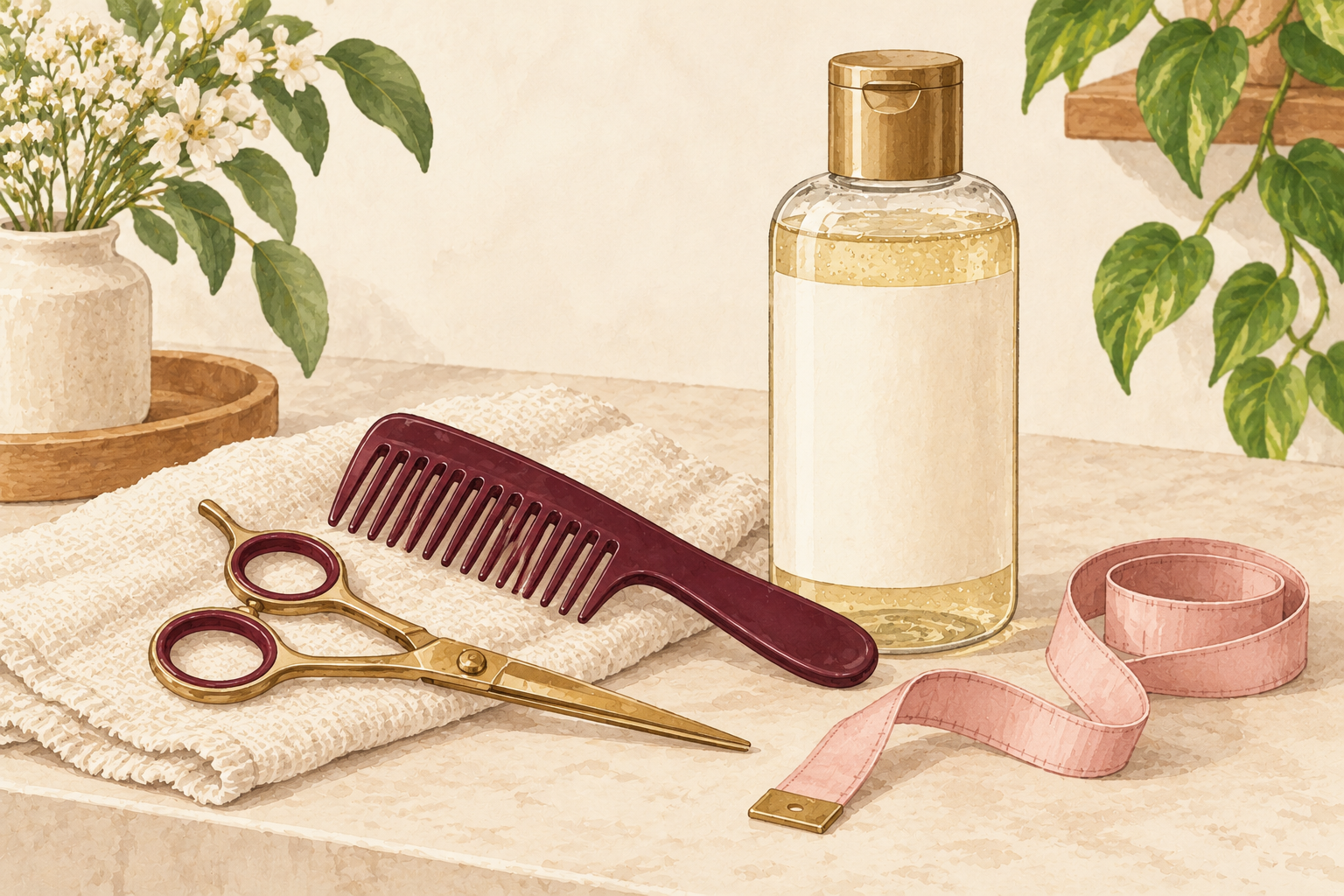
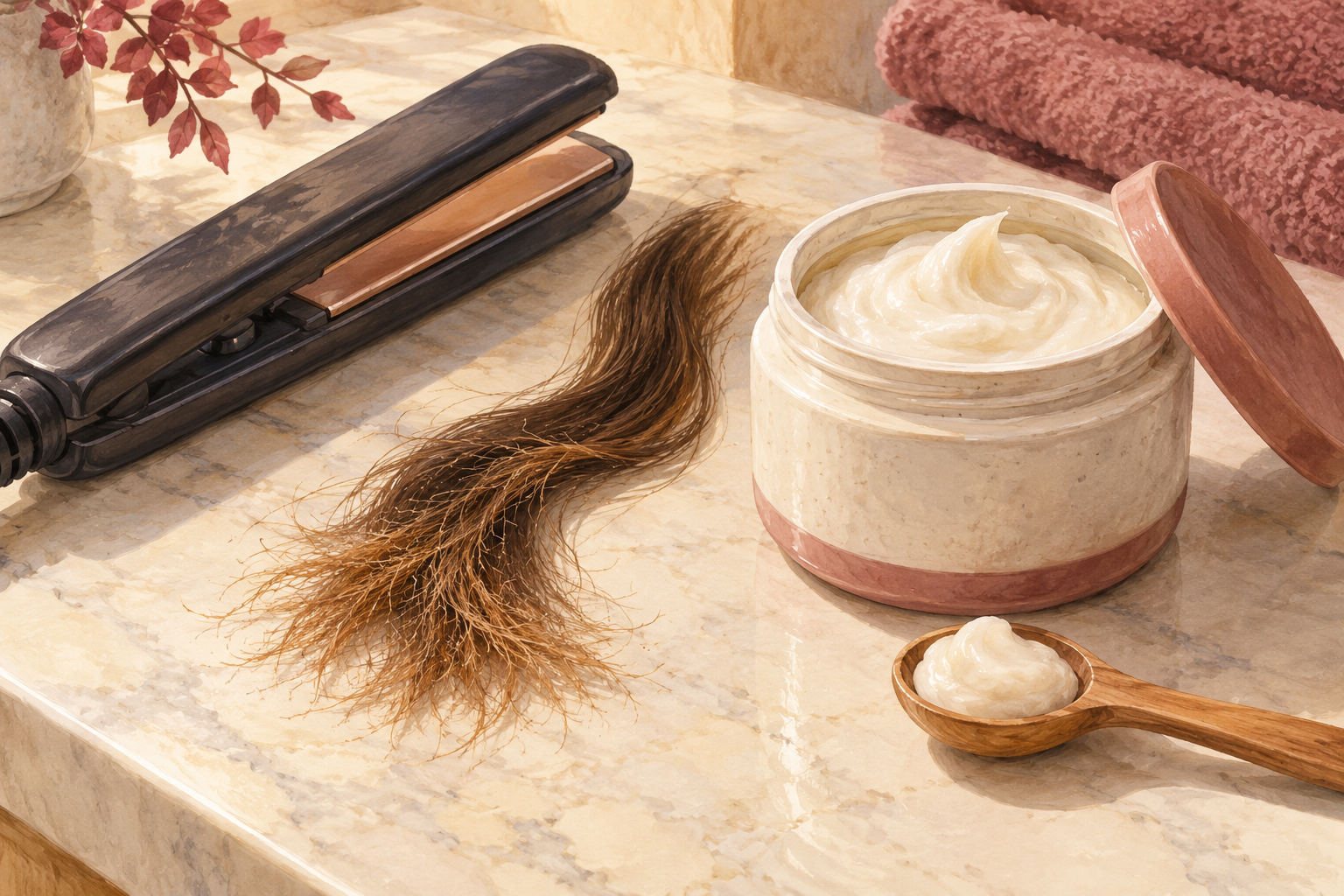
Take off a quarter to half an inch every eight to twelve weeks, even when you are growing it out. Split ends travel up the strand, and one small trim stops them going further. Healthy ends look blunt and thick, and damaged ones look thin and wispy. If you cannot get to a hairdresser, trim just the snags yourself with sharp scissors. Put the date in your calendar when you cut, so you know when the next one is due. Hair that is trimmed regularly keeps its length instead of losing it to breakage. Ask for the smallest trim that clears the splits, and take a photo of your ends before you start.
12. Check in monthly and adjust

On the same day each month, look at your hair in daylight and write down three things. Note how it feels when wet, how it looks when dry and how much comes out in the brush. Compare with last month. If it feels drier, add a deep conditioning session. If it feels heavy, wash a little more often. Change only one thing at a time so you know what helped. If shedding stays heavy or your scalp stays sore, see your doctor. Healthy hair care is slow, quiet and steady. Keep your notes in your phone, so they are easy to find.
Complete the Routine: Healthy Hair Care You Can Keep Up
Start tonight with a lukewarm rinse and a satin pillowcase, then add one habit each week. Keep going with healthy hair growth and curly hair care.