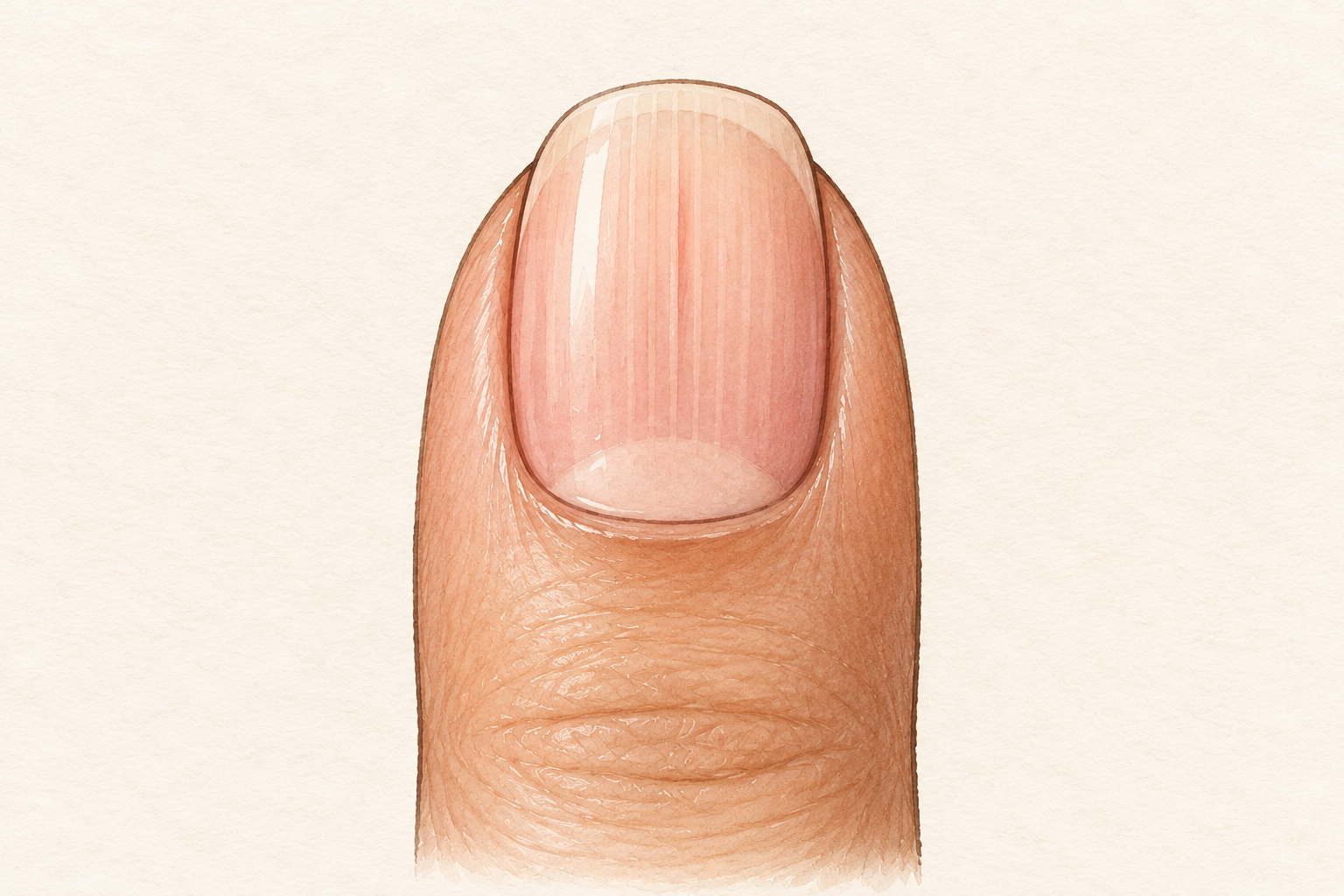
Your nail catches on a sweater, folds over and snaps just below the tip, right when you finally had some length. Knowing how to strengthen nails starts with a surprise: the bottle you keep reaching for usually does less than your sink, your gloves and your file. These 12 fixes go from habits to oils to hardeners, so start at number one tonight.
1. Spot how your nails break
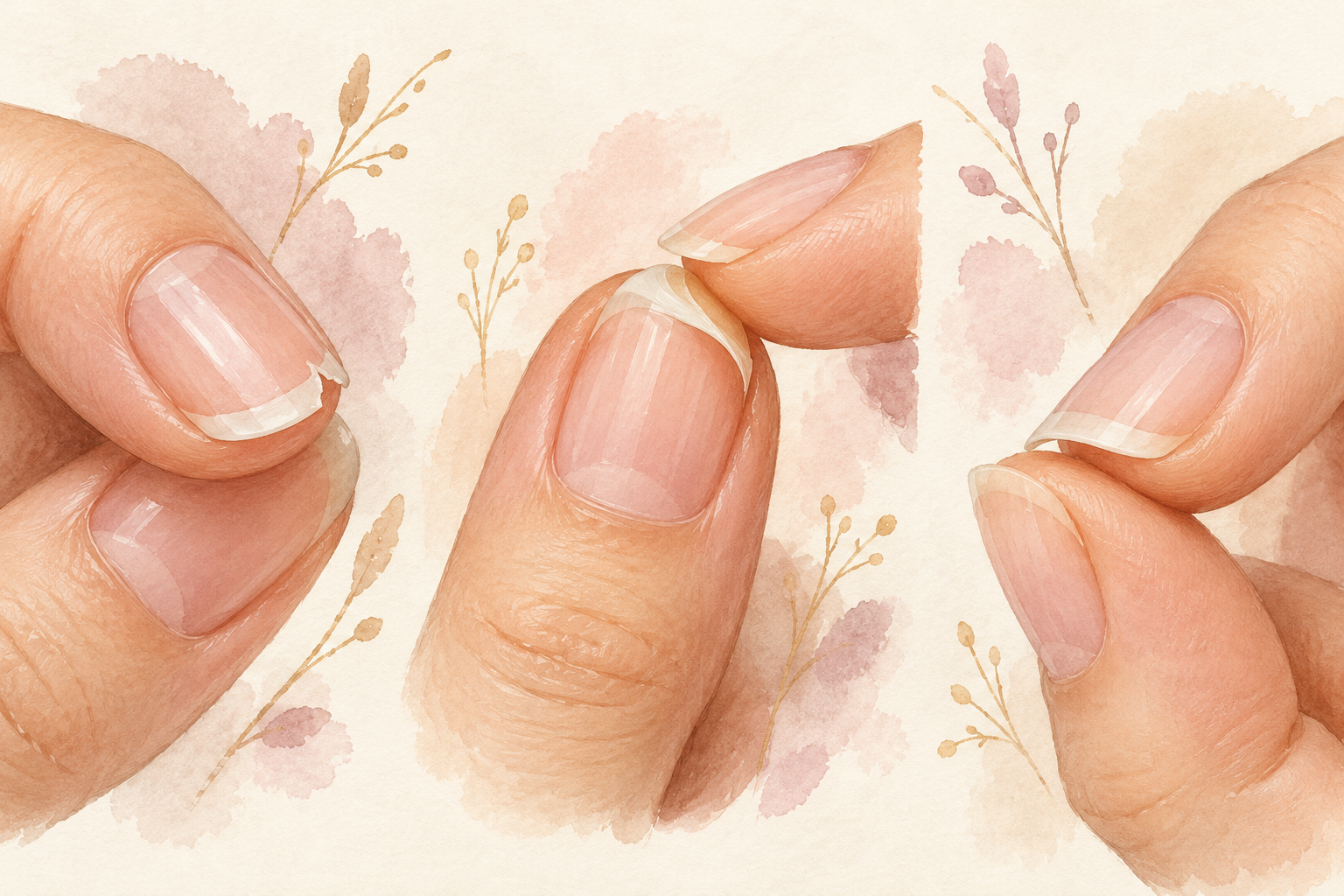
Notice whether yours snap, peel or fold, because each one points to a different fix. A nail that snaps straight across at the tip is usually dry and too long for its strength. One that peels in thin layers has often been soaked and dried out again and again. A nail that folds over and bends is soft, usually from long water exposure. Write down which one is yours on your phone. If you see more than one, start with the water habits in steps three and four. Look at your nails under a lamp, one hand at a time, and notice which finger breaks first. Layers that peel tell a different story, and when that is yours, peeling nails is the page.
2. Know why they get brittle
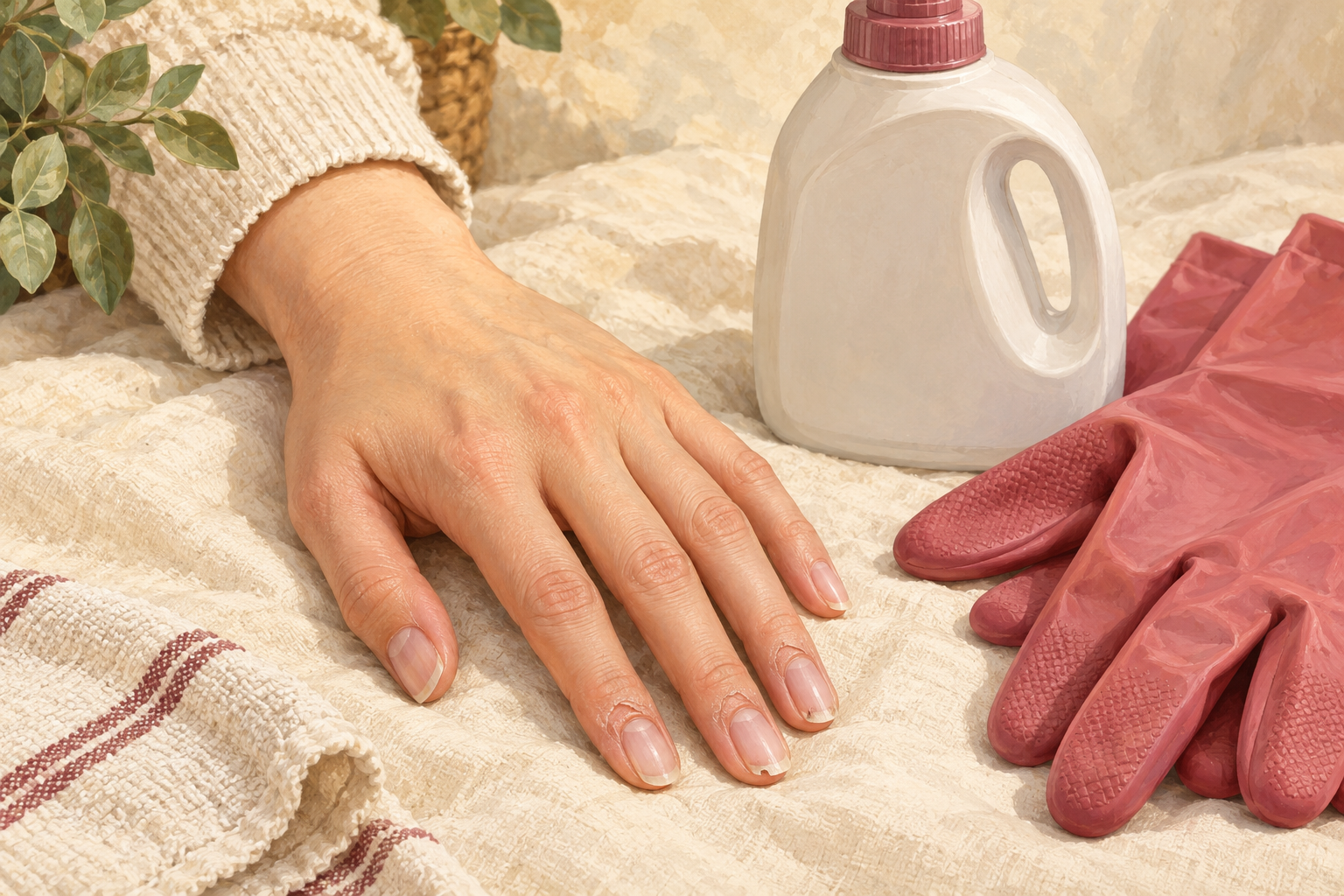
A nail is hardened skin protein, so nothing you paint on can mend one that has already grown. What you can do is stop the daily drying and knocking, then protect the new nail while it comes in. A fingernail takes around six months to grow from base to tip, which is why a bottle promising stronger nails in a week is overselling. Expect small wins first, like fewer snags. Measure progress at the free edge, not at the base. Take a photo today so you can see the change later, because it is easy to miss in a mirror. A mirror can hide slow progress, so keep healthy nails in view as a longer goal.
3. Count how often your hands get wet
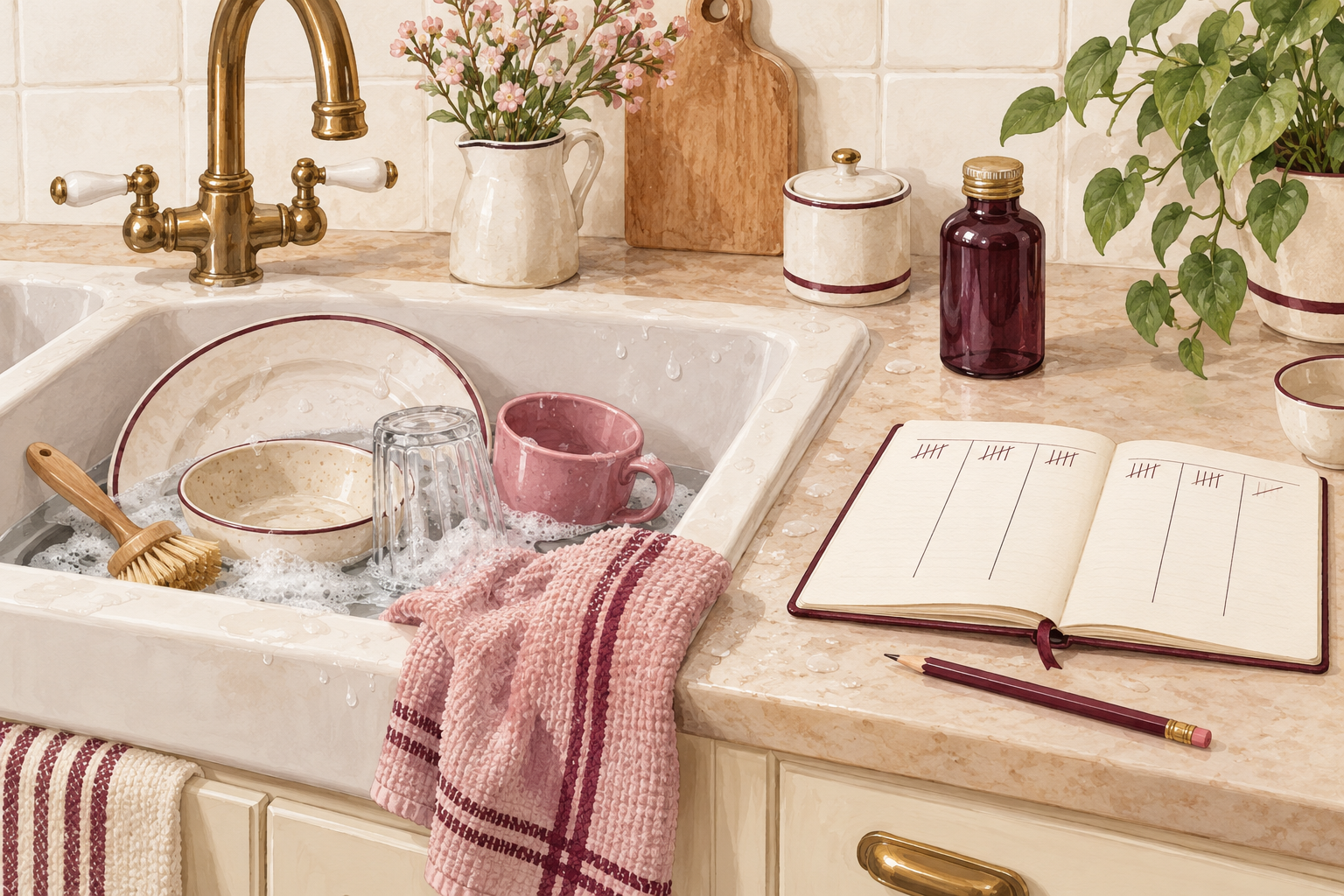
Tally one normal day of dishes, handwashing, cleaning and sanitizer. Constant washing dries nails out the way a sponge dries on the sink, and brittle follows. Most people are surprised by the total. You will not stop washing, but you can cut the extra soaking and put cream on straight after each wash. Alcohol heavy products dry nails further, so keep them for when you really need them. Even a short list of three or four cuts will help your nails within a month. Most people find they can drop two long soaks a day without any trouble. Dry your hands fully with a towel each time, including under the nail edge.
4. Wear cotton lined gloves for dishes and cleaning
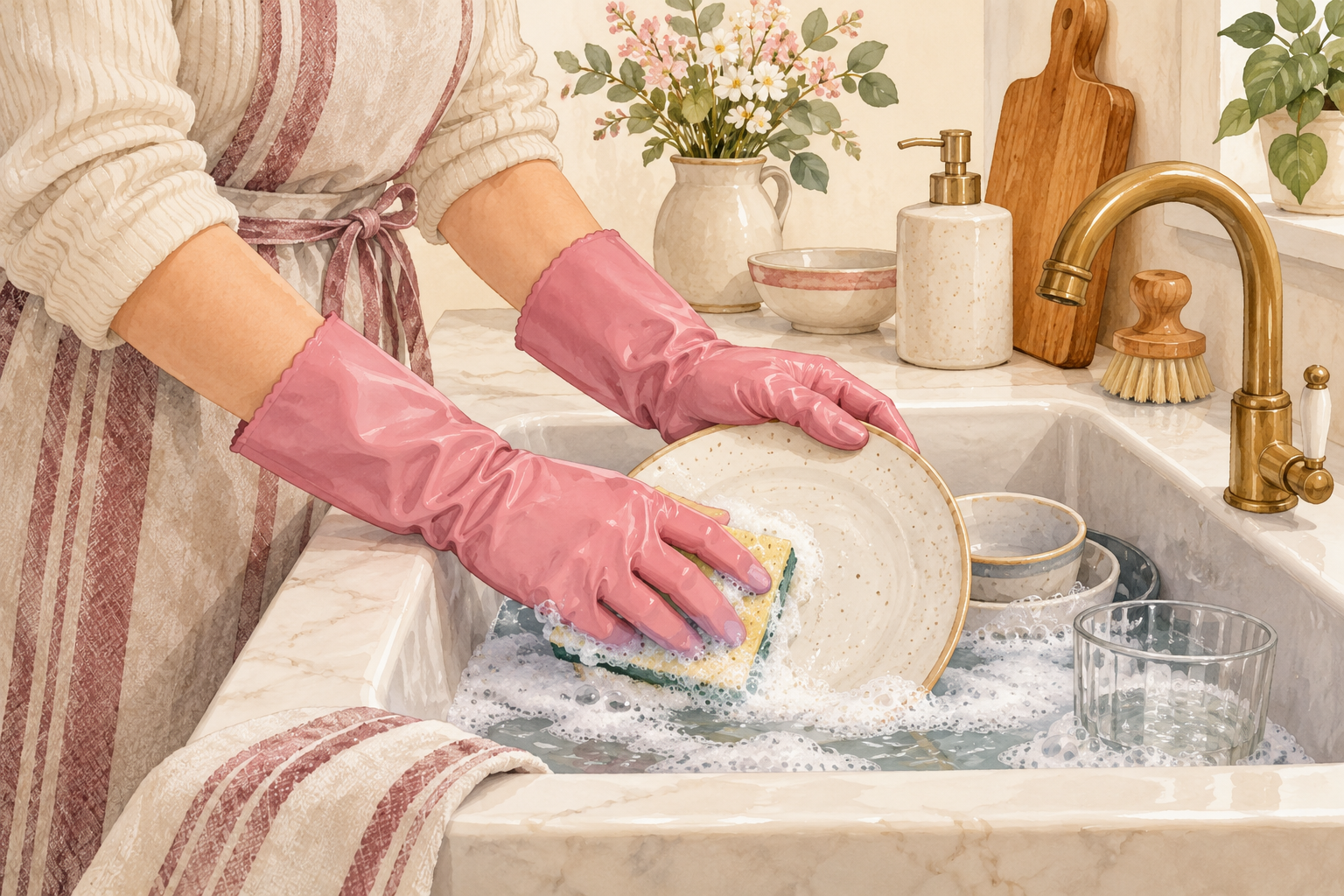
Put gloves on any time your hands will be wet for more than a few minutes. Water makes nails swell and then shrink as they dry, which is how layers loosen and tips crack. Gloves keep both water and strong cleaners off. Shake out the inside after use, because a damp glove defeats the point. If your hands sweat in them, wipe the lining dry between jobs. Hang them on the tap, so they are the first thing you grab. Cheap cotton liners that wash easily are better than thick fleece ones that stay damp.
5. Cut breaking nails shorter for now
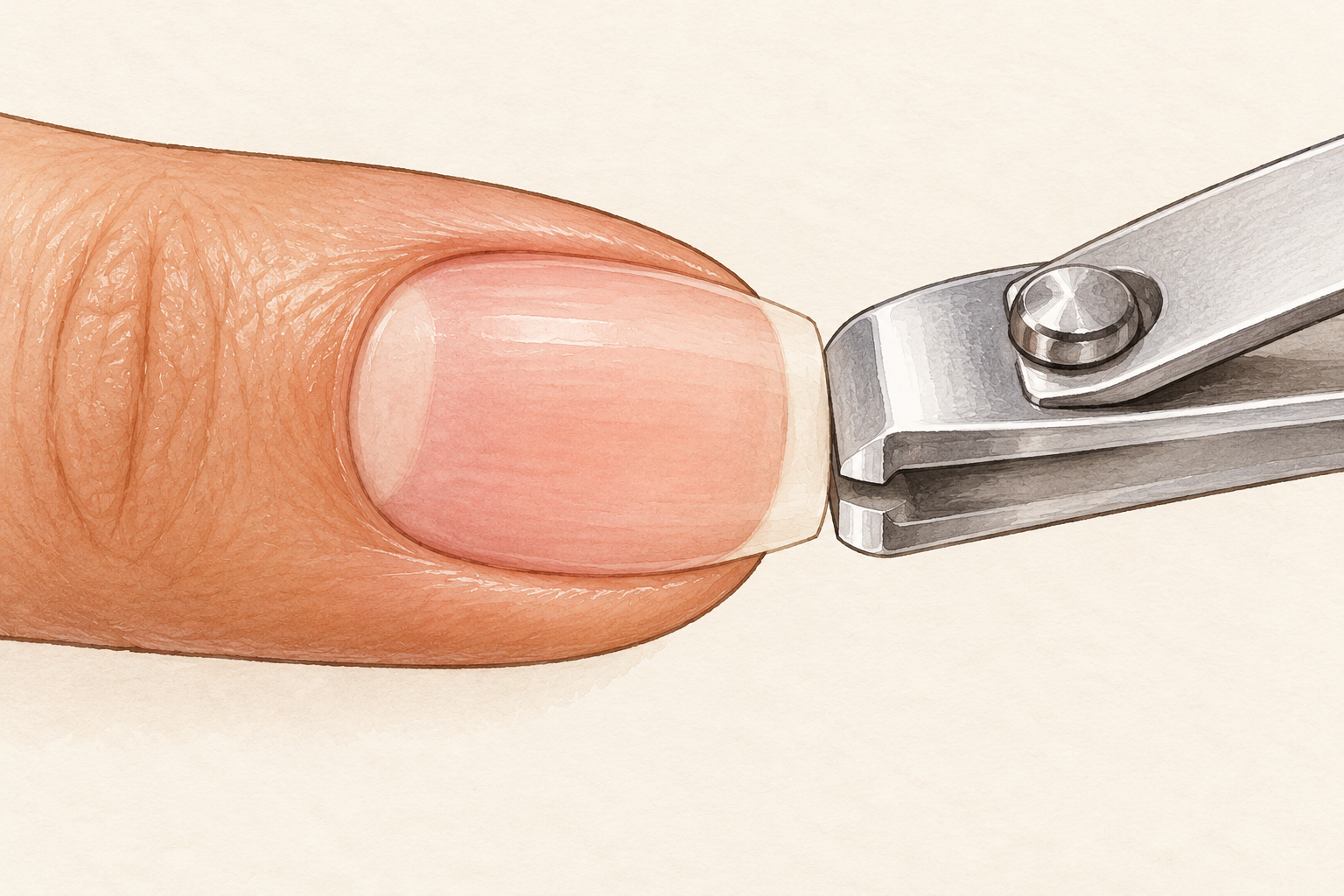
If a nail keeps snapping, clip it shorter, since a short nail has less leverage on it and snags less. Think of it as a pause, not a defeat, and grow the length back once your nails stay in one piece for several weeks. Round the corners slightly, because sharp corners catch fabric first. Short, rounded nails also make you less likely to pry things open with them. Do it after a wash, when the nail is a little soft and less likely to crack. Clip in small bites rather than one big snip.
6. File one way and stop using nails as tools
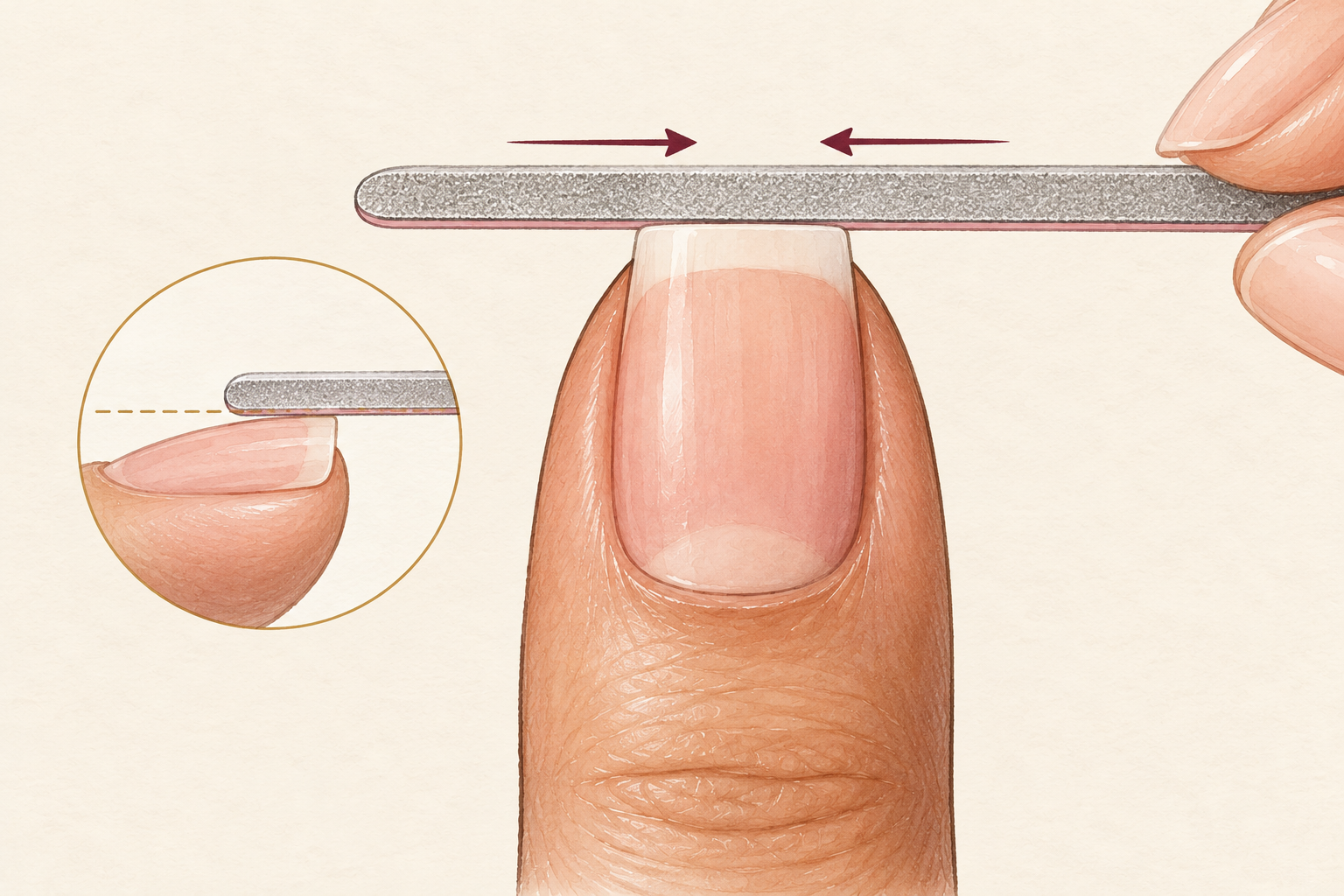
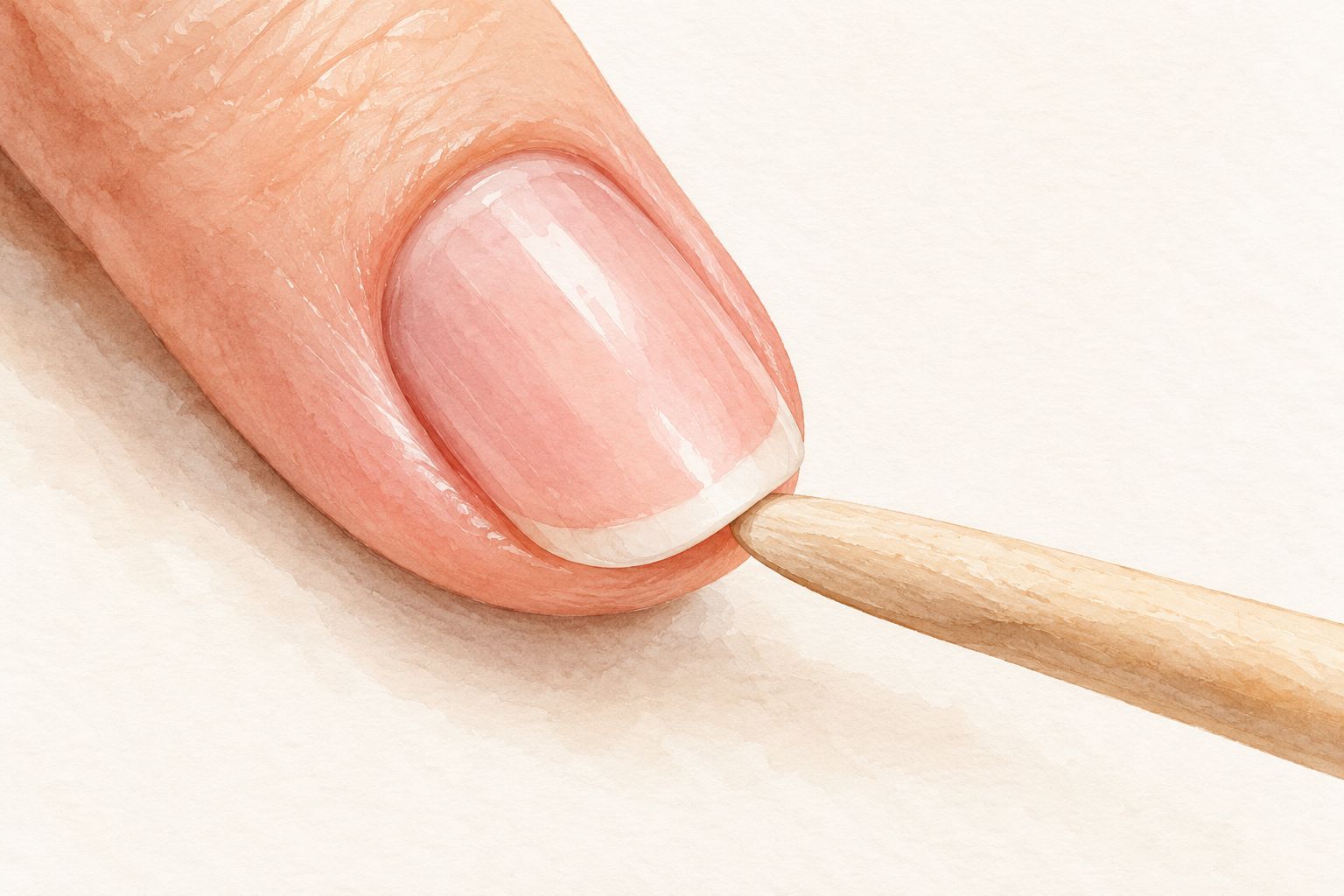
Use a fine glass file and stroke from the side toward the center, lifting off between strokes. Sawing back and forth with a rough board frays the layers at the edge, and nails split along those frayed places. Keep your nails off tape, can tabs and stuck labels, and use the pad of a finger or the edge of a spoon instead. A smooth edge is cheap insurance. Run a fingertip along it afterwards, and if it catches, file once more. Keep one file in your bag, because a snag filed straight away never becomes a tear.
7. Press in cream first, then a drop of oil
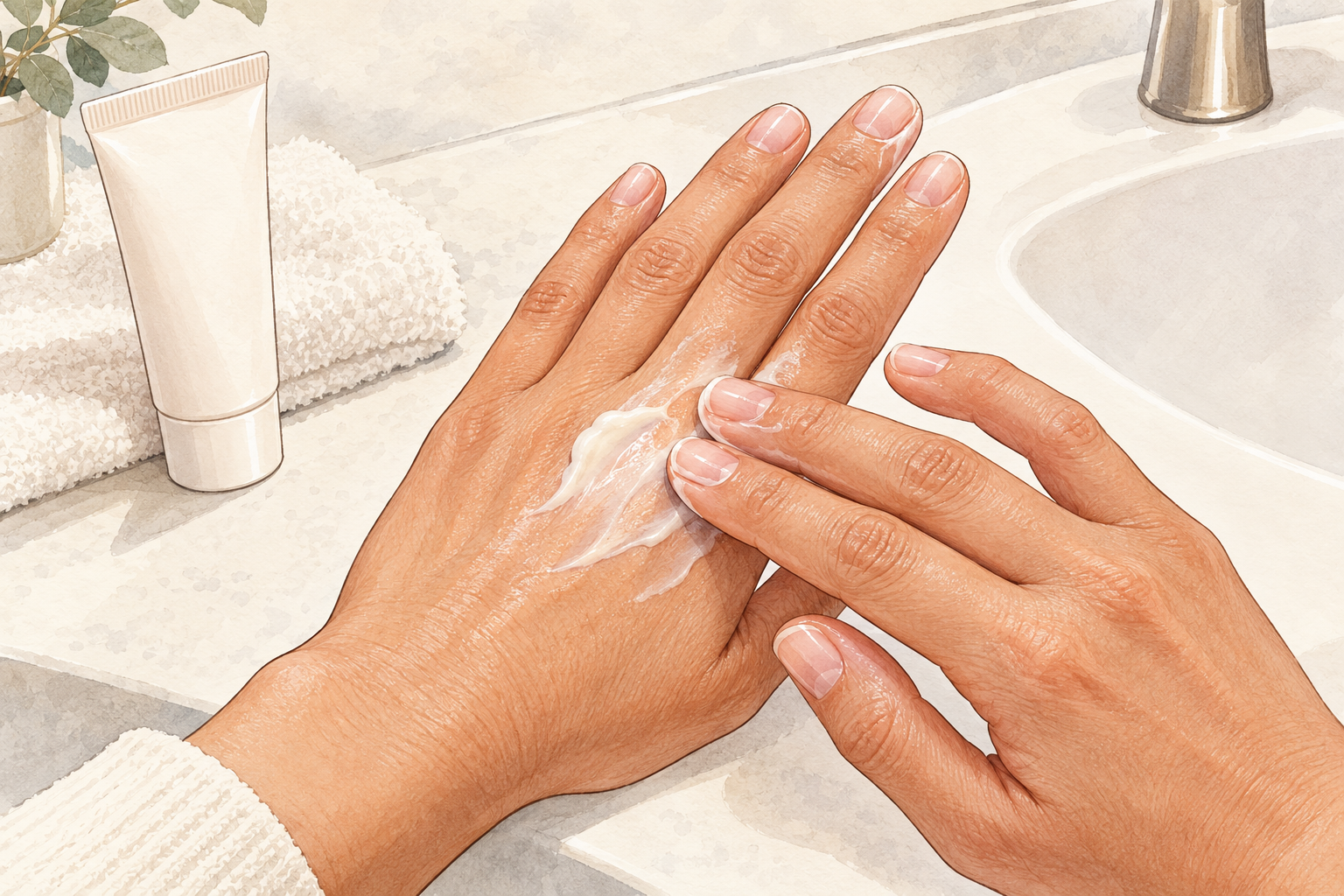
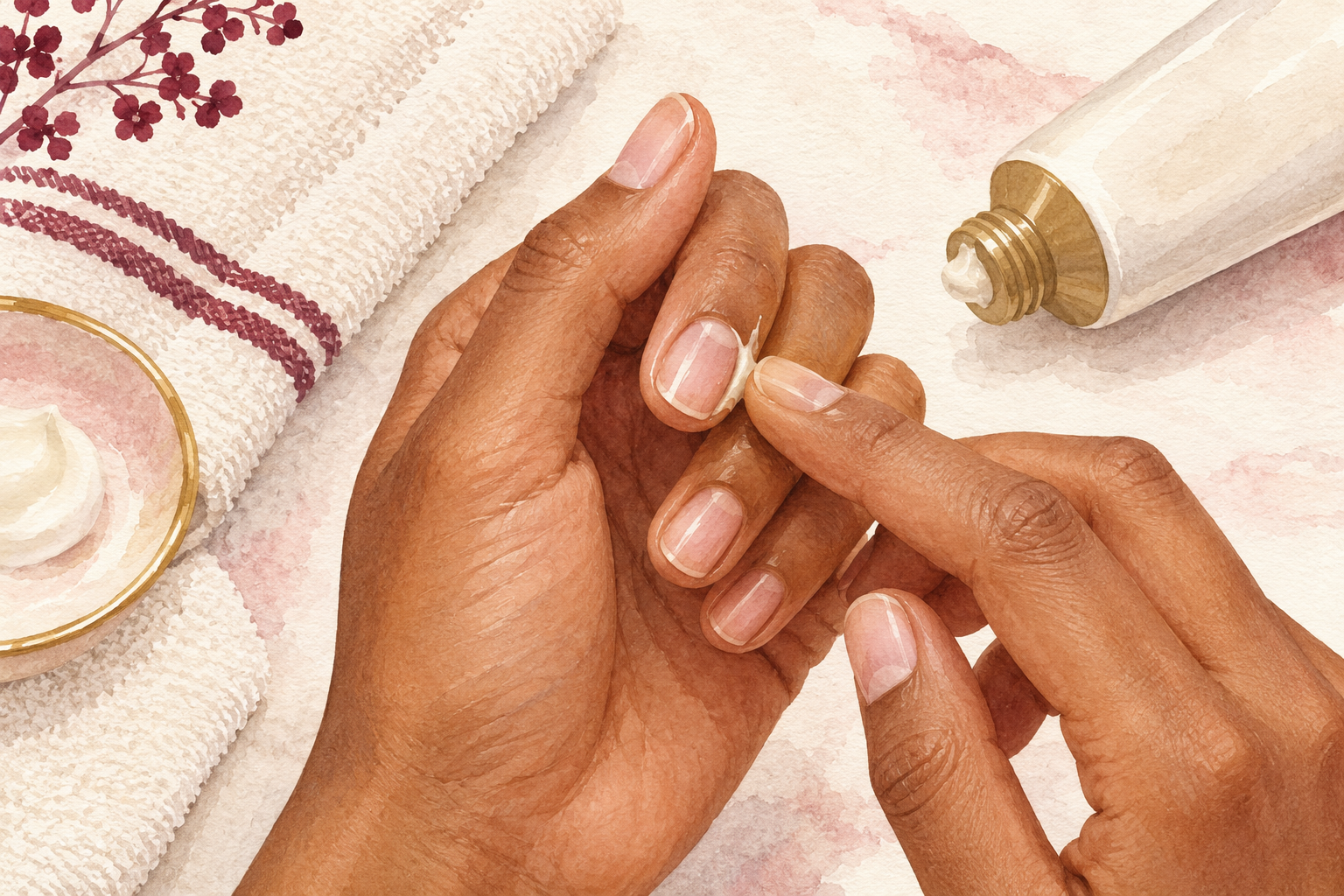
Oil seals moisture in but does not add any, so use it on top of cream. Rub a pea of hand cream into your nails and cuticles, then press one drop of oil over it. Do this after washing, when the nail is slightly damp, and again at bedtime. Any plain oil, such as jojoba or olive, works well. Warm one drop between your fingers first, so it spreads thinly and does not leave a greasy film on the nail. If the oil makes your skin itch or sting, stop using it. A drop per hand is plenty, and a bottle by the bed makes it a habit.
8. Try a thick balm and cotton glove night once a week
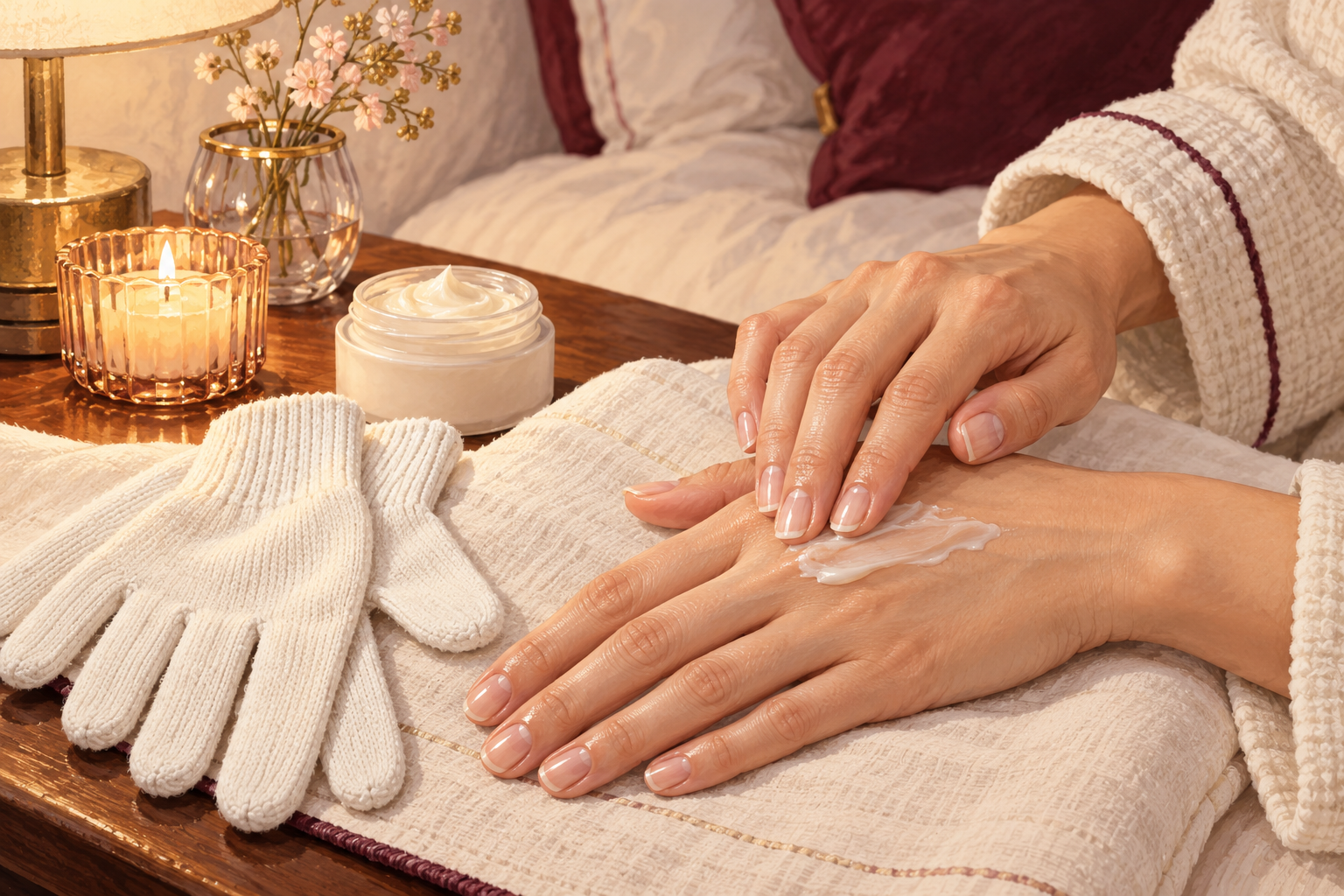
Rub a generous layer of heavy hand cream or a thin coat of petroleum jelly into your nails, cuticles and hands, then slip on thin cotton gloves. Do it overnight, once a week to start, or more in cold dry weather. Wash the gloves afterwards, as old balm turns stale. The nail will not look different overnight, but your tips will bend a bit more and snap a bit less over a month. It is a cheap, sleepy rescue that asks nothing of you. Tuck a tissue under your hand if you read in bed.
9. Use a hardener as a thin coat, not a daily fix
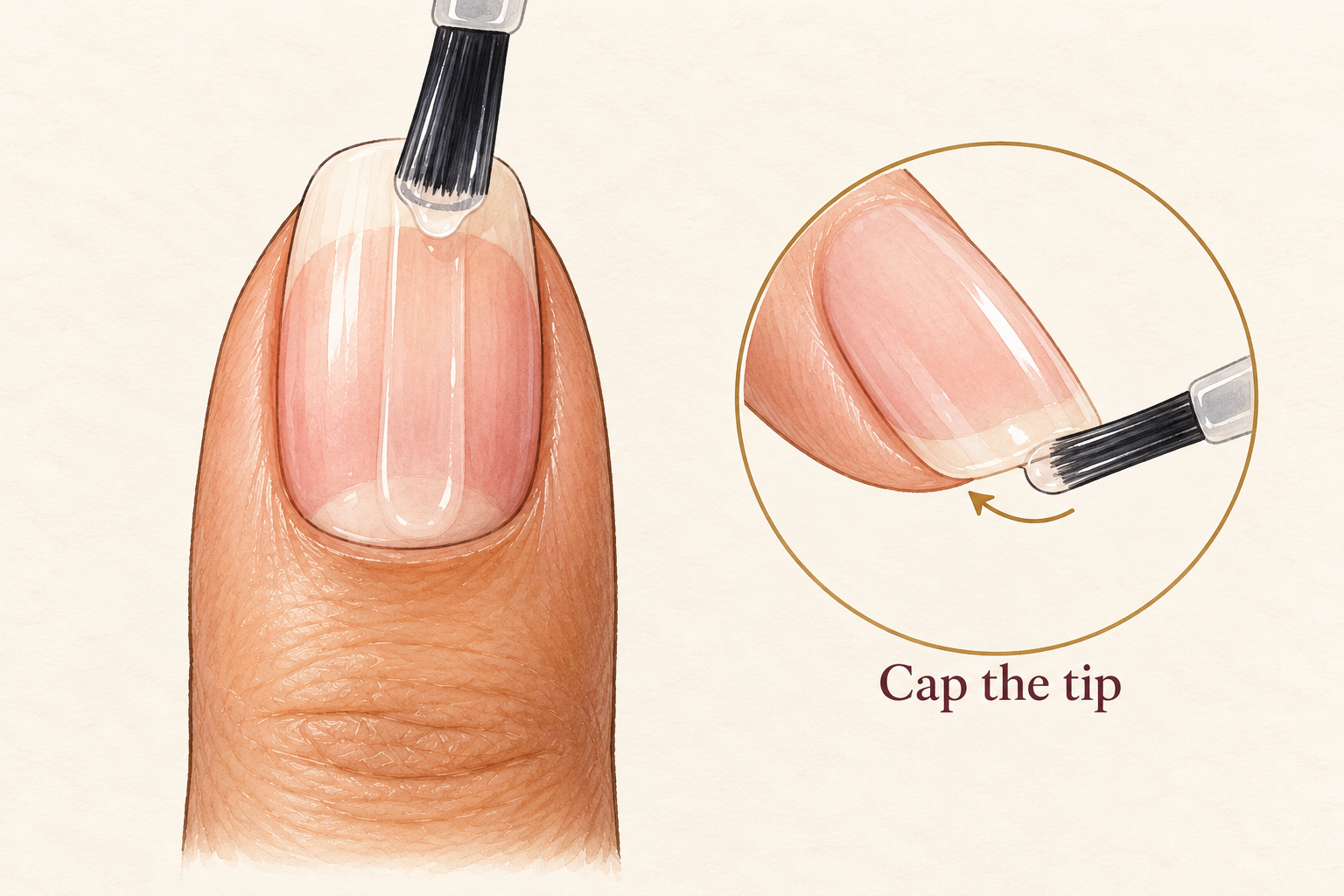
A hardener coats the nail so it resists tearing, which helps snapping nails. Brush one thin coat on clean dry nails and sweep the tip edge. Remove it every week or so and start fresh instead of layering. Some hardeners leave nails stiff, and a stiff nail snaps instead of bending, so stop if yours feels brittle. Used well, it is one small part of how to strengthen nails, not the whole answer. If the skin around the nail turns red or sore, stop using it. Use a different clear coat on top if you still want shine.
10. Give your nails a break from gel and harsh remover
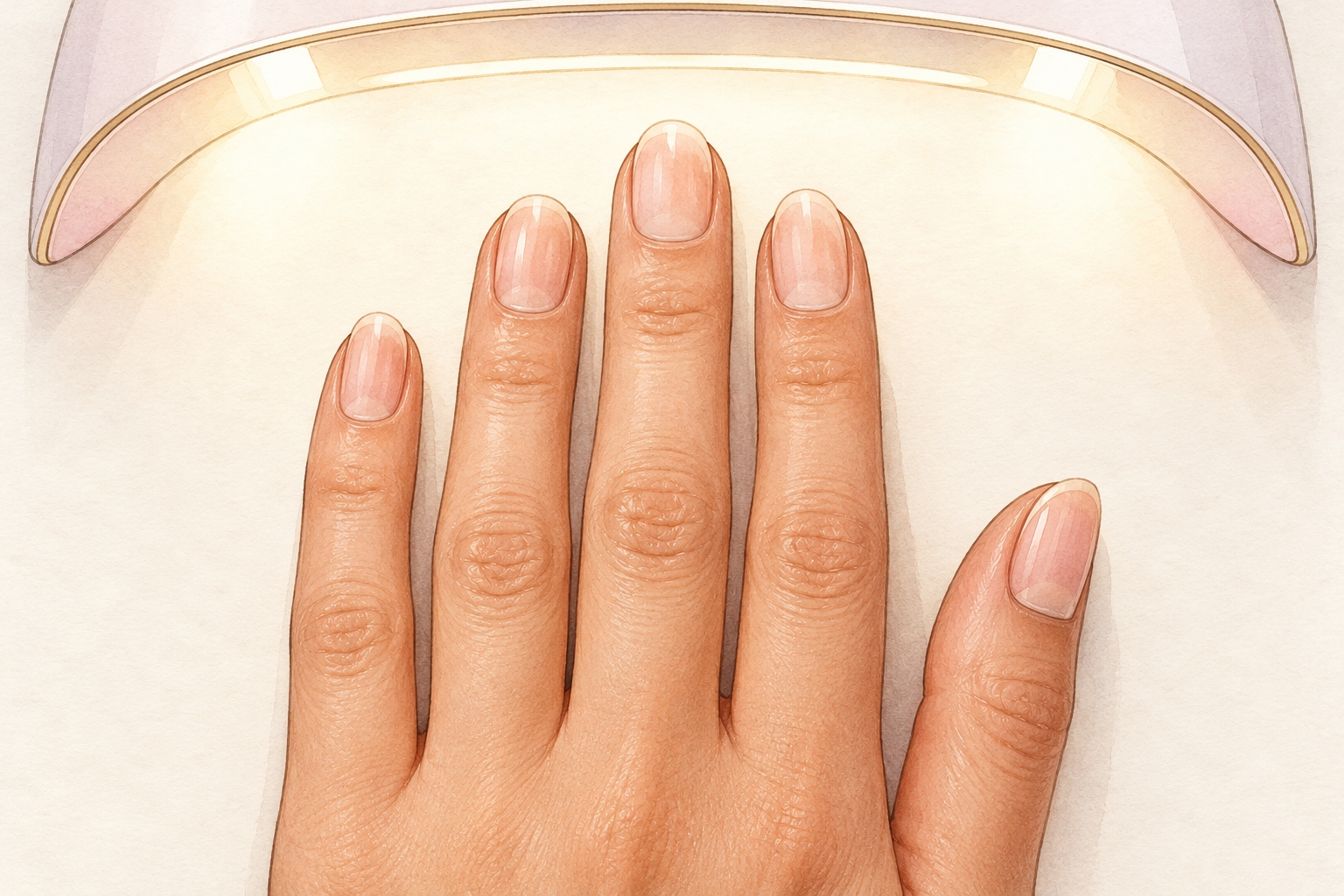
Skip gel sets when you can, especially in winter, because the removal and the chipping both dry the nail. If you wear polish, choose a gentle one and an acetone free remover, and swipe once instead of scrubbing. After taking a gel set off, leave a few weeks before the next. Your nails will bend more and snap less when they are not being soaked and scraped every fortnight. Plain, short and glossy is a fine look while they recover. A clear top coat over bare nails adds shine without any harsh removal later.
11. Keep your effort on the outside and skip the quick myths

Drinking extra water will not make nails supple on its own, and gelatin will not do much either. Biotin pills are popular, but they take two to three months to show anything, and they may do nothing at all for you. Spend that effort on gloves and cream, because they are the dull core of how to strengthen nails. A balanced plate helps your whole body, nails included. Fix the habits first, and treat pills as a maybe. If you do try them, give it three months and stop if your skin reacts.
12. Check in at week one, four and eight
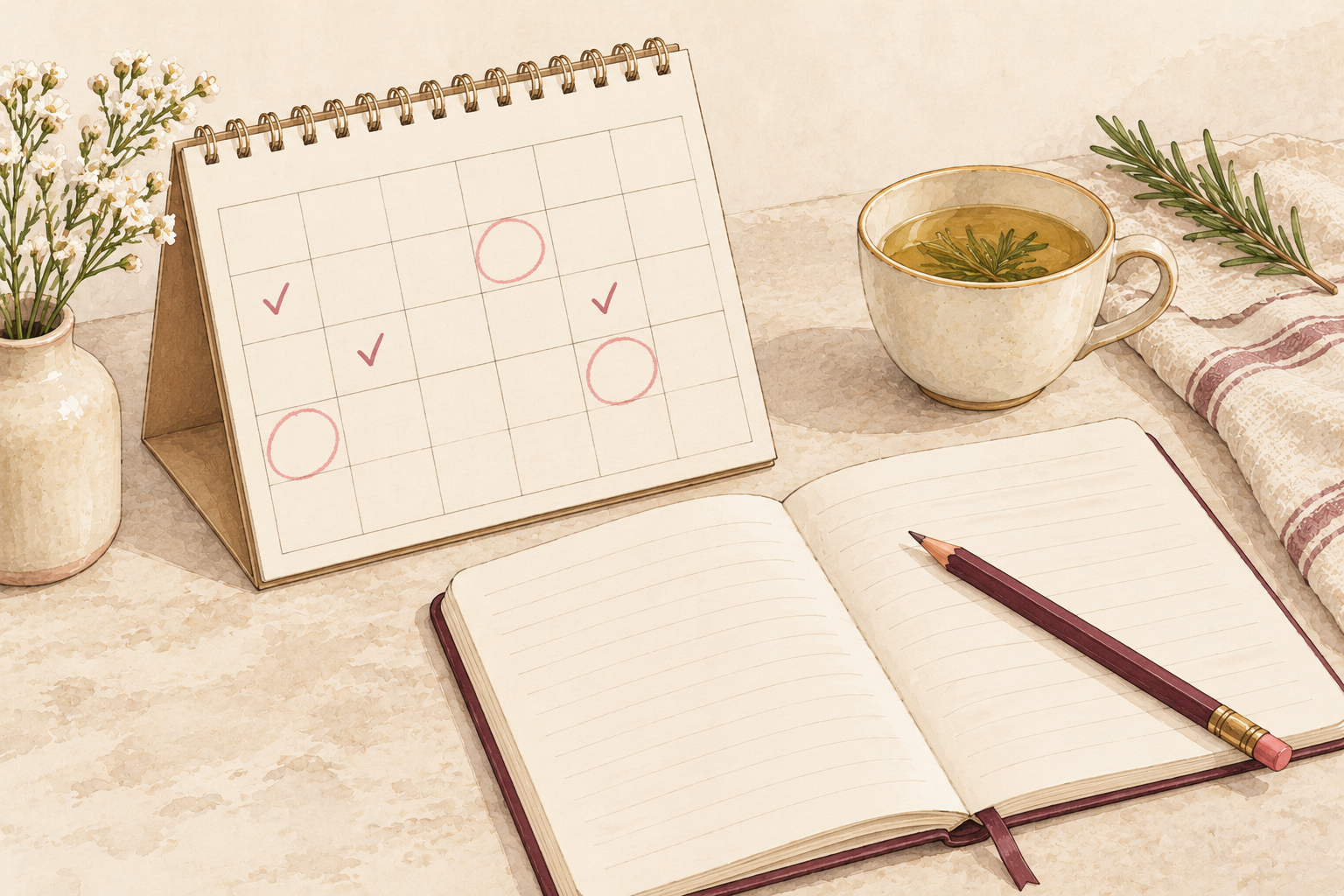
At week one you should be snagging less, at week four the new growth near the cuticle should look smoother, and at week eight you can trim away much of the old damage. Fewer layers should be lifting too. If nothing changes by week eight, go back to the gentlest routine of cream, oil and short nails, and change one thing at a time. Be kind to yourself if you miss a night of oil, because steady care beats a perfect week followed by a pause. Dark streaks, deep ridges or a nail lifting from the skin are worth a trip to see your doctor.
Complete the Routine: How to Strengthen Nails Tonight
Tonight, wash your hands, press cream and a drop of oil into every nail, and hang your gloves by the sink. Stronger nails come from small repeats, so you do not have to get every habit right at once. The guides below will be ready when you want to add another.