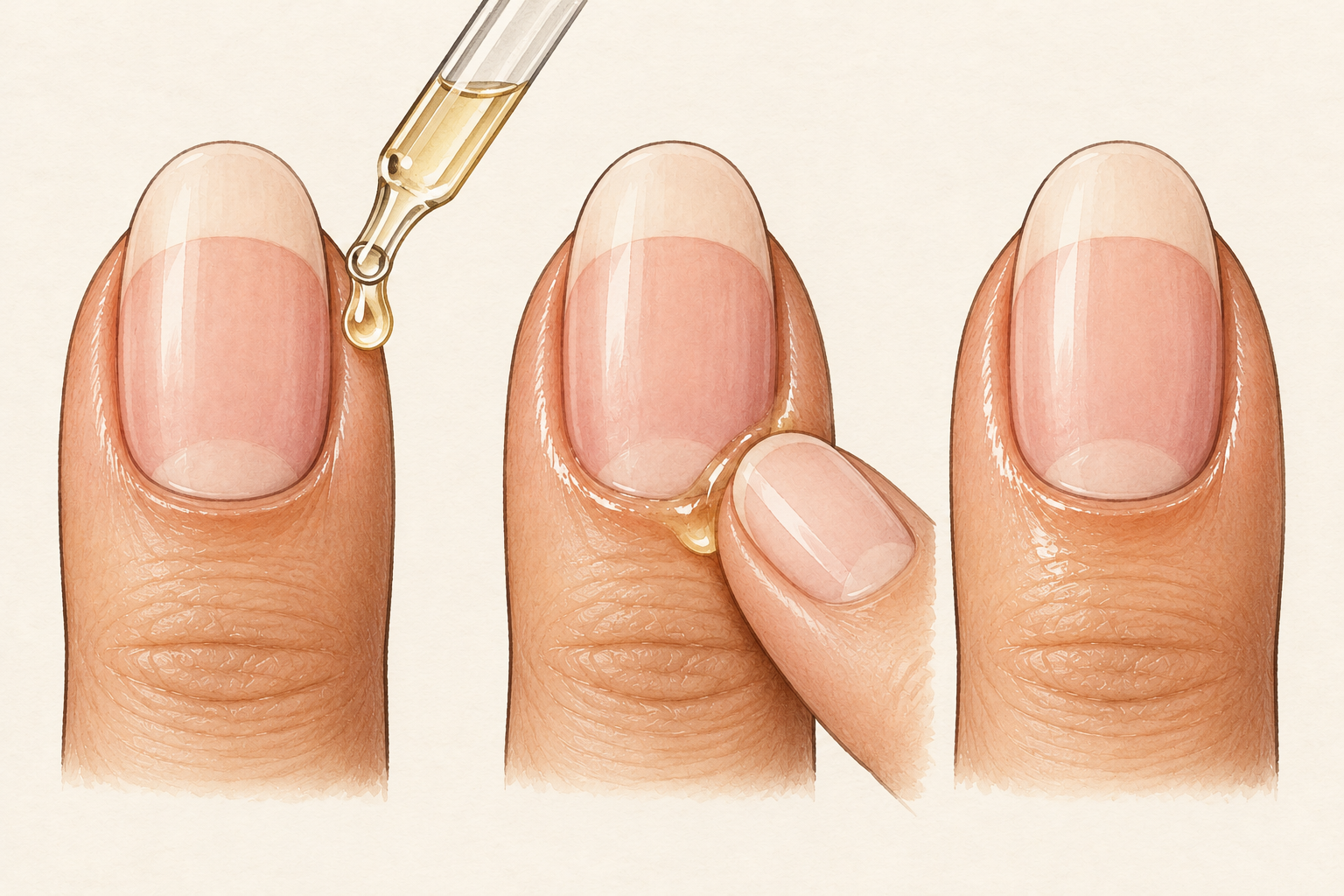
You finish gardening, cooking or taking off a dark polish, and there is dirt packed under the tips and a yellow tint across the nail. Knowing how to clean nails safely matters, because scrubbing too hard leaves them thin, sore and peeling. These 12 steps cover dirt, stains and yellowing, so start at number one tonight.
1. Work out if it is dirt, a stain or yellowing
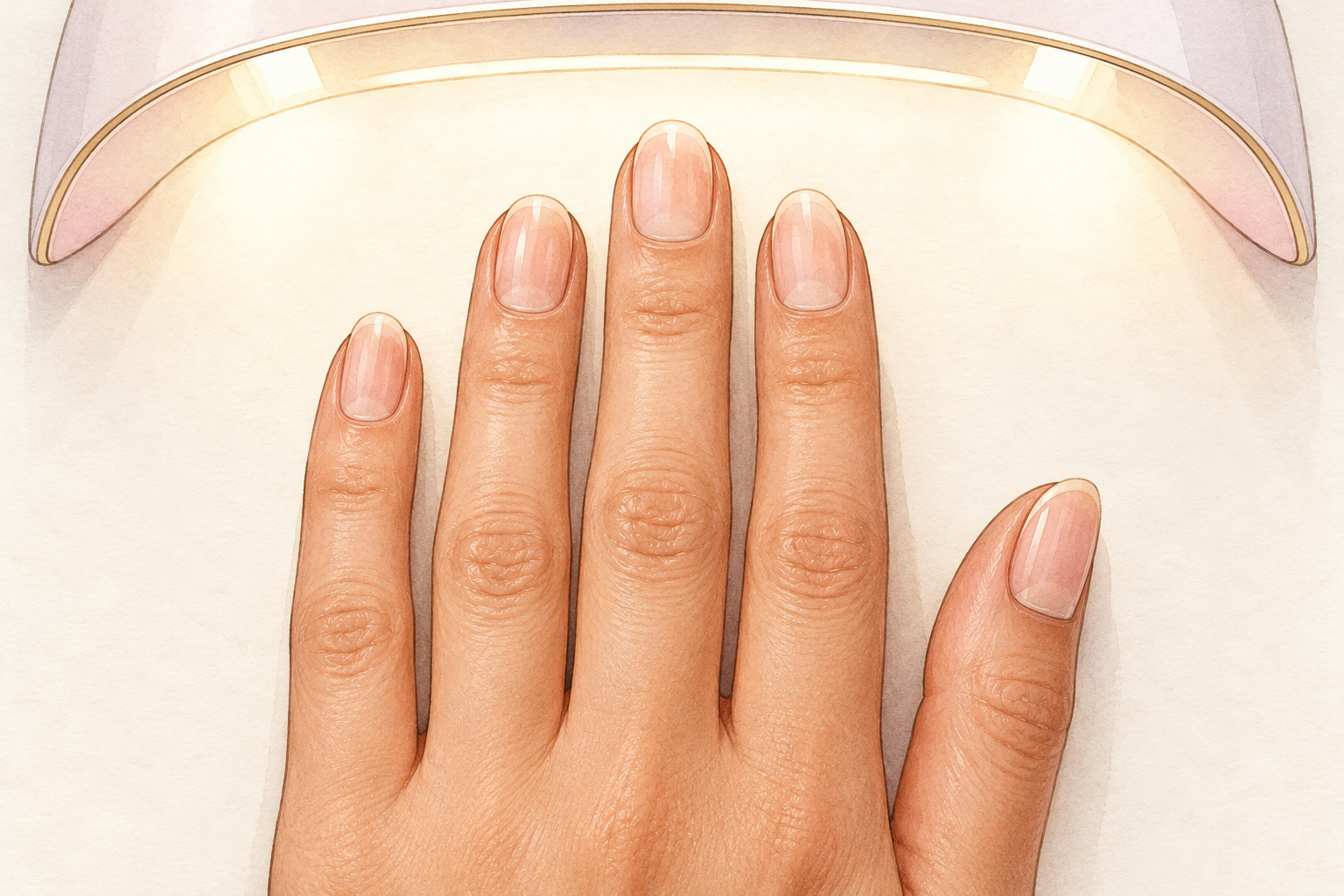
Look closely at each nail and sort the problem into one of three kinds. Dirt sits under the tips and brushes away with soap. A stain, such as from dark polish, turmeric or hair dye, sits on the surface and fades slowly. Yellowing sits deeper in the nail and often comes from years of polish. Each kind needs a different level of effort, and scrubbing harder never turns one into another. Knowing which you have also stops you from using a harsh fix on something that only needed soap. Photograph them in daylight first, so you can compare once you have finished.
2. Set out a gentle kit
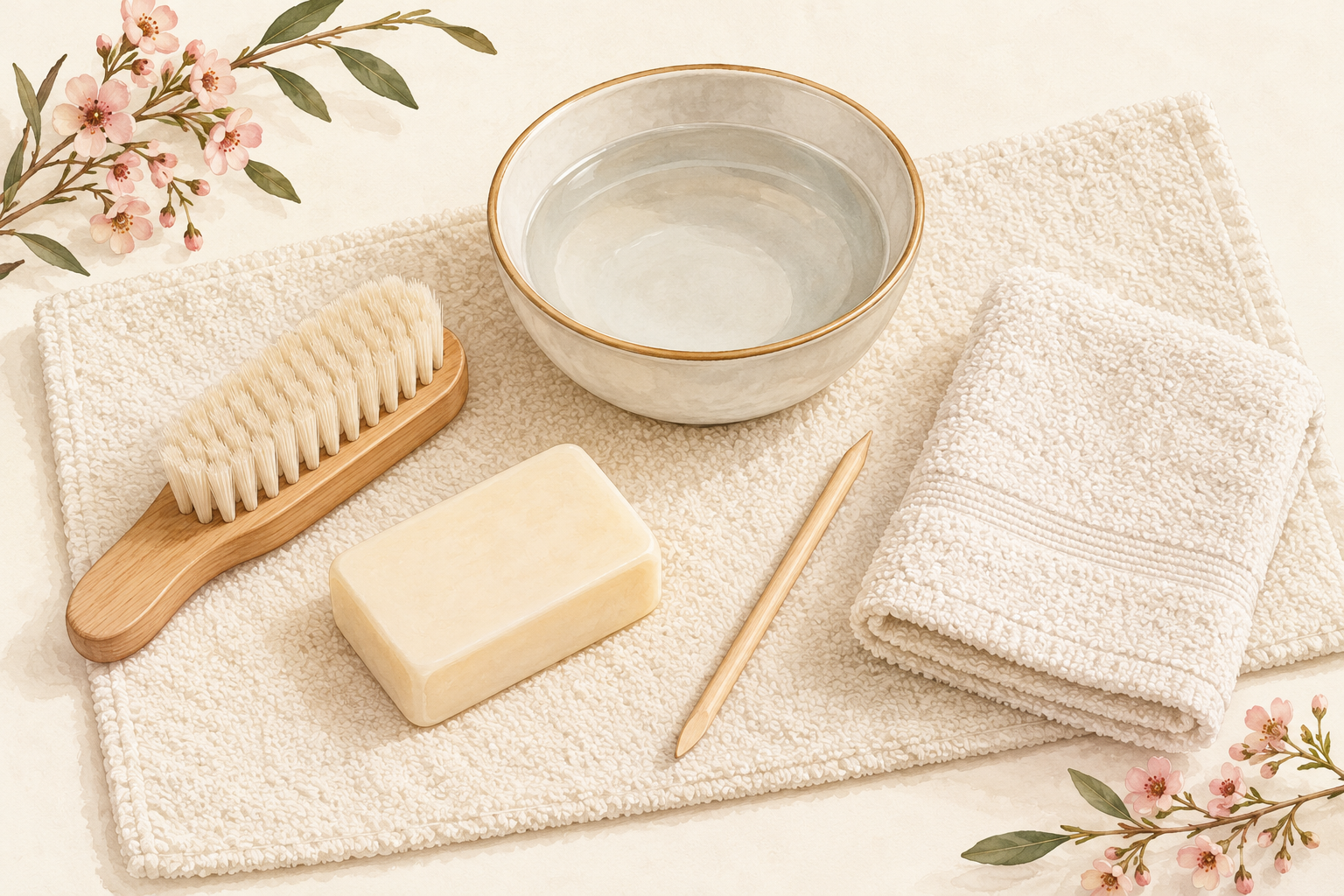
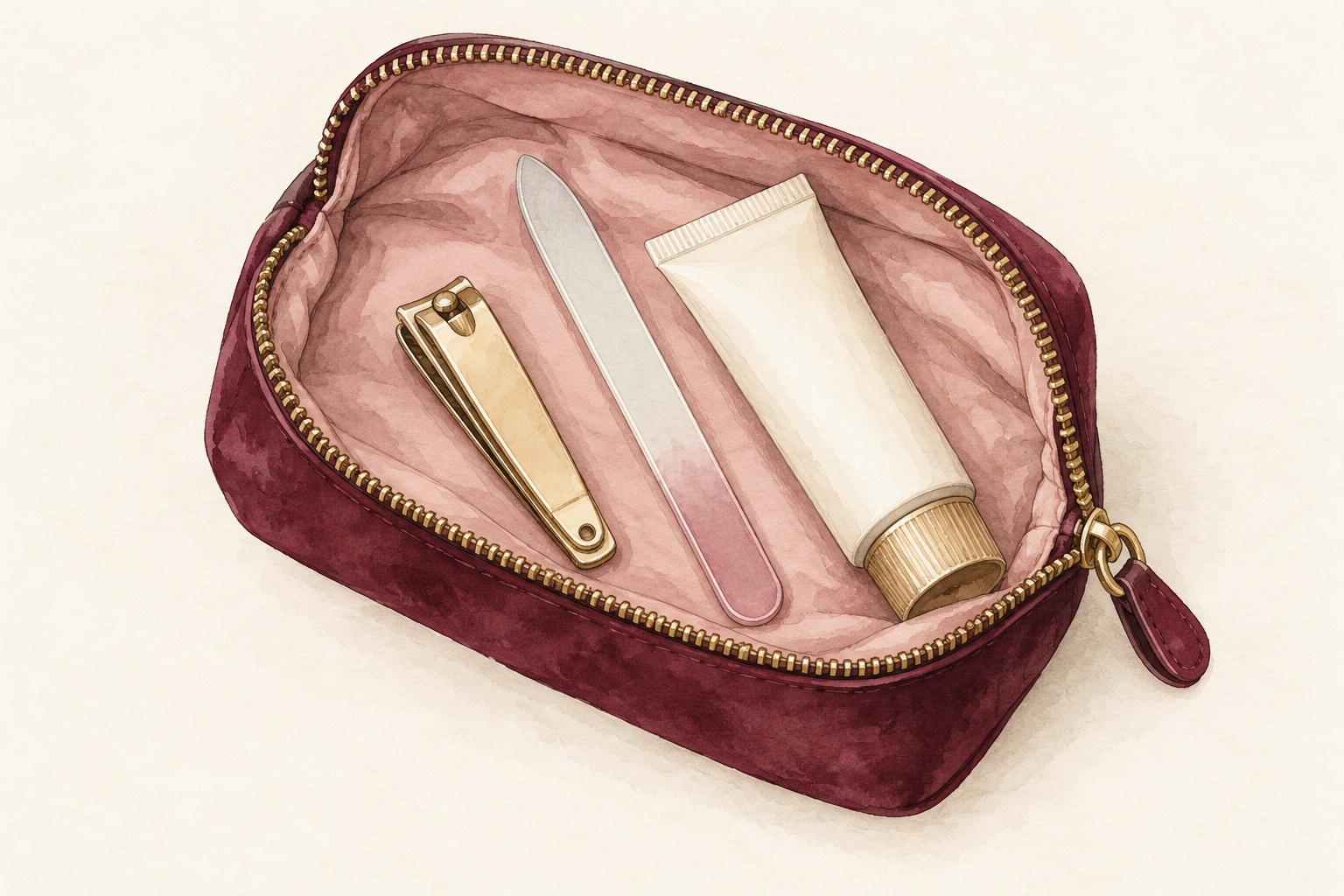
Gather a soft nail brush, a mild soap, a wooden orange stick, a towel and a small bowl. Keep everything within reach, because wet hands and rummaging in drawers do not mix. Avoid metal files and picks, which scratch the nail and leave grooves where dirt collects. A baby toothbrush works if you have no nail brush. Wash the brush after every use and let it dry in the air. A clean brush cleans better, and a dirty one puts the same dirt back under your nails. The whole kit fits in a small pouch, and keeping it by the sink means you will actually use it.
3. Soak your fingertips for five minutes
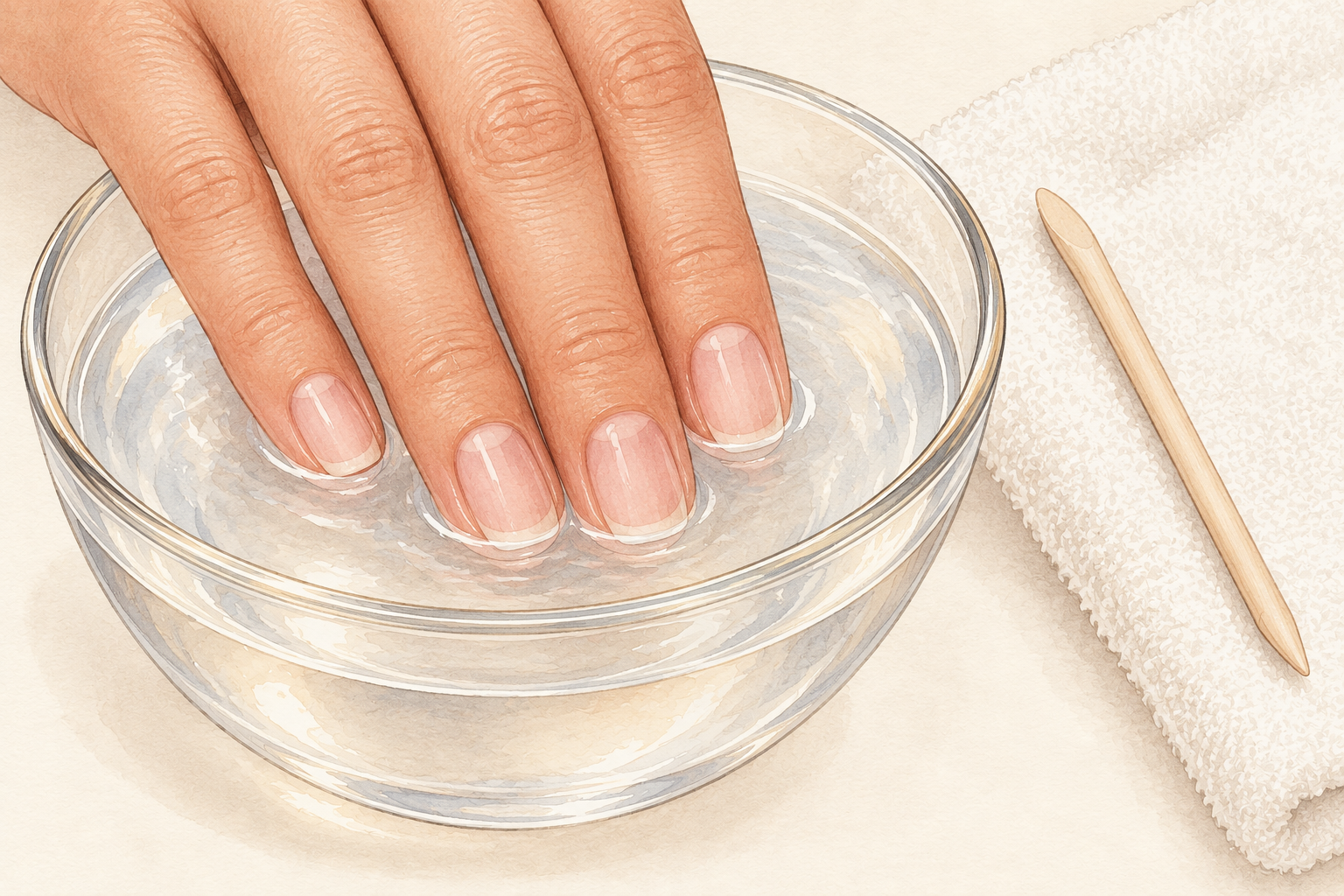
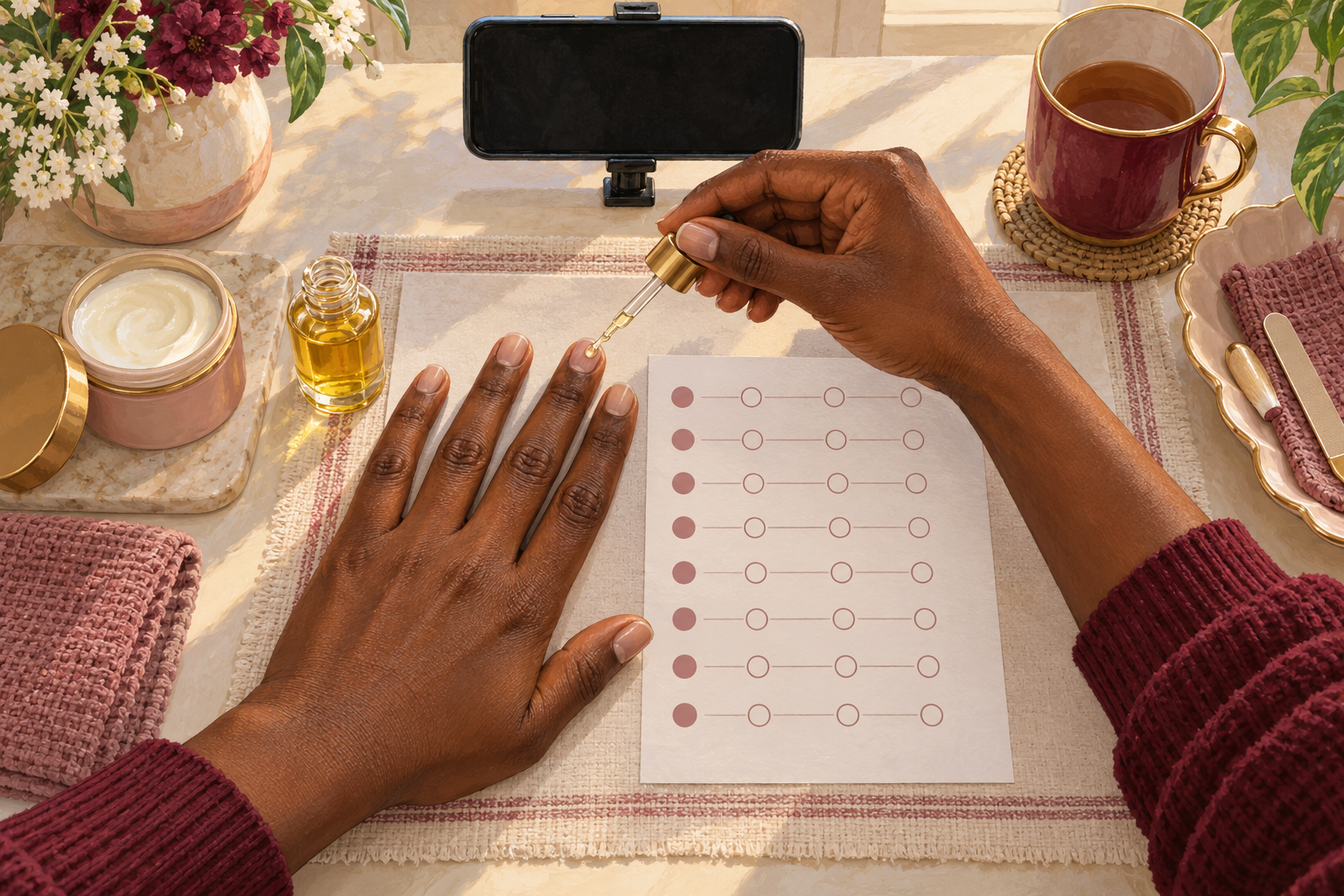
Fill the bowl with warm, not hot, water and a squirt of mild soap, then soak your fingertips for five minutes. Hot water dries the nail, so keep it comfortable. The soak softens packed dirt so you do not have to scrub it loose. Set a timer on your phone, because soaking much longer swells the nail and weakens it. Lift one hand out to check whether the dirt looks looser. This step alone cleans most everyday grime, and it makes every step after it gentler. Keep the water just warm enough that it feels like a bath for your fingers, and not a drop hotter.
4. Scrub gently with a soft brush
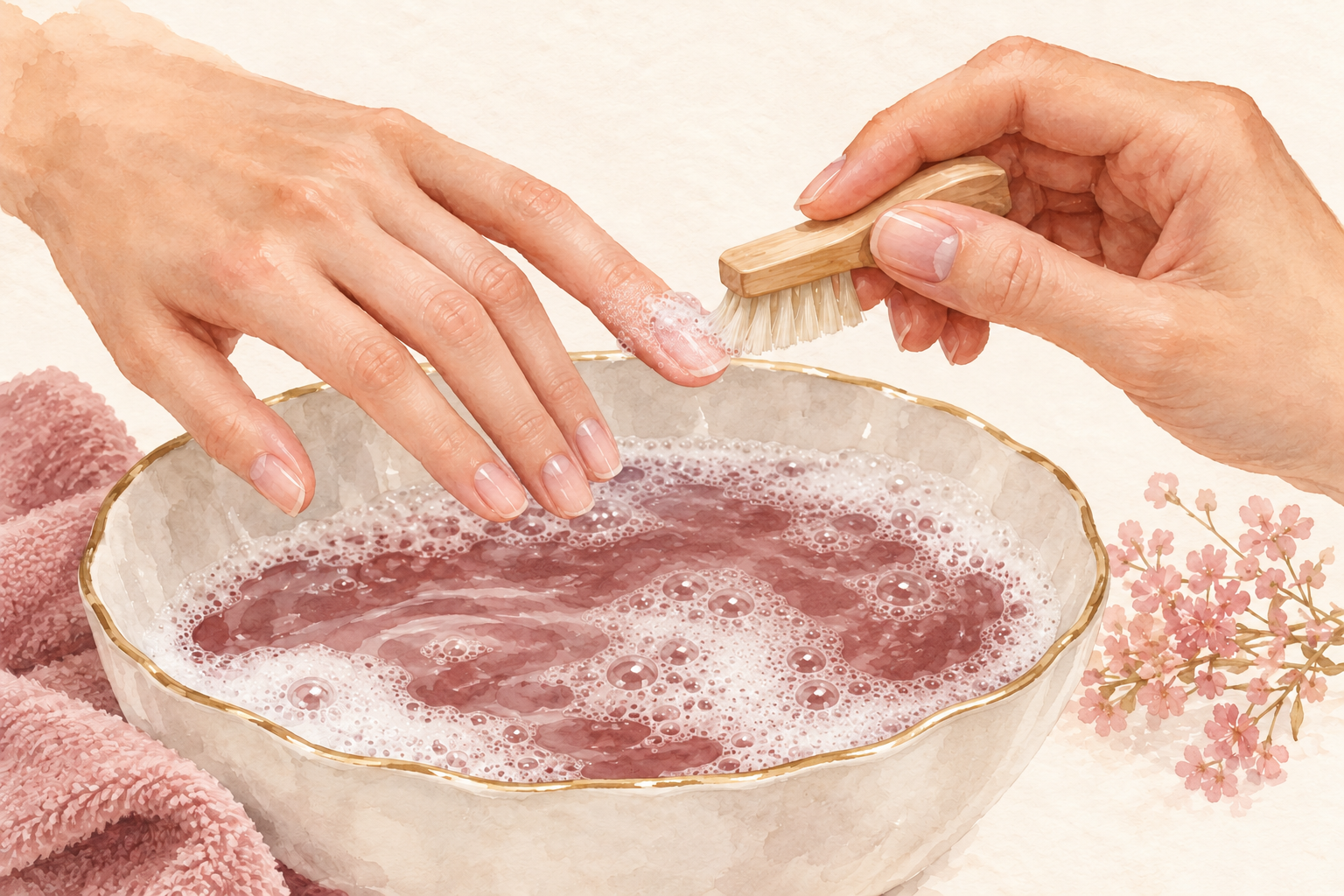
Brush each nail in small, light strokes, across the top, along the sides and under the free edge. Use plenty of soap foam and let the bristles do the work. Count to ten per hand and no more. Pressing hard does not clean faster, it scratches the surface and leaves a dull patch. Rinse the brush between nails so you are not spreading dirt around. If a spot refuses to move, leave it for the next steps instead of scrubbing harder. You should feel nothing but light tickling. The best way to learn how to clean nails well is to go lighter than you think you need to.
5. Clear under the tip with a soft stick
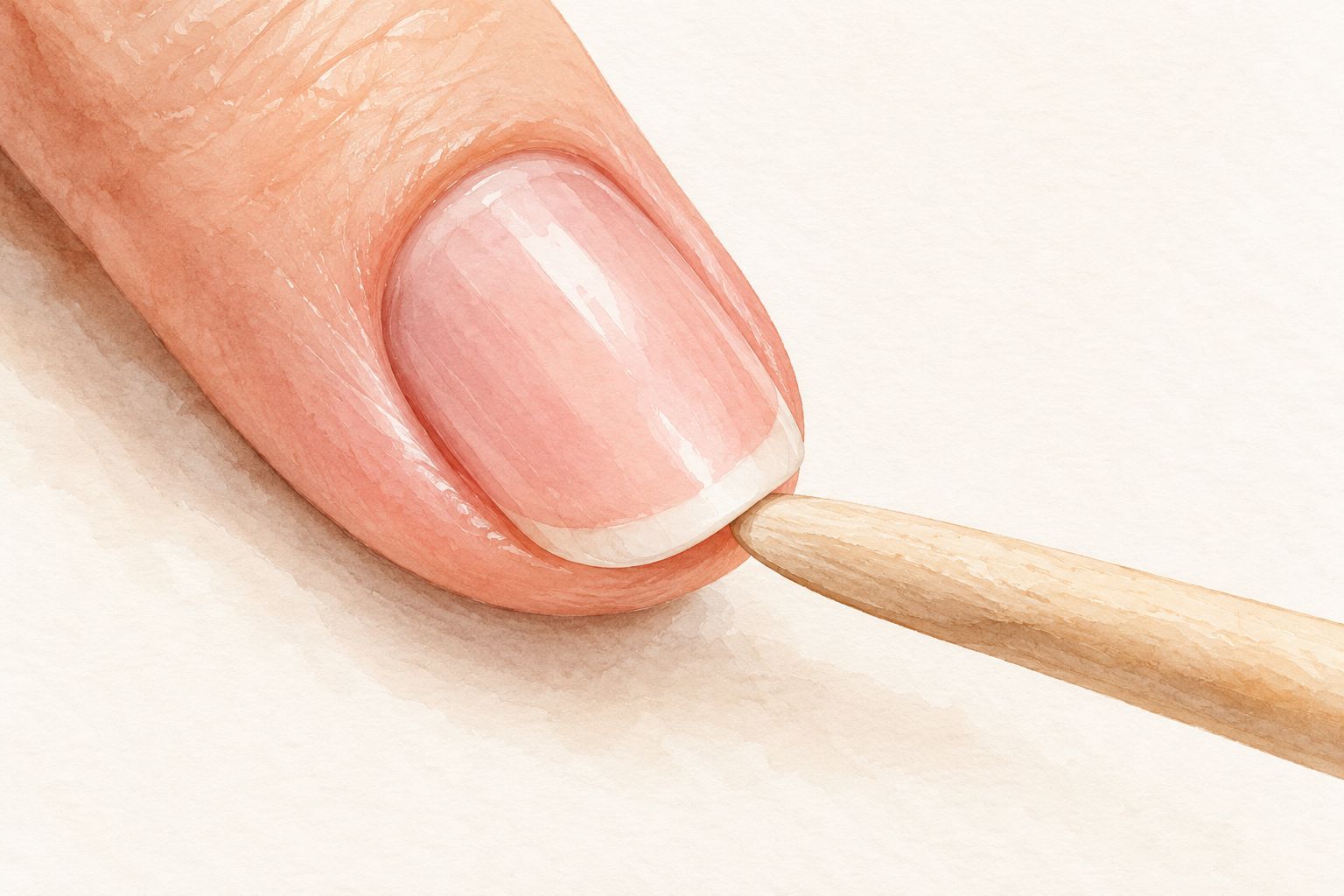
Run the rounded end of an orange stick along the underside of each nail, using almost no pressure. Wipe the stick on a tissue after every nail. Never use a metal pick, a pin or a key, because they scrape the delicate skin under the tip and make it sore. That skin seals the nail, and once it is damaged, dirt gets in more easily. Go slowly and stop if it stings. A wrapped bit of cotton on the tip works well for very short nails. Sharp dirt, like grit from the garden, lifts easily after a good soak.
6. Dry thoroughly, then moisturize
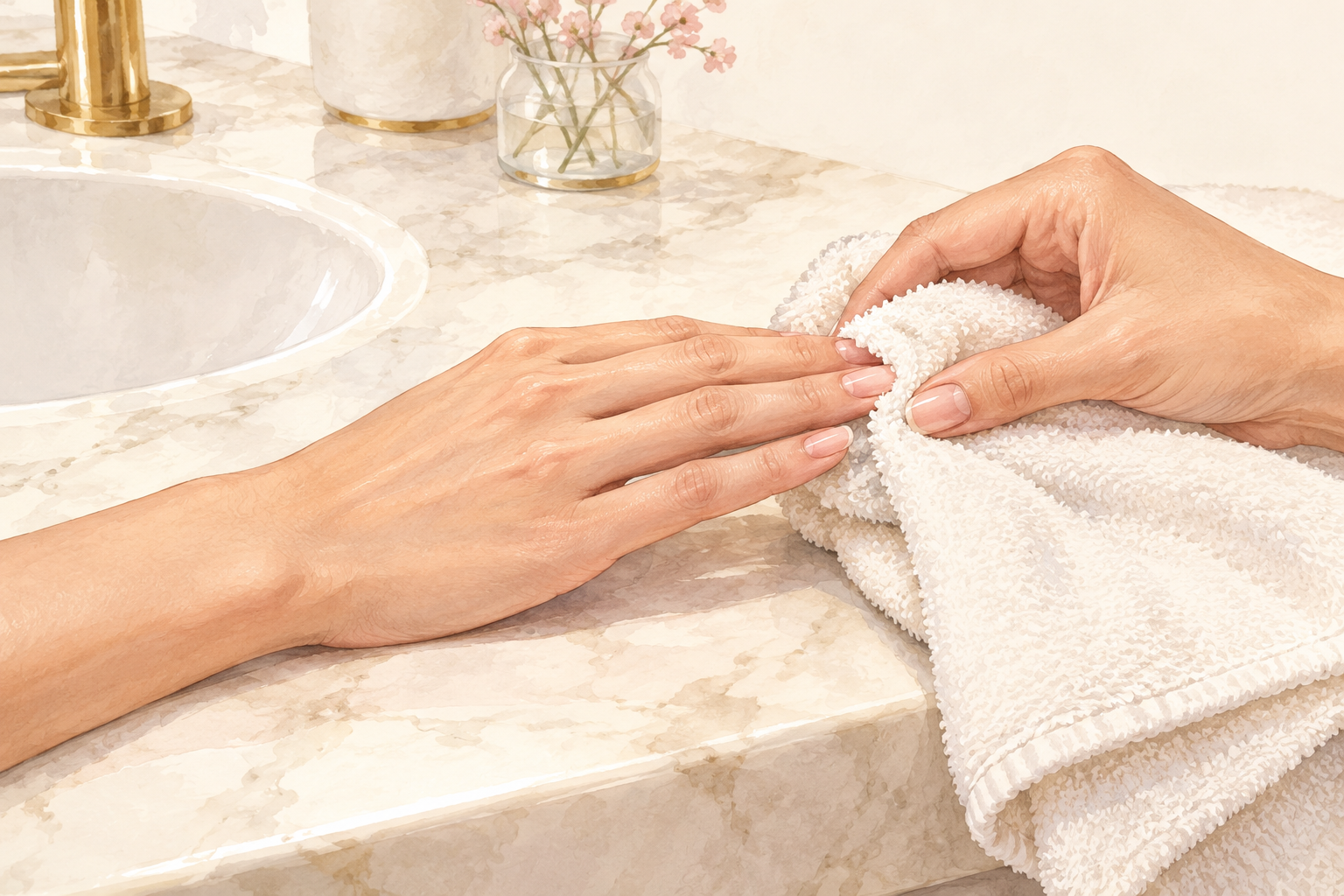
Pat your hands dry, especially under the tips, and press in a pea sized dab of hand cream or oil. Damp skin under the nail is where trouble grows, so finish properly. Massage the cream into each nail and cuticle for ten seconds. A clean, dry, soft finish is what stops dirt from sticking next time. Do this after every wash on busy days, and not only after a full clean. Nails that go from soaked to bone dry with no cream in between turn brittle fast. Pay extra attention to the thumbs, which crack first.
7. Buff the surface once, very lightly
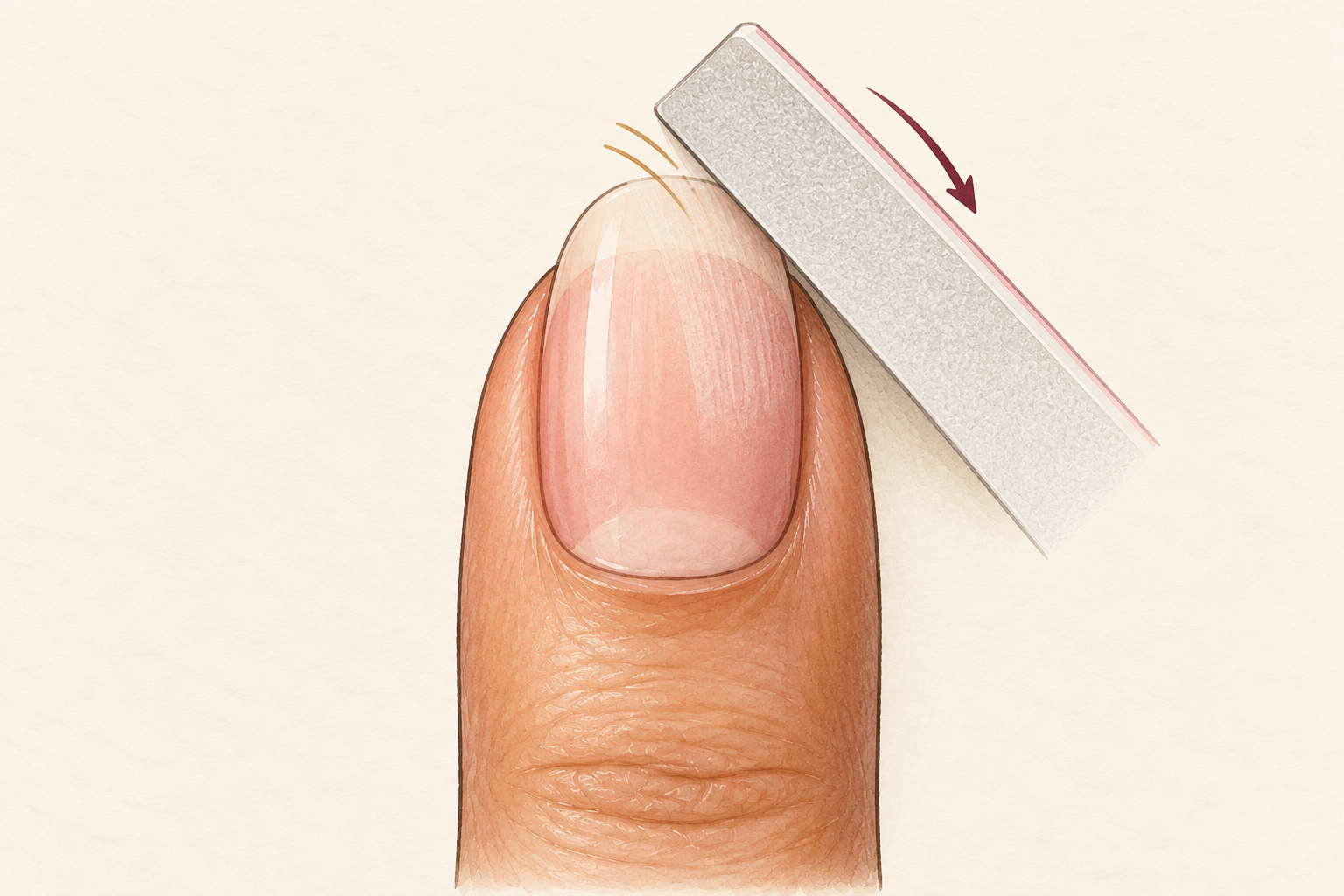
For a stained nail, glide the smoothest side of a soft buffer over the surface two or three times. That is the whole pass. Buffing removes the stained top layer, but every pass makes the nail thinner. Do it once a month at most, and never on a nail that is already thin or peeling. Stop the moment the stain lifts. Follow with cream or oil. If the nail feels warm or tender, you have buffed too much, so skip it for a few weeks. Never buff a nail that has ridges, a bruise or a peeling layer, and always finish with a drop of oil.
8. Try a short baking soda and peroxide paste
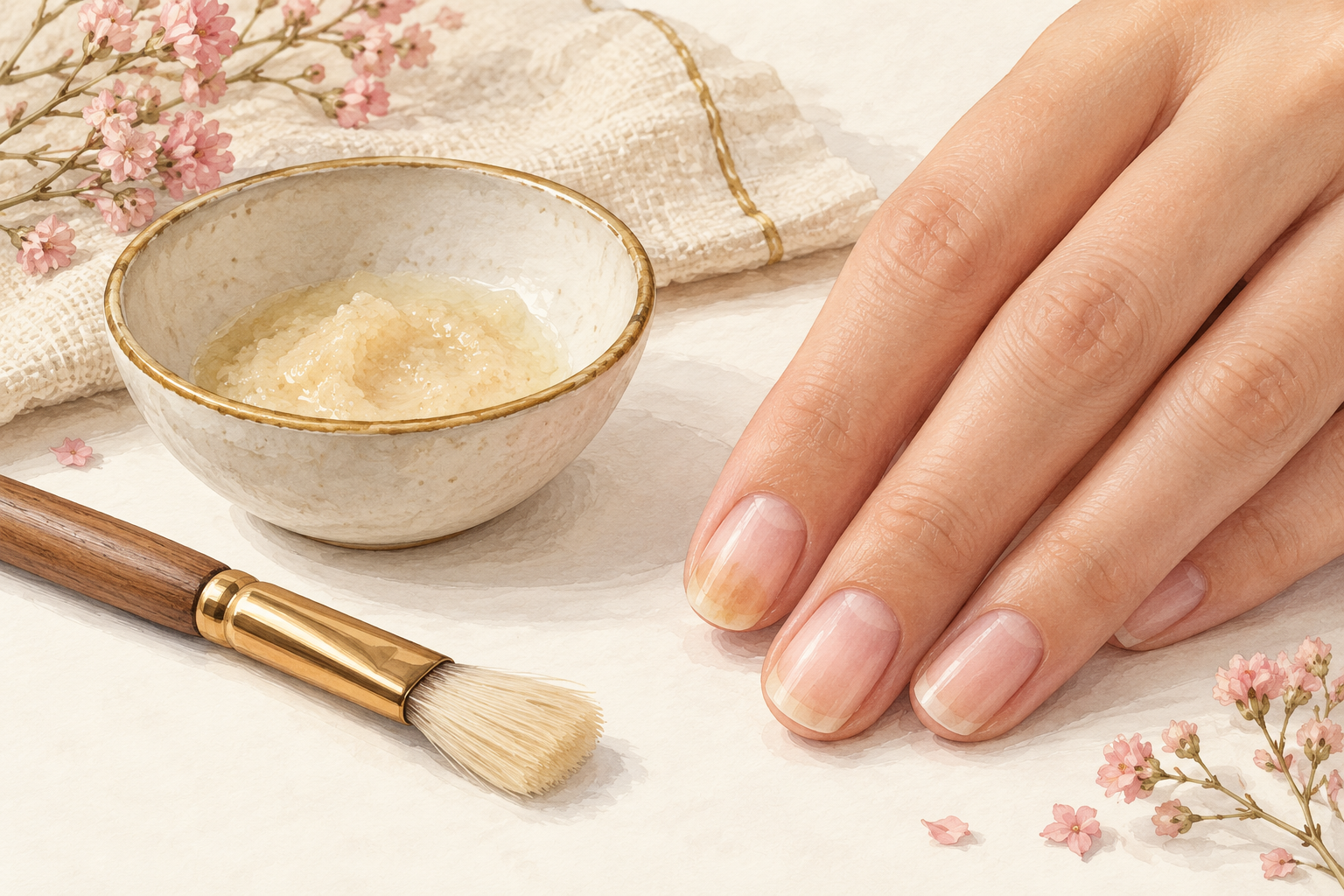
Mix one teaspoon of baking soda with two teaspoons of 3 percent hydrogen peroxide and brush it on stained nails for five minutes. Rinse well and moisturize. Test a dab on your forearm first, and stop at once if your skin itches or stings. This paste can lighten polish stains gently, but keep it to once a week for a few weeks only. Do not leave it longer, because it dries the nail. Never put it on cuts or broken skin around the nails. Keep the paste away from your eyes and wash your hands afterwards. Home remedies have their limits, which is why natural nail care is a sensible page to compare.
9. Do not cut, dig or scrape
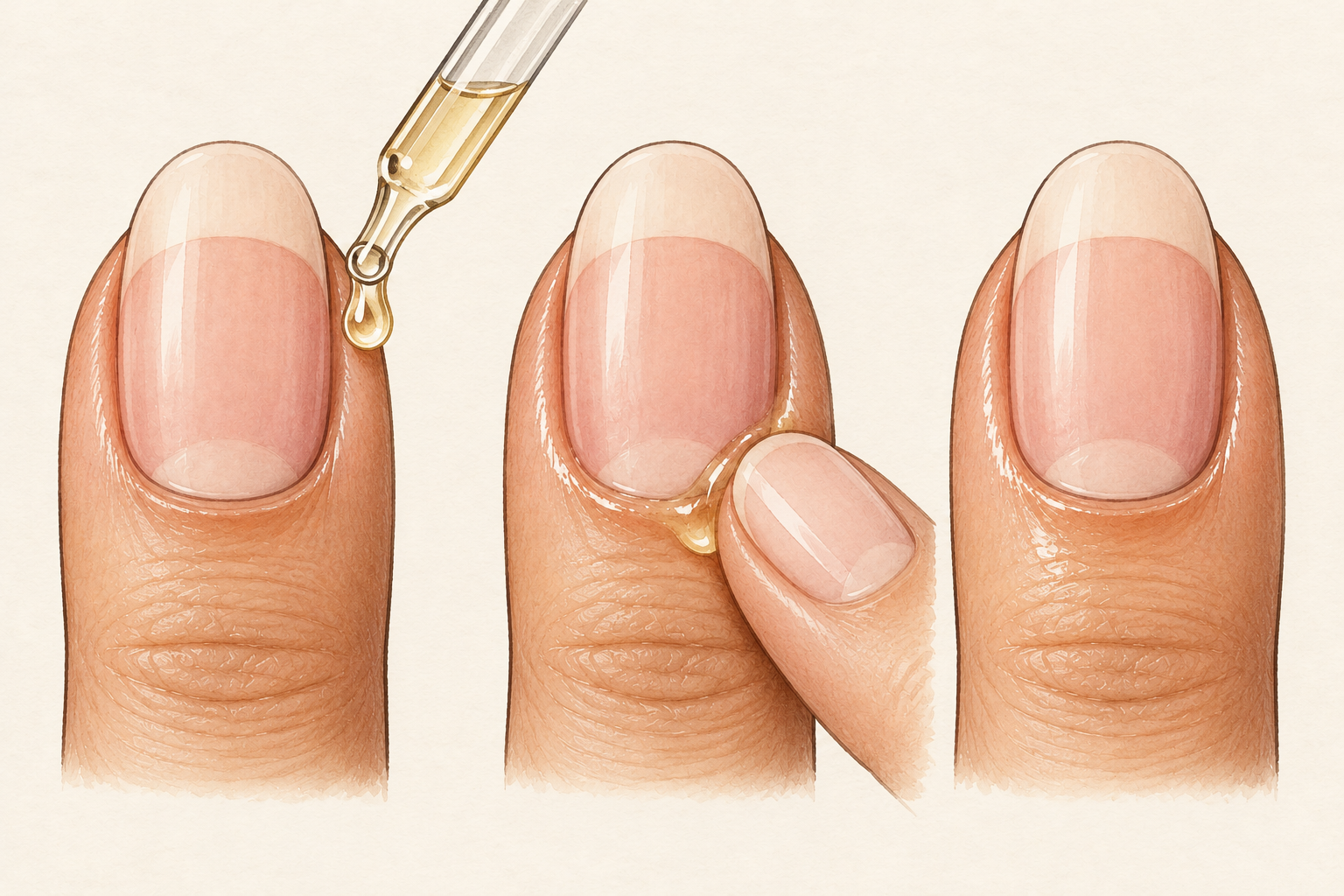
Leave your cuticles and the skin at the sides alone, and never dig at the groove. The cuticle seals the base of the nail like a rubber seal around a window. Cutting it invites trouble, and scraping with sharp tools leaves tiny cuts that let dirt in. If skin is loose, soften it with oil and nudge it with an orange stick. Trim only the hangnail itself with clean clippers. Slow and gentle always beats quick and rough when you are cleaning the nail. Pushing back soft cuticles after a shower is a safe, tidy alternative. Gentle cuticle habits like these are a good start, so read nail care once this feels easy.
10. Skip the bleach and daily remover
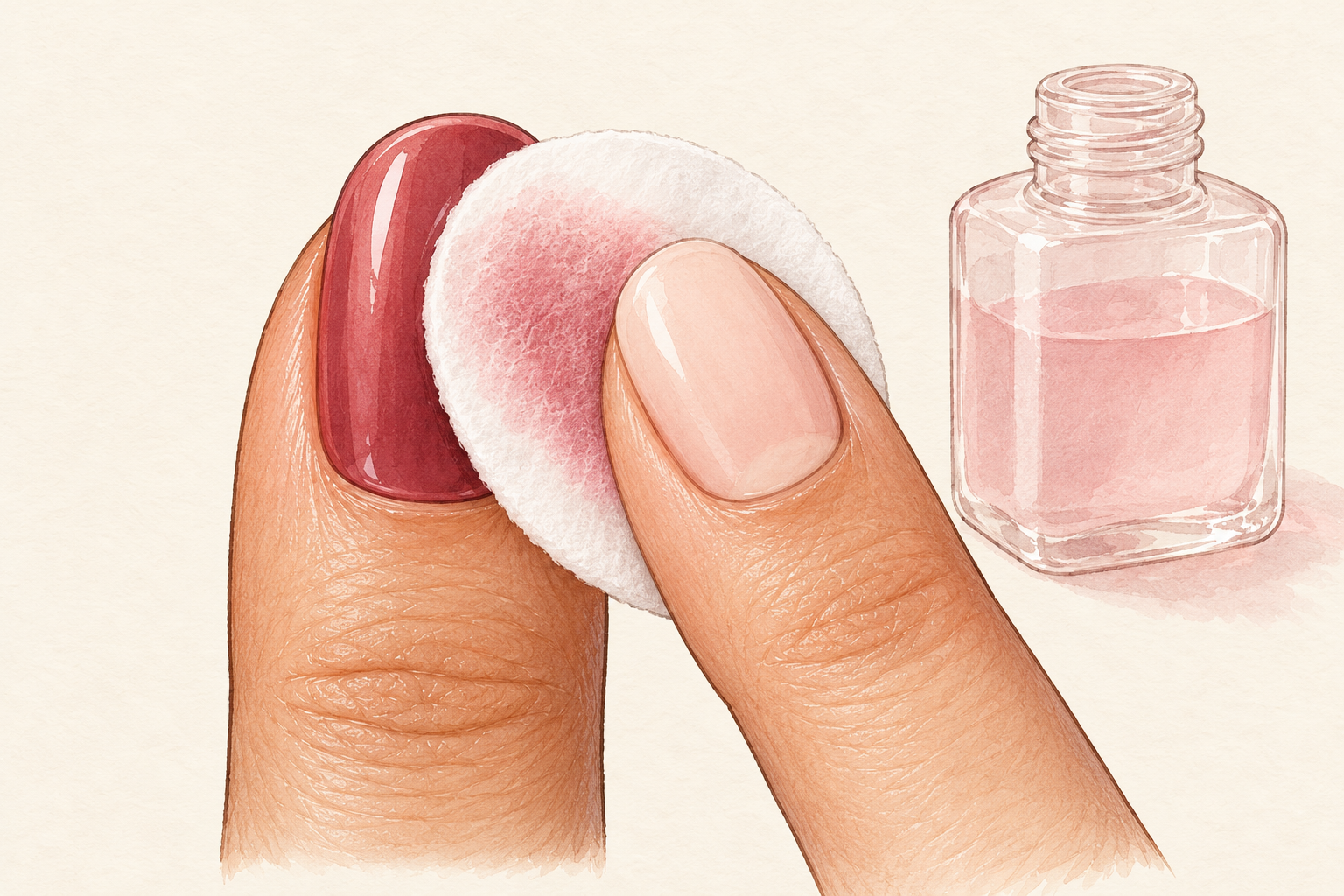
Keep bleach, strong cleaners and acetone off your nails unless you are wearing gloves. They dry the nail until it peels, and bleach can burn the skin around it. Use remover only when you must, and choose one without acetone if your nails are dry. Wipe it on a cotton pad, press for ten seconds and wipe once. Do not use it as a daily cleaner, since it strips the oils your nails need to stay flexible. A mild soap is almost always enough. If you have to remove polish, press the pad and wait rather than rub.
11. Expect color to fade over weeks, not days
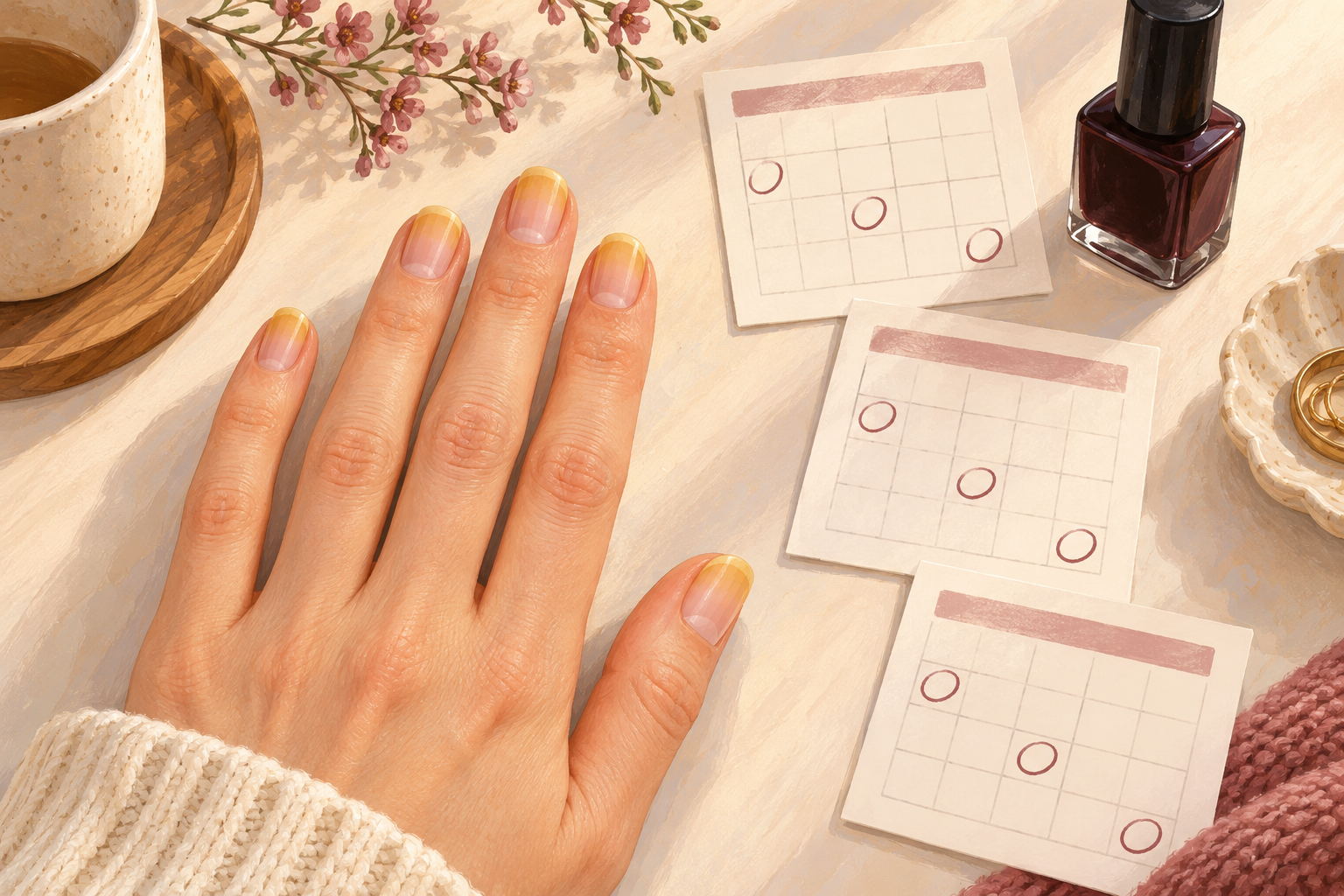
Stains and yellow tint fade as the nail grows, which takes around three to four months for a full nail. You can speed it up a little with the paste and gentle buffing, but patience matters most. Take a photo today and another in a month. Give your nails a break from dark polish for a couple of weeks. If the yellow stays, or the nail turns thick, crumbly or sore, see your doctor, because that is a different problem from stains. Dark polish stains fade fastest, while turmeric and hair dye can take a few weeks longer to grow out.
12. Wear gloves, use a base coat and keep nails short
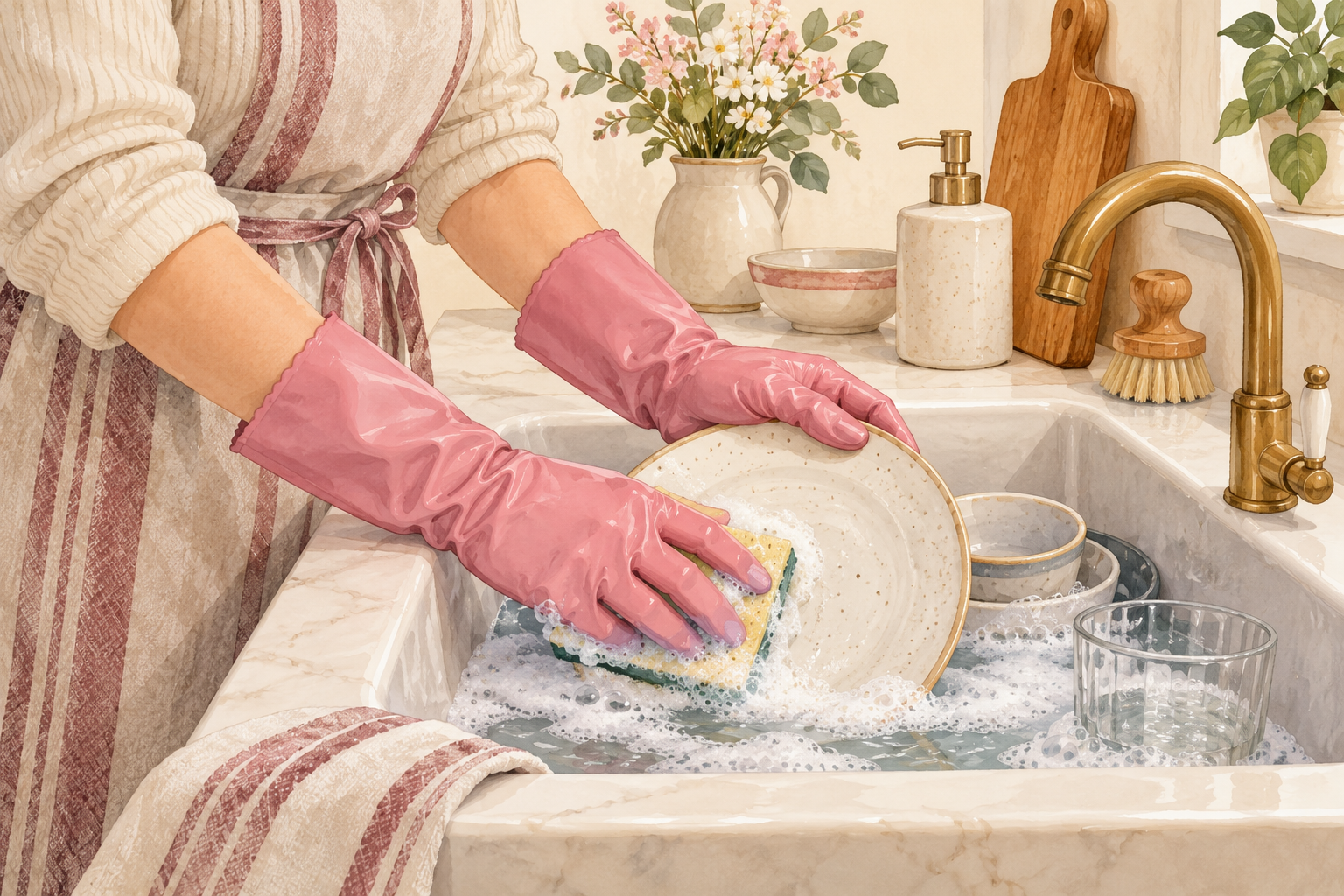
Put on gloves for washing up, gardening and cleaning, and always paint a clear base coat under color. The base coat stops dark polish from staining the nail. Short nails collect less dirt, so trim them once a week. Keep a small brush by the sink and use it at night, which stops dirt from building up. A few small habits do far more than any scrub. Cleaning nails then takes two minutes, not twenty, and you will not need harsh fixes. Rinse the gloves and hang them up to dry, so they are fresh the next time you reach for them.
Complete the Routine: How to Clean Nails Without Harm
Tonight, soak, brush gently and moisturize, and leave the metal tools in the drawer. Clean nails start with gentle habits, so you can begin with one simple change tonight. When you are ready, the guides below will show you the next small step.