Your drawer is full of files, clippers and tiny metal gadgets, and your nails still peel and snag. The problem is rarely the nails. It is often the tools. These 12 picks show which nail care tools earn drawer space and which ones quietly do damage, so start at number one and clear out the rest.
1. Know what a good tool looks like
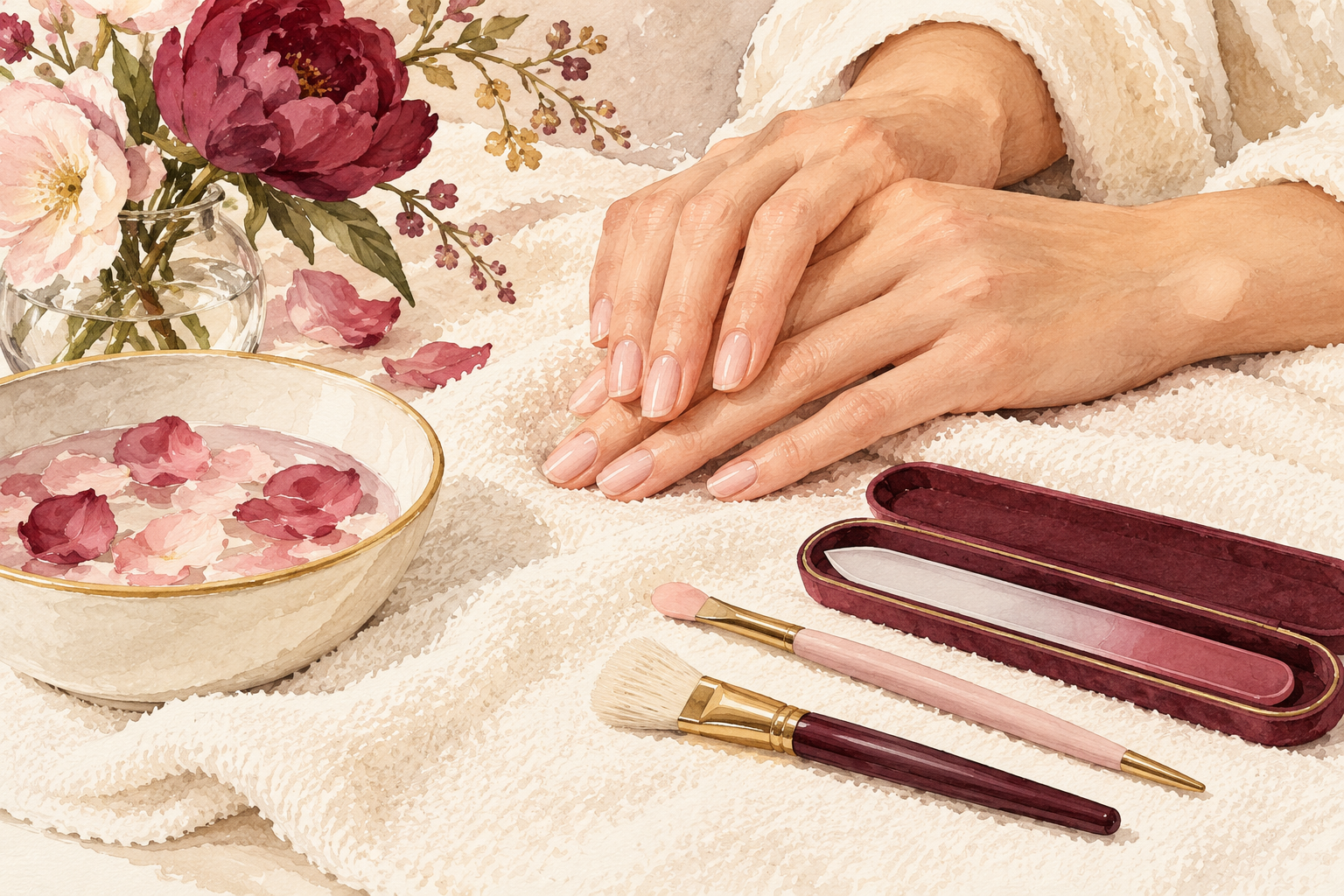
A good tool is smooth, easy to clean and does one job well. Run your finger along any file or pusher before you use it, and if it feels rough, sharp or scratchy, it will feel the same on your nail. Look for stainless steel or glass, and for edges that are rounded, not jagged. A tool you can rinse and dry in seconds stays cleaner than one with deep grooves. If a gadget claims to do five things, expect it to do each one badly. Buy fewer, better tools. Tip out your drawer onto a table and test each piece with your fingertip. Anything that feels rough goes in a bag to give away or bin. Shopping for tools goes better after a first stop at nail care.
2. Match your tools to your nails
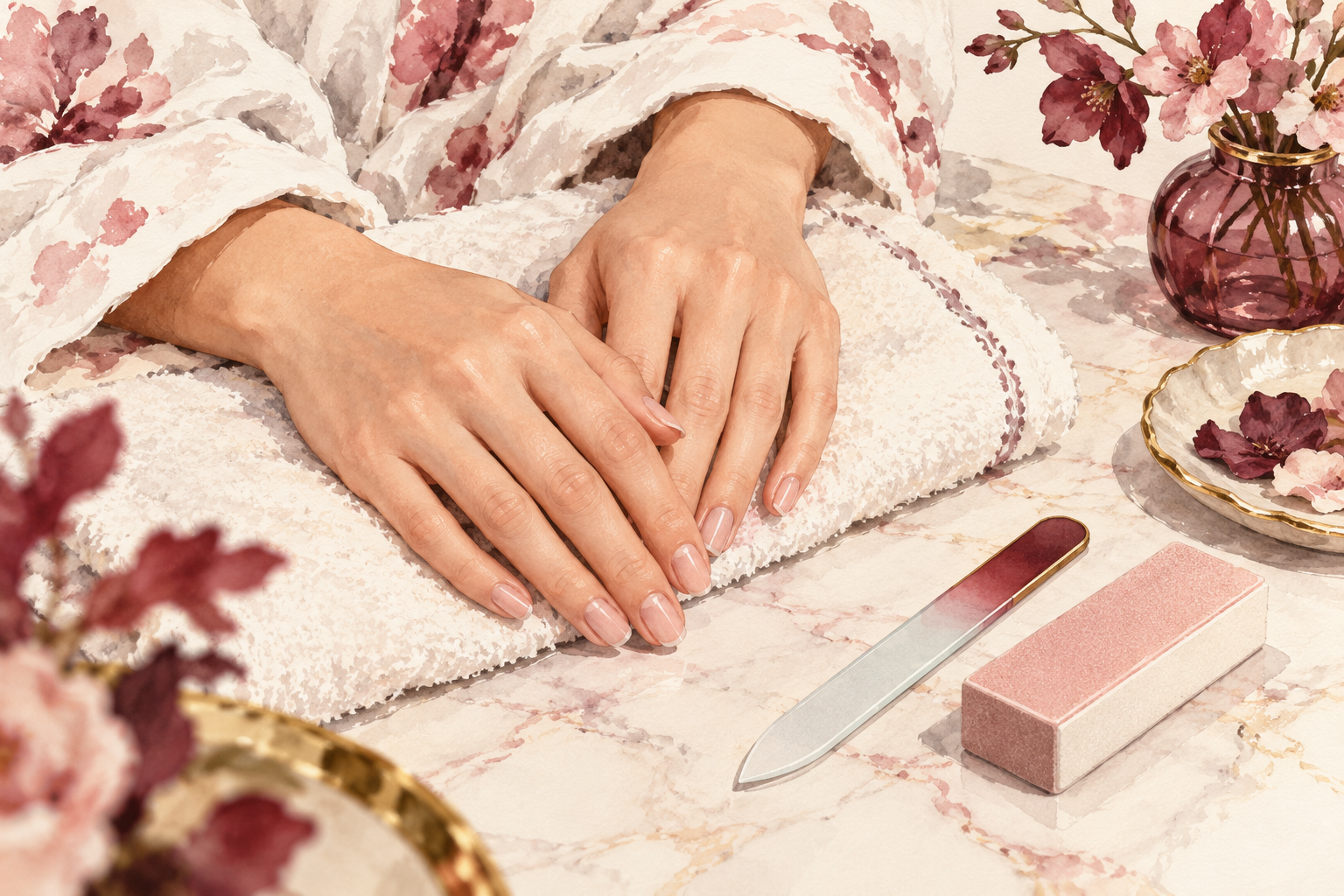
Thin or peeling nails need gentler, finer tools, while thick, hard nails can handle a slightly firmer file. Press the nail gently with a fingertip. If it bends easily, go fine and soft with everything. If it feels hard and resists, you can use a medium file and a stronger set of clippers. Short nails need small clippers, and curved nails like a curved edge. Keep this in mind as you read the list, and choose the softer option whenever you are unsure. Nails also change with the seasons, so a tool that suited you in winter may feel harsh in a dry summer.
3. Keep a glass file
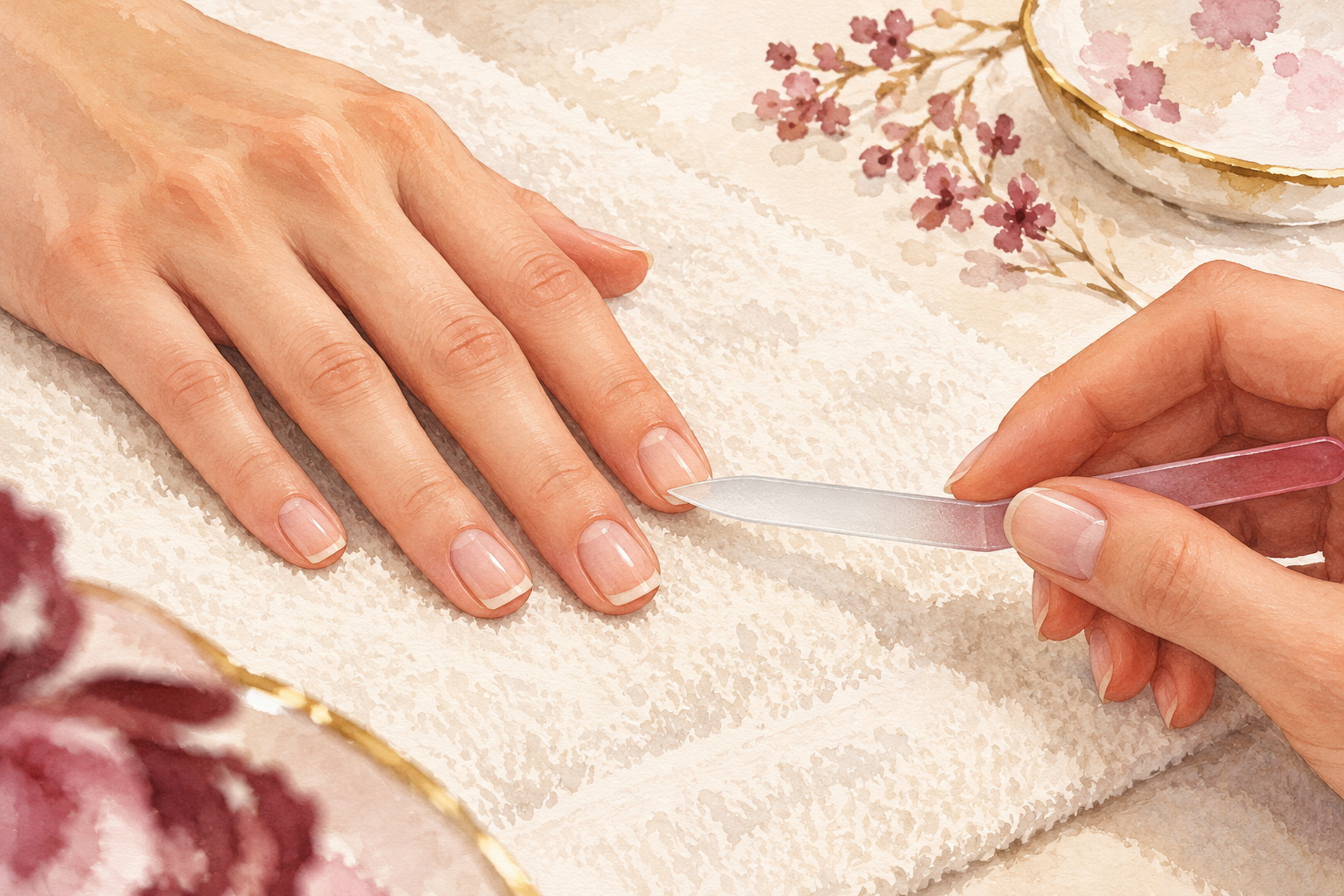
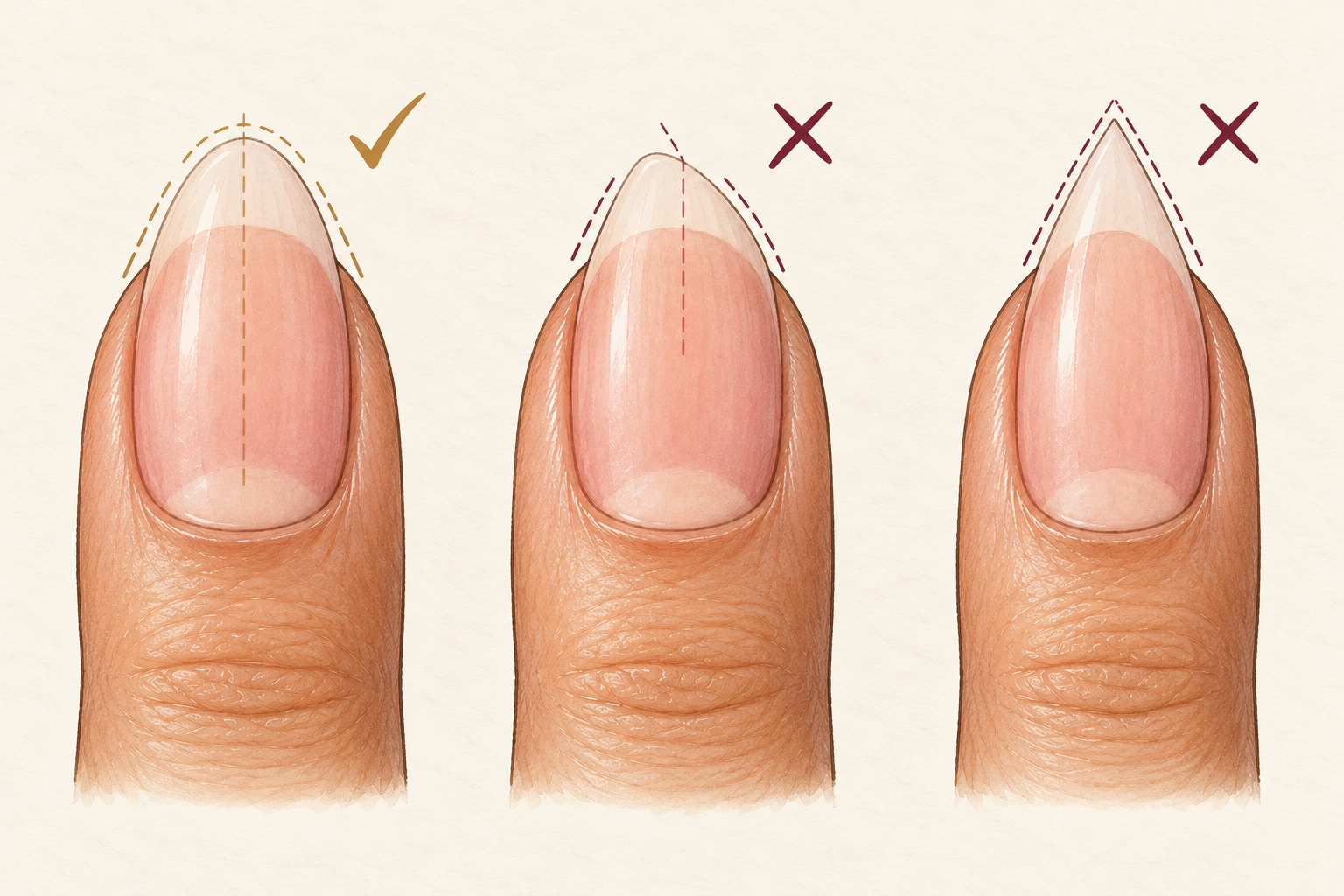
A glass file is the single best nail care tool you can own. Its fine surface seals the edge as it files, so layers are less likely to split. Glide from the outside edge toward the middle, never sawing back and forth. A few light strokes on each side is plenty. It rinses clean under the tap and lasts for years, unlike paper boards that wear out. Keep it in a case, because glass can chip if it falls on a hard floor. If you only buy one thing, buy this. Choose a fine grit so the edge feels smooth after two passes. A tool that needs ten passes is too soft for the job. Glass files earn their place, and a wider look at manicure tools helps you build the rest.
4. Choose sharp, straight clippers
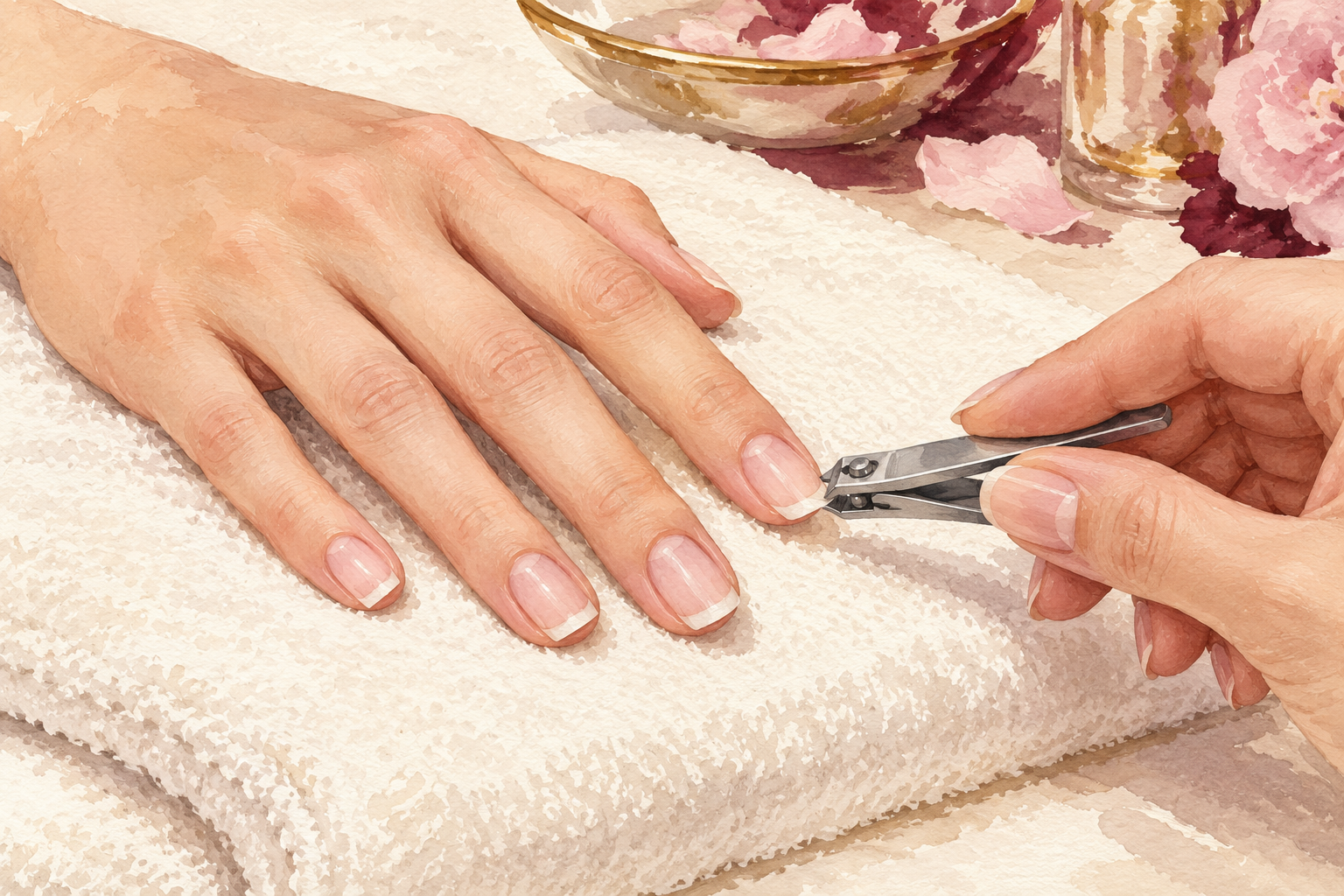
Pick clippers with a straight, sharp edge that bite cleanly in one or two snips. Blunt clippers crush the nail and leave tiny cracks that later become peels. Cut after a bath, when nails are a little soft, and make several small snips rather than one big bite. Leave a rim of white at the tip. Round the corners slightly with your file afterwards. Larger clippers suit toes and smaller ones suit fingers, so keep two. Replace them when you feel them tug. Check the jaw edges once in a while with a thumb, since a nicked blade tears the nail. Keep the clippings in a small dish so they never fly across the room.
5. Use a soft buffer, sparingly
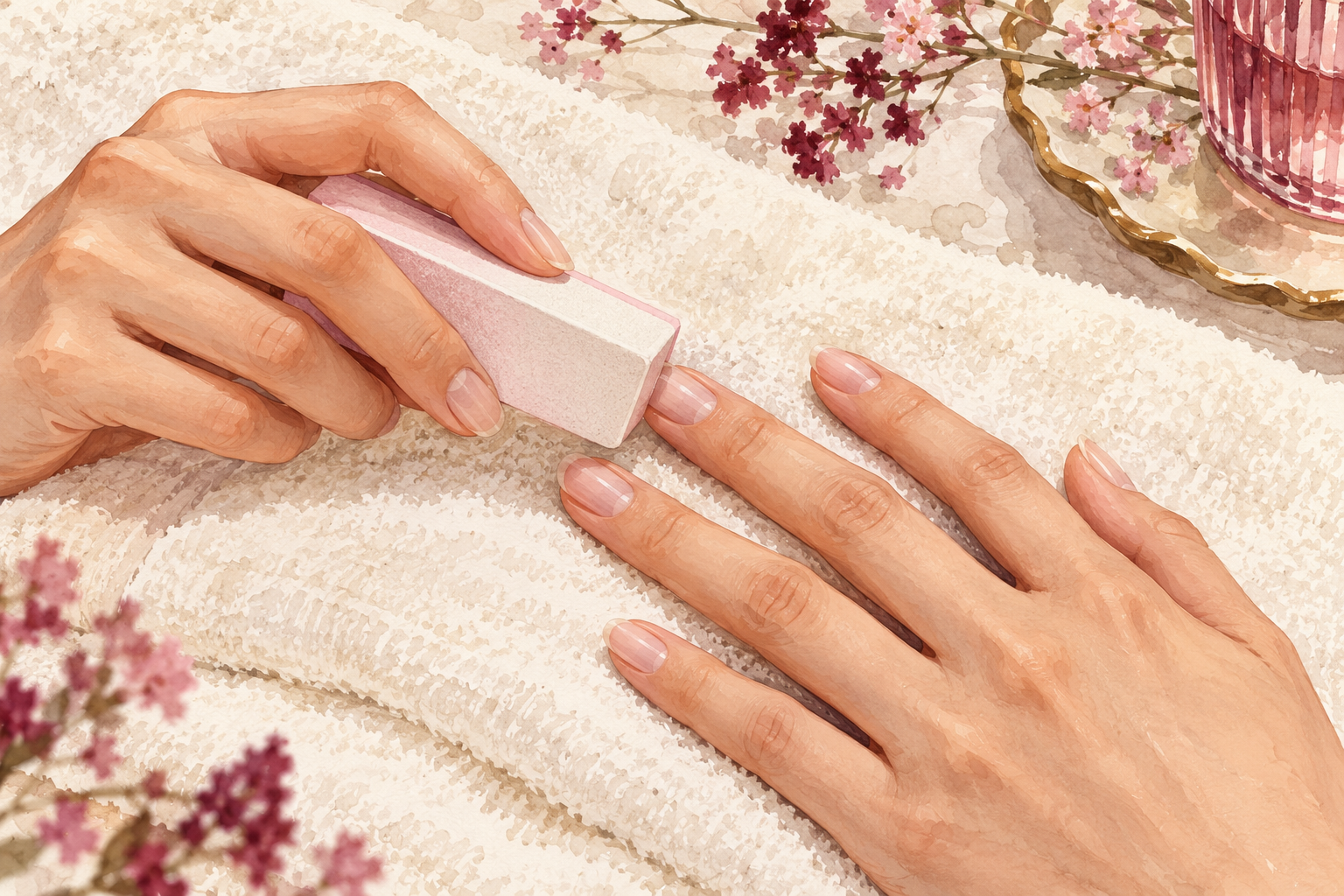
Choose a soft, fine buffer block and use it for five seconds per nail, no more. It smooths ridges and gives a natural shine, and it is also the tool most easily overdone. Buff in one direction with a light hand, and stop when the surface feels smooth. Do it once a month at most, because buffing removes a thin layer of nail each time. Skip it entirely if your nails are thin or peeling. A gentle polish with the soft side is all most nails need. Look for a block with a softer side for shine and a finer side for ridges. Use only the finest side on thin nails.
6. Add a soft cuticle pusher
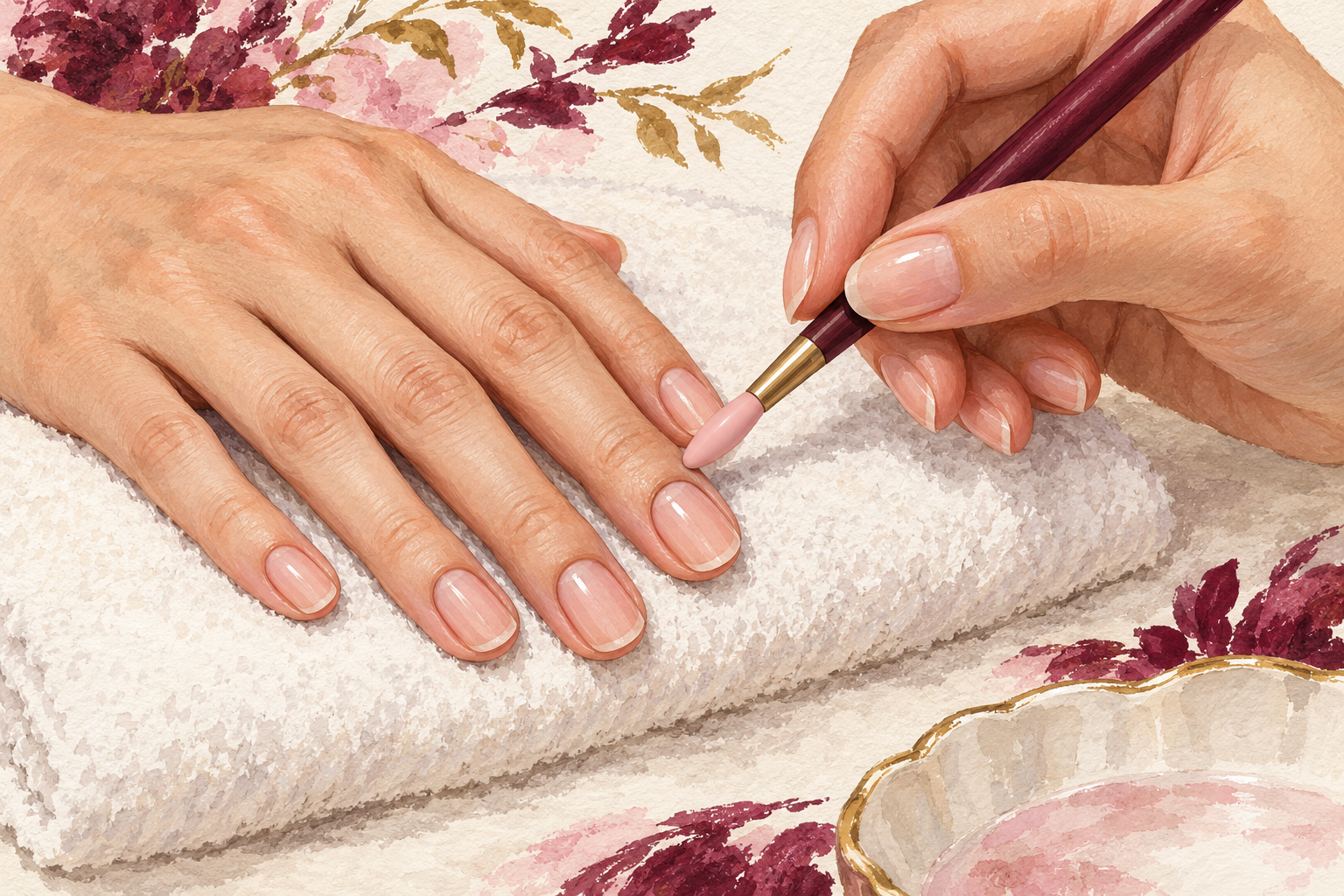
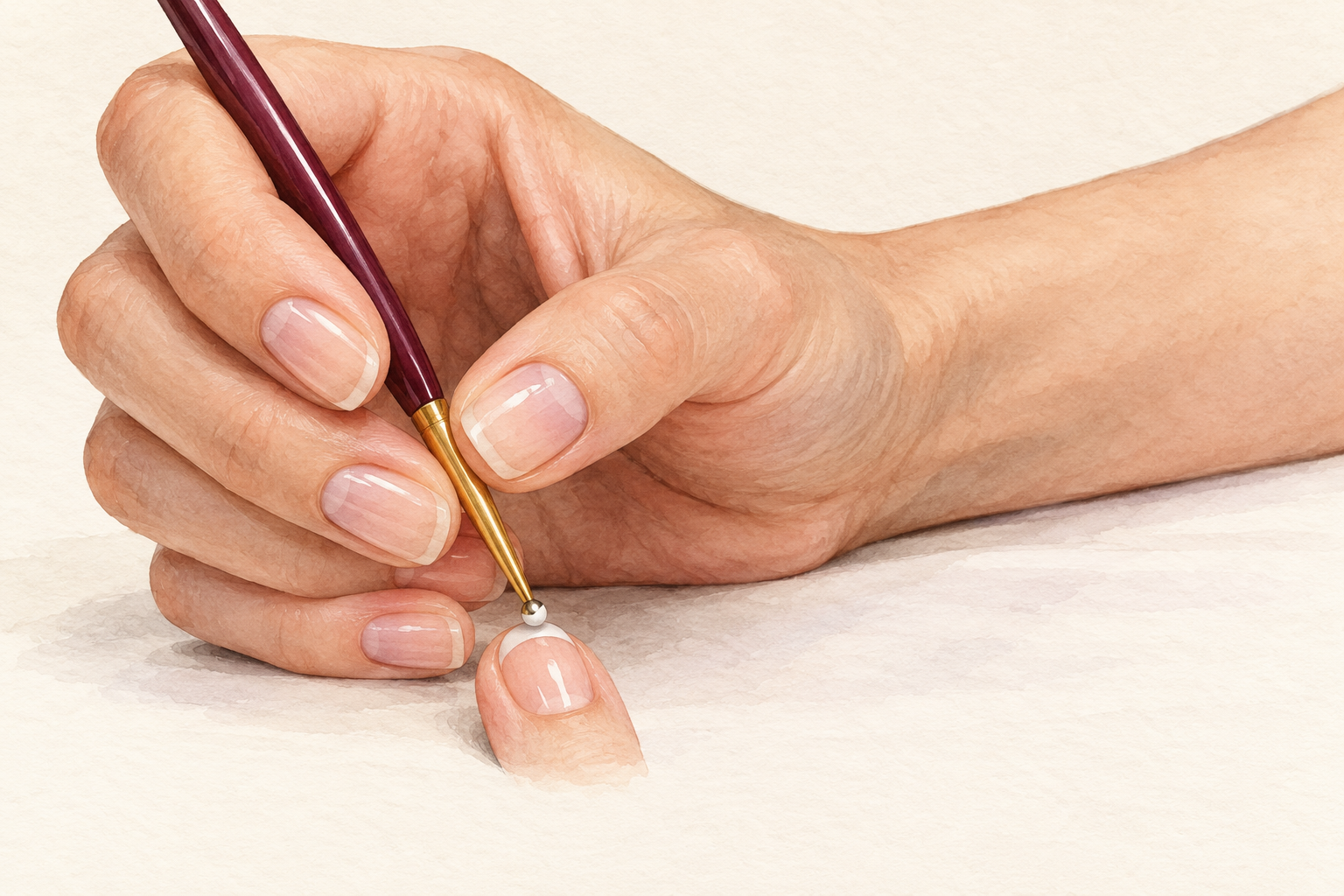
Use a rubber tipped pusher or a wooden stick after a warm shower, when the cuticle is soft. Nudge the loose skin back gently, and stop if it tugs. Never push dry skin, because dry skin tears and gets sore. Do this once or twice a week at most, so the skin does not get irritated. A pusher helps you see more of the nail and leaves the edges looking tidier. Wipe it clean after each use. A wooden stick wears out, so replace it every few weeks. A rubber tip is gentler than metal, and it is easy to wipe clean. Skip this step if your cuticles are cracked or sore.
7. Keep a soft nail brush
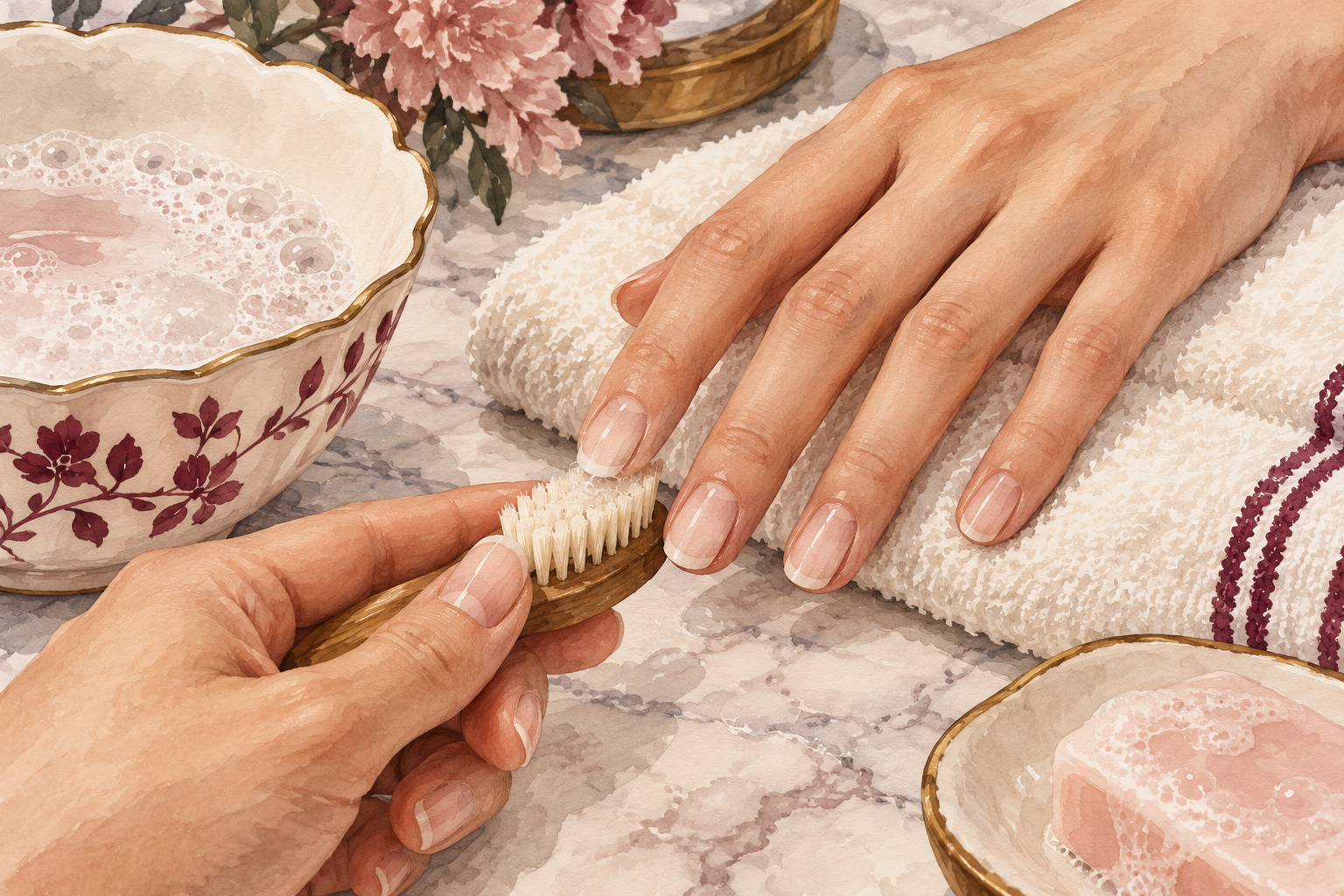
Scrub under the nail tips with a soft brush and warm soapy water once or twice a week. It lifts dirt and keeps the tips clean without scratching. Skip the metal pick, because scraping under the nail with metal can loosen it from the nail bed. Brush gently, rinse, and dry the brush on a towel so it does not stay damp. Replace the brush when the bristles splay. Clean nails are also a good base for polish or oil. If your nails are stained from polish, a drop of mild soap on the brush does more than any harsh scrub.
8. Treat oil and cream as tools too
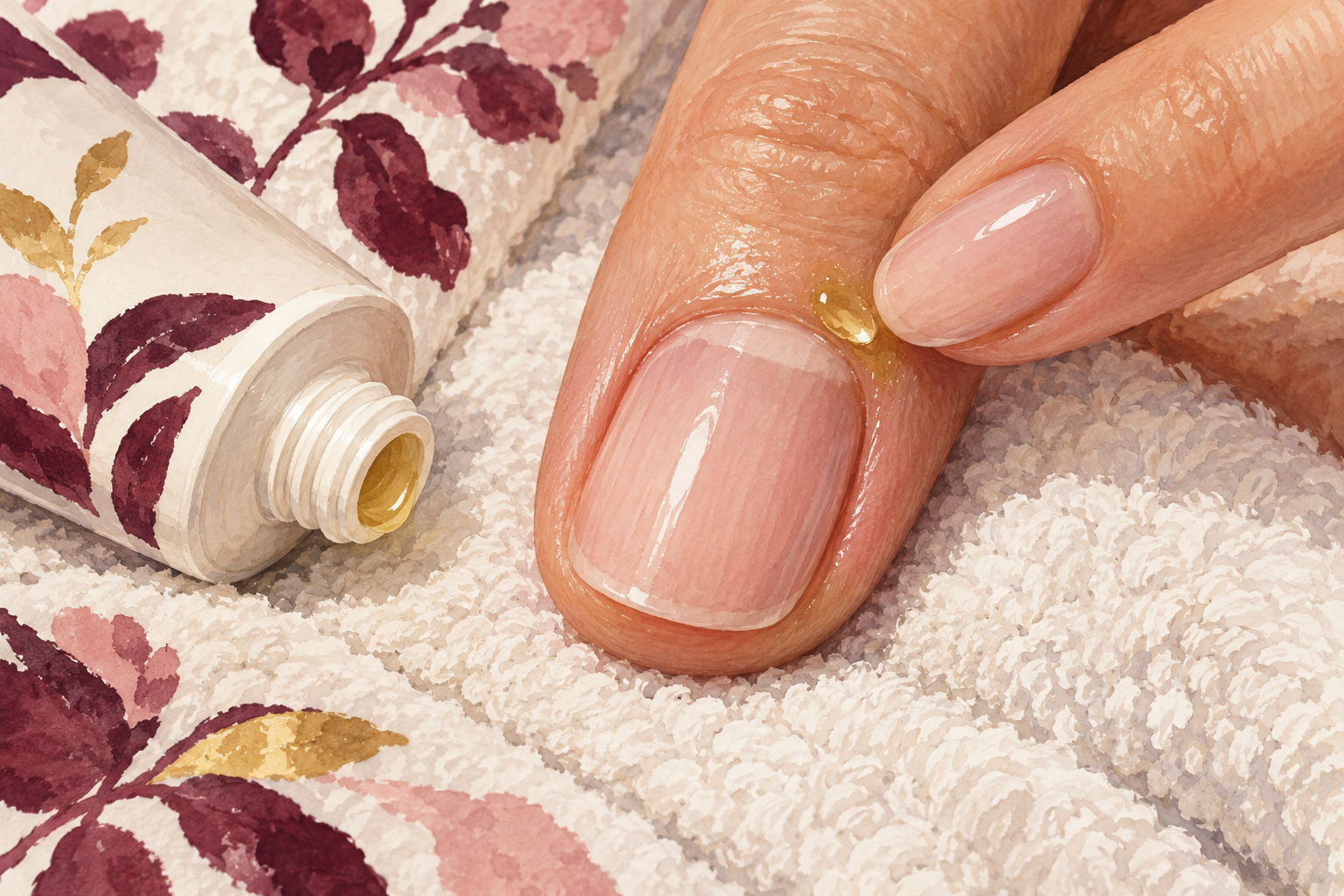
A cuticle oil and a hand cream do more for your nails than any gadget in the drawer. Press a drop of oil into each nail before bed and rub cream in after every wash. They keep the nail flexible, so it bends instead of snapping. Choose a light oil that sinks in and a cream that feels rich but not greasy. Keep one on your bedside table and one at the sink so they are always in reach. Small habits beat big treatments. Keep oil in a dropper bottle so one drop is all you get. Rub the extra into the back of your hand.
9. Toss the metal file and the nippers
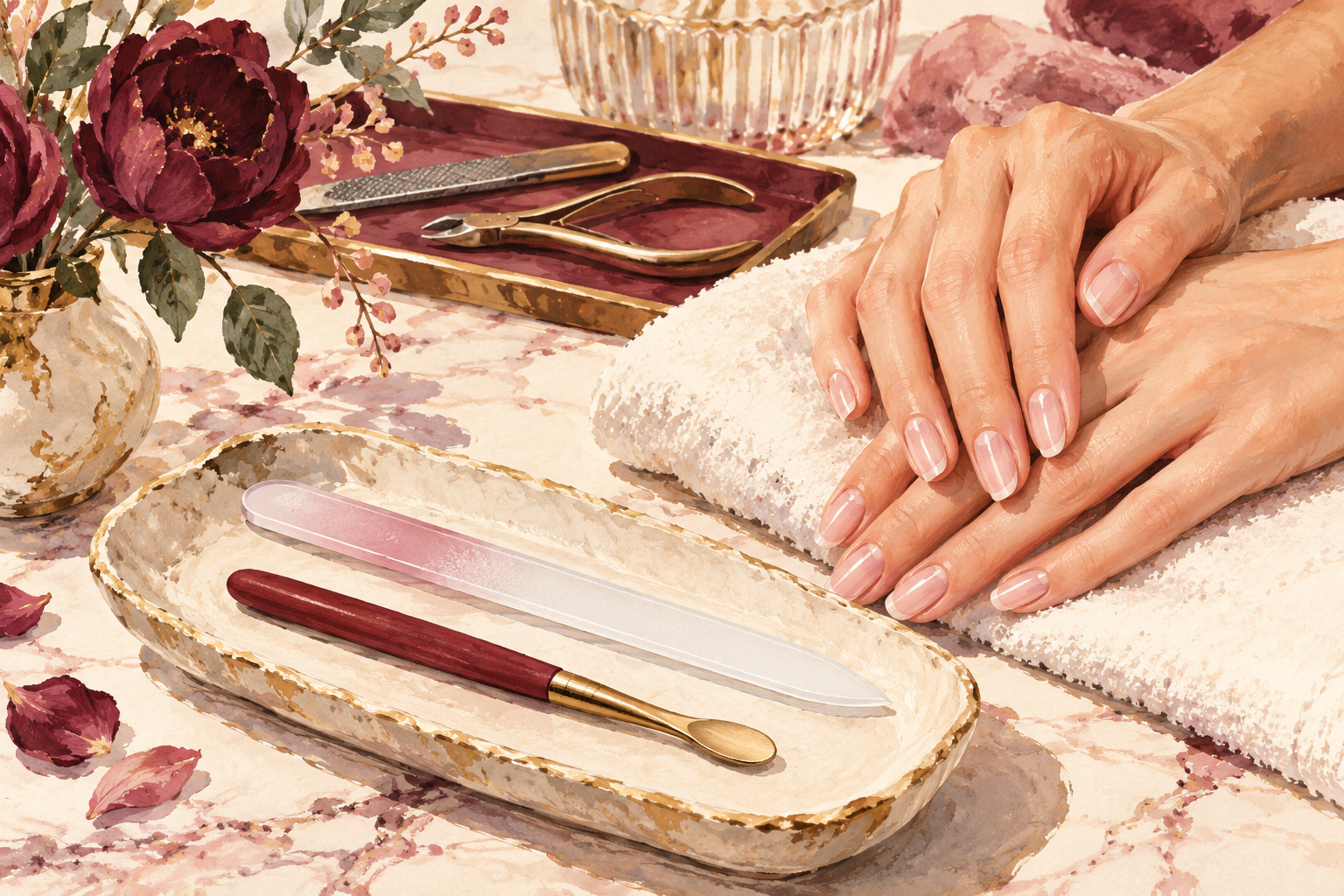
Retire any coarse metal file and any cuticle nippers or cutters. Metal files shred the edge of the nail and leave it splitting into layers. Cutting the cuticle removes the seal that protects your nail, and the skin often grows back rougher and sorer than before. A soft push is enough. If you have already cut your cuticles for years, give them a few weeks of oil and the skin will calm down. If a tool scratches, tears or cuts skin, leave it out of your pouch. Nothing in this list needs to be sharp enough to cut skin.
10. Skip drills and coarse buffers
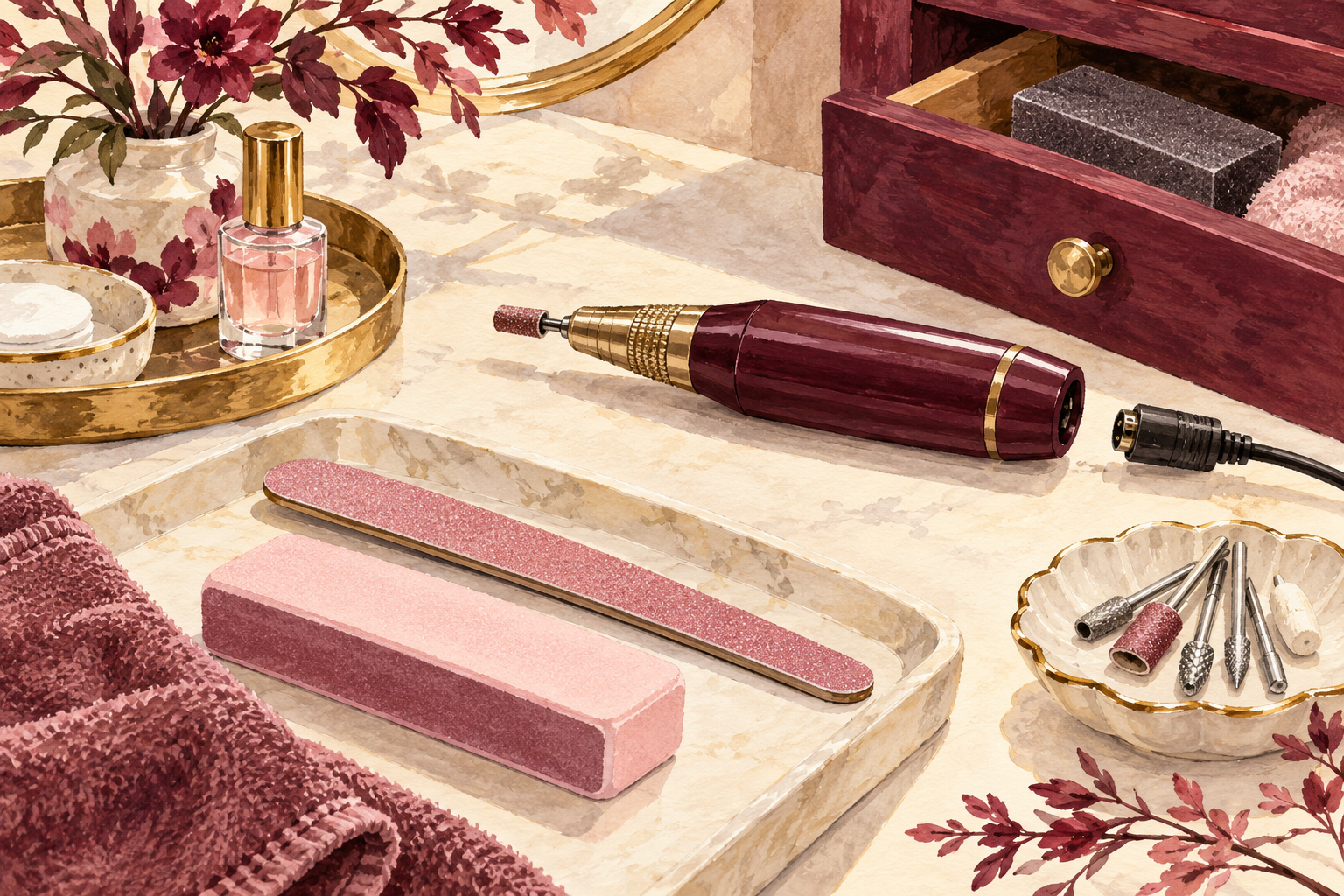
Leave electric drills and rough sanding bands for people who have been trained to use them. At home, a drill can thin a nail in seconds, and the heat makes your fingertip sting. Coarse buffer blocks are the same, grinding away far more than you meant to. Keep your tools gentle, because you cannot put nail back once it is gone. If a set of gadgets promises fast results, look at what it takes off your nail first. Slow tools feel boring, but your nails stay thicker. The soft foam block from number five is all the smoothing most nails need. Save your drawer space for tools you actually reach for.
11. Clean and replace your tools
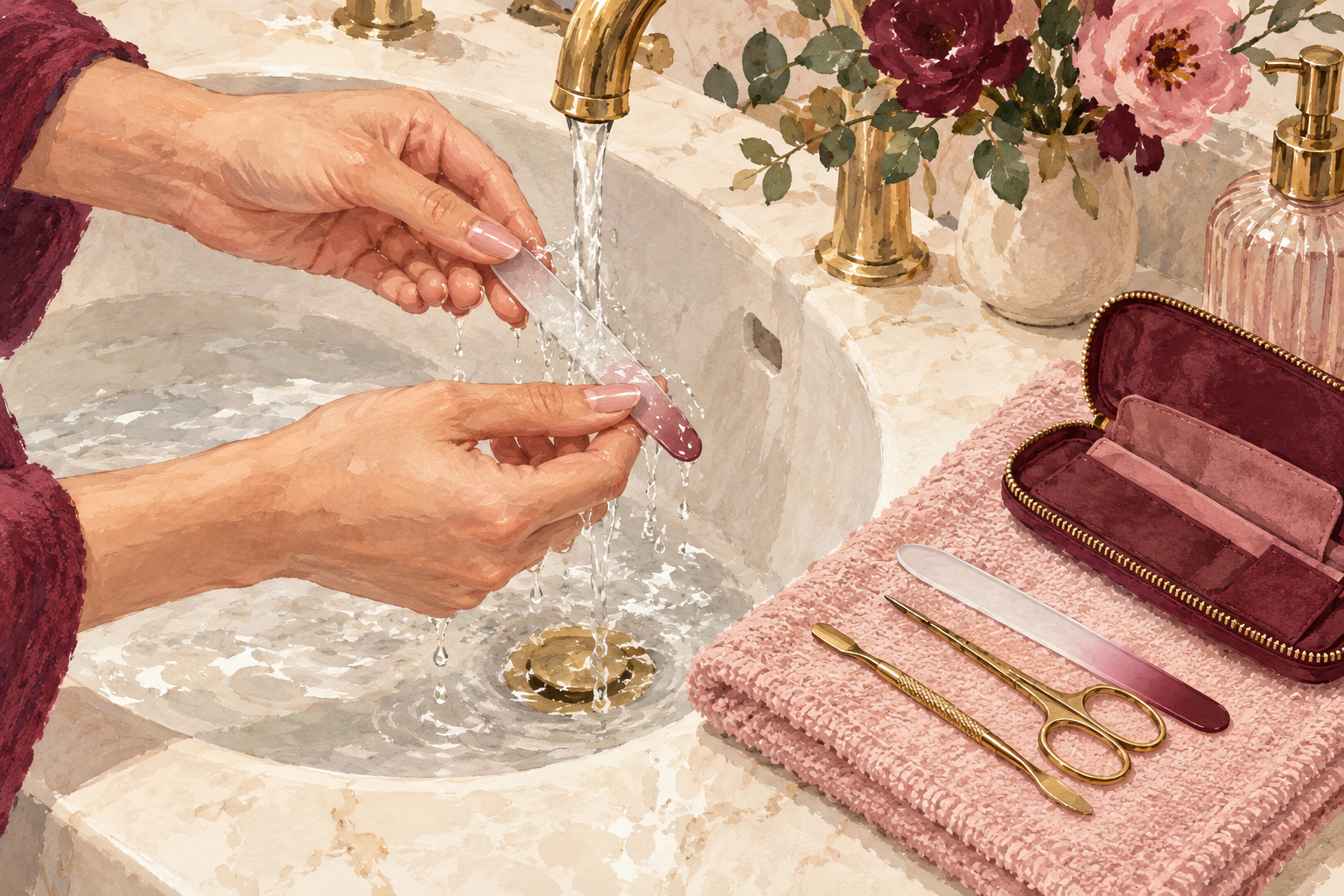
Wash your tools with warm soapy water after each use and wipe them with rubbing alcohol once a week. Old product and dead skin build up on files and clippers. Dry them fully before they go back in the pouch. Replace foam buffers and paper boards when they get smooth or clogged, and any clippers that no longer cut cleanly. If you share tools with a friend, wipe them first. A clean tool is gentler on your skin, and it lasts for years. Store everything in a dry pouch, not the bathroom, where steam makes metal rust. Dry tools also last much longer.
12. Check that your kit is working
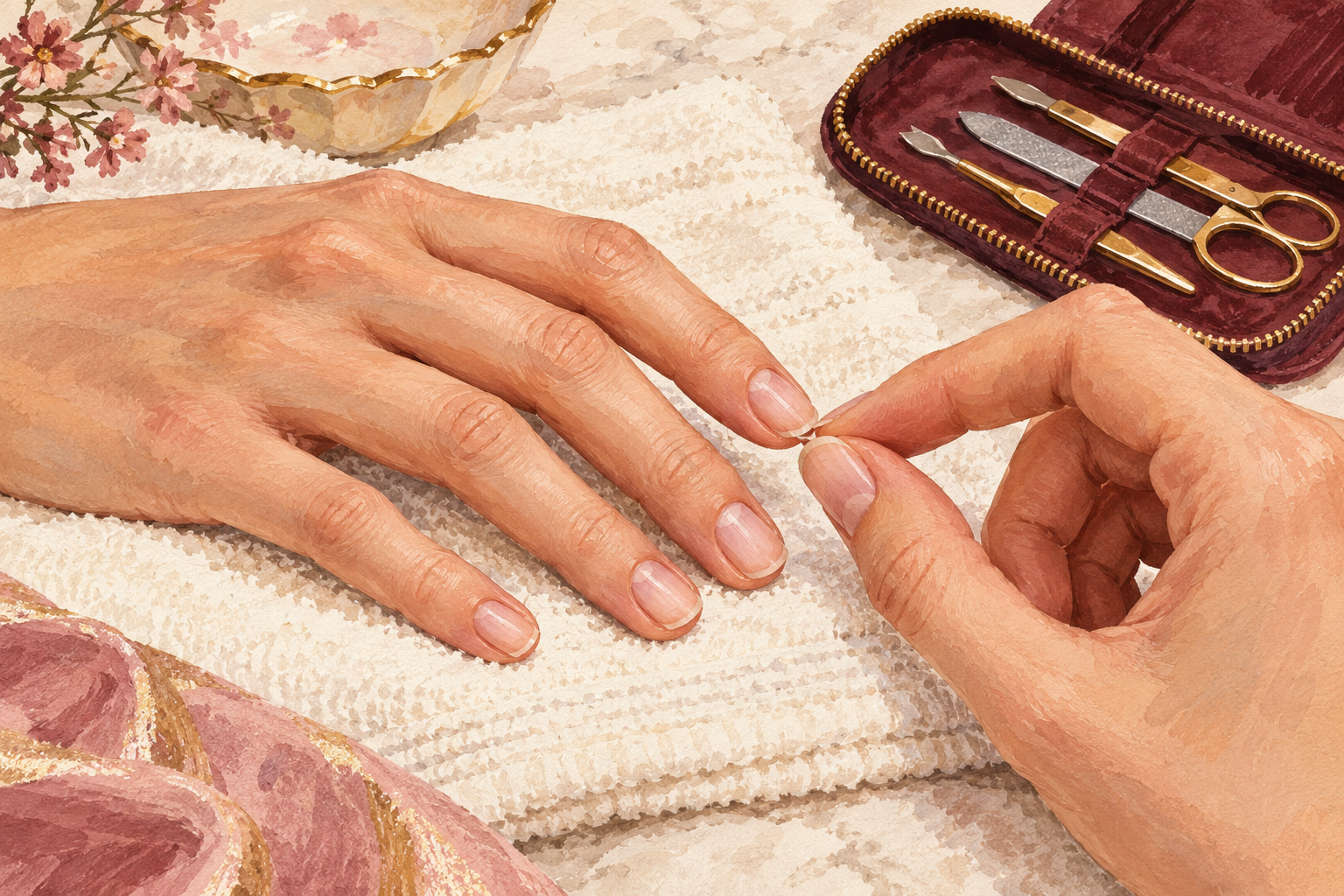
Run a fingertip along each nail edge, and if nothing snags, your tools are doing their job. Look for fewer peels, fewer snags on your clothes and a smoother edge after a few weeks. If the edges still feel rough, your file is too coarse or you are pressing too hard. If nails feel thin or sore after buffing, skip the buffer for a month. Good nail care tools should make nails feel better, not worse. Keep the pouch small and keep using only what earns its place. Take a photo of your nails now and another in a month. Nail care tools are only worth the space if the photo shows the difference.
Complete the Routine: Nail Care Tools You Will Use
Tonight, tip out the drawer and keep only the gentle tools from this list. Less clutter means better care, so pick a guide below for the week ahead and enjoy the calm.