You saw a video promising six inches in a month, you bought three things you did not need, and your scalp ended up red and sore. Real extreme hair growth is slower and kinder than that. This plan has 12 steps across 90 days that protect the length you already have and look after your scalp while new hair comes in. Start at number one tonight.
1. Take baseline photos and measurements

Today, photograph your hair from the front, back and sides, and measure the length at the nape and the crown. Write the numbers in a notebook with the date. Use a fresh, dry, unstyled head in daylight. This is the step people skip, then wonder in three months whether anything changed. Hair is slow, and your eyes will fool you, but numbers will not. Take the photos against the same wall each time. Put a reminder in your phone for day thirty, sixty and ninety, and keep the photos in one album. Stand the same distance from the mirror each time, and tie your hair back the same way, so the comparison is fair.
2. Expect about an inch and a half of new growth
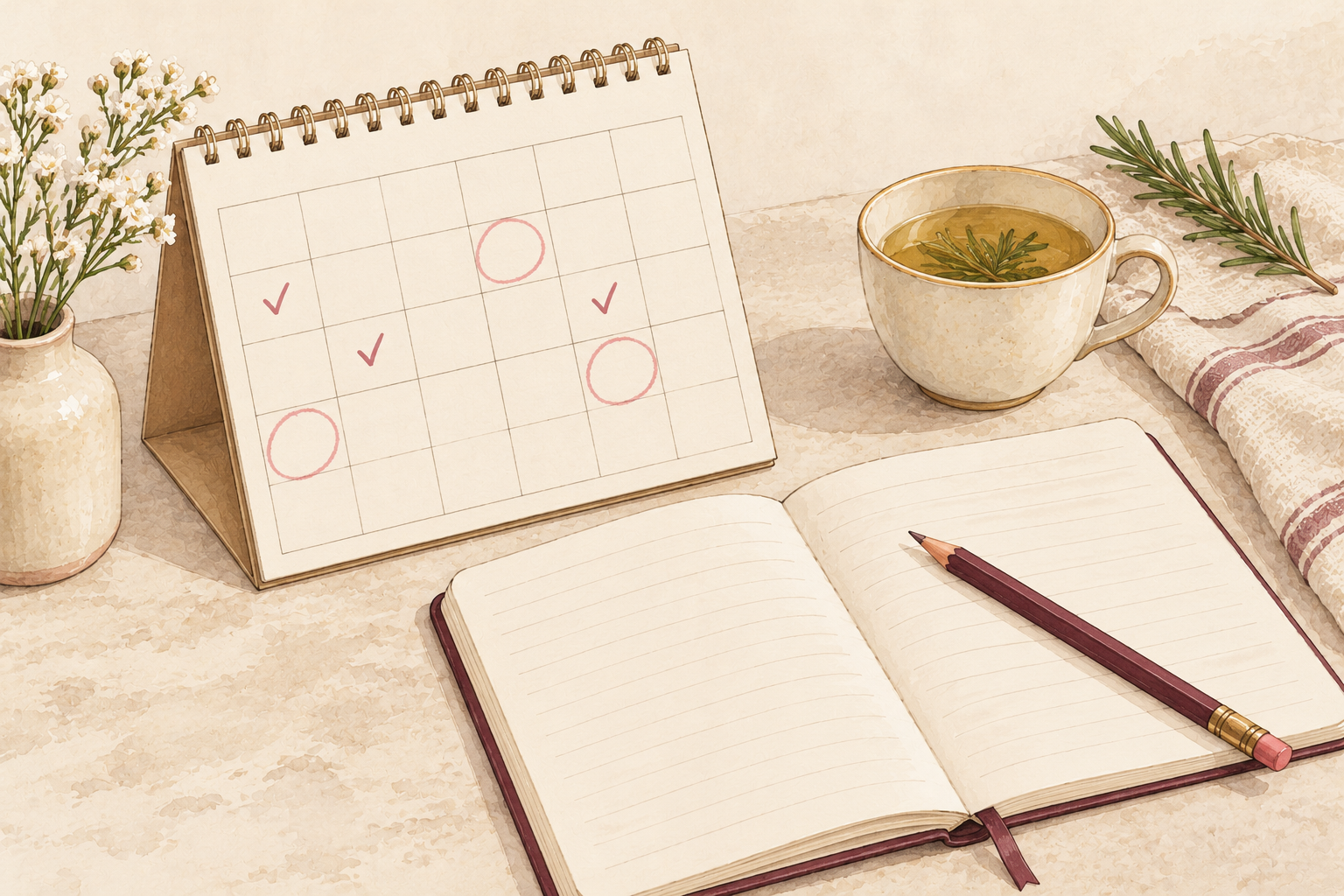
Hair grows about half an inch a month, so over 90 days you are aiming for around an inch and a half of new length. That is the real number, and it matters, because the real work is keeping that inch and a half instead of losing it to breakage. Anyone who promises more is selling something. Hair on the scalp is also slower in some seasons than others. If you keep your ends, you will see the length arrive. Hold on to this number whenever a quick fix tempts you. If a month looks slow, remember that half an inch is simply the pace your body keeps.
3. Rule out health causes first

Think about whether your hair is thinning or just not growing, because they need different answers. Sudden shedding, bald patches, a very itchy scalp or a recent illness, crash diet or new medicine can all slow growth. Heavy periods and low iron do the same. If you are losing hair fast or see patches, see your doctor before you start any plan. If nothing like that is happening, carry on. This step takes ten minutes and saves you months, and it keeps you from blaming a shampoo for something else. Make a short list of anything new in your life, like a diet, a stressful season or a baby, to bring with you.
4. Dust off the split ends
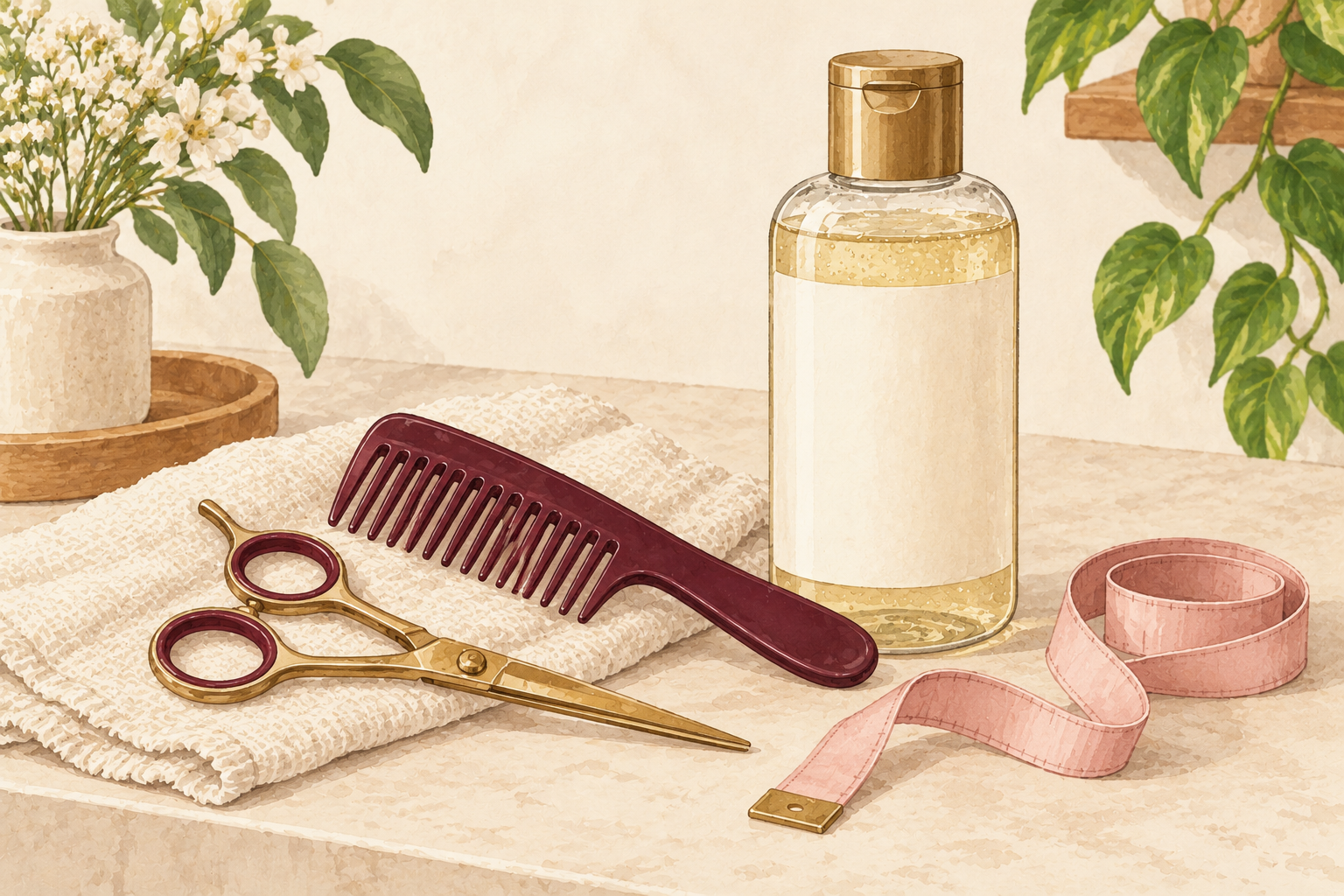
Trim only about a quarter inch of the damaged ends, and do it once at the start. Splits travel up the strand and take your length with them. A small trim gives you a clean base, and you lose almost nothing. Do it on dry, detangled hair and cut straight across a section twisted loosely. Then plan another light dusting at day forty five or sixty. You should feel the ends become smoother and less snagged within a week. Collect the clippings in a tissue so they do not scatter. Keeping the ends healthy is how extreme hair growth turns into visible length.
5. Detangle gently and cut down on heat
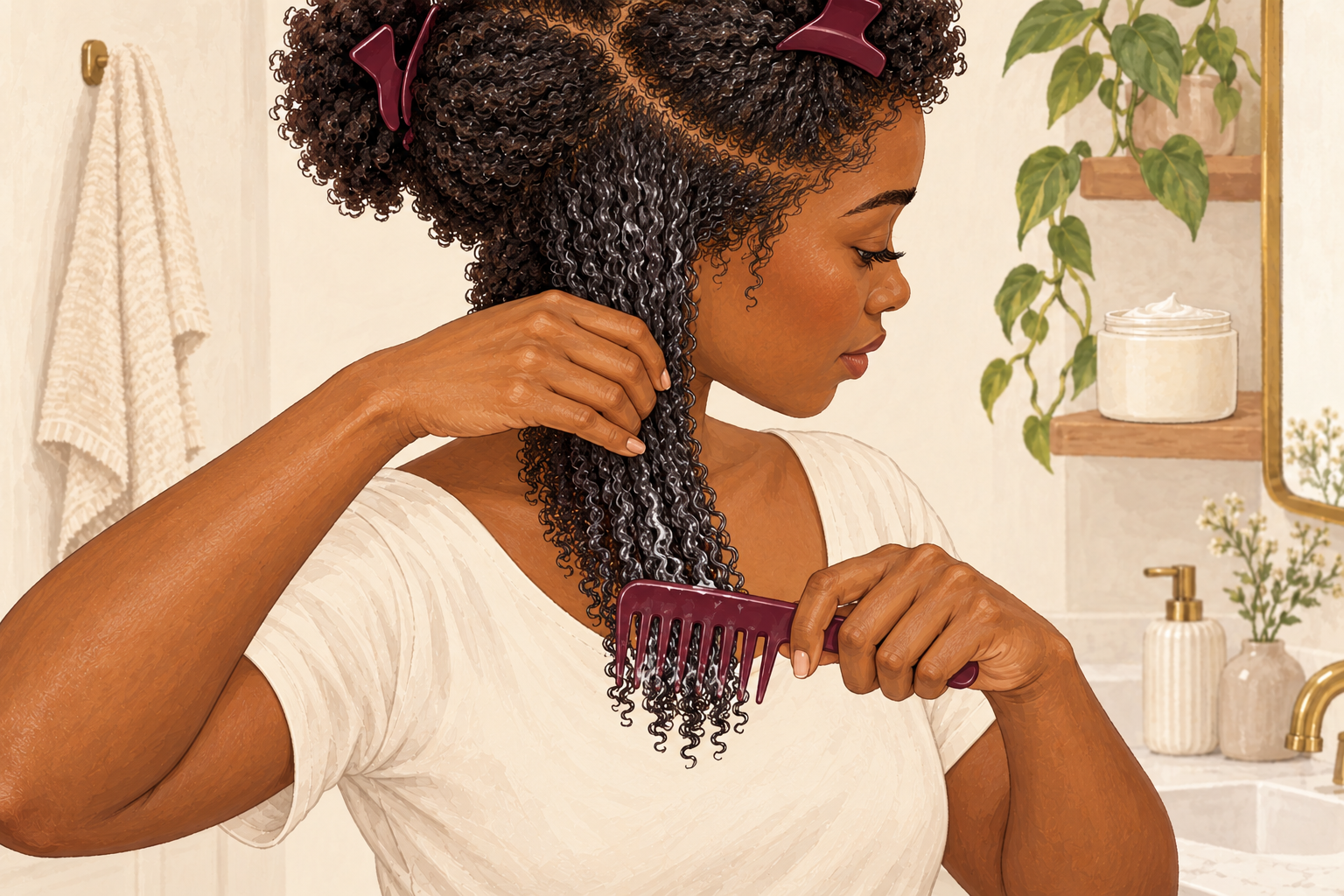
Detangle wet hair in small sections from the ends upward, using conditioner and a wide tooth comb. Never rip through knots. Limit hot tools to once a week at most, with a protectant, and use a lower setting. Let your hair air dry when you can. Every snapped strand is length you just lost, and heat and rough combing are the biggest reasons hair does not seem to grow. If you cut these two habits alone, you will see more length by day thirty than any serum could give you. Choose a day for detangling that is not your busiest, since rushing is what makes hair snap.
6. Eat enough protein and drink water

Aim for some protein at every meal, like eggs, beans, fish, nuts, yogurt or chicken, and drink water through the day. Hair is made of protein, and a body short on food sends nutrients to more important places first. Add leafy greens and a fruit for the vitamins. Do not crash diet, because that alone can make hair shed for months. A simple rule is a palm sized portion of protein each time you eat. In a few weeks you may feel stronger, and in a few months your new hair at the roots should look thicker. Keep a snack of nuts or boiled eggs ready so busy days do not leave you short. Everyday meals form the base of food for hair growth, so build on that before adding anything fancy.
7. Start a four minute daily scalp massage
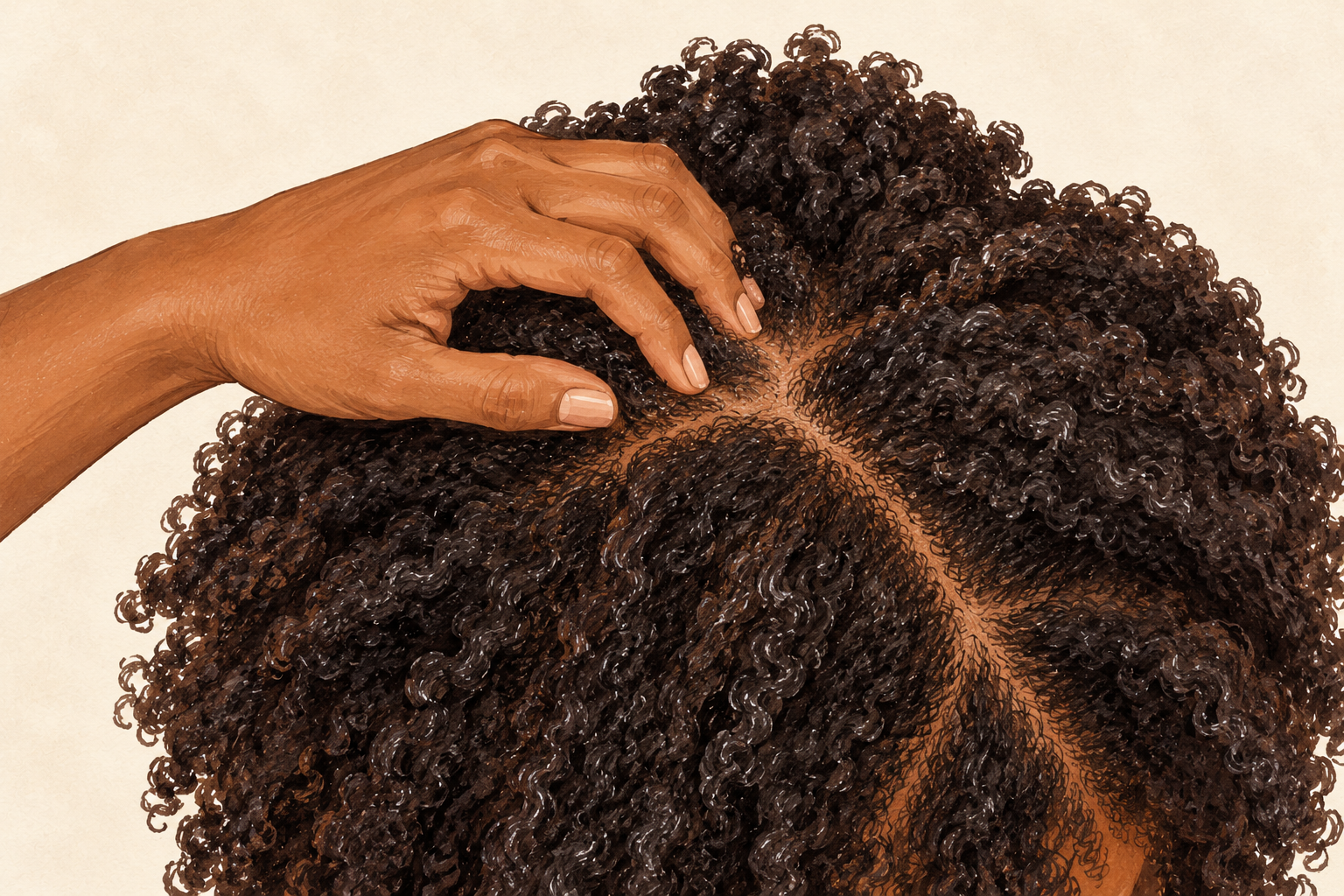
Press your fingertips on your scalp and move in slow circles for four minutes, once a day. Do it dry, or with a few drops of light oil. Cover the whole head, from the hairline to the nape. Press firmly enough to move the skin, but never scratch. A massage relaxes the scalp and feels like a mini holiday for your head. It is the easiest habit on this plan to stick to. Do it while the kettle boils or during your favorite show. Your scalp should feel loose and warm afterwards. Skip the massage on any day the skin is sore, sunburned or broken out.
8. Add one scalp product and patch test it
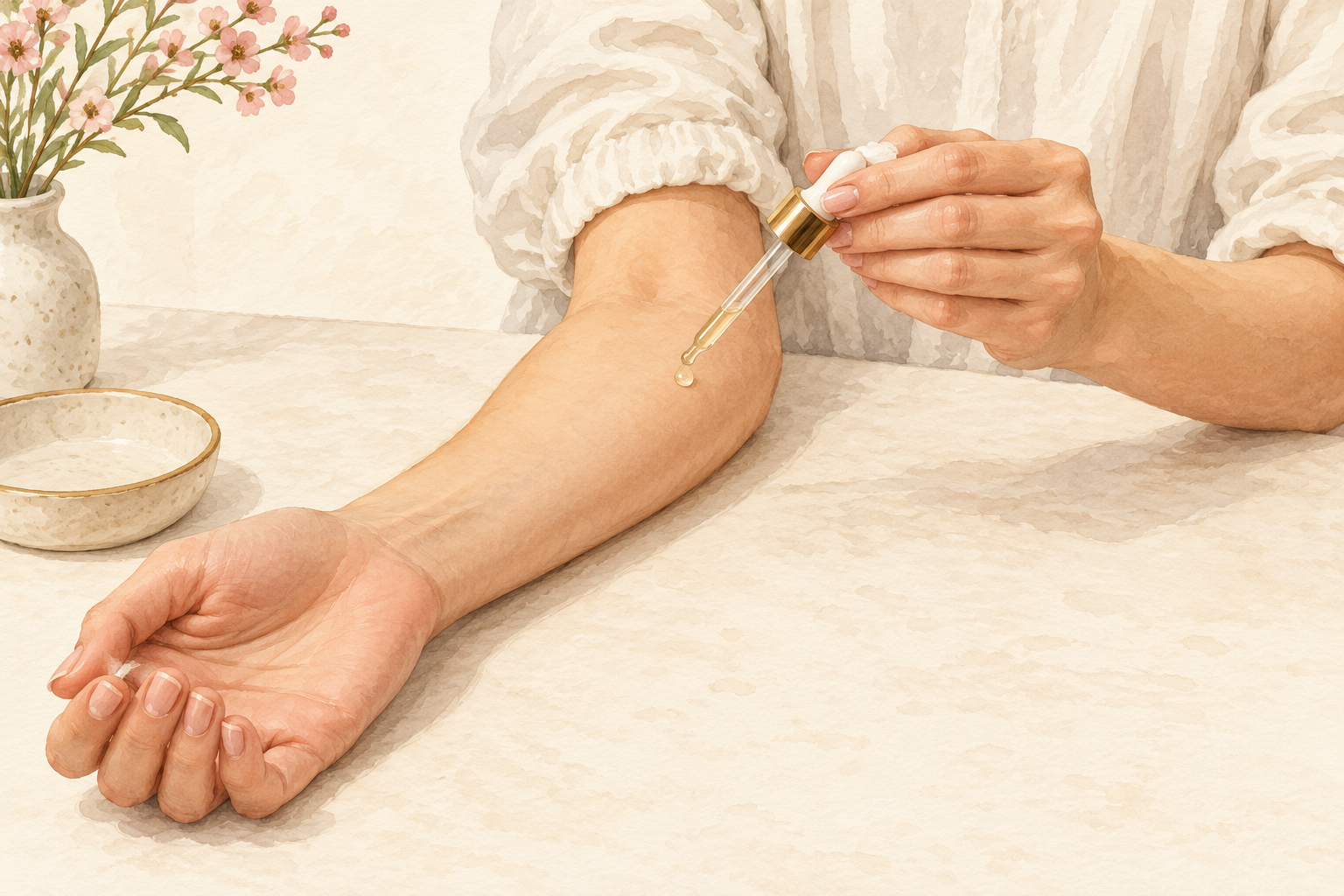
Choose a single scalp product, such as a light oil or a rosemary spray, and test it on your inner arm for a day first. Add only one at a time. If you pile on three, you will not know which one helps or which one made your scalp itch. Use it three times a week, and stop at once if it stings or turns red. Judge it after four weeks. Be wary of anything with a strong perfume. Simple, mild and steady beats strong and fast every time. Rosemary water, a drop of jojoba or a mild scalp spray are all gentle places to start. One product at a time keeps the test honest, so try castor oil for hair growth on its own first.
9. Deep condition once a week
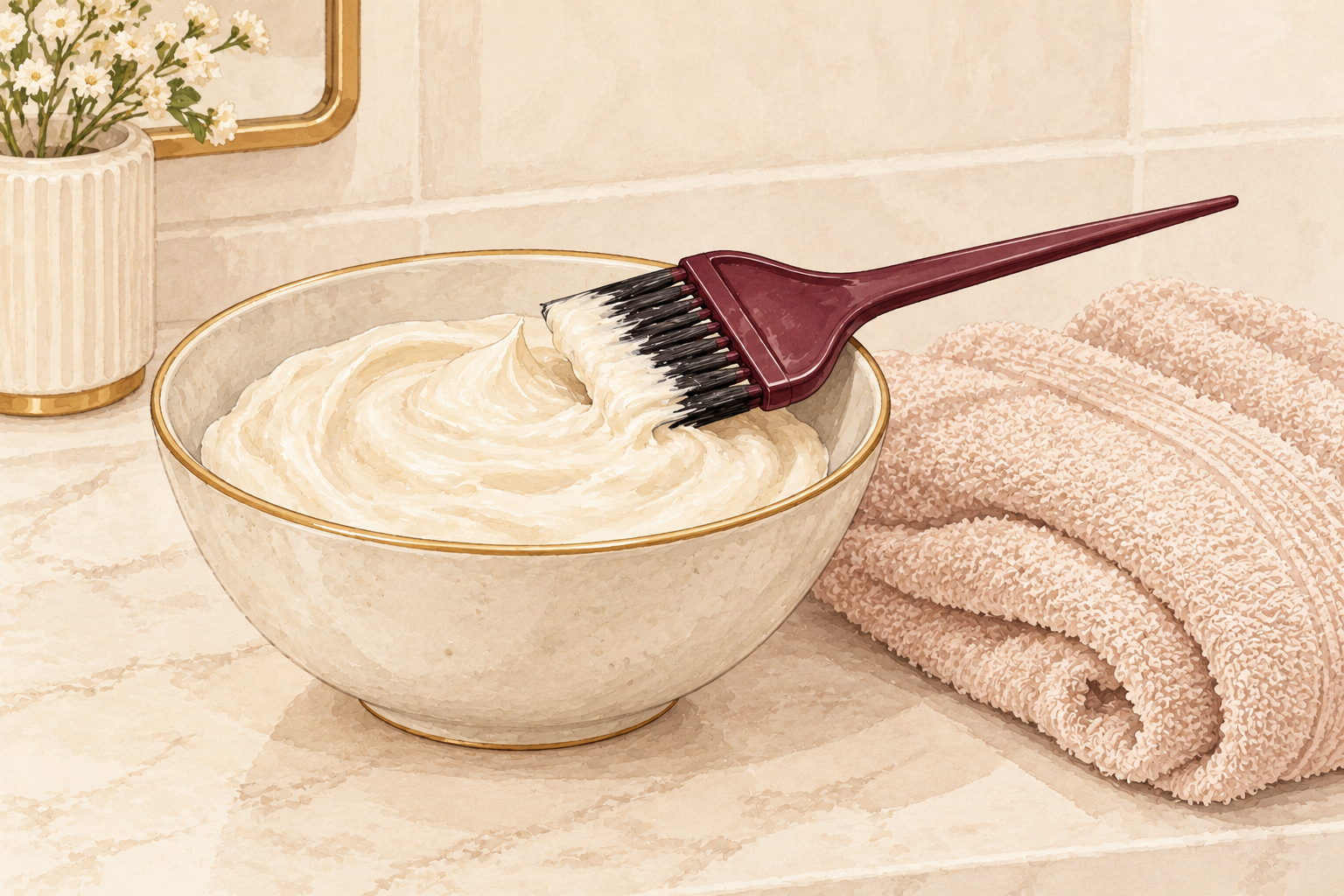
Smooth a rich mask through damp hair, cover with a shower cap and leave it for twenty to thirty minutes, once a week. Concentrate on the ends, which are the oldest part of your hair and break first. Rinse with cool water. This weekly treatment keeps the strands bendy, so they do not snap when you comb or tie them. By week three you will probably notice softer hair that tangles less. Pick a fixed day, like Sunday, and treat it as part of your weekend. Use a little less if your hair feels heavy, and a little more if it still feels dry.
10. Protect your hair at night and keep styles loose

Sleep with your hair in a loose braid or pineapple under a satin bonnet or on a satin pillowcase. Cotton drags and dries the strands while you sleep, and a tight band snaps them. In the daytime, choose loose buns, braids and twists that do not pull at your edges. If a style makes your scalp ache, take it down the same day. Let your hair rest from long protective styles after six weeks. Your hairline will thank you, because it is the thinnest and most fragile part of the head. Retie your bun in a different spot each day.
11. Compare photos and measurements
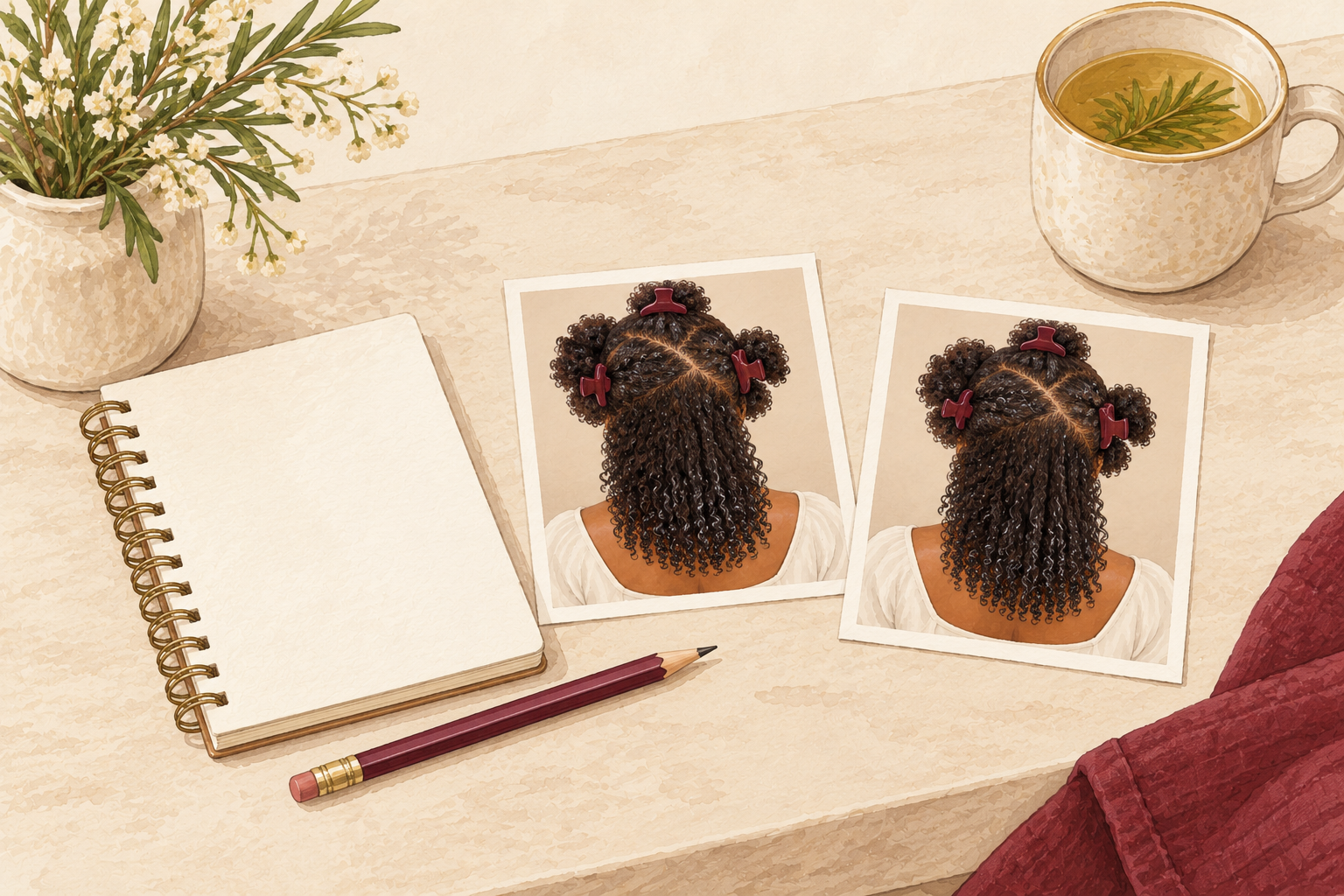
On day thirty, sixty and ninety, repeat your photos and measure the same two spots. Put them next to the starting set. By day ninety you should see about an inch and a half of new length at the roots, and the ends should look fuller because they are breaking less. Write down how your hair feels as well as how it looks. If the numbers look small, remember that retention is the whole game. The length you kept is length you grew. Celebrate each checkpoint with something small, like a new satin scarf.
12. Keep what worked and drop what did not

Sit down with your notes at day ninety and circle the habits that clearly helped. Keep those for good. Drop anything that irritated your scalp or felt like a chore. Most people find the big winners are the plain ones, like less heat, a weekly mask, a satin bonnet and the daily massage. Then start another 90 days with the same plan. Slow, steady extreme hair growth stacks up, and a year from now you will look at your photos and be amazed by the difference.
Complete the Routine: Extreme Hair Growth You Can Start Tonight
Start with the photos and the measuring tape tonight. Progress keeps a plan like this going, and more guides below give you other ways to stay consistent with it.