You do everything right, and your hair still looks the same length month after month. Hair growth tips for Black women start with keeping the length you already grow, because dryness and breakage can take it back as fast as it comes. These 12 habits show you how, so start at number one tonight.
1. Layer moisture in the right order
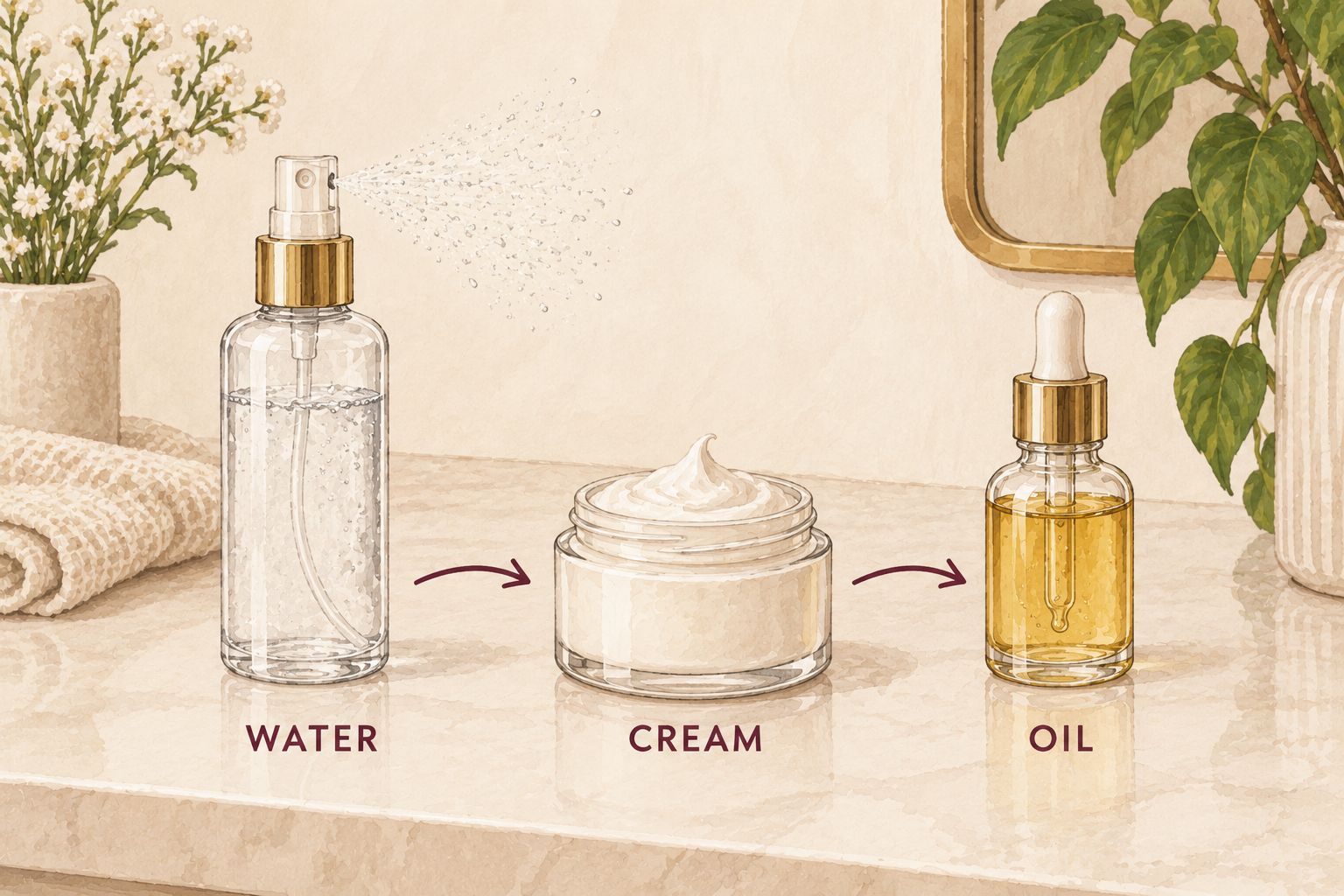
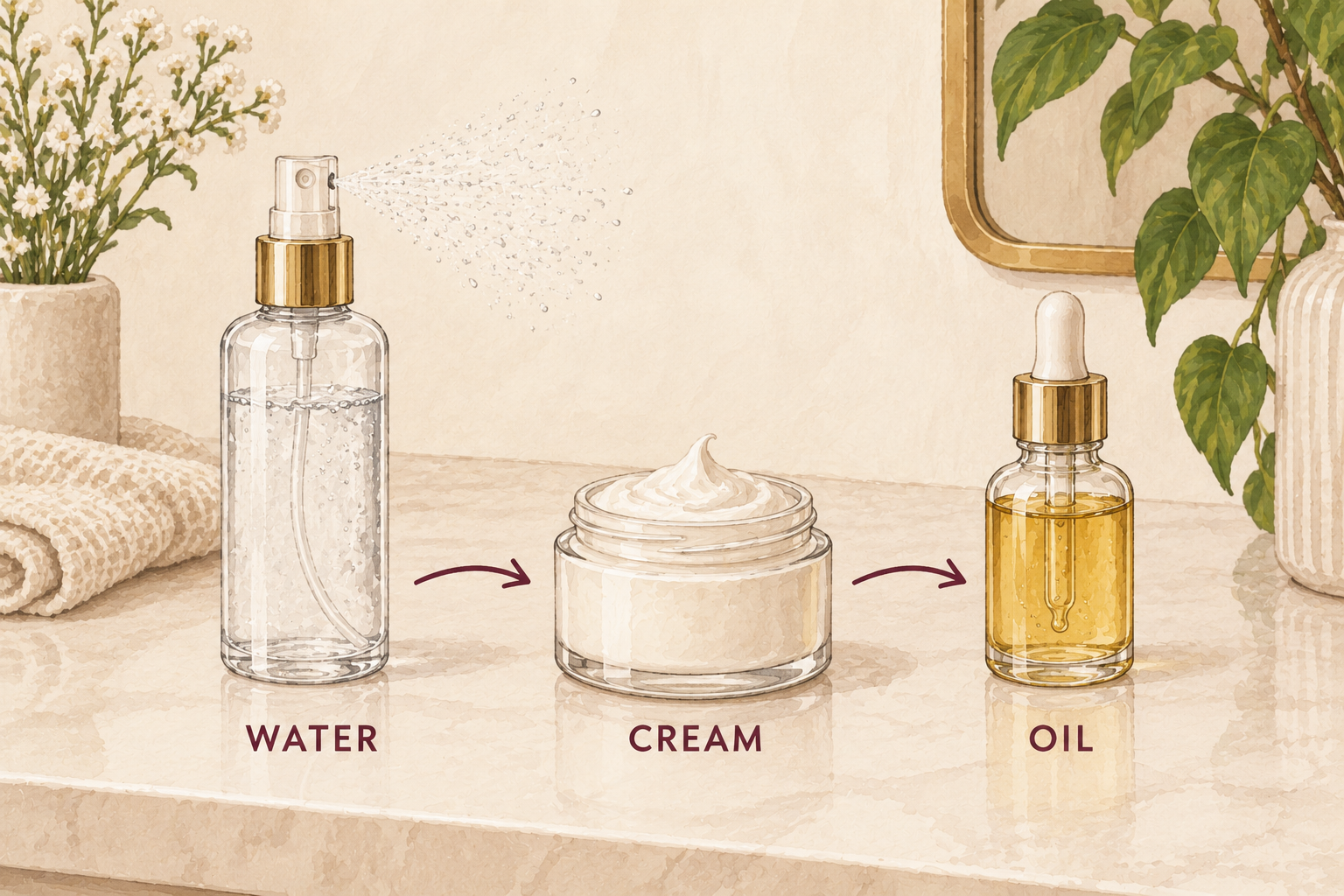
Wet your hair with water, add a leave in conditioner, seal with a cream, then finish with a light oil. Many people call it the LOC or LCO method, and the point is that water goes in first and everything after it holds the water there. Oil alone sits on dry hair and does nothing. Work in four sections, a little product at a time. Thin layers feel better than a thick coat. Do this whenever your hair feels dry, which for many of us is every two or three days. Press the cream in with your palms, like you are praying, rather than raking it through.
2. Deep condition every one to two weeks

Leave a rich conditioner on for twenty to thirty minutes under a shower cap, with a warm towel on top. Warmth helps the conditioner soften the strands from inside. Do it after shampooing, then rinse with cool water. If your hair feels mushy and stretches, switch to something with a little protein. If it feels stiff, go back to pure moisture. Alternate if you are unsure, one week of each. Rinse thoroughly, because leftover conditioner turns into build up that keeps your next batch of product from sinking in. A deep conditioning session is the best thing you can do for dry, thirsty coils, so put it on your calendar and treat it like a date. Deep conditioning is one habit in a bigger set, so widen the view with natural hair growth tips.
3. Wash gently and do not over strip
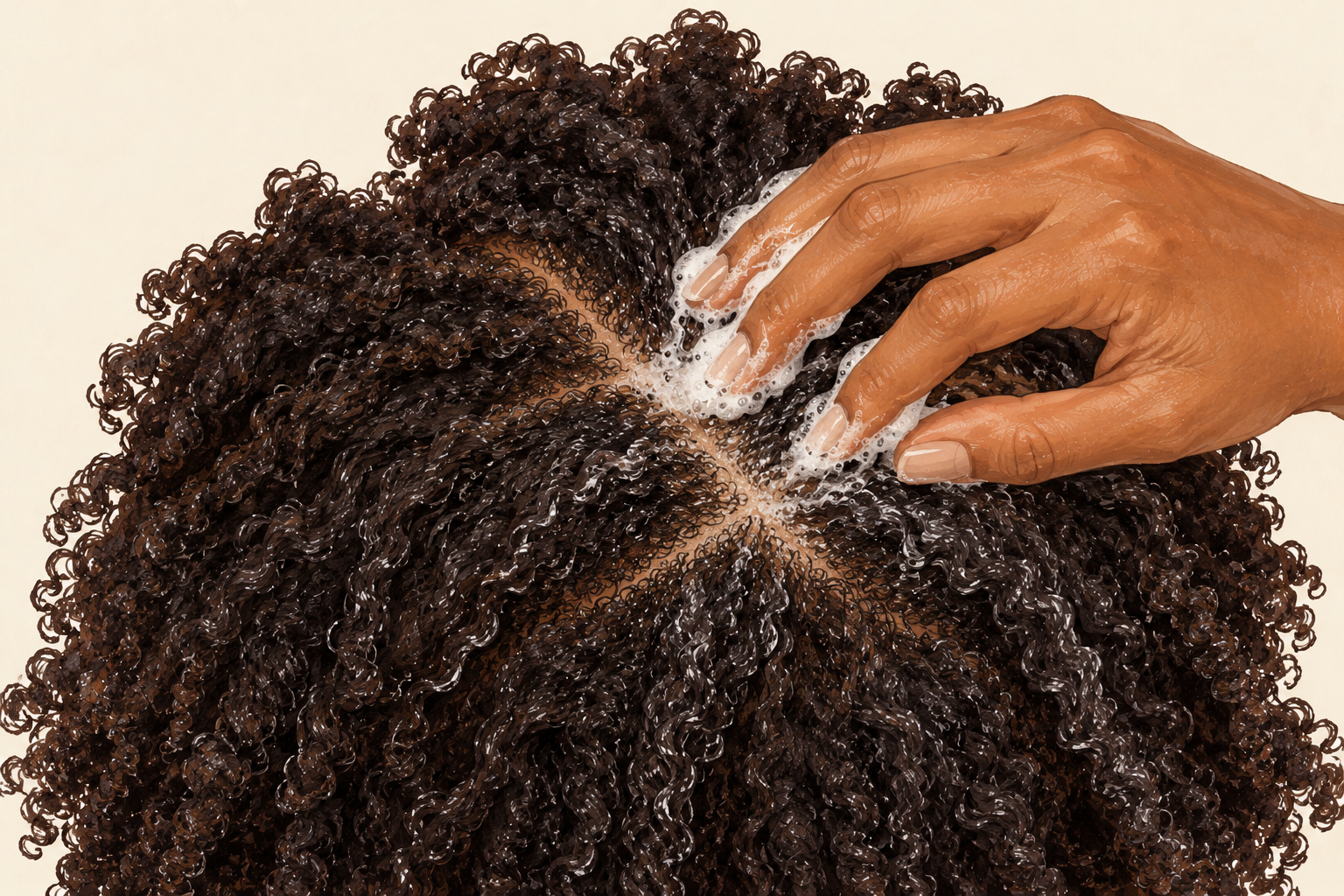
Shampoo your scalp every one to two weeks and let the suds run down the lengths. Harsh, squeaky cleaning leaves coily hair dry and ready to snap. If you wear a protective style, wash your scalp in sections with a diluted shampoo in a bottle. Always follow with conditioner. Skip scrubbing with your nails, and use the pads of your fingers. Hair that feels tight and rough after washing is telling you the shampoo is too strong or your washes are too frequent. Dial back until it feels soft and clean. Detangle before you wash if your hair knots easily, since wet shampoo suds make tangles worse.
4. Detangle in sections with conditioner
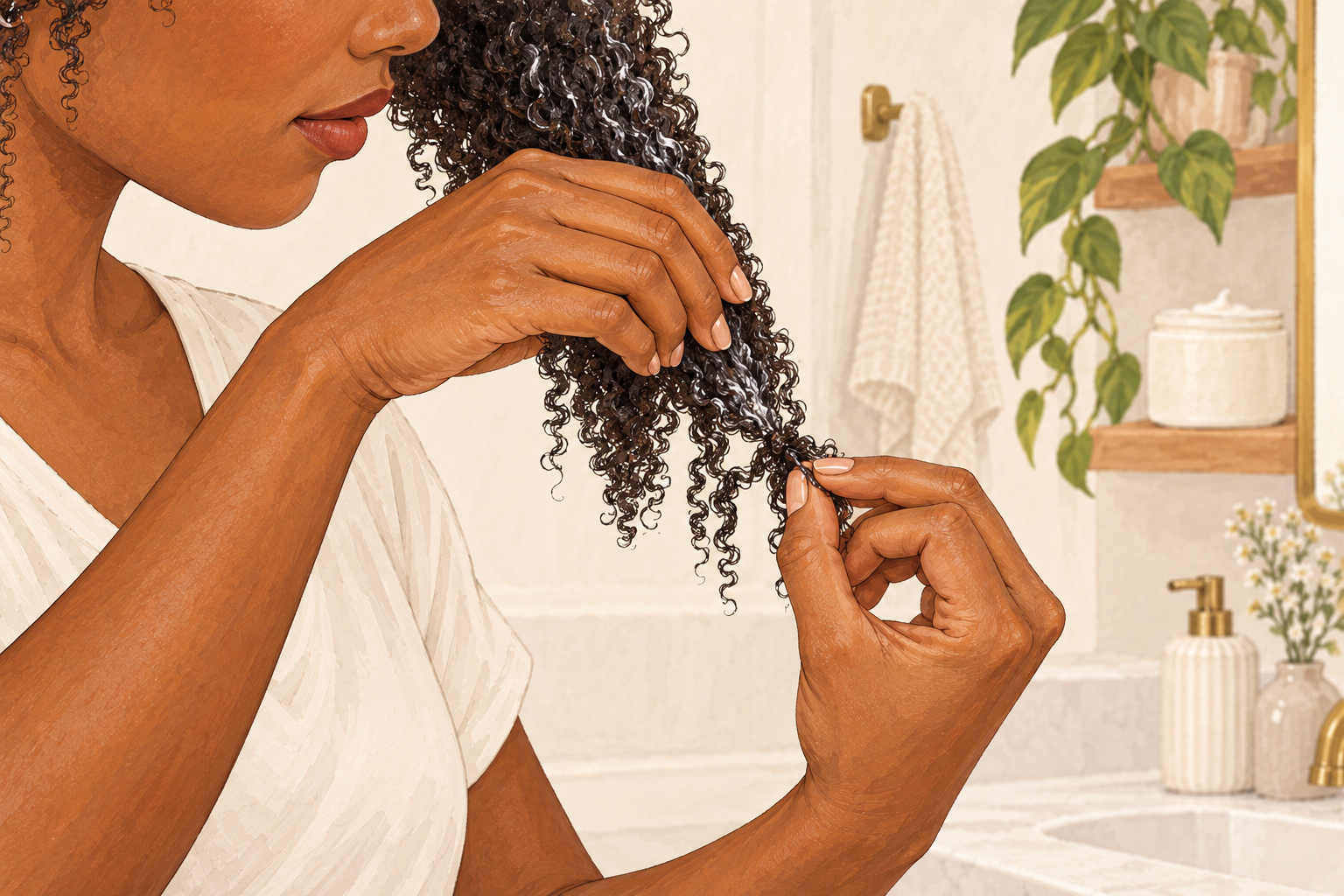
Split your hair into four to six parts and detangle each one while it is soaked in conditioner. Start at the ends and work up, holding the hair above the knot so the root does not take the pull. Use your fingers first, then a wide tooth comb. Never rip through dry coils, because that is where most of the length is lost. If a knot will not move, add more conditioner and wait a minute. Braid the finished section loosely and move on. Take your time, because a rushed detangle costs you more hair than it saves. Keep a small bowl for shed hair so you can see how much comes out, which is usually less than you fear.
5. Protect your hair while you sleep

Wear a satin or silk bonnet, or sleep on a satin pillowcase, every night. Cotton pulls moisture out of coily hair and roughens it as you turn. Twist or braid your hair loosely first so the bonnet is only keeping it safe, not holding a tangle together. Check that the band is not tight on your edges. If the bonnet slides off, try a wider one or tie a scarf under it. Wash it often. It takes one minute and spares your hair eight hours of friction. A bonnet also keeps your twist out or style fresh for an extra day or two.
6. Choose gentle tools and soft accessories
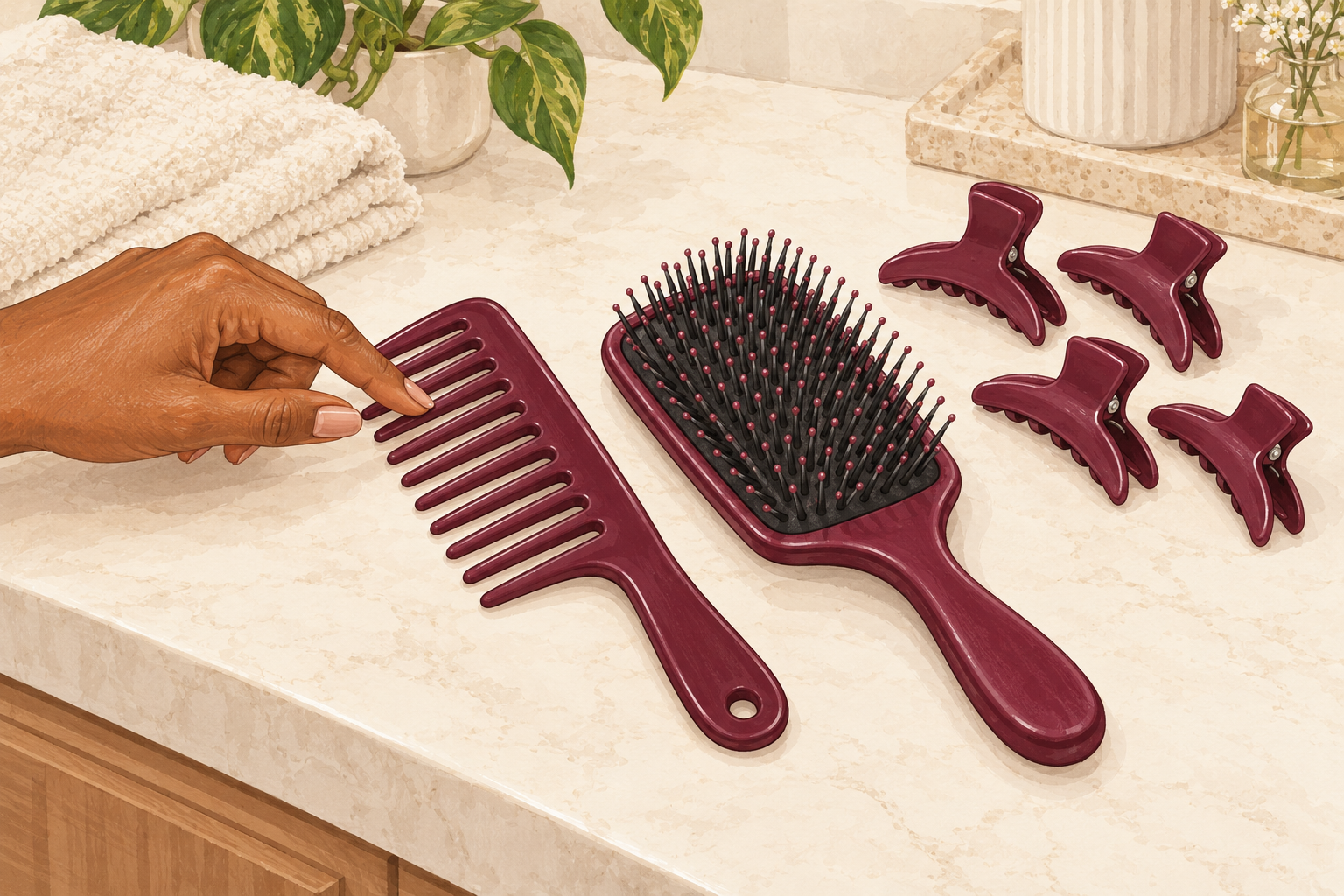
Swap metal clips, thin elastics and fine tooth combs for scrunchies, snag free ties and wide tooth tools. Anything with a seam, a snag or a sharp edge tears at coily hair. Run each new tool over your hand first, and over a cotton sleeve to see if it catches. Keep a stash of soft ties in your bag. If you must use a clip, wrap a bit of satin around it. Small tools do small damage every day, and across a year that is a lot of lost hair. Brush from the ends upward, and clean your tools once a month.
7. Keep installs loose and edges safe
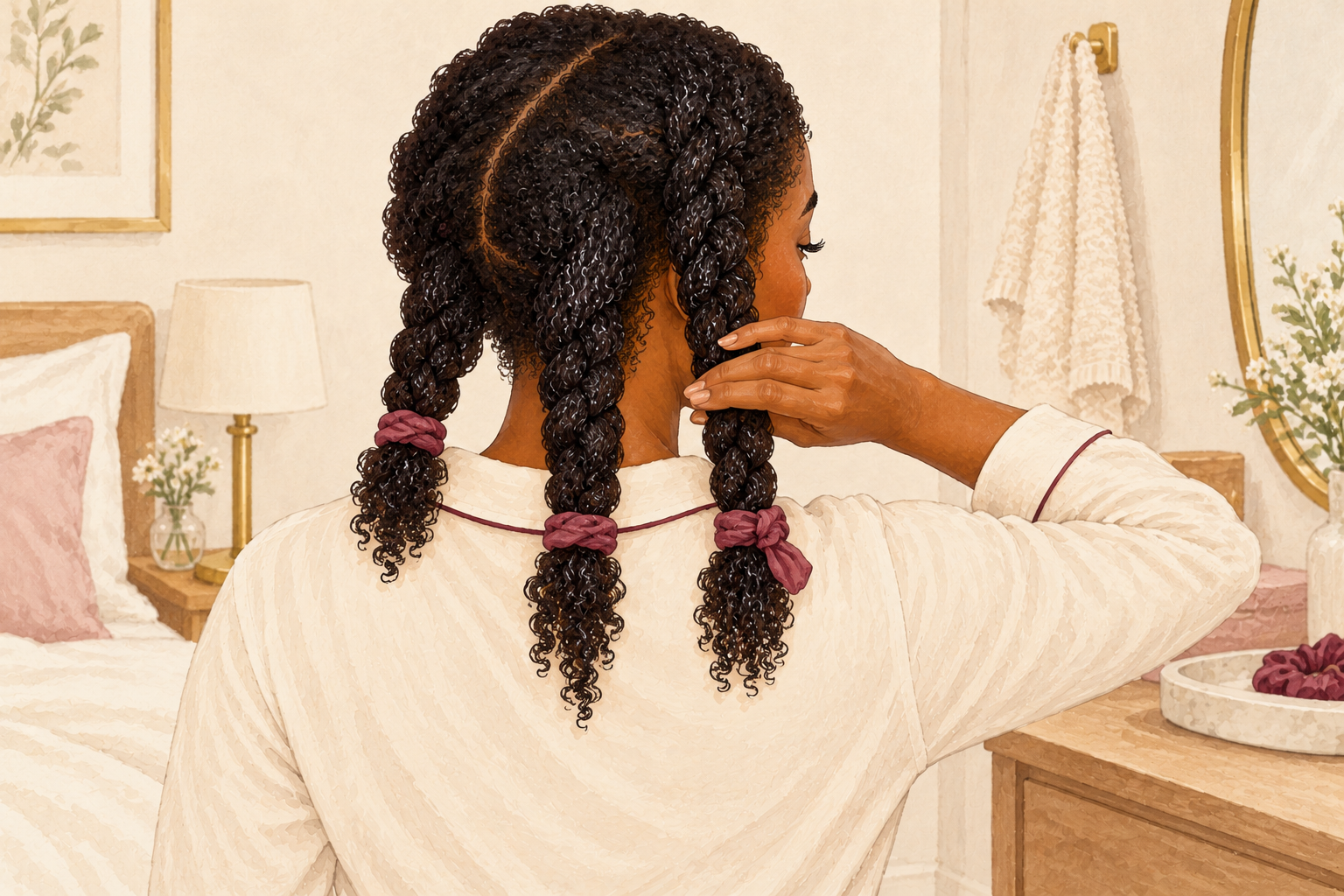
Ask for braids, twists or weaves to be installed without pulling, and speak up when it hurts. If the bumps appear along your hairline, or your head aches, it is too tight. A style is meant to protect your hair, not strain it. Keep your edges free of heavy gel and tight scarves. Choose a lighter weight of extension hair, and give the style no more than six to eight weeks. Your edges grow back much more easily when they are never pulled in the first place. If your edges are already thin, wear a looser style and let them rest for a few months.
8. Moisturize inside the style and take it down on time
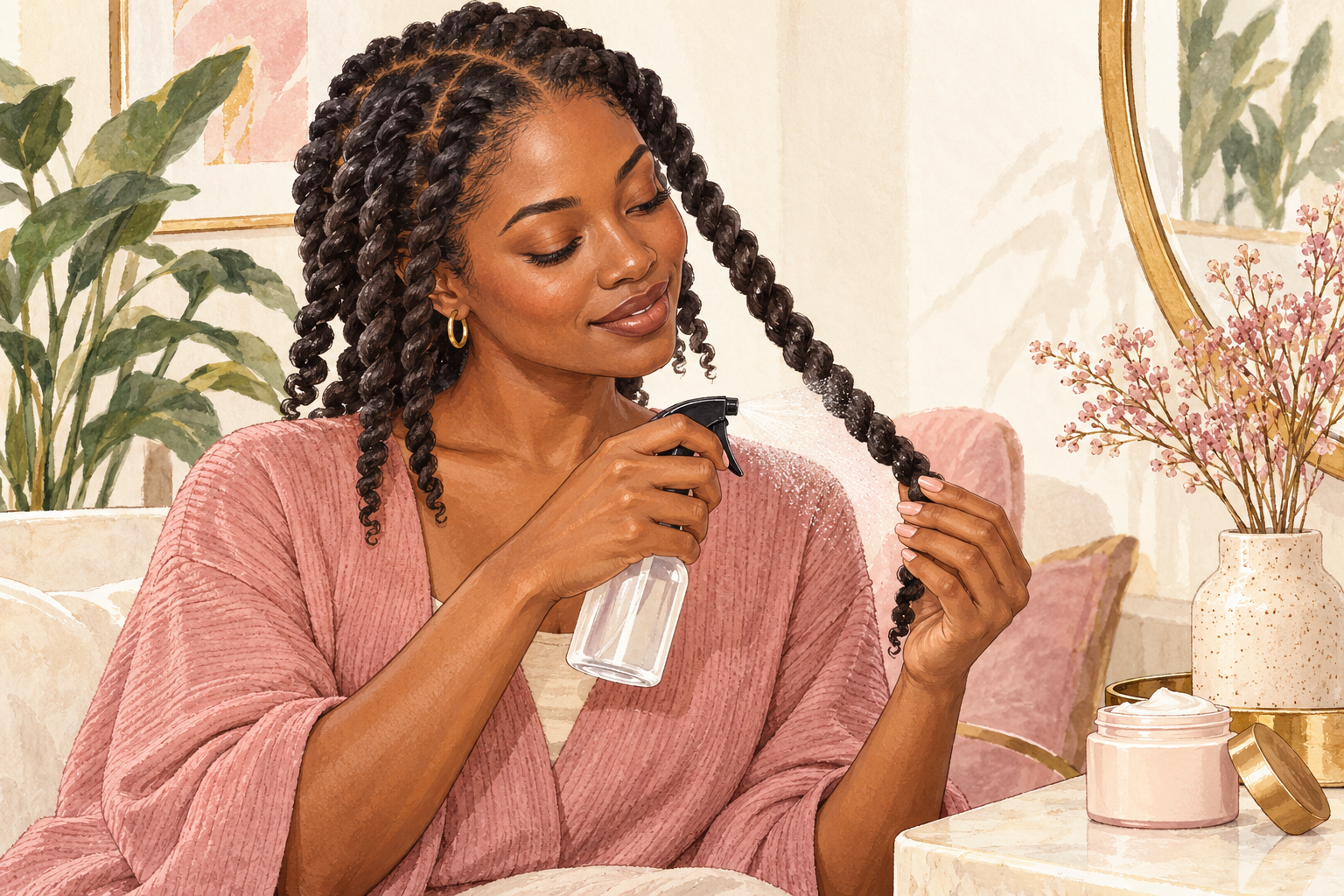
Mist your braids or twists with water and a light leave in two or three times a week. Hair inside a style still gets dry, especially at the roots and ends. Seal lightly with a thin oil. Keep your scalp clean, because build up under a style itches and tempts you to scratch. Remove the style on schedule, even if it still looks neat, since old styles tangle into stubborn knots at the root. Take it down gently over a day, with conditioner and patience, not a rush before a party. Plan a deep conditioning day straight afterwards, since hair that has been tucked away is thirsty.
9. Massage the scalp and use oil sparingly
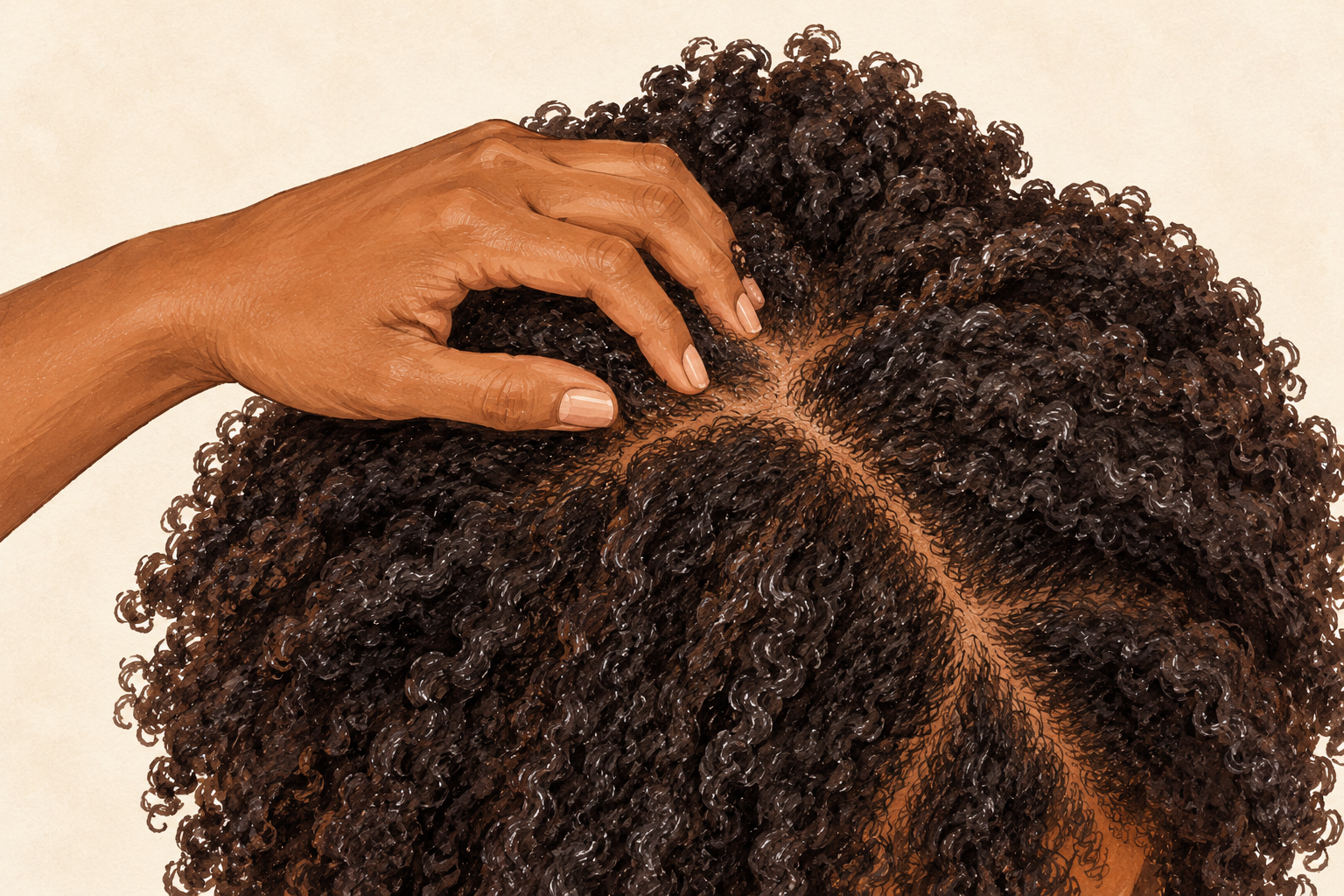
Press your fingertips into your scalp for three to four minutes and add just a few drops of light oil. It loosens a tight scalp and feels lovely. A heavy hand with grease clogs the skin and leaves flakes. Apply a few drops directly on the parts, not on every strand. Wash it out once a week. If you notice itching or small spots, cut the oil back for a few weeks. A light touch is plenty, and a clean scalp is the best base your hair could have. Keep your fingertips on the skin and move slowly, never scratching.
10. Track your length and trim with intention
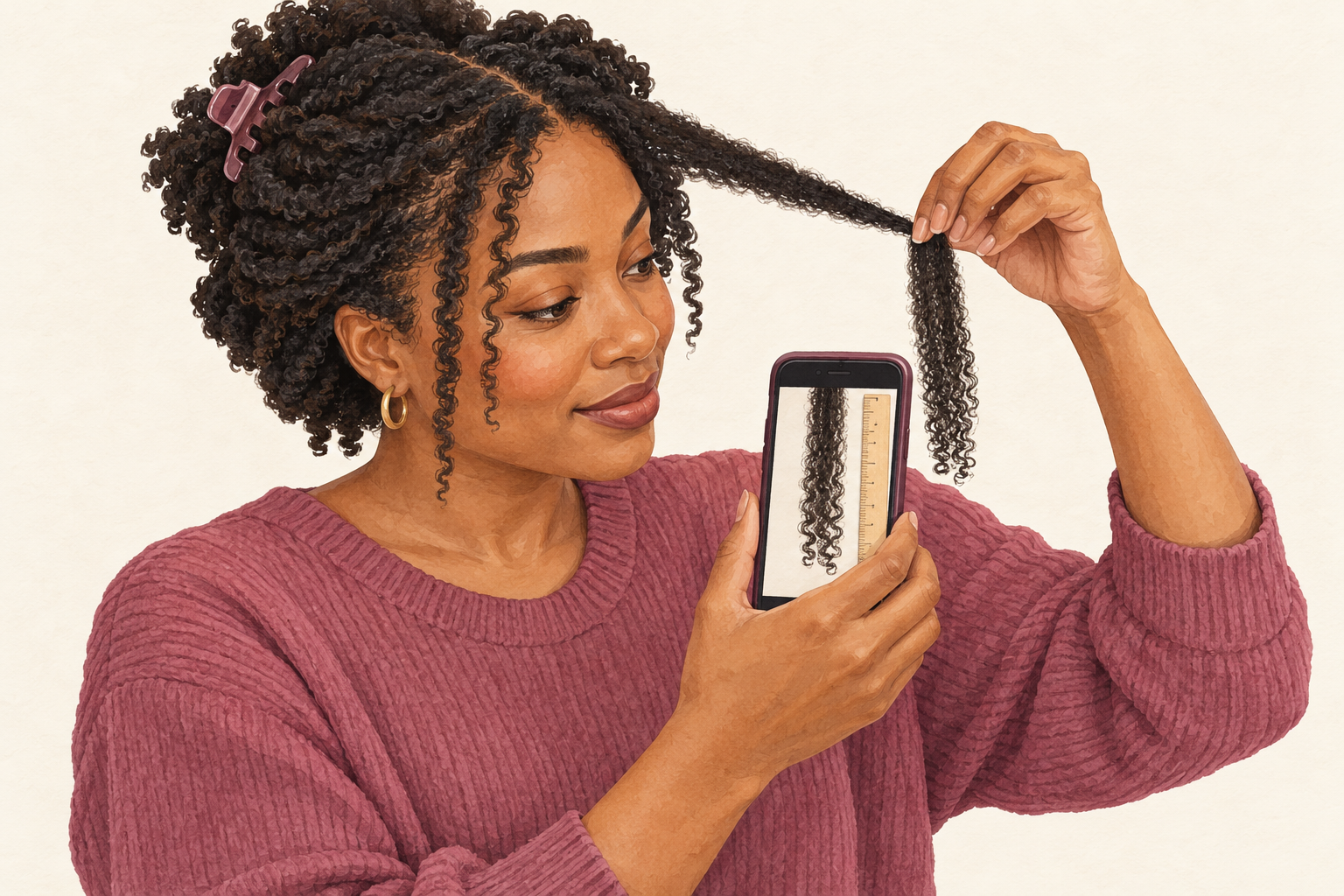
Once a month, take a photo from the back and measure your longest layer. Write the number and the date in your notes. Coily hair shrinks, so stretch the same section the same way each time. Trim only what is damaged, about a quarter of an inch, so you do not lose length for nothing. A tiny dusting every three months is gentler than a big cut once a year. When you can see your own progress, you stay with your habits for longer, and that is where the growth comes from. Photos beat memory every time. Monthly checks like this pair with a bigger look at black hair growth when you want the long view.
11. Eat enough protein, iron and healthy fats

Build each plate around a protein, like fish, eggs, beans or chicken, then add leafy greens and a good fat. Hair is protein, and a body that is short of food will spare your hair last. Iron helps carry oxygen to the scalp, so greens, beans and red meat matter. Healthy fats like avocado, groundnuts and fish keep your scalp comfortable. Drink water through the day too. No oil or style can make up for hair that is underfed, and good food quietly supports everything else you do. Plan a simple meal for the week ahead if you have a busy schedule.
12. Watch for quiet reasons your hair is shedding

Pay attention if your hair is thinning, you feel tired all the time or you are shedding more than usual. Low iron, thyroid changes and low vitamin D can all show up in your brush before anywhere else. See your doctor and ask for a simple blood test, instead of guessing and buying more products. Meanwhile keep your gentle habits going. Once the reason is sorted, hair usually settles. Keep these hair growth tips for black women steady, and you will see your length hold and your hair grow.
Complete the Routine: Hair Growth Tips for Black Women to Keep
Tonight, wrap your hair in satin and plan your next deep conditioning session. Holding on to the length you have is the first win, and the guides below are a natural next step for more growth ideas.