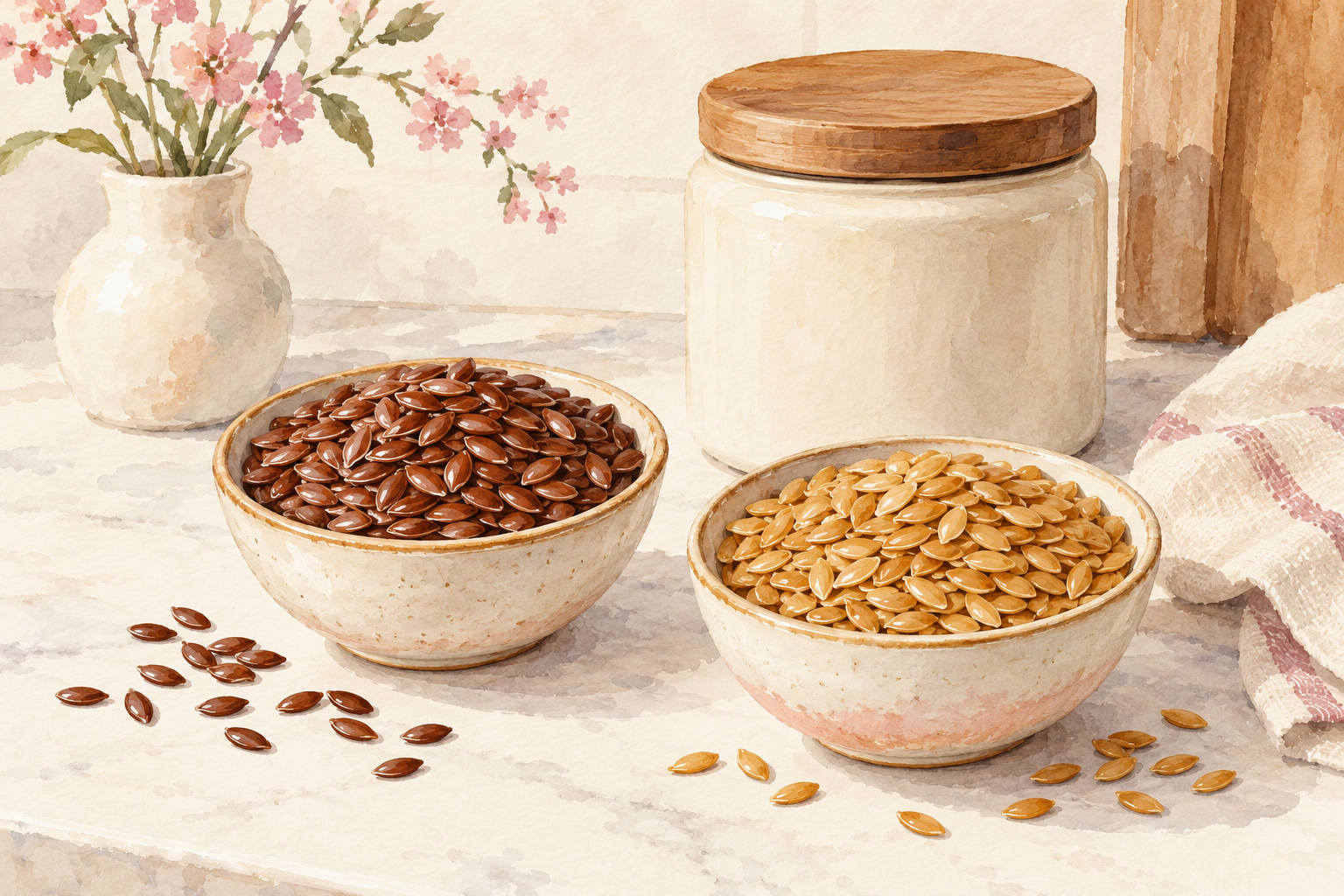
You grind a handful of fenugreek seeds, spread the paste on your hair, and end up with a lumpy yellow mess in the sink and a smell that follows you around. It does not have to go that way. Fenugreek for hair growth is easy when you soak, grind and rinse in the right order. Here are 12 methods, from the gentlest to the strongest, so start at number one tonight.
1. Buy whole seeds and patch test
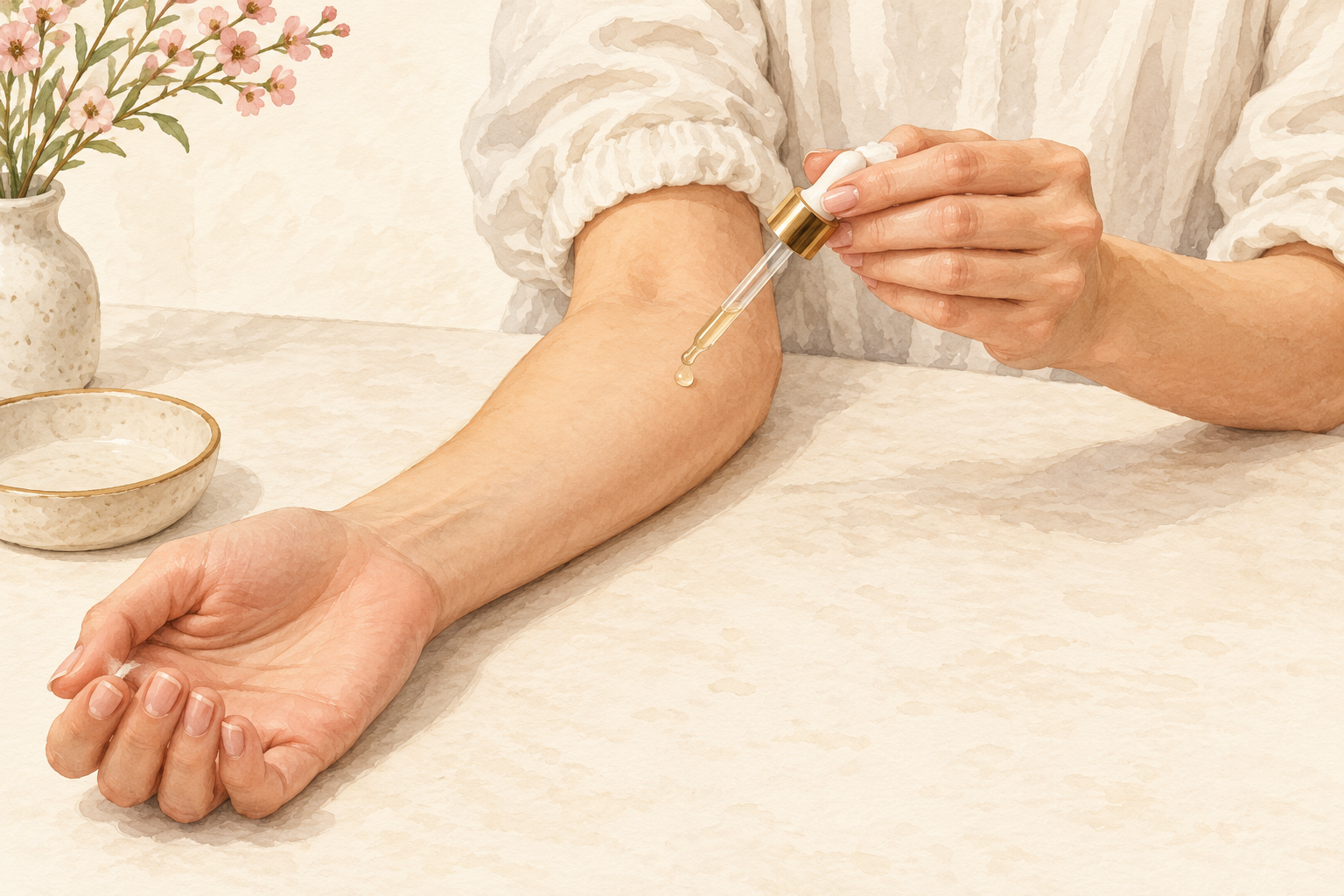
Pick up whole fenugreek seeds from the spice shelf, then mix a pinch of paste and dab it on your inner arm for a full day. Whole seeds stay fresher than powder, and you will see right away if they are clean. Wait the whole day before you move on. Redness, itching or swelling means you should skip fenugreek. If you react to peanuts or chickpeas, be extra careful, because they are cousins. Keep the seeds in a closed jar in a cool cupboard, away from the stove, and they will last for months. Smell one seed before you buy, since old seeds smell flat and dusty.
2. Check that it suits your hair

Fenugreek works best on normal to oily scalps and on thick or wavy hair, and it can feel drying on very dry strands. It has a natural slip that smooths tangles, but it also pulls oil off the hair. If your ends are brittle, mix the paste with something creamy and keep it on the scalp and the first few inches. Fine hair may feel heavy, so use less. Think about your last few hair days and what your hair asked for. If it begged for moisture, add coconut milk or yogurt later in this list. Normal to oily hair is where fenugreek for hair growth feels easiest.
3. Measure two tablespoons and rinse them
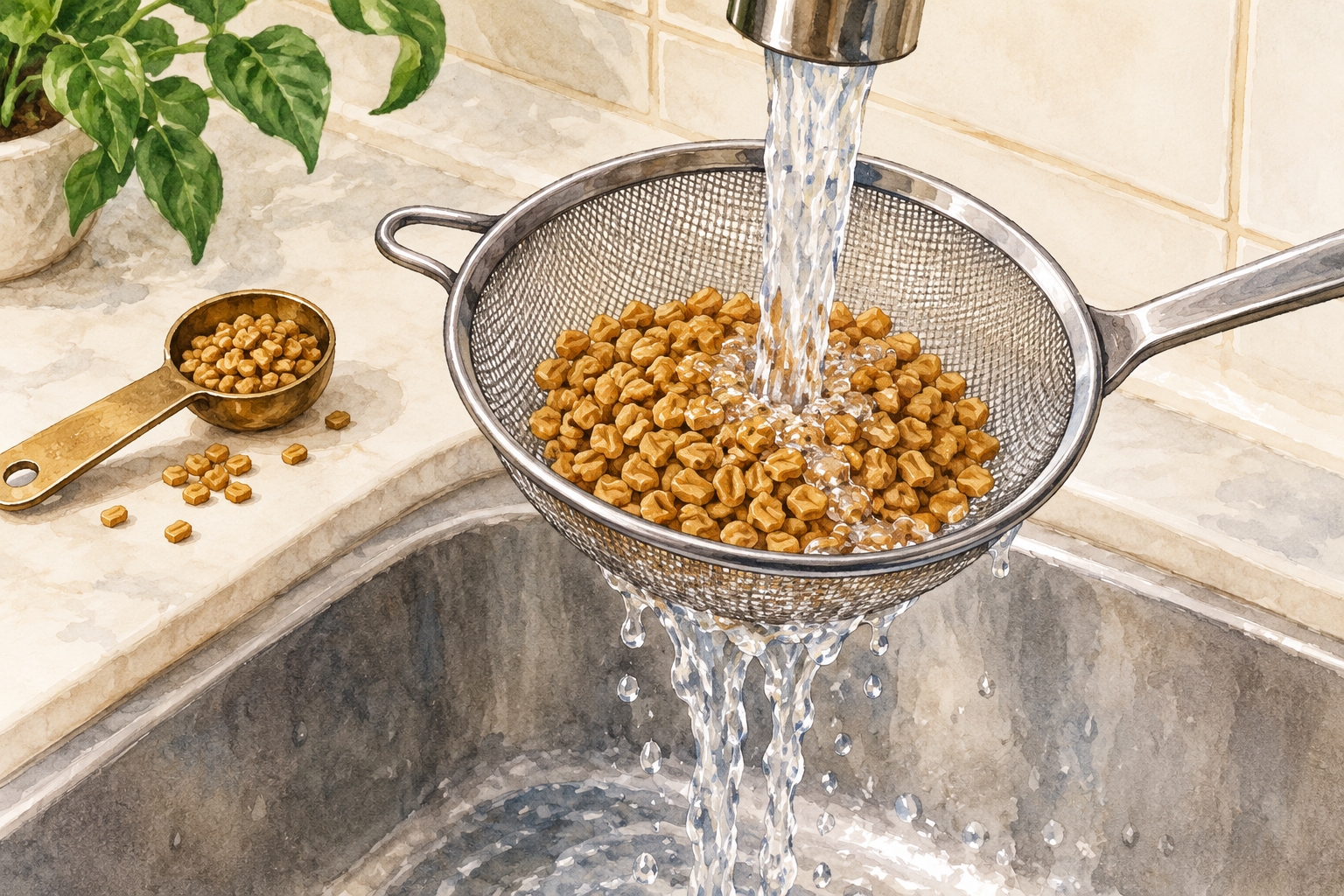
Scoop two level tablespoons of seeds into a sieve and rinse them under cool water for ten seconds. Two tablespoons makes enough paste for one mask on shoulder length hair, and you can double it for longer hair. Rinsing washes away dust and any bitter powder from the surface. Do not skip it. Dry spice shelves hold more dust than you might think. Shake the sieve over the sink, then tip the seeds into a jar. A clean start means a smoother paste and a gentler scalp later. Use a clean spoon, never a wet one, so the rest of the jar stays dry.
4. Soak overnight in one cup of water
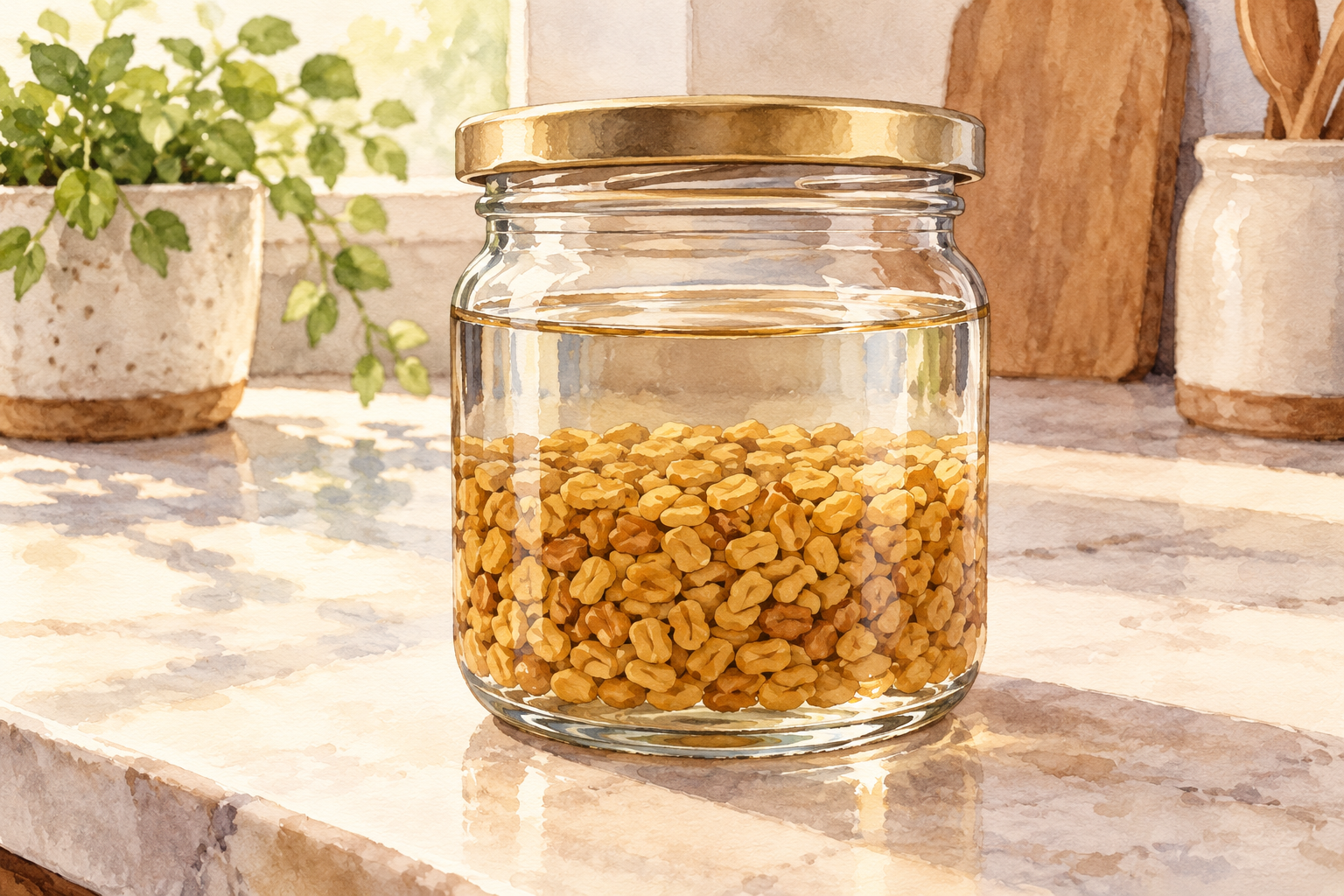
Cover the seeds with one cup of water and leave them for at least eight hours. By morning the seeds plump up and the water turns a pale gold, a little slippery to the touch. This water is the gentlest way to use fenugreek. Strain it into a spray bottle, spritz your scalp, massage for two minutes and rinse after twenty minutes. Keep it in the fridge for two days at most. Do not boil the seeds, because gentle soaking keeps the slip and the nutty smell milder. The longer soak softens the hard coating, so the blender has less work to do.
5. Grind to a smooth paste
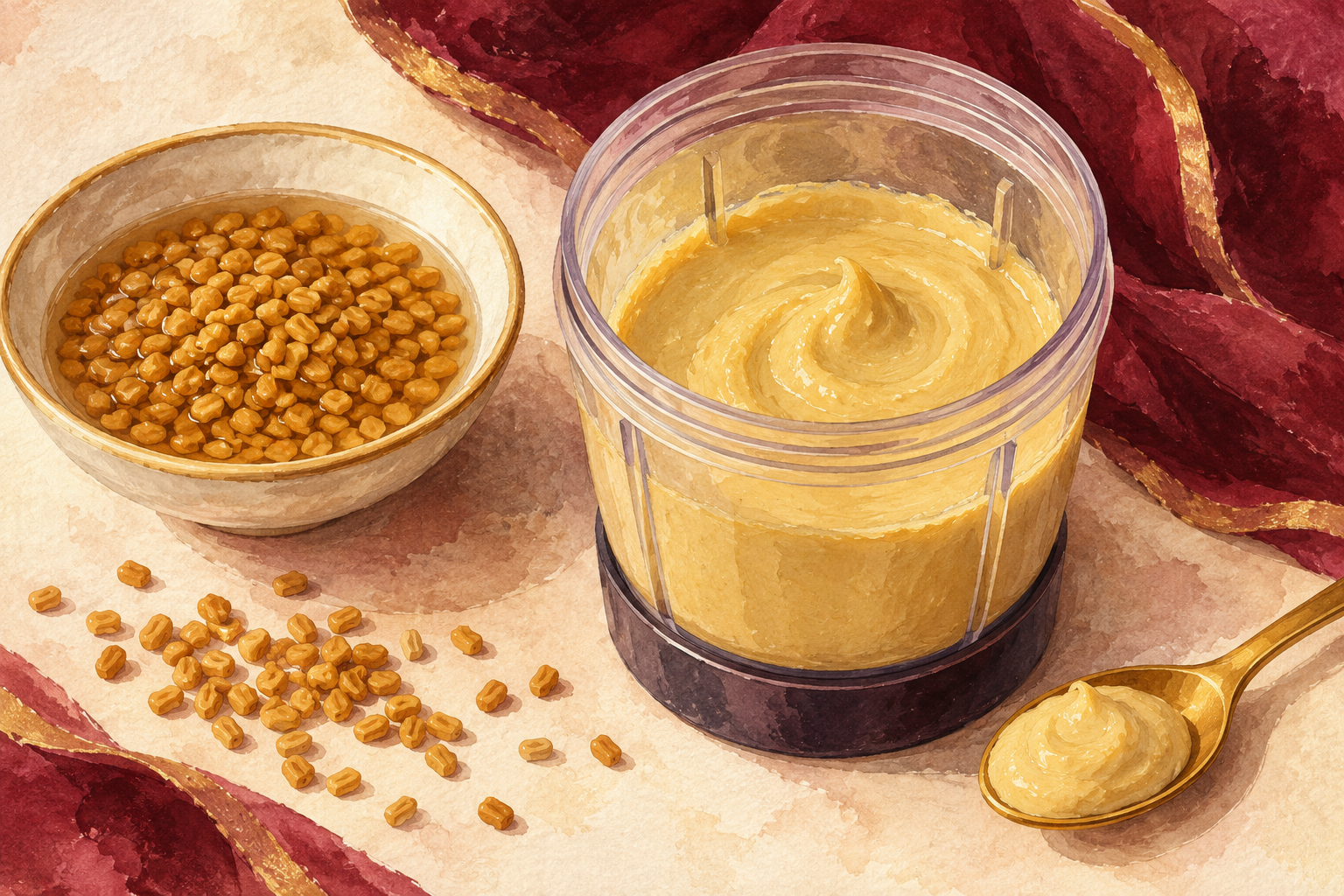
Tip the soaked seeds and a splash of their water into a blender and run it for a full minute. Stop and scrape the sides, then blend again until the paste looks like thick pancake batter. A gritty paste will scratch your scalp and clump in your hair. Add water a teaspoon at a time if it is too thick. A mortar and pestle also works, though it takes patience and a strong arm. Make only what you will use today, since the paste ferments quickly and smells sour after a day. Rinse the blender right away, before the paste dries onto the blade.
6. Sieve out the lumps
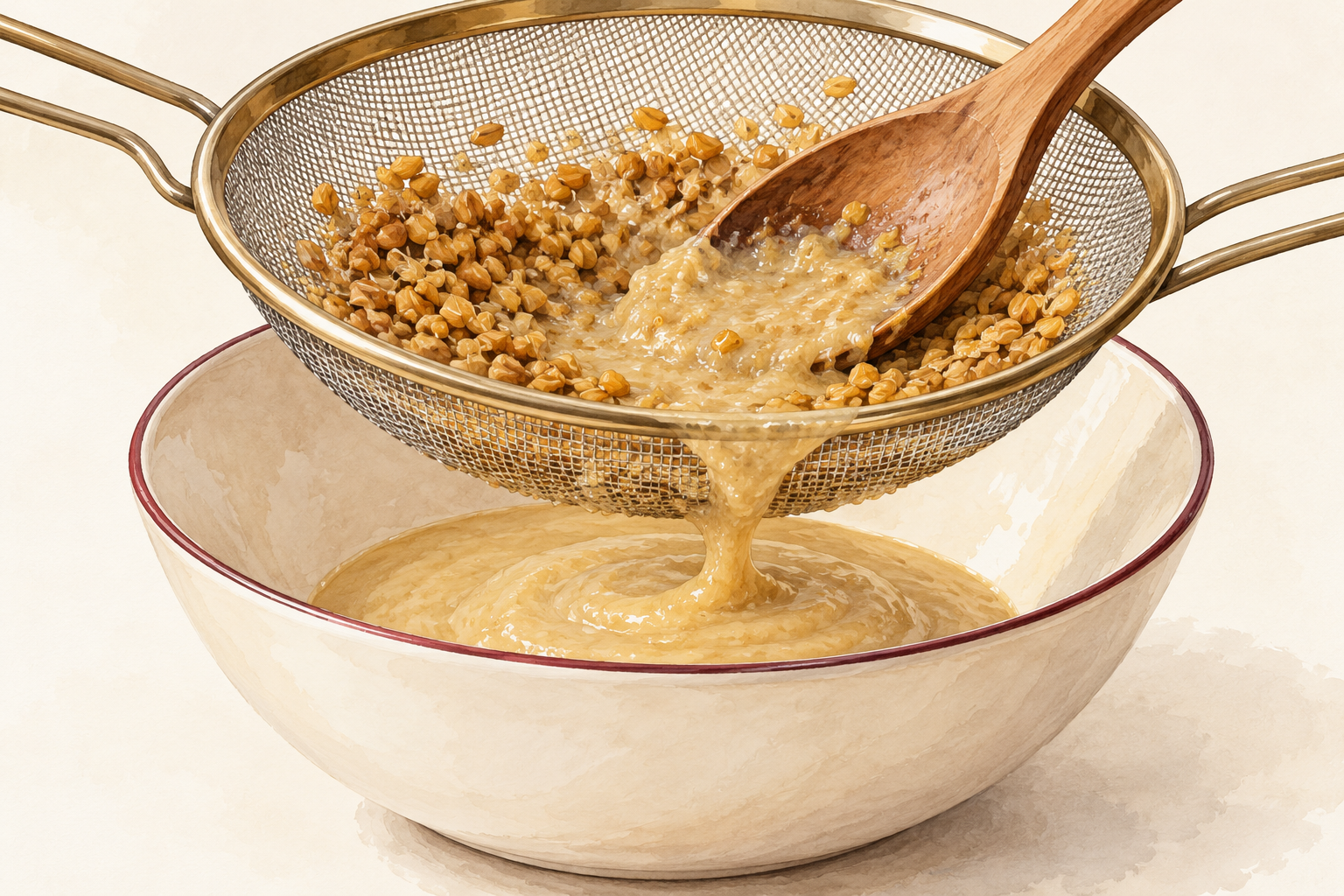
Press the paste through a fine sieve with the back of a spoon. Fenugreek husks are tiny and stubborn, and they hide in curly hair for days if you do not strain them. Sieving takes two minutes and saves you from picking bits out at the sink. Scrape the underside of the sieve to get every bit of paste. The smooth result spreads like a face mask. Throw away the husks, or add them to the compost. Never skip this step if you have thick or coily hair, where specks love to hide. This is the step that decides whether your rinse takes five minutes or fifteen.
7. Stir in plain yogurt for a soft mask
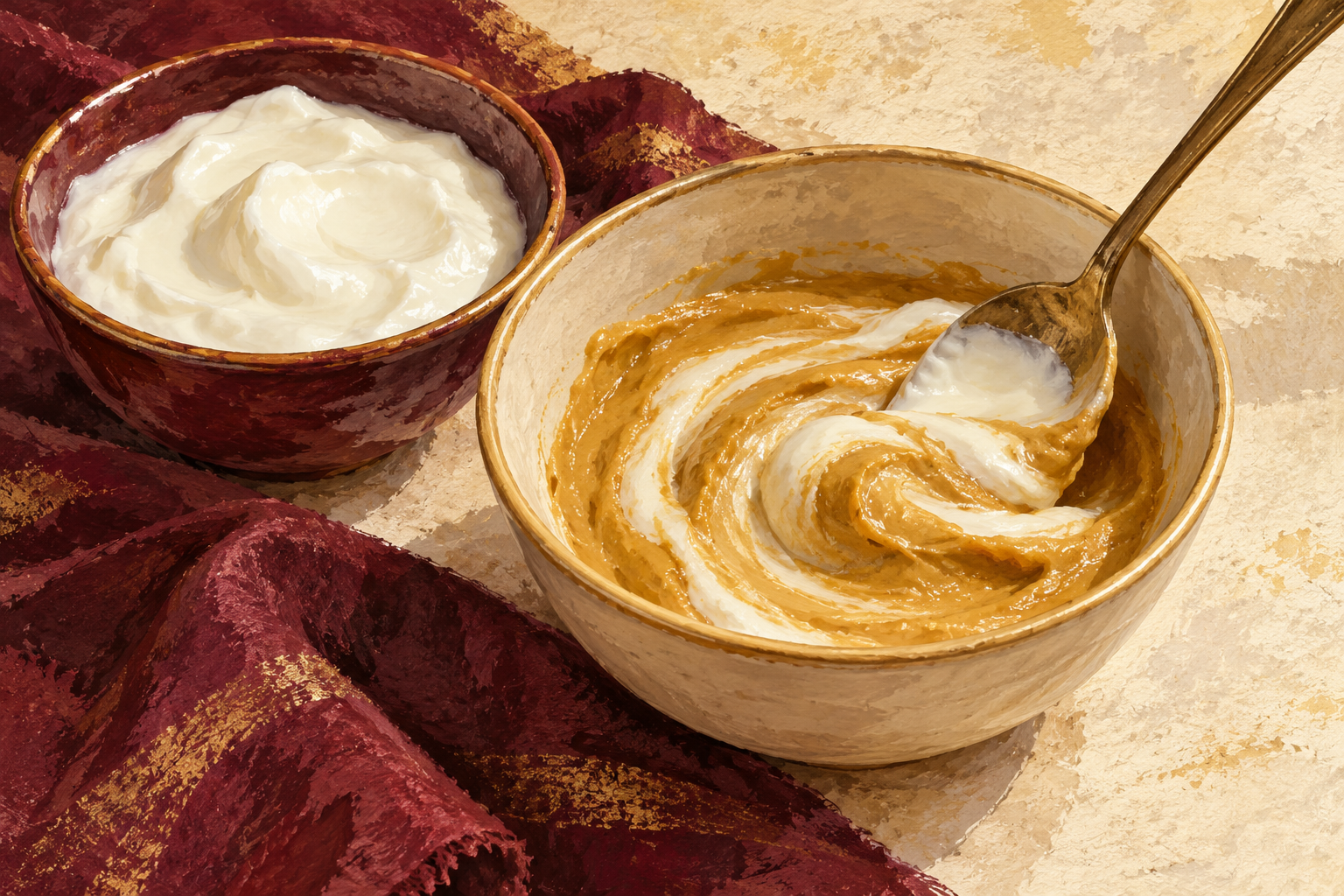
Fold three tablespoons of plain yogurt into the paste. Yogurt makes the mix creamier and easier to spread, and it softens the drying side of fenugreek. Choose plain, unsweetened yogurt with nothing added. Stir until the color is even and no white streaks remain. This is the version most people find easiest to rinse out. Apply it to damp hair with your fingers, working from the scalp down. Make it fresh each time and do not save leftovers, because yogurt turns quickly once it meets warm paste. A bowl of cool paste on a warm day also feels soothing on the scalp.
8. Try coconut milk for extra slip
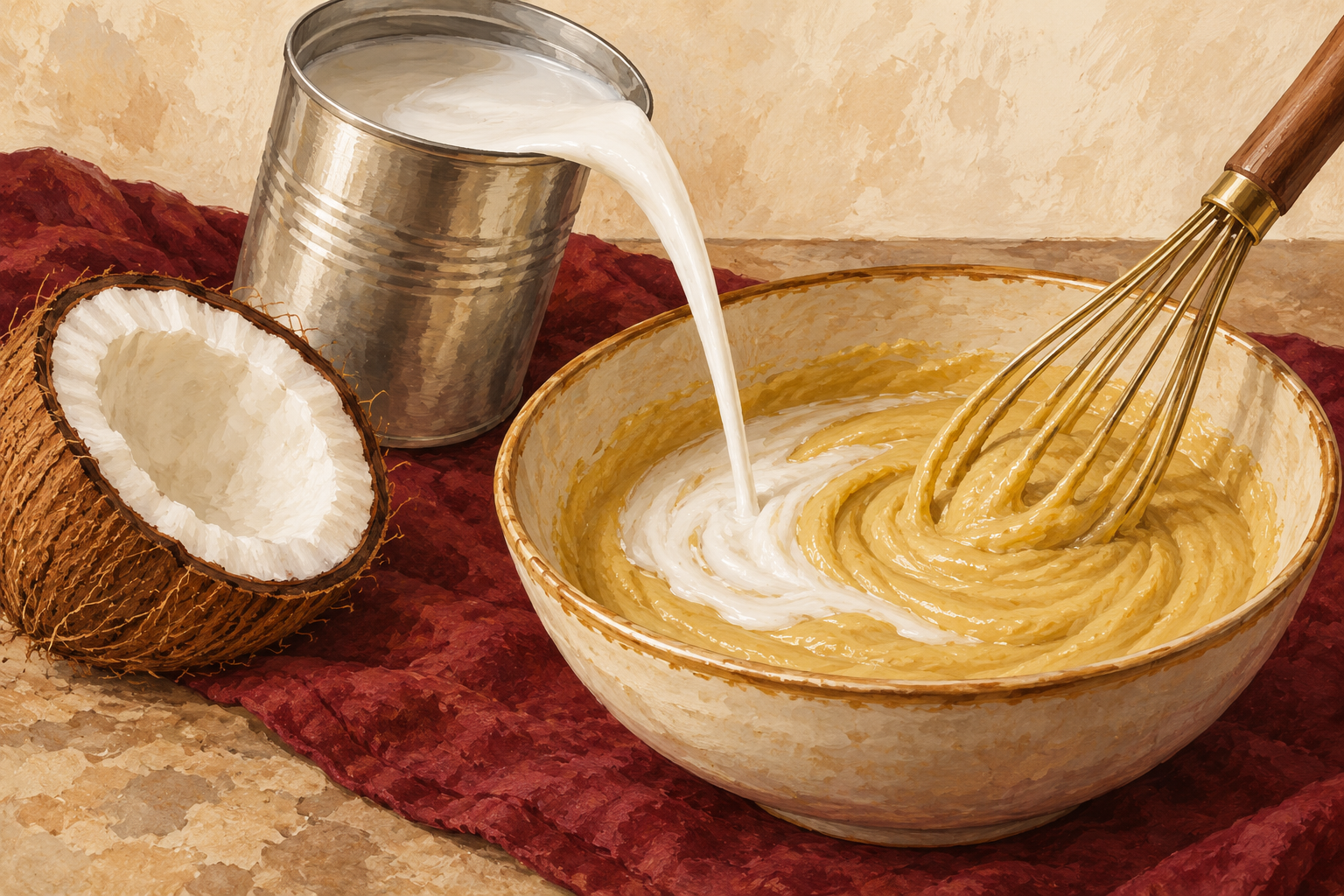
Swap the yogurt for three tablespoons of thick coconut milk if your hair feels dry or tangly. Coconut milk adds richness without being heavy, and it makes detangling easier. Shake the can before opening. Whisk it into the paste until it looks like a smooth green cream. It smells sweet, which helps hide the earthy scent of the seeds. Skip this version if your scalp breaks out easily, as coconut can sit heavy on some skin. Keep it for your lengths and the middle of your hair. Smell the can first, because coconut milk that has turned smells sour straight away.
9. Protect your clothes and section your hair

Drape an old dark towel over your shoulders and clip your hair into four sections. Fenugreek can leave a yellow tint on pale fabric, so skip your favorite white top. Apply the mask section by section, starting at the scalp. Use a comb to spread it evenly. Wipe any drips from your neck right away with a damp cloth. Wear a shower cap over the top so it cannot drip, and sit somewhere easy to clean, like the bathroom, rather than on the sofa. A hair clip at each side keeps your face clear while you work.
10. Wait thirty minutes, then rinse cool

Set a timer for thirty minutes, then rinse with cool water until it runs clear. Longer is not better, because fenugreek dries into a crust that is hard to remove. Use your fingers to rub out the paste, then shampoo once with a gentle shampoo. Cool water keeps the slippery texture from turning gummy. If you still smell fenugreek, finish with a rinse of one tablespoon of vinegar in a cup of water. The scent fades by the next day. Your hair should feel smooth and a little heavy when wet. Run your fingers through the lengths as you rinse, to catch any hidden bits.
11. Watch for allergies and for overdoing it

Stop at once if you feel burning, itching or swelling, and rinse your scalp with cool water. Allergic reactions are rare but real, and they show up faster than any benefit. Do not use fenugreek more than once a week, because too much can dry the scalp and make hair rough. Skip it entirely if you are pregnant or nursing, since fenugreek is not recommended during those times. Keep the paste away from your eyes. If anything feels wrong, wash it off first and ask questions later. Patch testing is dull, but it is the step that protects you.
12. Use it once a week for eight weeks

Make Sunday your fenugreek day and keep going for eight weeks before you decide. Hair grows about half an inch a month, so you need patience. Around week three you will likely notice softer, shinier hair, and by week eight there may be less hair left on your brush. Fenugreek will not work miracles, but it keeps the scalp comfortable and your hair slippery for detangling. Write the date on your calendar, and take a photo of your parting each month in the same light. Be patient with the first month, and keep the photos next to each other.
Complete the Routine: Fenugreek for Hair Growth Every Week
Start with the soaking water, then move to the yogurt mask once your scalp says yes. For another seed that adds slip, read about flax seeds for hair growth and castor oil for hair growth.