You brush your shoulders off before a meeting and wonder whether this is dandruff, a dry scalp or just the dry shampoo you used yesterday. The three look alike from far away, and treating the wrong one leaves you with a sore scalp and the same flakes. Here are 12 quick checks and fixes, so start at number one tonight.
1. Look closely at the flakes
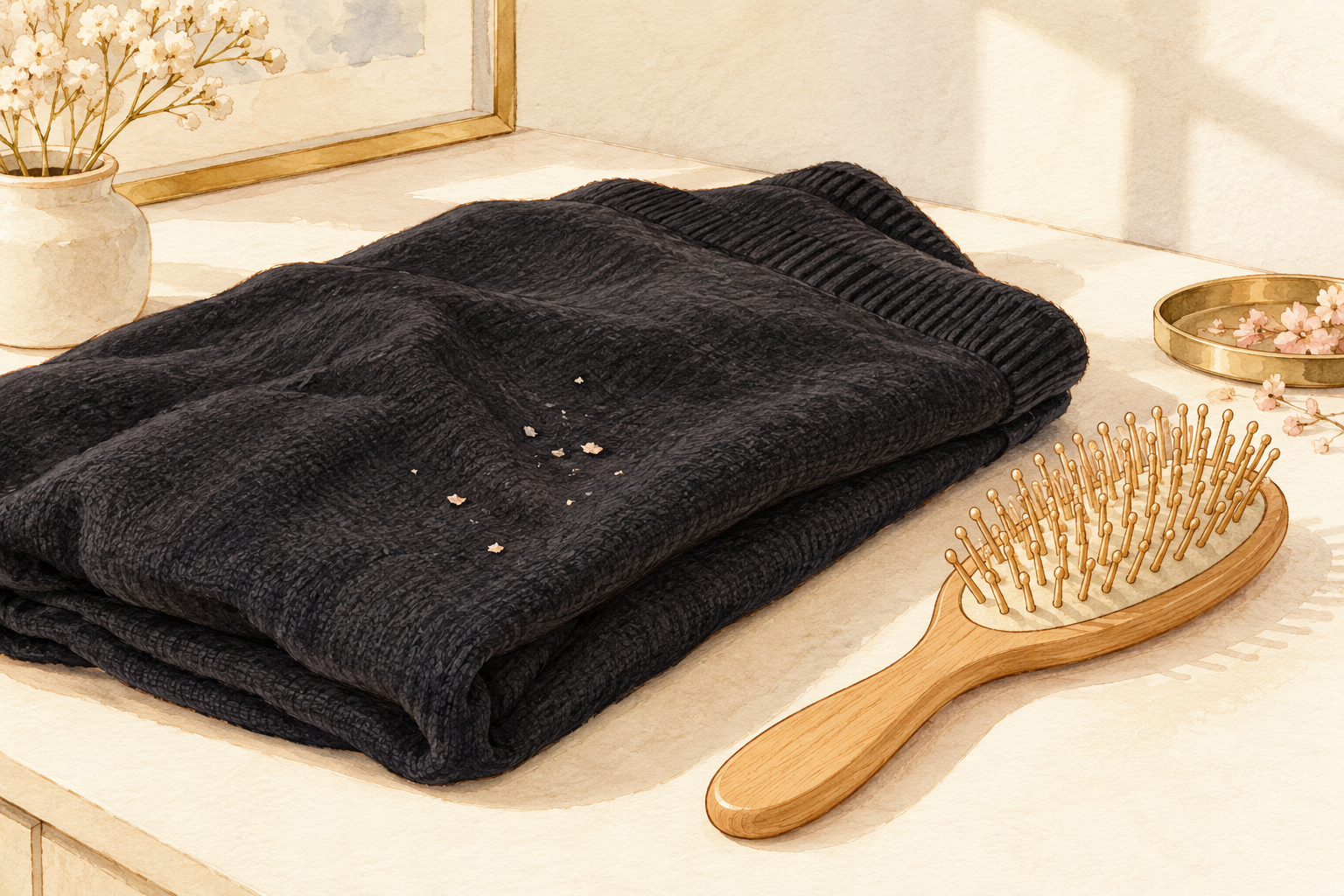
Pull a few flakes onto a dark cloth and look at their size and color in daylight. Dandruff flakes are usually larger, a little yellowish or off white, and they can look slightly greasy. Dry scalp flakes are small, fine and white, like dust. Build up looks like chalky bits or tiny crumbs that sit on the strands. The color and size will not tell the full story alone, but they give you the first clue. Do this the morning before you wash, so the flakes are at their worst. Brush gently over the cloth with a soft brush, and note how many fall in one minute, because that count becomes your starting number.
2. Press a tissue to your scalp
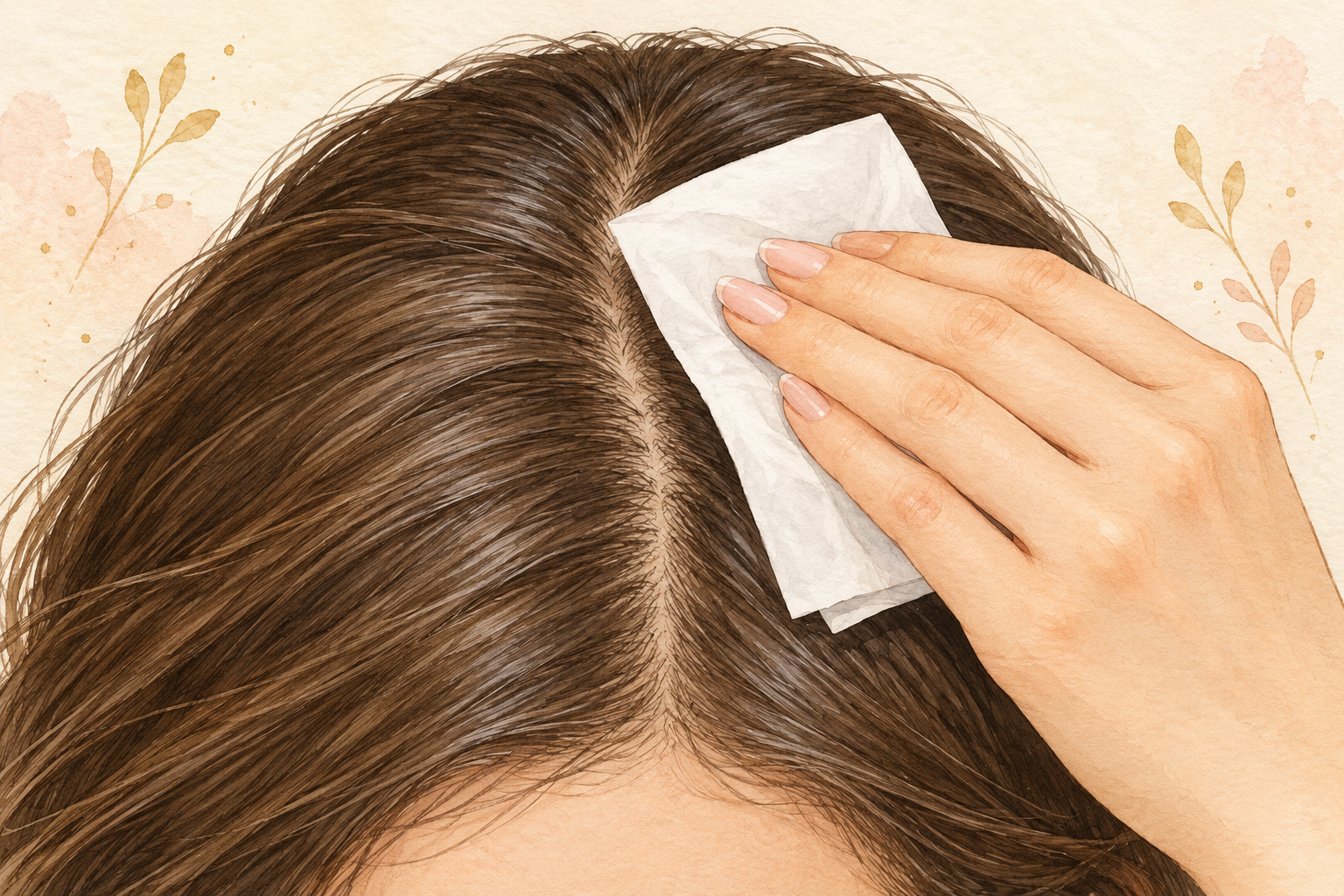
Press a clean tissue flat on your roots and check the marks. If it shows oily marks, you are likely dealing with an oily scalp, and flakes love an oily scalp. If the tissue stays clean and your scalp feels tight and papery, that points to dryness. Do this at the end of the day, when oil has had time to show up. Try a few spots, such as the crown, the temples and the nape. Press for five seconds each, and use a fresh bit of tissue every time so oil from one spot does not smear onto the next. Write down what you find, because it helps you choose between the fixes later on.
3. Notice where the flakes sit
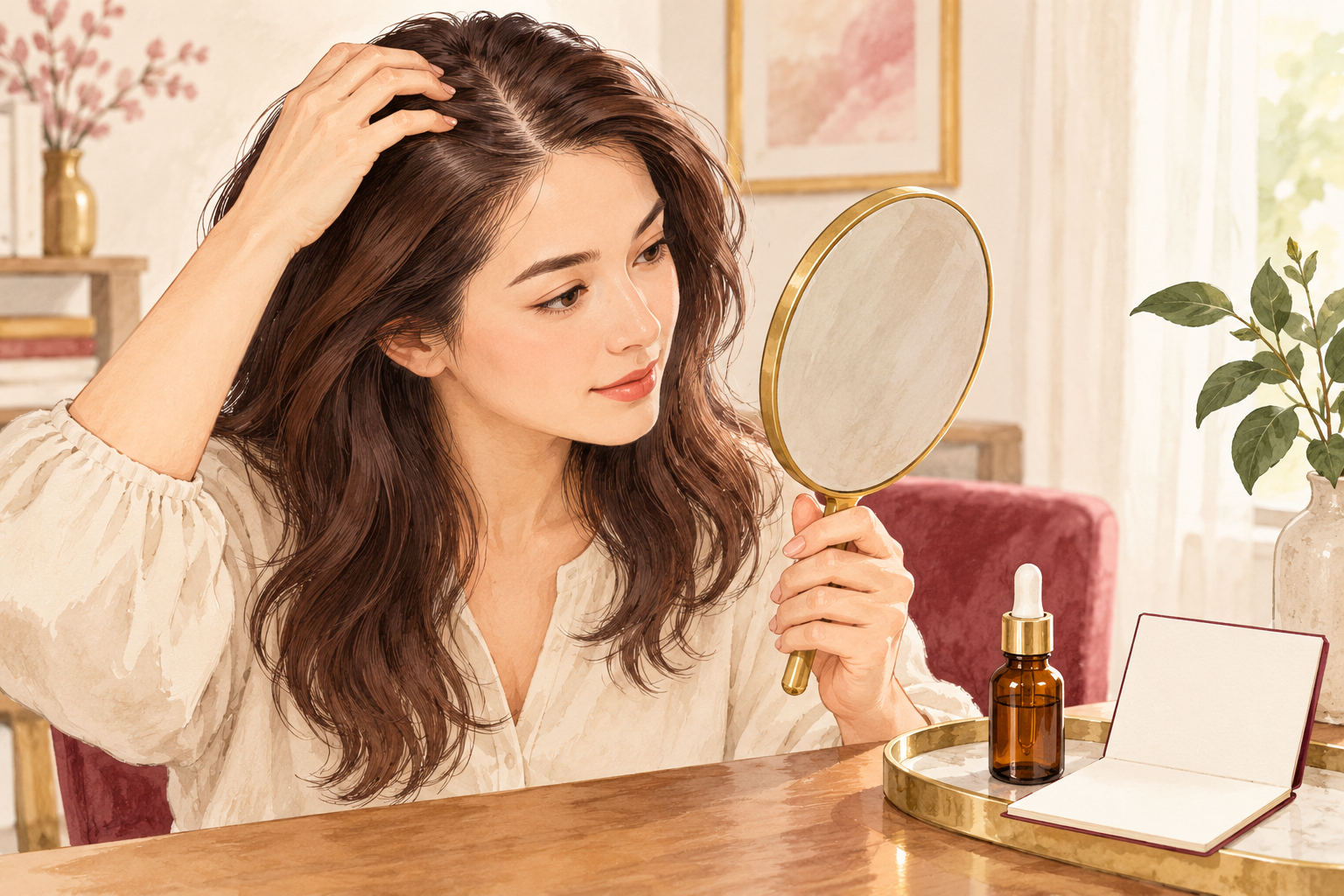
Check whether the flakes are all over, only at the hairline, or only along the parting. Dandruff tends to show up on the scalp, around the ears and at the sides of the nose and eyebrows. Dry scalp is often spread everywhere and gets worse in cold weather. Build up sits near the roots where you put the most products. Look in a mirror with a hand held mirror behind you, and use your phone camera to see the back of your head. If your eyebrows flake too, that is a clue it is dandruff. If only your scalp flakes in winter, dry scalp is likelier.
4. Pay attention to the itch
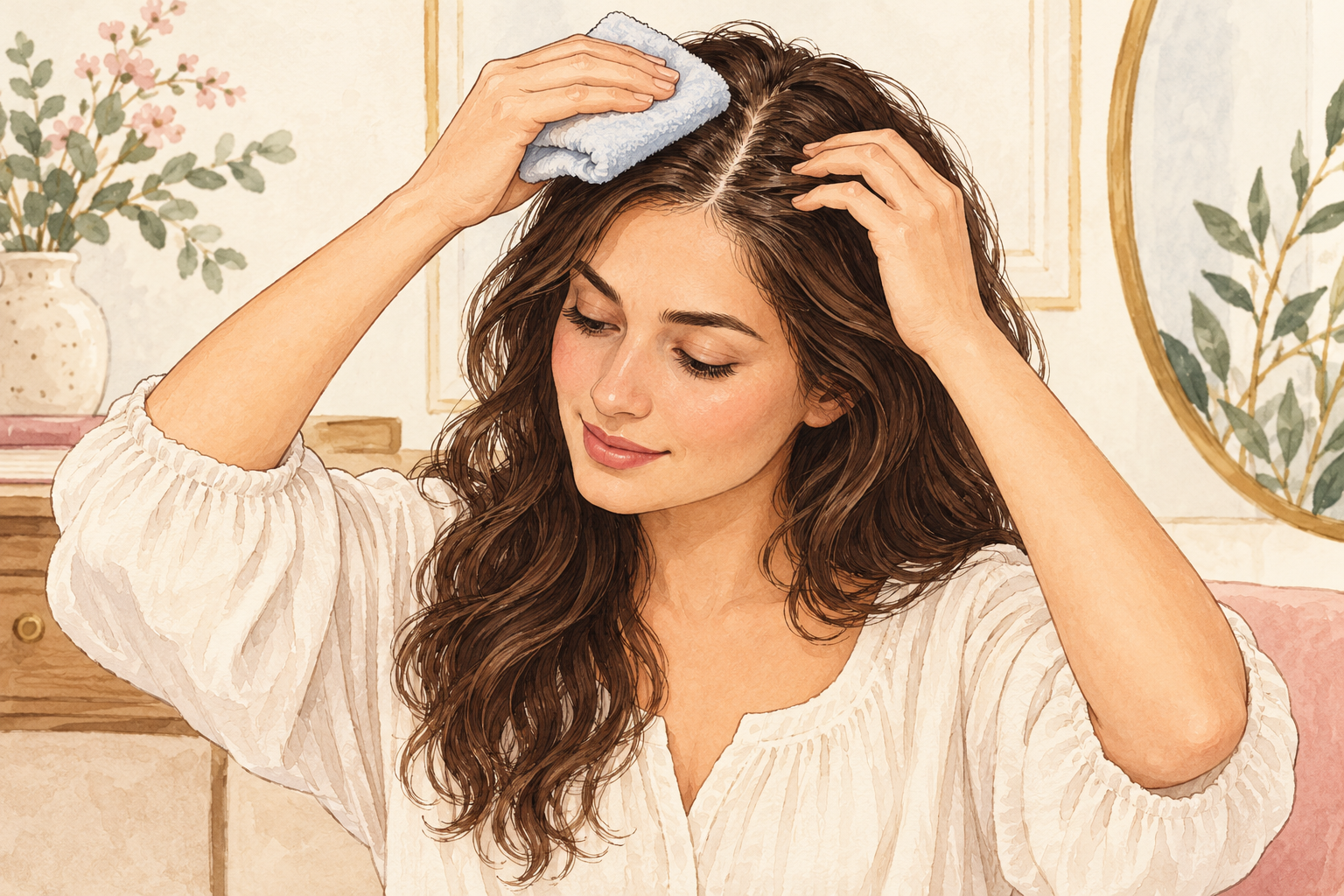
Notice when it itches, how bad it gets, and whether it feels hot or tight. True flakes itch often and stubbornly, even right after a wash. Dry scalp itches in a tight, dry way, mostly after a hot shower. Build up gives a dull itch that comes and goes. Press with a flat fingertip instead of scratching, because scratching makes tiny cuts that sting in the next wash. If the itch wakes you at night or the skin looks raw, go gentle and stop using anything strong on it. Keep your nails short, and a cool damp cloth on the spot calms it while you wait.
5. Count your products
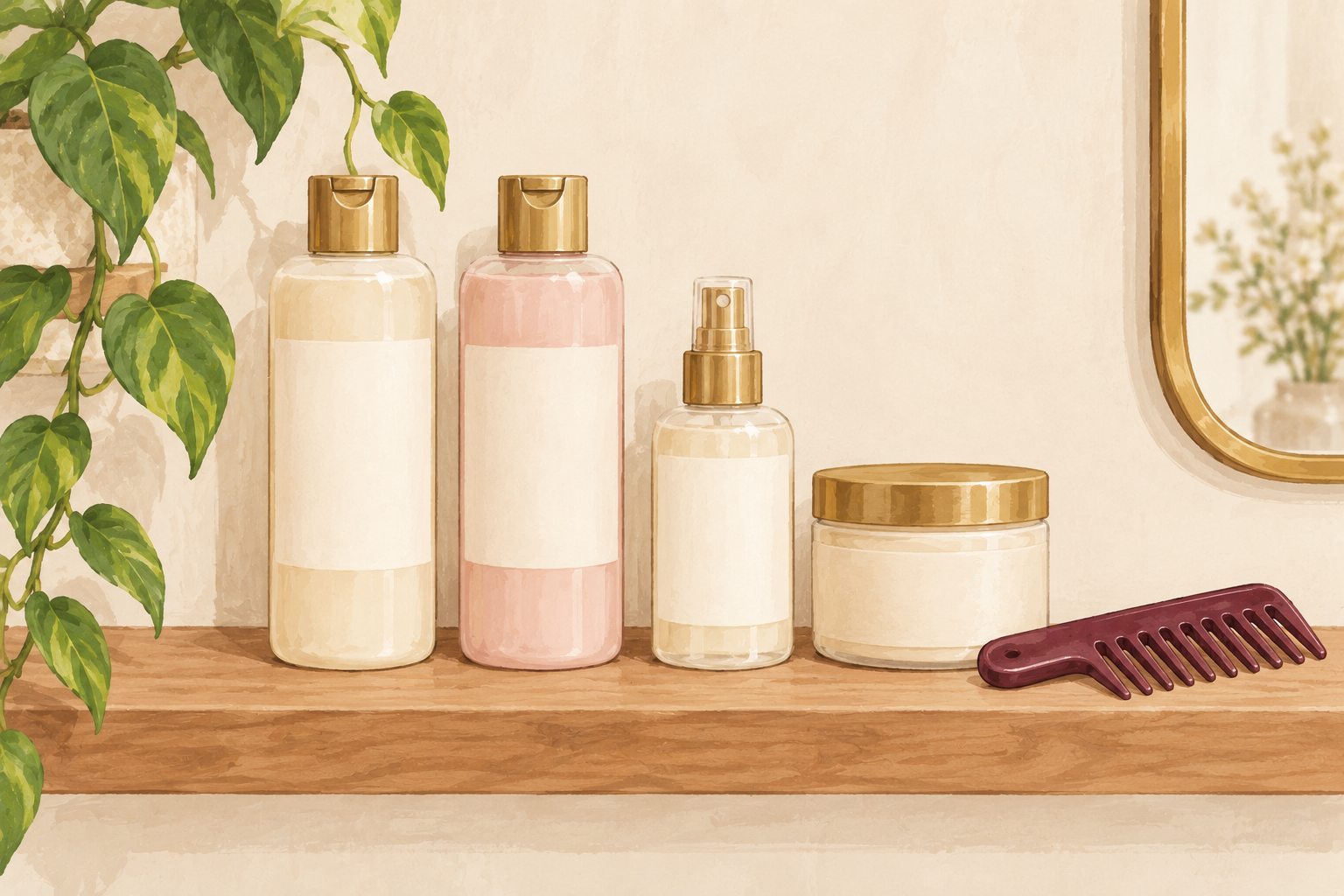
List every product that touches your roots, such as dry shampoo, gel, cream, oil and spray. More than three layers is a lot. Build up flakes off the hair looking just like the real thing, and it does not respond to a flake treatment. Try a clarifying wash, which is shampoo twice in one wash with a two minute second lather, and see if the flakes disappear. If they do, you had build up. Then take a week off the heavy products near your roots and see how your scalp behaves without them. Hair spray and dry shampoo are the worst for crumbs, so put those away first and notice how fast the crumbs fade.
6. Try a three day plain test
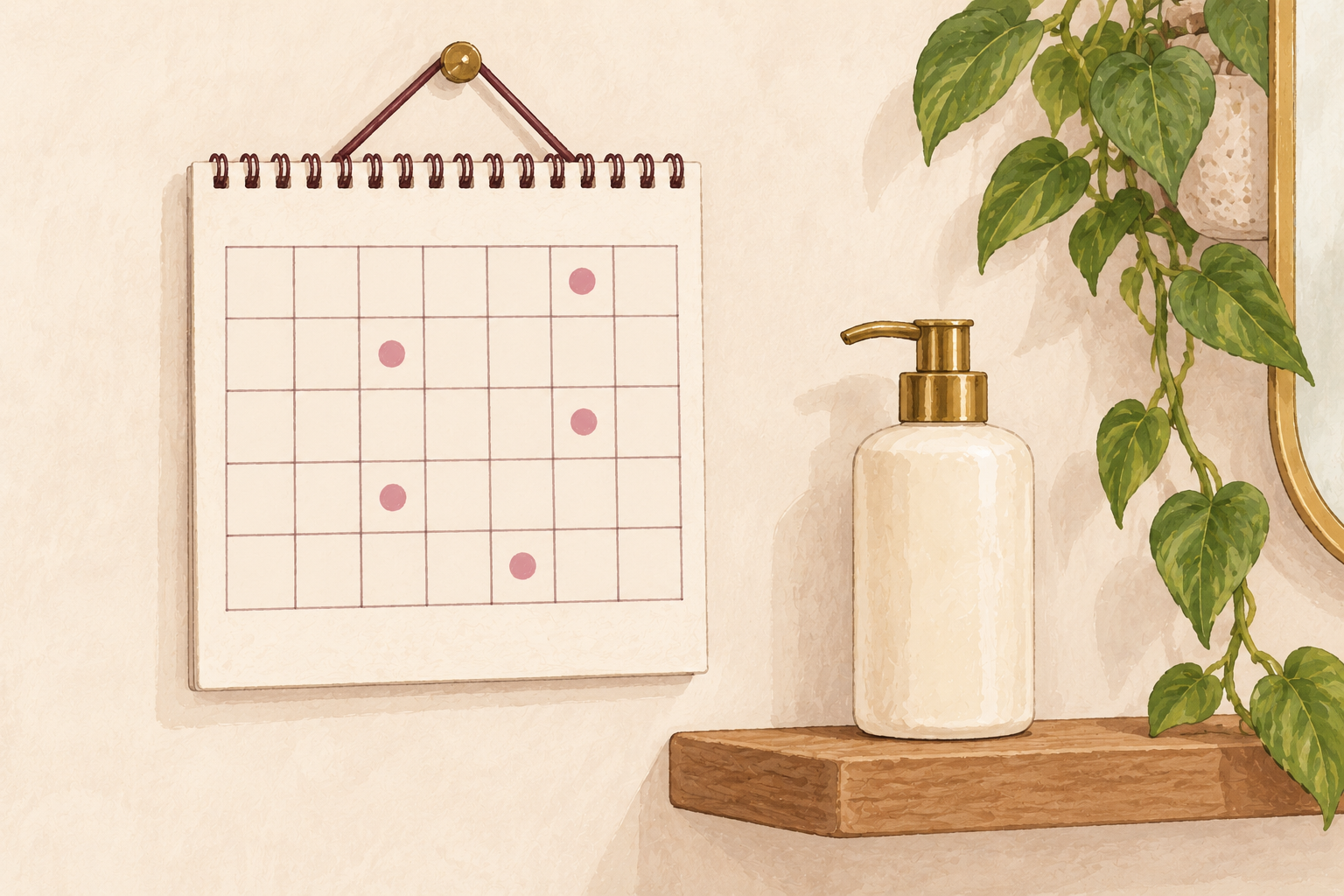
Wash with a gentle shampoo, then use nothing on your roots for three days. No oils, no sprays, no dry shampoo. Check the flakes each morning. If they shrink or vanish, the products were the problem. If they come right back, your scalp is making them, and that points to a scalp problem or plain dryness. Keep the test honest by using the same shampoo, in the same amount, at the same time of day. Take a photo of your parting each morning so you can compare them side by side. Wear a dark top on day three, because that is the real test of your shoulders.
7. Think about the season and your habits

Ask yourself what changed in the last month, such as the weather, a new shampoo, hot showers or stress. Winter and heaters dry the scalp. Humid weather and sweaty workouts can make flakes worse, because they like warm, damp skin. A new product can irritate or leave build up. A stressful month and little sleep also show up on your shoulders. Write down what changed, and see if it lines up with when the flakes began. It will not give you an answer on its own, but it narrows the guessing.
8. Stop making it worse

Turn the shower down to lukewarm, stop scratching and stop picking at flakes. Hot water strips the scalp of its oil and makes it itchier within the hour. Picking pulls off flakes that were not ready to leave and leaves red patches. Do not use baking soda, lemon juice or neat essential oils on your scalp, because they irritate and can make flakes worse. Give your scalp a gentle week first. A calm scalp is easier to read, so you can see what it really needs. Pat your hair dry with a soft cloth, and skip tight hats and scarves that rub the same patch.
9. Fix build up with a deep clean
Shampoo twice, leave the second lather on for two minutes and rinse until your hair squeaks. Do it once a week for two weeks. Use your fingertips on the scalp, never your nails. Rinse longer than you think, because leftover shampoo itches. Skip heavy creams and oils on your roots for a week. If the flakes mostly vanish, you have your answer, and you can stop here. Keep the clarifying wash to once a week or twice a month so your scalp does not feel tight. A conditioner on the lengths only afterwards keeps the ends soft.
10. Soothe a dry scalp gently

Switch to a mild moisturizing shampoo and wash two or three times a week with lukewarm water. Smooth a few drops of light oil, such as jojoba, along your partings for ten minutes before bed and wash it out in the morning. Patch test any oil on your arm first. Drink water through the day and wear a hat in cold wind. A humidifier in your bedroom helps in winter. Within two weeks the tight, papery feeling should ease, and the fine white dust on your shoulders usually thins out too. If it still feels tight, use less shampoo rather than washing less often.
11. Treat true dandruff with an active shampoo
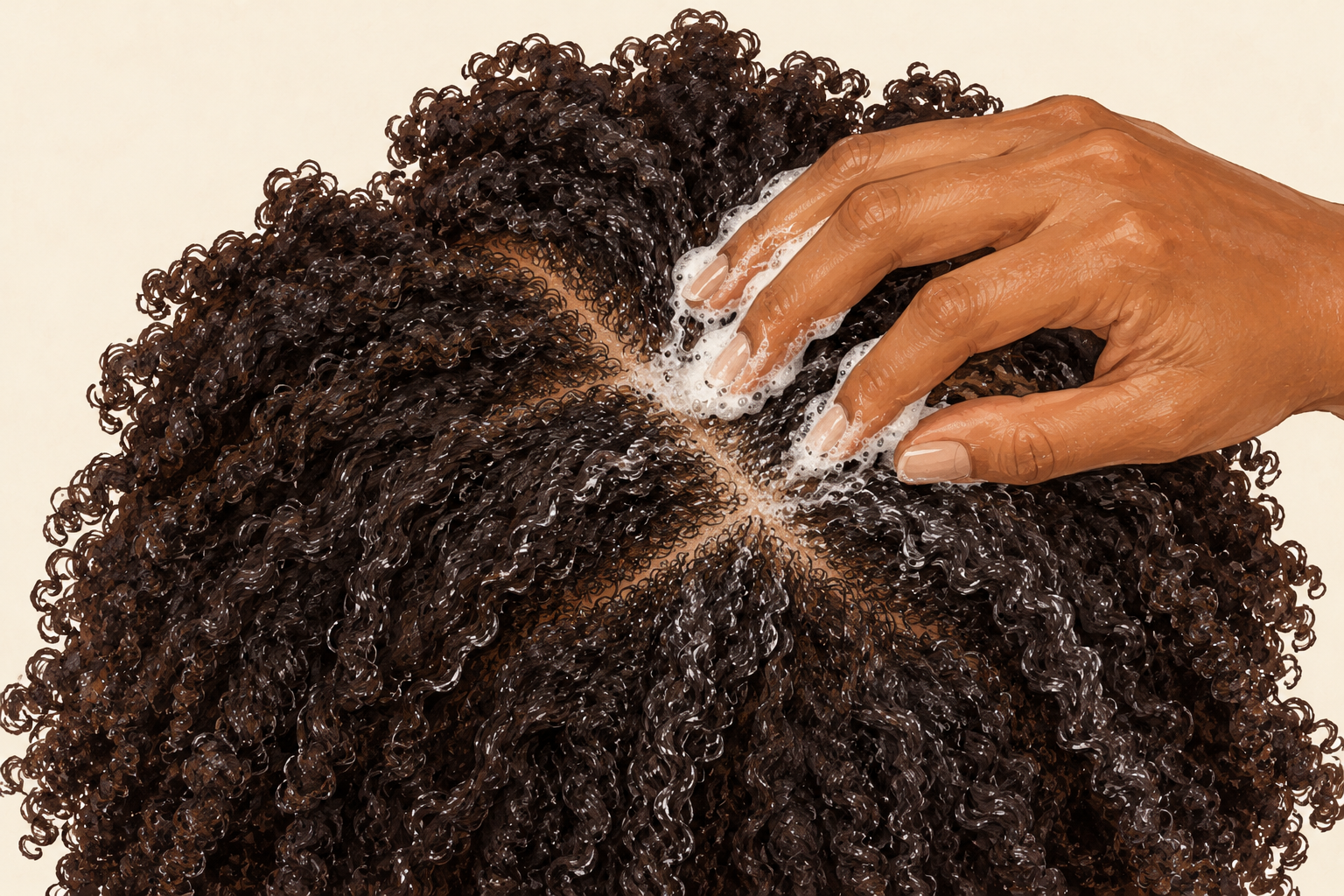
Look for zinc or salicylic acid on the label and use it two or three times a week. Put it on your scalp only, leave it for the time on the bottle, and rinse well. Alternate with your normal shampoo so your lengths do not dry out. Give it four weeks before you judge it, because dandruff is slow to respond. The first wash rarely tells you much. If one active does nothing after a month, try a different one. Keep using it once a week afterwards, or the flakes tend to drift back. Massage it in for a full minute, and do not forget the back of your head, where flakes hide.
12. Keep it away and know what to expect
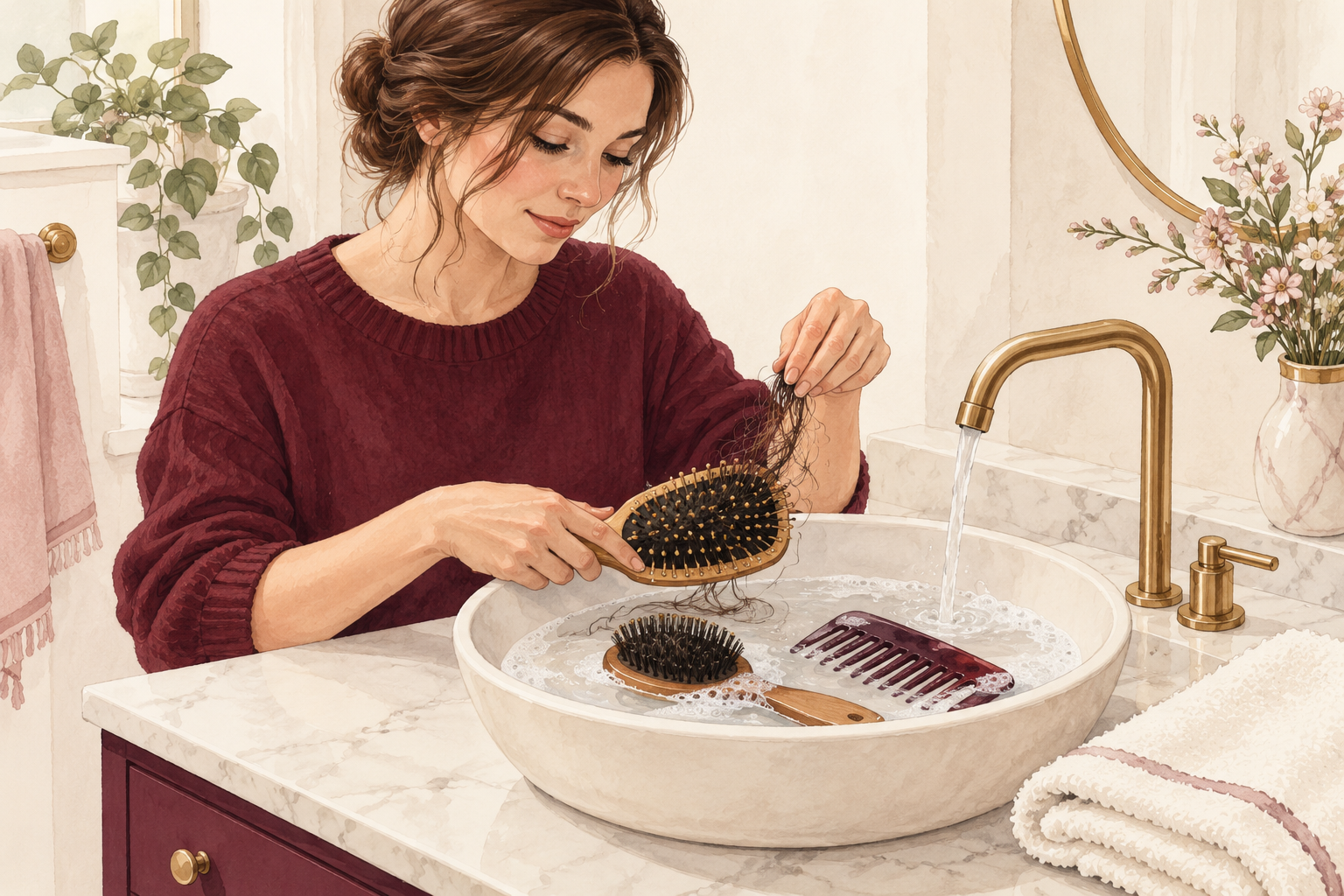
Wash your pillowcase, brush and towel every week, and expect change by week four. Old oil and flakes go back onto clean hair if you skip this. In two weeks you should see fewer flakes on your shoulders and less itch. By week four, most of them should be gone or much lighter. Flakes can return in winter or after a stressful patch, so keep the routine going, and give it a full month before you change anything. If your scalp is red, crusty or painful, or the flakes keep getting worse, stop and see your doctor.
Complete the Routine: Dandruff, Sorted by Type
Tonight, do checks 1 to 3 and note what you find. When you know what you have, read about dandruff home remedies and dry scalp.