You run your fingers down your ends and they feel like straw, or your brush comes out with a nest of short broken bits. With damaged hair the first instinct is to grab a mask, but the right fix depends on what did the damage. Here are 12 checks and fixes, so start at number one tonight.
1. Spot the signs in your own hair
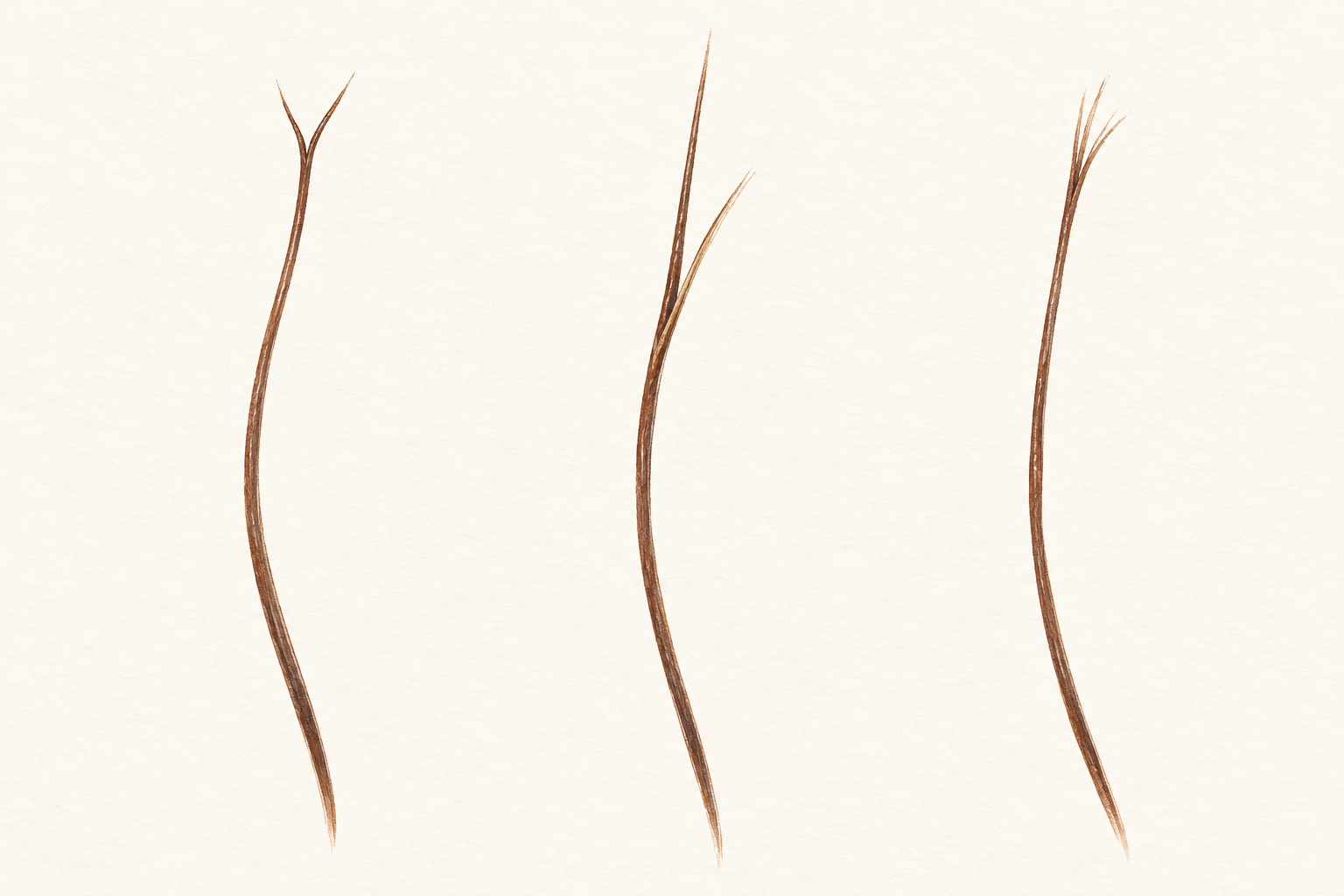
Look for dull color, rough ends, tangles that come back fast and short broken pieces in your brush. Hold a few strands up to a window. Healthy strands look smooth and a little shiny, while damaged ones look fuzzy, frayed and thin at the tips. Pay attention to where it starts. If only the ends are rough, the damage is old. If the roots are also broken, it is recent. Run a clean white towel over dry hair, and if lots of tiny snapped pieces fall off, your hair is snapping rather than shedding from the roots. That one clue tells you where to focus.
2. Try the wet stretch test
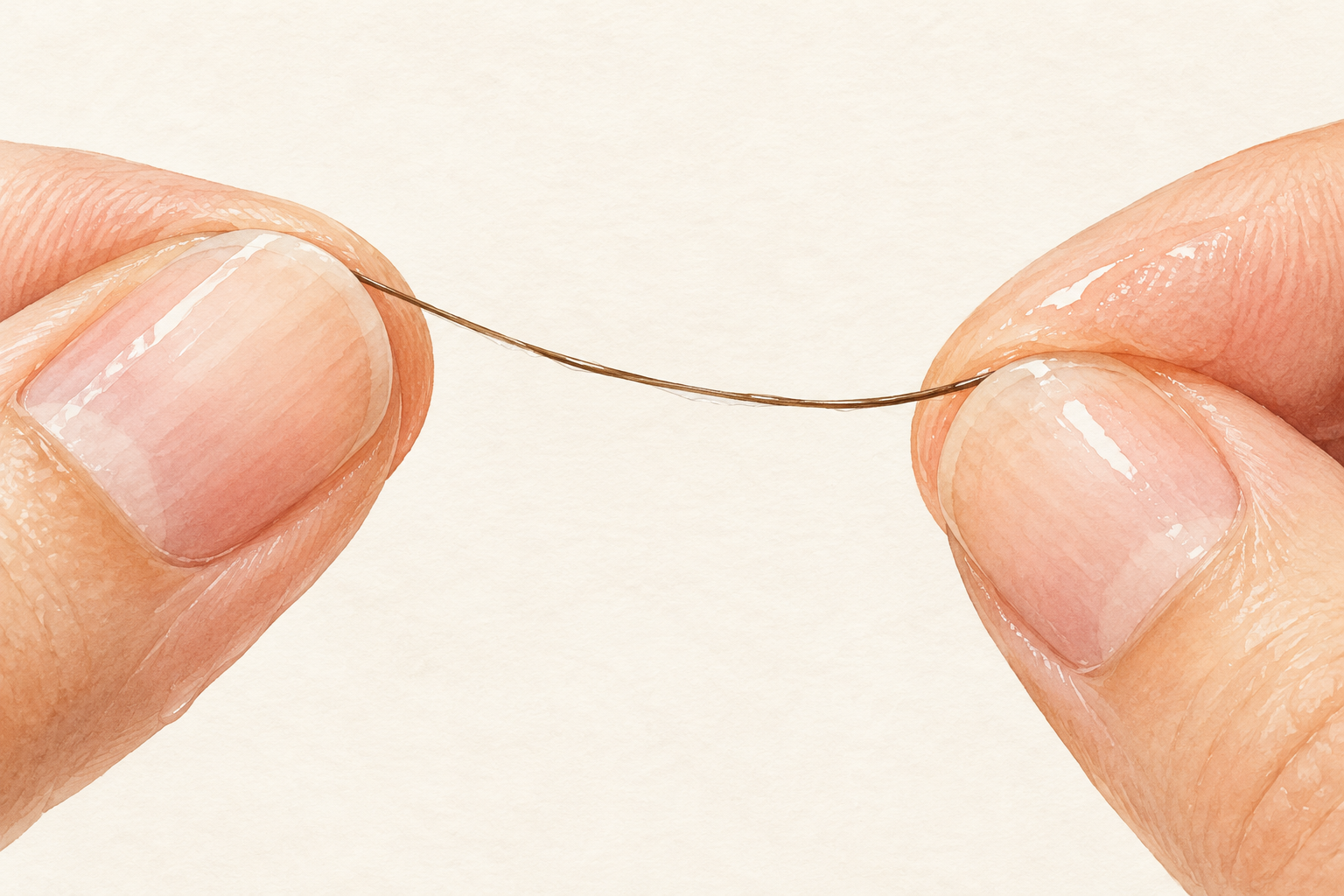
Wet one strand, hold both ends and stretch it very gently. Healthy hair stretches a little and springs back. Hair that stretches like gum and stays long is overloaded with moisture and weak, while hair that snaps straight away is dry and brittle. Do the test on a strand from the ends and one from near your roots, because they often differ. Use a strand that has already fallen out, not one you pull. The result tells you whether you need moisture, strength or both, so it is worth the two minutes at the sink. Write it down so you can repeat the test in a month and see if your hair has changed.
3. Check for heat damage
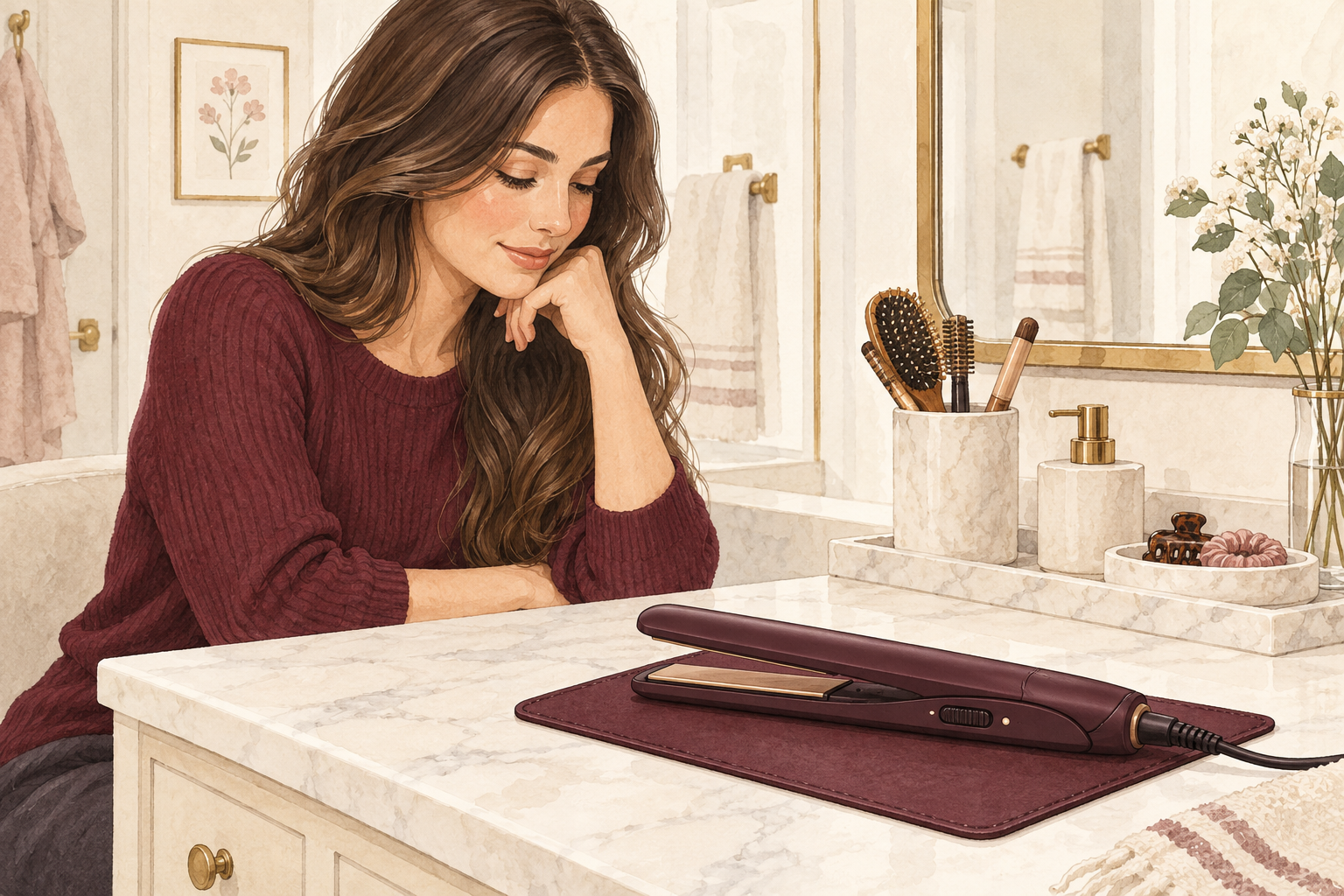
Heat damage shows up as ends that are crispy, bent at odd angles or stay kinked after a style. Curly hair may lose its curl pattern in patches. Count how many days a week you use a dryer, flat iron or curling wand, and how hot you set it. Anything above medium on fine hair is a lot. A smell like burnt toast when you style is a real warning. If this is you, turn the heat down and cut the days in half this week. Heat damage cannot be reversed, only grown out or trimmed, so protecting what is still healthy comes first.
4. Check for color or chemical damage
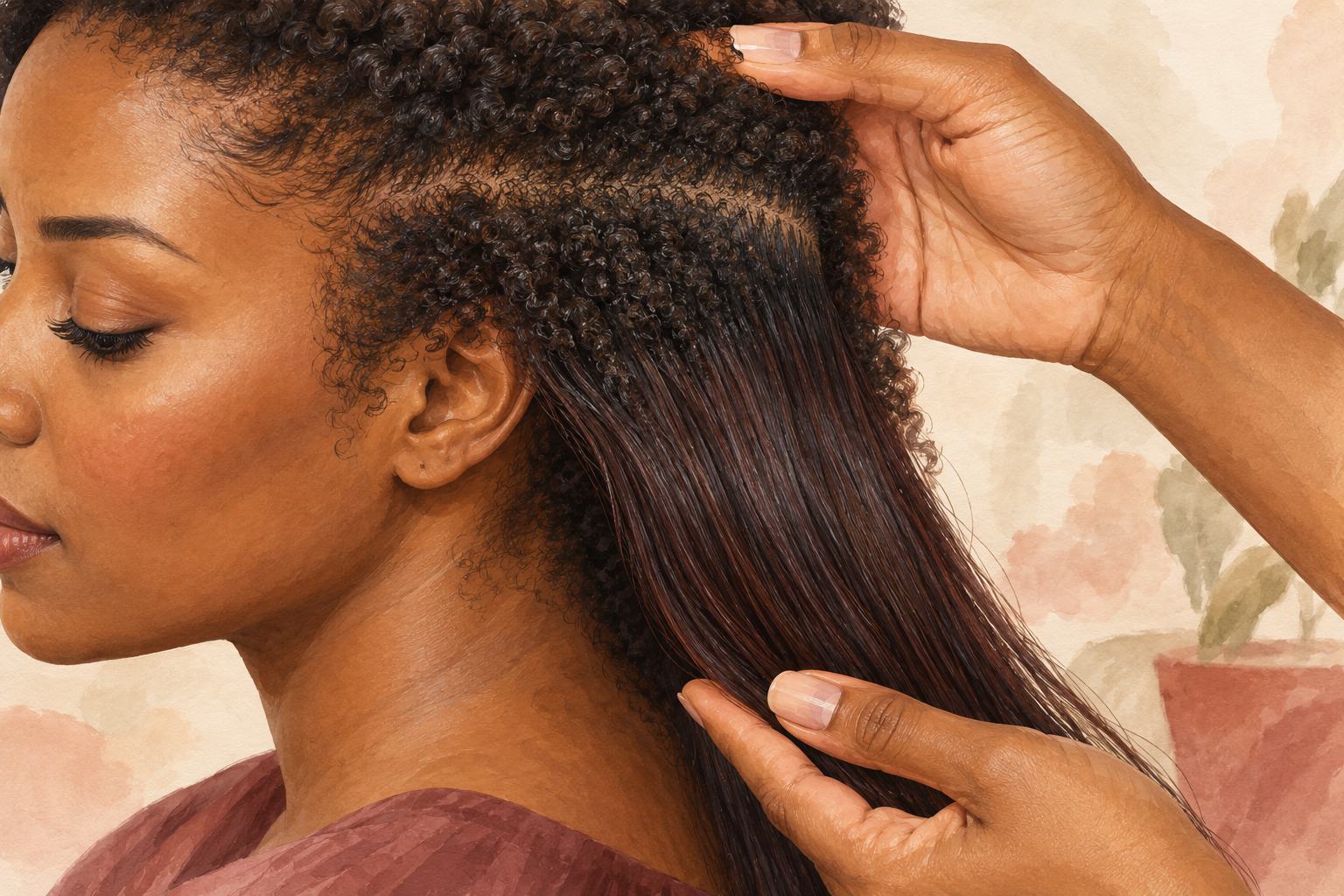
Color, bleach, relaxers and perms leave hair feeling gummy when wet and rough when dry. If your hair has been lightened, notice whether it feels slimy and stretchy in the shower. That means the strand is overworked. Ask yourself how many times you have colored it in the last six months and whether the product overlapped on old color. Never layer a new treatment on top of tired hair. Give it at least eight weeks between treatments, and take extra care with mid lengths and ends. Skipping a touch up is better than adding another layer of stress.
5. Check for rough handling
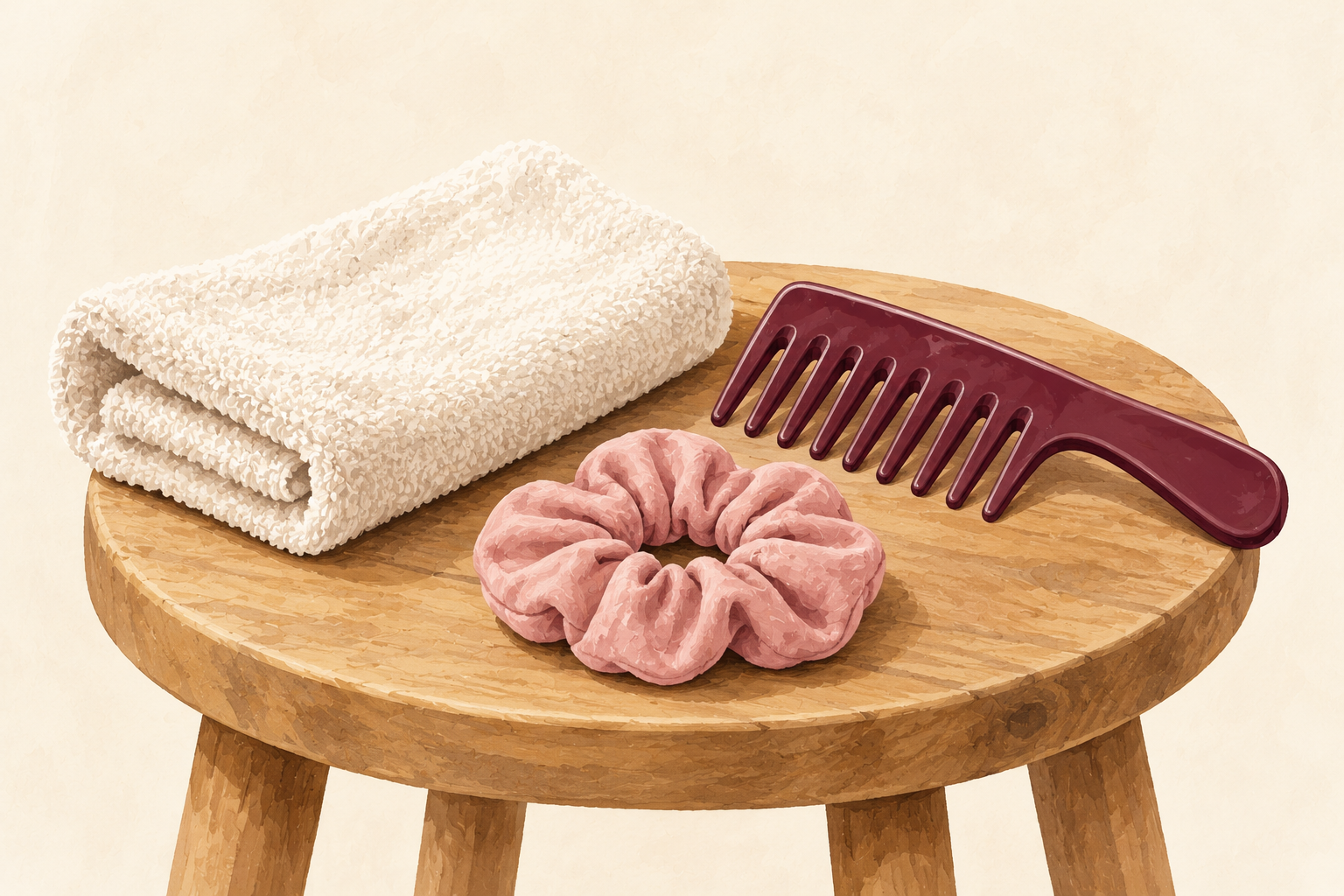
Look for breakage around your hairline, at the nape and wherever your ponytail sits. Tight elastics, metal clips, brushing wet hair and rubbing with a towel snap strands over time. Short broken pieces in the same place point to one habit. Switch to a soft scrunchie, move your ponytail up or down each day, and comb with a wide tooth comb starting at the ends. Rough handling is the easiest damage to stop, because it costs nothing to do differently. Watch yourself for one wash day and you will spot the habit. Notice how you yank the comb through, how tight you pull the band, and whether you sleep with your hair out and loose against a rough pillowcase.
6. Stop the worst habit first
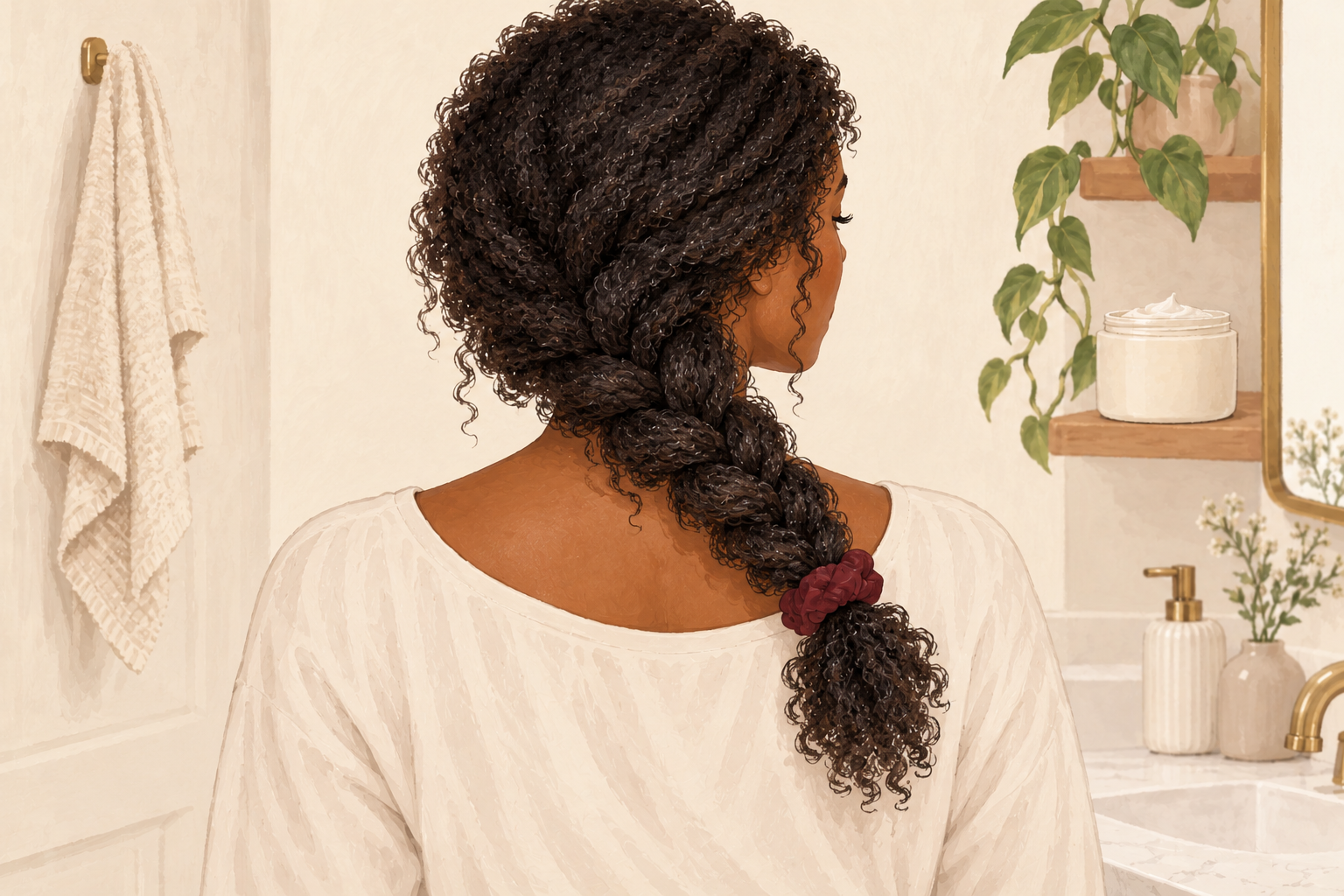
Pick the one thing from numbers 3 to 5 that you do most and pause it for four weeks. If it is heat, air dry. If it is color, skip the next touch up. If it is tight styles, wear it loose. Trying to change everything at once usually fails by Thursday. Put the tool in a drawer so it takes effort to reach for. You cannot repair a strand that is already broken, but you can stop it breaking more. This is the step that makes every mask after it work better. Set a phone reminder so a busy morning does not pull you back into the old way.
7. Wash gently
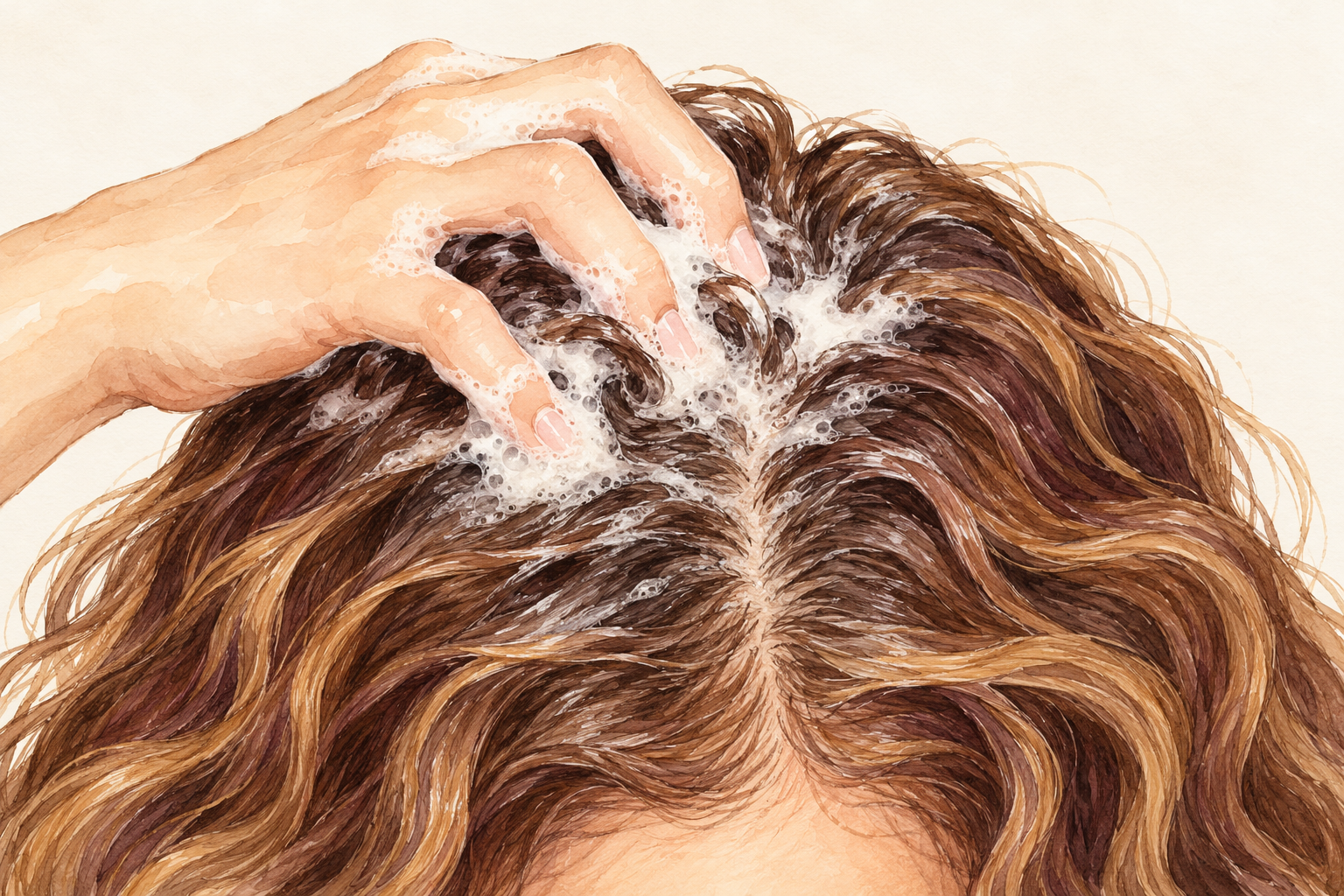
Shampoo the scalp only, twice a week at most, with lukewarm water. Let the suds run down the lengths as you rinse instead of scrubbing them. Hot water and hard rubbing roughen the outer layer of each strand. Pick a mild shampoo that does not leave your hair squeaky. Squeaky means stripped, and stripped hair on top of damage breaks faster. Detangle with conditioner in and a wide tooth comb, from the ends up. Finish with a cool rinse, and pat dry with a soft t shirt rather than scrubbing with a towel. Never comb hair that is soaking wet without conditioner, because wet strands stretch before they snap.
8. Start with a rich moisture mask
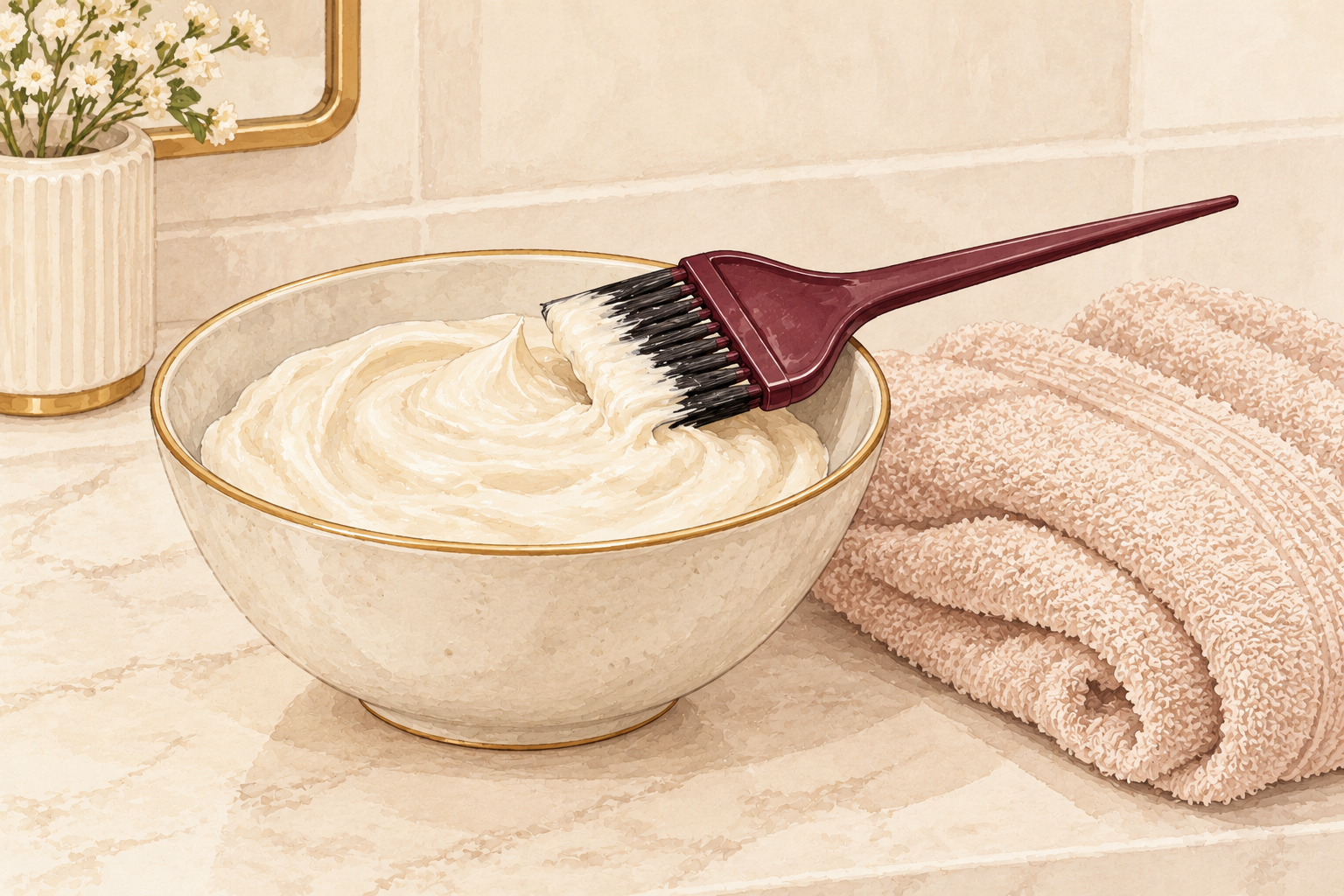
Smooth a thick mask on the mid lengths and ends, cover with a warm towel and leave it for twenty minutes. Use it once a week in place of your normal conditioner. Look for words like butter, oil or hydrating on the label. If your wet strand test said stretchy and mushy, pick a lighter mask with more protein. If it said snappy and dry, stay with the rich moisture one. Rinse until the water runs clear. Many people notice smoother, softer ends right after the first use, though it fades if you stop. Comb it through with your fingers so the mask reaches every strand, and avoid the roots if your scalp turns oily.
9. Add a kitchen treat
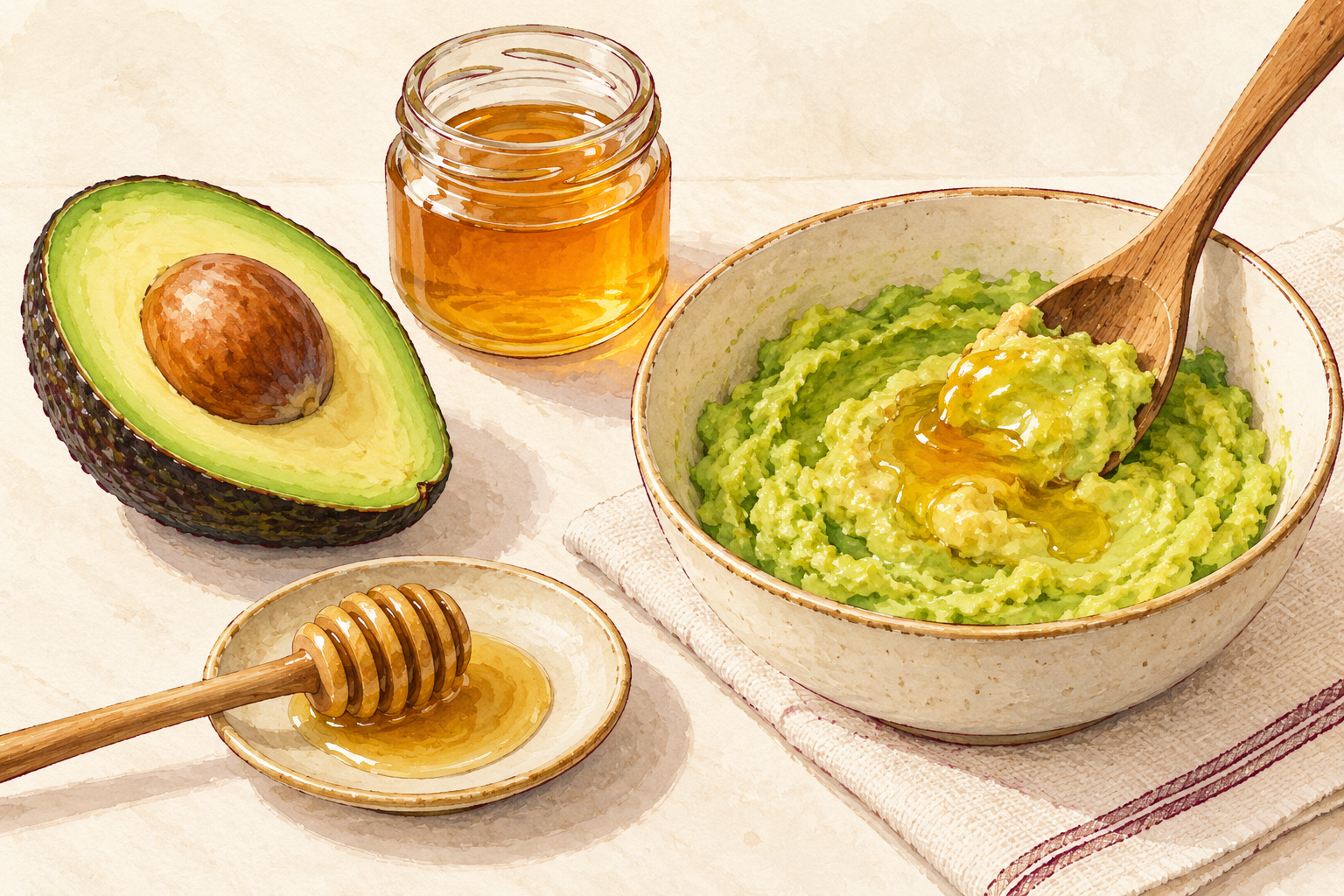
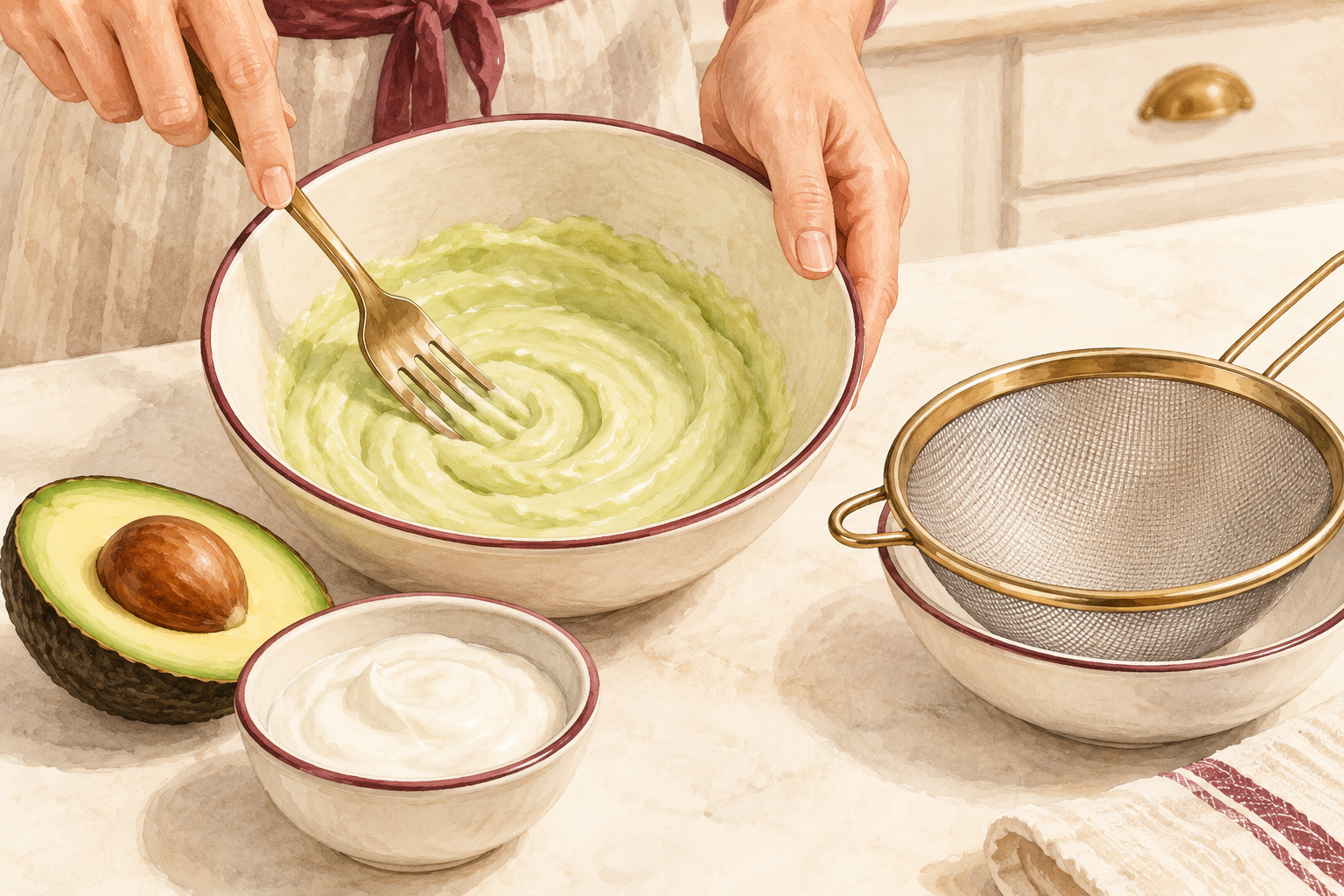
Mash half a ripe avocado with a spoon of honey and leave it on damp hair for twenty minutes. It feels creamy and cool, and it leaves hair softer. Patch test the honey on your arm first. Rinse with lukewarm water and a little shampoo, since honey and avocado leave a film if you only use water. Do it once every two weeks, not every wash. A homemade treat gives hair a gentle boost, but it does not replace the weekly mask. Keep your expectations small and sweet, and use it as a spa night rather than a rescue.
10. Trim off what cannot be saved
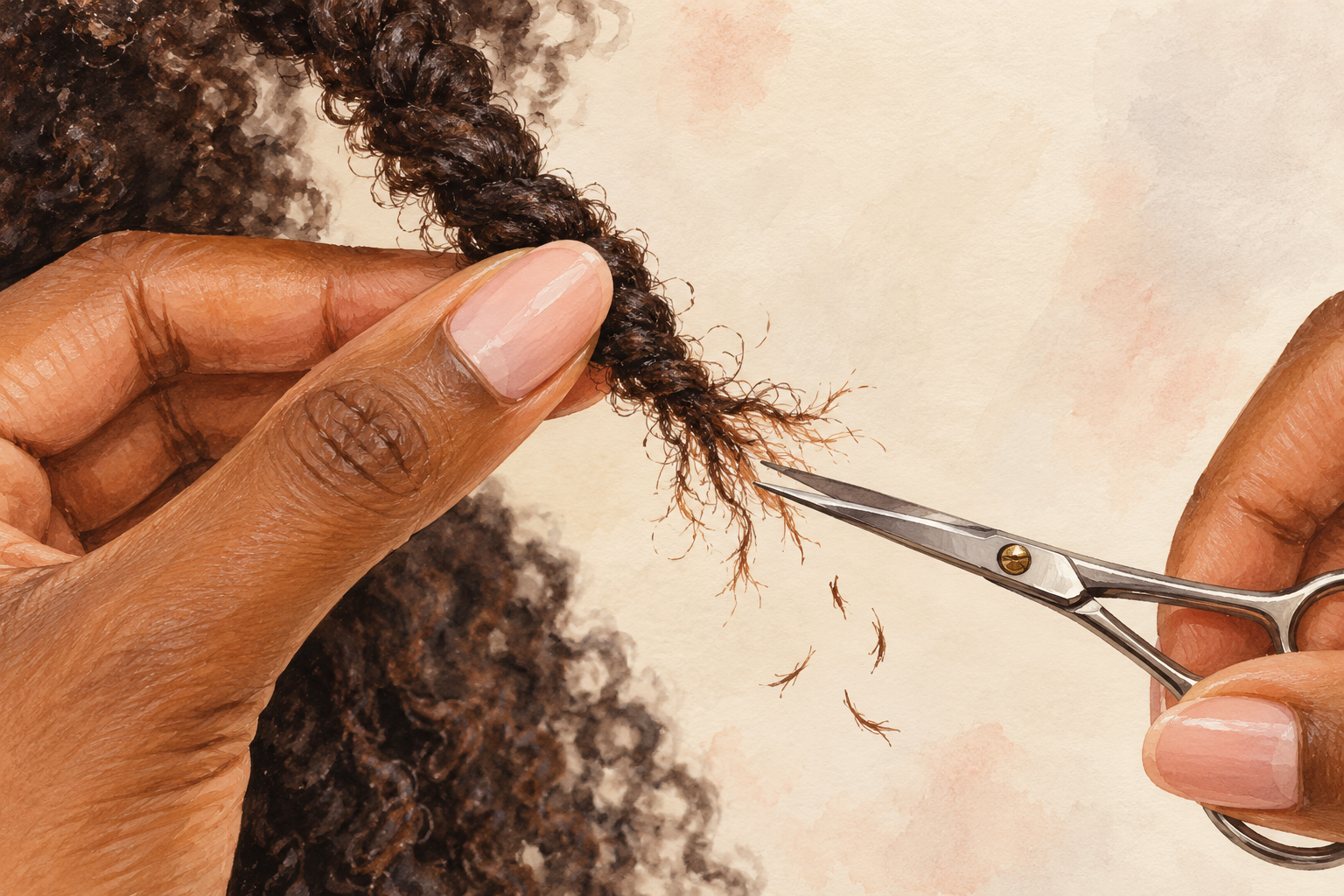
Cut away a half inch to an inch of the worst ends, and repeat every eight to twelve weeks. Split ends keep traveling up the strand, so waiting costs you length. Trim on dry, combed hair so you can see the frayed bits clearly. Use sharp scissors, never kitchen ones. It feels scary to cut, but your hair looks thicker and fuller afterwards. If you are growing it out, trim little and often. A mask makes damaged ends feel better for a few days, but only a trim removes them for good, so budget for both.
11. Protect it every day
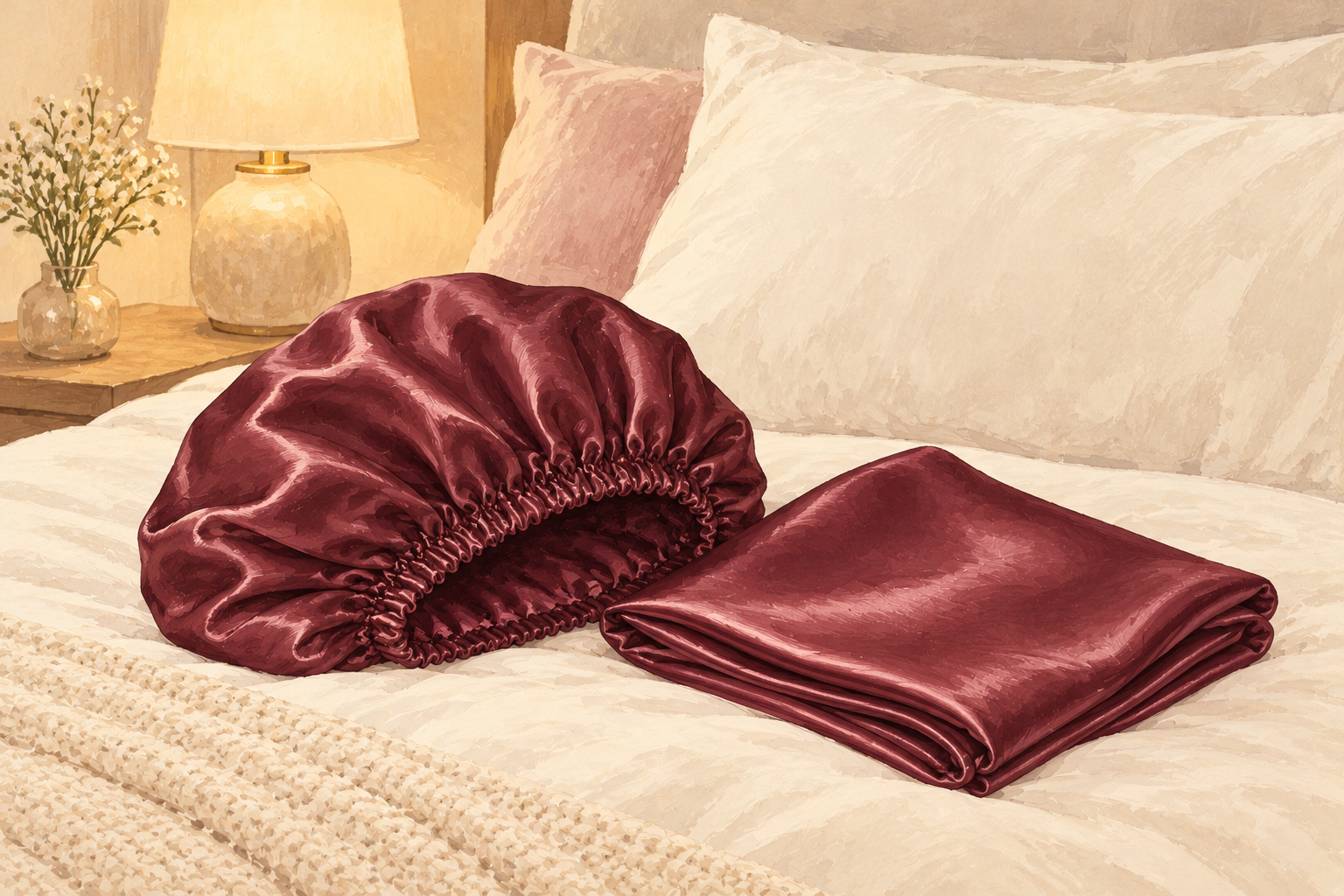
Sleep on satin, add a leave in cream to damp ends and cover your hair in strong sun. Cotton pillowcases drag on dry ends all night. A little cream on damp hair works like a coat over a thin shirt. Wear a hat or a scarf at midday, and rinse after swimming because chlorine and salt dry the strand out. Tie your hair loosely before bed, such as in a braid. These small habits look boring, but they are the ones that keep the damage from coming back. Write one on your mirror to remember it. Even one habit this week, like satin at night, is a good start.
12. Expect slow, steady progress
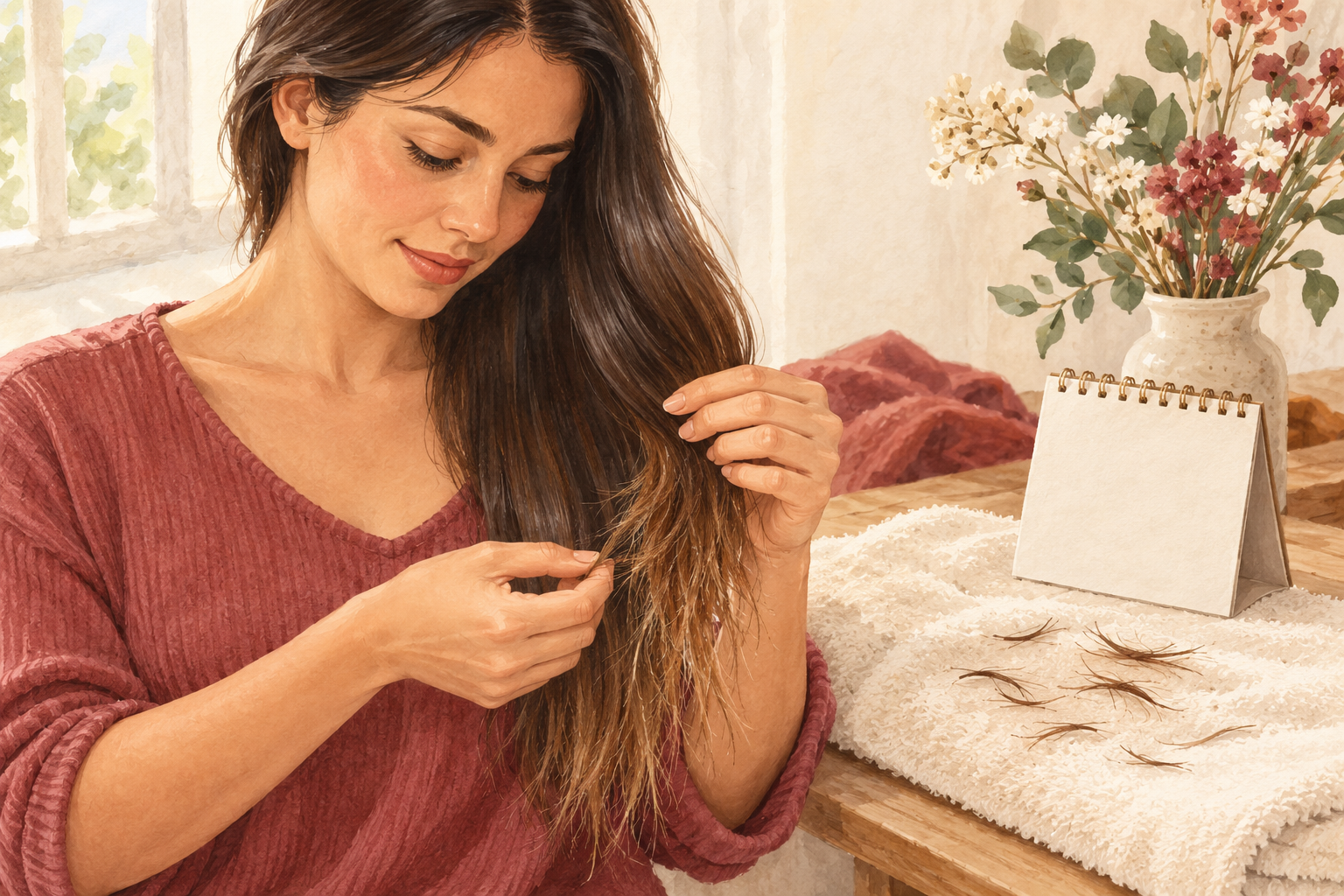
Look for less snapping and smoother ends by week four, and new healthy growth by week twelve. Hair grows about half an inch a month, so the healthy new length near your scalp is the real proof. Old damaged ends stay damaged until they are trimmed. Take a photo today and one every month in the same light. Some weeks will look worse, especially after humid days, and that is normal. If your scalp feels sore or you are losing hair in clumps, stop and see your doctor. Otherwise keep going, and be proud of every small thing you changed. Your hair is listening, even when it is slow to answer.
Complete the Routine: Fix Damaged Hair Step by Step
Start tonight with number 6, then book your first mask for wash day. For more, read about a hair mask for damaged hair and damaged hair repair.