Your scalp feels tight by afternoon, tiny white flakes drift onto your shoulders, and the more you scratch the angrier it gets. How to get rid of dry scalp depends on the cause, and it is usually your washing, your water or your products. Here are 12 fixes sorted by cause, so start at number one tonight.
1. Tell dry flakes from greasy ones
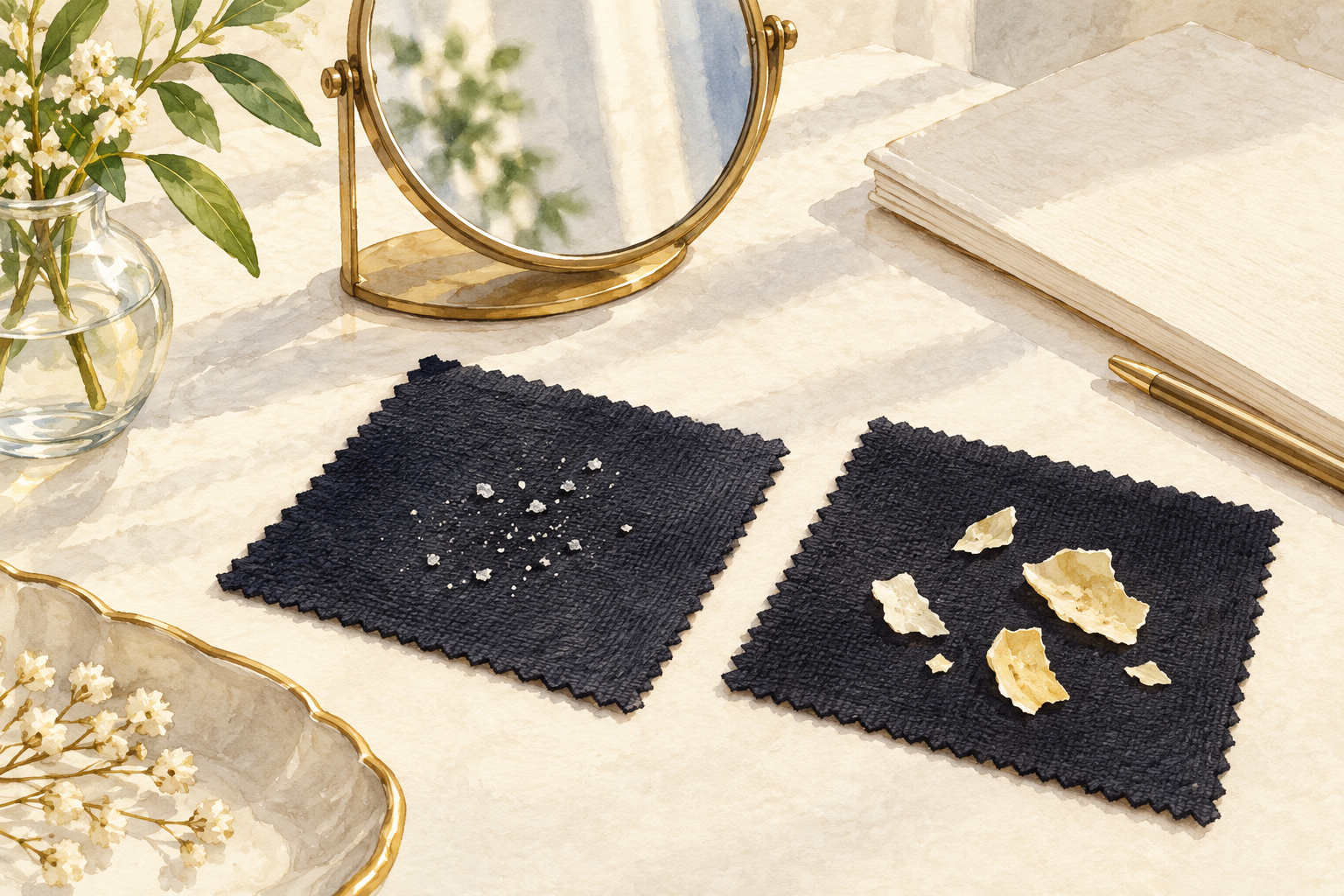
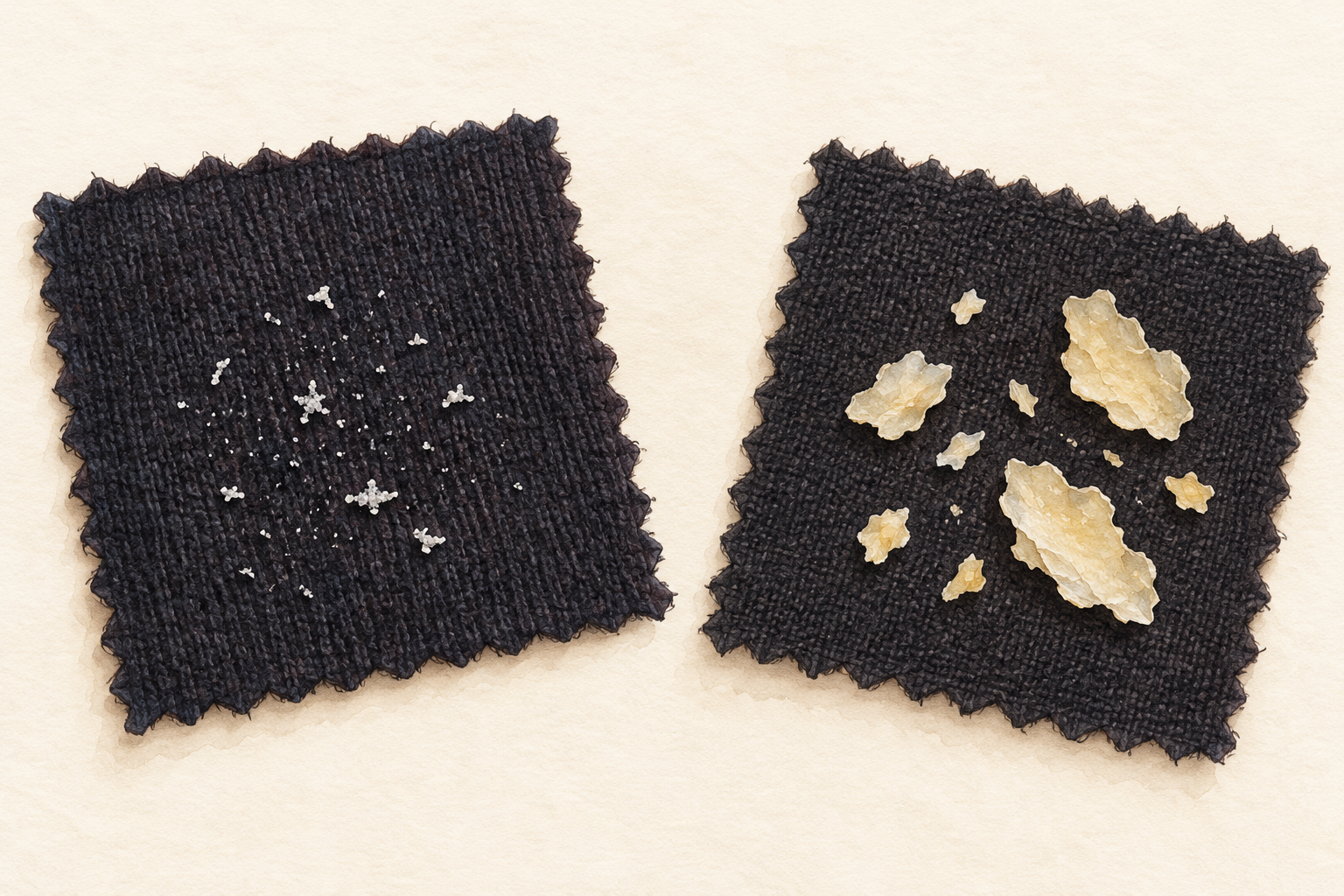
Check your parting in daylight, because small white flakes on a tight scalp mean dryness, while larger yellowish flakes on an oily scalp mean dandruff. Dry scalp flakes are tiny and powdery, and they fall off when you scratch. Your hair usually does not feel oily. If you have both tight skin and greasy flakes, you may have a mix, so read the dandruff guides too. Knowing which one you have matters, because the fixes are different. Oil that soothes a dry scalp can make a flaky, greasy one worse. Look again after your next wash, since dry flakes are usually worse the day after a shampoo than a day before.
2. Fix your wash rhythm first
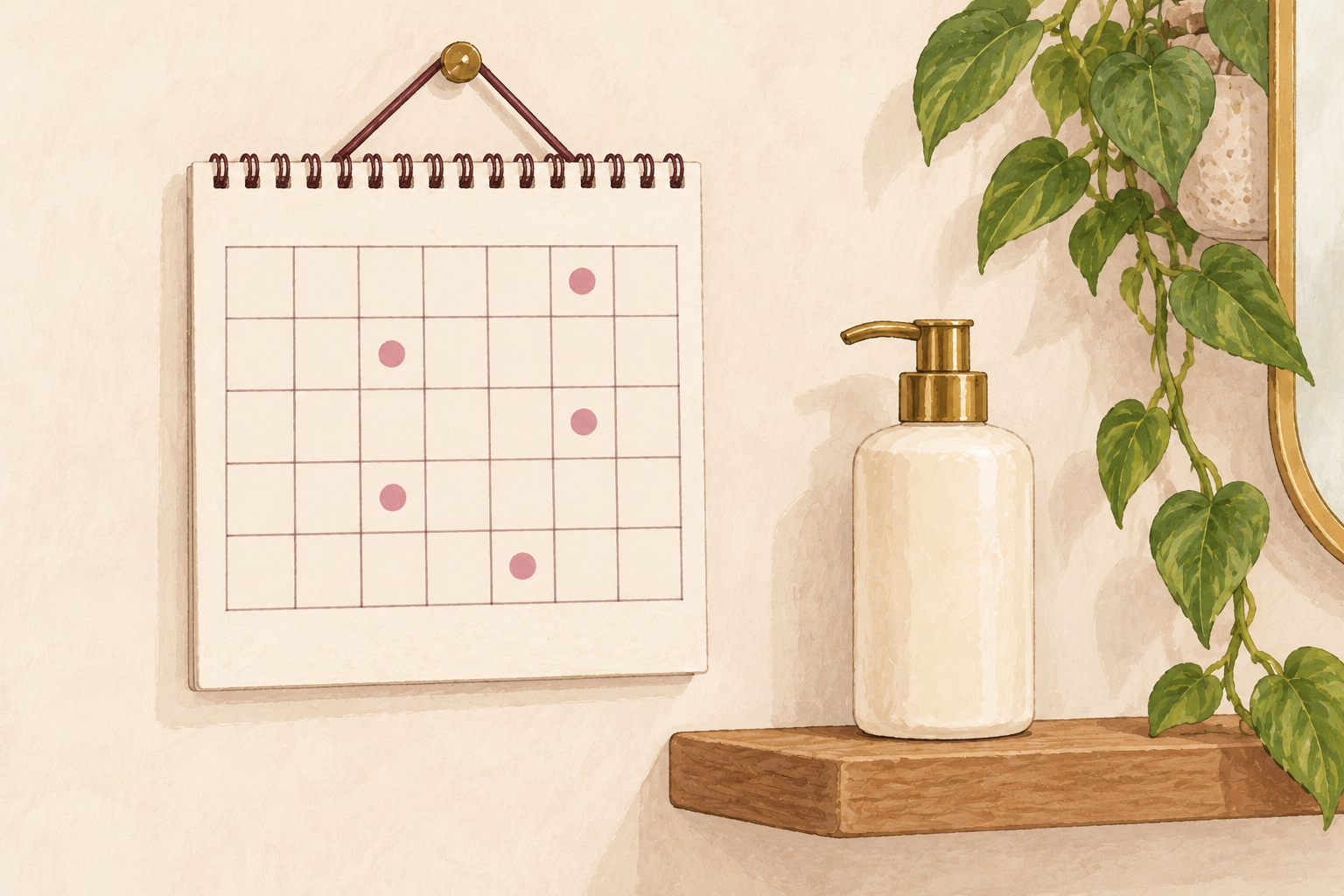
Change your gap between washes by one day, not five. Washing every day can strip the oil your scalp needs, and washing only every two weeks lets dead skin pile up and itch. If you wash daily, try every second day for two weeks. If you wash rarely and feel tight and itchy, add one wash. Tight curls usually want fewer washes than fine straight hair. Judge each rhythm for two full weeks before you change again, because bouncing around makes it impossible to tell what helped. Write the new rhythm on your phone so you do not drift back by habit.
3. Shampoo the scalp and let the suds run down
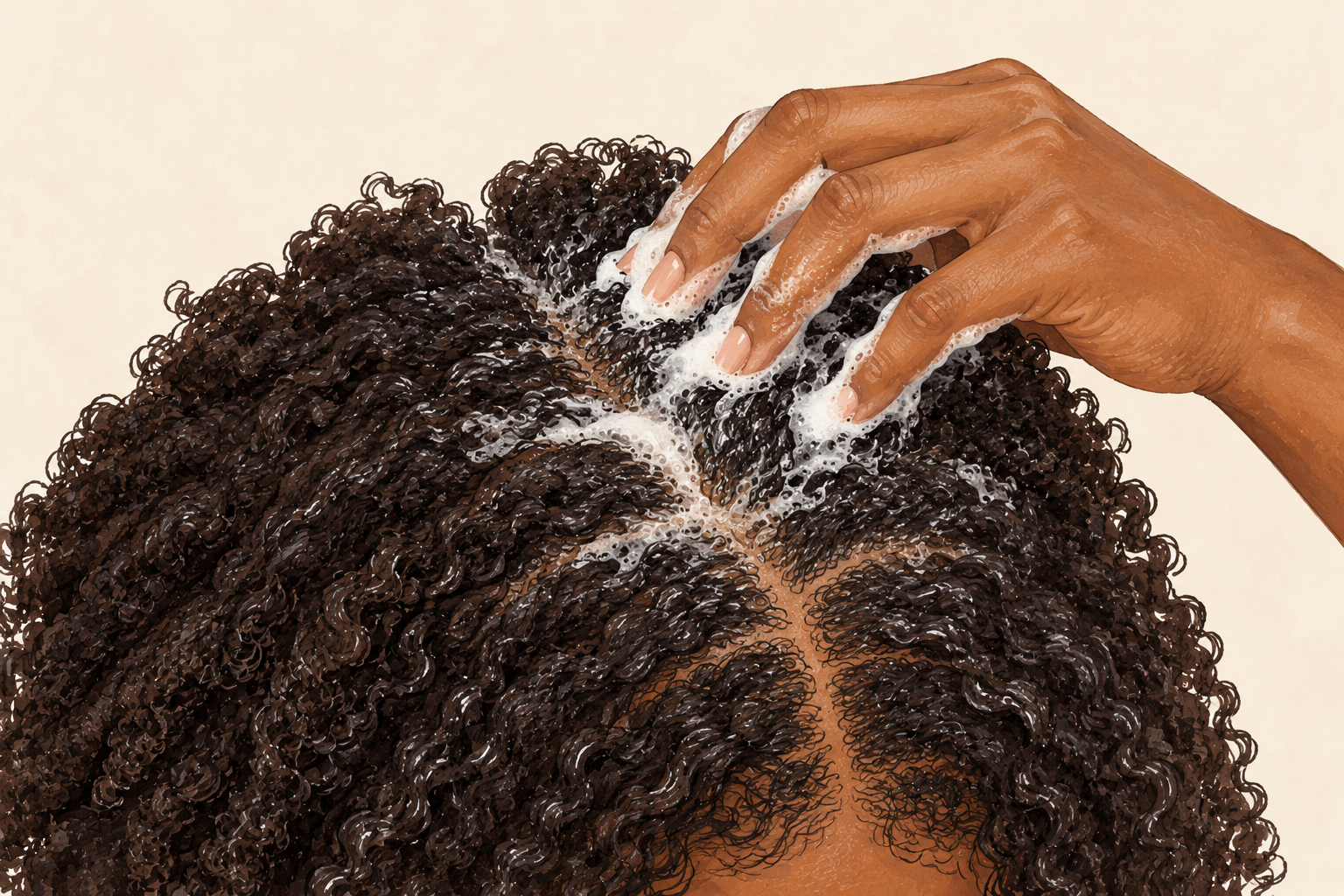
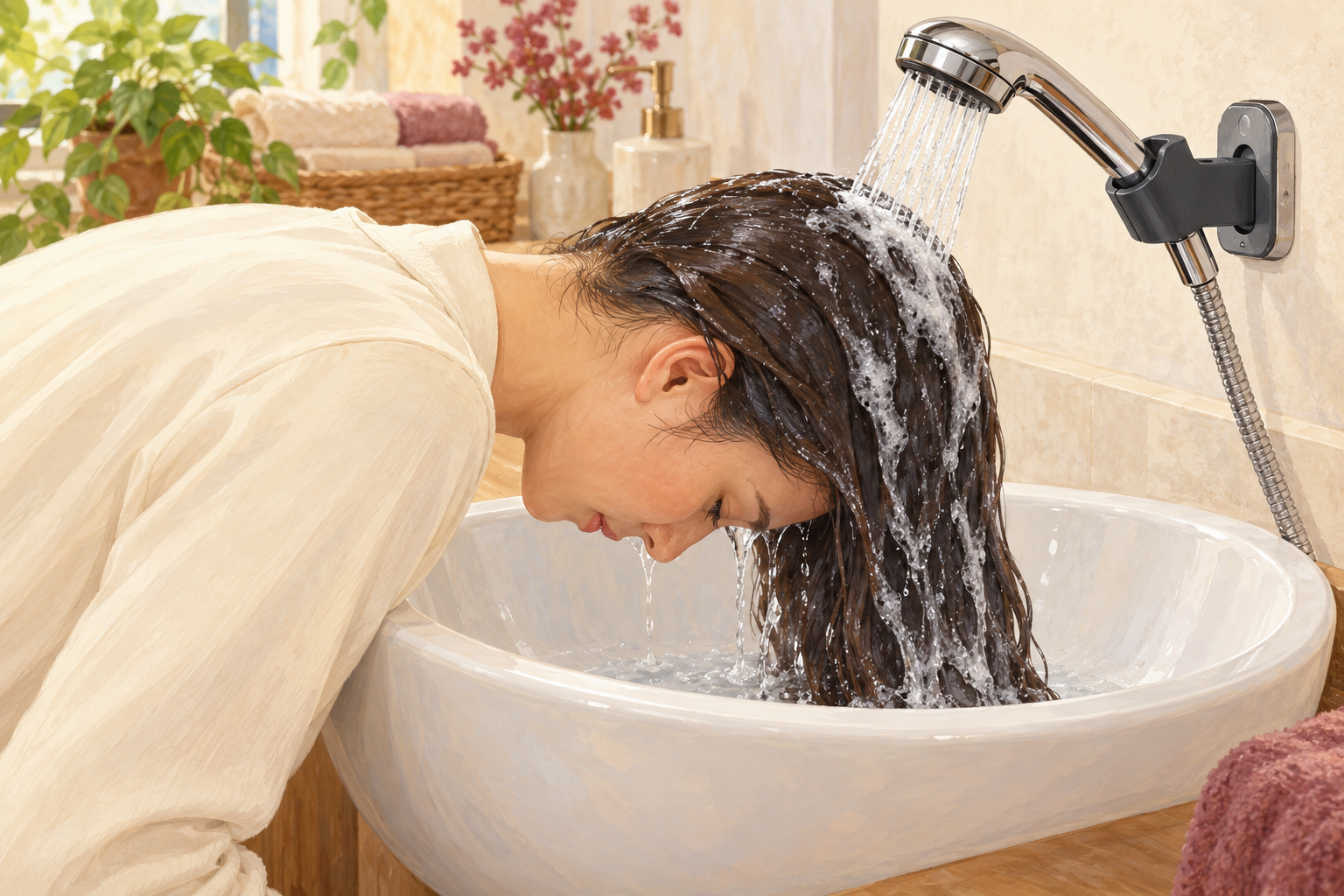
Put shampoo on your scalp only and massage with the pads of your fingers for a full minute. Scrubbing it through the lengths is rough on the hair and does nothing for the skin. Keep your nails off, since scratching breaks the skin and makes it sting in the next wash. Gentle circles lift the loose flakes without scraping them. If you wear braids or twists, part the rows and wash along them with a soft nozzle bottle. Let the foam rinse down the lengths, and that is all your ends need. A cup of warm water poured slowly along each parting does the work of a scrub without any of the scratching.
4. Rinse longer than you think
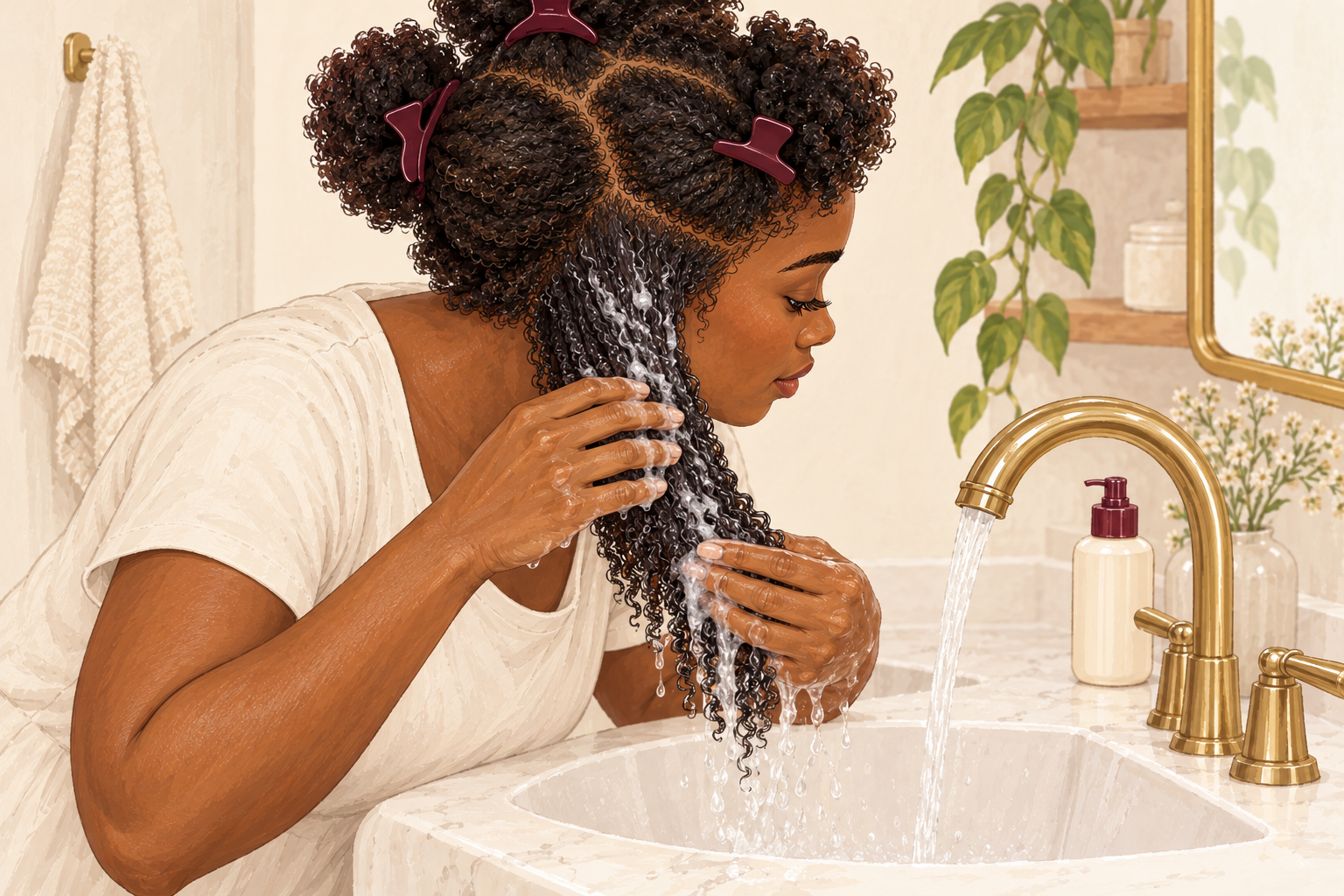
Rinse for a full extra minute, especially at the nape and behind the ears. Leftover shampoo and conditioner sit on the skin and itch, so a scalp that feels dry may actually feel coated. The water should run clear and your scalp should not feel slippery. Keep conditioner on the lengths and off the roots, then run clean fingers along the parting. If it feels slick, rinse again. This tiny habit settles more itching than you would believe, and it is completely free. Count to sixty under the water if that helps you stop early.
5. Turn the water down to warm
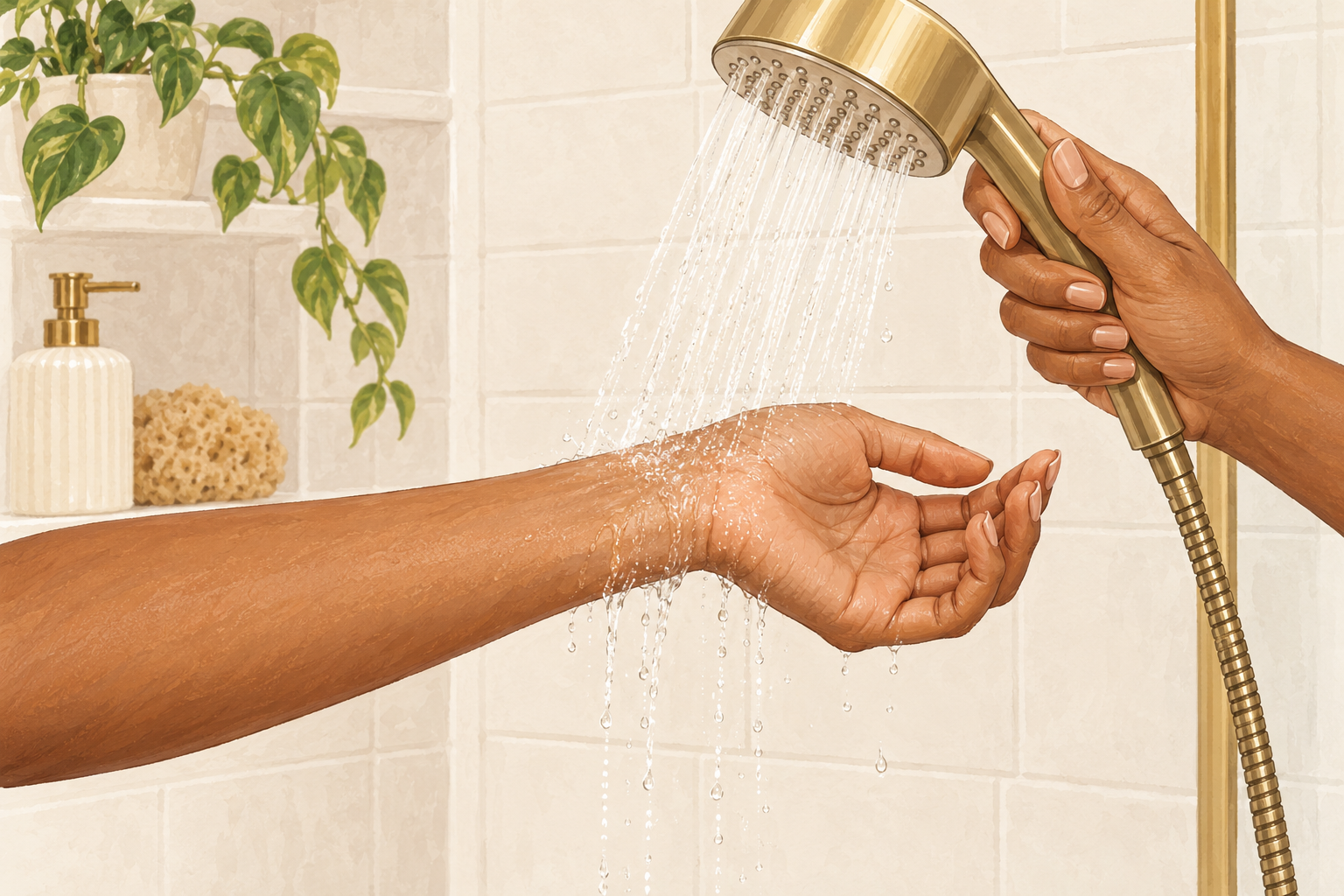
Wash your hair with lukewarm water and finish with a cooler rinse for thirty seconds. Very hot water strips the oils that protect your skin, and an hour later the scalp feels tight. Test the water on your wrist, because your hands can hide how hot it really is. If you love a hot shower, wash your body hot and your hair last, with the spray angled away from your head. Judge it after two weeks. It is the easiest experiment on this list, and you can reverse it any day. For some girls, cooler water is how to get rid of dry scalp altogether.
6. Notice what your water leaves behind
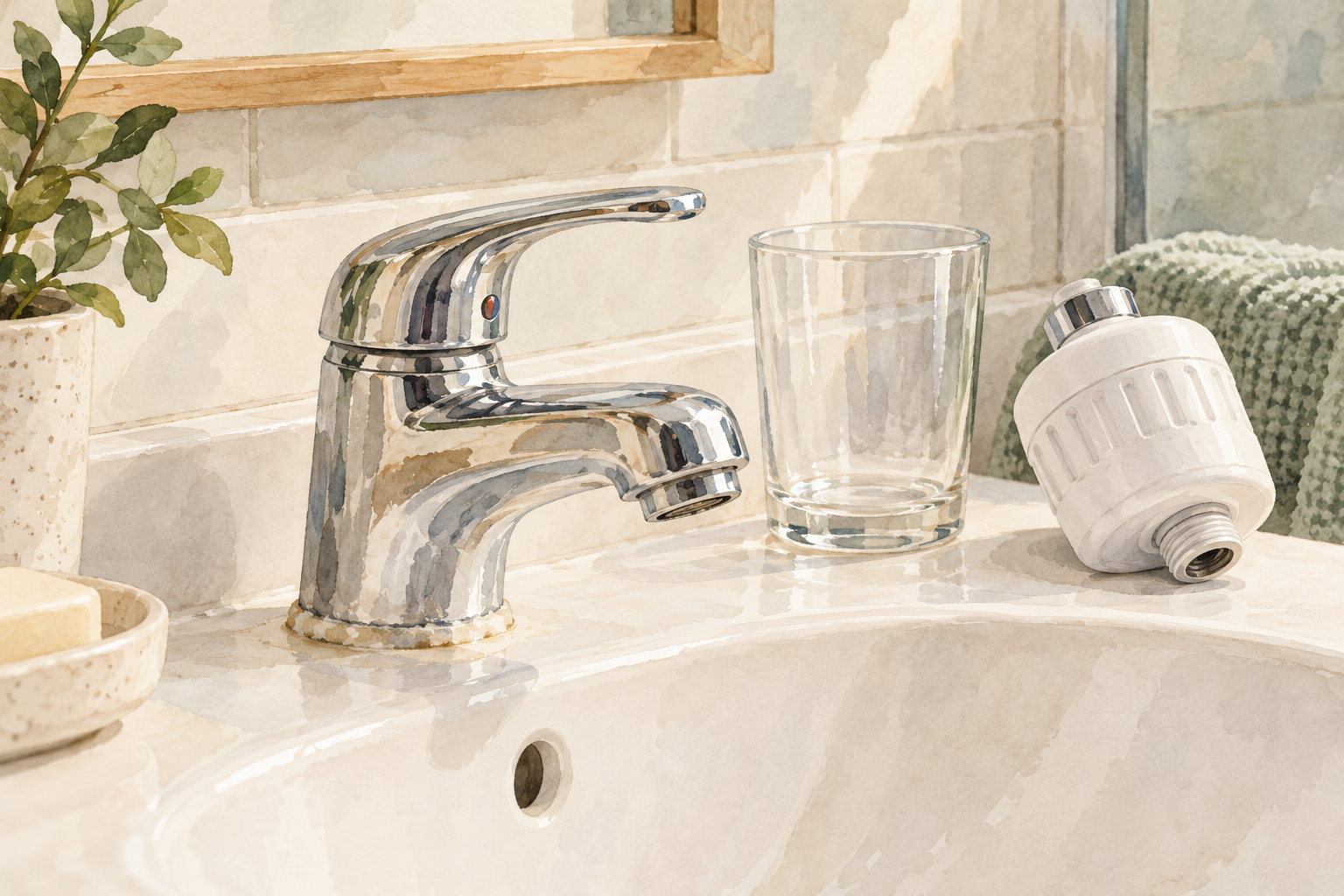
If soap barely lathers and white crust builds up on your taps, you may have hard water. The minerals can leave a film on your scalp that feels dry and itchy no matter how well you rinse. Use a clarifying shampoo once a month to lift it, and follow with a gentle conditioner. A shower filter helps if you can fit one. Rinse with a cup of cool, softened or bottled water at the end if you travel and your scalp suddenly acts up. Many girls notice the difference when they change cities. If your hair feels stiff and your scalp feels papery after every wash, water is a likely suspect.
7. Soften dry air

Run a small humidifier in your bedroom, or set a bowl of water near the heater. Cold outdoor air and indoor heating both pull moisture out of your skin, and your scalp is no exception. Wear a loose cotton hat outside that does not rub, and take it off as soon as you are indoors. Air conditioning does the same thing in summer. This is a mild helper, not a fix on its own, so pair it with the wash changes above and give it a couple of weeks. Drinking a glass of water with each meal supports dry skin from the inside, so keep a bottle by your bed.
8. Switch to a milder shampoo
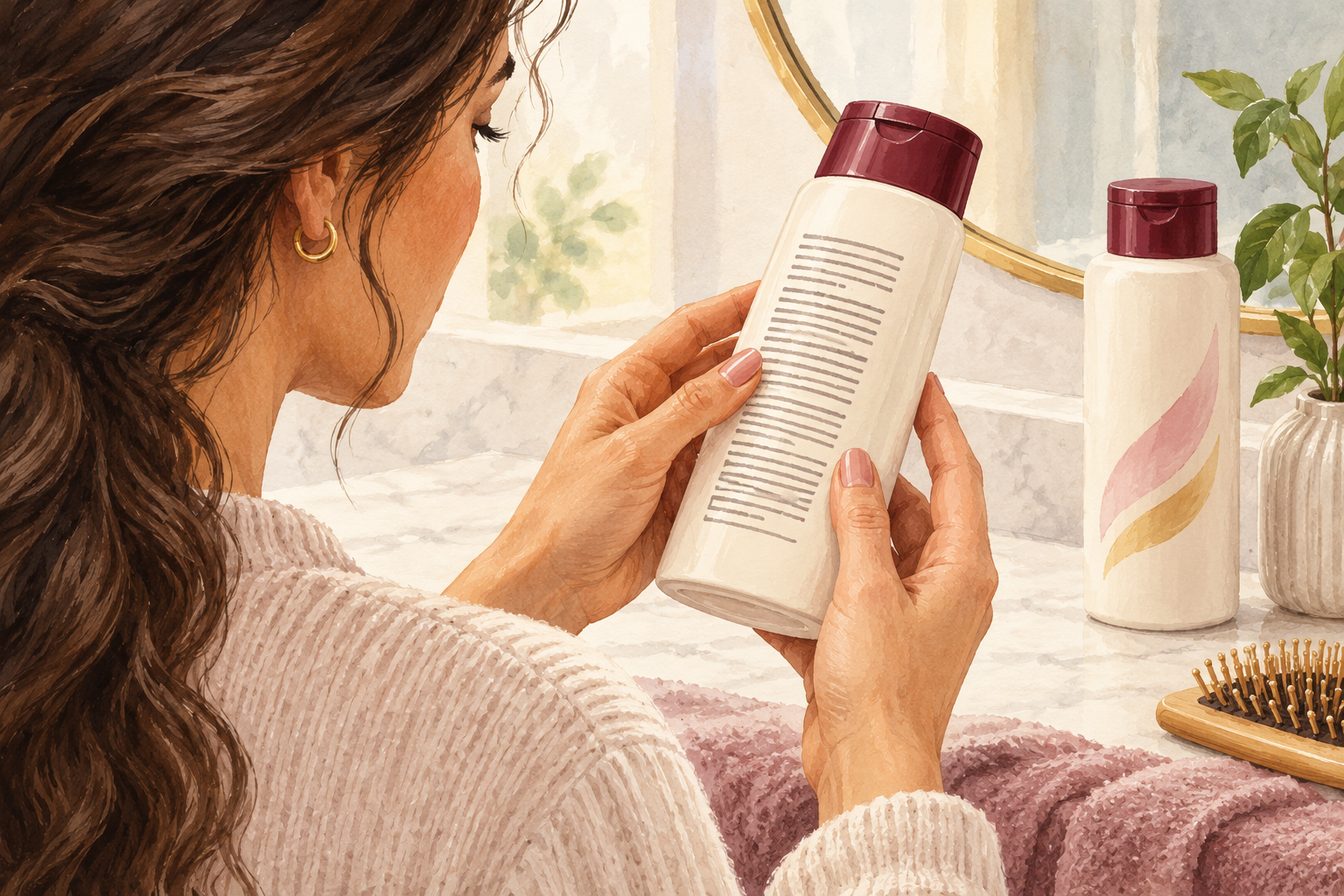
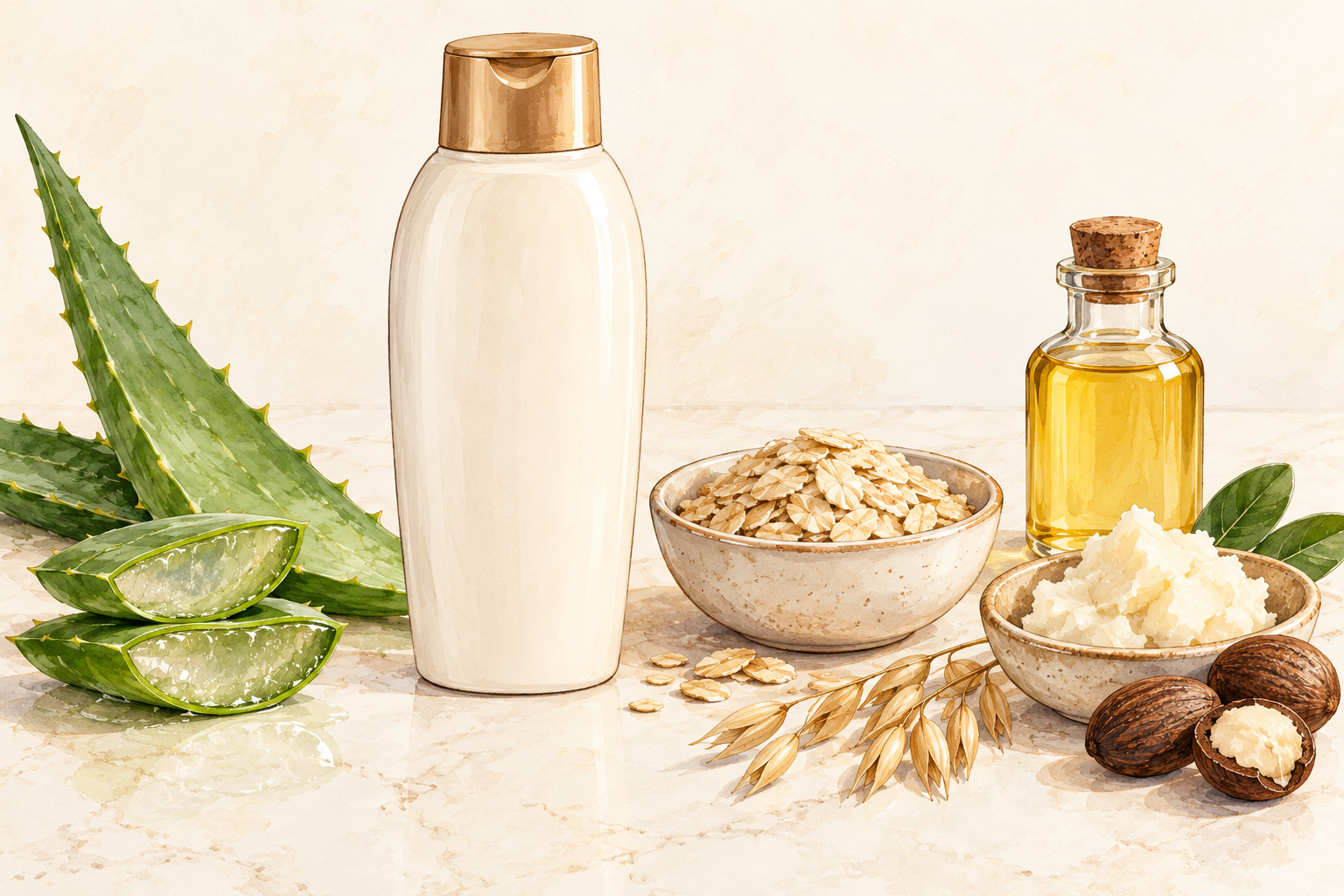
Use a gentle, fragrance free shampoo on the scalp only for three weeks. Strong, foamy, heavily perfumed shampoos leave dry skin tighter and itchier. Read the label and skip anything with a strong scent. Keep a plain shampoo for in between washes, and use one that matches your hair type. If greasy, itchy flakes join the dryness, a dandruff shampoo may be the next step, but never use two kinds in the same wash. Give the mild bottle a full three weeks before you decide. Lather it in your hands first, so it spreads evenly across the scalp.
9. Pause the products that pile on
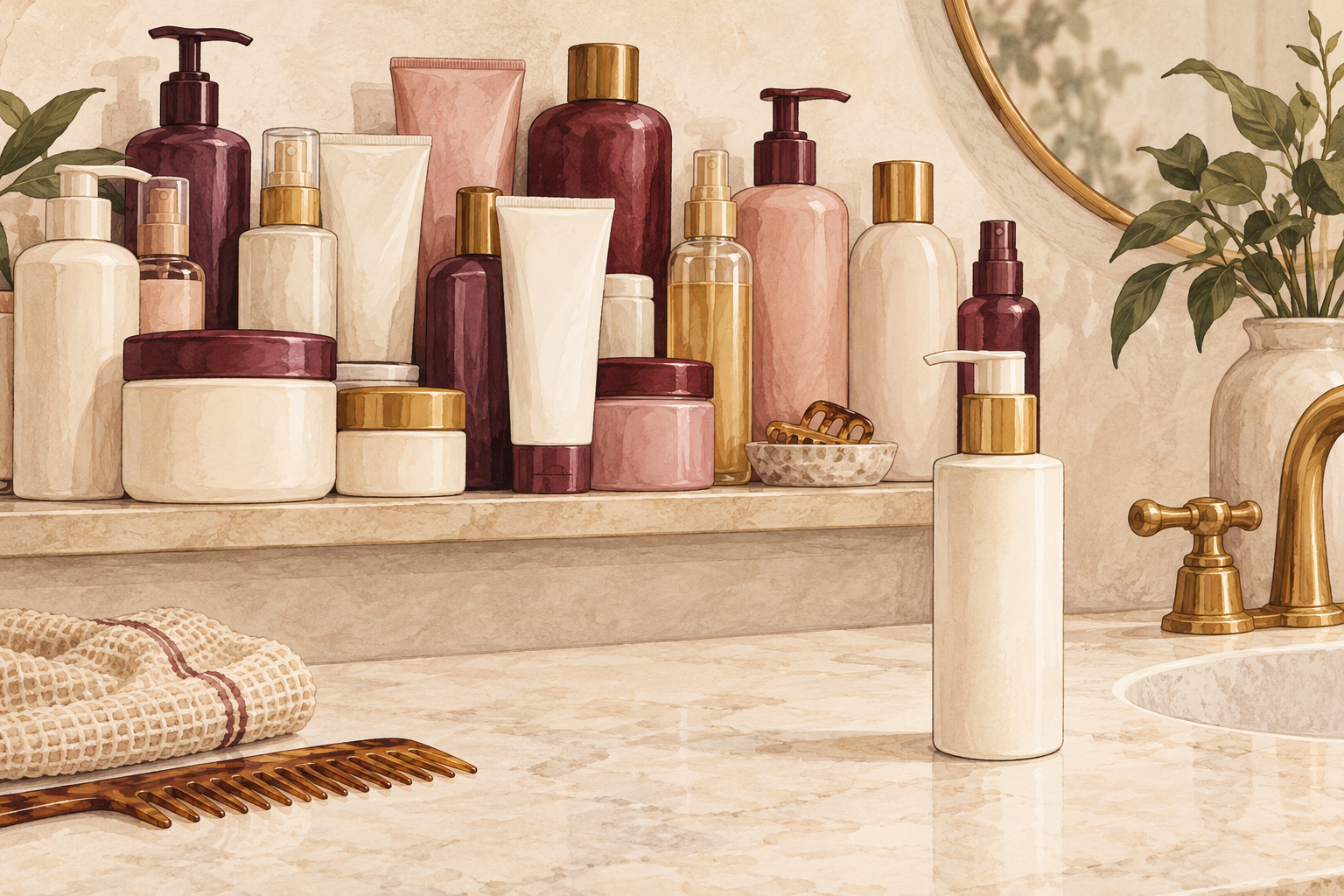
Drop one styling product at a time for a week and see what changes. Gels, sprays, dry shampoo and hair dye can irritate the skin or leave a layer that flakes off like dandruff. Keep dye and relaxer away from the scalp where you can, and space those out. Check the label for alcohol near the top, which dries the skin. Rinse a product off straight away if your scalp burns. Often the answer is fewer products, not more. Add each one back slowly, one at a time, and you will find the culprit within a month.
10. Try a light oil before you wash
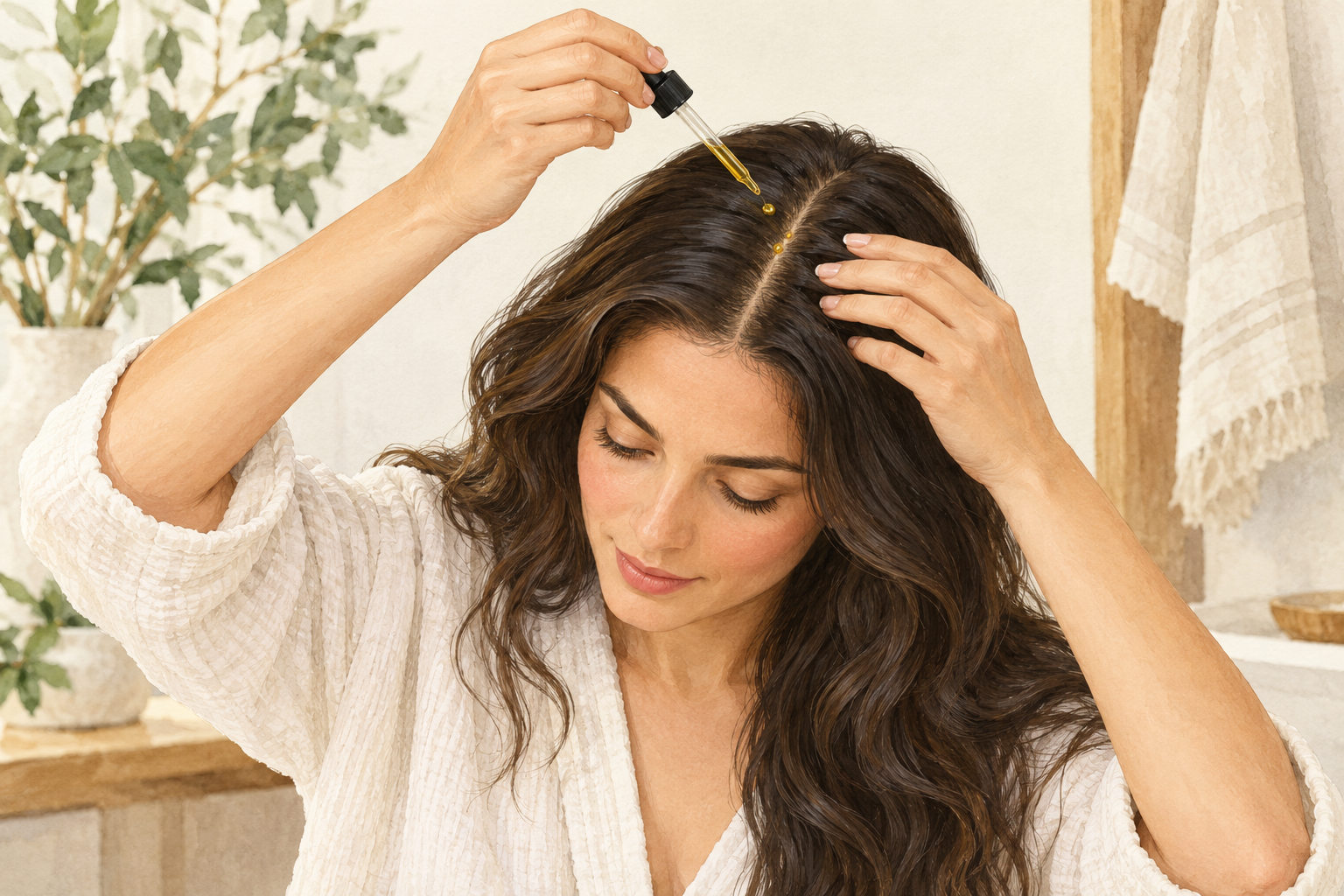
Dab a teaspoon of jojoba or coconut oil along your partings twenty to thirty minutes before shampooing. It softens dry skin and loosens flakes so the wash lifts them away. Patch test on your inner arm for a day first, and skip it if you also have greasy, itchy flakes. Shampoo it out in two small rounds if the first leaves your hair greasy, and do not sleep in it unless you already know your scalp copes. Once a week is plenty. Oil on a tight scalp feels soothing, like lotion on chapped hands.
11. Cool the itch with aloe
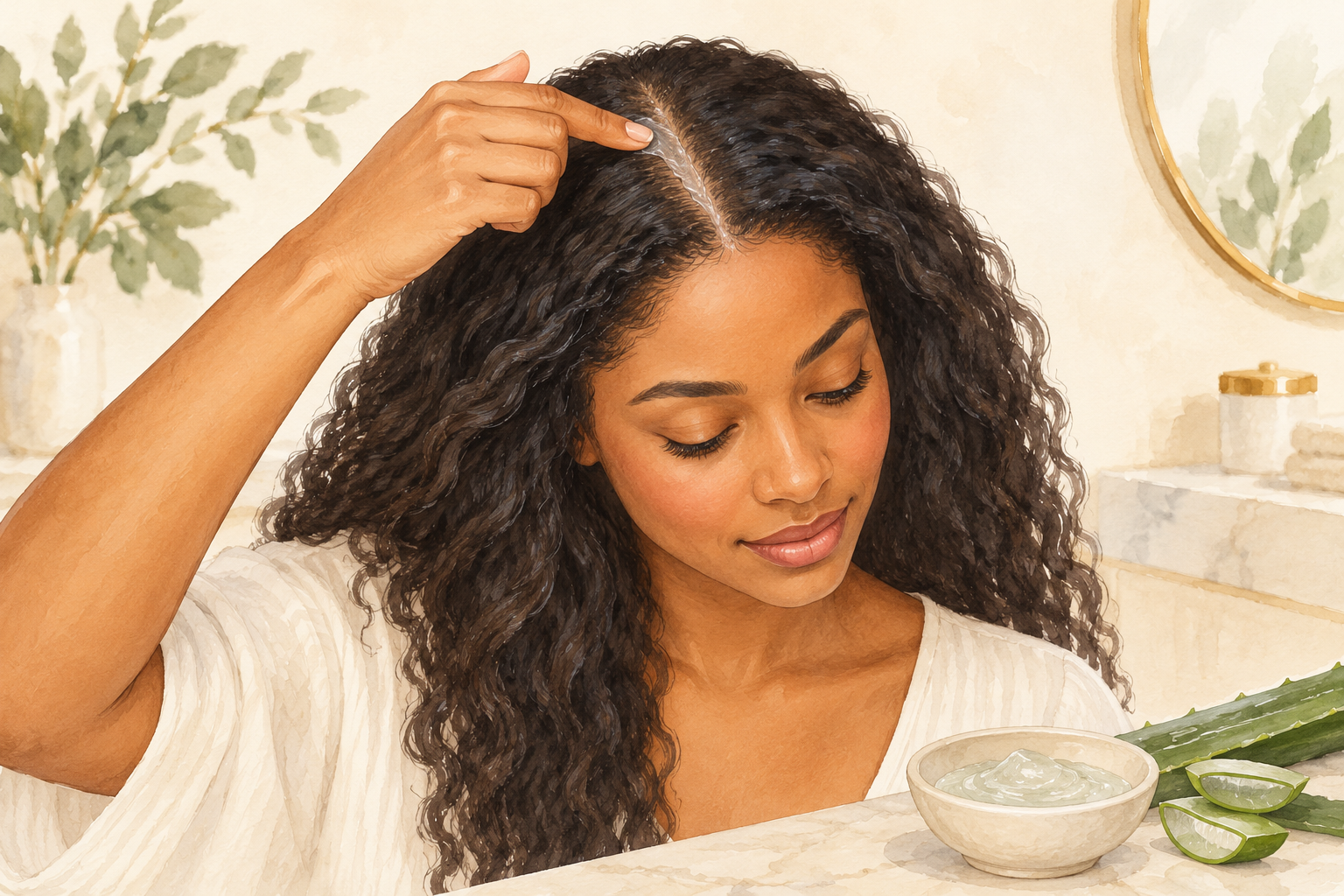
Smooth a thin layer of pure aloe gel on your scalp, leave it ten minutes, then rinse. It feels cool and calming on skin that has been scratched at all week. Pick a gel that is mostly aloe, without perfume or alcohol, because those make it sting. Patch test first, and stop if the skin turns red. Use it once or twice a week, after a gentle wash, not before. It soothes the itch while the real fixes take hold, and it will not do the work alone. Keep the leftover gel in the fridge for a cooler hit on a hot day.
12. Expect small changes by week four

Change one thing at a time and write it down, so you know what worked. In week one the tightness after washing should ease a little. By week two the flakes look lighter if you found the cause, and this is the moment to change one thing if nothing has moved. By week four the scalp should feel steadier and less itchy. If you get sores, burning or patches that spread, book in to see your doctor rather than adding more products. Never scratch with your nails, and keep them short. A photo of your parting every week shows progress that your eyes miss.
Complete the Routine: How to Get Rid of Dry Scalp Starting Tonight
Tonight, lower the water temperature and switch to your mildest shampoo. When you want to go deeper, read about a hair mask for dry scalp and the best shampoo for dry scalp.