You wash your hair, towel it dry, and the flakes are still sitting at the parting like tiny bits of paper. If you are working out how to remove dandruff from scalp without tearing at your skin, the answer is to loosen them first and rinse in a better order. Here are 12 gentle steps, so start at number one tonight.
1. Look closely at the flakes
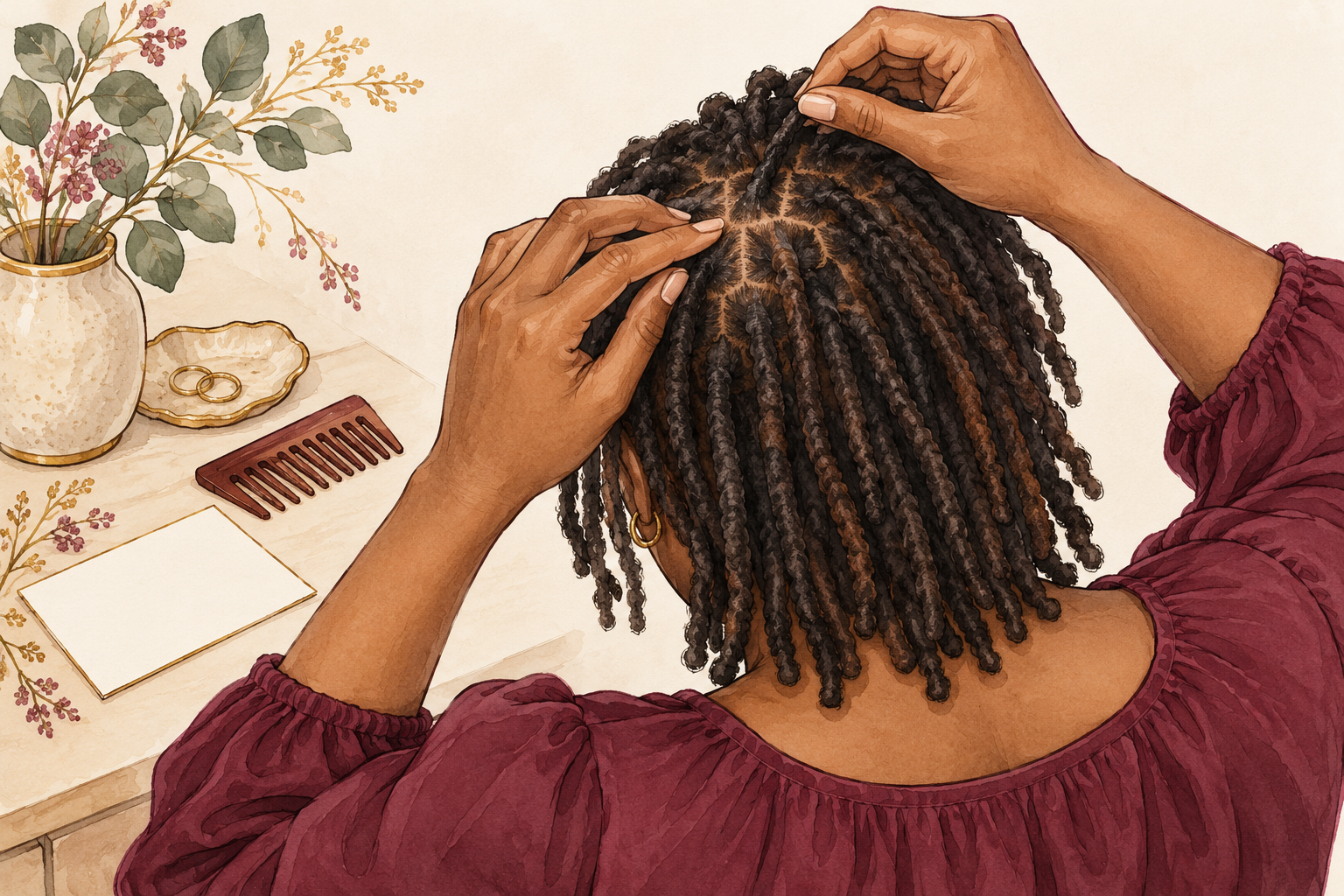
Part your hair in daylight and check what is sitting on your scalp. Larger, slightly greasy flakes that cling to the skin and hair are more likely dandruff. A chalky crust right at the roots is more often product build up, and a good wash may rinse that away on its own. If the skin underneath is red, raw or sore, do not scrub it at all. Knowing which one you have stops you from scrubbing a problem that scrubbing cannot fix. Take a photo of your parting so you can compare in a few weeks. Check again after your next wash to see which kind returns.
2. Set out your tools
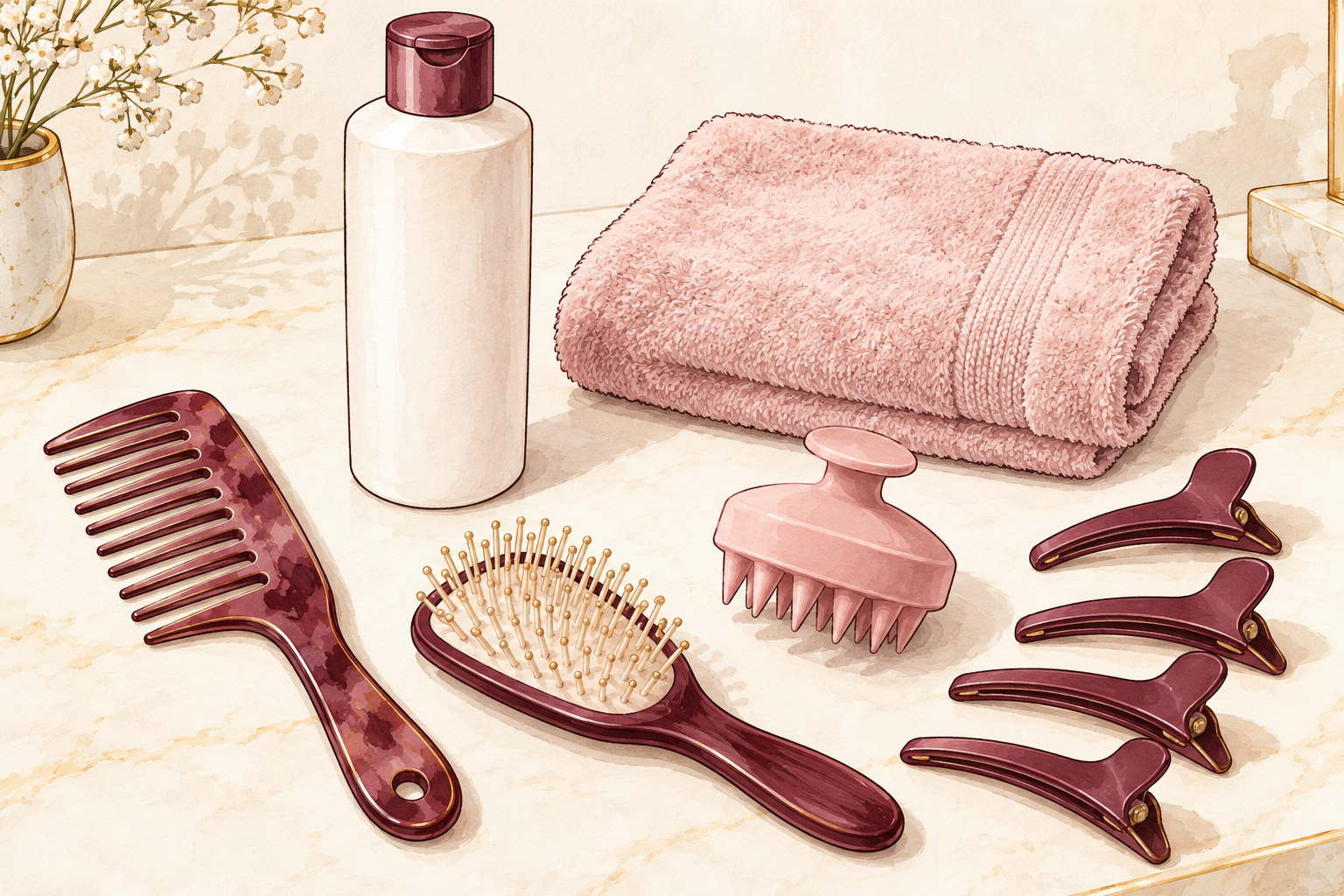
You need a wide tooth comb, a soft brush, four clips, a soft towel and a silicone scalp brush. Add an anti dandruff shampoo with zinc or salicylic acid on the label. Keep everything within reach of the shower so you are not dripping across the floor halfway through. A clean towel matters, because an old damp one carries yesterday’s flakes straight back to your head. Wash the brushes first if they look clogged. Having it all ready turns wash day from a scramble into a calm ten minute routine. Lay the clips and comb on the towel in the order you will reach for them.
3. Brush your hair dry, over a towel
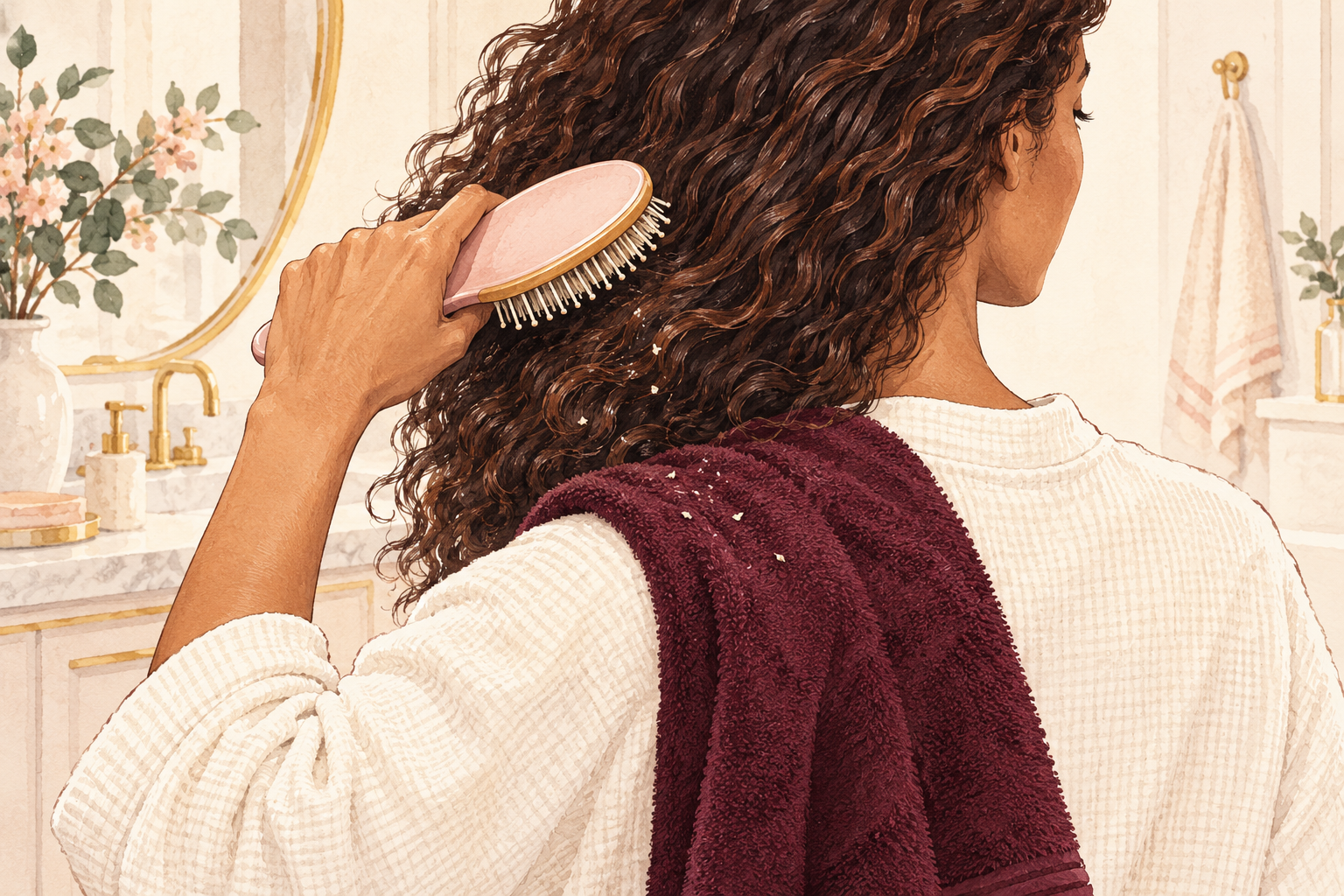
Work out knots with the wide tooth comb, then brush with a soft brush from the ends up toward the scalp. This lifts loose flakes out of your hair so they do not drop back onto your scalp in the shower. Keep the strokes light and stop if anything pulls. A dark towel underneath shows you what comes away, and that tells you how heavy the flakes are before the wash. Think of it as sweeping a floor before you mop it. Two minutes is plenty. Do it before every wash for a week and the pile on the towel will shrink.
4. Split your hair into four sections
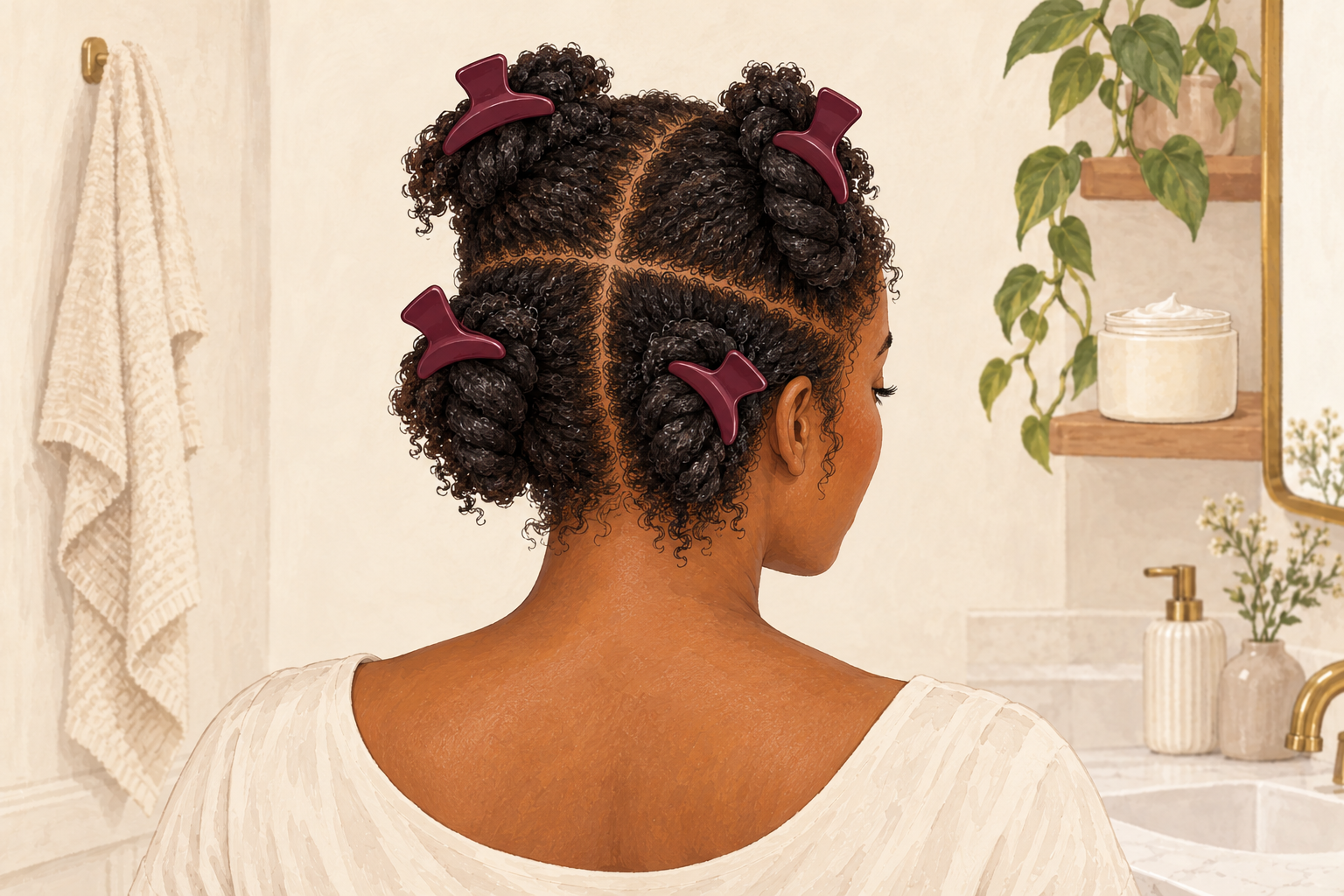
Clip your hair into four parts so you can reach the scalp, not just the top of the hair. This helps most if your hair is thick or curly, because the scalp hides under the strands. Work one section at a time and unclip the next when you are ready. It adds a minute, but the back and the crown get the same care as the front. Most women only treat the top, which is why the flakes keep showing at the nape. Use plain clips with no teeth, so they do not scrape the scalp.
5. Wet the scalp for a full minute
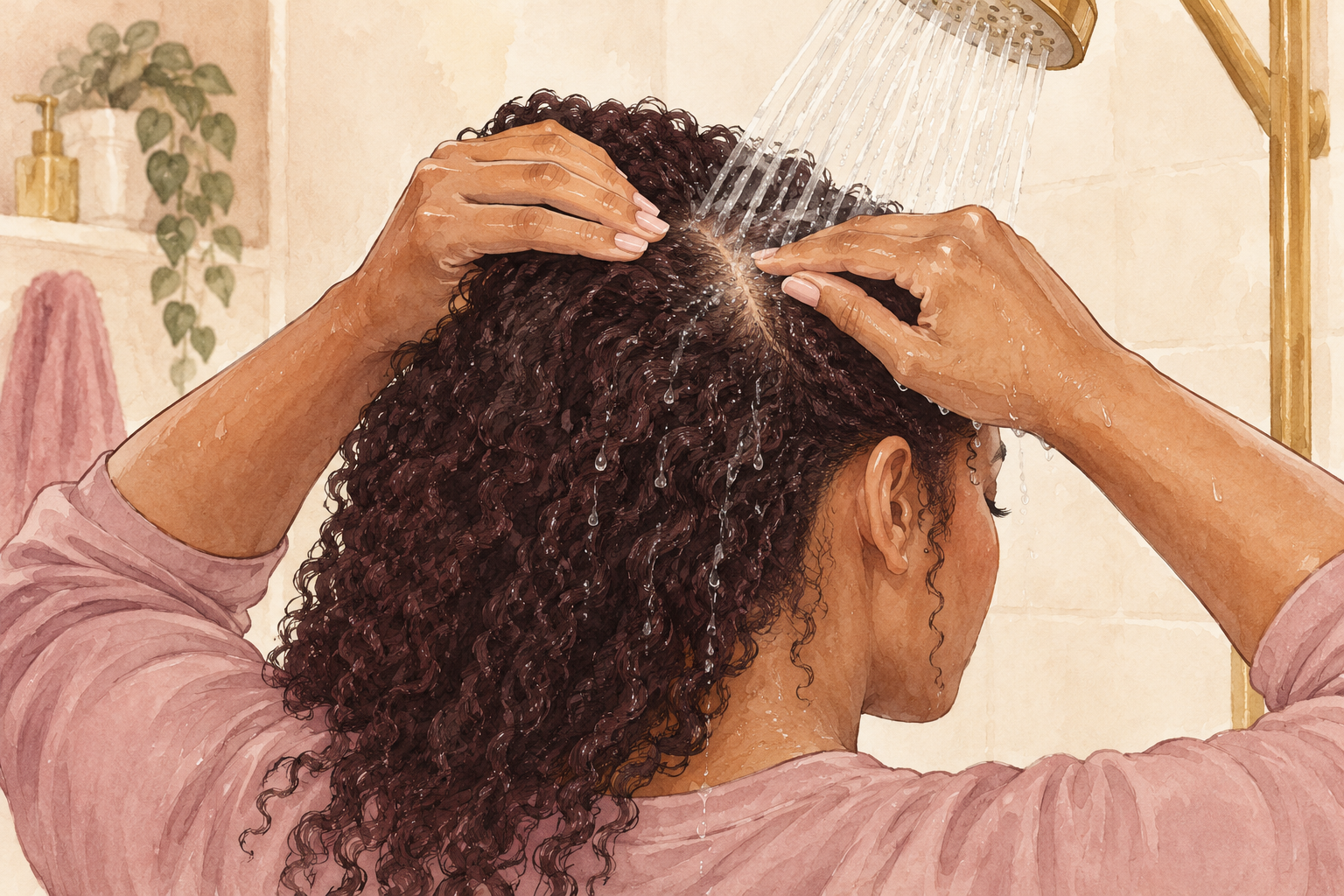
Soak your scalp under lukewarm water for a full minute, parting the hair so the water reaches the skin. Warm water softens stuck flakes, while hot water dries the scalp, so keep it comfortable on your wrist. Skipping this is why shampoo seems to do nothing. Rinse once with water alone before any product goes on. That first rinse carries off loose flakes and oil, so the shampoo lands on skin instead of on debris. Tilt your head forward so the water runs off your face. This is the first real step in how to remove dandruff from scalp the gentle way.
6. Loosen gently with soft tools
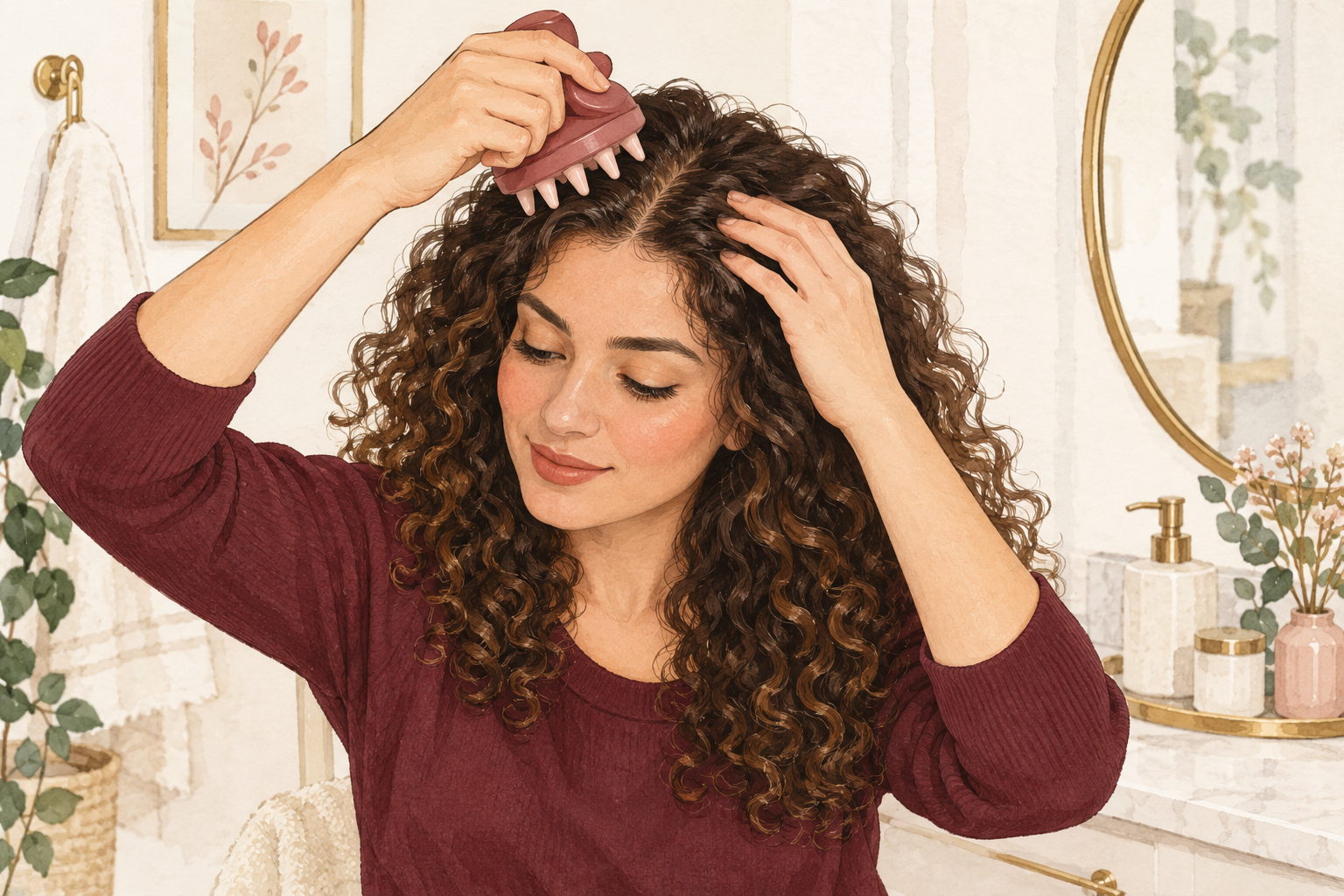
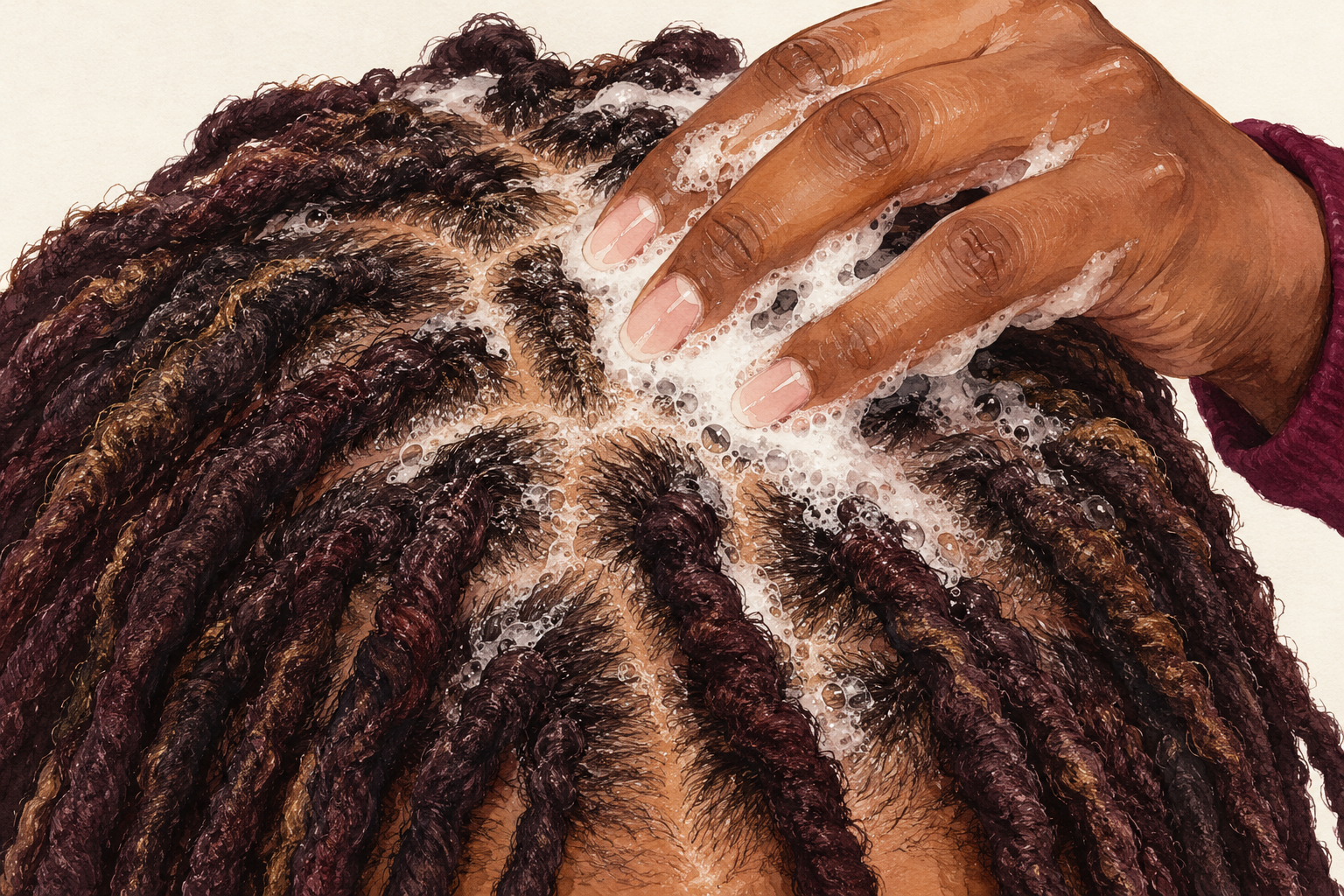
Use the pads of your fingers or a soft silicone brush in slow, small circles for about two minutes. Do this once a week at first, with light pressure, like you would press a ripe peach. Hard or daily scrubbing can inflame the scalp, which makes flaking worse. The aim is to lift, not to scrape. Stop if anything stings. Wash the brush afterwards, because flakes and shampoo left in it will go straight back on your head next time. Never use your nails, however loose a flake looks. Rinse the lather away before you move on, so you can see the skin.
7. Shampoo the scalp and wait
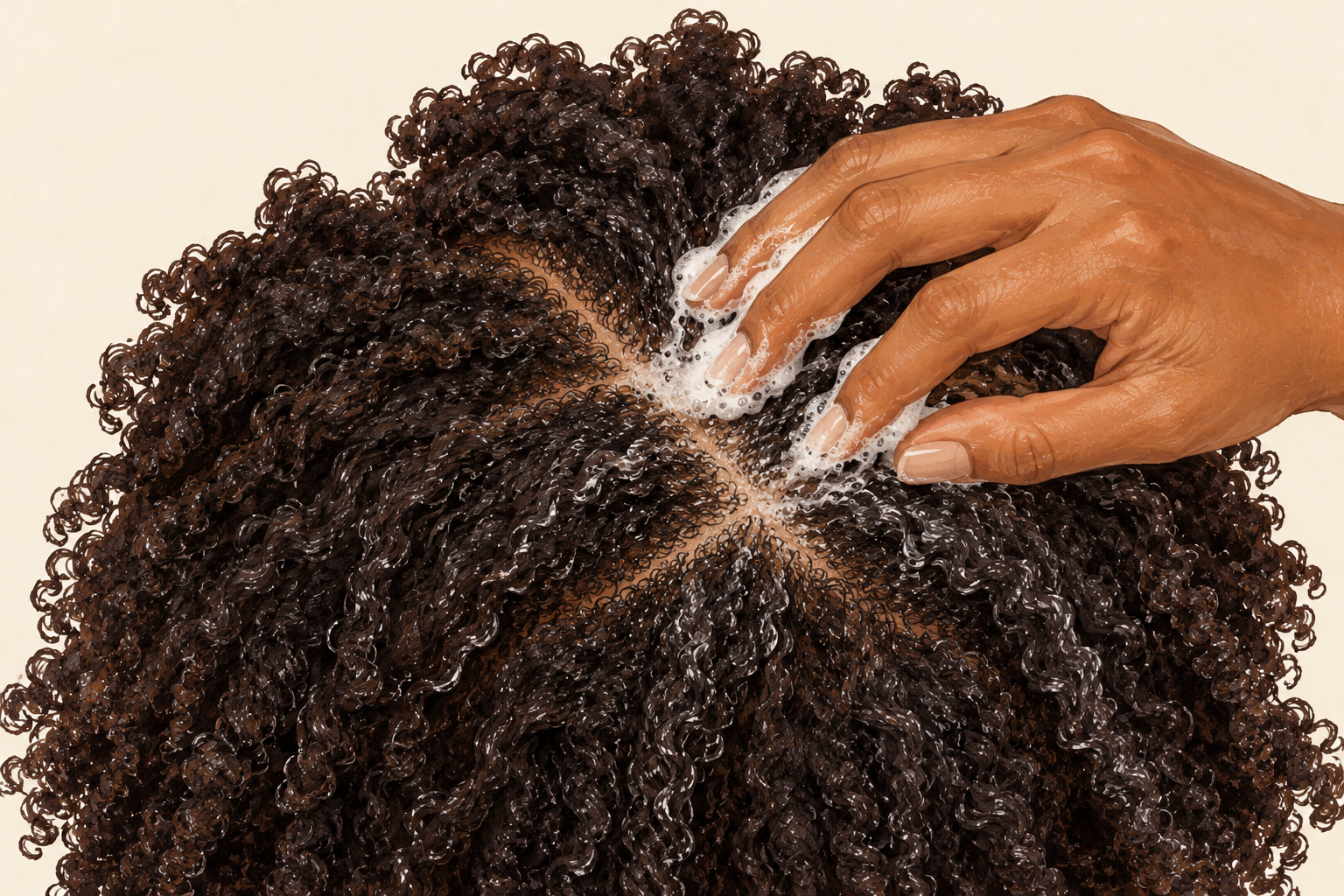
Massage the shampoo into the scalp in each section, then leave it for the time written on the label. Many anti dandruff shampoos ask for several minutes, and rinsing too early is a common reason they seem weak. Set a timer and use the wait to wash your face. Keep the lather on the scalp, because the lengths do not need it. If the lather stings, rinse sooner and use it less often. One active at a time lets you tell what helps, so avoid mixing several bottles at once. A medicated lather needs its full time to do its work.
8. Rinse for longer than you think

Tilt your head back and let the water run from the front of the scalp toward the back. Keep rinsing until the water runs clear and your scalp no longer feels slippery. Leftover shampoo can itch and flake all by itself. Do the sides and the nape last, since those are the places that most often keep a layer of suds. This is the step that decides whether you walk out with a clean scalp or a clean looking one. If you have thick hair, lift it away from your neck as you rinse. Run your fingertips over the scalp afterwards, and if it feels slick, rinse again.
9. Condition the lengths only
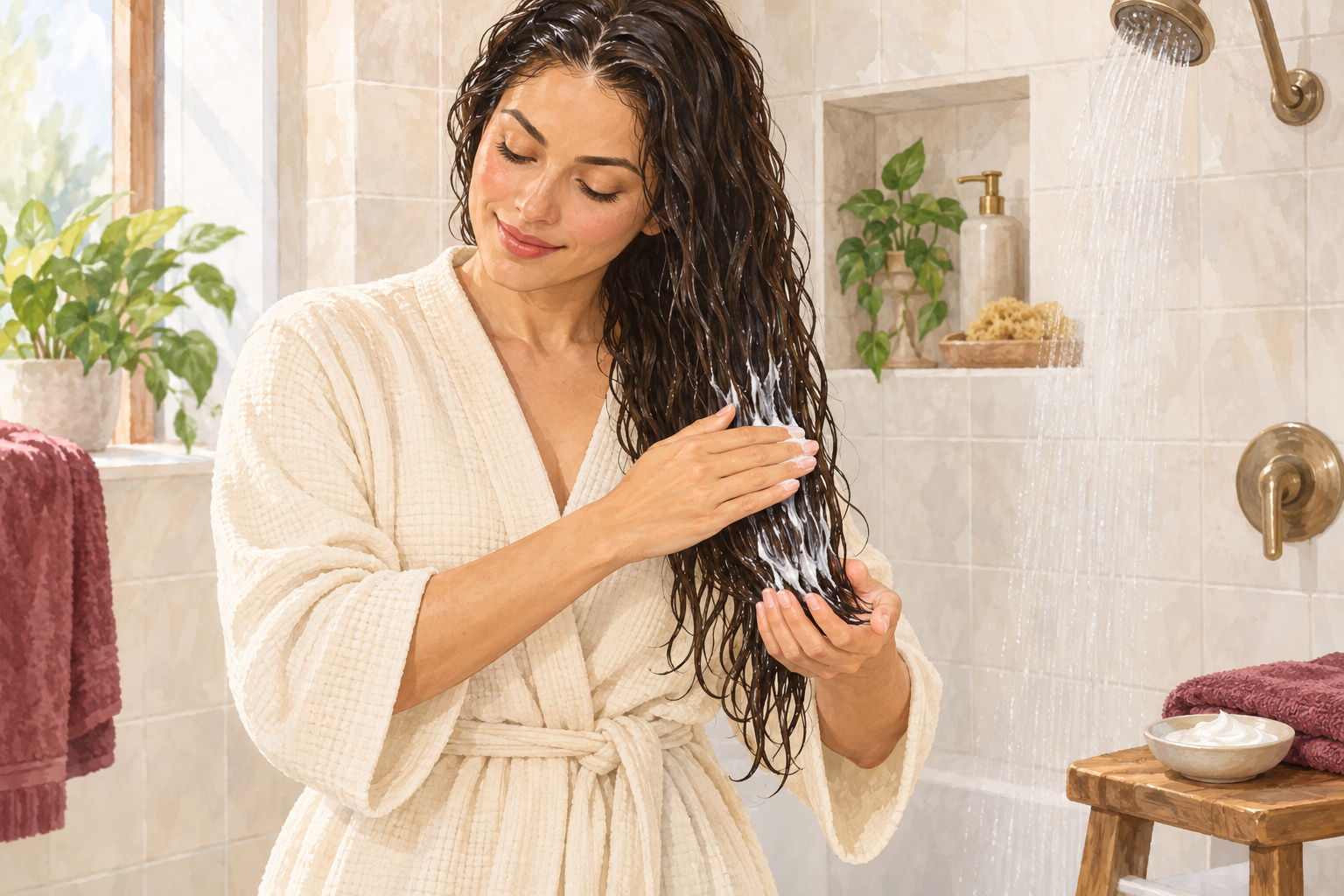
Smooth conditioner from mid length to the ends and keep it off the roots. Heavy conditioner sitting on the scalp can look like a fresh layer of flakes later. Leave it for two minutes while you wash your body, then rinse it out fully. If your hair is coily or curly, work it through with your fingers in small sections. Hair that is not tangled afterwards is far easier to brush gently. A little goes a long way, so start with a coin sized amount and add more only if the ends need it. Squeeze out the water with your hands before you move on.
10. Blot dry and keep heat off the scalp
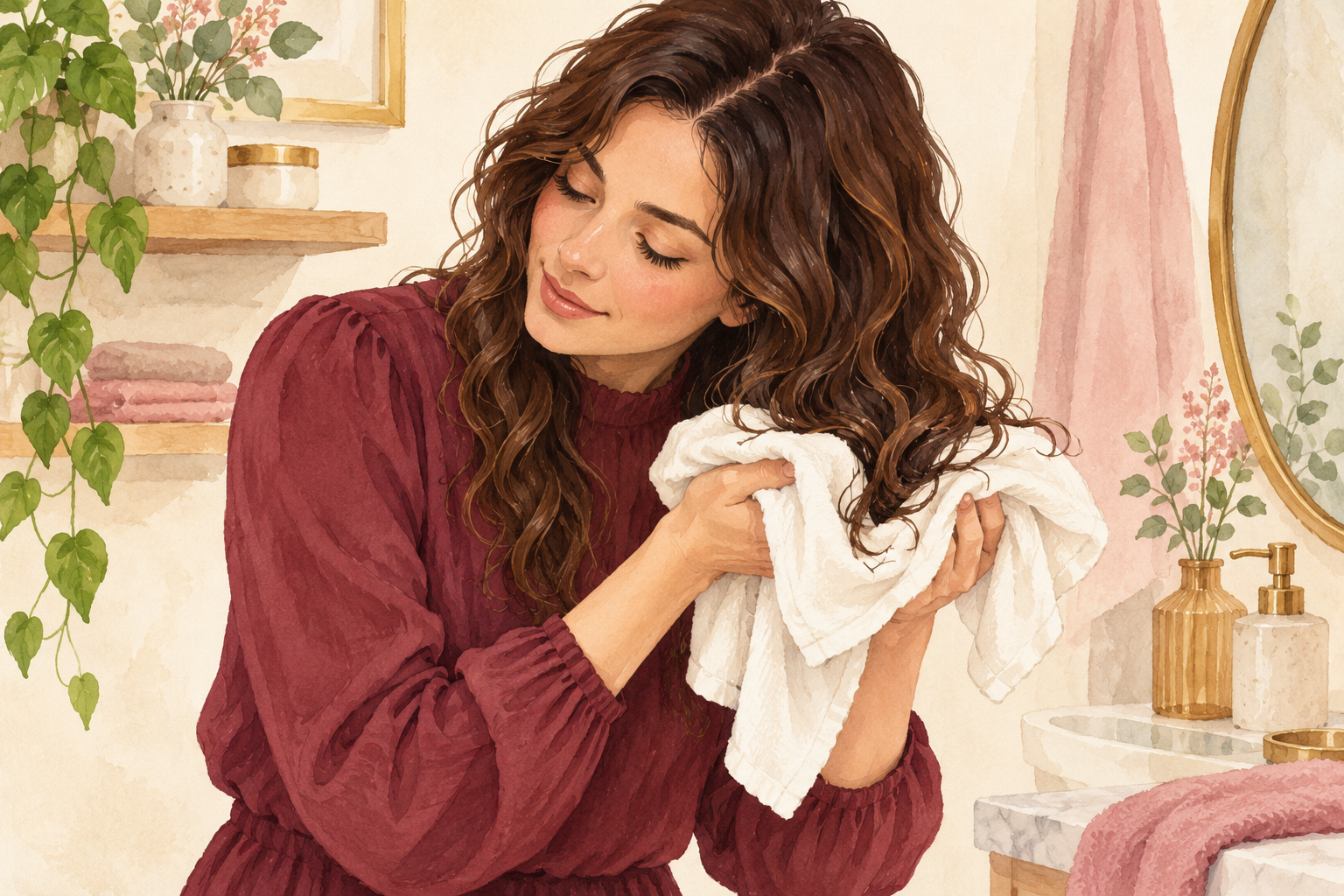
Press your hair with a soft cloth instead of rubbing it with a rough towel. Rubbing roughs up the scalp and brings the flakes back. Let your hair air dry where you can, or use a dryer on a low setting held a hand’s width away from the scalp. Hot air dries the skin and leaves it tight and flaky within hours. Do not scratch at any flakes that show as it dries. Patience at this step is worth more than another product. Hair that dries slowly, without fuss, leaves the skin calm.
11. Fix the habits that bring flakes back
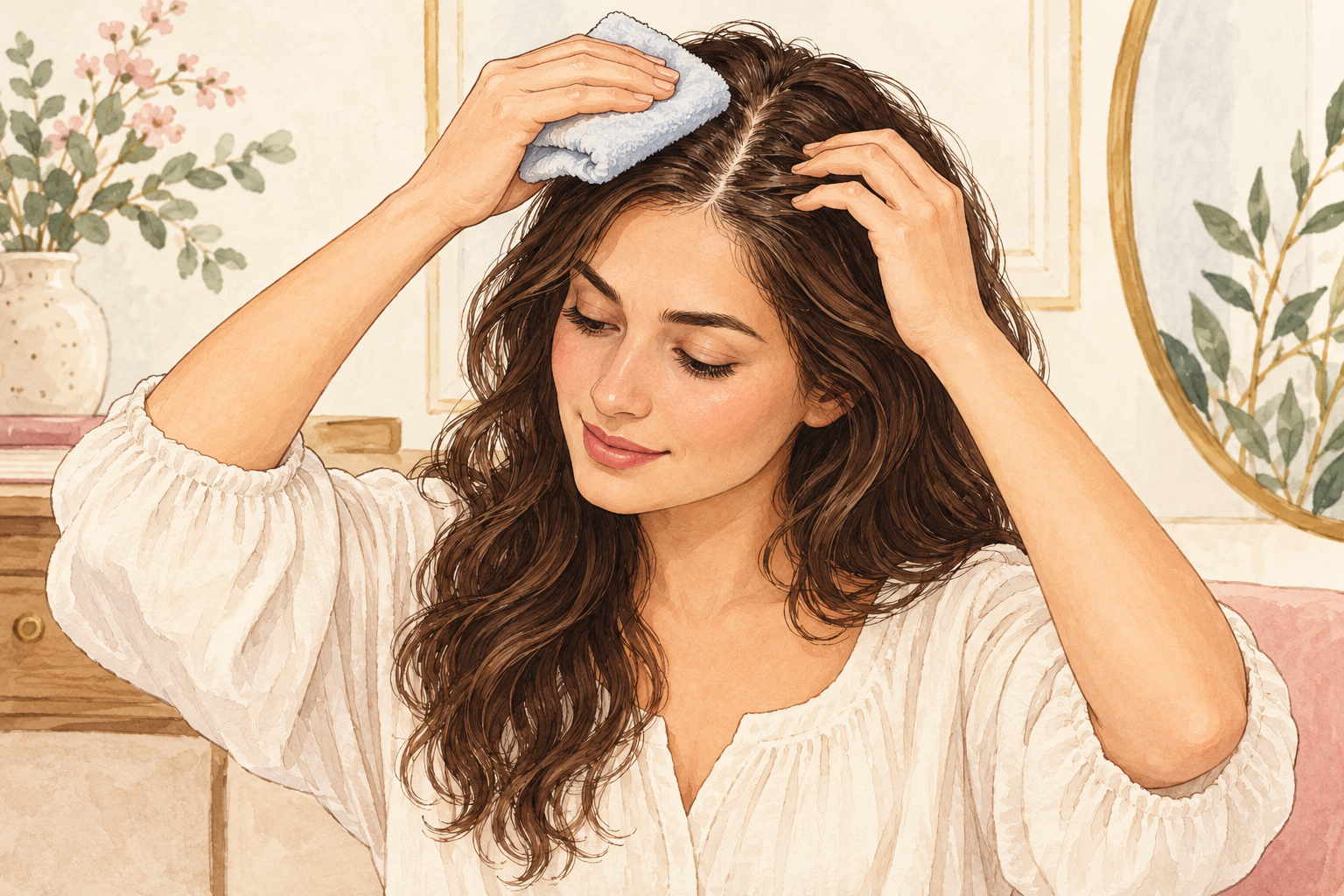
Scratching with nails, scrubbing hard, hot water and washing only when flakes show are the usual slips. Pulling a flake off with your fingers can take skin with it and leave a sore spot. Switching products every week stops you from seeing what works. If your scalp feels raw, give it a week of plain lukewarm water and a mild shampoo. Wash on a steady schedule, two or three times a week, instead of waiting until the flakes pile up. Gentle and regular beats strong and rare. Hot showers feel lovely and dry your skin, so finish with cooler water.
12. Know what to expect and keep it clean
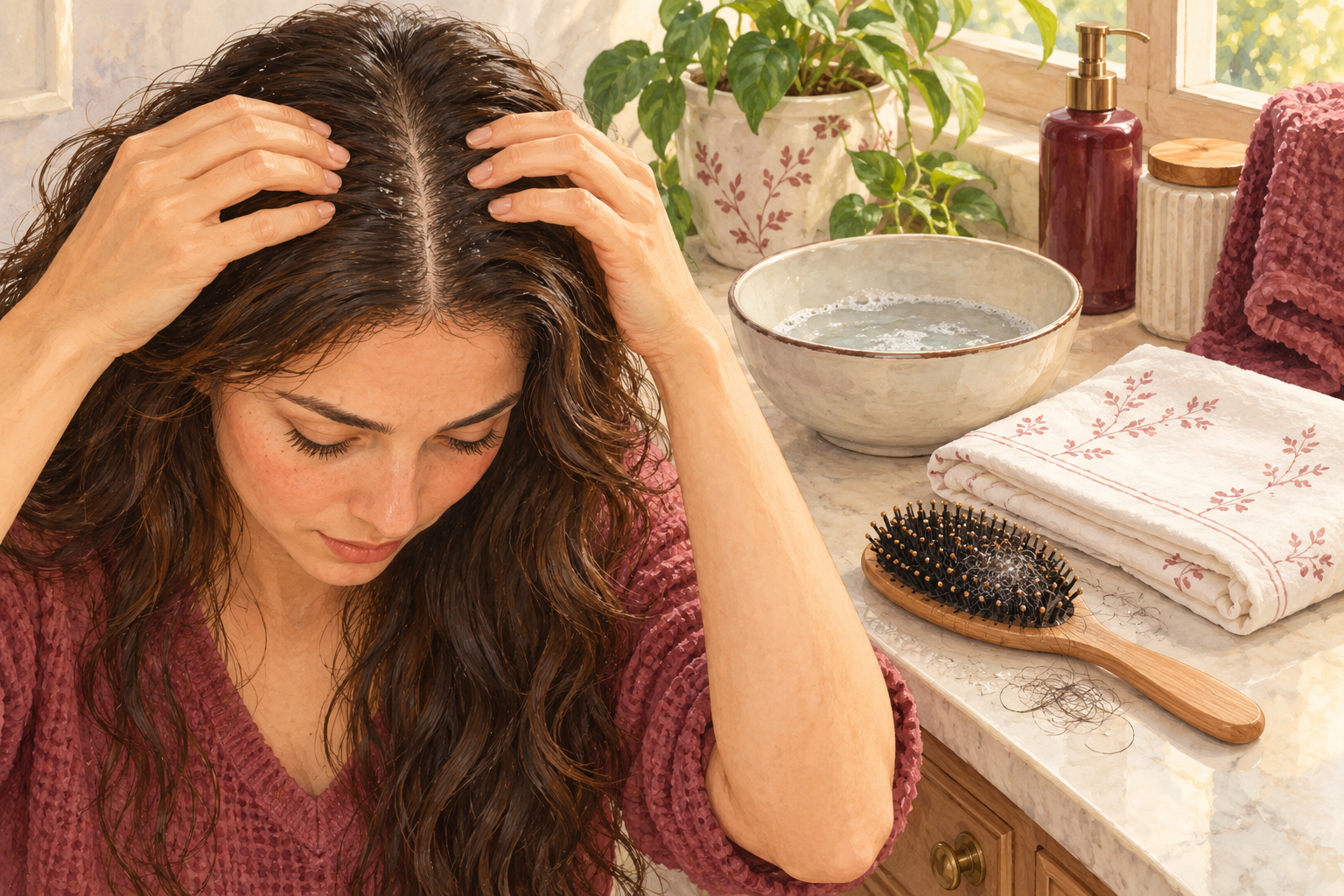
After the first wash your scalp looks clearer for a day or two, and flakes often return before the next wash. By week two there should be fewer, and by week four you will see how well your shampoo suits you. Change your pillowcase every few days and wash your brush weekly. If you still have heavy flaking after a month, or you notice red patches, sores or hair loss, see your doctor about it. Scalps are slow, so keep the routine steady and the pressure soft. Take a new photo of your parting each week in the same light.
Complete the Routine: How to Remove Dandruff From Scalp This Week
Tonight, brush your dry hair over a towel, split it into four sections and set a timer for your next wash. To go further, read how to get rid of dandruff, and for scalp treatments between washes, see hair mask for dandruff.