You run your fingers through the back of your head and hit a thick, tight knot behind your ear that was not there last week. Matted hair rarely happens overnight, and it nearly always starts in the same few spots where your hair rubs against a collar, a pillow or itself. These 12 habits stop mats forming between wash days, so start at number one tonight.
1. Find your friction spots with your fingers
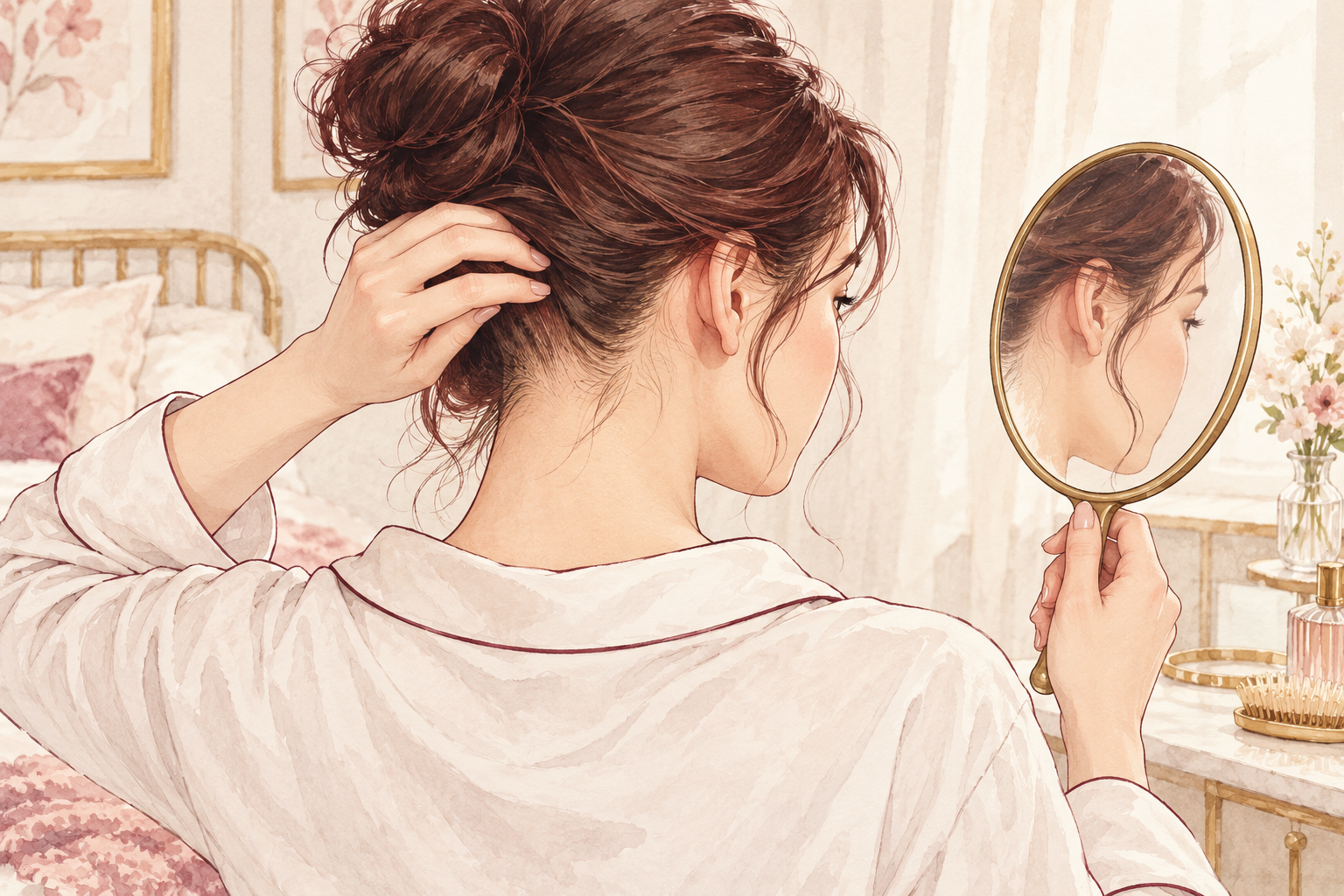
Run your fingertips slowly through your hair and pause wherever it feels thick or catches. For most people that is the nape, behind the ears and under the crown where hair rests on a pillow. Those are the places where hair rubs against clothing and itself all day. Check them every few days and you will catch a tangle while it is still only a few hairs. A hand mirror helps you see what your fingers feel. Press lightly, because a firm pull tightens a small knot. Keep a note of the spot that is thickest, so you know where to start tomorrow.
2. Understand that shed hair makes the mat
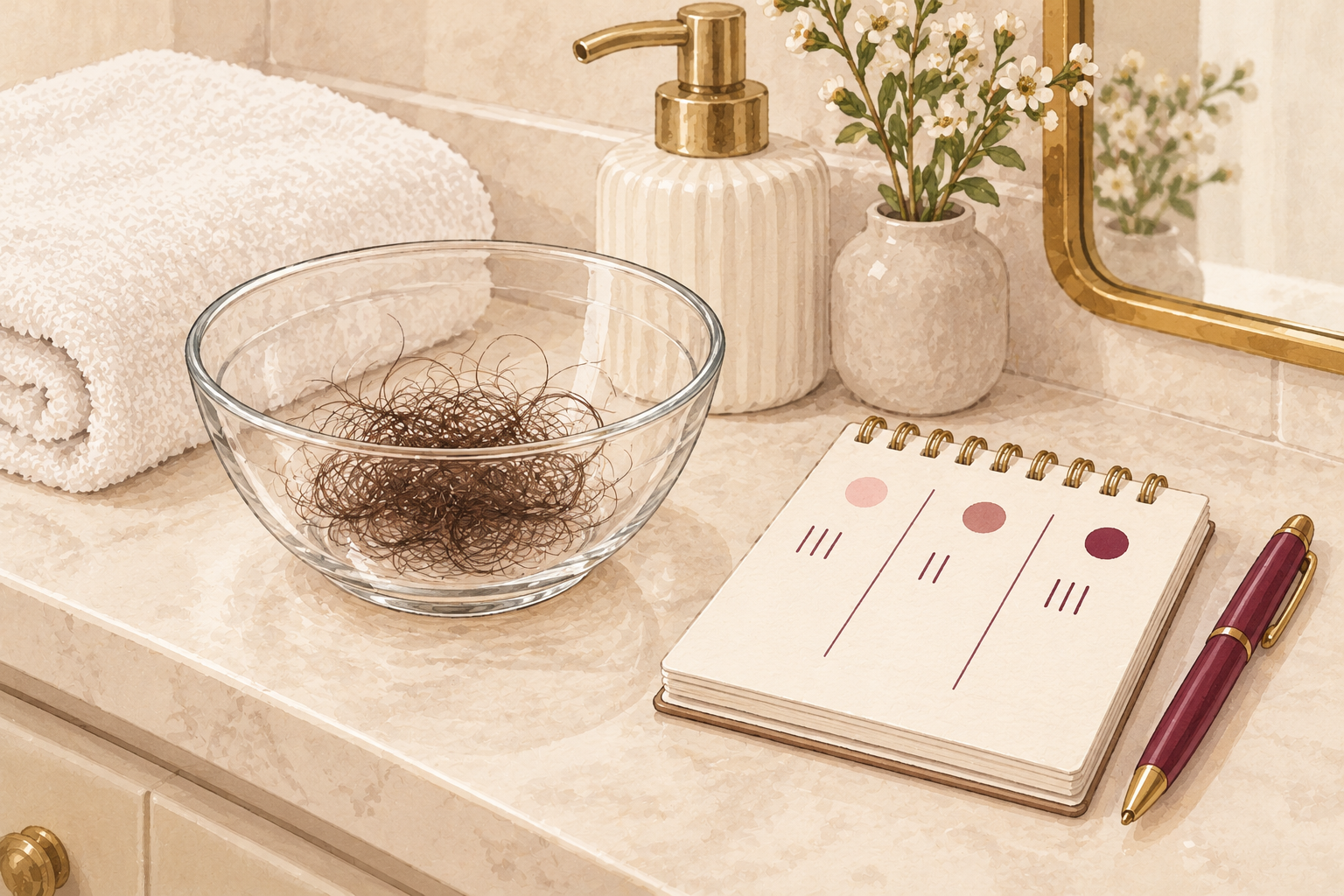
Everyone sheds some hair every day, and loose strands that fail to fall out get twisted around the hairs still on your head. A knot starts small, then every shed hair that stays trapped winds into it. Wash days and combing are when most of that loose hair finally leaves, so a long gap between combing means a bigger lump. That is why mats show up in people who rarely comb and in people with very long hair. It is not about dirt or being messy. The fix is regular removal, not harsher care, and it takes only minutes.
3. Notice what rubs your hair all day
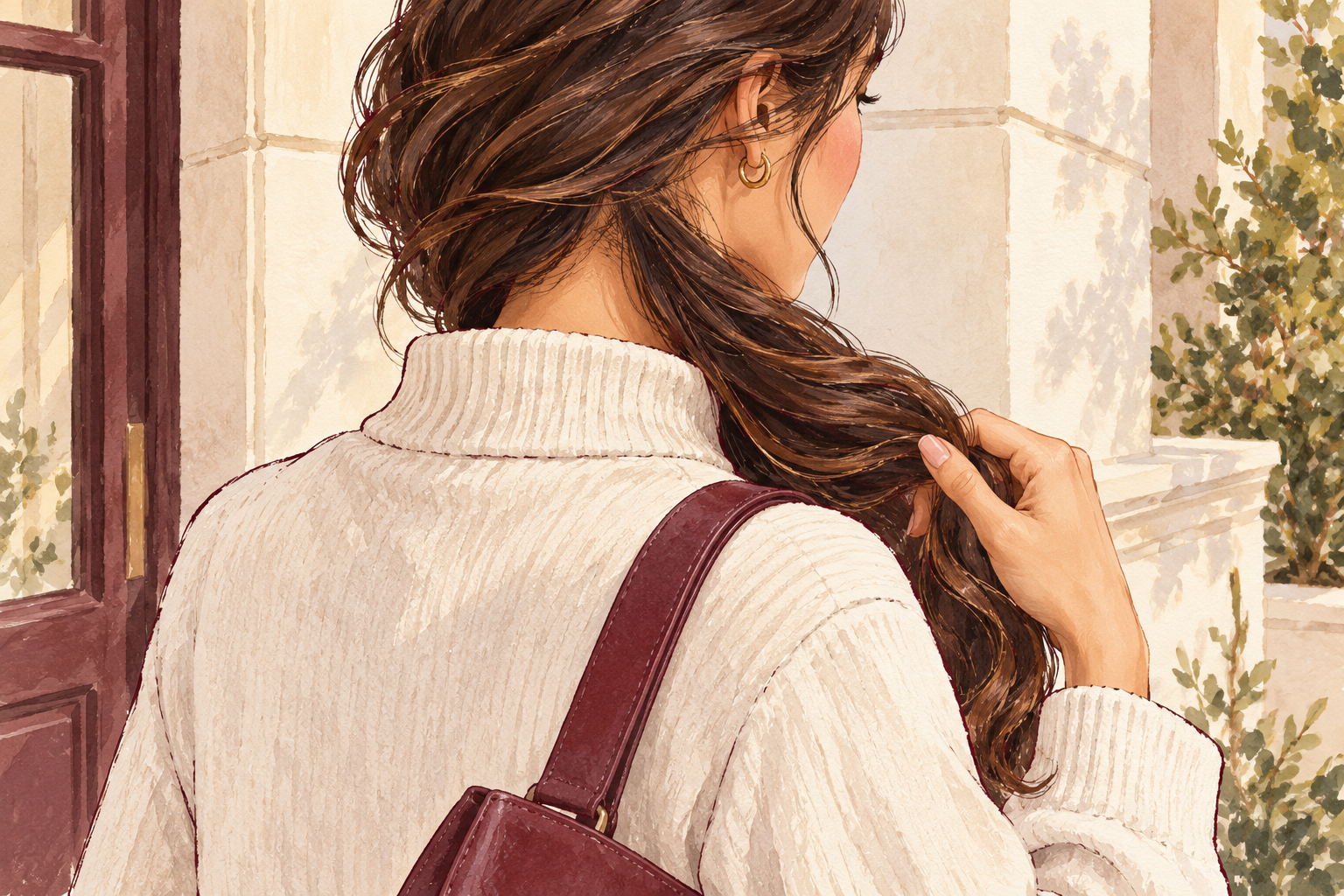
Scarves, hood linings, backpack straps and rough collars all grab hair at the nape. Swap a wool scarf for a smooth one in winter and let your hair sit outside your coat collar. Pull a backpack strap forward so it does not drag across your neck. If a knot keeps returning in the same spot, look at what touches it. Small swaps remove daily friction without changing your style. Shake your hair out when you take off a hood, so the strands settle before they twist together. A looser collar or a satin lined hood helps in cold weather.
4. Finger detangle for sixty seconds every day
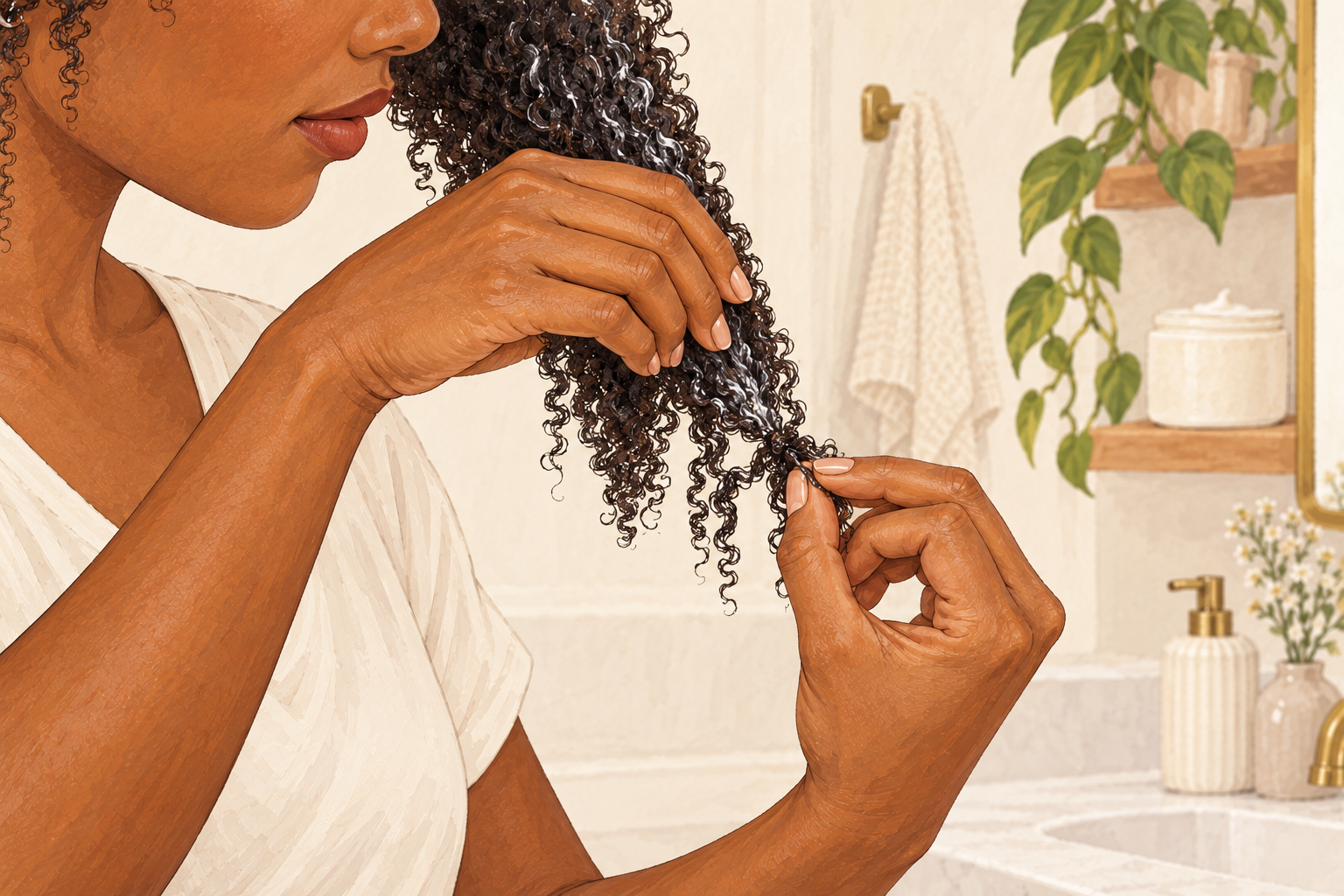
Start at the ends and use your fingers to loosen any beginning tangles, working upward in small sections. Do the nape and behind the ears first, because they tangle fastest. Take your time and do not tug, as the point is to catch tiny knots before they bind. If your hair is dry and snags, add a light mist of water. Sixty seconds a day beats an hour once a month. Put it right after you brush your teeth, and it becomes automatic. Check the nape twice, since it is the first place knots show up.
5. Put your hair in loose sections before bed
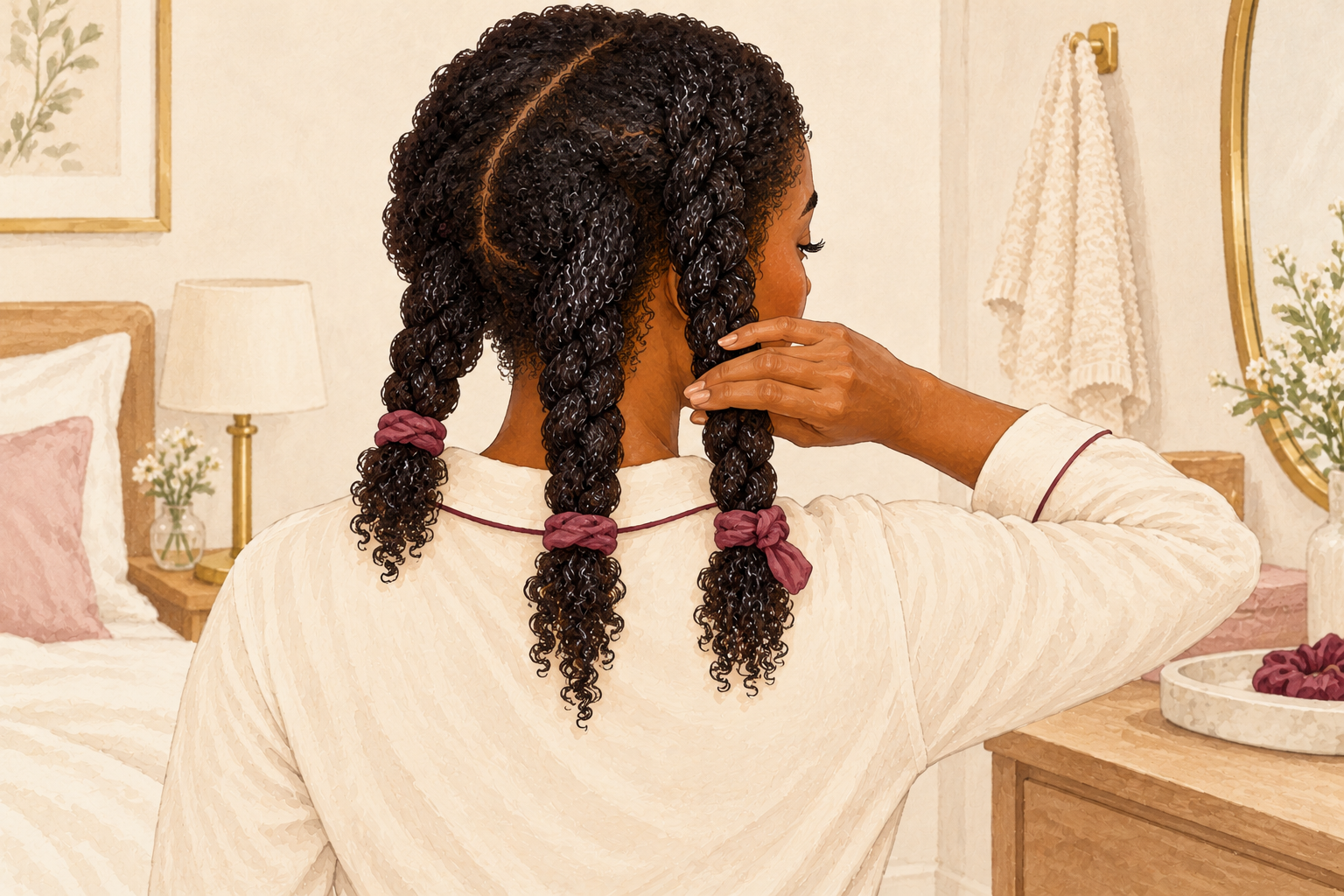
Divide your hair into two to four sections and twist or braid each one loosely. Friction at night is a major source of mats, because hair rubs against the pillow for hours. Use a soft scrunchie or a cloth band and keep it slack, so it never pulls at your scalp. Undo the sections in the morning and finger comb them. A tight style slept on is worse than loose hair, so check that it does not hurt. Braid from the roots only if it feels comfortable. If you wake with a sore spot, loosen the band the next night.
6. Cover your hair with satin or silk when you sleep
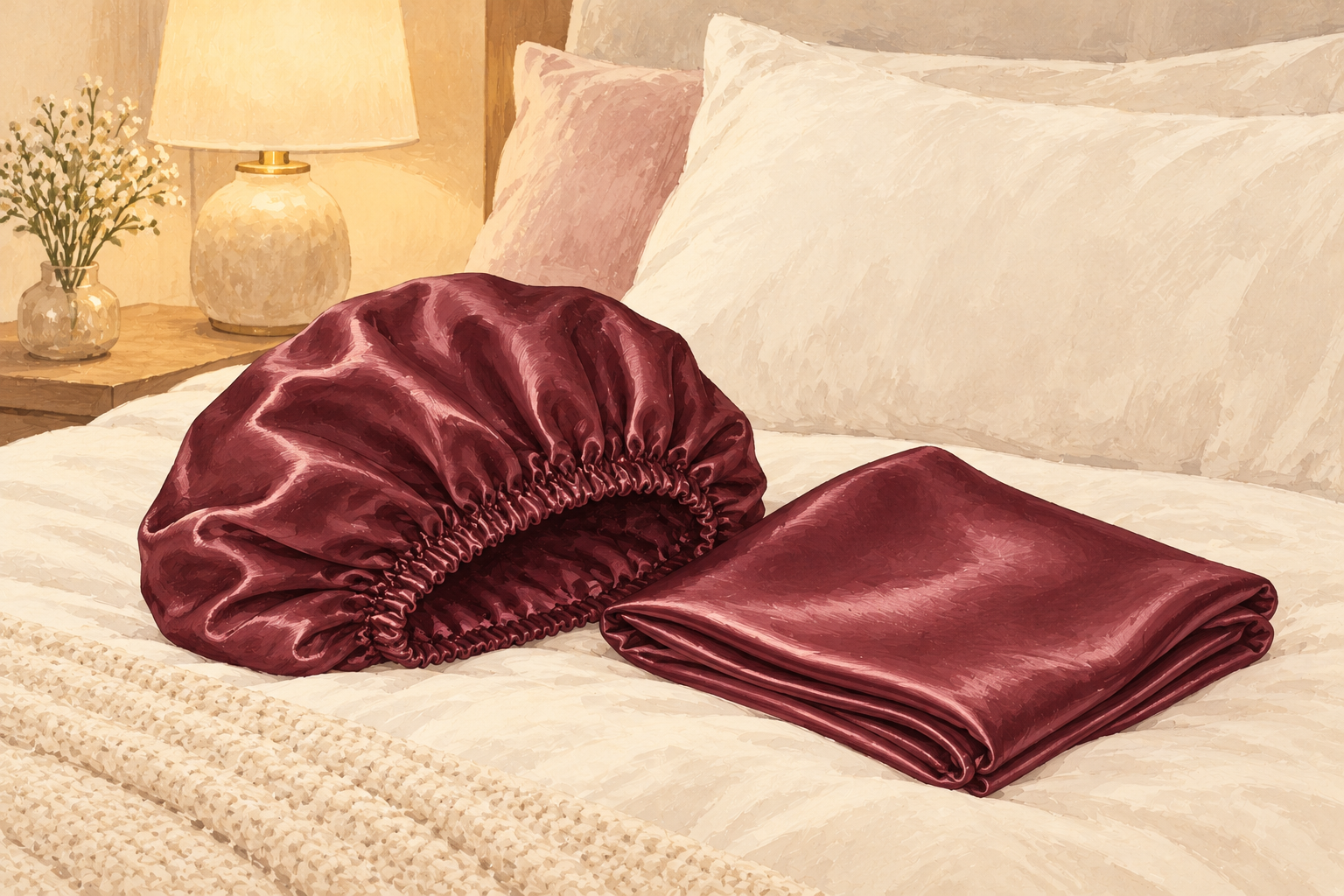
Wrap your hair in a silk scarf, sleep on a satin pillowcase, or use a roomy bonnet. Any one of the three helps, and two is better. A smooth surface lets hair slide instead of grab. Tie the bonnet without pressure, and make sure it does not squash your sections. Wash it every week or two, since it collects oil. It will not undo a tangle that already exists, so keep up the sixty second check as well. If your bonnet slips off by morning, switch to a larger size or add a loose band. A big bonnet that does not squeeze beats a tight one every time.
7. Detangle before you get your hair wet
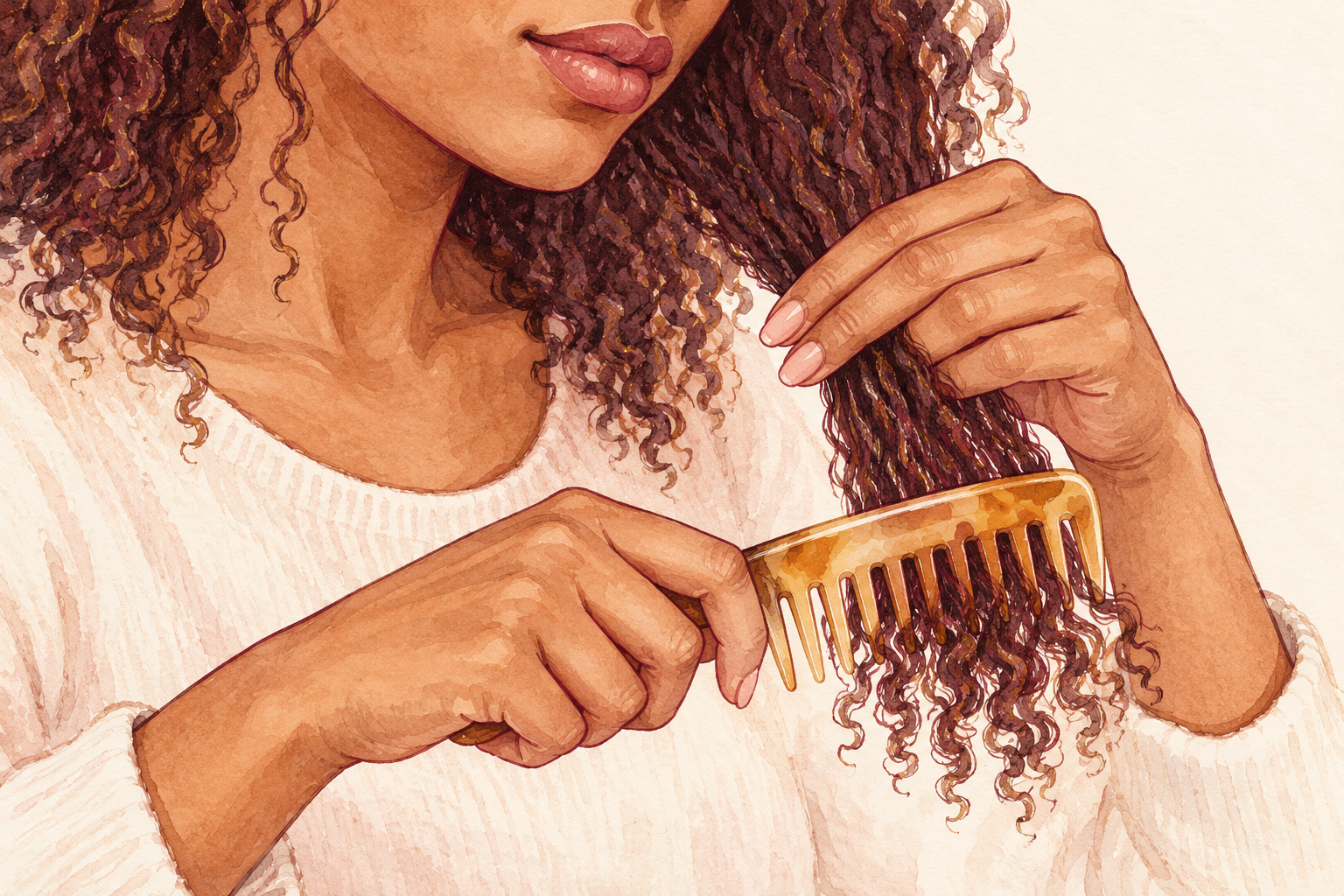
Water swells hair and tightens knots, so loosen them first with a wide tooth comb. Work in clipped sections, starting at the ends and moving up. If a section is stubborn, work a little conditioner through it first and wait a minute. Take your time, and do not rake through, because wet and dry hair both snap under force. Rinse the conditioner out at the wash. A knot that comes apart now will not be a bigger knot in the shower.
8. Keep shampoo on the scalp and comb conditioner through from the ends
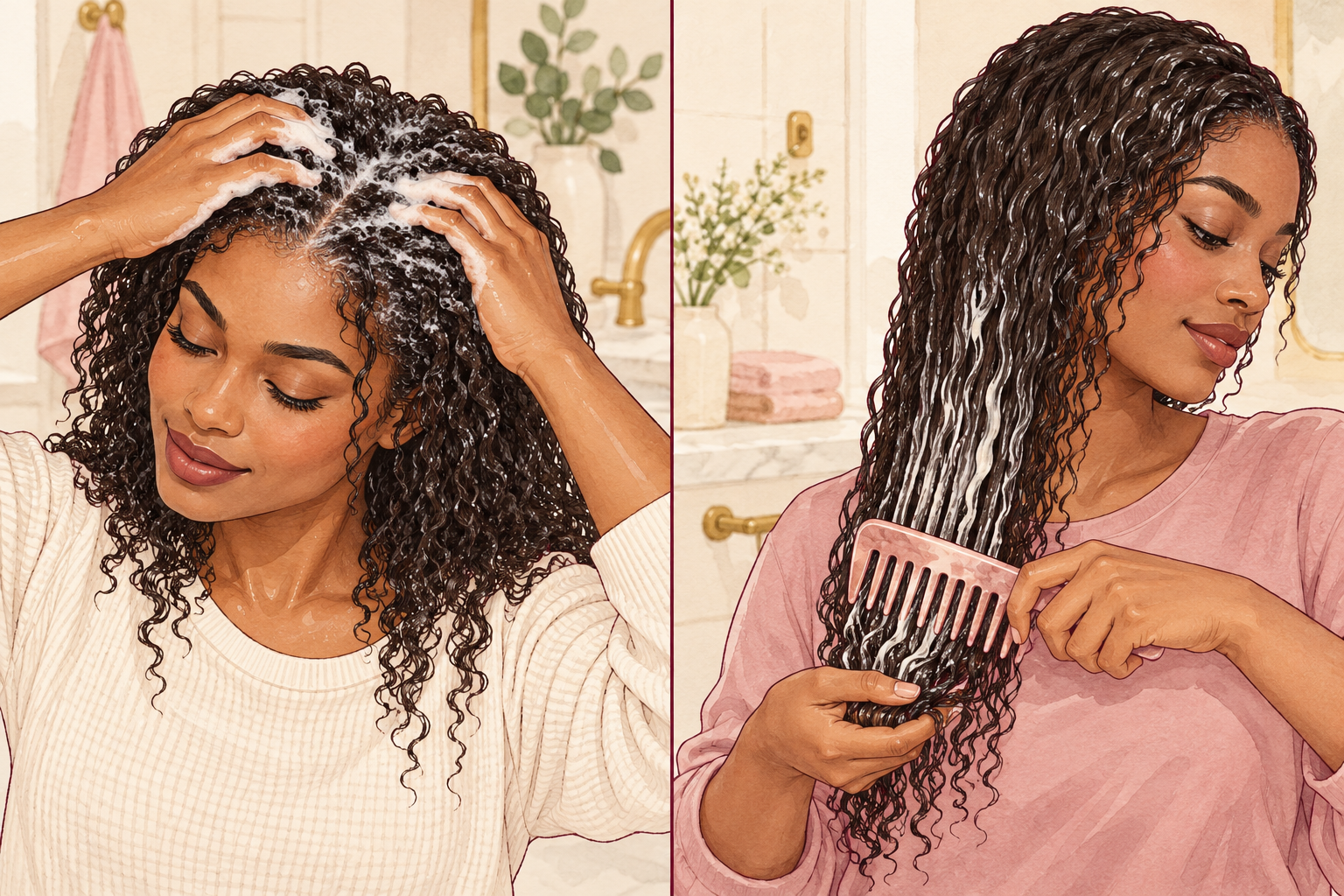
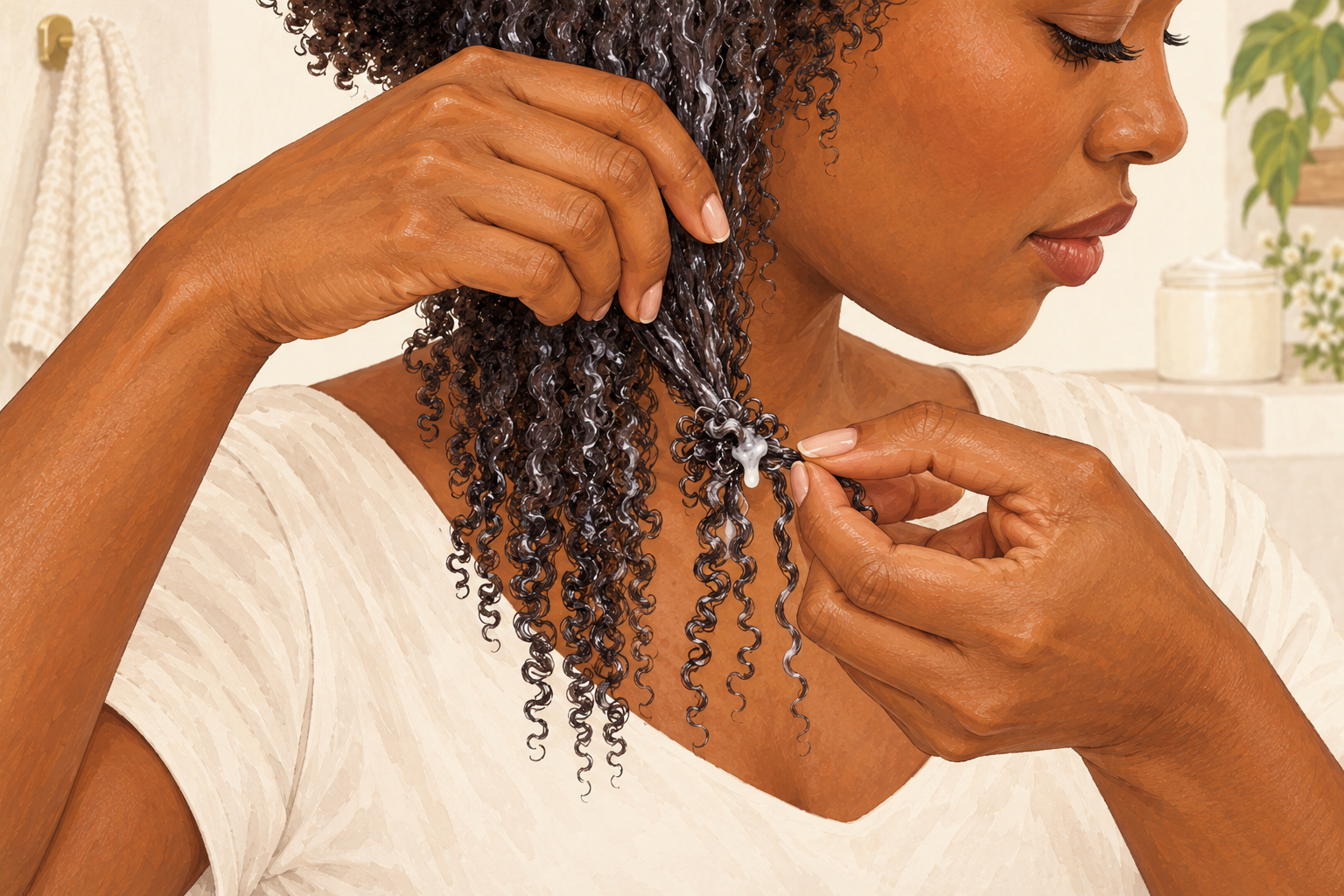
Work the shampoo into your scalp and let the foam run down the hair, rather than scrubbing the lengths together. Then add conditioner, leave it a few minutes and comb through from the ends up. Slippery, conditioned hair is when shed hair finally slides out, so check the comb and clear it. Rinse with cool water to smooth the strands. Never pile wet hair on top of your head and rub it, since that is a common way to start a tangle. Squeeze the water out with a soft tee instead, and pat the nape dry last.
9. Trim on a schedule so ends stop snagging
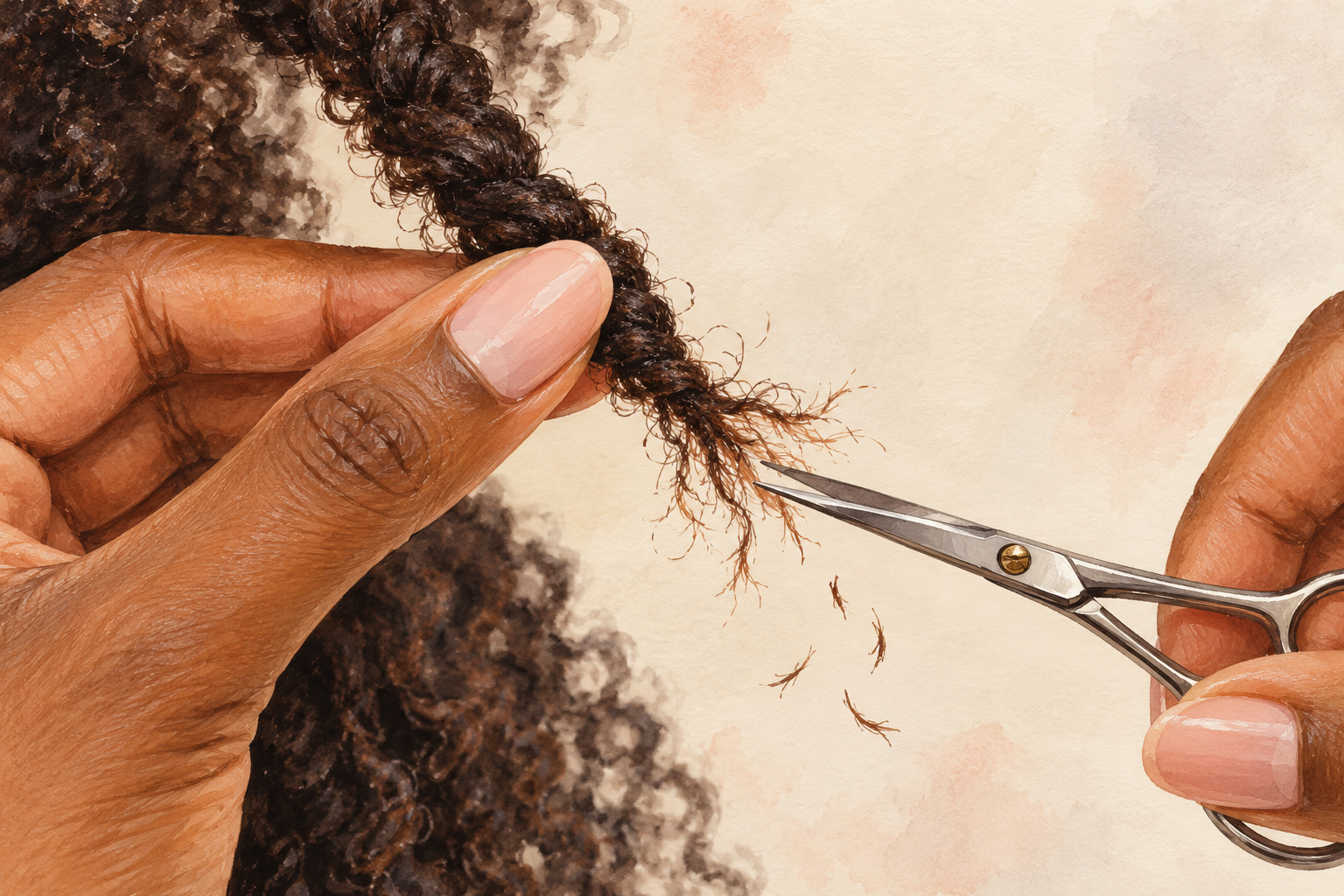
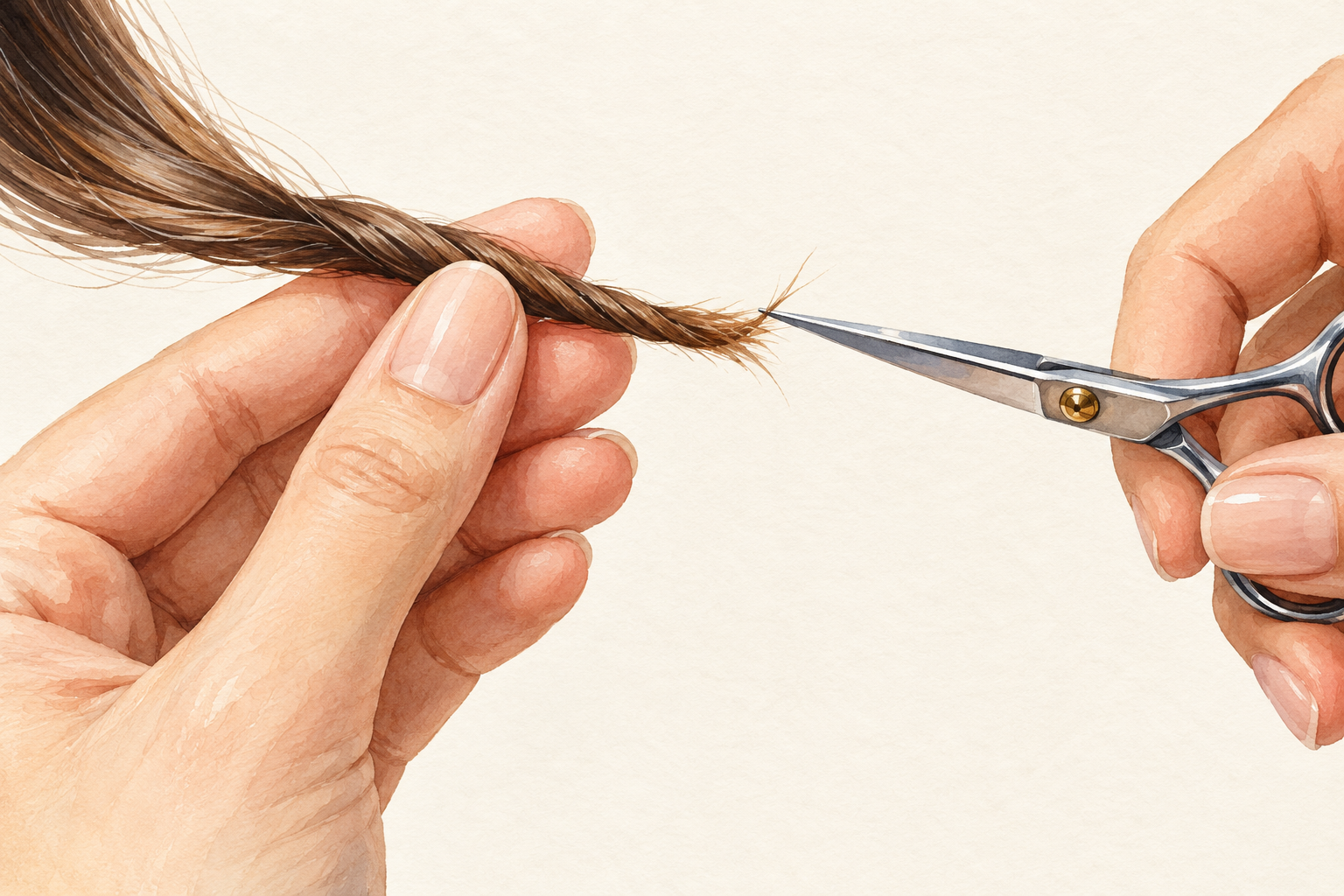
Take a small trim every two to three months, even if you are growing your hair. Ragged and split ends hook onto neighboring hairs and start knots. A little trim keeps the ends smooth and costs you very little length. If you cannot get one, dust off the splitty ends yourself, a few strands at a time. It will not make your hair thicker, only tidier. Dry ends grab each other, which is why a long gap between trims makes mats easier. Trim a little more if the ends feel rough, thin and wispy.
10. Keep dry hair moisturized
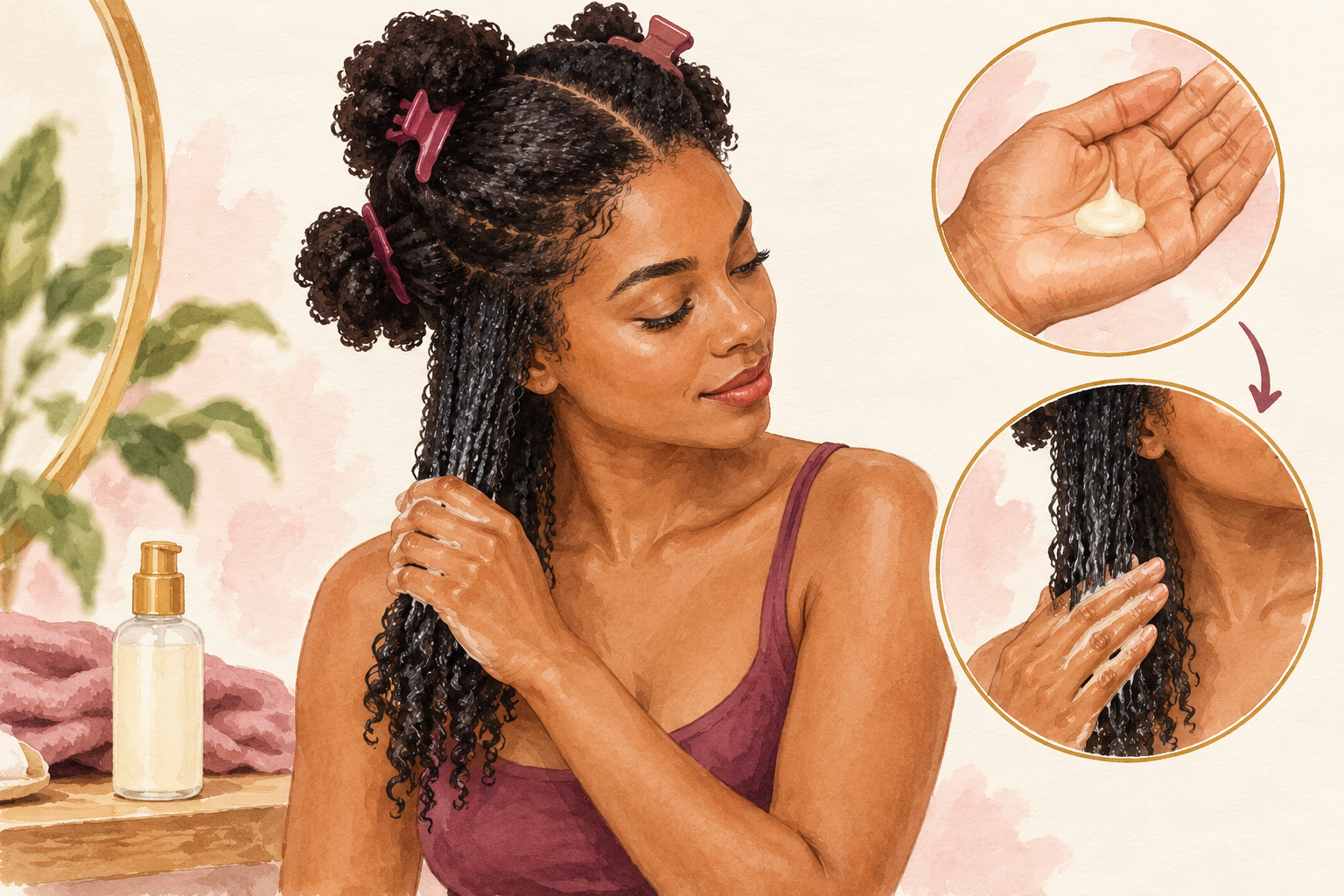
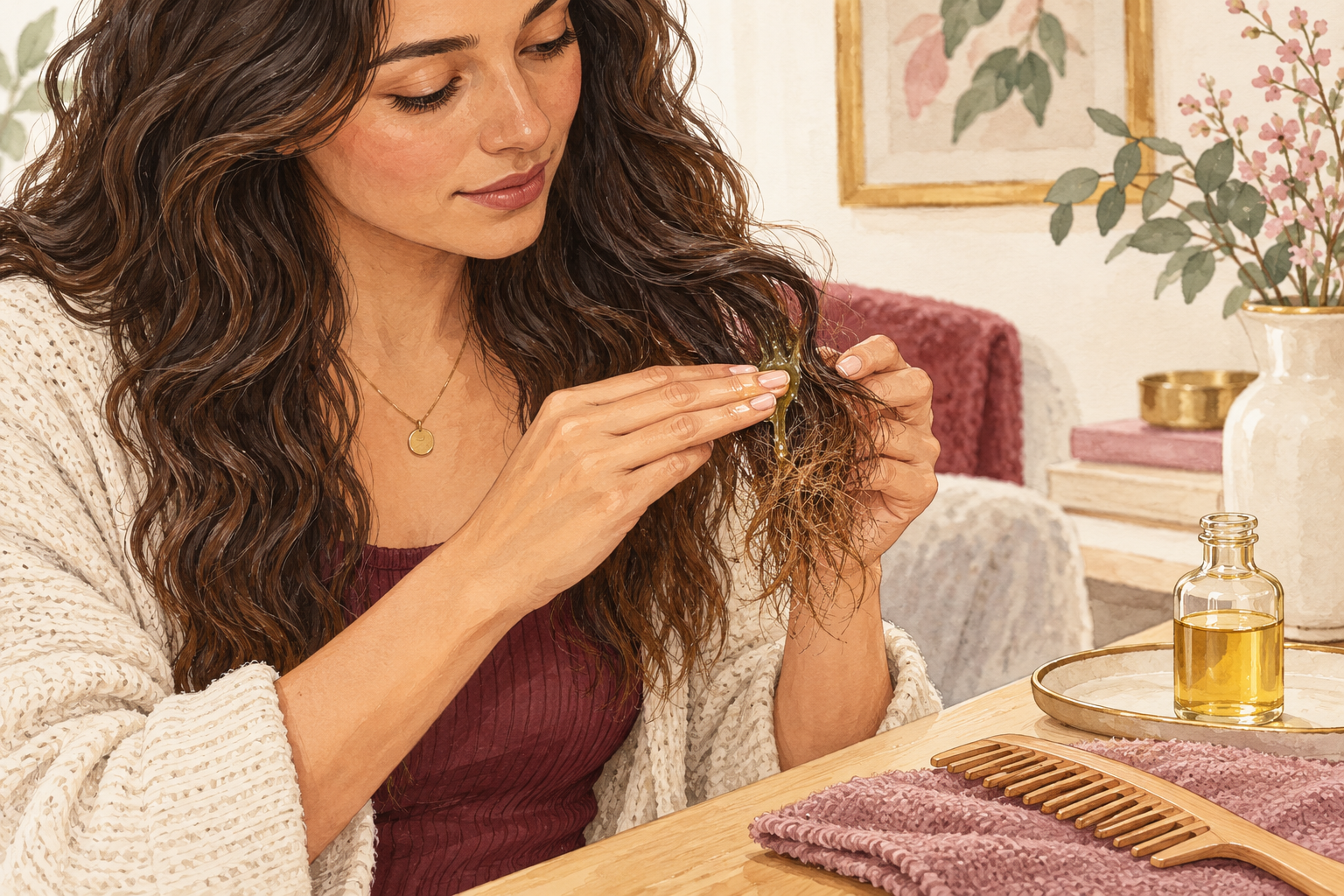
Dry, textured, bleached or very long hair mats more easily, so smooth a light leave in through damp hair after every wash. Strands that glide past each other do not lock, and a hair that slides is a hair that sheds cleanly. Put a little more on the ends and the nape, which get the most wear. Smooth it downward with your palm. If you wear extensions, braid them at night and never sleep with them wet. Check your hair once a week. If it feels crunchy, add a touch more moisture. Light and often works better than heavy and rare. A fine mist of water and a pea of cream is enough for most heads.
11. Swap the habits that quietly cause new mats
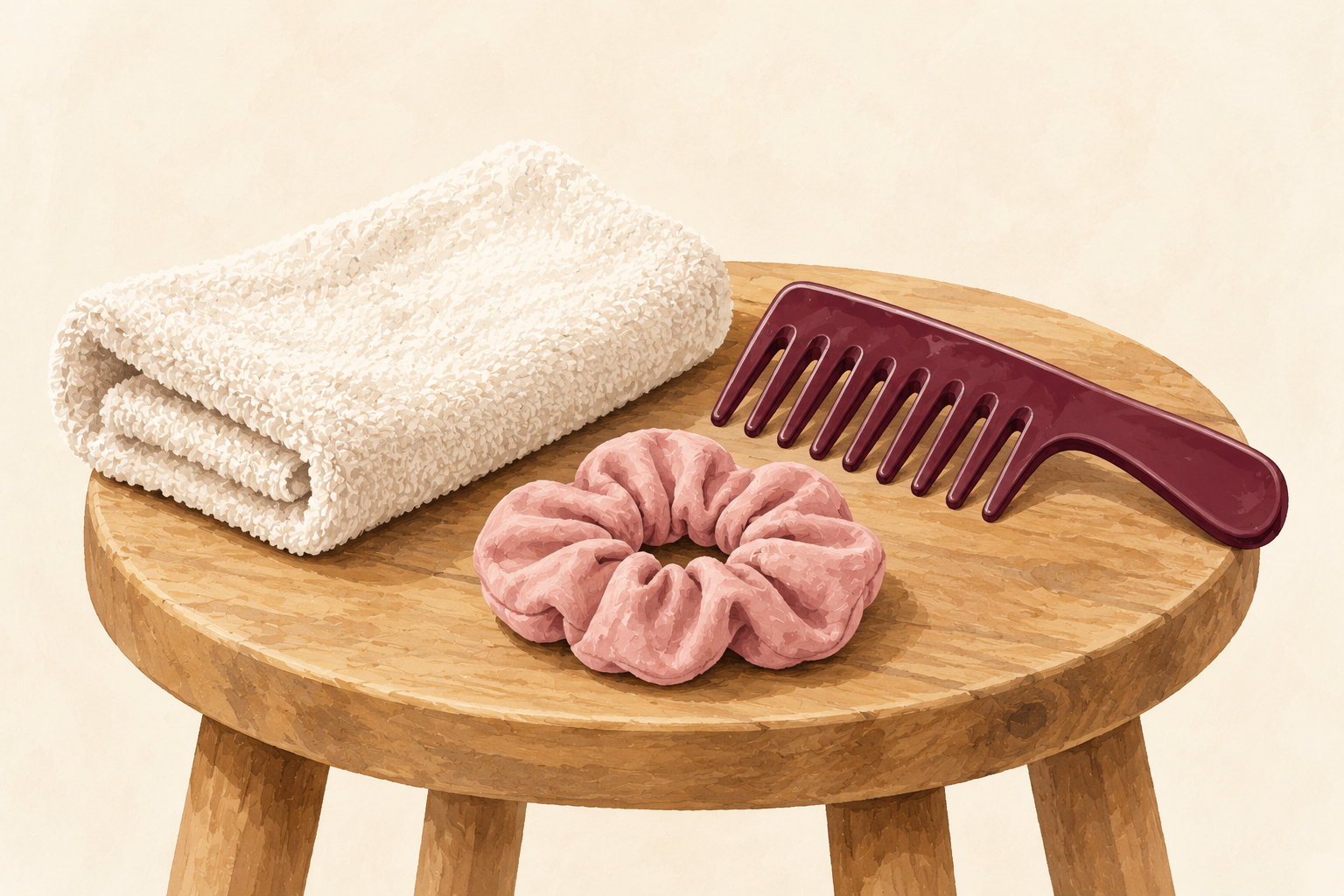
Use a wide tooth comb on wet hair instead of a dry brush, a soft tee instead of a rough towel, and a roomy scrunchie instead of a tight elastic. Skip the habit of leaving long braids in for months, since the roots and shed hair keep building up underneath. If your scalp feels sore, go slower, add more conditioner and work in tiny sections so nothing pulls. A flat, felted section that will not separate with conditioner and a wide tooth comb is better trimmed out than forced, because pulling harder only breaks hair. Stop if you have worked at one knot for an hour.
12. Expect small changes at week one, four and eight
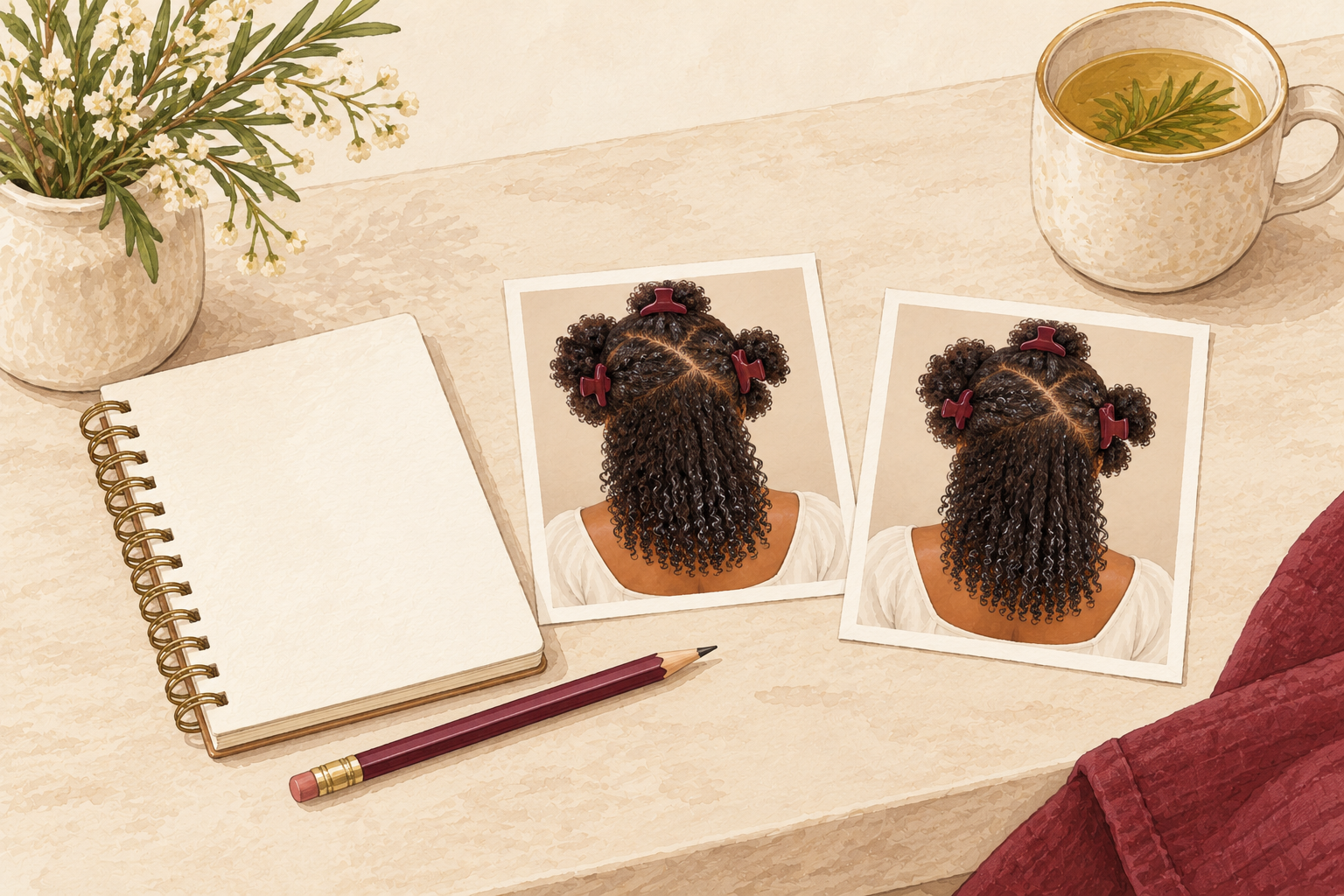
In the first week you will find fewer and smaller tangles when you check, but the old ones stay put. By week four, your nape and behind the ears should feel loose, and combing should take less time. By week eight, most people notice that wash day is quicker because there is less to untie. Keep the daily sixty seconds going. A knot that keeps coming back in the same spot is telling you what rubs it, so look there first. Eight weeks is a fair time to judge, because hair changes slowly and so do habits.
Complete the Routine: Stop Matted Hair Before It Starts
Tonight, do your sixty second finger detangle, braid your hair loosely and cover it. If a knot has already formed, follow how to detangle matted hair and read hair breakage to protect your ends.