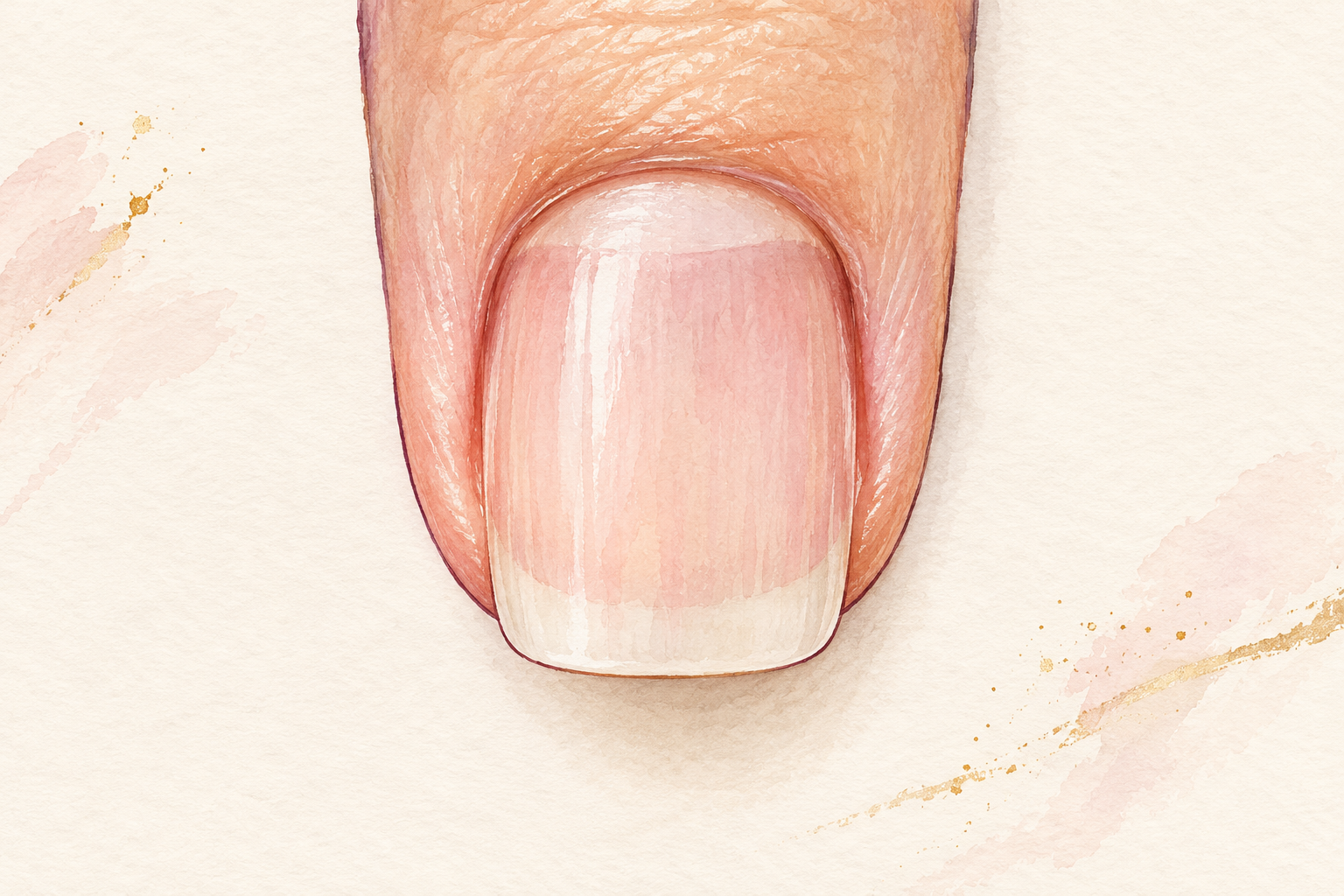
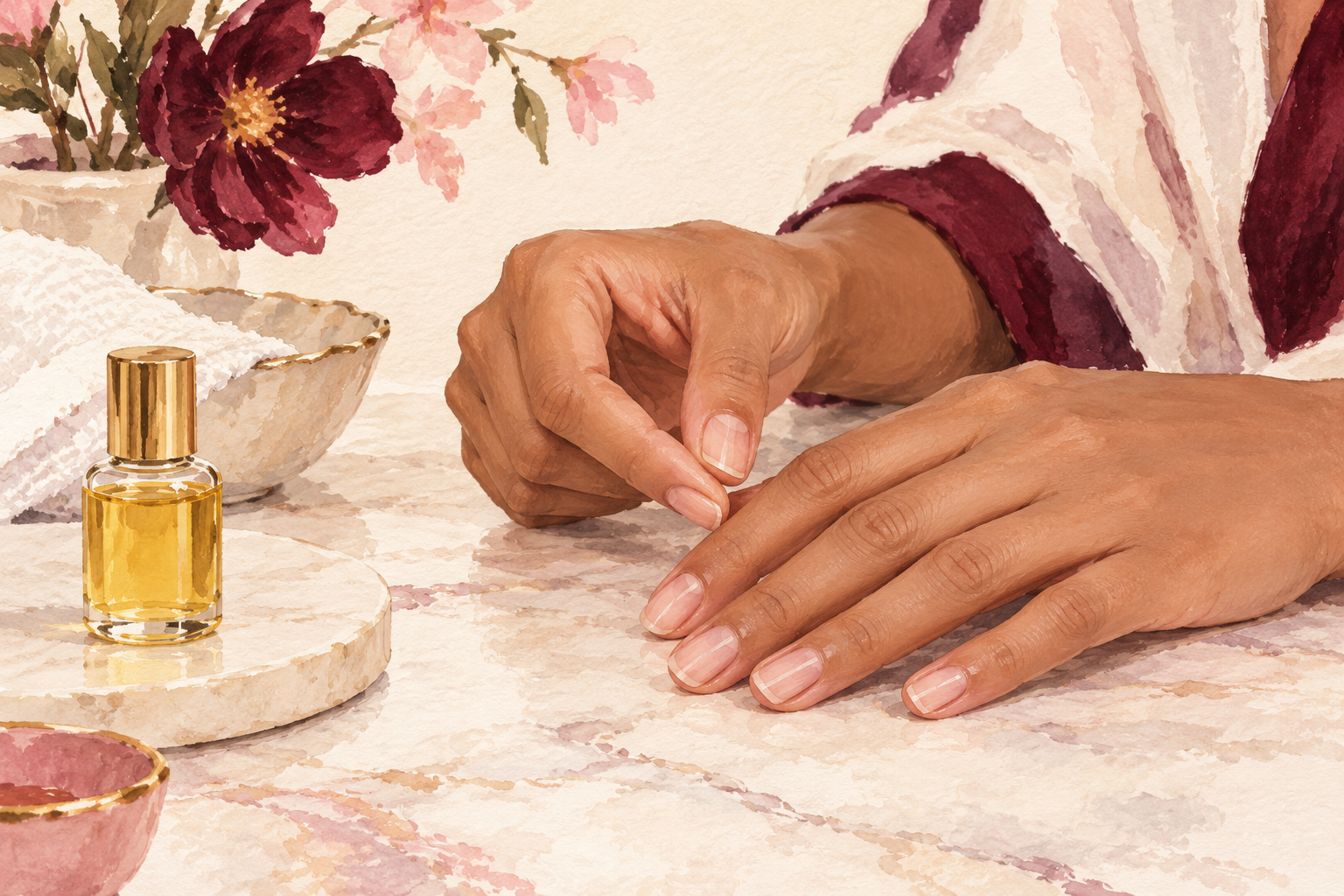
Every time your nails reach a nice length, one snaps on a car door, and you are back to the start again. Natural nail growth is slow, but it is also steady when you protect it. These 12 habits use food, water, gloves and gentler days instead of bottles and potions, so start at number one tonight.
1. Accept the slow pace and count in months
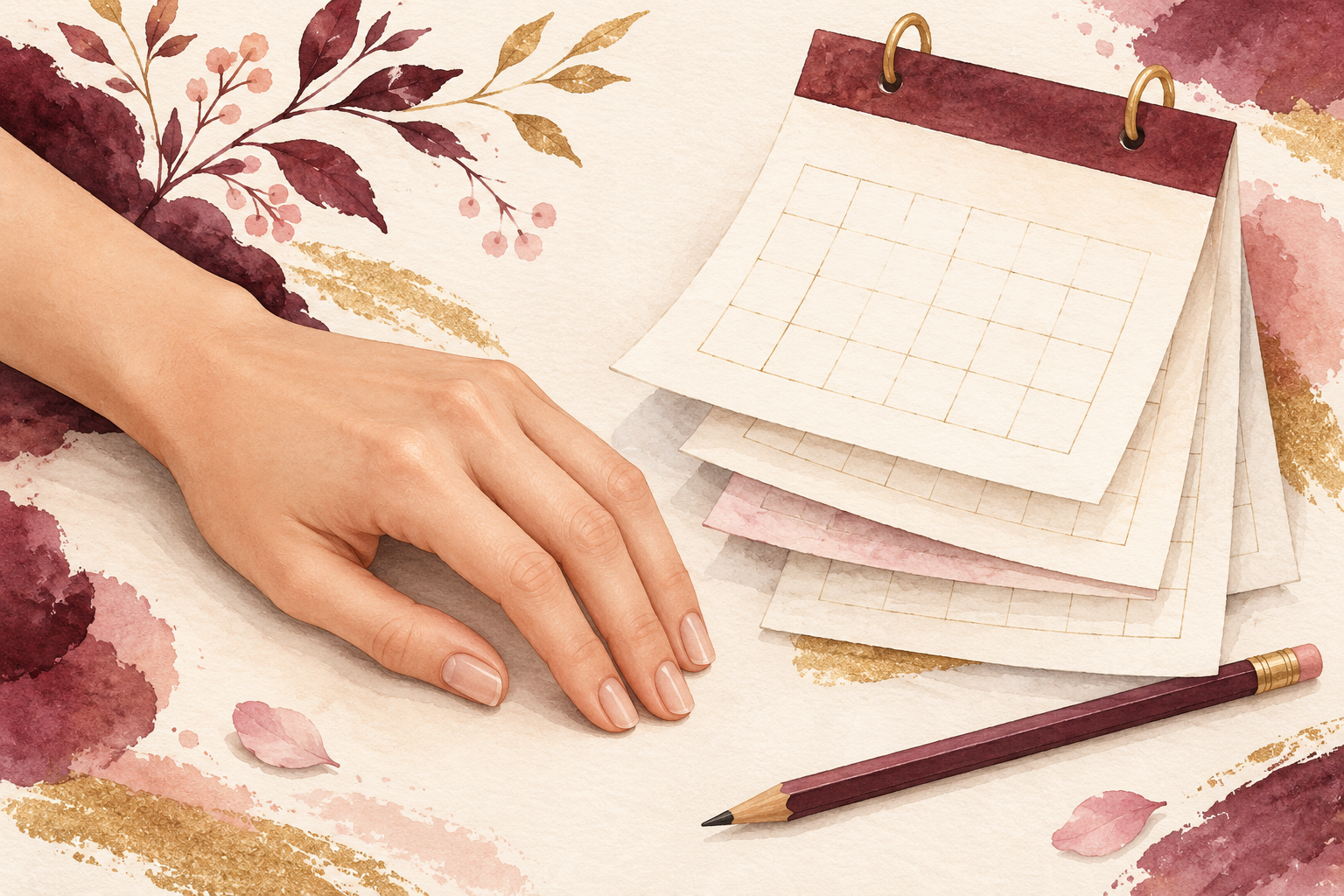
Know that a fingernail grows about three millimetres a month, so a full nail takes around six months to replace. That is the thickness of a pencil lead, and no habit makes it leap. Your nails are not failing, they are simply slow. When you think in months instead of days, you stop reaching for quick fixes. Everything on this list helps you keep the length you grow, which is how nails get long in the end. Pin a note to your mirror that says six months, and be kind to yourself. The nails you see today began growing before the summer, which is a comforting way to think about it.
2. Take a starting photo and measure every two weeks
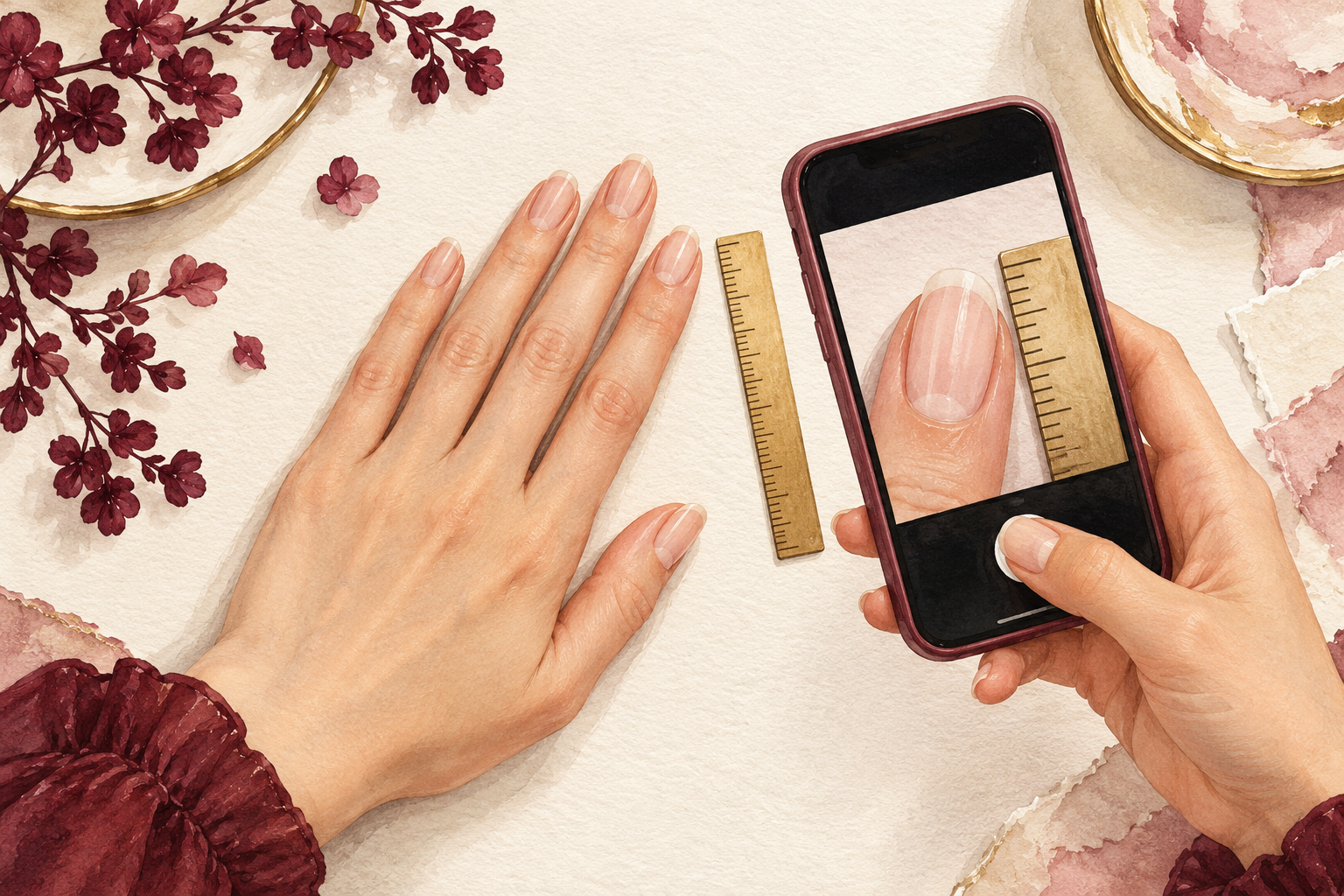
Photograph your hands today in the same spot, then measure one nail with a ruler every two weeks. Seeing your hands every day makes the change invisible, which is why people give up. A number in your notes shows you are growing even when it feels like nothing. Use the same light and the same hand each time. Write the date beside the number. When a nail breaks, note that too, and keep going. After two months, the photos tell the whole story. Keep your notes in your phone, in a list titled nails, so you never lose them. Writing it down pairs nicely with the broader look at how to grow nails.
3. Separate slow growth from breakage
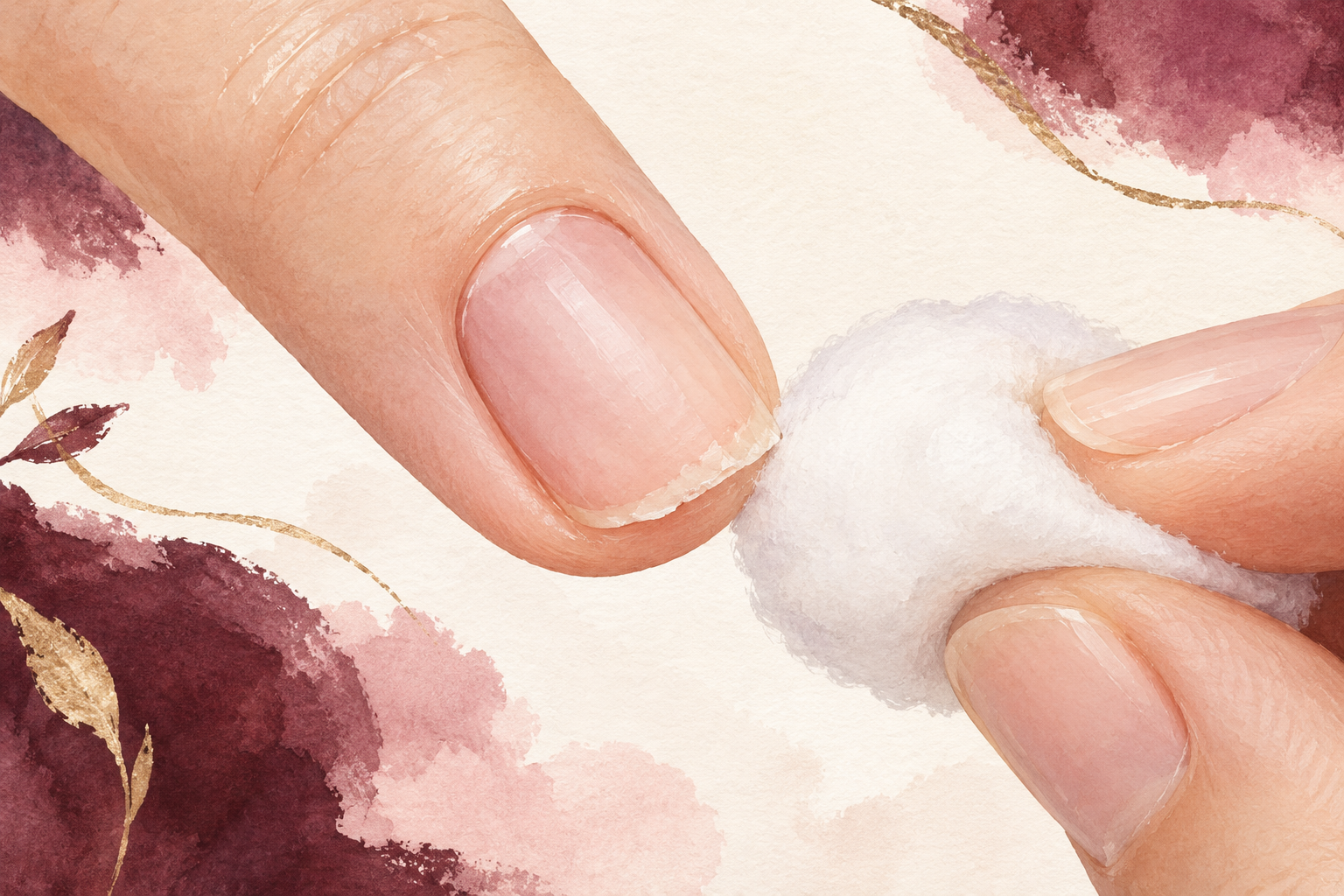
Look at your tips and ask whether the nail is growing slowly or snapping off as fast as it grows. If the edges are cracked, peeling or torn, breakage is stealing your length. If the edges are smooth and the nail is just short, patience is the answer. Most people have a breakage problem, not a growth problem. Knowing which one you have tells you where to put your energy. Natural nail growth gets much easier once the breaks stop. Run a cotton ball over your tips, and if it catches, you have a rough edge doing slow damage that a file can fix in seconds.
4. Wear gloves for dishes and cleaning
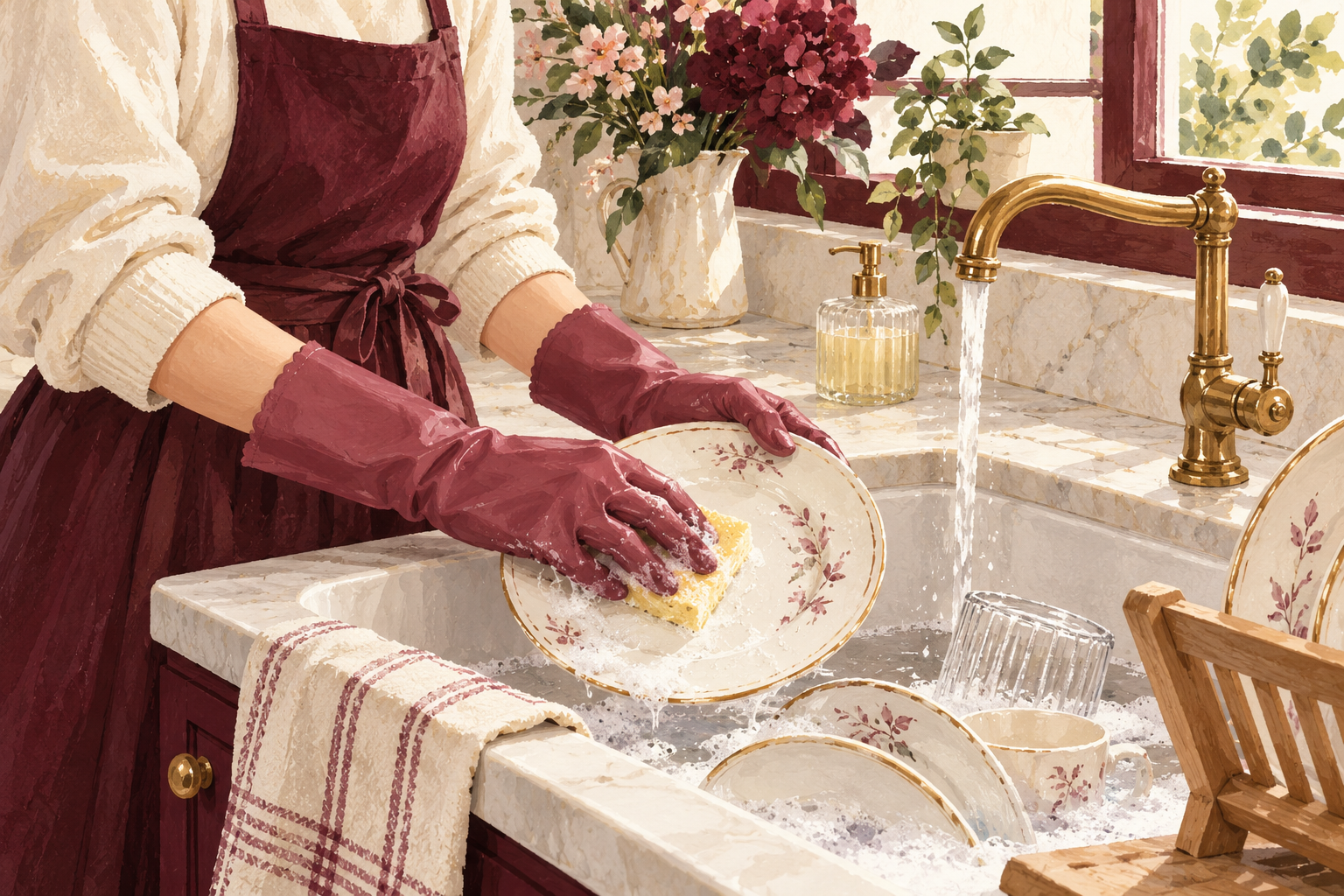
Slip on rubber gloves every time your hands go in water or touch a cleaner. Water swells the nail, then lets it shrink as it dries, and this back and forth weakens it until the layers split. Strong cleaners strip the natural oils too. Add a thin cotton glove inside if the rubber makes you sweat. Hang the pair on the tap so you grab them without thinking. Of all the habits on this list, gloves protect the most length for the least effort. Even a quick rinse of a cup or a bowl of rice counts as a glove moment, so make it a rule with no exceptions.
5. Dry your hands well and moisturize after washing
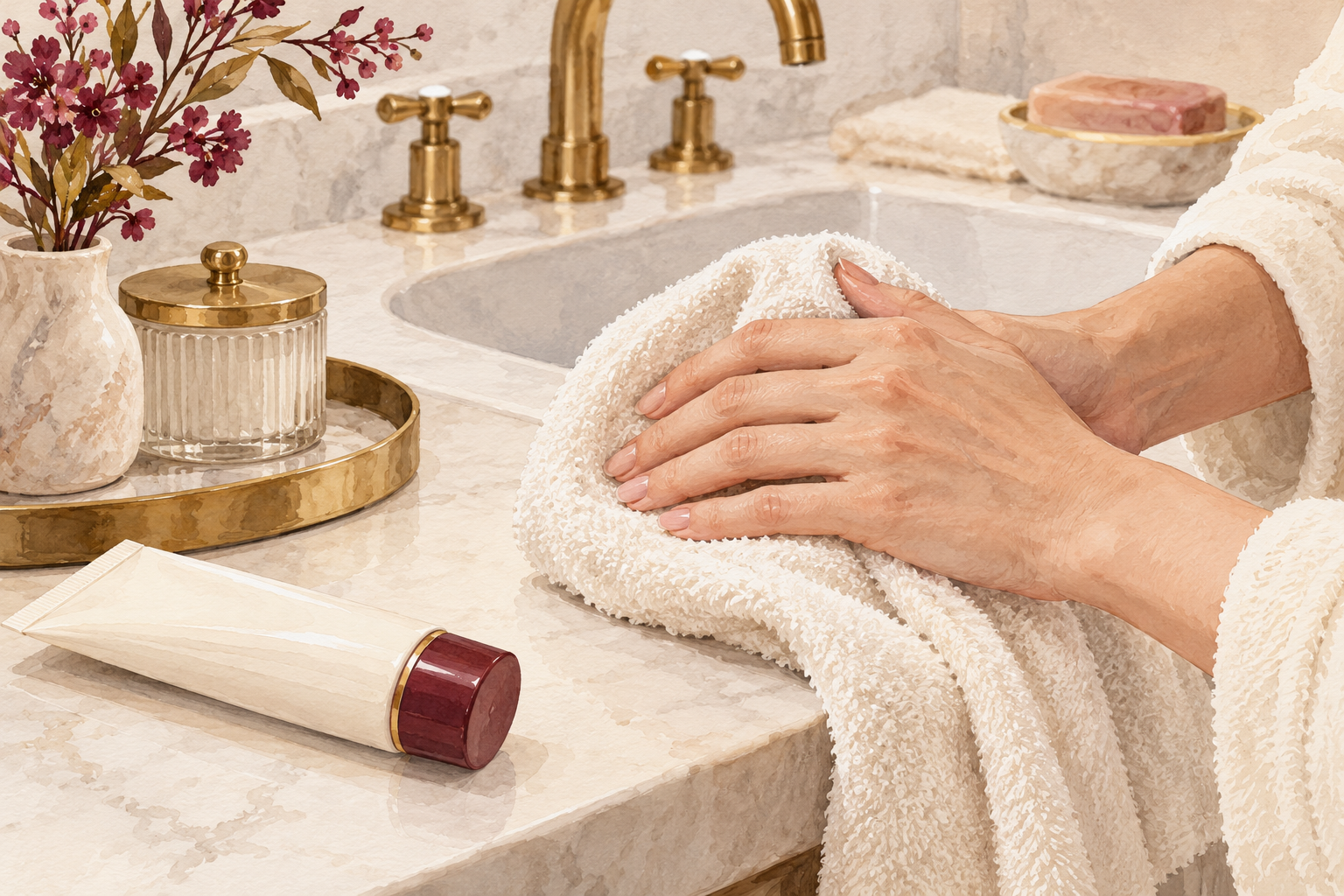
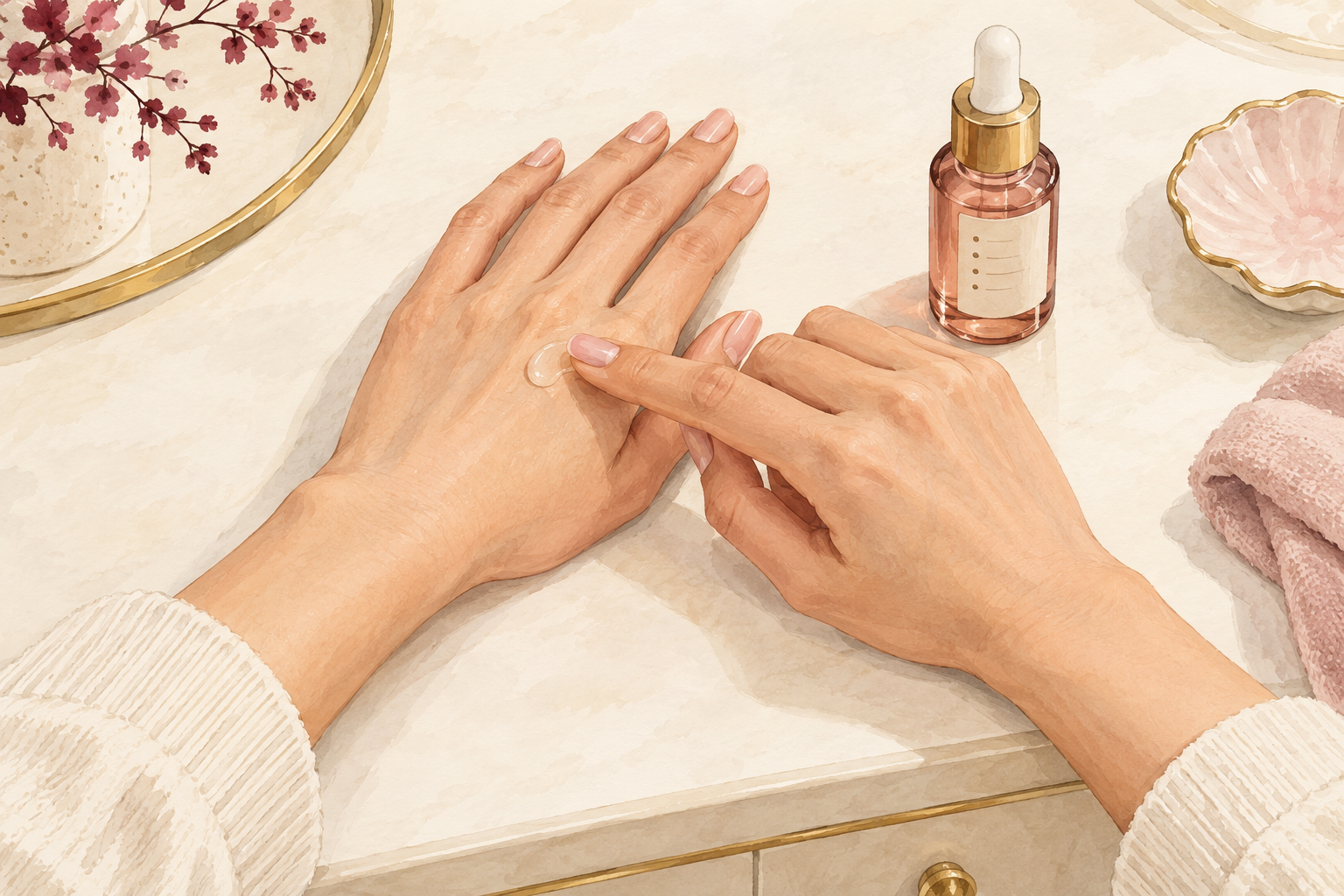
Pat your hands dry, then rub in a little cream, pressing it into each nail and cuticle. Damp skin under a tight sleeve or glove goes soft and sore, while dry skin cracks. Do this after every wash, and again at night. A small tube by each sink makes it easy. Cuticle oil is lovely, but plain cream does the job. You will notice that the skin around your nails stops tearing, and then stops hurting. That calm frame is where healthy nails start. Do not forget the backs of your thumbs and the small gaps beside each nail, which crack first in cold weather.
6. Retire your nails as tools
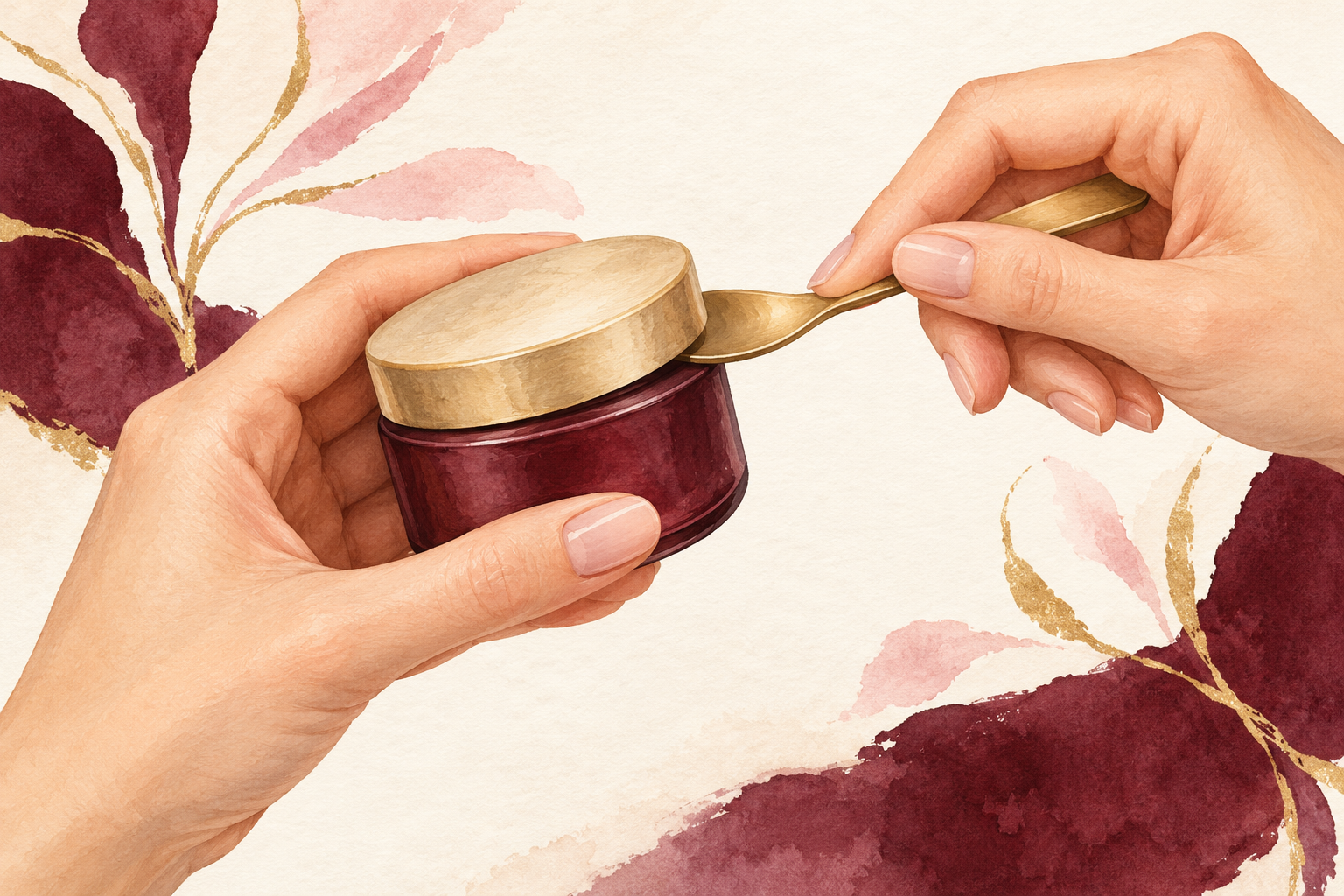
Use a spoon edge to open lids, a coin to turn screws, and a fingertip pad to pick up small things. Nails bend, then crack, when they pry and scrape, and those tiny cracks are where breaks begin. It is a funny habit to catch, because you do it without thinking. Count how many times you do it in one afternoon. Most of us are shocked. Keep a little tool in a drawer, and the number drops quickly. Tape a card to your desk with a spoon or a key on it as a reminder, and you will soon reach for the right thing without thinking.
7. Put protein in most meals
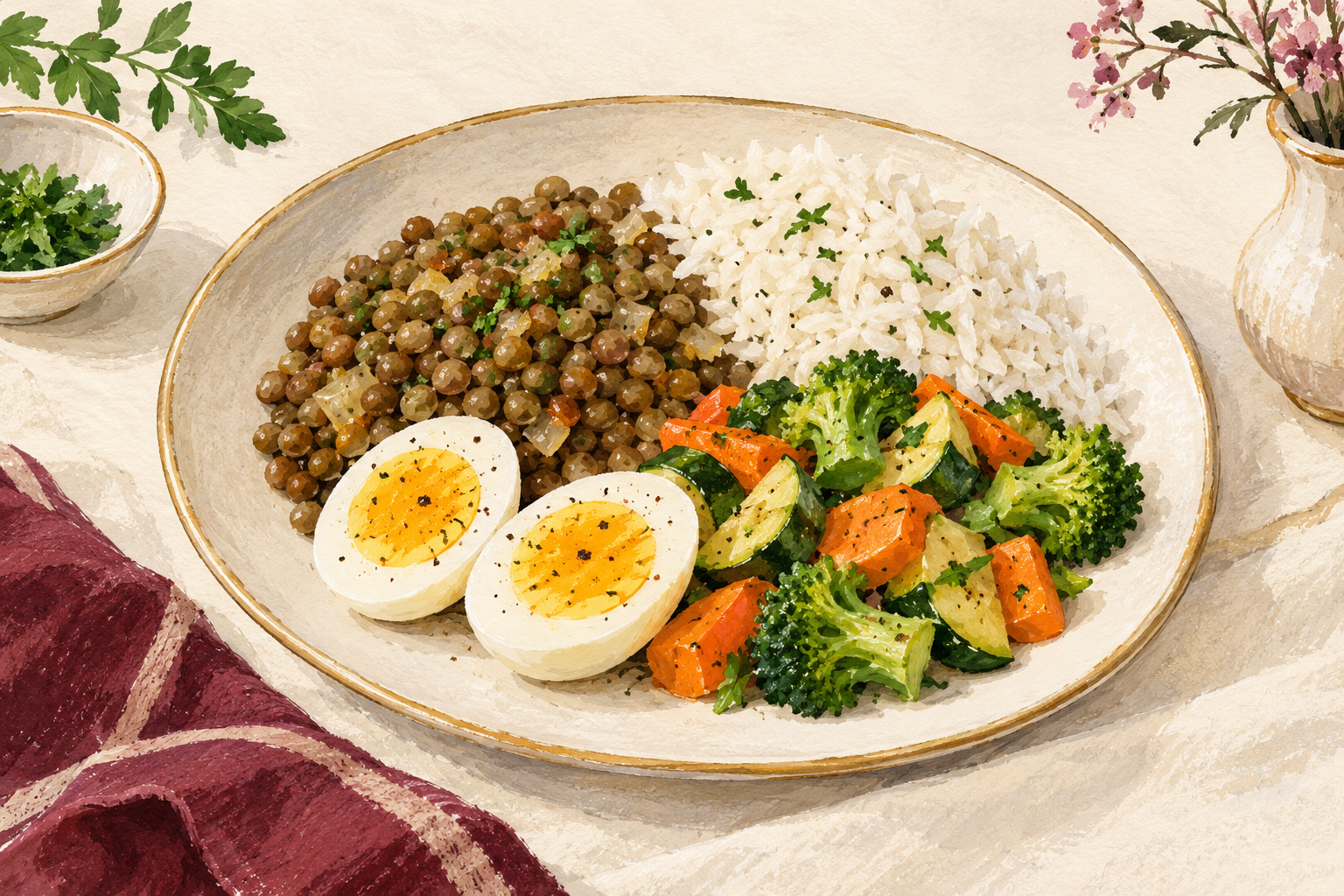
Aim for a palm sized portion of eggs, fish, beans, lentils or chicken at most meals. Nails are made mostly of a protein called keratin, so your body needs building blocks to make it. You will not see a change overnight, but eating enough protein feeds every new millimetre. If you skip meals, your nails are among the first places to feel it. Breakfast is the easiest place to start, with an egg or a small bowl of beans. Keep it simple and steady. If you eat little meat, lentils with rice or beans with eggs give you a full set of building blocks, and a handful of groundnuts makes a good snack between meals. Meals like these are one piece, and for the wider habits, nail growth tips is the next place to look.
8. Add greens, healthy fats and a little color
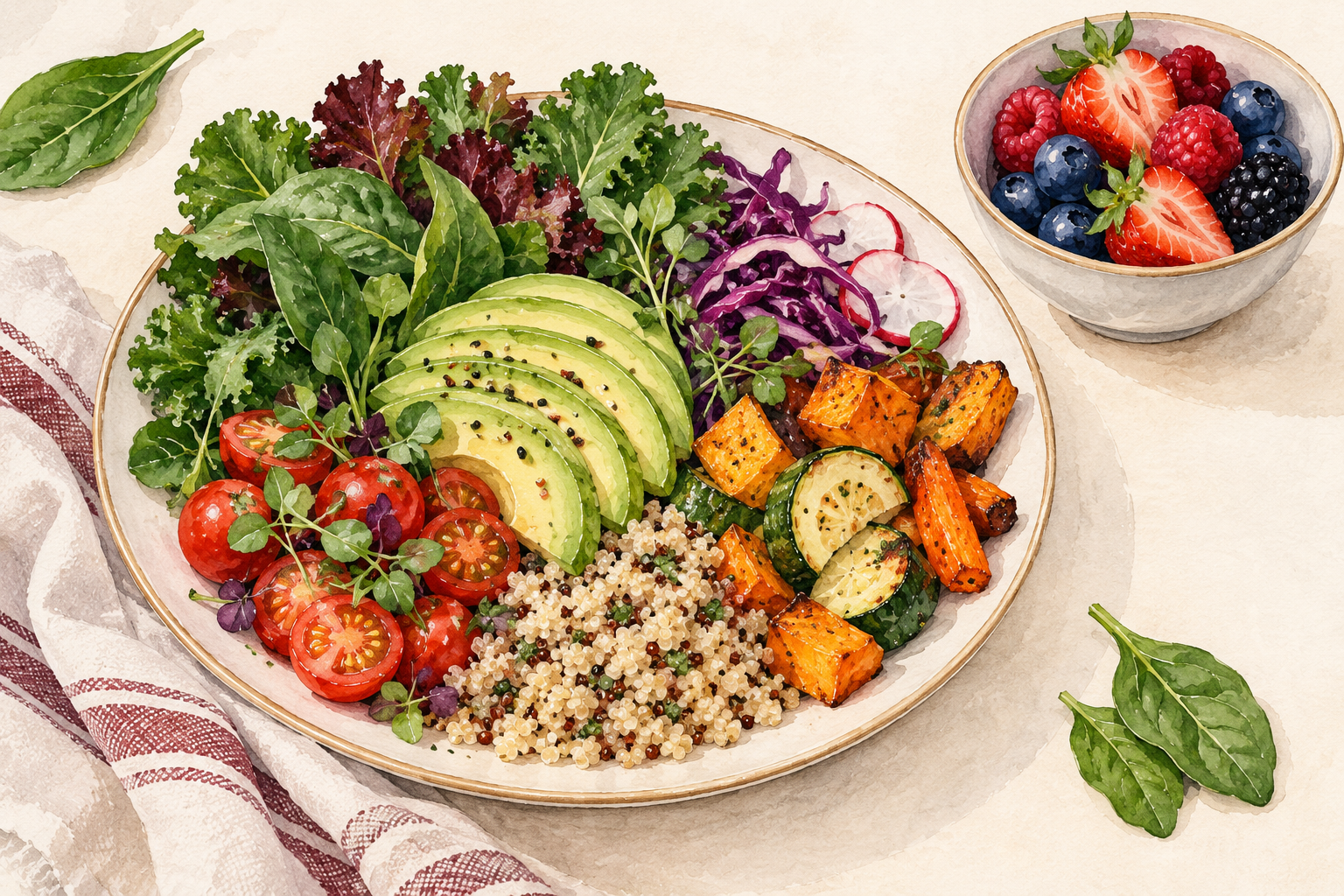
Fill part of your plate with leafy greens, add avocado or nuts, and finish with fruit. Iron, zinc and healthy fats all play a part in strong, flexible nails, and a plate with plenty of colors gets you most of them. Do not go chasing one superfood. Just add one extra vegetable to dinner and a handful of nuts as a snack. Squeeze a little lemon on greens, which helps your body take in the iron. Nails that bend instead of snap are usually well fed. Eat the colors across a week rather than perfectly every day, since steady habits beat a perfect plate you cannot keep up.
9. Drink water, but do not expect a fast result
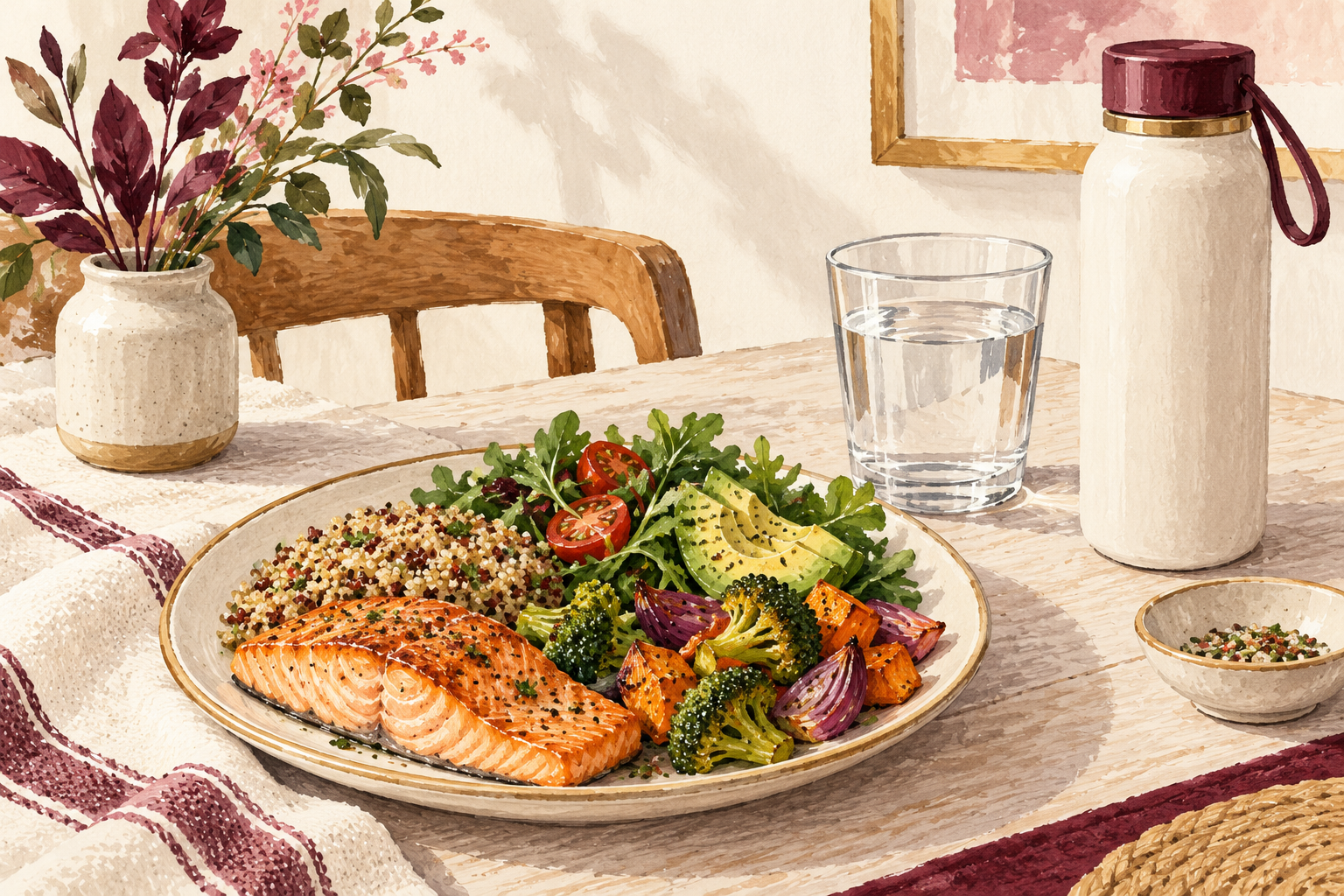
Keep a bottle in sight and sip through the day, with a full glass beside each meal. Dry, thirsty bodies make dry, peeling nails, and a steady habit is the kind of help they notice. Water will not make nails grow faster, and no glass can do that. It simply stops them from getting dry and brittle. Pair it with meals, so you do not forget. Add a slice of lemon or cucumber if plain water bores you. Your lips and skin will usually tell you first. If you feel dry and tired in the afternoon, drink a big glass before you reach for coffee, and see how your hands feel by evening.
10. File in one direction with a fine file
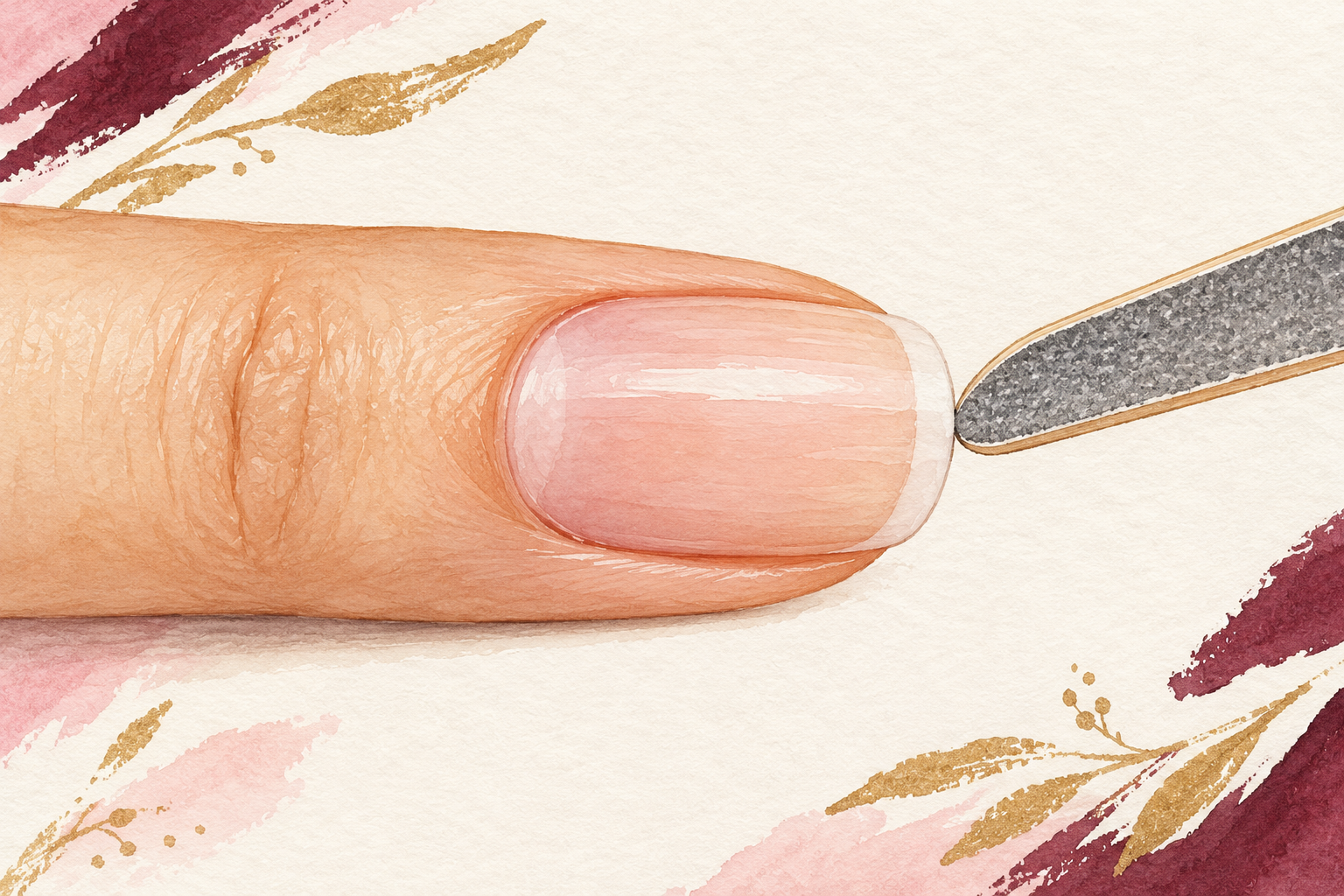
Glide a fine glass or soft file from the outer edge toward the middle, and never saw back and forth. Sawing tears the layers and leaves a rough edge that snags. Two or three light passes on each side is plenty. Do it after a shower when the nail is a little softer, and stop the moment the edge feels smooth. Keep a file in your bag to smooth snags before they tear. A smooth edge is the best insurance your length will ever have. Make sure the file is clean and dry, because a damp, dirty one drags on the nail and snags the layers.
11. Leave cuticles alone and take polish breaks
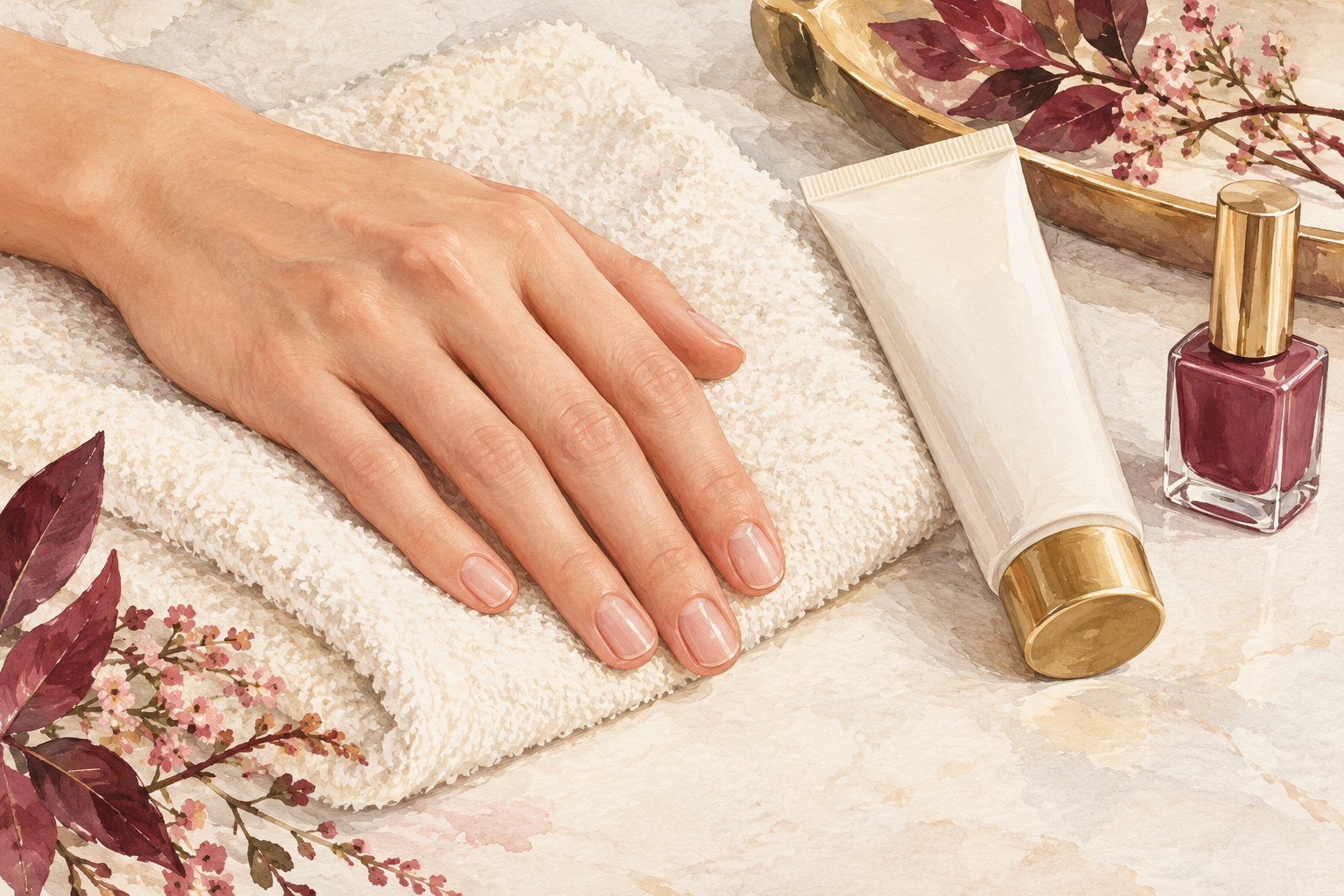
Never cut your cuticles, and go bare for a week after every three weeks of polish. The cuticle seals the root of your nail from germs, so cutting it invites trouble. Push it back softly after a shower, once a week. Polish and remover both dry the nail, and a break lets it recover and shine by itself. Use that week for extra cream and an early night. If peeling is a regular problem, a break of two weeks may suit you better. A clear, simple coat of cuticle oil in the evening gives the bare nail a pretty shine, so the break never feels dull.
12. Read the timeline at week one, four and eight
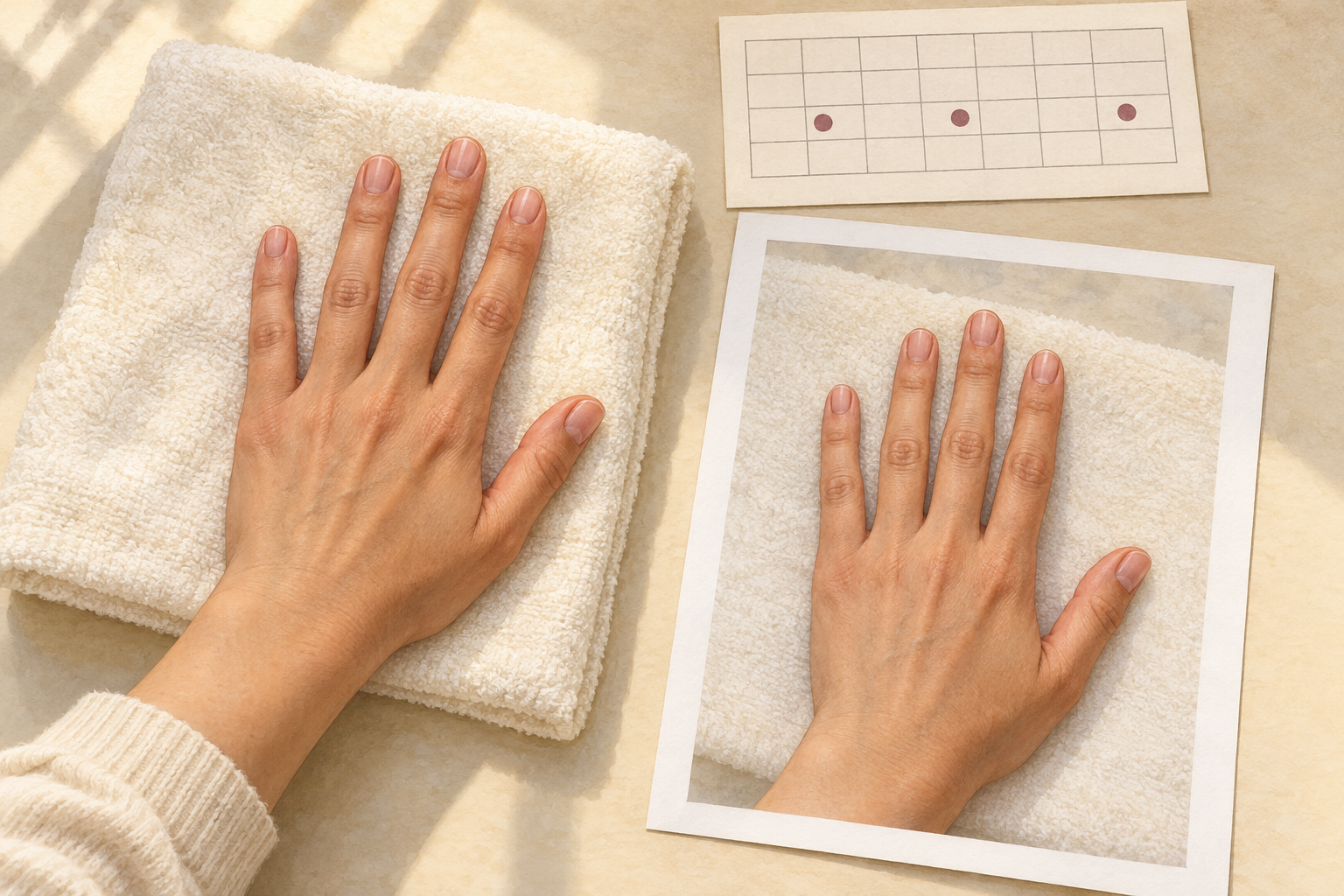
Expect softer skin at week one, fewer snags at week four, and visible length and strength by week eight. Compare your photos in the same light. If you slip for a day, carry on, because one bad day does not undo the weeks. If a nail changes color, lifts, or becomes painful, mention it when you next see your doctor. Otherwise, keep the habits steady and let time do its work. Pick three habits to master this month, such as gloves, cream and a gentle file, and add the others after that.
Complete the Routine: Your Natural Nail Growth Plan for Tonight
Tonight, hang up your gloves, find your hand cream and file any snags smooth. Small daily habits add up slowly, so try one more guide below this week and give each habit a few days.