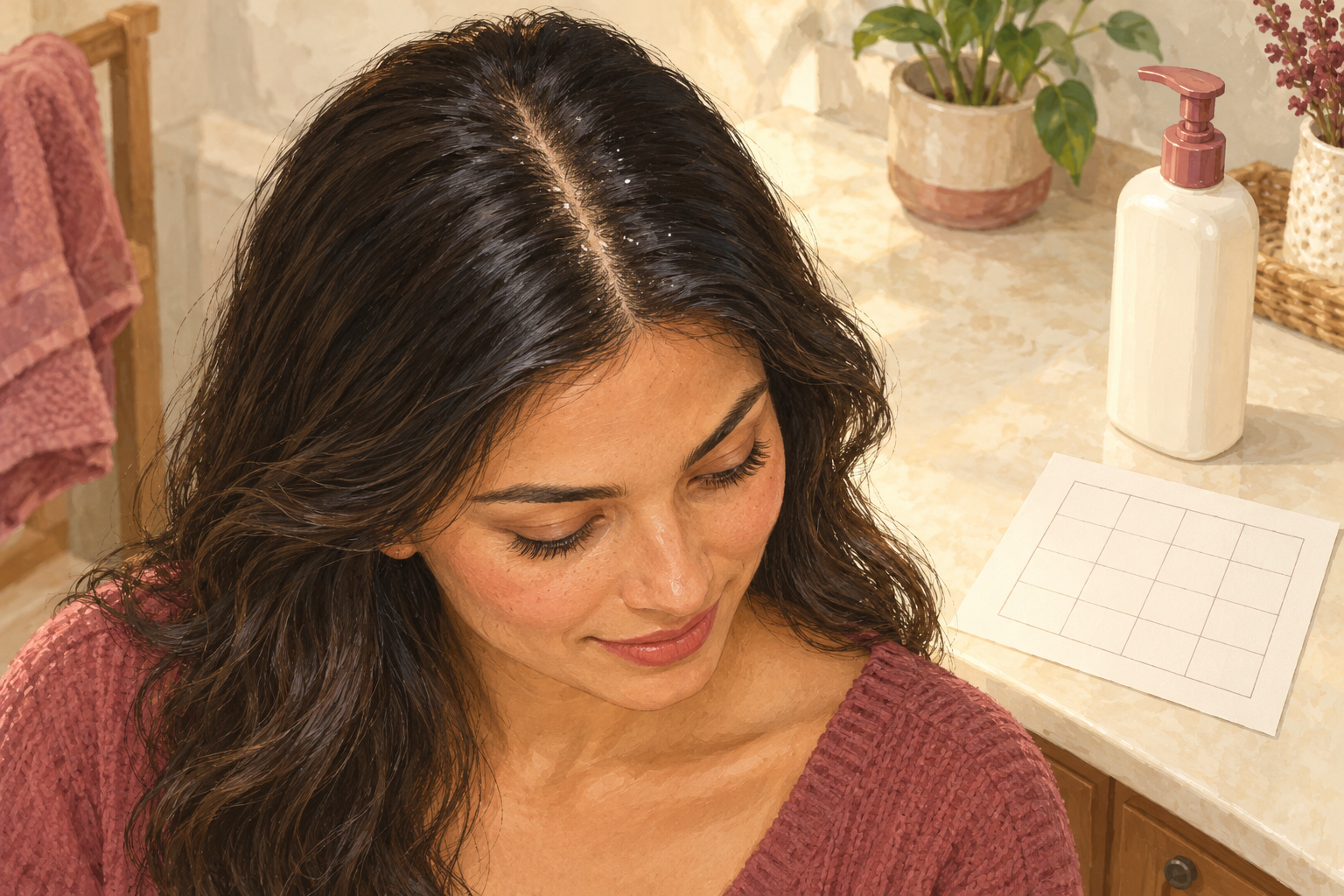
Your scalp itches all day, the flakes are thick and waxy, and brushing your shoulders has become part of getting dressed. You need a dandruff remedy severe flakes cannot ignore, and it starts with a steady plan. Here are 12 steps from the first shampoo to the backup plan, so start at number one tonight.
1. Know what severe looks like

Check your parting in daylight for thick, waxy or greasy flakes that return within a day of washing. Mild dandruff is a light dusting. Severe dandruff comes with daily itching, flakes that clump in patches, and a scalp that looks pink or shiny underneath. You may also find flakes in your eyebrows or behind your ears. Part your hair in four or five places and look in each one. Knowing how bad it really is stops you from jumping between quick fixes, and it tells you to treat this as a plan rather than a one night rescue. A dandruff remedy severe enough to work needs weeks, not days, so settle in.
2. Rule out dry scalp and build up
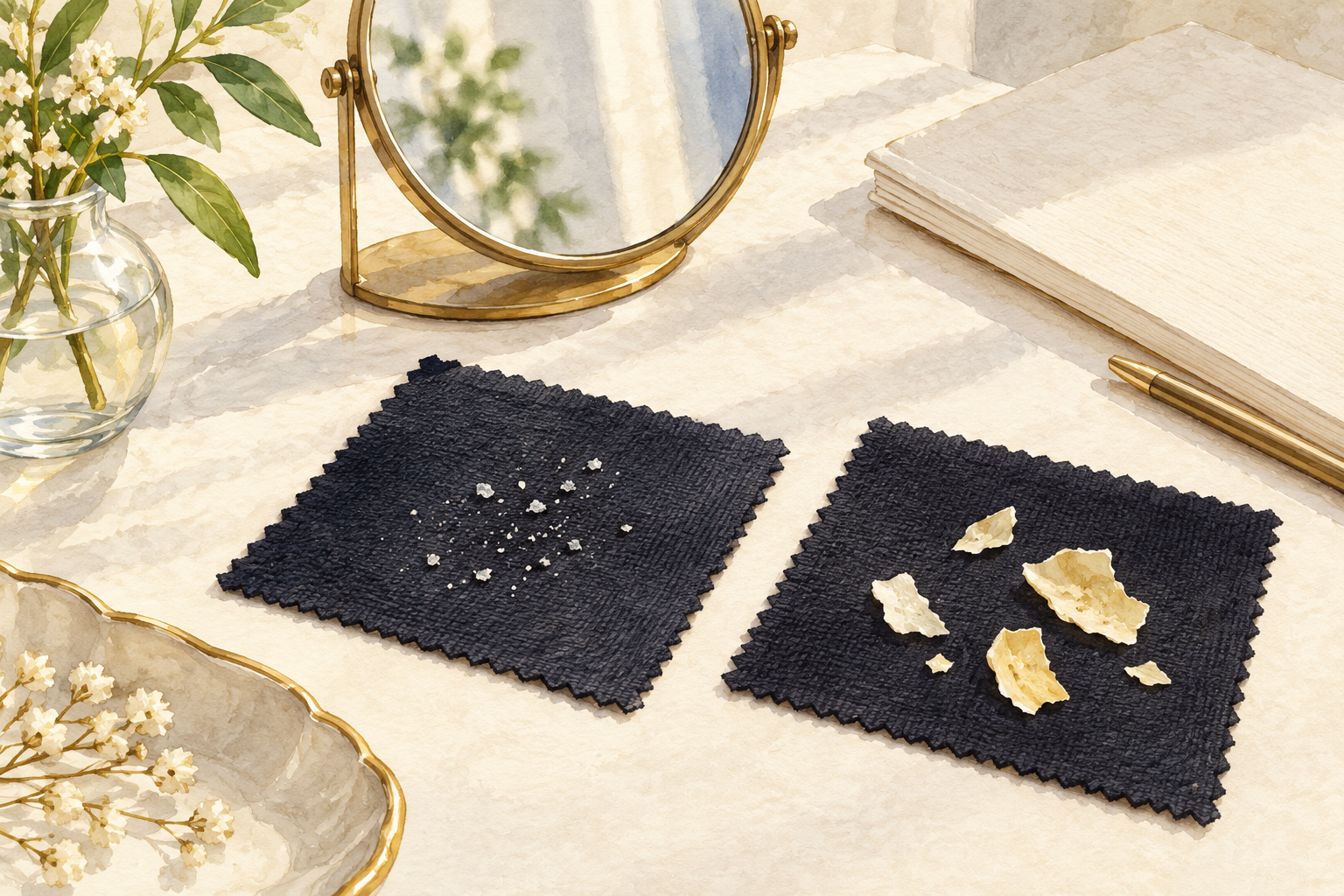
Do one clarifying wash first, then see what is left a week later. Dry scalp flakes are small, white and light, and your skin feels tight. Dandruff flakes are bigger, a little oily and often yellowish. Product build up looks like dandruff too, so shampoo twice in the same wash and skip hair spray and oils for seven days. If the flakes clear, you were treating the wrong thing. If they stay thick and the itch carries on, you have your answer and can move on with a clear head.
3. Track your triggers for two weeks

Write one line a day about your flakes, your stress, your sleep and anything new on your head. Many people find flares follow cold weather, a stressful week, skipped washes or a new styling product. Rate the itch from one to five and you will see a pattern by the second week. A tight hat or scarf that traps sweat against your scalp also feeds flakes. Once you spot your triggers, you can dodge them without extra effort. It costs nothing, and it often explains why the flakes came back after you had them nearly gone. Add the weather too, since dry winter air and heavy humid weeks both stir things up.
4. Pick an anti dandruff shampoo that fits your hair
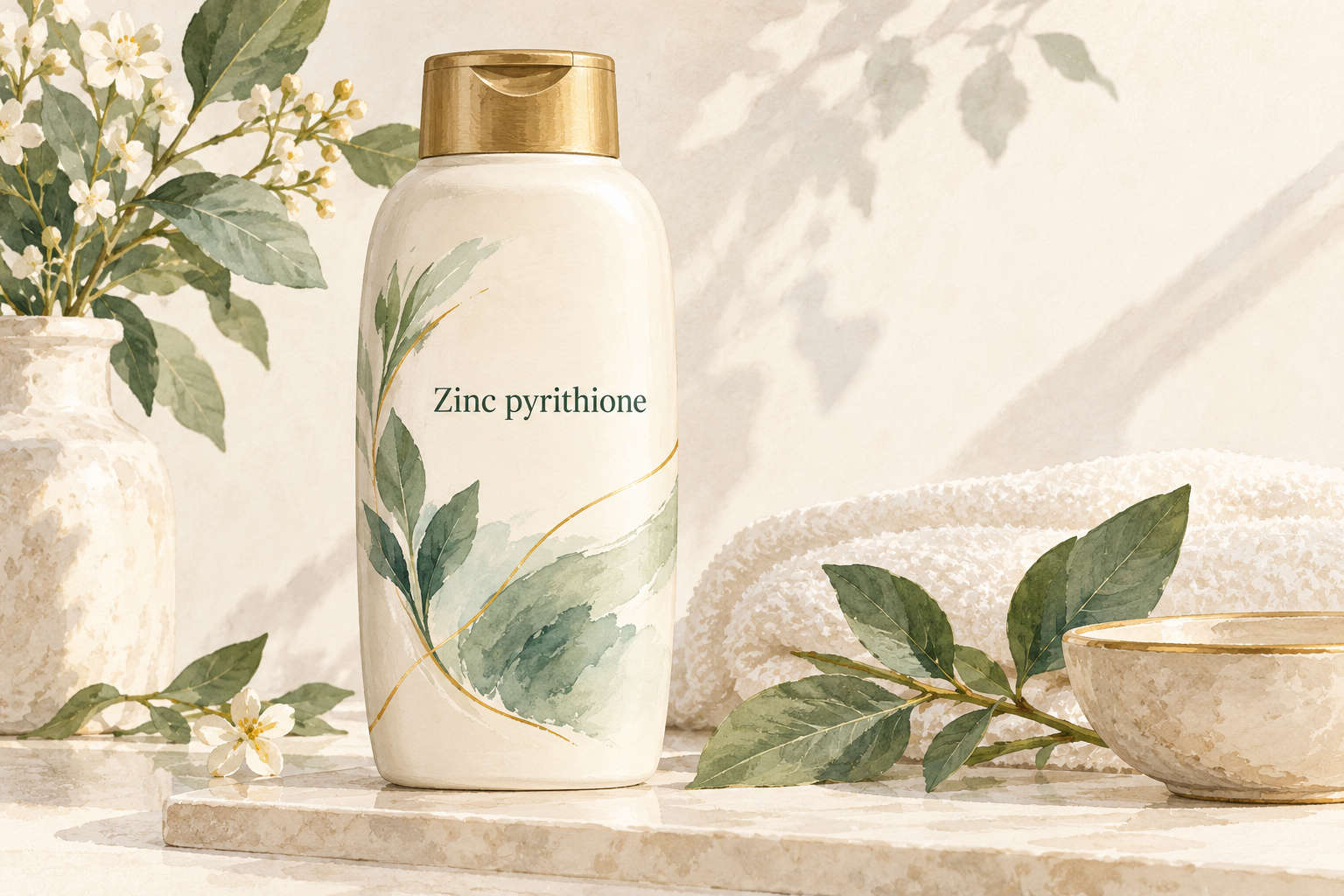
Turn the bottle around and look for zinc, salicylic acid, selenium or ketoconazole on the label. These are the active ingredients that go after the flakes and the yeast on your scalp that feeds them. Zinc is gentle and a good first try. Salicylic acid loosens thick scale. Ketoconazole is stronger and suits stubborn cases. If your hair is dry or curly, choose a formula that says moisturizing, and put conditioner on your lengths afterwards. Try one for four full weeks before you swap, because changing every wash tells you nothing. Wait for the bottle to run low before you judge it, and keep a note of how the itch feels after each wash.
5. Leave the lather on for the label time
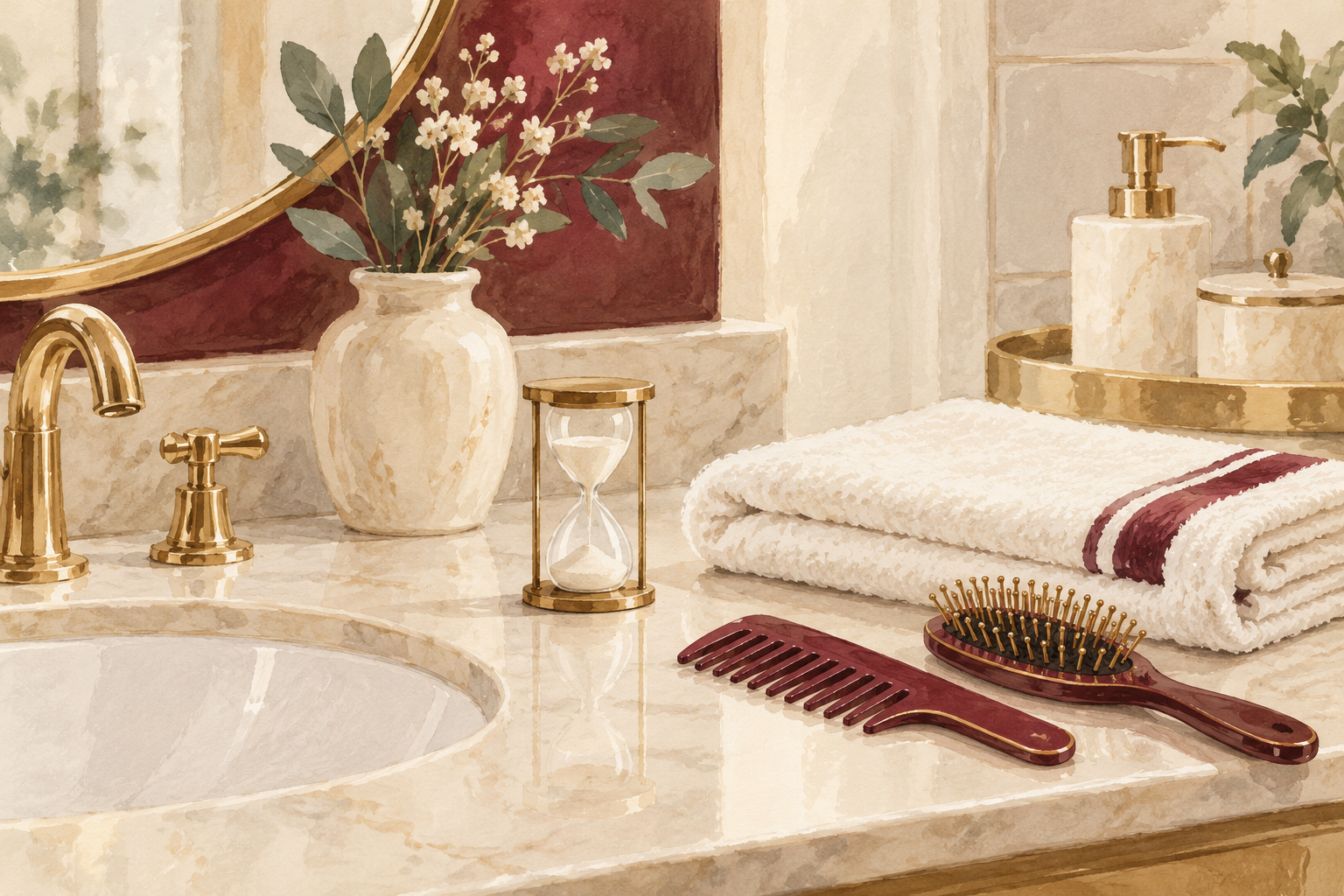
Work the shampoo into your scalp and leave it there for three to five minutes, or whatever the label says. Rinsing straight away washes off the ingredient before it can act. Set a timer and use that time to wash your body. Massage with the pads of your fingers, never your nails, and cover the nape, behind the ears and the hairline, where flakes love to gather. Keep the foam off your lengths if you can, because it dries them. Then rinse for longer than feels needed, until the water runs completely clear. A second, shorter lather afterwards with your normal shampoo is fine if your hair feels coated.
6. Set a wash rhythm you can keep

Use the medicated shampoo two or three times a week for the first month, with a gentle shampoo on the other wash days. After four weeks, cut back to once a week to keep the flakes away. Sticking to the rhythm matters more than the brand of anything. Skipping washes lets the oil and flakes pile up, then you scratch and make it angrier. Mark the days on your phone so you do not drift. If your hair is very dry, space the washes out and let the shampoo sit only on the scalp. Slow and steady beats scrubbing daily, and your scalp will thank you by the end of the month.
7. Loosen thick scale gently
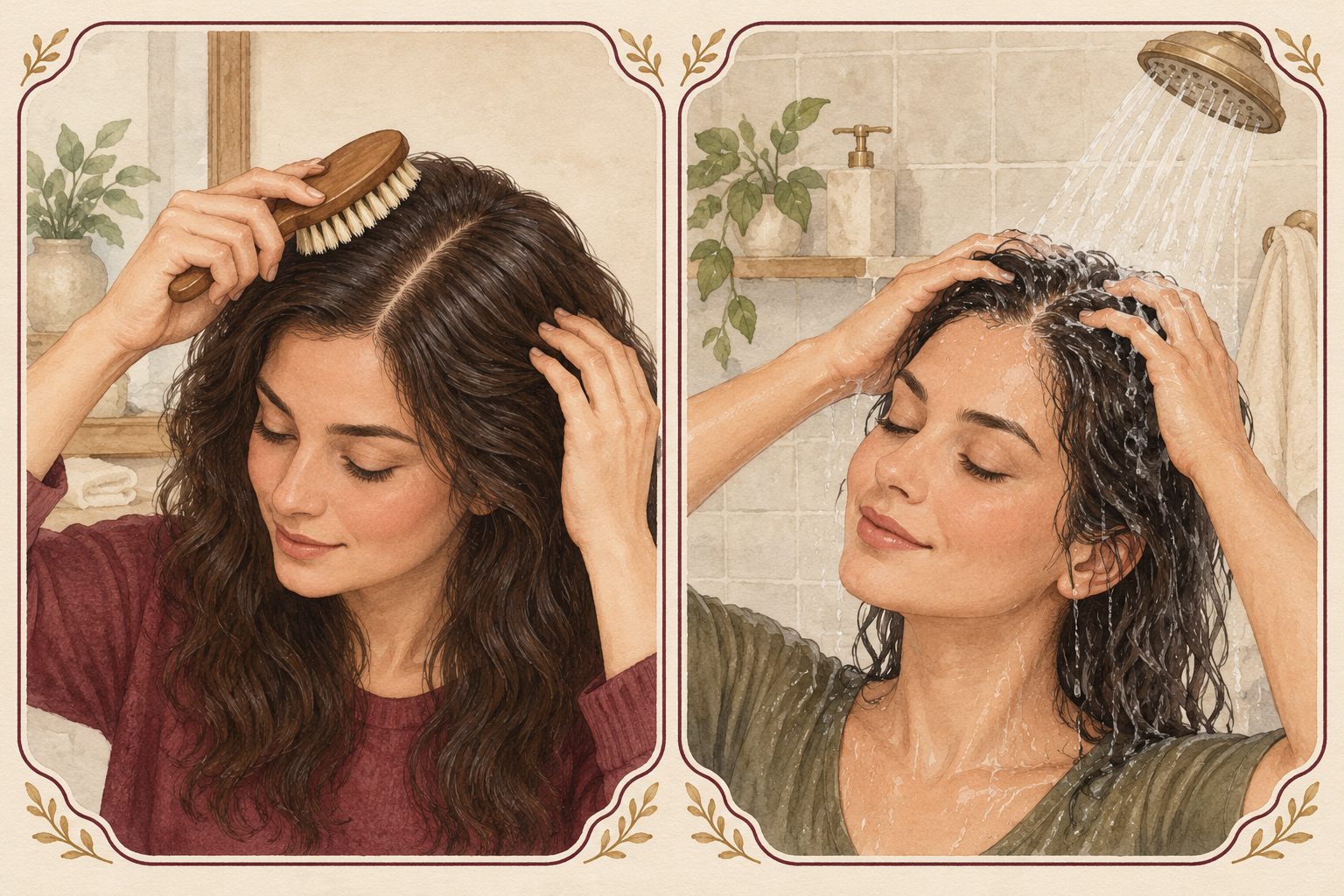
Brush dry hair with a soft brush for two minutes before you wash, then massage the scale with wet fingertips under lukewarm water. The thick patches lift off in soft sheets when they are wet and warm. Never pick or peel them, because that leaves small raw spots that sting in the next wash. Go section by section and stop if a spot feels sore. Do this on the days you use your medicated shampoo, so the active ingredient reaches skin instead of old scale. A few minutes of patient loosening beats ten minutes of scratching. If a patch will not budge, leave it for the next wash and try again, because forcing it only makes the spot redder.
8. Rinse well and keep the water lukewarm

Rinse for a full minute with water that feels only comfortably warm on your wrist. Hot water strips the scalp and brings the itch back an hour later. Leftover shampoo and conditioner can leave a film that flakes too, so rinse the nape and behind the ears twice. Finish with a cooler splash to calm the skin, and pat dry with a clean towel instead of rubbing. If you use conditioner, keep it on the lengths and off the scalp. Hot showers feel lovely, so wash your body hot and your hair last, under water that is only warm.
9. Skip lemon, neat vinegar and baking soda

Keep lemon juice, undiluted vinegar and baking soda away from your scalp. They sound natural, but they burn and dry raw skin, and a stripped scalp makes more flakes, not fewer. Severe dandruff already means the skin is irritated, so it needs calm and not a kitchen experiment. If you want something soothing, a thin layer of plain aloe gel on a damp scalp for fifteen minutes is kinder. Patch test it on your inner arm first and stop if it stings. Gentle and slow works better than fast and red. If your scalp already feels raw, give it a few days of plain water and a mild shampoo before anything else.
10. Swap scratching for cleaner habits

Press an itchy spot with a flat fingertip instead of scratching, and wash your pillowcase, hats and brush every week. Scratching feels good for ten seconds and leaves tiny scrapes that sting. Old oil and flakes sit in pillowcases and brushes, then go straight back onto freshly washed hair. Soak the brush in warm soapy water and let it dry bristles down. Keep nails short and put a cool damp cloth on a bad itch while you wait for it to pass. Do not pile thick oils on flaky skin, because they trap the flakes.
11. Read your progress at week one, four and eight
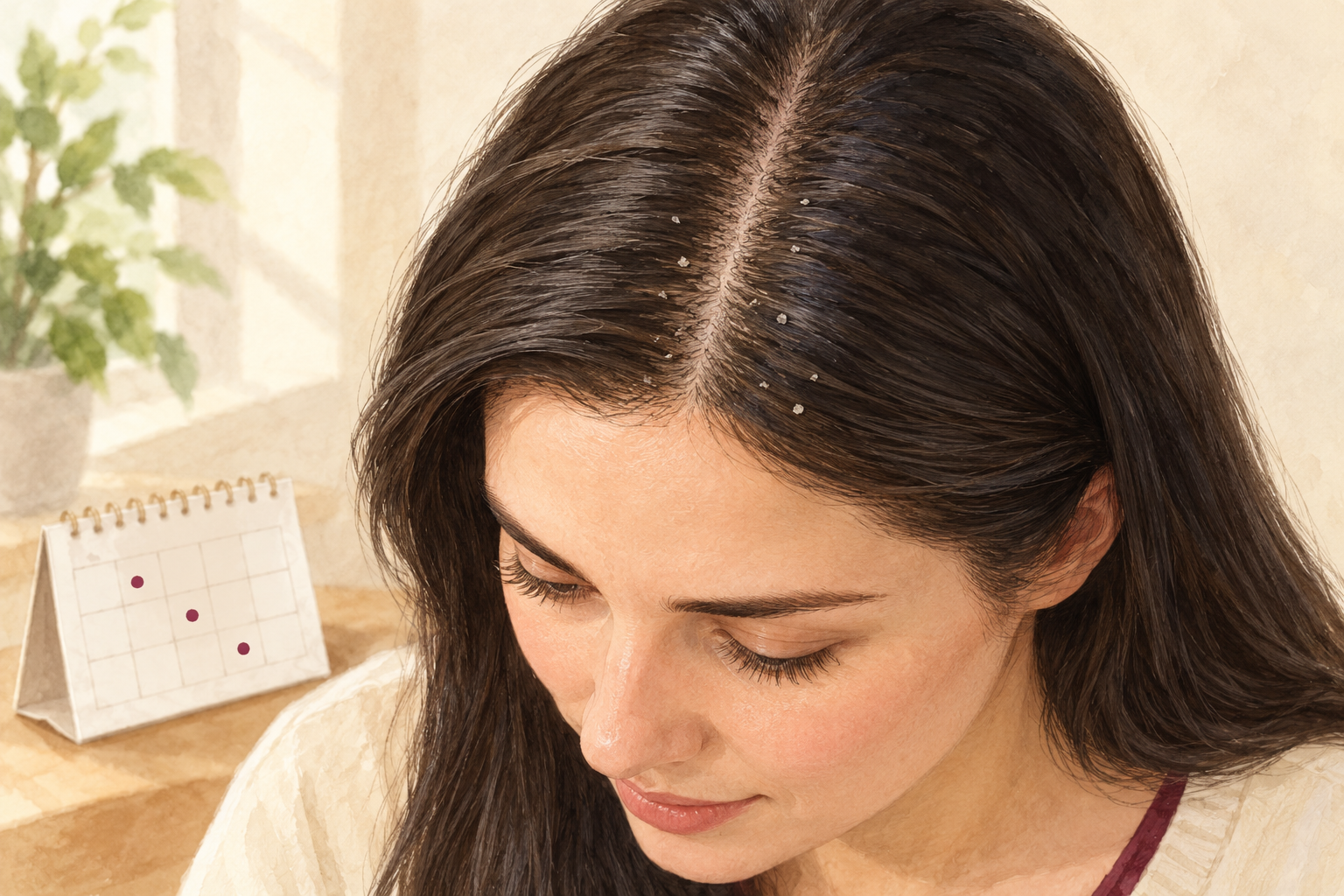
Take a photo of the same parting today and again at weeks one, four and eight. By week one you may notice less itching between washes. By week four the flakes are smaller and fewer, and your shoulders are clearer after a wash day. By week eight a good plan should leave the flakes light or gone, and you can cut back to a once a week wash. Scalp skin renews slowly, so a bad day in week three does not mean it failed. Use the same light each time so the comparison is fair. Keep washing on schedule even when it looks better, or the flakes will creep back within a fortnight.
12. Know when to step back

If week four looks the same as day one, go back to basics and use the plain shampoo and soft brush routine for a week. Then restart one step at a time. You may have been using too much, switching too often or washing with water that is too hot. If your scalp is raw, oozing or spreading to your face, it is time to see your doctor before you try anything stronger. Do not stack three medicated shampoos together, because that only dries the skin. Patience and a calmer scalp get you further than any single product. A dandruff remedy severe cases respond to is usually the plain one, done every week without skipping.
Complete the Routine: A Dandruff Remedy Severe Cases Respond To
Tonight, do number 5 with your next wash and set your two week tracker going. For more help, read about dandruff home remedies and how to choose an anti dandruff shampoo.