You crack an egg into a bowl and hope your kitchen can do what a jar of mask never has, then your hair comes out either silky or stiff as straw. An egg hair mask for damaged hair helps some heads and backfires on others. These are 12 rules for mixing, timing and the cold rinse, so start at number one tonight.
1. Set out your kit and patch test first
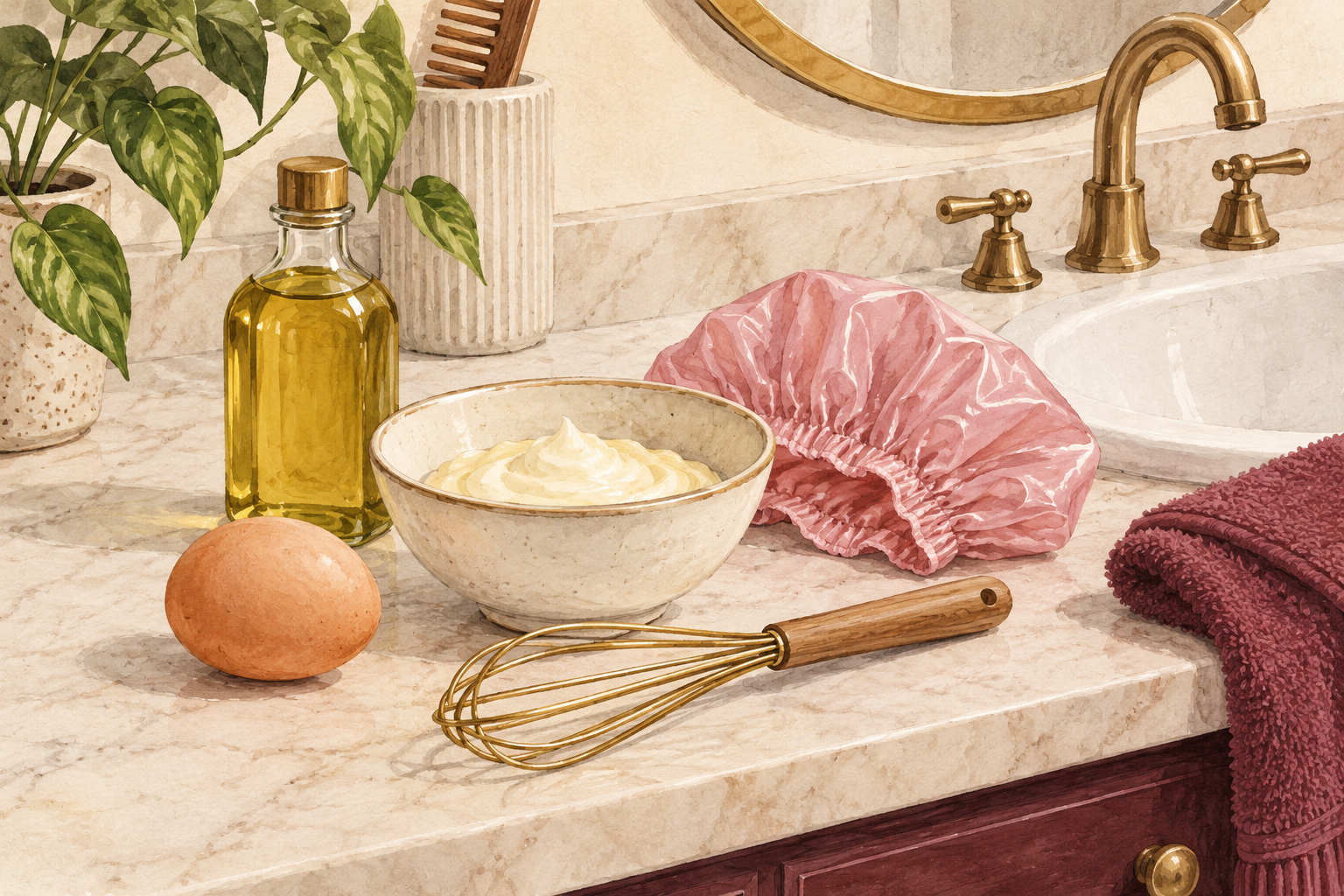
Dab a little of the whisked egg on your inner wrist and wait a full day before it goes near your head. If you see redness, itching or swelling, stop there. Anyone with an egg allergy should skip this mask completely. Lay out one fresh egg, a tablespoon of plain oil, a bowl, a whisk, a shower cap and an old towel for your shoulders. Raw egg carries germs, so wash the bowl, the whisk and your hands in hot soapy water straight after. Keep it off a scalp that is cut, sore or scratched. Do the wrist test the day before wash day so the answer is ready when you are.
2. Stretch a strand to see if protein suits you

Pull one wet strand gently between your fingers and watch what it does. If it stretches a long way, feels gummy and does not spring back, your hair is short on strength and a little protein may help. If it feels dry, stiff and snaps quickly, it already has plenty of protein and wants moisture. That second kind is the hair an egg turns brittle. Test one strand from the crown and one from the ends, because the ends are usually weaker. When you cannot decide, choose moisture first and come back to the egg later. Do this on clean, bare hair, since product on the strand changes how it stretches.
3. Start with the gentle yolk mask
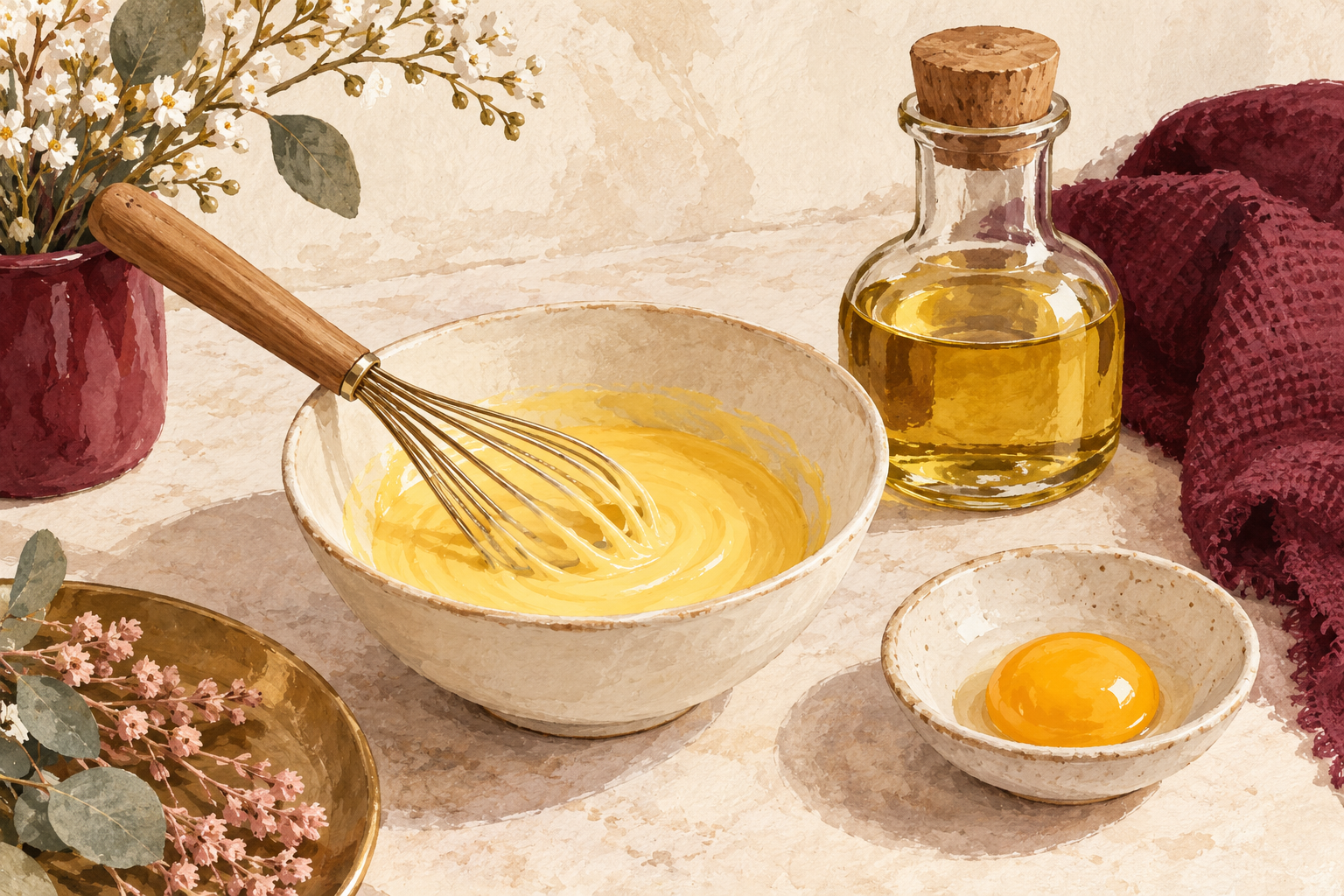
Whisk one egg yolk with a tablespoon of plain oil, such as olive or coconut, and use this before anything stronger. The yolk carries more fat than protein, so it feels rich on dry ends and is less likely to leave hair stiff. Whisk for a full minute until it looks like thin custard with no streaks. This amount covers shoulder length hair, and you can double it for long hair. Smooth it onto damp hair and see how your strands feel after the first wash before you try the whole egg. Add a few drops of water if the mix feels too thick to spread.
4. Move up to the whole egg

Whisk one whole egg with a tablespoon of oil once the yolk mask has felt kind to your hair. The white is the protein heavy part, so this version gives a firmer, thicker feel after rinsing. Beat it until no stringy clear bits are left, since lumps of white are hard to comb out later. One egg is plenty for shoulder length hair, and two suit hair past the bra strap. Notice how the lengths feel once dry. Soft with a little bounce means you are in the right place. A pourable mix spreads far better than a thin, runny one.
5. Use the white alone only for limp, stretchy hair

Keep the white for hair that stretches and feels weak, and use it on the lengths only. Whisk one egg white with a teaspoon of oil and leave it on for ten minutes, not twenty. The white is the strongest part of the egg, so it is also the part most likely to make hair rough and straw like. If your hair is fine and goes flat easily, this version can give a little body. Skip it completely if your strands already feel crunchy or snap when you bend them. Rinse earlier rather than later if your scalp starts to feel tight.
6. Apply in sections from mid lengths to ends
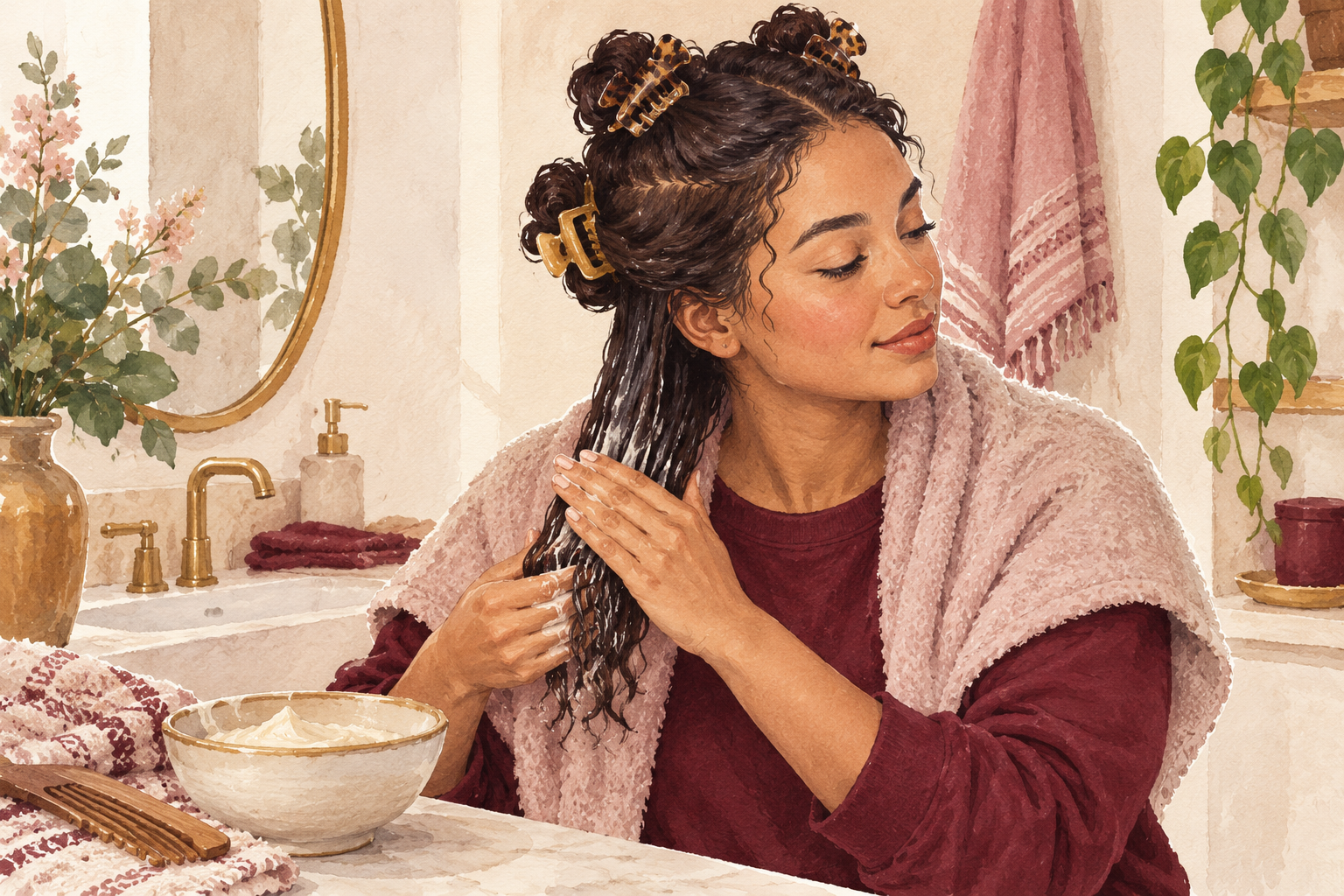
Work on damp hair in four sections, smoothing the mask from the middle of each section down to the tips. The ends are the driest and oldest part, so they get the most. Keep the mask off an itchy or sensitive scalp, and use your fingers or a wide tooth comb to spread it evenly. Twist each section up loosely once it is coated. Drape the old towel over your shoulders first, because raw egg drips down the neck and the back. Damp hair takes it up better than dry hair. Squeeze each section once with your fingers to push the mask right into the tips.
7. Set a timer for 15 to 20 minutes

Cover your hair with a loose shower cap and leave the mask on for 15 to 20 minutes, no longer. Egg dries as it sits, and dried egg stiffens on the strand instead of softening it. A warm towel over the cap keeps the mix from crusting. Use the time to read or answer messages, and do not test how long you can stand it. If the mask feels tight and dry before the timer rings, rinse early. Longer never means stronger, and it just makes the rinse harder. Hair that feels soft and slightly heavy when the timer rings is just right.
8. Rinse cold, then shampoo
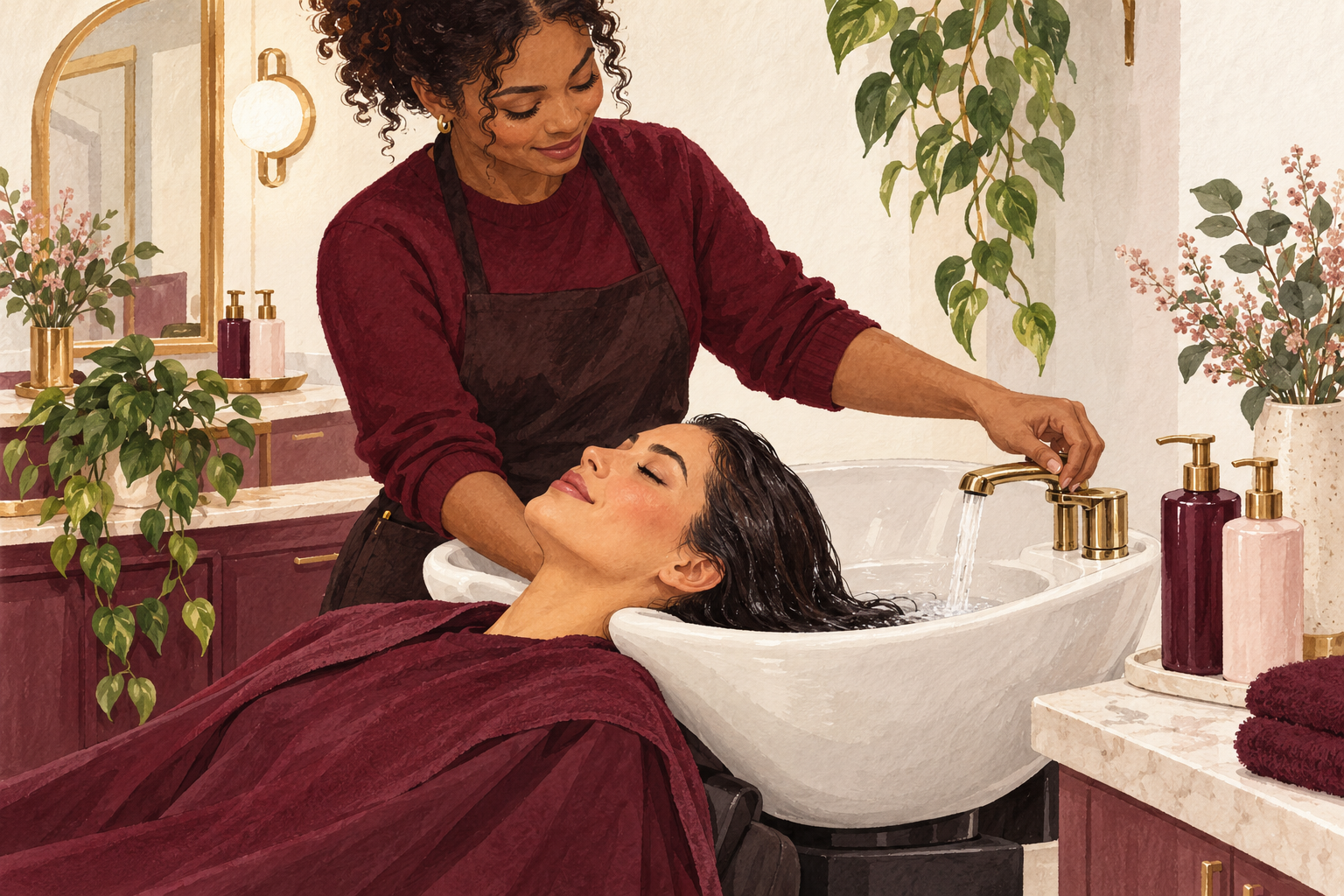
Rinse with cool water first, and never hot or even warm. Heat cooks the egg into scrambled bits that cling to your hair and are a nightmare to pick out. Run your fingers through each section under the stream until the water runs clear, then shampoo once and follow with a light conditioner on the ends. If you still smell egg when your hair is damp, rinse again with cool water. This cold rinse rule matters as much as the mix, and it is where an egg hair mask for damaged hair often goes wrong. Comb gently from the ends up while the water runs, so no flecks stay trapped.
9. Swap in softer extras for dry ends
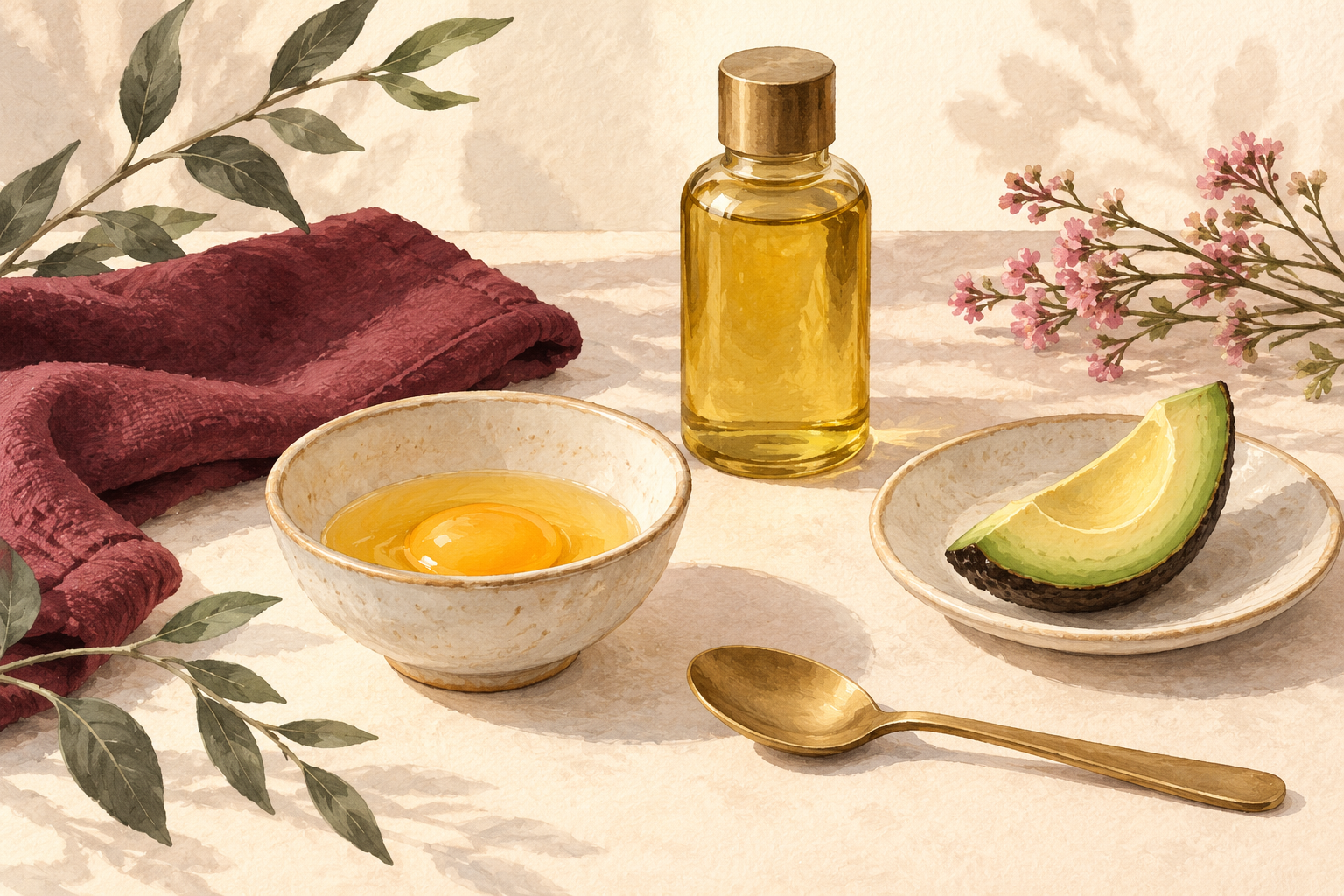
Stir one tablespoon of plain yogurt or a quarter of a mashed ripe avocado into the yolk mask when your ends feel rough. Both add a creamy slip that makes the mask easier to spread and easier to rinse. Mash the avocado until no lumps are left, or they will hide in your hair for days. Skip the yogurt if dairy bothers your skin. Keep the recipe to three ingredients at most, because every extra one is something else your skin can react to. Mix it fresh each time and throw away what is left.
10. Stop at once every two weeks

Use the mask once, wait two weeks and judge your hair before you do it again. Protein builds up on the strand, and too much leaves hair stiff, straw like and snappy. If your hair feels rougher or breaks more after a mask, drop the egg for a month and use a moisture mask instead. Write the date on your phone so you do not repeat it too soon. Think of the egg as a treat for a soft, flat head of hair and not a weekly habit. Mark the next date in pencil so you are not guessing.
11. Spot the signs it has gone too far
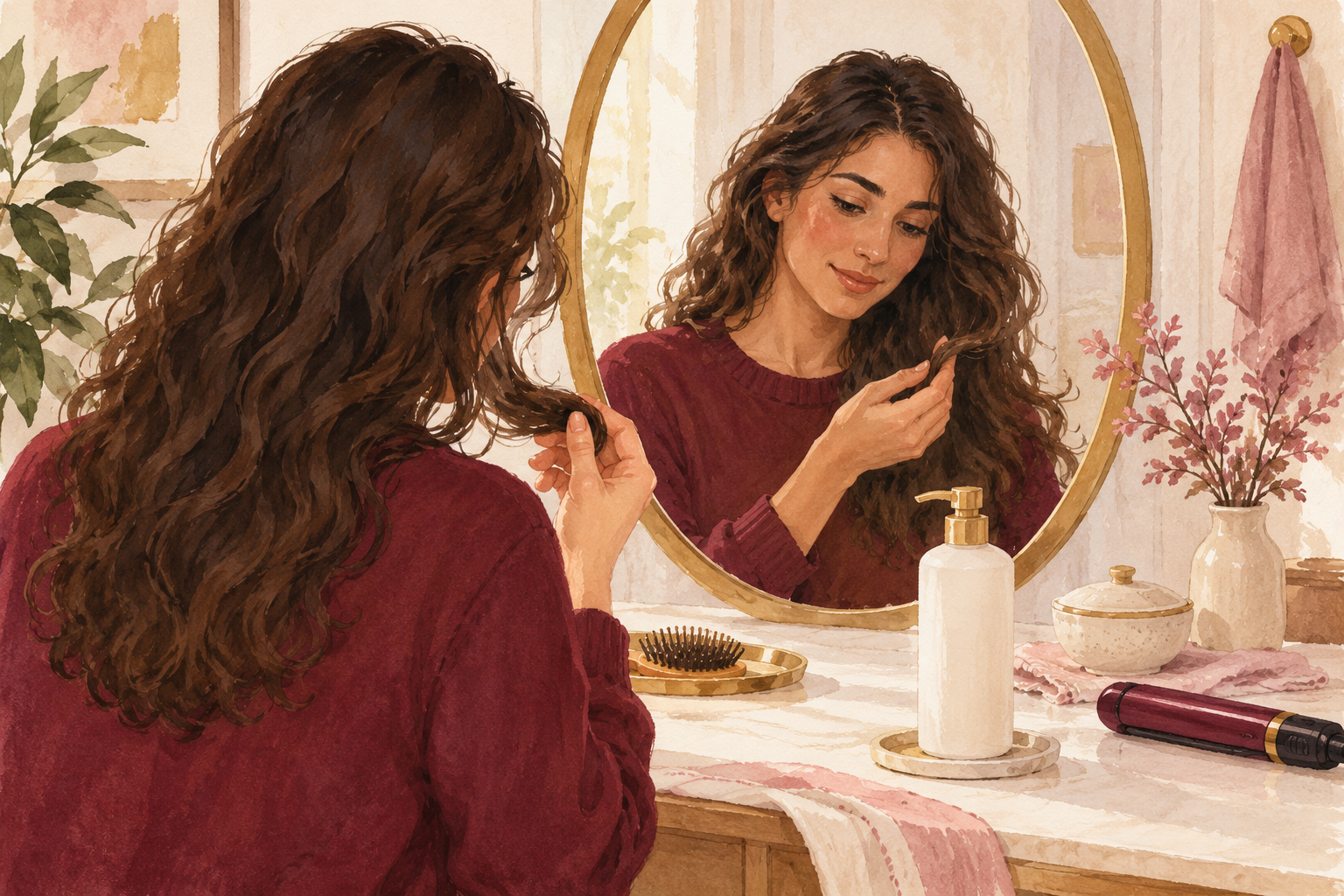
Watch for hair that feels crunchy, looks dull and snaps when you comb it. Those are the signs of too much protein, and the cure is to stop the egg and put moisture back. Leave a plain conditioner on damp hair for ten minutes, twice a week, until it bends and springs again. Do not add more egg to fix brittle hair, because that only makes it worse. Most people feel the change within two or three washes, and the hair usually turns soft again after a week or so. Skip heat styling for a week while the strands recover.
12. Expect softer feel, not a repair

Look for hair that feels smoother and slightly thicker for a wash or two, and nothing more dramatic. An egg coats the outside of the strand, so it cannot mend split ends or undo bleach and heat damage. After the first mask your hair may feel fuller. By week four you will know if your hair likes protein, and by week eight the real change comes from a trim, lower heat and gentle combing. Pair the mask with those habits and keep your hopes small. Photograph your ends in the same light each month to see the difference.
Complete the Routine: Egg Hair Mask for Damaged Hair This Weekend
This weekend, do the wrist test, whisk one yolk with a spoon of oil and keep cool water ready for the rinse. For more ways to treat dry, rough ends, read about a hair mask for damaged hair and damaged hair repair.