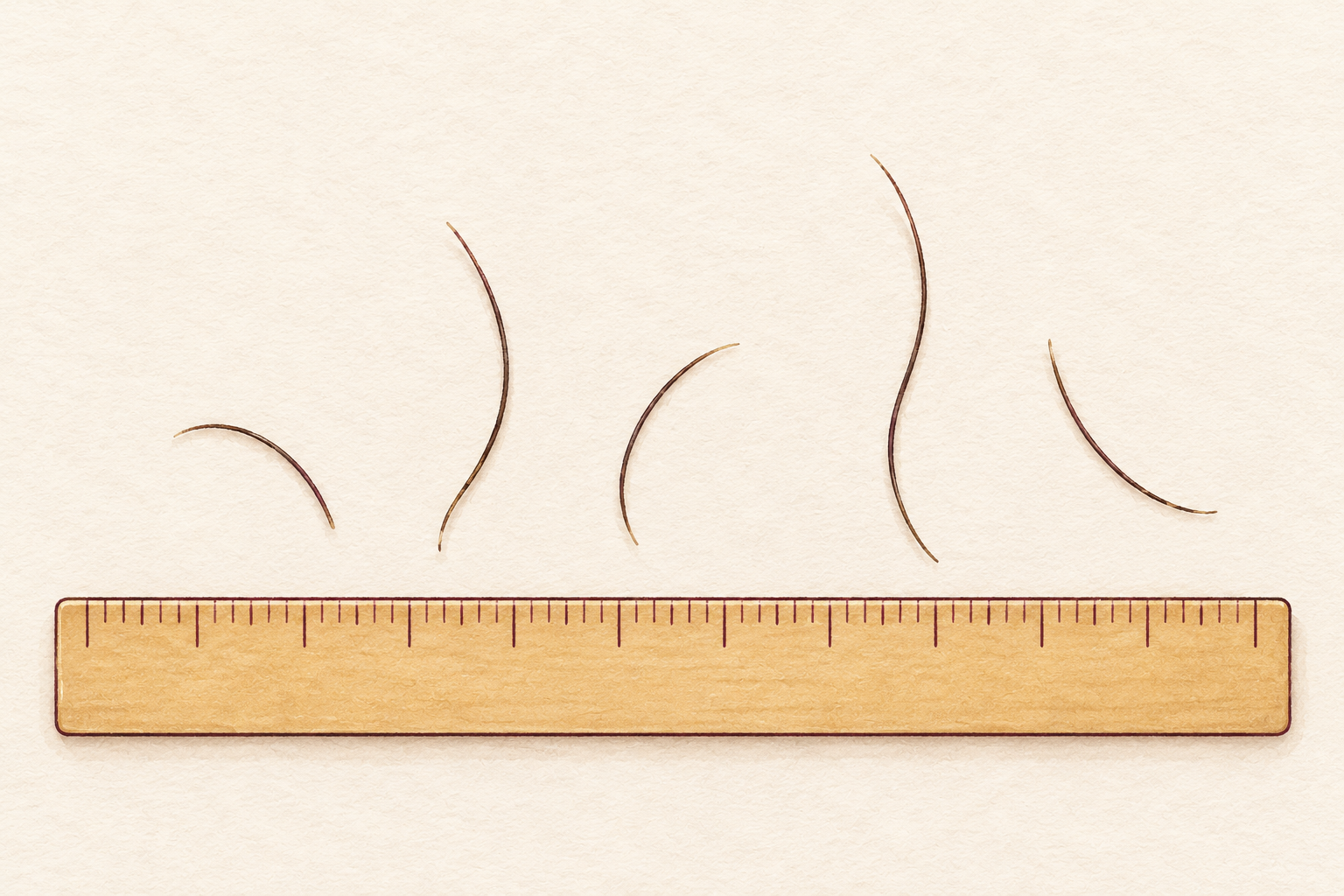
You run your fingers through your hair in the shower and pull out a thick clump. The brush is full, there are strands on your pillow and shoulders, and your baby is only a few months old. Postpartum hair shedding is startling when you are already tired. Here are 12 calm steps and a timeline, so start at number one tonight.
1. Tell shedding from breakage
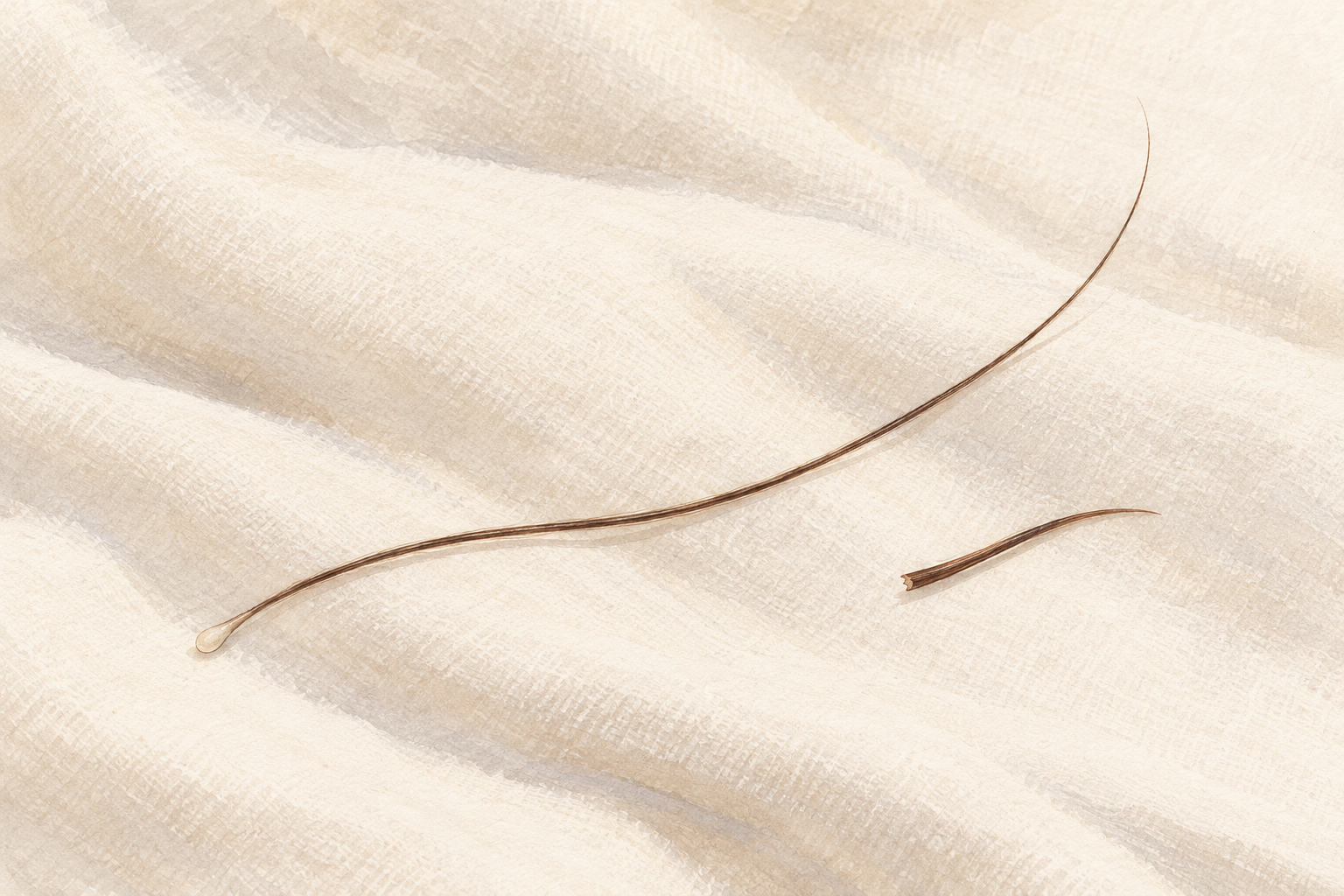
Pick up a fallen hair and look at both ends. Shedding hairs come out whole, at full length, with a tiny white bulb on one end, because they left from the root. Breakage looks like short snapped pieces with no bulb. Postpartum hair shedding is old hair leaving on a schedule set by your hormones, so it is not damage and no mask will stop it. Knowing the difference stops you from blaming your shampoo or your brush. Collect a few strands on a white towel and check them in daylight. If most strands have the bulb, you can relax, because that is the shedding pattern.
2. Know why it happens and what counts as a lot
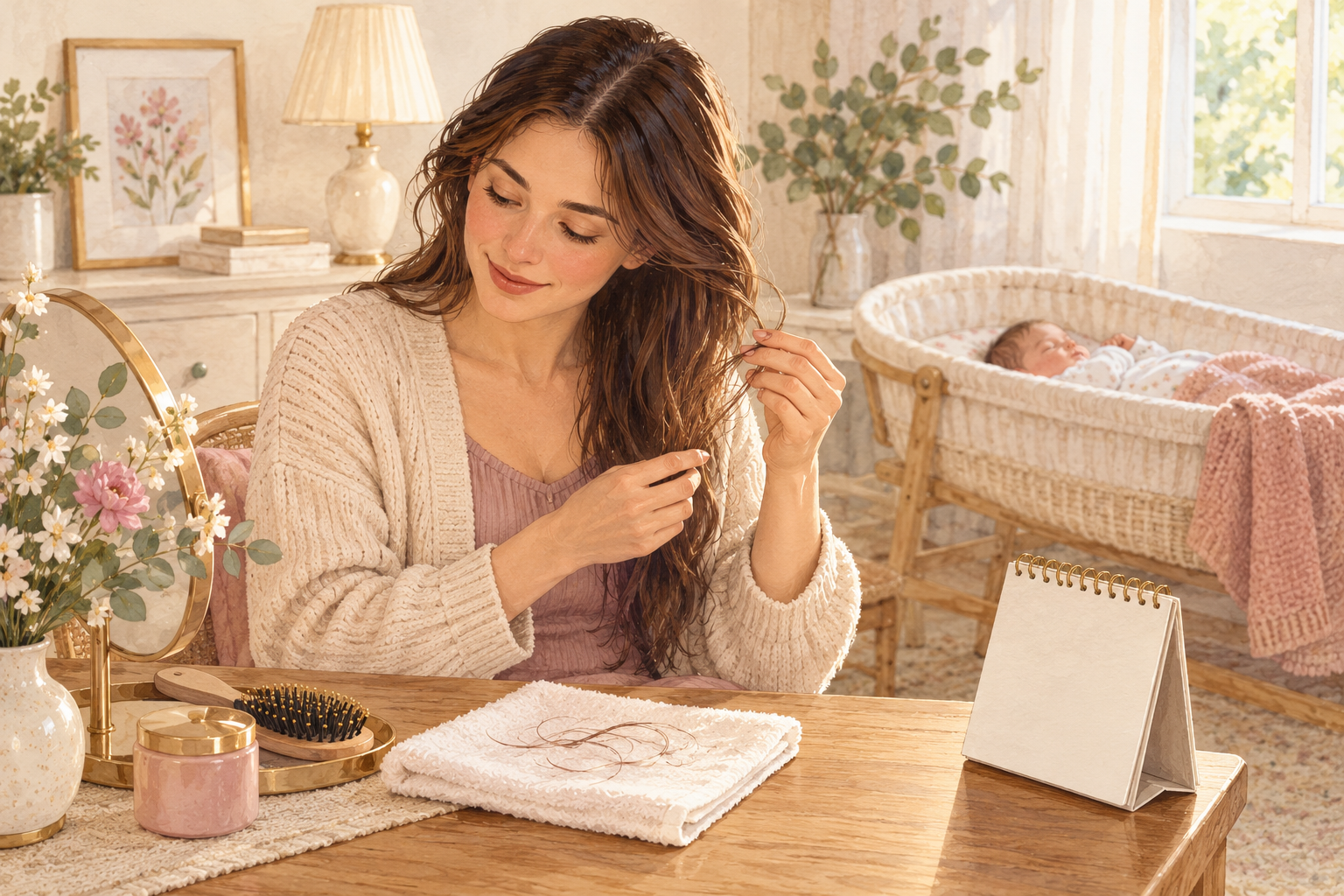
Remember that pregnancy keeps extra hairs growing, and after birth they all rest and fall together. Hormone levels were high while you carried your baby, so fewer hairs shed. When they drop, months of held back hair let go at once. Normal shedding is up to about a hundred hairs a day, and this is well beyond that, so large clumps in the shower are expected. Counting each strand only stresses you out. Watch the overall trend from month to month instead, and a little less each month is a good sign. Be kind to yourself, because lack of sleep makes everything look worse in the mirror.
3. Check the front, the sides and the parting

Look at your temples, your hairline and your parting, because they thin first. The hair there is finer, so the change shows sooner. Your ponytail may feel thinner than before and your parting may look wider. Short upright hairs along the front are regrowth, even though they look untidy. These flyaways are easy to mistake for breakage, but they are new hair on the way. Take one photo a month in the same light and the same spot, so you can see real change instead of guessing. Flip your parting to the other side for a day and the thin spot hides at once.
4. Expect it to start around month three
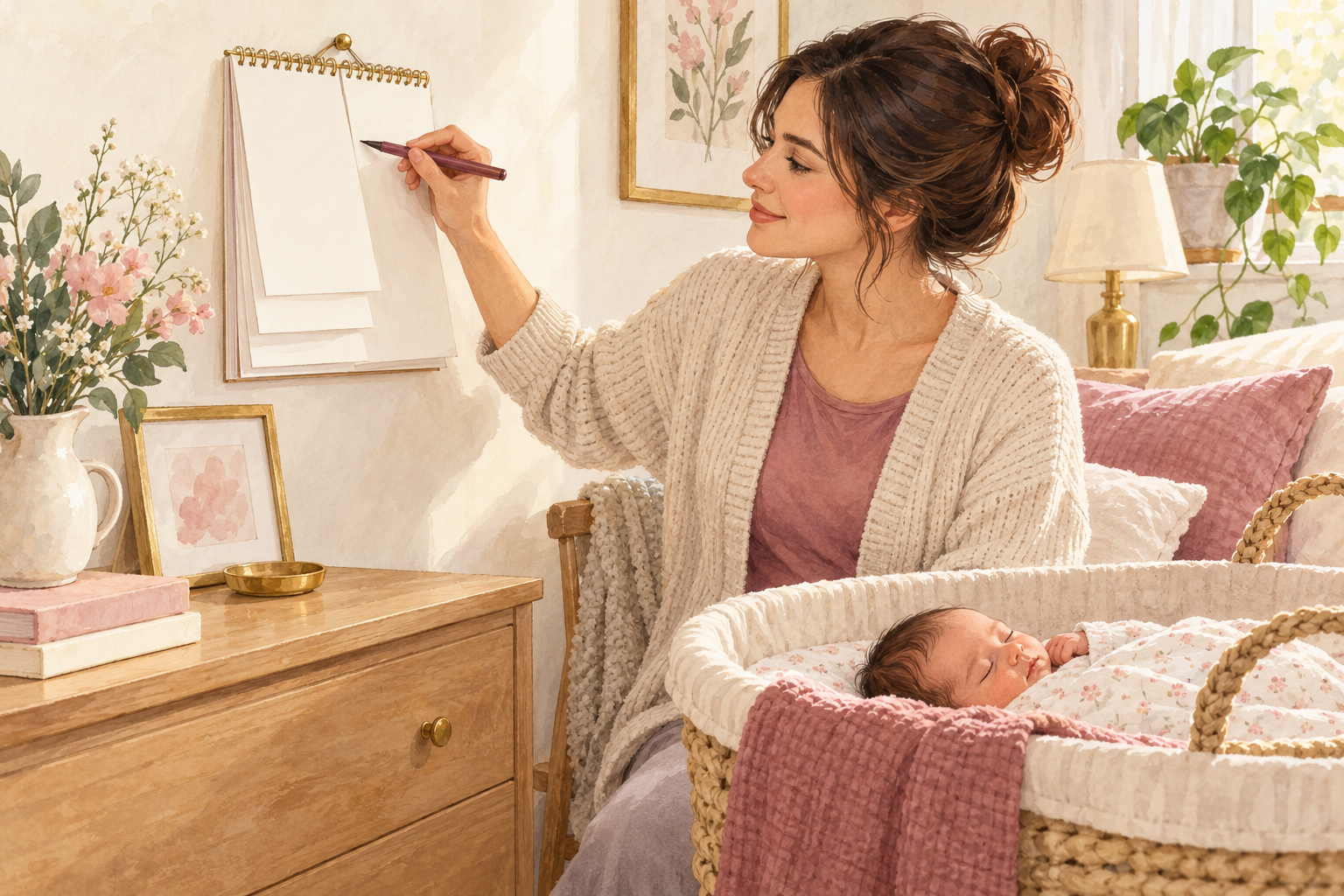
Mark roughly three months after your baby was born as the time shedding usually begins. It rarely starts right away, which is why it catches people off guard. By then life is busy and you have forgotten about the hormone drop, so it feels like it came from nowhere. The pattern is similar whether you are breastfeeding or not. Knowing it is coming helps you stay calm. Write the date on your phone, so when the clumps arrive you can tell yourself this is exactly on time. Do not be alarmed if it comes a little earlier or later, since every body keeps its own calendar.
5. Know what month 3, 6 and 12 look like

Picture month three as the heavy start, month six as the easing and month twelve as the comeback. At month three the clumps may be large. By about month six they should get smaller, and by your baby’s first birthday most hair looks full again. A few people end up slightly thinner than before pregnancy, so no one can promise it returns exactly as it was. Heavy shedding that is still going at month nine deserves a closer look, so keep your photos handy. Keep the photos in one folder so you can flick through them on a gloomy day.
6. Watch the regrowth, not the drain
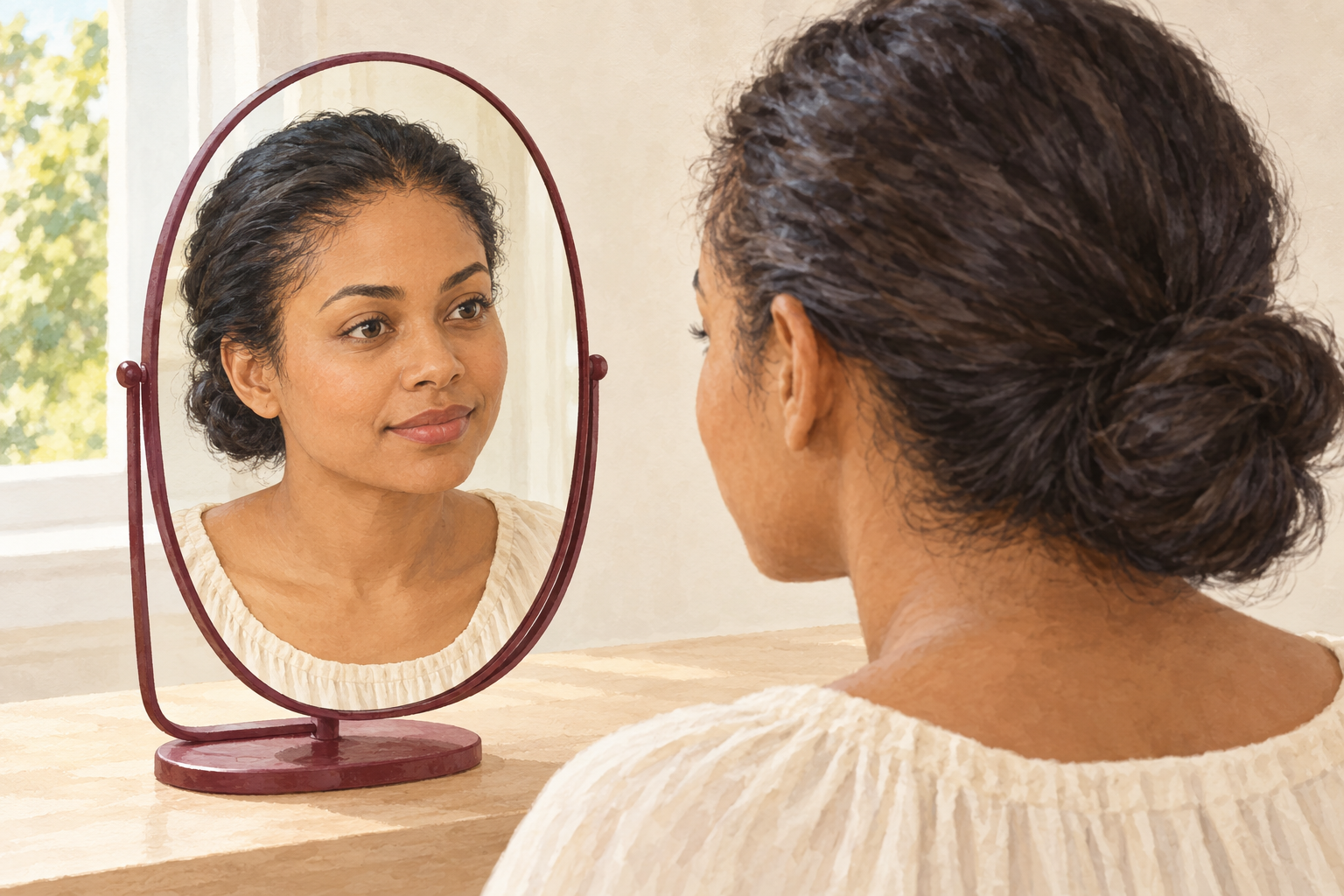
Check your parting once a month instead of staring at the drain every day. New hairs start growing while the old ones fall, so you are not starting from zero. You may see short new hairs along your hairline within a few months. They grow slowly, about half an inch a month, so full length takes a long time to return. Looking at the drain daily only keeps you worried. Run a fingertip along your hairline and feel for the fuzzy baby hairs that tell you the cycle has turned. A gentle minute of scalp massage with clean fingertips in the shower feels lovely, though it will not speed anything up.
7. Swap tight styles for loose ones
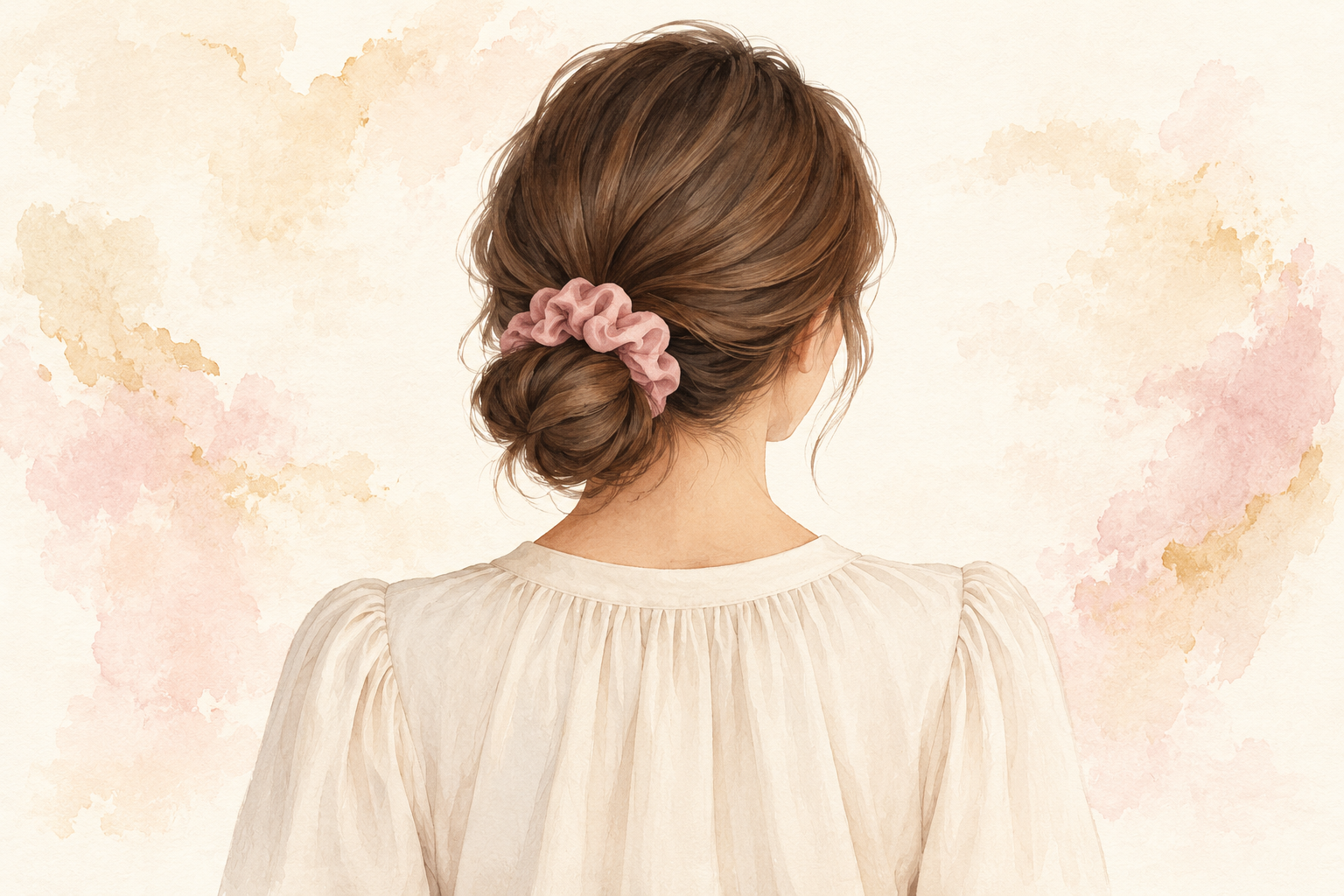
Replace tight ponytails and braids with a soft scrunchie, a loose low bun or hair worn down. Thin new hair around the hairline is the first to snap under tension. Take your hair down at night, and sleep with it loose or in one soft braid. Sleeping on a silk or satin pillowcase cuts friction too. If a style pulls at your temples, it is too tight, so loosen it. Hairpins and metal clips with sharp edges are worth leaving in the drawer for now. A silk scrunchie is the kindest of all, and a plain spiral band is a good second.
8. Wash with a light shampoo and a light conditioner
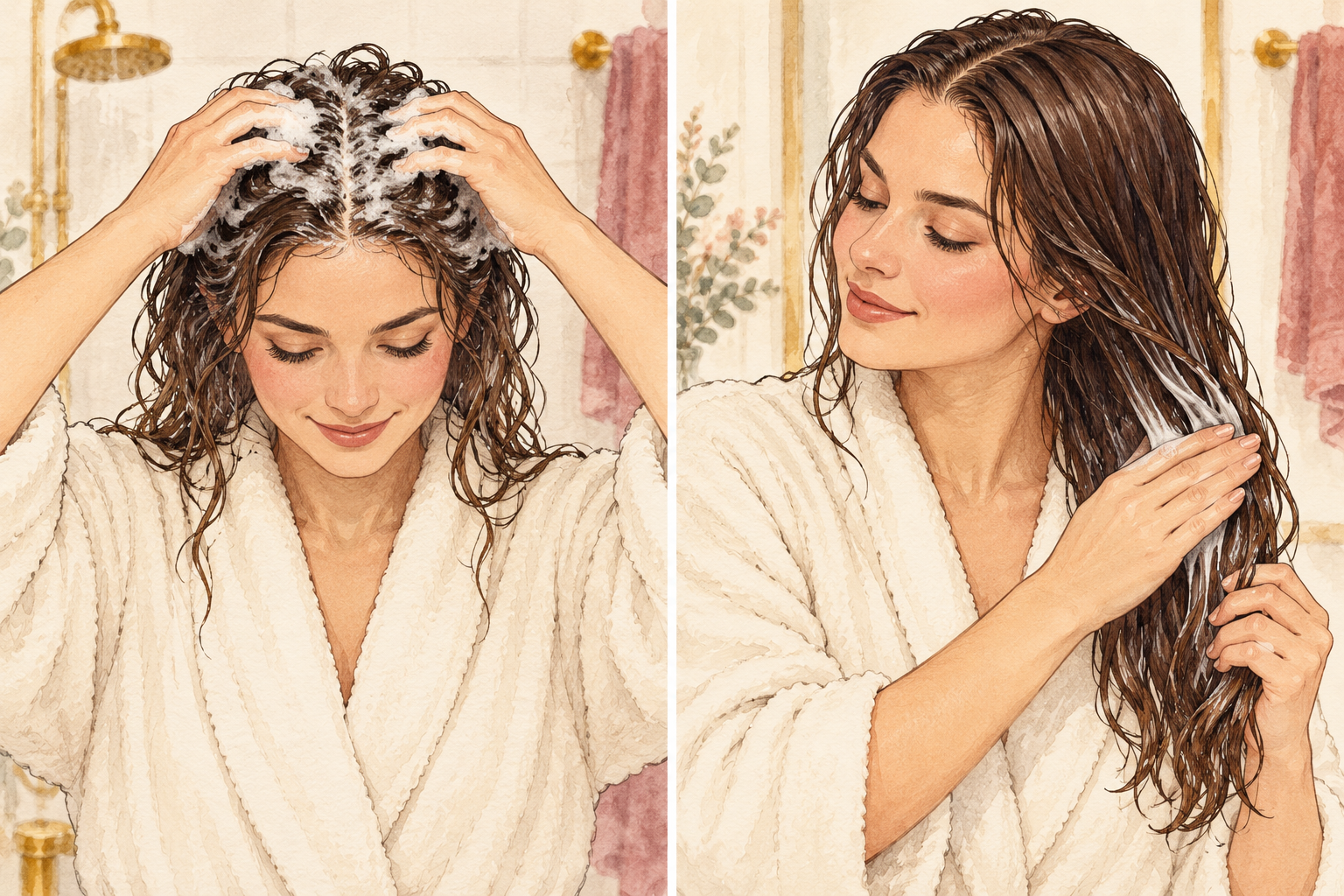
Wash when your hair feels dirty, with a light shampoo on the scalp and conditioner on the ends only. Washing does not cause more shedding, because those hairs were loose already and the water just shows you how many there were. If you skip washes from fear, the hairs simply come out later in one tangled bunch. Heavy creams weigh fine hair down and make it look thinner. Rinse well, since leftover conditioner on the roots flattens everything. Lukewarm water is kinder to a tired scalp than hot. Wash two or three times a week for most hair types, and daily only if your scalp turns oily.
9. Detangle from the ends up
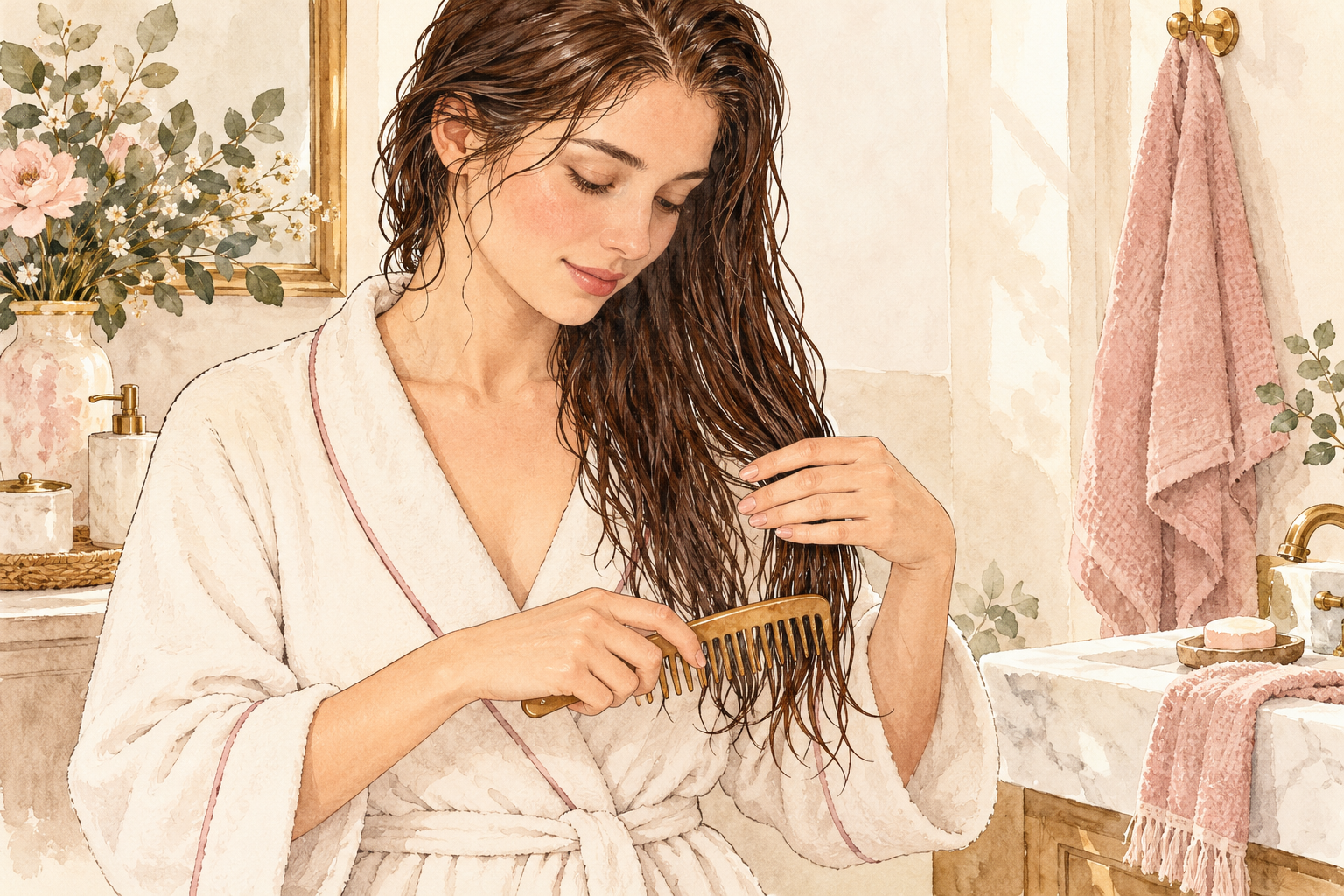
Start at the tips with a wide tooth comb and work up in small sections. Loose hairs knot together, so tangles feel worse during shedding. Hold the hair above the knot in your other hand so your scalp does not take the pull. Work when your hair is damp with a little conditioner and never when it is dripping. Brush gently for a minute instead of fifty strokes. A smooth comb through damp hair keeps breakage from joining the shedding, and the comb will clear with each pass. Spray a little water first if the hair is dry, since dry tangles snap before they slip free.
10. Eat steadily and skip miracle promises

Have regular meals with protein, iron rich foods and vegetables, and drink water through the day. Cutting calories hard while you recover can add its own shedding on top. Be wary of any product that claims to stop postpartum hair shedding, because nothing can change the hormone drop. High dose supplements are not a shortcut either, and food is the kinder route. Easy meals count, such as eggs on toast, beans and rice or a bowl of soup. Spend your money on groceries instead of hair miracles. Keep snacks you can eat one handed, because a hungry mother skips meals.
11. Change the cut, the parting or the accessories
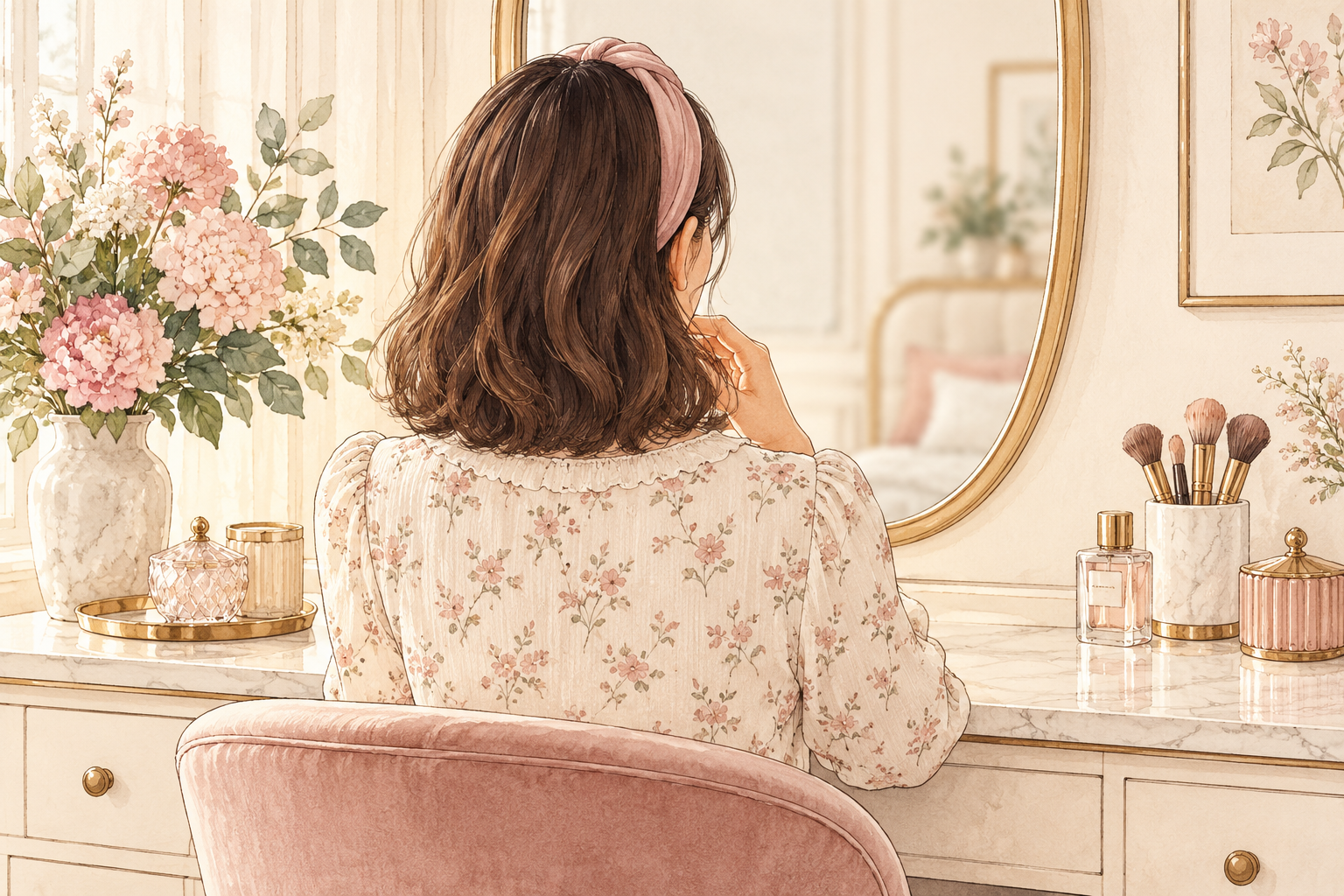
Try a shoulder length cut, a soft fringe or a slightly off center parting for the in between months. Shorter hair looks fuller and is quicker to look after. A headband or a soft clip covers the baby hairs while they grow. Skip dramatic styles that need heat or tension. One safety note: loose hairs can wrap tightly around a baby’s fingers or toes, so check them when your baby is fussy. Gather the fallen hair from your clothes and the floor before it ends up where your baby crawls. Ask for a few face framing layers, which hide thin edges nicely.
12. Stay patient and know when to ask for help

Keep every style loose, keep your photos coming and give it until about month twelve. Most shedding settles by itself, and your pictures will prove it when your mind says otherwise. If it is still heavy past month nine, you spot bald patches or your scalp is sore, it is sensible to see your doctor about it. Until then, be gentle with yourself, since sleep loss and stress already feel like enough. The fuzz along your hairline is the best news you will get.
Complete the Routine: Postpartum Hair Shedding This Week
This week, swap one tight hair tie for a soft one, comb from the ends up on damp hair and note today’s date in your phone. For more on loose hair and knots, read about hair breakage and hair fall control tips.