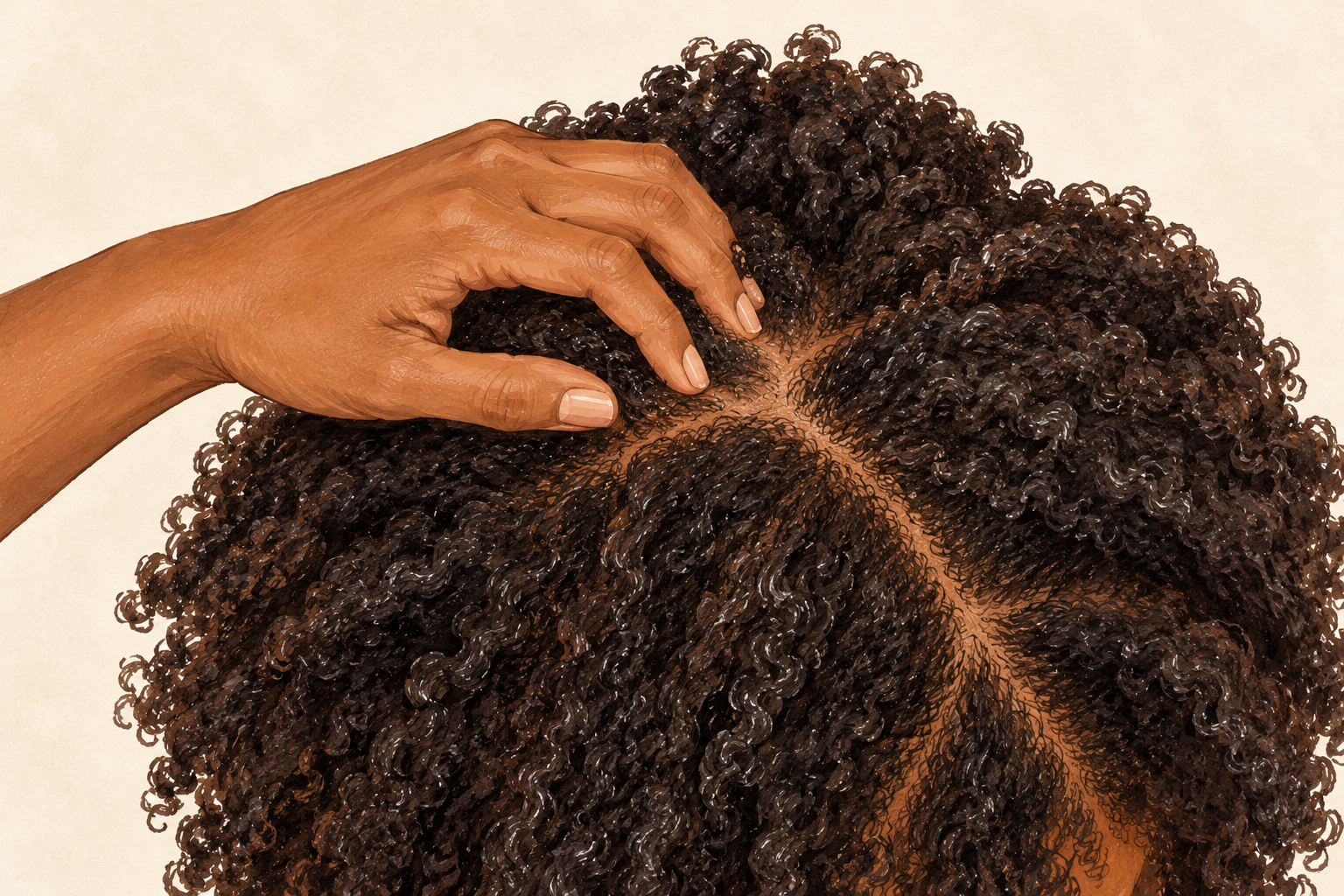
You find a tangle of hair in the shower drain, then more on the brush, and your stomach drops. Before you panic, work out what you are actually seeing, because shedding and breakage need different fixes. These 12 hair fall control tips help you spot the difference and deal with it, so start at number one tonight.
1. Check the root end for a bulb
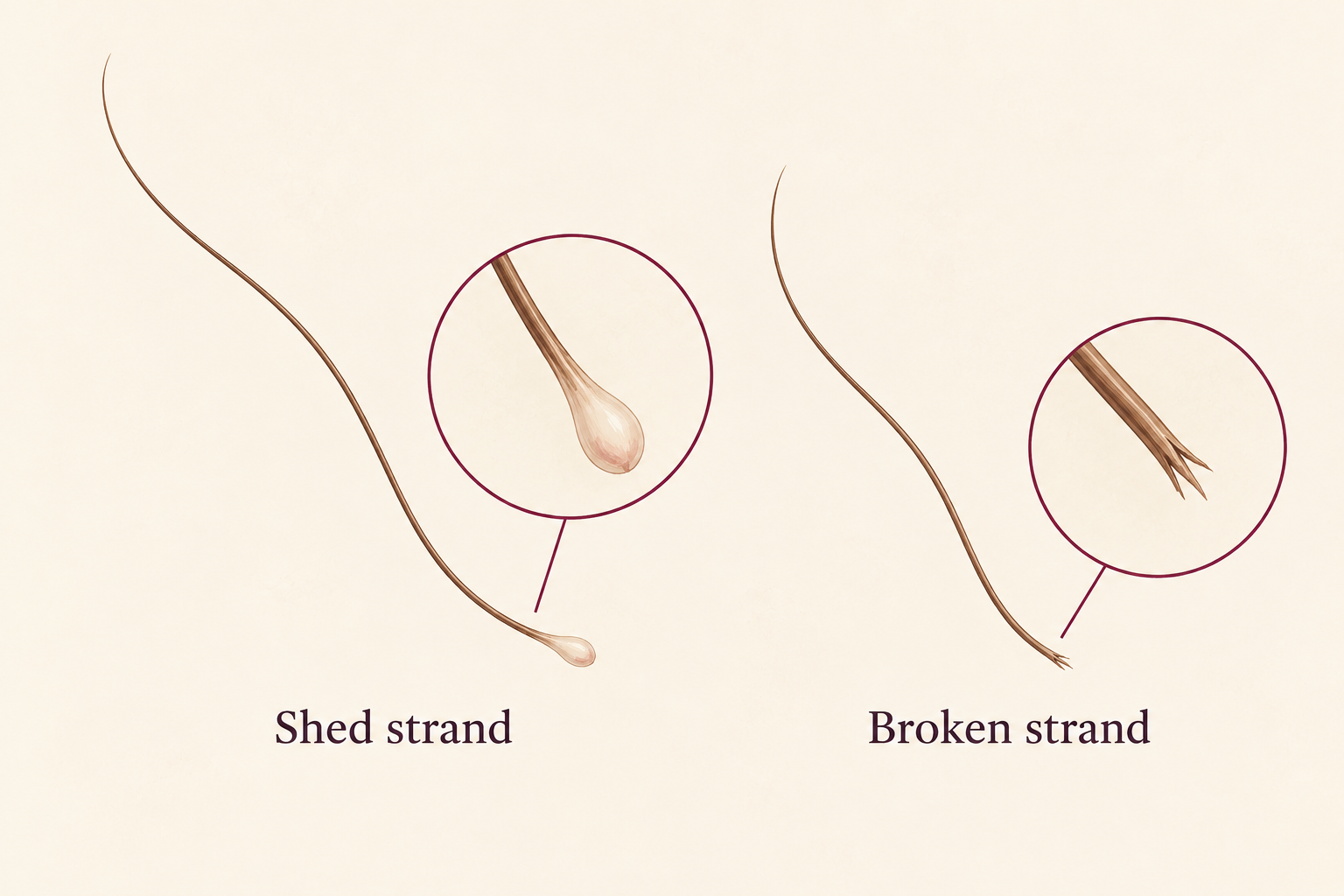
Pick up a shed strand and look for a tiny white bulb at one end. A strand that fell out whole has a small, round, pale bulb at the root, like the head of a match. That is shedding, and it means the hair let go from the scalp. Check on a white towel or a sheet of paper so the strand shows up clearly. A few strands with bulbs each day is normal, because every head sheds. No bulb and a sharp, uneven end means the hair snapped partway down, which is breakage. You are not fixing anything yet, only learning which problem you have.
2. Count what falls over three days
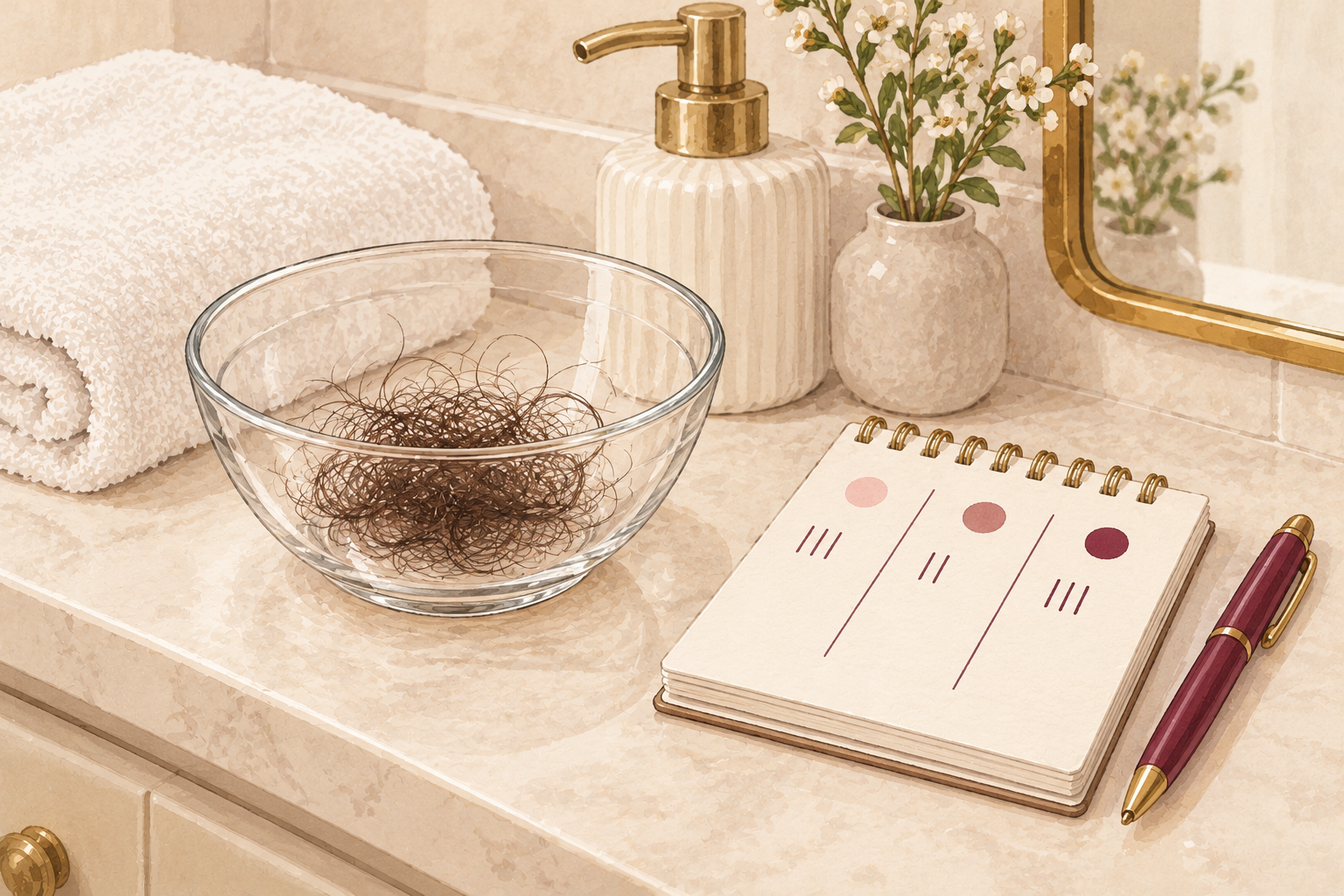
Collect the hair from your brush and the shower drain for three days and keep a rough tally. Put it in a bowl or tape it to a page. You do not need an exact number, only a feel for whether the pile is small, medium or alarming. Do not count the hair you lose on wash day against the days you do not wash, because a wash day always looks worse. Keep the same routine for the three days so the comparison is fair. A pile that stays similar all week is usually your normal. A pile that keeps growing tells you it is time to dig deeper.
3. Measure the pieces you find
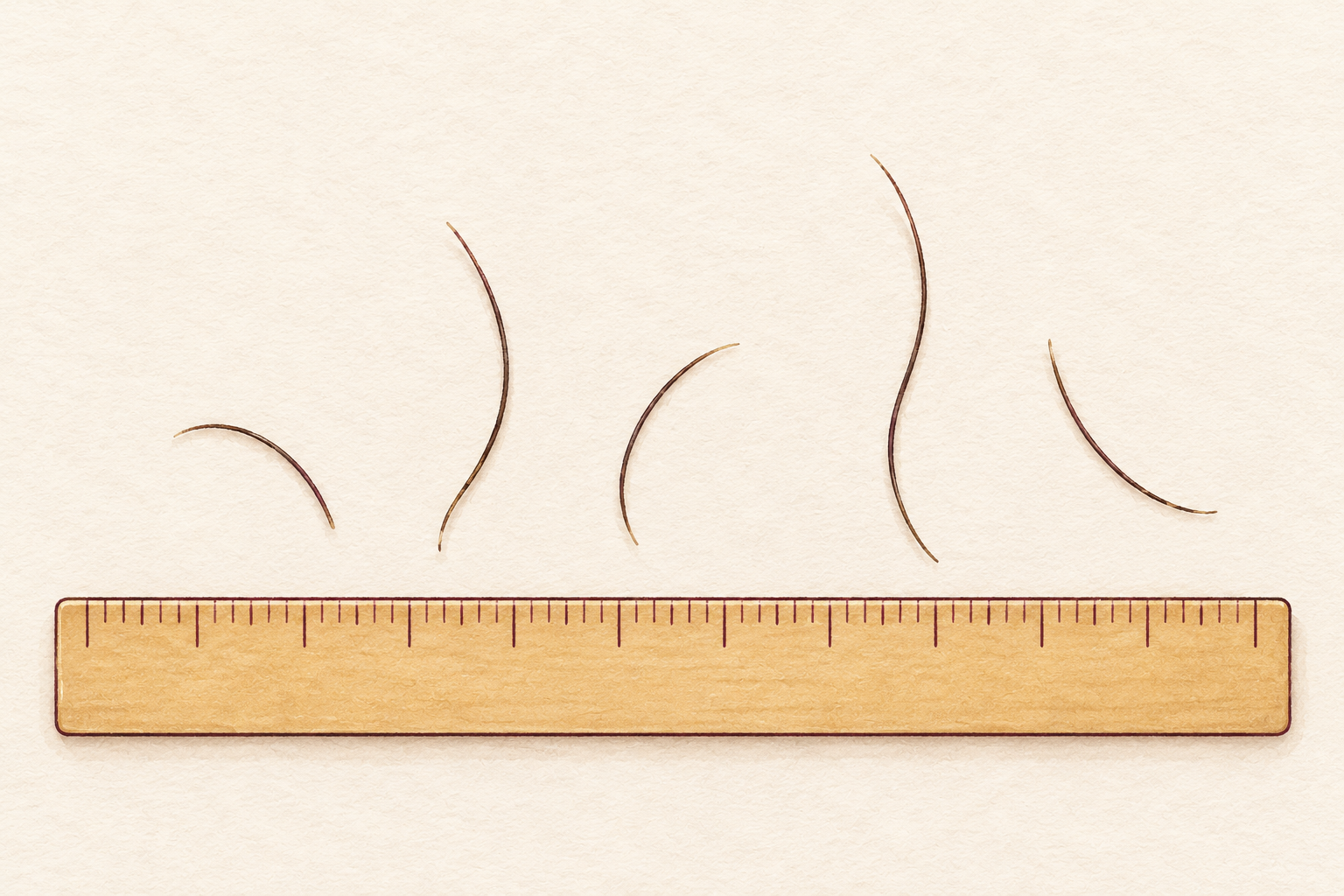
Lay the fallen hairs next to a ruler and compare their lengths. Long strands with a bulb point to shedding. A mix of short pieces, some only a few inches, points to breakage, and those short bits often have a thin or frayed tip. If you mostly find short pieces, your hair is snapping from dryness, heat or rough handling, and the fix is gentler care. If you find long ones, the answer is usually inside, in how your body has been lately. Many women have both, so do not be surprised if your pile is mixed. Write down which kind wins and let that guide the next steps.
4. Think back two or three months
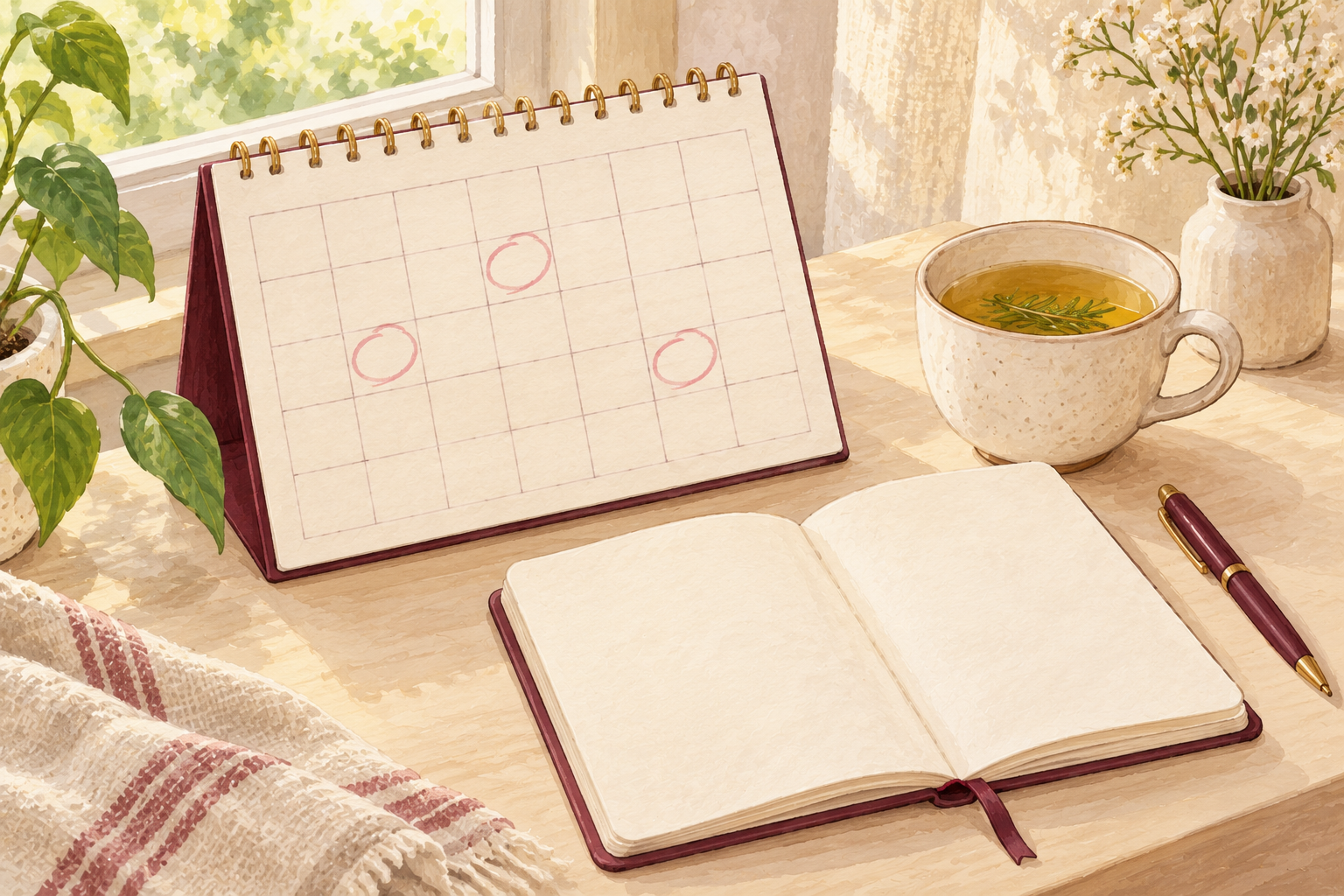
Ask yourself what changed about two to three months ago. Shedding often shows up late. A fever, a hard month, a crash diet, a new baby or a big move can push many hairs into resting mode at once, and they all fall together weeks later. If you find an answer, you can relax a little, because this type usually settles by itself. Write the date and the event in a notebook. If nothing stands out, that is fine too, and it just means you will lean on the next few steps to look for clues. Be patient with yourself while you work it out.
5. Feed your hair from the plate

Put a protein source and something green on your plate at two meals a day. Hair is made mostly of protein, so a diet that has been thin on eggs, beans, fish or meat shows up on your head. Leafy greens and beans also bring iron, which hair likes. If you skip meals a lot, start with a proper breakfast, because that is the easiest meal to fix. Drink water through the day too. You will not see a change in a week, but this step supports every other fix on the list. Think of it as watering the soil before you worry about the leaves. Food is the base for every other fix here, so hair growth tips for Black women makes a natural next stop.
6. Detangle only when wet and slippery
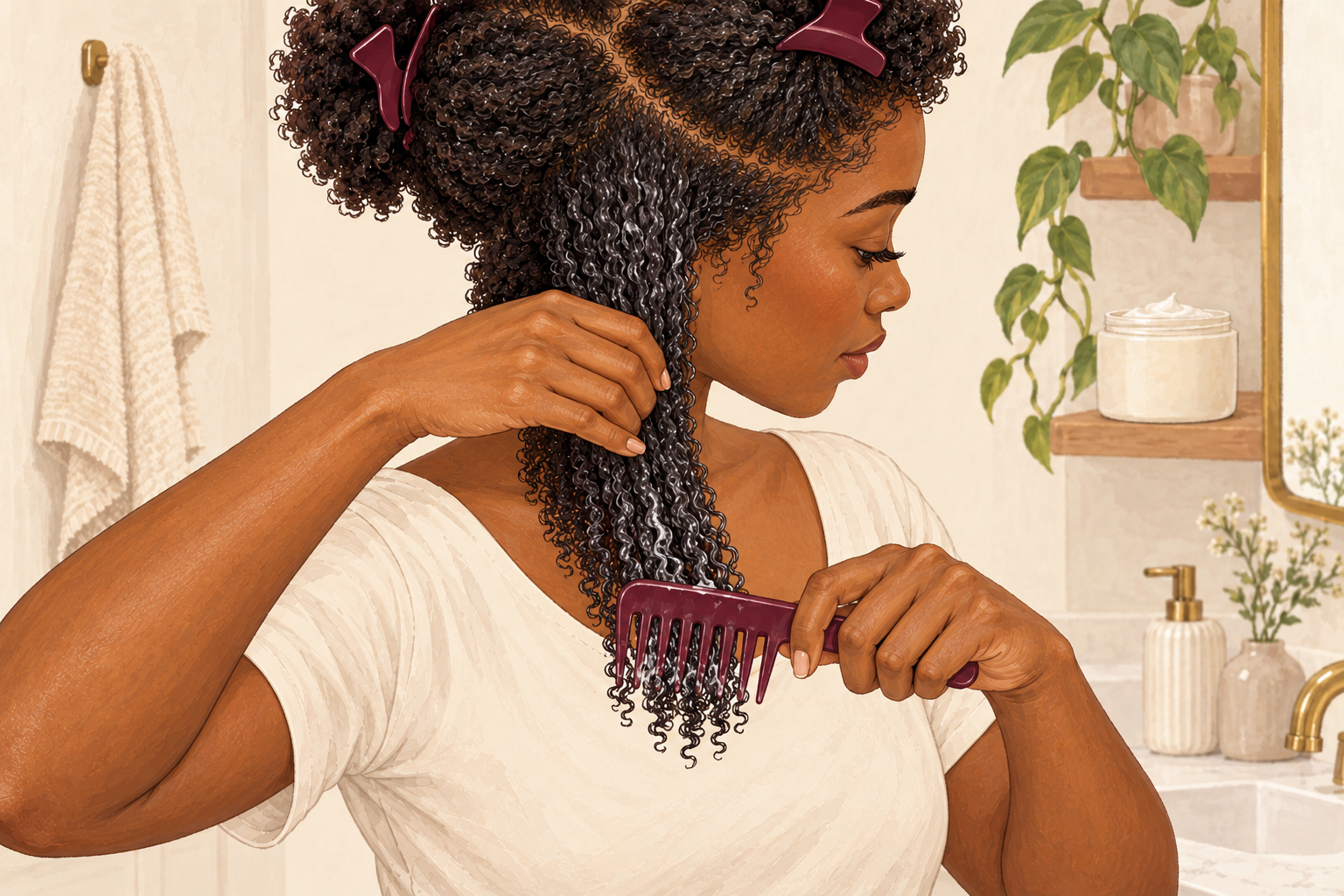
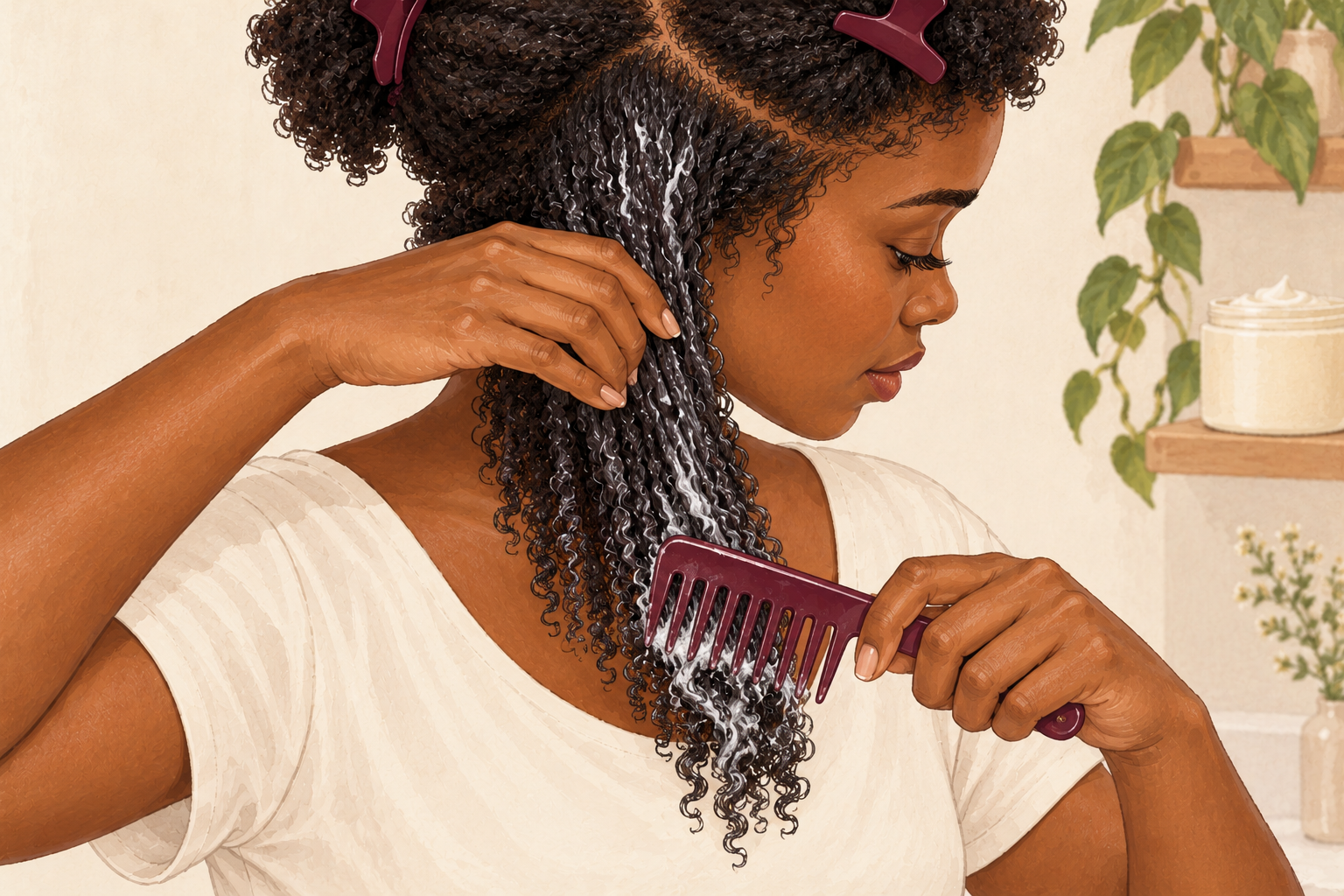
Work conditioner through your hair, then detangle from the ends upward with a wide tooth comb. Dry hair snaps, and wet hair without slip snaps too, so wait until your hair feels slick between your fingers. Hold a section above the knot with one hand so the comb pulls on the knot and not on your scalp. Go slowly, even when you are in a hurry. This single habit stops a lot of breakage. If a knot refuses to budge, add more conditioner and rest your hands for a minute rather than tugging. Never brush from the root when your hair is soaking and tangled.
7. Turn down the heat and loosen the tension
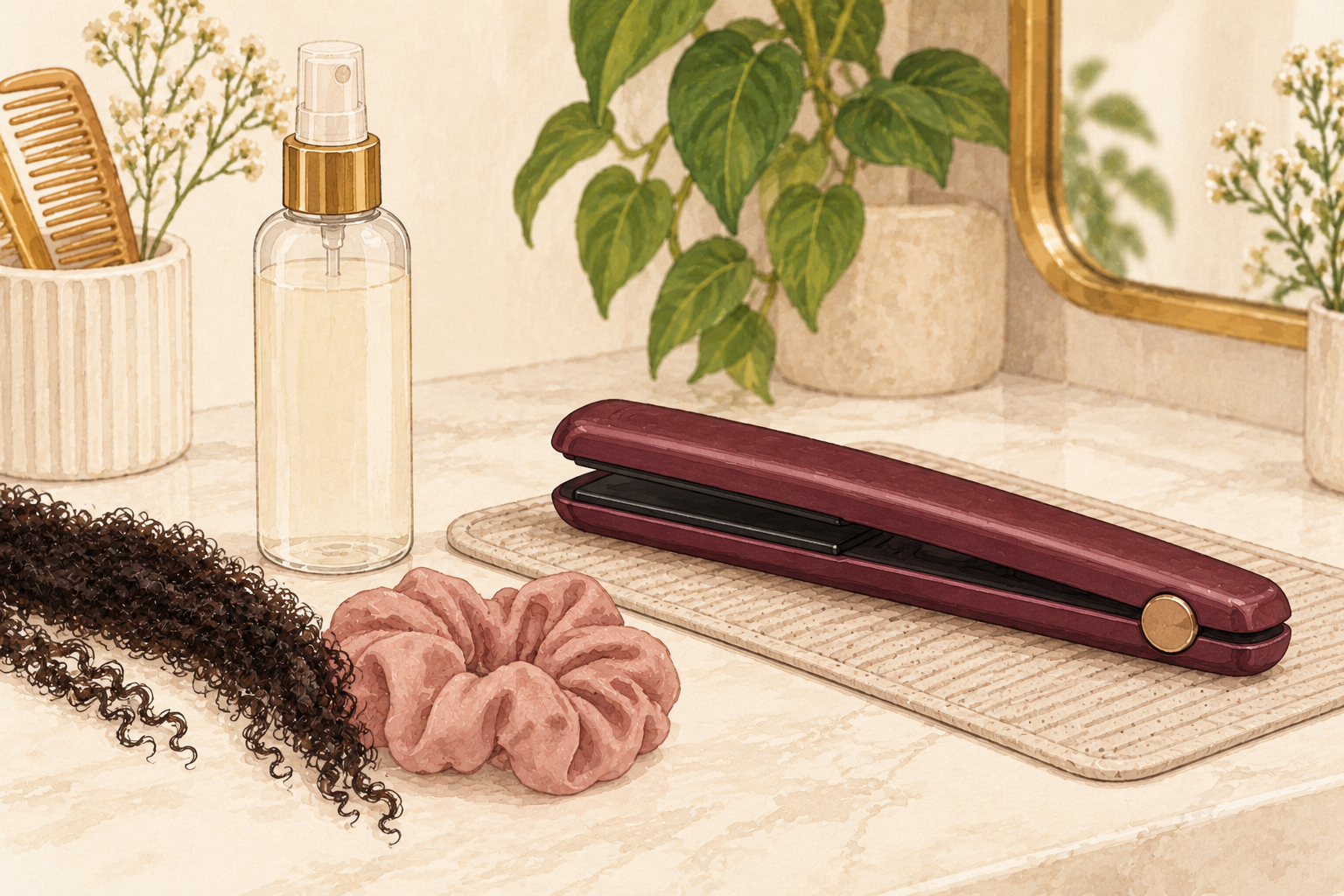
Drop your tools one setting lower and give tight styles a rest. Hot irons dry out the strand, and tight ponytails, braids and buns pull on the hairline until the hairs there give up. If you must use heat, use a protectant and keep it to once a week. Switch your ponytail spot every few days, and choose a soft scrunchie over a thin elastic. Notice whether your edges ache at night, because an aching hairline is a sign the style was too tight. Hair that is pulled hard every day thins at the front first. Loosen the style the moment it hurts.
8. Keep the scalp clean and calm
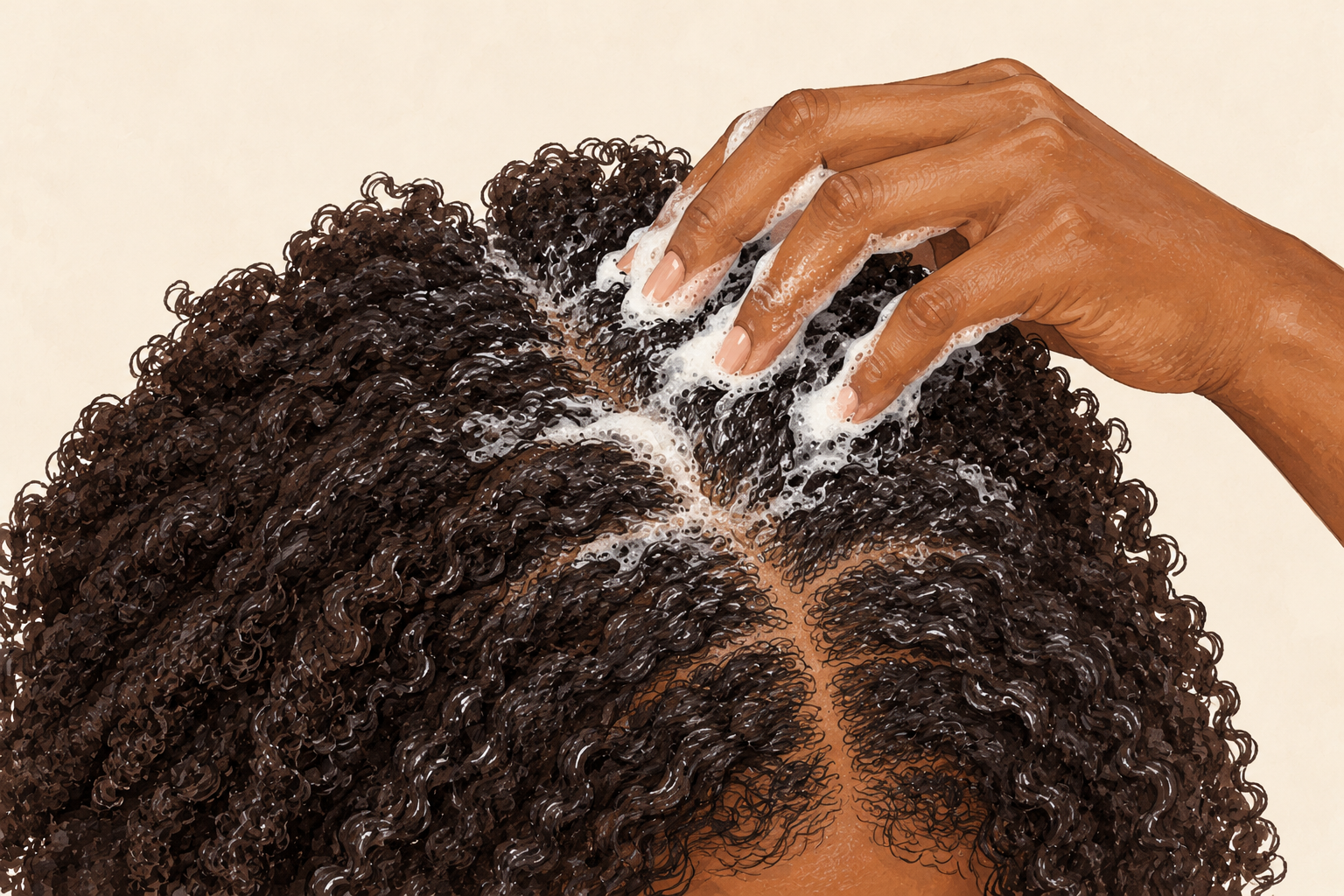
Wash your scalp two or three times a week and massage with the pads of your fingers for a full minute. A clogged, itchy scalp is a poor home for new hair. Focus the shampoo on your roots and let the suds rinse down the lengths. Skip your nails, because scratching leaves tiny scrapes. Rinse for longer than you think, since leftover shampoo irritates. If your scalp is oily, wash a little more often. If it is dry, wash a little less and use a gentle formula. A calm scalp is the quietest fix for shedding, and it costs nothing but a minute of your time. If a calm scalp is only part of the picture, hair care tips is the next place to look.
9. Balance moisture and protein for breakage

Use a moisturizing deep conditioner one week and a light protein treatment the next. Hair that feels mushy and stretches too far needs protein. Hair that feels stiff and snaps needs moisture. Check by gently stretching a wet strand. If it stretches and does not bounce back, add protein, and if it snaps with no stretch at all, add moisture. Leave the treatment on for twenty minutes under a warm towel, then rinse well. Do not use protein every week, because too much leaves hair brittle. Treat one problem at a time, and write down which one helped.
10. Protect at night and trim the splits

Sleep in a satin bonnet or on a satin pillowcase, and trim any split ends every eight to twelve weeks. Cotton rubs your hair all night and dries it out. A split end does not heal, and it climbs up the strand, so snipping a half inch now saves you two inches later. Cut only what is damaged and leave the rest. Loose twists or a loose braid at night stop the strands rubbing each other. It is a small habit, but breakage often happens while you sleep. You will see fewer tiny short pieces on your pillow within a month.
11. Photograph your part every month
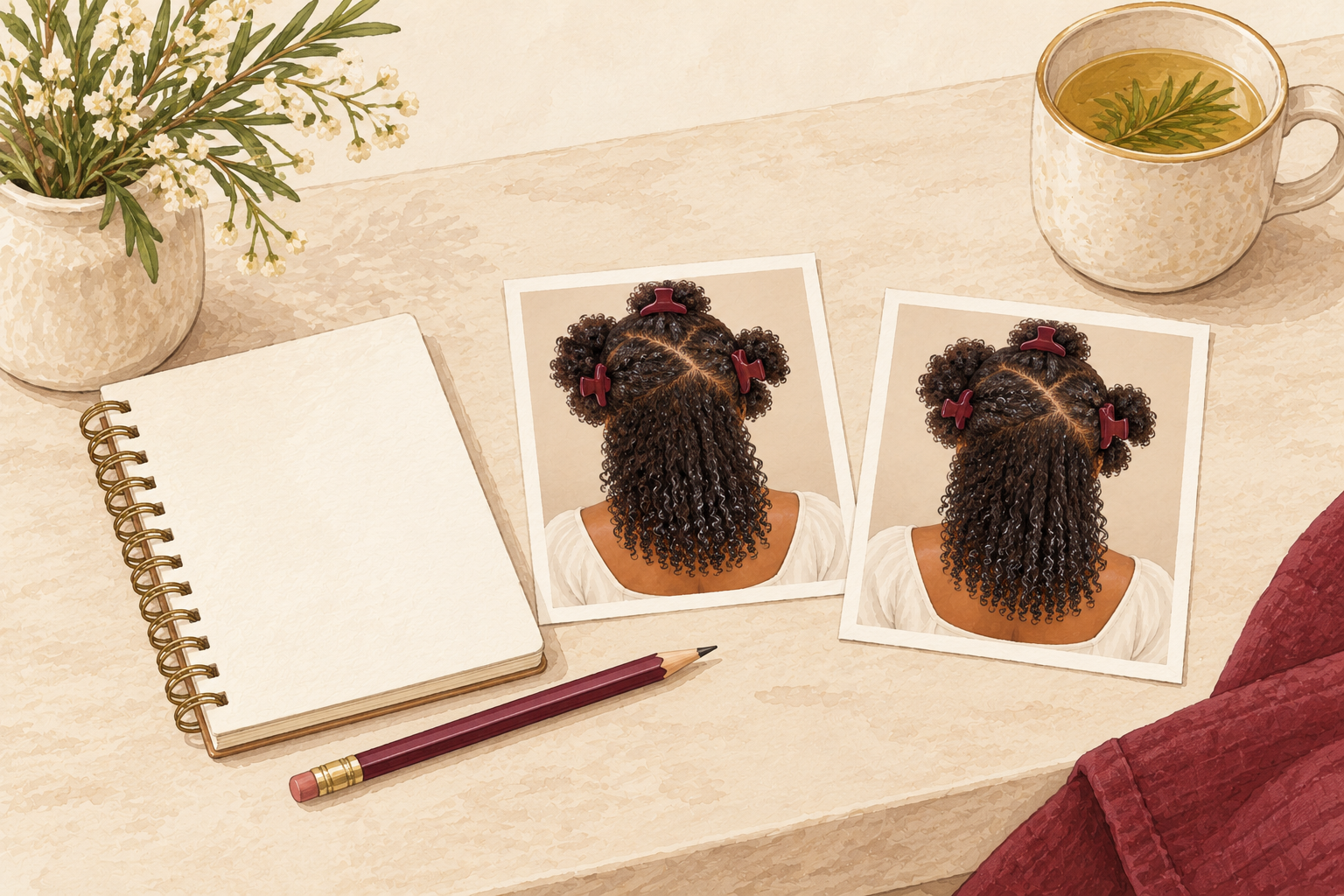
Take a photo of your parting on the first of every month, in the same light. Your eyes will fool you, because you see your hair every single day. A photo shows whether the parting is staying the same, getting wider or filling in. Use the same spot and the same distance each time. Keep the photos in one album so you can flip through them. When you can see progress, you stay calm. When you cannot, you know to change the plan. This takes less than a minute and it turns worry into facts you can use.
12. Give each change three to six months
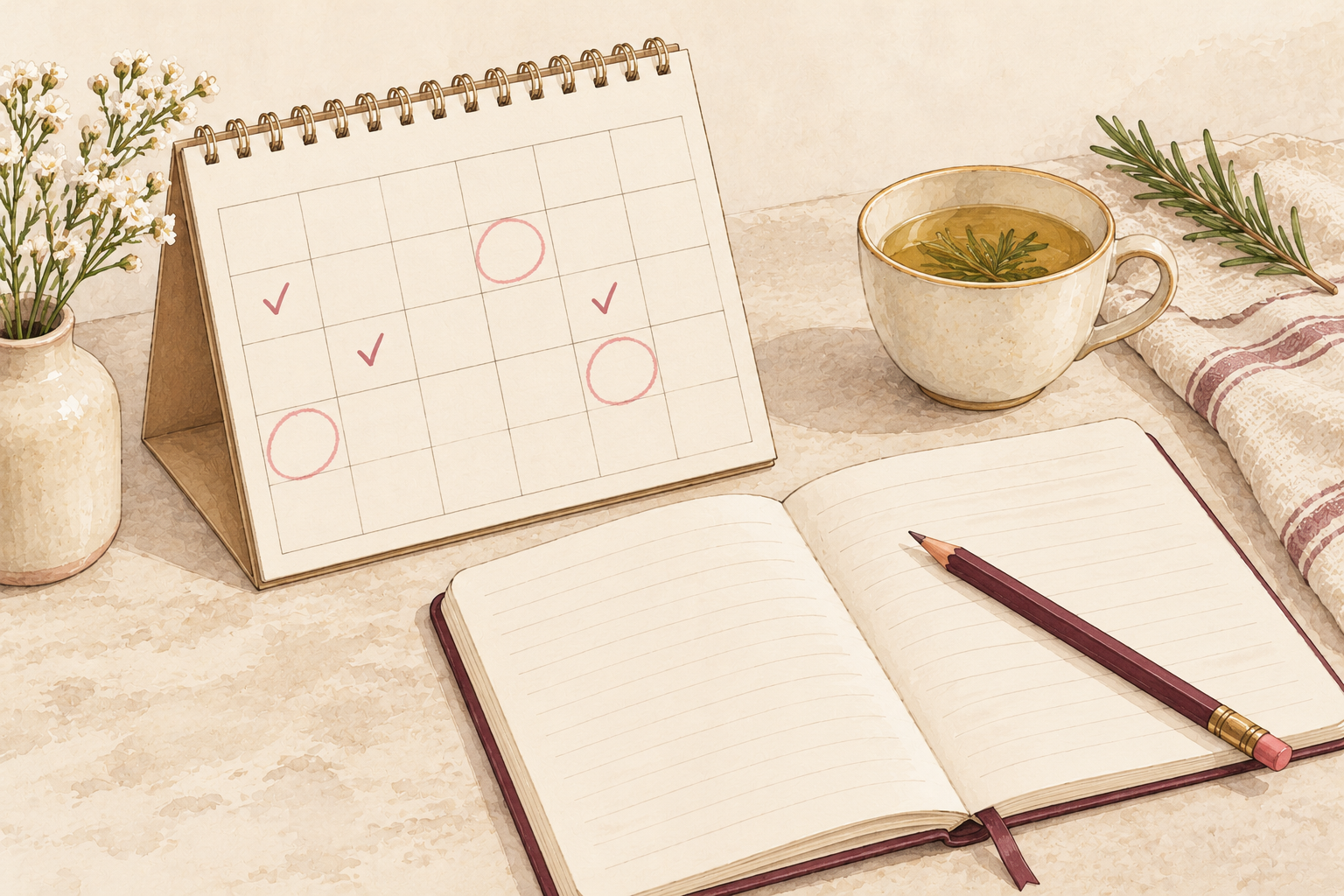
Stick with one plan for at least three months before you judge it. Hair grows slowly, and a shedding phase can take months to settle. Expect fewer strands in your brush first, then short baby hairs along the hairline. If your hair is falling out in patches, or the loss carries on past three months with no sign of slowing, go and see your doctor, because something else may need attention. Otherwise keep your routine gentle and steady. Hair fall control tips work best one change at a time, so you can tell what actually helped. Be kind to yourself in the waiting weeks.
Complete the Routine: Hair Fall Control Tips You Can Keep
Tonight, do numbers 1 to 3, then keep the gentle habits going. If this made you curious about other ways to stop shedding, keep going with the guides below, one at a time.