You poured oil on your ends and now they look greasy and still feel dry. Oils are not magic, but each one has a small job it does well. This guide to hair care oils shows which one fits your hair, how much to use and how to apply it. Start at number one tonight.
1. Learn the difference between light and rich oils
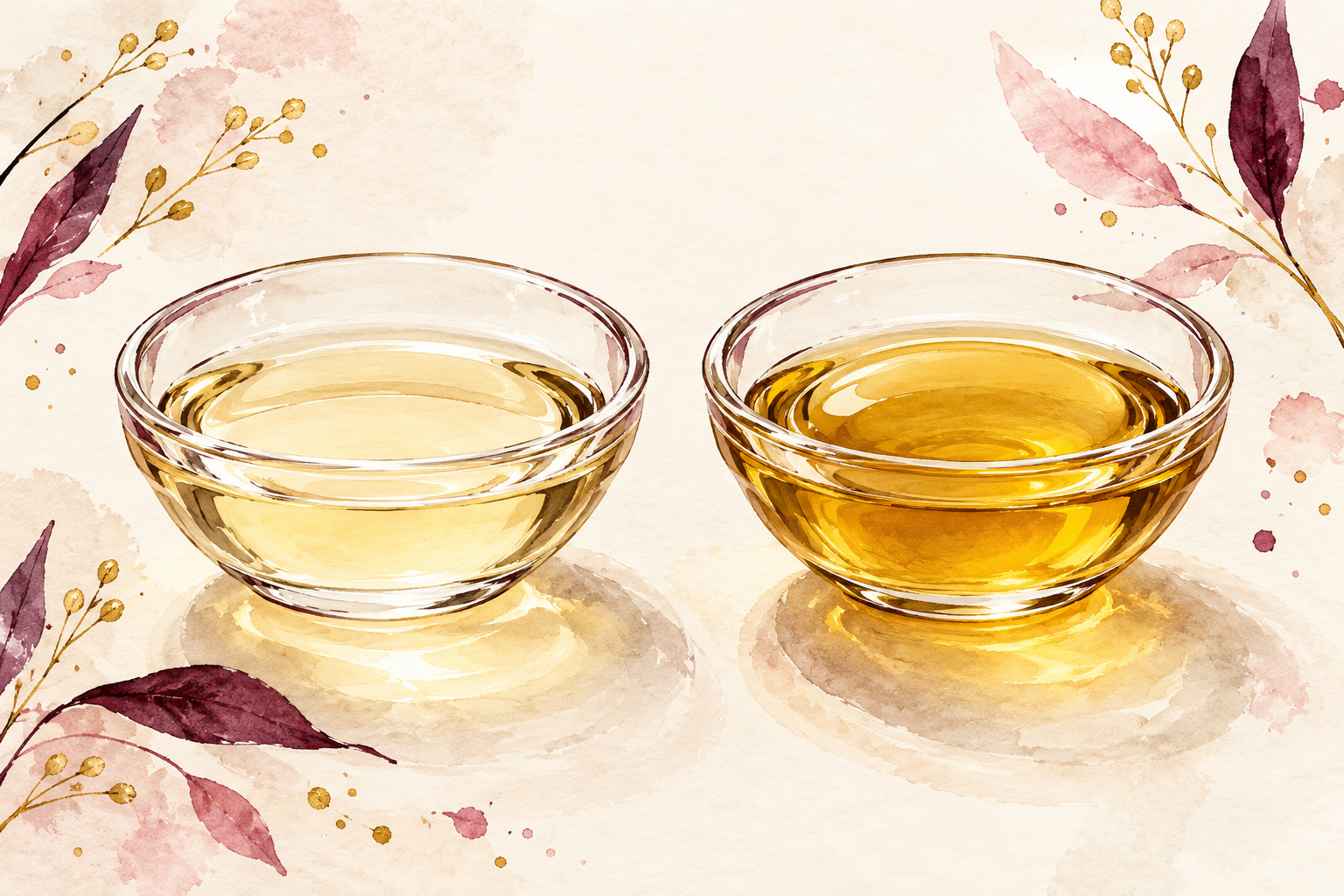
Light oils sink in fast and feel silky, while rich oils sit on top and feel heavy. Grapeseed, jojoba and argan are light. Olive, castor and avocado are richer. Light oils suit shine and finishing, and rich oils suit sealing and deep softening. Look for a plain oil with nothing else on the label, and a dark glass bottle that protects it from light. Rub one drop between your fingers. If it vanishes in seconds it is light, and if it stays slick for a minute it is rich. Smell it too, because an old oil smells sharp or like crayons. Store the bottle in a cool cupboard.
2. Match the oil to your hair

Fine or low porosity hair wants a light oil, and thick, coily or very dry hair can handle a richer one. If your hair is fine, a rich oil will flatten it in minutes. If your hair is thick and thirsty, a light oil disappears and does very little. Not sure? Start light, add one more drop if it soaks right in, and judge after two washes. Oily roots need oil only on the ends. Dry, bleached or color treated hair is the happiest with rich oils on the lower half. Write down what you tried so you can compare them. Porosity changes how fast your hair soaks things up, so trust what you see.
3. Argan oil for shine and frizz
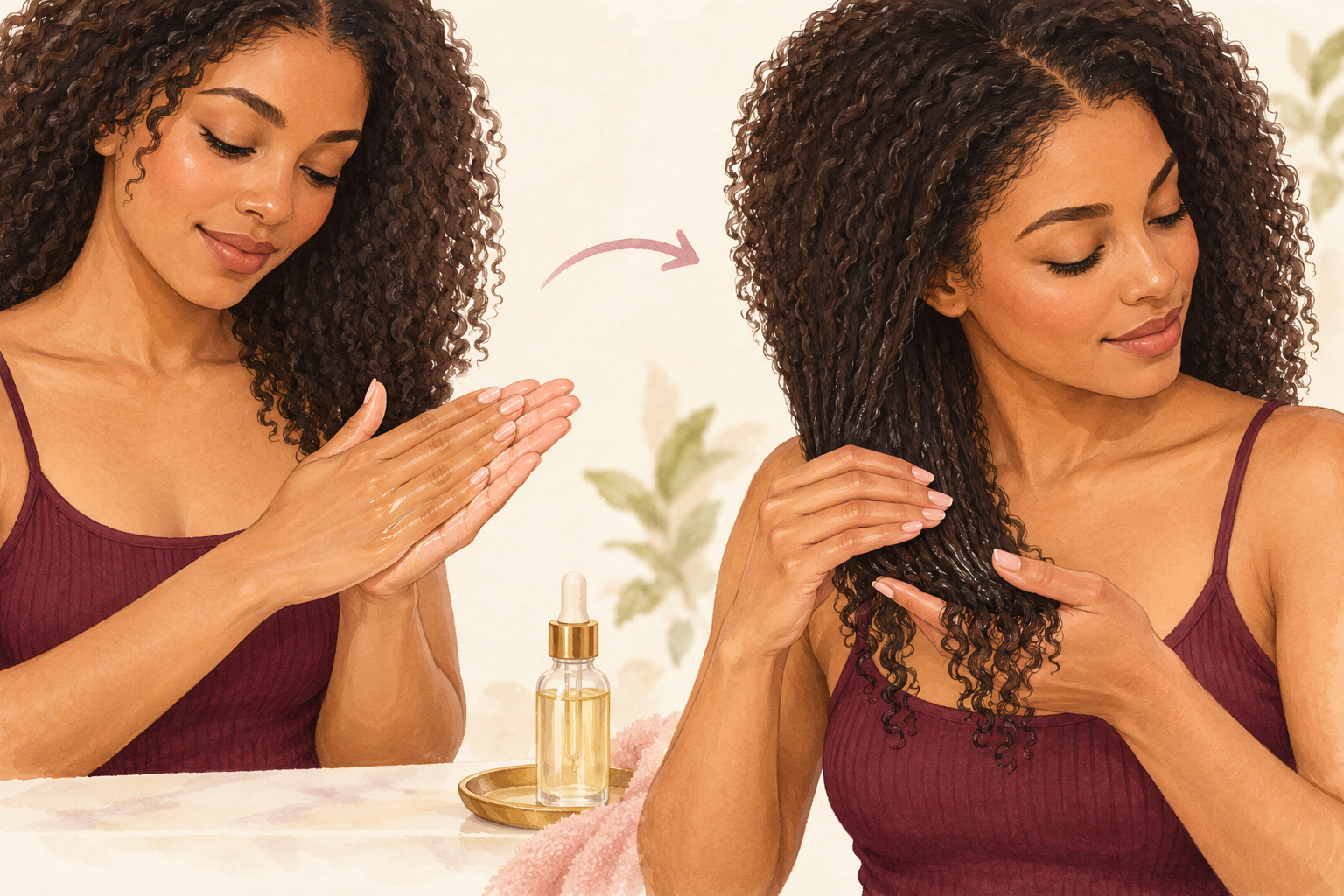
Warm two or three drops between your palms and smooth it over dry ends and the frizzy top layer. Argan is light and silky, and it adds a soft shine without a greasy film. It is a lovely finishing touch after styling, or on day two when the ends start to fly away. A little goes a long way, so start with one drop and add only if you need it. Skip your roots, because the oil there looks flat. Your hair should look glossy, never wet. Argan is also nice on second day curls that need smoothing. It is lovely before a day in the sun or wind.
4. Jojoba oil for balance
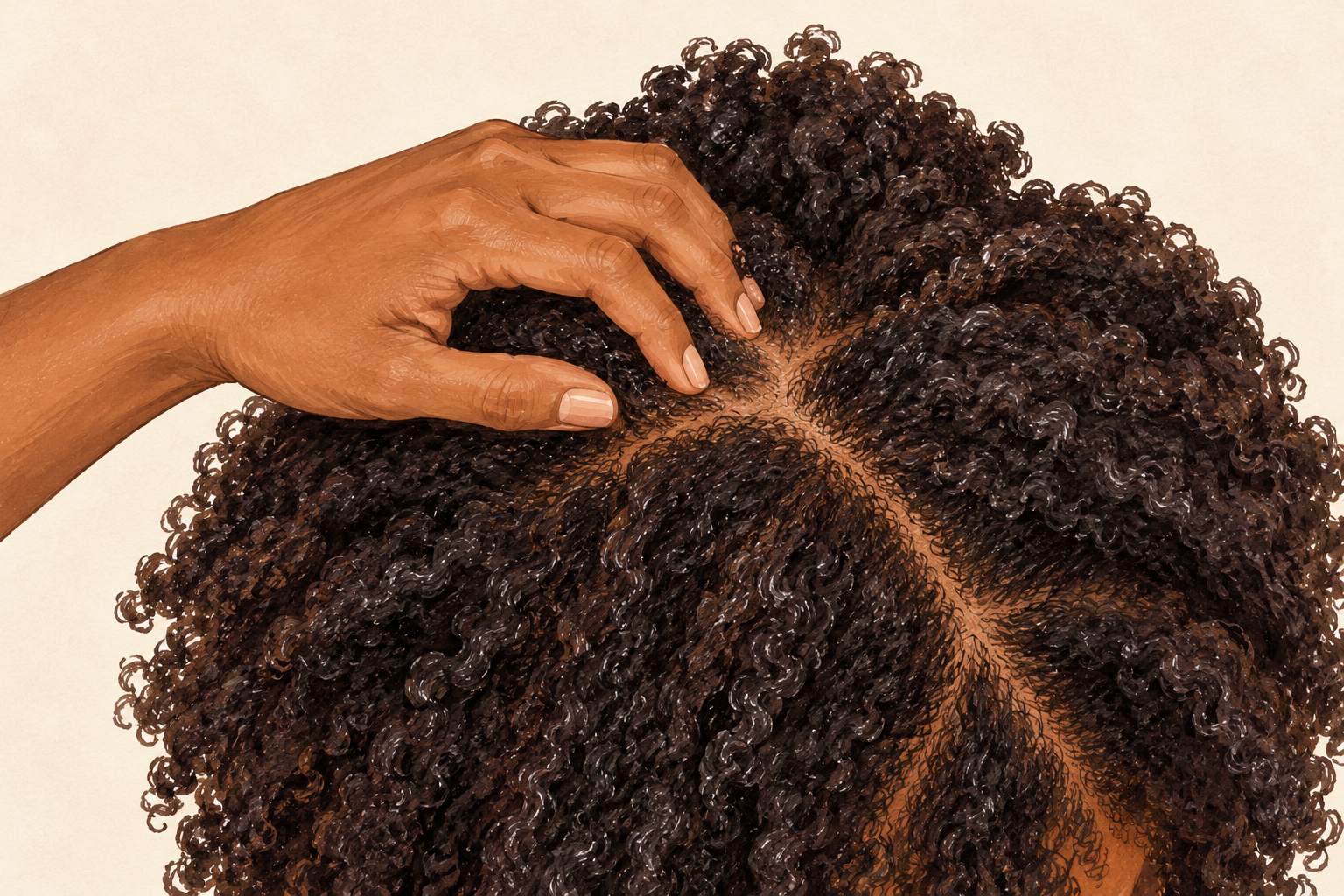
Use three or four drops on the scalp and lengths when your hair swings between dry and oily. Jojoba is closest to the natural oil your scalp makes, so it feels familiar and rarely clogs. Massage a few drops into your scalp for a minute, then smooth the leftover through your ends. It suits almost every hair type, which is why it is a safe first buy. If your scalp gets greasy by lunchtime, use less or apply it only on the lengths. Wait a week before judging, because your scalp needs time to adjust. Keep a small bottle in your bag for dry scalp patches too.
5. Grapeseed or sweet almond oil as a light sealer
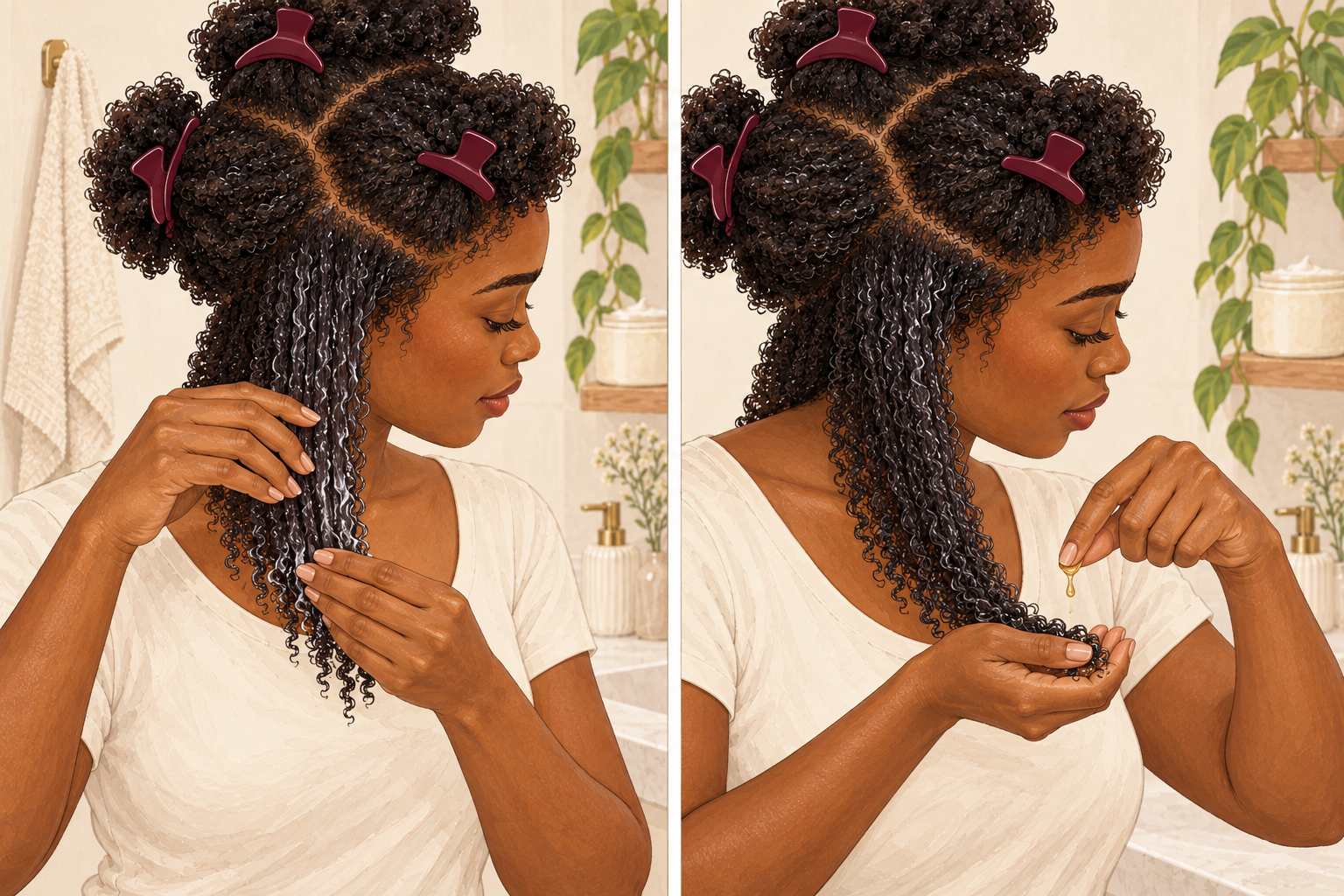
Press a few drops over damp leave in or water to seal moisture without weighing hair down. These oils are light enough for fine hair, yet they hold water in for hours. Put the water based product on first, then the oil, then comb through with your fingers. They are also nice for gentle scalp massage. Sweet almond oil is not for anyone with a nut allergy, so check before you use it. Grapeseed is the safer pick if you are not sure. Use only a pea sized amount for shoulder length hair. Both wash out easily, which makes them kind to fine hair.
6. Coconut oil before you wash
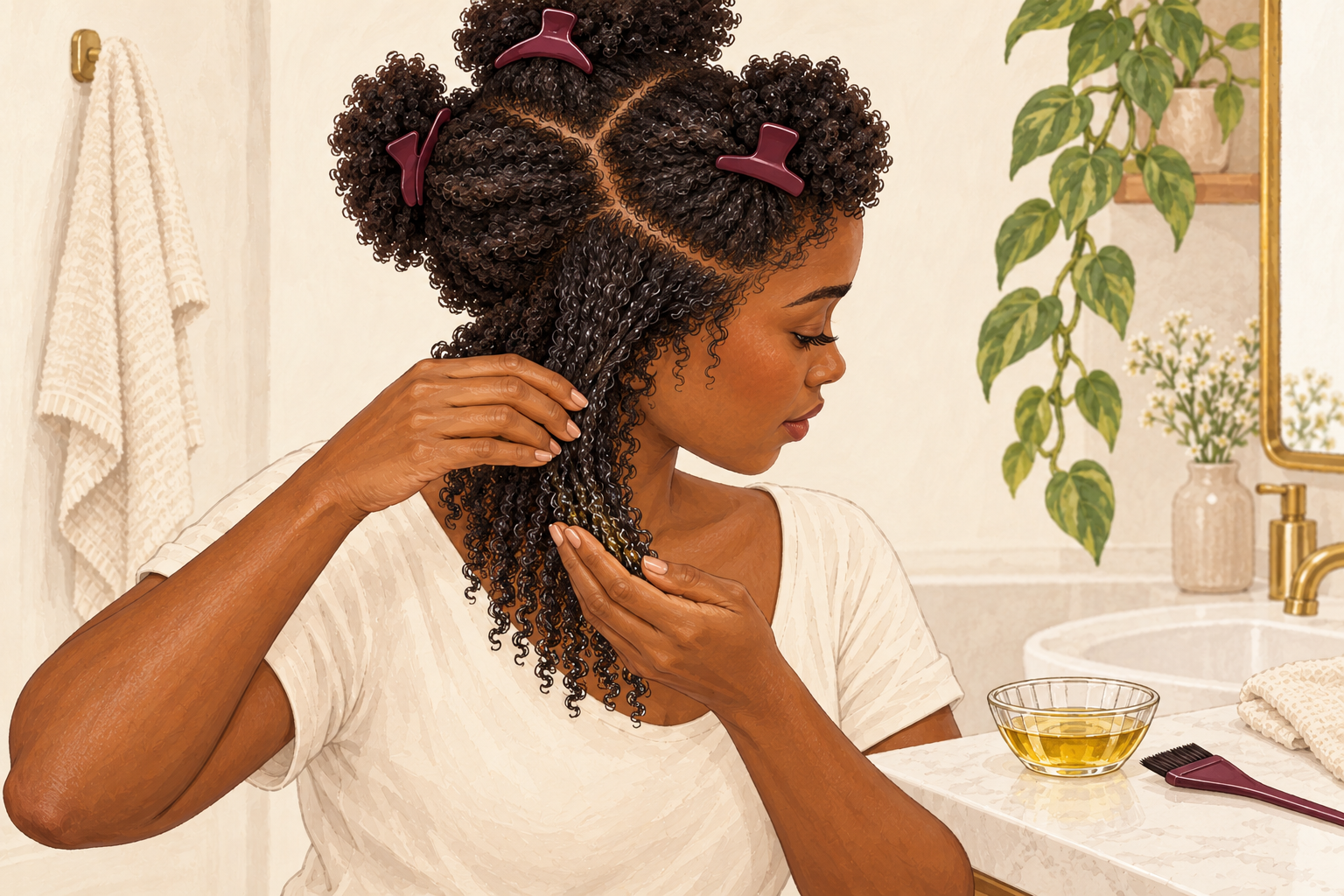
Rub a spoonful of warm coconut oil through dry hair thirty minutes before shampoo. Coconut is one of the few oils that slips into the strand, which can protect it from being stripped during a wash. Leave it on under a shower cap, then shampoo twice to remove it. Use it before washing, not as a daily leave in, because on some heads it builds up and leaves hair stiff. If your hair feels rough after coconut oil, drop it and try another. It melts in your palm, so scoop a small amount. Warm the jar in your hands first if it is solid.
7. Olive oil for deep softening
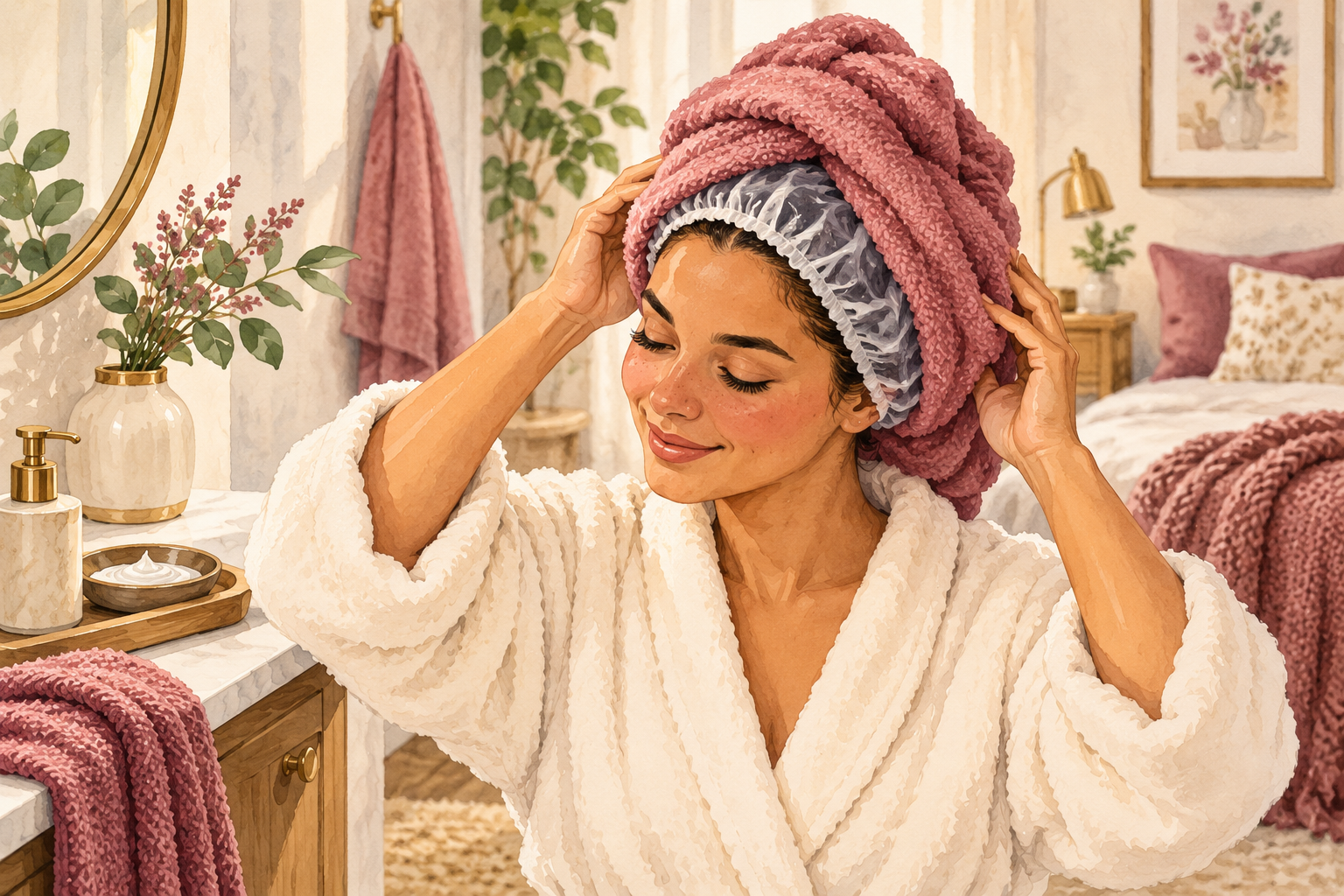
Warm a tablespoon in a bowl of hot water, then smooth it over dry, rough ends and leave it on for thirty minutes. Olive oil is rich, so it works as a deep softening treatment for thick or coarse hair rather than a daily finish. Wrap your hair in a warm towel to help it sink in. Wash it out with shampoo, twice if needed. Choose extra virgin and keep it away from your roots if they get oily. Once every two weeks is plenty, and your hair should feel soft and bouncy afterwards. Rinse with lukewarm water, because hot water makes the oil harder to remove.
8. Castor oil for sealing and thickness
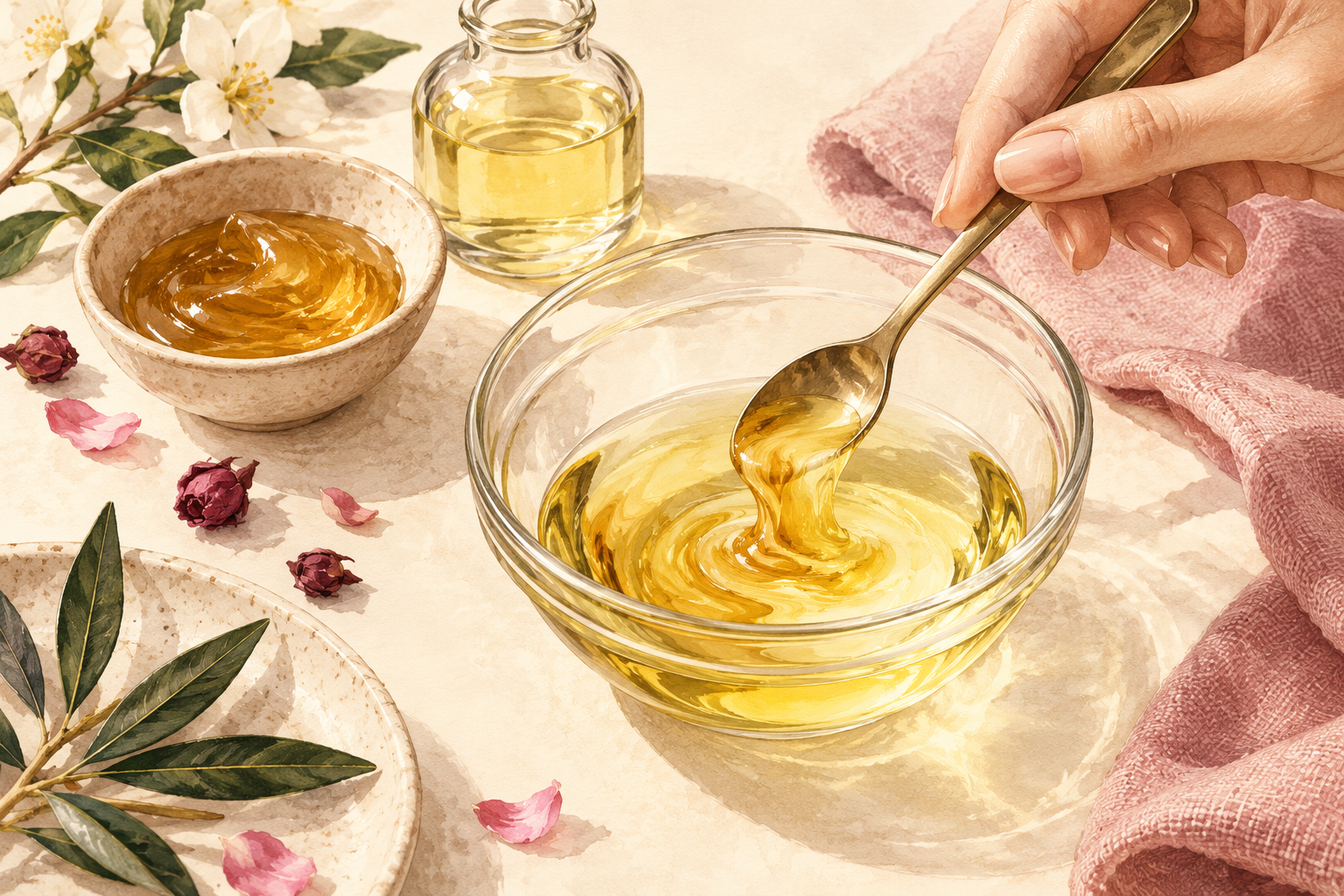
Mix one part castor oil with two parts of a lighter oil, then dab it on the ends or edges. Castor is thick and sticky, so on its own it clumps and is hard to rinse. Mixed, it seals in moisture and makes hair feel fuller. Use only a few drops, and apply on damp hair so it spreads. A little goes on the edges once or twice a week. It will not grow hair overnight, but it keeps ends from drying out. If it feels tacky, you used too much, so scrub it out with shampoo. Wash your hands well afterwards, since castor stays on skin for hours.
9. Avocado oil for very dry hair, camellia for a light finish

Use avocado oil on the thirstiest ends and a drop of camellia oil on hair that only needs polish. Avocado is thick and rich, so it suits dry, coarse or damaged lengths. Camellia is light and gives a soft finishing sheen without feeling oily. Choose one, not both on the same day. Start with half a teaspoon of avocado oil on damp ends and see how your hair reacts. If hair feels weighed down, wash it out and use less next time. Both oils are gentle and rarely cause trouble. Press the oil in instead of rubbing so the strands stay smooth.
10. Apply a tiny amount to damp ends
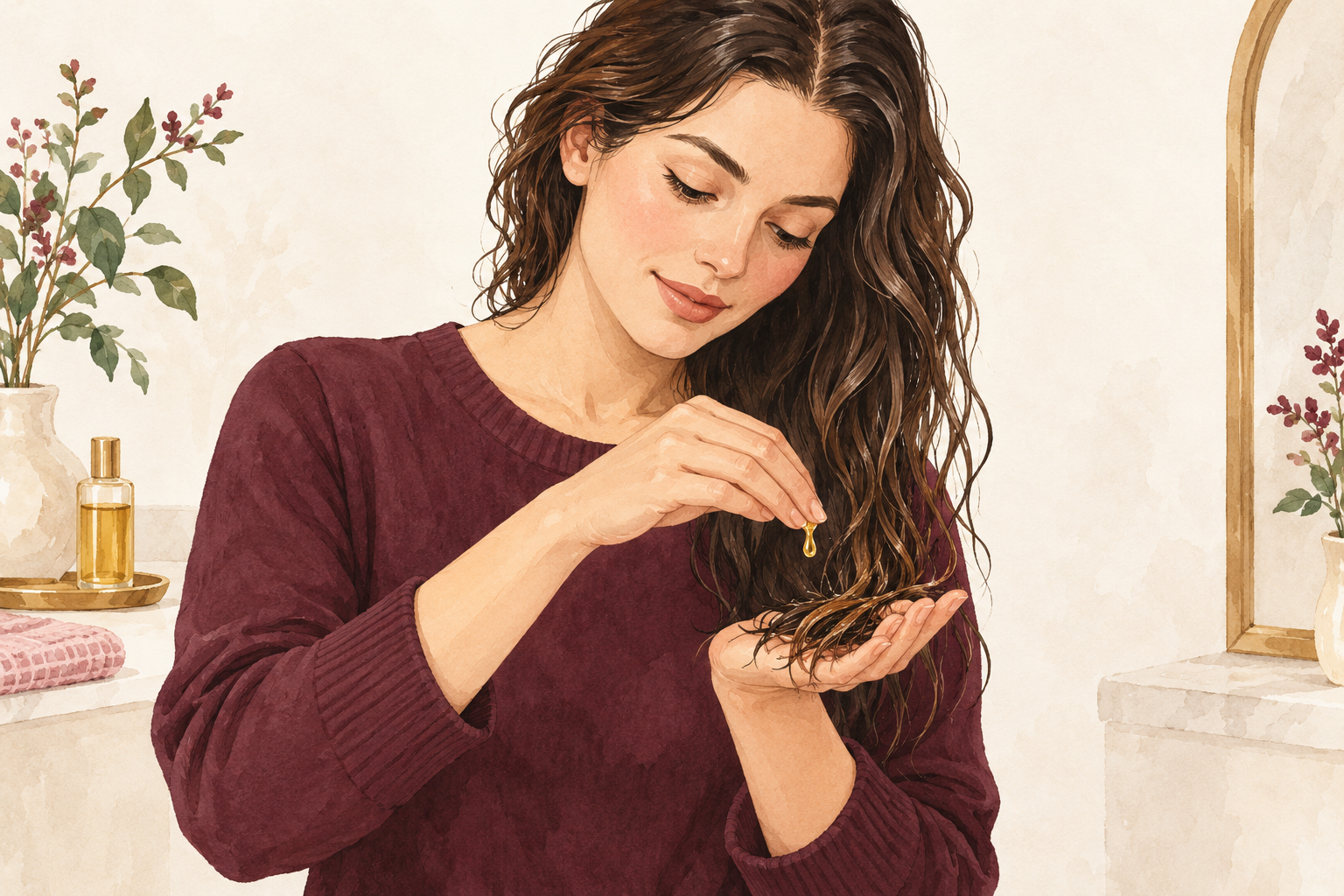
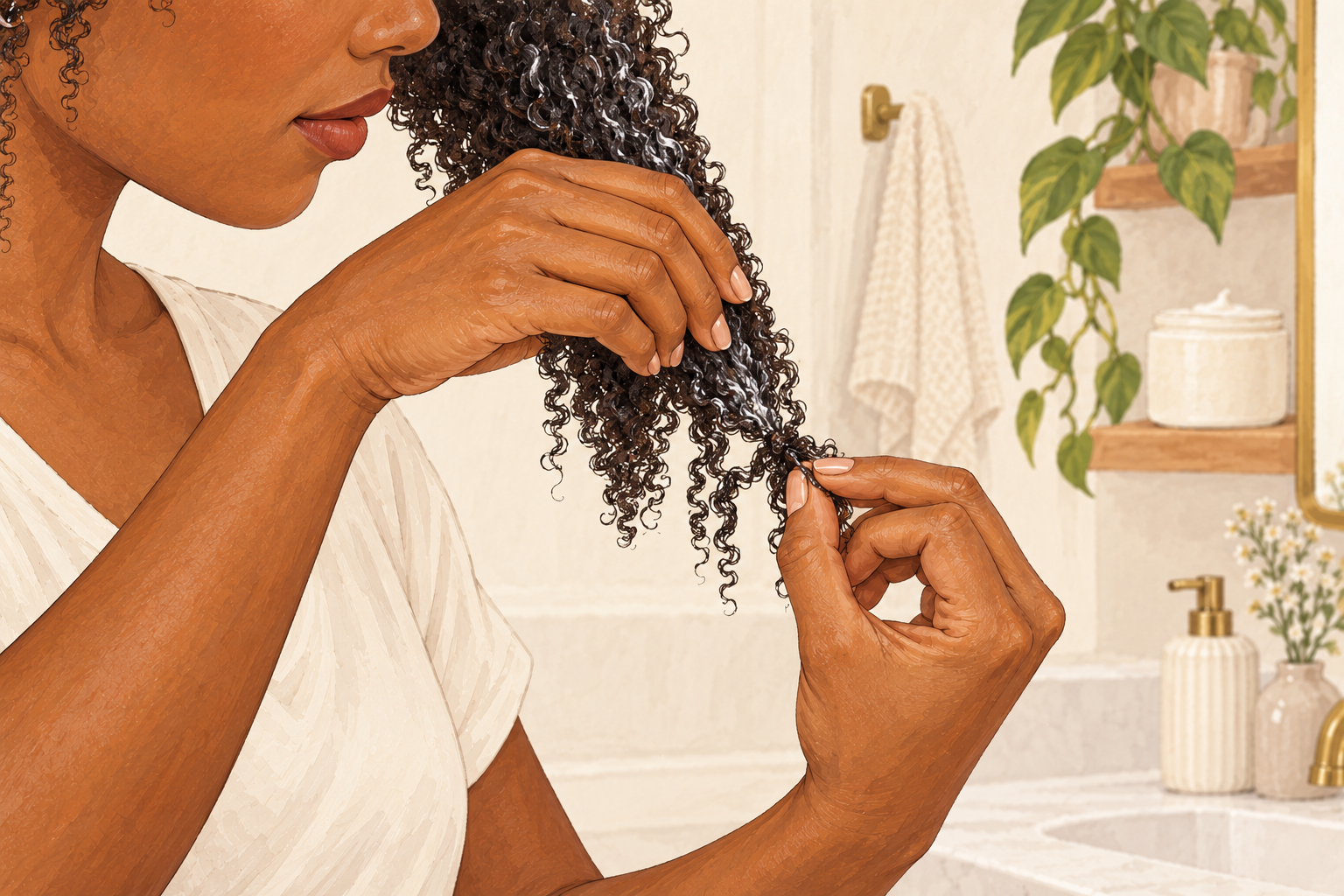
Start with two or three drops, rub your palms together, then press it over damp ends only. Water helps the oil spread thinly, and warm palms stop it from clumping. Work from the ends up to the mid lengths and stop before your roots. Add one more drop only if your ends still feel dry in a minute. Too much oil is the most common mistake with hair care oils, and it makes hair look lank and dirty. If you overdo it, comb it through with a dry towel and wait until your next wash. Check the mirror from the side, because greasy hair shows in profile.
11. Patch test and watch your scalp
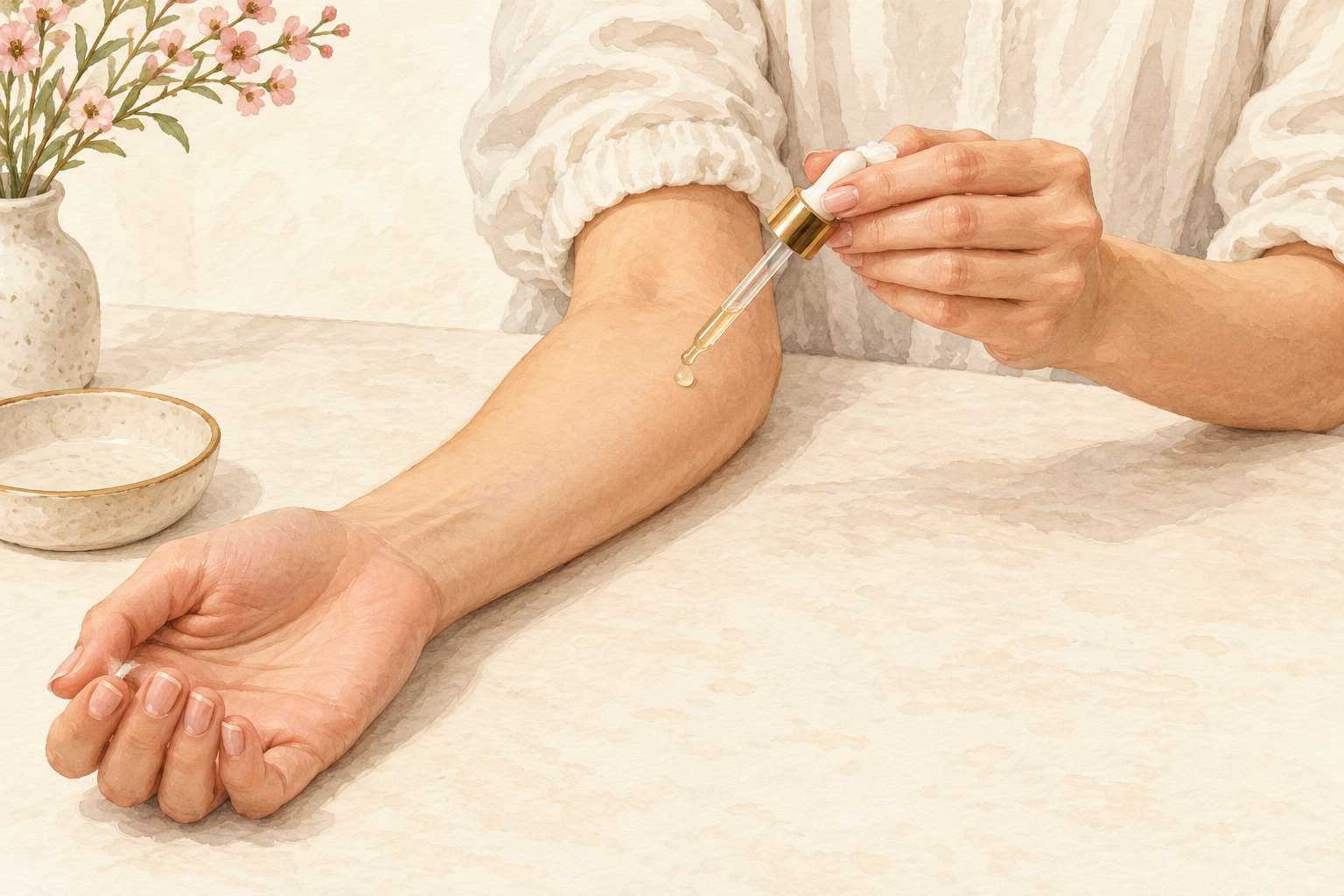
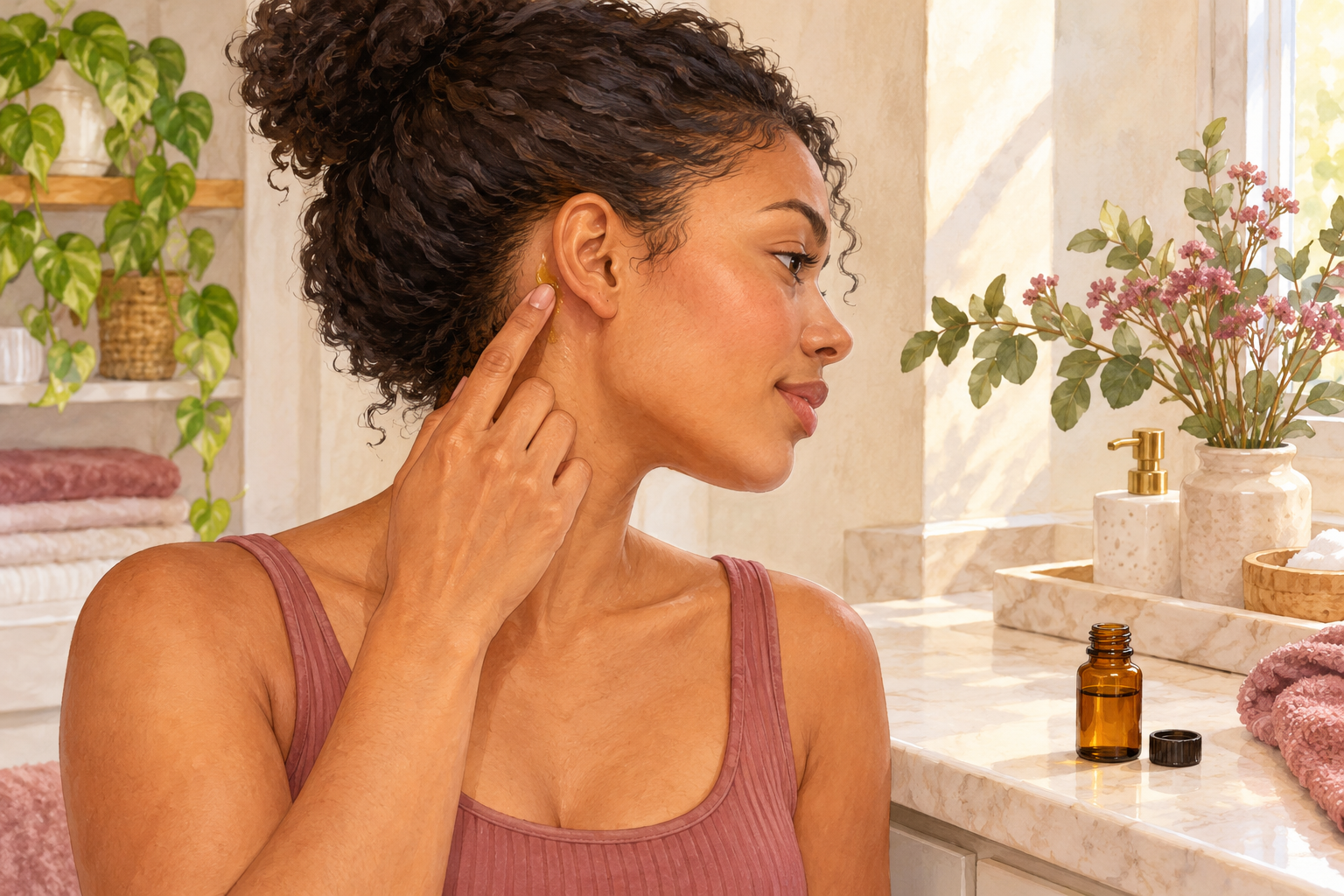
Dab a drop on the inside of your elbow and wait a day before putting any new oil near your scalp. Redness, itching or tiny bumps mean that oil is not for you. Oil on the scalp can also feed flakes in some people, so start with the lengths only and add the scalp slowly. Never use essential oils neat, because they are far stronger than the oils on this list. If your scalp feels itchy or flaky after a new oil, stop using it. If it stays sore, see your doctor. Keep each oil away from your eyes and wash your hands after the test.
12. Keep notes and know when to skip
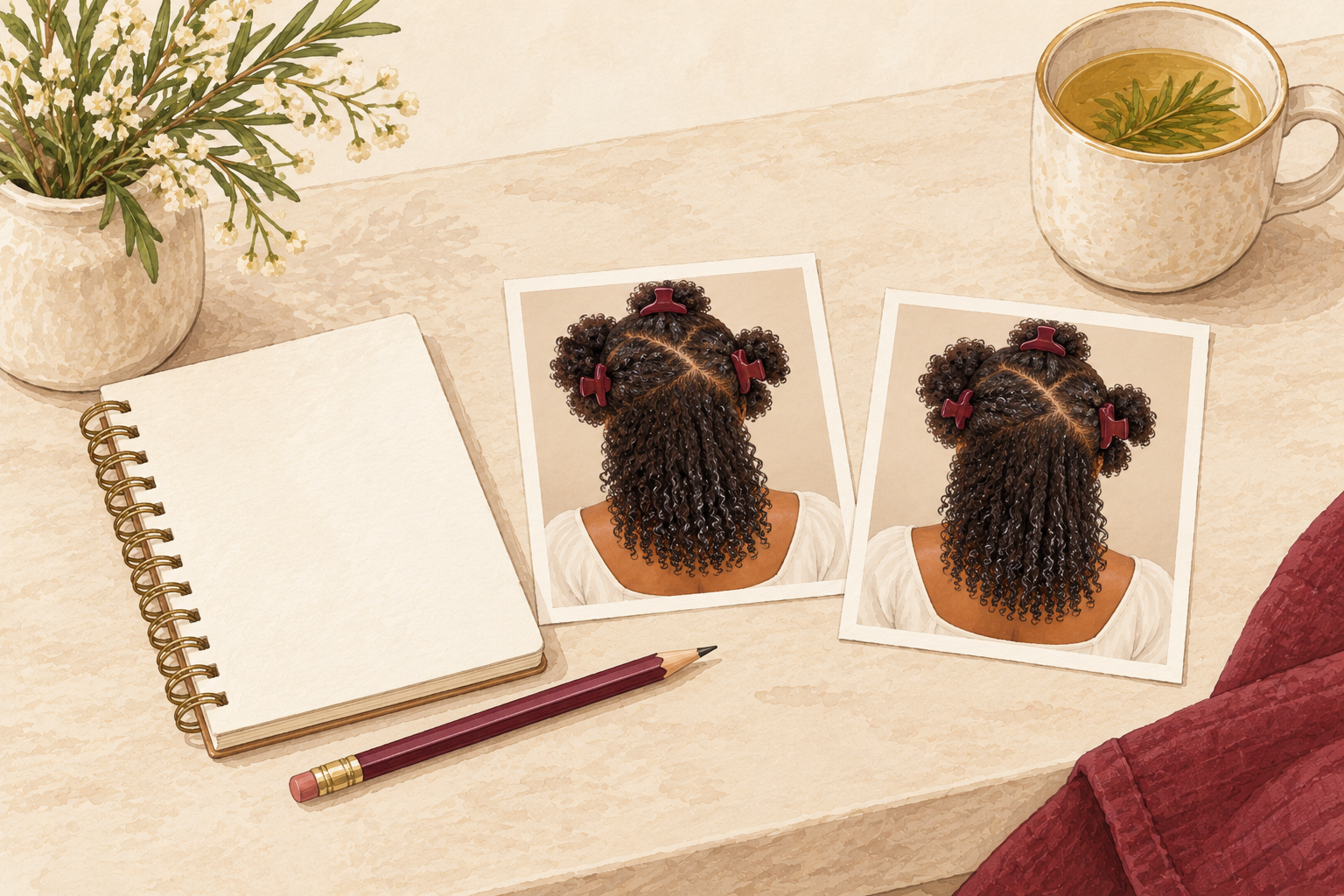
Write down the oil, the amount and how your hair felt the next day. After three or four tries you will see which one leaves hair soft, bouncy and easy to comb. If your hair feels coated, flat or stiff, you have the wrong oil or too much. Take a break from oils for a week every month so your hair can breathe. Hair that is shiny, soft and not greasy is the result you want. Some days your hair needs only water, and that is fine. Then buy the next small bottle only when the first is nearly finished.
Complete the Routine: Hair Care Oils for Every Wash Day
Pick one light oil and one rich oil, and try each on its own job this week. For more ideas, read about castor oil for hair growth and 4c natural hair care.