You stirred together whatever was in the fridge, spread it on your hair, and ended up with a sticky head and no change. A hair mask for growth works best when the recipe matches what your scalp and strands actually need. These 12 steps and recipes get you there, so start at number one tonight.
1. Check your scalp and ends separately
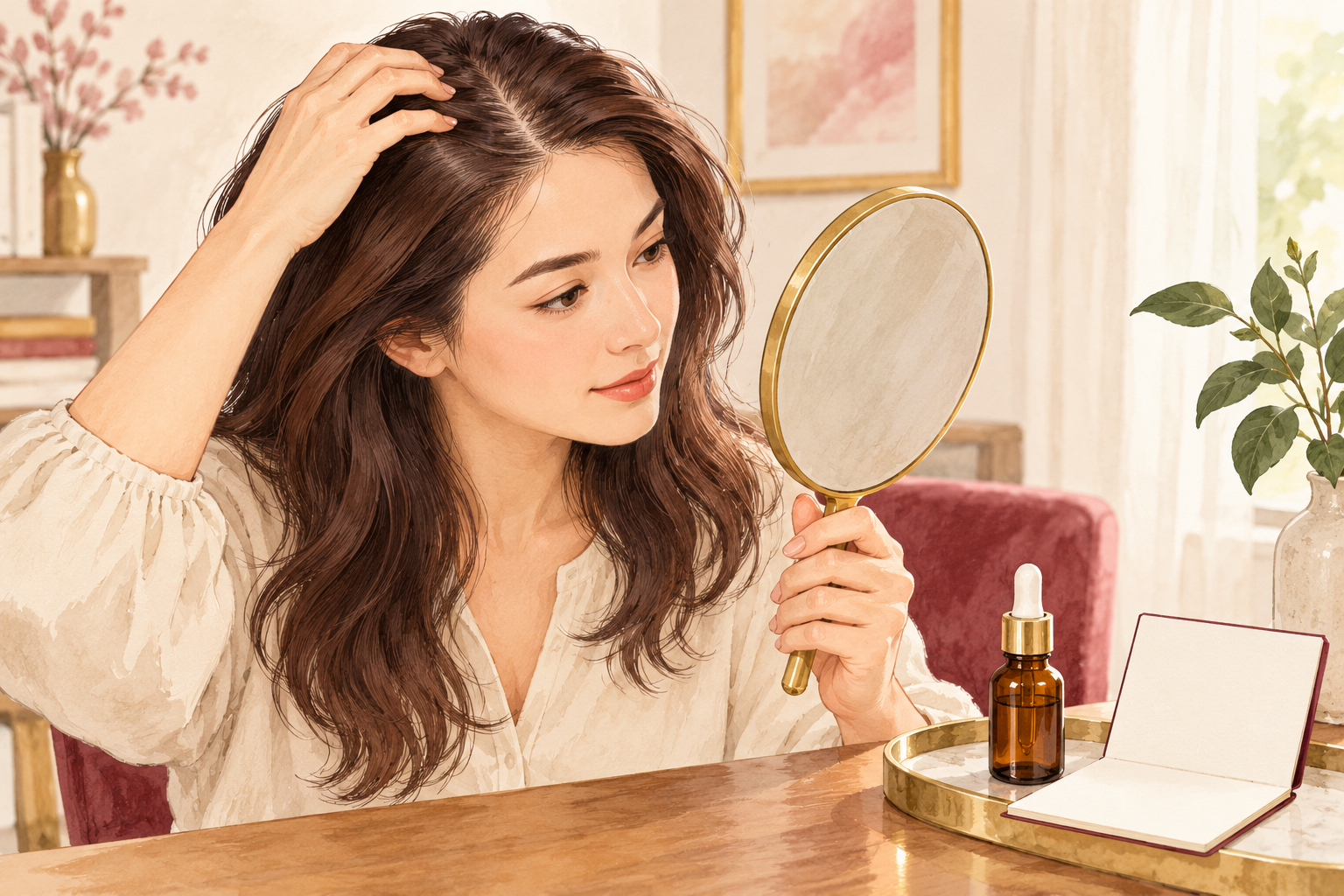
Run your fingers through the roots, then feel the last few inches of your hair. Your scalp might be oily while your ends are dry, and the two need different food. Oily roots with dry ends want a light mask on the scalp and a rich one on the lengths. A flaky scalp wants something cooling. Breakage wants moisture and a touch of protein. Write down what you find in one line before you pick a recipe, such as oily roots and dry ends. A mask chosen for your own hair beats one chosen because a stranger raved about it. Do this check again every few months, since hair changes with the seasons.
2. Make small batches and use them fresh
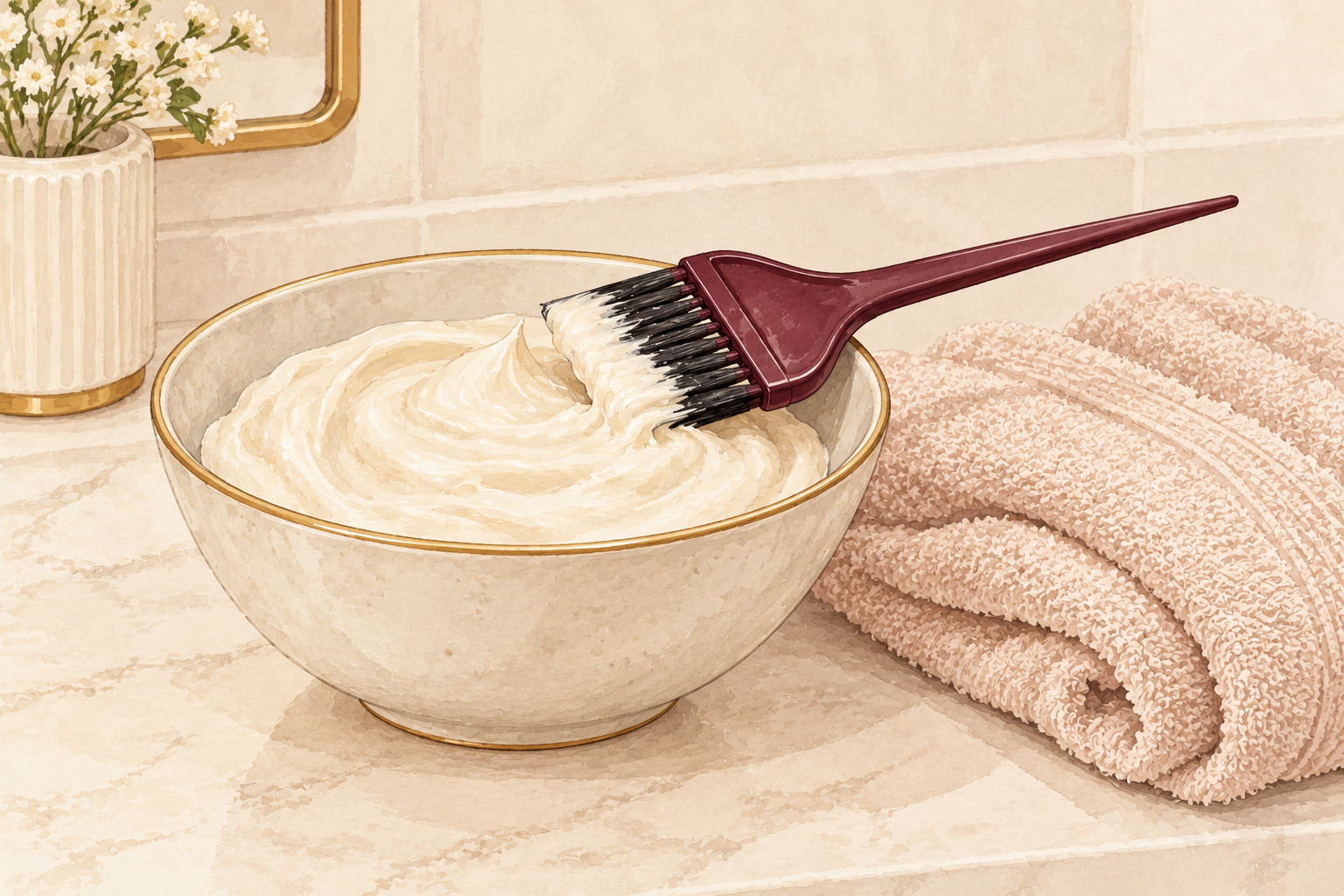
Mix only what you will use today, about three to four tablespoons for shoulder length hair. Food on your head spoils like food on your plate, and a mask left in the fridge can grow bacteria and trouble your scalp. Use a clean bowl, a clean spoon and a whisk to get rid of lumps. Strain anything chunky through a sieve so it rinses out easily. Throw away the leftovers. Gather everything first, including a towel, a shower cap and a comb, because you cannot go hunting with a mask dripping. Keep your sink free of hair clips and rings that can catch on goo.
3. Patch test every new recipe
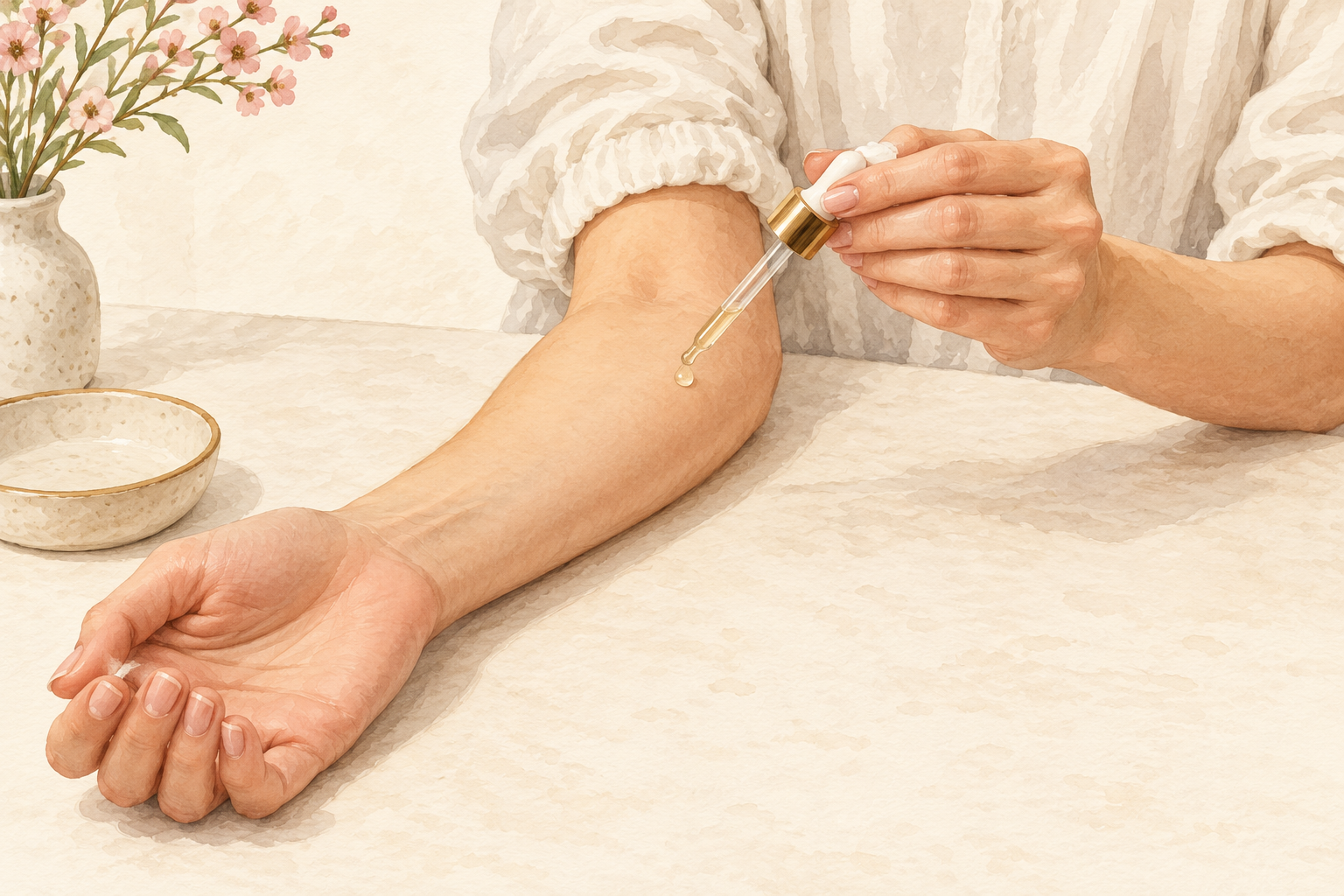
Dab a little of the mask on your inner arm or behind your ear and wait a few hours, ideally a full day. Honey, egg, yogurt, banana and aloe all trigger reactions in some people. Itching, redness, swelling or hot skin means that ingredient is not for you. Wash it off and cross the recipe off. A recipe is not safe just because it is natural. Test again whenever you change one ingredient. It takes thirty seconds and spares you a long week of angry skin. Keep each test on a different spot so you can tell them apart.
4. Start with green tea and aloe for balance
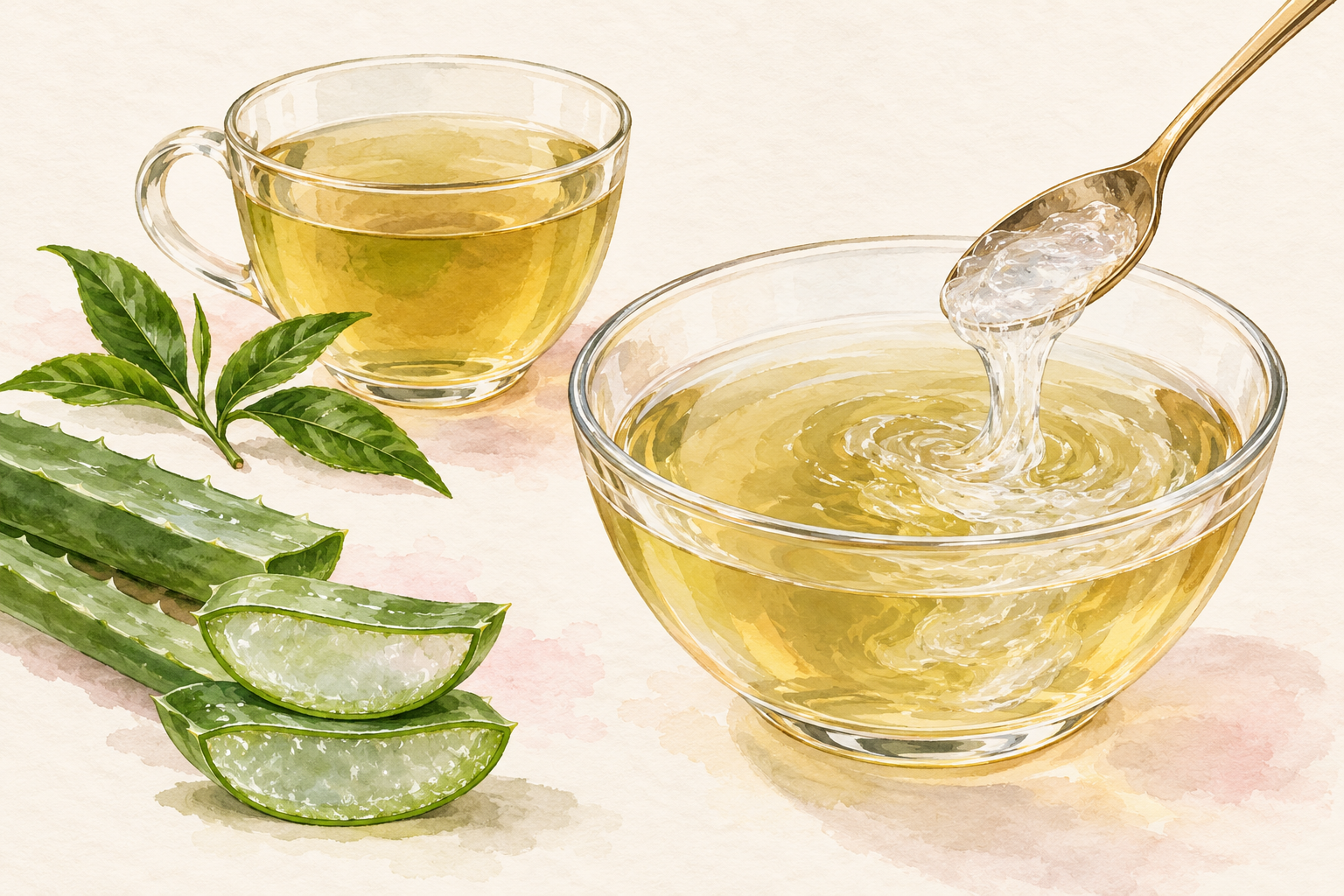
Brew a cup of green tea, let it go cold, and stir in two tablespoons of pure aloe gel. This is the gentlest recipe on the list, and it suits oily, itchy or sensitive scalps. Part your hair and spoon or spray the mixture onto your roots, then massage lightly for two minutes. Leave it for fifteen minutes and rinse with cool water. It feels like a cold drink for your scalp. Use the tea fresh the same day, and choose an aloe gel with no fragrance or alcohol. Pour the tea into a spray bottle if you have thick hair, as it reaches the scalp faster.
5. Yogurt and honey for a flaky, tight scalp
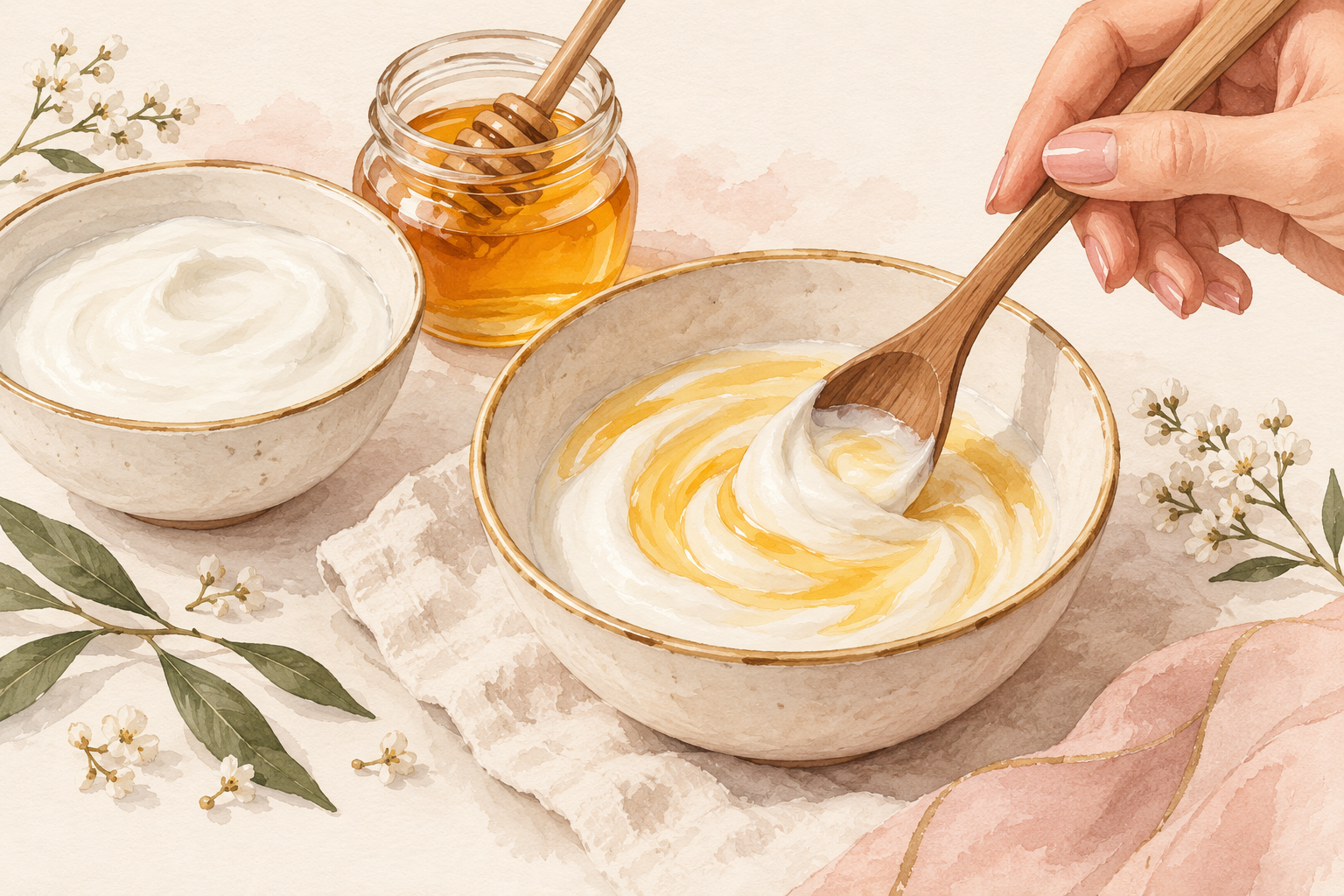
Stir three tablespoons of plain yogurt with one teaspoon of honey and spread it over your scalp. Plain yogurt, with no sugar and no flavor, feels cooling and softens dry flakes. Leave it on for twenty minutes under a shower cap, then rinse with lukewarm water, never hot, since heat cooks the yogurt into lumps. Work the rest through your ends if they are dry. If your scalp stings, rinse immediately. This one is calming rather than dramatic, and a calm scalp is a good place for hair to grow. Pair it with a gentle shampoo and skip hot water afterwards.
6. Avocado and honey for deep moisture
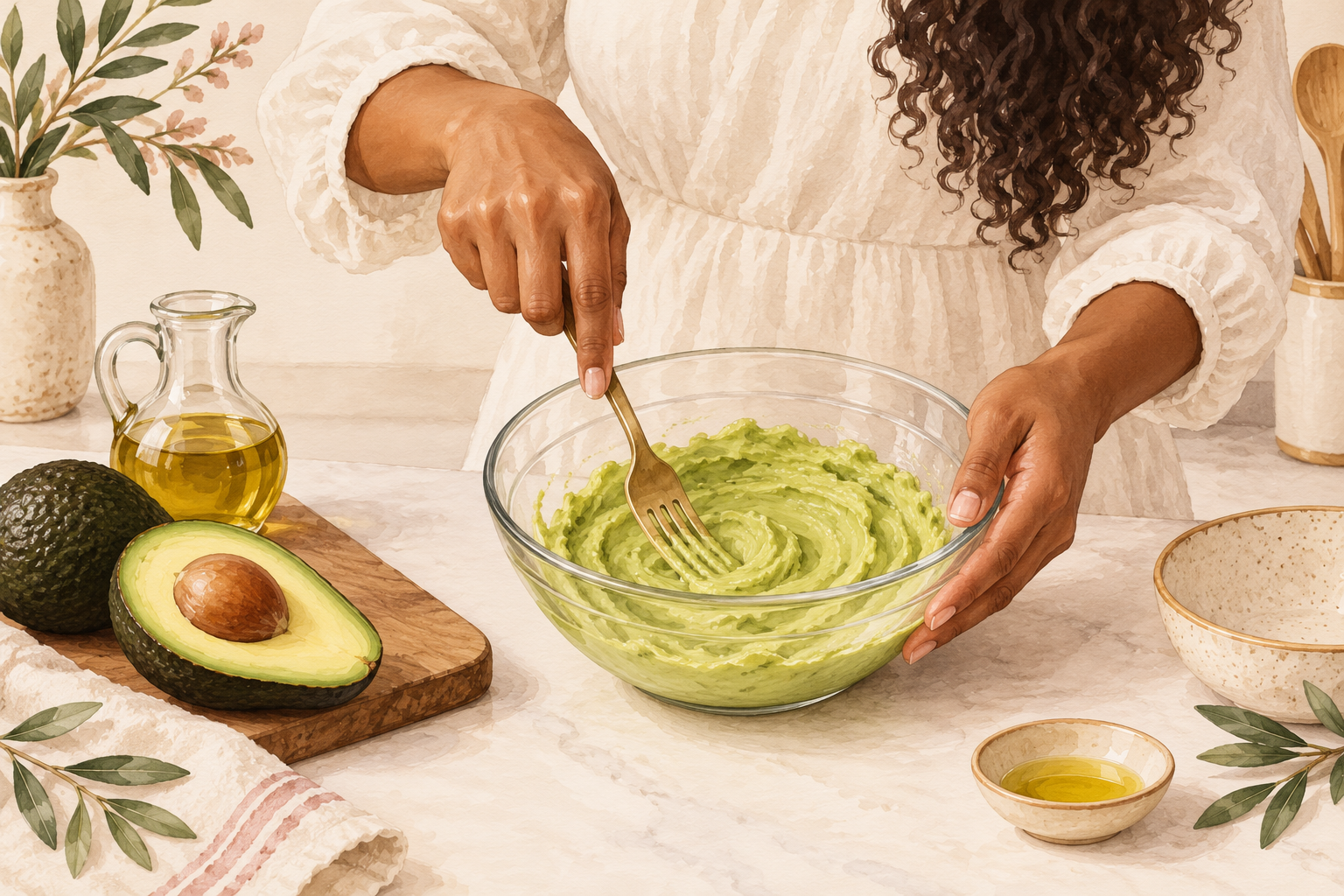
Mash half a ripe avocado with a teaspoon of honey and a teaspoon of olive oil until completely smooth. Any lumps will hide in your curls, so press them through a sieve if you need to. Smooth it from the mid lengths to the ends, then add a little to the scalp if it feels dry. Cover with a shower cap and wait twenty minutes. This mask suits dry, rough or colored hair and leaves it soft and heavy in a good way. Rinse with lukewarm water until the green flecks are gone. A ripe avocado should dent slightly under your thumb, and a hard one will not mash. If richer blends appeal, open castor oil for hair growth next and see how it feels.
7. Coconut milk and honey for coily hair
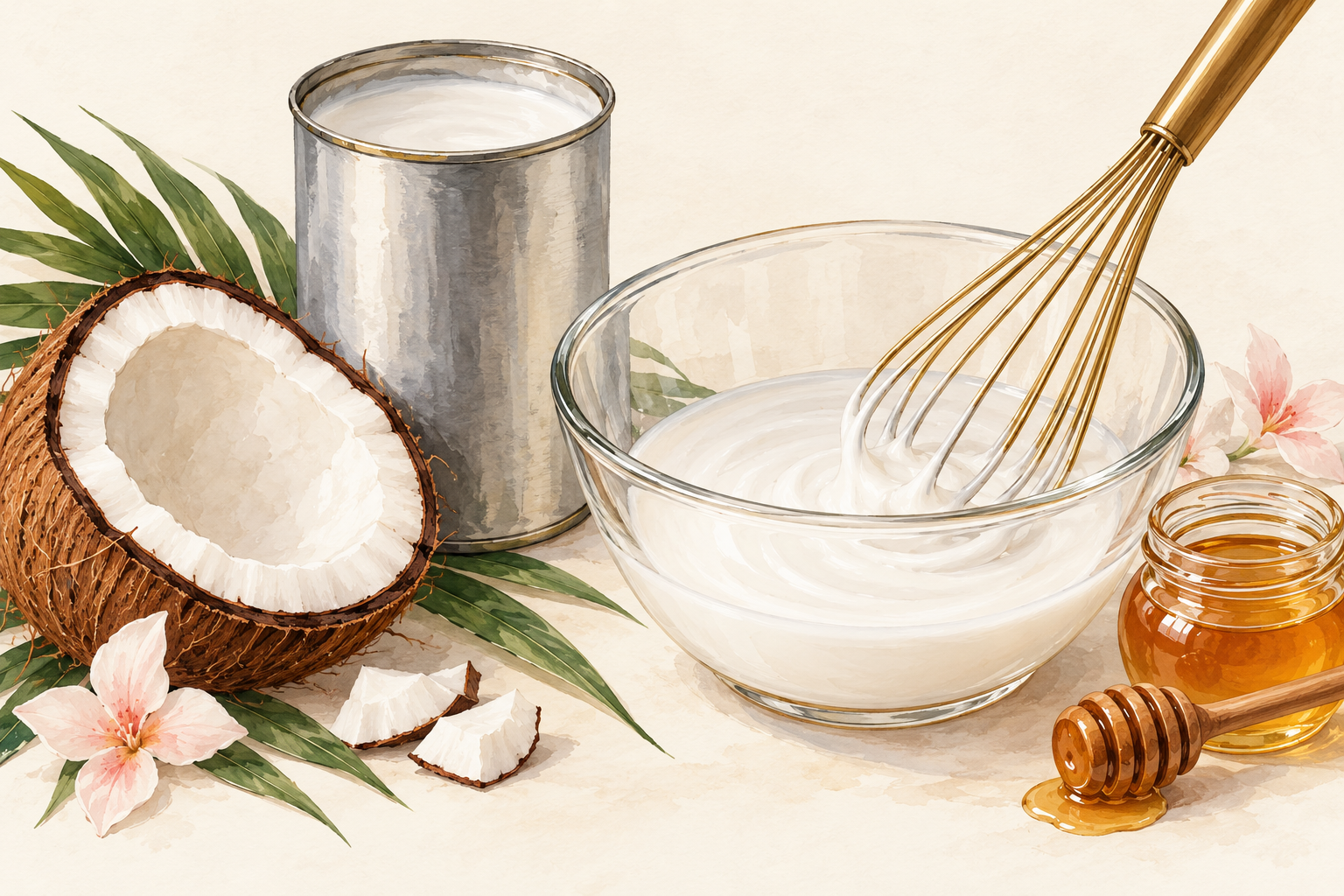
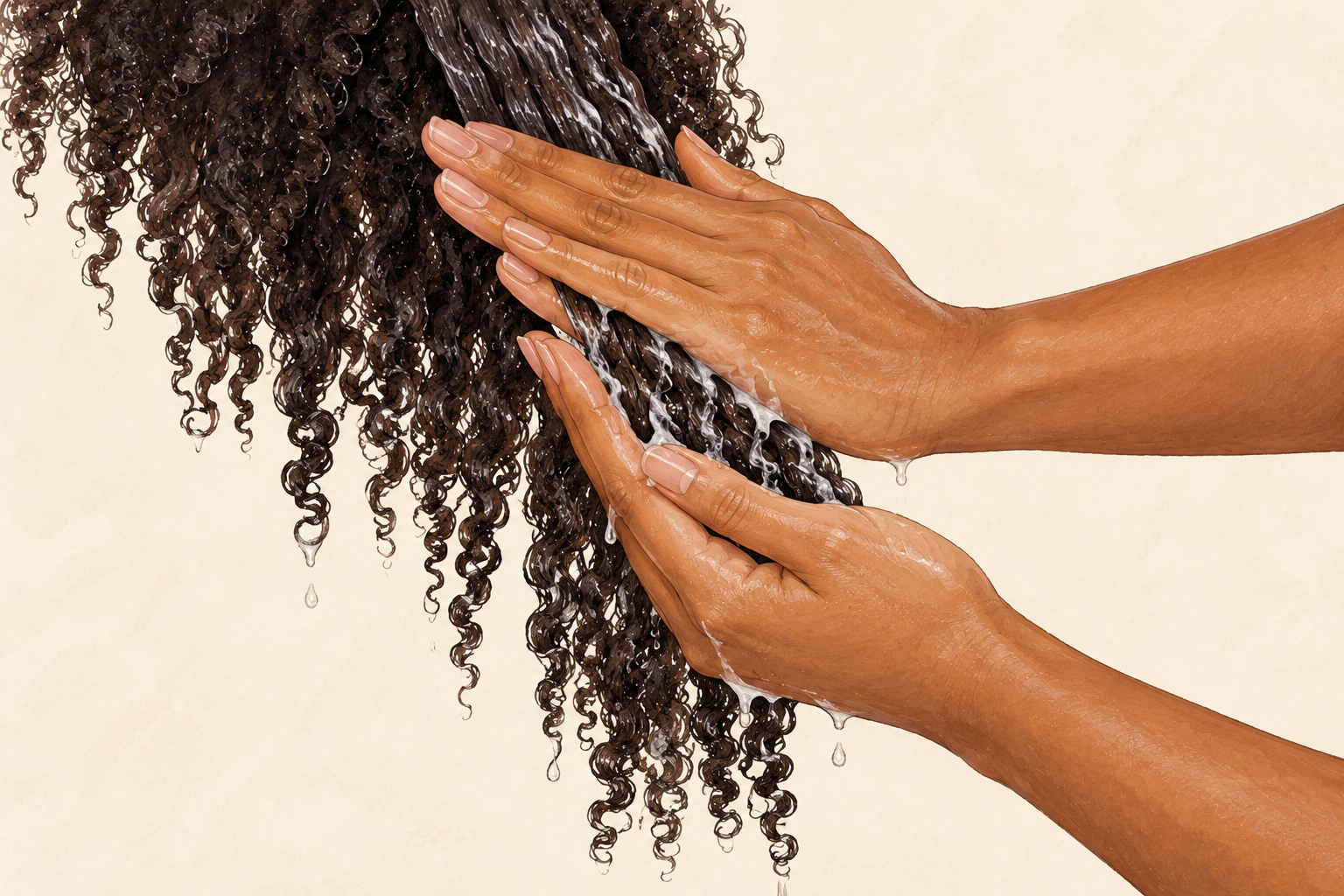
Whisk four tablespoons of canned coconut milk with a teaspoon of honey until silky. Coily and curly hair loves this mix because it brings softness and slip without being greasy. Section your hair into four parts and smooth the mask through each one, finger combing as you go. Wrap your hair in a warm towel for twenty minutes. Rinse with lukewarm water and follow with your usual conditioner. Skip it if you have a coconut allergy, and use less if your hair goes limp easily. Open the can and stir first, because the thick cream sits on top. Anyone with curls and a growth goal will find a focused angle in curly hair growth.
8. Banana, honey and oil for soft strength
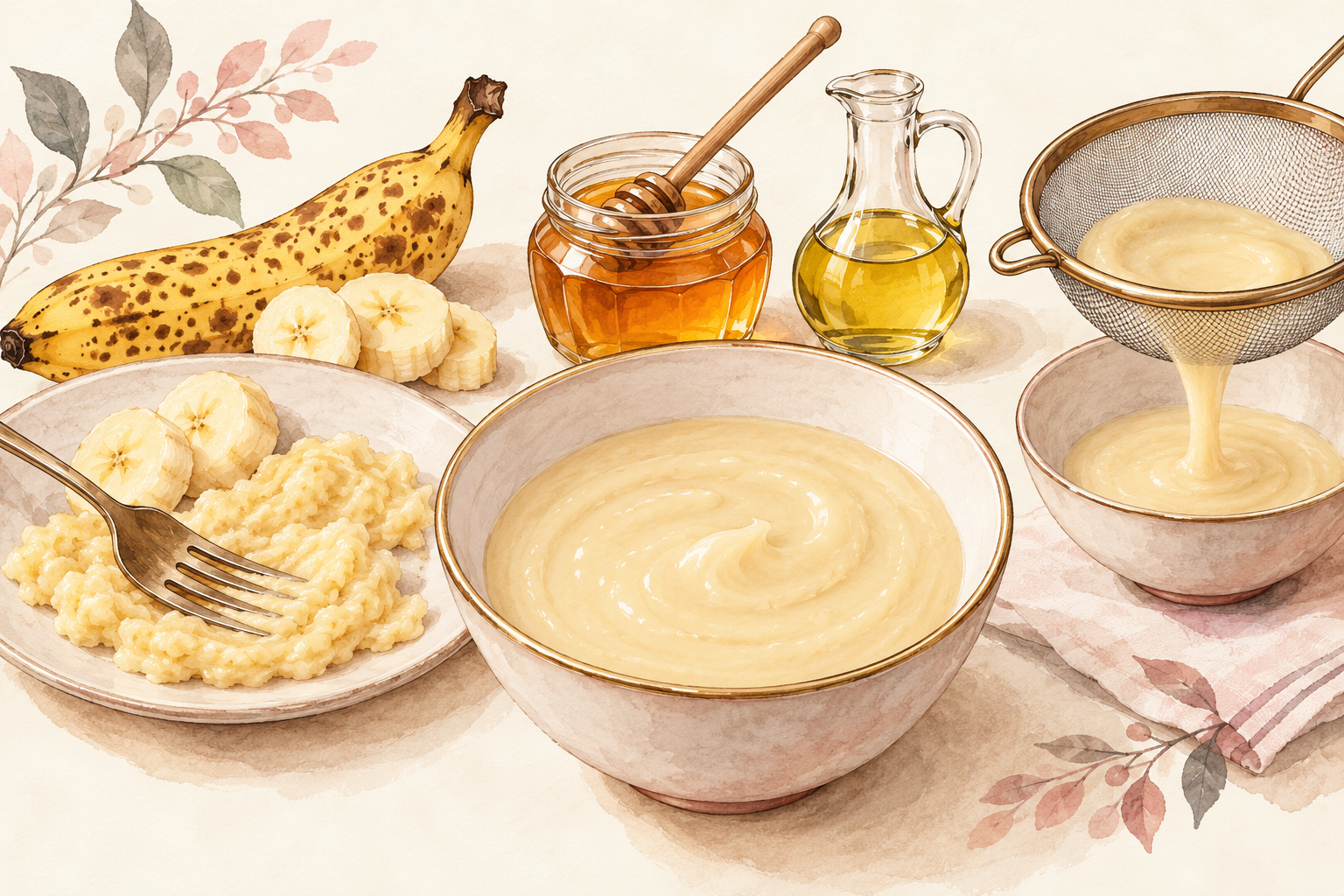
Mash one very ripe banana with a teaspoon of honey and a teaspoon of oil, then blend it with a fork until it is runny. Banana clumps are the enemy, so blend longer than feels necessary or push it through a sieve. This mask leaves dull, brittle hair feeling smoother and stronger. Apply it from the mid lengths down, with a little at the roots. Leave it for twenty minutes, rinse with cool water, and comb out slowly. If you find a banana strand later, a comb sorts it. Rinse your sink straight away, as dried banana is stubborn.
9. Egg yolk and olive oil for protein

Whisk one egg yolk with a tablespoon of olive oil until pale and creamy. Use it when your hair stretches and snaps, or feels limp and mushy after washing. Spread it over your lengths and leave it for fifteen minutes. Always rinse with cool water, because warm water scrambles the egg onto your hair, and that smell is unforgettable. Use it only once every two weeks, since too much protein makes hair stiff. If you dislike the smell, a drop of honey helps. Keep the yolk only, and never use it near your eyes.
10. Clay and water for an occasional reset
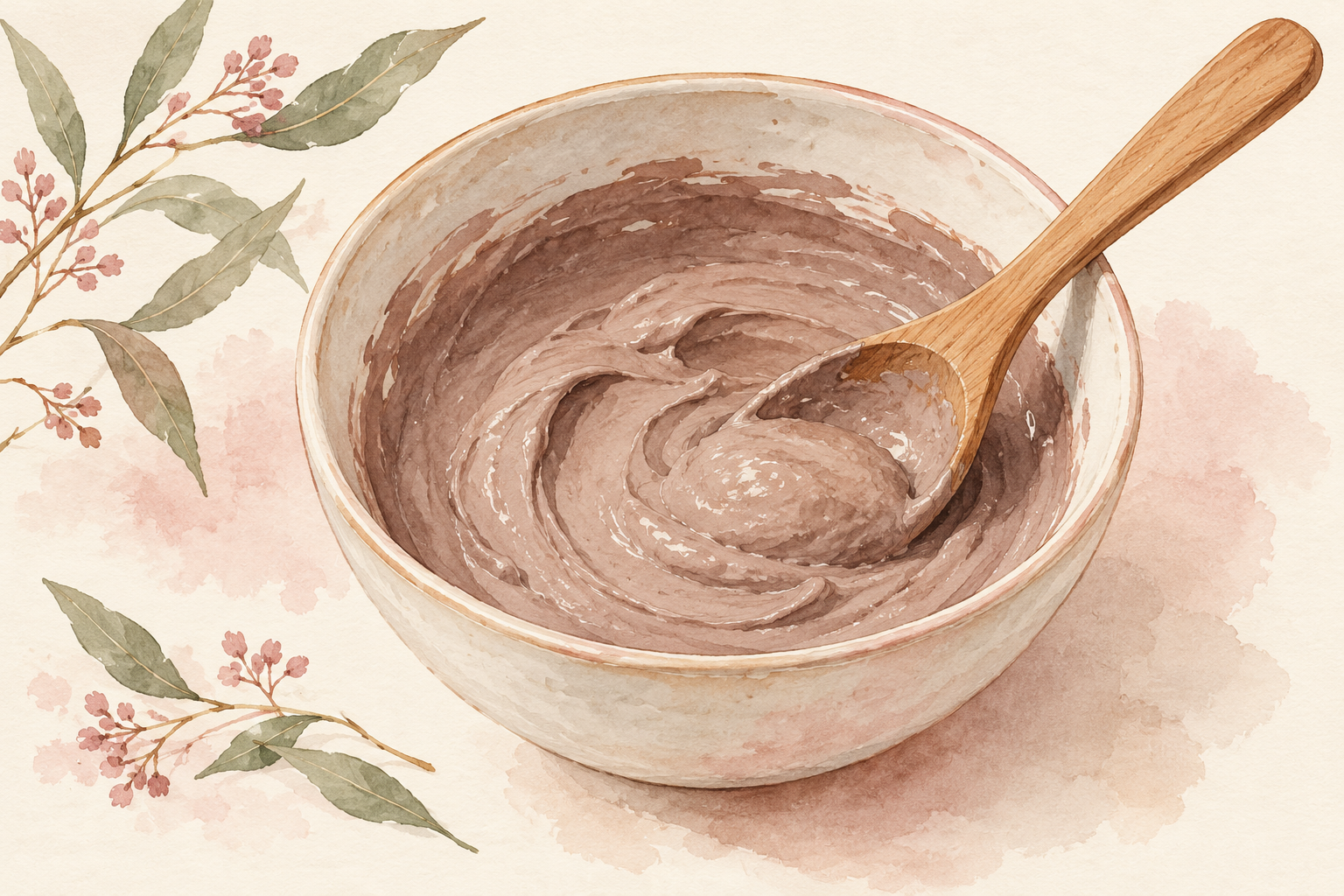
Stir one tablespoon of clay powder with three tablespoons of water into a smooth paste, using a wooden or plastic spoon. Smooth it over an oily scalp and leave it for ten minutes, never letting it dry hard. Rinse thoroughly, then follow with conditioner on the lengths. This one lifts product and oil, so use it once a month at most. Clay can leave hair squeaky and dry if you overdo it. Think of it as a reset button before your next creamy mask. Never use a metal spoon or bowl, which can react with the clay.
11. Mask once a week for twenty minutes

Pick one day a week for your mask and set a timer for twenty minutes. Cover your hair with a shower cap or a warm towel so the mask stays damp and works better. Longer than half an hour does not help, and a mask that dries on your hair pulls at it when you rinse. Rinse until the water is clear and your hair feels smooth, not coated. Overdoing masks is the usual way this goes wrong, because hair that is fed all the time goes soft and floppy. If your hair feels heavy, skip a week.
12. Track breakage and comfort for eight weeks
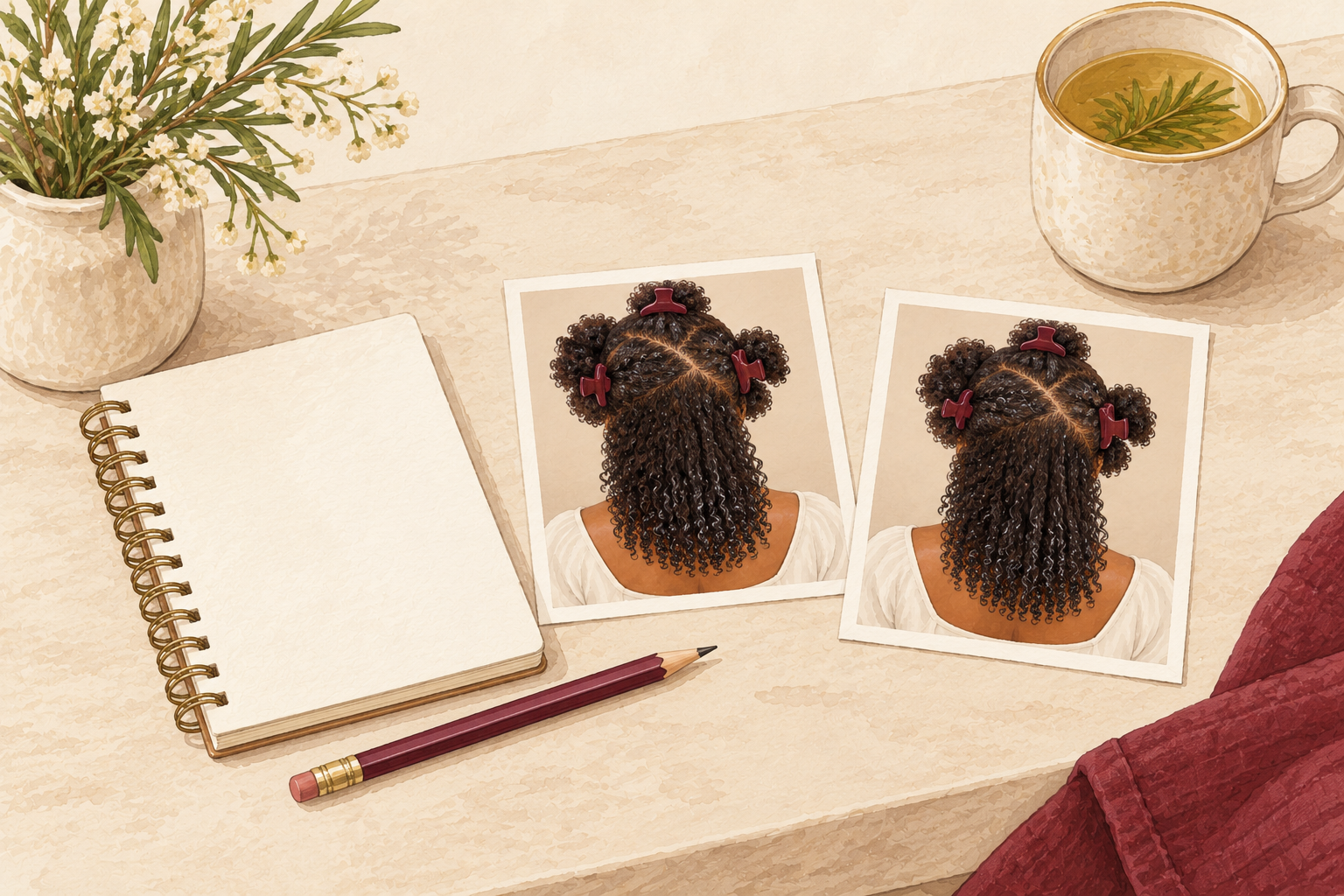
Write down how your scalp feels and how many hairs land in the brush before you start. A mask feeds the strands and calms the scalp, so what you will likely notice is less breakage, softer hair and a more comfortable scalp. It will not wake up dead follicles, and nothing in a kitchen bowl can. After eight weeks, compare your notes and photos. A hair mask for growth is about keeping the length your hair already grows, so look at your ends too. Be patient, because the first two weeks are mostly about comfort.
Complete the Routine: A Hair Mask for Growth That Fits Your Hair
Tonight, check your scalp and ends and do your patch test. Mask experiments can be fun, and the guides below hold more ideas for whatever your hair asks for next.