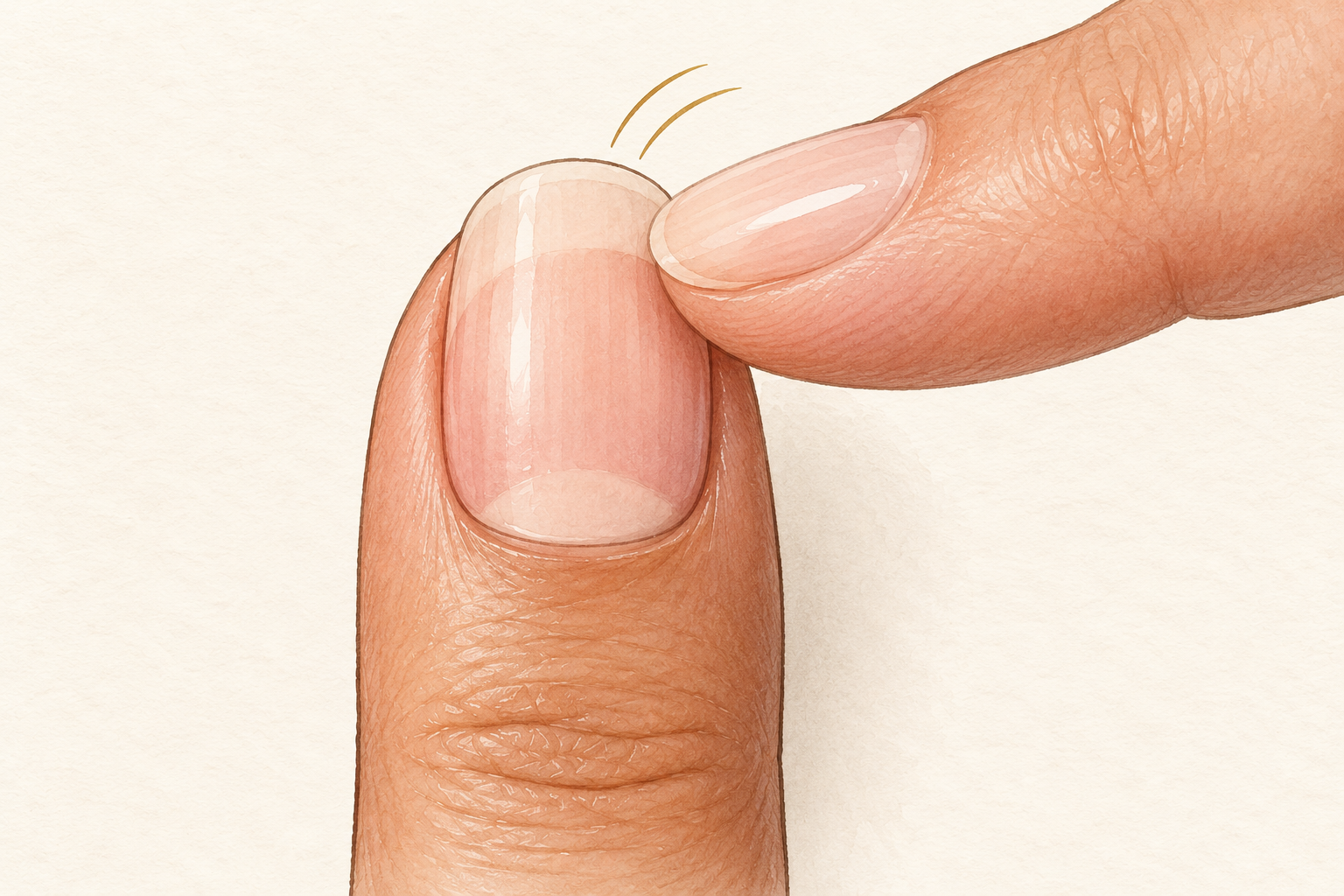
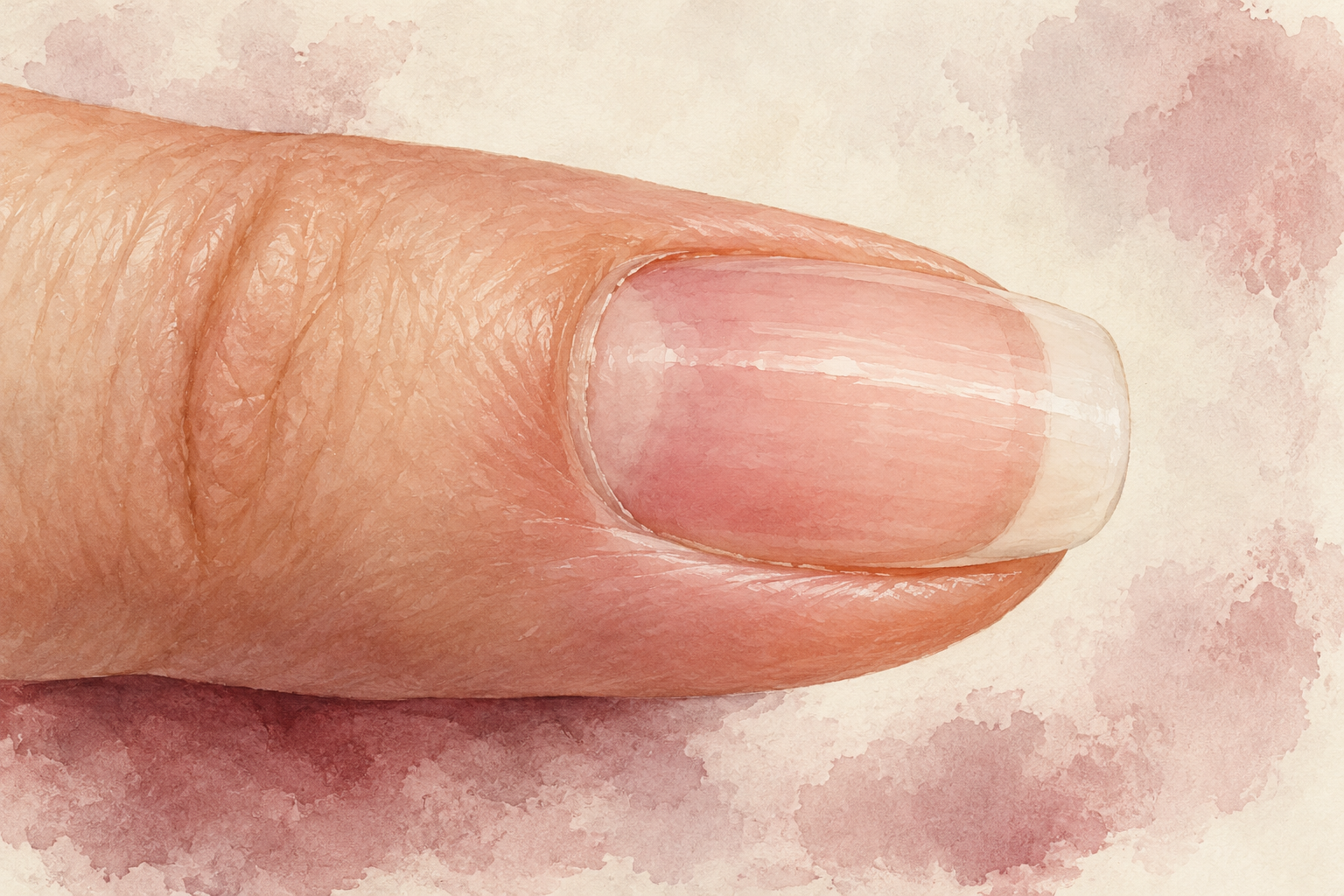
You took the polish off because your nails are peeling, yellowish or just tired, and you hope going bare will fix them. Plenty of girls go bare and still end up with nails that look worse, because every other habit stayed the same. For healthy nails natural results, what you keep and what you drop matters more than the break itself. Here are 12 habits to sort through, so start at number one tonight.
1. Don’t expect the break to do all the work
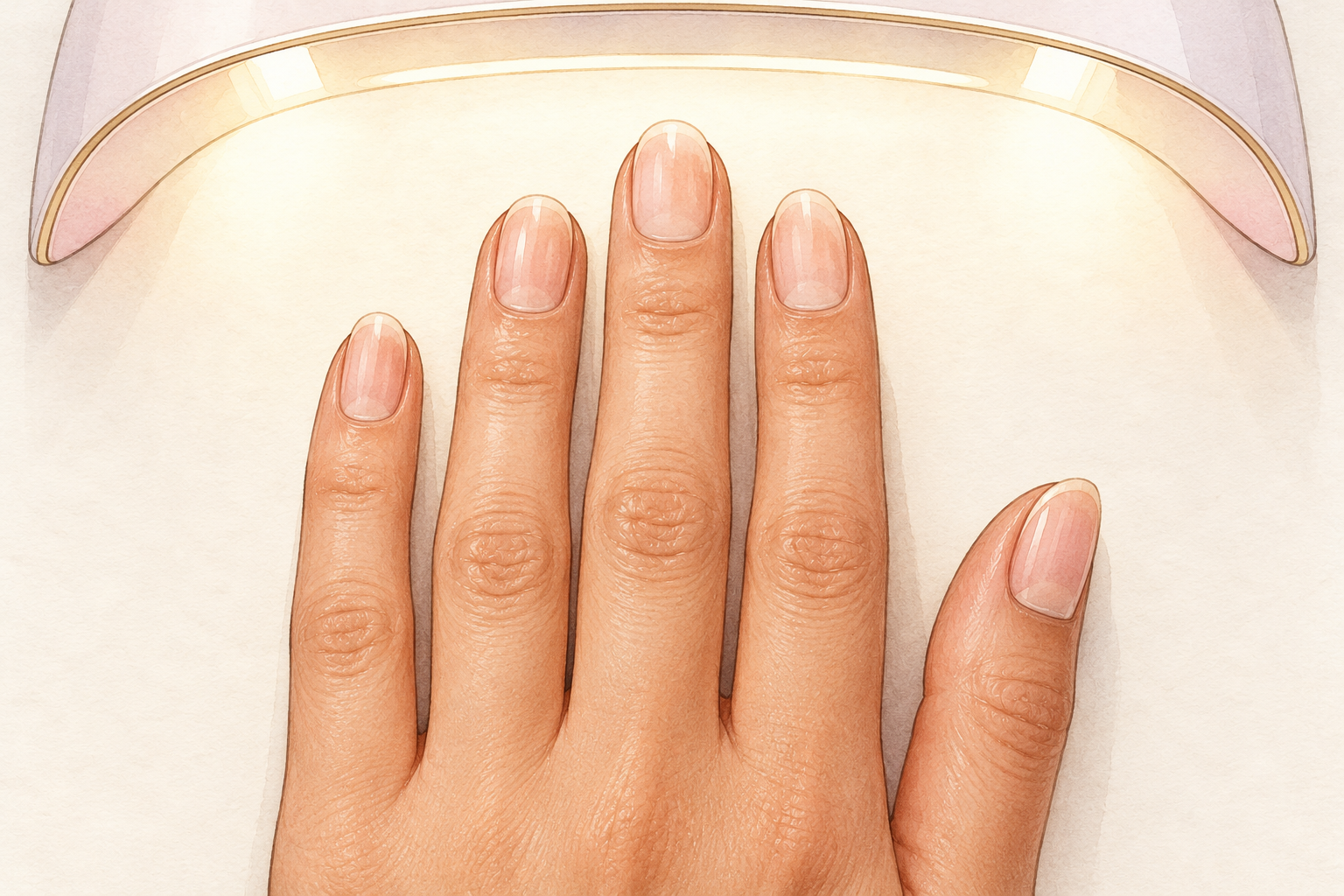
Treat your polish break as a chance to change habits, not a magic cure. Taking the color off gives the nail a rest from remover, which dries it, but your nails still suffer if water, picking and rough filing carry on. Think of the next two months as a test run for better habits. Pick three from this list and keep them going daily. That is much easier than trying all twelve at once. Write the three on a sticky note and put it on your bathroom mirror. Nails do not breathe through polish, so the real gain is rest, not air.
2. Take the old polish off gently
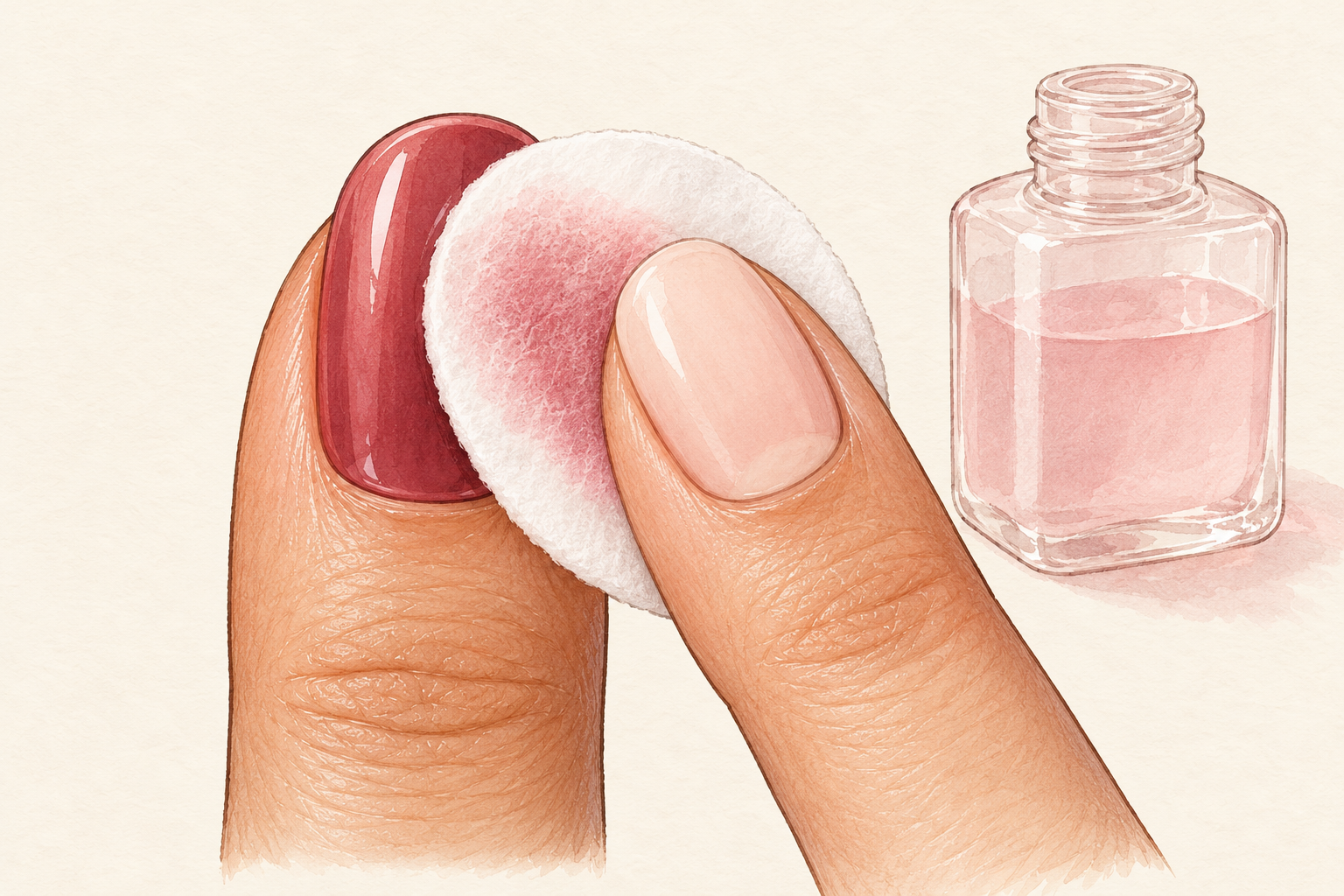
Press a soaked cotton pad on each nail for ten seconds, then wipe once. Scraping or picking polish peels the top layer of the nail away with it. Choose a remover without acetone if your nails are dry, and keep the strong stuff for glitter. Wash your hands afterwards, because remover leaves them papery. Use as little as you can. Open a window as well, since fumes build up fast in a small bathroom. This is one habit to keep for good, even after your break ends. Wipe the cotton in one direction so you do not push color into the skin around the nail.
3. Keep the shape short and even
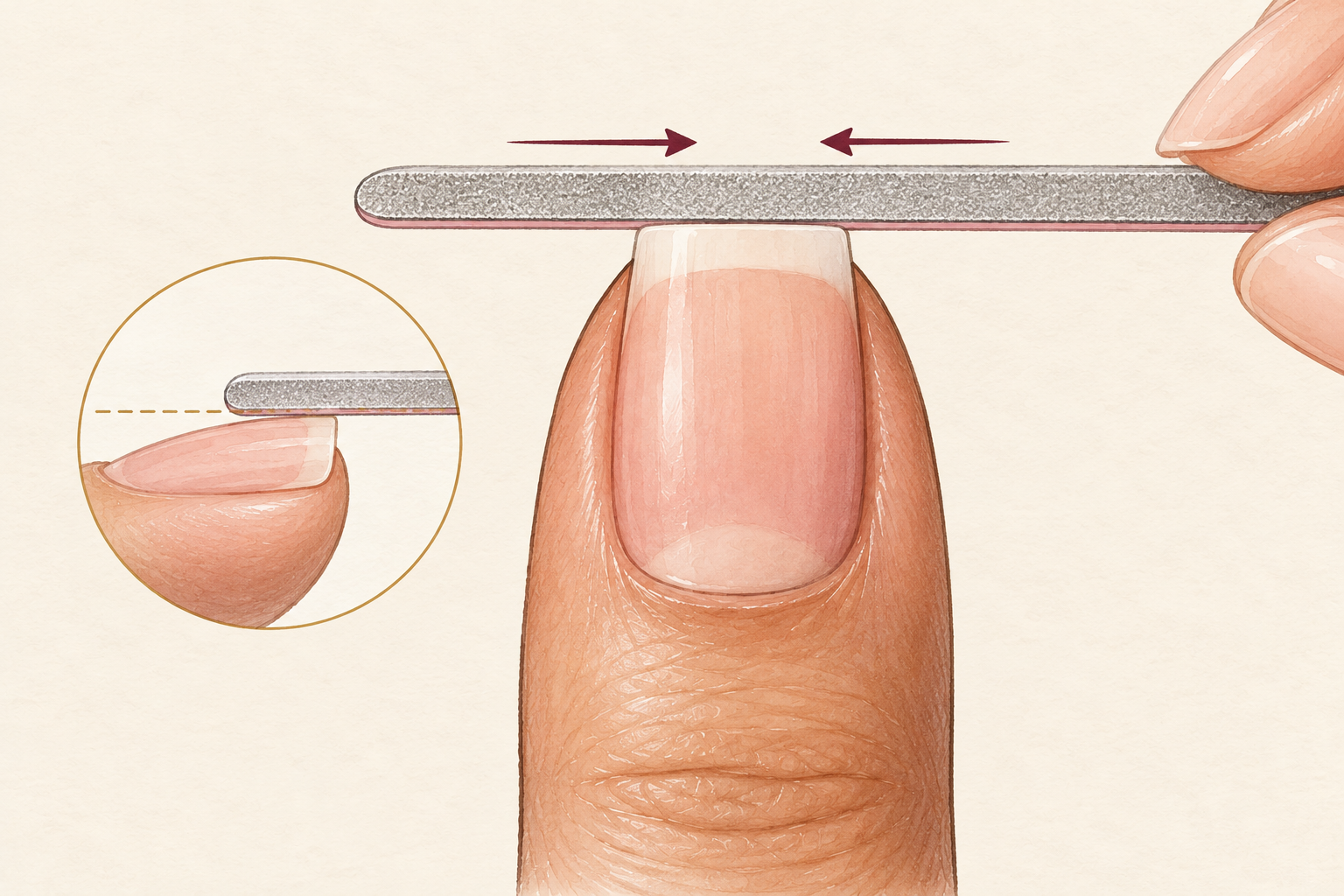
Trim straight across, round the corners a little and keep every nail the same length. Long nails snag, and a snag peels. Short nails are less likely to catch on sleeves, hair and fabric during your bare weeks. File in one direction, from the outside toward the middle, never sawing. Do it after a wash when the nail is slightly soft. Once the nails are stronger, you can grow them out again. For now, short and neat is the quickest road to healthy nails natural and strong. Check them every Sunday, since a quick tidy once a week stops small snags from growing.
4. Drop the heavy buffing
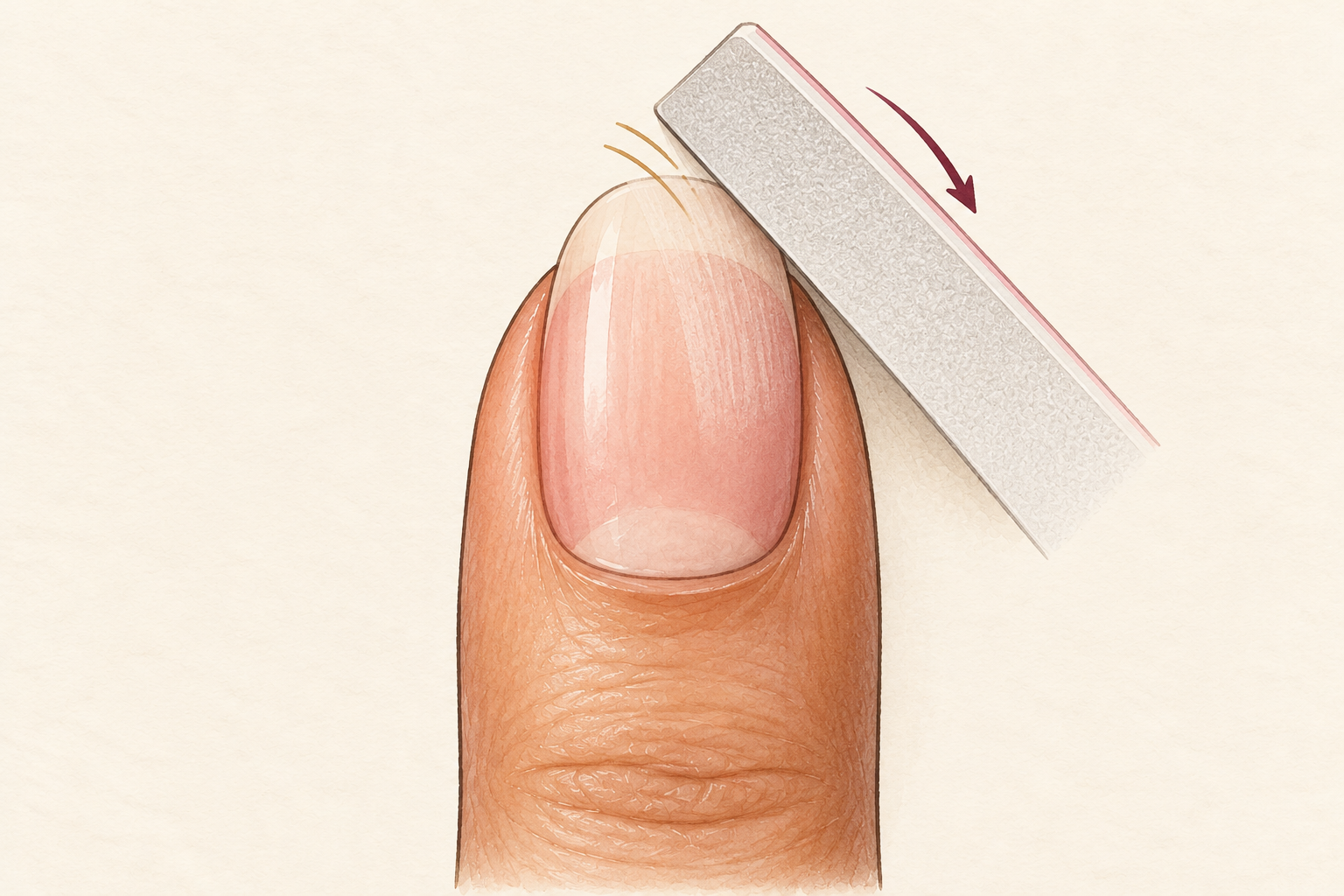
Skip the buffing block, or use it once a month at most. Buffing feels like it makes nails shiny, but it scrapes away a thin layer each time. Do it often and the nail becomes thin and bendy. If you love the polished look, use a smooth glass file on the surface for a few light strokes and finish with oil. That gives a soft shine without removing much. You will likely notice your nails feel firmer within a few weeks. Stop completely if they look thin or ridged. Run a fingertip across each nail afterwards, and if the surface feels thin or hot, stop.
5. Keep cuticle oil every night
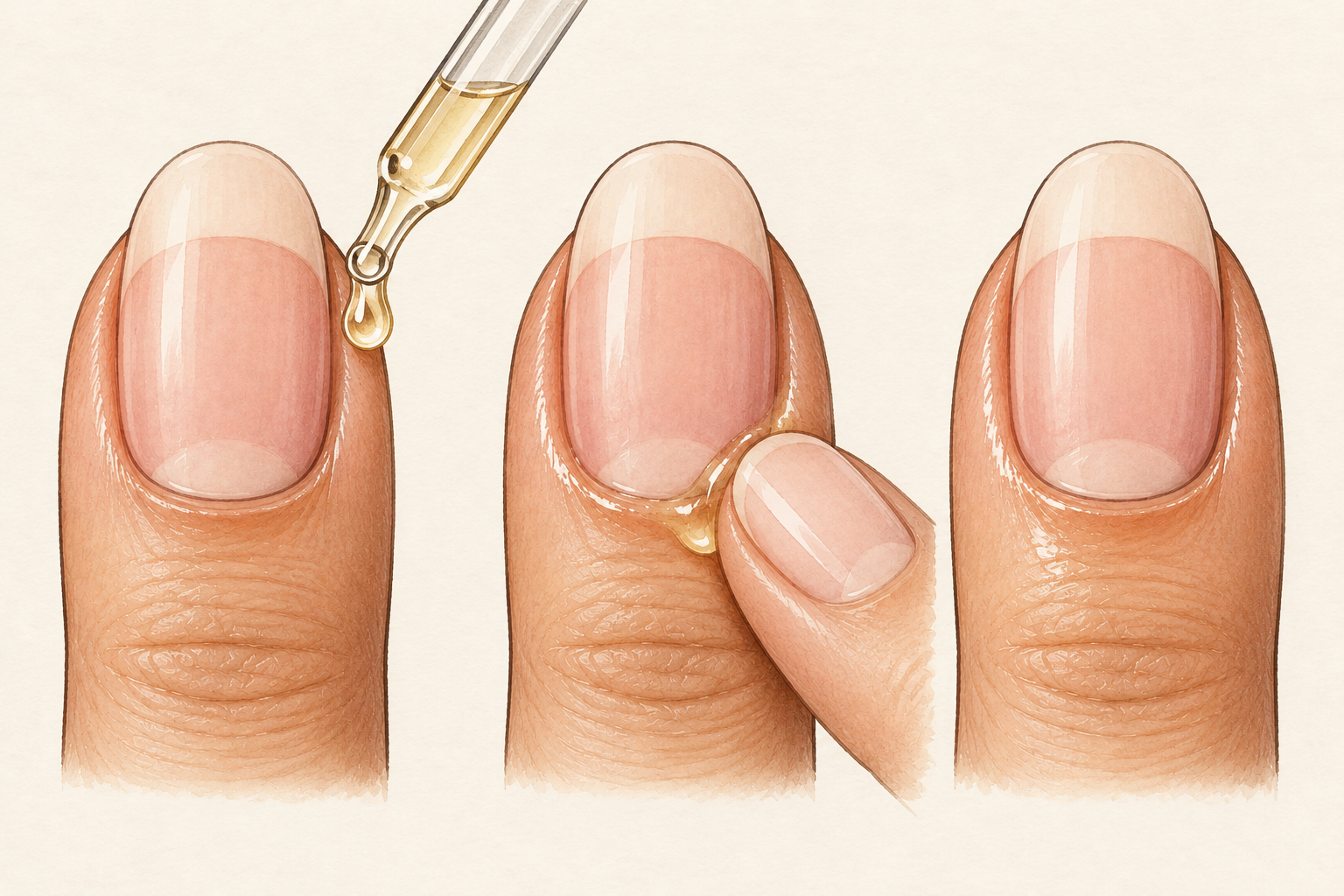
Press one drop into each cuticle before bed and rub it in for ten seconds. Oil keeps the skin around the nail soft and helps the nail flex instead of snap. Natural oils are fine, such as jojoba, sweet almond or olive. A little goes a long way, and bare nails often look glossy within a week. Keep the bottle on your bedside table so you never forget. Rub the leftover oil into your hands. It is the smallest habit on this list, and the one you will miss most when you skip it. Press the oil into the skin as well as the nail, which makes the whole fingertip softer.
6. Keep hand cream by every sink
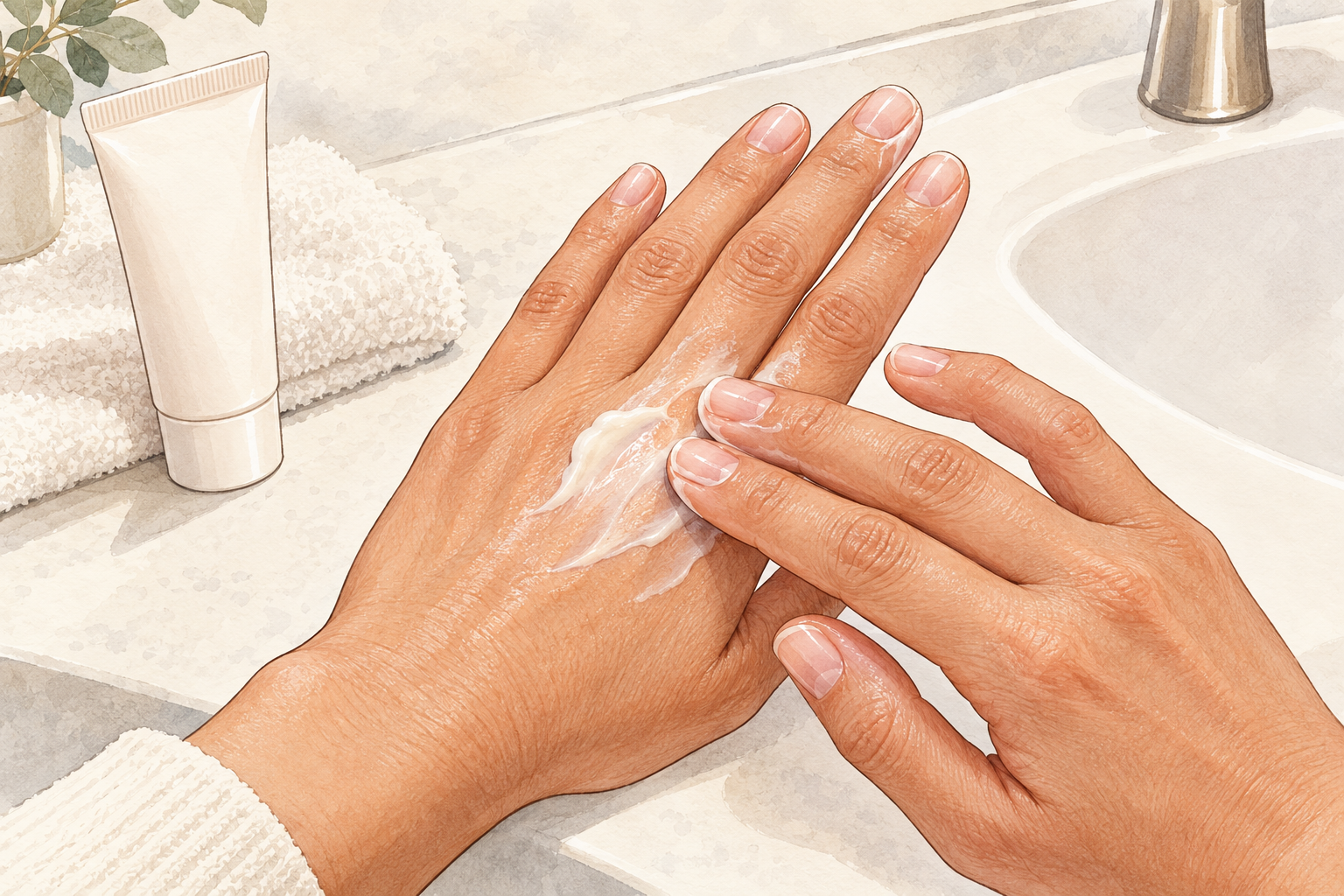
Rub cream into your hands and nails every time you dry them. Water is the quiet enemy of nails, because it swells them and lets them shrink again, and that cycle leads to peeling. Cream seals in moisture before that happens. Choose a rich, plain one that you enjoy using, so you actually reach for it. Dab a little around the cuticles, where skin dries first. If your hands feel tight, add a second layer before bed. Keep a small tube in your bag as well. Heavy cream also protects against dry winter air, which cracks the skin around the nails.
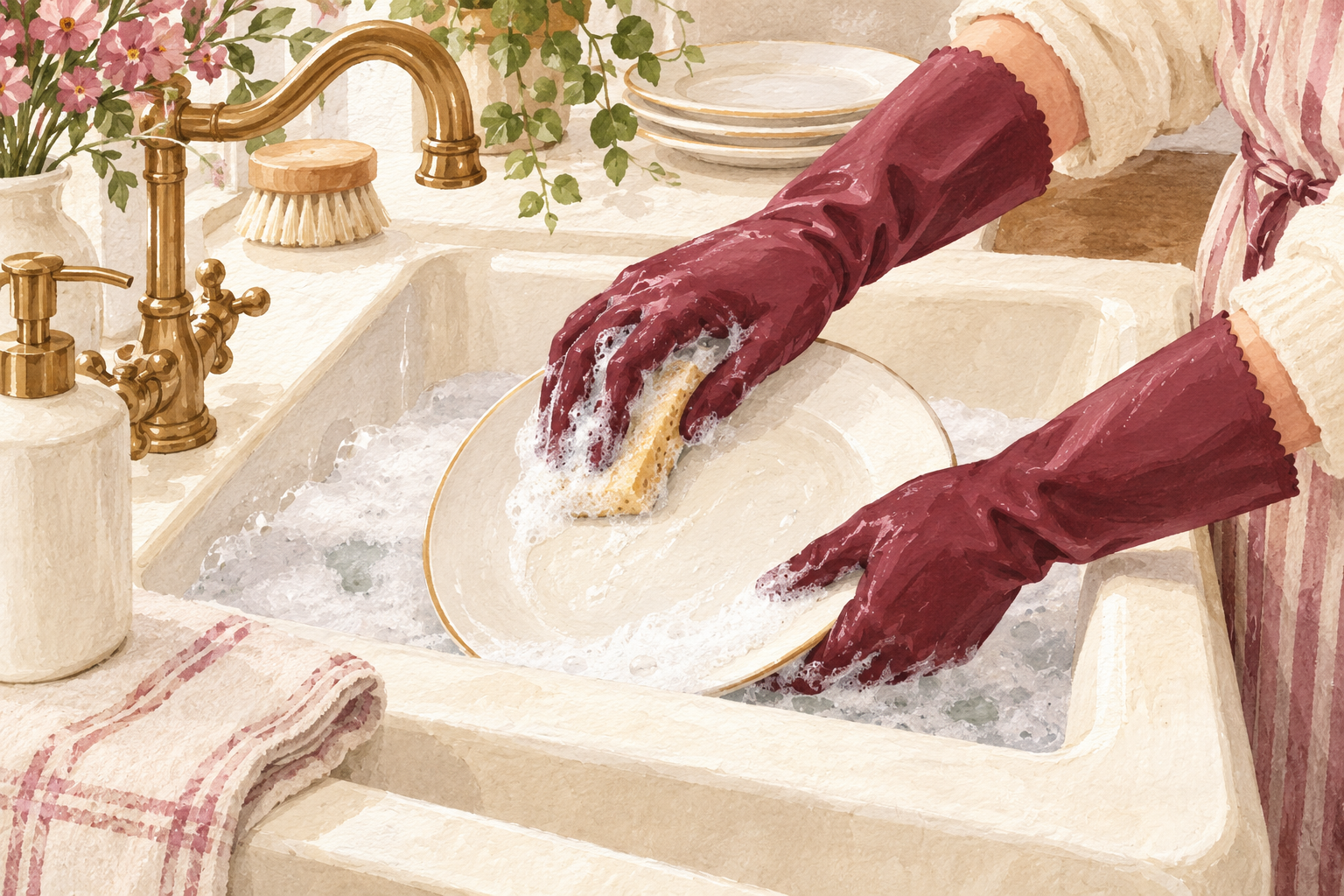
7. Drop long soaks and bare handed washing up
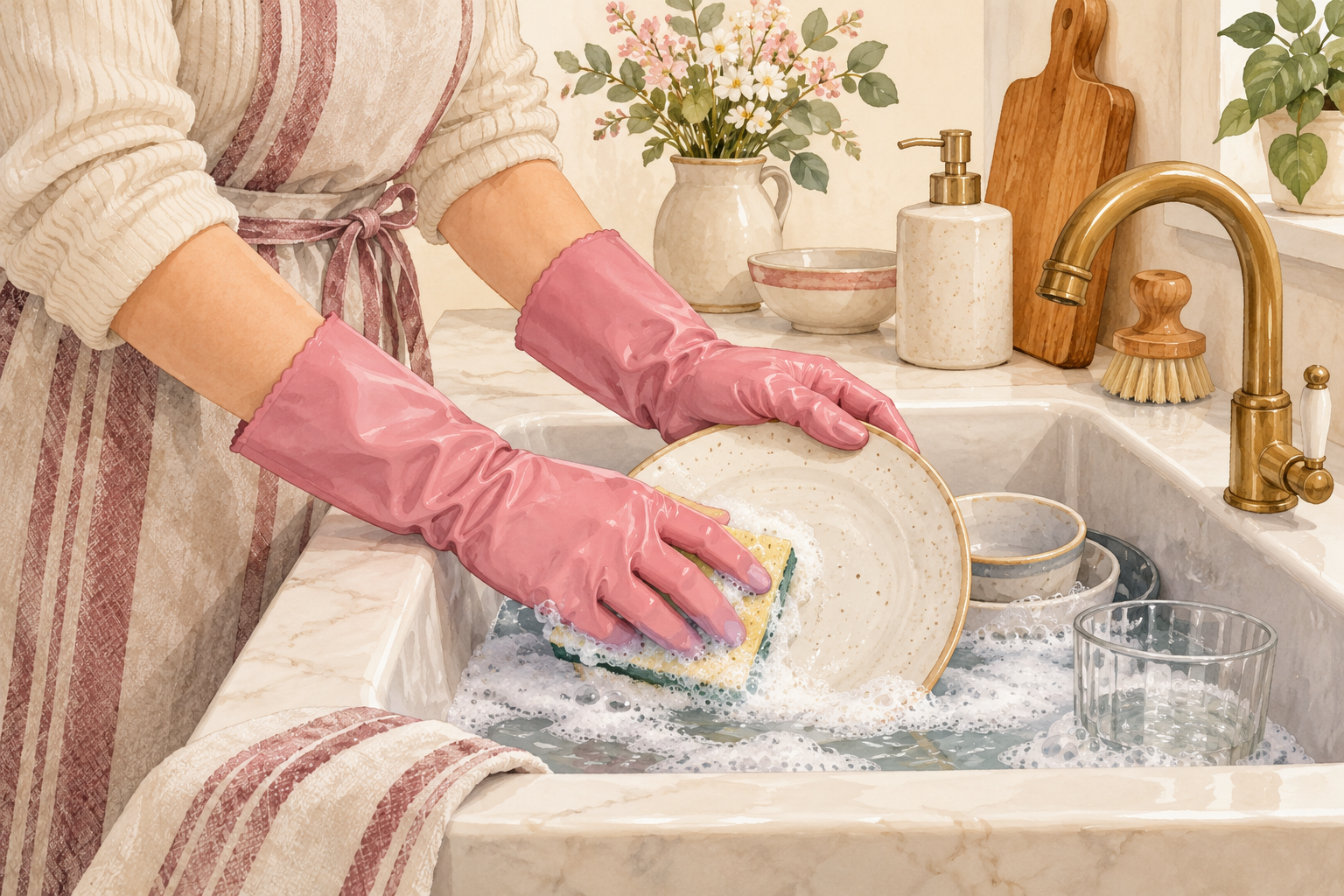
Wear rubber gloves for dishes and cleaning, and keep baths and hand soaks short. Long contact with water, soap and cleaners softens the nail and strips its oils. Put the gloves on before you turn the tap. Dry your hands as soon as you can, tapping the edges of the nails. It may feel fussy in the first week and natural by the third. This one swap often does more for bare nails than any product, and it costs you nothing but a pair of gloves. Hang the gloves on the tap where you will see them.
8. Stop using your nails as tools
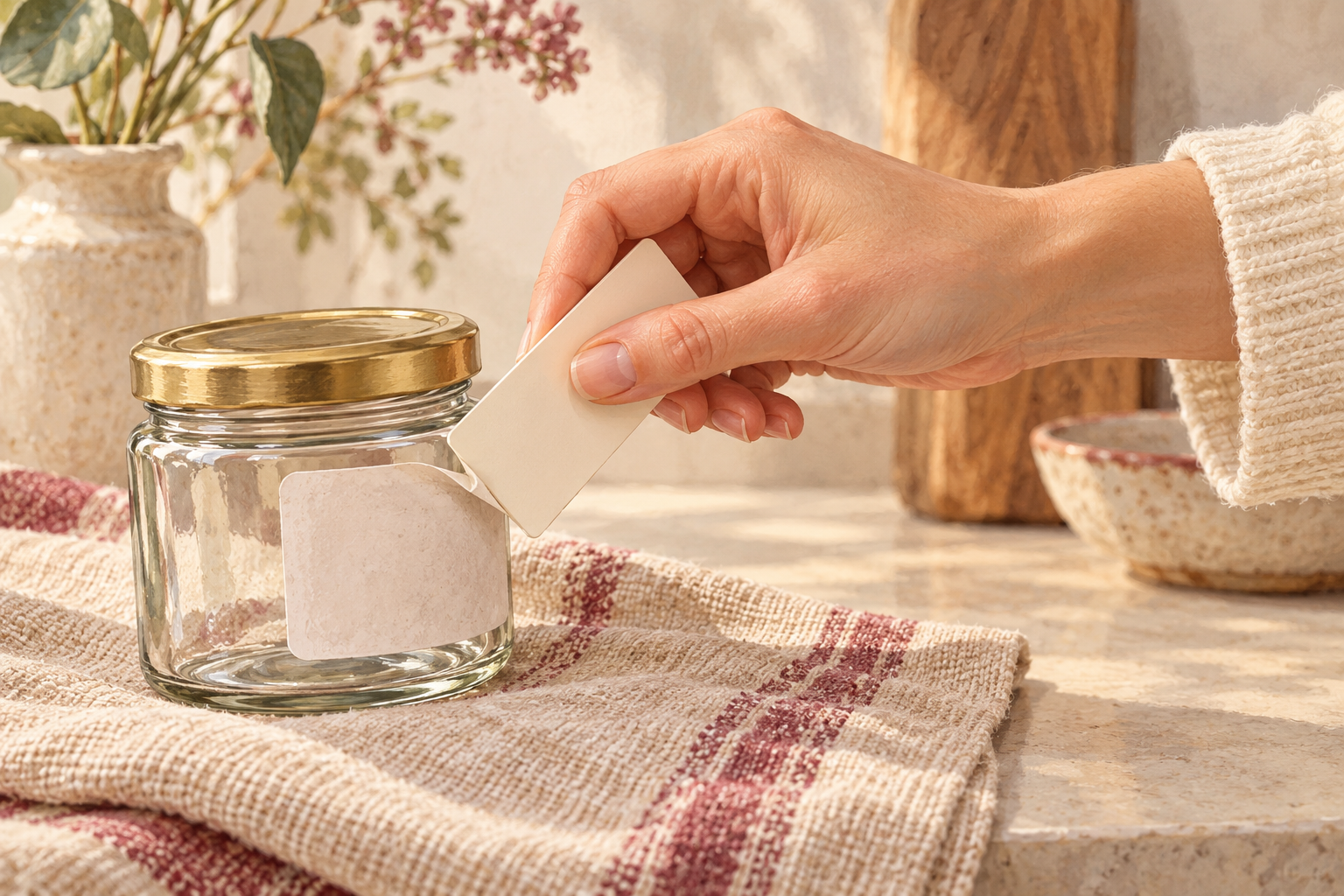
Use a spoon to pop lids, a card to scrape stickers and a knuckle to press buttons. Nails are not screwdrivers, and the tip pays for it. Prying bends the nail back and cracks it at the end, and the damage shows days later as a split. If you catch yourself picking at a loose edge, file it instead. Keep a nail file in every bag and drawer so one is always close by. Short nails get used as tools less often, which is another reason to keep them short. Open envelopes and cans with a butter knife handle, and your thumbnail will thank you.
9. Drop the lemon and vinegar soaks
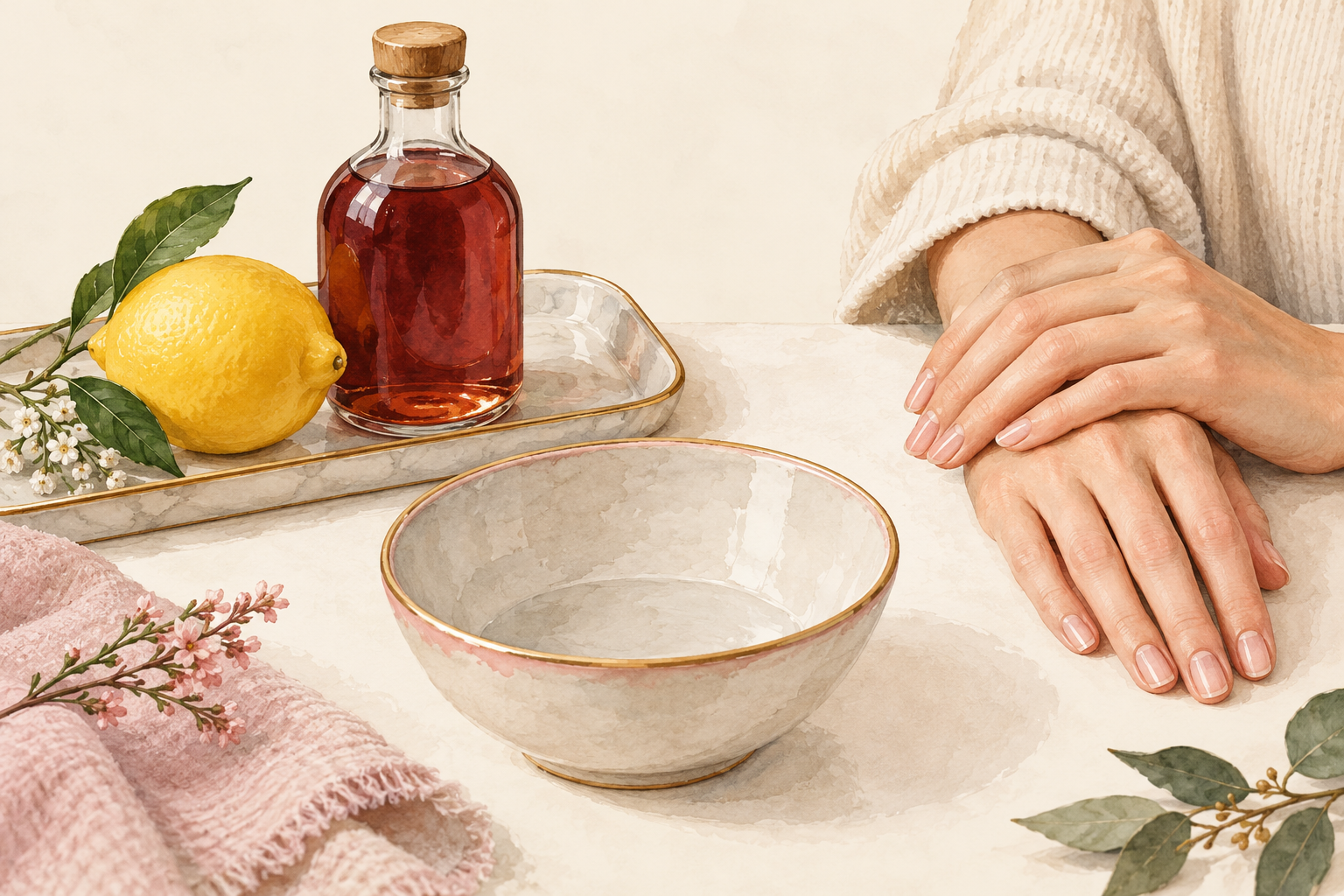
Skip lemon juice, vinegar and baking soda soaks that promise whiter nails. Acids and harsh powders dry the nail and the skin around it, and they can make peeling worse. Yellow tint from old polish usually fades on its own as the nail grows out. A gentle scrub with a soft brush and soapy water is all you need. If you really want to try a soak, use warm water with a drop of mild soap and nothing stronger. Patience beats a pantry experiment every time. If you still notice a yellow tint after a few weeks, a gentle clear coat on a bare nail is fine.
10. Keep eating for your nails

Include a source of protein at most meals, such as eggs, beans, fish or nuts, and drink water through the day. Nails are made of protein, and they grow from the inside. Greens and fruit support them, too. A balanced plate will not change your nails overnight, but it supports the new growth near the cuticle. Skip crash diets, which often show up in your nails first. Bring a snack when you are out, so your meals do not slip. Think of food as the slow, quiet part of nail care. A few weeks of regular meals can show up as stronger new growth. Diet is slow to matter, which is why healthy nails is worth keeping in mind.
11. Go easy on strengtheners and hardeners
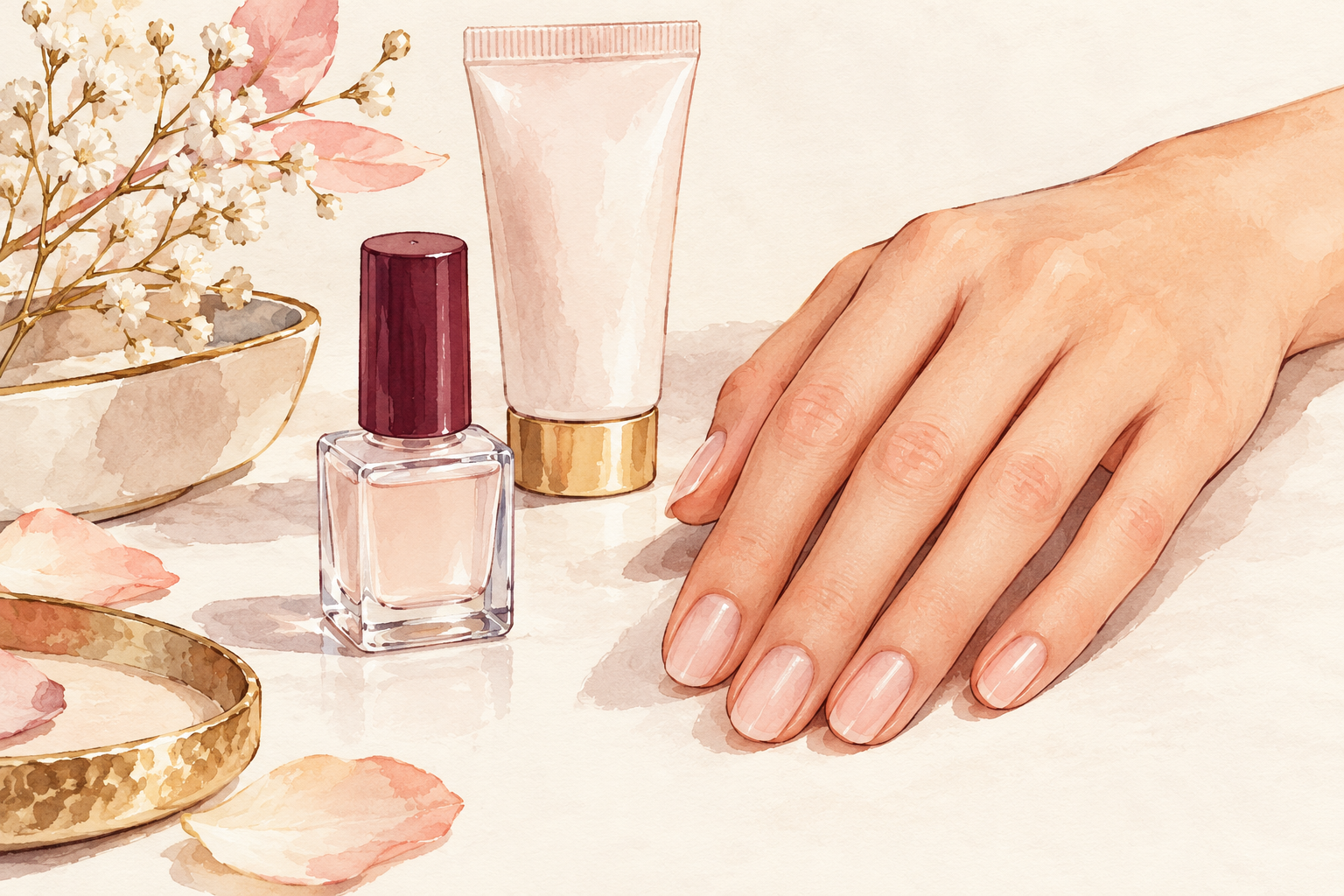
If you want a clear coat, choose a gentle one and leave it on for no more than a week. Hard, stiff products can make nails brittle in the long run, so they snap instead of bend. Remove it gently before you reapply, and take a break between coats. For many girls, plain oil and cream do just as much. Test a new product on one nail first. A clear coat is a comfort, not a cure, so do not stack several different ones together. Skip it altogether if your nails feel tight or sore. Before reaching for another hardener, take a look at how to strengthen nails as the wider route.
12. Give it two months and know what to watch
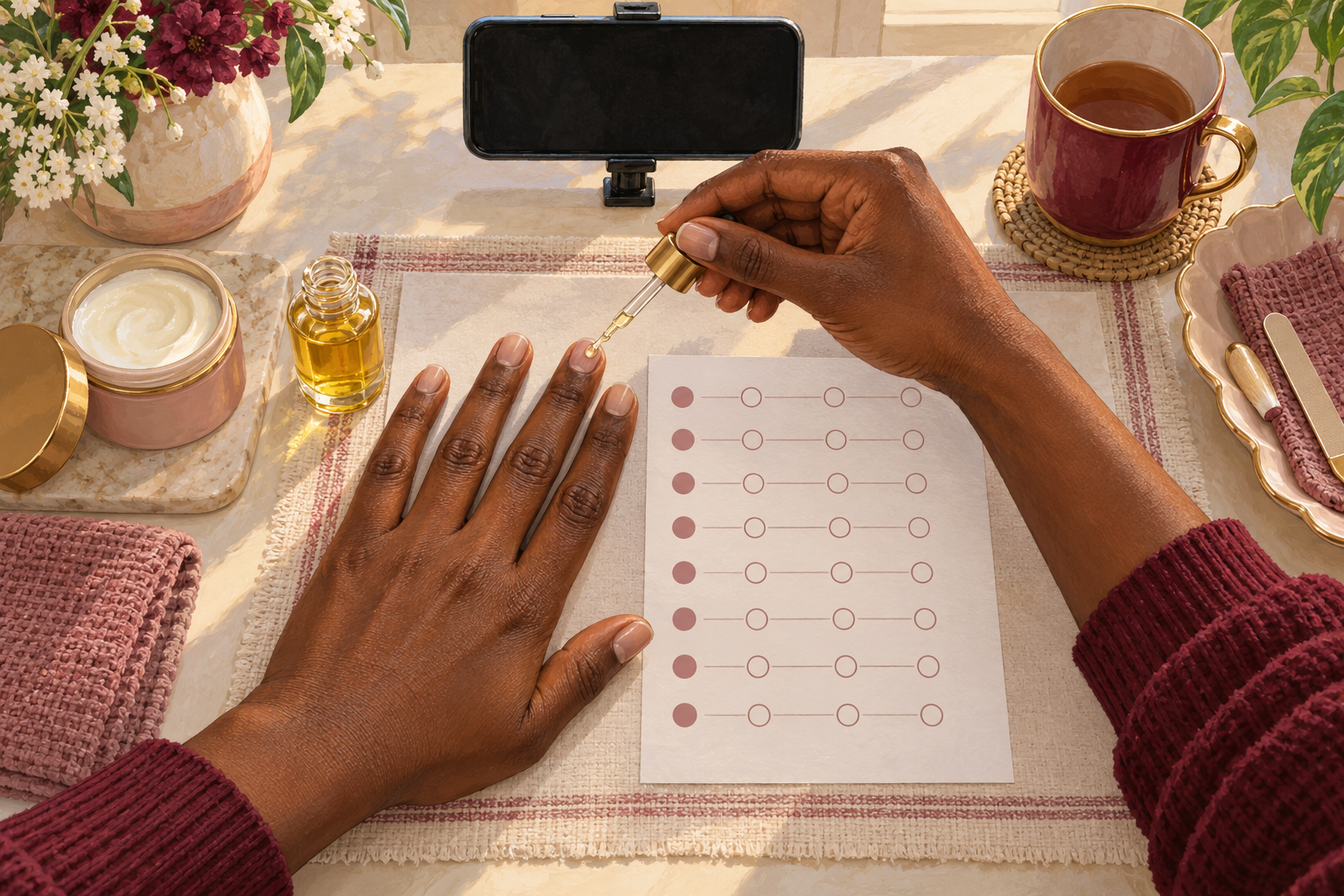
Take a photo of your nails today and again at week four and week eight. In the first two weeks you will mostly notice softer skin. By week four there should be fewer snags and less peeling, and by week eight the new growth at the cuticle should look smoother. A fingernail takes about four to six months to grow out fully, so the old damage fades slowly. If a nail turns dark, lifts, thickens or hurts, see your doctor about it and do not wait it out at home. Keep the photos in one folder, so the comparison is easy.
Complete the Routine: Healthy Nails Natural for the Long Run
Tonight, take off old polish gently, oil each cuticle and put gloves by the sink. Going polish free is kind to your nails, so take it one habit at a time. Another habit can wait, and the guides below will be there for it when you are ready.