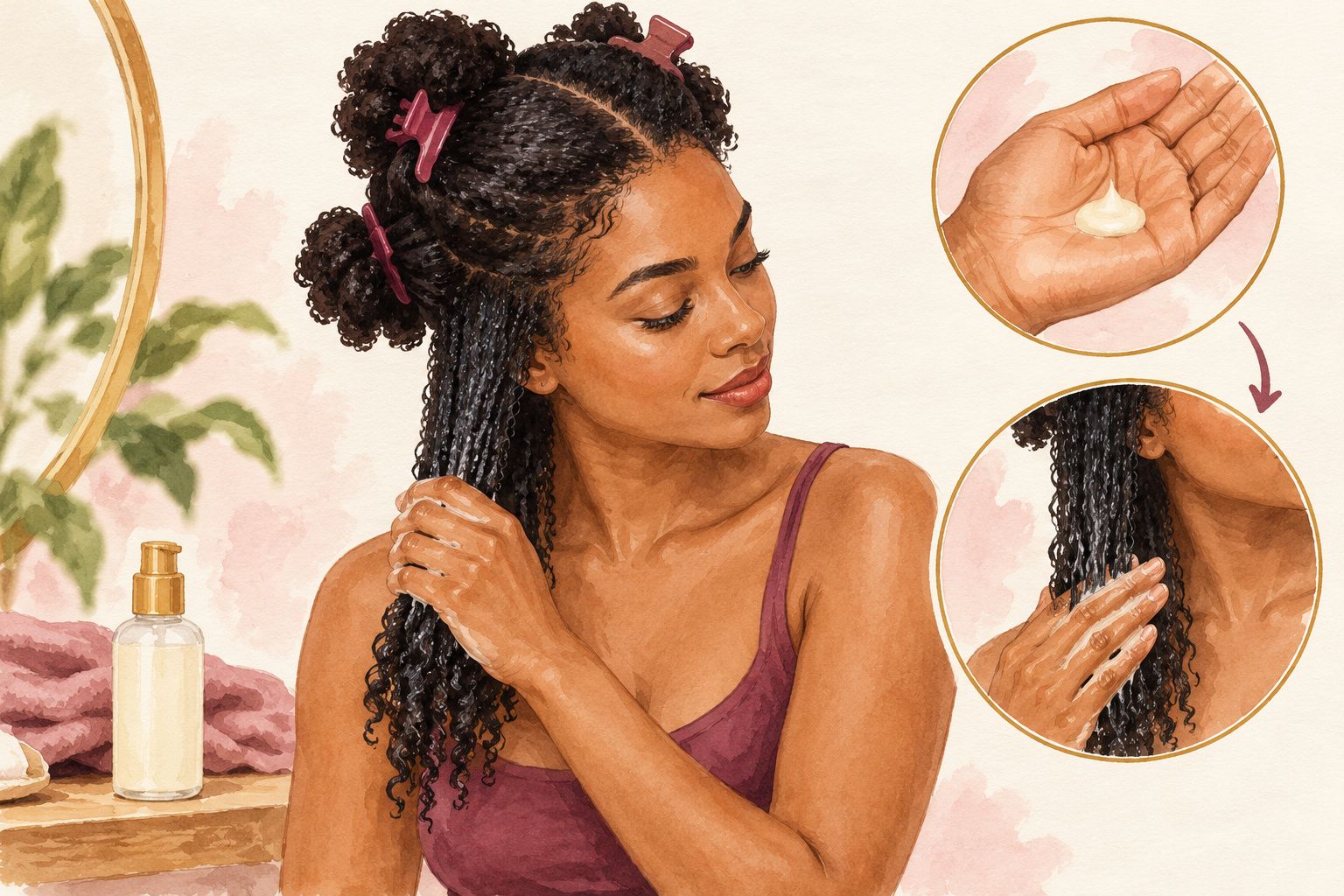
Your cousin swears by one trick, a video says the opposite, and your hair stays fuzzy through both. A lot of frizz advice sounds right and does the reverse. Here is how to get rid of frizzy hair by dropping 12 myths, one by one, and swapping each for something that works. Start at number one tonight.
1. Myth: Washing less always reduces frizz
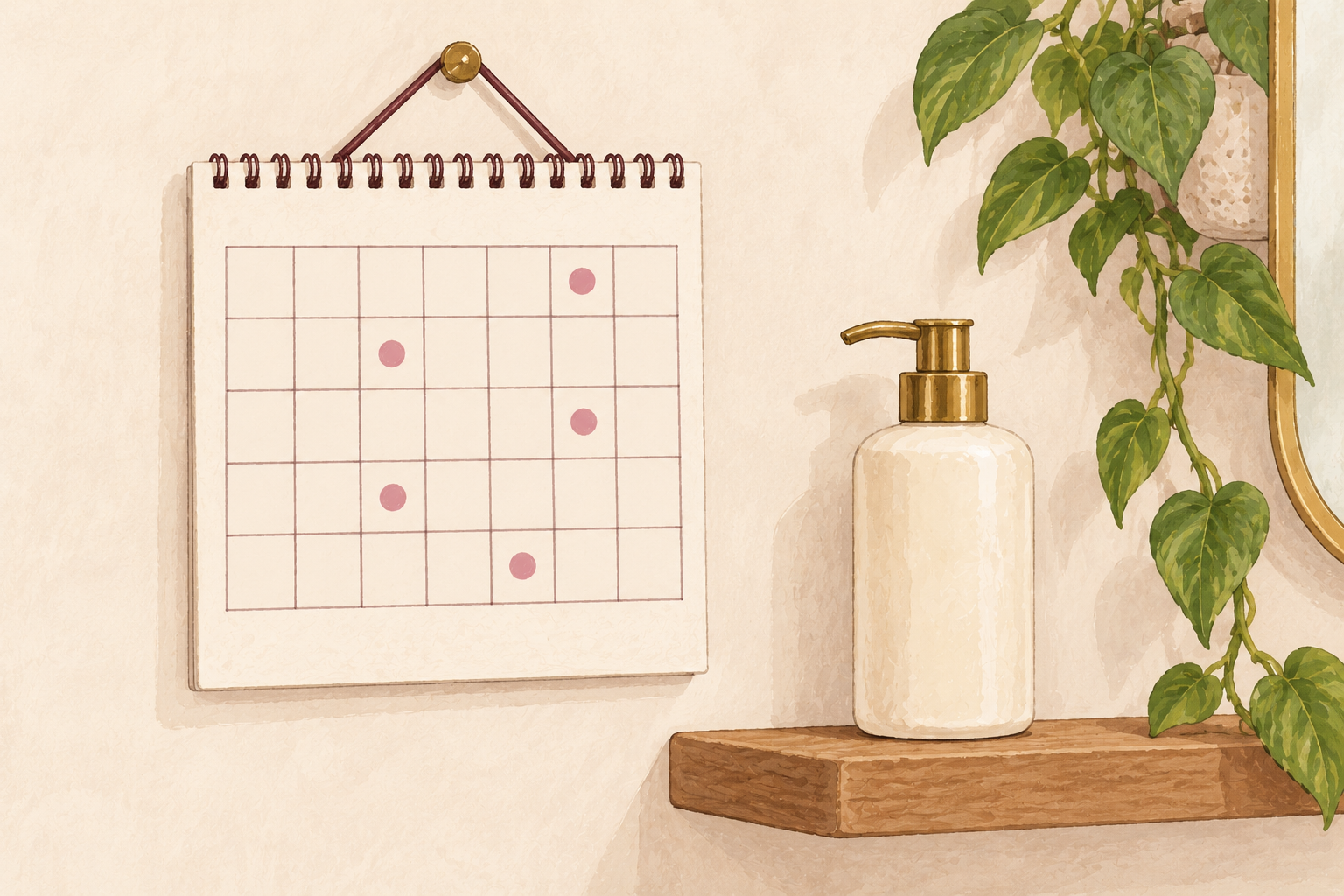
Washing less does not calm frizz, it only lets dryness and build up pile on the strand. If your scalp gets oily and your ends are dry, you need a gentle wash on a steady schedule, usually once or twice a week for thick or curly hair and more often for fine hair. Shampoo only the scalp and let the suds run down the lengths. Then always smooth conditioner through the ends, even on a rushed morning. Hair that feels coated or stiff is not moisturized, and that rough film is what creates the fuzz. Not sure of your rhythm? Try every third day for two weeks and watch the fuzz.
2. Myth: Hot showers are fine as long as you condition
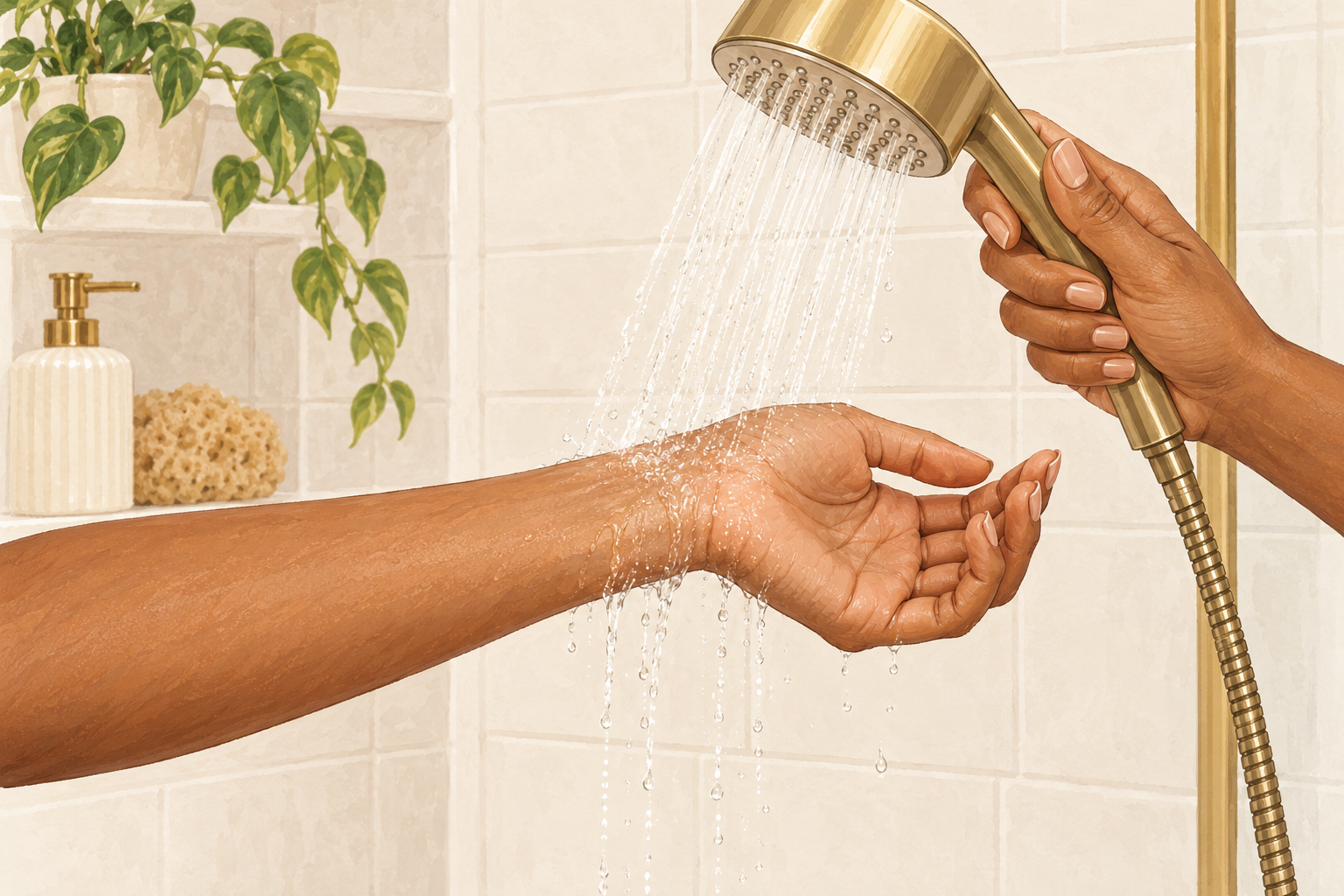
Hot water roughens the outer layer of the strand, and no conditioner fully undoes that. The hotter the water, the more your hair swells and loses its natural oils, so it dries out faster and frizzes sooner. Wash with comfortably warm water, then give your hair a cool rinse for the last thirty seconds. The cool splash helps the surface lie flat. Your hair will look shinier and feel smoother when it dries, and your scalp will feel less tight. This one change is often the first step in how to get rid of frizzy hair, because it takes no extra time.
3. Myth: Shampoo is the enemy of smooth hair
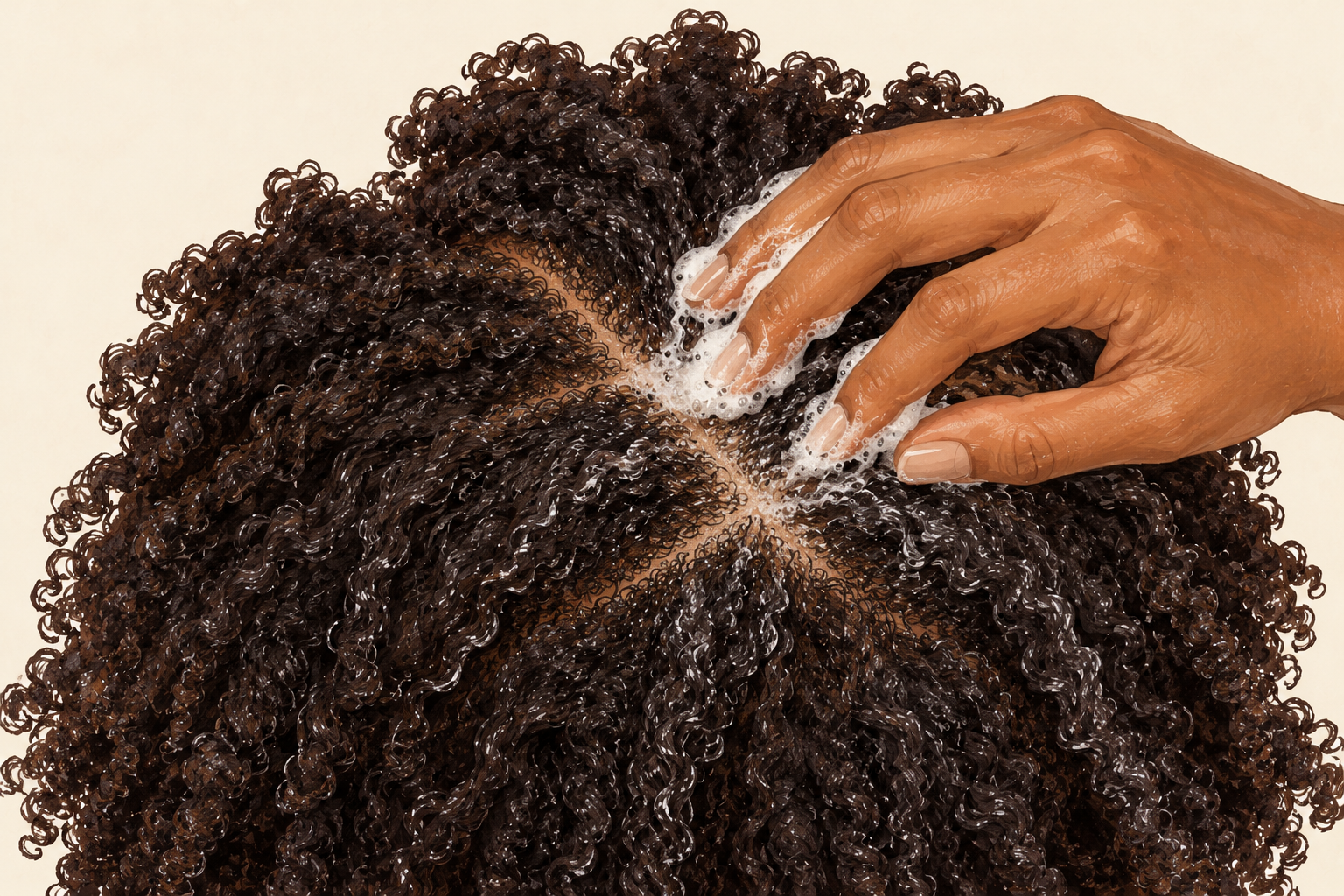
A gentle shampoo is not the problem; scrubbing the lengths with a harsh one is. Shampoo clears oil and product so your conditioner can actually reach the strand. Skip it for too long and the conditioner just slides over a dirty surface. Pick a mild, moisturizing formula, work it into the roots with your fingertips and let the rinse water wash down the rest. Once a month, use a clarifying wash to remove stubborn build up, then follow with a deep conditioner. Clean hair takes smoothing products far better than dirty hair does, so a fresh start makes every later step work harder for you.
4. Myth: More oil means less frizz

Oil seals moisture in, but it cannot add any. A thick layer on dry hair just traps the dryness and makes the lengths look greasy while the frizz stays. Use water or a leave in cream first, then add two or three drops of oil on top to lock it in. Fine hair needs even less than that. If your hair clumps or looks wet after styling, you used too much, so blot your palms on a towel and press lightly over the top. Moisture comes first, and oil is only the lid. Think of a jar of jam, where the lid keeps it fresh but never fills the jar.
5. Myth: Silicones are always bad for frizz
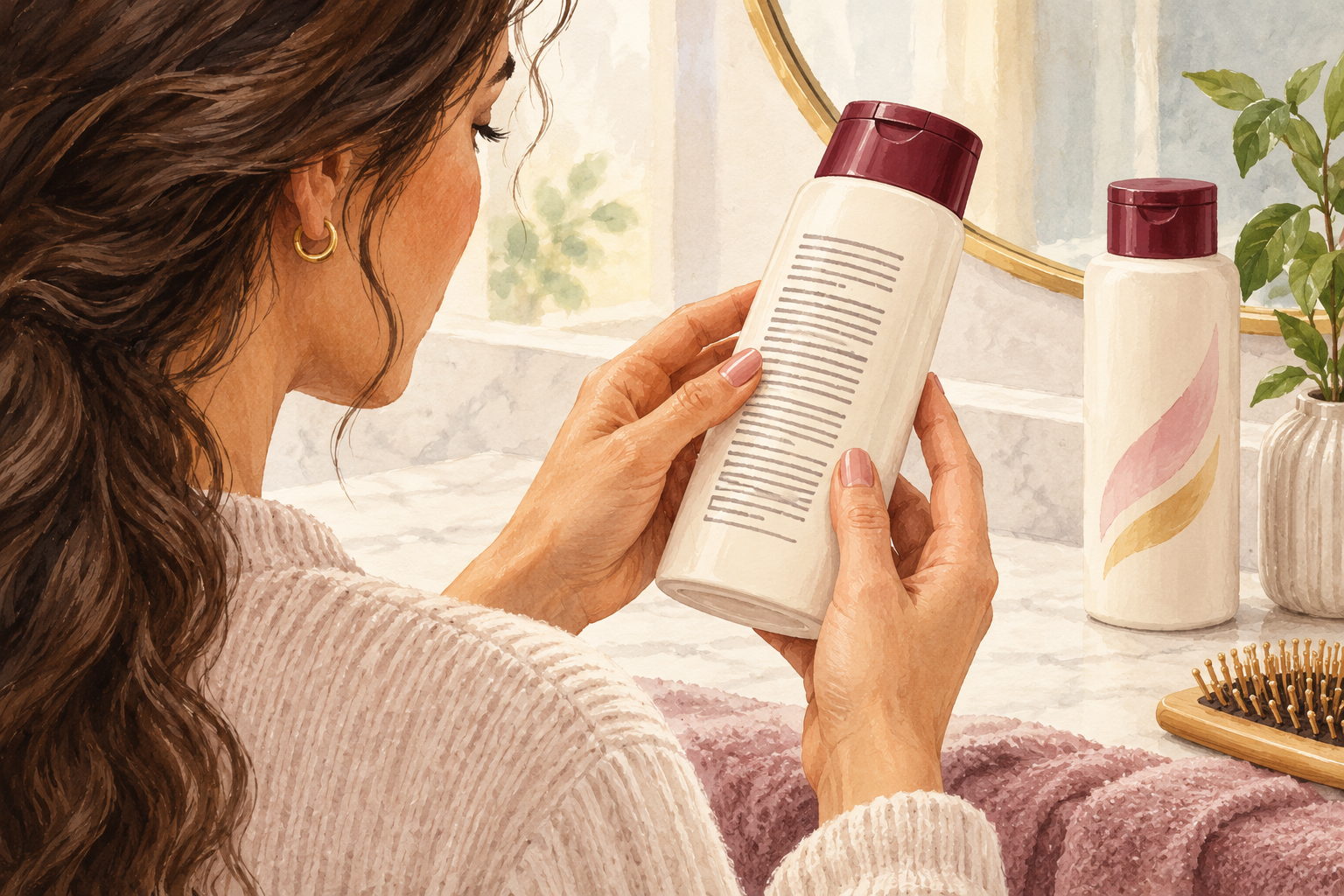
A little silicone can be the quickest way to smooth frizz on a bad day. It coats the strand so it glides and reflects light. The trouble starts when it builds up over many weeks, because then hair feels heavy and moisture cannot get in. If you love how it feels, use it lightly and wash it out with a clarifying shampoo every two to four weeks. If you prefer to avoid it, look for plant based slip instead. Either way, the choice is yours, and neither is a villain on its own. Watch how your hair feels after two weeks and trust that more than any label. Silicone questions are worth a look alongside hair serum for frizzy hair before you pick a bottle.
6. Myth: Fancy products work better
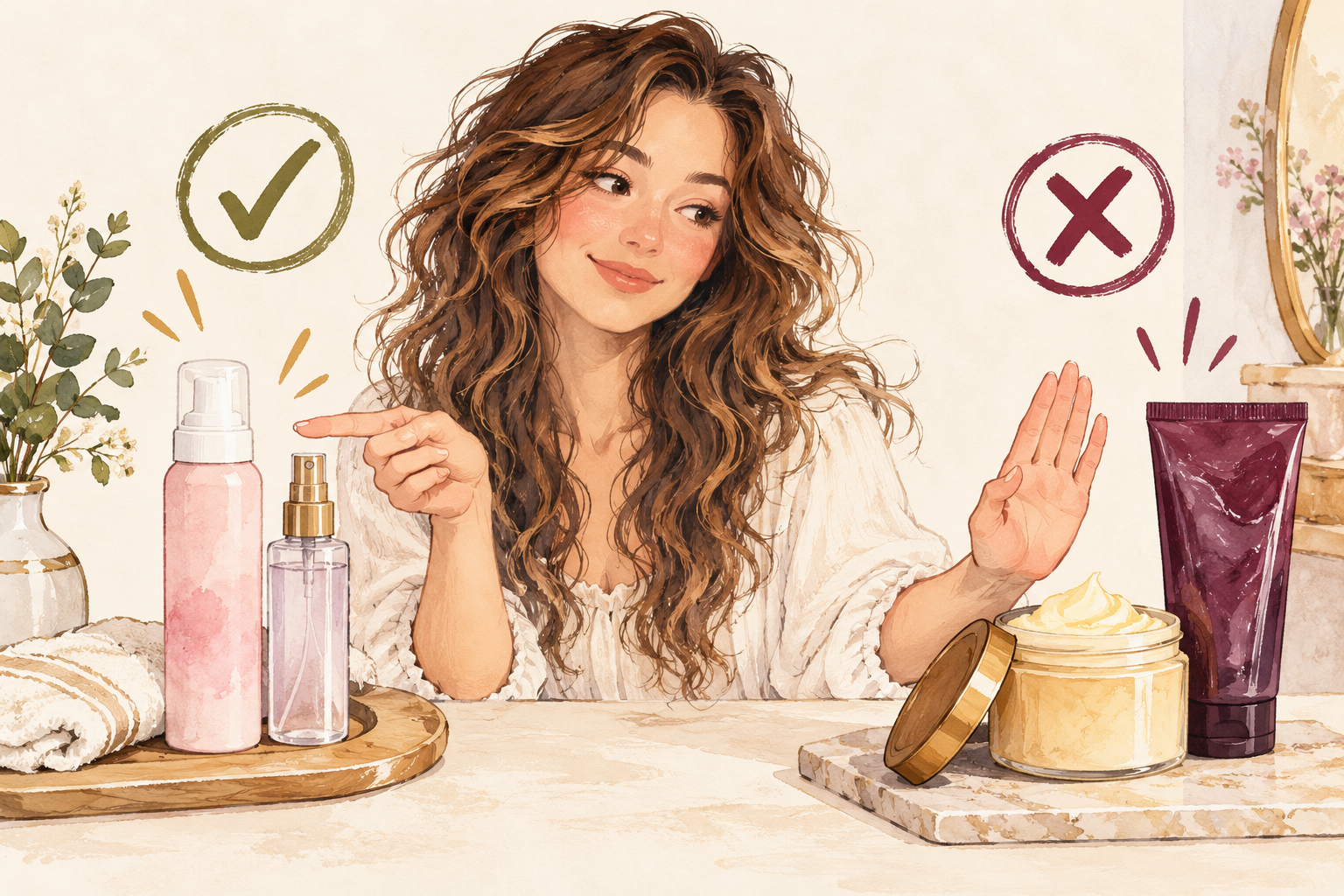
A heavy jar with a long ingredient list does not beat a simple conditioner you use properly. What matters is the match: rich and creamy for dry, thick or coily hair, light and silky for fine hair. Check that the first few ingredients include water, a conditioning agent and something soft like an oil or butter. Use it on soaking wet hair and comb it through. Leave it on for three to five minutes before rinsing. If a basic conditioner keeps your hair soft for two days, you have already found a good one. Buy a new product only when the old one stops working. Fancy packaging does nothing for your strands. Simple beats fancy here too, so look at hair mask for frizzy hair for a match that fits your hair.
7. Myth: Brush a hundred strokes a day for shine
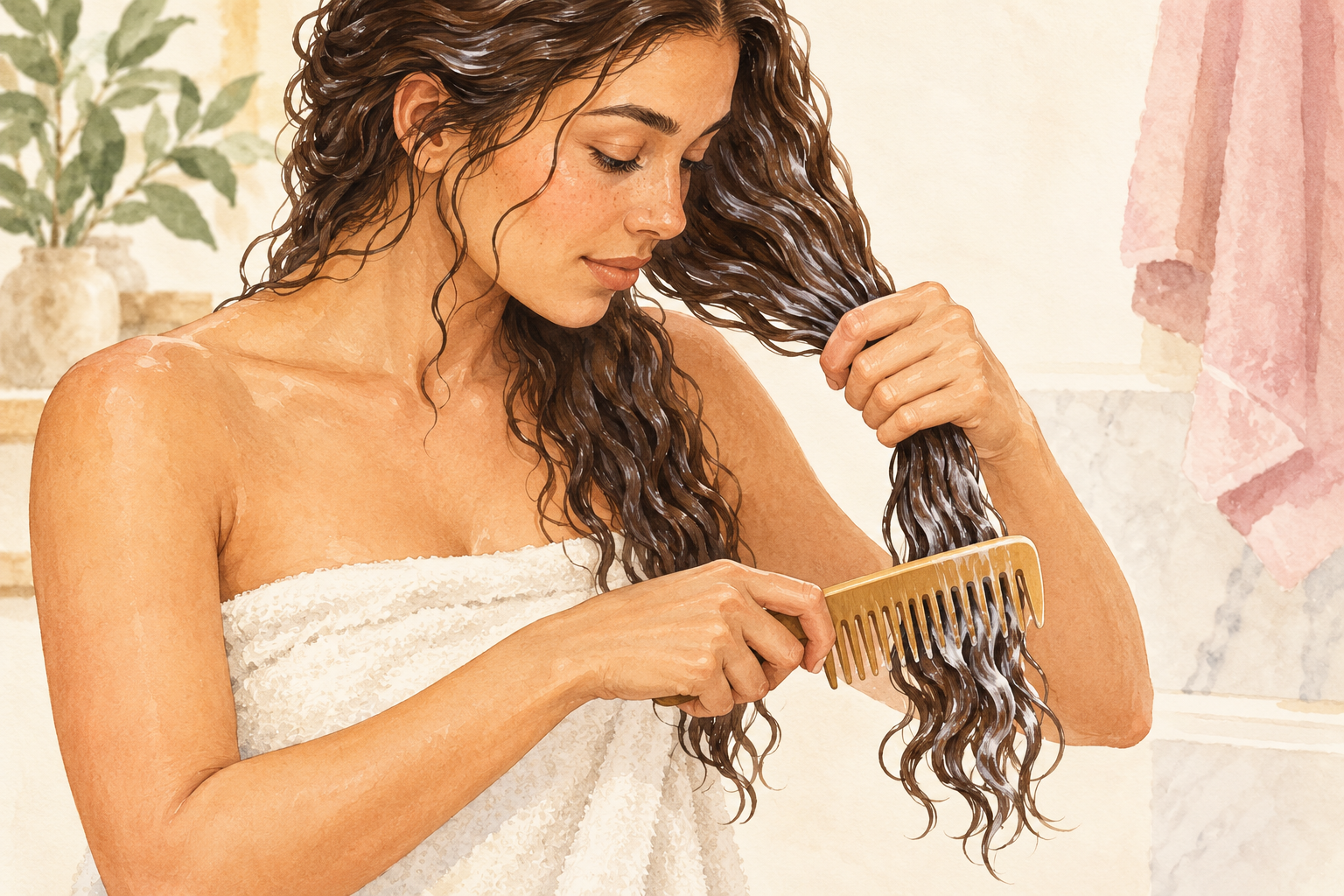
Brushing dry hair hundreds of times roughs up the strand and makes it frizz. Every stroke drags against the surface and snaps weak spots, and the broken ends stand up in the air. Detangle only when needed, using a wide tooth comb or your fingers from the tips upward. Keep your brush for smoothing a ponytail or for wet hair coated in conditioner. For shine, rinse with cool water and use a drop of oil on the ends. Your hair will look glossier on the days you leave it alone, and the fuzz at your hairline will settle by itself.
8. Myth: Ceramic or titanium tools are safe at any temperature
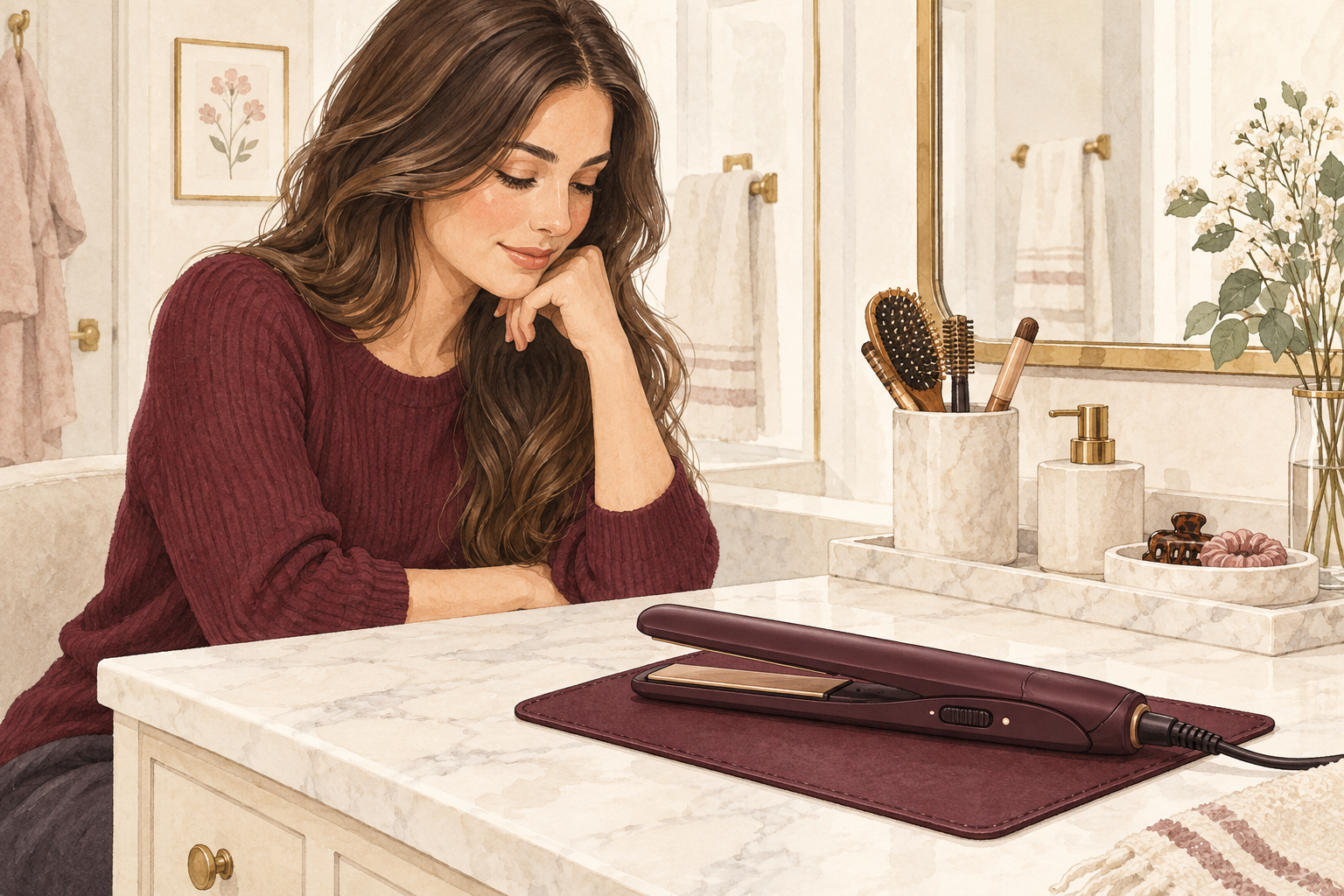
Even the fanciest iron burns hair when the setting is too high. Smooth, shiny plates only glide better, they do not make heat harmless. Set your tool low, around medium, and go slowly once per section on fully dry hair with a heat protectant on it. If you smell something like toast, the hair is already damaged. Damaged hair frizzes for weeks afterwards because the strand cannot heal itself. Give the tool a rest two days a week, and your ends will thank you with softness. Let your hair air dry on those days so the break is a real one.
9. Myth: Frizz is only caused by humidity

Weather gets the blame, but dry, damaged hair is what lets humidity in. Healthy, moisturized hair stays calmer on a damp day because the surface is smooth and does not grab water. So if you only fight the weather, you fight half the problem. Use a deep conditioner once a week, trim damaged ends and protect your hair from heat. Then the muggy days are manageable instead of disastrous. You will not control the sky, but you can make your hair a bit less fond of it. A moisturized strand simply has less room to swell.
10. Myth: An anti humidity spray is enough

A spray can help for a few hours, but it cannot rescue dry hair on its own. It works like a thin umbrella, and if the strand underneath is rough, water still finds a way in. Put it on after your moisturizing steps, never instead of them. Apply a light mist to your ends and the top layer, and keep it away from the scalp. If you finish with a spray and your hair still fuzzes by noon, it is telling you the base needs work. Treat the spray as the last layer of a plan. Hold the bottle a forearm away and mist once, then stop.
11. Myth: Smoothing treatments repair hair for good
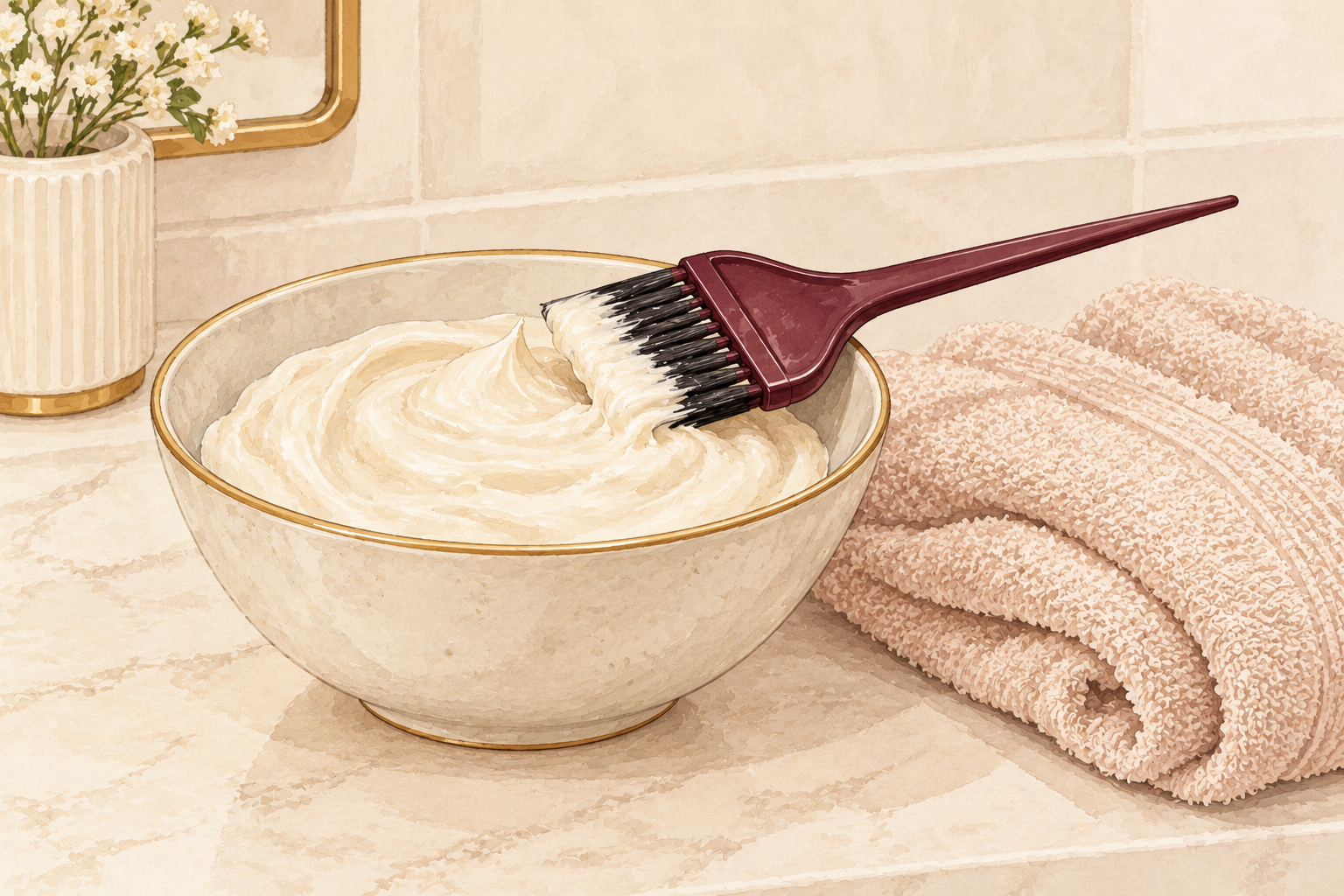
A smoothing treatment coats and straightens the strand for a while, and then it wears off. It does not rebuild the hair underneath, and some leave it more fragile as they fade. The fuzz often returns in a few weeks, usually looking worse at the roots where new growth shows, because the treated hair and the new hair behave so differently. If you want one, wait until your hair is in good shape, and care for it gently with moisturizing masks afterwards. For daily life, a weekly mask and a leave in give you steadier, kinder results.
12. Myth: One big trim will fix the frizz
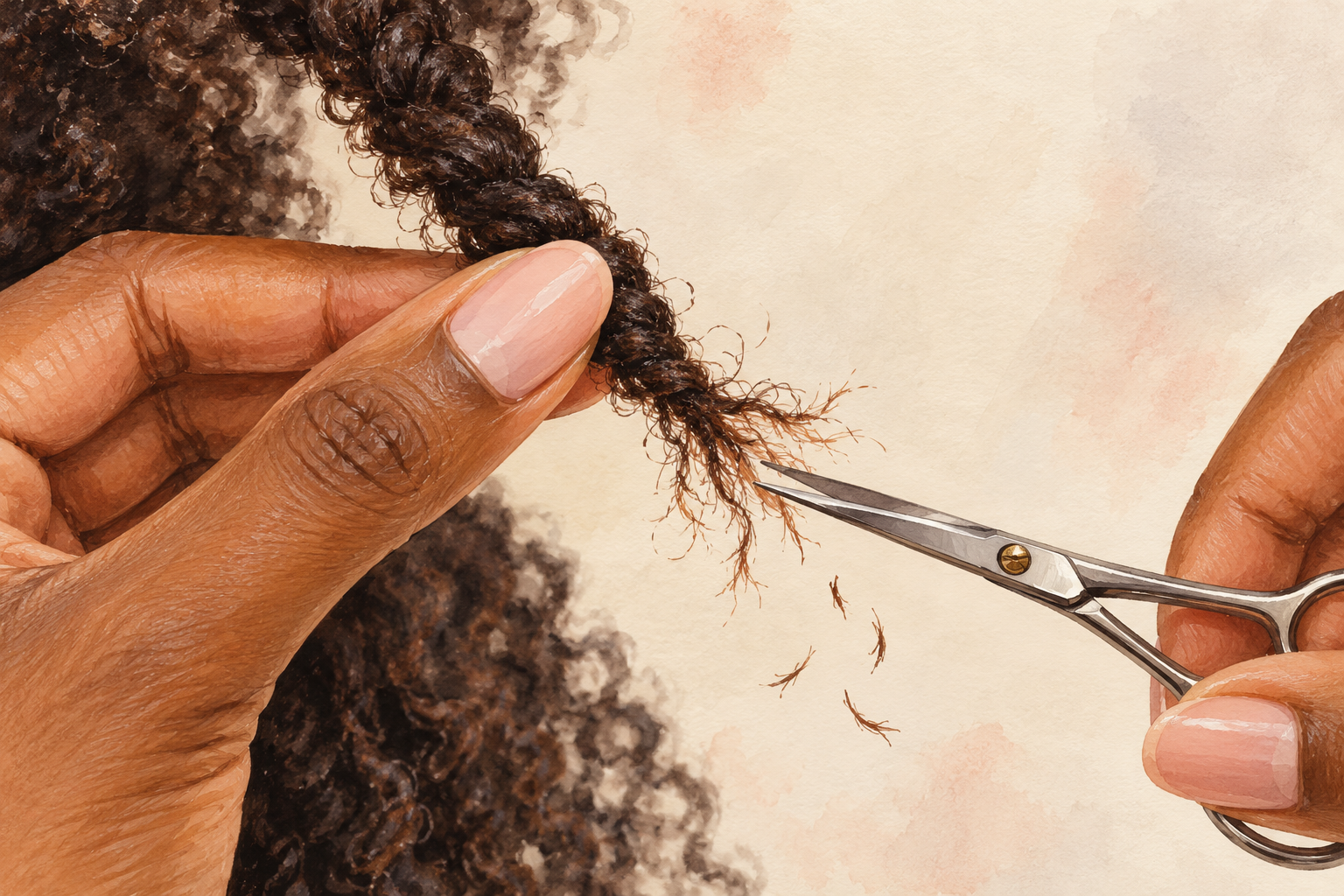
A trim removes split ends, but it will not stop new frizz from forming. If your habits stay the same, the fuzz returns in weeks. Still, a small trim every ten to twelve weeks stops splits from creeping up the strand, so it is worth it. Ask for a dusting, only a quarter of an inch, and put the real effort into moisture, gentle drying and less heat. This is where how to get rid of frizzy hair really comes together. Look for smoother ends and fewer tangles in the first week after a trim, and keep the habits going so the benefit lasts.
Complete the Routine: How to Get Rid of Frizzy Hair for Good
Choose one myth to drop tonight and one habit to try this week. Myths tend to hang on, so keep an eye out for the next one in the guides below and see how it holds up in your routine.