You spend a long time on your hair, and the product just sits there. The conditioner beads up, the oil feels greasy by lunchtime, and your hair is still dry underneath. That points to low porosity hair, and low porosity hair care works differently from what most videos teach. Here are 12 fixes that open the door gently, so start at number one.
1. Understand what low porosity means
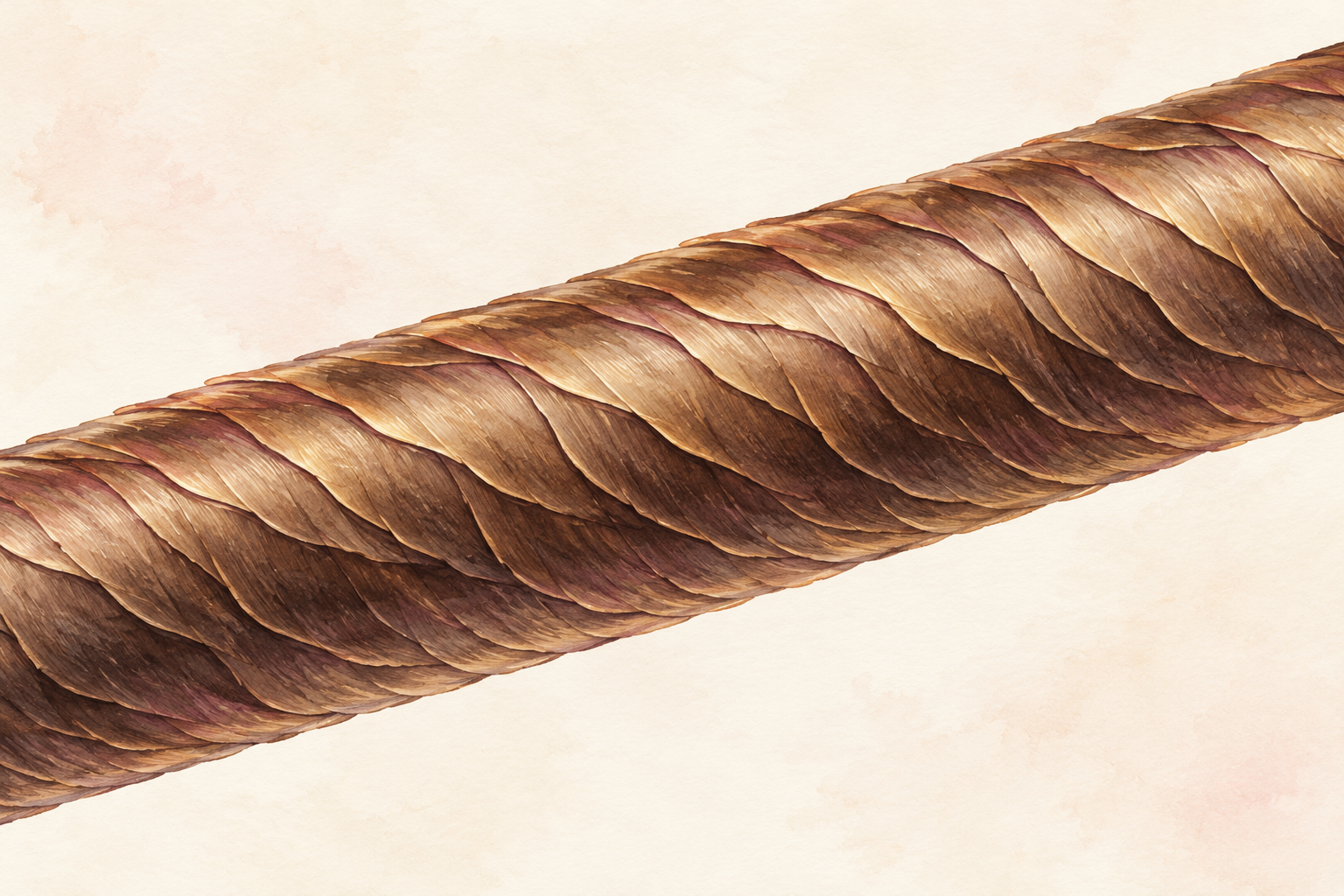
Think of your hair as having a tight, flat outer layer that resists moisture. The scales are packed close, so water takes a long time to soak in and also a long time to dry. Low porosity hair is often shiny and strong. When you know it, the whole routine starts to make sense. It also explains why that expensive deep conditioner your friend loves does nothing for you. It also explains why that deep conditioner your friend loves does nothing for you. The problem is access, not a lack of products.
2. Try the water test, then trust your experience

Drop a clean strand into a glass of water and watch whether it floats or sinks. A strand that floats for a long time often points to low porosity. Treat it as a rough guide, because oils and products on the hair can change the result. Your real clue is whether products soak in or sit on top. Notice how long your hair takes to get fully wet in the shower and how long it takes to dry. Low porosity hair is slow at both, and that slow pace is your signature. Do not stress if the result is mixed, because most heads are a little of both.
3. Learn what your hair needs
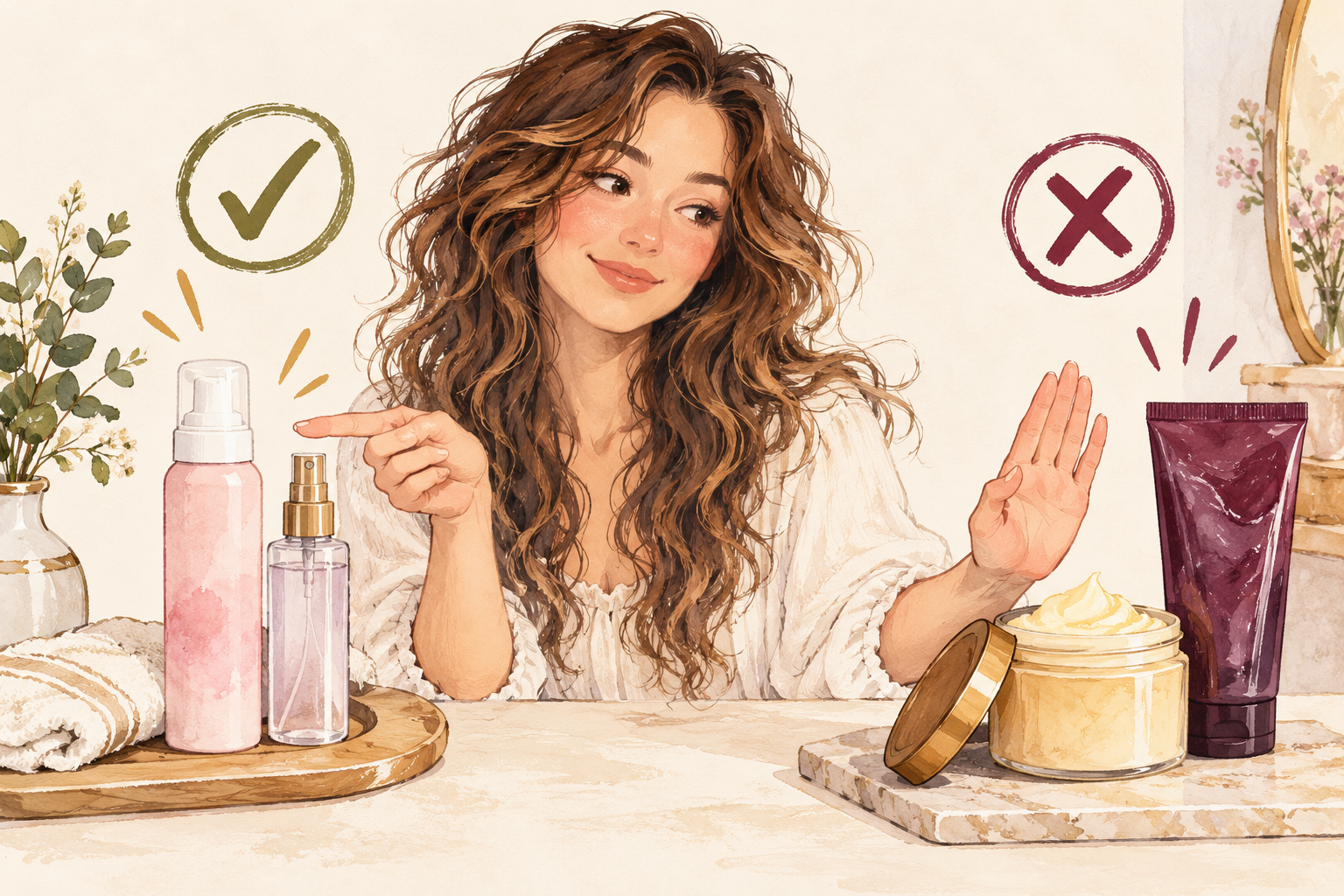
Reach for light, water based products and skip heavy butters and thick creams. Heavy products cannot get in, so they coat the outside and weigh the hair down. Look for words like lightweight, water based and humectant. Check the first few ingredients, since butter or oil near the top usually means a product that is too heavy for you. Your hair wants moisture, not a thick blanket. A gel or a spray that feels almost like water on your fingers is a good sign. Mist-style leave ins and thin gels are usually your friends, while thick pomades and butters are not.
4. Wash with warm water
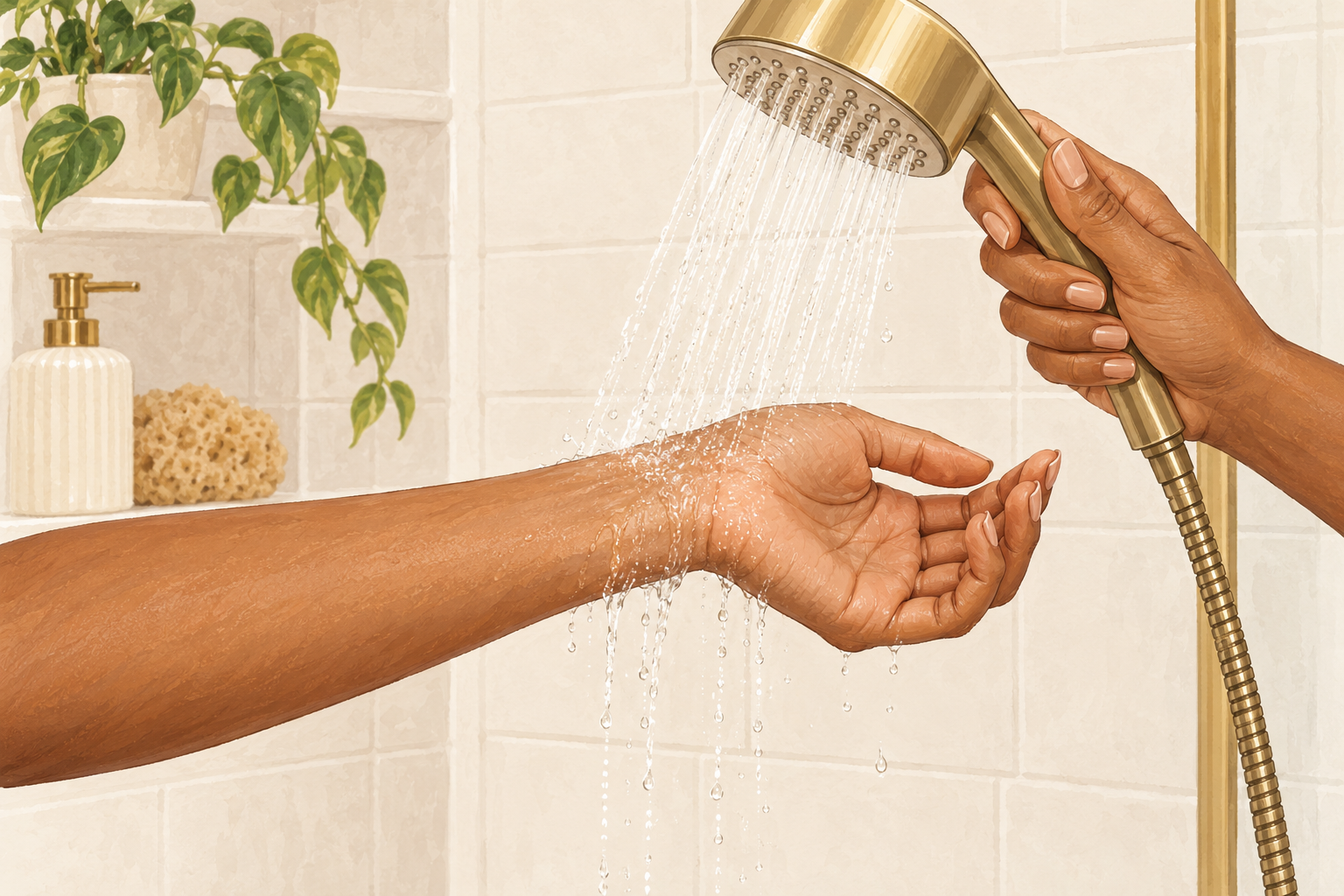
Use comfortably warm water so the scales relax and open. Cold water keeps them tight. Warm water is not hot water, so test it on your wrist first. Rinse with cool water at the very end to calm the hair back down. Take your time at the roots as well, since scalp oil mixes with everything else on low porosity hair and needs a proper rinse. Test it on your wrist first, because hot water that feels fine on your hands can be too much for your scalp. Warm water is a quiet helper here, and it costs you nothing to switch.
5. Clarify once or twice a month
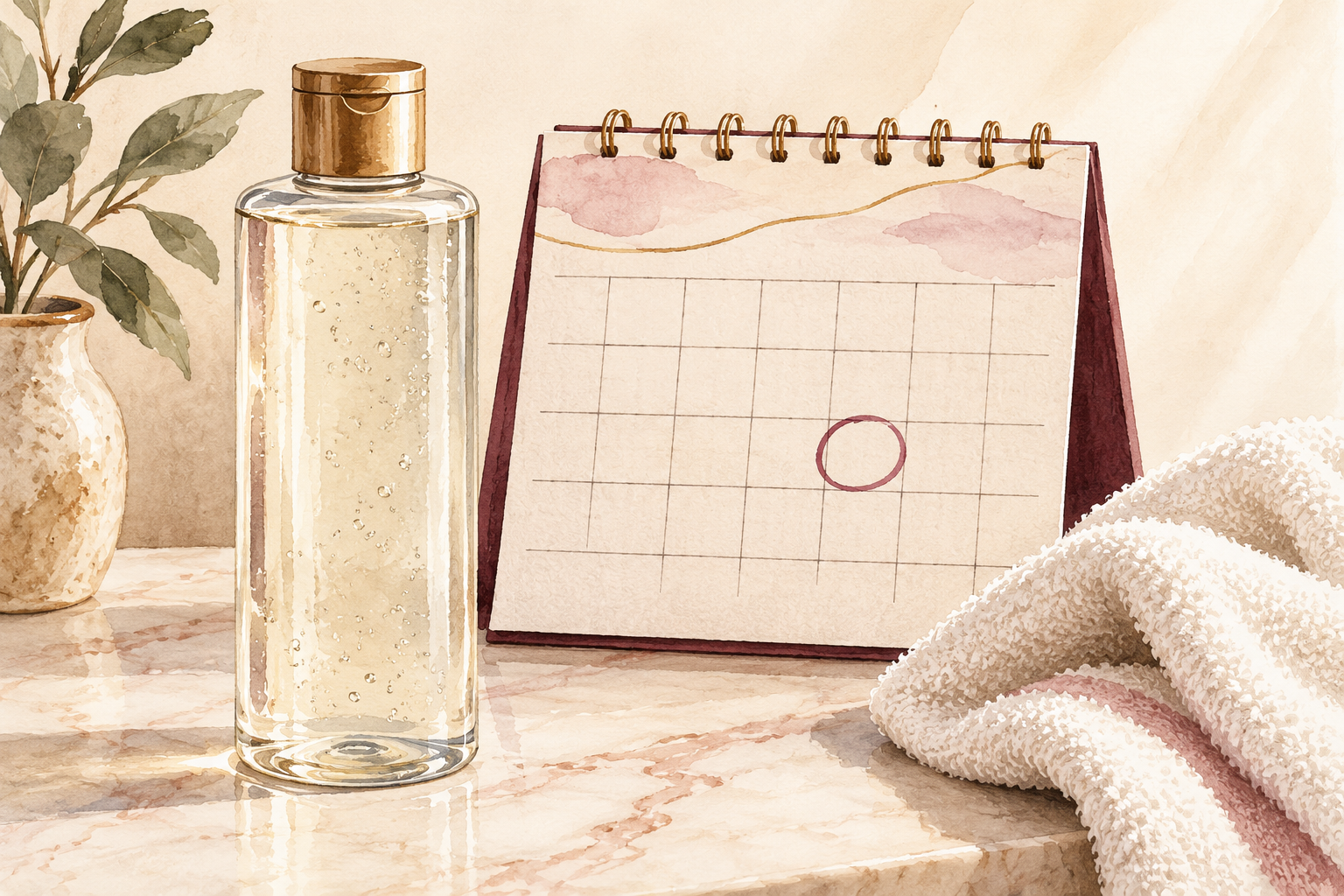
Use a clarifying shampoo every two to four weeks to remove build up. Low porosity hair collects product easily because it does not absorb it. A clear start lets your conditioner get through. Always follow with a good conditioner so you are not left dry. If you wear a lot of styling products, go closer to every two weeks, and if you wear almost none, once a month is enough. Low porosity hair care is mostly about keeping the path clear. Pick a day when you have time, because a clarifying wash needs a proper conditioner after it.
6. Condition with a little heat
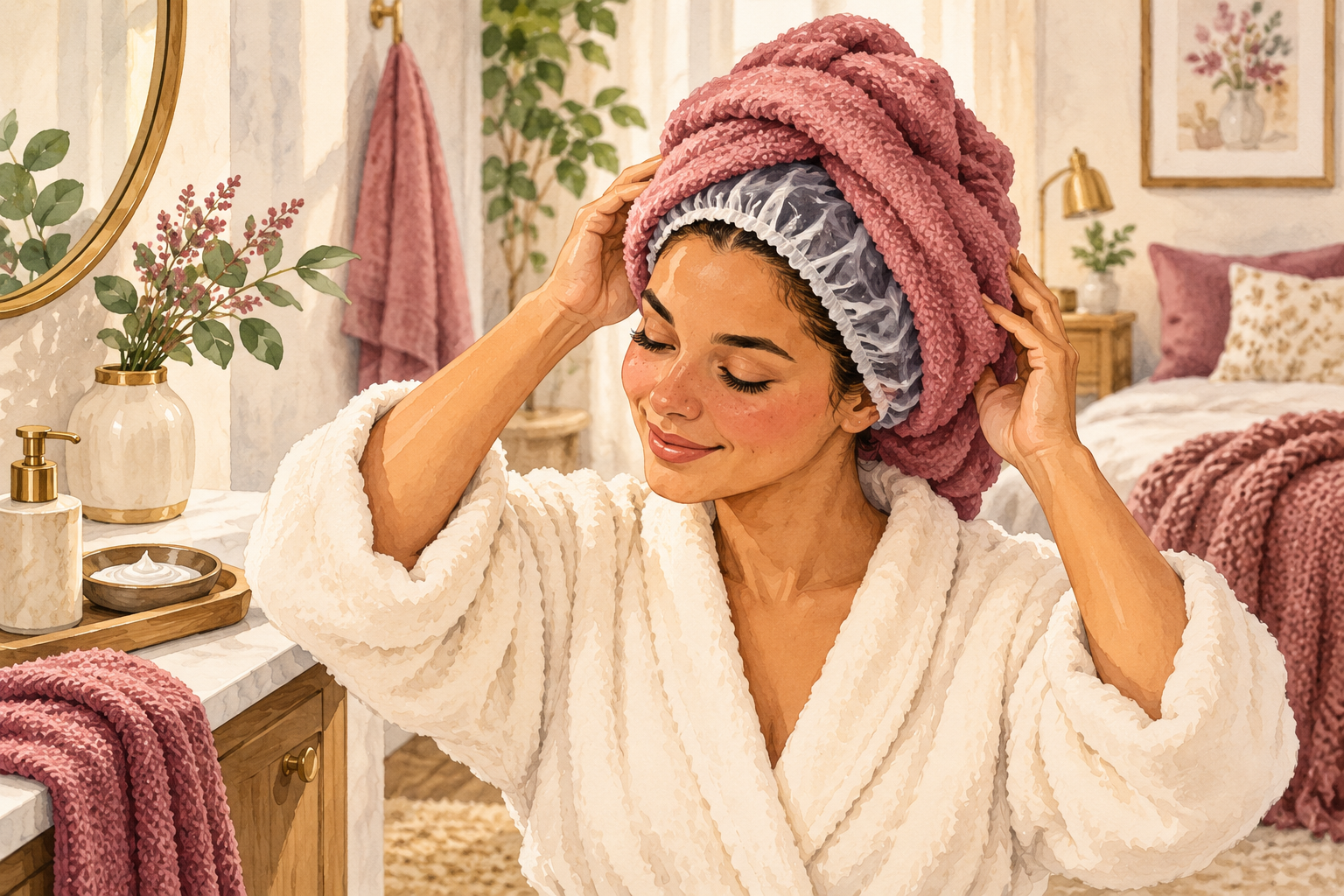
Put on a shower cap or a warm towel for ten to twenty minutes after applying conditioner. Gentle warmth lifts the scales just enough for the conditioner to slip in. Sitting under a hood dryer also works. Rinse thoroughly afterwards so nothing is left on top, because leftover conditioner turns into the same build up you started with. Run the water warm, not hot, to rinse. Leftover conditioner turns into the same build up you started with, so rinse until your hair feels slippery and then give it a little longer. Sit with a podcast or a show while it works, because ten minutes passes quicker than you expect.
7. Apply products to damp hair
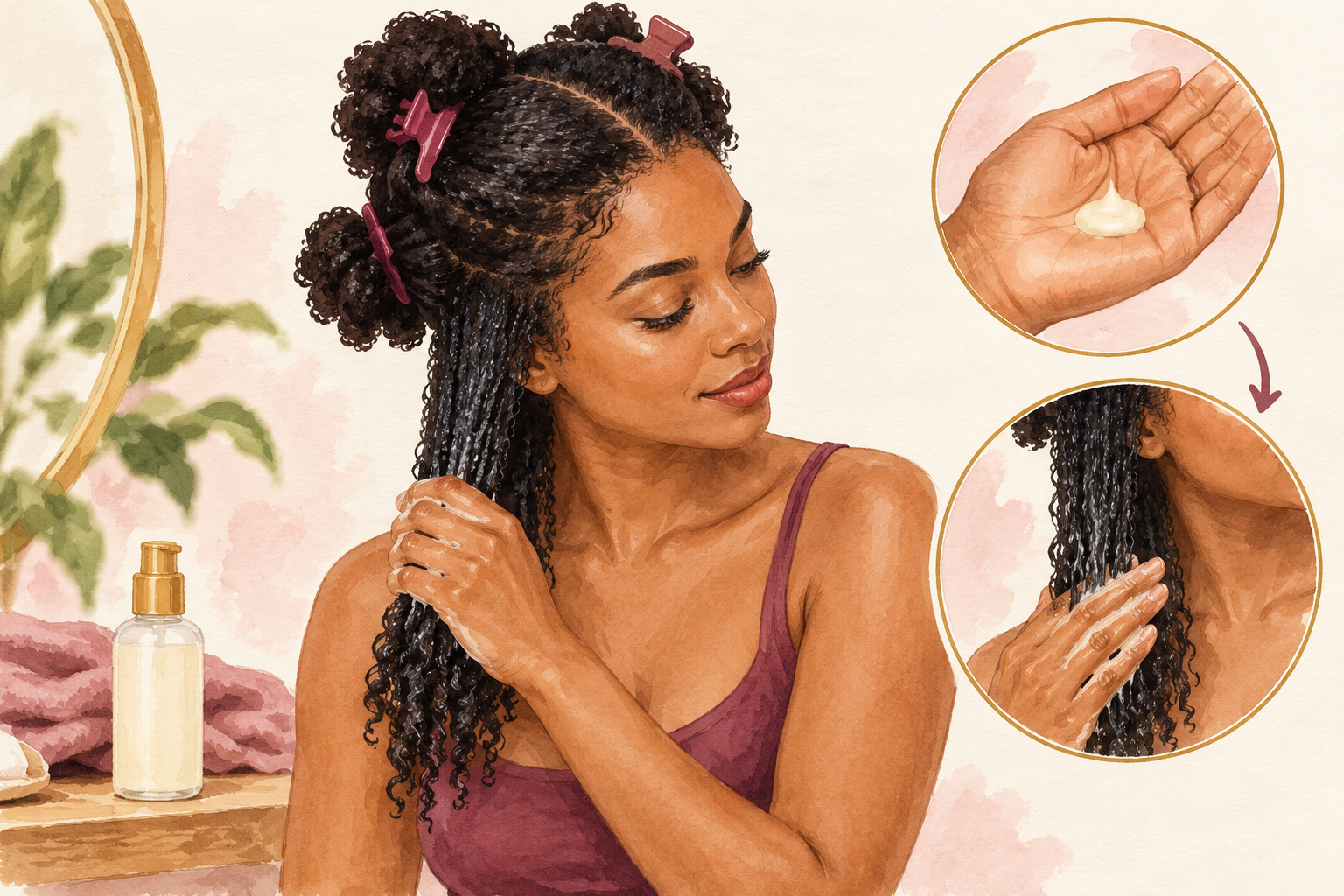
Smooth leave in products onto wet or damp hair, never bone dry hair. Water carries the product in, and on dry low porosity hair it just sits there. Use a small amount and work it through in sections. If it feels sticky, you used too much. Try a size of a coin for shoulder length hair and add a little more only if your hair soaks it up. Wet hair holds the product better than anything else you can do. Smooth the product from the ends upward, then comb it through gently with your fingers. Section your hair into four parts so every strand gets a fair share.
8. Choose light oils and seal last
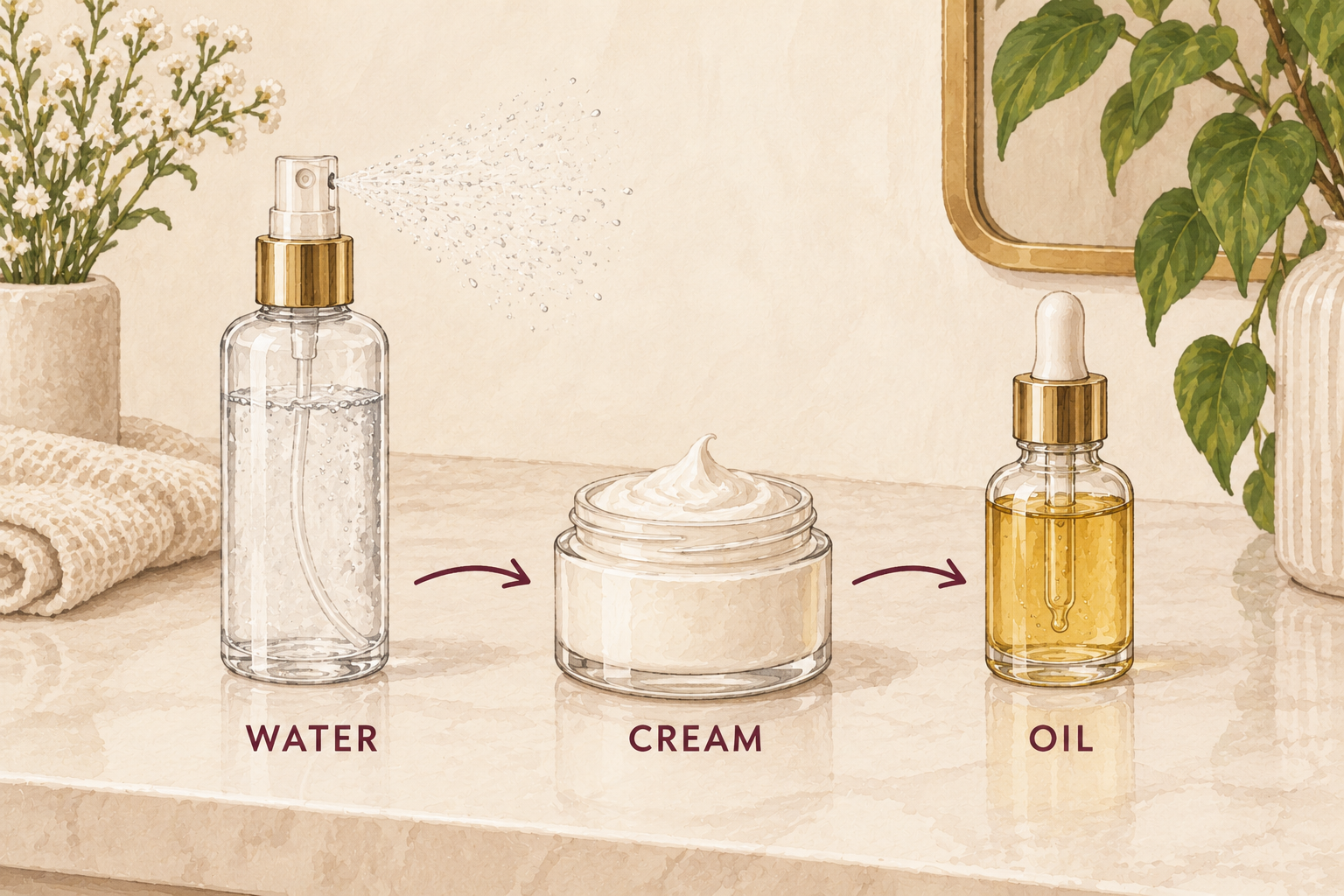
Use a few drops of a light oil, such as grapeseed or almond, over damp leave in product to seal it. Heavy oils like castor can sit on top of low porosity hair, so keep them for the scalp or the very ends. Always seal after the water based step, not before. Less is more here. Warm the oil in your hands first so it spreads thinly. If your ends still feel dry, press a little more on the lower half and leave the roots alone. Press the oil lightly over your hair instead of rubbing, so it forms a thin seal.
9. Protect your hair at night
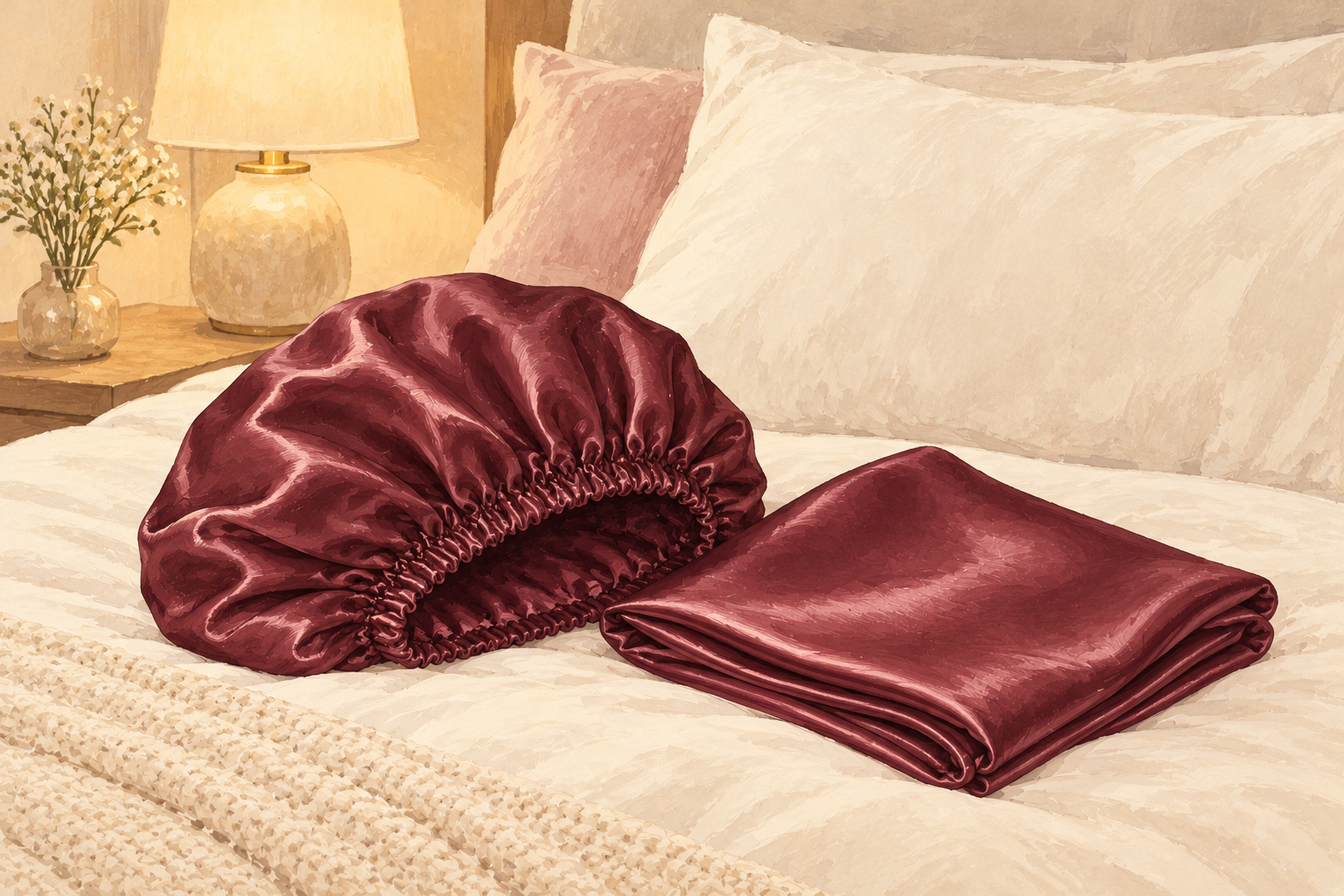
Sleep with your hair in a satin bonnet or on a satin pillowcase. Cotton drinks the moisture out of your hair overnight. Low porosity hair keeps moisture well once it is in, so protecting it at night pays off. Loose twists or a braid keep tangles away too. You will wake up with softer, less frizzy hair. If a bonnet slips off, a satin scarf tied loosely does the same job. It sounds small, but it protects the moisture you worked so hard to get in. Tie a loose pineapple on top of your head first if your hair is long, then cover it.
10. Deep condition with steam
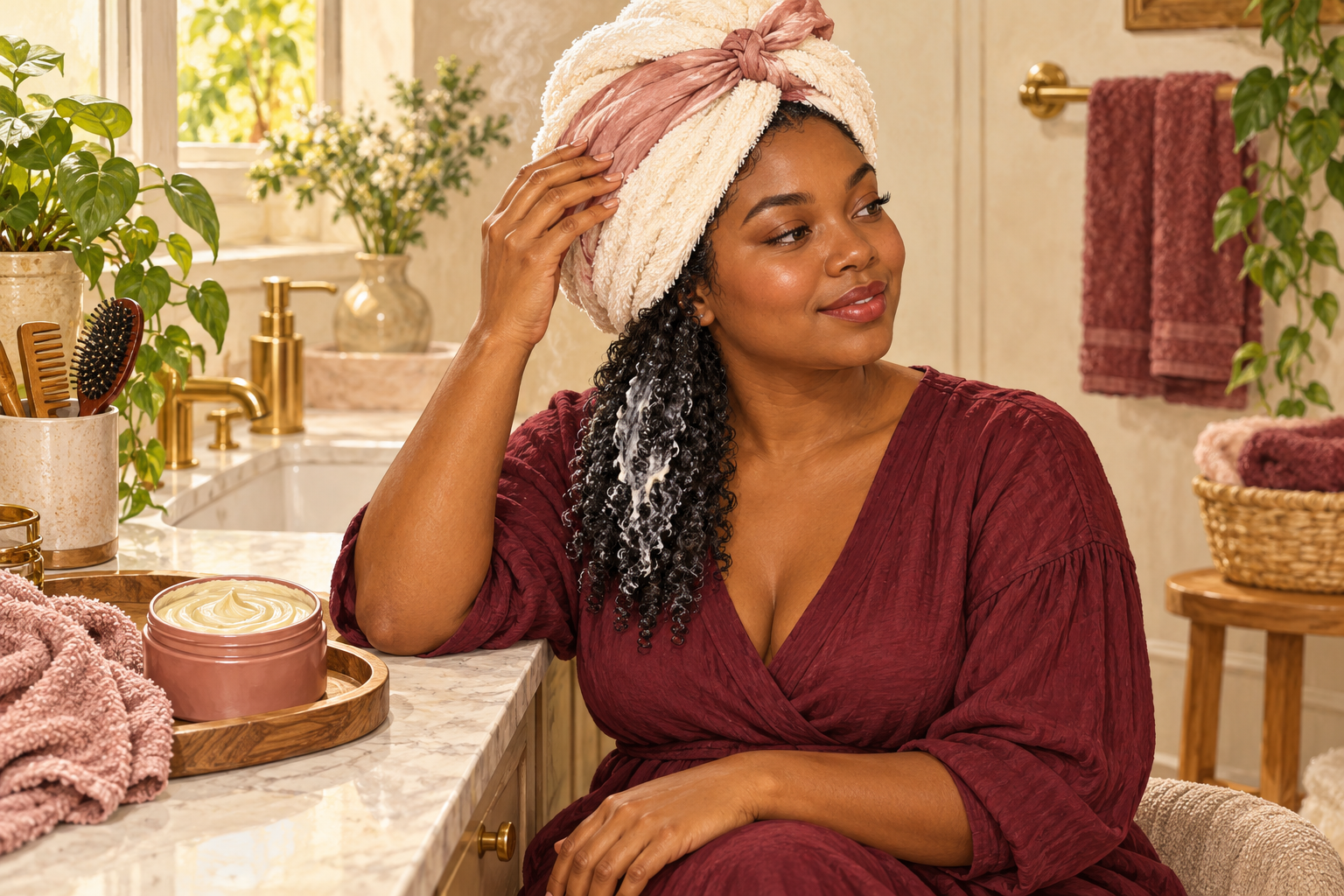
Steam your hair weekly, with a warm towel or in a hot shower, while a rich conditioner is on. The warmth and moisture open the hair so the conditioner goes deeper. Use a lighter protein free mask if your hair feels stiff. Rinse well afterwards. Hair that has been steamed feels almost silky on wash day, which tells you the moisture finally went in. Warmth and patience are the whole secret. Do this once a week at most, because too much of anything gets tiring for your hair. Tie a scarf over the towel to hold the warmth in, and give it twenty minutes.
11. Stop layering heavy butters and oils
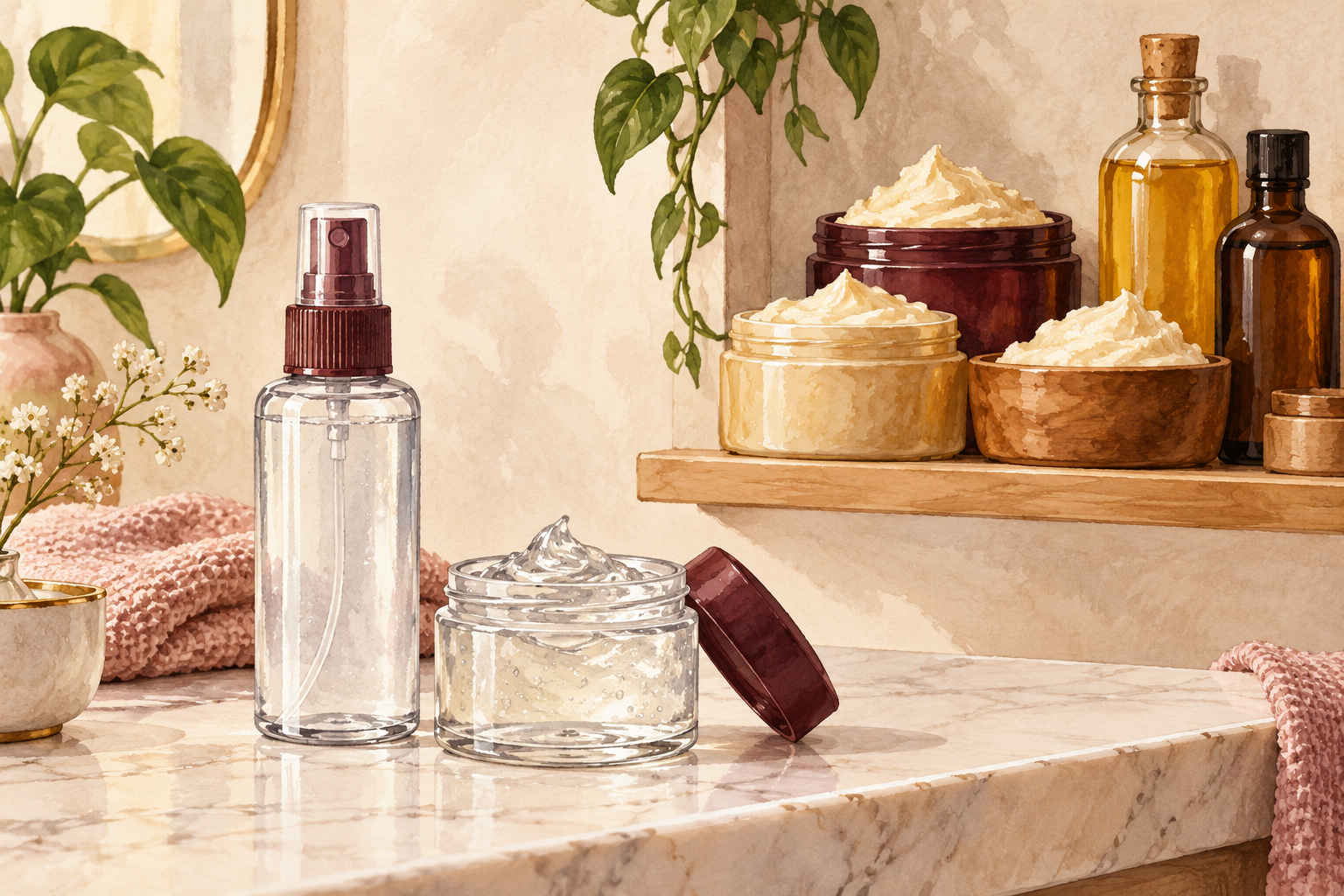
Skip thick butters, heavy creams and stacked oils on your lengths. Low porosity hair cannot take them in, so they build up and make hair dull and stiff. If your hair feels coated, clarify and start over lighter. Choose one or two products and keep the layers thin. More is not better for you. If your hair feels coated, clarify and start over lighter, which is the easiest fix in low porosity hair care. Switching one heavy product at a time shows you quickly which one was the culprit.
12. Expect softness in three weeks
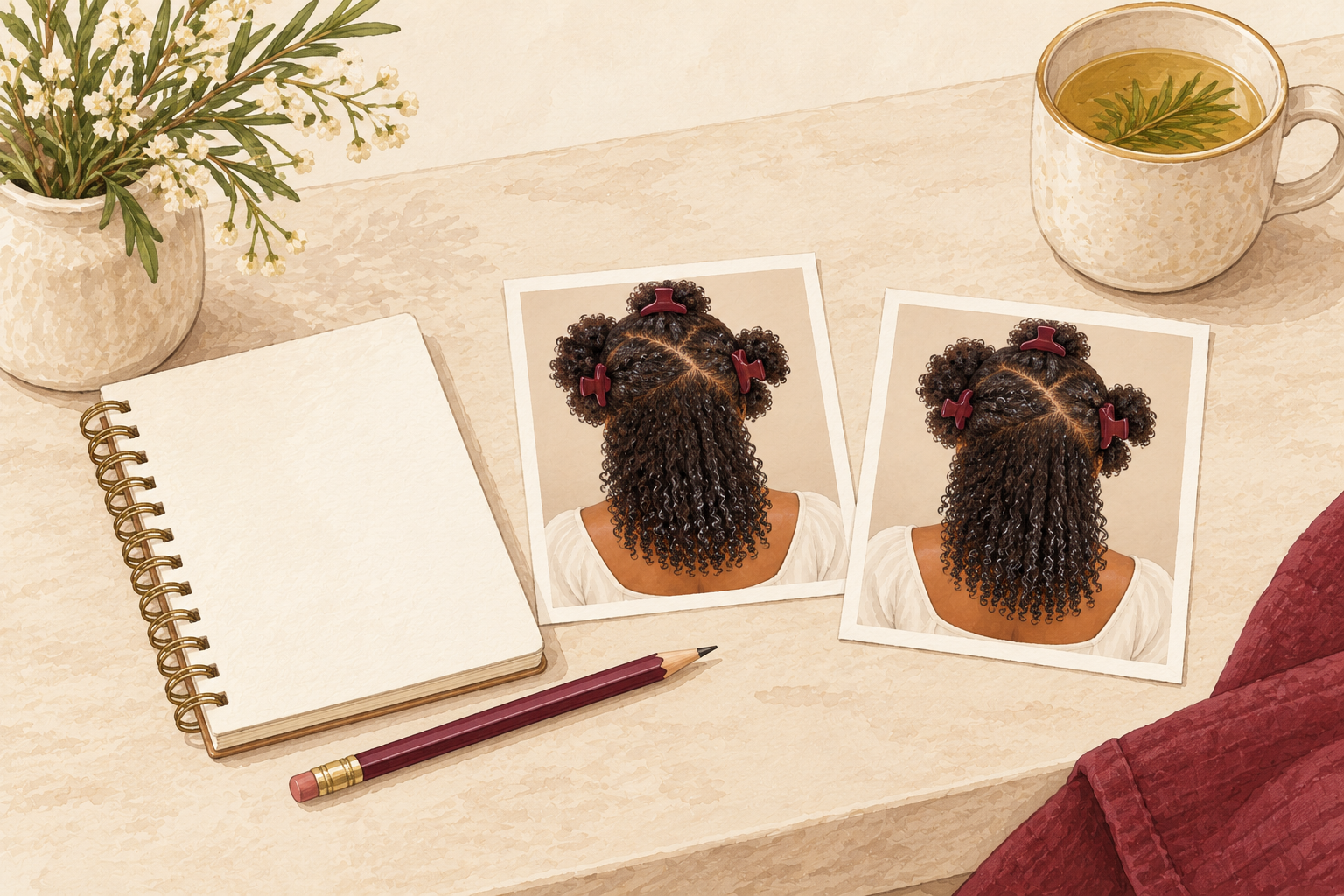
Look for hair that feels lighter, softer and easier to detangle. Moisture will last longer between washes once the build up is gone. Some weeks will still be dry, which is normal. Weather, hormones and stress all play a part. Keep your routine steady and your hair will come back to its baseline. If your scalp stays sore or your hair keeps falling out, stop and see your doctor. Weather, hormones and stress all play a part, so some weeks will still be dry. Take a photo of your hair today so you can see the softness build over three weeks.
Complete the Routine: Low Porosity Hair Care You Can Start Tonight
Start with warm water and a lighter leave in this week, and add the steam step on your next wash day. For comparison, read about high porosity hair care and natural hair care.